Bathrooms are evolving into personal retreats, resembling home spas. They’re more than just necessities; they create an immersive experience. Let’s explore some trendy shower ideas to inspire your next bathroom upgrade.
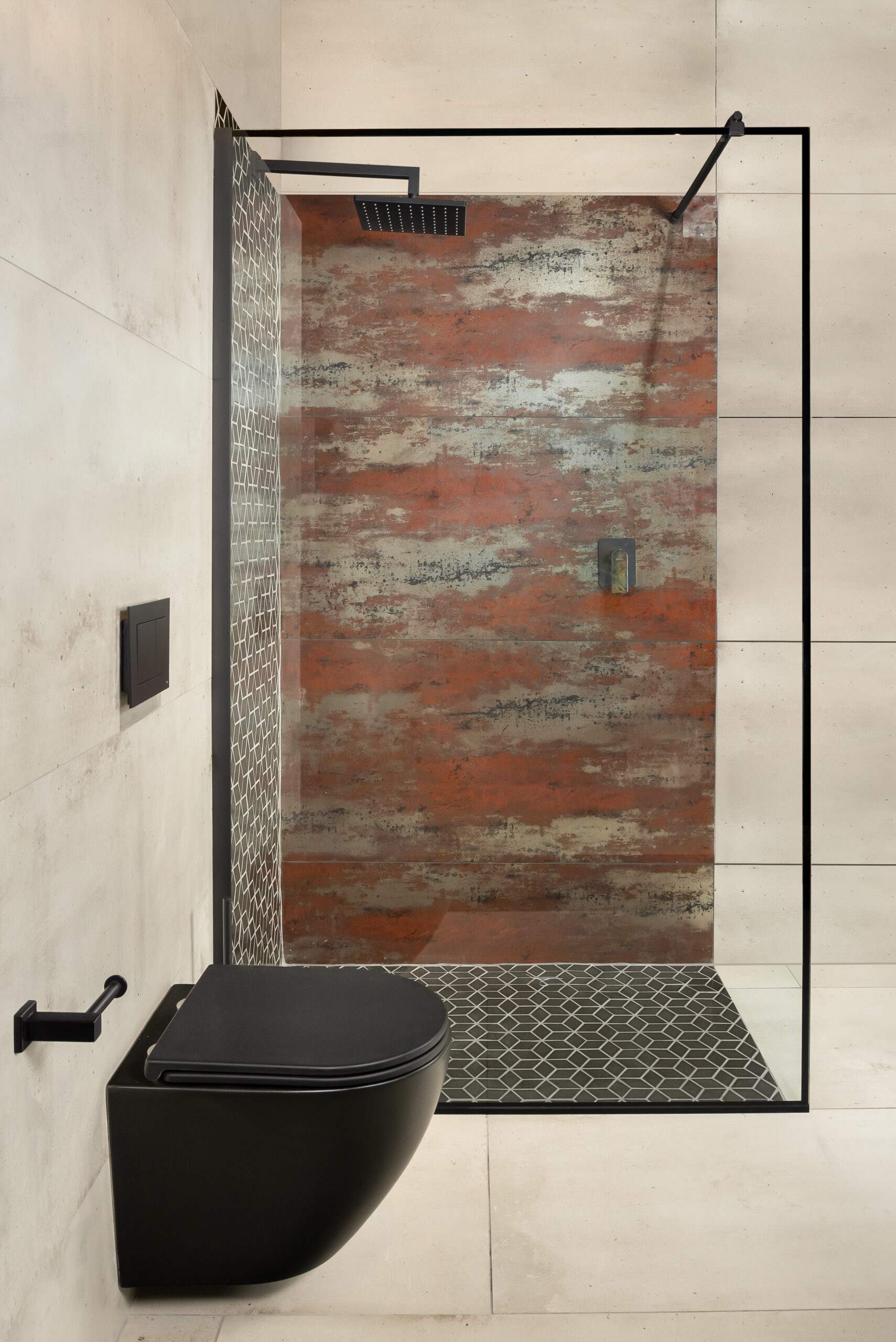
Walk-in showers are all about open space with uncluttered lines, perfect for both large and small bathrooms. The seamless entry? Total game-changer—no more tripping hazards, blending safety and style. Frameless glass panels add that modern, sleek touch with clean lines. Plus, they’re easier to clean with less hardware to collect mold and dirt.
Image Credit: The Home Consultant
Sit-Down Showers
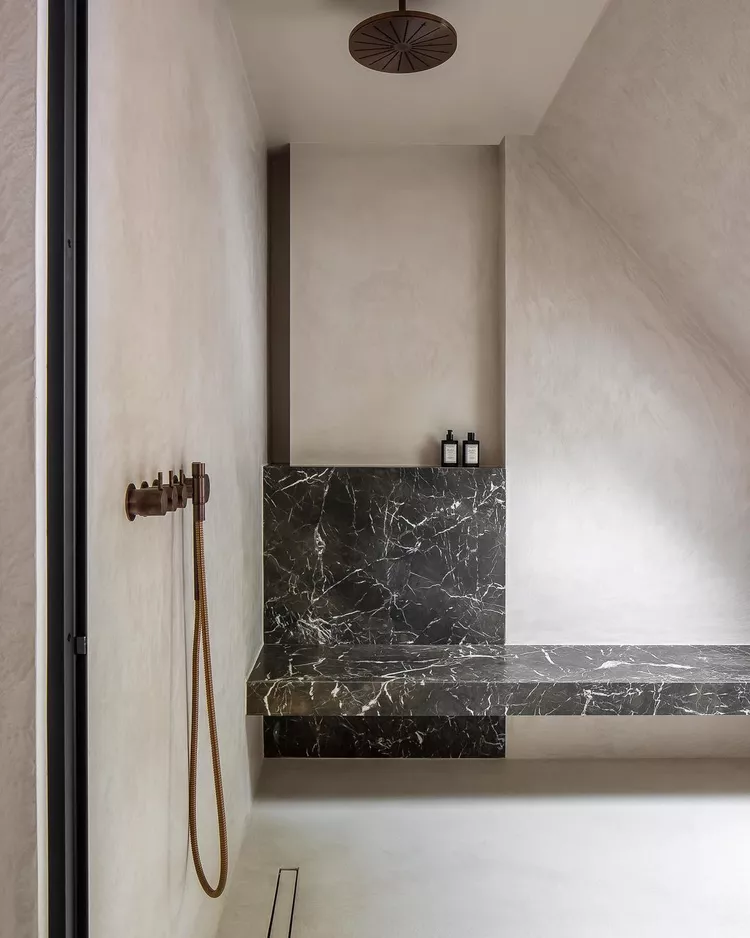
One of the simplest yet most amazing trends is sit-down showers. If you have a larger shower space, creating a spa-like corner is an affordable upgrade that significantly enhances your lifestyle. These showers offer a space to relax and provide a stable surface for the elderly. Try them out, and you’ll see why they’re becoming so popular.
Image Credit: @brittvannamen
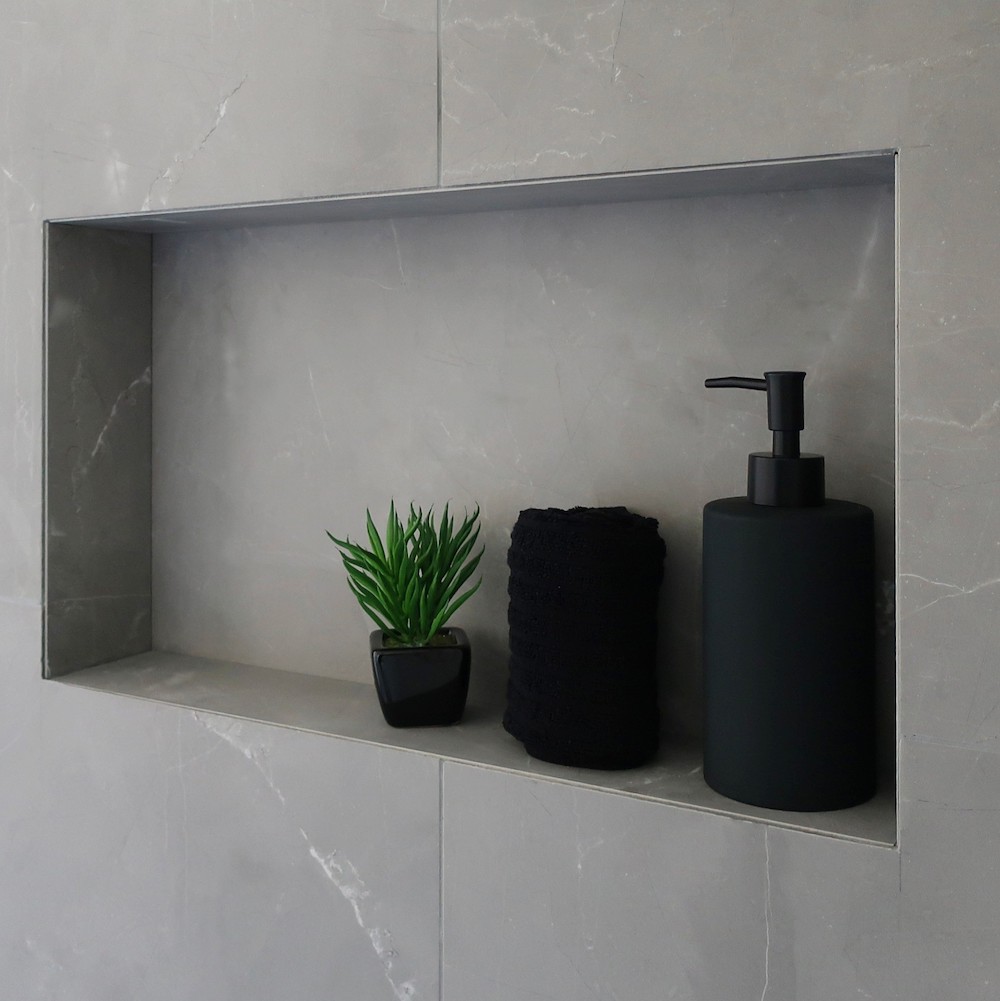
Recessed Nook / Niche
Say goodbye to clutter with recessed nooks. These nifty little spaces keep your toiletries within reach while maintaining a clean, clutter-free look. They’re practical and stylish, a win-win.
Image Credit: The Niche Man
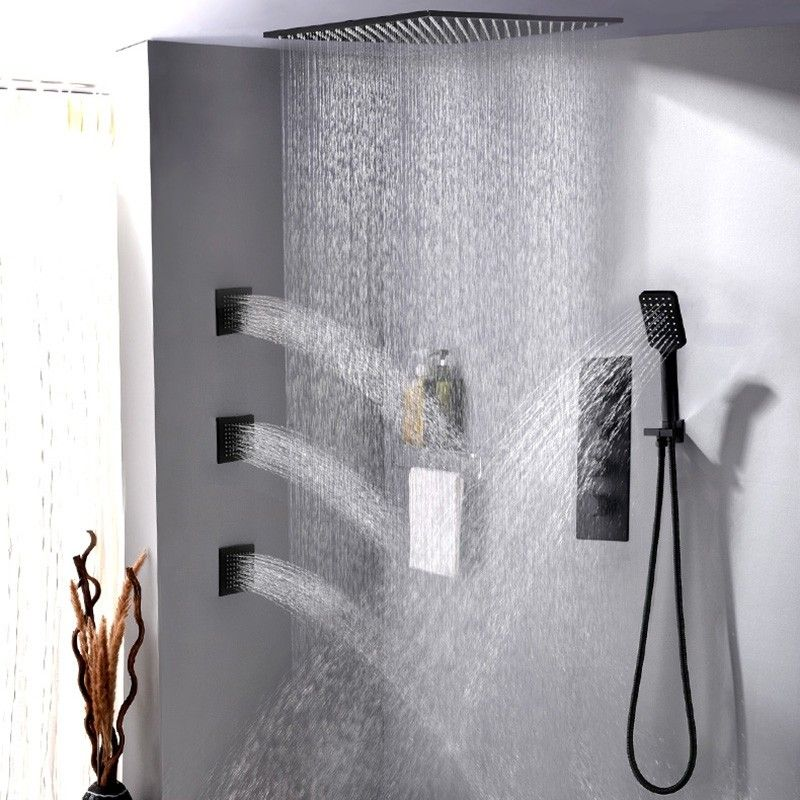
Multiple Shower Heads and Sprays
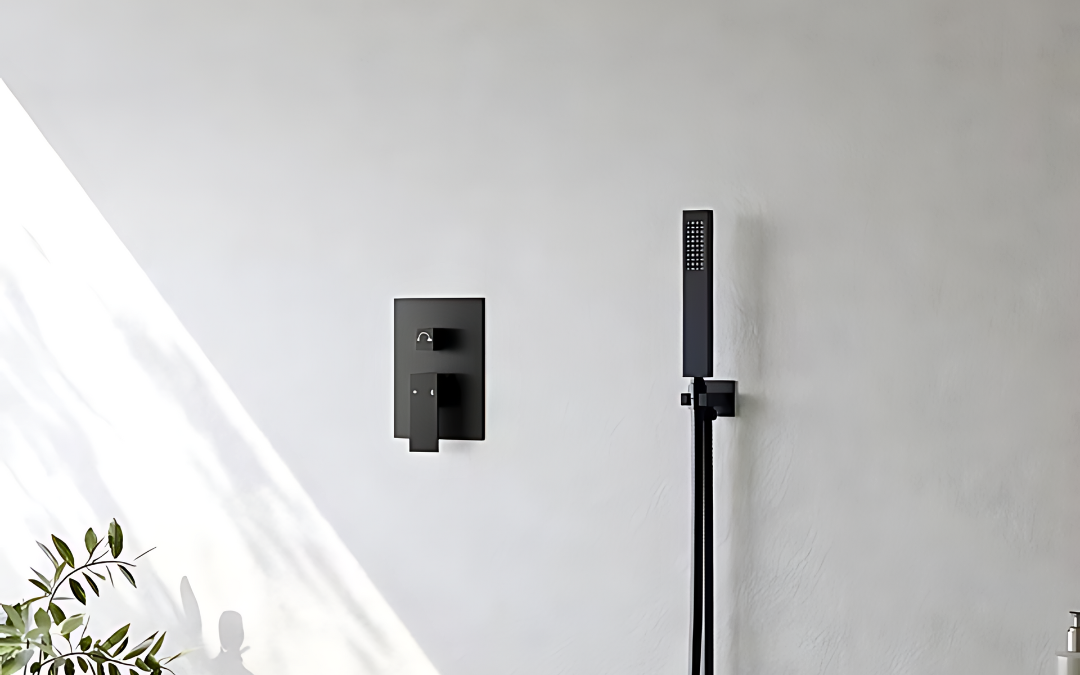
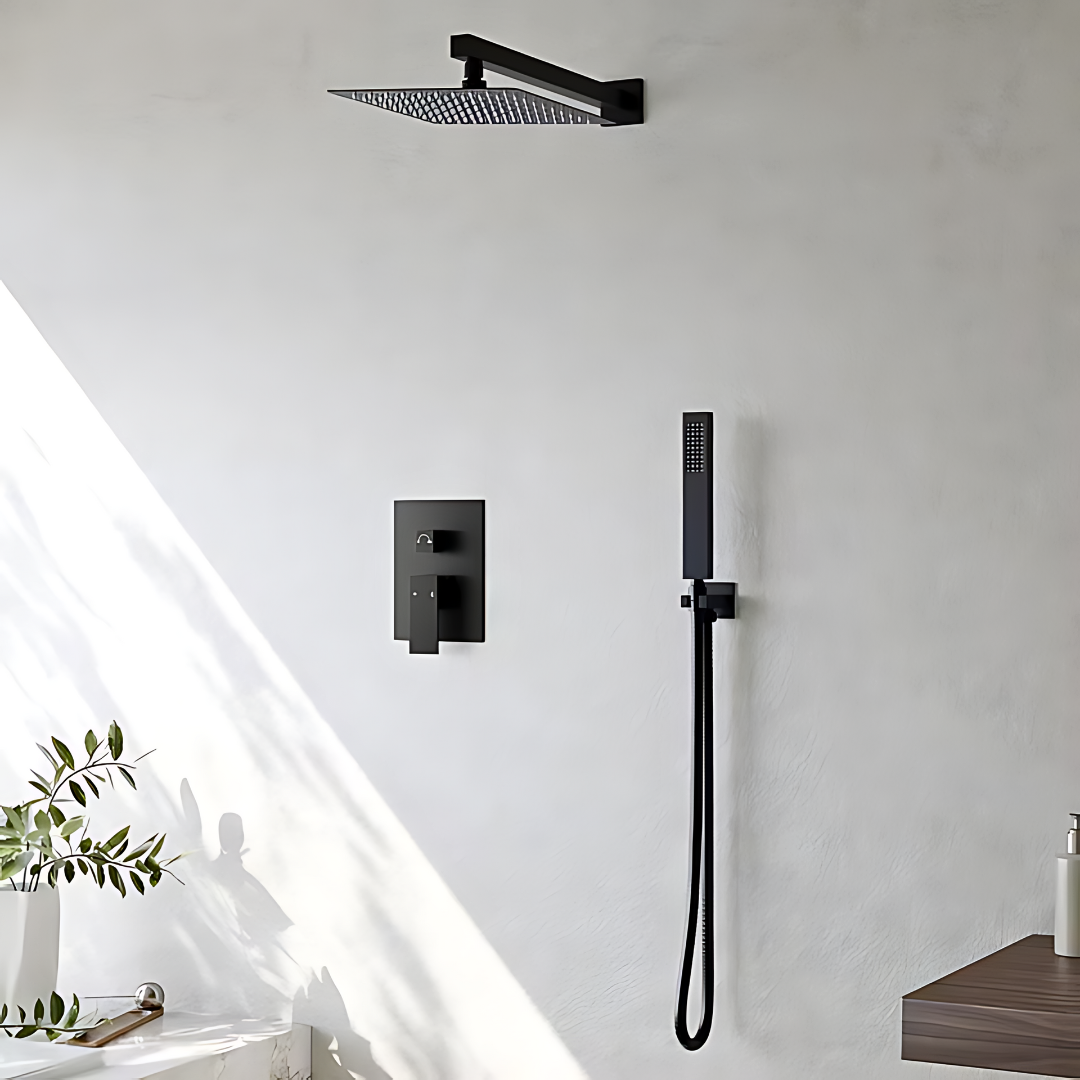
Enhance your shower experience from simple washing to luxurious pampering by adding multiple shower heads and sprays. A handheld sprayer adds convenience, perfect for rinsing when shaving, cleaning shower walls, or washing pets and kids. Strategically placed sprays at different heights can target muscles and stress points, giving you a rejuvenating massage right at home. Customize the pressure and direction for a personalized hydrotherapy session.
Image Credit: Homary
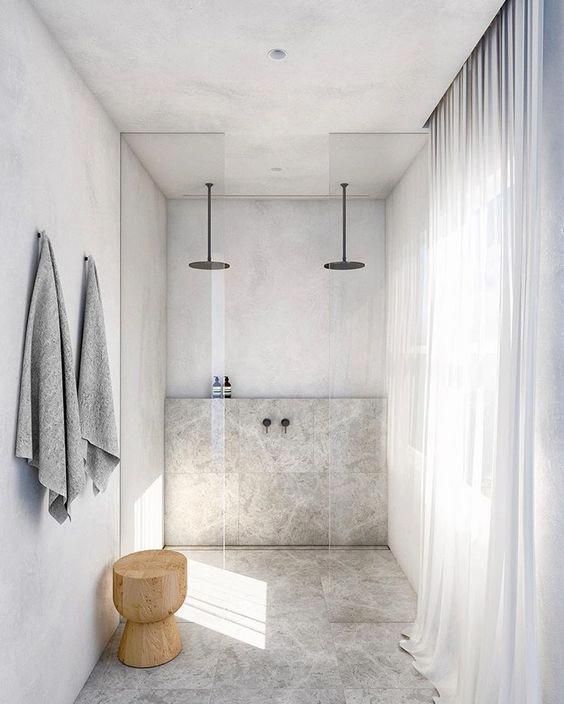
Twin Shower Heads
Waiting for your significant other to finish showering is a thing of the past. With twin shower heads, two people can shower simultaneously. It’s practical, symmetrical and a real time-saver.
Image Credit: @noasantos
Wet Rooms
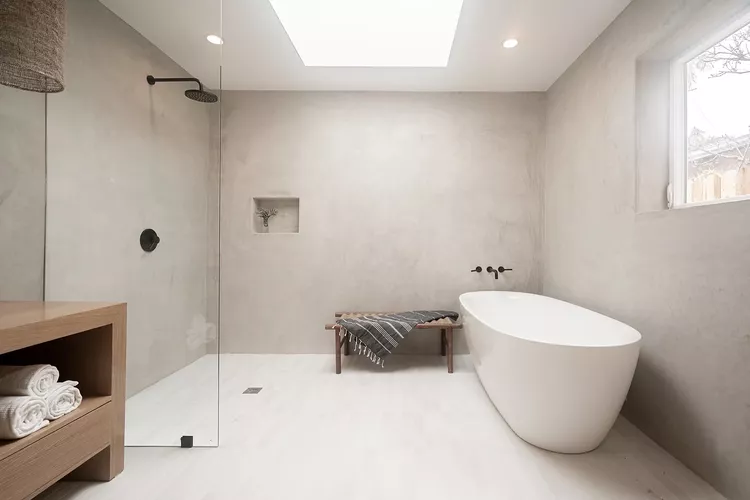
Wet rooms are the answer to every bathroom planner’s nightmare – divisions! They’re all about creating an interior shell that can handle wet conditions. No separate cubicles for the shower, bath, and sink—everything fits in one area. They’re easy to clean and maximize floor space.
Image Credit: Creative Mirror & Showers
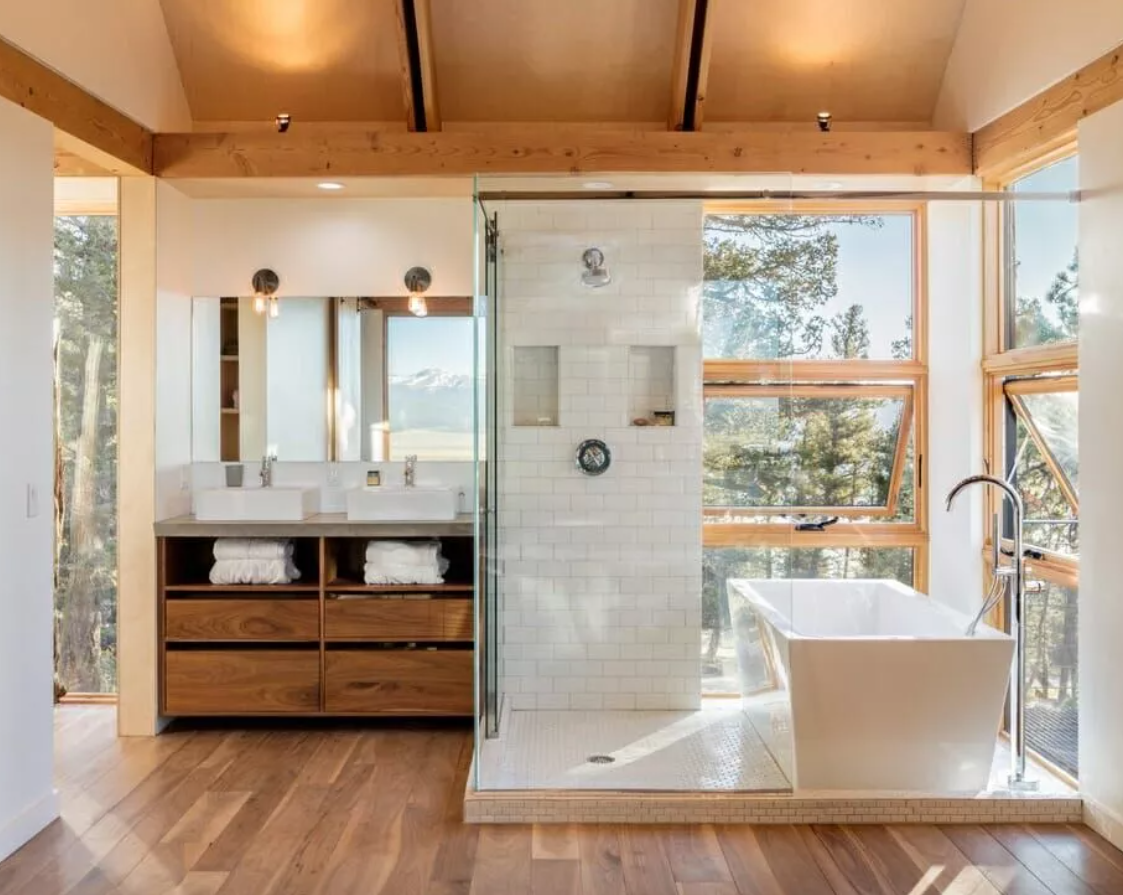
Two-in-One Shower and Bath
Similar to wet rooms, the two-in-one shower and bath concept is being reinvented. Forget cramped baths with a showerhead and curtain sticking to you. A glass divider holds a full shower and bath. It’s a great solution for maximizing practicality and convenience.
Image Credit: Decorilla
Stylish Shower Tiles
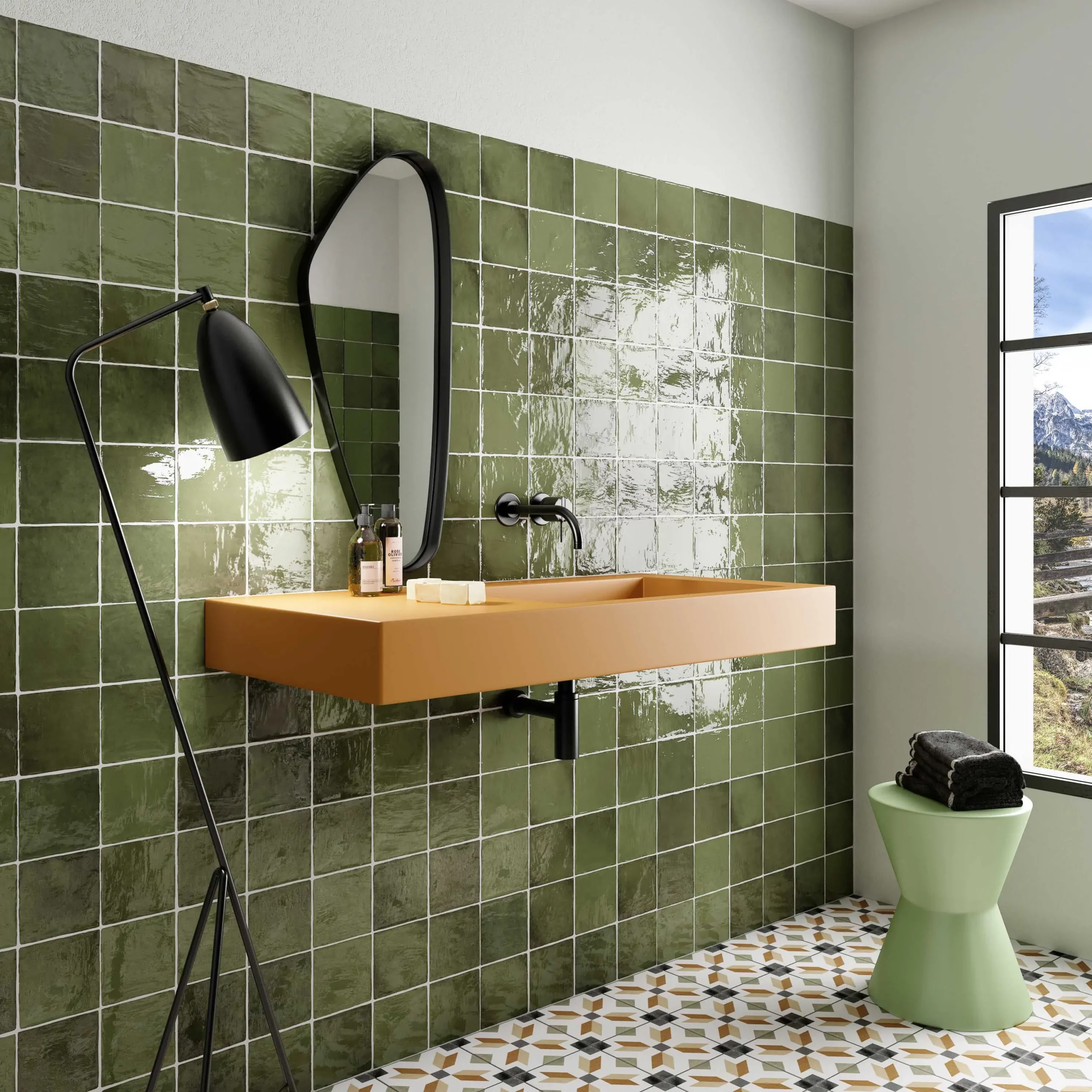
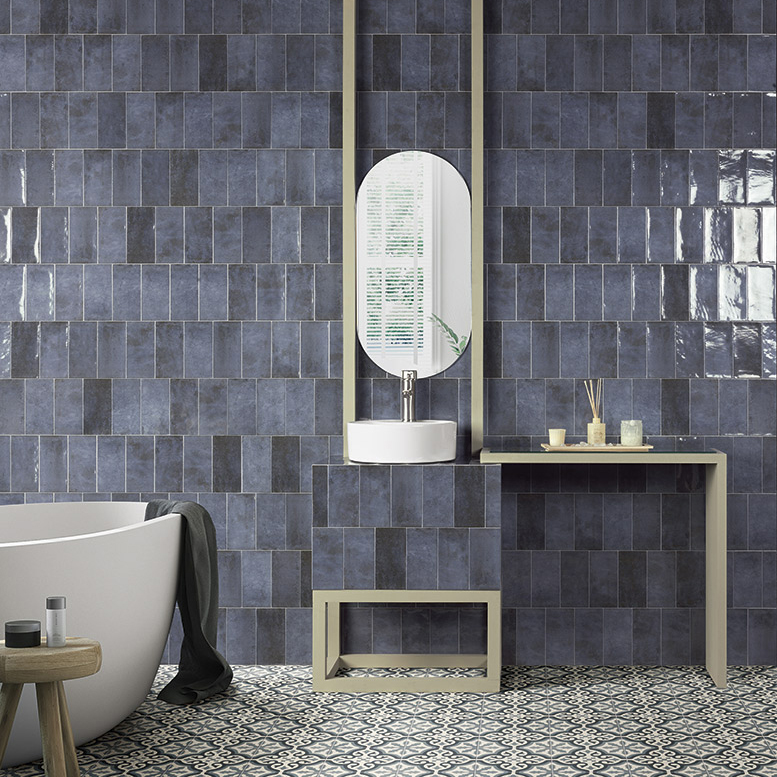
Tiles can make or break your shower’s look. Ceramic and porcelain tiles are classic and durable, perfect for any style. Natural stone like marble and travertine add an organic feel, while glass tiles enhance light, making the room feel bigger. Mosaic tiles create unique designs, and textured tiles add depth and interest to your shower walls.
Digital and Smart Showers
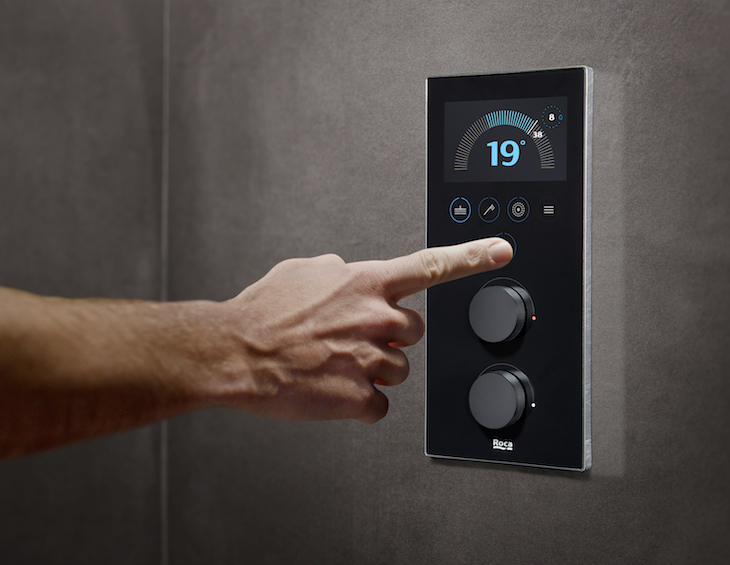
Step into the future with digital and smart showers. They offer personalized temperature control, water flow, and duration settings. Control your shower via smartphone or voice command. These systems are eco-friendly, reducing water bills and wastage. You can even opt for chromotherapy and hydrotherapy showers for a full wellness experience.
Image Credit: Hotel Designs
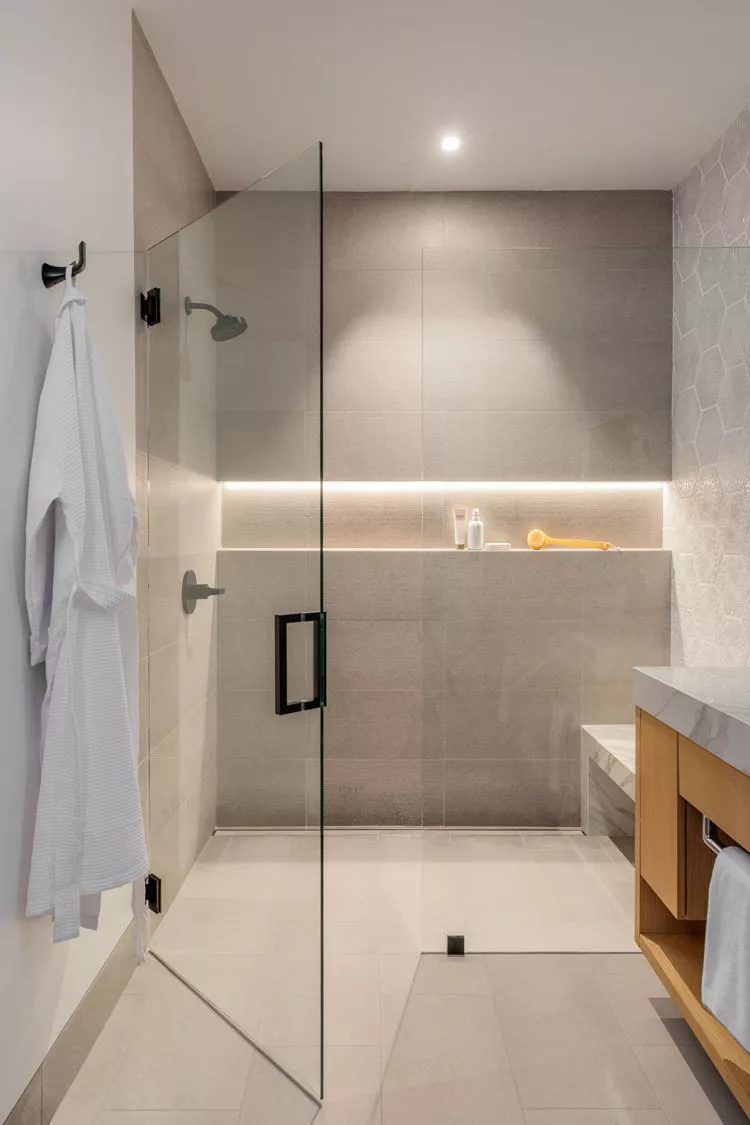
LED Shower Lighting
Set the mood with LED shower lighting. Adjustable hues and brightness create a tranquil experience while providing clear visibility, reducing the risk of slips and falls. Energy-efficient and stylish, they’re a cost-effective upgrade to your shower space.
Image Credit: Tidal Interiors
Thermostatic Shower Systems
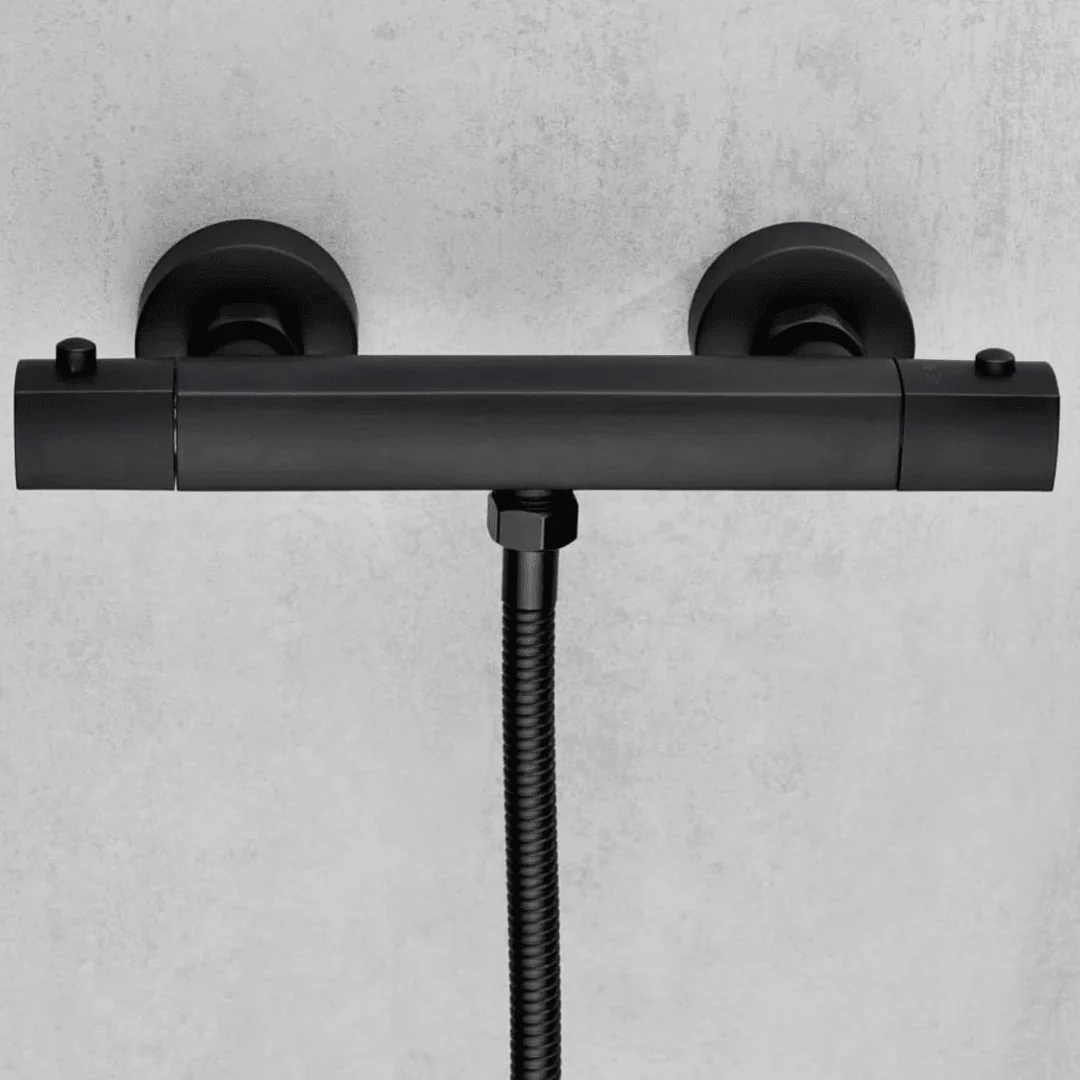
Nothing ruins a shower like sudden water temperature changes when someone uses the sink or flushes the toilet. Thermostatic shower systems keep your water at a constant temperature, o matter how many household appliances are used simultaneously. The thermostatic valve adjusts the mix of hot and cold water to ensure a stable temperature throughout your shower.
Image Credit: European Household
Looking to upgrade your shower experience? Contact us or stop by one of Tiletoria’s showrooms to speak with an expert about a fresh makeover tailored to your budget!
Prefer to watch?
Check out the video below as Ryan and Deon discuss trendy shower ideas:
Browse our range
Browse our range of showers, panels. screens, mixers and accessories
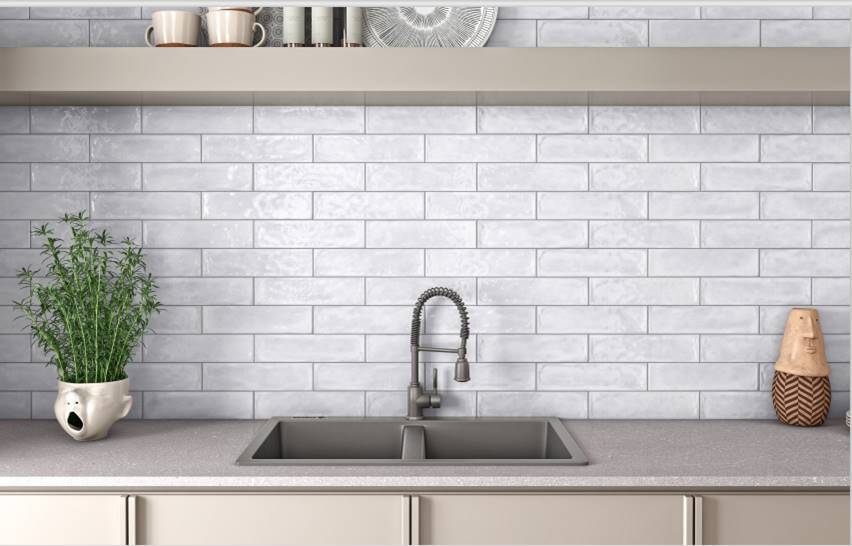
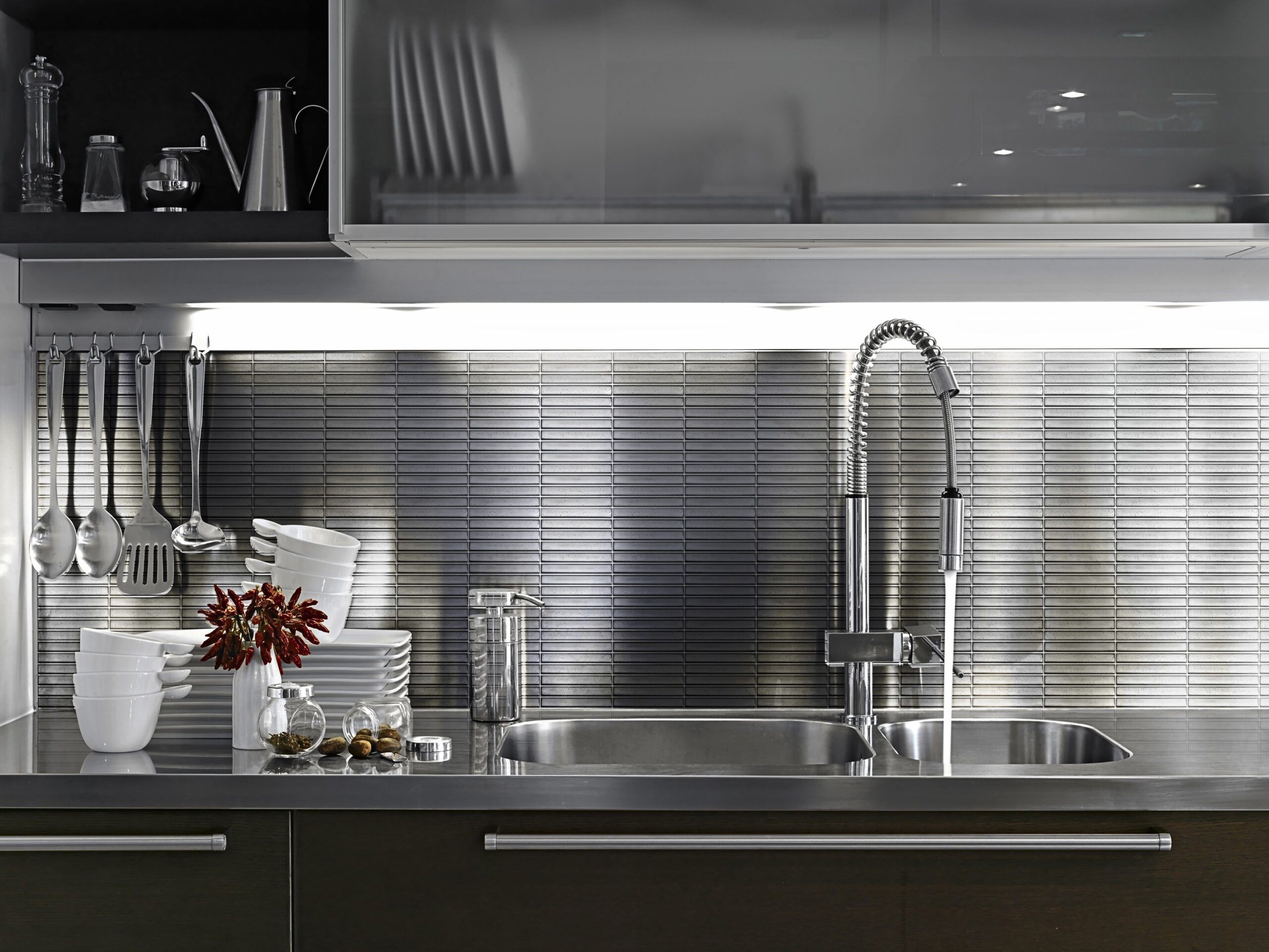
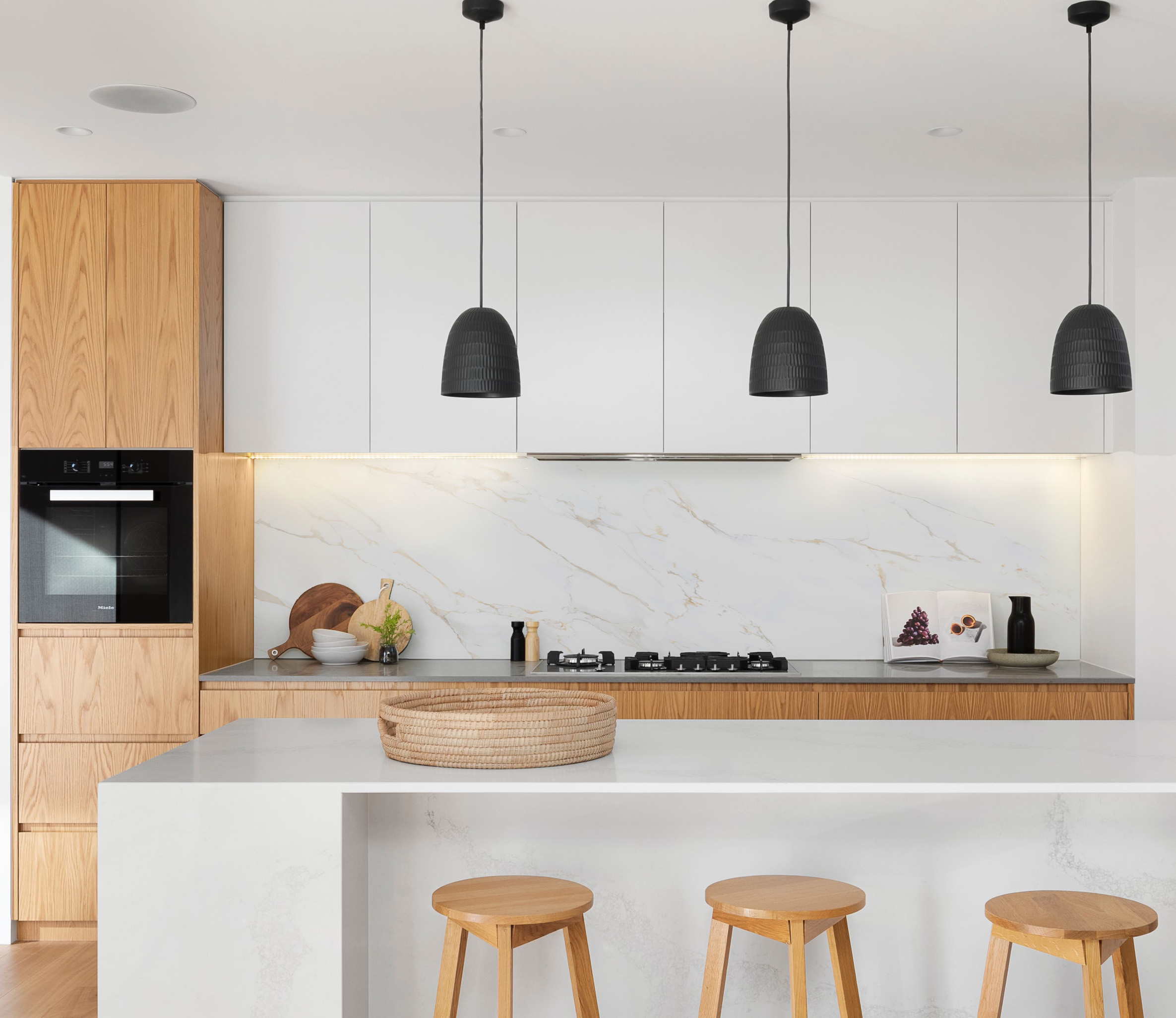
Tile splashbacks are gaining popularity for a reason. They add an eye-catching upgrade to your home and can rejuvenate your walls without breaking the bank. So, let’s splash right into the topic and explore how to choose the perfect tiles for your splashback.
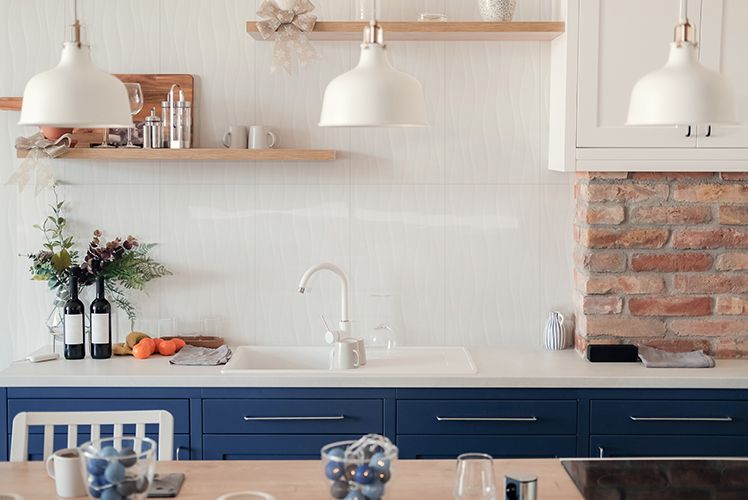
A splashback, or backsplash, is exactly what it sounds like. It’s a protective surface installed in the kitchen or bathroom behind the sink or stove, where water, grease, and food tend to “splash” around. The primary purpose of a splashback is to catch the mess and prevent water or moisture damage to the wall behind the tiles.
Splashback tiles are a simple way to make your kitchen or bathroom feel brand new. They offer benefits like ease of cleaning and durability—it’s much easier to wipe down a tile than to scrub a wall! A splashback can be a few centimeters high or extend all the way to the ceiling.
Imagine standing in your kitchen, tackling that huge pile of dishes. Wouldn’t it be nice to have a beautiful feature to look at while you’re there?
Picking out tiles for your splashback is half the fun. You’re almost ready to create your dream splashback, but it’s important to consider a few key factors. Your kitchen and bathroom endure a lot, so it’s essential to choose tiles that are water-resistant. This helps protect your walls from excess moisture. Non-porous tiles are a must, as they don’t absorb water, air, or other fluids.
The tiles you select should be durable enough to withstand the daily hustle and bustle, allowing you to cook and clean without a worry.
When selecting the colour for your splashback tiles, think about the overall look you want to achieve.
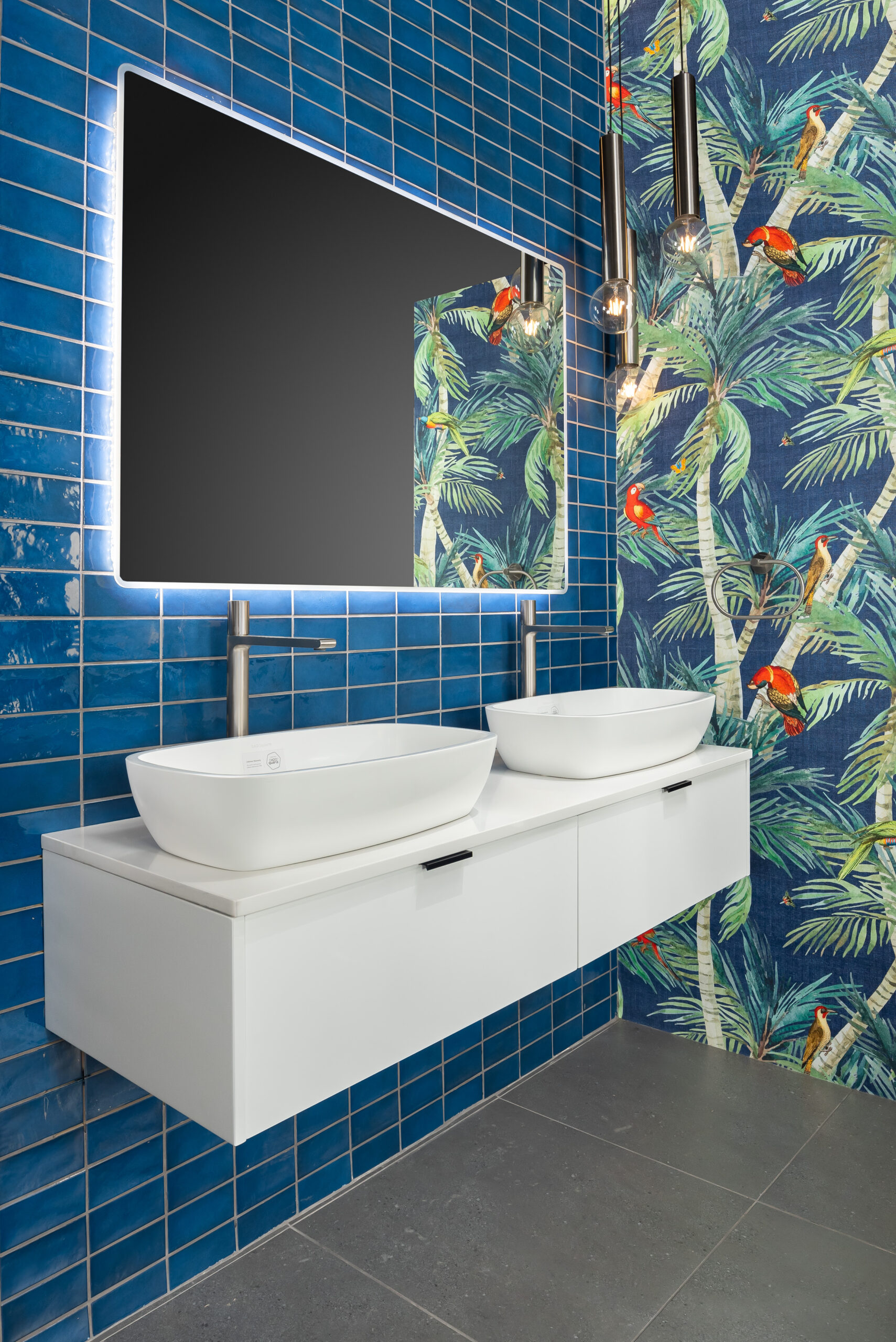
Bold and Bright: If you’re looking to add colour and character to your space, go for bright and bold tiles. You can even opt for a different colored grout to make your tiles stand out.
Subtle and Minimalistic: For a more understated look, white, black, grey or beige tiles can tie the rest of your space together. Matching or contrasting grout can change the final look.
Smaller Tiles: These offer a detailed and uniform look.
Pro Tip
Always purchase more tiles than you think you’ll need. Mishaps happen, and it can be frustrating when you’re not prepared. You might need just half a tile to finish a small corner, so having extra on hand is always a good idea.
Consider Your Options of Tiles
Let’s explore the different types of tiles available for a splashback:
Porcelain Tiles: These are ideal due to their hard-wearing, durable nature. They are usually water-resistant, attractive, inexpensive, and available in various styles and colours.
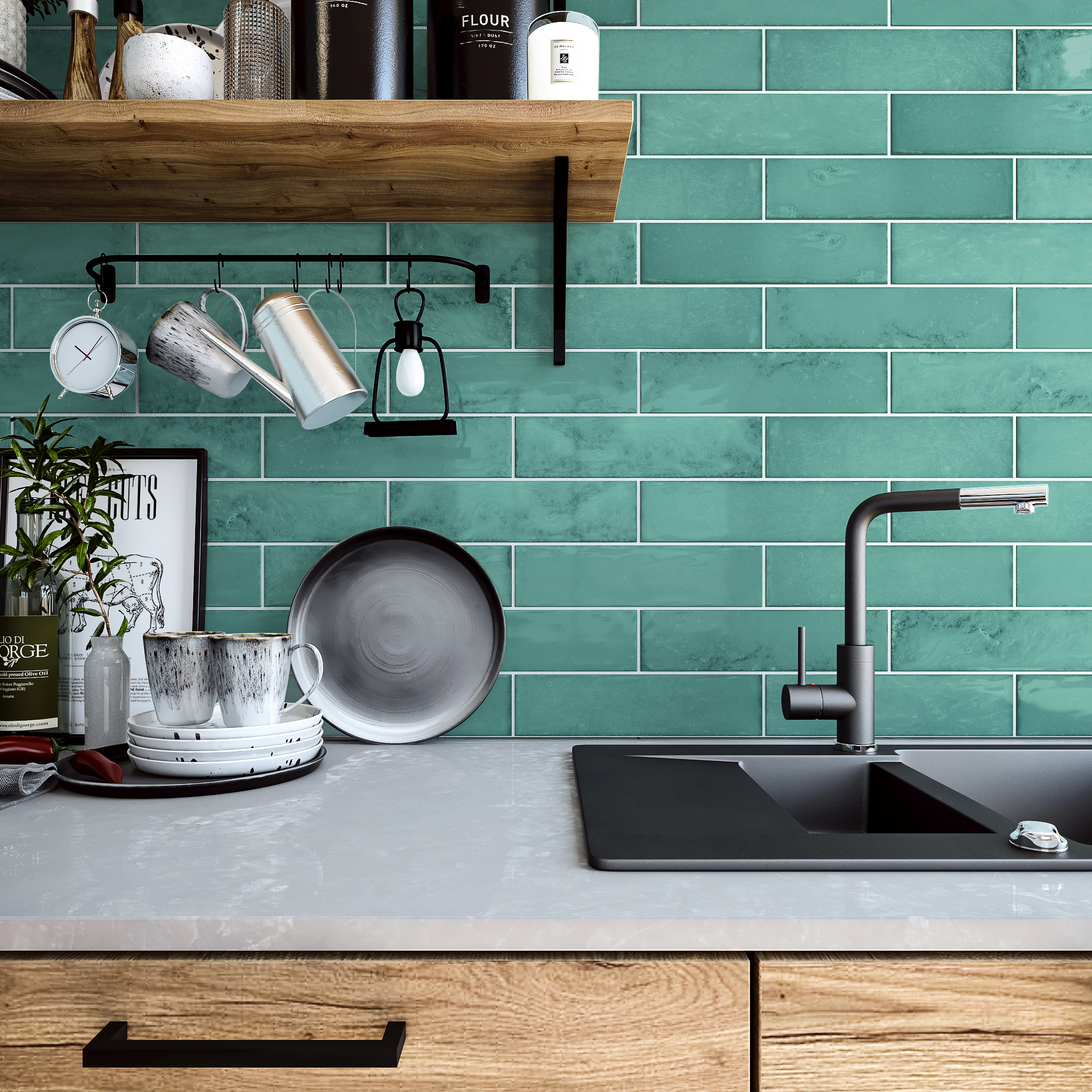
Subway Tiles: These are popular for their easy-to-clean ceramic surface. They come in various colours, styles, and patterns, and are extremely durable.
Choosing the Tile Pattern
With so many different layouts to choose from, it can be overwhelming to figure out what works best for your space. Check out our previous blog on tile layout patterns for an in-depth review of all the tile pattern options you can choose from here.
Once you’ve considered the important factors for tiling your splashback, it’s time to bring it all together! Visit your nearest tiletoria showroom today to make your splashback dreams a reality.
Prefer to Watch?
Check out the video below where Ryan and Deon discuss the steps to find your perfect splashback tiles:
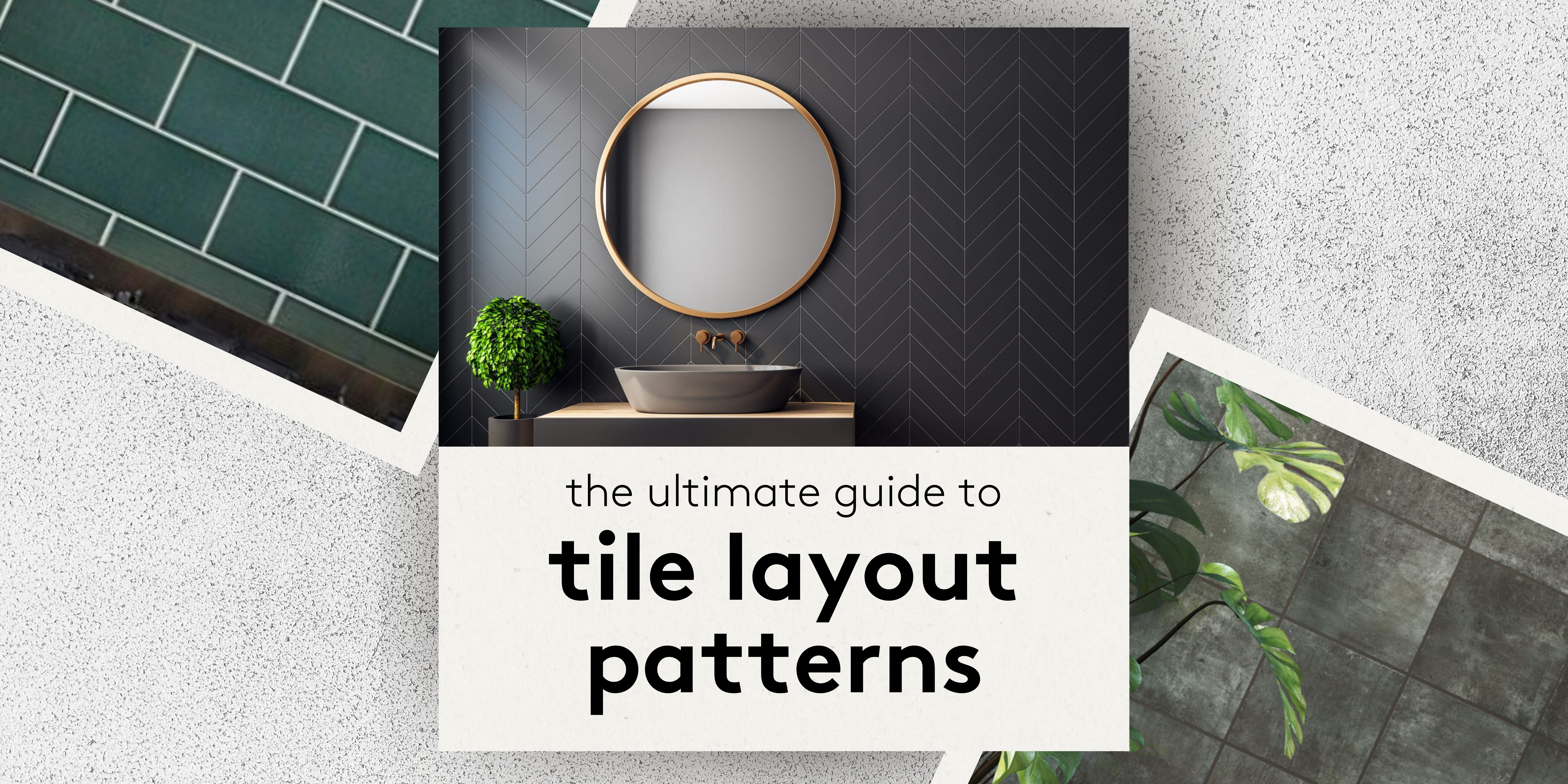
One of the most exciting things about tiles is the many different ways that they can be installed. The same tile can create a very different result by simply changing the layout pattern. But with all the options, where do you start? Here are some of the most popular tile layout patterns to inspire your next project.
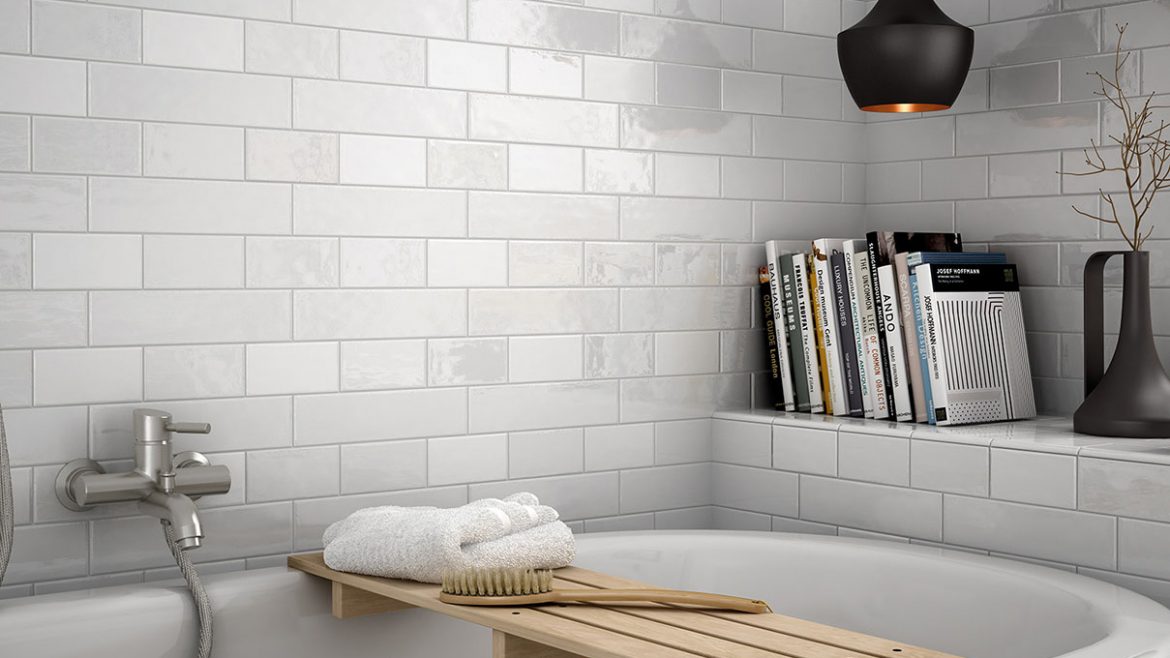
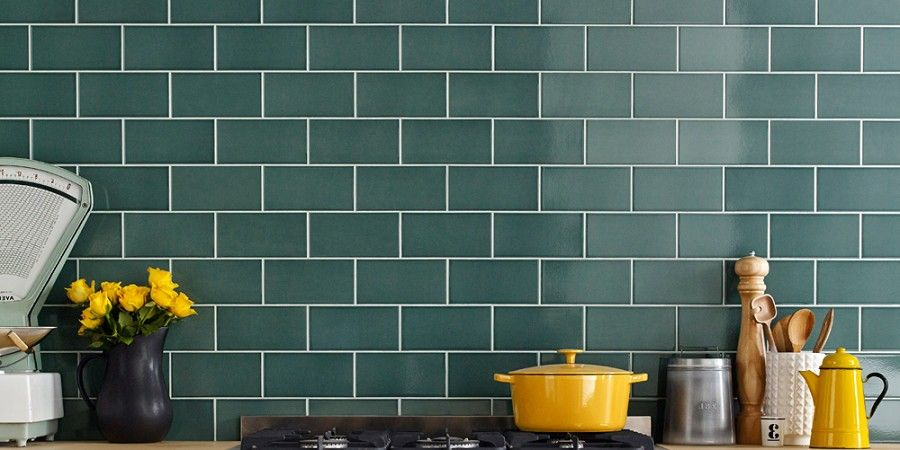
The running bond, or brick pattern, is a classic. Rectangular tiles are laid at a 50% offset horizontally, giving you a clean, timeless look. This pattern is great for hiding imperfections, making it a go-to choice for many.
Image Credit:
2. Vertical Running Bond
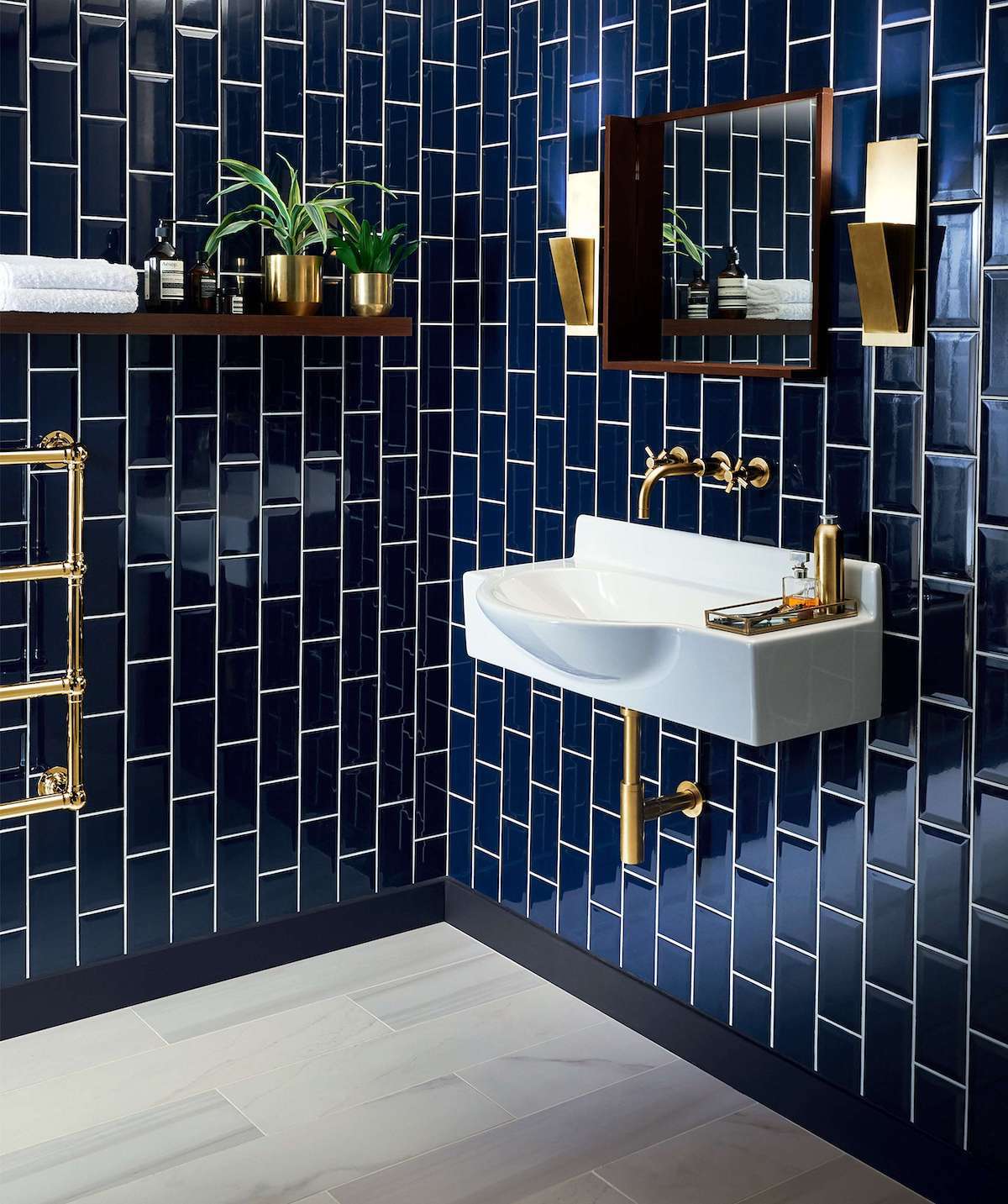
The vertical running bond is similar to the running bond but with a twist. Tiles are offset vertically by 50% instead of horizontally. This pattern draws the eye upward, making your small spaces feel taller and more open.
Image Credit: Topps Tiles UK
3. Vertical Offset
In the vertical offset pattern, each tile is shifted by a third from the one above it. This creates a dynamic look and also helps make your walls appear taller, perfect for compact areas.
Image Credit: Ceramic Connection
4. Stacked Layout
The stacked layout is simple and modern. Tiles are laid directly on top of each other in a basic grid pattern. This straightforward design gives a clean, contemporary look and is easy to install.
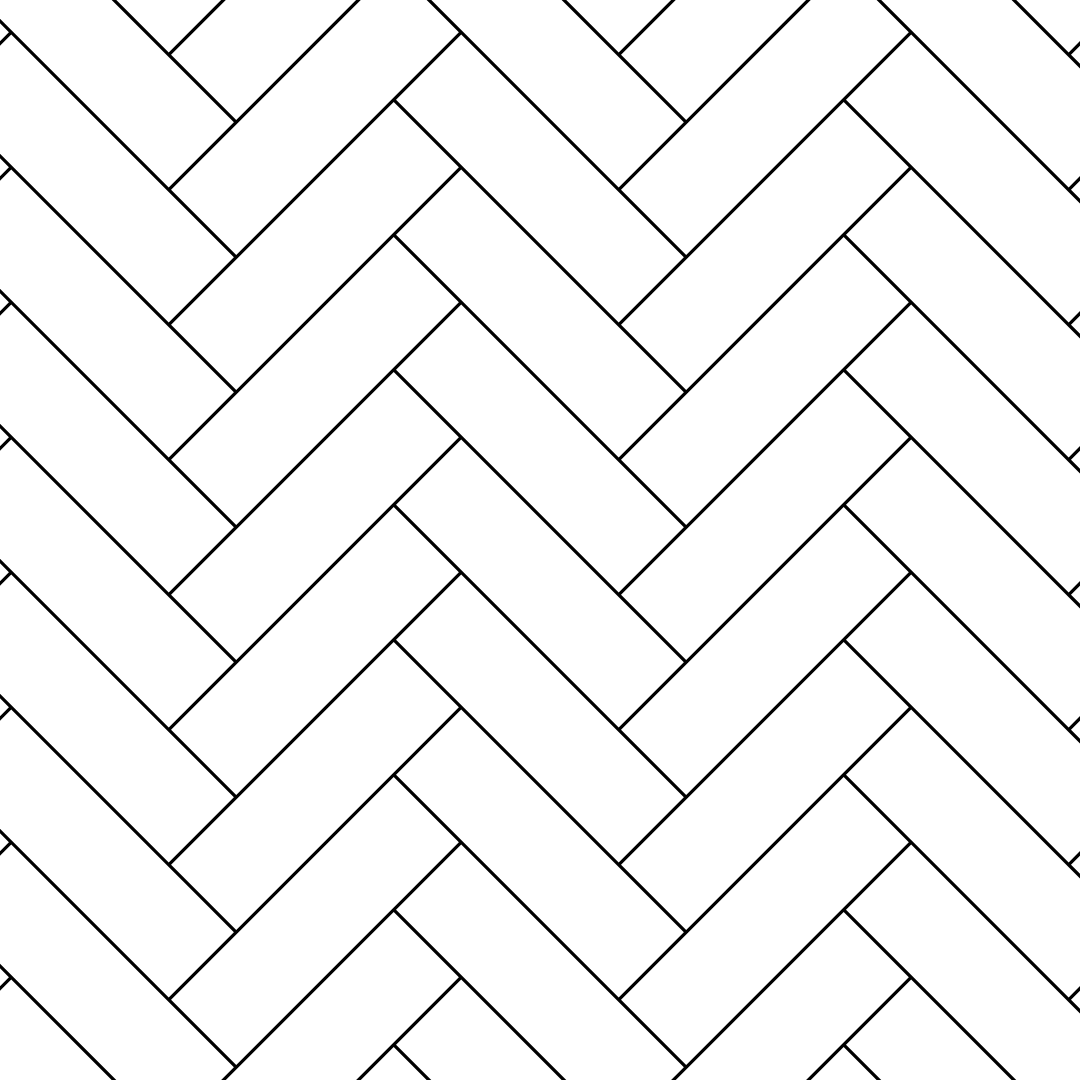
The herringbone pattern uses rectangular tiles set at 45 degrees. This classic design looks amazing on both walls and floors. You can use contrasting grout to create a unique look. Herringbone adds a touch of elegance and movement to your space.
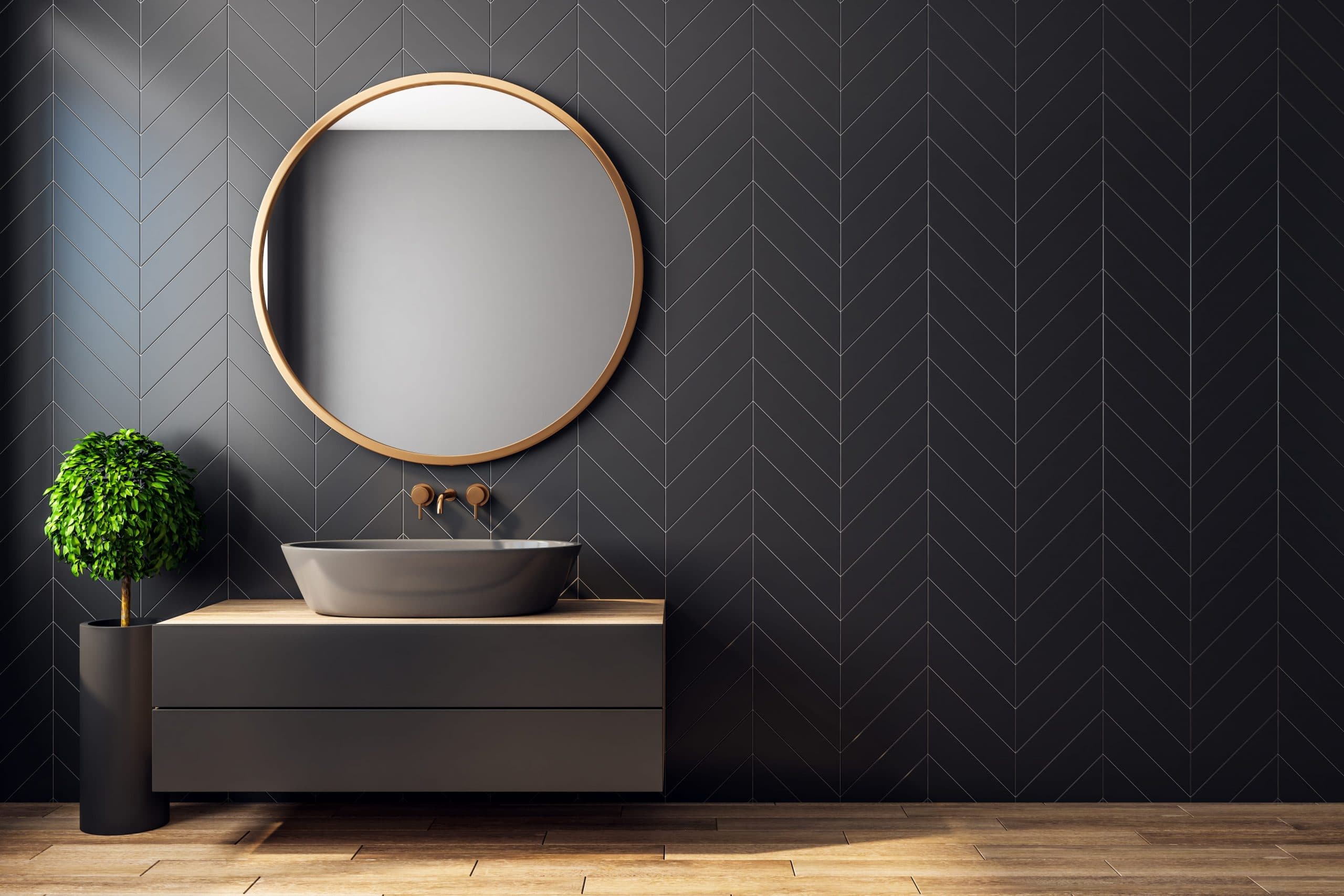
Chevron is like herringbone but with tiles meeting at a 45-degree miter joint. It can be tricky and time consuming to install, but the end result is so worth it. If your tiles aren’t pre-cut for a chevron layout, you’ll need to cut the ends at a 45 degree angle to fit.
Image Credit: Shutterstock
7. Basket Weave
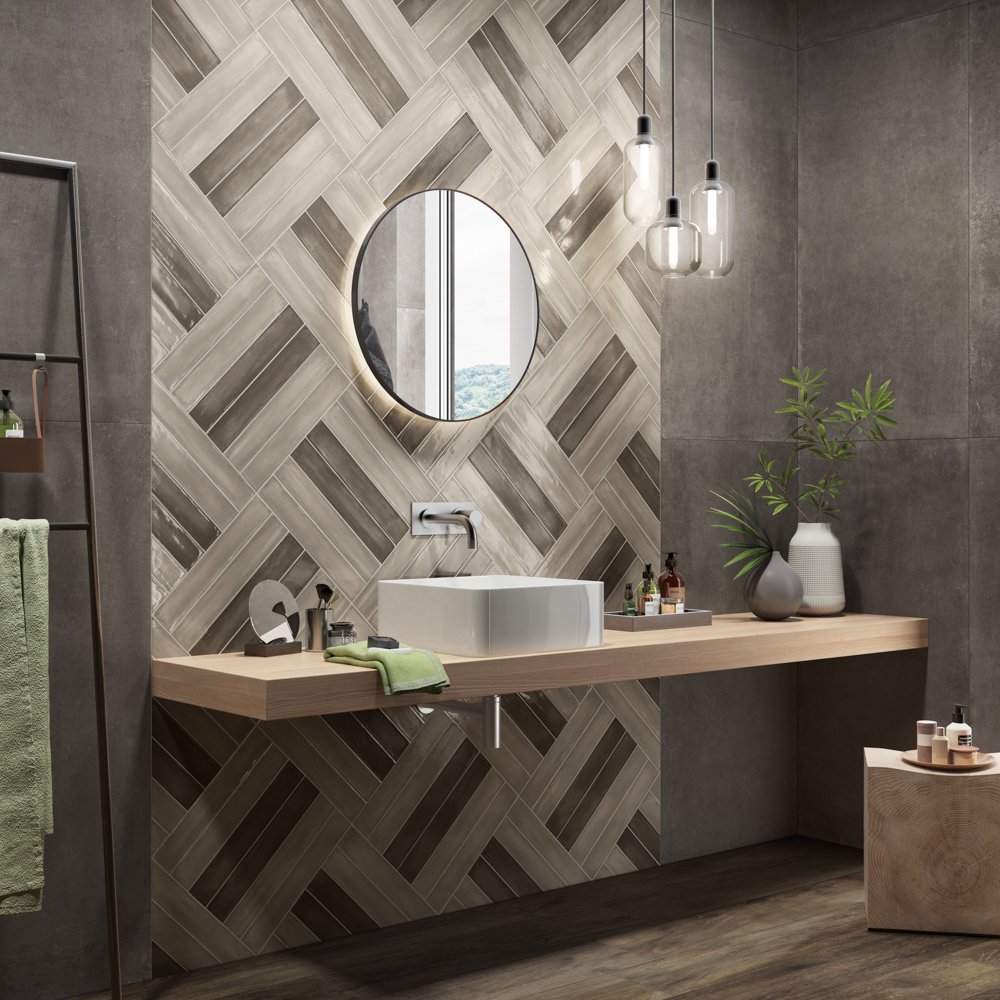
The basket weave pattern alternates horizontal and vertical tiles to create a woven look. Tiles are laid horizontally to form a square and then laid vertically to form another square. The horizontal and vertical tiles then alternate of the following rows. It’s a great way to add texture and visual interest to any space.
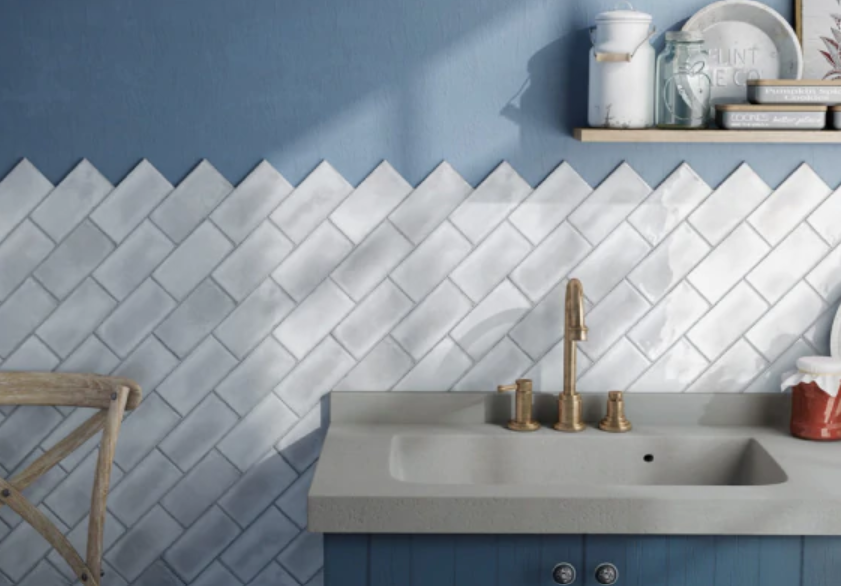
A diagonal layout is similar to a running bond, except tiles are turned 45 degrees for a diagonal layout. This pattern is perfect for hiding imperfections and adding a creative touch to your floors or walls.
Image Credit: Equipe Cerámicas
9. Modular Patterns
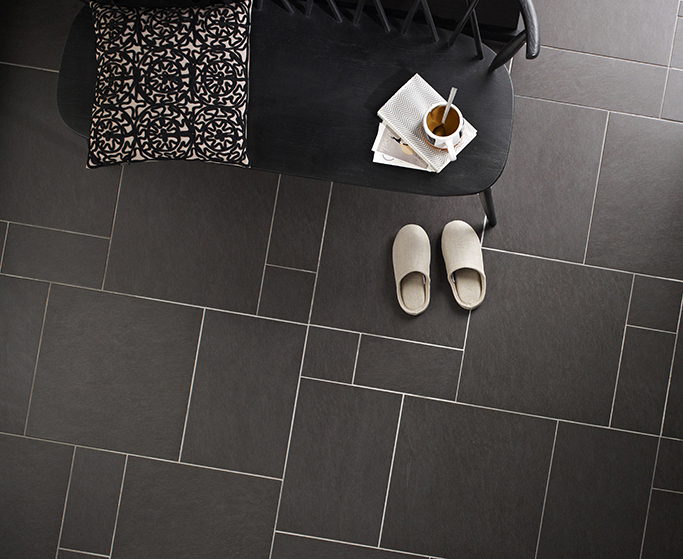
Modular patterns are formed by mixing square and rectangular tiles for a modular pattern. The possibilities are endless, and you can create a custom look based on the tile sizes and shapes you choose.
Image Credit: Tile Mountain
10. Diamond Pattern
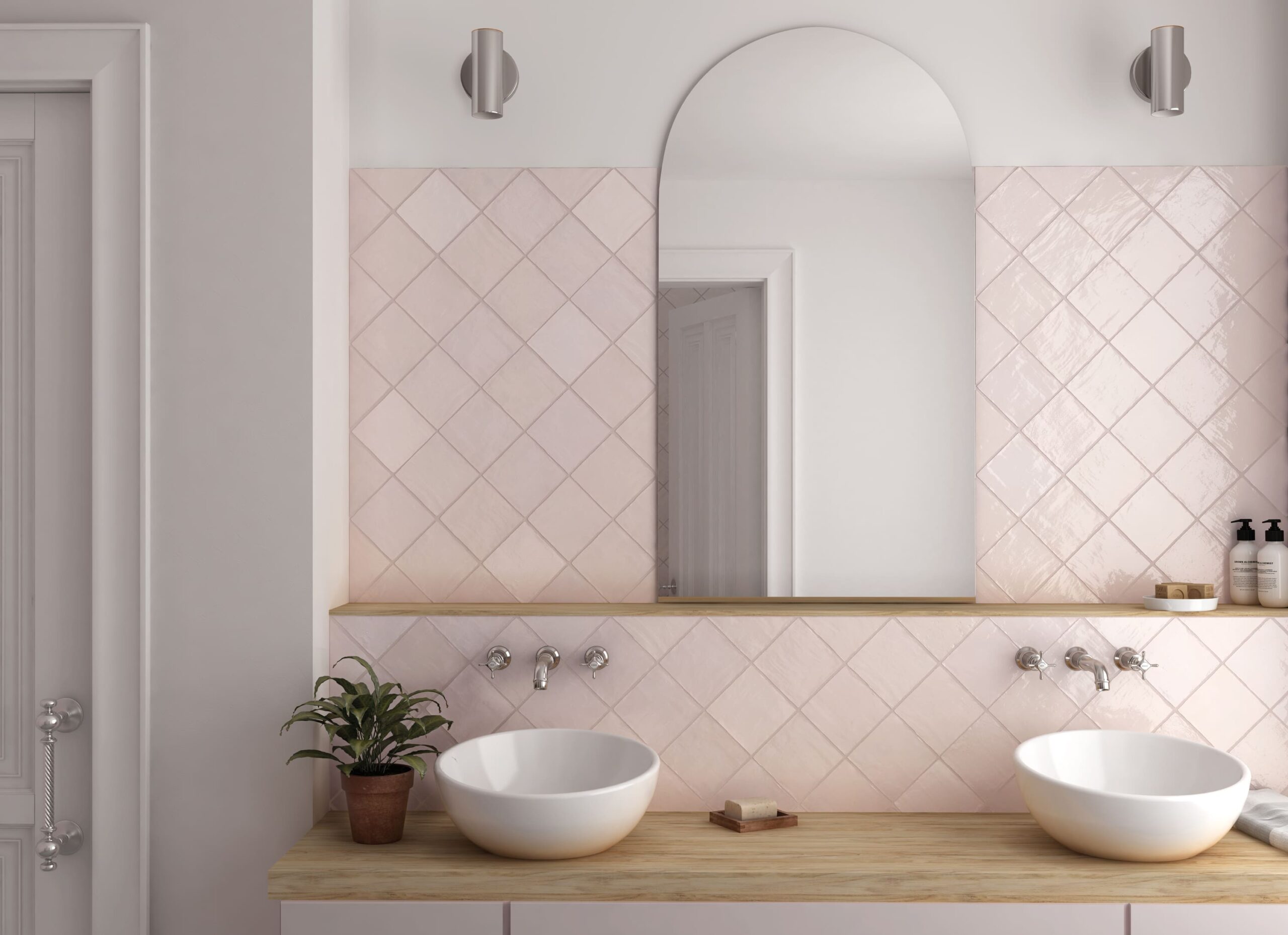
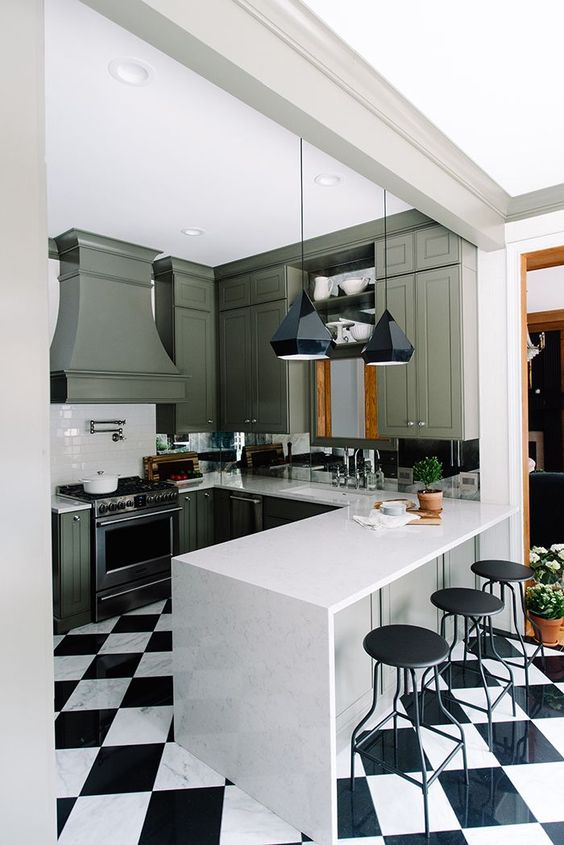
Lay square tiles in a diamond pattern for a touch of timeless elegance. This layout is widely used and works well on both walls and floors. A diamond pattern can help disguise uneven surfaces and will hide imperfections if your wall or floor isn’t perfectly square.
Image Credit: The Makerista
Prefer to watch?
Ryan and Deon discuss tile layout patterns
For more inspiration, visit a Tiletoria showroom. Explore these patterns and find the perfect layout for your next project!
So, you’ve decided that tiling is the perfect option for your latest project, but how do you decide which tiles are best suited for each room of your home? We’re here to simplify the tiling selection process by sharing some tips and considerations for choosing the right tiles for each room.
Table of Content:
Smaller Rooms: Bathroom and Laundry Room
The Kitchen: The Heart of the Home
Hallways: Making a Great First Impression
Bedroom: A Growing Trend
Living Room: High Traffic and High Style
Outdoor: Extend Your Living Space
Smaller Rooms: Bathroom and Laundry Room
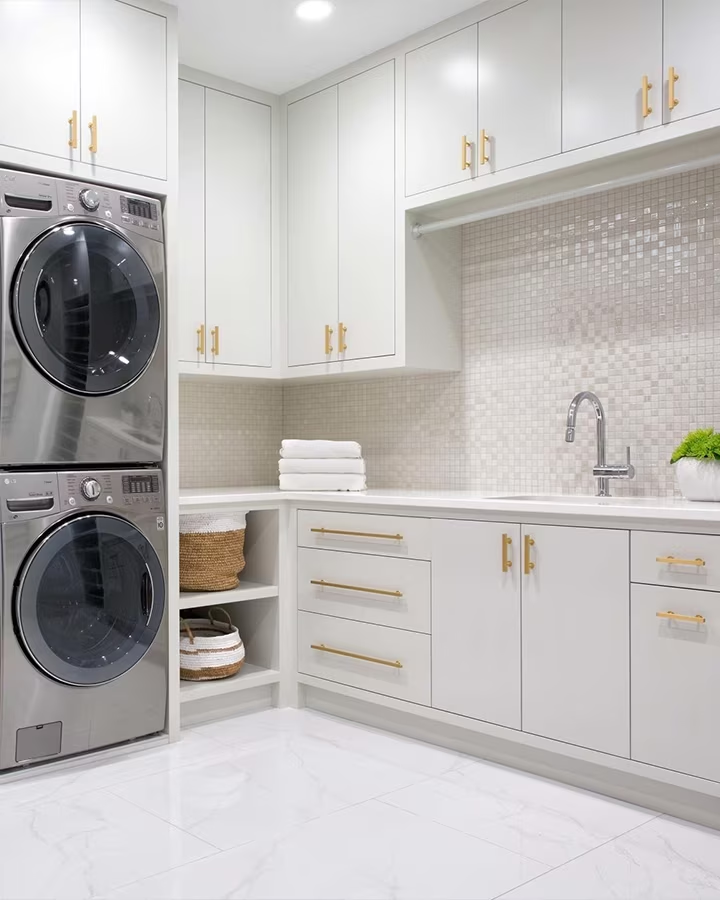
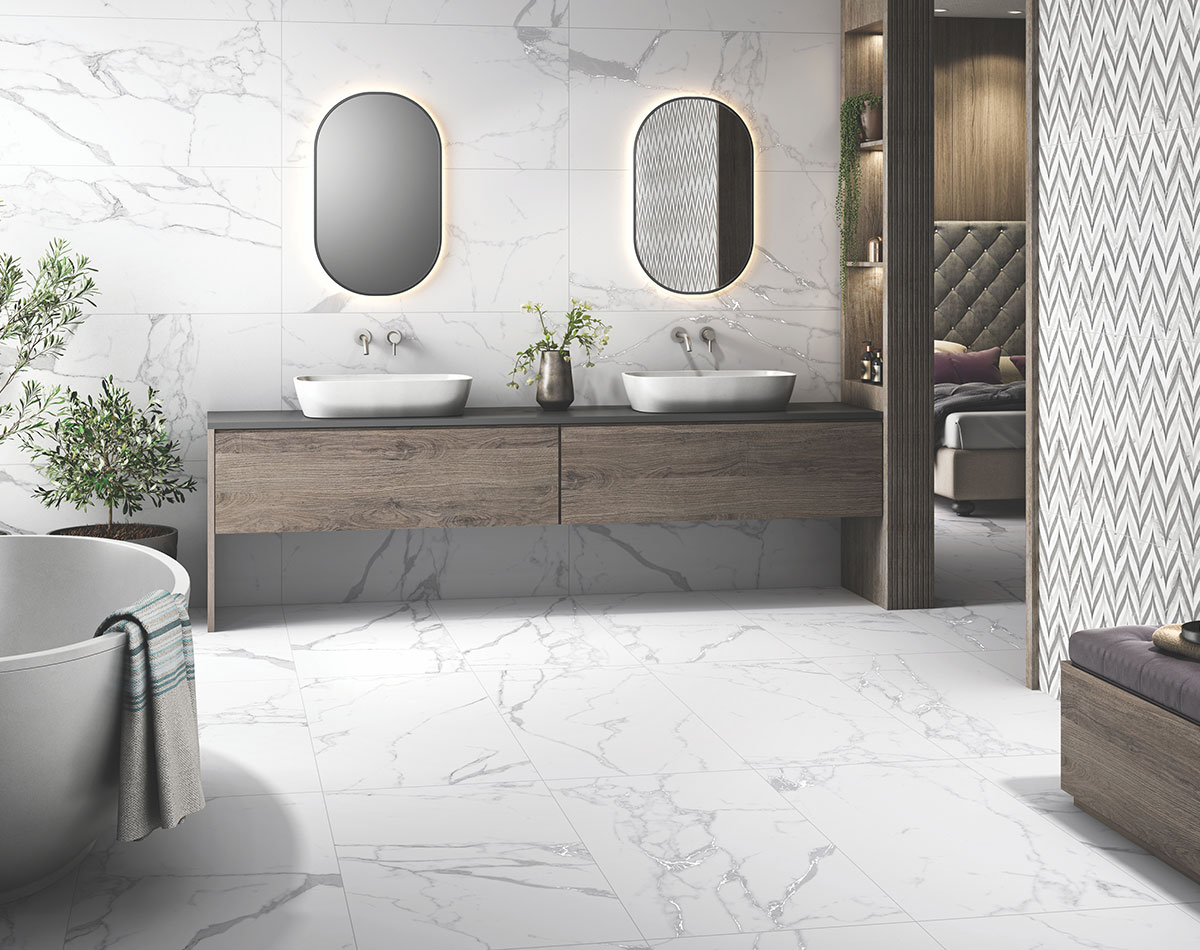
For smaller spaces like bathrooms and laundry rooms, smaller tiles are generally recommended. They can be fitted around fixtures and appliances more easily, reducing the need for extensive tile cutting. Popular options include marble or marble-inspired tiles, mosaic tiles, monochromatic tiles, and subway tiles.
Credits: @in.house.design
However, larger tiles like large format tiles can also work well in smaller rooms because they have fewer grout lines, creating the illusion of a larger space.
When choosing bathroom tiles, prioritize slip-resistant options that are easy to clean.
Browse some of our most popular bathroom and laundry room tiles to get started:
The Kitchen: The Heart of the Home
In larger rooms and open spaces, large format tiles can be the perfect choice. They create a uniform flooring and are becoming increasingly popular in open plan kitchens and living rooms. Large tiles offer a contemporary, hard-wearing feel, and slip-resistant tiles are recommended for the kitchen since it is a wet area.
Browse some of our most popular kitchen tiles to find the perfect match for your home:
Hallways: Making a Great First Impression
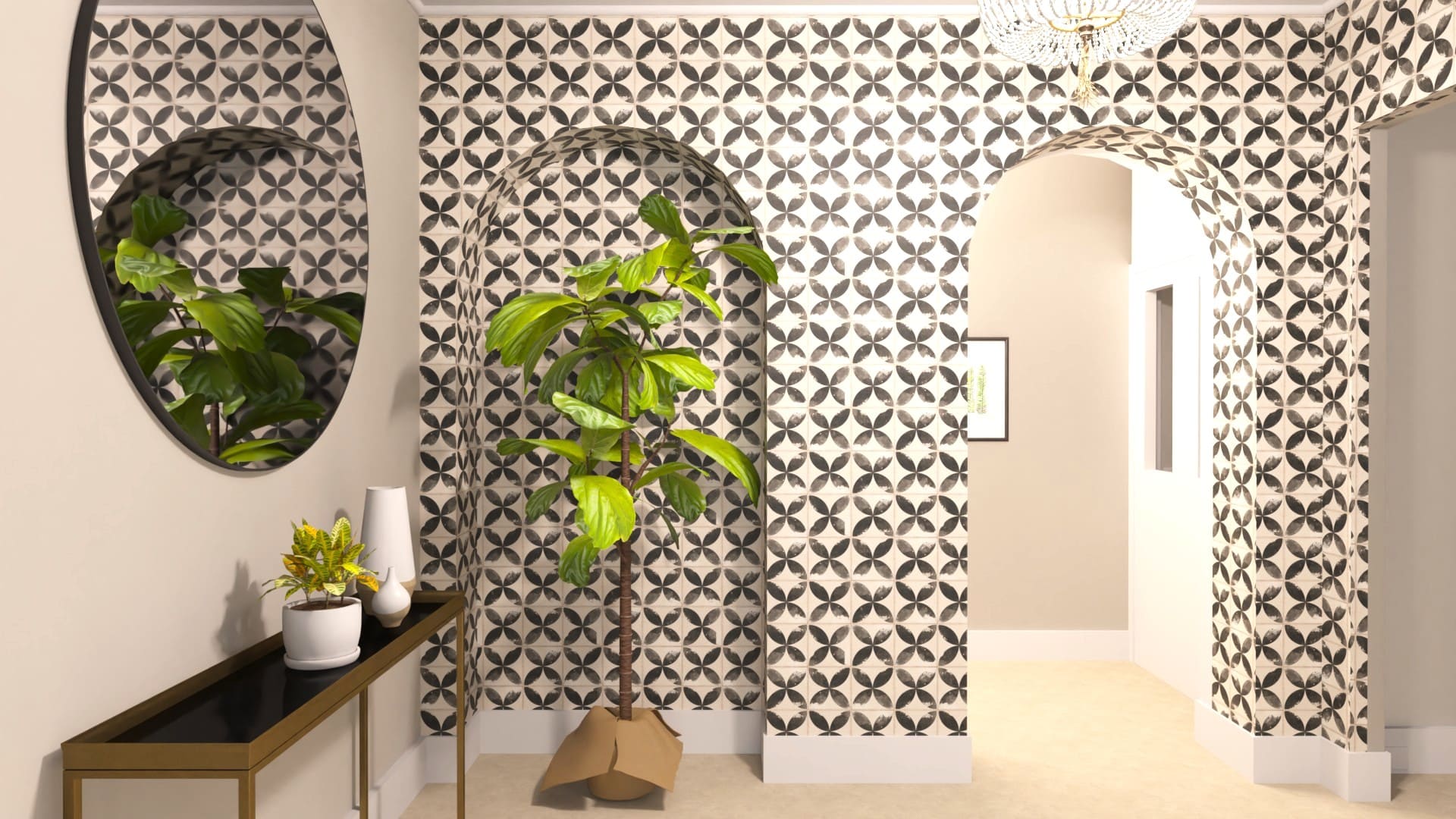
Hallways are often the first area guests see, so it’s important to make a lasting impression. Hallways need to be welcoming and attractive but also hard-wearing, as they endure a lot of foot traffic.
Ceramic tiles are a great choice because they are easy to clean and come in various bright colors and patterns.
Alternatively, large format tiles in neutral colors can create a simple, easy-to-clean look.
Decorative tiles are another popular option, adding a trendy touch to your hallway.
The choice depends on your style and whether you want a cohesive look throughout your home or different styles in each room.
Browse some of our most popular hallway tiles for inspiration:
Bedroom: A Growing Trend
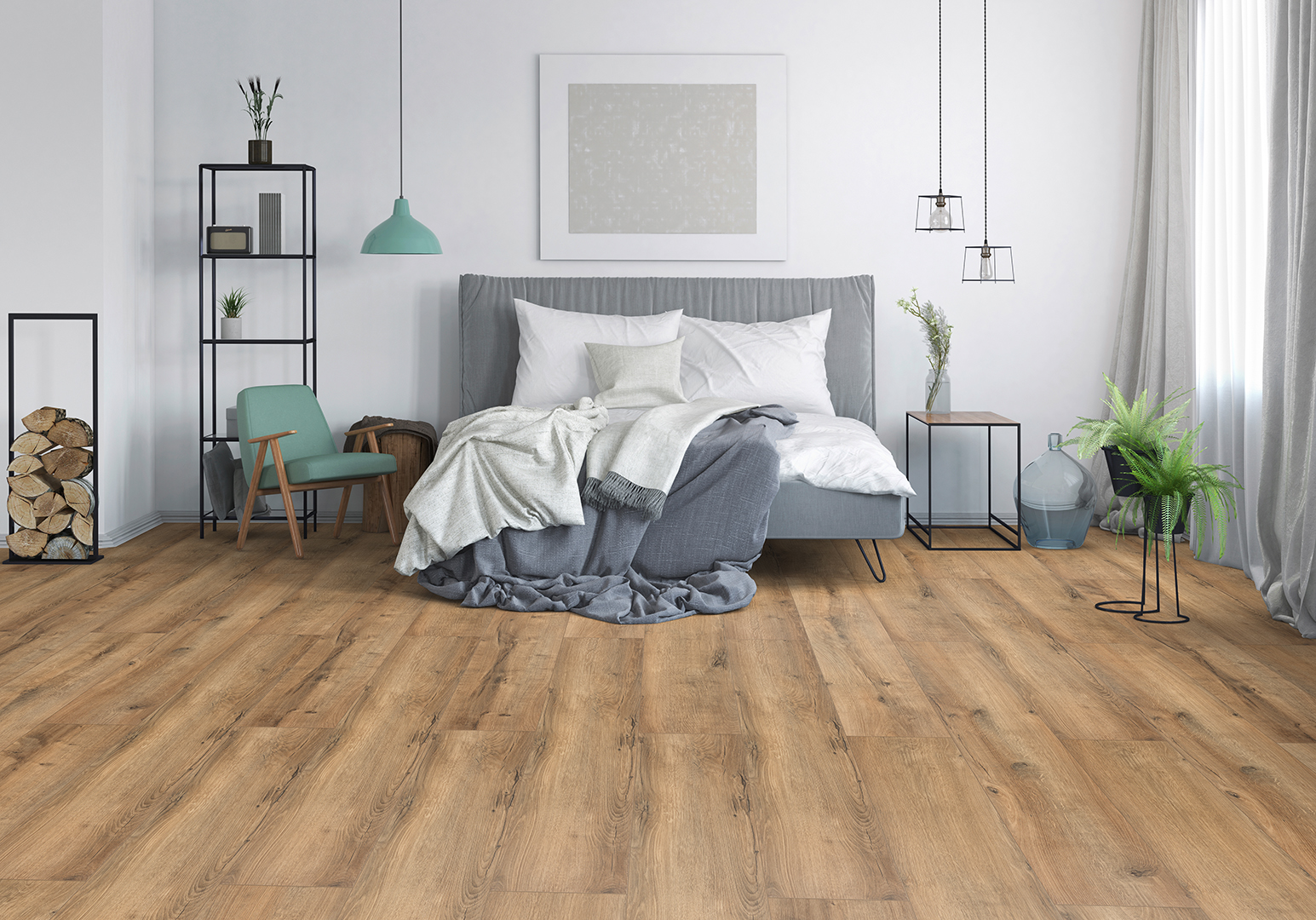
Tiles in the bedroom are growing in popularity. Wood-look tiles add rustic, traditional charm to your cozy bedroom while offering ease of installation, cleaning, and maintenance.
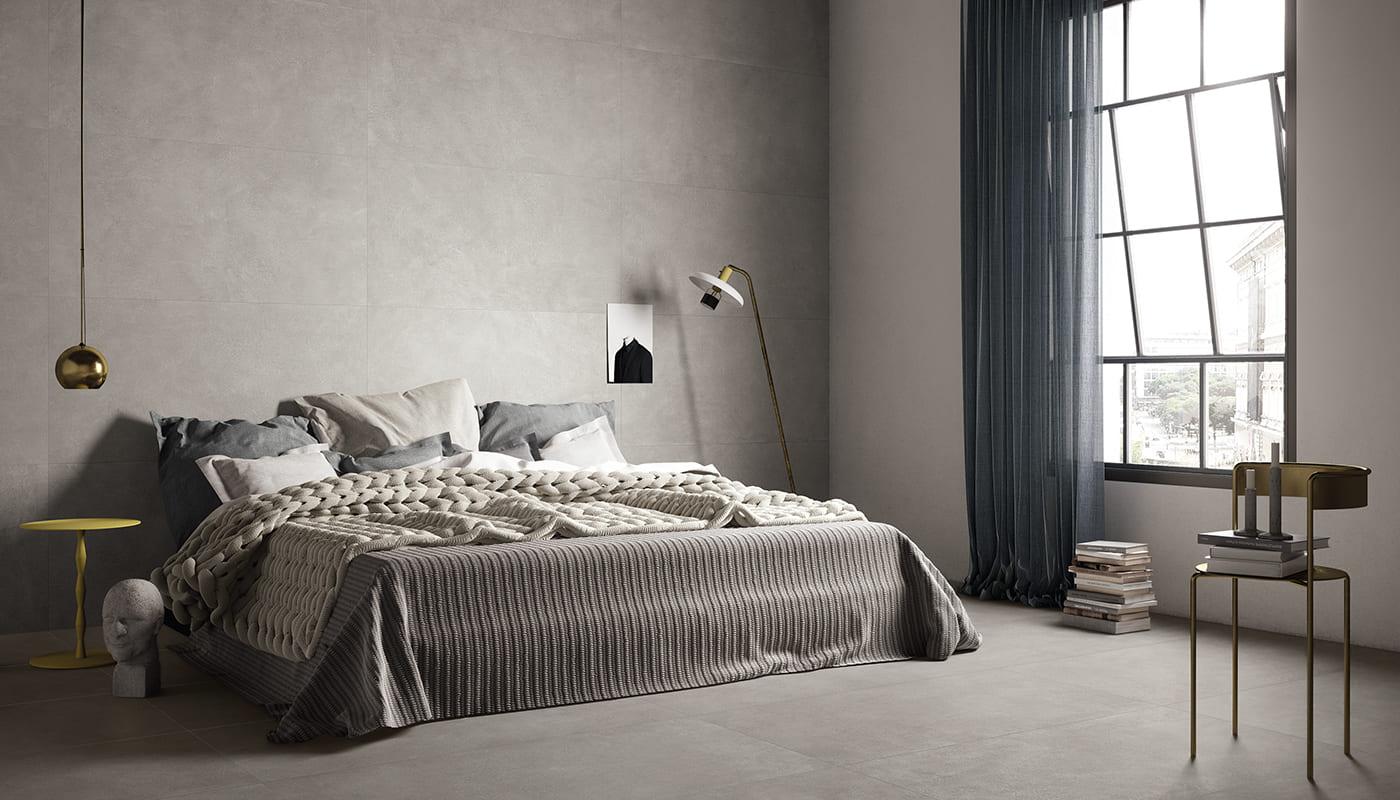
Alternatively, large format glossy or matte tiles in neutral colors can provide the finishing touch to a minimalistic, contemporary-styled bedroom.
Credits: Emilgroup
Browse some of our most popular bedroom tiles to create your dream space:
Living Room: High Traffic and High Style
The living room is another high-traffic area. It’s important to choose tiles that are durable, hard-wearing, and easy to clean. For a unified look, consider using the same tiles throughout your home, from the kitchen to the bedroom to the living room. Wood-look tiles are a great option for creating a warm, homely feel in the living room.
Browse some of our most popular living room tiles to find your perfect fit:
Outdoor: Extend Your Living Space
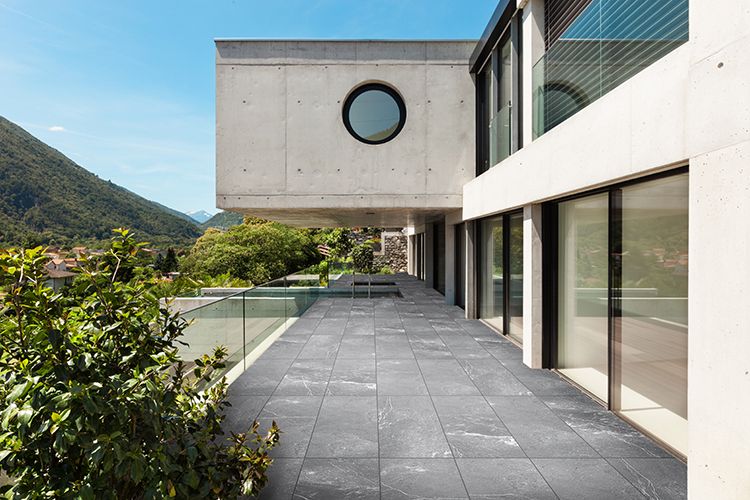
Let’s take this conversation outside. Slip-resistantporcelain and ceramic tiles are ideal for outdoor areas because they are moisture and water-resistant. Porcelain tiles are particularly suitable for outdoor use due to their higher water resistance. A matte glazed finish can offer even more slip resistance.
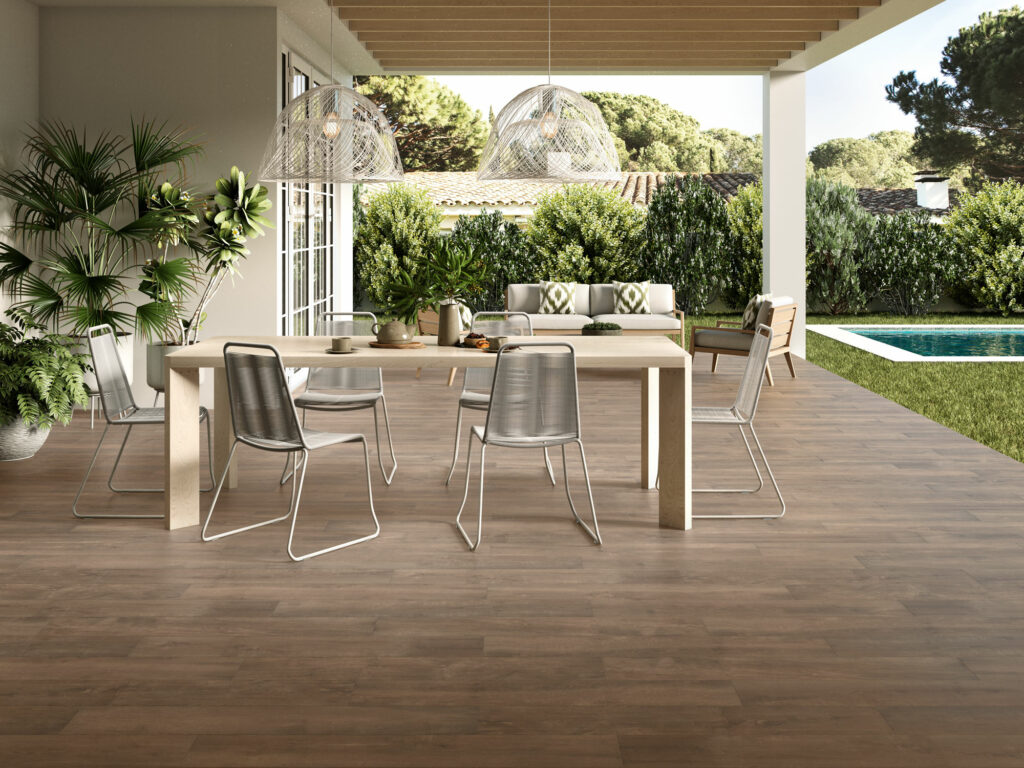
Wood-look tiles are another excellent option for the outdoors if you prefer the look of a wooden deck but without the maintenance required with real wood decking.
Credits: Archi Expo
Browse some of our most popular outdoor tiles to enhance your outdoor living space:
Prefer to Watch?
Check out our two-part episode where Ryan and Deon walk you through everything you need to know and share some inspiration for tiles for each room of your home.
Tiletoria Trends – How to Choose Tiles By Room (Part 1)
Tiletoria Trends – How to Choose Tiles By Room (Part 2)
For more expert advice on which tiles are best suited for each room of your home, visit your nearest Tiletoria showroom or check out our website for more information.
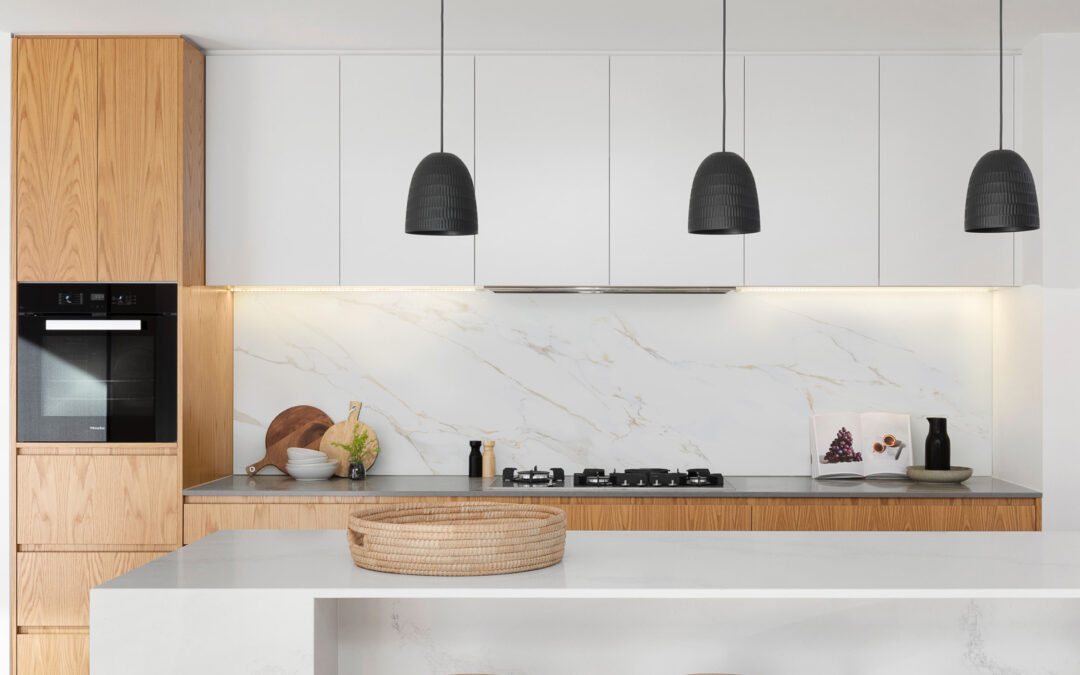
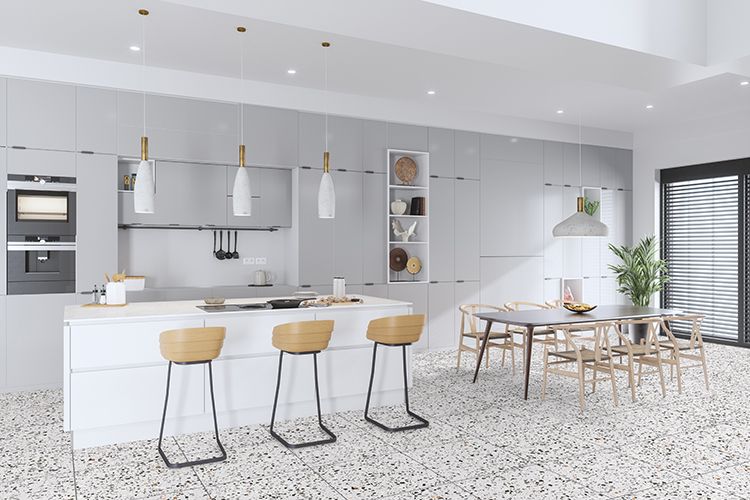
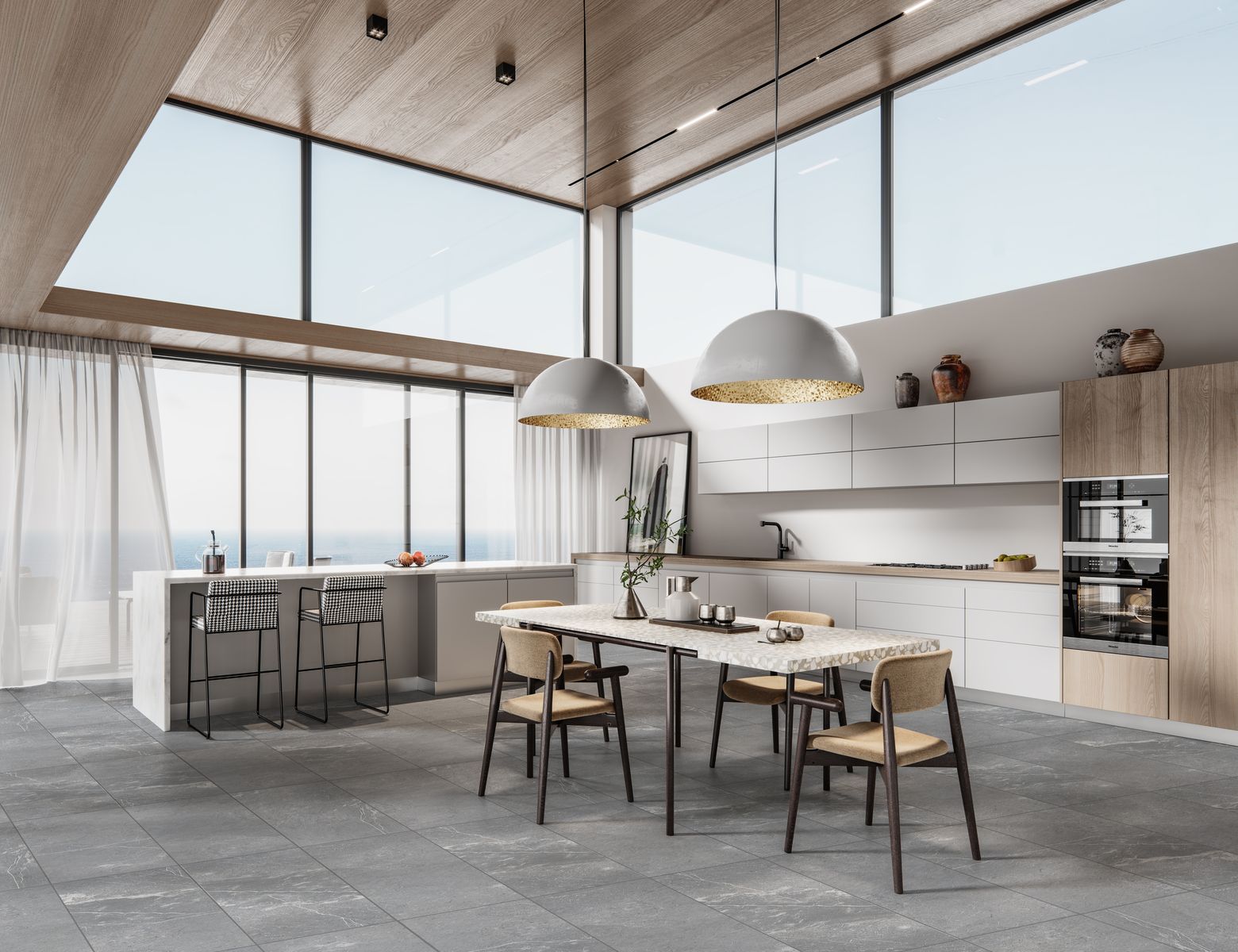
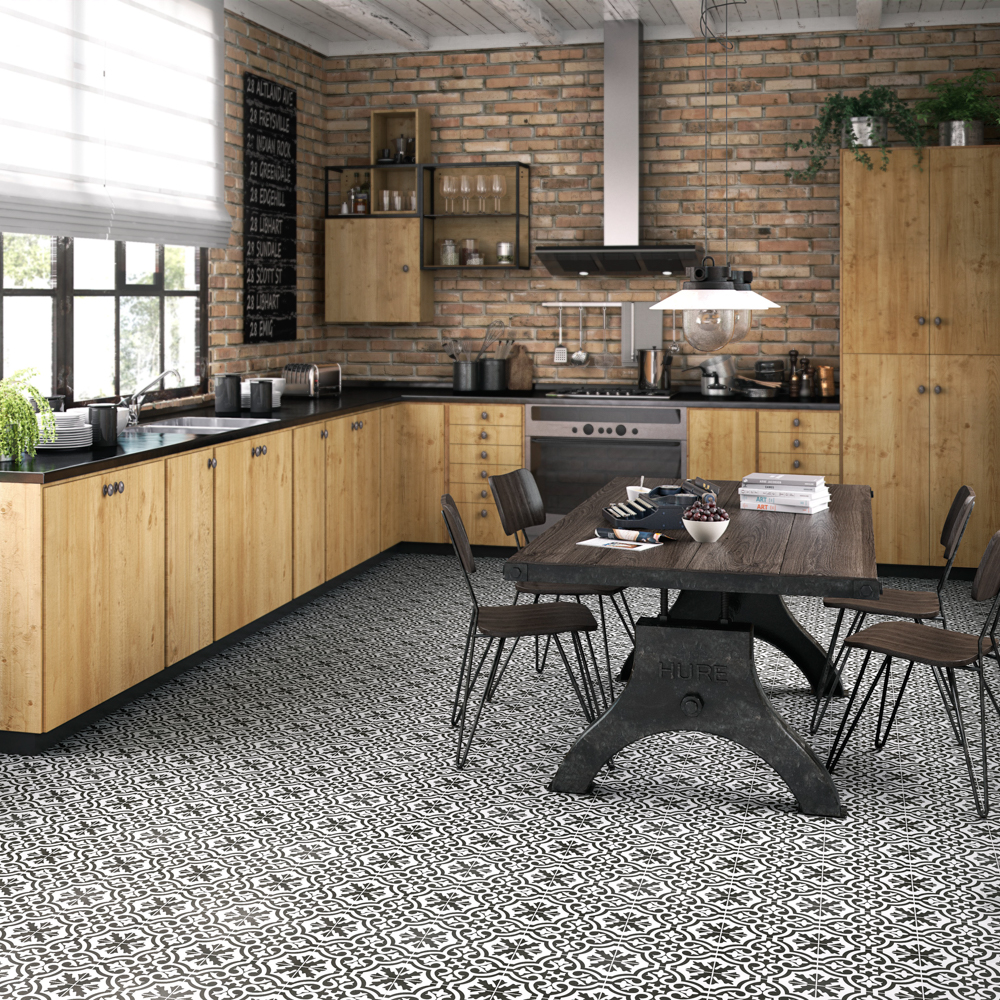
Are you ready to give your kitchen a fresh, new look? One of the easiest ways to transform this essential space is by updating your kitchen tiles. With a wide range of styles, colours, and patterns available, the possibilities are endless. Let’s dive into the world of kitchen tiles and explore how you can create a beautiful and functional kitchen.
Choosing tiles for your kitchen comes with a multitude of benefits including:
Durability – Kitchen tiles, especially ceramic and porcelain, are built to last and can withstand the heavy foot traffic and frequent spills typical of a busy kitchen.
Easy Maintenance – A simple wipe-down is usually all it takes to keep your kitchen tiles looking pristine.
Variety of Designs – Tiles offer a vast variety of designs, from classic to contemporary, allowing you to find the perfect match for your kitchen’s style.
Aesthetic Value – The aesthetic value of kitchen tiles cannot be overstated. They can dramatically enhance the look of your kitchen, adding colour, texture, and personality to the space.
With so many advantages, it’s easy to see why tiles are a favorite choice for kitchens everywhere.
Kitchen wall tiles are more than just a practical choice for protecting your walls from spills and splashes. They are a fantastic way to add personality and flair to your kitchen. Whether you prefer a sleek, modern look or something more rustic and charming, there is a kitchen wall tile design that’s perfect for you!
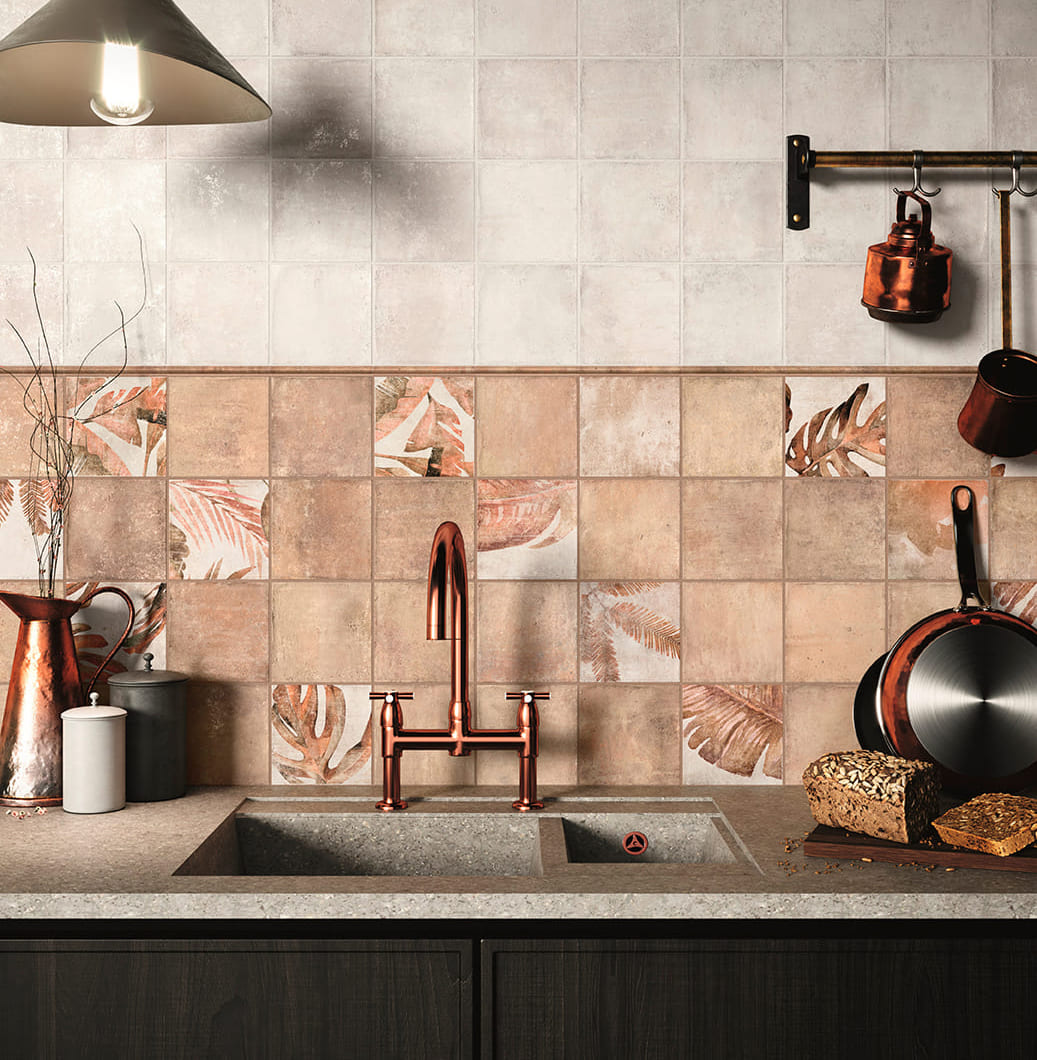
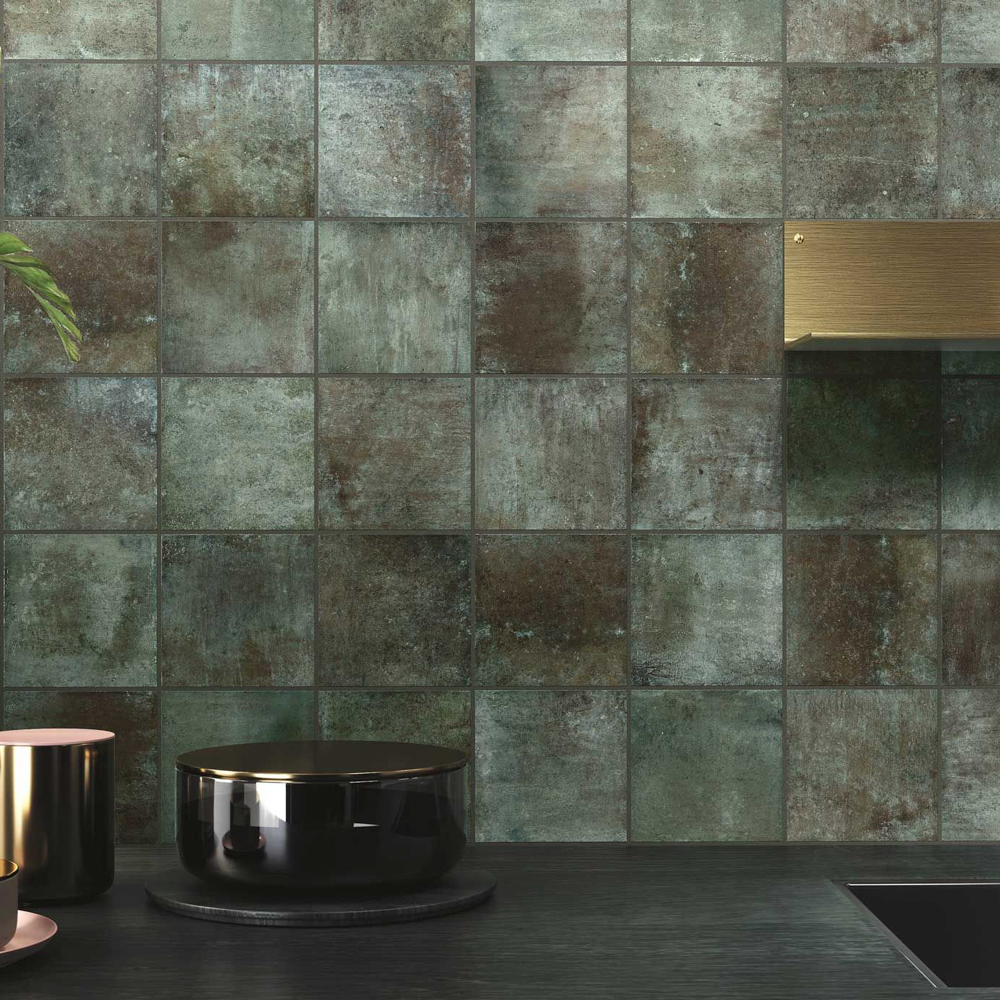
The backsplash is often the focal point of your kitchen. It’s where you can get creative and really let your style shine. Kitchen backsplash tiles come in a variety of materials, including ceramic, glass, and stone. They can be arranged in simple or unique patterns, from classic subway tiles to intricate mosaics. Don’t be afraid to mix and match to create a unique design that stands out.
Give your kitchen a facelift with these fresh backsplash ideas
Choosing Kitchen Floor Tiles
When it comes to kitchen floor tiles, durability and style go hand in hand. You’ll want something that can withstand the daily hustle and bustle of your kitchen while still looking great. Porcelain and ceramic floor tiles are popular choices because they are tough and easy to clean. For a more luxurious feel, consider natural stone tiles.
How to choose kitchen floor tiles:
Consider the material: Porcelain, ceramic, and stone are excellent choices.
Think about the color: Lighter colors can make your kitchen look bigger, while darker shades add warmth.
Don’t forget about texture: Textured tiles can help prevent slipping, especially in a busy kitchen.
Using the same indoor tiles for your kitchen and adjacent areas, like the dining room or hallway, can create a seamless, cohesive look. This is especially effective in open-plan spaces where you want to maintain a consistent design throughout.
Patterned floor tiles are a fantastic way to inject personality into your kitchen. Whether you opt for a subtle design or something more eye-catching, patterned tiles can become a stunning feature. They work particularly well in large kitchens where they can break up the expanse of floor space and add visual interest.
Updating your kitchen with new tiles is a simple yet impactful way to breathe new life into your home. Consider your style, needs, and the overall look you want to achieve. With the right tiles, you can create a kitchen that’s not only functional but also a true reflection of your personal taste.
Laminate flooring is a popular choice for homeowners seeking a stylish, durable, and affordable flooring option. Whether you’re considering a new installation or already have laminate floors, you probably have a few questions. In this blog, we’ll answer some of the most frequently asked questions about laminate flooring. Let’s get started!
Laminate flooring is a multi-layer synthetic product designed to mimic the look of wood and textured flooring. It typically consists of the following layers:
A protective top layer – Wear layers are often waterproof and safeguard the floor against scratches and stains, offering a realistic texture. They can feature rough, natural-looking scrapes and knots.
An image/photographic layer – This layer is the pattern or print, simulating real wood or textures.
A core layer – Typically constructed from compressed high-density fiberboard, which enhances the floor’s durability and stability. It is water-resistant, though not entirely waterproof. The core layer also contains the locking system.
Backing: The backing prevents water from seeping into the sub floor. High-quality backing can safeguard your floor against peaking and moisture damage.
Laminate flooring offers numerous advantages, making it a popular choice for homeowners.
One of its primary benefits is affordability; laminate flooring prices are generally lower than those of traditional wood flooring, allowing you to achieve a real wood look and feel, without breaking the bank.
Additionally, laminate flooring is incredibly durable, resistant to scratches, dents, and stains, making it ideal for high-traffic areas and households with pets or children.
Its maintenance is straightforward and minimal, requiring only regular sweeping and occasional damp mopping.
The variety of styles available also means you can find laminate wood flooring that perfectly matches your decor, whether you prefer the look of oak, maple, or even exotic hardwoods.
Lastly, the installation process is user-friendly, often featuring a click-and-lock system without the need for adhesives or nails, making it an easy DIY project.
3. What is the difference between Laminate and Vinyl Flooring?
Laminate and vinyl flooring are both popular alternatives to traditional wood flooring, but they have distinct differences.
Laminate flooring is made of a high-density fiberboard core topped with a photographic layer that mimics the appearance of wood, stone, or other materials, and a protective wear layer. It is known for its realistic look and durability against scratches and dents. However, laminate is only water-resistant, not waterproof, which limits its use in high-moisture areas like bathrooms.
On the other hand, vinyl flooring is made of synthetic materials, typically featuring multiple layers of PVC vinyl. It is entirely waterproof, making it an excellent choice for moisture-prone areas.
While laminate offers a more authentic wood look and feel, vinyl provides superior water resistance.
For a more in depth comparison between Laminate and Vinyl Flooring, check out our blog.
To find out more about Vinyl Flooring in particular, read out blog here or check out the video below.
4. How Does Laminate Flooring Compare to Wood Flooring?
While both laminate and wood flooring offer aesthetic appeal, they differ in several ways:
Cost: Laminate flooring prices are generally lower than those of wood flooring, making it a budget-friendly option.
Durability: Laminate is highly resistant to scratches, dents, and stains, whereas wood can be more susceptible to damage.
Maintenance: Laminate is easier to clean and maintain compared to wood flooring, which may require periodic refinishing.
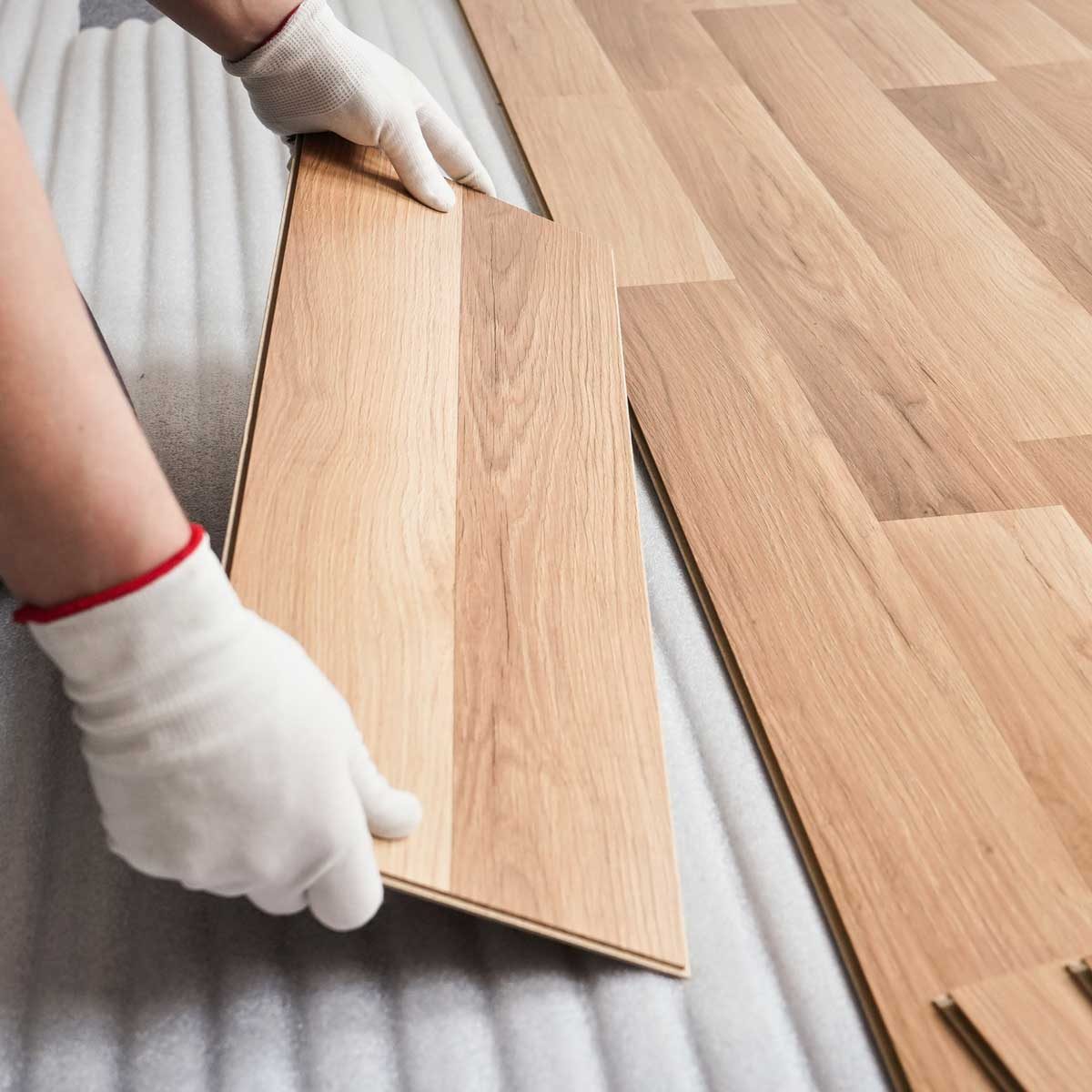
Installing laminate flooring can be a rewarding DIY project. Here’s a quick guide:
Prepare the Subfloor: Make sure the subfloor is clean, dry, and level.
Lay Underlayment: Install an underlayment to act as a moisture barrier and noise reducer.
Click and Lock: Laminate flooring often uses a click-and-lock system, making it straightforward to install. Start in one corner and work your way across the room.
Image Credit: LUBO IVANKO/GETTY IMAGES
8. How Do I Install Wood Flooring?
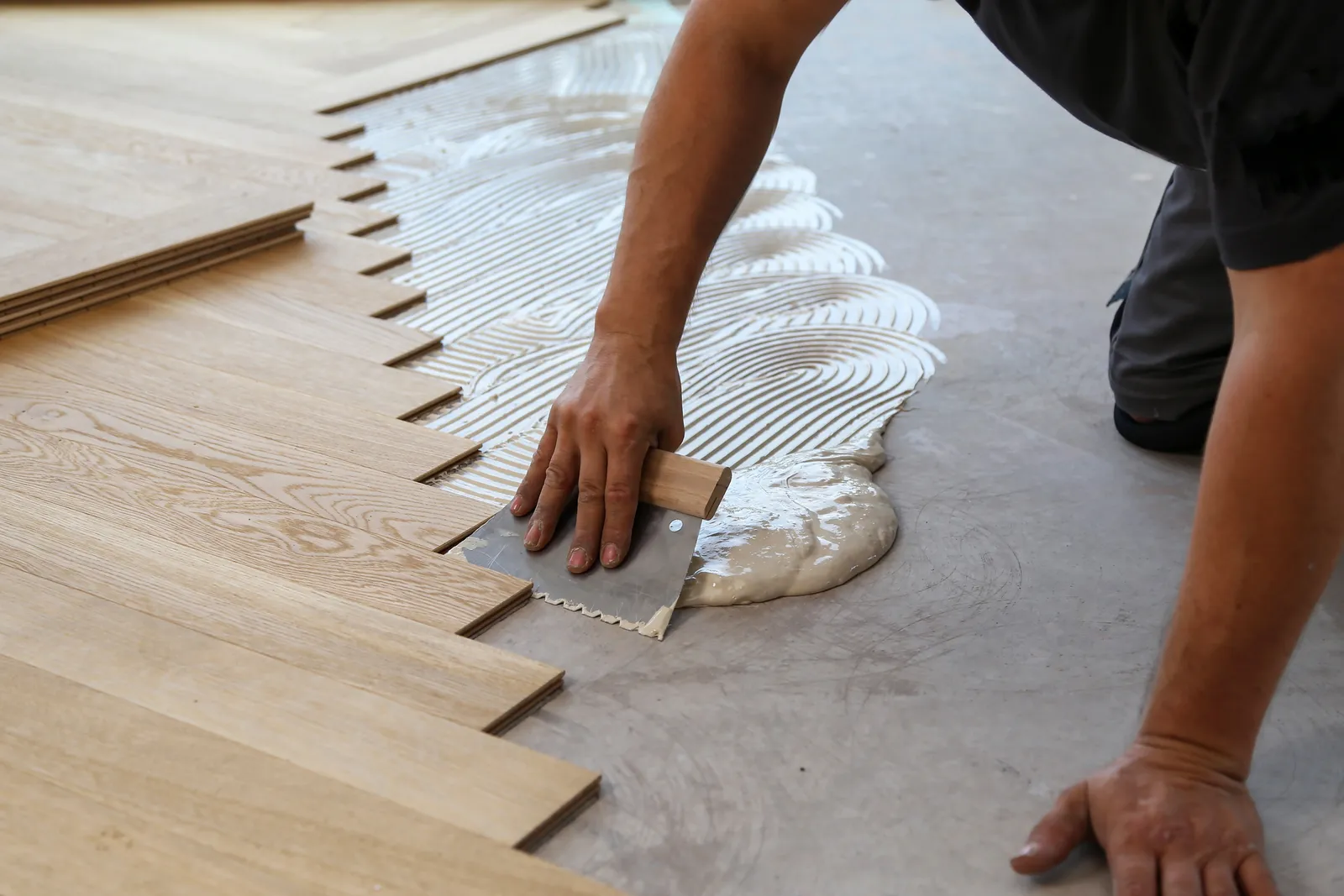
Installing wood flooring can be more complex but still achievable:
Acclimate the Wood: Allow the wood to acclimate to the room’s conditions for a few days.
Prepare the Subfloor: Ensure the subfloor is clean, dry, and level.
Nail or Glue Down: Depending on the type of wood flooring, follow the manufacturer’s instructions for nailing or gluing the planks down.
Image Credit: Leo Malsam/Getty Images
9. Can Laminate Flooring Be Used in Any Room?
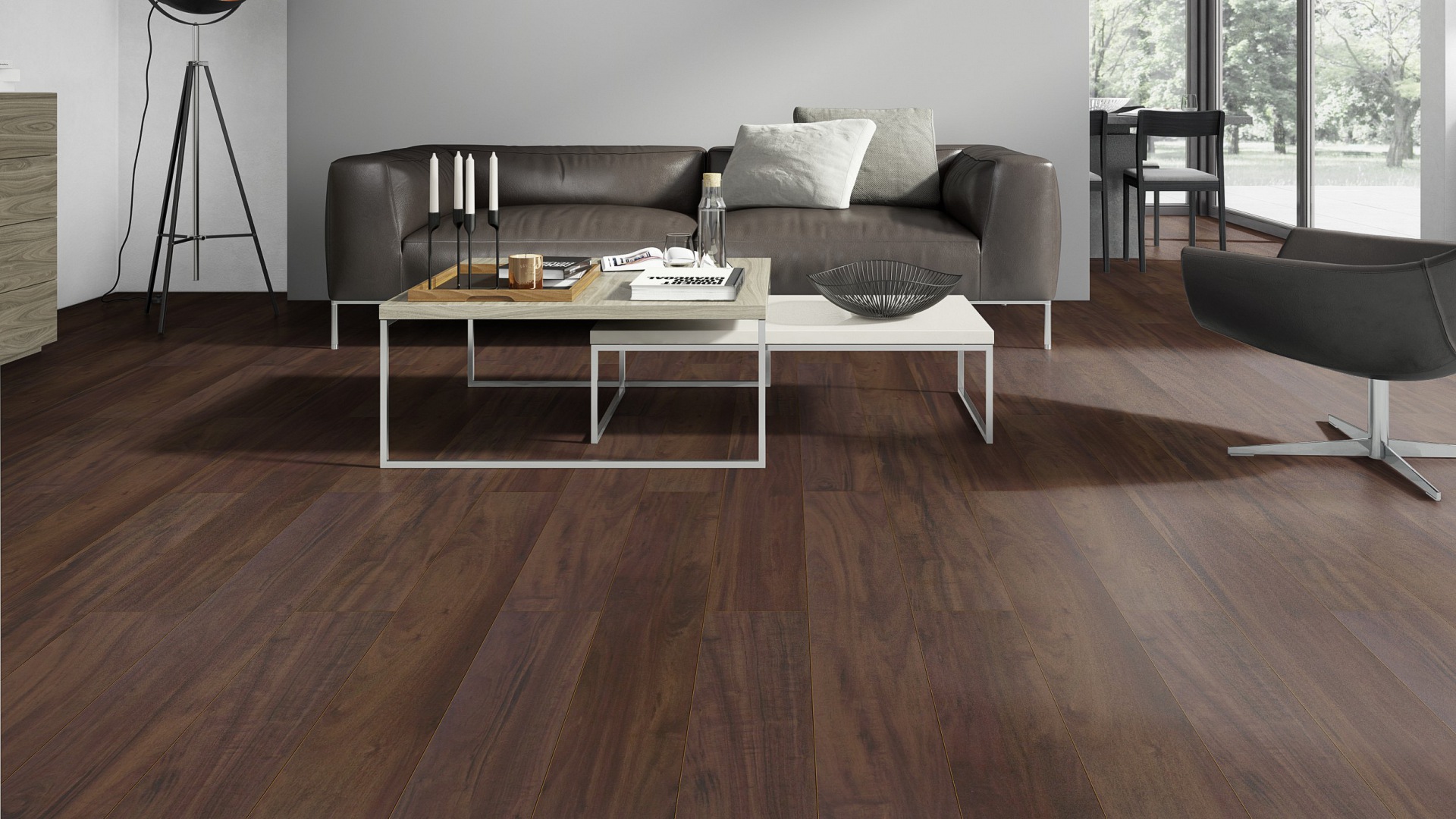
Laminate flooring is versatile and can be used in most rooms, including living rooms, bedrooms, and kitchens. However, it’s best to avoid using it in areas with high moisture levels, such as bathrooms, to prevent damage.
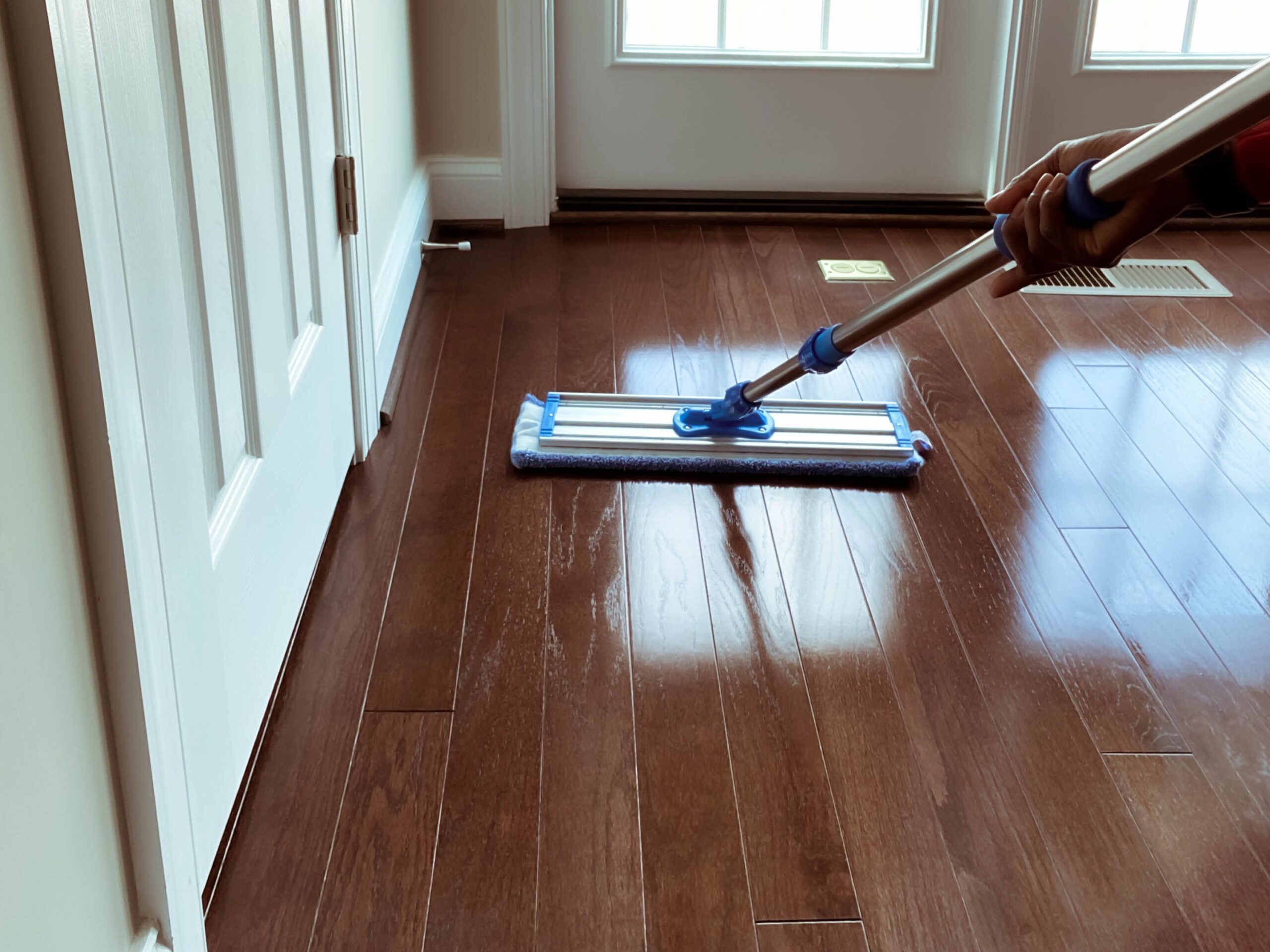
Yes, laminate flooring is easy to maintain. Regular sweeping or vacuuming and occasional damp mopping will keep your floors looking great for years.
Image Credit: Gettyimages/mariakraynova
11. Are Laminate Flooring Prices Affordable?
Laminate flooring prices are generally more affordable than wood flooring, making it a cost-effective choice for many homeowners. The exact cost will depend on the quality and style of the laminate you choose.
pricing and stock information displayed on this site will be of the branch you select.
it will remain your default branch until you change it. all prices are inclusive of VAT.