bathroom, blog, floors, kitchen
By Kurt Schou, Tiletoria consultant
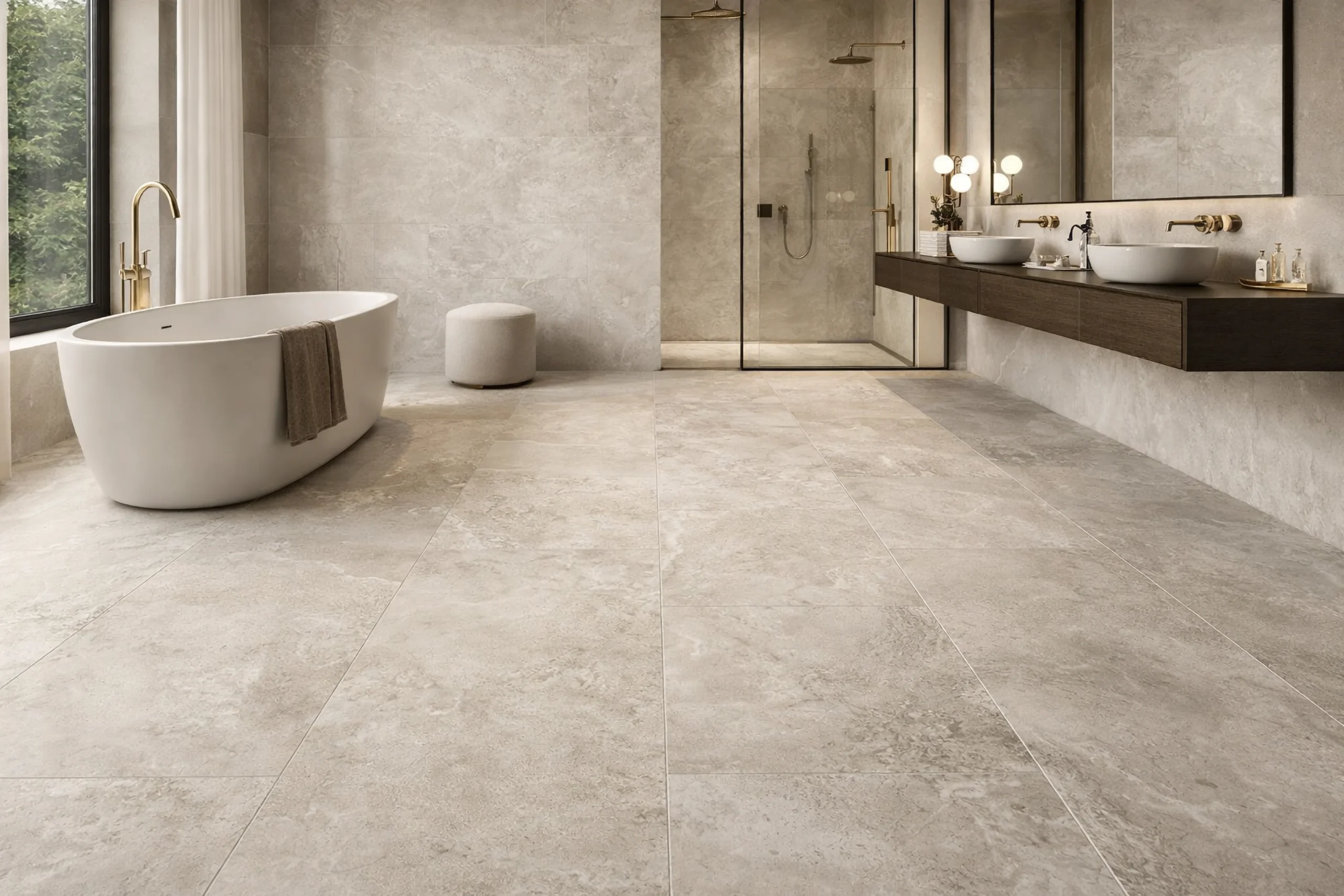
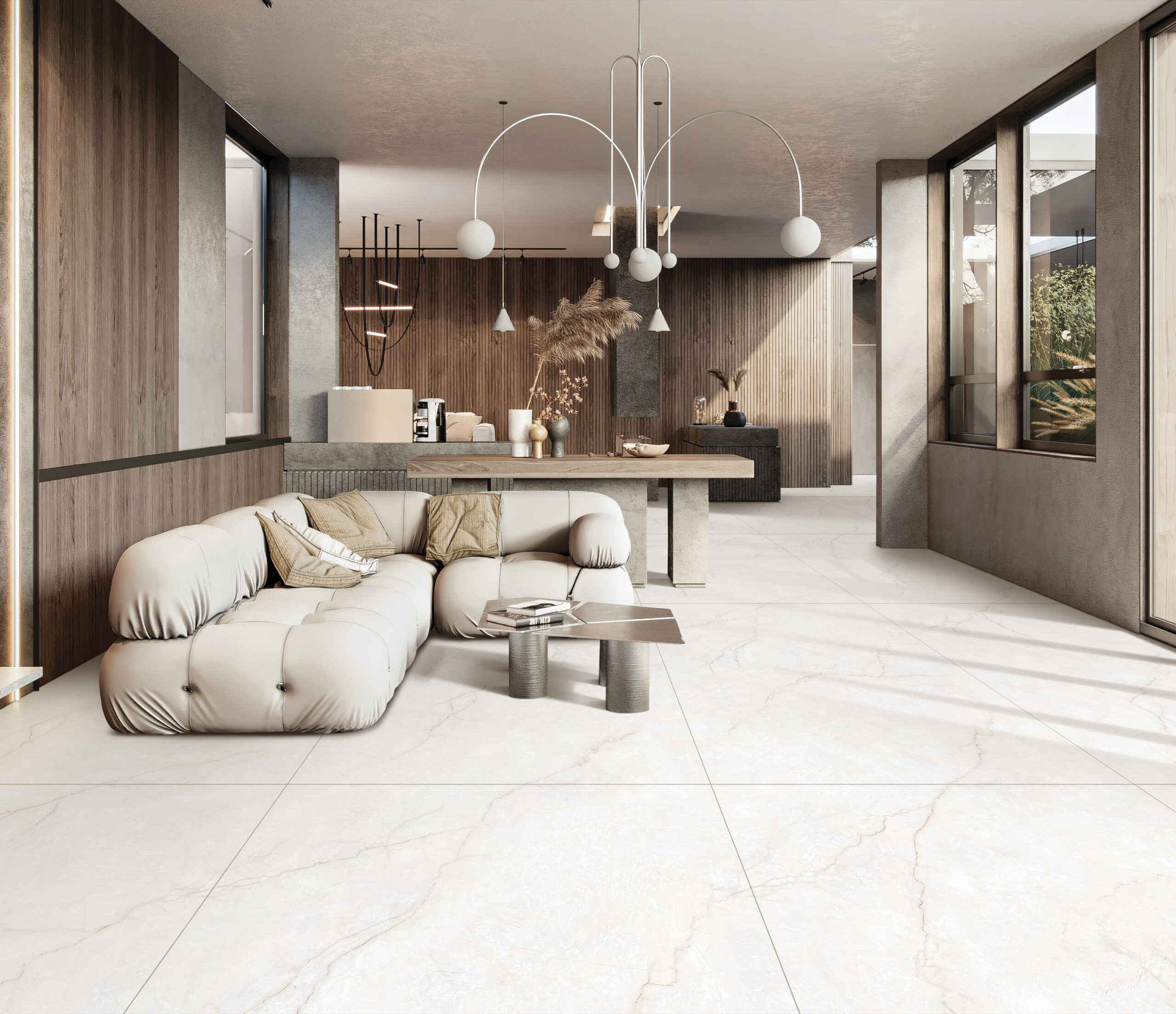
You’ve seen the look, even if you didn’t know its name: floors that seem to run in one unbroken sweep from the front door to the back of the house, walls with barely a line on them, bathrooms that feel carved from a single piece of stone. That’s large format tiles at work — and if you’re planning a build or renovation, you’re probably wondering whether the look would work in your home, what it really costs, and what nobody’s telling you. Having spent years helping people answer exactly those questions on the showroom floor, here’s the honest version.
Table of Content:
What Counts as “Large Format”?
Why the Look Works
The Small-Space Myth
What It Really Costs
Why This Is Specialist Work — and the Questions to Ask Your Tiler
Will It Still Look Right in Ten Years?
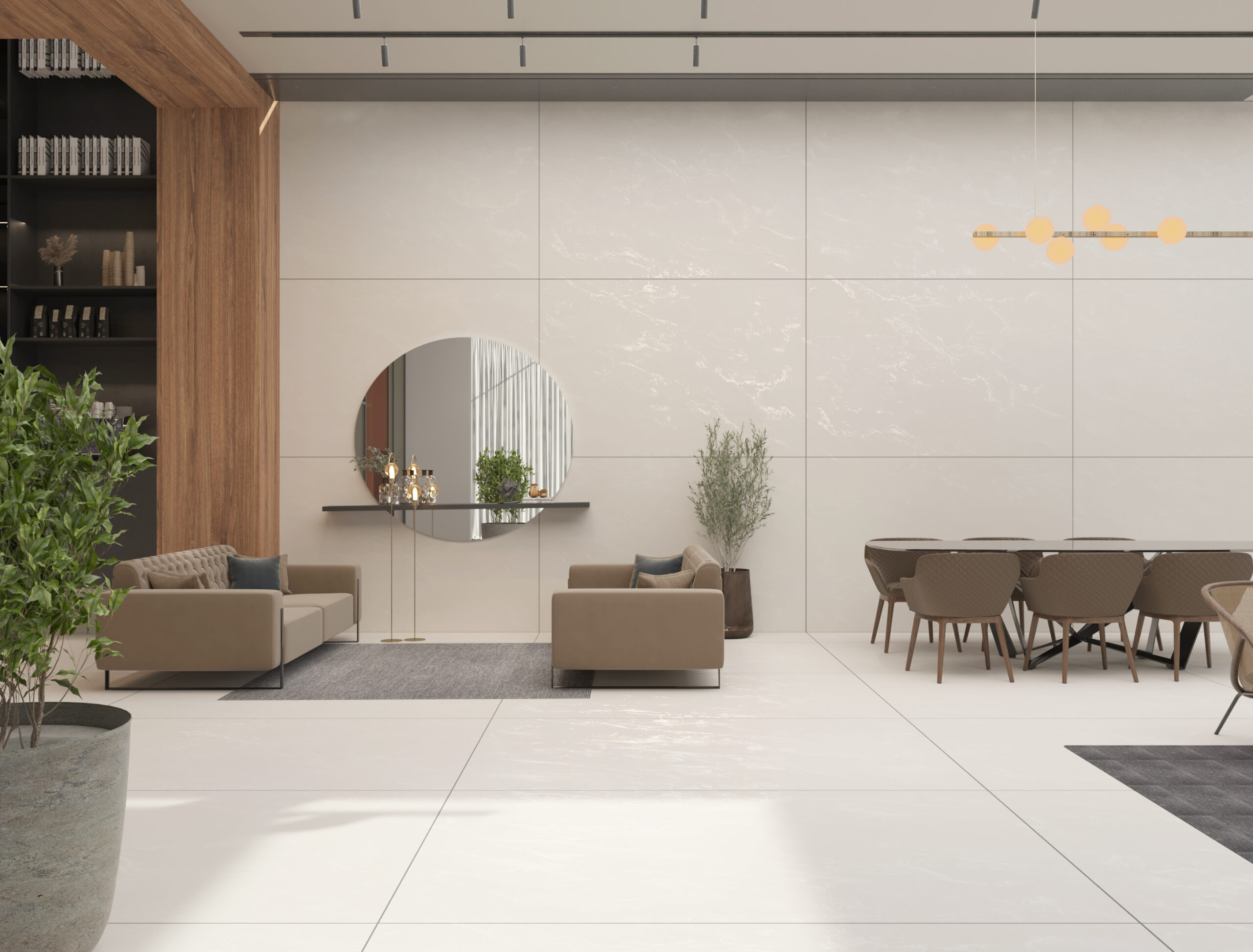
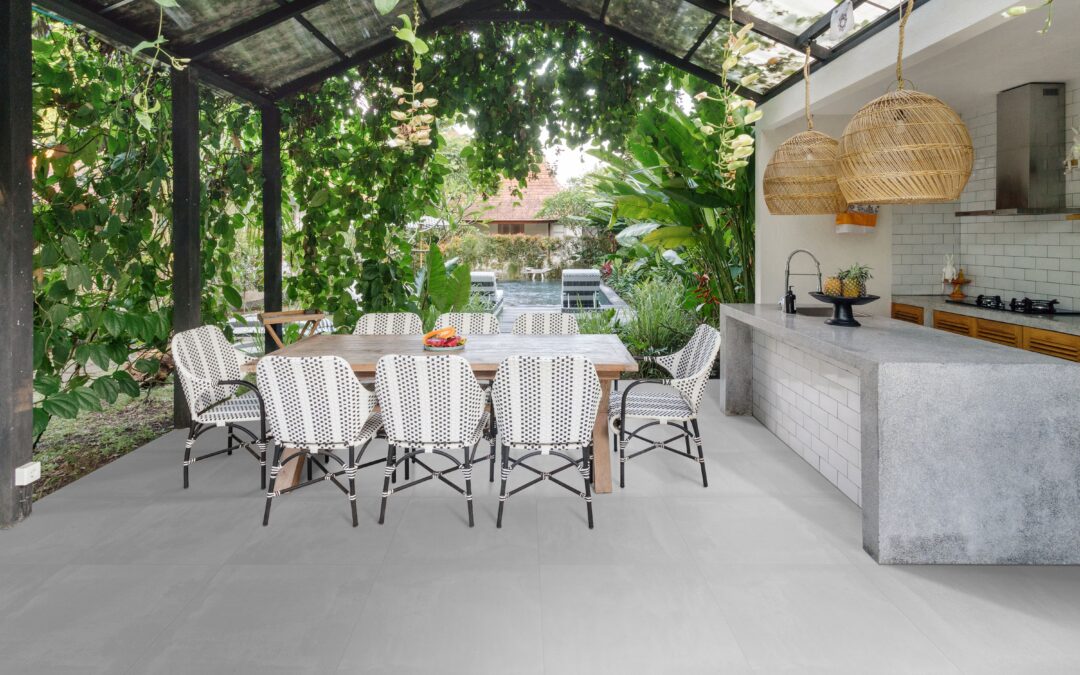
There’s no official rulebook, but in practice any tile from 600×600mm upwards is considered large format. The workhorses of the category are 600×600 and 600×1200, and the range now stretches to 800×800, 1200×1200 and slab formats of 1200×2400 and beyond — single pieces bigger than a dining table. A decade ago, these were rare in South African homes; today they’re what most people picture when they imagine a modern floor.
Why the Look Works
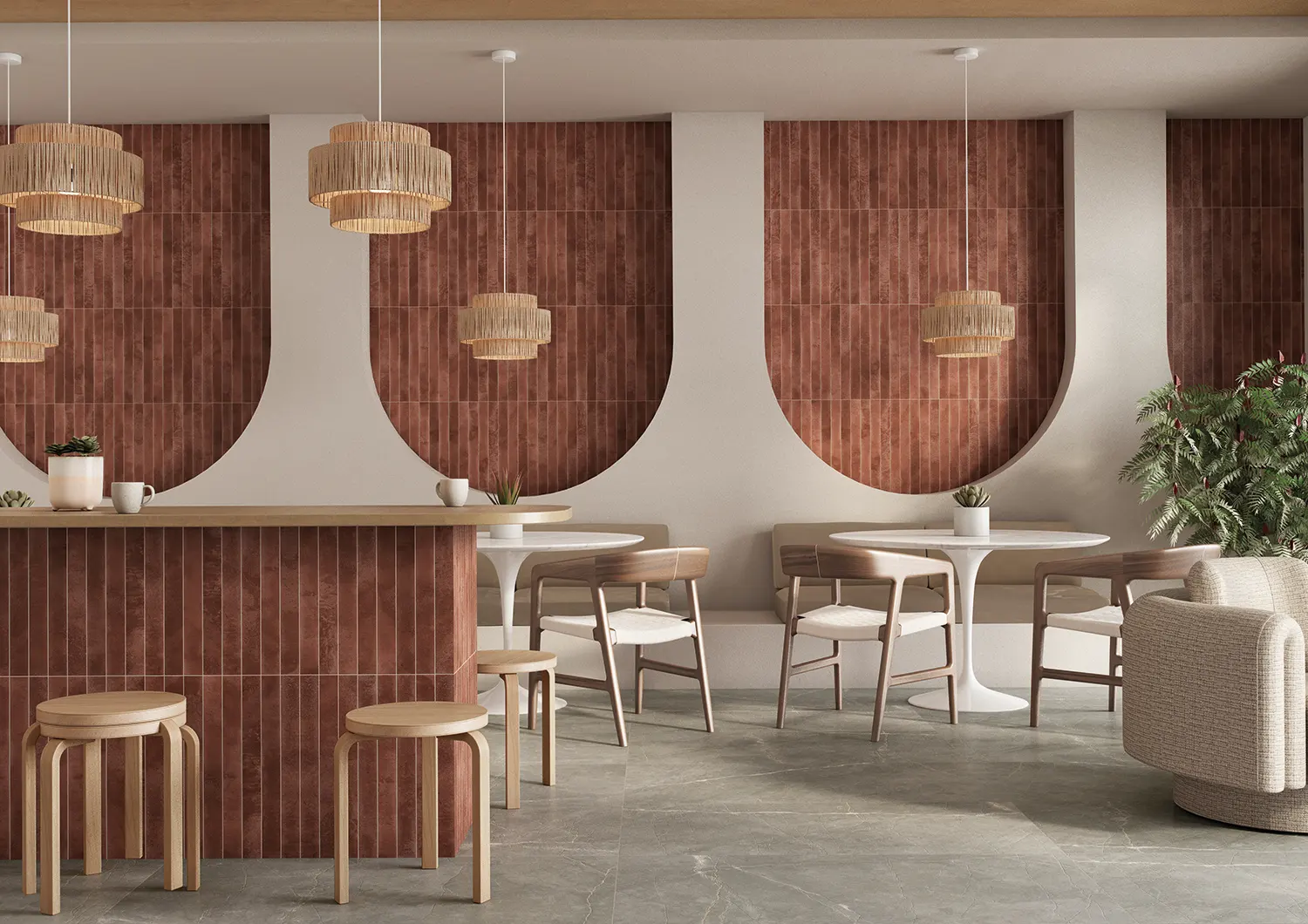
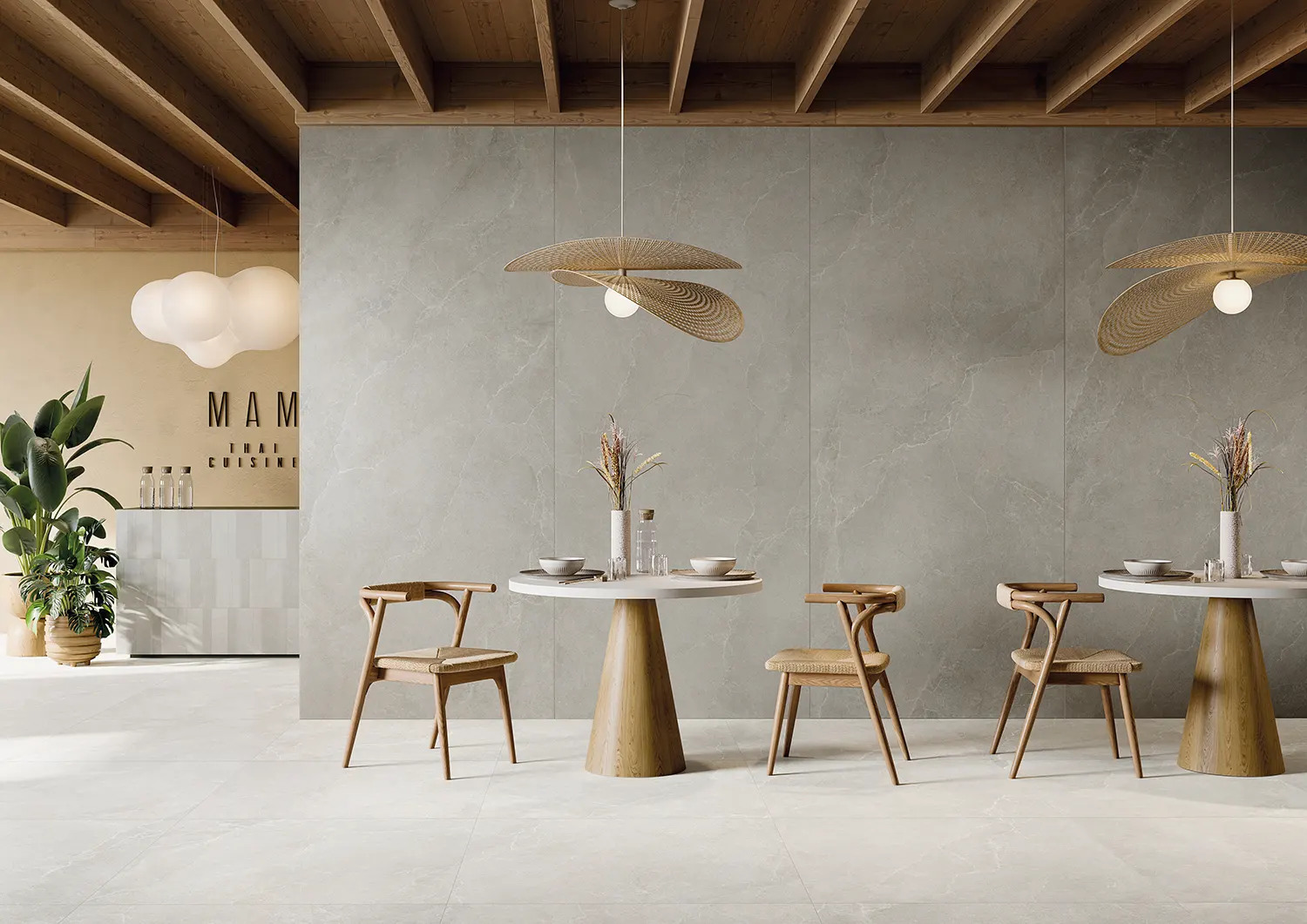
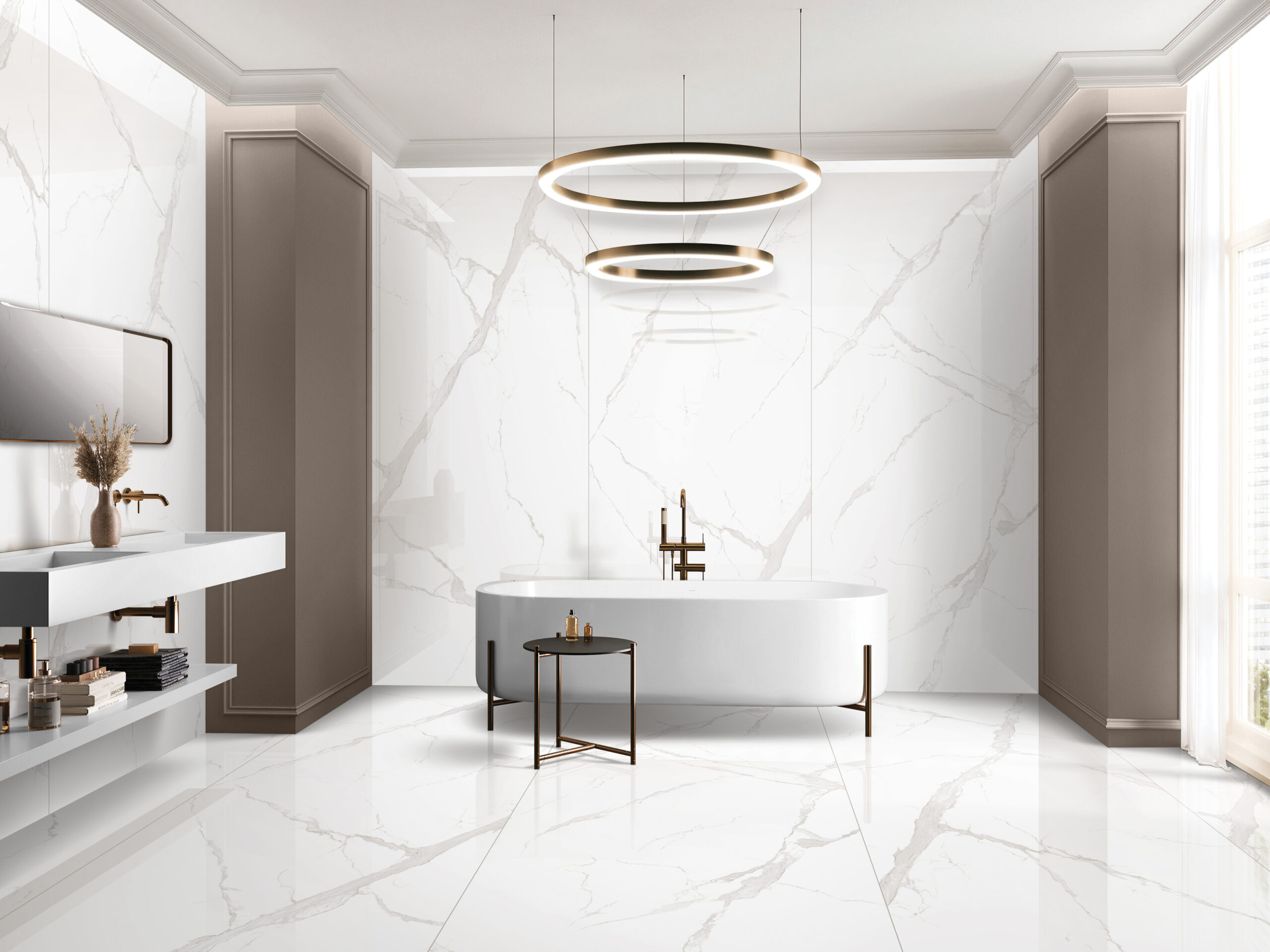
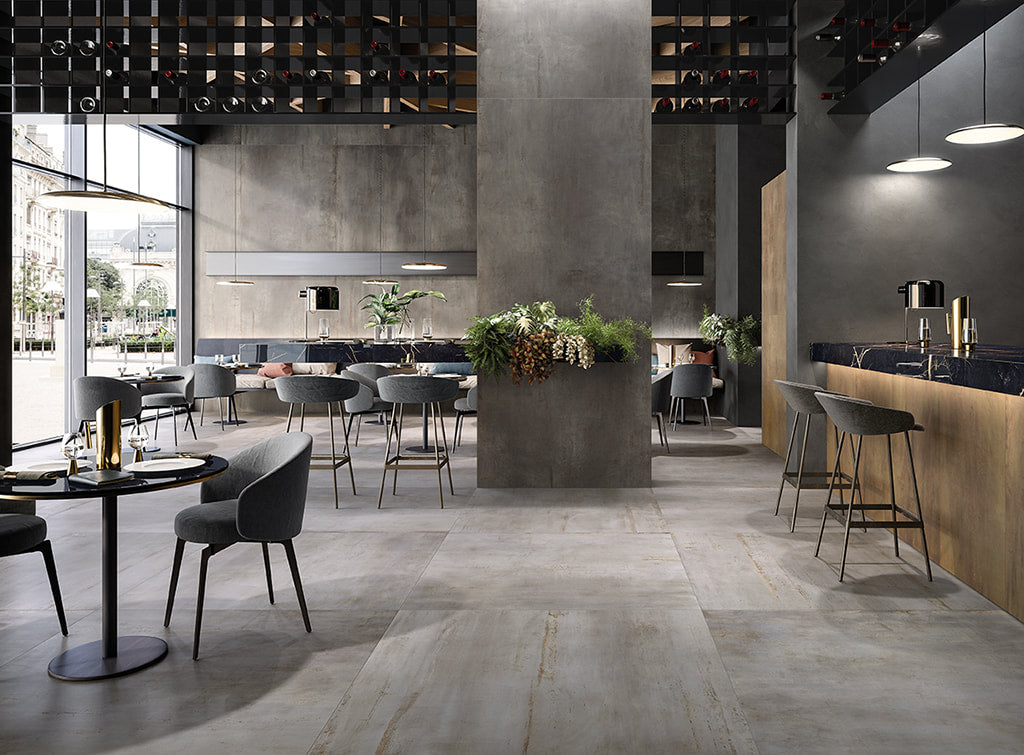
The magic is mostly about what disappears: grout lines. Fewer joints mean fewer visual interruptions, so a room reads as calmer and larger — the eye glides instead of counting squares. In open-plan homes, big tile flooring lets the kitchen, dining and living areas flow as one space instead of three, and running the same tile from inside to the patio makes even a modest home feel expansive.
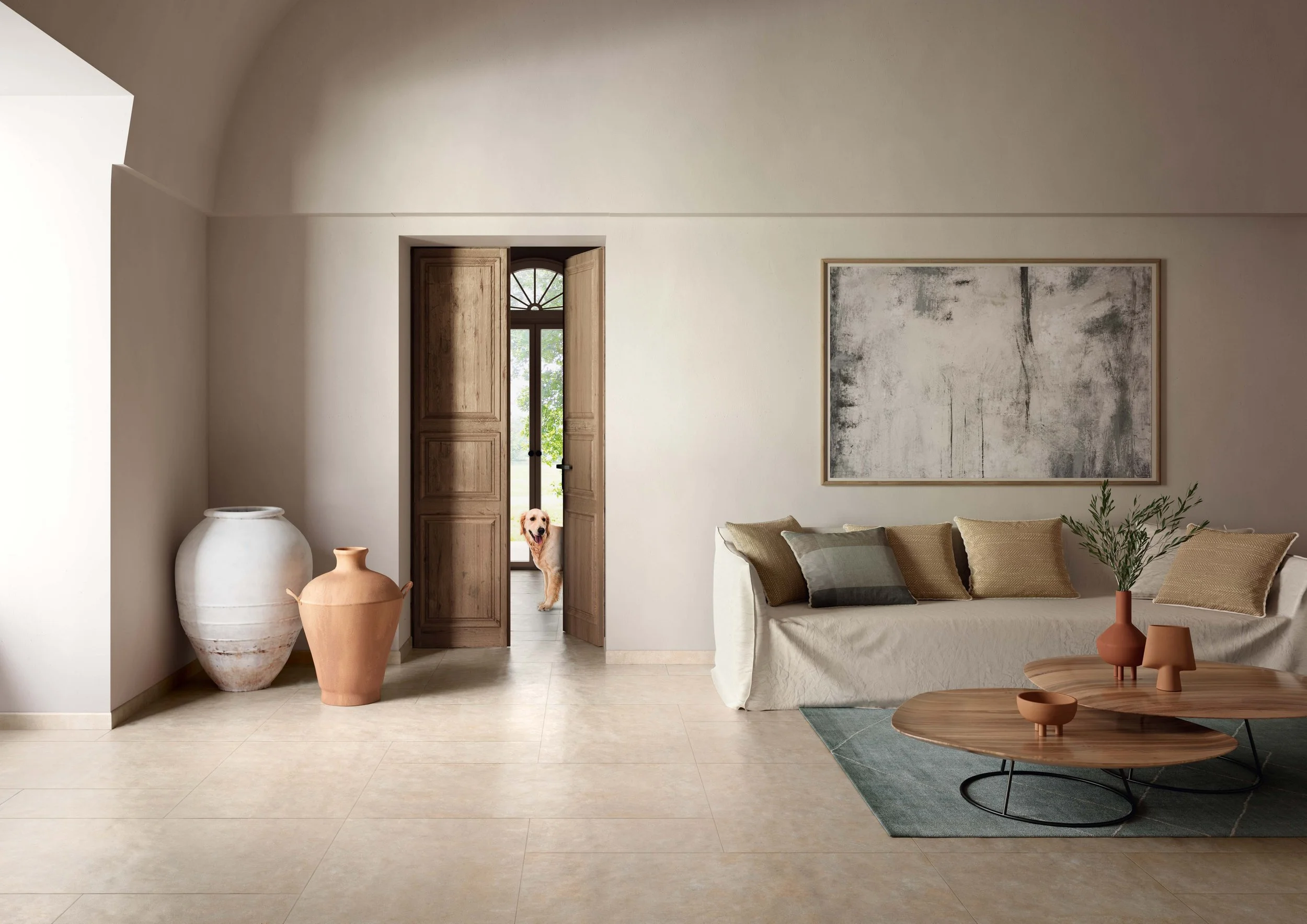
Fewer grout lines also mean less of the one part of a tiled floor that actually demands cleaning effort, which is why large format is as practical as it is fashionable for kitchen floor tiles.
The Small-Space Myth
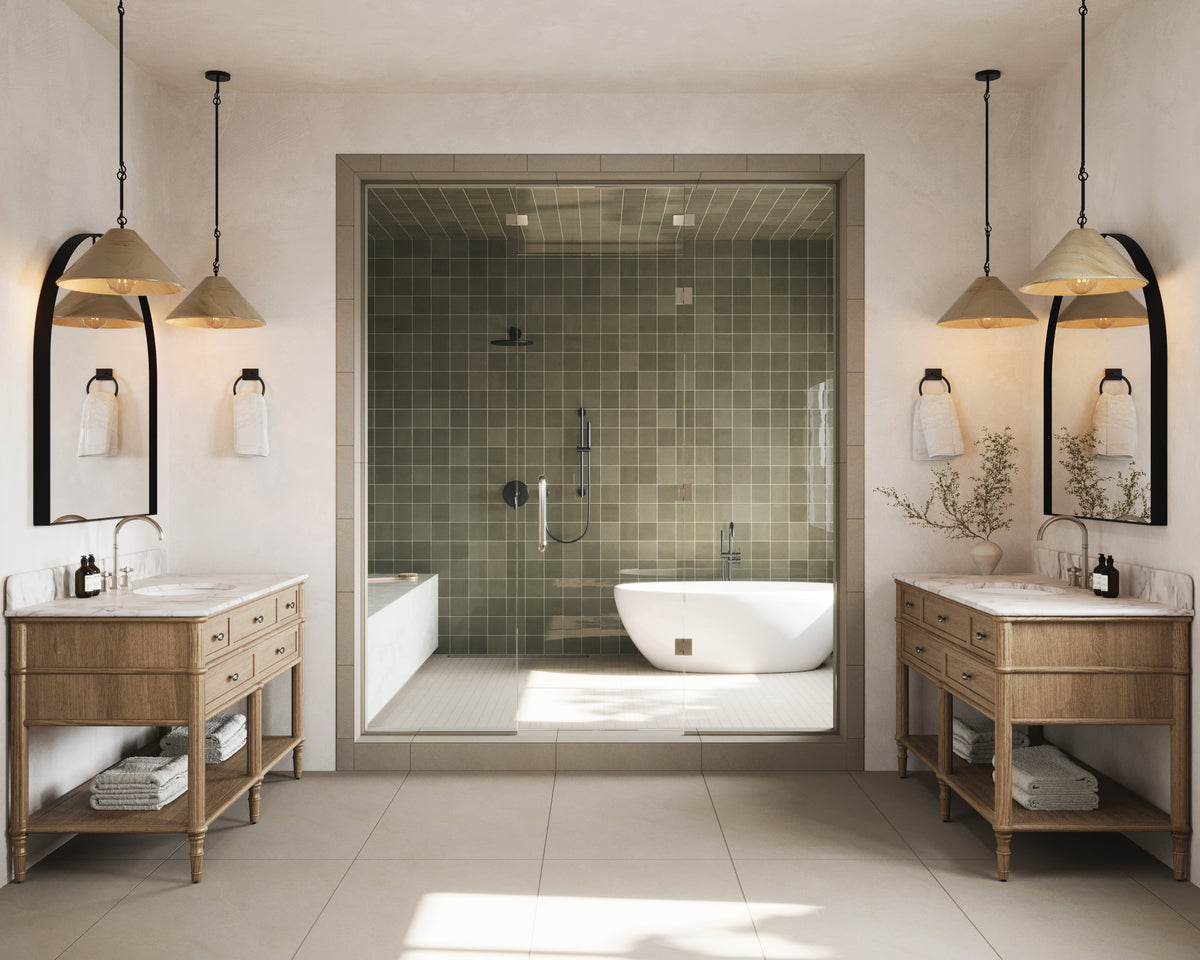
The instinct says small room, small tiles. The showroom floor says otherwise. In a compact bathroom or entrance hall, a large tile with only a handful of joints makes the floor look bigger, not busier — it’s the grid of grout lines that shrinks a small space.
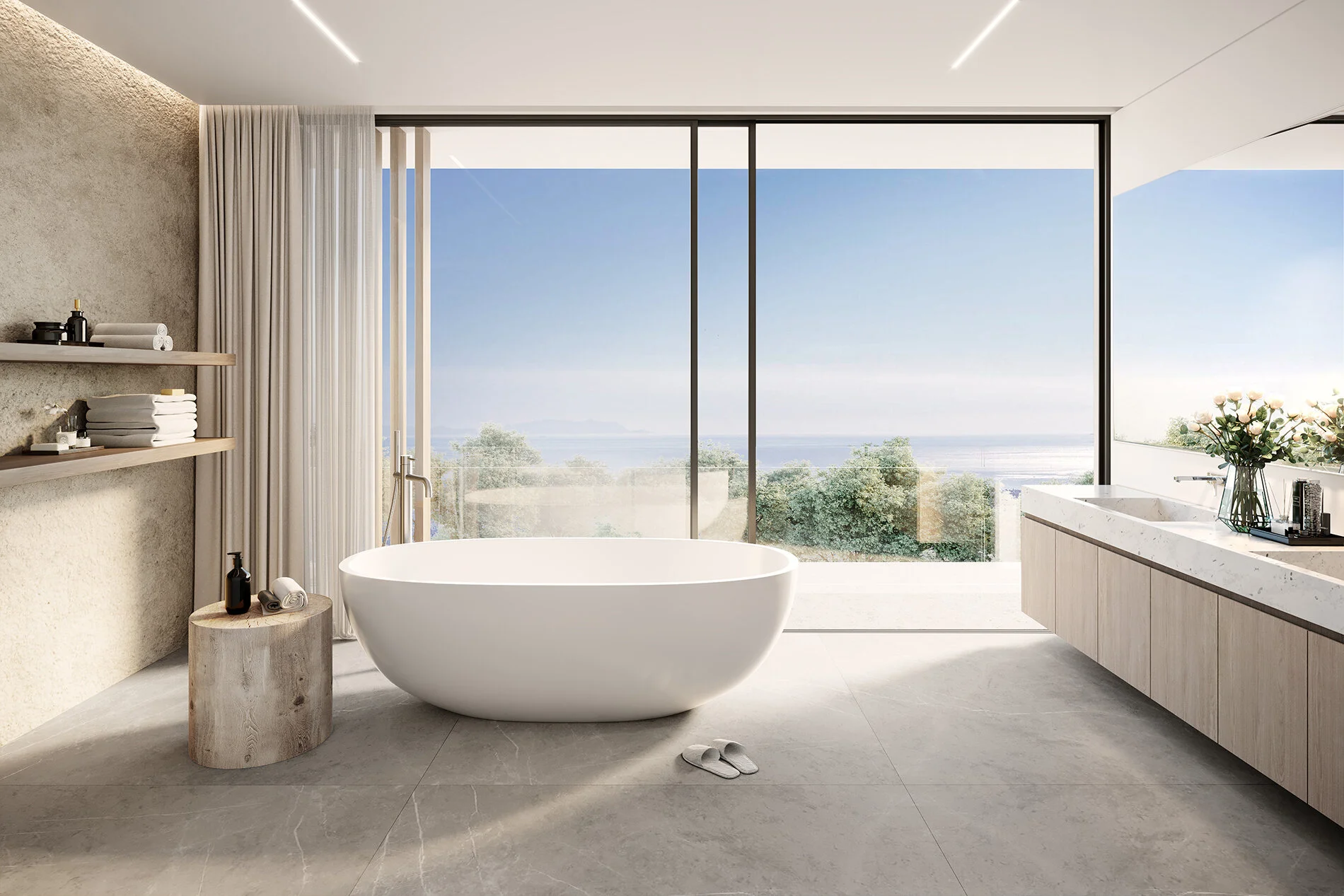
The real constraints in small rooms are practical, not visual: layout planning matters more, and falls to drains in bathrooms need thought. Done properly, some of the most convincing large-format rooms we see are the smallest ones.
What It Really Costs
Here’s the part that surprises people: the tile itself is often not much more expensive per square metre than a standard format — the difference sits in the preparation and the installation. Large tiles are unforgiving of an uneven floor, so the substrate may need levelling before a single tile is laid. They need more adhesive, applied correctly to the full back of the tile, and they take two people to carry and place.
As a rough illustrative guide, budget for installation to cost noticeably more per square metre than standard-format work, and for surface preparation as a possible extra line item — your tiler can only quote it after seeing your floor. It’s money that buys a result standard tiles can’t deliver, but it belongs in the budget from day one, not as a surprise at quote stage.
Why This Is Specialist Work — and the Questions to Ask Your Tiler
This is the single most important thing to take from this guide: large format tiles are not a job for whoever is cheapest. A 1200×2400 slab handled wrongly cracks; a floor laid without a levelling system shows “lippage” — edges that catch your toe and your eye forever; adhesive spread thinly to save money leaves hollow spots that fail years later. None of this is visible on the day the tiler leaves. All of it is visible three years on.
So before anyone starts, ask three questions. Have you laid this format before — and can I see or call a past job? What levelling system do you use? And how will you prepare the substrate? A specialist answers all three without blinking. If the answers are vague, keep looking — in tiling, as in most things in a South African home build, the craftsman matters as much as the material. (We’re happy to point you toward tilers who work in these formats regularly; it’s a question our consultants answer every day.)
Will It Still Look Right in Ten Years?
Fair question — nobody wants this decade’s avocado bathroom. Our view, from decades of watching trends arrive and leave: large format is a shift, not a fad. It’s driven by how homes are now built and lived in — open plans, indoor-outdoor living, less time for maintenance — rather than by a colour or a pattern that dates.
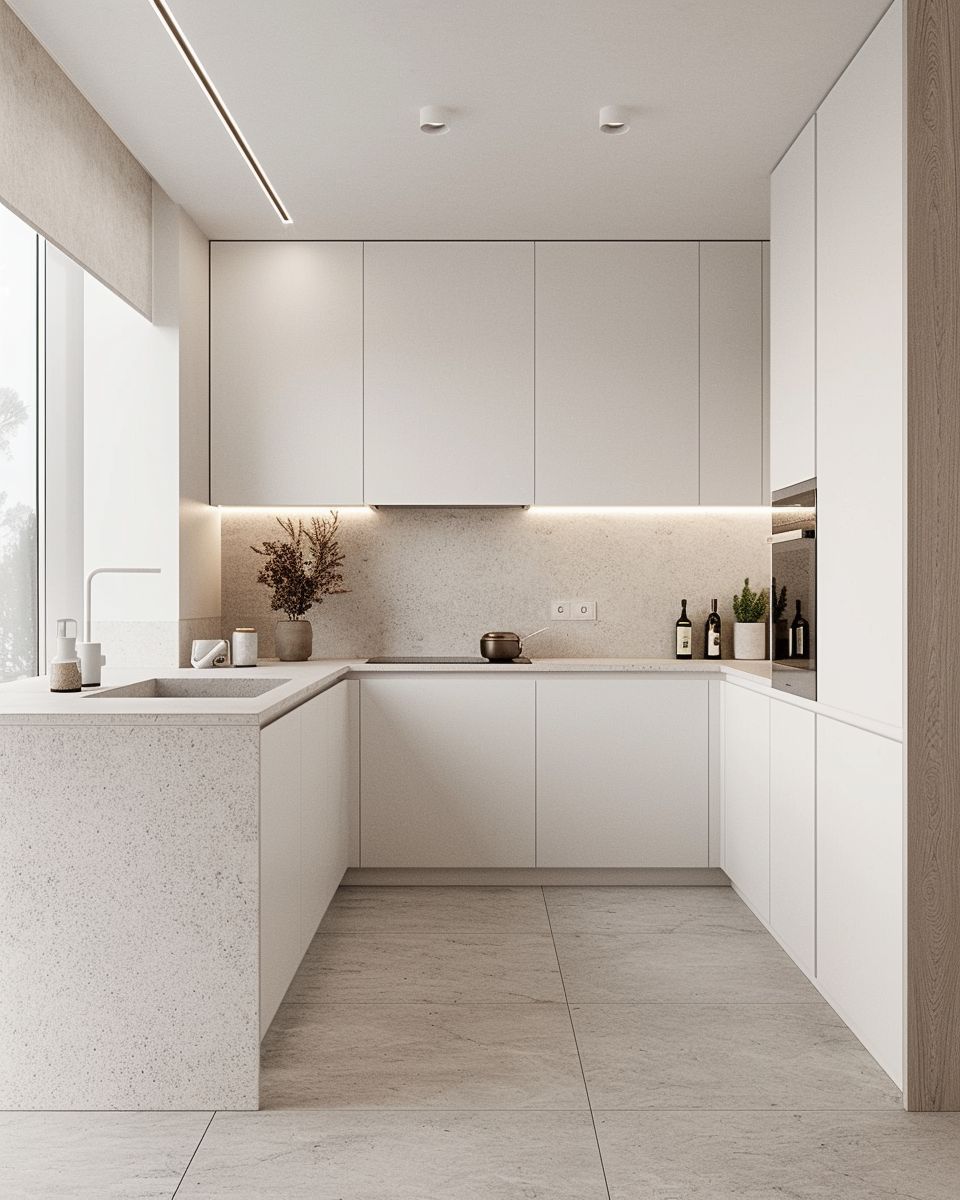
Choose a calm surface in a quality porcelain and you’re making one of the safer long-term choices in tile in South Africa right now; the durability does the sustainability work, and the format does the beauty work.
The best way to decide is to stand on it. Photographs flatten large format — you need to see a 600×1200 floor at full scale to understand what it does to a room. Visit a Tiletoria showroom, walk the displays, and talk the layout of your actual rooms through with a consultant. Bring your floor plan; we’ll bring the judgement.
blog, floors, kitchen
If you’re about to spend money on a new floor, you’re probably doing what most of us do: comparing prices per square metre. It’s the number on every shelf label and every quote, and it feels like the whole story. It isn’t — because a surface doesn’t stop costing you when you’ve paid for it. Ask most South Africans what makes a home greener and they’ll mention solar panels or a rainwater tank; almost nobody mentions what’s underfoot.
Yet the surfaces in a home carry both a cost story and a sustainability story, and they’re the same story. The most sustainable surface is the one you never have to replace.
Table of Content:
The Hidden Cost of the Replacement Cycle
Why Porcelain Lasts
Low Maintenance Is Low Impact
Do the Maths in Years, Not Square Metres
Durability Only Pays If You Choose Right the First Time
The Hidden Cost of the Replacement Cycle
Every floor and wall finish has two costs: the one you pay at the till, and the one it accumulates over its life. A surface that needs replacing every eight or ten years doesn’t just cost you again in rands — it costs again in manufacturing, transport, installation and rubble. Softer finishes that scratch, swell, fade or lift start that cycle early, and every cycle ends the same way: in a skip.
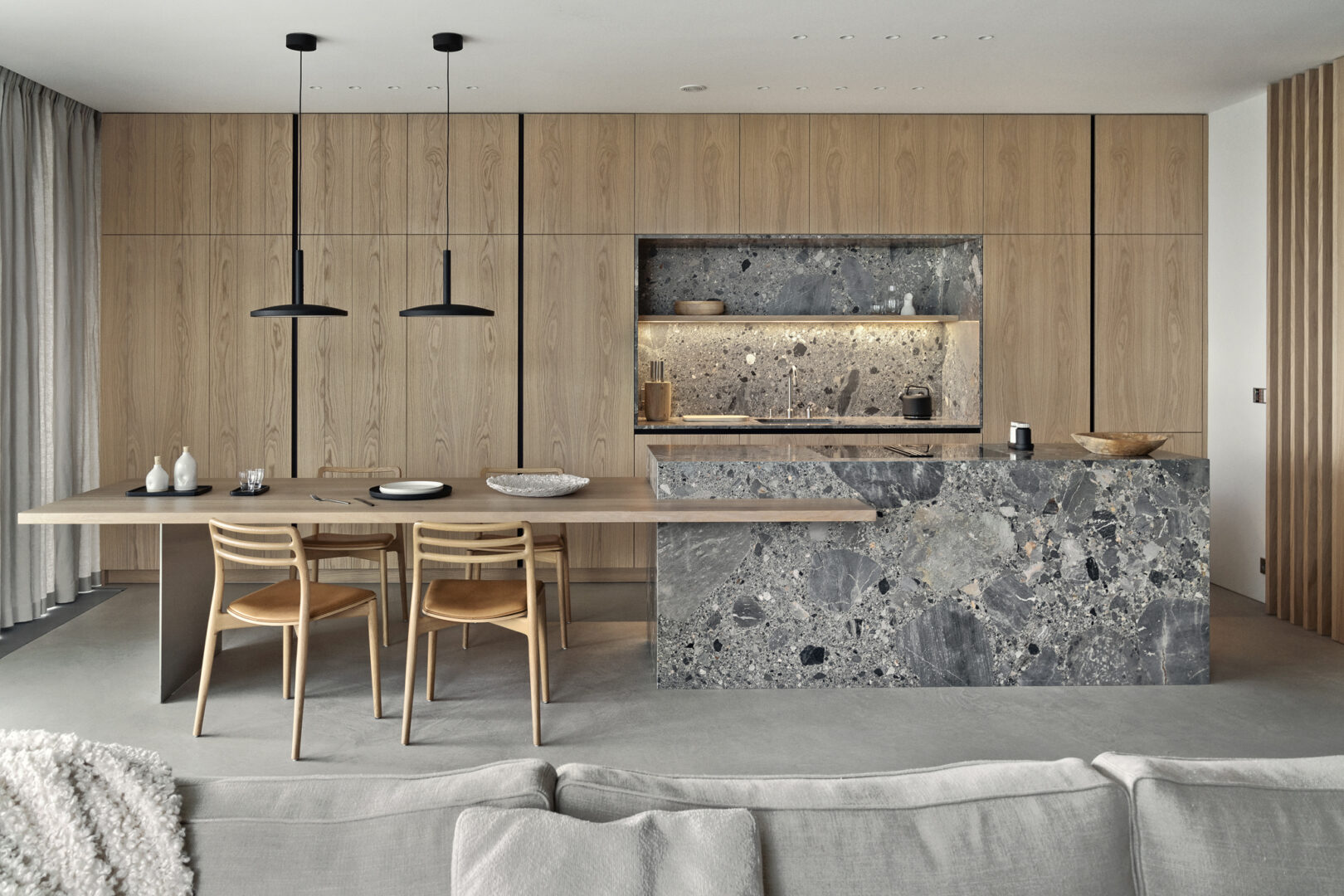
Tiles work on a different clock. A scenario our consultants know well: a family renovating a 1990s house strips out the kitchen for the second time in the home’s life — new cupboards, new counters, new appliances — and the one thing that stays is the original porcelain floor, because after nearly thirty years of school shoes, dogs and dinner parties there is still nothing wrong with it. Two kitchens have come and gone; the floor has outlasted them both. When a surface lasts that long, its footprint is spread across a lifetime rather than a decade. That is what sustainability looks like in practice, not on a label.
Why Porcelain Lasts
Porcelain is fired at extremely high temperatures until it becomes dense, hard and almost completely non-porous. In practical terms, that means it doesn’t fade in the harsh South African sun, doesn’t swell or warp when things get wet, and shrugs off the scratches that end the life of softer floors.
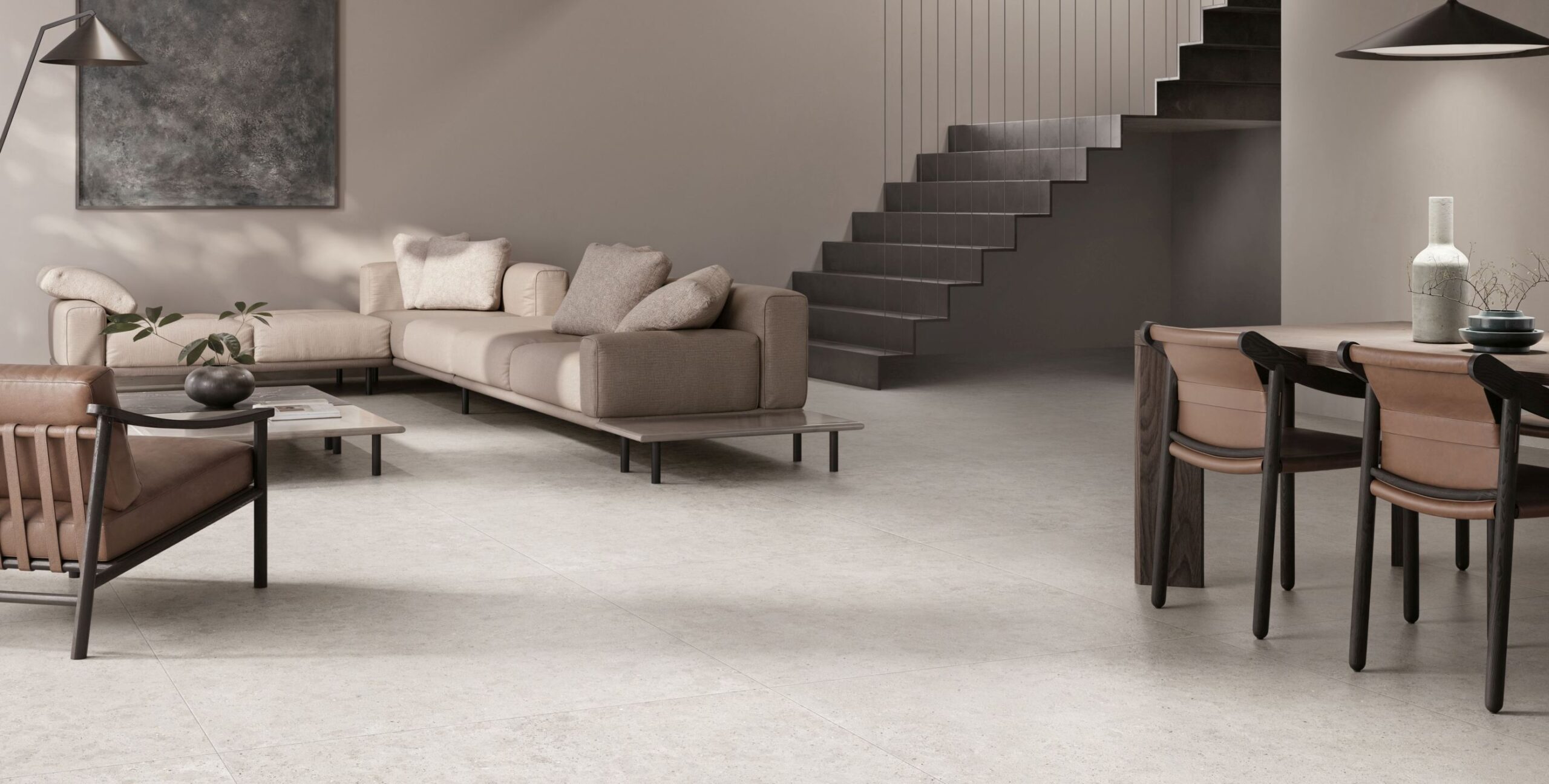
It matters most in the rooms that work hardest. Kitchen floor tiles take dropped pots, dragged chairs, spills and daily traffic for years without complaint, and kitchen wall tiles behind a hob will still wipe clean long after painted surfaces have surrendered. Outdoors, the right non-slip tiles handle sun, rain and pool water season after season — conditions that send most other surfaces to an early replacement.
Low Maintenance Is Low Impact
Durability is only half of the whole-life story. The other half is what a surface demands from you along the way. Tiles need no varnishing, no sealing (in the case of porcelain), no harsh chemical treatments and no specialist care — warm water and a standard cleaner keep them looking as they did on day one. Over twenty or thirty years, that’s a meaningful saving in chemicals, water and money, and it’s a form of sustainability that rarely makes the brochure.
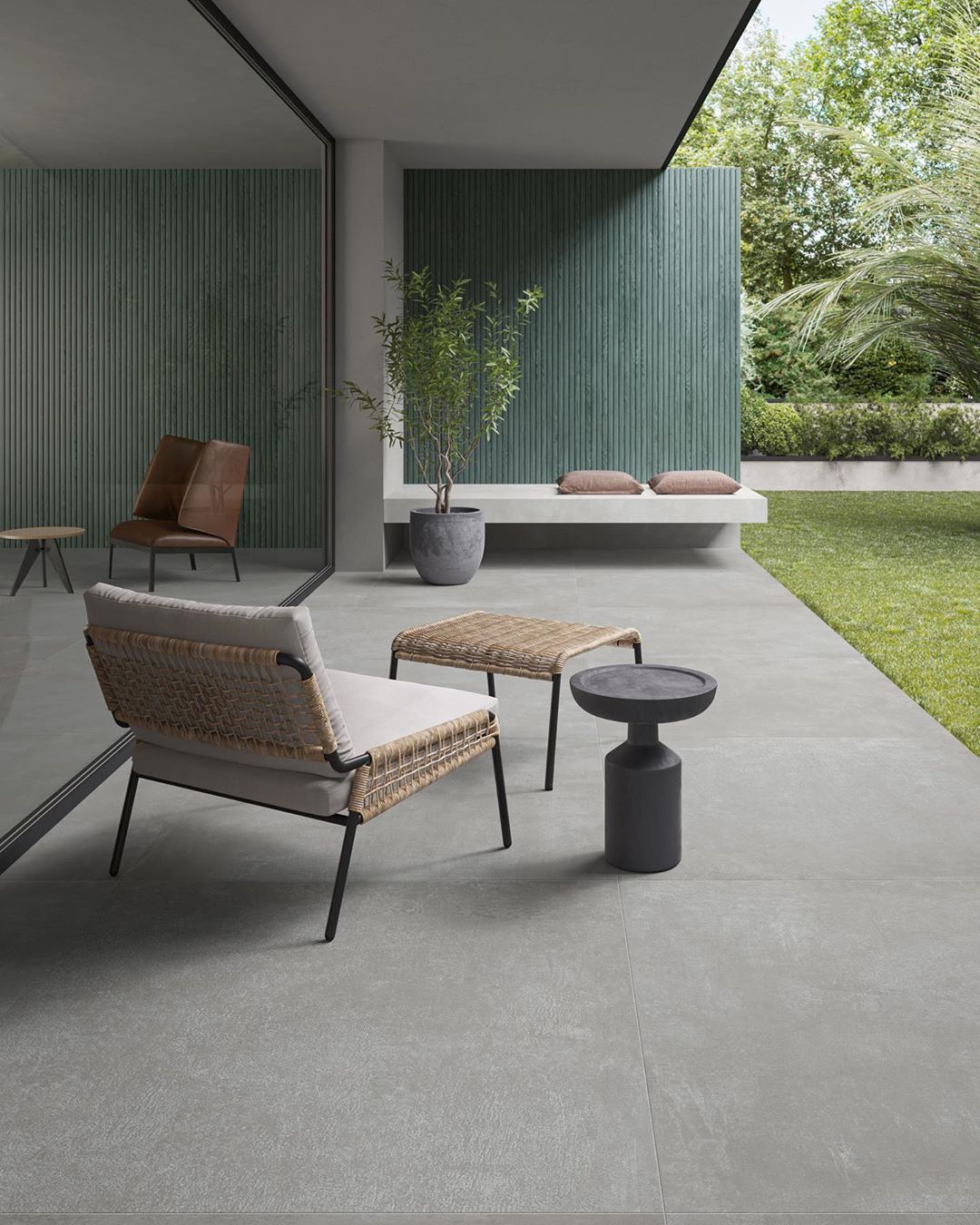
Do the Maths in Years, Not Square Metres
Price is where the durability argument becomes a budgeting argument. When you compare ceramic tile prices with cheaper short-life alternatives, the per-square-metre number only tells you what day one costs. The better question is what a surface costs per year of service.
Take an illustrative example. A quality porcelain floor at R350/m² that serves for 30 years costs you under R12 per square metre per year. A budget surface at R180/m² looks like the smarter buy — until it needs replacing every ten years. Over the same 30 years that’s three rounds of material at R540/m², plus two extra rounds of installation, rubble removal and living through the mess. The “expensive” floor ends up costing roughly a third less per year of service, and that gap widens once labour is counted. (The numbers are illustrative, but the maths holds at almost any price point.)
Buying tile in South Africa on day-one price alone is how homes end up in the replacement cycle. Do the maths in years, and a different shelf in the showroom starts making sense.
Durability Only Pays If You Choose Right the First Time
There is one honest caveat: a surface that lasts forty years is only a blessing if it’s the right surface. The wrong tile — wrong rating for the space, wrong format for the room, a trend that dates in five years — lasts just as long.
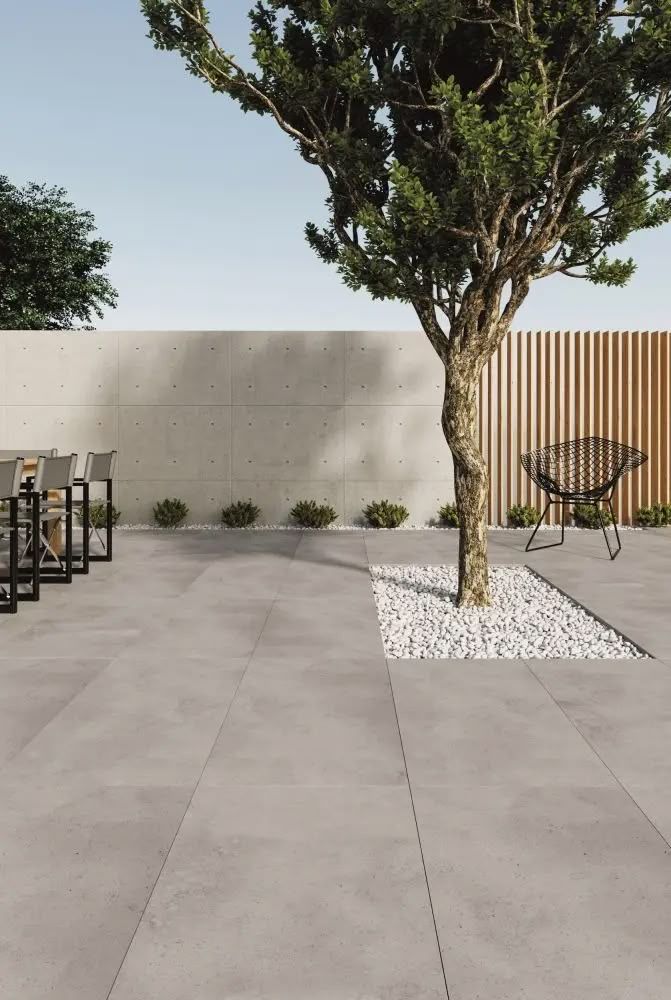
That’s where judgement earns its keep. Large format tiles — the big tile flooring look that suits today’s open-plan living — mean fewer grout lines to maintain, but they ask more of the installation. Outdoor and bathroom spaces need the right slip rating, not just the right look. And some colours and patterns will still feel right in 2046, while others won’t survive the decade. Knowing the difference is what decades of helping South Africans choose surfaces teaches — the kind of pattern recognition you can’t get from a product page.
So if you’re renovating with sustainability in mind — or simply with your budget in mind — start underfoot. Choose a surface built to last, choose it with advice you trust, and choose it once. Bring your plans into a Tiletoria showroom and talk it through with a consultant; the most sustainable decision you make this year might be the one you never have to make again.
bathroom, blog, floors, kitchen, outdoor, renovation tips, walls
Design details that instantly reveal a bad renovation are often the small things people overlook. At first glance a space may look modern or newly finished, but closer inspection usually tells a different story. Misaligned tiles, rushed layouts or mismatched finishes can quickly undermine the overall result. Paying attention to these details is what separates a renovation that looks polished from one that feels unfinished.
Table of Content:
Design Details That Instantly Reveal a Bad Renovation: Edges and Corners
Poor Transitions Between Flooring Materials
Fixtures Installed Without Considering Tile Placement: Another Design Detail That Instantly Reveals a Bad Renovation
Inconsistent Grout Colour Across Surfaces
Skipping Proper Surface Preparation
Design Details That Instantly Reveal a Bad Renovation: Ignoring Visual Alignment Across the Room
Design Details That Instantly Reveal a Bad Renovation: Edges and Corners
One of the first things professionals notice is how tiles finish at edges and corners. Exposed tile edges, uneven trims or poorly cut corners instantly reveal rushed workmanship.
Well-finished spaces usually include proper edging, trims or carefully mitred corners that create a clean transition between surfaces. These small finishing details make the difference between a renovation that looks professional and one that feels unfinished.
Poor Transitions Between Flooring Materials
Transitions between rooms are another detail that can reveal a rushed renovation. When tile flooring suddenly meets wood flooring, laminate or vinyl without a clear transition strip or level alignment, the space feels disjointed.
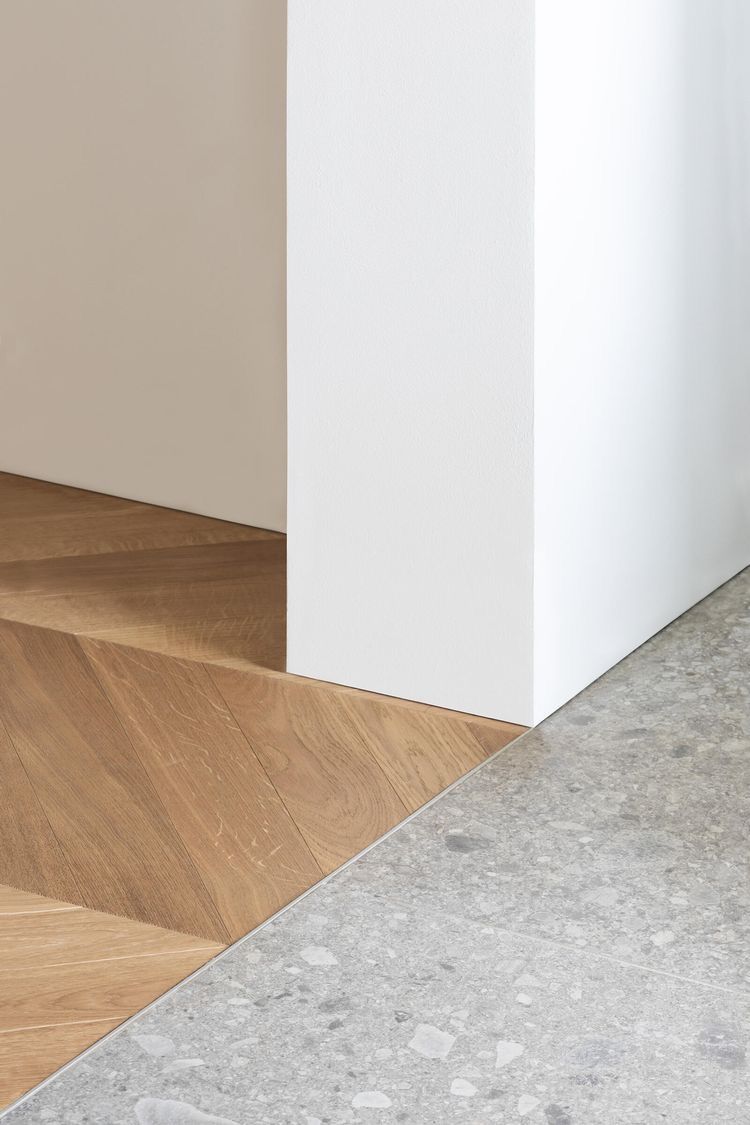
Good renovations consider how materials flow from one room to another. Smooth transitions create visual continuity and prevent the floor from feeling like separate pieces rather than one cohesive design.
Fixtures Installed Without Considering Tile Placement: Another Design Detail That Instantly Reveals a Bad Renovation
Another mistake designers notice immediately is when fixtures appear randomly positioned within tiled areas. For example, taps, shower fittings or basins may land awkwardly across grout lines or off-centre within a tile.
Thoughtful planning ensures fixtures align with tile placement and appear visually balanced. When fittings feel centred and intentional, the entire room looks more refined.
Inconsistent Grout Colour Across Surfaces
Grout colour consistency is often overlooked during renovations. If the grout shade changes slightly between areas or surfaces, the difference can be surprisingly noticeable once everything is installed.
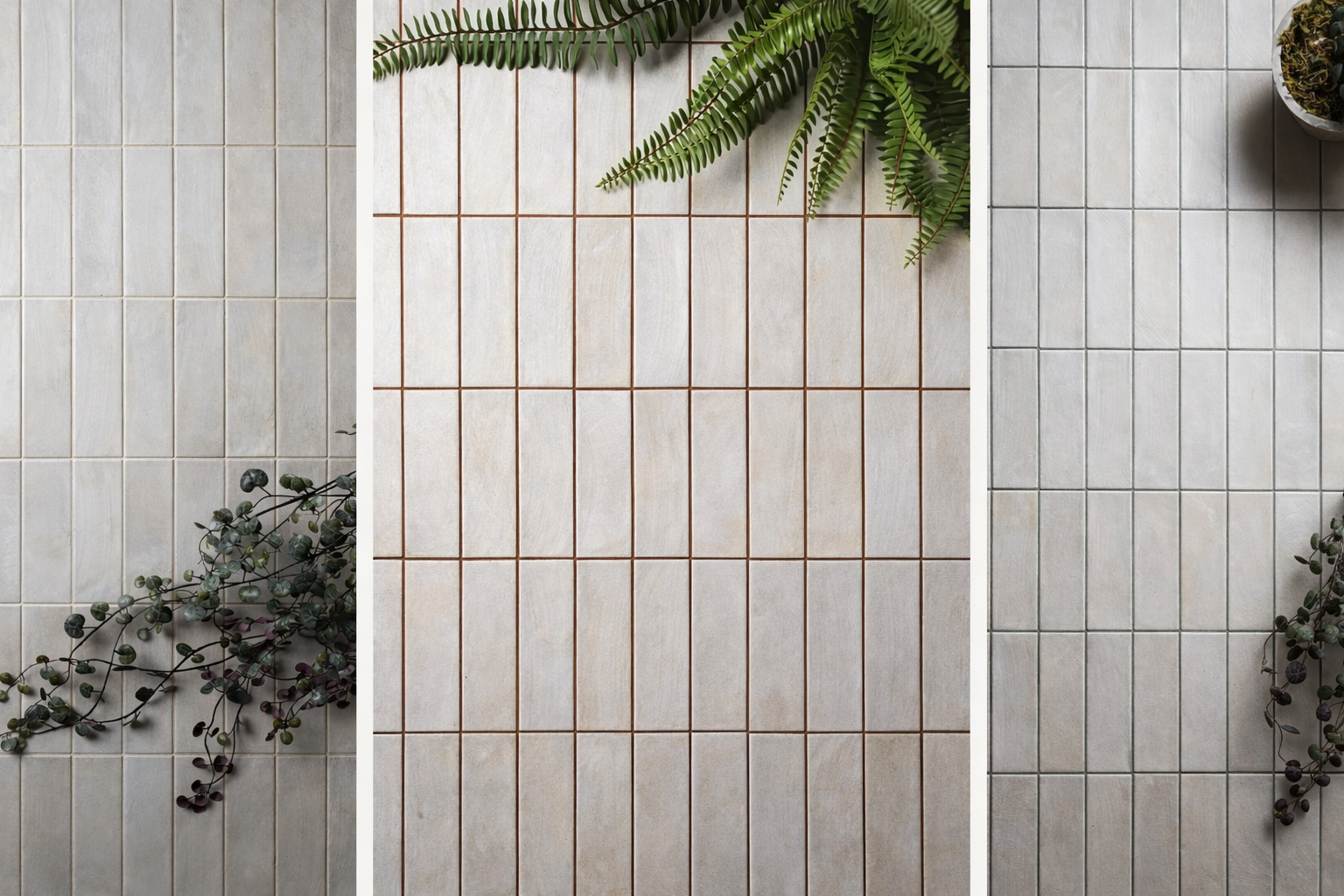
Using consistent grout tones helps surfaces feel unified rather than fragmented. Designers often choose grout colours carefully so the tiles feel integrated with the rest of the design.
Skipping Proper Surface Preparation
Even the best tiles can look poorly installed if the surface beneath them was not properly prepared. Uneven walls, poorly levelled floors or inadequate waterproofing often reveal themselves through subtle imperfections once tiles are installed.
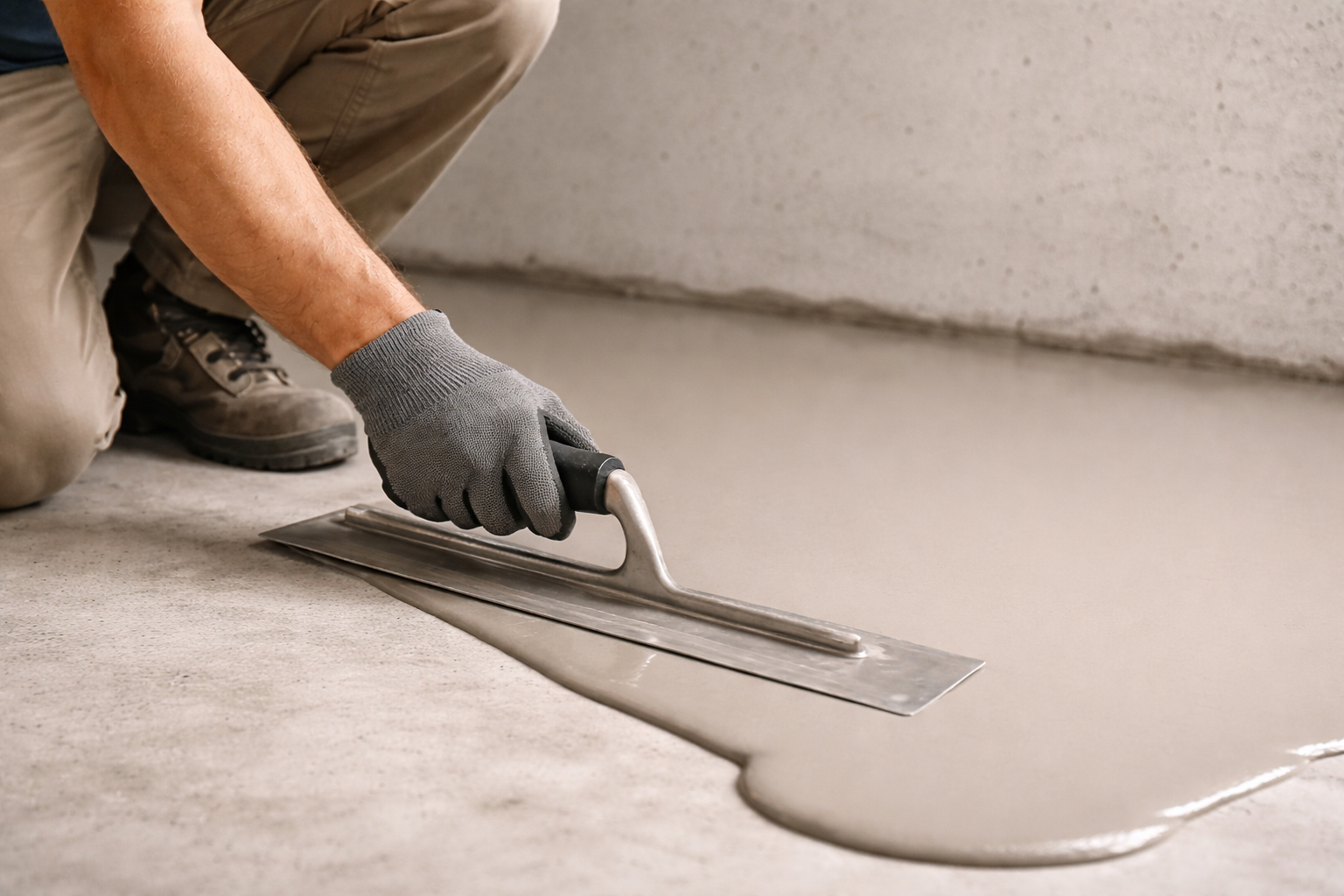
Professionals know that good preparation is what allows finishes to look clean and precise. When the foundation is correct, the final installation appears smooth and intentional.
Design Details That Instantly Reveal a Bad Renovation: Ignoring Visual Alignment Across the Room
Designers also pay attention to how elements align across a space. For example, a vanity might sit slightly too close to a door frame, or a mirror may not align with the basin below it. When key elements feel visually unbalanced, the entire room can appear poorly planned.
Carefully aligning surfaces with surrounding architectural features helps create a sense of order. This subtle coordination is one of the things that makes well-designed renovations stand out.
Understanding subtle but impactful design details that instantly reveal a bad renovation can help homeowners avoid costly mistakes before construction even begins. Paying attention to installation quality, transitions and alignment ensures that materials work together rather than against each other.
When these details are handled carefully, a renovation feels polished, intentional and built to last.
bathroom, blog, floors, kitchen, outdoor, walls
How tiles can make a space look more expensive is something many people underestimate. The size of the tile, the layout, the grout colour and the finish all influence how luxurious a space feels. When these elements are chosen carefully, tiles can elevate an interior and create the impression of a high-end design without dramatically increasing the renovation budget.
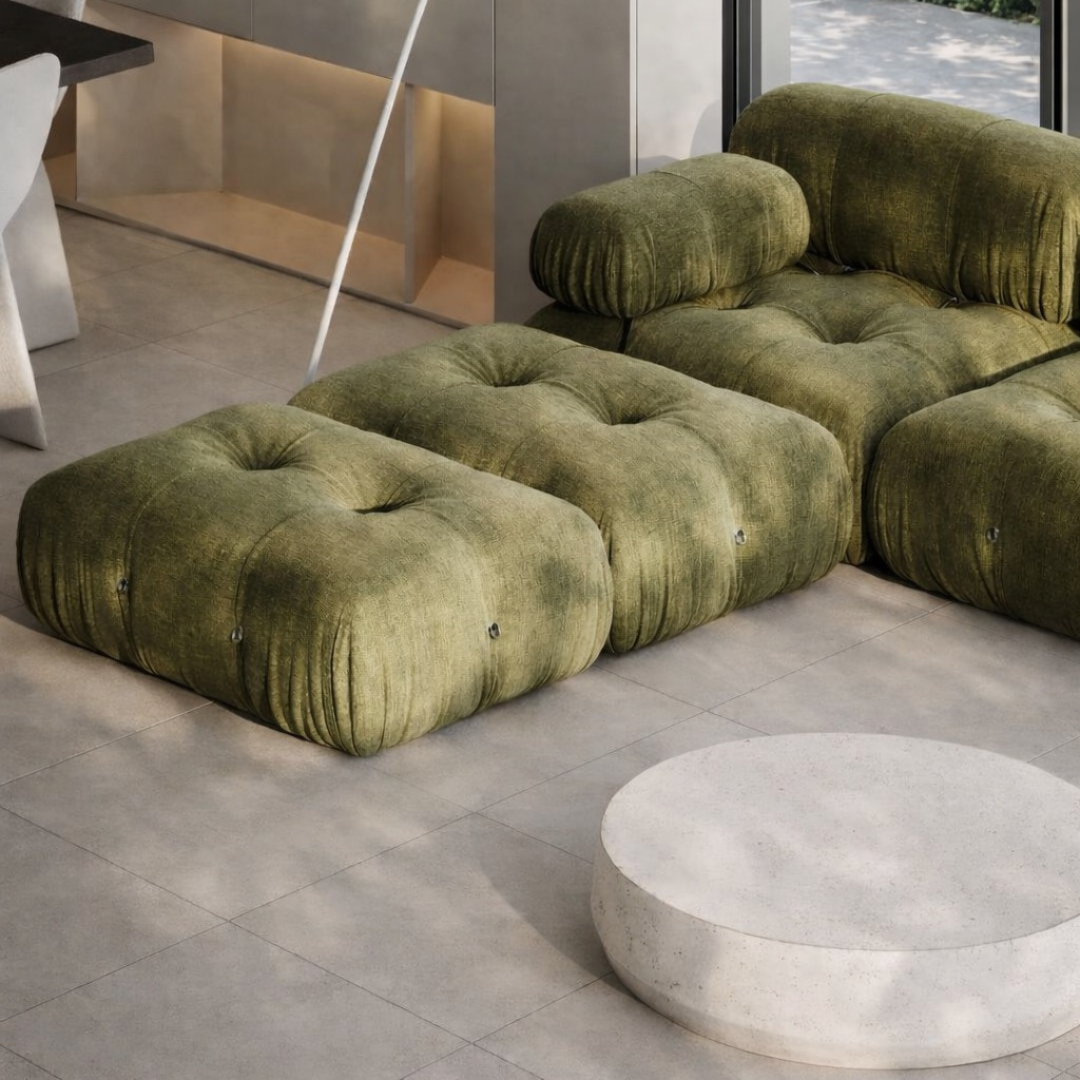
Table of Content:
How Tiles Can Make a Space Look More Expensive Through Scale
Consistency Creates a Luxurious Feel
How Tiles Can Make a Space Look More Expensive With Thoughtful Layouts
The Right Finish Can Elevate the Entire Room
Colour Palettes Matter More Than You Think
How Tiles Can Make a Space Look More Expensive Through Material Inspiration
How Tiles Can Make a Space Look More Expensive Through Scale
One of the easiest ways tiles can elevate a space is through scale. Larger tiles create fewer grout lines, which makes surfaces look more seamless and visually calm. This uninterrupted look is often associated with high-end interiors because it feels intentional and well designed.
Large-format tiles also help rooms feel more open. With fewer lines breaking up the surface, floors and walls appear more expansive, which contributes to a more sophisticated overall look.
Consistency Creates a Luxurious Feel
Luxury spaces often share one common trait: consistency. When colours, materials and finishes flow naturally from one surface to another, the result feels cohesive and considered.
Using the same tile across larger areas or carrying similar tones between floors and walls helps create this effect. Instead of feeling busy or fragmented, the space feels balanced and calm.
Consistency does not mean everything has to match perfectly. It simply means the design choices feel connected rather than random.
How Tiles Can Make a Space Look More Expensive With Thoughtful Layouts
The way tiles are installed plays a significant role in how expensive a space looks. Carefully planned layouts with aligned grout lines create a sense of precision and craftsmanship.
Symmetry and clean alignment make tiles feel deliberate rather than rushed. When patterns are centred correctly and cuts are minimised, the entire room feels more refined.
Simple layouts often work best when the goal is to create a polished and expensive-looking interior.
The Right Finish Can Elevate the Entire Room
Tile finishes influence how light moves through a space. Polished surfaces reflect light and create brightness, while matt finishes offer a softer and more contemporary feel.
Both finishes can contribute to a high-end look when used in the right setting. The key is choosing a finish that complements the surrounding materials and lighting conditions.
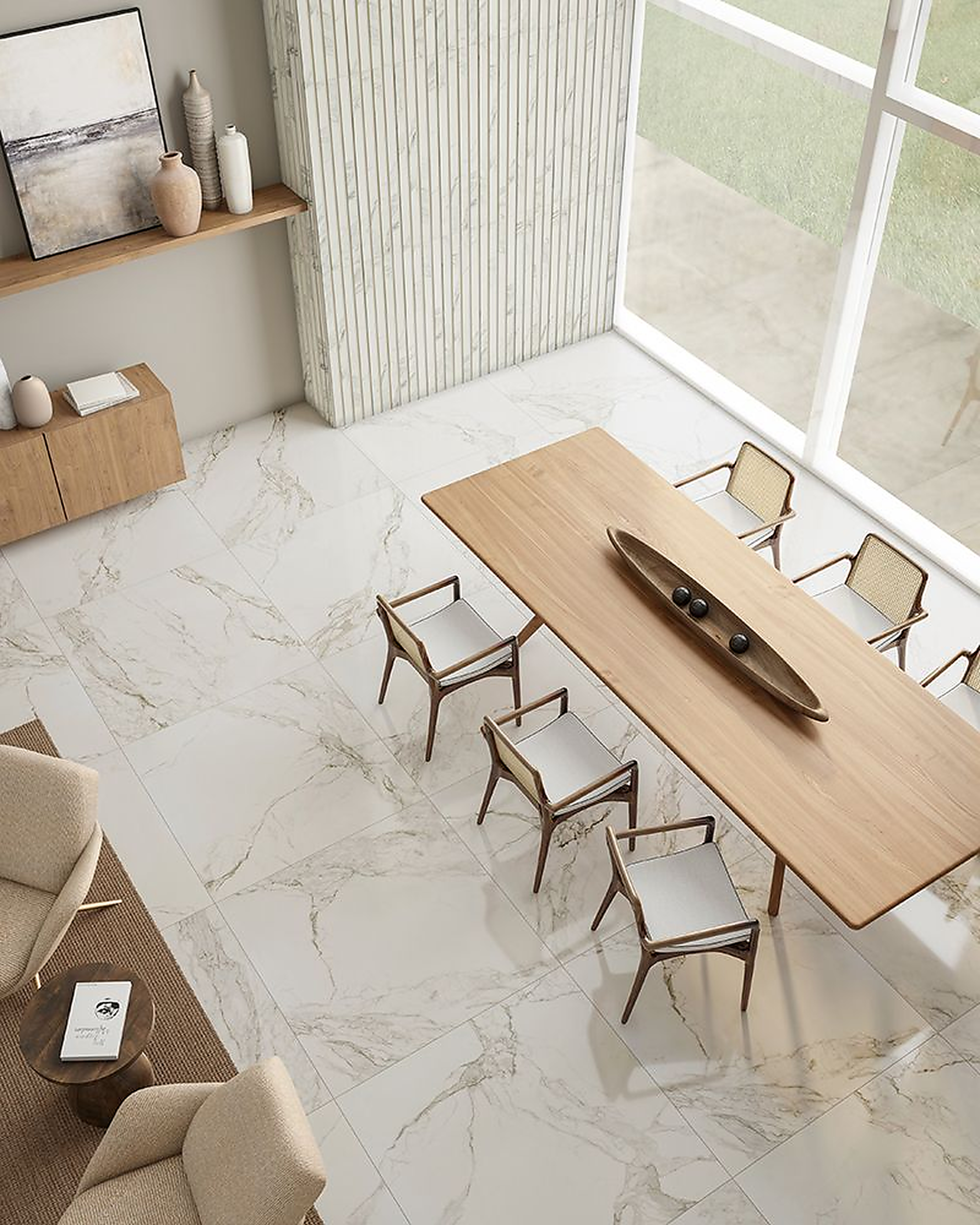
For example, a softly textured matt tile paired with warm lighting can create a refined atmosphere that feels both modern and welcoming.
Colour Palettes Matter More Than You Think
Colour plays a major role in how luxurious a space feels. Soft neutral palettes tend to create a calm and timeless foundation that many high-end interiors share.
Shades like warm white, taupe, soft grey and natural stone tones allow materials and textures to stand out without overwhelming the room.
When colours feel balanced and intentional, the overall design appears more sophisticated and visually relaxing.
How Tiles Can Make a Space Look More Expensive Through Material Inspiration
Many modern tiles replicate natural materials like marble, stone or travertine. These surfaces carry a sense of luxury because they reference materials traditionally associated with premium interiors.
Marble-look and stone-look tiles allow homeowners to achieve this aesthetic while maintaining durability and practicality. The result is a space that feels elegant but still works for everyday life.
Understanding how tiles can make a space look more expensive is less about choosing the most expensive product and more about thoughtful design decisions. Tile size, layout, colour and finish all influence how refined a space feels.
When these elements work together, tiles become more than just a surface. They become a design feature that shapes how a space looks, feels and functions.
Careful planning and intentional choices can transform even simple materials into something that feels elevated and timeless.
bathroom, blog, floors, kitchen, outdoor, walls
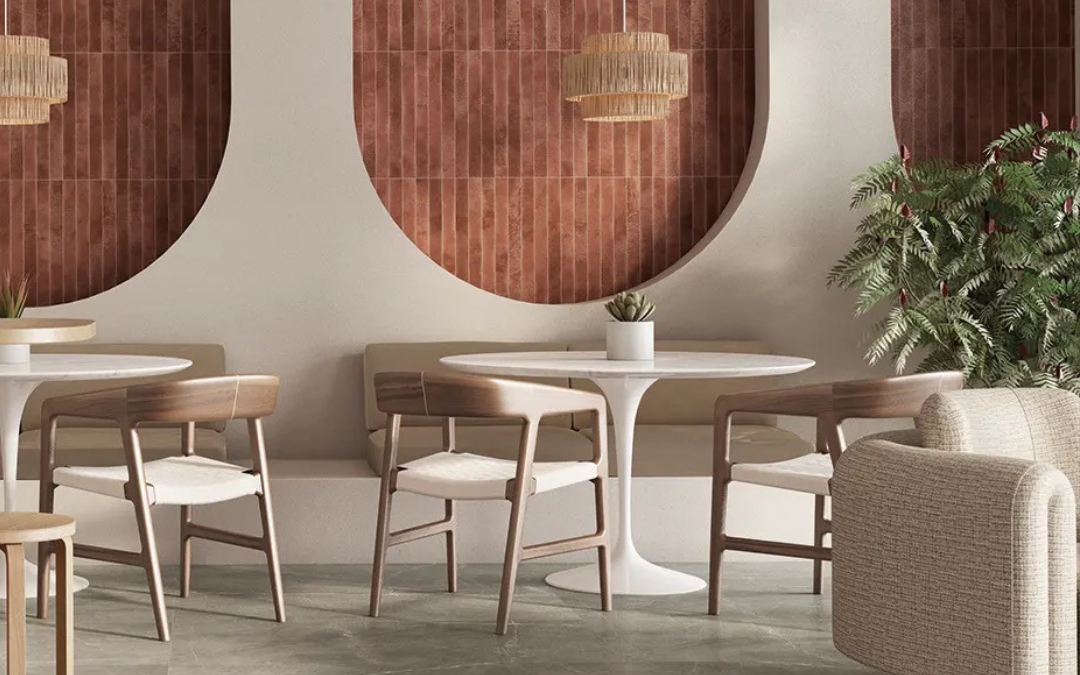
Tile design personality might not be something you’ve thought about before, but the tiles you’re naturally drawn to often say a lot about how you approach design. Some people gravitate toward calm, minimal spaces while others are drawn to colour, texture or statement features.
The finishes, patterns and materials you prefer often reflect the way you like your spaces to feel and function.
Table of Content:
The Tile Design Personality Quiz
The Five Tile Design Personalities
Why Your Tile Personality Matters
The Tile Design Personality Quiz
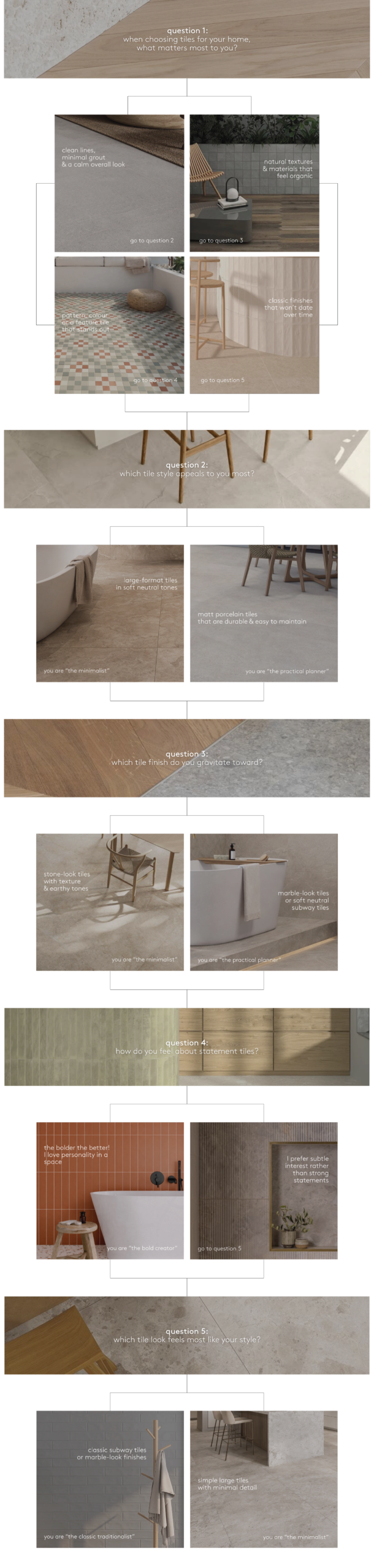
To help you uncover what your tile choices say about your design personality, try our quick quiz below. Follow the answers that feel most like you and see which tile design personality you land on.
The Five Tile Design Personalities
Now that you’ve discovered your tile design personality, here’s what it says about the way you design and choose materials for your space.
The Minimalist
Minimalists are drawn to simplicity, balance and visual calm. Their spaces feel uncluttered and intentional, with every element chosen carefully.
Tiles that suit this personality usually include large-format tiles, soft neutral tones and minimal grout lines. Colours like warm white, soft grey and taupe create the calm foundation minimalists love.
These tiles work beautifully in modern kitchens, open-plan living spaces and spa-like bathrooms.
The Minimalist Collection
The Bold Creator
Bold Creators see tiles as an opportunity to make a statement. They enjoy spaces that feel expressive and memorable.
Patterned tiles, textured surfaces and strong colour contrasts often appeal to this personality. Think feature splashbacks, geometric tiles, mosaics or unexpected colour combinations.
Used thoughtfully, statement tiles can turn kitchens, bathrooms or entryways into design focal points.
The Bold Creator Collection
The Naturalist
Naturalists gravitate toward organic textures and earthy palettes. They prefer materials that mimic nature and create a sense of calm connection with the environment.
Stone-look tiles, travertine finishes, warm sandy tones and wood look flooring fit perfectly into this aesthetic. These tiles add depth and texture without overwhelming the space.
Naturalist interiors often feel relaxed, layered and timeless.
The Naturalist Collection
The Practical Planner
Practical Planners approach design with functionality in mind. They want spaces that look good but also perform well under everyday use.
Durable porcelain tiles, matt finishes and slip-resistant surfaces are common choices for this personality. These tiles handle foot traffic, moisture and daily wear with ease.
This approach works especially well in busy kitchens, family homes and commercial spaces.
The Practical Planner Collection
The Classic Traditionalist
Classic Traditionalists appreciate timeless elegance. Their spaces often combine traditional details with refined colour palettes.
Marble-look tiles, classic subway tiles and soft neutral colours are popular choices. These finishes bring a sense of heritage while still feeling fresh in modern homes.
Classic kitchens and bathrooms often feel balanced, welcoming and effortlessly stylish.
The Classic Traditionalist Collection
Why Your Tile Personality Matters
Understanding your tile design personality helps you make decisions that feel natural rather than forced. Instead of chasing trends, you’re choosing materials that genuinely suit how you live and design your space.
The best interiors often happen when personal taste and practical choices align.
Tiles do more than cover floors and walls. They shape how a space feels, how it functions and how it reflects the people who use it.
Whether you’re a Minimalist, Bold Creator, Naturalist, Practical Planner or Classic Traditionalist, choosing tiles that match your design personality helps create spaces that feel authentic and timeless.
Curious which tiles suit your personality best? Explore our full tile collections or visit one of our showrooms to see these styles in person.
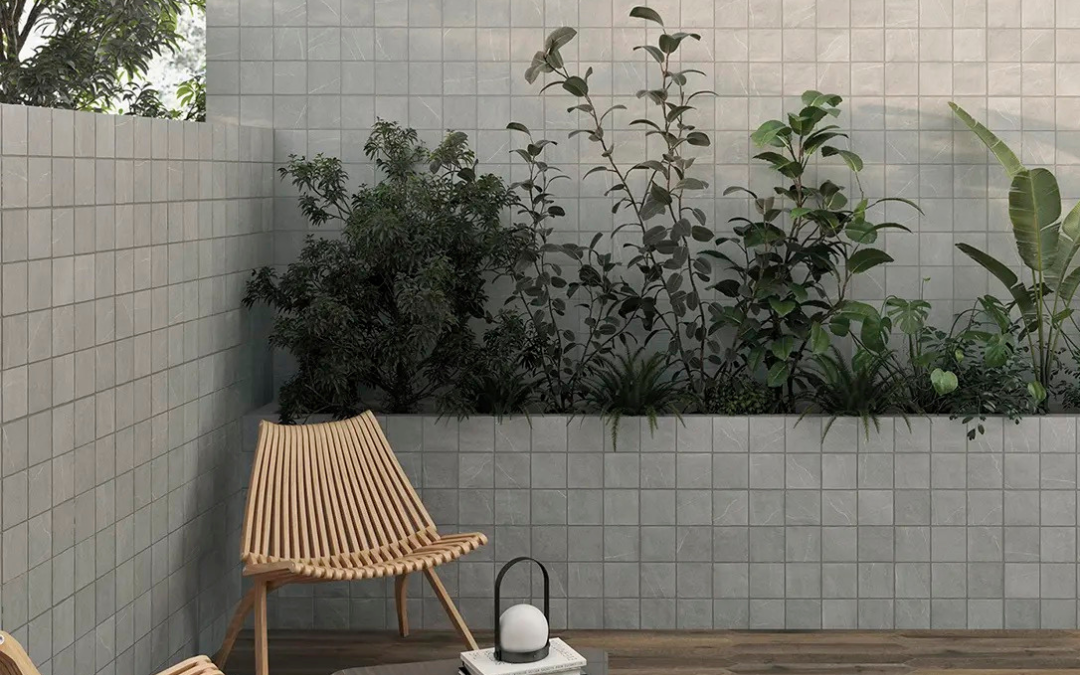
bathroom, blog, floors, kitchen, outdoor, renovation tips, walls
Renovation questions we get asked most usually come from homeowners, businesses and designers wanting to make the right decisions before they commit. Renovating can feel overwhelming, especially when there are so many materials, finishes and timelines to consider. Below, we answer the most common renovation questions we hear and give you practical guidance to help you move forward with confidence.
Table of Content:
Where Do I Start?
Do I Choose Tiles or Layout First?
What Tiles Work Best for High-Traffic Areas?
How Do I Calculate How Much Tile I Need?
Are These Tiles Suitable for Commercial Use?
Gloss or Matt Tiles?
How Do I Avoid Choosing Finishes That Date Quickly?
How Long Will the Project Take?
How Do I Know What the Tiles Will Look Like in My Space?
Do I Need Slip-Resistant Tiles?
What Should Architects and Designers Consider When Specifying Tiles?
What Should I Budget For?
How Do We Ensure Tile Consistency Across Large Projects?
Where Do I Start?
Start with how the space will be used. Foot traffic, moisture and daily wear all influence the materials you choose. Once function is clear, selecting tiles, layouts and finishes becomes much easier.
Budget planning early on also helps avoid changes later that can delay a project or increase costs.
Do I Choose Tiles or Layout First?
Layout always comes first. Tile size, pattern and grout lines depend on the layout of the room. Choosing tiles before confirming layout often leads to awkward cuts and unnecessary waste.
A clear layout makes tile selection more accurate and cost effective.
If you’re unsure which layout works best for your space, read our ultimate guide to tile layout patterns for practical examples and inspiration.
What Tiles Work Best for High-Traffic Areas?
High-traffic areas need tiles that can handle constant use. Porcelain tiles are a popular choice for both residential and commercial spaces because they are dense, hard-wearing and moisture resistant.
Matt or non-slip finishes perform better than gloss in busy areas, offering better grip and hiding wear more easily.
For a deeper dive read our guide on choosing the right tiles for high-traffic areas.
How Do I Calculate How Much Tile I Need?
Start by measuring the length and width of the area and calculating the total square metres. From there, factor in cuts, layout patterns and potential breakages.
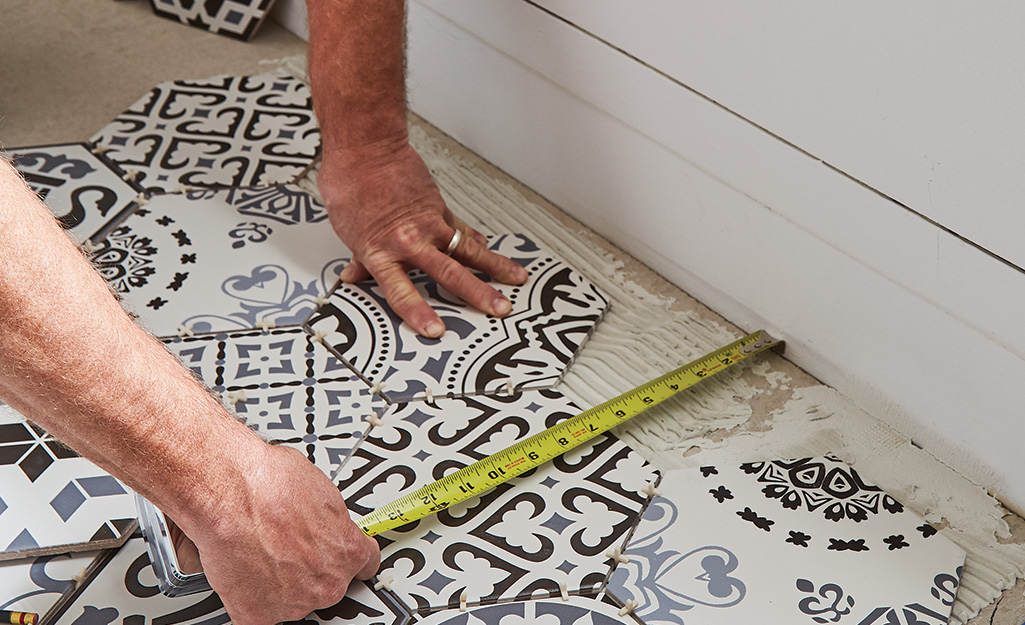
The most important rule when buying tiles is to always buy more than you need. Extra tiles account for cutting waste, pattern matching and future repairs. Having spare tiles ensures consistency if you need replacements later.
Are These Tiles Suitable for Commercial Use?
Not all tiles are rated for commercial applications. Always check tile ratings for wear resistance, slip resistance and intended use before specifying them for retail, office or hospitality projects.
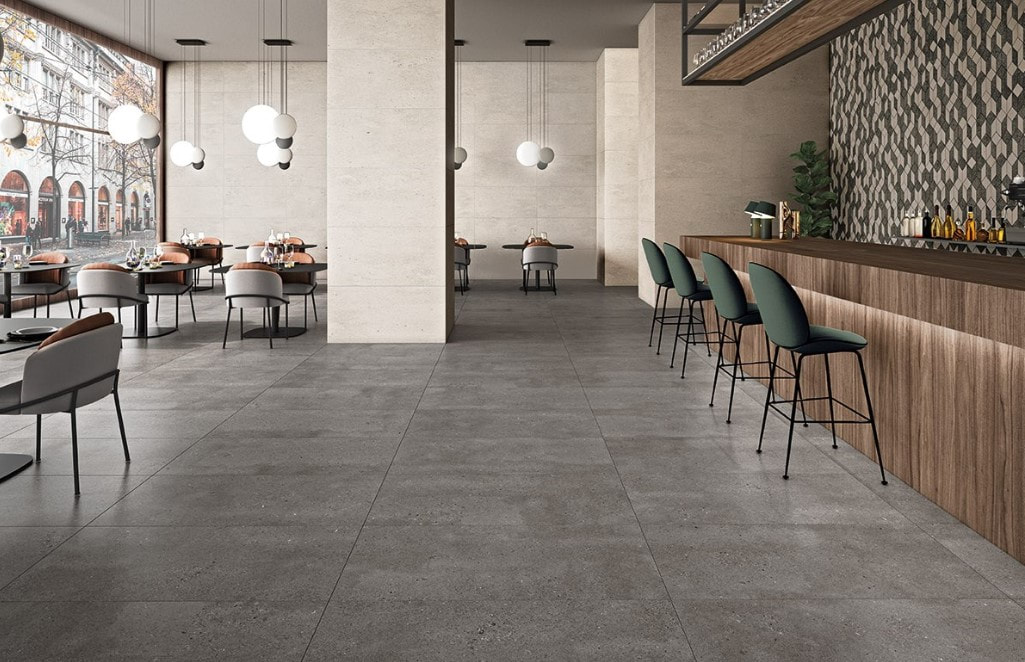
Using the correct tile ensures longevity and reduces maintenance issues.
Gloss or Matt Tiles?
Matt tiles are usually the better choice for floors. They provide more grip, reduce slip risk and hide marks and scuffs.
Gloss tiles work best on walls or low-traffic areas where light reflection matters more than durability.
If you’re still weighing up the options, read our blog gloss vs matte tiles: what’s the difference? for a detailed breakdown.
How Do I Avoid Choosing Finishes That Date Quickly?
Use timeless materials for permanent surfaces like floors and walls. Neutral tiles, stone looks and simple layouts age better than bold trends.
Trends are best introduced through features that are easier to update, such as tapware, lighting or decorative tiles.
For help finding the right balance, read our guide timeless vs trend: how to choose.
How Long Will the Project Take?
Timelines depend on project size and material availability. Smaller renovations may take a few weeks, while large commercial projects can take several months.
Finalising selections early helps keep timelines realistic and avoids delays during installation.
How Do I Know What the Tiles Will Look Like in My Space?
Tiles can look very different once installed, especially depending on lighting, layout and surrounding finishes. Relying on samples alone can make it hard to visualise the final result.
Using a tile visualiser allows you to see how different tiles will look in your actual space before committing. It helps you compare colours, finishes and layouts with confidence.
Try our online tile visualiser to preview your space before making a decision.
Do I Need Slip-Resistant Tiles?
Slip-resistant tiles are especially important in wet or busy areas, like bathrooms, kitchens, entryways and all commercial spaces.
Non-slip tiles reduce the risk of accidents and are essential in areas open to customers or heavy foot traffic.
If you’re unsure which tiles work best in each space, read How to Choose Tiles by Room: A Room-by-Room Guide for guidance.
What Should Architects and Designers Consider When Specifying Tiles?
Performance comes first. Slip resistance, durability ratings and maintenance requirements should guide tile selection, especially in commercial environments.
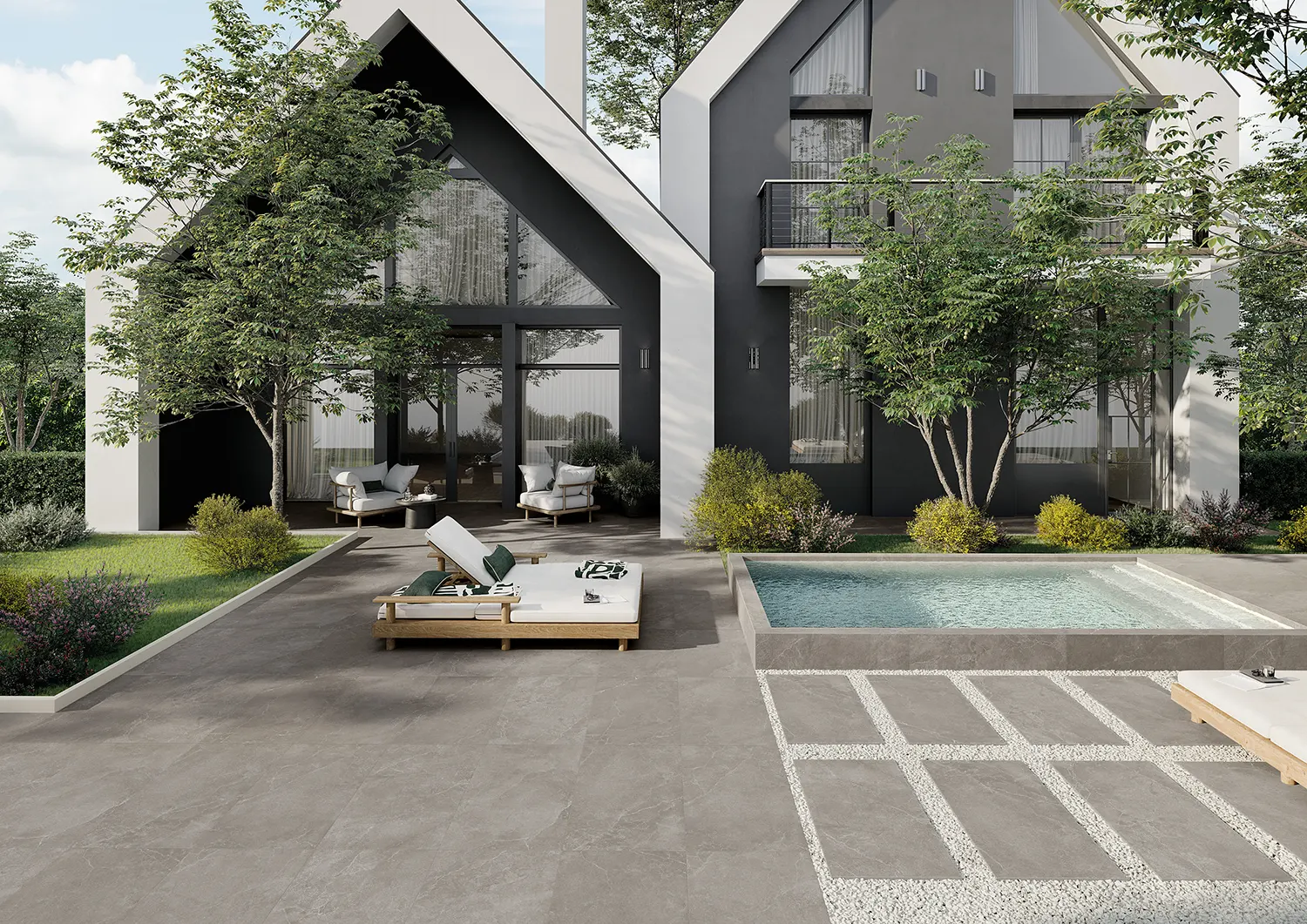
Aesthetic choices should support the function of the space while meeting safety and compliance standards.
What Should I Budget For?
Budget should account for materials, installation and a contingency for unexpected costs. Quality tiles and proper installation may cost more upfront but save money long term by reducing repairs and replacements.
Always prioritise performance and safety over short-term savings.
How Do We Ensure Tile Consistency Across Large Projects?
Ordering all tiles from the same batch is essential for colour and finish consistency. This is especially important for large commercial installations.
Ordering extra tiles also helps manage breakages and future repairs without visible differences.
Renovation questions we get asked most often come down to planning, performance and foresight. Whether you’re renovating a home or managing a commercial project, asking the right questions early leads to better outcomes, fewer surprises and spaces that perform long term.
Got a renovation question we didn’t cover? Contact us for expert advice or visit one of our showrooms in Cape Town, Johannesburg or Durban for in-store assistance and inspiration.