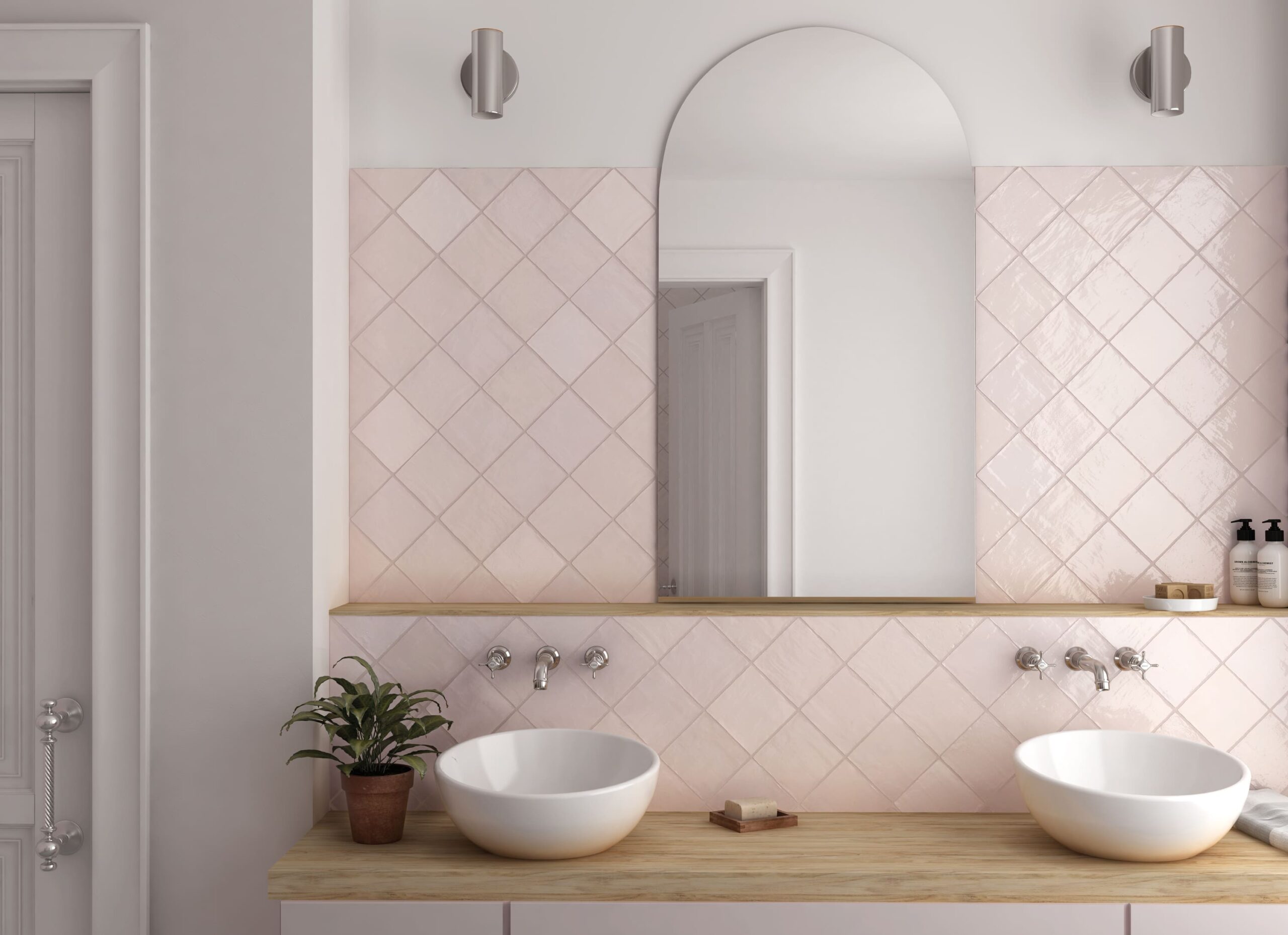
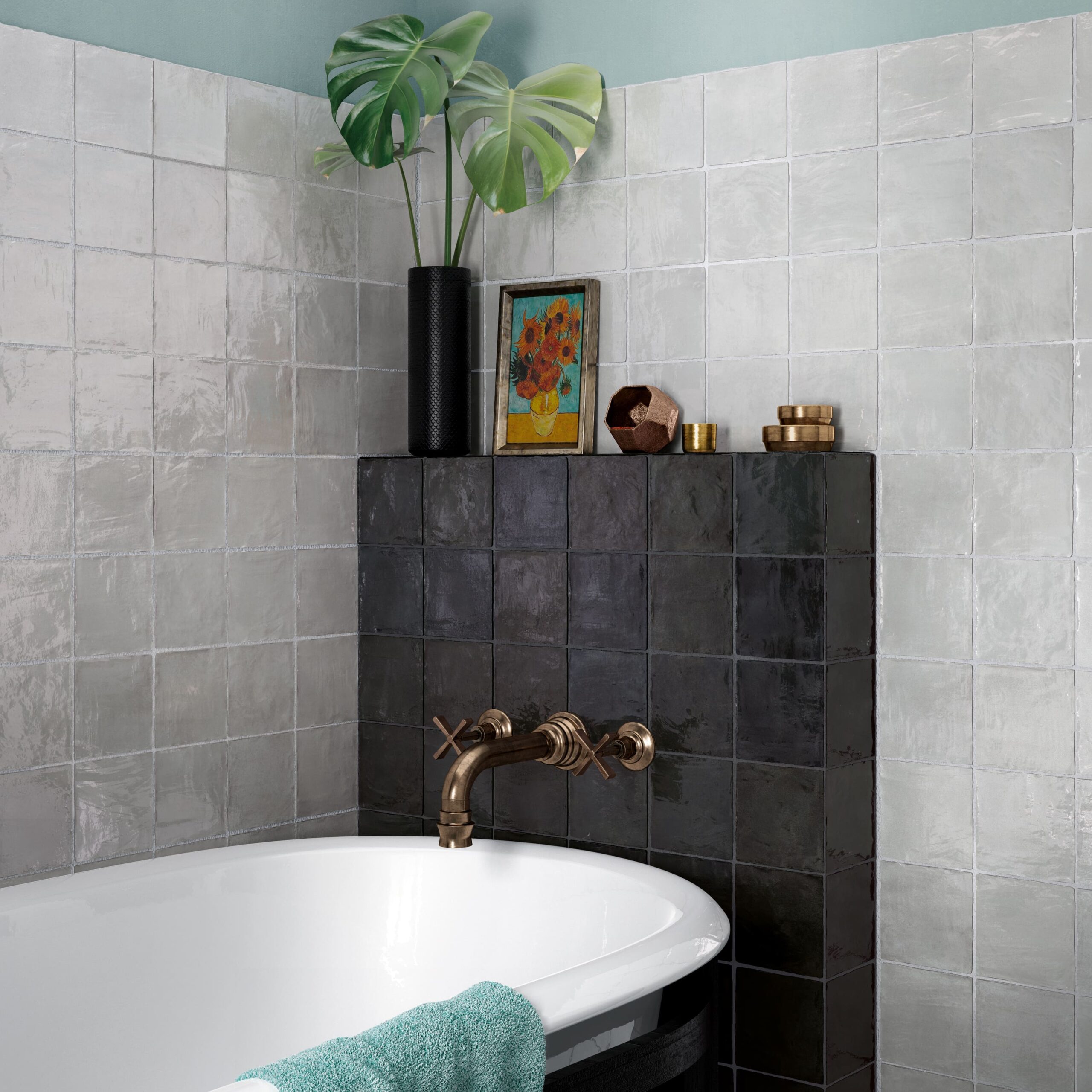
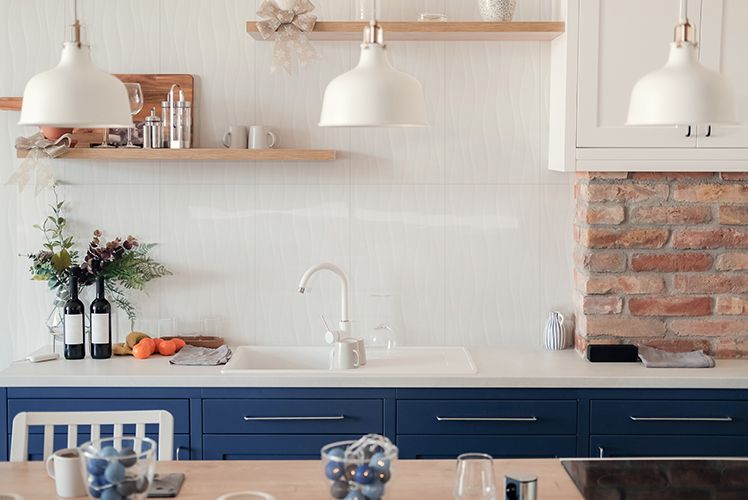
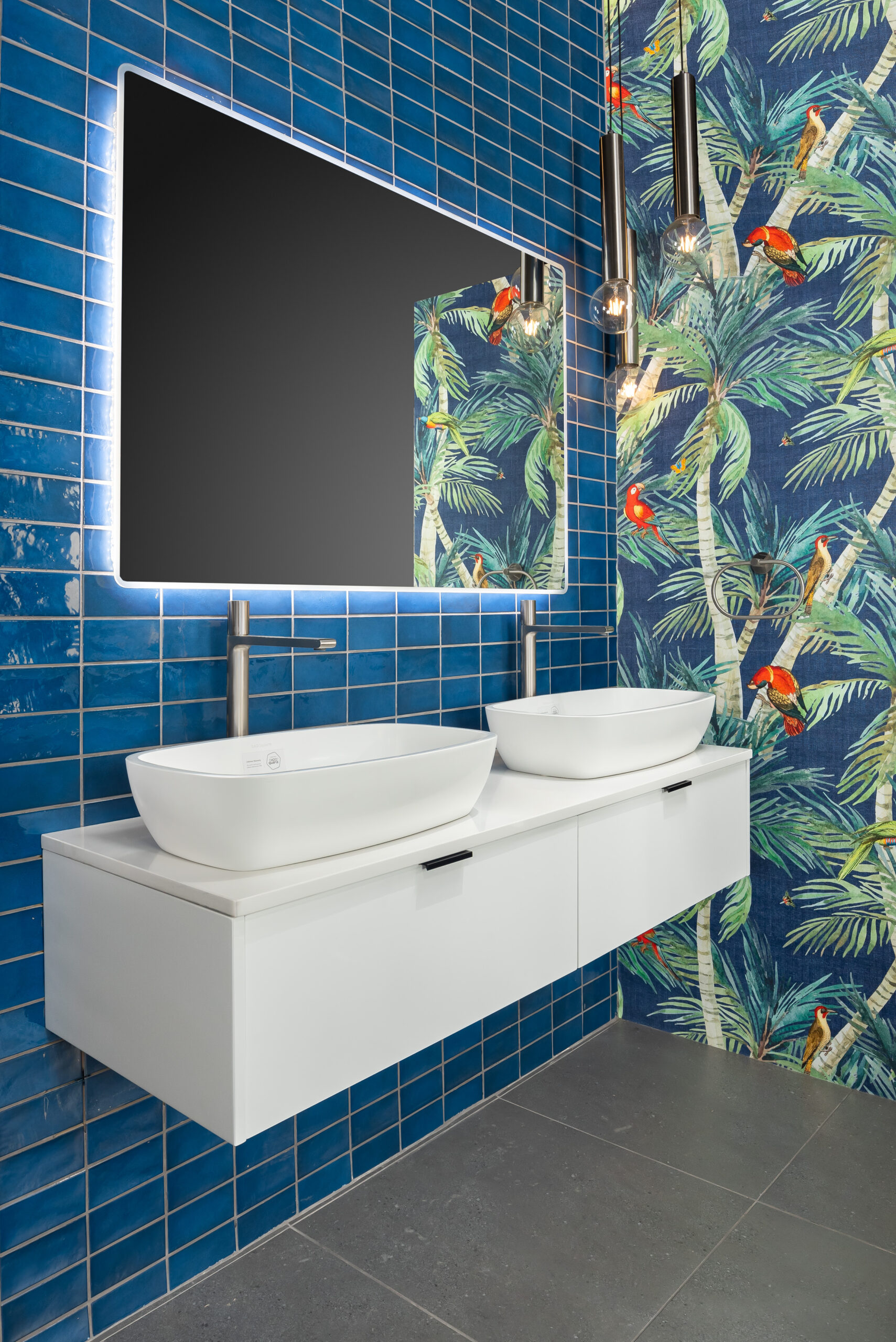
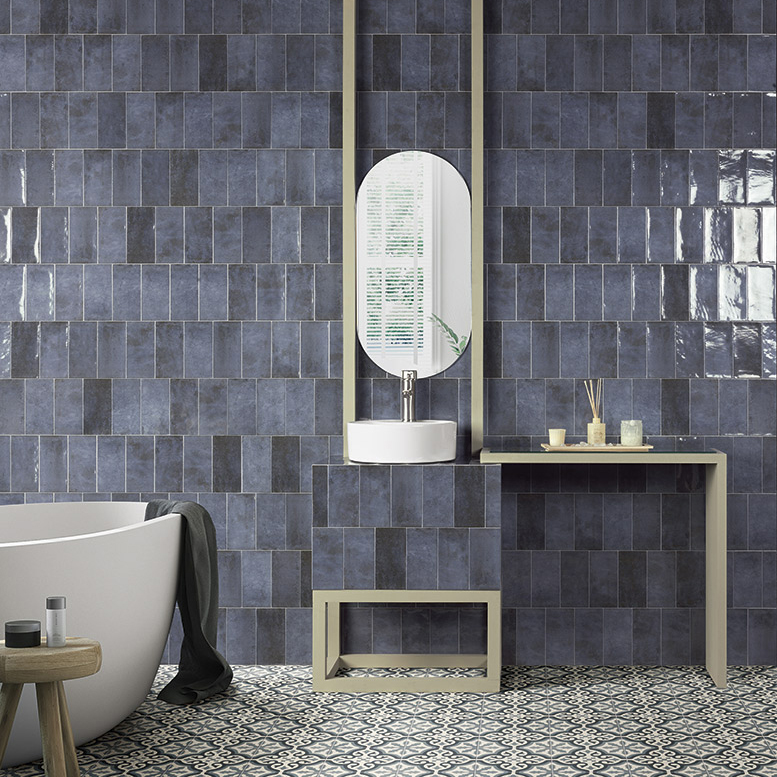
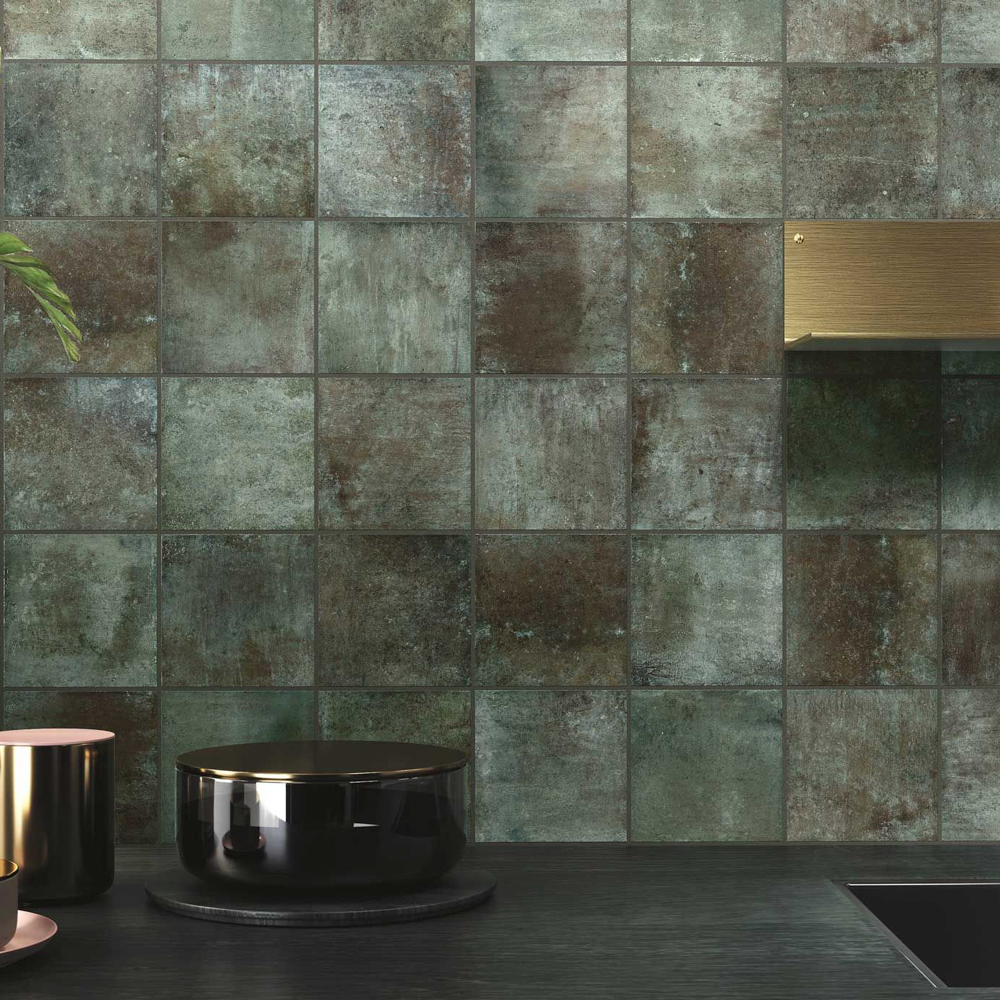
When it comes to interior design, tiles do more than just serve a functional purpose. The style of tiles you choose can have a powerful psychological effect, shaping how a space feels and how it’s perceived. In this post, we’re diving into how different tile styles impact our mood and emotions, and how you can use this knowledge to create the perfect atmosphere in your home.
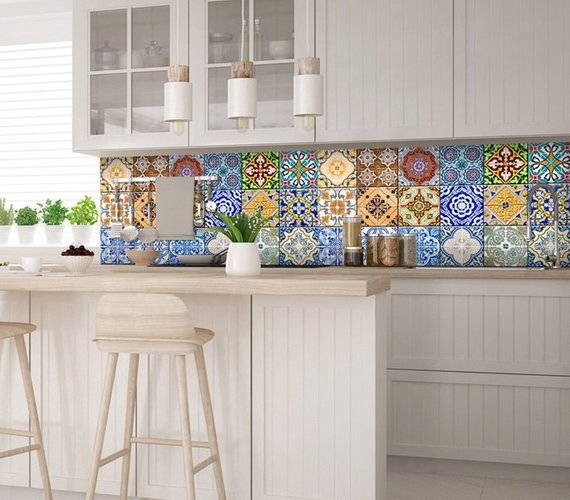
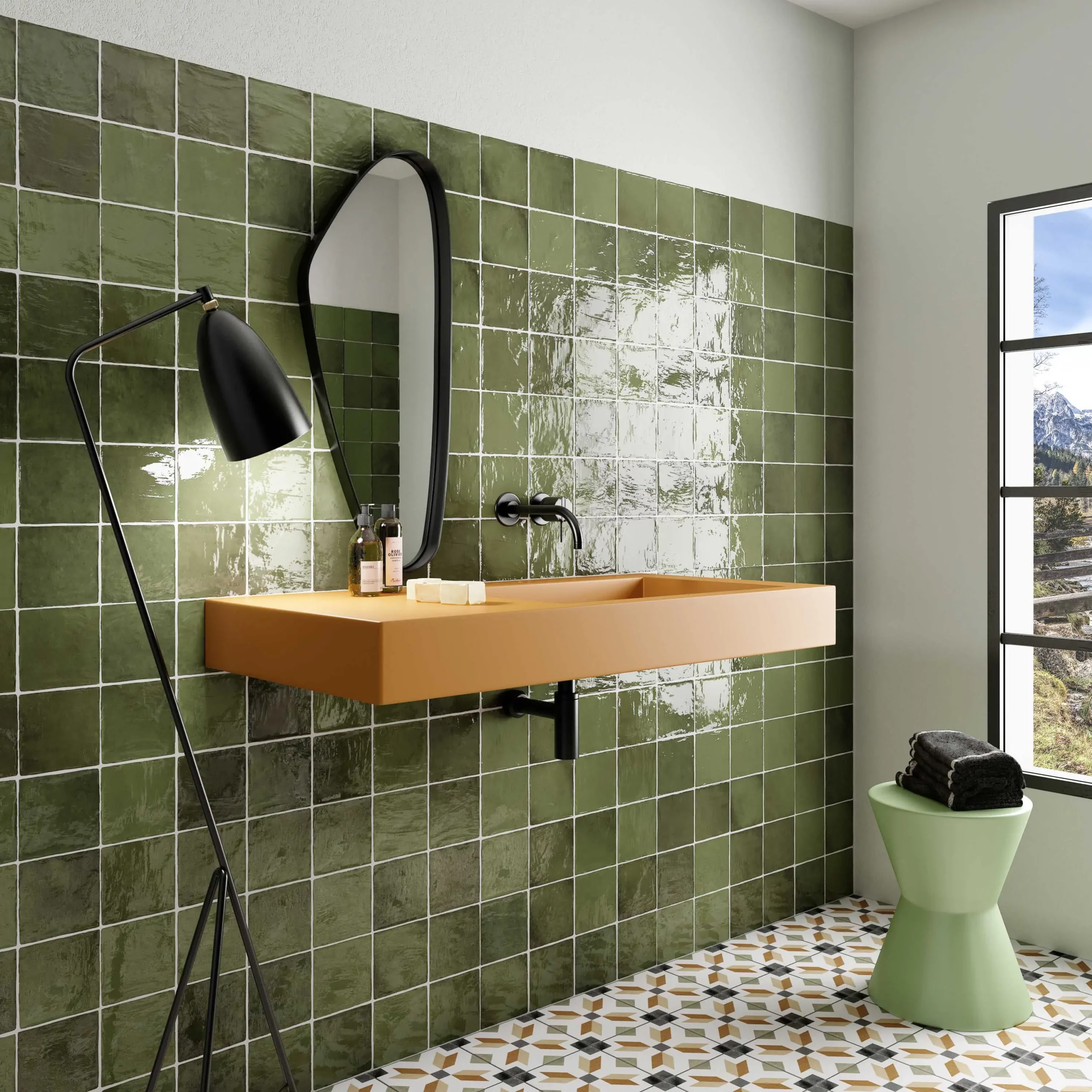
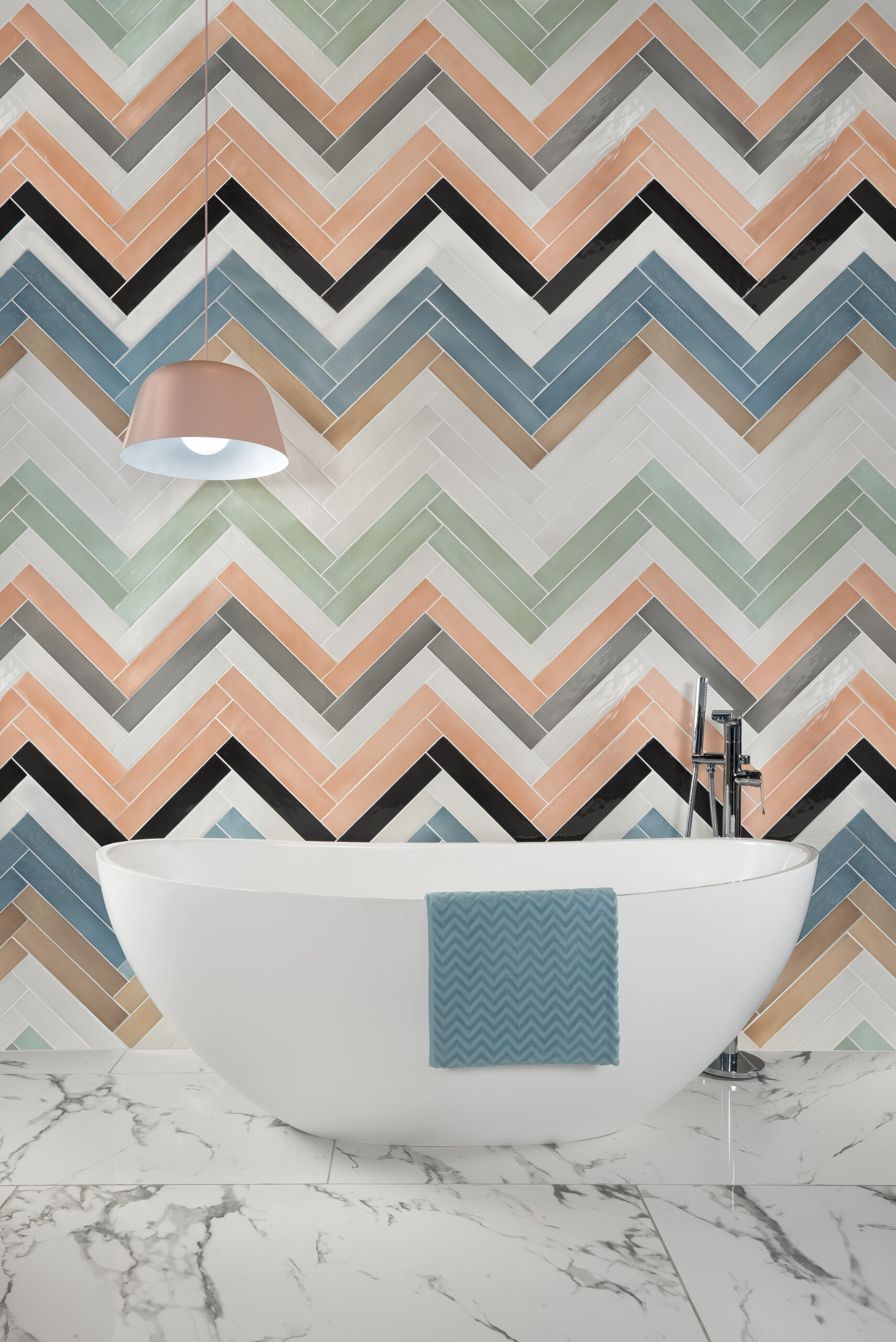
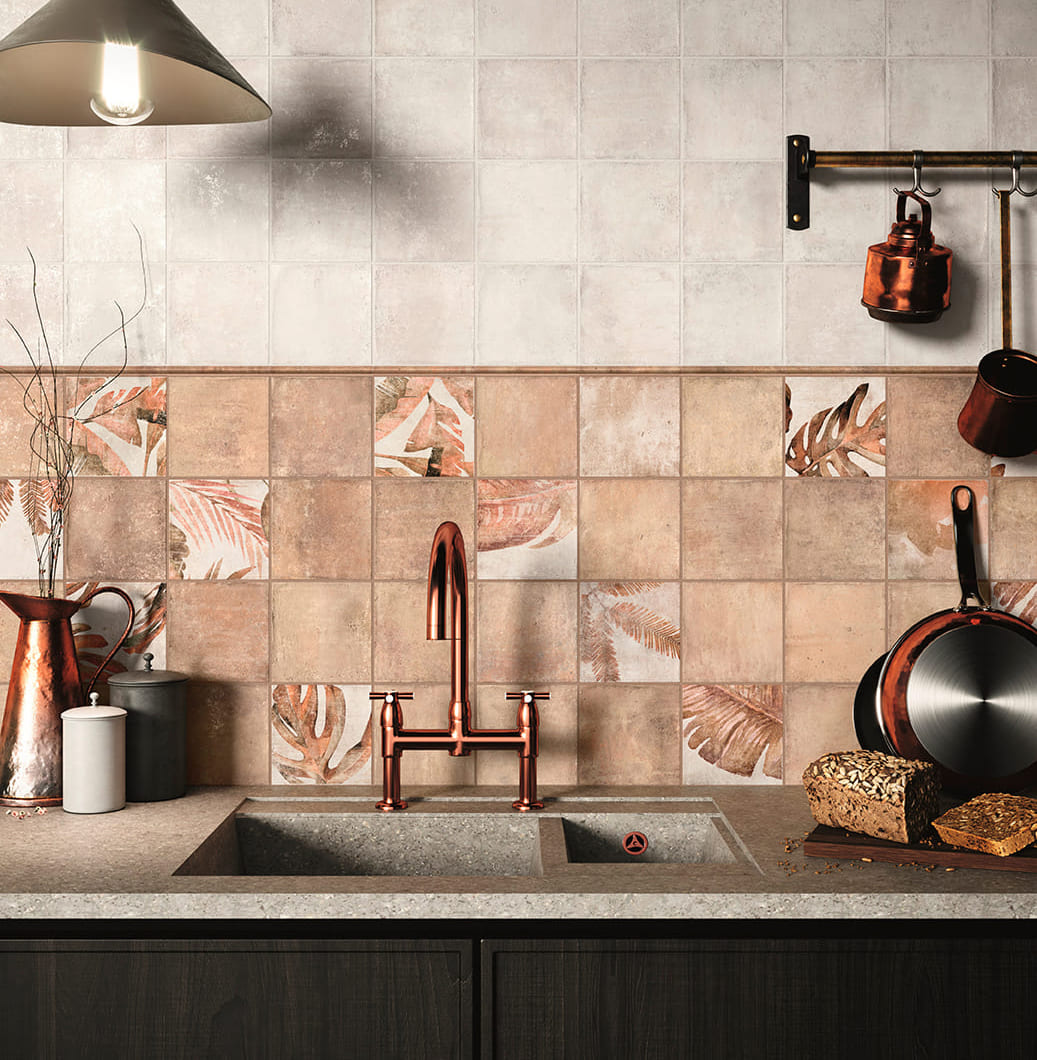
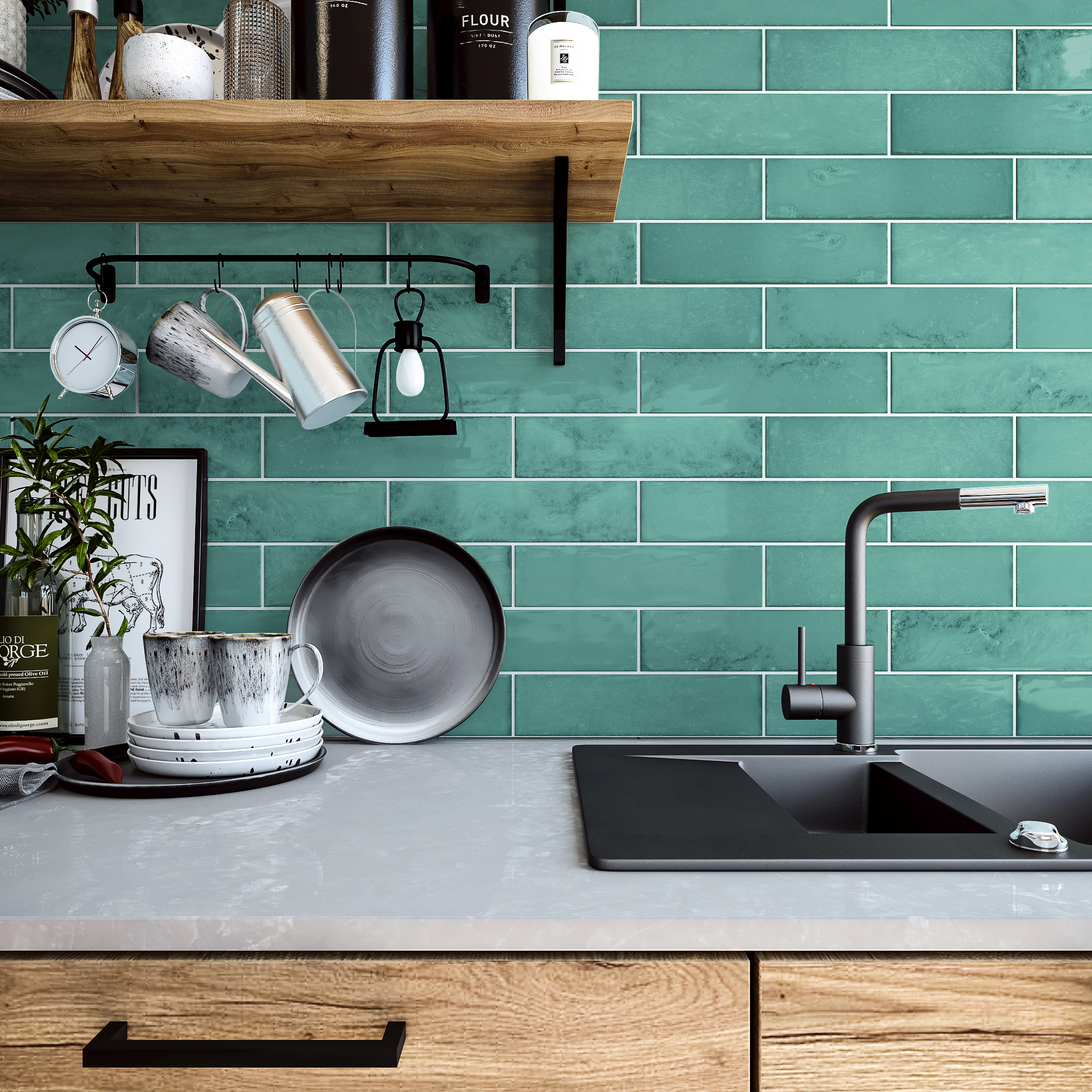
Bold, colourful tiles can inject a space with energy and life. These tiles make rooms feel dynamic, vibrant, and full of personality. If you’re looking to create a space that feels lively, such as a kitchen or a playful bathroom, bold tiles are a fantastic choice. Whether it’s a vibrant backsplash or a patterned floor, these tiles act as a focal point that grabs attention and brings a burst of energy to any room.
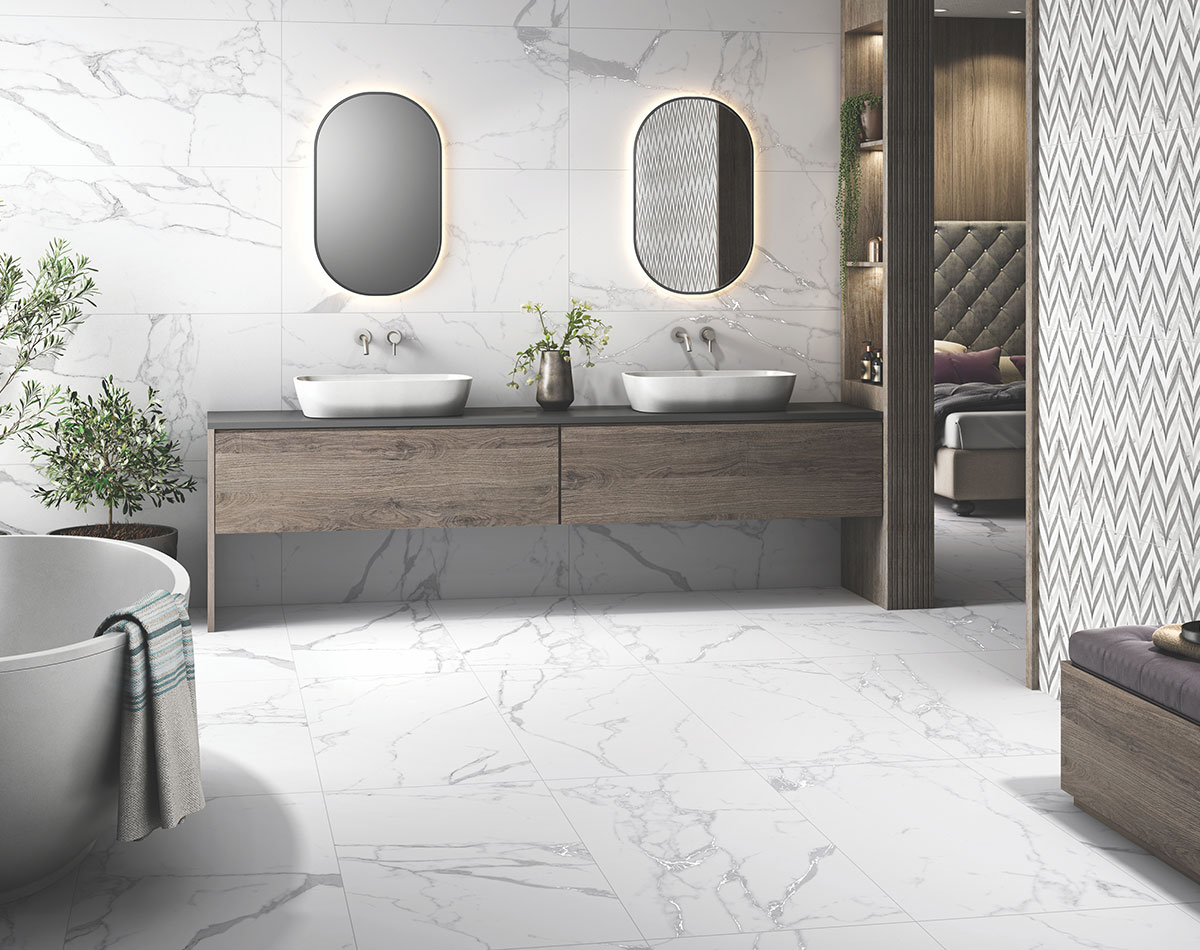
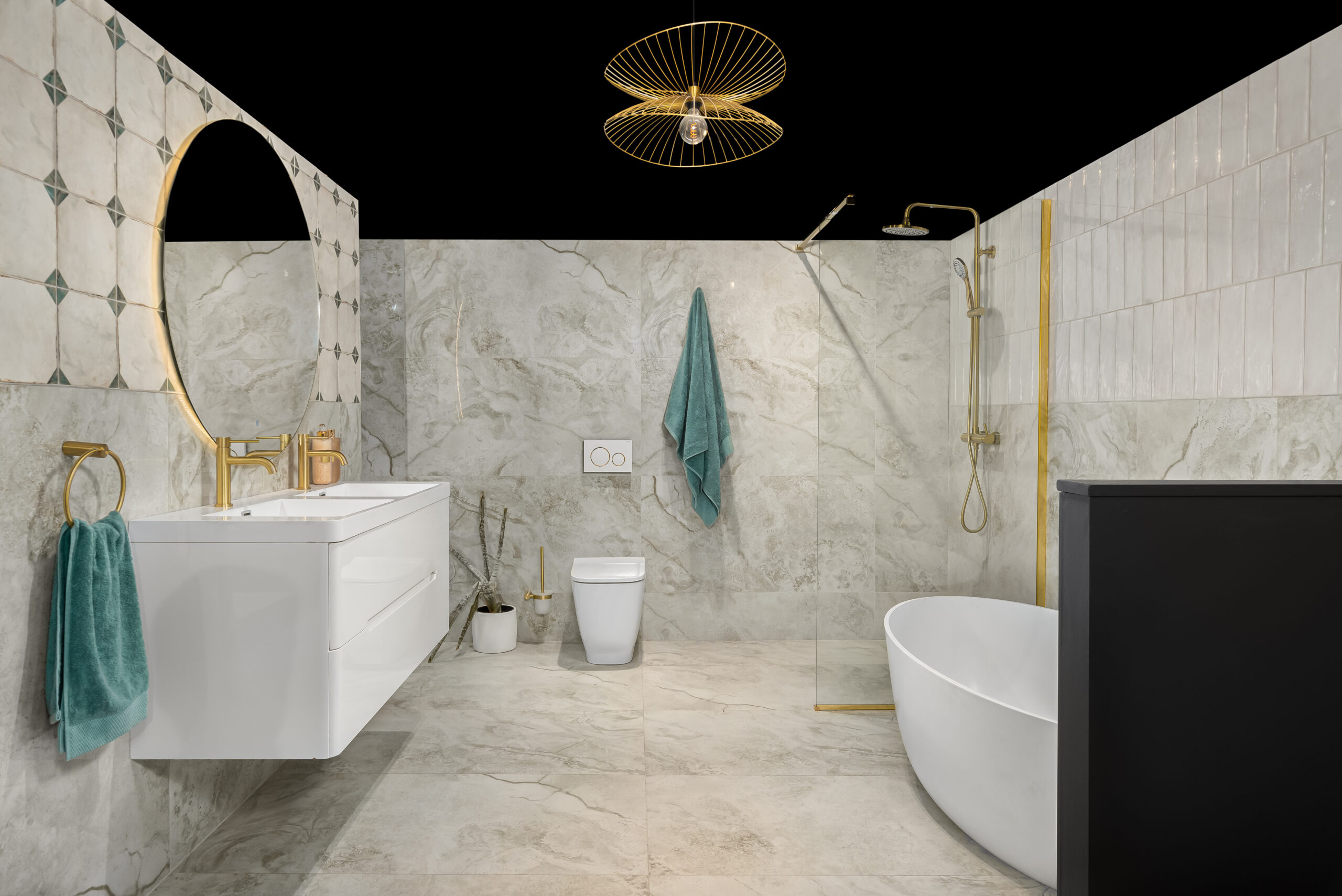
Natural stone tiles like marble and granite are synonymous with elegance. They give off a feeling of calm and serenity, making them ideal for areas where relaxation is key, like bathrooms or meditation spaces. There’s something inherently luxurious about stone tiles, as they connect us to nature and evoke a peaceful, grounded feeling. If you’re after a sense of tranquillity and sophistication, natural stone tiles are the way to go.
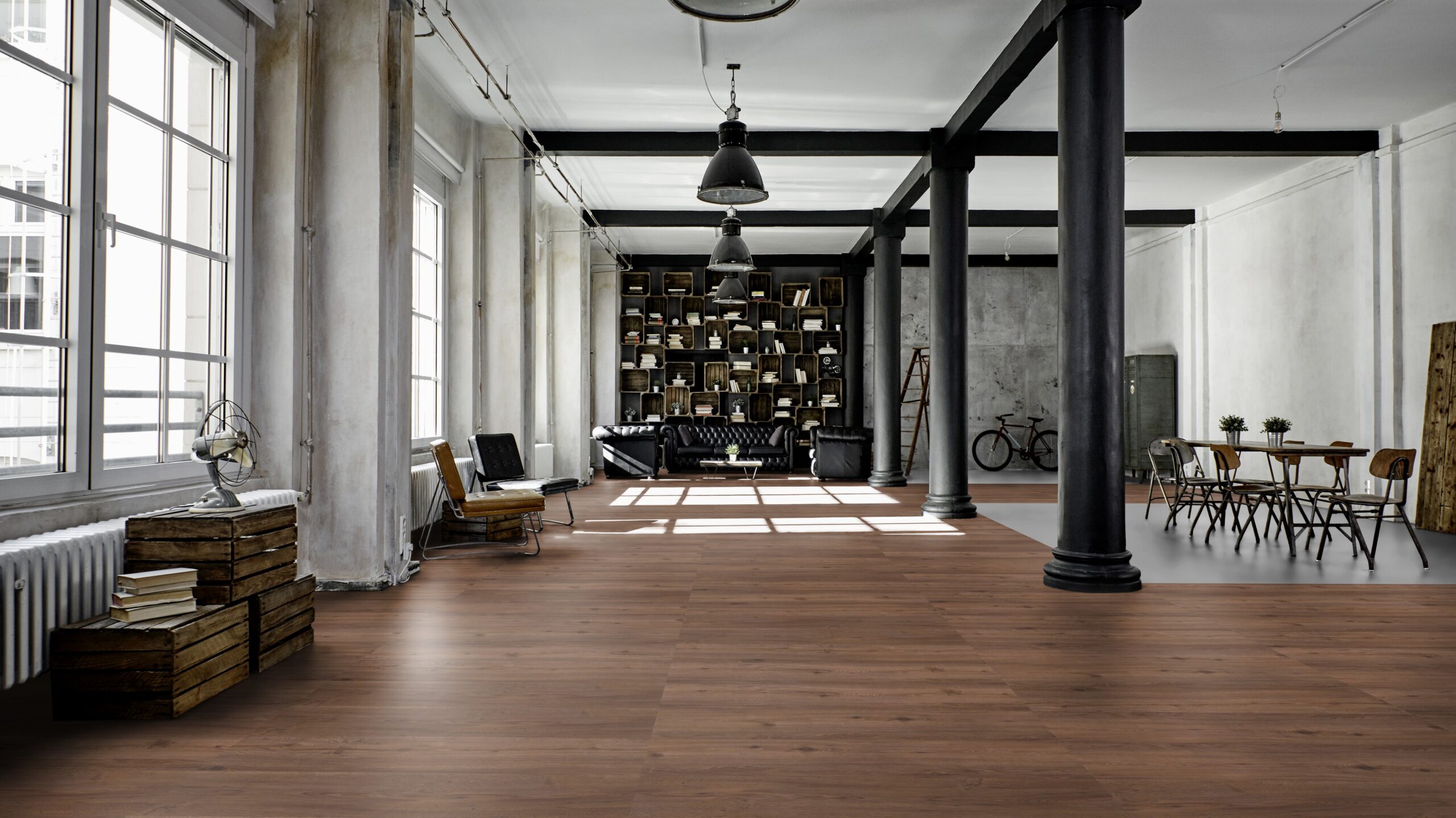
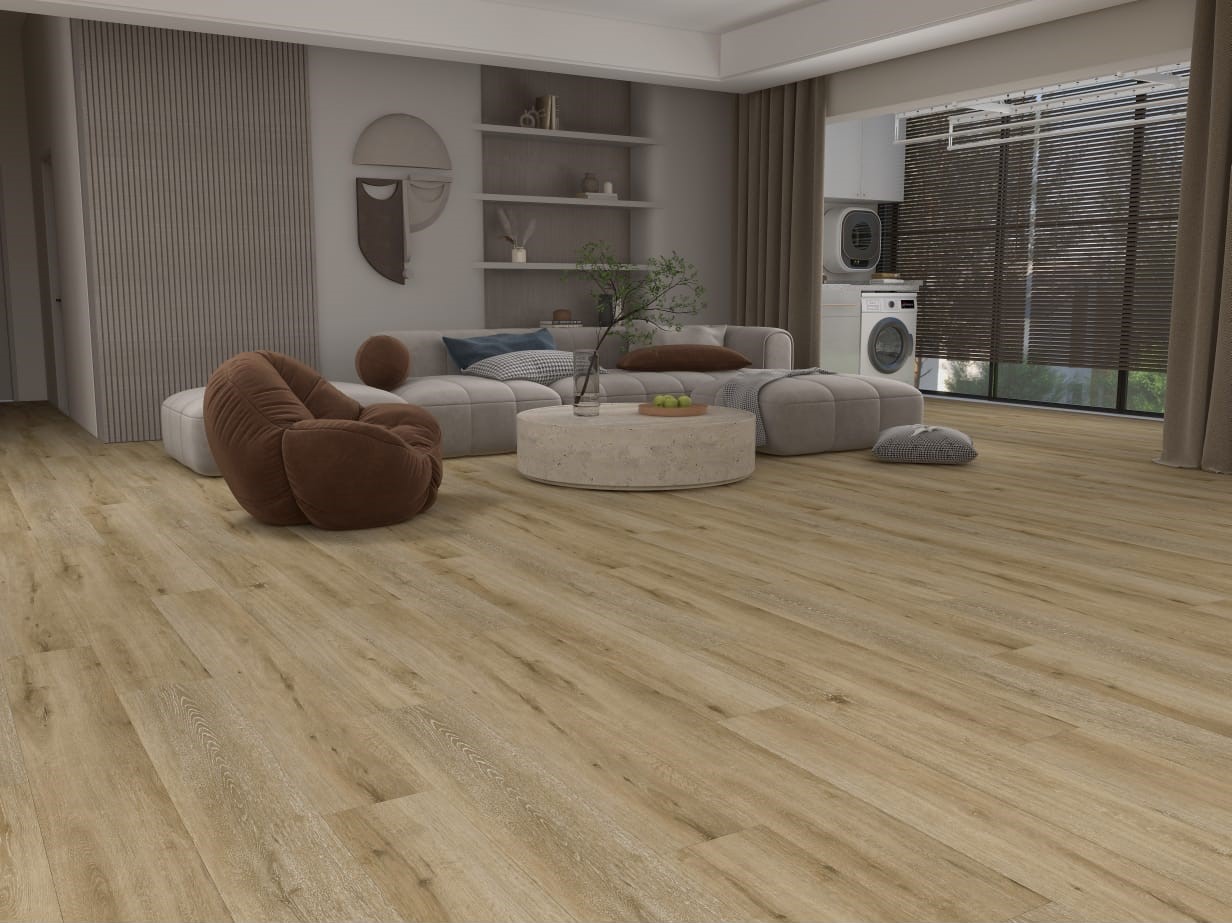
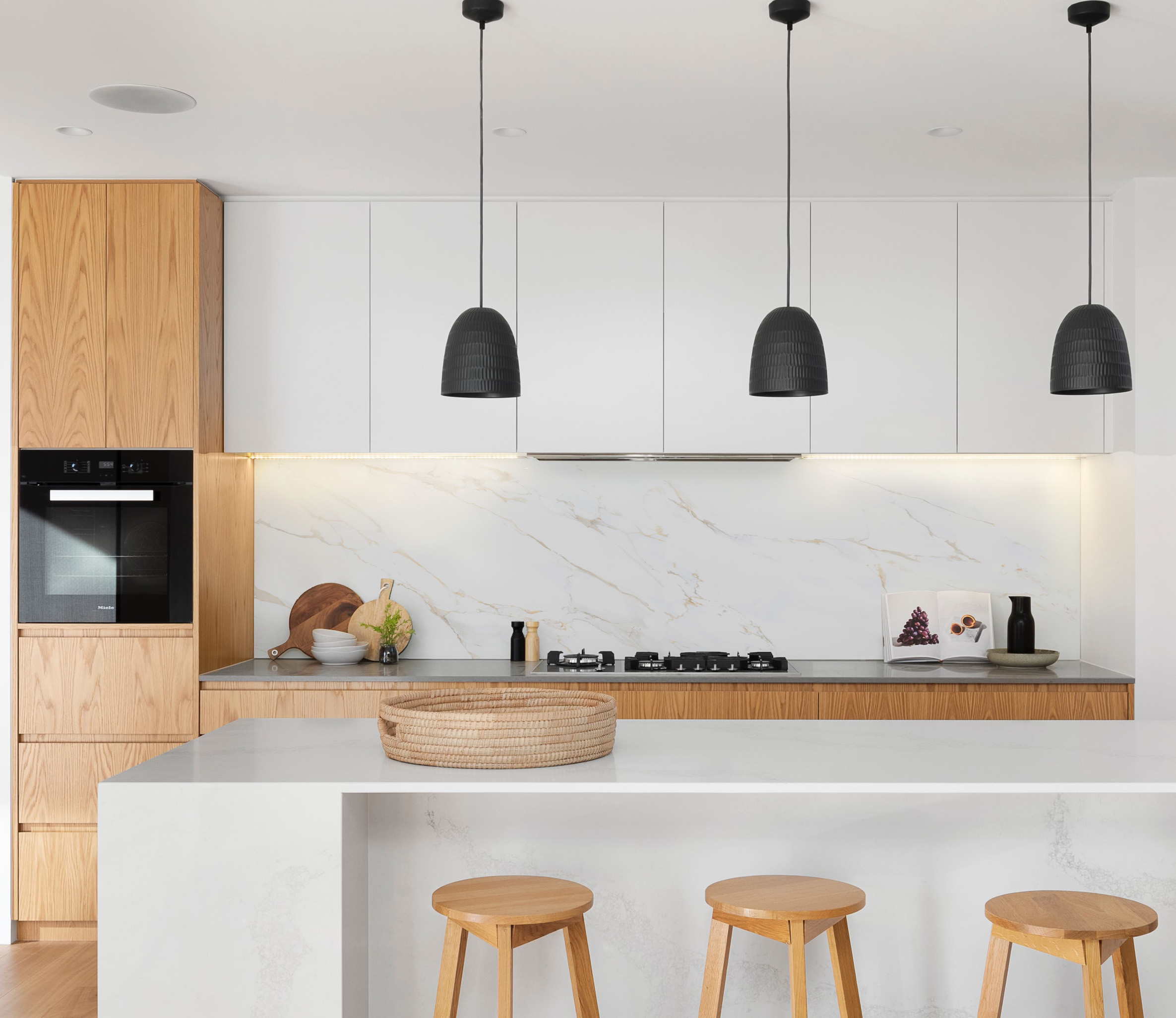
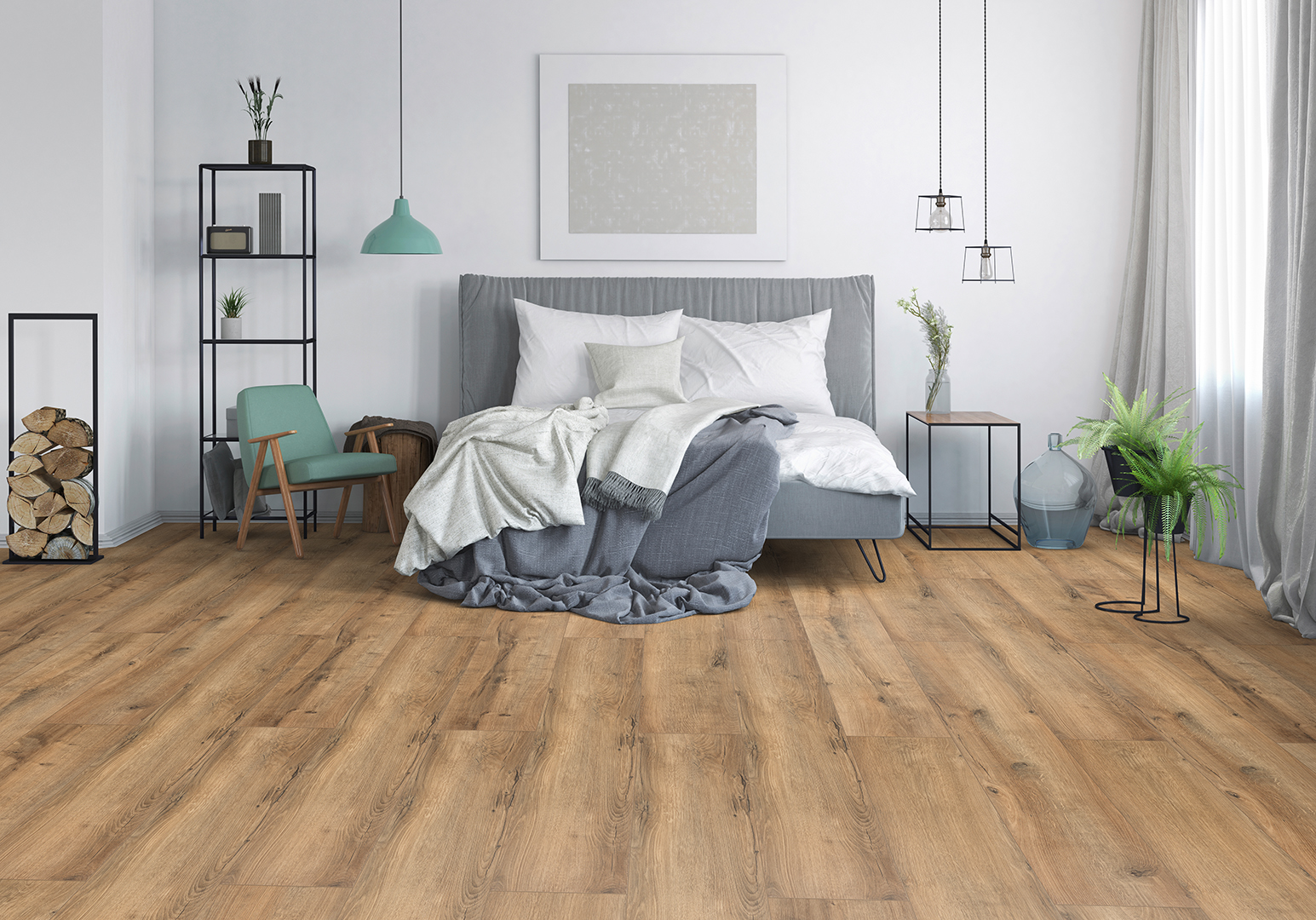
There’s nothing quite like the warmth of wood to make a space feel inviting. Wood-look tiles mimic the appearance of real wood but come with the durability of tile. These are perfect for bedrooms or living rooms where comfort is key. They bring a touch of nature indoors and create a cozy, organic atmosphere that makes any space feel homey and relaxing.
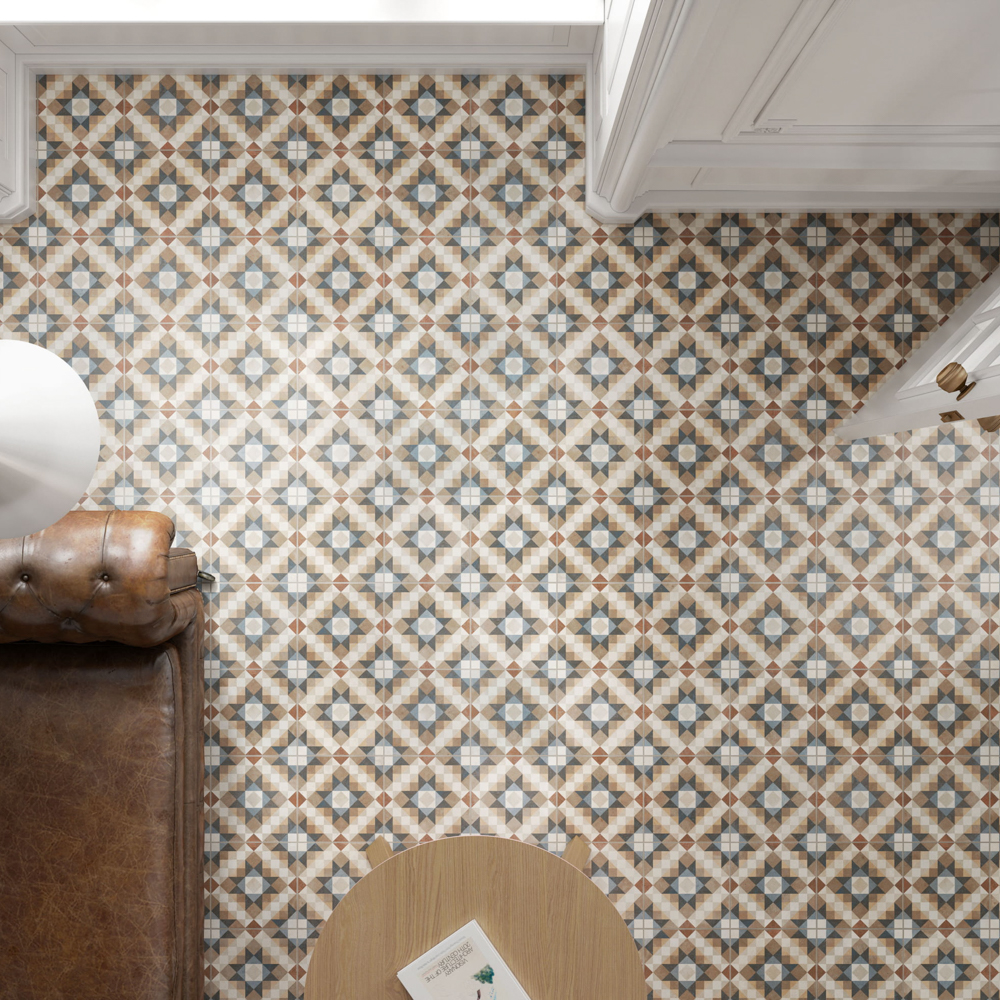
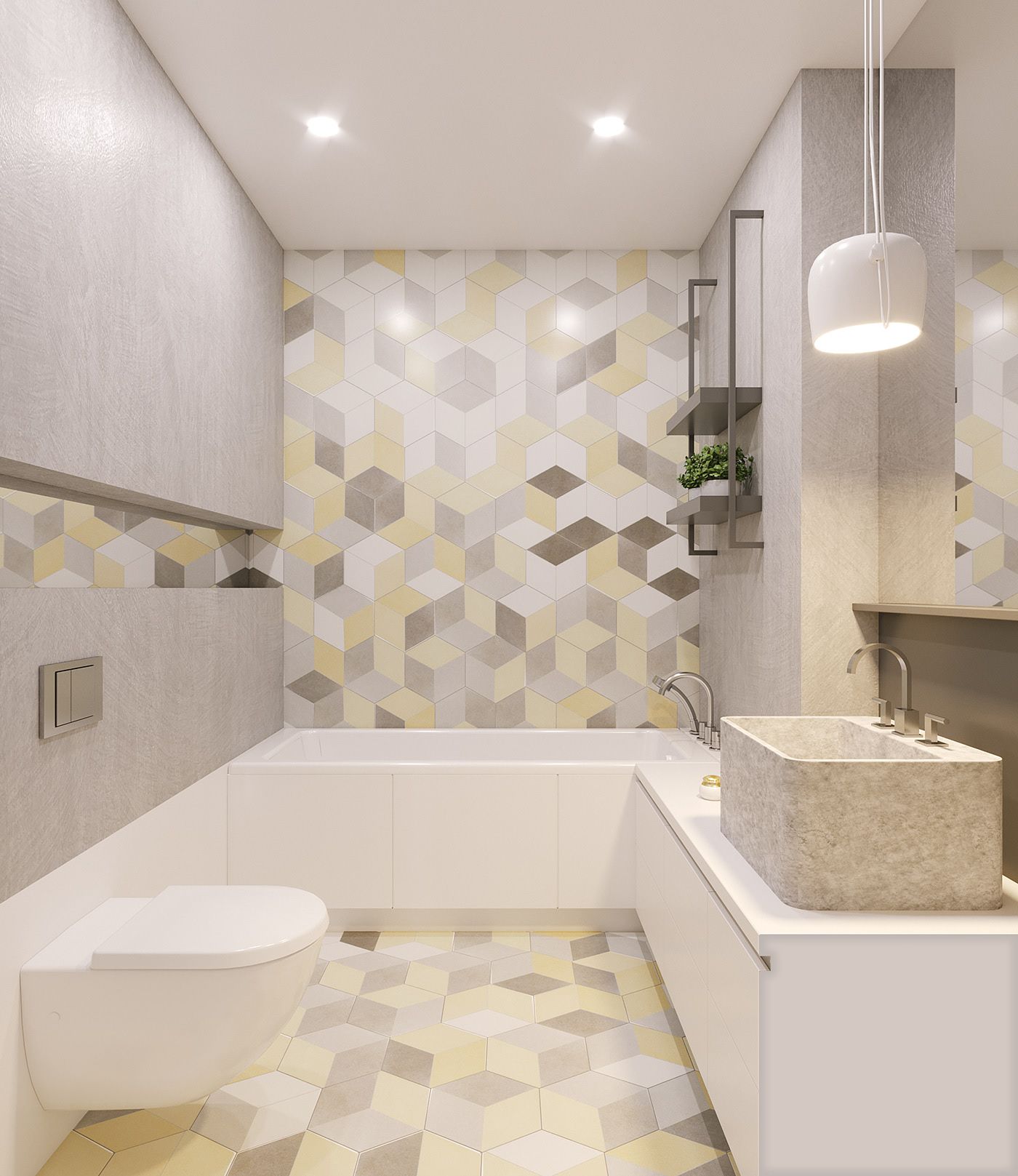
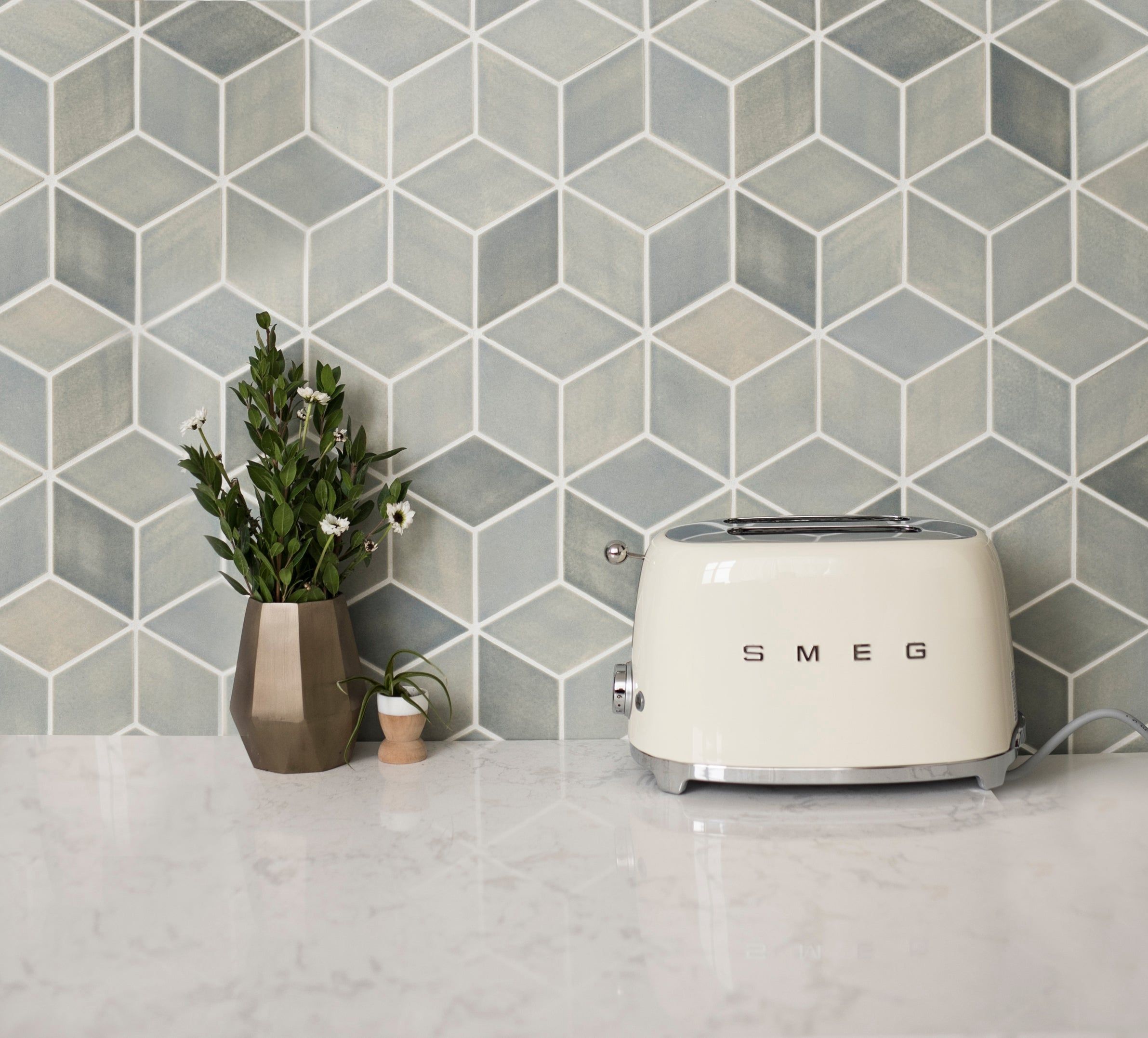
If you’re aiming for a sleek, modern vibe, geometric tiles might be just what you need. With their clean lines and precise shapes, these tiles add a touch of sophistication to any space. Geometric patterns are bold and eye-catching, making them great for kitchens and bathrooms where you want a contemporary, statement look. They evoke a sense of order and structure, adding a modern twist to any room.
Subway Tiles: Timeless and Elegant
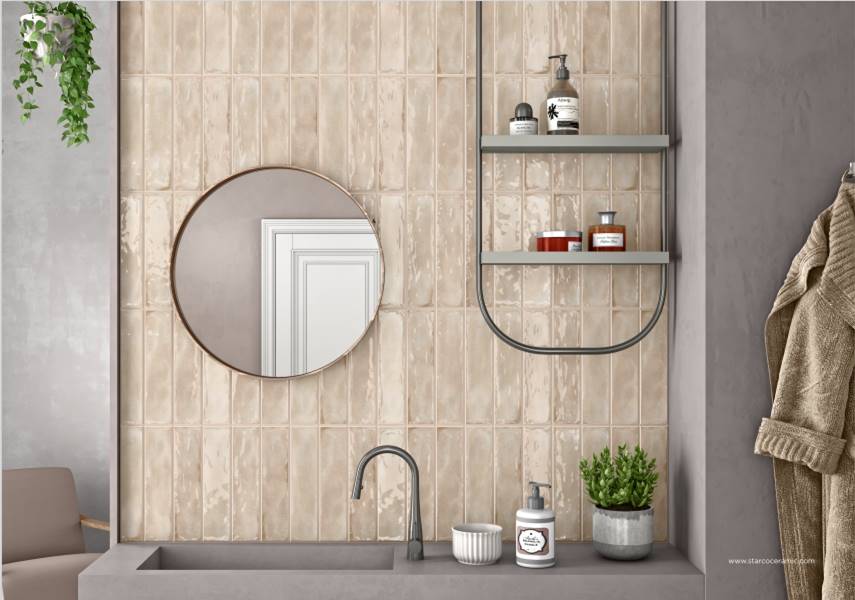
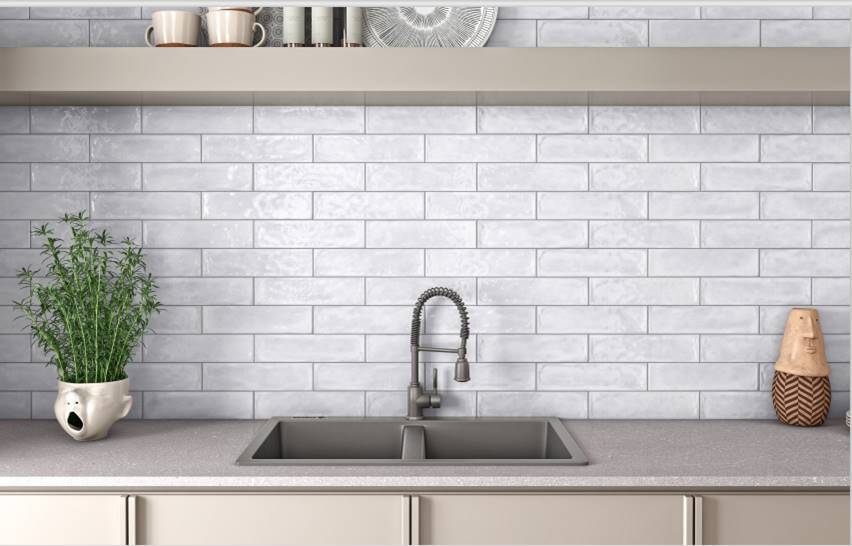
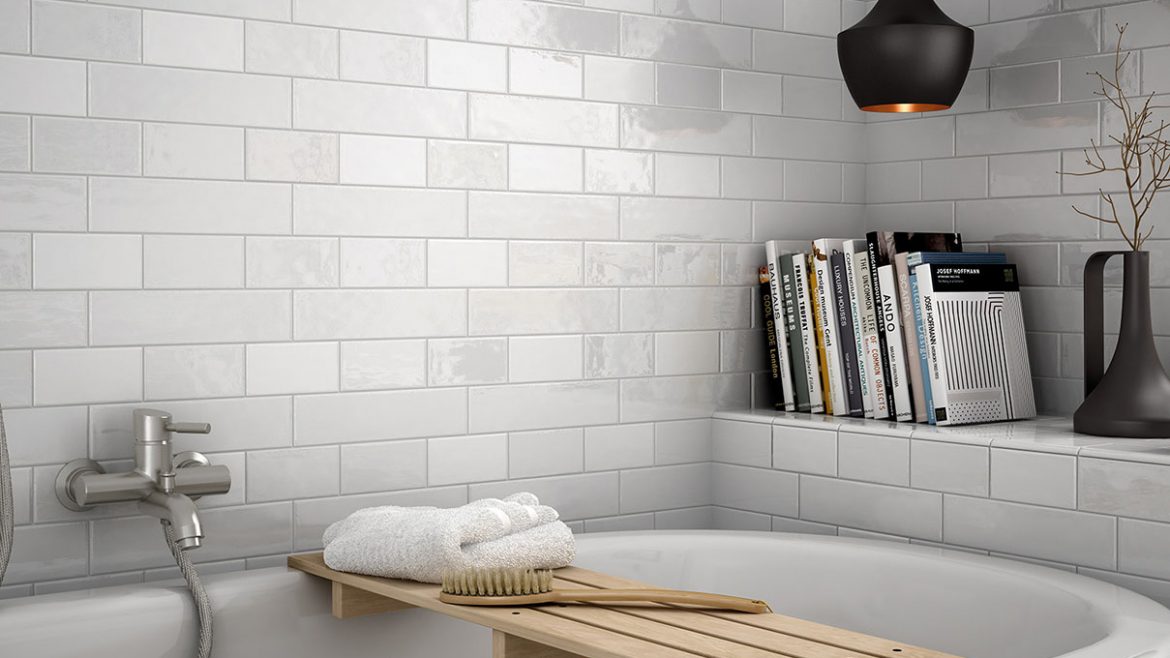
Subway tiles are a classic choice that never goes out of style. Their simple, clean lines bring an air of sophistication to kitchens and bathrooms alike. With their neutral tones and timeless appeal, subway tiles can create a calm and soothing environment, making them perfect for spaces where you want to keep things light and neutral. They also have a nostalgic charm, giving off a warm, comforting feel that never fails to invite.
When it comes to interior design, your choice of tile style can truly transform a space. Whether you’re looking to create a bold, energetic room or a calm, serene retreat, there’s a tile style that can help you achieve the perfect atmosphere. Next time you’re picking out tiles, think about the emotions and feelings you want your space to evoke, and let that guide your decision.
Prefer to watch?
Ryan and Deon discuss The Psychological Impact of Various Tile Styles in the video below:
Ready to explore more? Visit your nearest Tiletoria showroom to discover how the right tiles can bring your interior design vision to life!
Mixing and matching tiles can add a unique flair to your home, but there are a few guidelines to keep in mind to avoid a visual disconnect. Let’s dive into the general rules for successfully combining different tiles in one space.
Mixing and matching tiles means combining various tile colours and styles within the same space. It’s about creating a cohesive yet dynamic look by using different designs in harmony.
Rule 1: Balance Busy Patterns
Small statement tiles, like mosaic tiles, can create stunning focal points. However, to avoid overwhelming the space, balance these intricate designs with plain tiles. For example, if you have a vibrant mosaic, surround it with single-colour tiles that pick up one of the colours from the mosaic. This allows your statement tiles to shine without competing for attention.
Rule 2: Combine Different Tile Sizes with a Colour Palette
Mixing different tile sizes can create a dynamic and visually appealing pattern. The key is to stick to a similar colour palette. For instance, you can pair large-format tiles with smaller tiles, even hexagonal tiles, as long as they share the same colour family. For example, use white hexagonal tiles on the wall paired with light grey large-format tiles on the floor. This creates a cohesive look with a touch of contrast.
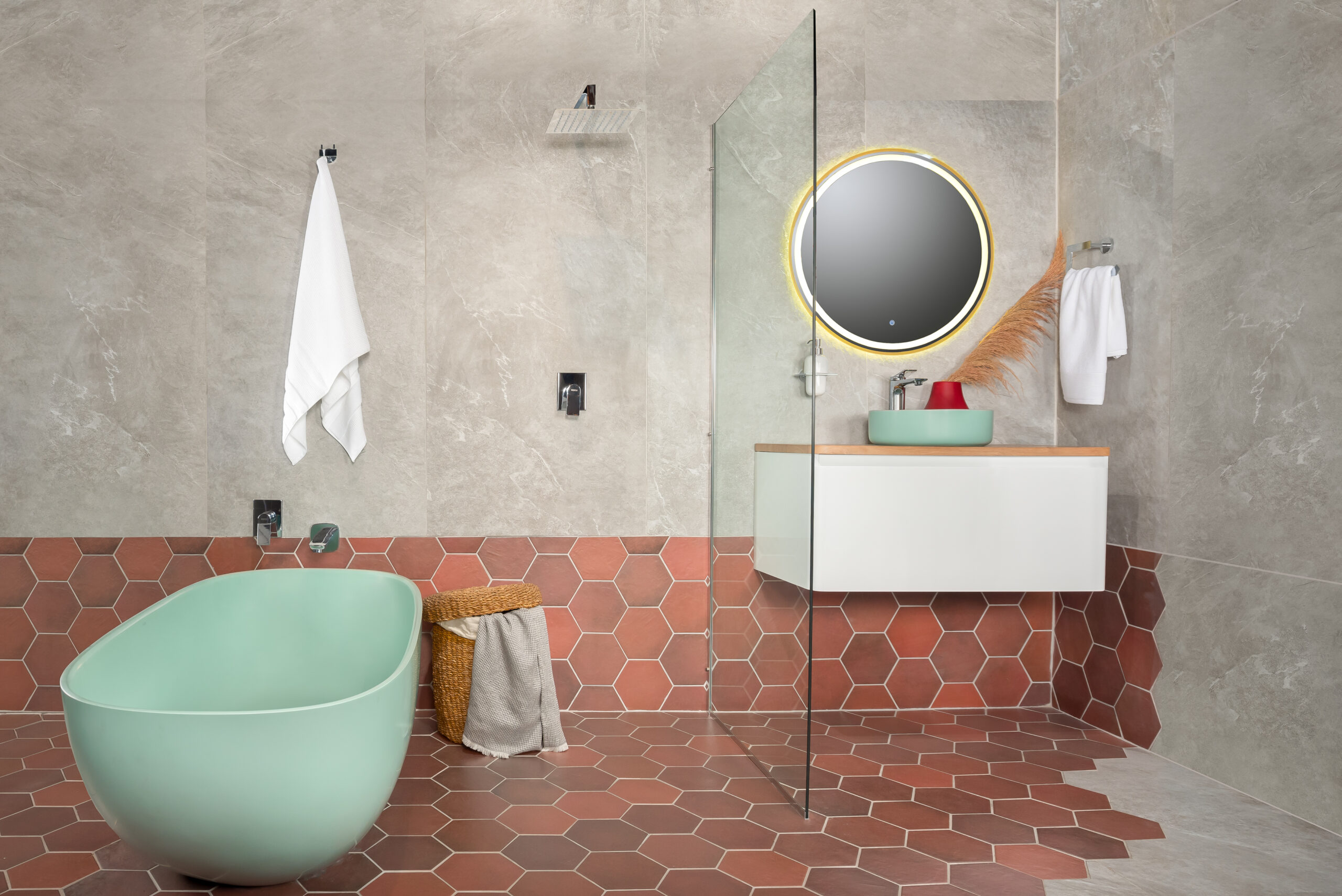
Take this space as an example: large format tiles in a beige hue are paired with terracotta hexagonal tiles. These two differently sized tiles in varying shades of brown complement each other beautifully. You can then add splashes of colour through your features and accessories. Feeling bold? Why not emulate this look with a vibrant blue bath!
Rule 3: Mix Matte and Glossy Tiles
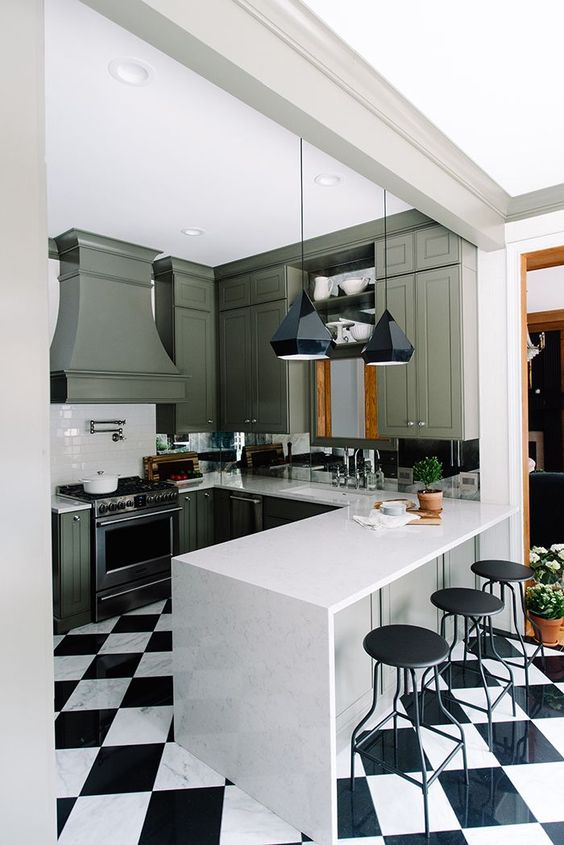
Combining matte and glossy tiles can add depth and dimension to your room. Consider using glossy subway tiles on the walls and matte hexagon tiles on the floor. The contrast in finishes not only adds texture but also a playful touch to the space. Feeling adventurous? For a bold look, you could create a chessboard effect by alternating matte and glossy floor tiles.
Rule 4: Combine Different Tile Styles
If you’re torn between different tile styles, try using two or three styles to create a balanced design. Think about the overall look you want to achieve and choose styles that complement each other. For example, balance busy patterned tiles with plain ones and avoid using patterned tiles throughout the entire room. This ensures the design is visually appealing without being overwhelming.
Don’t be afraid to experiment with different materials like wood, glass, concrete, or marble. Mixing these materials can add texture, depth, and character to your space. The possibilities are endless, so let your creativity run wild!
Need Inspiration?
Have a look at some of our top tile combinations:
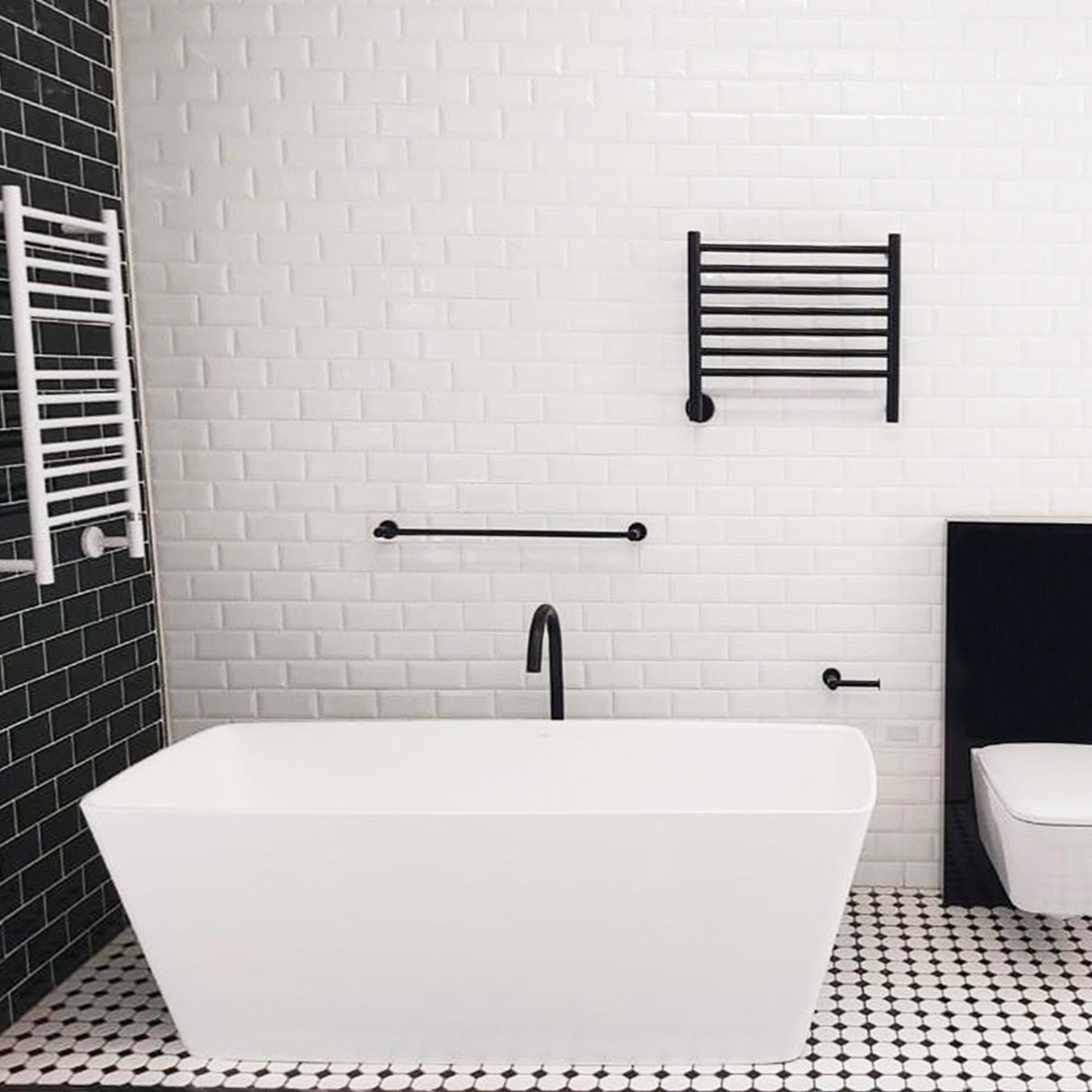
Contrasting Colours (Black and White)
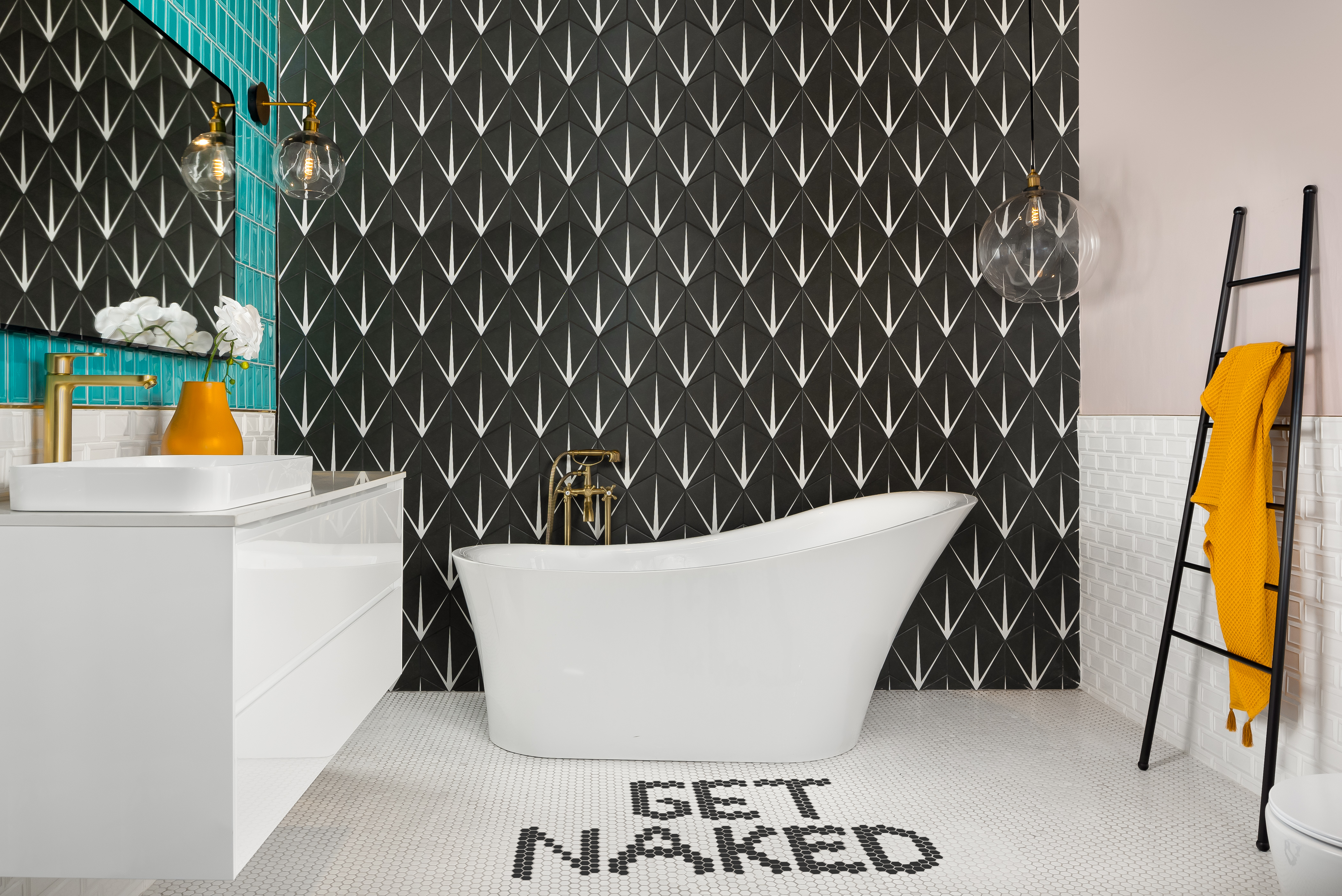
In this space, two tile styles—subway tiles and small hexagonal tiles—are used to create a striking black-and-white contrast. This colour scheme results in a minimalist, balanced room. The bathroom fixtures and accessories also follow the same colour palette, tying the room together seamlessly.
Same Shape, Same Colour Family
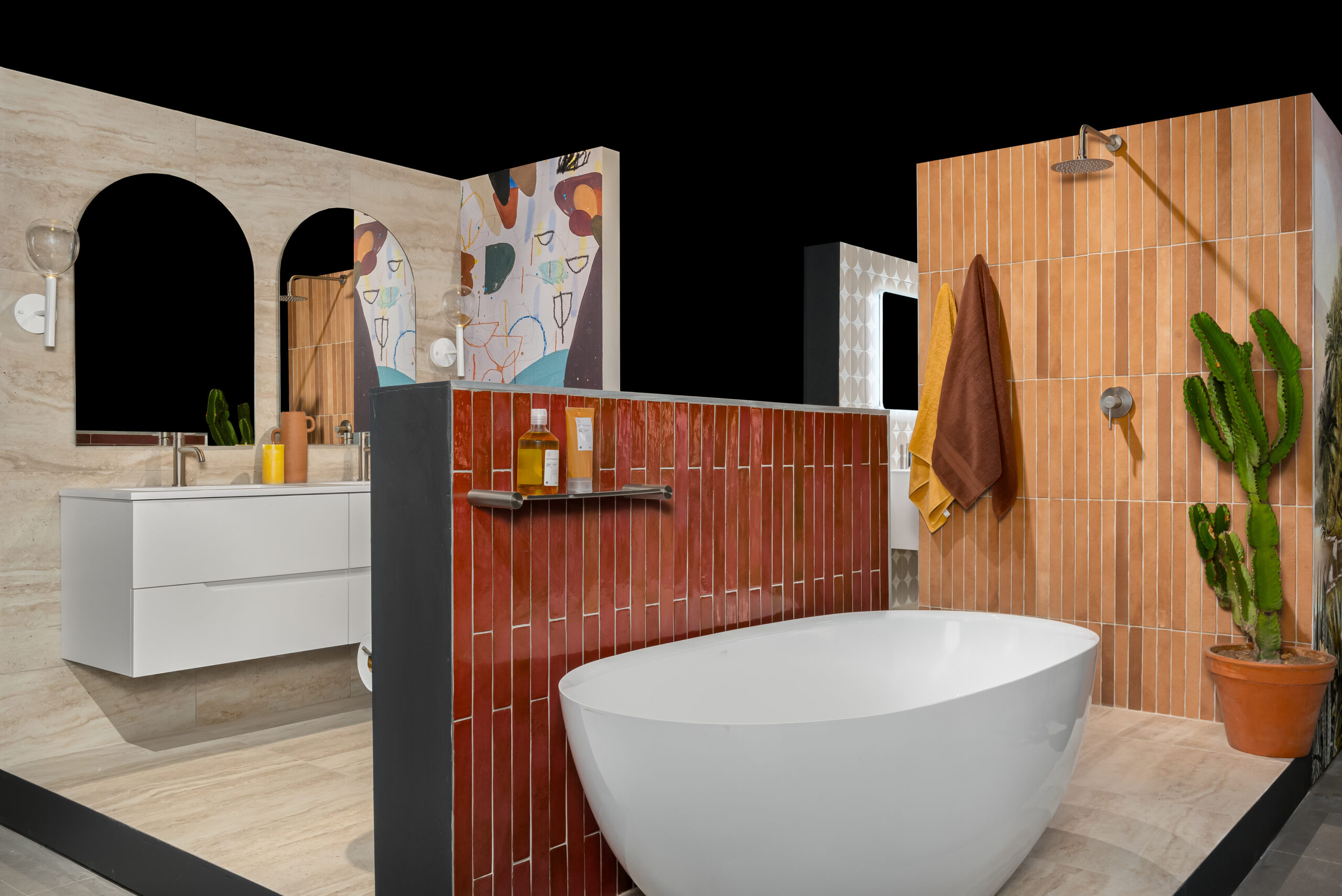
This bathroom showcases subway tiles laid out vertically, adding depth and dimension. The tiles are all within the same colour family, creating a cohesive look. Neutral beige stone tiles are used to bind the space, ensuring a connected and harmonious design.
Same Shape, Different Colours
Using the Douglas Jones Punkah collection in Norwegian Red and Green Jade, this design features tiles of the same shape but in different colours to create a playful and vibrant space. Grey marble tiles on the floor break up the colours, allowing the wall tiles to stand out as the focal point.
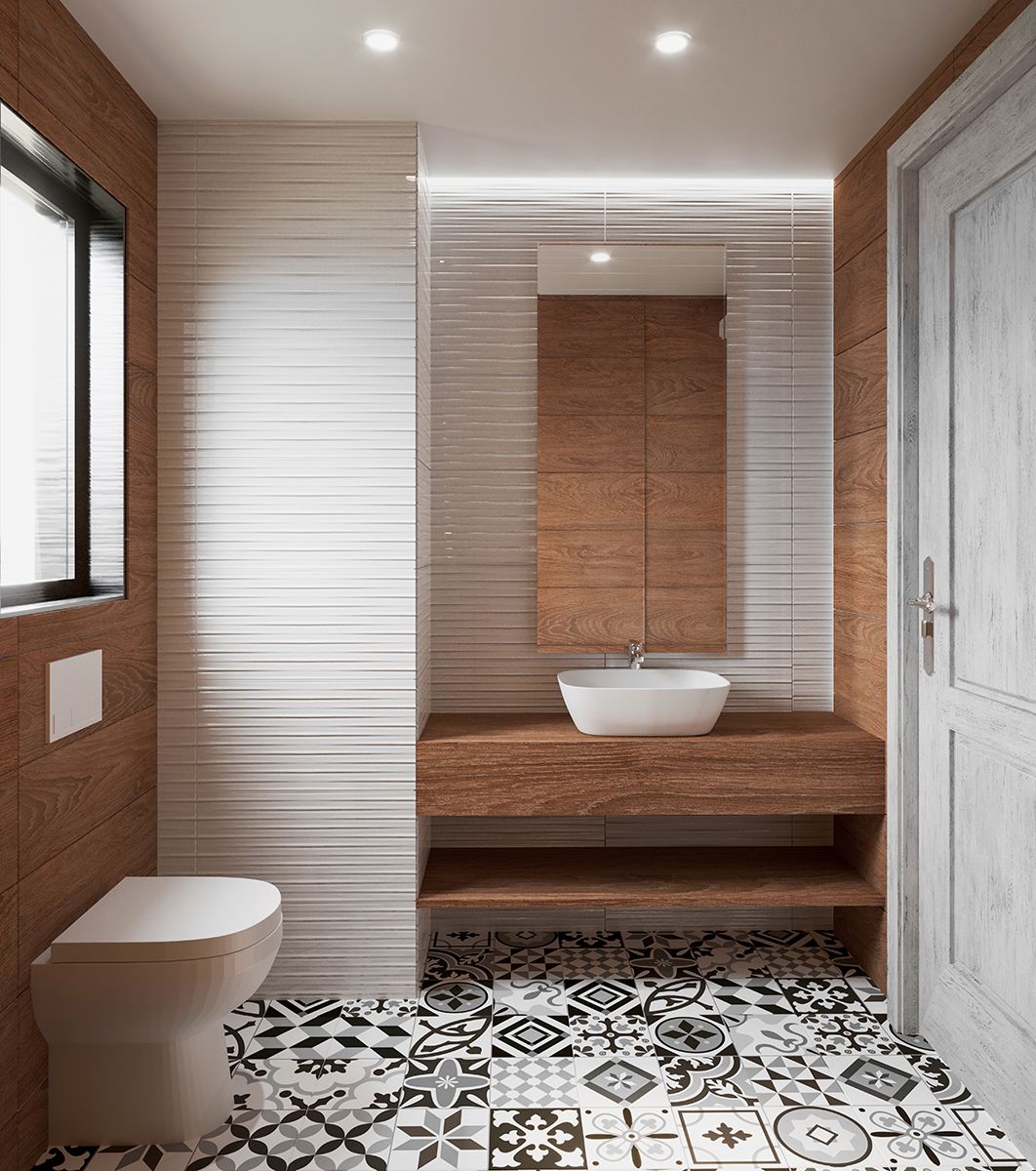
In this bathroom, a variety of decorative tiles are used on the floor, making it the focal point while simple white tiles are used on the walls. This combination creates a contemporary, clean look despite the intricate floor tile designs.
Prefer to watch?
Ryan and Deon discuss mixing and matching tiles in the video below:
Mixing and matching tiles can seem daunting, but with these guidelines, you’ll be able to create a stunning and unique look in any room.
Feeling inspired but unsure where to start? We can help point you in the right direction! Visit your nearest Tiletoria showroom and let us help you choose the best combinations for your space.
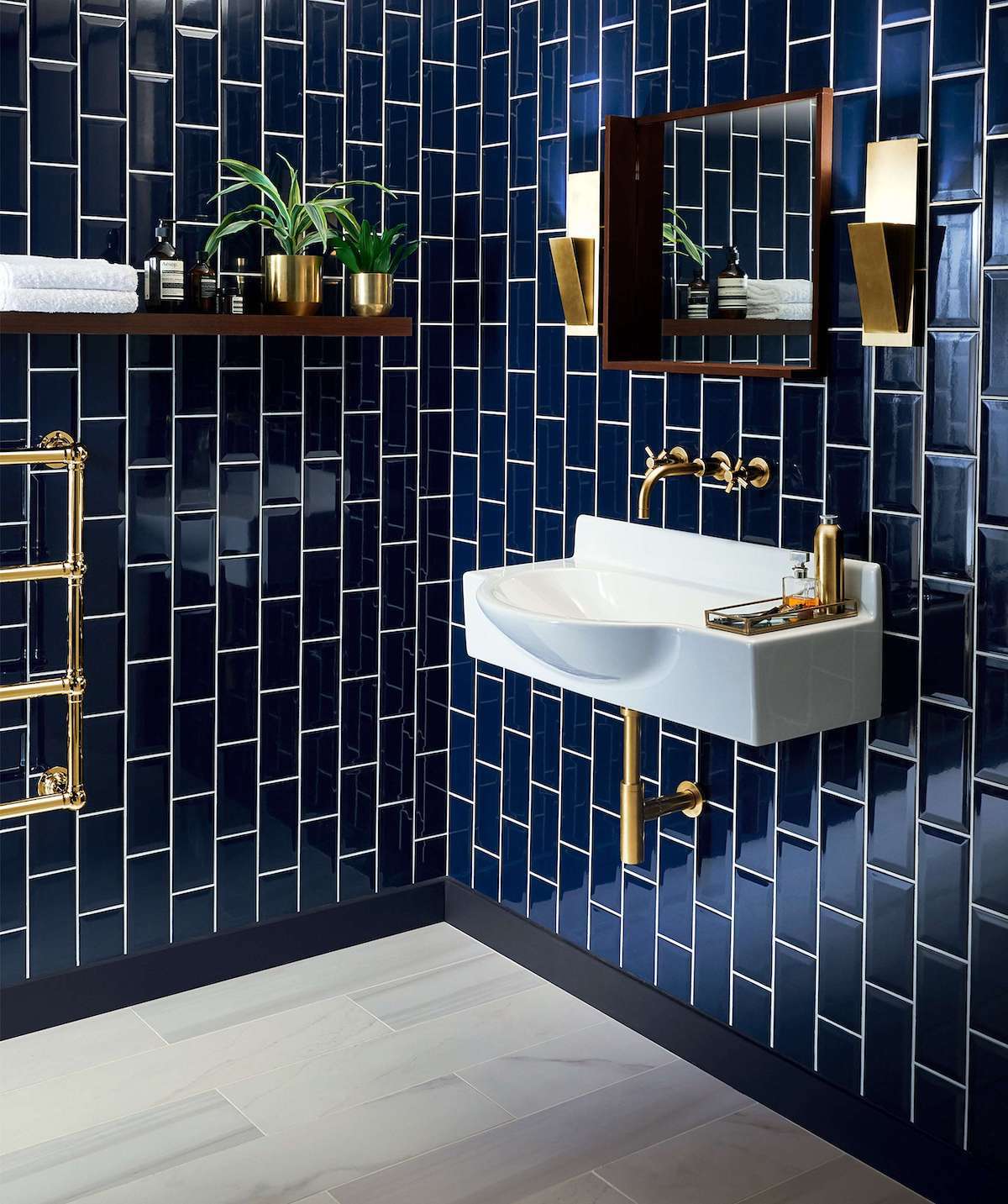
It’s time for a tile upgrade, and let’s be honest, the options can be overwhelming. If you’re after something timeless yet versatile, subway tiles are worth considering. Practical and stylish, subway tiles have evolved in materials, colours, and patterns since their debut over a century ago.
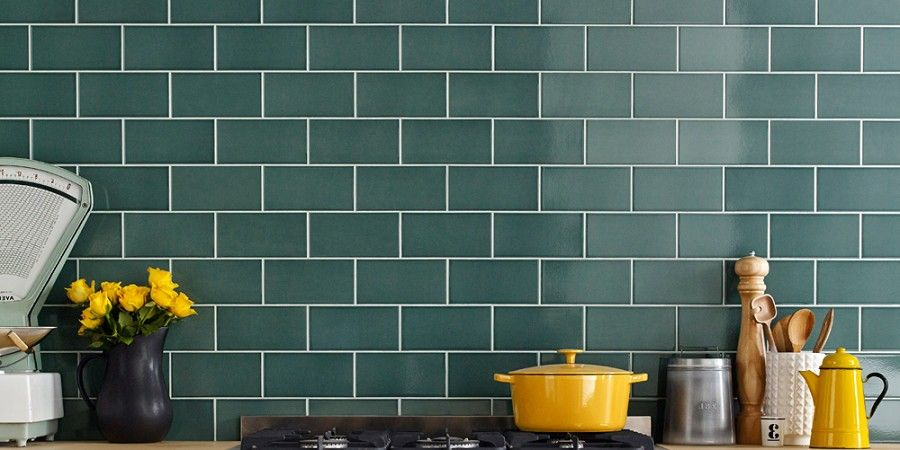
Picture glossy white or black rectangular tiles, often seen in butcheries and restaurants, evoking a vintage New York vibe while exuding cleanliness and hygiene. These tiles get their name from the iconic subway stations, designed to brighten up dark tunnels with their easy-to-clean, light-reflective surfaces. Originally created in a 3×4 rectangle for New York City’s first subway station, subway tiles, also known as Metro tiles, quickly moved from underground to home interiors. Their smooth surface and easy maintenance make them a top choice for kitchens and bathrooms.
The first subway tiles were made of ceramic, but today’s options include ceramic, porcelain, glass, marble, and other stones. Your choice of material will depend on the look and functionality you desire. Once limited to black and white, subway tiles now come in a variety of inspiring colours to spark up any space.
Subway tiles are most popular in kitchens, bathrooms, and utility rooms. They make excellent splashbacks, feature walls, and shower interiors. Thinking about creating the perfect splashback? Check out our detailed guide here.
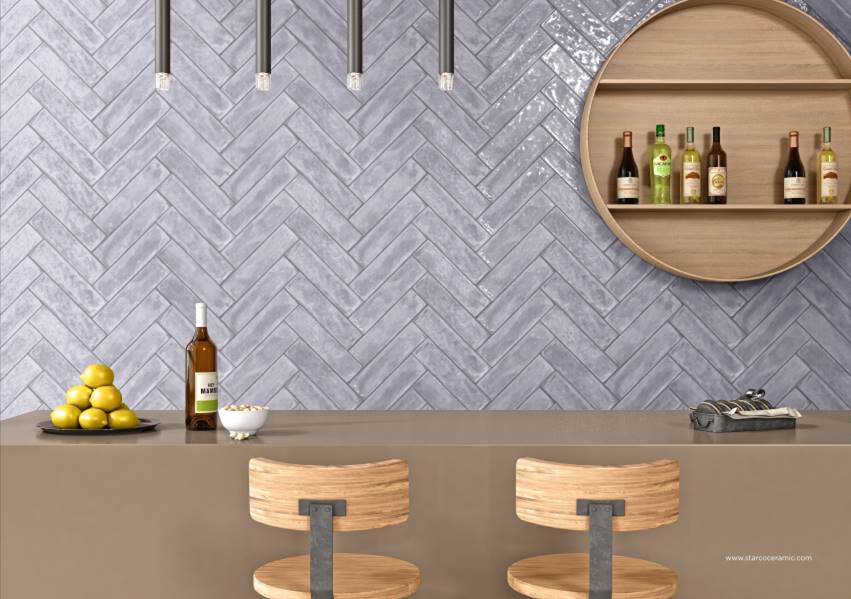
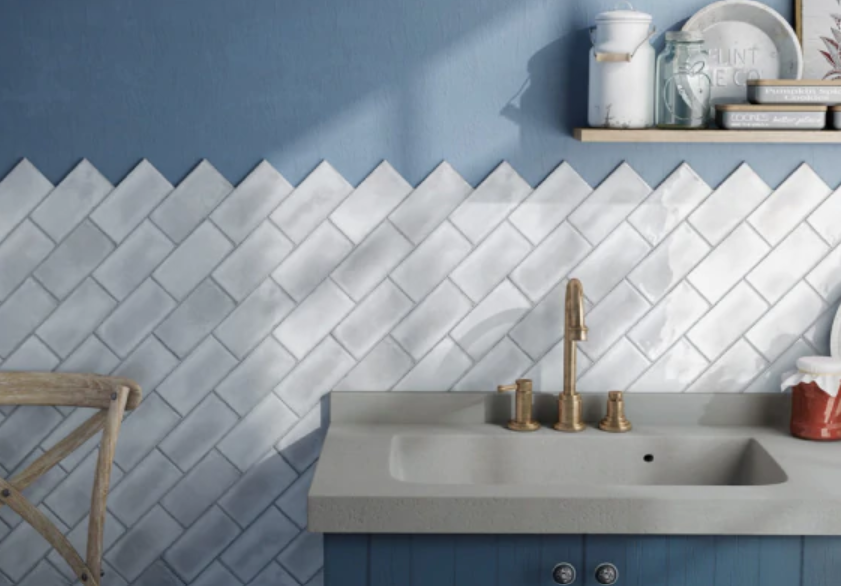
Subway tiles aren’t just easy to clean—they’re also incredibly versatile, being able to be styled in a variety of ways. While the classic brick pattern remains popular, you can break away with herringbone, chevron, or other creative layouts for a modern twist on this American classic. For more layout inspiration, see our blog here.
Grout Colour
Traditional grout colours like white, grey, or black were used to match the tile colour. Nowadays, grout comes in a spectrum of shades. Using contrasting grout, such as black with white subway tiles, creates a striking framed effect. On the other hand, matching grout to the tile colour, like black grout with black tiles, creates a seamless look. Your grout choice depends on the overall aesthetic you want to achieve. Need help choosing grout? Our guide to grout colours is just a click away here.
Ryan and Deon discuss Subway Tiles in the video below:
Subway tiles are here to stay! With an array of colours and layout options available, you’re on your way to designing a feature wall worthy of Broadway. Visit your nearest Tiletoria showroom today or browse our range of subway tiles online.
Tile splashbacks are gaining popularity for a reason. They add an eye-catching upgrade to your home and can rejuvenate your walls without breaking the bank. So, let’s splash right into the topic and explore how to choose the perfect tiles for your splashback.
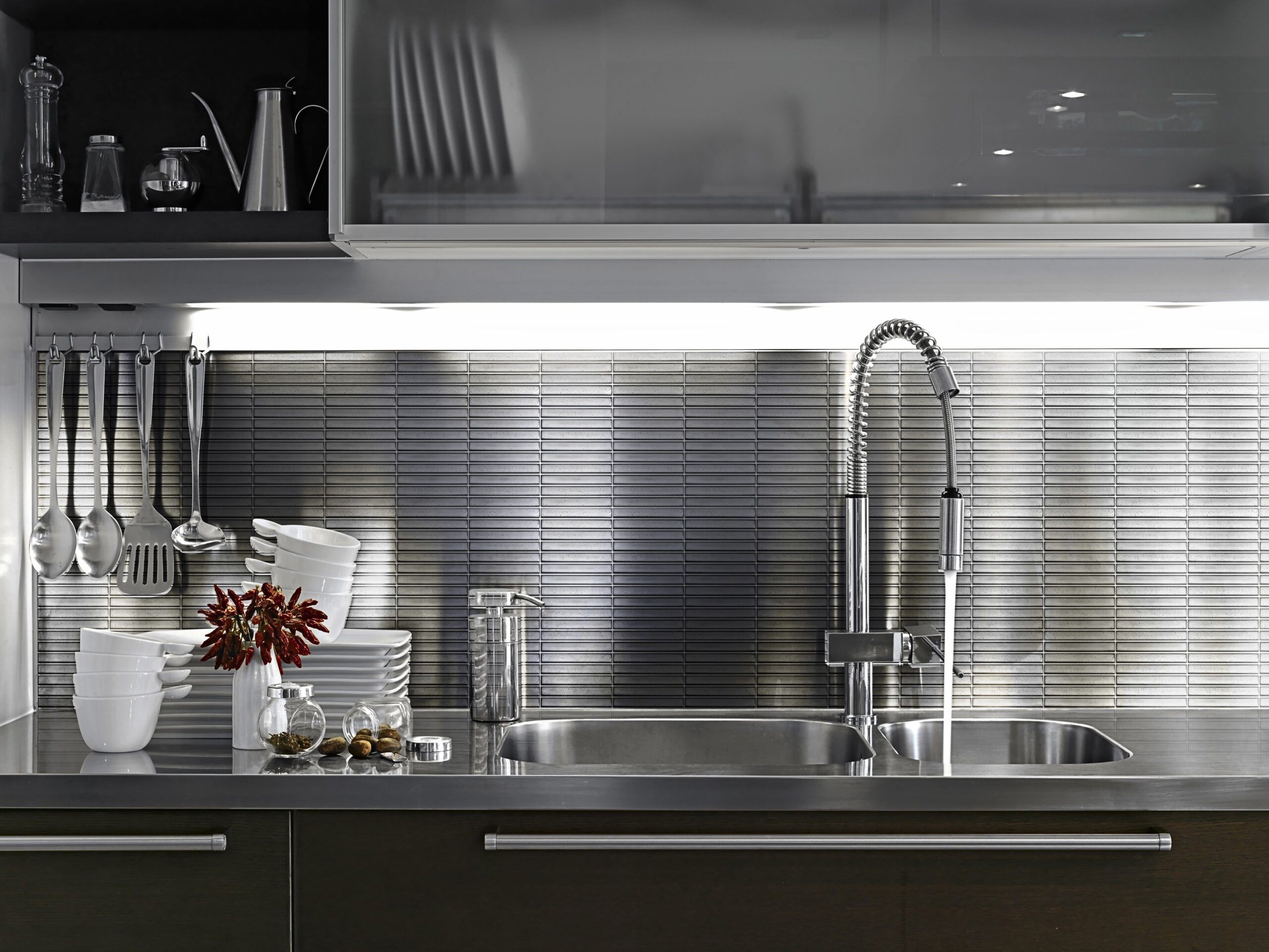
A splashback, or backsplash, is exactly what it sounds like. It’s a protective surface installed in the kitchen or bathroom behind the sink or stove, where water, grease, and food tend to “splash” around. The primary purpose of a splashback is to catch the mess and prevent water or moisture damage to the wall behind the tiles.
Splashback tiles are a simple way to make your kitchen or bathroom feel brand new. They offer benefits like ease of cleaning and durability—it’s much easier to wipe down a tile than to scrub a wall! A splashback can be a few centimeters high or extend all the way to the ceiling.
Imagine standing in your kitchen, tackling that huge pile of dishes. Wouldn’t it be nice to have a beautiful feature to look at while you’re there?
Picking out tiles for your splashback is half the fun. You’re almost ready to create your dream splashback, but it’s important to consider a few key factors. Your kitchen and bathroom endure a lot, so it’s essential to choose tiles that are water-resistant. This helps protect your walls from excess moisture. Non-porous tiles are a must, as they don’t absorb water, air, or other fluids.
The tiles you select should be durable enough to withstand the daily hustle and bustle, allowing you to cook and clean without a worry.
When selecting the colour for your splashback tiles, think about the overall look you want to achieve.
Bold and Bright: If you’re looking to add colour and character to your space, go for bright and bold tiles. You can even opt for a different colored grout to make your tiles stand out.
Subtle and Minimalistic: For a more understated look, white, black, grey or beige tiles can tie the rest of your space together. Matching or contrasting grout can change the final look.
Smaller Tiles: These offer a detailed and uniform look.
Pro Tip
Always purchase more tiles than you think you’ll need. Mishaps happen, and it can be frustrating when you’re not prepared. You might need just half a tile to finish a small corner, so having extra on hand is always a good idea.
Consider Your Options of Tiles
Let’s explore the different types of tiles available for a splashback:
Porcelain Tiles: These are ideal due to their hard-wearing, durable nature. They are usually water-resistant, attractive, inexpensive, and available in various styles and colours.
Subway Tiles: These are popular for their easy-to-clean ceramic surface. They come in various colours, styles, and patterns, and are extremely durable.
Choosing the Tile Pattern
With so many different layouts to choose from, it can be overwhelming to figure out what works best for your space. Check out our previous blog on tile layout patterns for an in-depth review of all the tile pattern options you can choose from here.
Once you’ve considered the important factors for tiling your splashback, it’s time to bring it all together! Visit your nearest tiletoria showroom today to make your splashback dreams a reality.
Prefer to Watch?
Check out the video below where Ryan and Deon discuss the steps to find your perfect splashback tiles:
One of the most exciting things about tiles is the many different ways that they can be installed. The same tile can create a very different result by simply changing the layout pattern. But with all the options, where do you start? Here are some of the most popular tile layout patterns to inspire your next project.
The running bond, or brick pattern, is a classic. Rectangular tiles are laid at a 50% offset horizontally, giving you a clean, timeless look. This pattern is great for hiding imperfections, making it a go-to choice for many.
Image Credit:
2. Vertical Running Bond
The vertical running bond is similar to the running bond but with a twist. Tiles are offset vertically by 50% instead of horizontally. This pattern draws the eye upward, making your small spaces feel taller and more open.
Image Credit: Topps Tiles UK
3. Vertical Offset
In the vertical offset pattern, each tile is shifted by a third from the one above it. This creates a dynamic look and also helps make your walls appear taller, perfect for compact areas.
Image Credit: Ceramic Connection
4. Stacked Layout
The stacked layout is simple and modern. Tiles are laid directly on top of each other in a basic grid pattern. This straightforward design gives a clean, contemporary look and is easy to install.
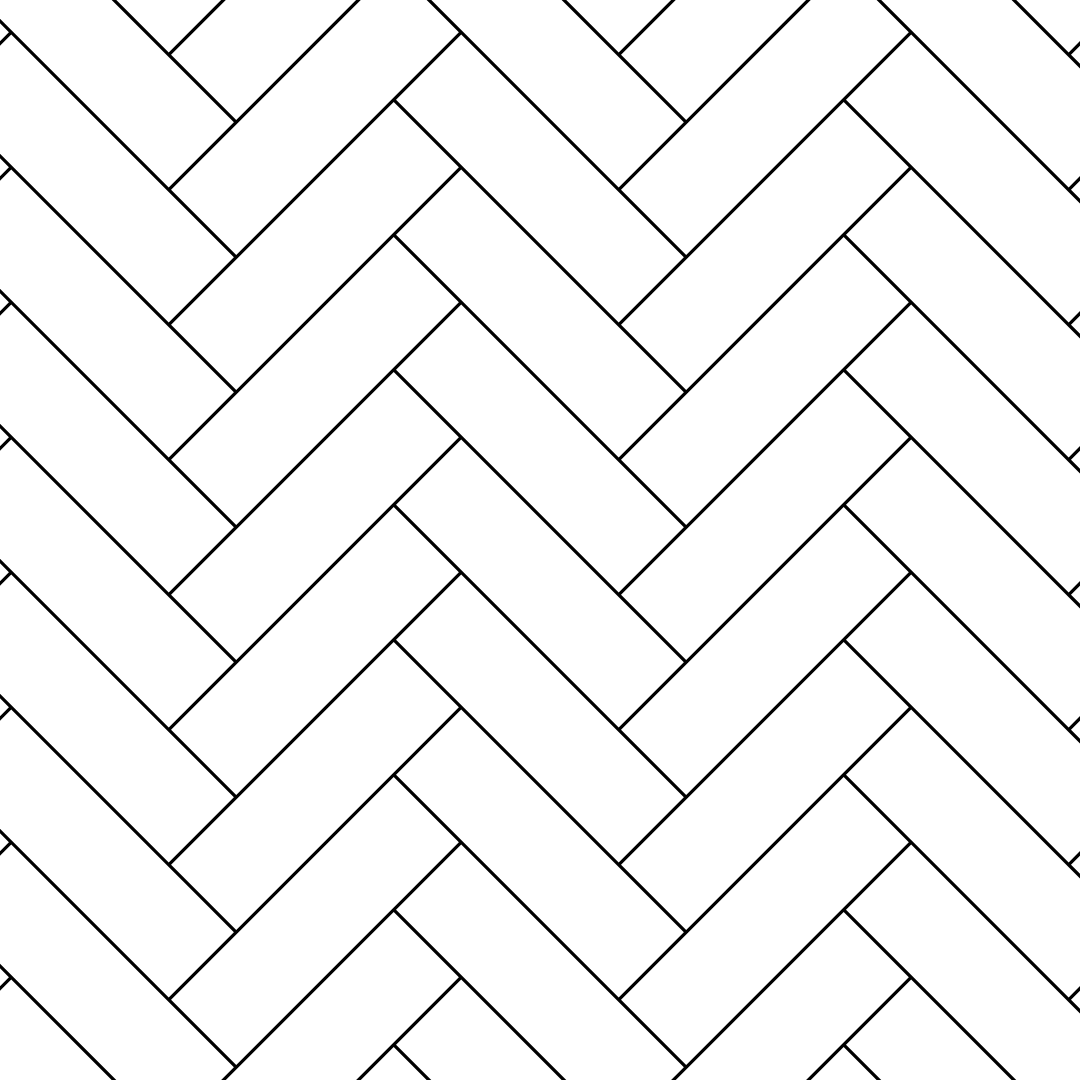
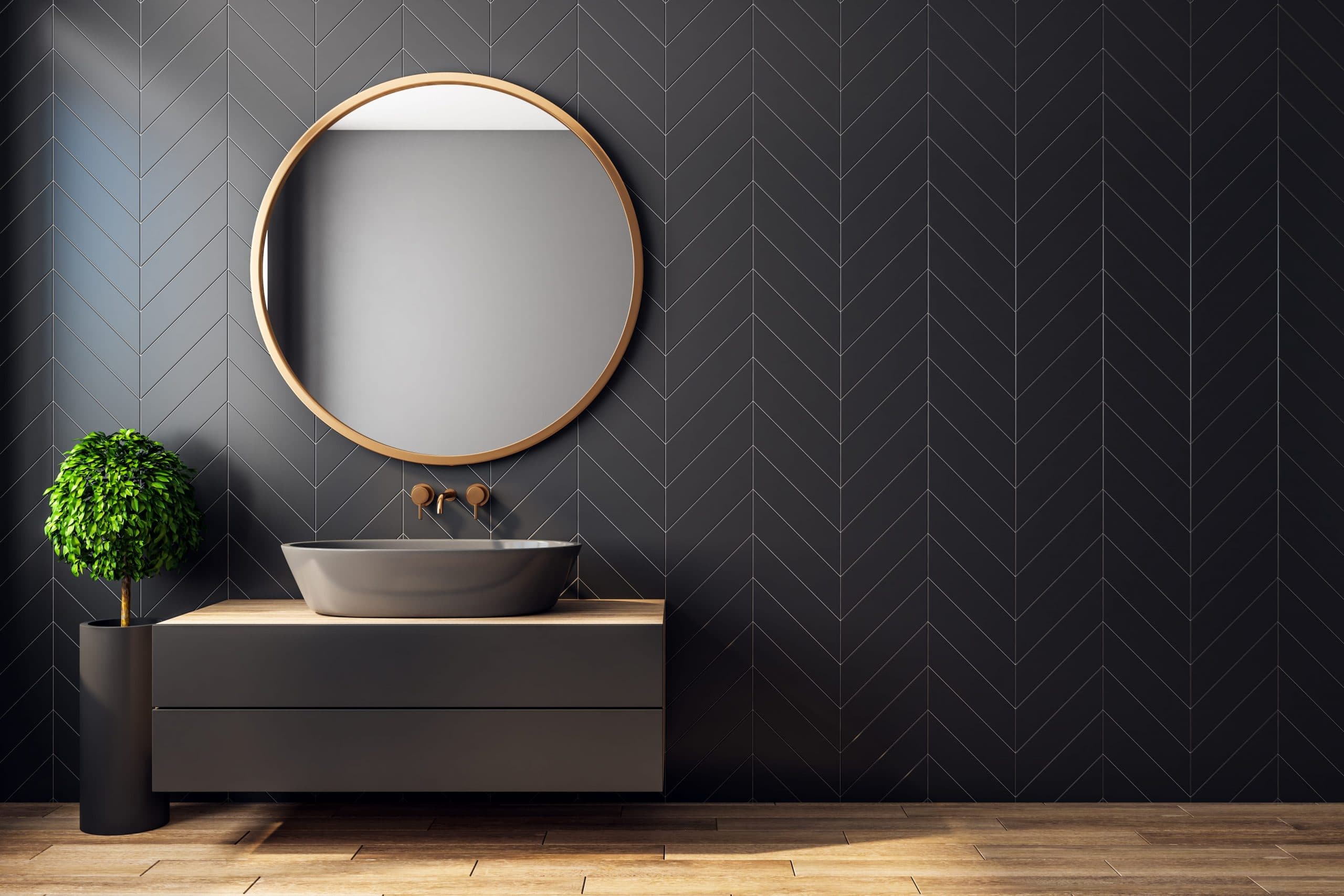
The herringbone pattern uses rectangular tiles set at 45 degrees. This classic design looks amazing on both walls and floors. You can use contrasting grout to create a unique look. Herringbone adds a touch of elegance and movement to your space.
Chevron is like herringbone but with tiles meeting at a 45-degree miter joint. It can be tricky and time consuming to install, but the end result is so worth it. If your tiles aren’t pre-cut for a chevron layout, you’ll need to cut the ends at a 45 degree angle to fit.
Image Credit: Shutterstock
7. Basket Weave
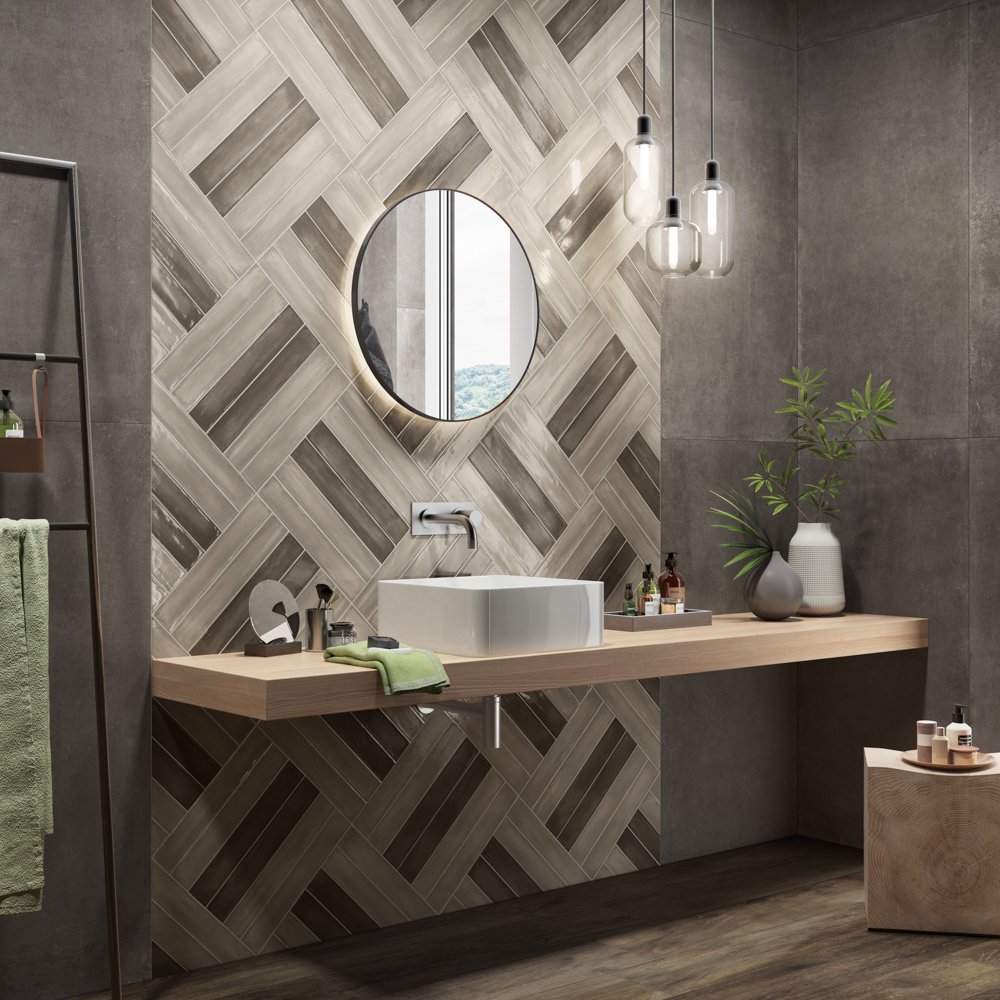
The basket weave pattern alternates horizontal and vertical tiles to create a woven look. Tiles are laid horizontally to form a square and then laid vertically to form another square. The horizontal and vertical tiles then alternate of the following rows. It’s a great way to add texture and visual interest to any space.
A diagonal layout is similar to a running bond, except tiles are turned 45 degrees for a diagonal layout. This pattern is perfect for hiding imperfections and adding a creative touch to your floors or walls.
Image Credit: Equipe Cerámicas
9. Modular Patterns
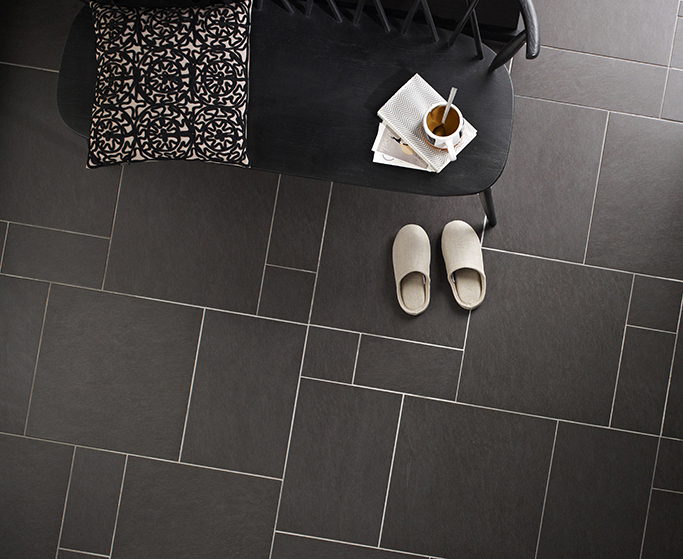
Modular patterns are formed by mixing square and rectangular tiles for a modular pattern. The possibilities are endless, and you can create a custom look based on the tile sizes and shapes you choose.
Image Credit: Tile Mountain
10. Diamond Pattern
Lay square tiles in a diamond pattern for a touch of timeless elegance. This layout is widely used and works well on both walls and floors. A diamond pattern can help disguise uneven surfaces and will hide imperfections if your wall or floor isn’t perfectly square.
Image Credit: The Makerista
Prefer to watch?
Ryan and Deon discuss tile layout patterns
For more inspiration, visit a Tiletoria showroom. Explore these patterns and find the perfect layout for your next project!
So, you’ve decided that tiling is the perfect option for your latest project, but how do you decide which tiles are best suited for each room of your home? We’re here to simplify the tiling selection process by sharing some tips and considerations for choosing the right tiles for each room.
Table of Content:
Smaller Rooms: Bathroom and Laundry Room
The Kitchen: The Heart of the Home
Hallways: Making a Great First Impression
Bedroom: A Growing Trend
Living Room: High Traffic and High Style
Outdoor: Extend Your Living Space
Smaller Rooms: Bathroom and Laundry Room
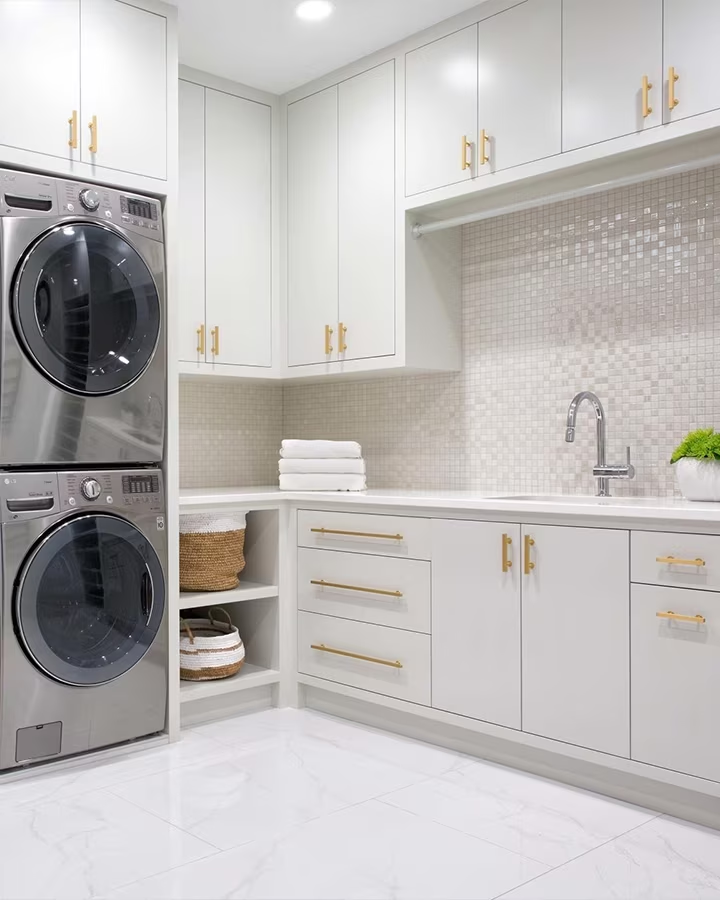
For smaller spaces like bathrooms and laundry rooms, smaller tiles are generally recommended. They can be fitted around fixtures and appliances more easily, reducing the need for extensive tile cutting. Popular options include marble or marble-inspired tiles, mosaic tiles, monochromatic tiles, and subway tiles.
Credits: @in.house.design
However, larger tiles like large format tiles can also work well in smaller rooms because they have fewer grout lines, creating the illusion of a larger space.
When choosing bathroom tiles, prioritize slip-resistant options that are easy to clean.
Browse some of our most popular bathroom and laundry room tiles to get started:
The Kitchen: The Heart of the Home
In larger rooms and open spaces, large format tiles can be the perfect choice. They create a uniform flooring and are becoming increasingly popular in open plan kitchens and living rooms. Large tiles offer a contemporary, hard-wearing feel, and slip-resistant tiles are recommended for the kitchen since it is a wet area.
Browse some of our most popular kitchen tiles to find the perfect match for your home:
Hallways: Making a Great First Impression
Hallways are often the first area guests see, so it’s important to make a lasting impression. Hallways need to be welcoming and attractive but also hard-wearing, as they endure a lot of foot traffic.
Ceramic tiles are a great choice because they are easy to clean and come in various bright colors and patterns.
Alternatively, large format tiles in neutral colors can create a simple, easy-to-clean look.
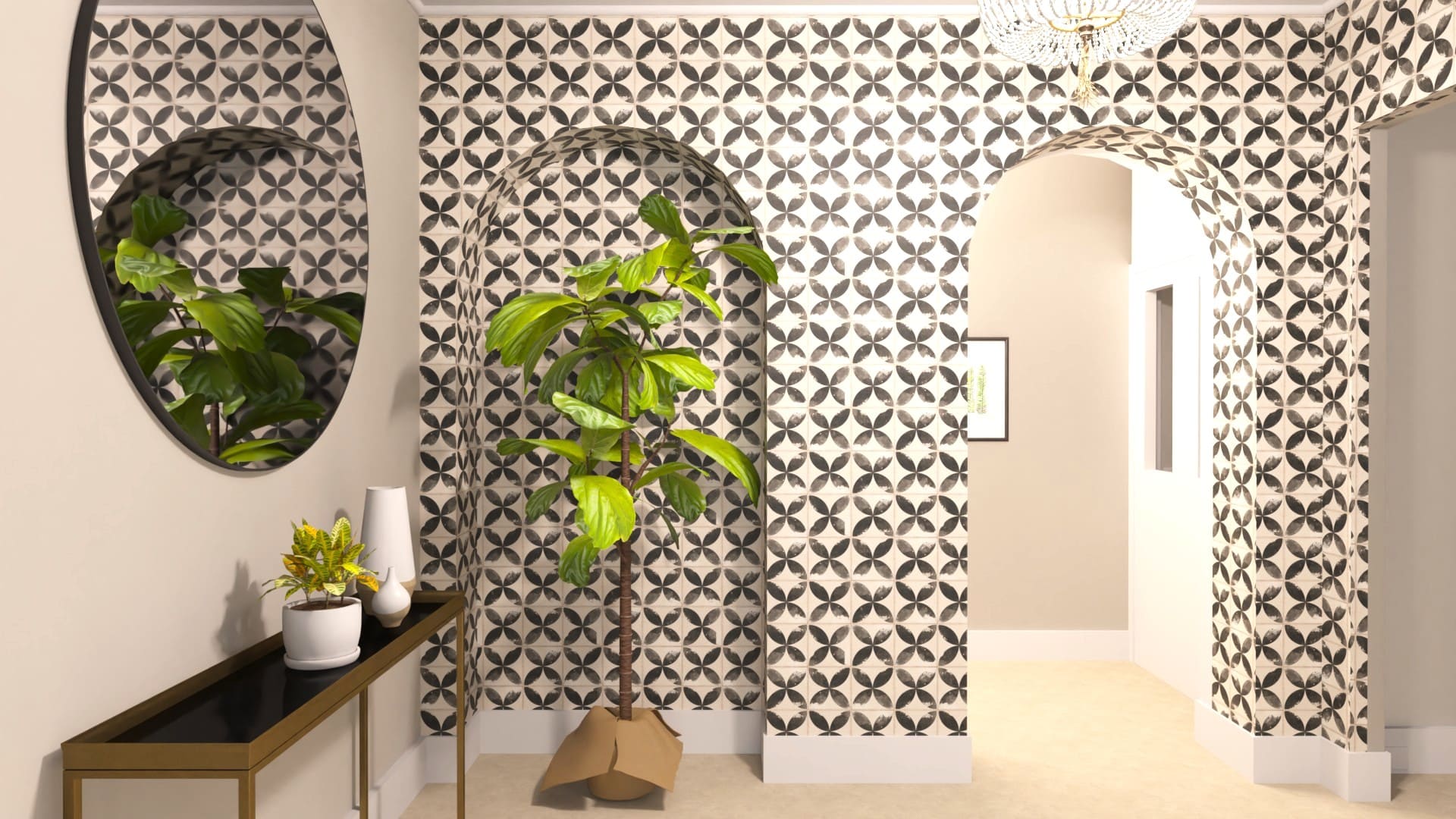
Decorative tiles are another popular option, adding a trendy touch to your hallway.
The choice depends on your style and whether you want a cohesive look throughout your home or different styles in each room.
Browse some of our most popular hallway tiles for inspiration:
Bedroom: A Growing Trend
Tiles in the bedroom are growing in popularity. Wood-look tiles add rustic, traditional charm to your cozy bedroom while offering ease of installation, cleaning, and maintenance.
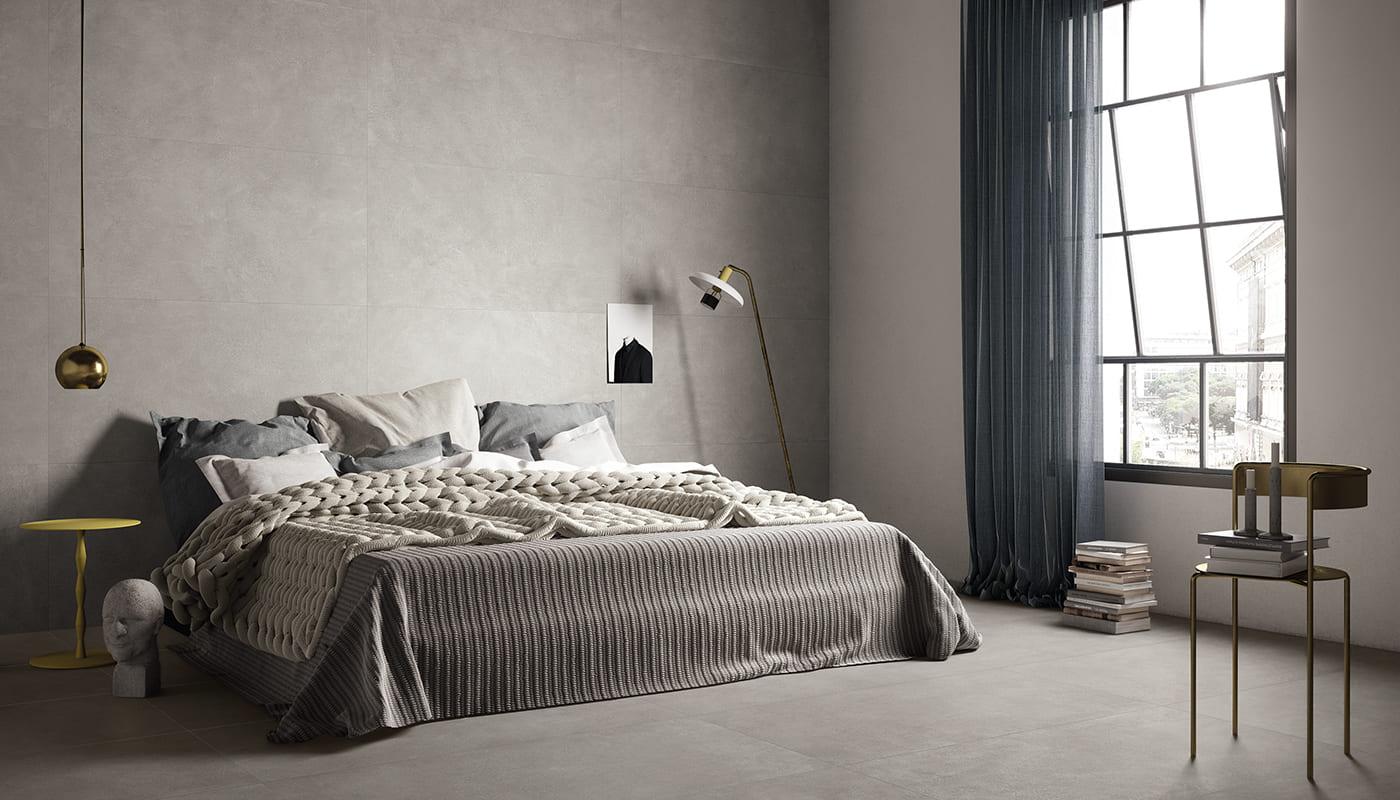
Alternatively, large format glossy or matte tiles in neutral colors can provide the finishing touch to a minimalistic, contemporary-styled bedroom.
Credits: Emilgroup
Browse some of our most popular bedroom tiles to create your dream space:
Living Room: High Traffic and High Style
The living room is another high-traffic area. It’s important to choose tiles that are durable, hard-wearing, and easy to clean. For a unified look, consider using the same tiles throughout your home, from the kitchen to the bedroom to the living room. Wood-look tiles are a great option for creating a warm, homely feel in the living room.
Browse some of our most popular living room tiles to find your perfect fit:
Outdoor: Extend Your Living Space
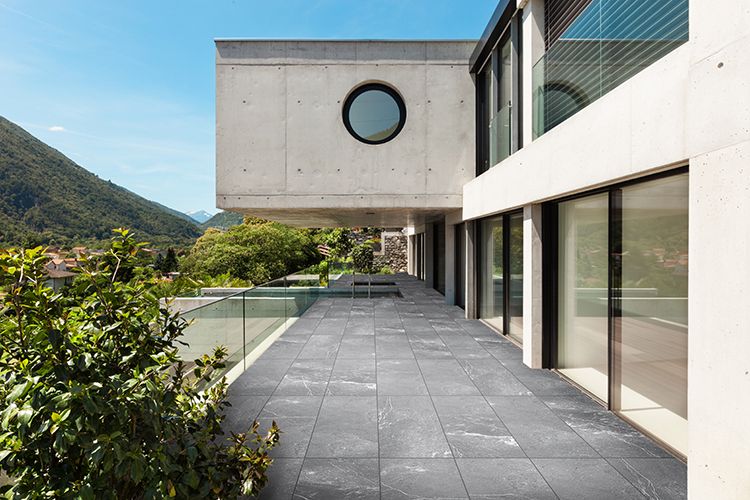
Let’s take this conversation outside. Slip-resistantporcelain and ceramic tiles are ideal for outdoor areas because they are moisture and water-resistant. Porcelain tiles are particularly suitable for outdoor use due to their higher water resistance. A matte glazed finish can offer even more slip resistance.
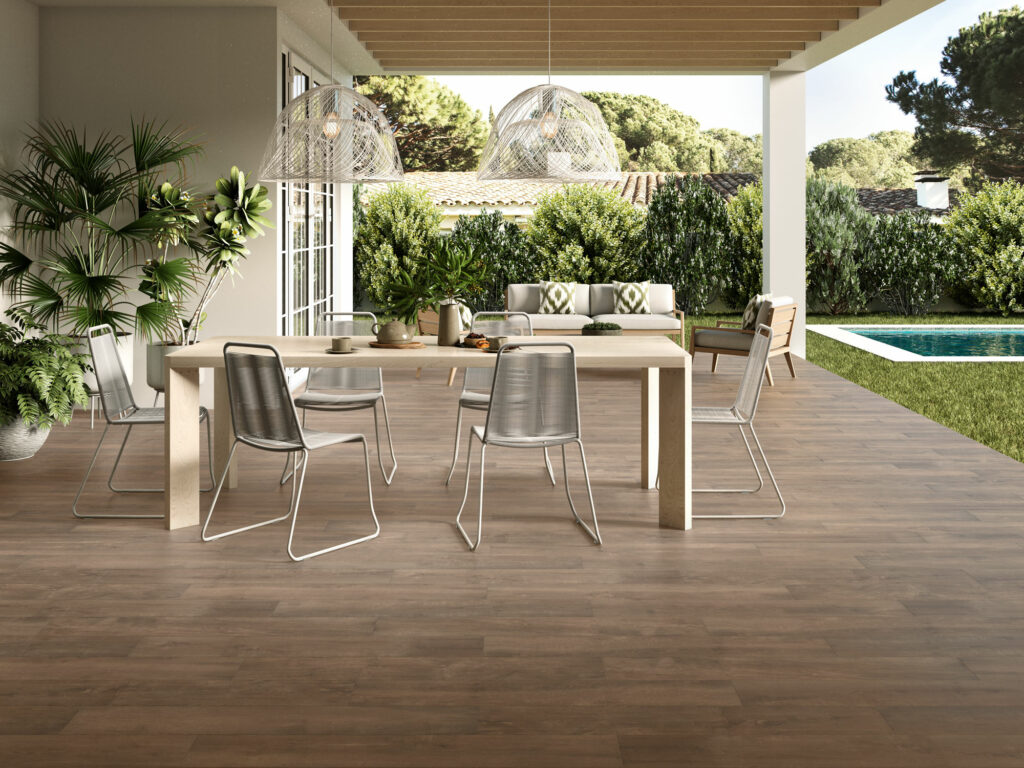
Wood-look tiles are another excellent option for the outdoors if you prefer the look of a wooden deck but without the maintenance required with real wood decking.
Credits: Archi Expo
Browse some of our most popular outdoor tiles to enhance your outdoor living space:
Prefer to Watch?
Check out our two-part episode where Ryan and Deon walk you through everything you need to know and share some inspiration for tiles for each room of your home.
Tiletoria Trends – How to Choose Tiles By Room (Part 1)
Tiletoria Trends – How to Choose Tiles By Room (Part 2)
For more expert advice on which tiles are best suited for each room of your home, visit your nearest Tiletoria showroom or check out our website for more information.
pricing and stock information displayed on this site will be of the branch you select.
it will remain your default branch until you change it. all prices are inclusive of VAT.