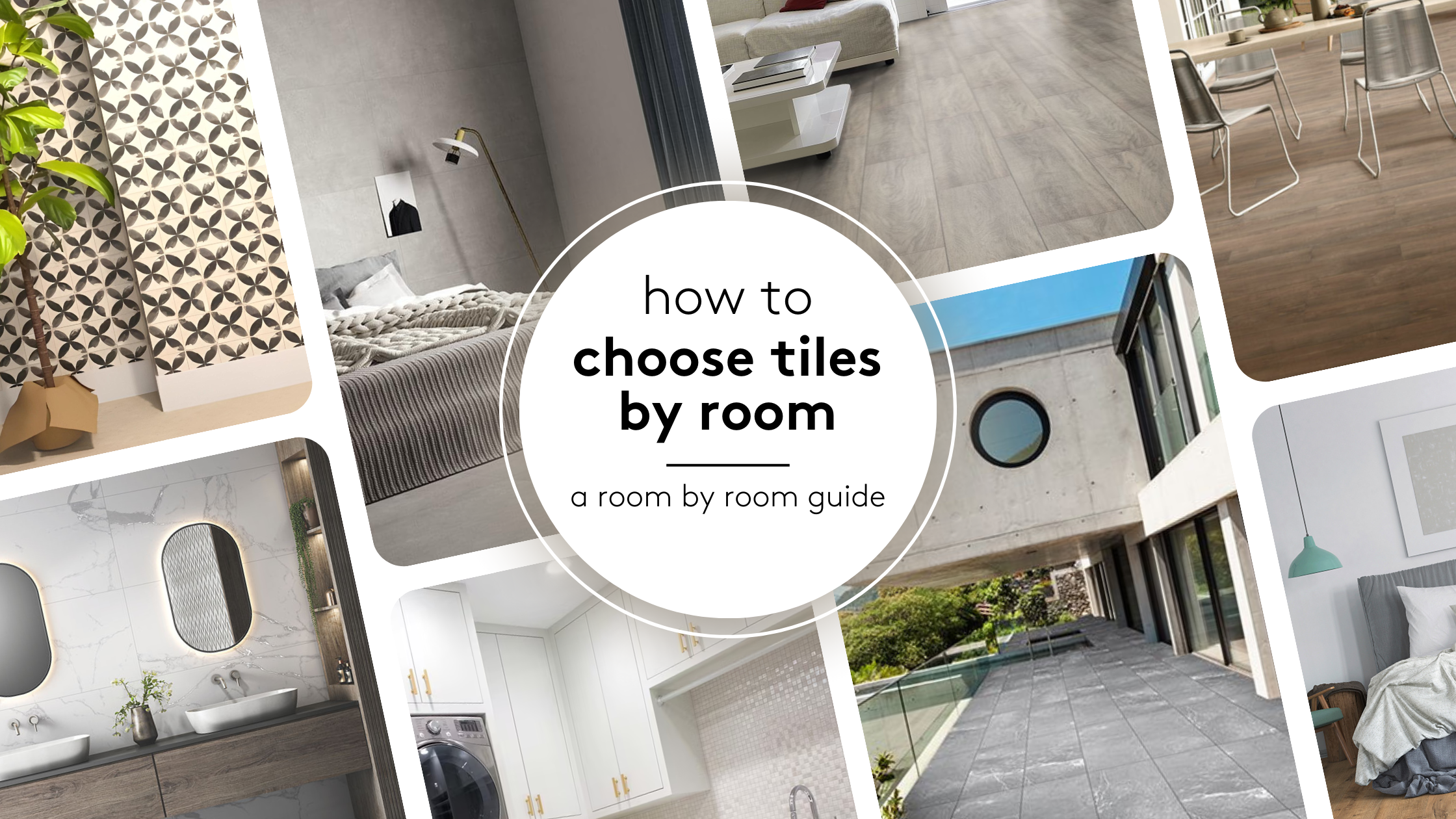
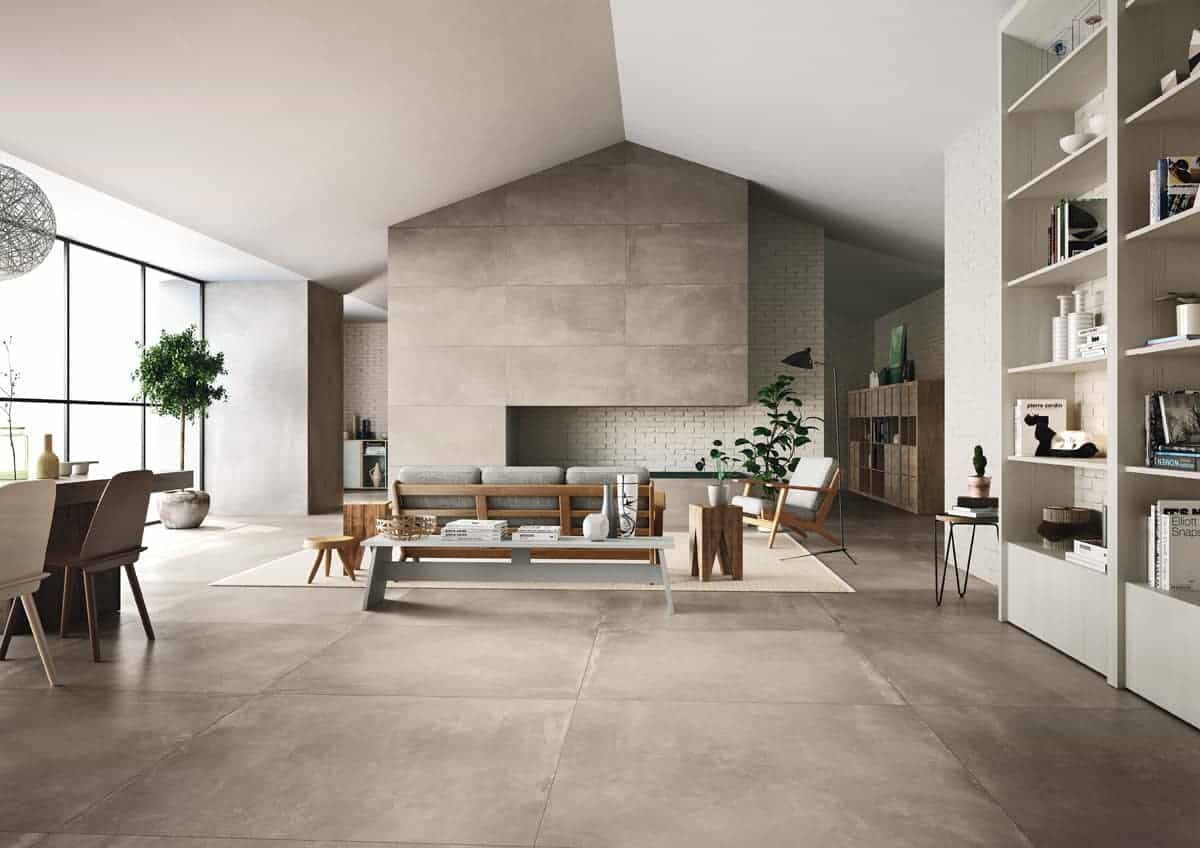
So, you’ve decided that tiling is the perfect option for your latest project, but how do you decide which tiles are best suited for each room of your home? We’re here to simplify the tiling selection process by sharing some tips and considerations for choosing the right tiles for each room.
Table of Content:
Smaller Rooms: Bathroom and Laundry Room
The Kitchen: The Heart of the Home
Hallways: Making a Great First Impression
Bedroom: A Growing Trend
Living Room: High Traffic and High Style
Outdoor: Extend Your Living Space
Smaller Rooms: Bathroom and Laundry Room
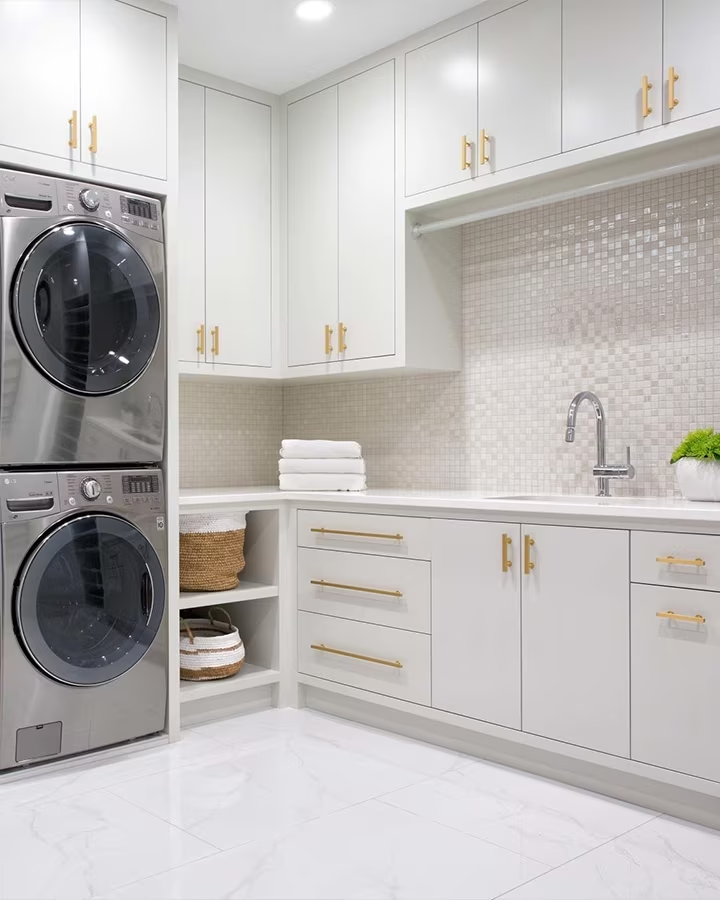
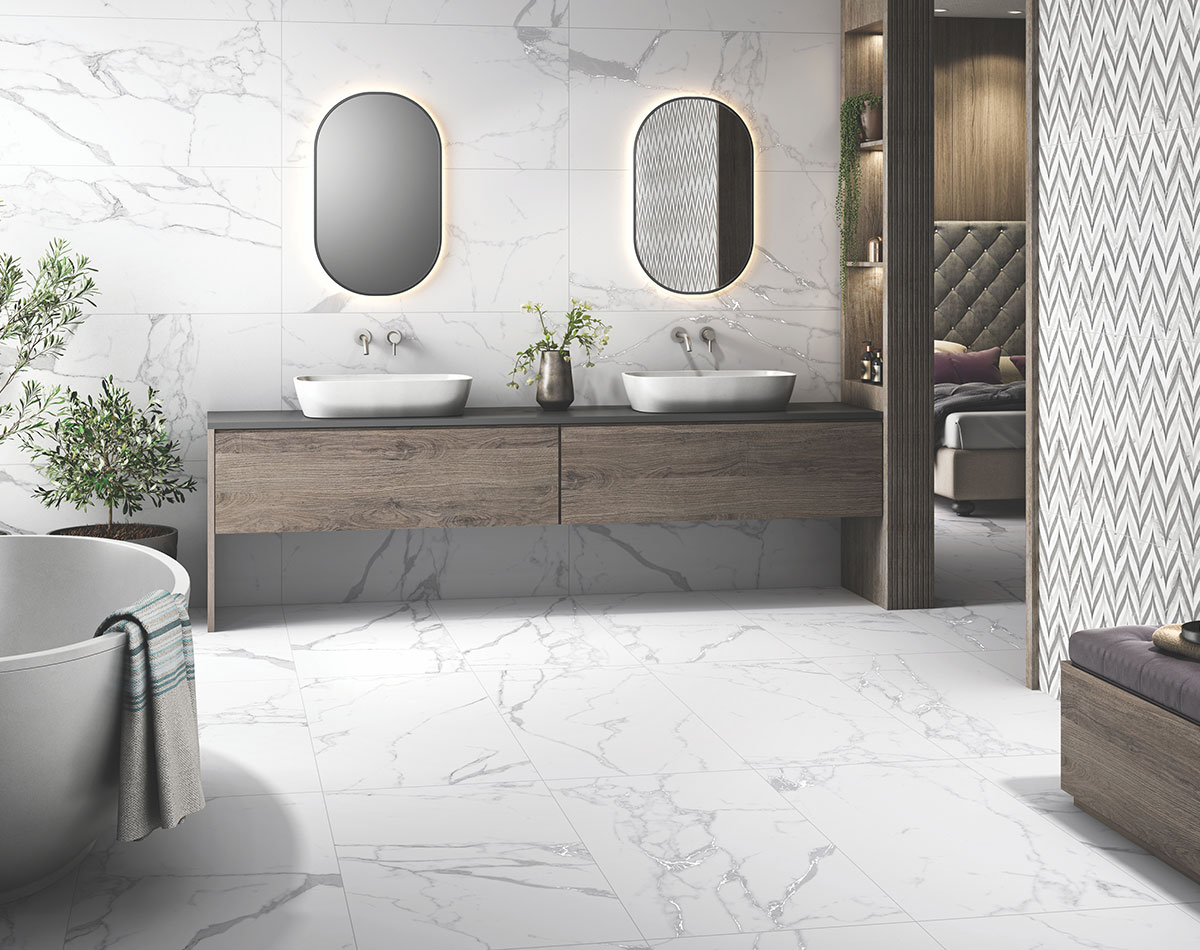
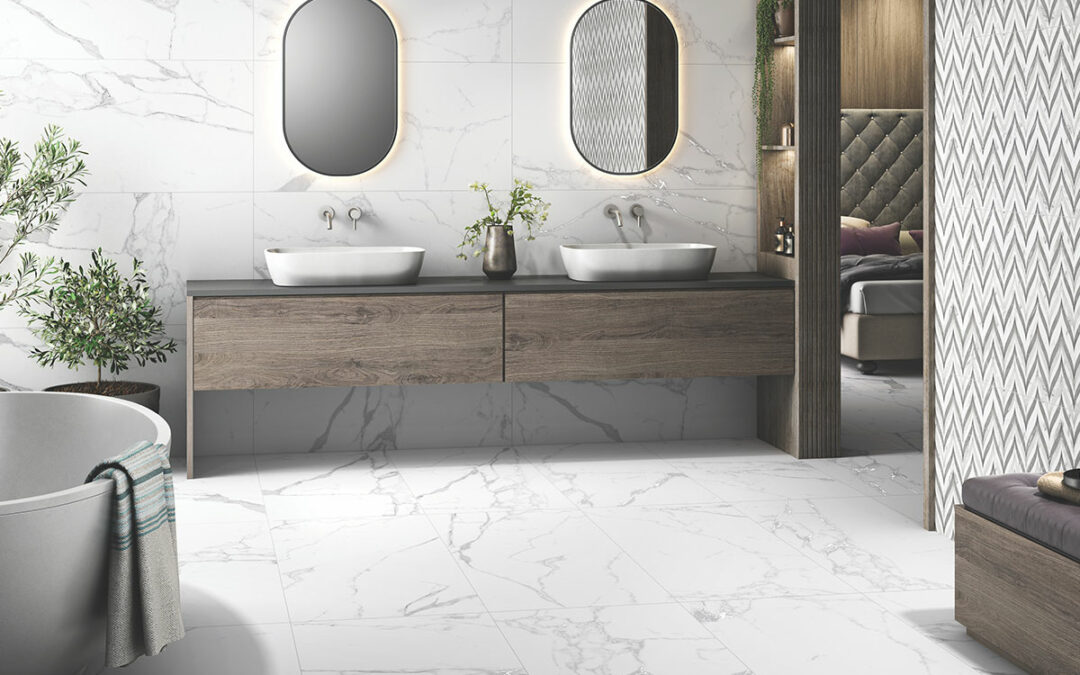
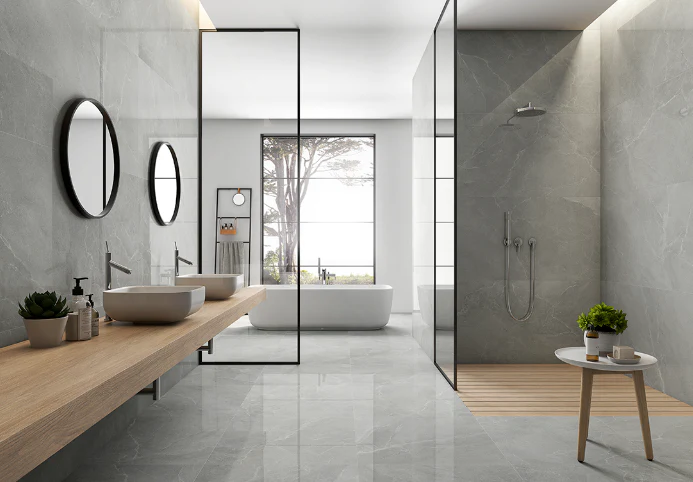
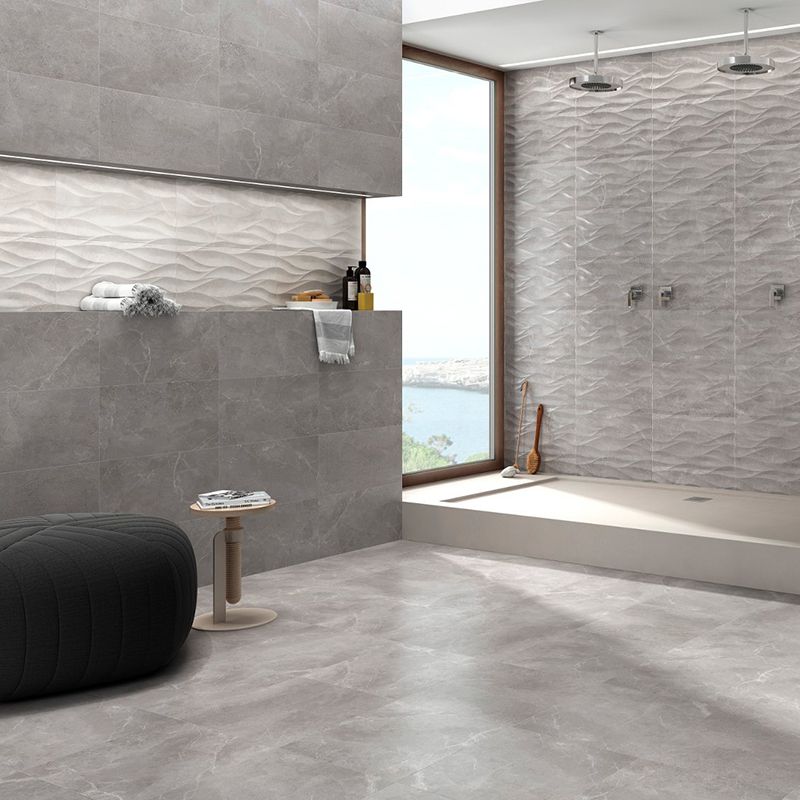
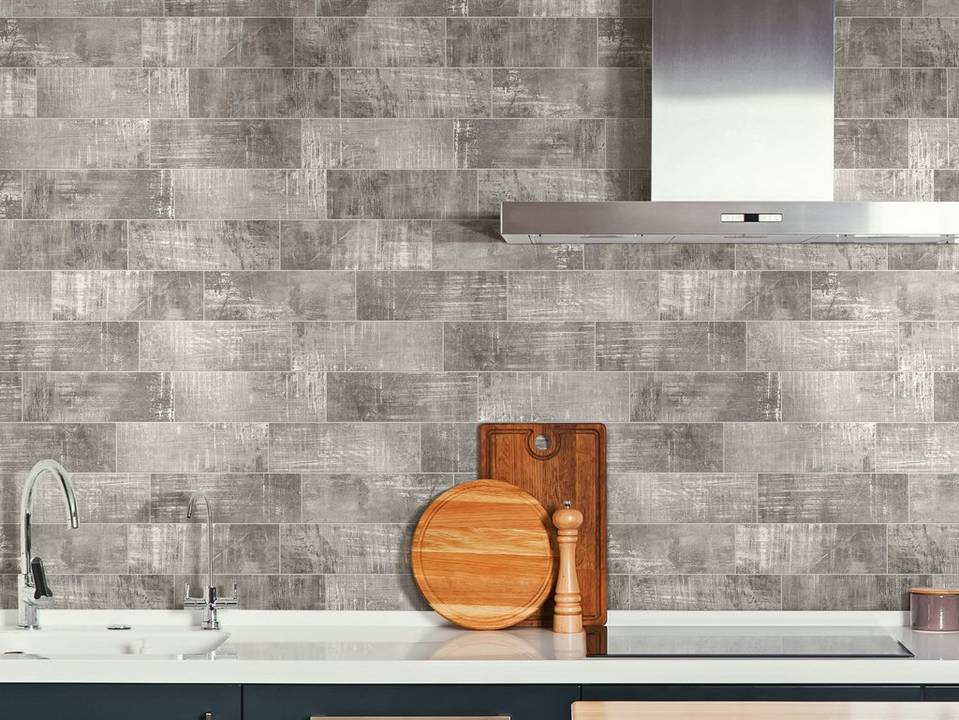
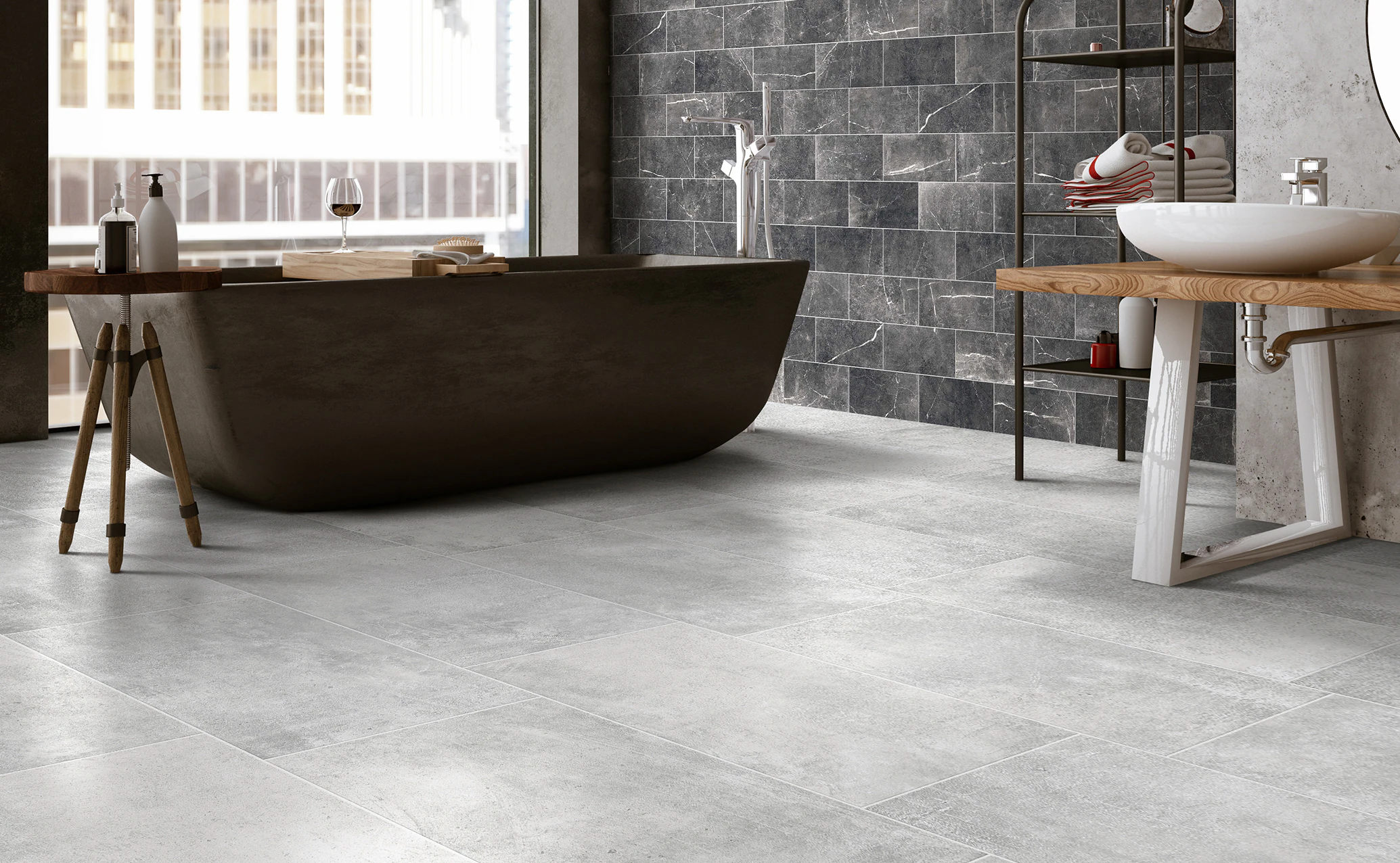
For smaller spaces like bathrooms and laundry rooms, smaller tiles are generally recommended. They can be fitted around fixtures and appliances more easily, reducing the need for extensive tile cutting. Popular options include marble or marble-inspired tiles, mosaic tiles, monochromatic tiles, and subway tiles.
Credits: @in.house.design
However, larger tiles like large format tiles can also work well in smaller rooms because they have fewer grout lines, creating the illusion of a larger space.
When choosing bathroom tiles, prioritize slip-resistant options that are easy to clean.
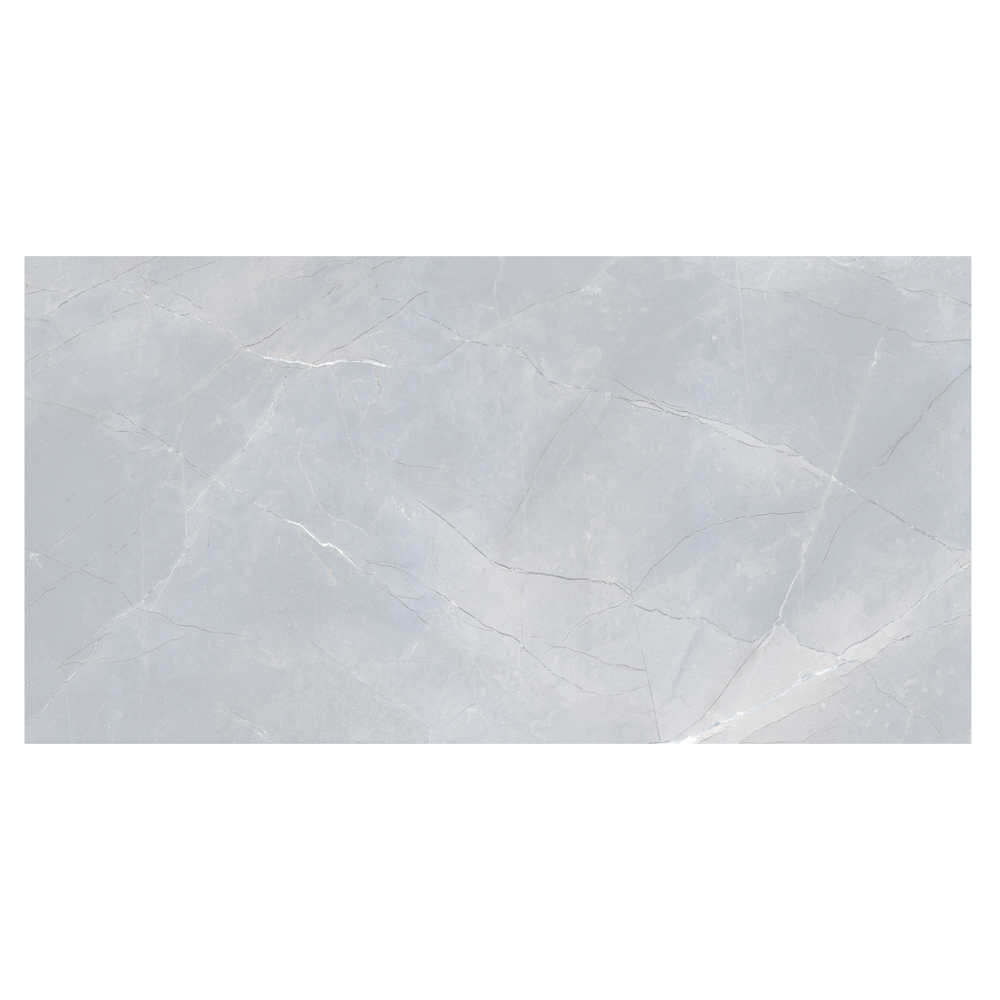
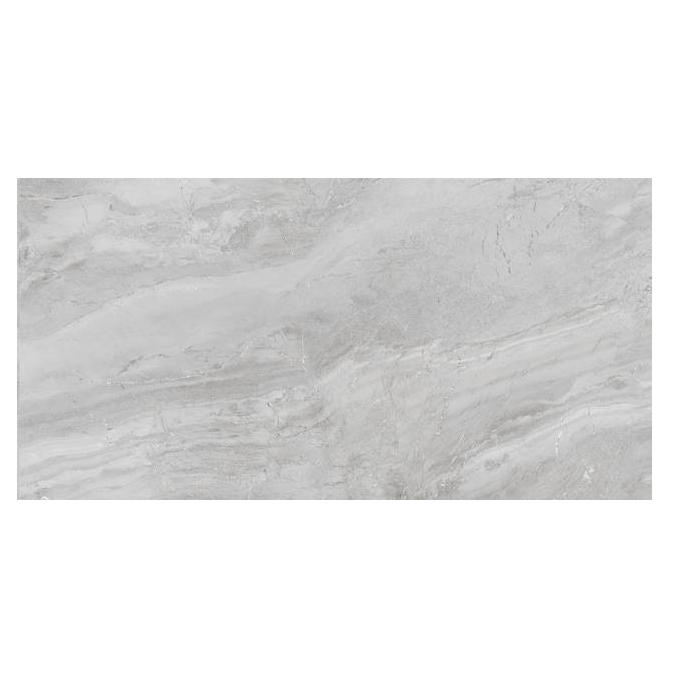
Browse some of our most popular bathroom and laundry room tiles to get started:
The Kitchen: The Heart of the Home
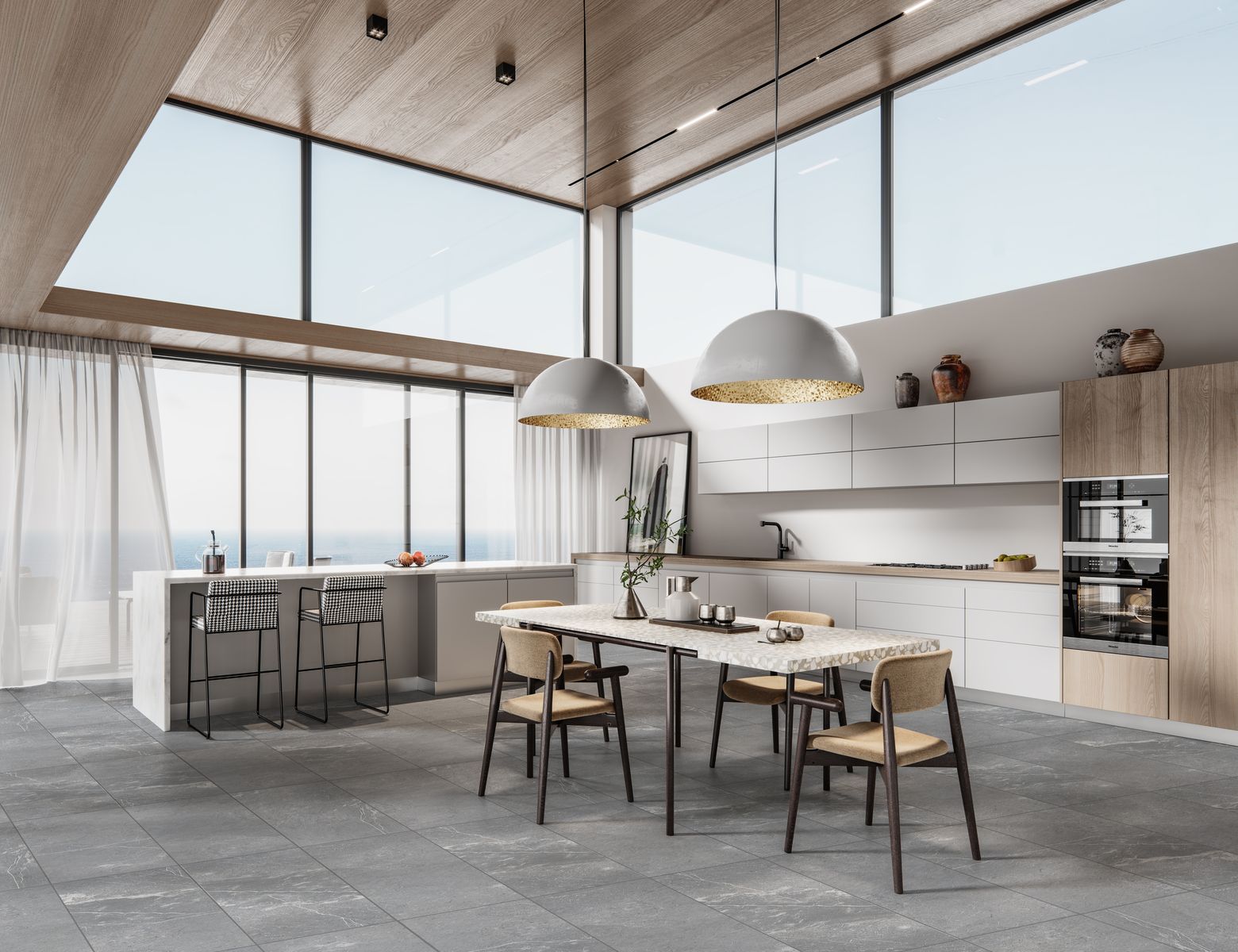
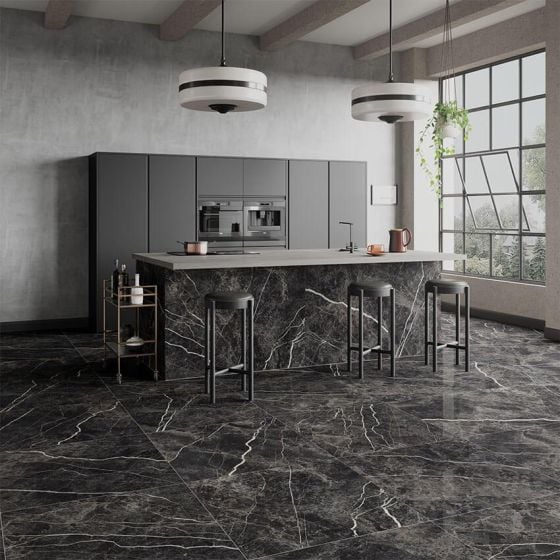
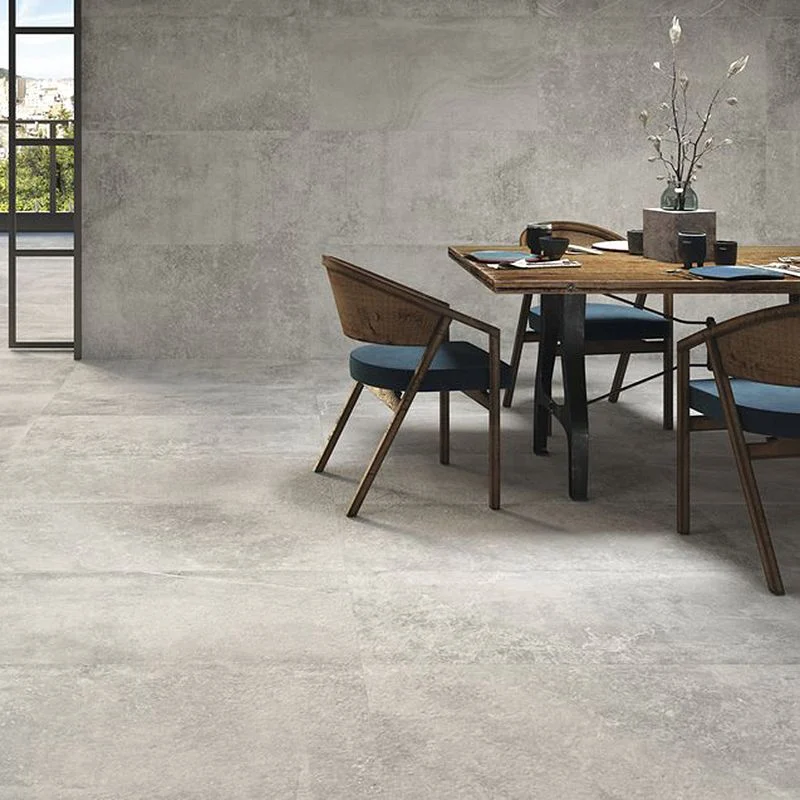
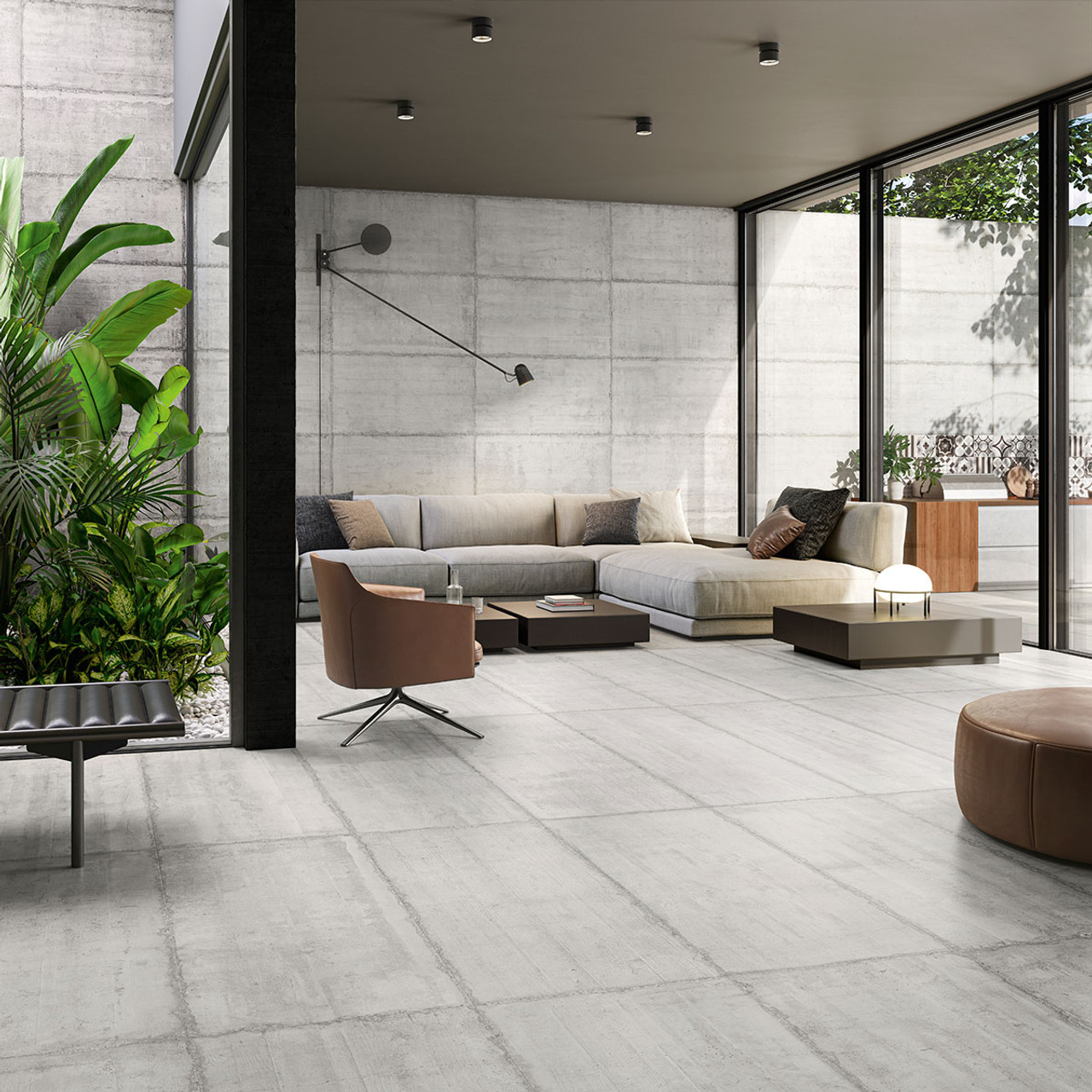
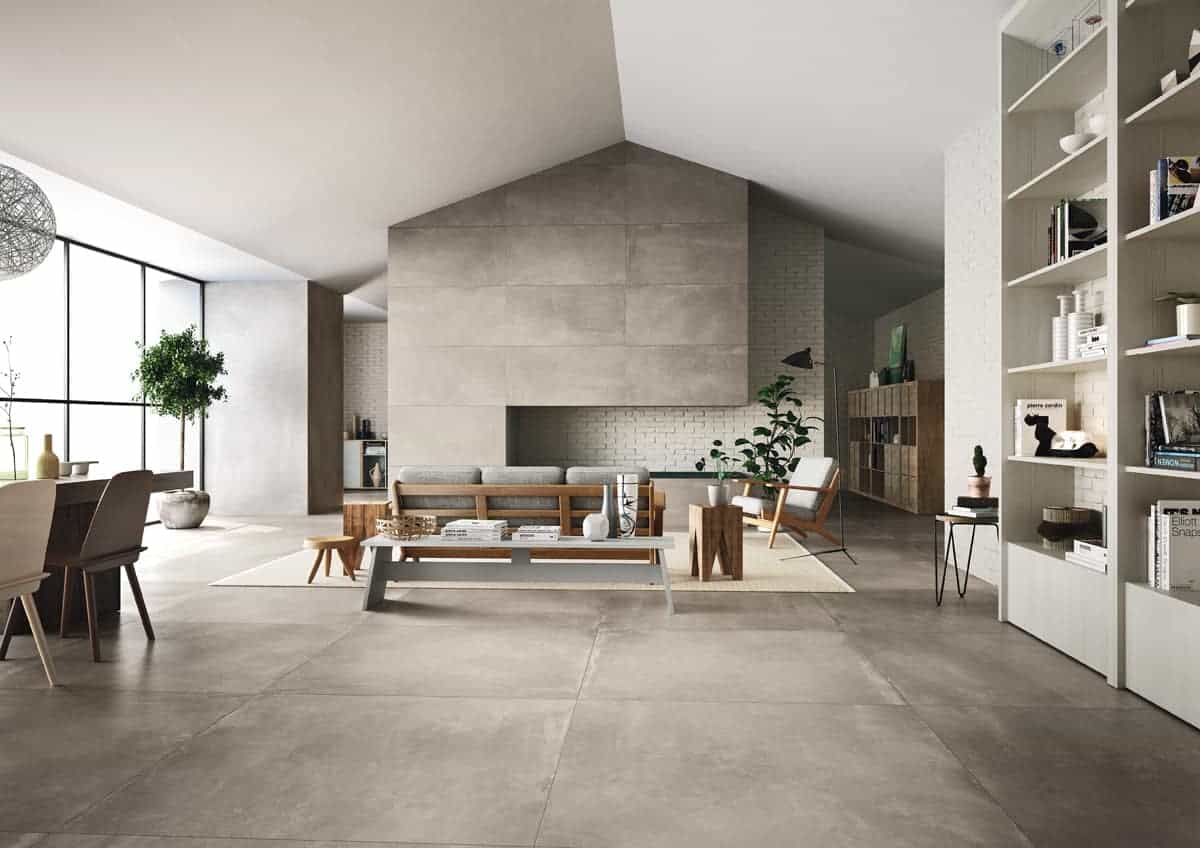
In larger rooms and open spaces, large format tiles can be the perfect choice. They create a uniform flooring and are becoming increasingly popular in open plan kitchens and living rooms. Large tiles offer a contemporary, hard-wearing feel, and slip-resistant tiles are recommended for the kitchen since it is a wet area.
Browse some of our most popular kitchen tiles to find the perfect match for your home:
Hallways: Making a Great First Impression
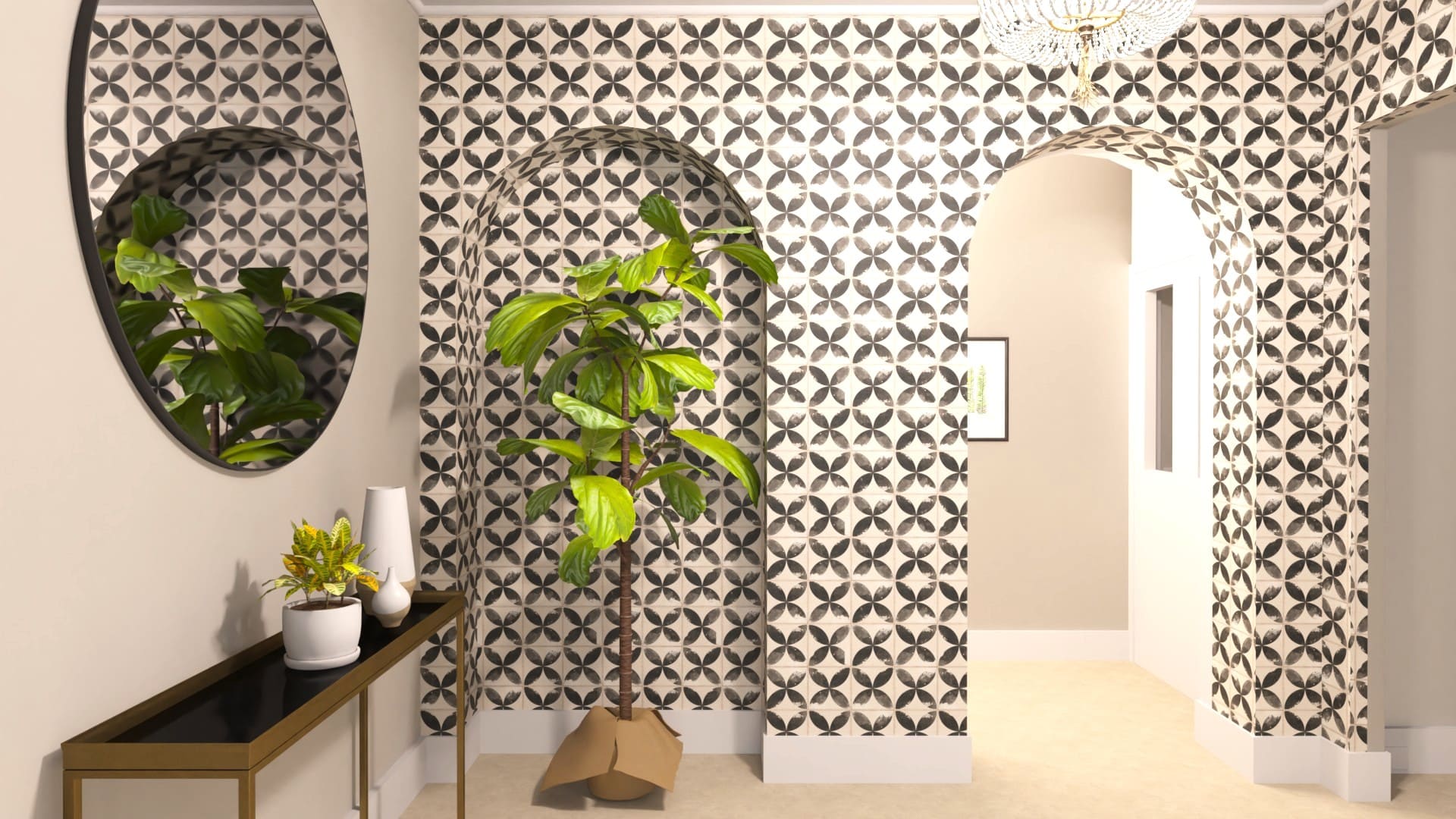
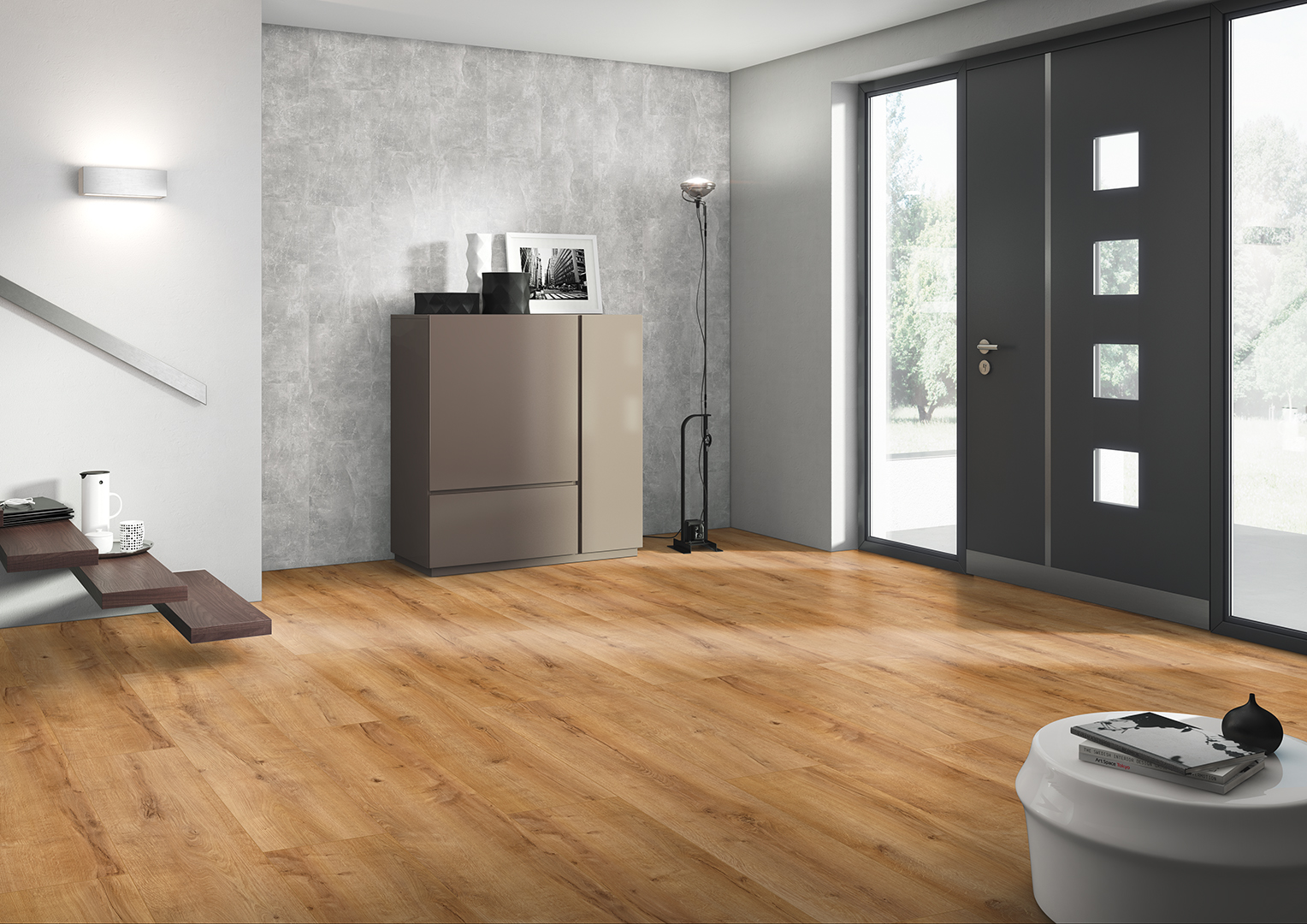
Hallways are often the first area guests see, so it’s important to make a lasting impression. Hallways need to be welcoming and attractive but also hard-wearing, as they endure a lot of foot traffic.
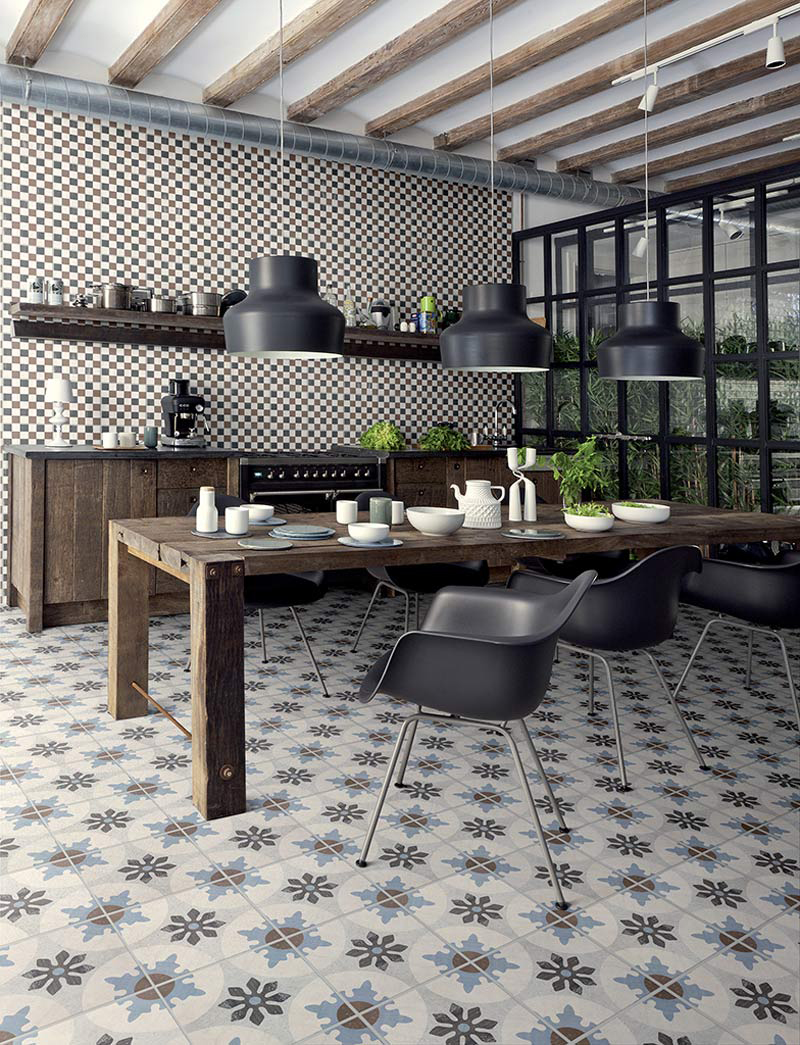
Ceramic tiles are a great choice because they are easy to clean and come in various bright colors and patterns.
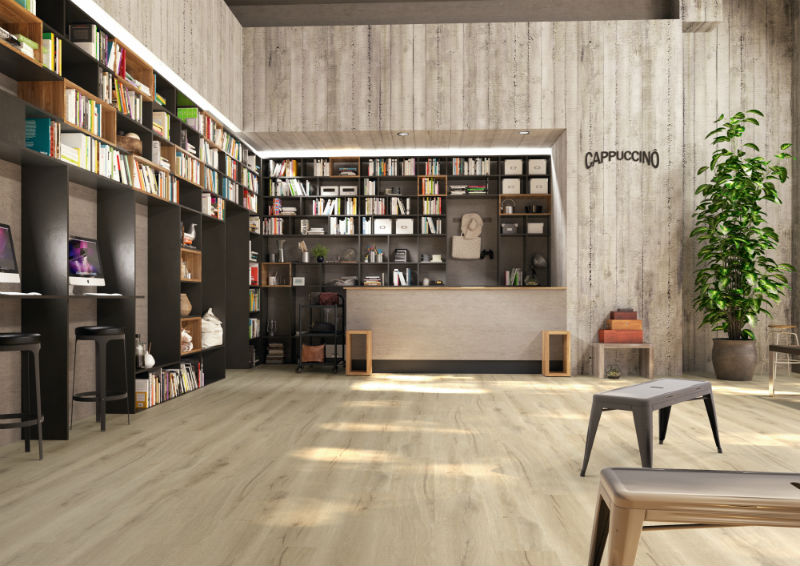
Alternatively, large format tiles in neutral colors can create a simple, easy-to-clean look.
Decorative tiles are another popular option, adding a trendy touch to your hallway.
The choice depends on your style and whether you want a cohesive look throughout your home or different styles in each room.
Browse some of our most popular hallway tiles for inspiration:
Bedroom: A Growing Trend
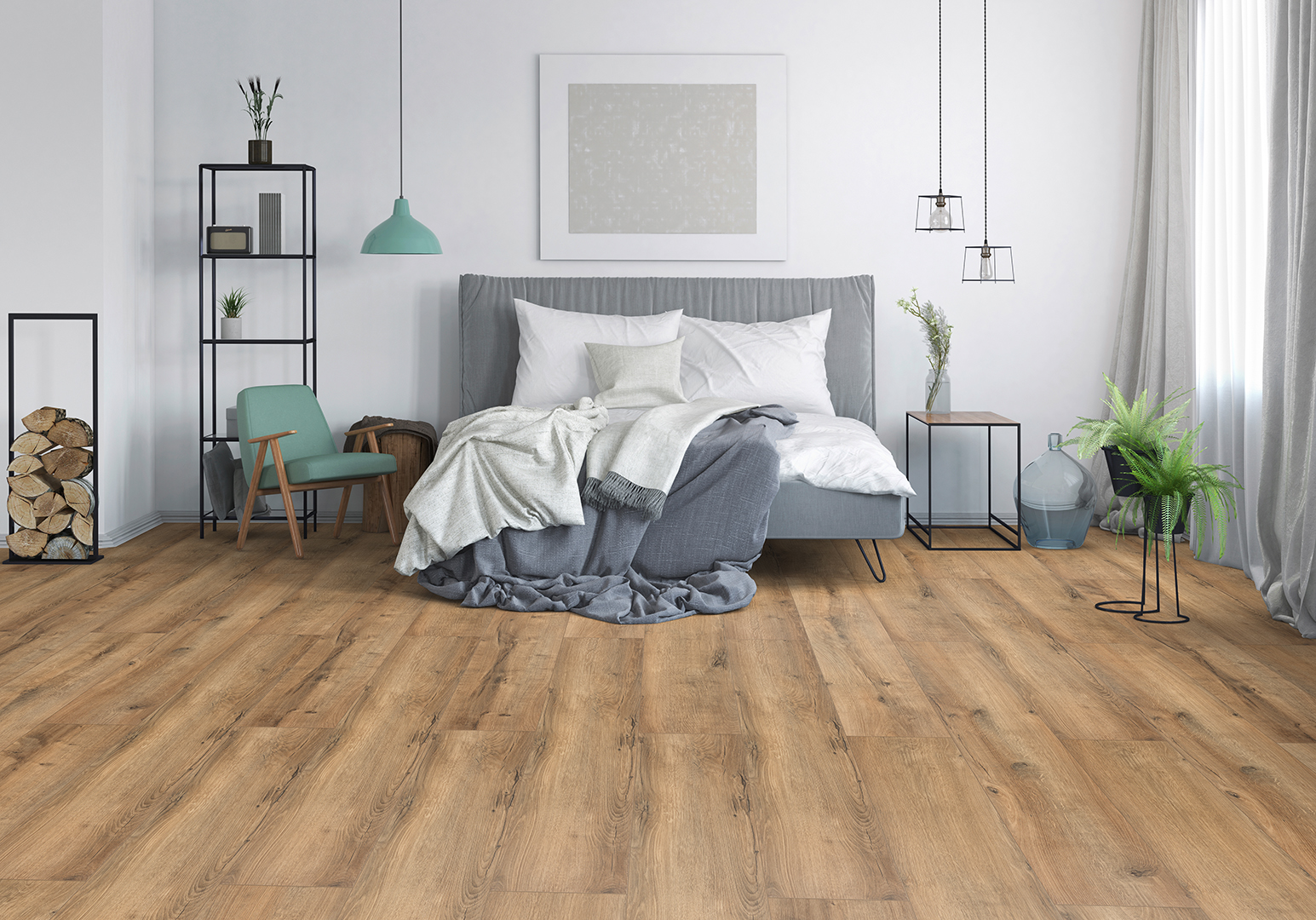
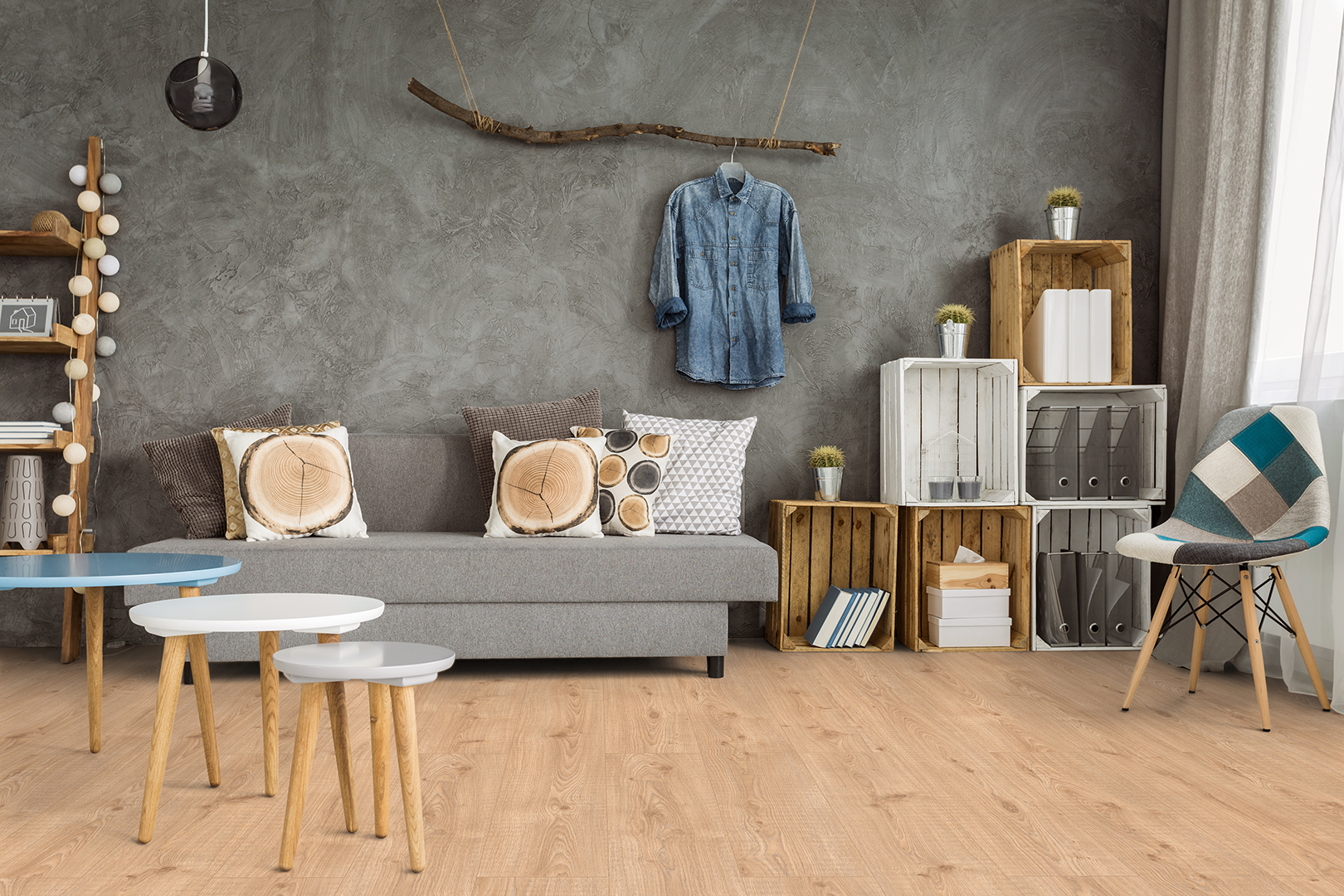
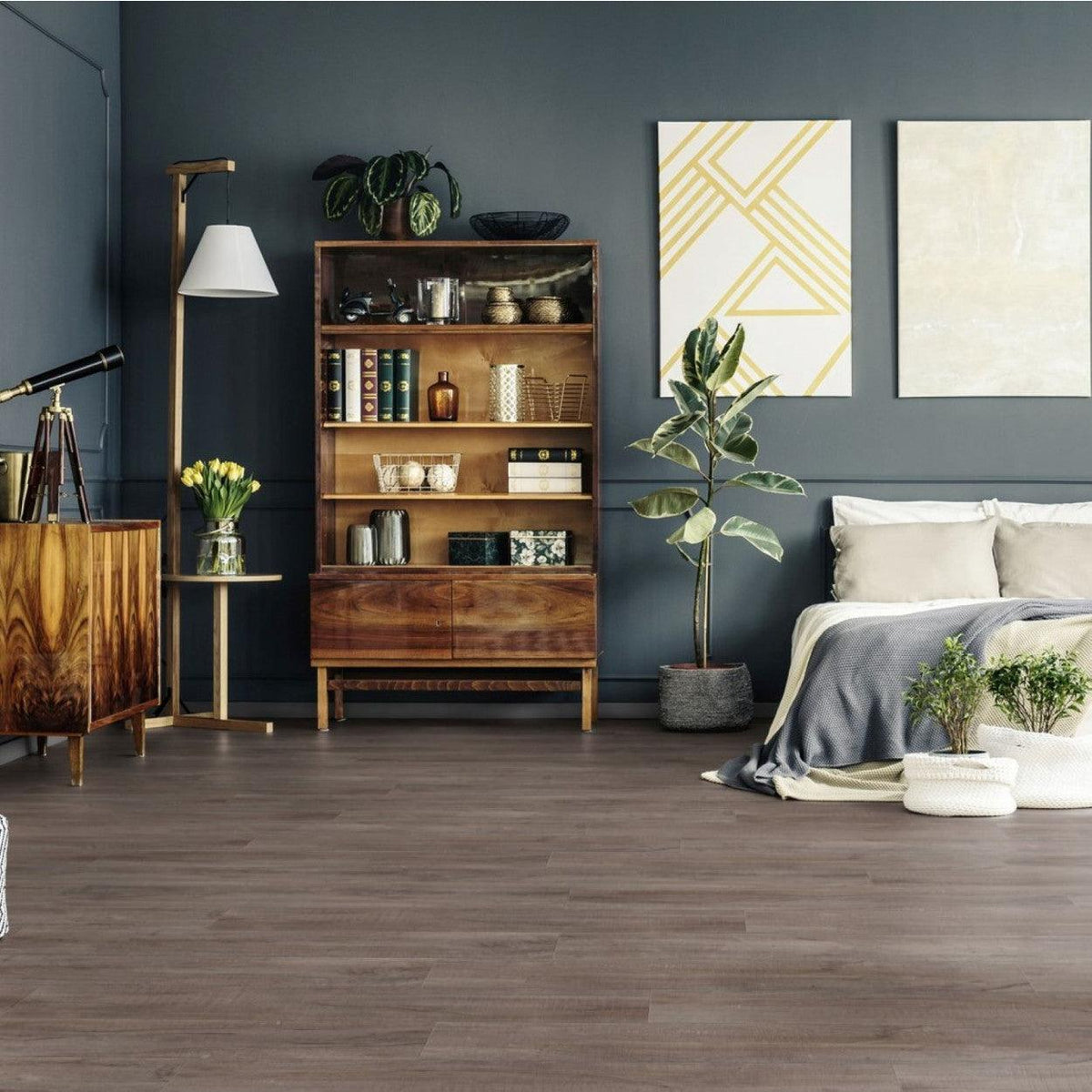
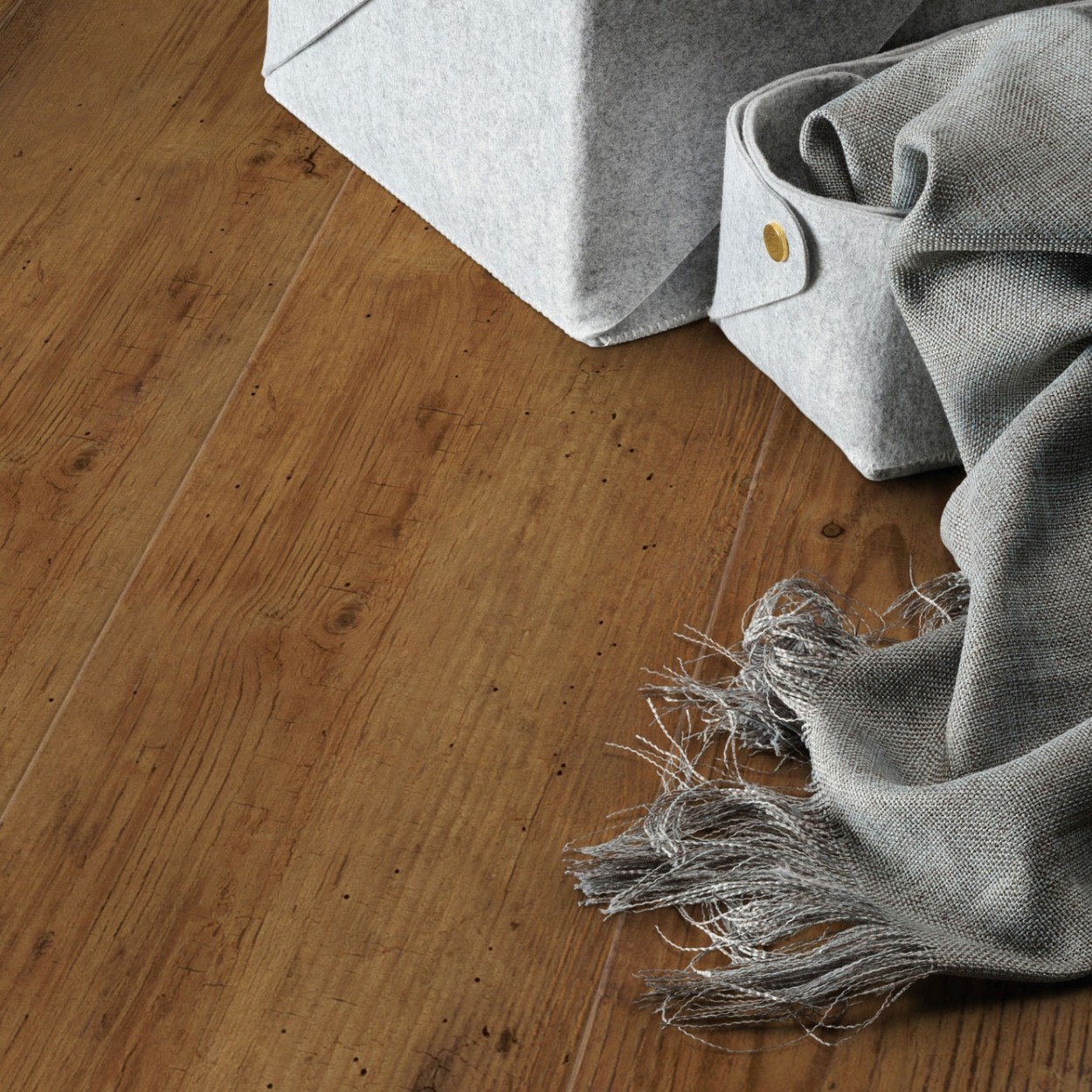
Tiles in the bedroom are growing in popularity. Wood-look tiles add rustic, traditional charm to your cozy bedroom while offering ease of installation, cleaning, and maintenance.
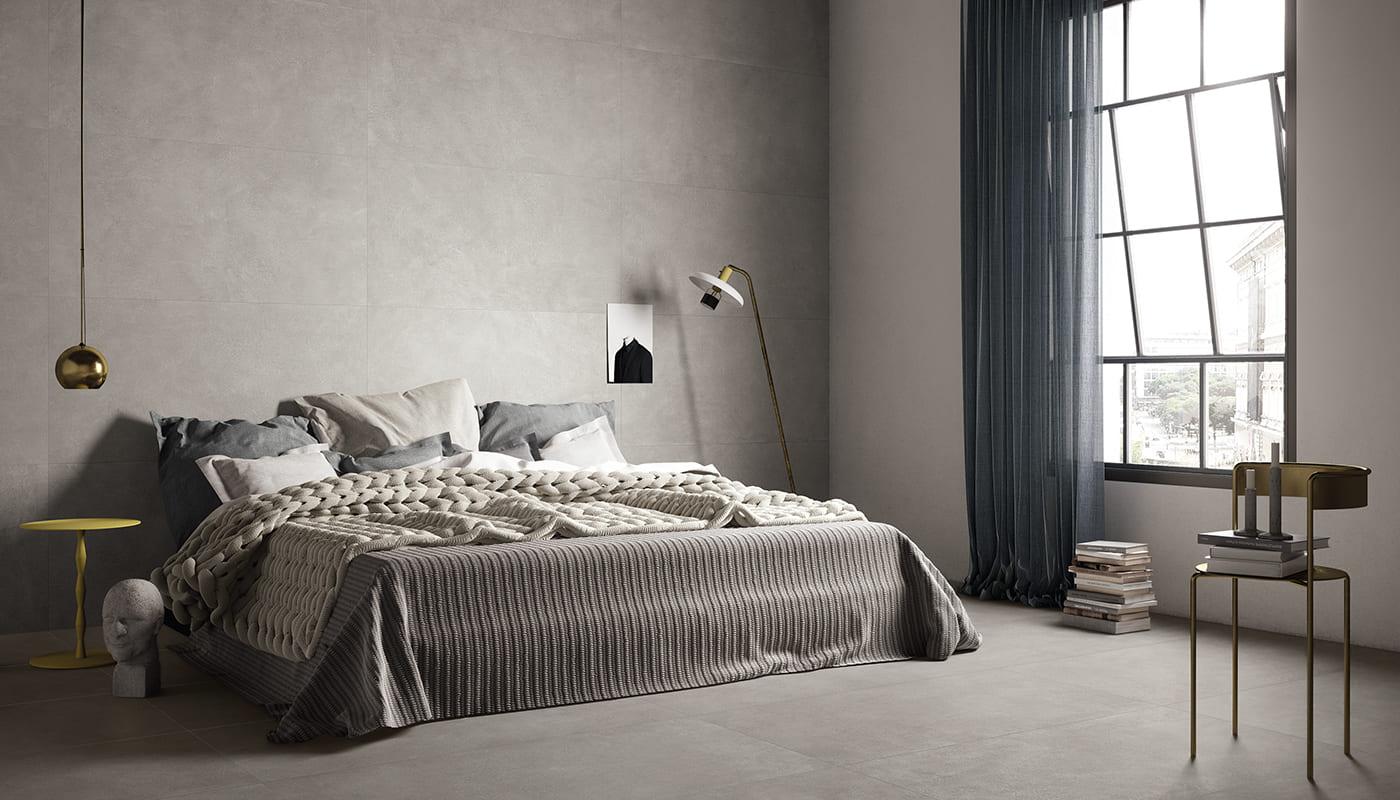
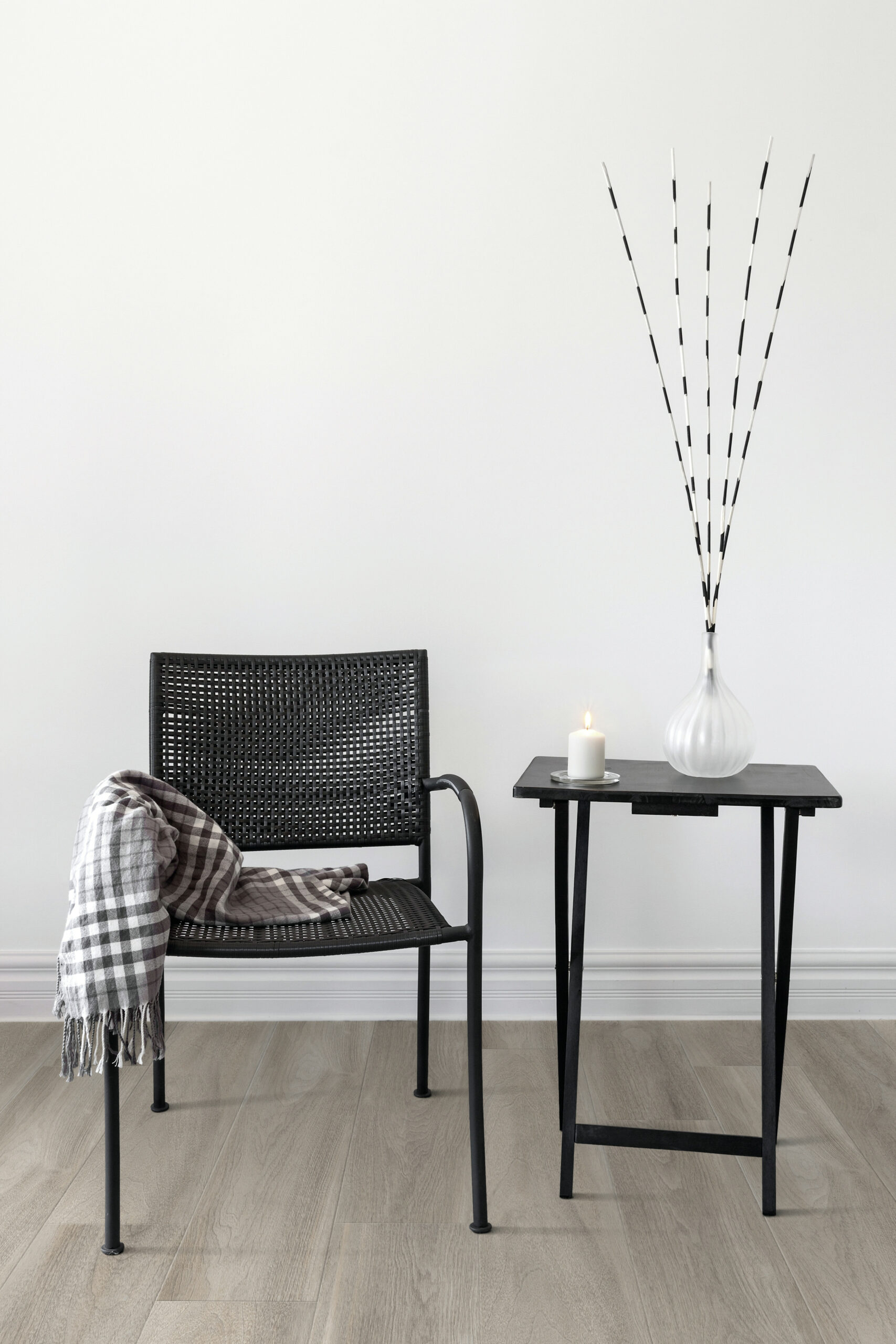
Alternatively, large format glossy or matte tiles in neutral colors can provide the finishing touch to a minimalistic, contemporary-styled bedroom.
Credits: Emilgroup
Browse some of our most popular bedroom tiles to create your dream space:
Living Room: High Traffic and High Style
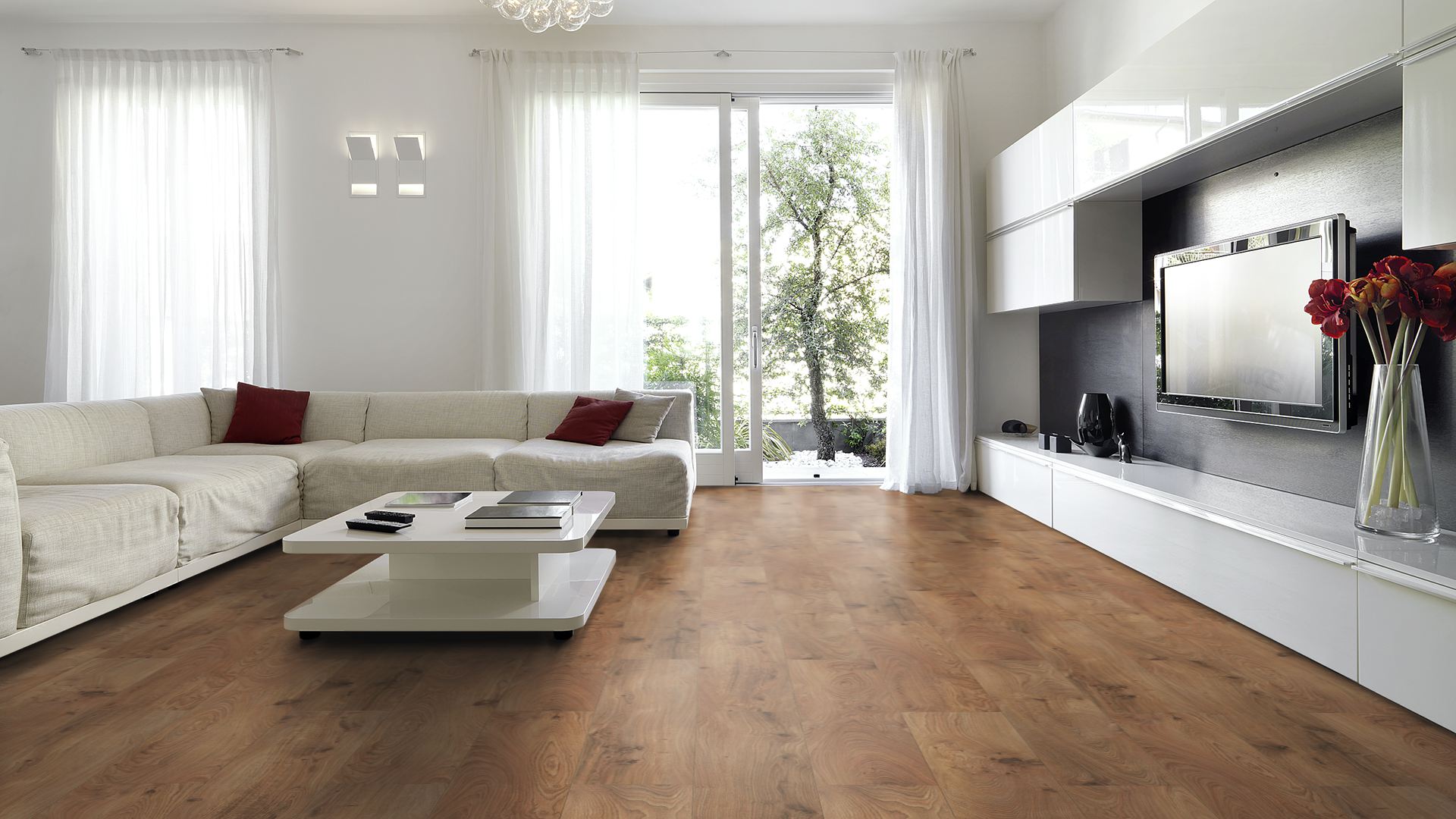
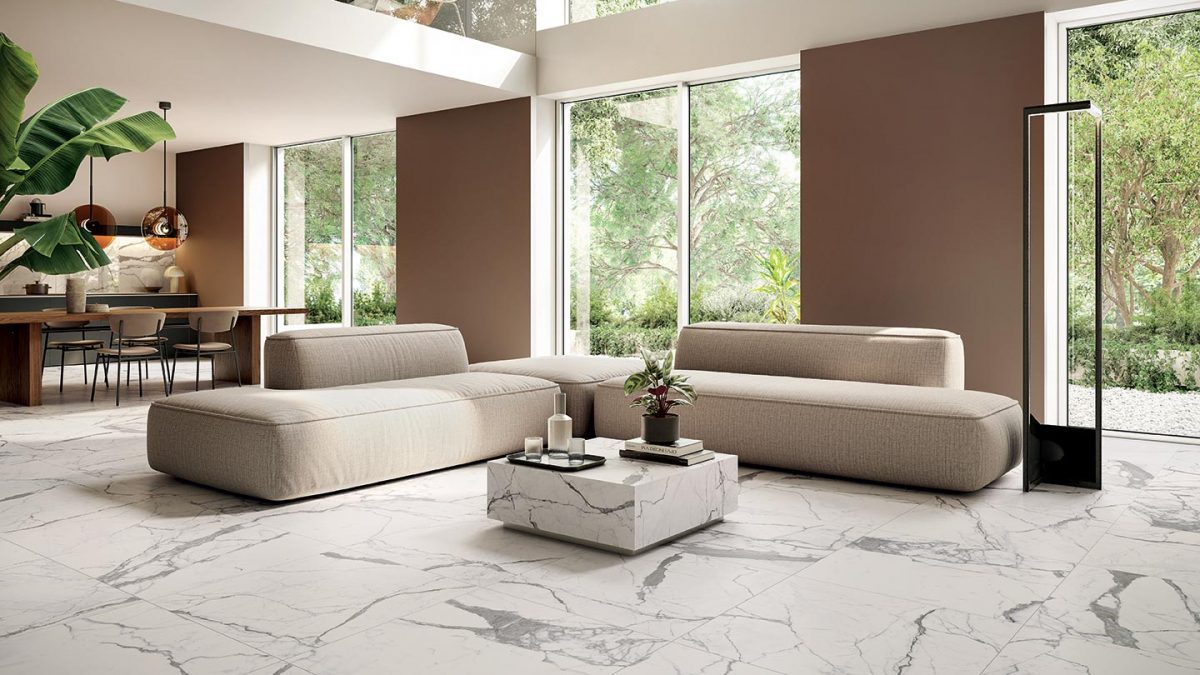
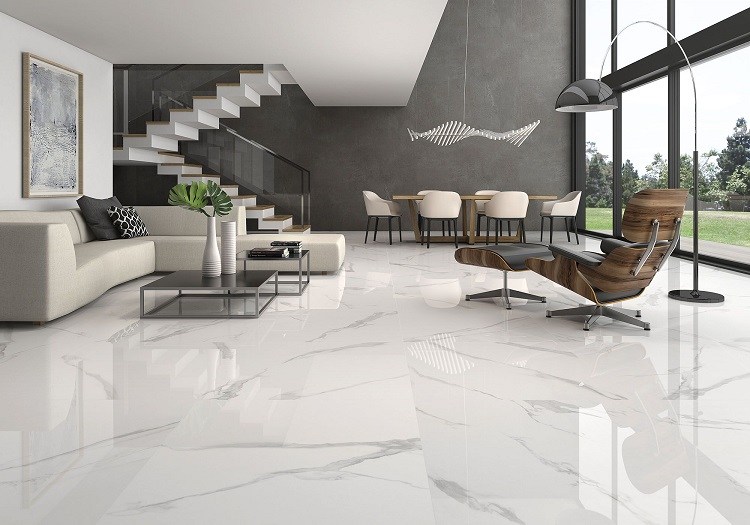
The living room is another high-traffic area. It’s important to choose tiles that are durable, hard-wearing, and easy to clean. For a unified look, consider using the same tiles throughout your home, from the kitchen to the bedroom to the living room. Wood-look tiles are a great option for creating a warm, homely feel in the living room.
Browse some of our most popular living room tiles to find your perfect fit:
Outdoor: Extend Your Living Space
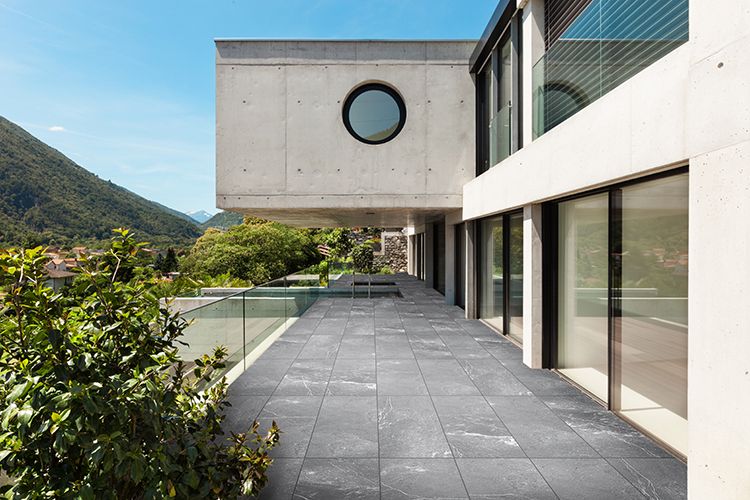
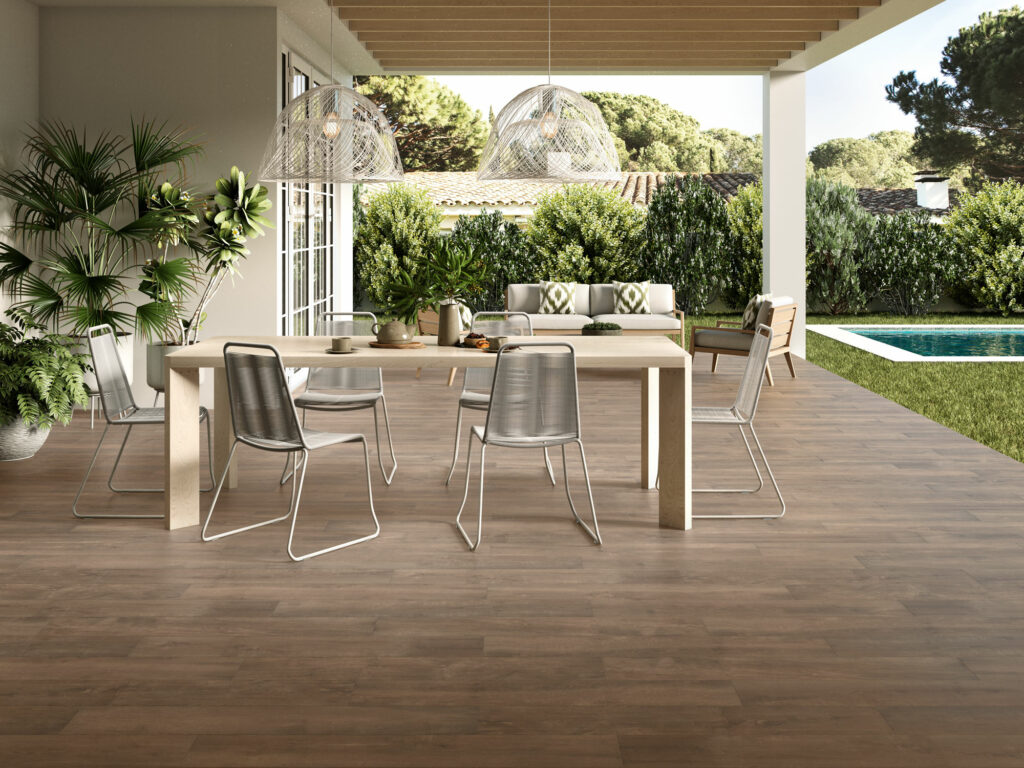
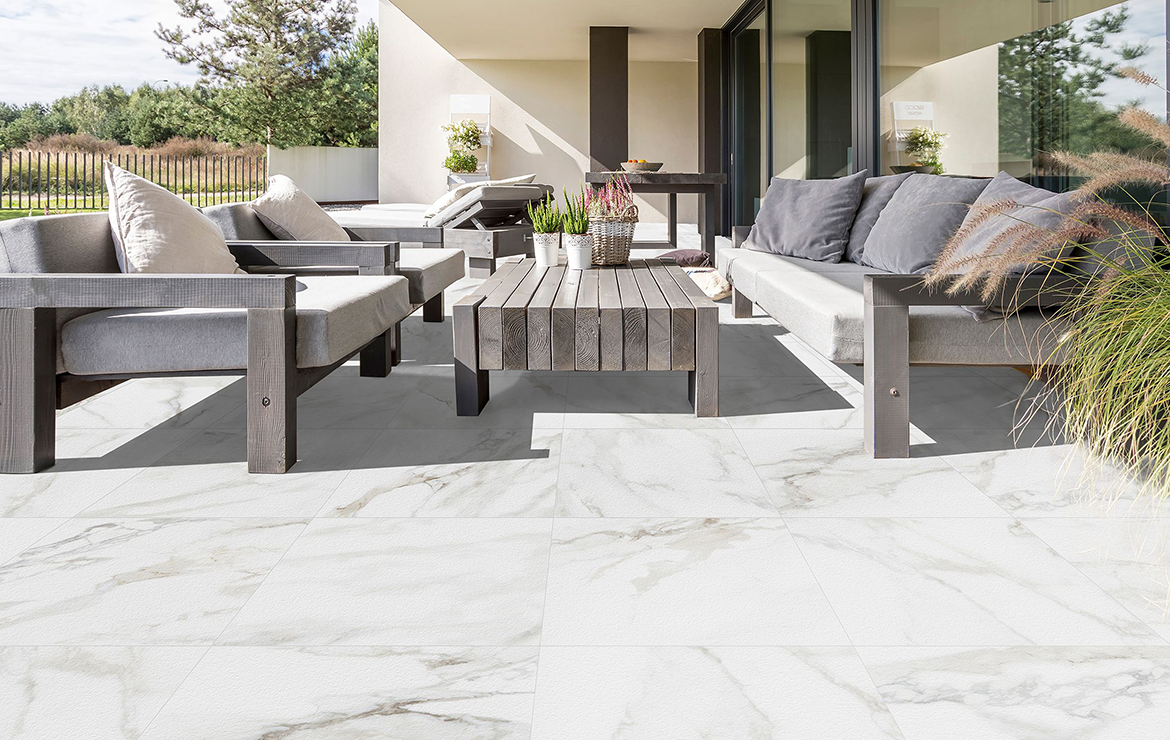
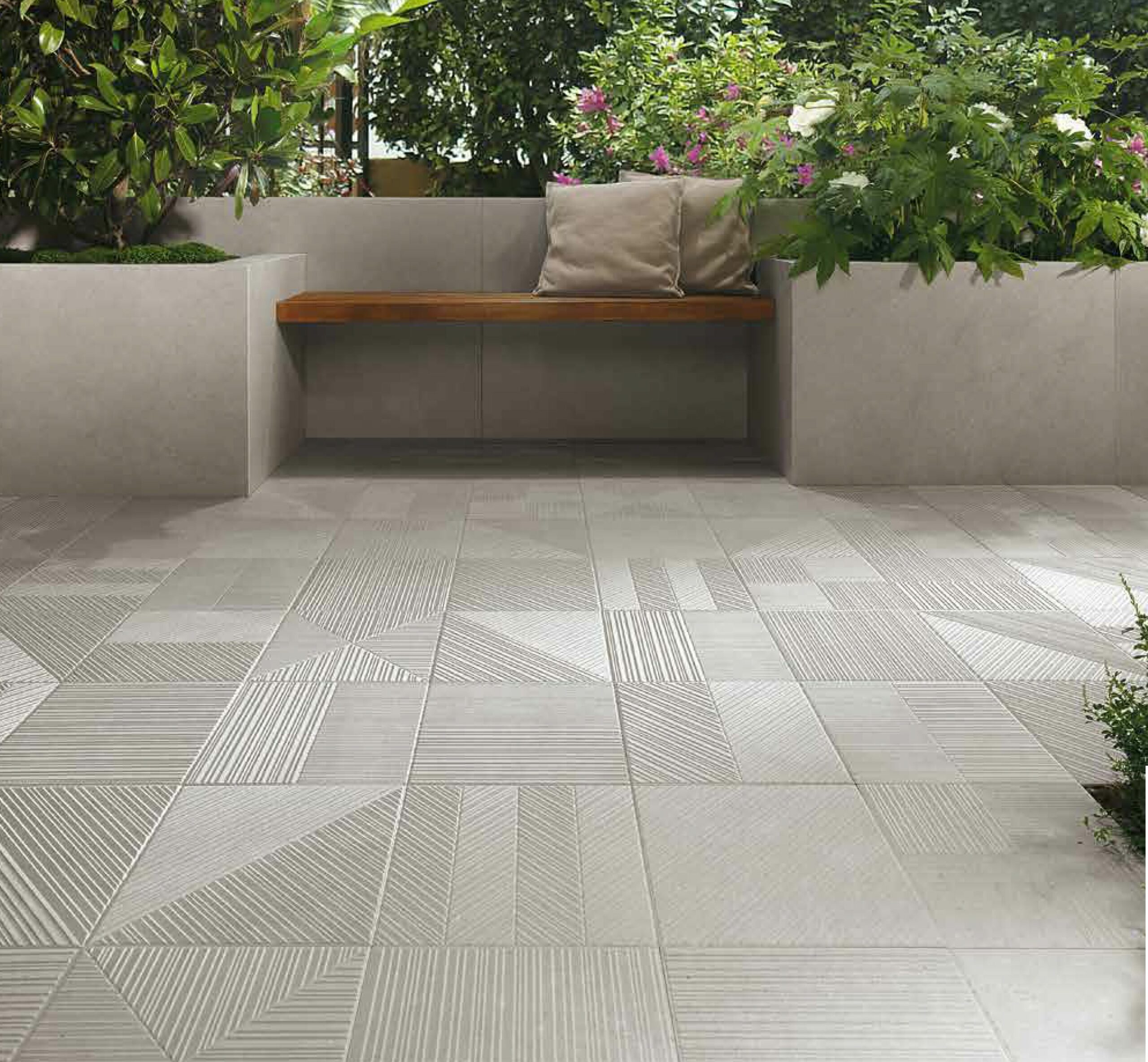
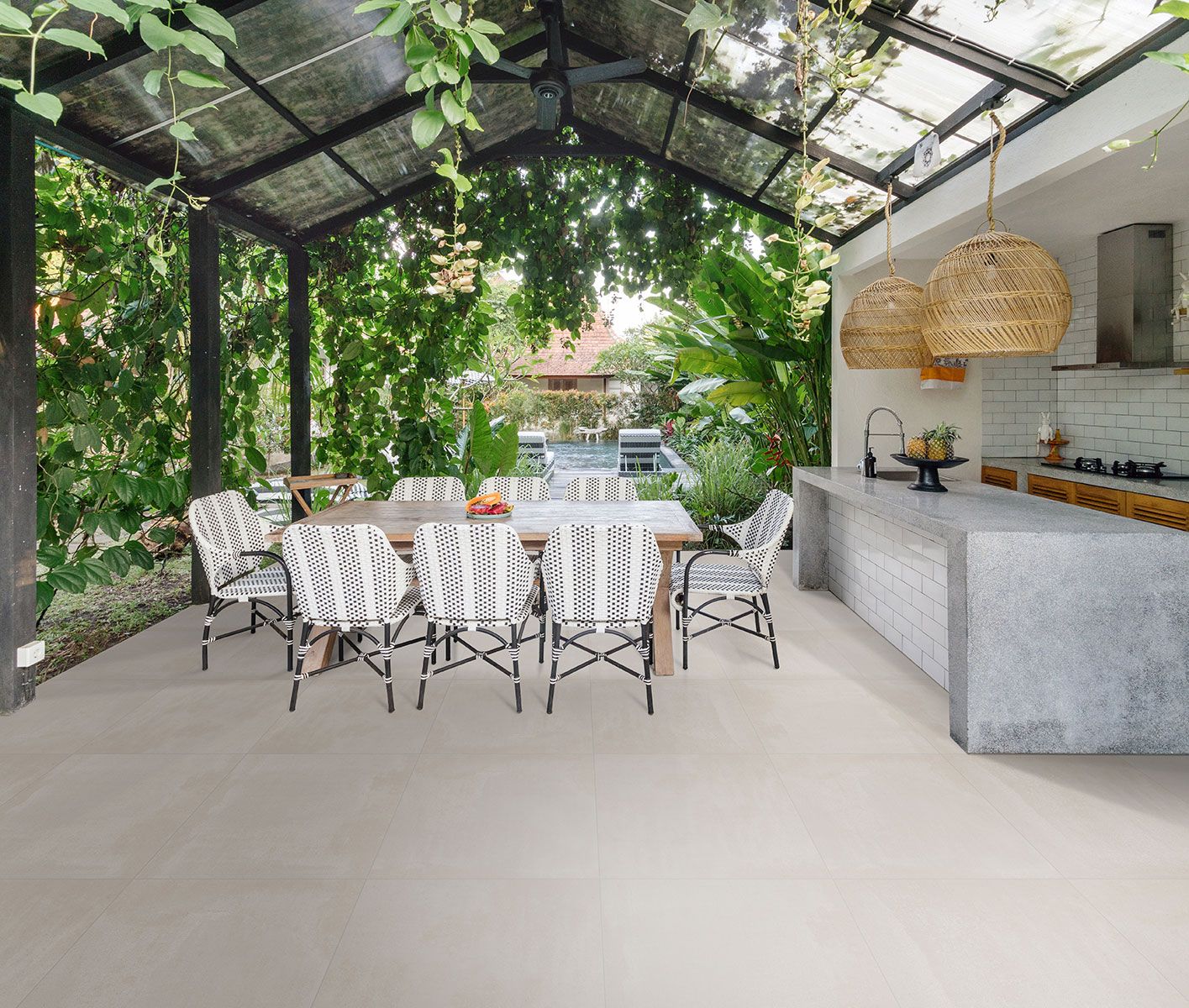
Let’s take this conversation outside. Slip-resistantporcelain and ceramic tiles are ideal for outdoor areas because they are moisture and water-resistant. Porcelain tiles are particularly suitable for outdoor use due to their higher water resistance. A matte glazed finish can offer even more slip resistance.
Wood-look tiles are another excellent option for the outdoors if you prefer the look of a wooden deck but without the maintenance required with real wood decking.
Credits: Archi Expo
Browse some of our most popular outdoor tiles to enhance your outdoor living space:
Prefer to Watch?
Check out our two-part episode where Ryan and Deon walk you through everything you need to know and share some inspiration for tiles for each room of your home.
Tiletoria Trends – How to Choose Tiles By Room (Part 1)
Tiletoria Trends – How to Choose Tiles By Room (Part 2)
For more expert advice on which tiles are best suited for each room of your home, visit your nearest Tiletoria showroom or check out our website for more information.
Laminate flooring is a popular choice for homeowners seeking a stylish, durable, and affordable flooring option. Whether you’re considering a new installation or already have laminate floors, you probably have a few questions. In this blog, we’ll answer some of the most frequently asked questions about laminate flooring. Let’s get started!
Laminate flooring is a multi-layer synthetic product designed to mimic the look of wood and textured flooring. It typically consists of the following layers:
A protective top layer – Wear layers are often waterproof and safeguard the floor against scratches and stains, offering a realistic texture. They can feature rough, natural-looking scrapes and knots.
An image/photographic layer – This layer is the pattern or print, simulating real wood or textures.
A core layer – Typically constructed from compressed high-density fiberboard, which enhances the floor’s durability and stability. It is water-resistant, though not entirely waterproof. The core layer also contains the locking system.
Backing: The backing prevents water from seeping into the sub floor. High-quality backing can safeguard your floor against peaking and moisture damage.
Laminate flooring offers numerous advantages, making it a popular choice for homeowners.
One of its primary benefits is affordability; laminate flooring prices are generally lower than those of traditional wood flooring, allowing you to achieve a real wood look and feel, without breaking the bank.
Additionally, laminate flooring is incredibly durable, resistant to scratches, dents, and stains, making it ideal for high-traffic areas and households with pets or children.
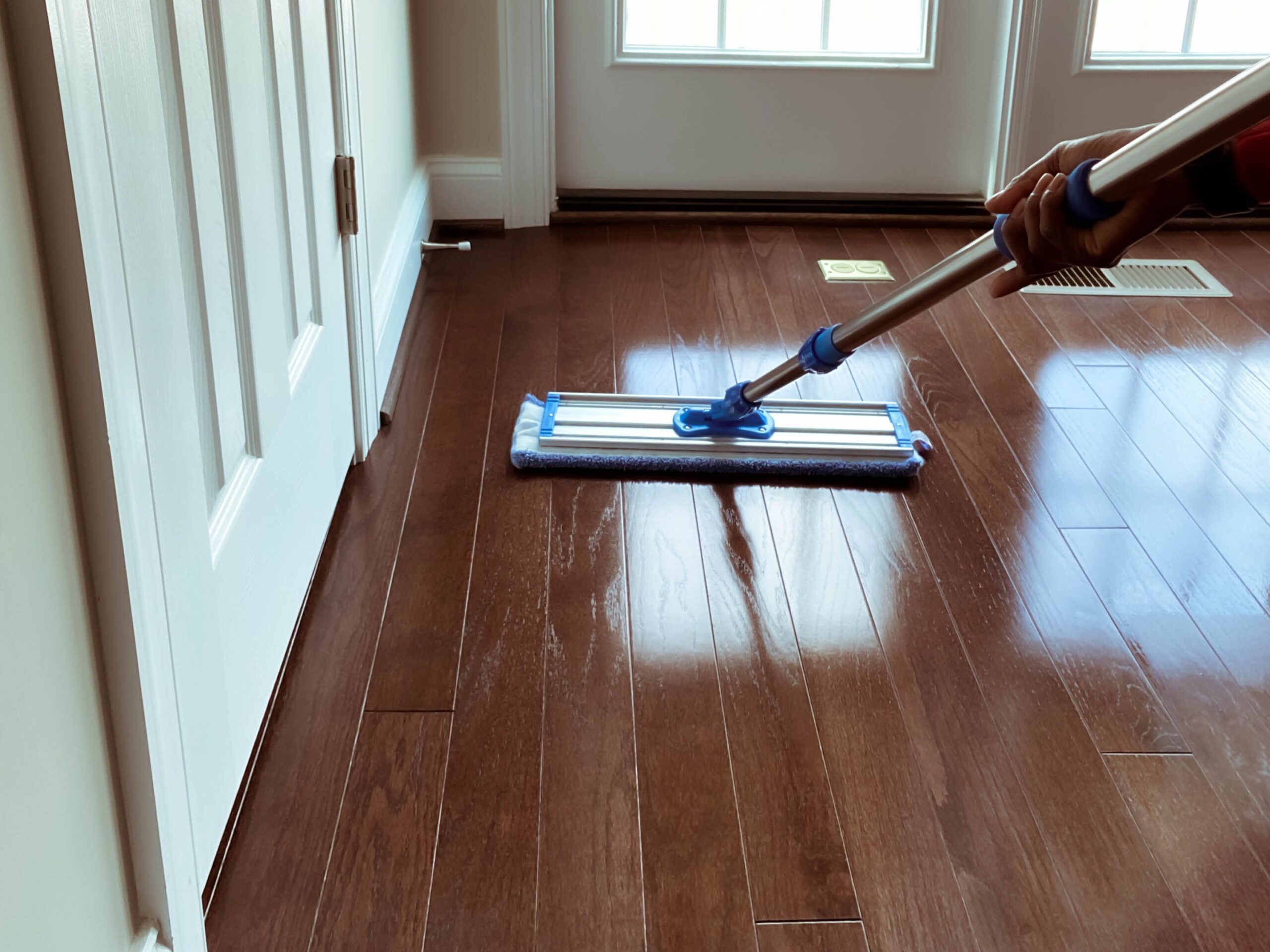
Its maintenance is straightforward and minimal, requiring only regular sweeping and occasional damp mopping.
The variety of styles available also means you can find laminate wood flooring that perfectly matches your decor, whether you prefer the look of oak, maple, or even exotic hardwoods.
Lastly, the installation process is user-friendly, often featuring a click-and-lock system without the need for adhesives or nails, making it an easy DIY project.
3. What is the difference between Laminate and Vinyl Flooring?
Laminate and vinyl flooring are both popular alternatives to traditional wood flooring, but they have distinct differences.
Laminate flooring is made of a high-density fiberboard core topped with a photographic layer that mimics the appearance of wood, stone, or other materials, and a protective wear layer. It is known for its realistic look and durability against scratches and dents. However, laminate is only water-resistant, not waterproof, which limits its use in high-moisture areas like bathrooms.
On the other hand, vinyl flooring is made of synthetic materials, typically featuring multiple layers of PVC vinyl. It is entirely waterproof, making it an excellent choice for moisture-prone areas.
While laminate offers a more authentic wood look and feel, vinyl provides superior water resistance.
For a more in depth comparison between Laminate and Vinyl Flooring, check out our blog.
To find out more about Vinyl Flooring in particular, read out blog here or check out the video below.
4. How Does Laminate Flooring Compare to Wood Flooring?
While both laminate and wood flooring offer aesthetic appeal, they differ in several ways:
Cost: Laminate flooring prices are generally lower than those of wood flooring, making it a budget-friendly option.
Durability: Laminate is highly resistant to scratches, dents, and stains, whereas wood can be more susceptible to damage.
Maintenance: Laminate is easier to clean and maintain compared to wood flooring, which may require periodic refinishing.
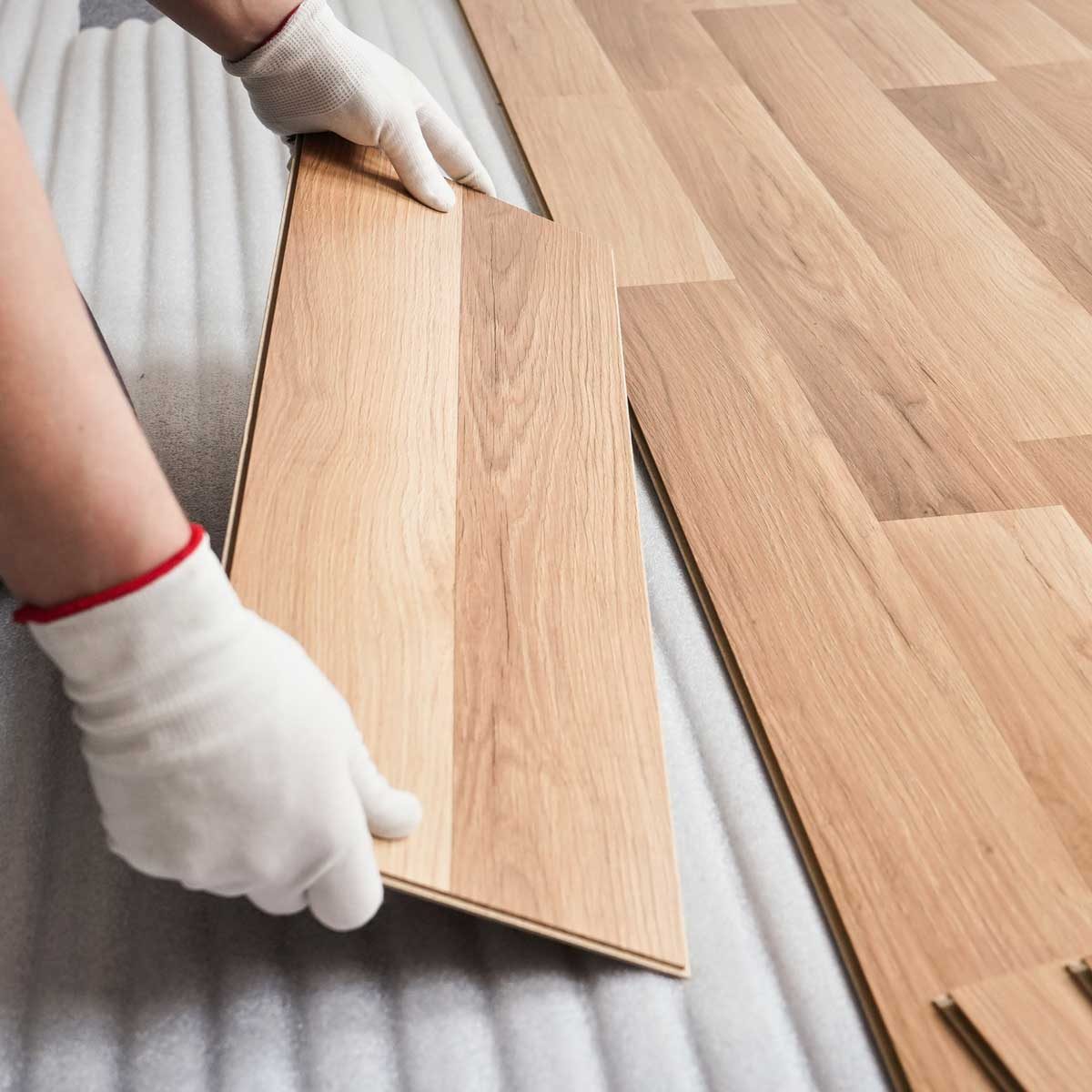
Installing laminate flooring can be a rewarding DIY project. Here’s a quick guide:
Prepare the Subfloor: Make sure the subfloor is clean, dry, and level.
Lay Underlayment: Install an underlayment to act as a moisture barrier and noise reducer.
Click and Lock: Laminate flooring often uses a click-and-lock system, making it straightforward to install. Start in one corner and work your way across the room.
Image Credit: LUBO IVANKO/GETTY IMAGES
8. How Do I Install Wood Flooring?
Installing wood flooring can be more complex but still achievable:
Acclimate the Wood: Allow the wood to acclimate to the room’s conditions for a few days.
Prepare the Subfloor: Ensure the subfloor is clean, dry, and level.
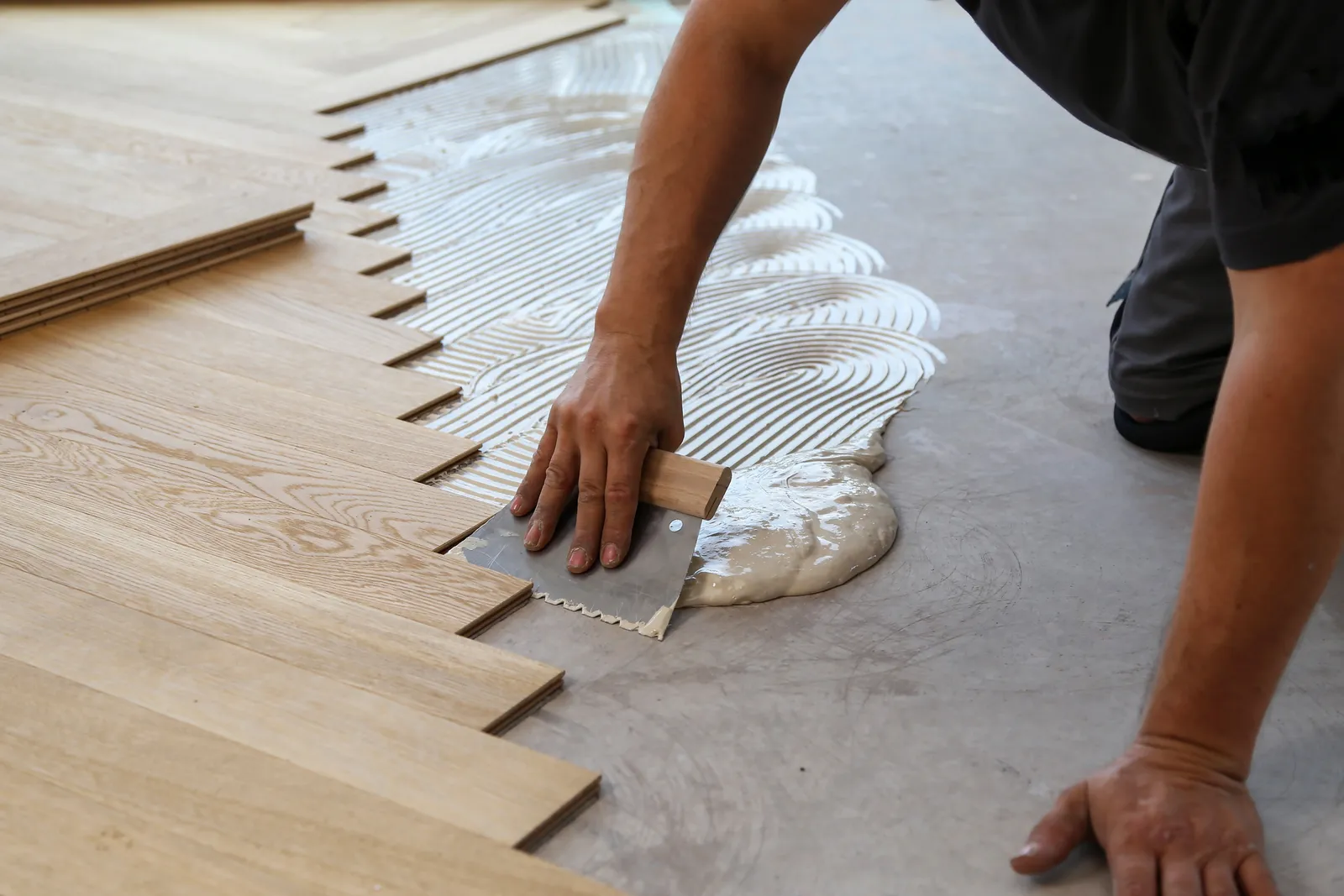
Nail or Glue Down: Depending on the type of wood flooring, follow the manufacturer’s instructions for nailing or gluing the planks down.
Image Credit: Leo Malsam/Getty Images
9. Can Laminate Flooring Be Used in Any Room?
Laminate flooring is versatile and can be used in most rooms, including living rooms, bedrooms, and kitchens. However, it’s best to avoid using it in areas with high moisture levels, such as bathrooms, to prevent damage.
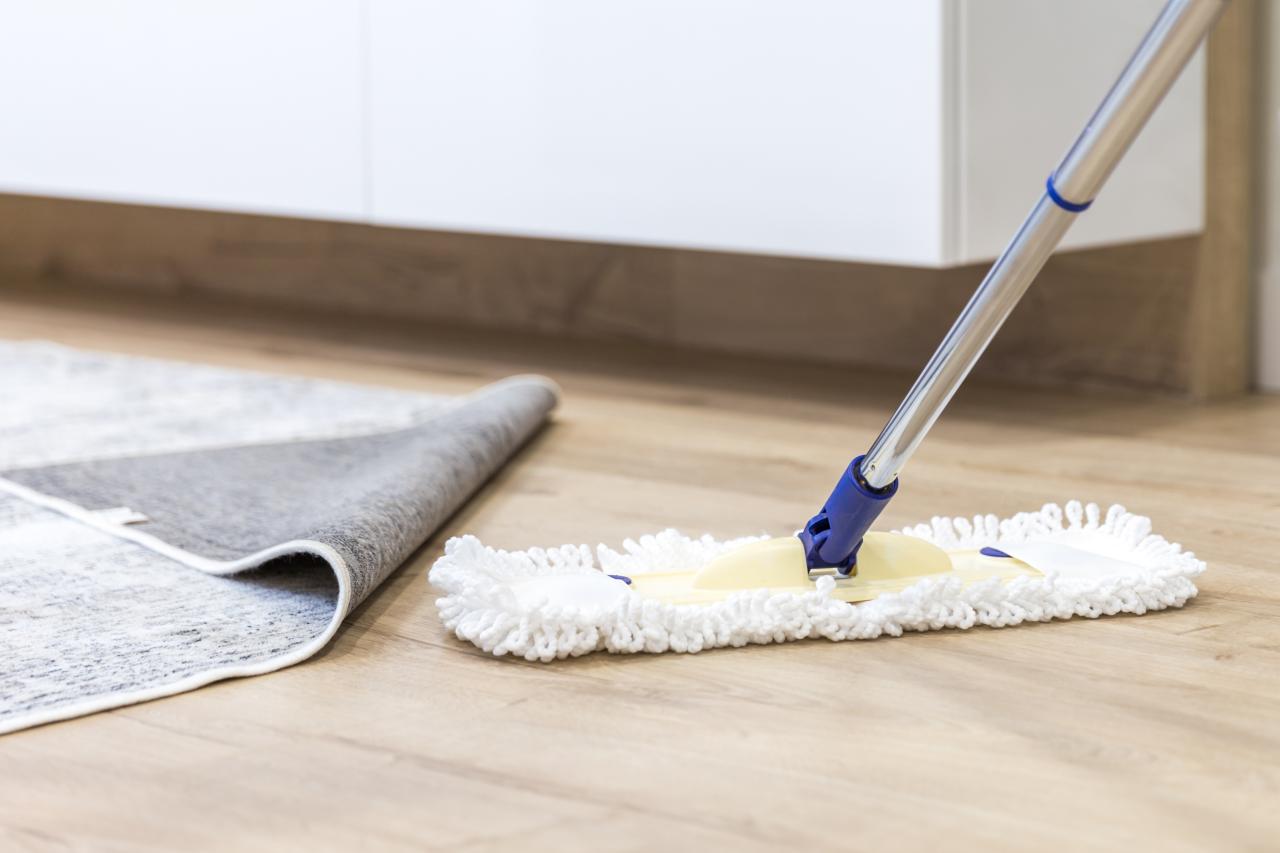
Yes, laminate flooring is easy to maintain. Regular sweeping or vacuuming and occasional damp mopping will keep your floors looking great for years.
Image Credit: Gettyimages/mariakraynova
11. Are Laminate Flooring Prices Affordable?
Laminate flooring prices are generally more affordable than wood flooring, making it a cost-effective choice for many homeowners. The exact cost will depend on the quality and style of the laminate you choose.
Are you renovating your home or office space? Perhaps you are building your dream home? If so, you are most likely thinking about flooring.
In this guide, we’ll explore why you should consider Vinyl for your kitchen, bedroom, bathroom, office, living room or business premises. Discover everything you need to know about vinyl flooring, from installation to cleaning, and compare it with wood flooring to help you make the best choice.
Vinyl flooring is a synthetic product made from polyvinyl chloride (commonly called PVC). It mimics the appearance of natural materials like wood, stone, and tile, and is available in options including sheets, tiles and planks. Vinyl flooring offers a durable and stylish alternative at a fraction of the cost. Often compared to laminate flooring, it differs in that it is made from synthetic materials rather than wood, making it a more cost-effective flooring solution.
Increases Home Value: High-quality vinyl flooring can enhance the appeal of your home, adding to its market value.
Easy to Install: With options like peel-and-stick vinyl floor tiles, installation is straightforward and can be a DIY project.
Easy to Clean: Minimal maintenance required; regular sweeping and occasional mopping keep them looking great.
Low Maintenance: Unlike wood flooring, vinyl does not need frequent refinishing or special treatments.
Highly Resistant to Daily Wear and Tear: Most vinyl floors come with a specialized wear layer, making them resistant to scratches and dents.
Heat Conductive: Vinyl flooring works well with underfloor heating systems.
Seamless Look: Provides a seamless and cohesive appearance, enhancing the overall aesthetic of your space.
Cost-Effective: Budget-friendly and long-lasting, saving you money in the long run by reducing the need for replacements.
Range of Styles and Designs: With a variety of styles and designs, you can find vinyl flooring that perfectly matches your taste and decor.
Long-Lasting: If installed correctly and well-maintained, vinyl flooring can last upwards of 20 years, making it a great material for high-traffic areas.
Water Resistant: Vinyl flooring can withstand moisture and liquid spills, making it an ideal option for kitchens and bathrooms.
While both vinyl and wood flooring have their benefits, they cater to different needs. Wood flooring, known for its natural beauty and longevity, can add significant value to your home but requires more maintenance and is susceptible to moisture damage. Vinyl flooring, on the other hand, offers a wide range of designs that can replicate the look of wood (wood-look / wooden floor tiles), without the drawbacks.
Installing vinyl flooring can be a DIY project if you follow these steps:
Prepare the Surface: Ensure the subfloor is clean, dry, and level.
Measure and Cut: Measure the area and cut the vinyl to fit, leaving a slight gap for expansion.
Adhere the Vinyl: For peel-and-stick vinyl floor tiles, remove the backing and press firmly onto the floor. For sheet vinyl, apply adhesive as per the manufacturer’s instructions.
Seal the Seams: Use a seam sealer to prevent water from seeping through the gaps.
Vinyl flooring offers an excellent balance of aesthetics, durability, and cost-effectiveness, making it a popular choice for modern spaces. Whether you’re considering an upgrade or a new installation, understanding the benefits and proper maintenance of vinyl flooring will ensure your floors look great and last for years. Compare it with other flooring options to see which best suits your lifestyle and budget, and enjoy the beautiful transformation of your space.
If you haven’t already heard, Tiletoria is currently running an up to 50% OFF SALE on Luxury Vinyl Flooring. Check it out here:
Are you considering upgrading your floors with tiles? Whether you’re looking for durability, easy maintenance, or a refreshed look, tiles can be the perfect solution for you.
But before you dive into your next DIY project or start browsing floor tiles for sale, you might have a few questions. Here are the answers to some of the most frequently asked questions about floor tiles:
Installing tile floors may seem daunting, but it’s actually quite manageable with the right tools and preparation. Here’s a basic overview:
Make sure you have the right tools. For a breakdown of all the tools and accessories you need for a successful tile installation, read our guide here.
Prepare the surface: Ensure it’s clean, flat, and dry.
Lay the tiles: Start in the center of the room and work your way outwards, using spacers to maintain even spacing between tiles.
Apply adhesive: Spread a thin layer of adhesive with a trowel and press the tiles into place. To achieve professional results and create a durable tiled surfaces, read our guide to using adhesives for tiling here.
Grout the tiles: Once the adhesive is completely dry, fill the gaps between tiles with grout and wipe away excess. The tile grout colour you choose to use on your wall or floor plays an important part in the overall room design. Read our guide on how to choose the right grout colour.
For a step by step guide on how to tile put tiles on the floor, read our guide here.
Installing mosaic tiles? We’ll walk you through the steps to install mosaic tiles like a pro here.
2. Can I paint floor tiles?
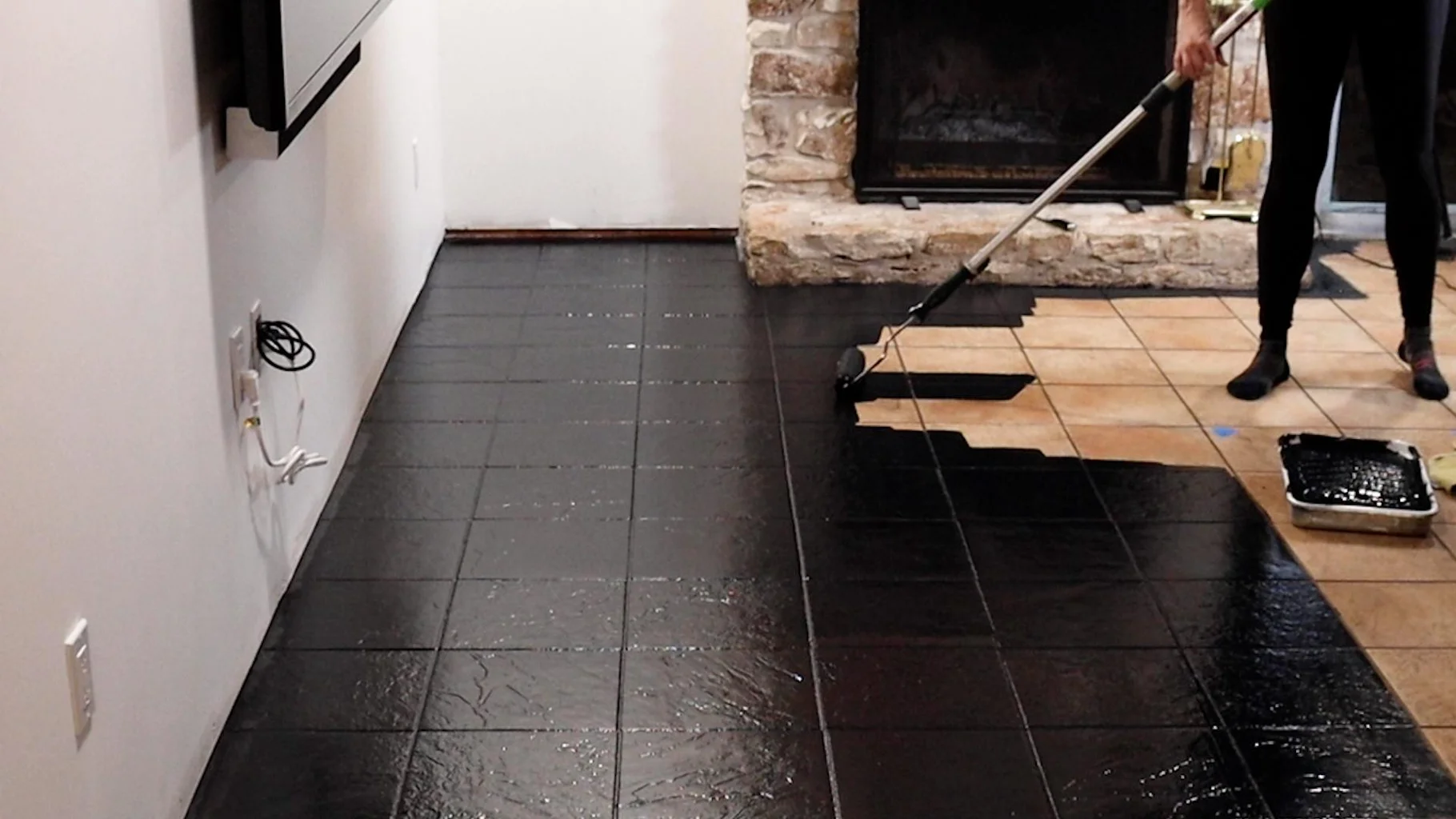
The answer is yes- you can paint tiles on the floor to give them a refreshed look and enhance your space! Make sure to clean and prime the tiles before painting, and use a durable enamel paint designed for floors. Proper preparation and sealing are key to ensuring a long-lasting finish.
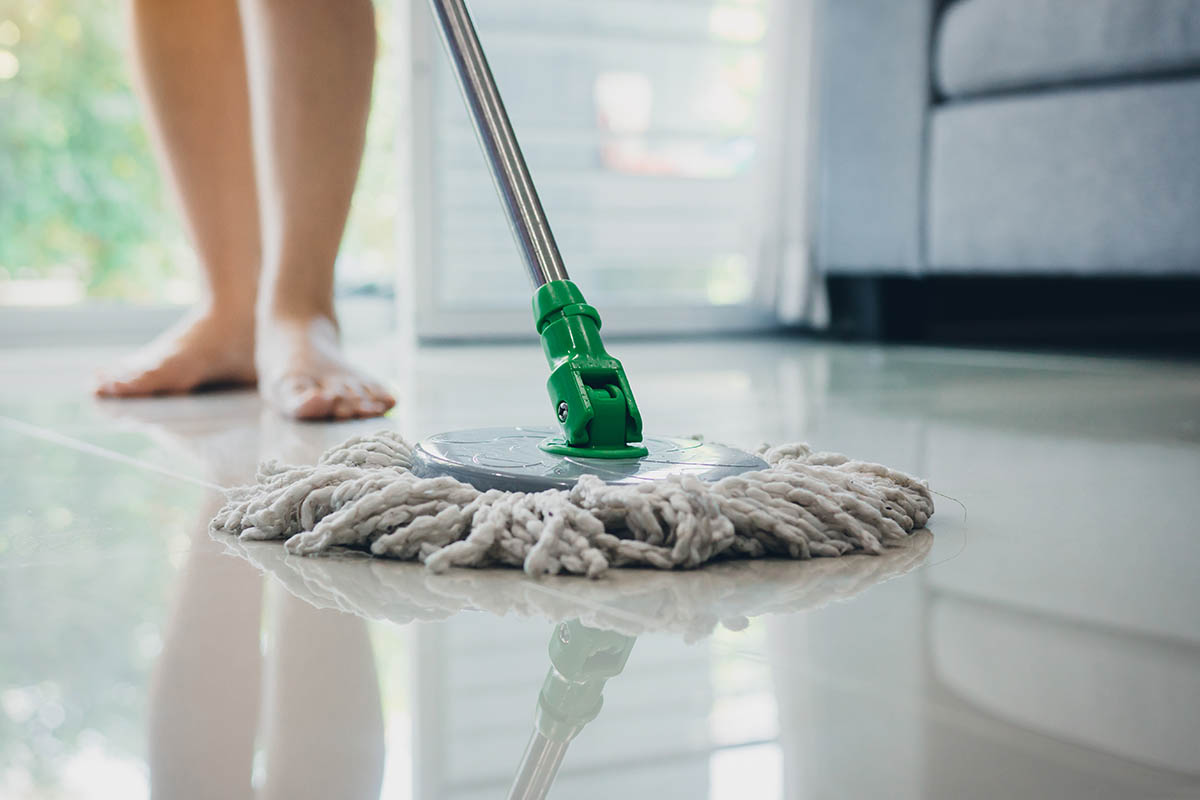
Cleaning porcelain tile floors is easy and simple. Sweep or vacuum regularly to remove dirt and debris. Mop your tiles with clean water and a mild detergent or cleaning solution as needed. Avoid using harsh cleaners or abrasive tools that could scratch your tiles.
The number of tiles in a box can vary depending on the size and type of tile. Typically, manufacturers will indicate the coverage area on the box. This will allow you to calculate the number of tiles you need based on your floor size.
Calculate how much tile you will need for your project here.
5. What are patterned floor tiles?
Patterned floor tiles feature decorative designs or motifs that add visual interest to your floors. From geometric patterns to intricate designs inspired by nature, patterned tiles can elevate the style of any room.
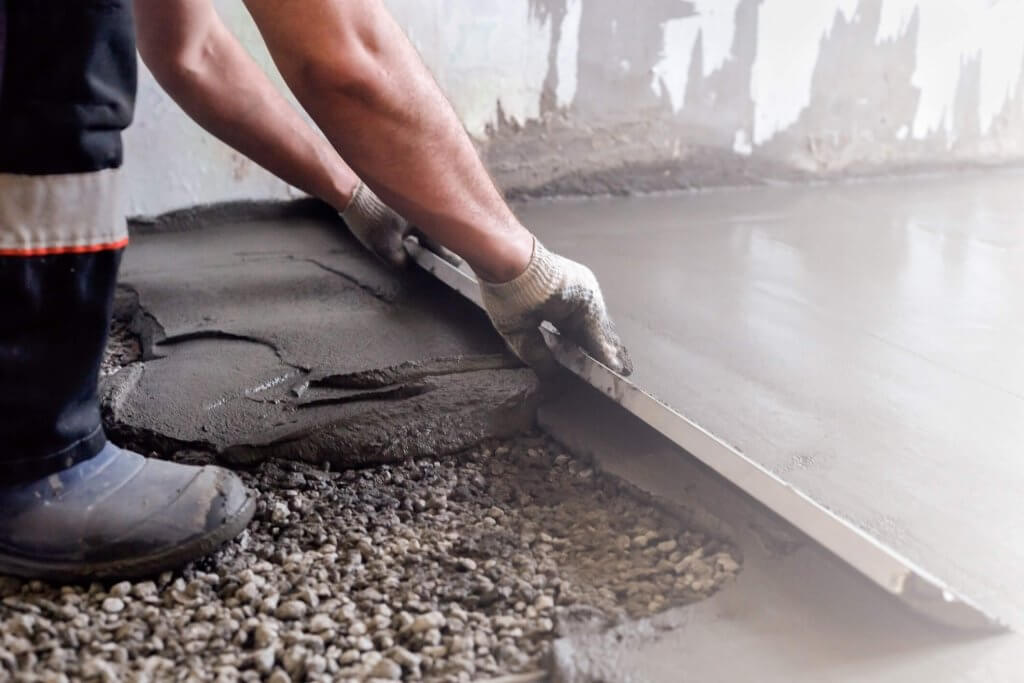
Screeding a floor involves leveling and smoothing the surface to prepare it for tiling. While it’s possible to do it yourself, it requires careful attention to detail and the right tools. Consider hiring a professional if you’re unsure about tackling this task.
Removing tile floor can be a labor-intensive process. Start by breaking up a tile with a hammer and chisel, then use a pry bar to remove the remaining tiles and adhesive. Take care to protect yourself and your surface during the removal process.
Large format tiles are tiles that are larger in size compared to standard tiles. These tiles typically have dimensions of 1200 x 600mm.
Large format tiles offer a more modern look with fewer grout lines. This makes them easier to install because they cover more space with each tile. Designers often use them in modern design for floors, walls, and countertops to create a clean and open look.
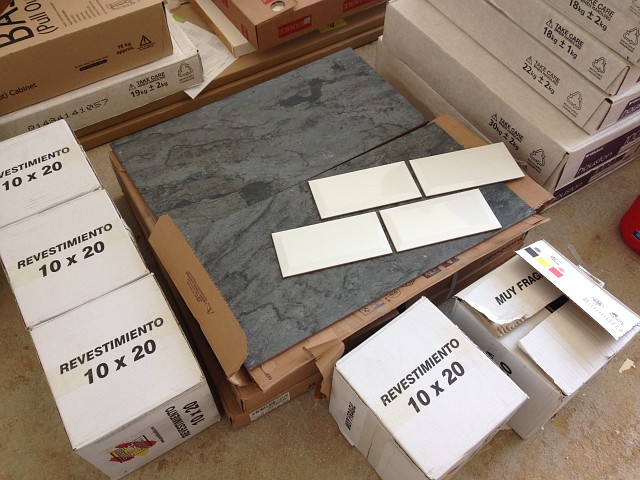
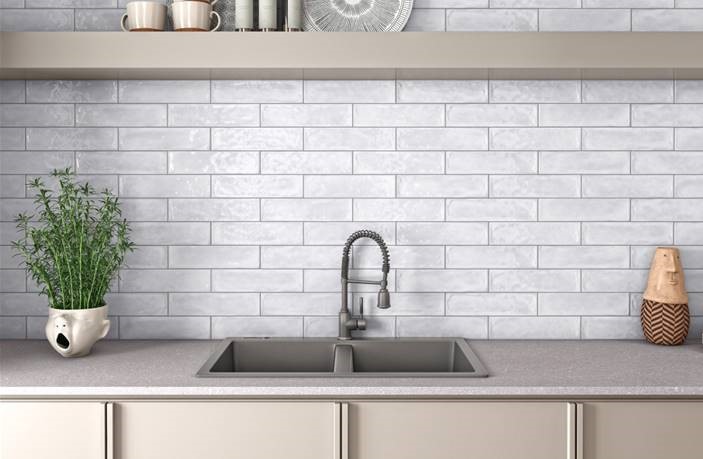
Subway tiles are ceramic tiles that became popular in the early 20th century. They first used them to decorate subway stations in New York City. These tiles are typically rectangular in shape, with dimensions of approximately 300 x 100mm, however, their sizes vary.
Subway tiles are versatile and work well in different spaces, such as kitchen backsplashes, bathroom walls and feature walls. Subway tiles have a timeless and classic appearance that is popular for traditional and modern designs.
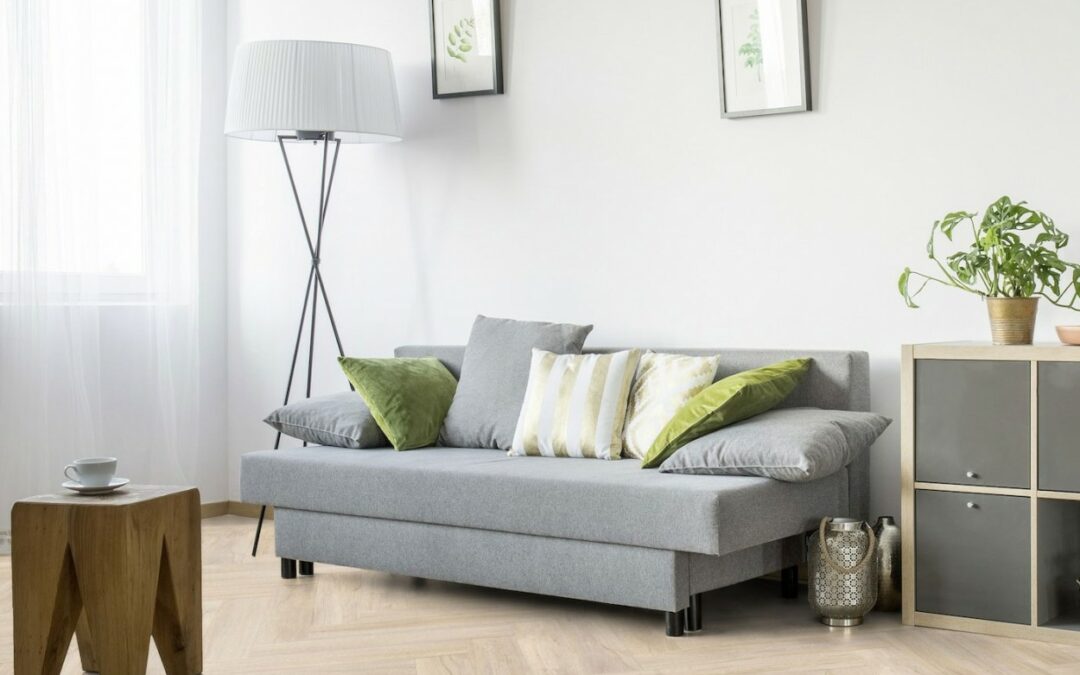
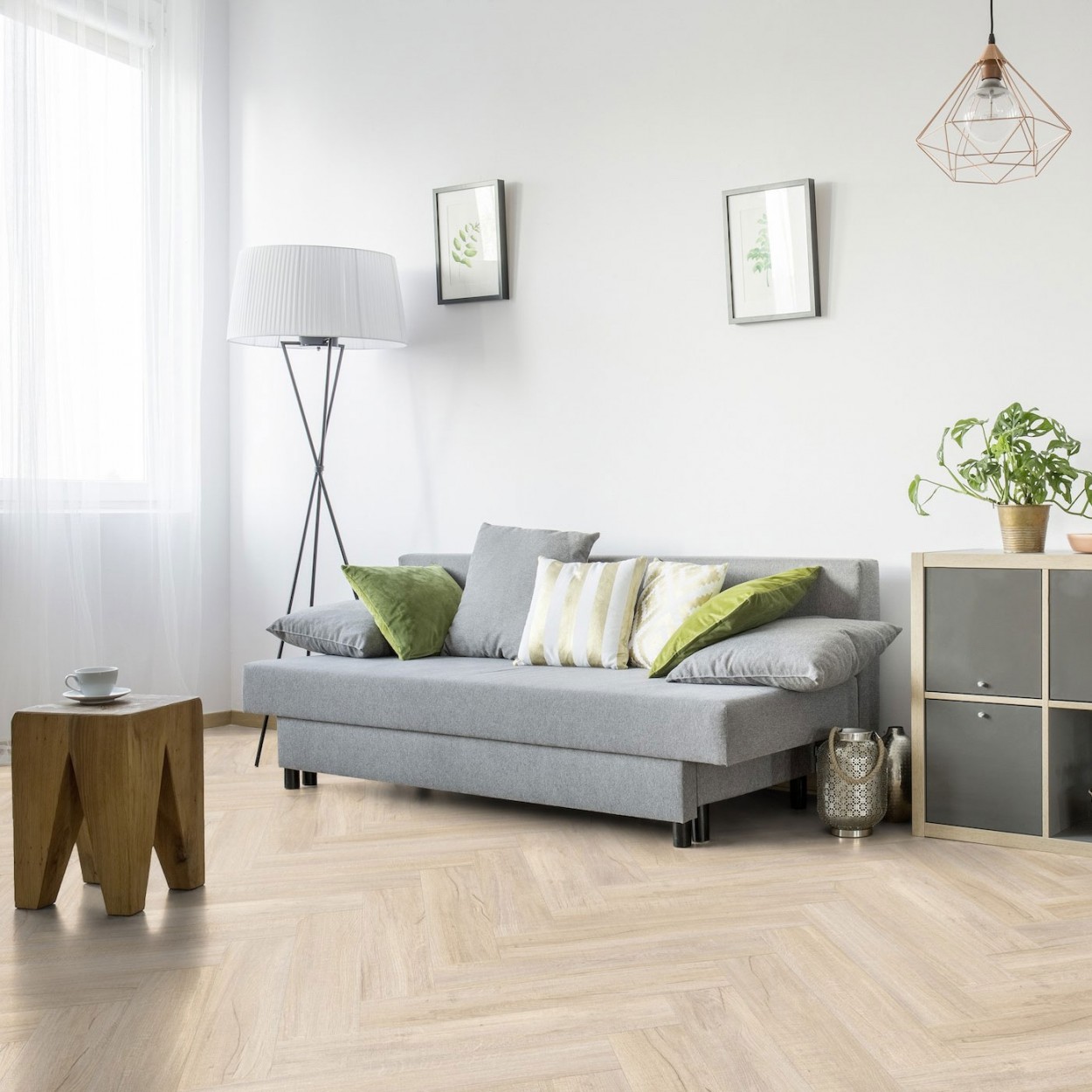
Tile layout patterns are tiles laid in a specific pattern or arrangement. These patterns include classics like herringbone, basketweave, chevron, and diamond. You can also use modern layouts like checkerboard or random offset.
You can create patterns by using tiles that are the same size and shape. You can also mix different sizes, colors, or textures for a unique and custom look. These layouts add visual interest and dimension to floors, creating a dynamic and engaging environment.
Experimenting with tile patterns can enhance the floor tiles design. This applies to kitchens, bathrooms, living areas, and entryways.
Do you have another question about tiles that we haven’t addressed? Stop by your closest Tiletoria showroom and our team will gladly help with any questions you have or leave your questions in the comments!
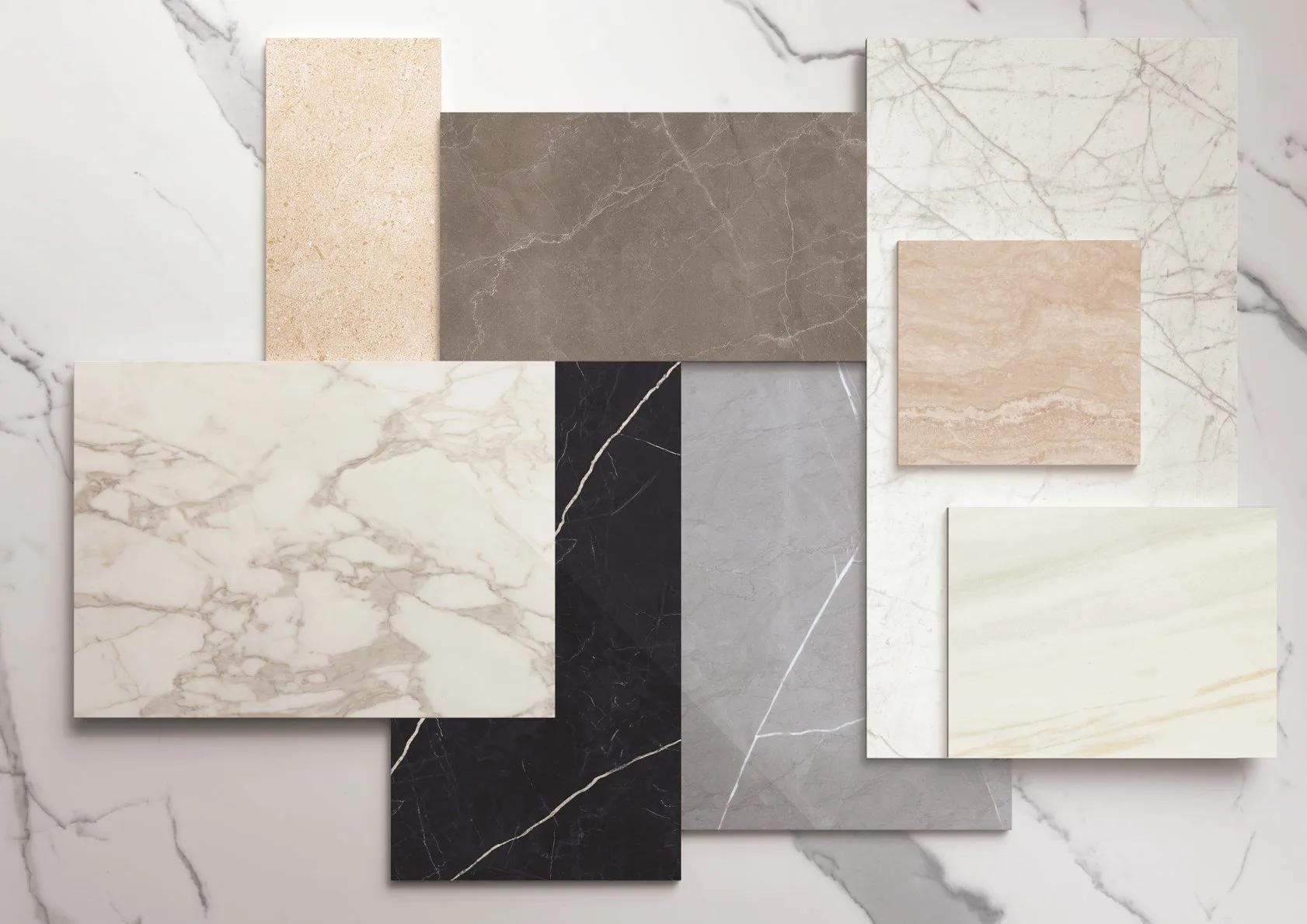
Marble tiles, timeless symbols of luxury and style, have been gracing buildings for centuries. Let’s explore the world of marble tiles, from classic white to contemporary black and grey.
Getting to Know Marble Tiles
People know marble tiles for their classy appearance and durability. Homeowners and businesses often chose them, adding elegance and lasting quality to any space.
A Finish for Every Style: Exploring Marble Tile Varieties
Whether you prefer a sleek and glossy look or a more muted matte finish, marble tiles have the options you need.
A polished finish reflects light, adding a luxurious sheen to your floors or walls. On the other hand, a matte finish provides a more understated appearance, perfect for those who prefer a subtle touch. Slip-resistant marble tiles are good for kitchens, bathrooms, and outdoor areas with water and moisture. Glazed marble tiles offer a protective layer making them more durable and easier to clean.
You can achieve the luxurious marble look without breaking the bank. Marble look tiles are a cost-effective alternative. These tiles copy the natural patterns of marble, giving you a budget-friendly option without sacrificing style.
Using marble tile in bathrooms create a serene and luxurious atmosphere, offering a spa-like retreat within your home. Marble’s smooth surface is not only visually pleasing but also easy to clean. Slip-resistant marble tiles offer the perfect solution for bathrooms, ensuring a secure footing even in wet conditions.
Marble tiles have a smooth and cool surface, creating a hygienic space that is easy to clean. These tiles are durable and can handle the heat from various kitchen activities, including hot pans and spills. The timeless beauty of marble makes it an excellent choice for floors, backsplashes, or countertops. With a variety of colours and finishes available, you can personalize your kitchen to match your taste.
The natural resilience of marble tile allows them to withstand various weather conditions, come rain or sunshine. Slip-resistant marble tiles provide an added safety feature, making them perfect for patios, pool areas, or garden pathways. In addition to being practical, marble’s beauty adds to the outdoor atmosphere. Whether you’re hosting guests or just relaxing outdoors, marble tiles enhance the beauty of your outdoor living areas.
To create a classic look, white marble floor and wall tiles are unbeatable. These tiles not only brighten up a room but also make it feel more spacious. Whether used in kitchens, living rooms, or bathrooms, white marble tiles add sophistication and purity to your space.
Add a touch of drama to your interiors with black marble tiles. The deep, rich tones create a striking contrast, making them an excellent choice for entryways, kitchens, or accent walls. Black marble tiles effortlessly blend modernity with timeless elegance.
For a more understated yet chic look, consider grey marble tiles. The soft colours and gentle patterns go well with different design styles, making them a good choice for both classic and modern spaces.
Turn your walls into a work of art with marble wall tiles. Whether you choose classic white, bold black, or subtle grey, marble wall tiles add texture, depth, and a touch of luxury to any room. Use them as a statement feature or cover an entire wall for an immersive experience.
Choose marble floor tiles for a timeless and sophisticated upgrade to your home or office. Imagine walking on a surface that echoes ancient grandeur while bringing a touch of modern luxury to your floors. Whether used in you’re living room, kitchen, or entryway, every step you take is a stylish one.
Marble tiles go beyond being just a floor or wall option; they’re a testament to timeless beauty and sophistication. Adding this beautiful natural stone to your living spaces shows a lot about your taste and love for elegance. So, for your next renovation project, consider the enduring charm of marble tiles for a touch of luxury that stands the test of time.
Cement tiles have become a go-to choice for home décor, blending durability, aesthetics, and eco-friendliness. Let’s explore the world of cement tiles – their applications, design ideas, and distinctive features that set them apart.
Cement tiles are handmade tiles created from a mix of cement, sand, and pigments. Cement tiles are also know as Encaustic tiles. While traditional ceramic tiles have patterns on the surface, encaustic tiles feature patterns embedded into the tile itself. The term “encaustic” refers to the process of using pigmented colours in the making of the tile.
During the production process, workers press the mixture into a mold and let it cure, resulting in a strong and stylish tile. Each tile’s uniqueness stems from its handmade nature, ensuring that no two tiles are exactly alike.
Cement tiles align with the growing trend of sustainable living. They last longer, so you don’t need to replace them as often as some other flooring materials.
People have used encaustic tiles for ages, and they’re still popular today for their unique look and design flexibility.
For a chic and contemporary appearance, consider cement look floor tiles. These imitate traditional cement tiles but utilize more modern materials, providing the same look with enhanced durability.
Stylish and Practical: Cement Tiles Transforming Kitchens
Cement tiles are gaining popularity in kitchens for their perfect mix of style and practicality. Resistant to wear and stains, and easy to clean, they make an excellent choice for flooring and wall coverings in busy kitchen spaces.
Make your kitchen a culinary haven with a variety of stylish patterns and colours. Encaustic tiles not only handle the busyness of a kitchen but also bring timeless elegance to your home’s heart.
Extend the charm to bathrooms, where water-resistant cement tiles for floors excel.
Their natural resistant to water, makes them suitable for areas prone to moisture like bathrooms. This helps prevent water damage and ensures the longevity of the tiles. Encaustic tiles are inherently hygienic, as they do not promote the growth of mold or mildew. This quality is particularly crucial in a bathroom setting where moisture is present.
From patios to garden pathways, cement outdoor floor and wall tiles withstand the elements while maintaining their aesthetic appeal.
They are resistant to weathering, making them a reliable choice for areas exposed to sunlight, rain, and temperature fluctuations. Many encaustic tiles have a textured surface to make them slip-resistant. This feature is crucial for outdoor areas where the surface may become wet and slippery.
Their heat resistance makes them suitable for areas exposed to direct sunlight. This property prevents the tiles from becoming excessively hot and uncomfortable to walk on.
Encaustic tiles are relatively low-maintenance, requiring minimal care to keep them looking good. Regular sweeping and occasional washing are usually sufficient to maintain their appearance in outdoor settings.
Experiment with various patterns, colours, and layouts to create a personalized look. From geometric designs to intricate florals, cement tiles offer endless possibilities for your space.
The enduring appeal of cement tiles lies in their rich history and timeless design. From their origins centuries ago to their current popularity, they continue to captivate with their distinctive aesthetic and versatility.
Encaustic tiles stand as a testament to the seamless blend of tradition and contemporary style. As we appreciate their enduring charm, it becomes clear that cement tiles are more than just a design choice. They are a celebration of artistry and enduring elegance.
Browse our collection of Cement and Cement Look Tiles:
pricing and stock information displayed on this site will be of the branch you select.
it will remain your default branch until you change it. all prices are inclusive of VAT.