blog, floors, interior design tips, walls
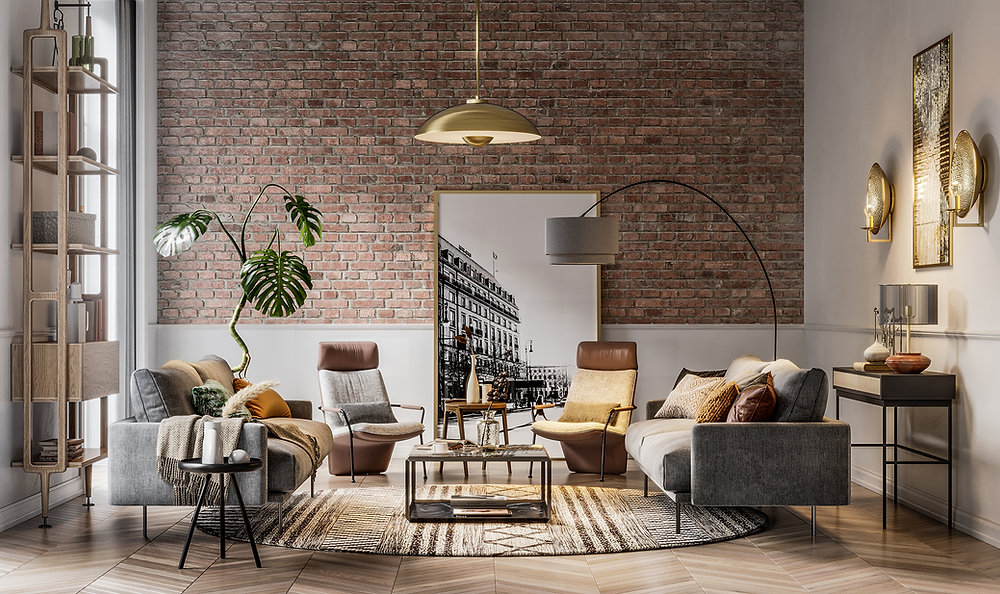
There’s something incredibly satisfying about walking into a space where everything just feels right. Often, you can’t immediately tell why — but your brain knows. More often than not, it comes down to symmetry. Symmetry in interior design plays a powerful role in how we perceive a space. When it comes to tile layouts, symmetrical patterns have a calming effect that makes rooms feel more balanced, welcoming and visually appealing.
Let’s explore why symmetrical tile designs feel so relaxing and how you can use them to create harmony in your home.
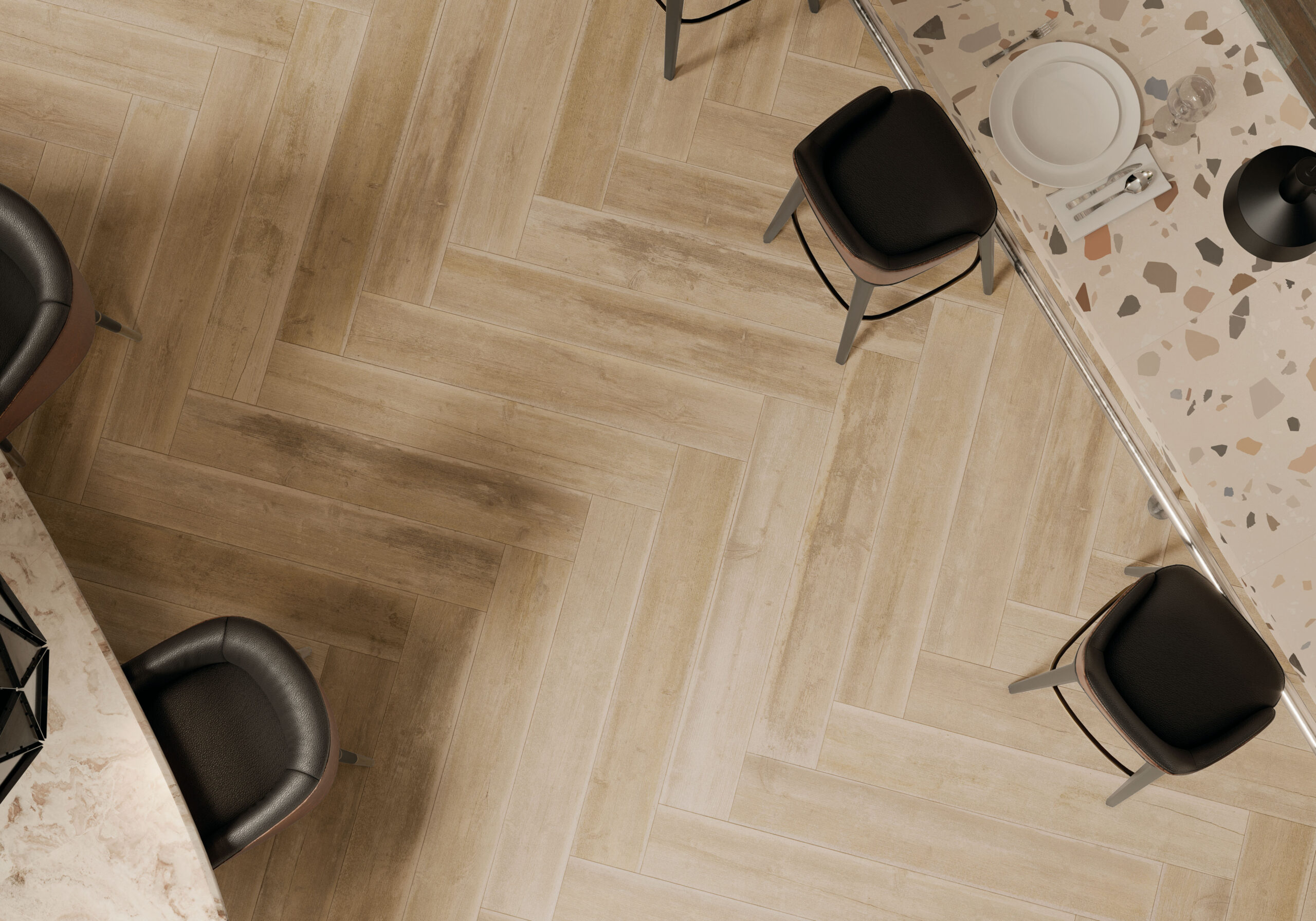
Table of Content:
Why Our Brains Love Symmetry
The Role of Symmetry in Tile Design
Spaces That Benefit Most from Symmetrical Tile Layouts
Symmetry Doesn’t Mean Boring
When to Break the Rules
Why Our Brains Love Symmetry
Humans are hardwired to find symmetry pleasing. From nature to architecture, our brains constantly seek order and balance. Symmetrical patterns are easy to process because they give our brains a sense of predictability and stability. In contrast, asymmetrical or chaotic layouts can sometimes feel disjointed or overwhelming.
In psychology, this is known as processing fluency — the idea that the easier something is to understand visually, the more we tend to like it. When tiles are laid in symmetrical, repeating patterns, our minds relax. The space feels more put together, and that ease translates to comfort.
The Role of Symmetry in Tile Design
When planning a tile layout, symmetry can show up in a few different ways:
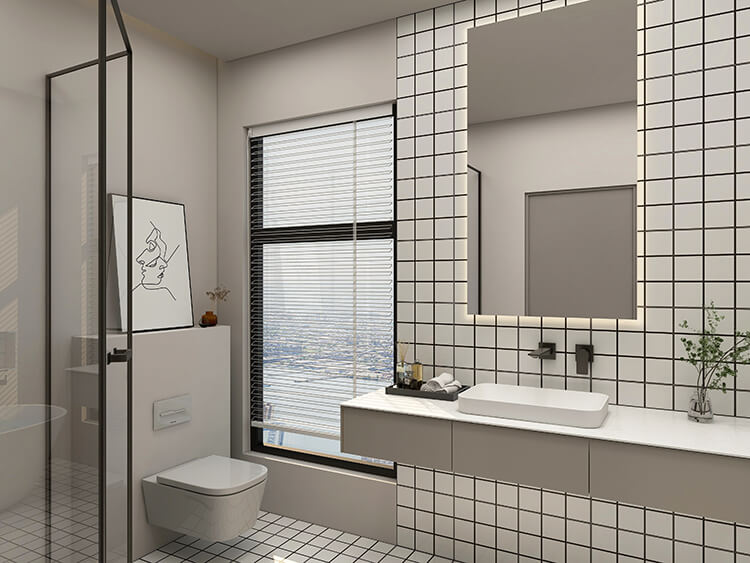
Grid patterns: Classic, clean and simple.
Tiles are lined up in rows and columns, creating a sense of order.
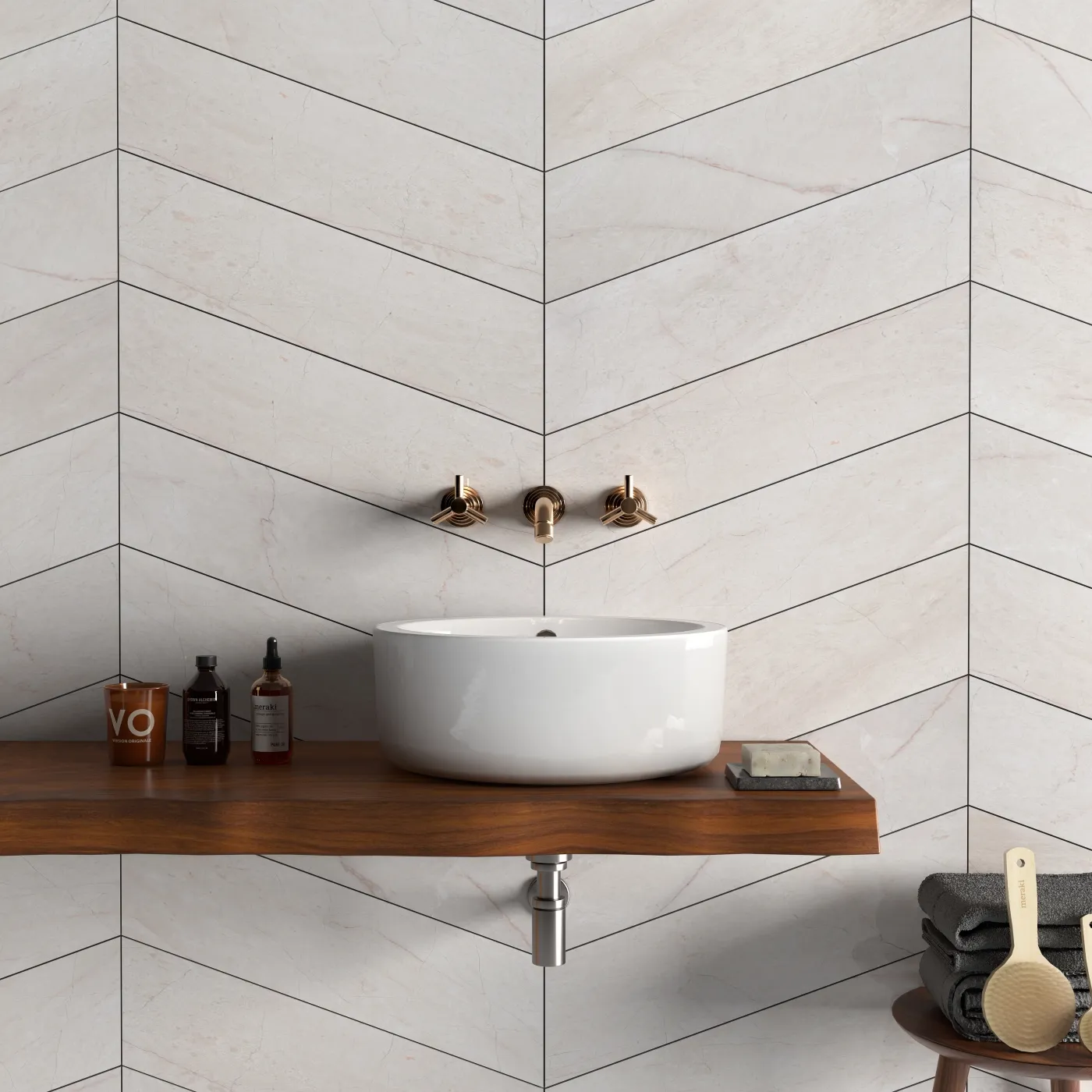
Herringbone and chevron layouts: These offer a dynamic yet balanced feel.
They add interest while still keeping the overall design cohesive.
Mirror layouts
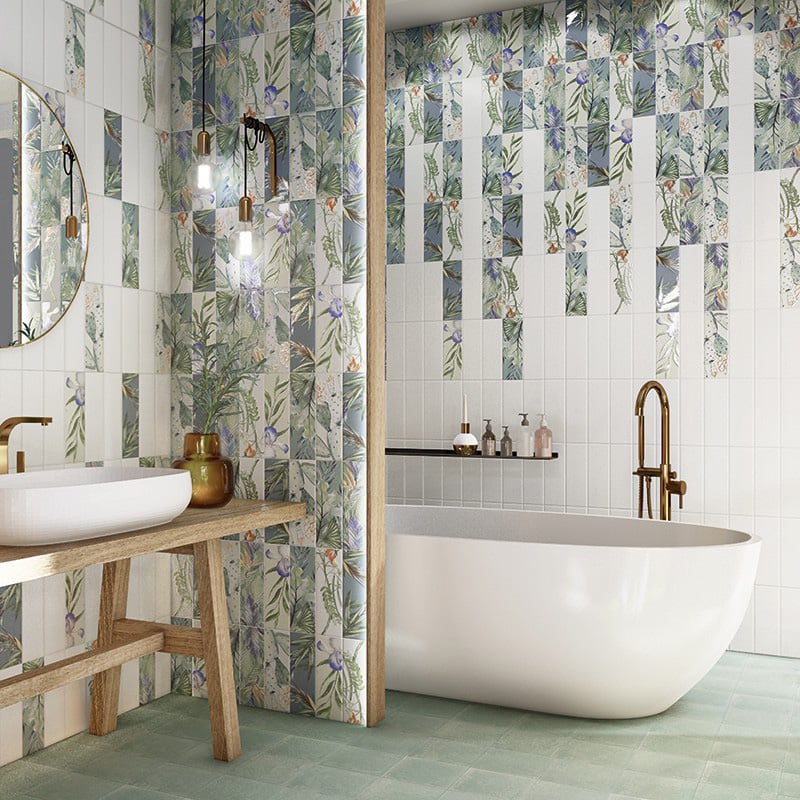
These involve reflecting a pattern on either side of a centre line, which adds elegance and structure to a space.
Whether you’re tiling a bathroom, kitchen or outdoor area, symmetrical layouts provide a foundation that feels intentional and soothing.
Spaces That Benefit Most from Symmetrical Tile Layouts
Bathrooms and ensuites
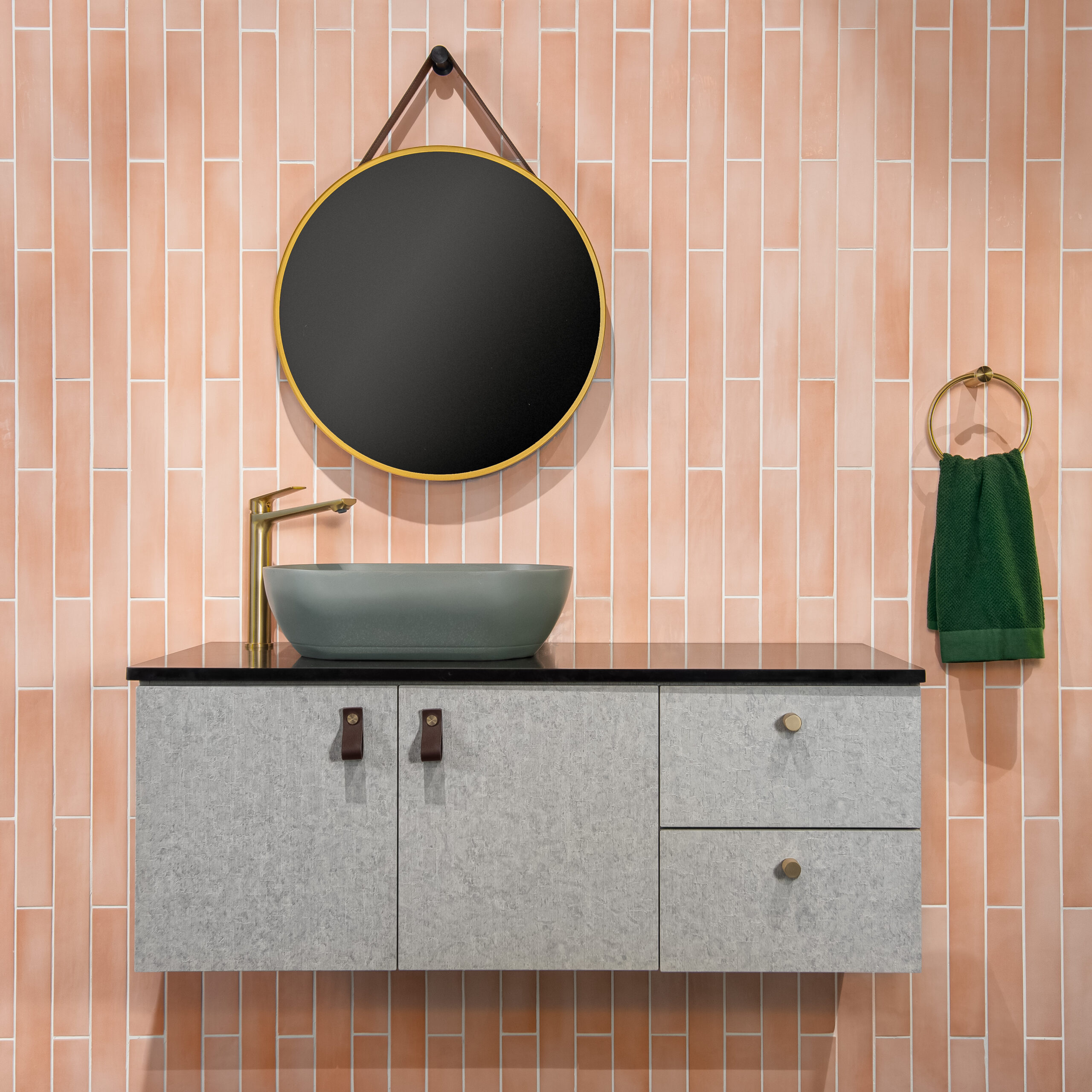
tiletoria, paarden eiland showroom
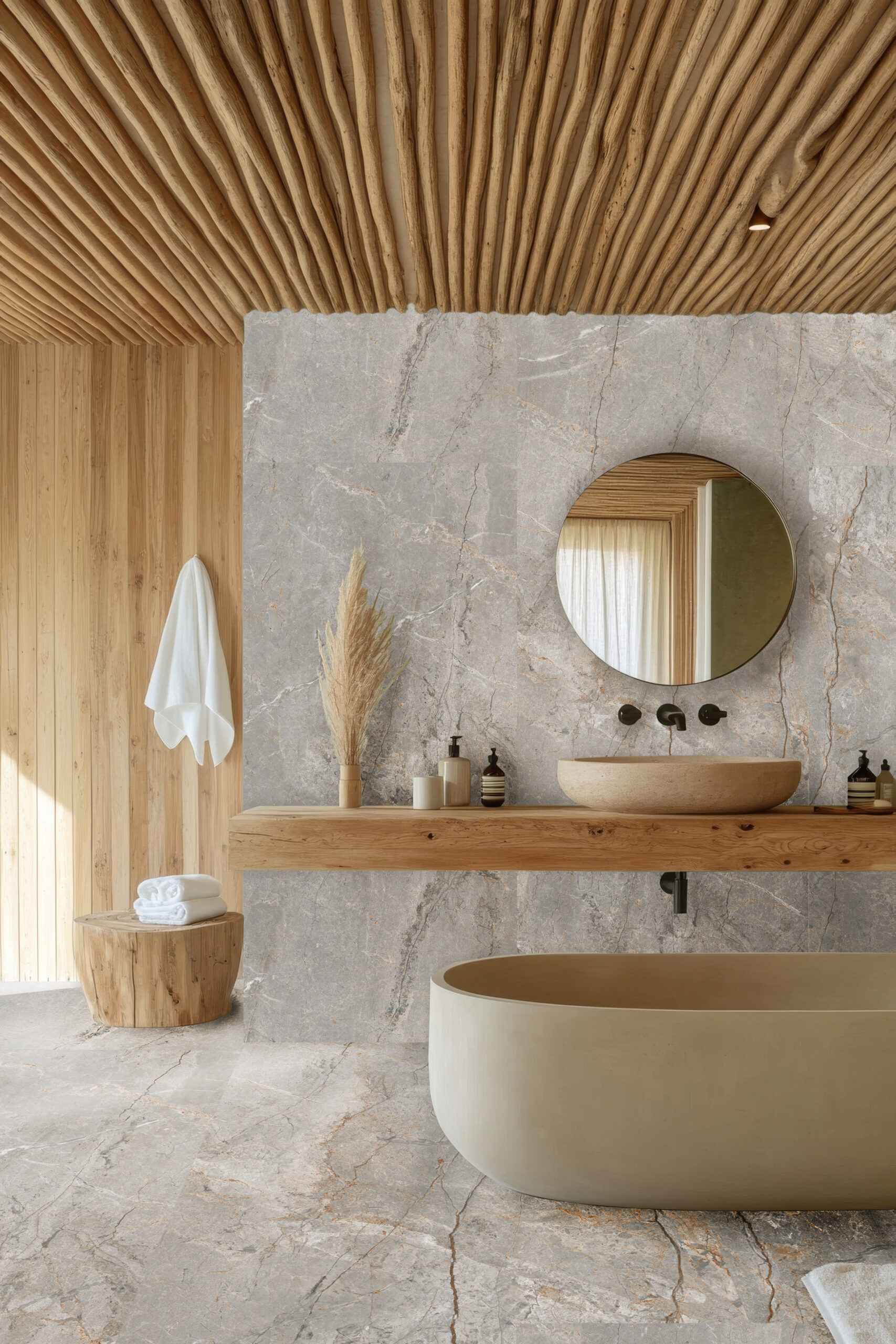
These are places where people go to unwind and reset. A symmetrical tile pattern in the shower or around the vanity instantly adds to the spa-like vibe.
Living areas
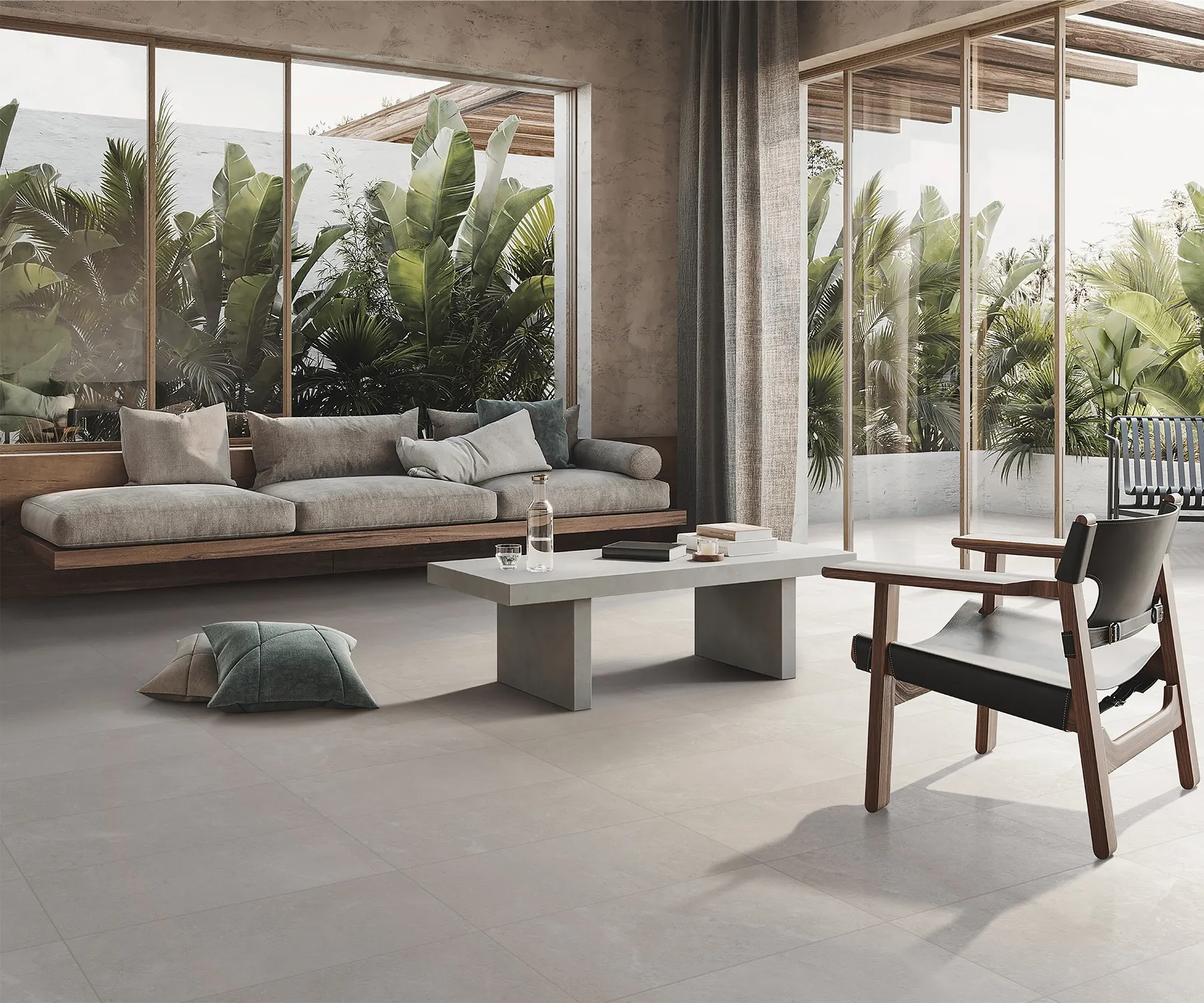
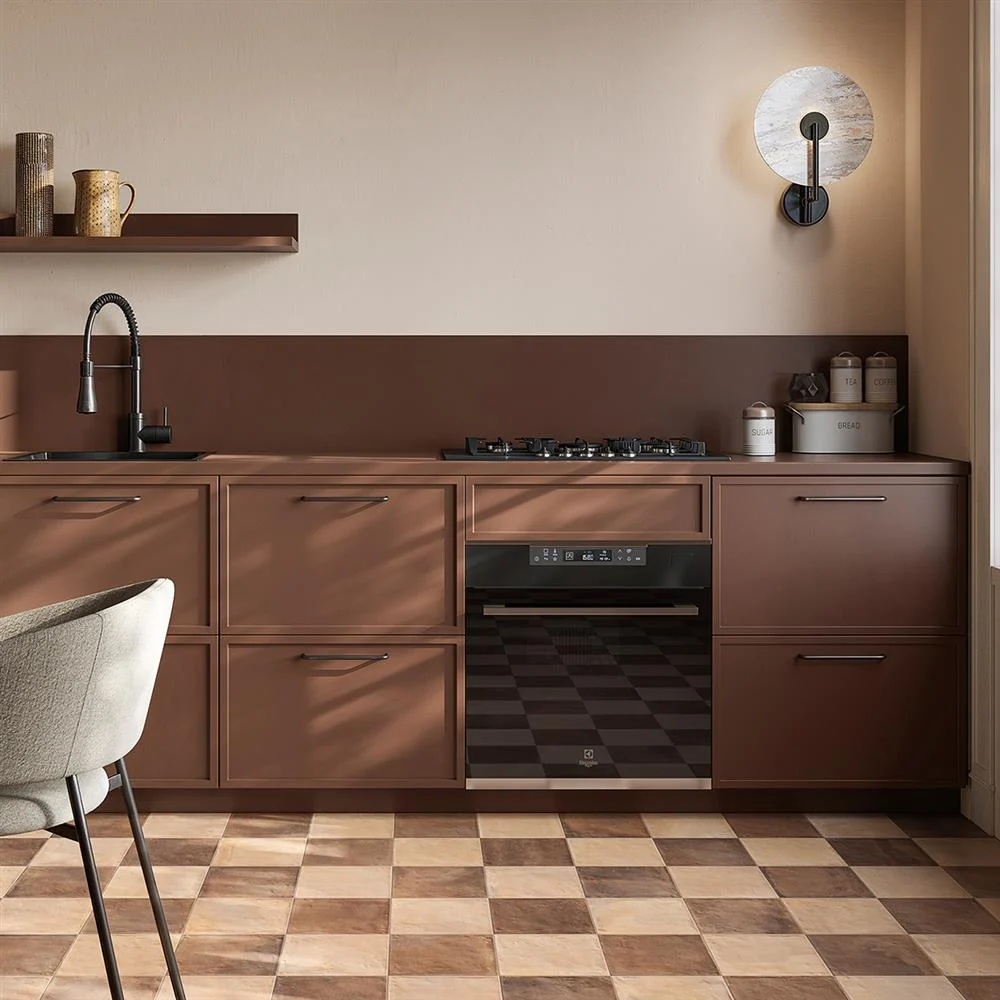
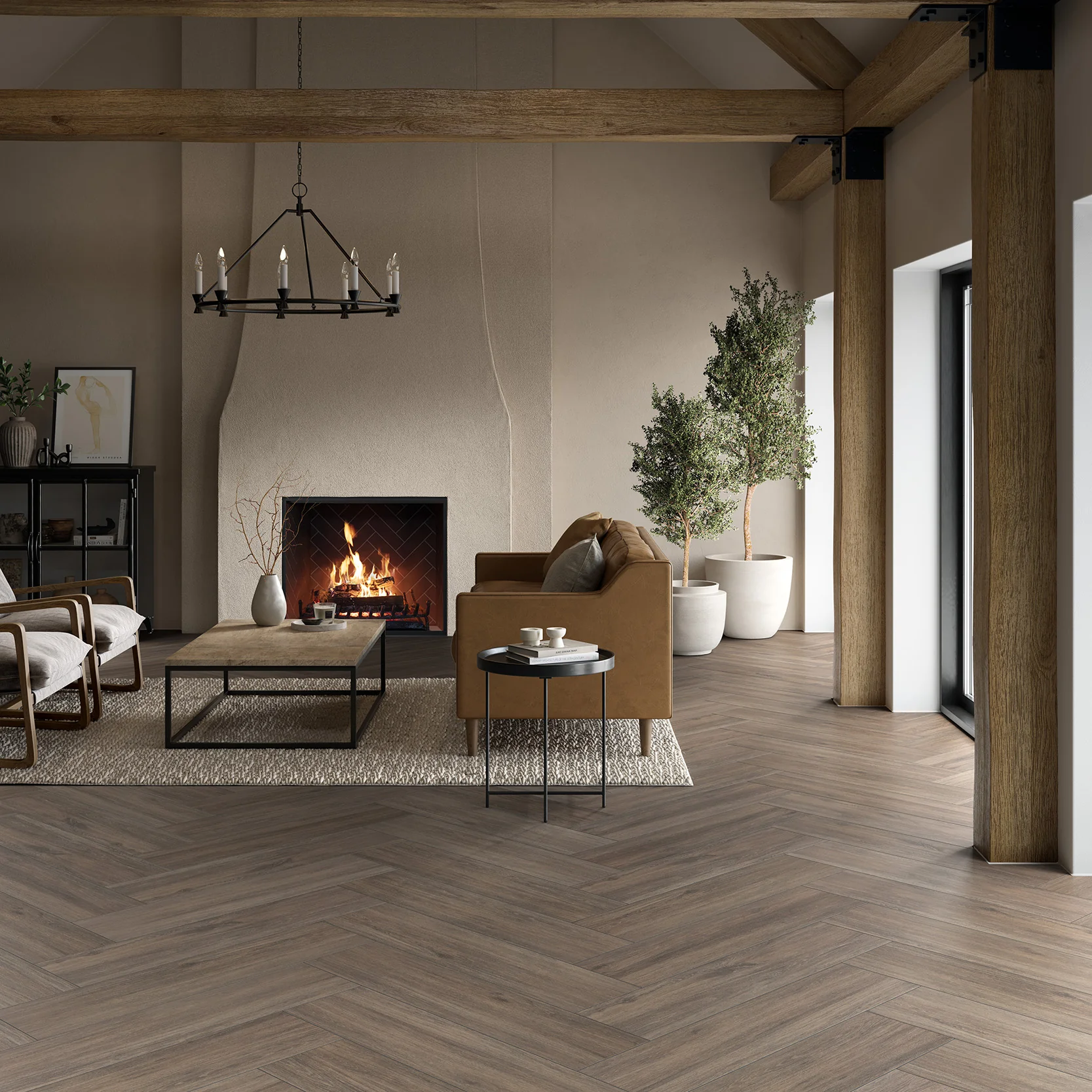
Floor tiles laid in a grid or balanced pattern can make an open-plan space feel more grounded and connected.
Kitchens
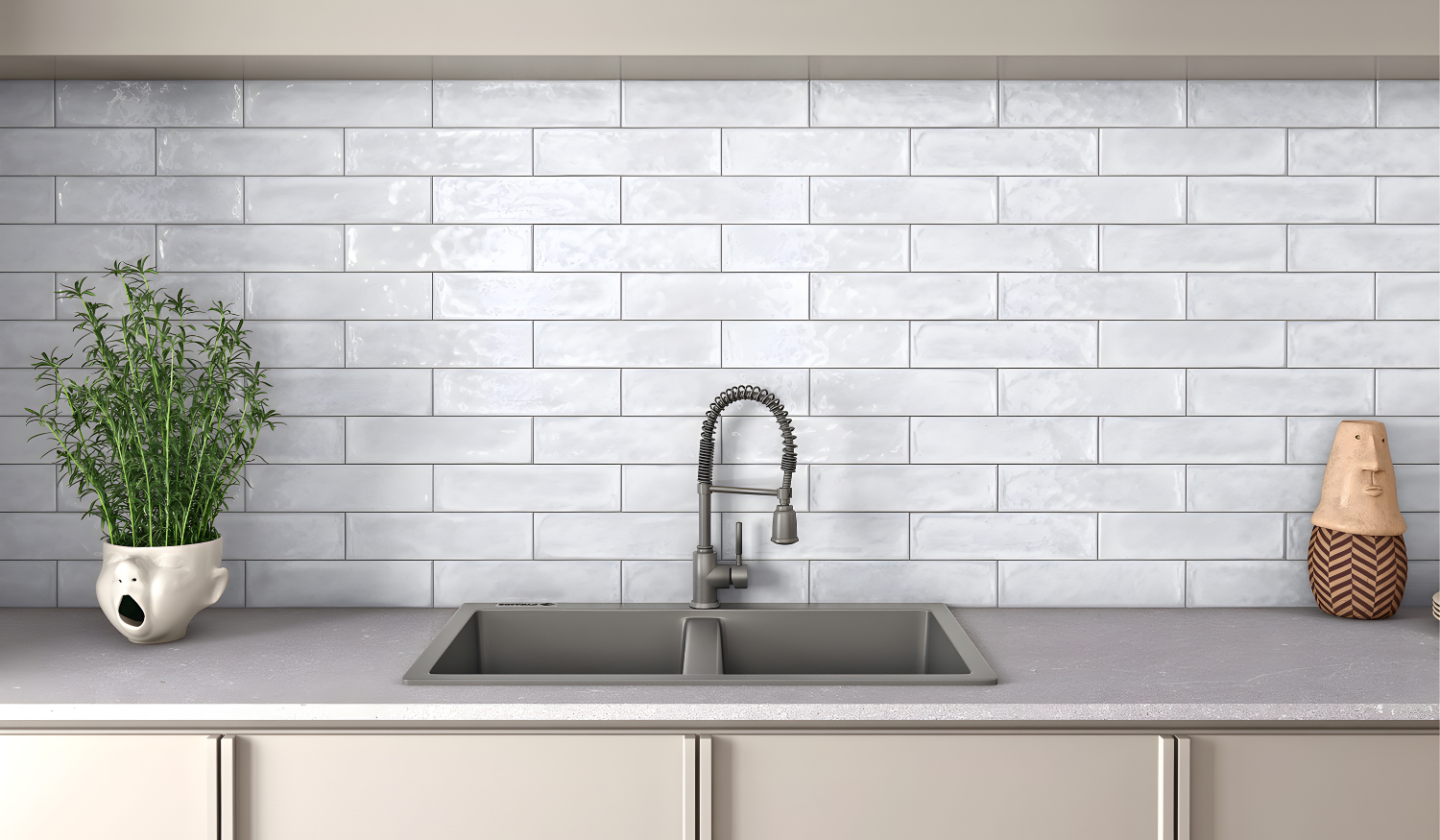
Splashbacks with a symmetrical layout not only look clean but also help small or busy kitchens feel less chaotic.
Symmetry Doesn’t Mean Boring
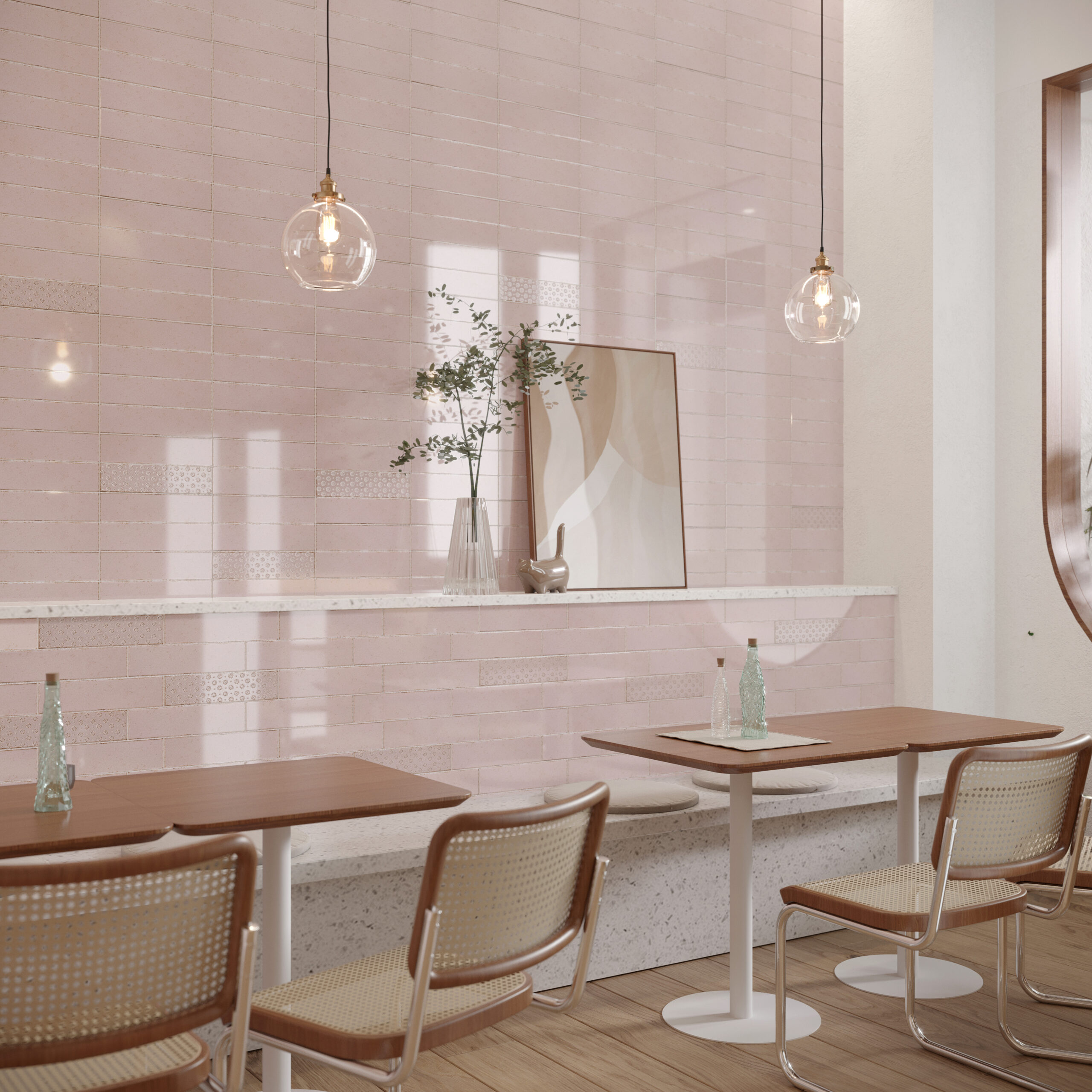
Some people worry that symmetrical designs might look too rigid or predictable. But that’s far from true. You can still play with colour, texture and tile size while keeping the layout balanced.
For example, mix glossy and matte finishes or alternate shades within a grid. You get the structure of symmetry with the personality of a more creative design.
When to Break the Rules
While symmetry brings a calming effect, there’s also beauty in breaking the pattern — strategically. Asymmetrical layouts work well in bold feature walls, artistic mosaics or contemporary interiors where movement and energy are the focus. The key is to balance symmetry and asymmetry throughout your home so that one complements the other.
Symmetry in tile design goes beyond just aesthetics — it taps into how our minds perceive and respond to visual information. By choosing symmetrical tile layouts, you’re creating more than just a pretty space. You’re building an environment that feels peaceful, organised and easy to live in.
If you’re planning a renovation or simply looking to refresh a room, consider how the layout of your tiles could impact the feel of your space. A little balance can go a long way.
Need help choosing the perfect tile layout?
Visit your nearest Tiletoria showroom or chat with one of our experts for personalised advice. Your dream space starts with the right pattern.
bathroom, blog, kitchen
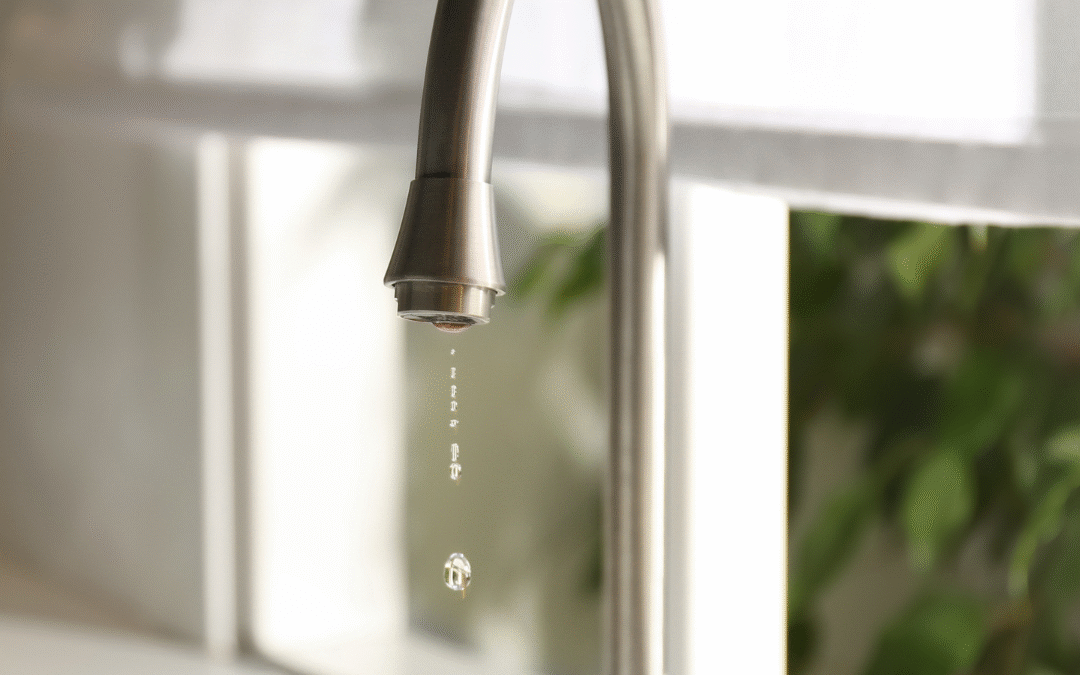
There’s nothing more irritating than the constant drip, drip, drip of a leaking tap. Not only is it a waste of water, it can also add to your utility bills over time. The good news? You can often fix a dripping kitchen or bathroom tap yourself without much fuss. The better news? If things get tricky, you’ll know exactly when to call a plumber.
Let’s break it down step-by-step.
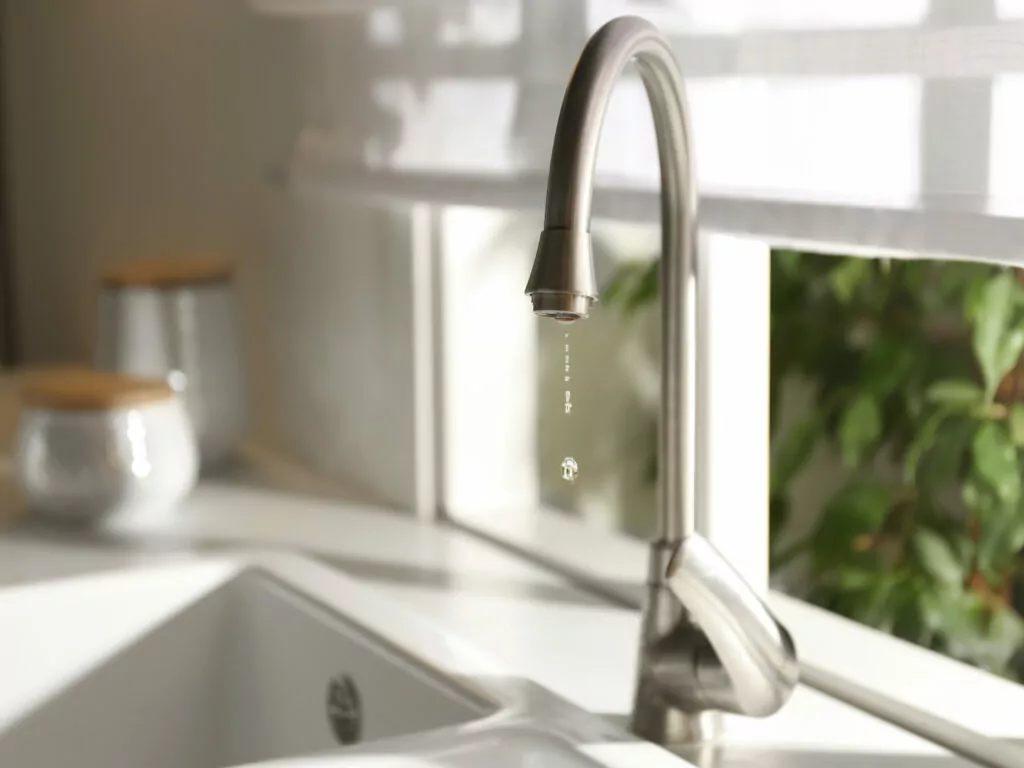
Table of Content:
Why Is My Tap Dripping?
What You’ll Need to Fix a Leaking Tap
How to Fix a Dripping Tap: Step-by-Step
When to Call a Plumber
Why Is My Tap Dripping?
A dripping kitchen or bathroom tap is usually caused by one of these common issues:
A worn-out washer or O-ring
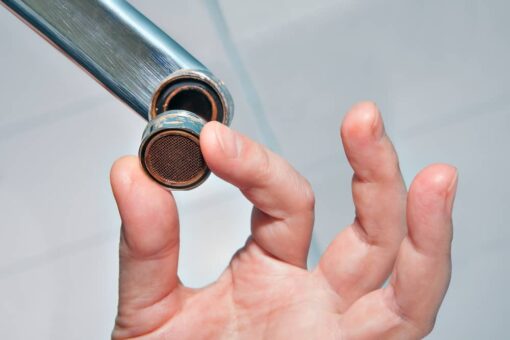
A faulty ceramic disc cartridge
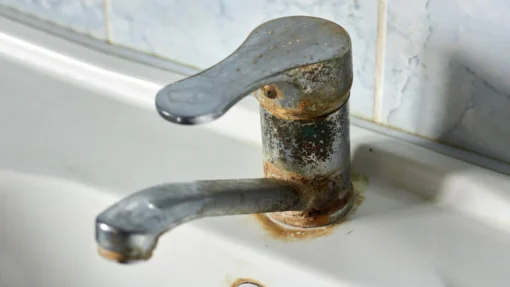
Loose or corroded parts
High water pressure
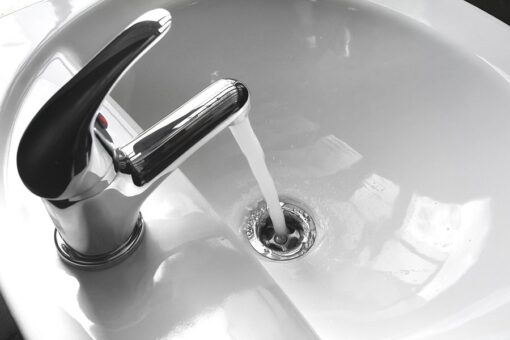
These problems sound complicated but many are quick and affordable to fix at home.
What You’ll Need to Fix a Leaking Tap
Before you begin, gather the following:
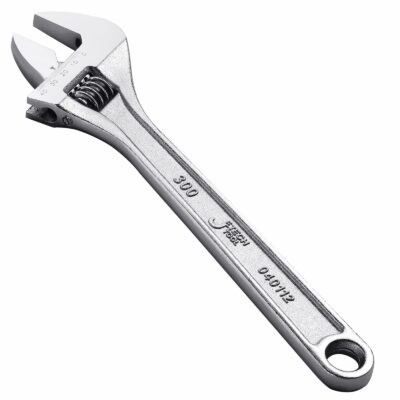
Adjustable spanner or wrench
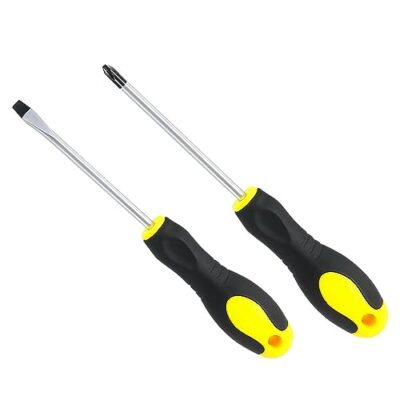
Flathead and Phillips screwdrivers
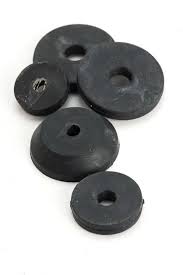
Replacement washer or cartridge (depending on your tap type)
Allen key (for some mixer taps)
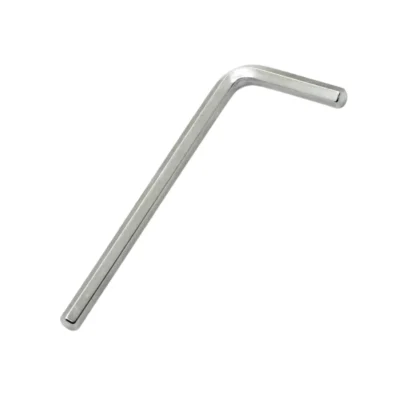
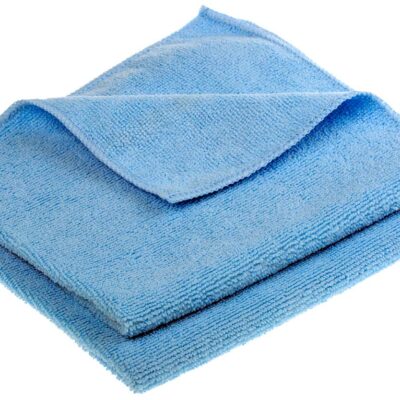
A cloth or towel to protect surfaces
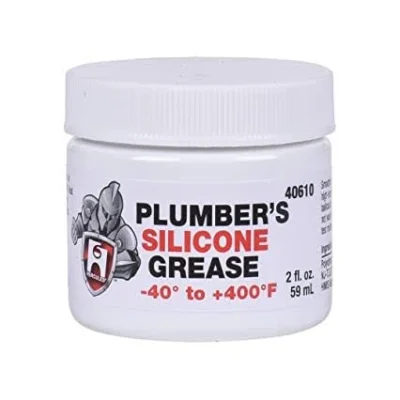
Plumber’s grease (optional but helpful)
How to Fix a Dripping Tap: Step-by-Step
1. Turn Off the Water Supply
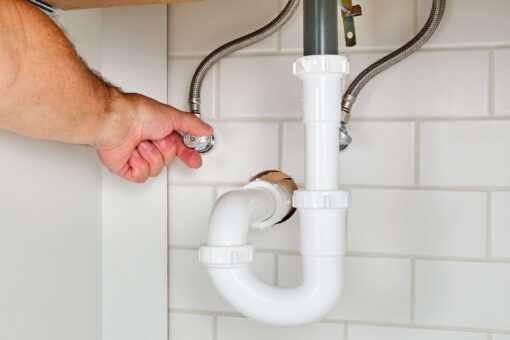
Look under your sink and find the isolation valve. Turn it clockwise to shut off the water. If you can’t find it, turn off the main water supply for your home.
2. Plug the Sink/Basin
You don’t want any small parts falling down the drain, so plug the sink/basin or cover the drain with a cloth.
3. Remove the Tap Handle
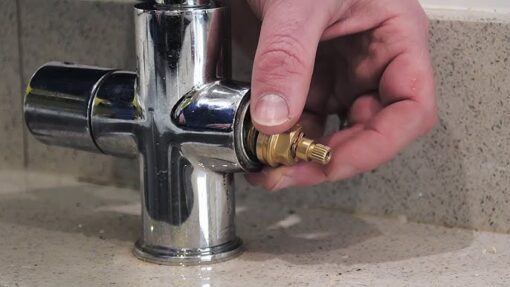
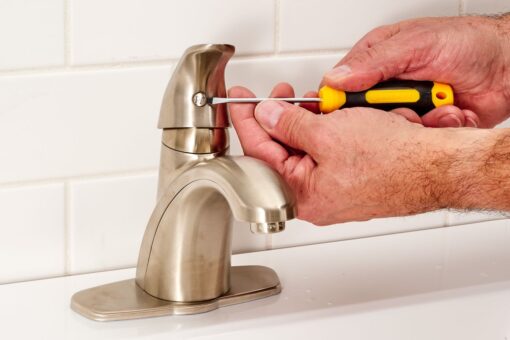
Use a screwdriver or Allen key to take off the tap handle. You might need to pop off a decorative cap to access the screw.
4. Identify the Problem
Once the handle is off, you’ll see the tap mechanism. If your tap uses a rubber washer, inspect it for wear or damage. If it’s a ceramic disc tap, check the cartridge.
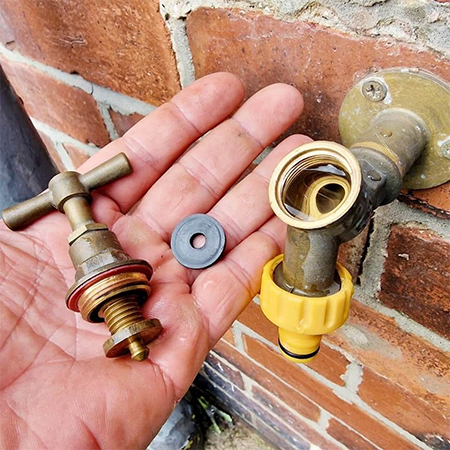
5. Replace the Damaged Part
-
For washer taps: Unscrew the valve, remove the old washer and replace it with a new one of the same size.
-
For ceramic disc taps: Replace the entire cartridge with a new one compatible with your tap brand.
Tip: Take the old part with you to a plumbing store if you’re unsure about size or type.
6. Reassemble the Tap
Put everything back in the reverse order. Make sure all parts are tight but don’t overtighten — this could cause damage.
7. Turn the Water Back On
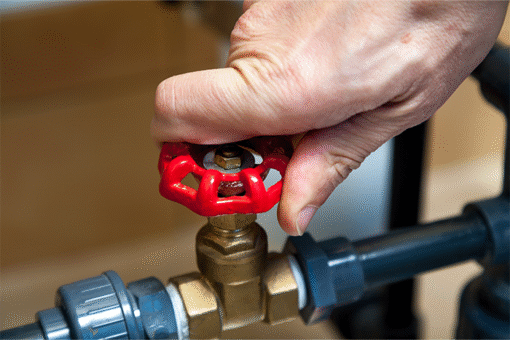
Slowly turn the isolation valve back on and check for leaks. If the drip is gone, you’ve done it right.
When to Call a Plumber
Sometimes, a dripping tap is just the tip of the iceberg. Call a professional plumber if:
-
The tap continues leaking after replacing parts
-
You notice water damage under the sink
-
The plumbing connections are corroded or rusty
-
You can’t identify the type of tap or cartridge
-
You’re dealing with high water pressure or noisy pipes
A plumber will fix the issue properly and help prevent future damage, saving you time and money in the long run.
Fixing a dripping kitchen tap or bathroom tap is a simple DIY job in many cases. With a few tools and a little patience, you can stop that annoying drip and enjoy a quiet, functional kitchen or bathroom again. But if things feel too technical or you’re unsure, don’t hesitate to call a plumber.
Whether you’re renovating your kitchen or bathroom, or just maintaining your home, knowing how to handle small plumbing issues makes a big difference.
Looking to upgrade your kitchen or bathroom taps or need expert plumbing advice? Browse our range of kitchen taps and bathroom taps or get in touch with our team — we’re here to help.
bathroom, blog, renovation tips
If you’re looking to boost your home’s resale value, upgrading your bathroom is a smart move. Bathrooms play a big role in how buyers perceive your home, and even small improvements can make a big impact. Whether you’re planning to sell your home soon or simply want to invest in a better space, a few strategic changes can make a big difference. Here are the best bathroom upgrades that not only improve everyday comfort but also help increase your home’s resale value.
Table of Content:
Modernise Your Fixtures
Invest in a Walk-In Shower
Upgrade Your Vanity
Improve Lighting
Add Underfloor Heating
Update Your Tiles
Don’t Forget Storage
Modernise Your Fixtures
Old, worn-out taps and shower heads can make a bathroom feel outdated. Swap them for modern, water-saving fixtures in finishes like matte black, brushed nickel or chrome. Not only do they elevate your space, but they also appeal to eco-conscious buyers.
Invest in a Walk-In Shower
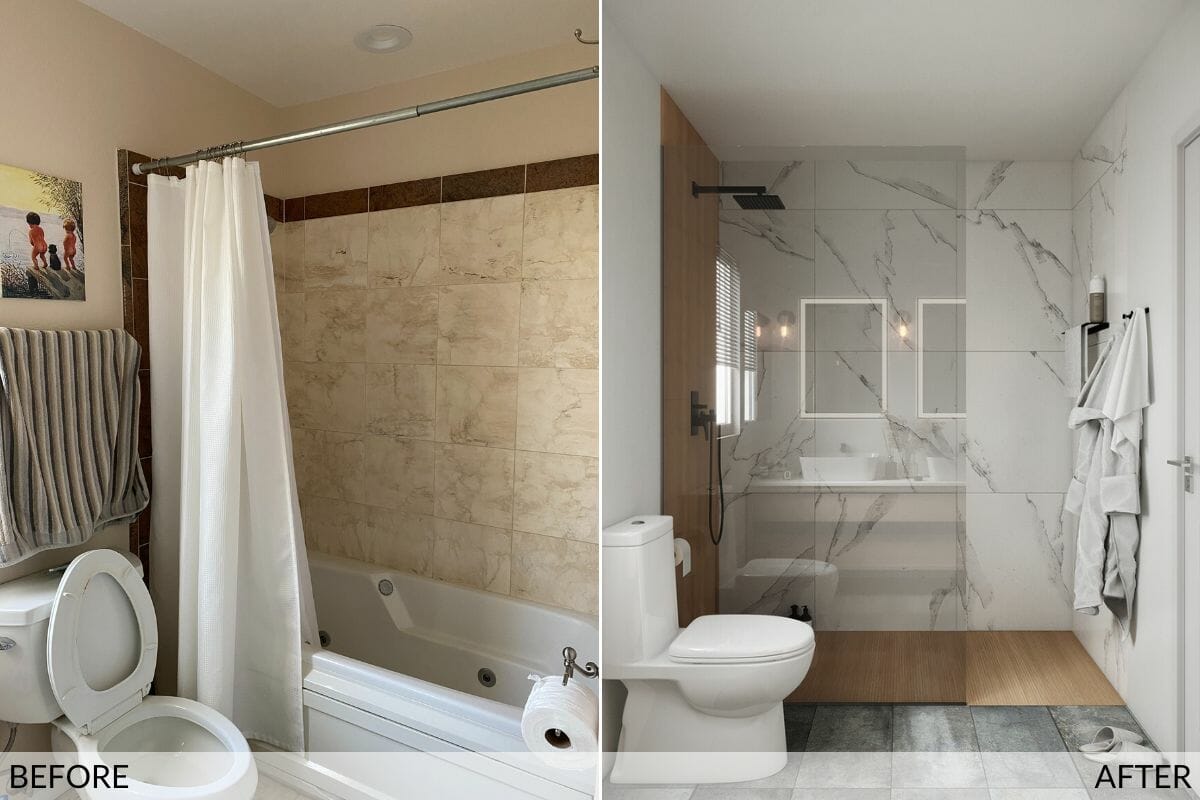
Image Credit: Small shower remodel before and after by Decorilla designer, Liana S.
Walk-in showers are a top choice for modern bathrooms. They’re practical, stylish and great for accessibility. Frameless glass panels create a sense of openness, especially in smaller bathrooms, and tiled shower wall adds a sleek, polished finish.
Upgrade Your Vanity
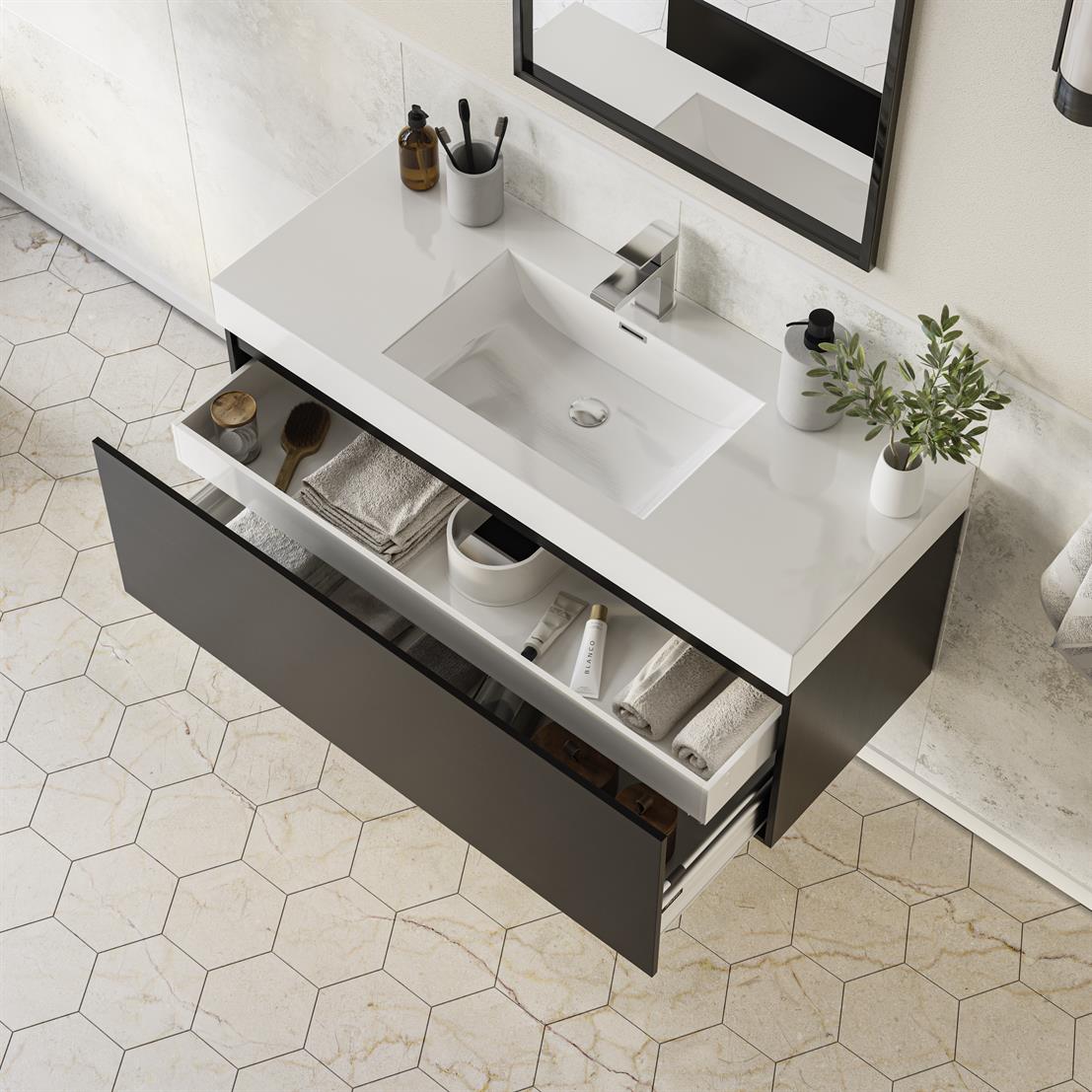
A new vanity can completely transform the look of your bathroom. Choose one with ample storage, a durable counter top like quartz or granite and a stylish basin. Floating vanities are especially popular, adding a modern touch while keeping the floor space open.
Improve Lighting
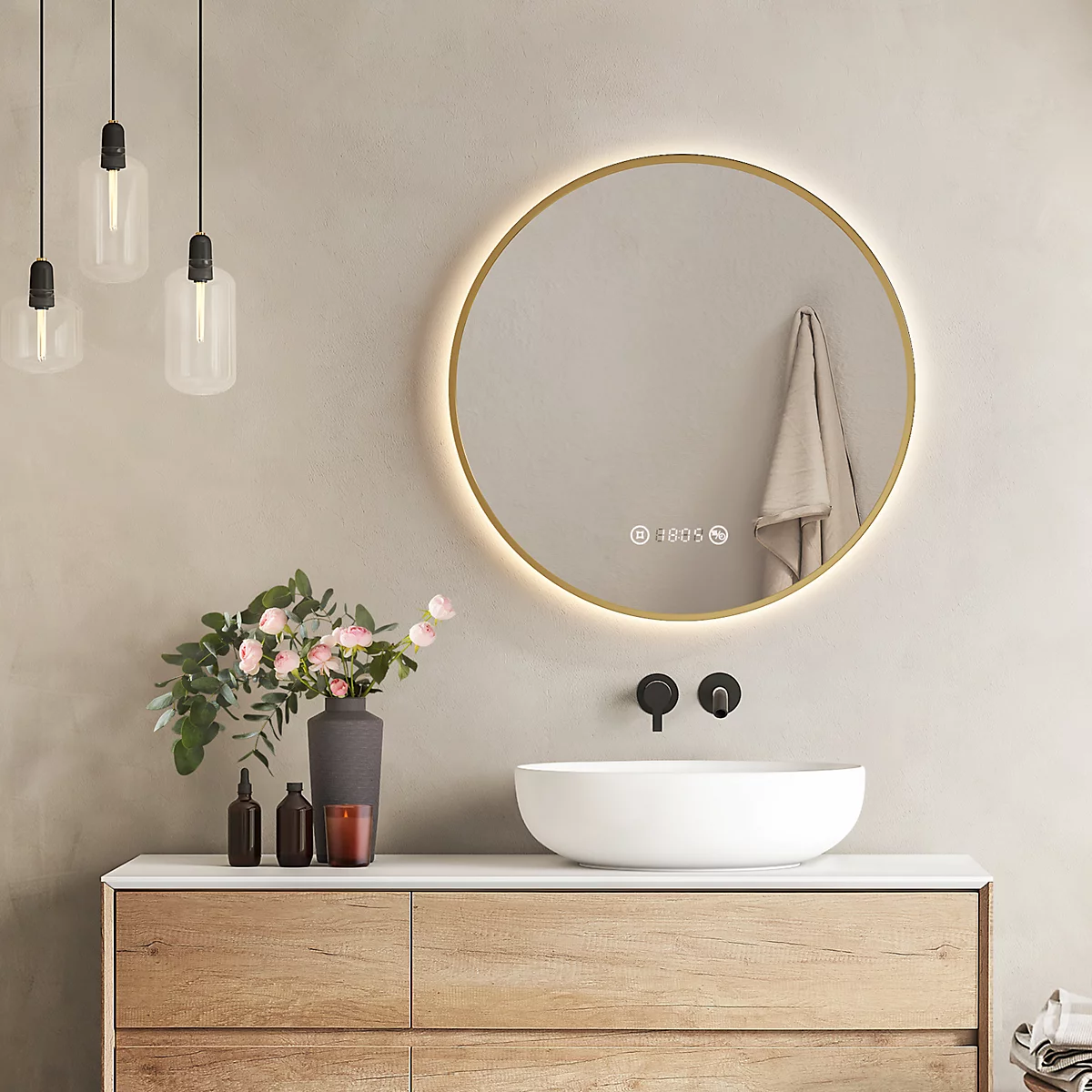
Image Credit: diy.com
Good lighting can make your bathroom feel brighter and more spacious. Install layered lighting—task lights around the mirror, ambient ceiling lights and maybe even a statement pendant or wall sconce for a touch of luxury.
Add Underfloor Heating
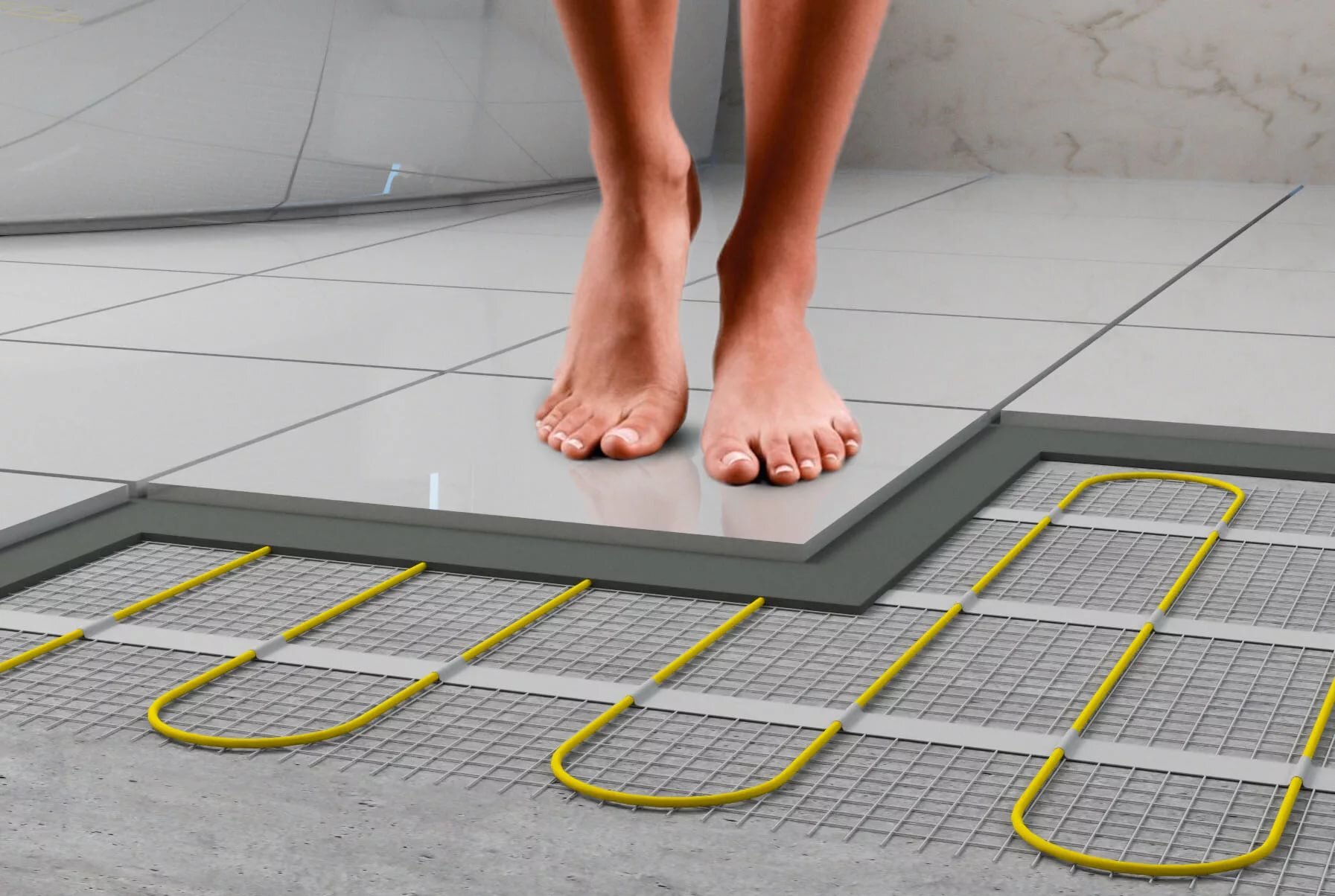
Underfloor heating is a premium feature that many home buyers love. It’s especially useful in colder climates and gives your bathroom a luxury feel. Pair it with stylish floor tiles for maximum effect.
Update Your Tiles
Tiles can set the tone of your bathroom. Large-format tiles make small spaces feel bigger, while natural stone or stone-look tiles offer a timeless, elegant look. For added value, choose high-quality materials and consider tiling from floor to ceiling.
Don’t Forget Storage
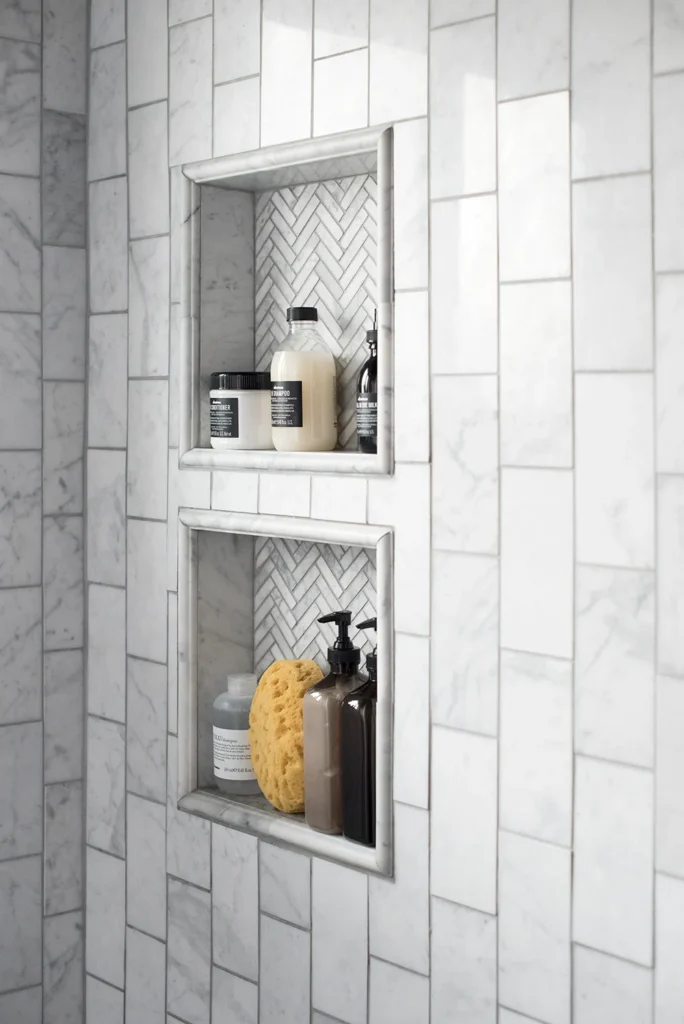
A clutter-free bathroom feels more spacious and functional. Add built-in shelves, mirrored cabinets or recessed niches in the shower to keep essentials tucked away without compromising style.
Bathroom upgrades are a smart investment when done right. Focus on quality finishes, practical improvements and timeless style. Whether it’s new tiles, updated lighting or a luxurious walk-in shower, the right changes can boost your home’s value and your everyday comfort.
For help choosing tiles and bathroom fittings that will add long-term value to your space, visit our showroom or browse our bathroom collection online here.
bathroom, blog, interior design tips, kitchen, trends
There’s a new style on the interior design scene, and it’s winning over homeowners and designers alike. Meet Japandi — the perfect blend of Japanese minimalism and Scandinavian functionality. If you’re looking for a calm, clutter-free and timeless look in your home, Japandi might be exactly what you need.
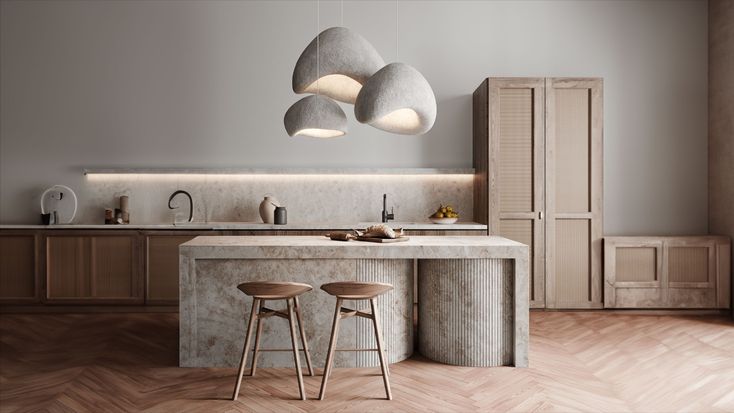
Table of Content:
What Is Japandi Style?
Why Is Japandi Gaining Popularity?
How to Bring Japandi into Your Home
Japandi in Every Room
Tiles and Japandi
Browse our collection of Japandi-inspired pieces
What Is Japandi Style?
Japandi is a fusion of two design philosophies.
On one side, you have Japanese interior design — simple, elegant and rooted in nature.
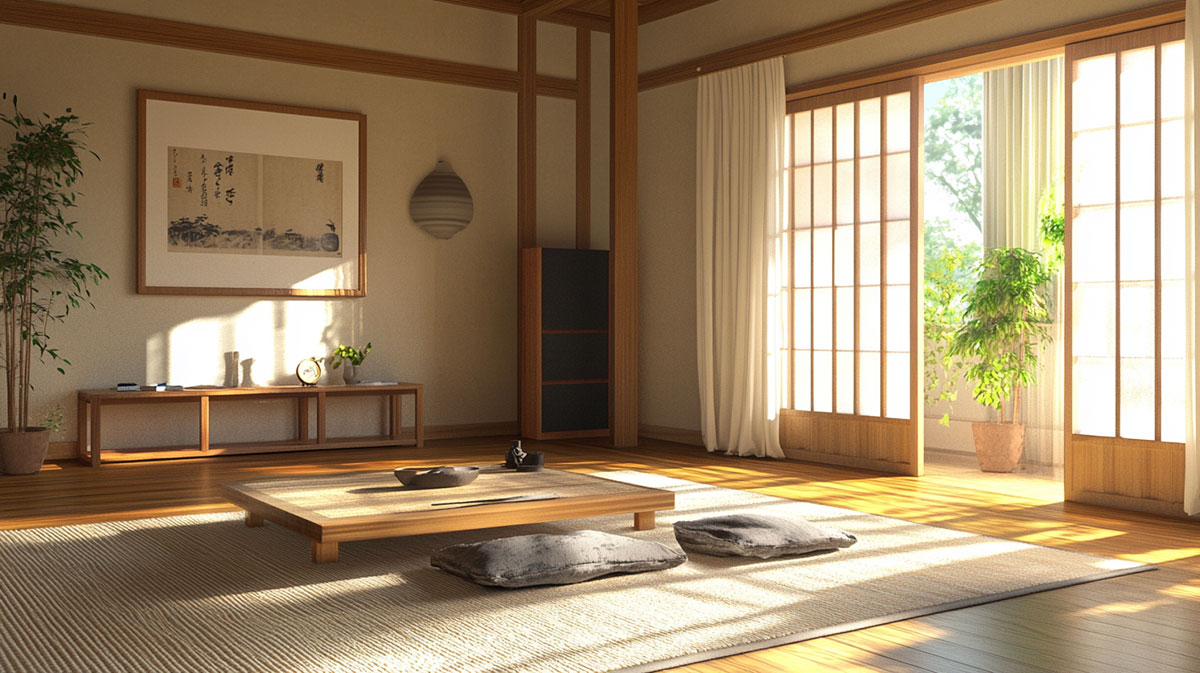
Image credit: awedeco.com
On the other, you have Scandinavian style — warm, functional and focused on comfort.
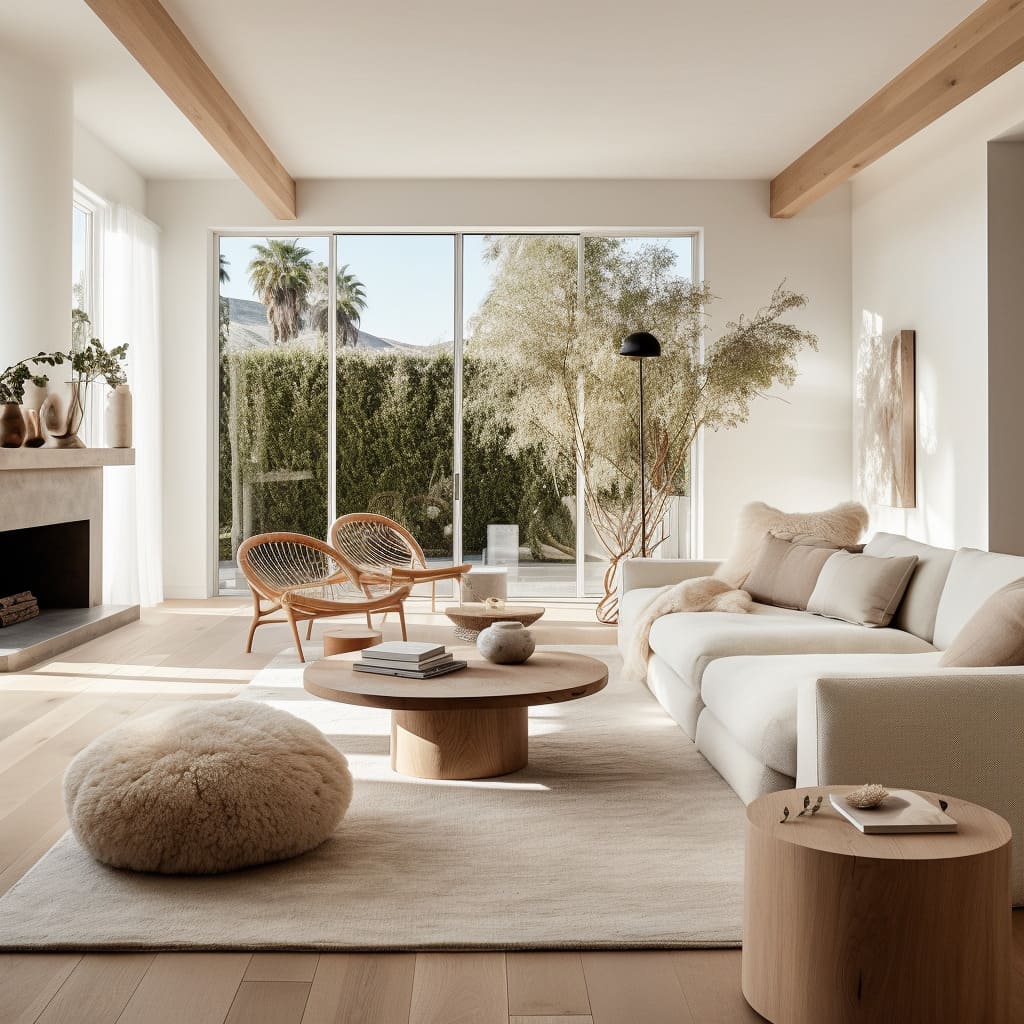
Image credit: fancyhouse-design.com
Together, they create a space that feels both modern and lived-in.
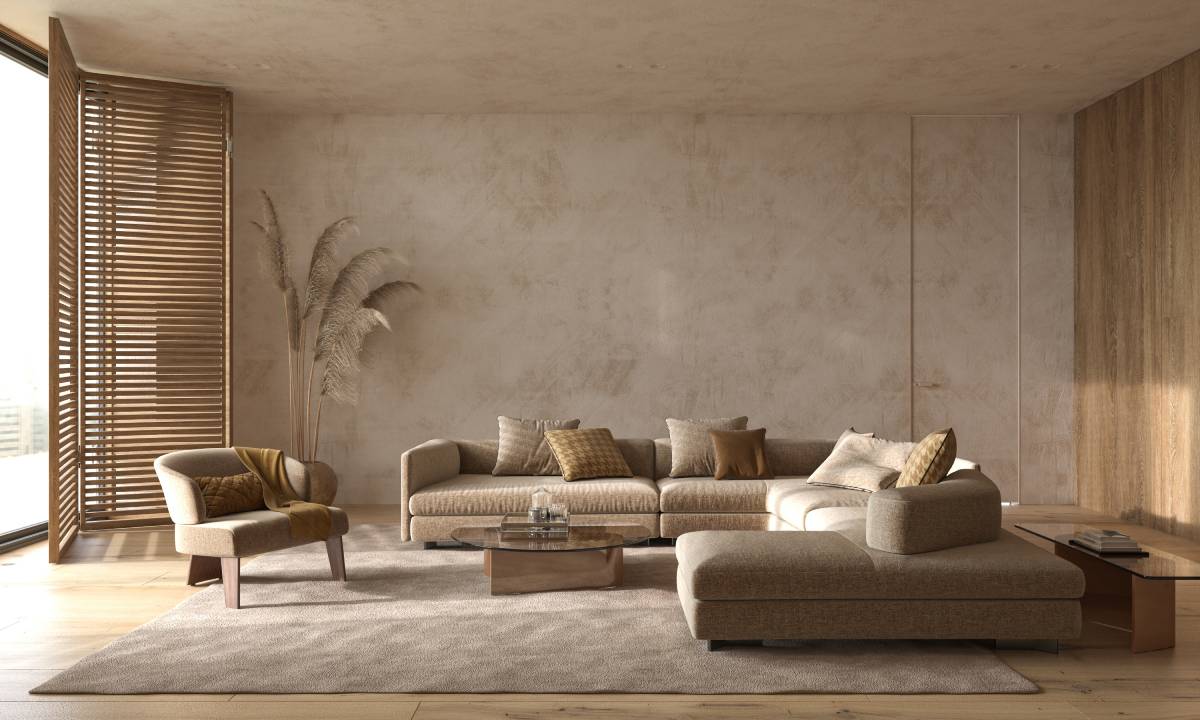
The Japandi trend focuses on clean lines, natural materials and muted colours. It values craftsmanship over mass production and encourages intentional living — only keeping what’s necessary and meaningful.
Why Is Japandi Gaining Popularity?
In today’s fast-paced world, many people are looking for ways to create a more calming and grounded home environment. Japandi offers exactly that. It’s not about filling your home with things — it’s about choosing the right things.
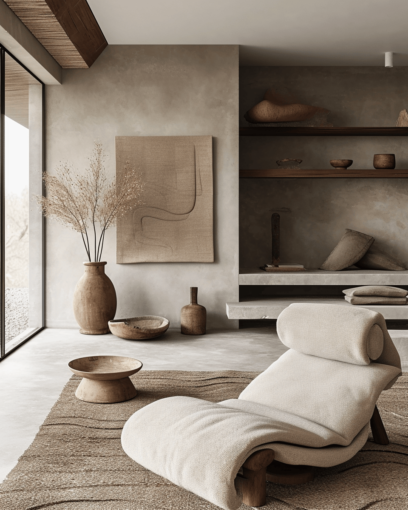
Image credit: edwardgeorgelondon.com
Minimalist yet cosy, Japandi interiors promote wellbeing. Think soft linen throws, warm wood tones and stone finishes. Neutral colour palettes dominate the look, with shades of beige, taupe, sage green and charcoal taking centre stage.
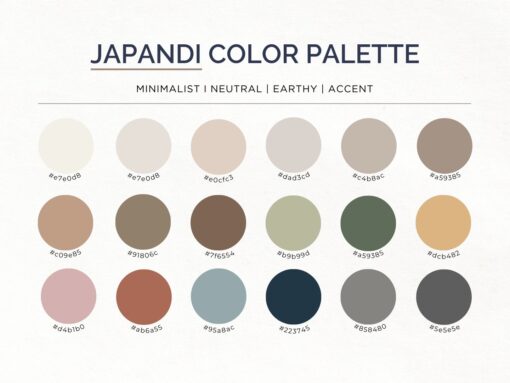
Image credit: global.fujioh.com
The rise in sustainable living has also played a role. Japandi leans into eco-conscious design — using natural fibres, recycled materials and quality over quantity.
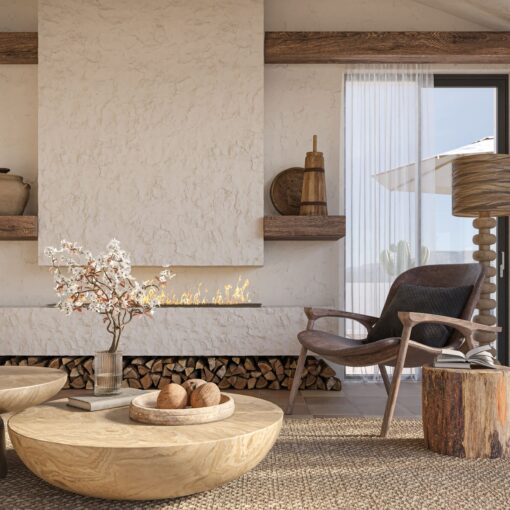
Image credit: annarosemann.com
How to Bring Japandi into Your Home
You don’t need a full renovation to try this trend. Small changes can go a long way.
Start with decluttering
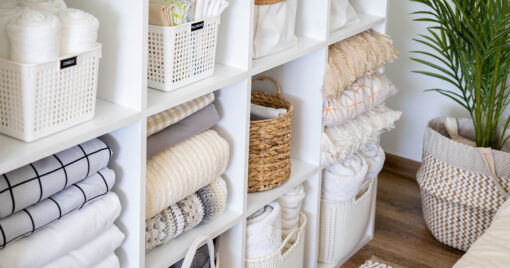
Image credit: edmontonrealestatepro.ca
Keep only the essentials and clear your surfaces.
Choose quality materials
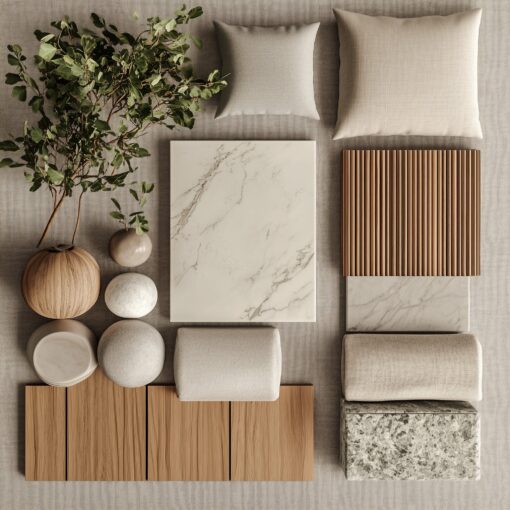
Image credit: global.fujioh.com
Invest in wood, linen, stone and ceramic.
Use a muted colour palette
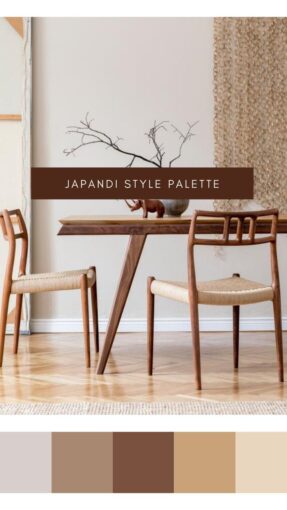
Image credit: Pinterest:@KunitsaHome
Stick to earthy tones like terracotta, sand and grey.
Add plants
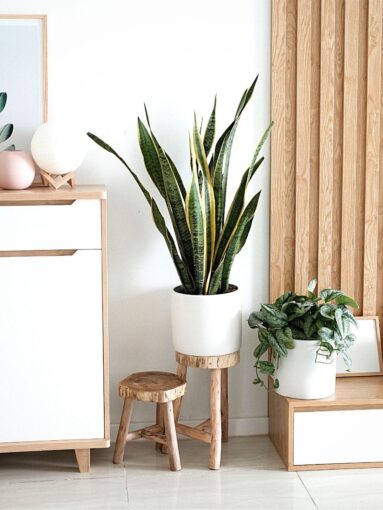
Image credit: thursd.com
Nature is central to Japandi, so bring in greenery with simple planters.
Focus on function
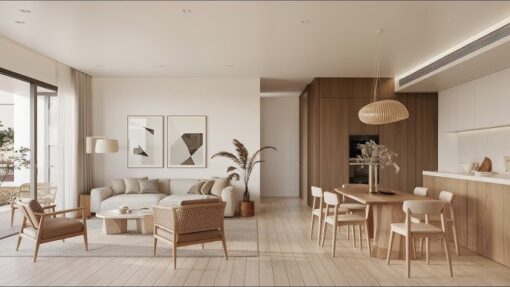
Image credit: houseploy.com
Every piece should serve a purpose and look good doing it.
Japandi in Every Room
Living Room
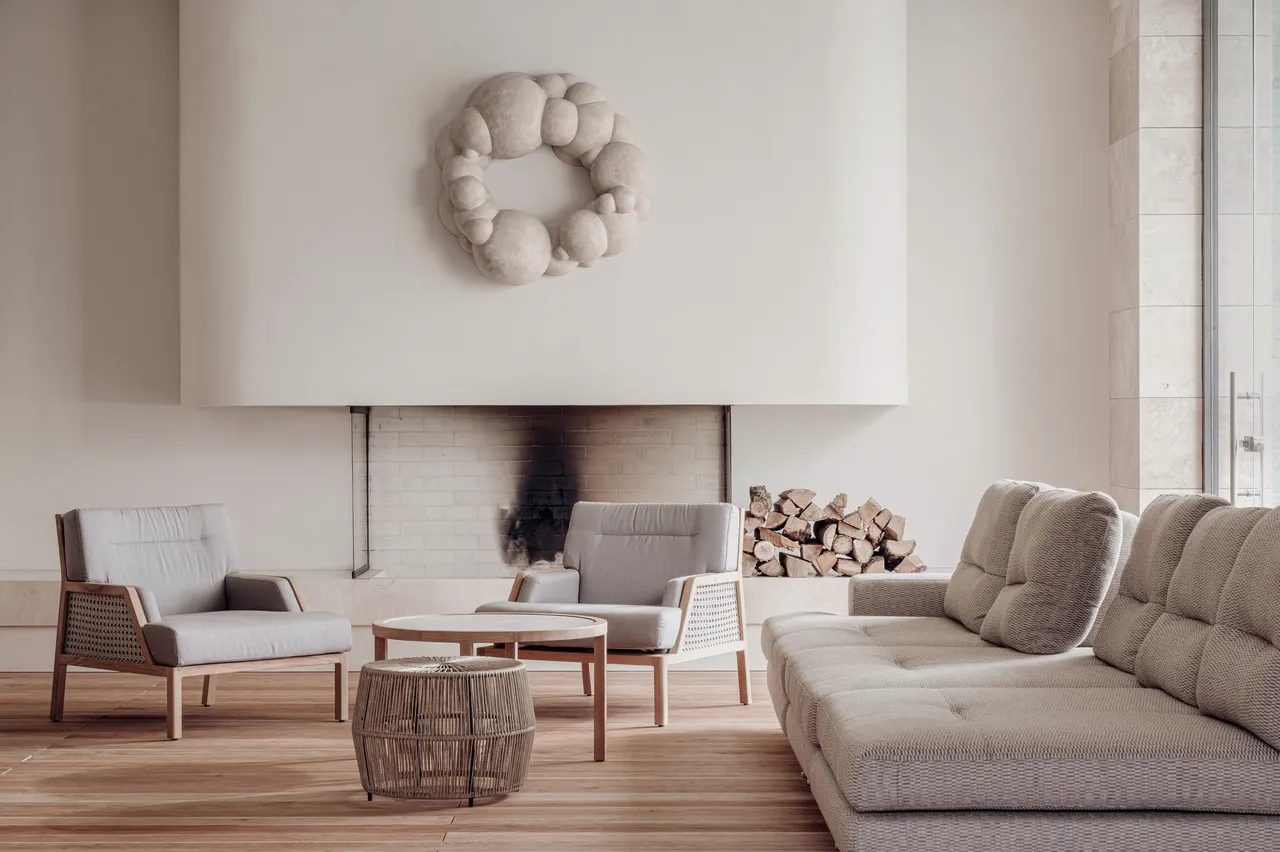
Image credit: livingetc.com
Go for low-profile furniture, woven textures and neutral cushions.
Bedroom
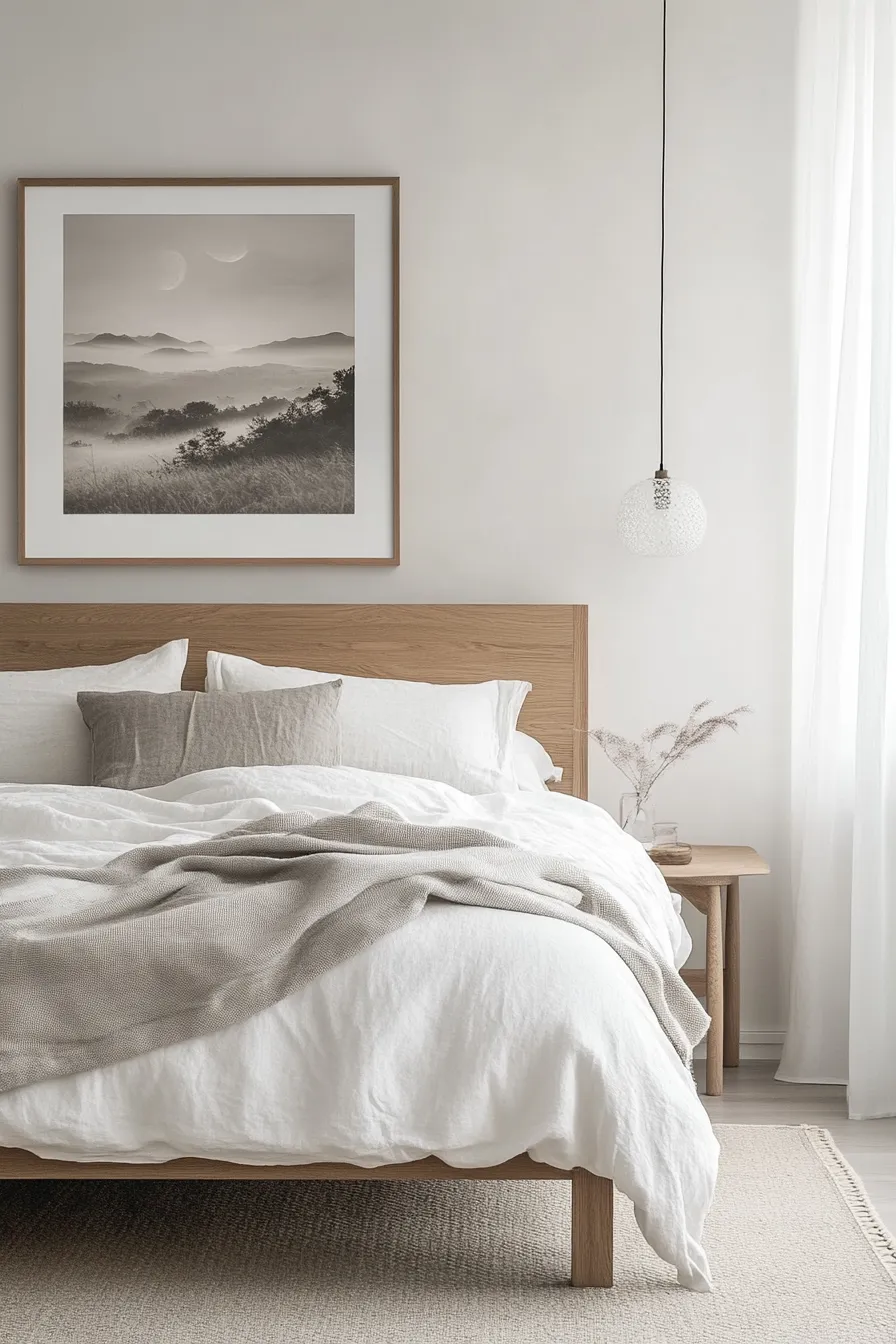
Image credit: edwardgeorgelondon.com
Keep it serene with soft lighting, crisp bedding and a calming palette.
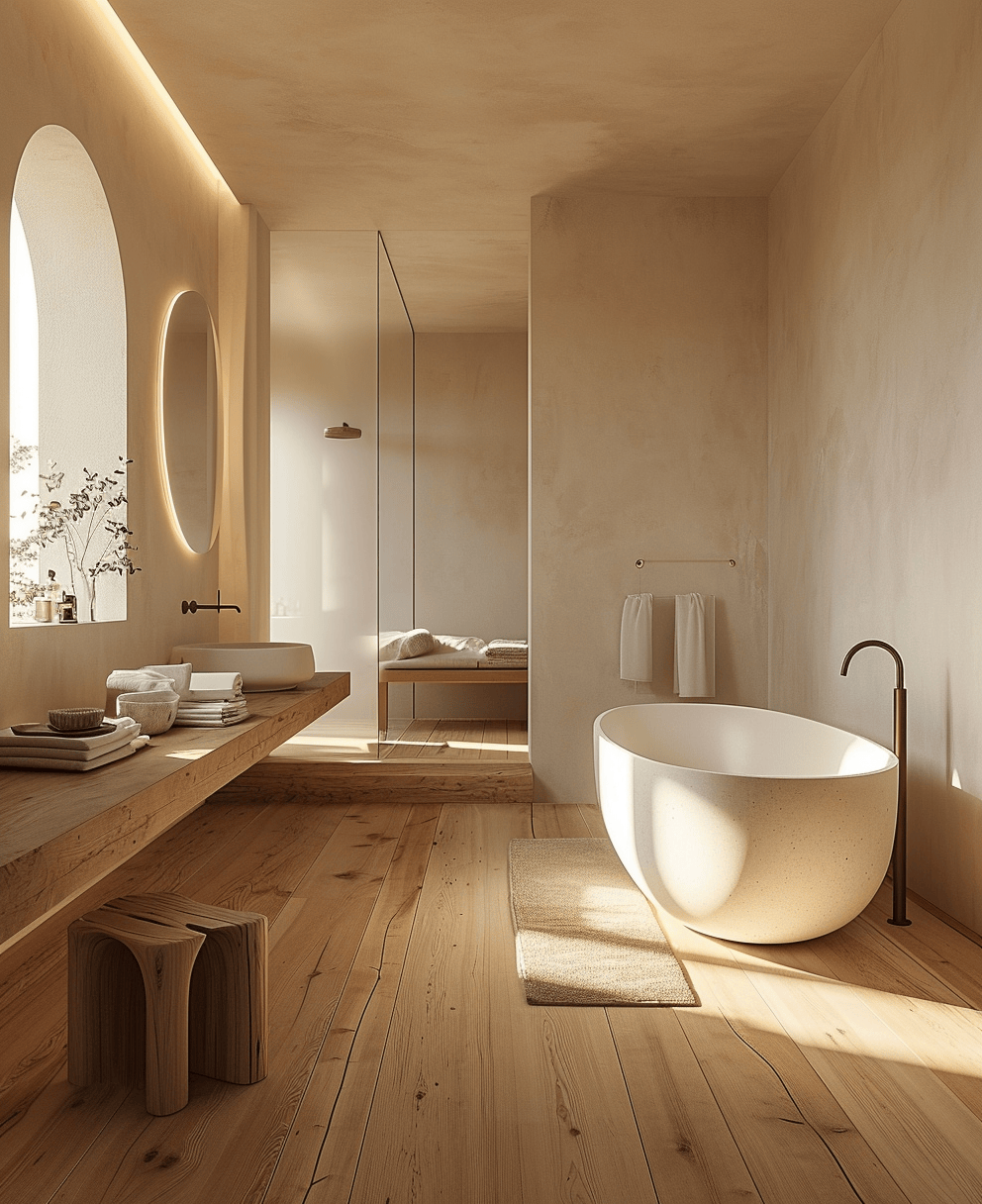
Image credit: edwardgeorgelondon.com
Choose clean finishes, minimal décor and natural touches like wood or stone.
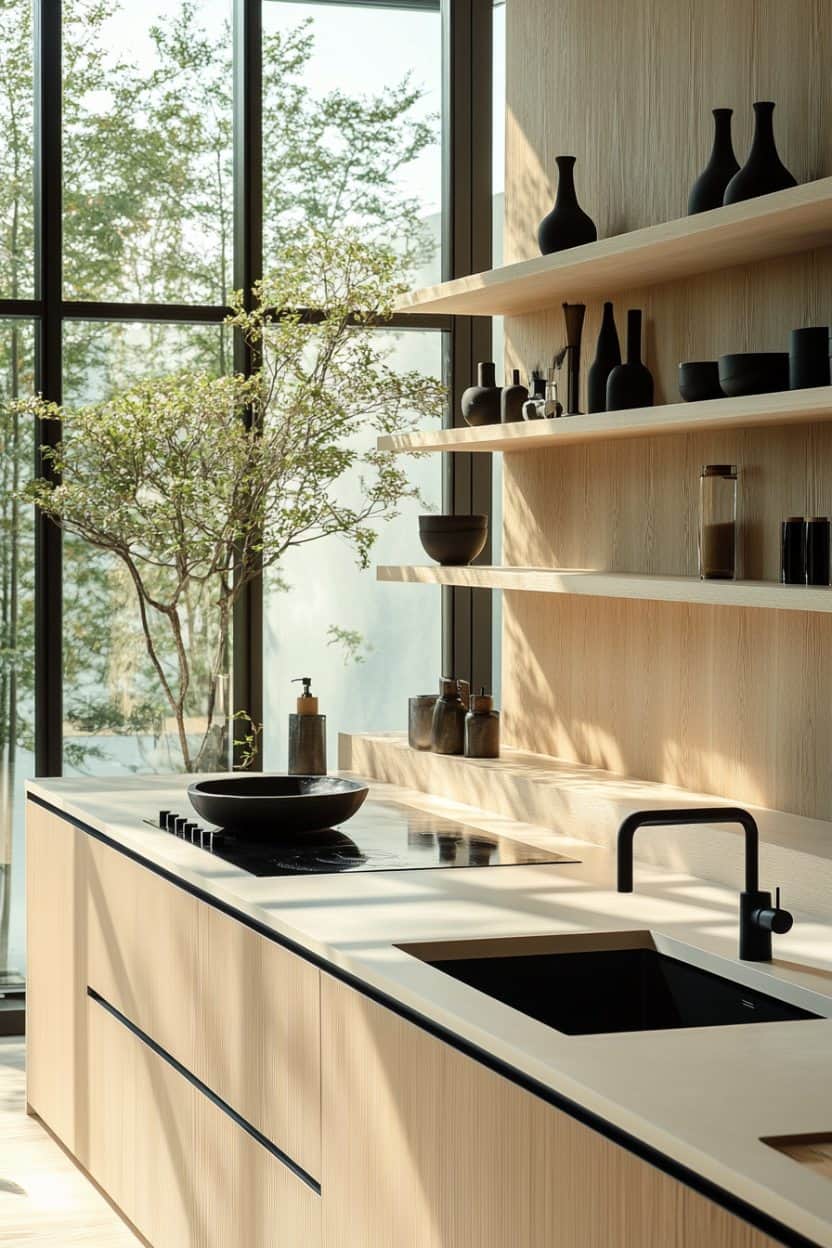
Image credit: hello-hayley.com
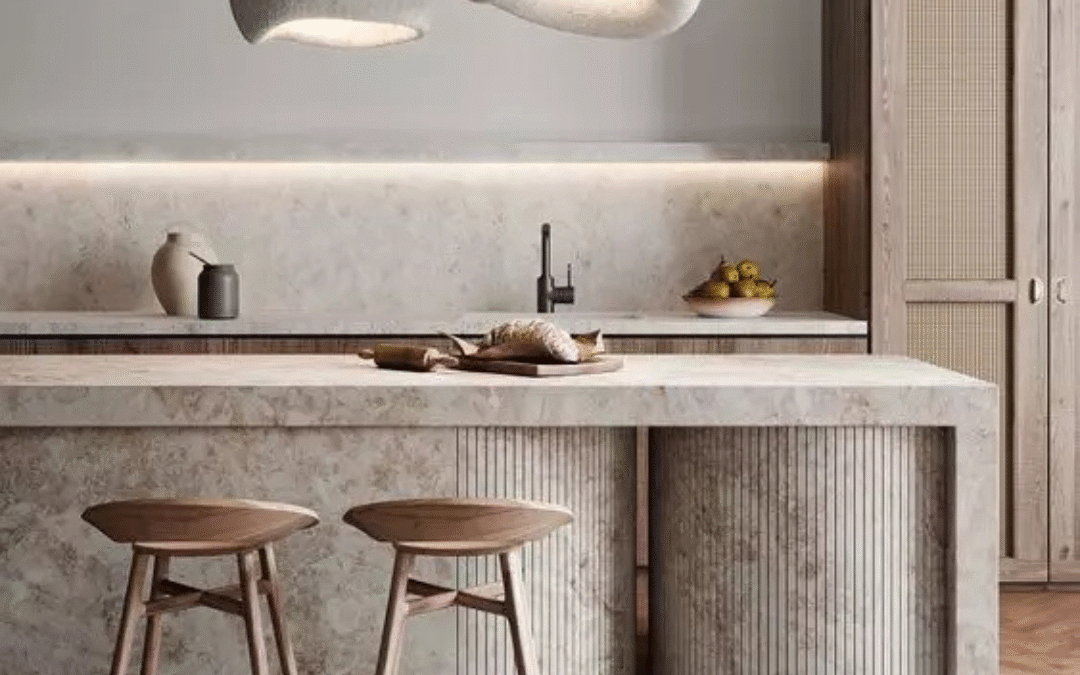
Pair sleek surfaces with warm wood cabinets and matte black fixtures.
Tiles and Japandi
Tiles are a great way to embrace the Japandi aesthetic. Think large format stone-look tiles for floors, soft textured wall tiles or handmade ceramic splashbacks. Matte finishes work best to avoid too much shine. You want the space to feel natural and calm, not glossy and loud. Wood-look vinyl, laminate or engineered wood flooring also fits perfectly with the Japandi style, offering the warmth of timber with added durability and easy maintenance — ideal for creating that serene, minimalist feel.
Japandi isn’t just a trend — it’s a lifestyle shift. It’s about stripping back the noise and embracing simplicity, comfort and mindfulness in the way we live. Whether you’re redesigning a single room or your entire home, Japandi offers a timeless and peaceful solution.
Looking for tiles or design elements that suit the Japandi style? Bring your moodboard or Pinterest inspo to our showroom and we’ll help you choose pieces that bring your vision to life. Browse our collection of Japandi-inspired pieces below to get started.
Browse our collection of Japandi-inspired pieces

blog, interior design tips
Choosing the right colour palette can completely transform your home. Whether you’re updating a single room or planning a full renovation, your choice of colours will influence the mood, functionality and longevity of your space. If you’re looking to strike the perfect balance between modern style and timeless appeal, you’re in the right place. Let’s explore the best colour palettes that never go out of fashion.
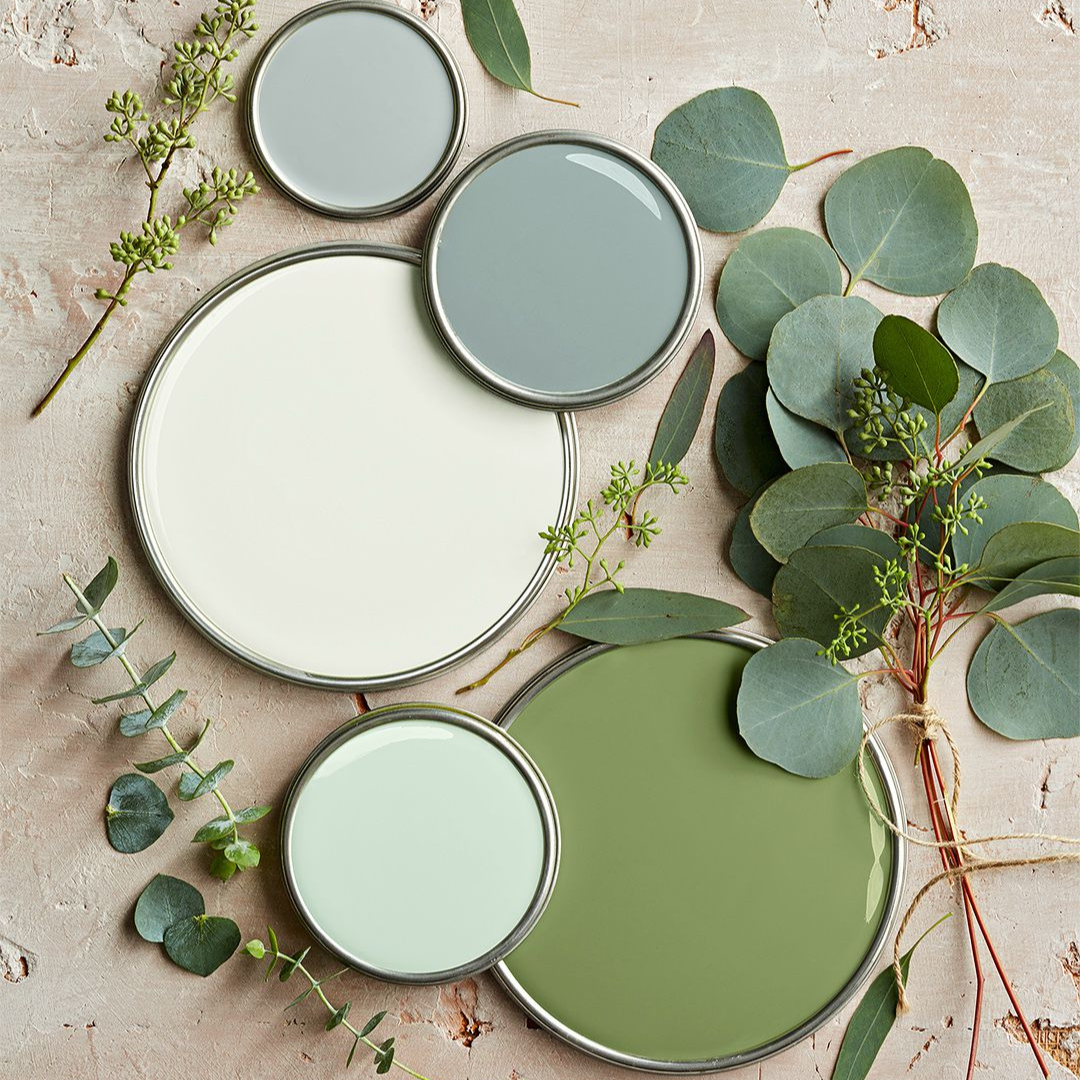
Table of Content:
Warm Neutrals
Monochrome Elegance
Soft Blues & Cool Greys
Earthy Greens & Olive Tones
Classic Greyscale
Muted Terracotta & Dusty Pink
Warm Neutrals
Warm neutrals are a go-to for creating a cosy, inviting space. Think shades of beige, taupe, greige and warm whites. These tones work beautifully in living rooms, bedrooms and kitchens, especially when paired with natural materials like wood and stone. They create a soft, grounded feel that won’t feel outdated in a few years.
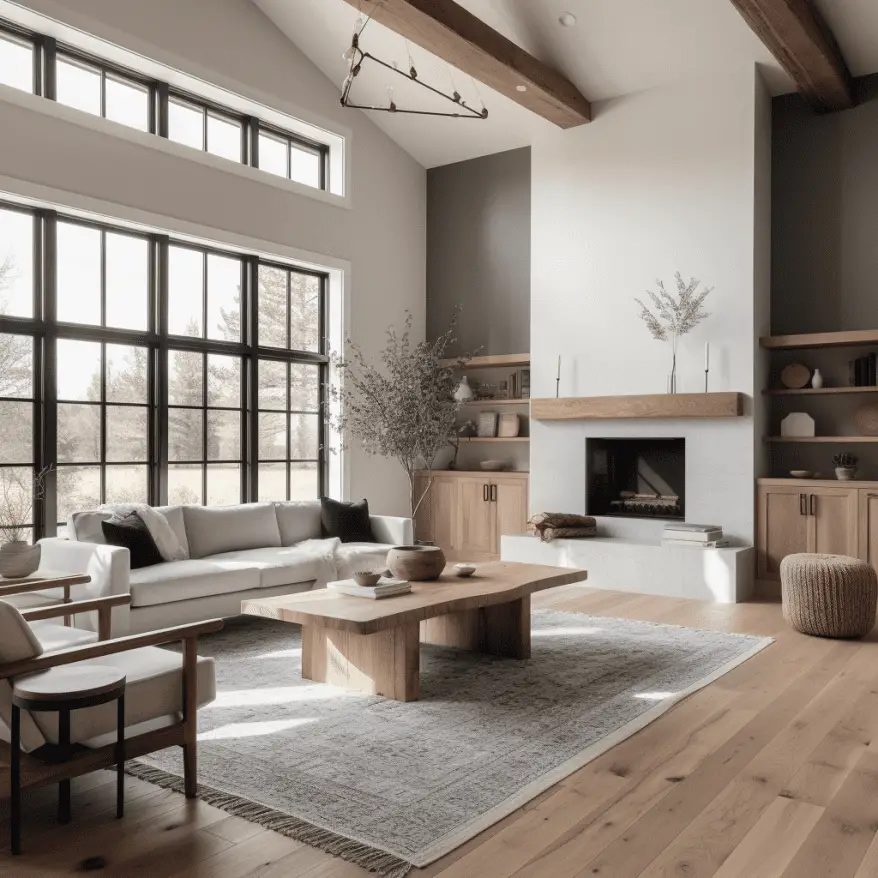
Image Credit: axxla.com
Best for: open-plan spaces, minimalist interiors and layering textures
Pair with: wood look flooring, ceramic tiles and soft furnishings in earthy hues
Monochrome Elegance
A black and white palette is the definition of timeless. It’s bold, clean and endlessly versatile. Monochrome doesn’t mean boring – you can add depth through different finishes, patterns and textures. Think matte black fixtures against crisp white tiles or a dramatic black feature wall in an all-white room.

Image Credit: cosentino.com
Best for: bathrooms, kitchens and modern industrial designs
Pair with: high-contrast tiles, glossy surfaces and simple geometric patterns
Soft Blues & Cool Greys
Looking for a calm and sophisticated vibe? Soft blues paired with cool greys bring serenity into any space. These tones are great for coastal-inspired interiors or minimalist homes with a Scandinavian twist. They also play nicely with natural light, making rooms feel airy and open.
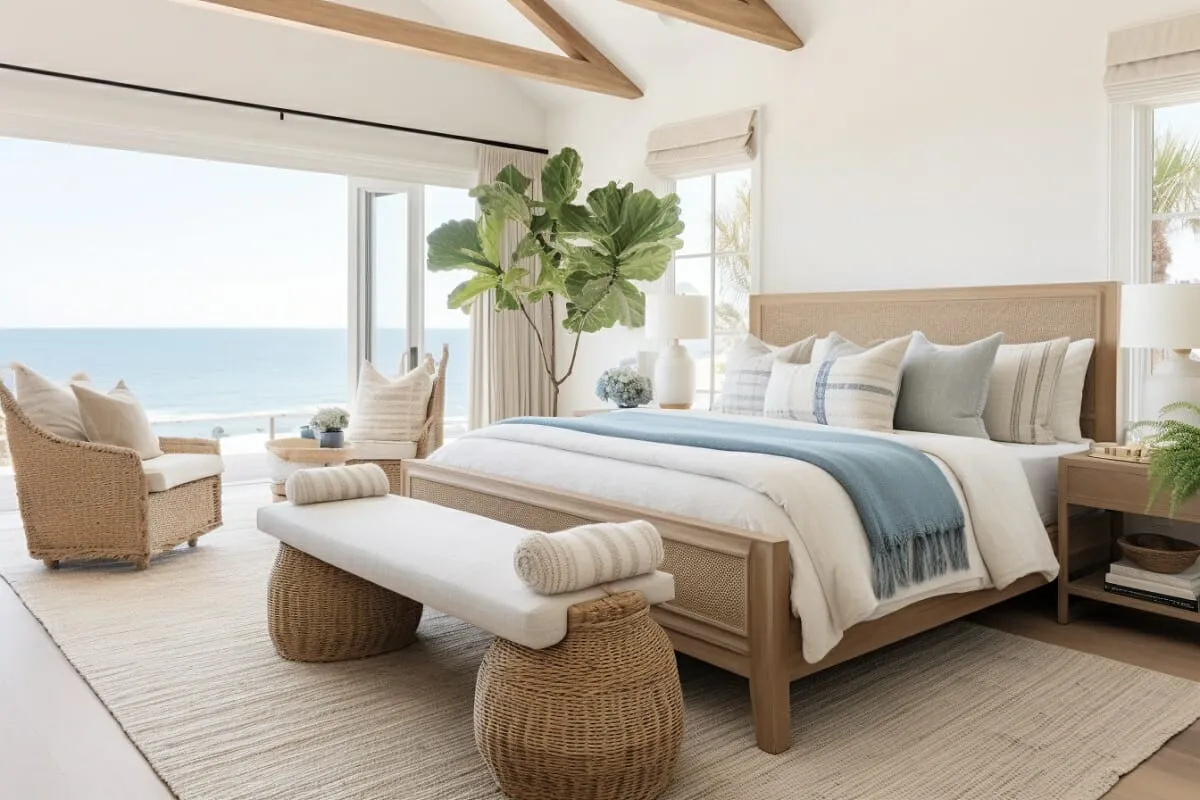
Image Credit: decorilla.com
Best for: bedrooms, bathrooms and small spaces
Pair with: light oak flooring, white accessories and subtle metallic finishes
Earthy Greens & Olive Tones
Nature-inspired colours are huge right now and they’re not going anywhere. Olive green, sage and muted forest shades feel organic and grounding. These colours work especially well when combined with natural textures like stone, clay and rattan.
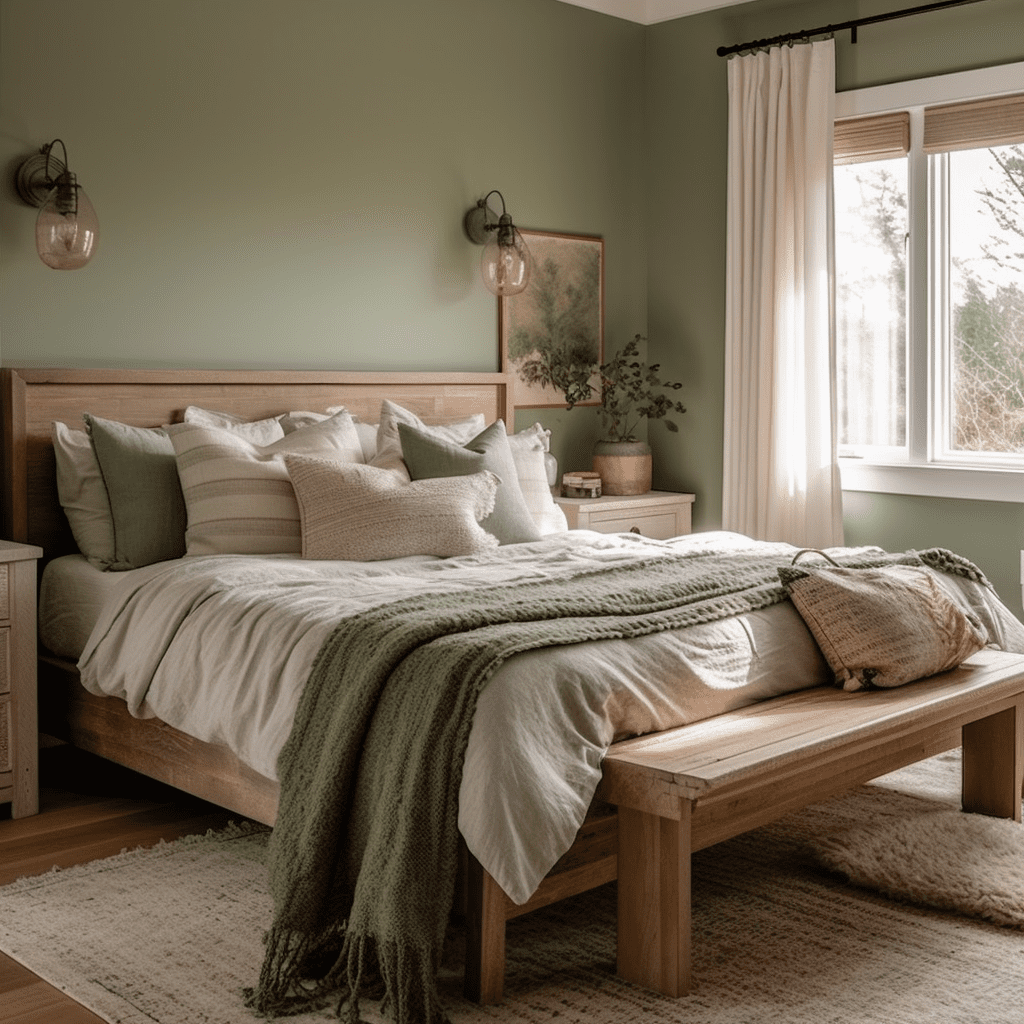
Best for: living areas, entryways and biophilic design schemes
Pair with: terracotta tiles, concrete finishes and indoor plants
Classic Greyscale
From pale dove grey to rich charcoal, greys remain a staple in modern home design. They provide a clean backdrop that lets other design elements shine. Use different tones of grey to create depth and interest without overwhelming the space.
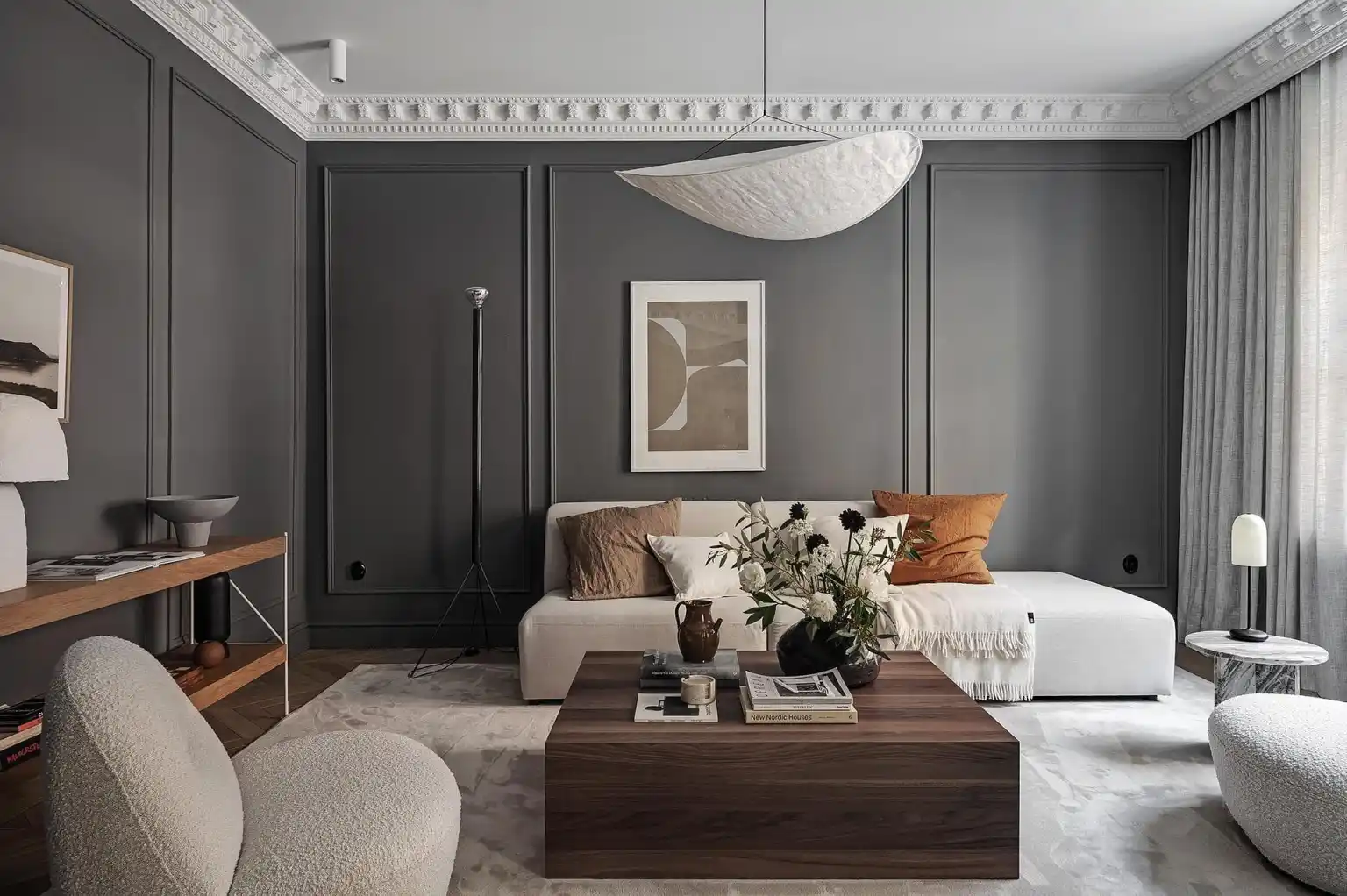
Image Credit: cocolapinedesign.com
Best for: entire home colour schemes or feature walls
Pair with: marble-look tiles, chrome hardware and accent lighting
Muted Terracotta & Dusty Pink
Looking to warm things up without going too bold? Muted terracotta and soft pinks add a sense of comfort and charm. These colours bring in a subtle vibrancy while maintaining a sophisticated grown-up feel.
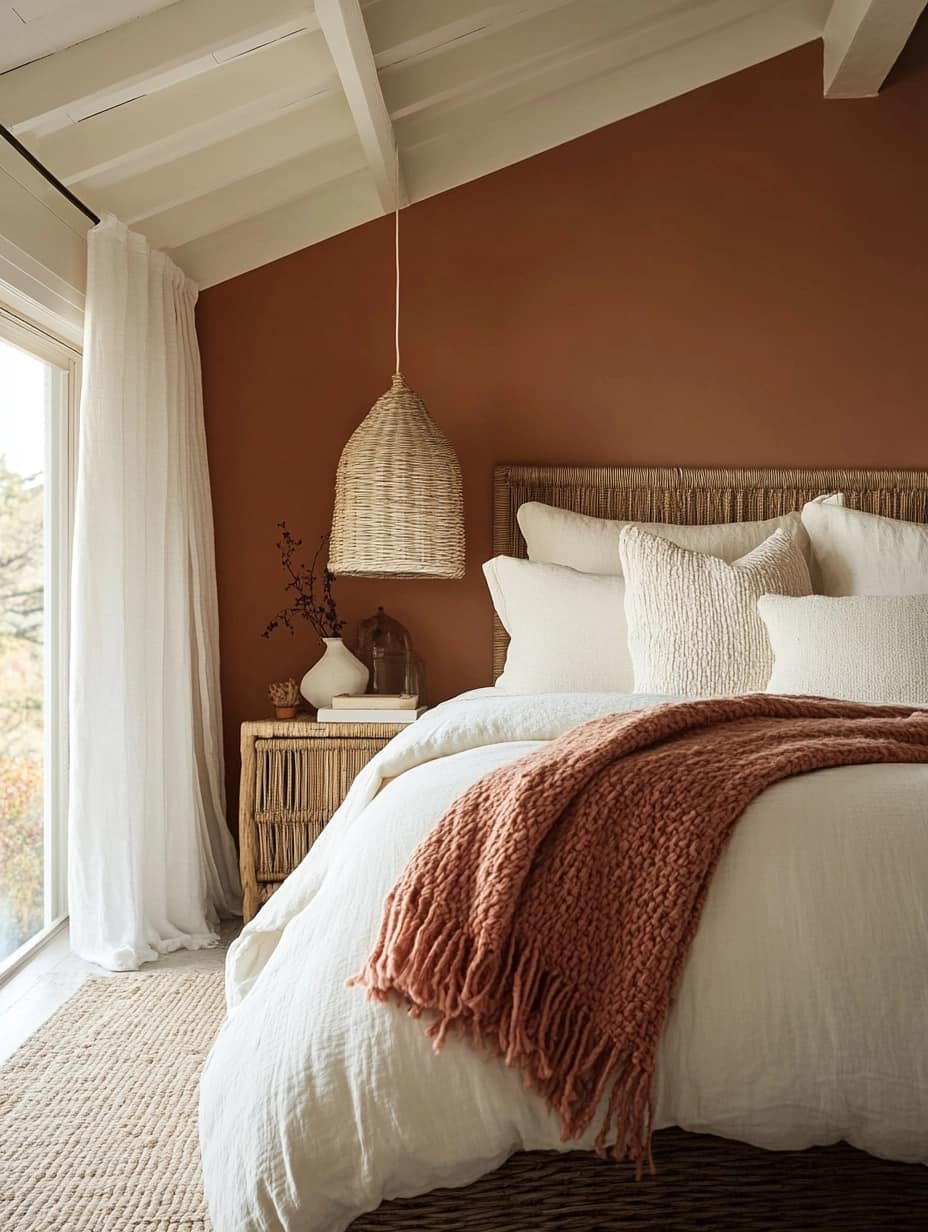
Image credit: Living Bright Interiors
Best for: bedrooms, reading nooks and creative studios
Pair with: warm wood tones, neutral tiles and textured fabrics
The best colour palette for your home should reflect your personal style while standing the test of time. Whether you’re drawn to clean monochromes, calming blues or warm neutrals, there’s a timeless palette that can suit your space. The key is to balance colour with texture, lighting and materials to create a cohesive look that feels modern and lived-in.
Need help choosing tiles or flooring to match your colour scheme? Explore our collections at Tiletoria for timeless finishes that elevate every room.
bathroom, blog, kitchen
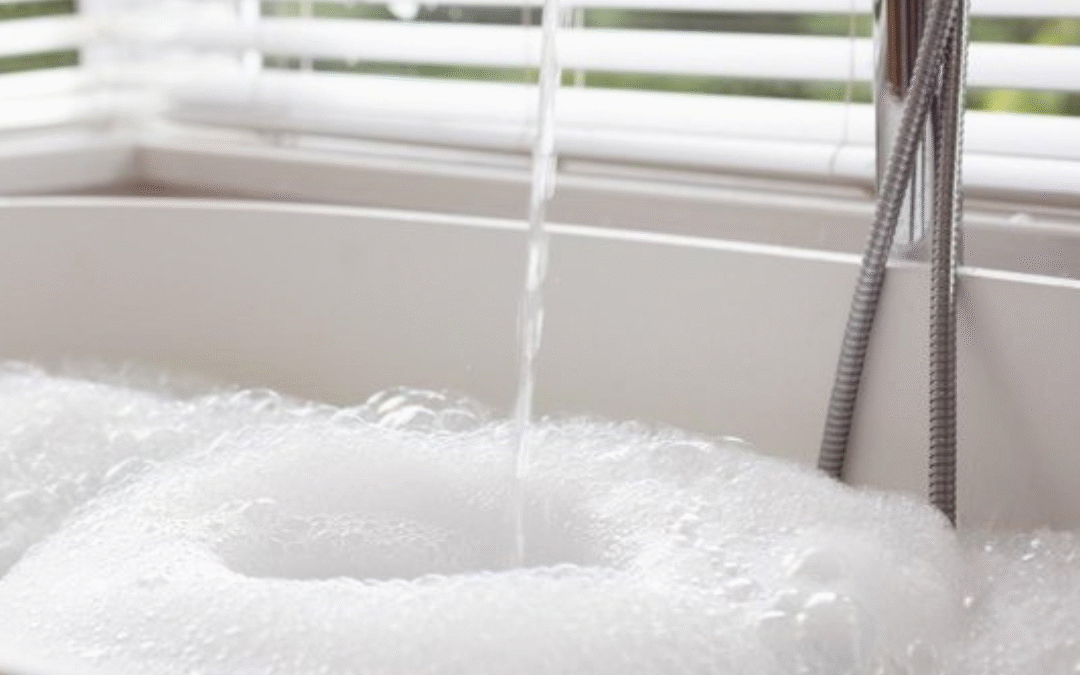
Ever turned on a tap and wondered why the water dribbles out slowly or blasts out with unexpected force? The answer lies in water pressure — a crucial factor that affects everything from your morning shower to how efficiently your kitchen tap fills the kettle. Understanding water pressure helps you get the best performance from your taps and ensures your plumbing system runs smoothly.
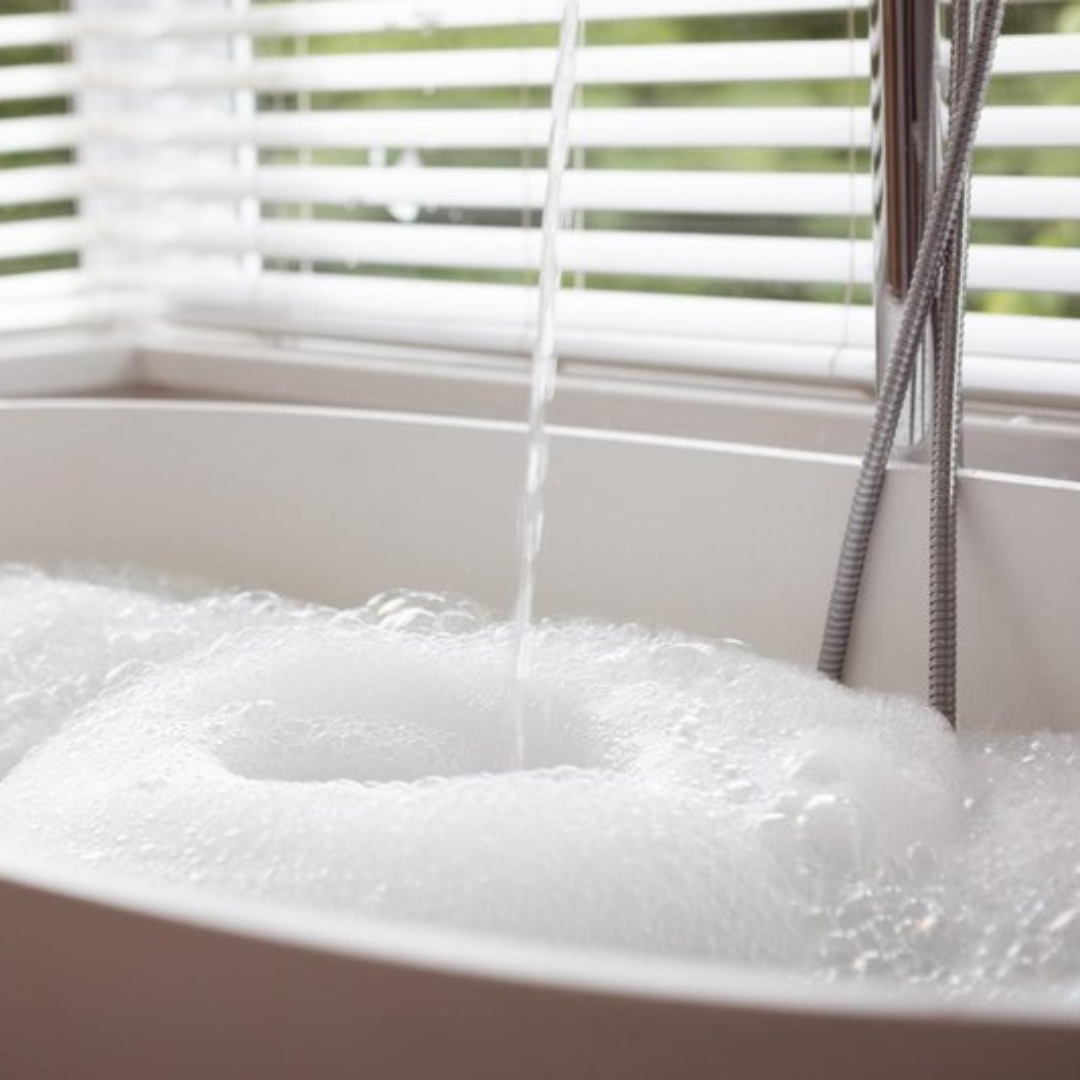
Table of Content:
What is Water Pressure?
Why Water Pressure Matters for Your Taps
Common Signs of Pressure Problems
Causes of Low or High Water Pressure
How to Check Your Water Pressure
Tips for Maintaining Optimal Tap Performance
Tap Performance and Water-Saving Features
Browse our range of Bathroom Taps
Browse our range of Kitchen Taps
What is Water Pressure?
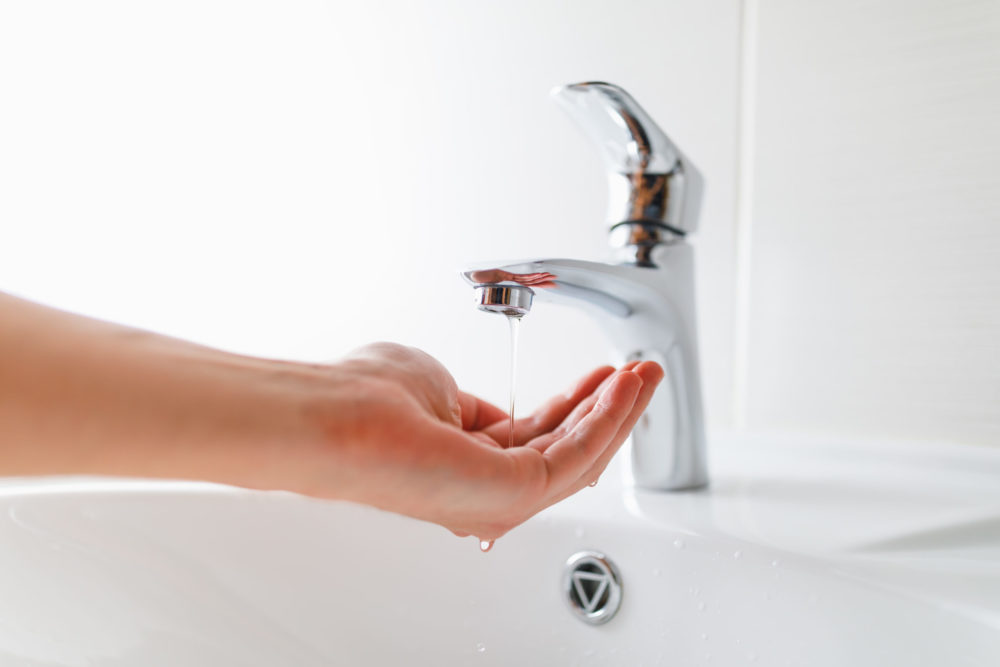
Water pressure is the force that pushes water through your pipes and out of your taps. It’s measured in bars, with one bar roughly equal to the pressure needed to raise water 10 metres. If your pressure is too low, your taps may trickle. If it’s too high, you could end up wasting water or even damaging fixtures.
Why Water Pressure Matters for Your Taps
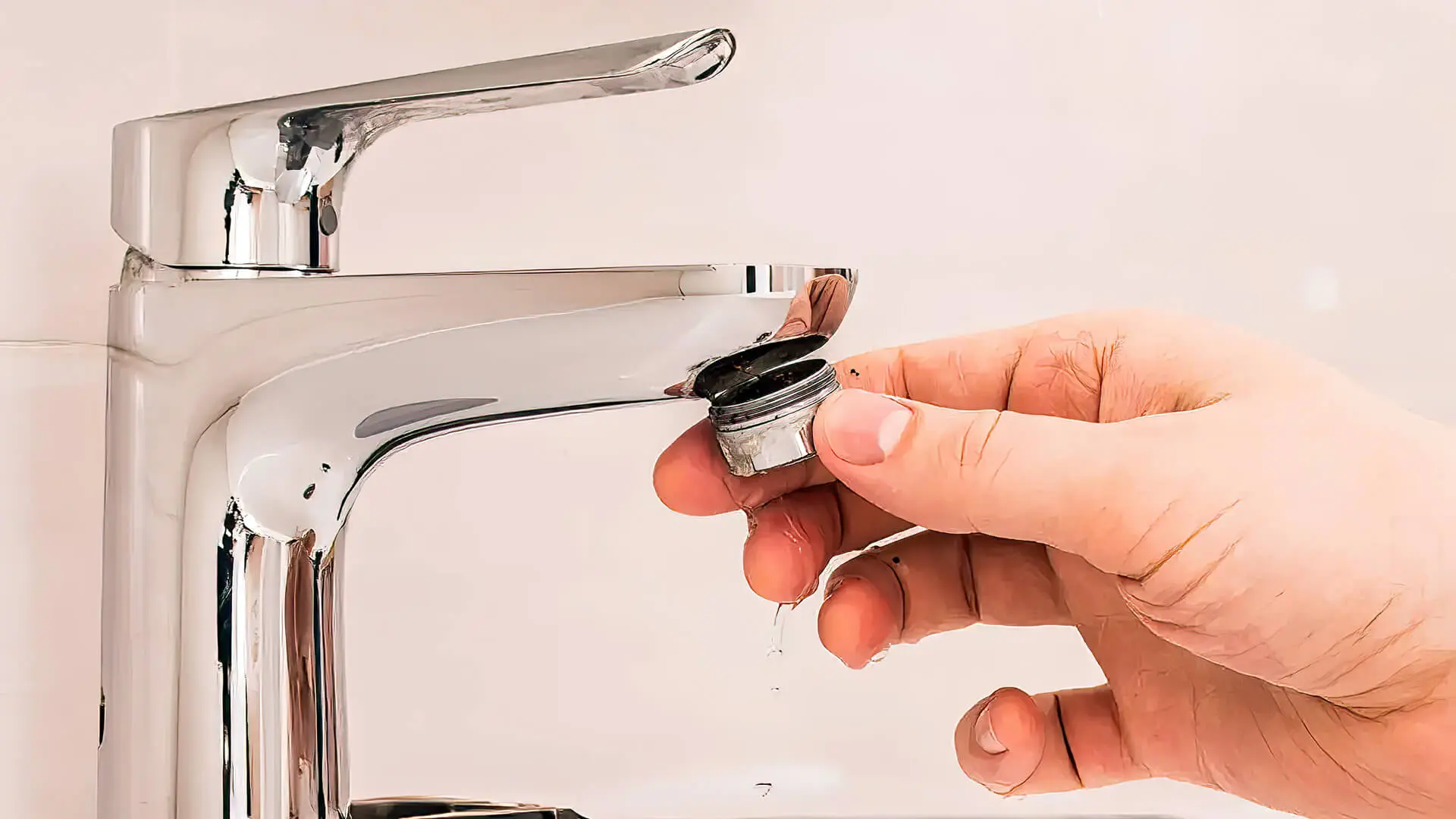
Your taps are designed to work best within a certain pressure range. Too little pressure and you’ll find washing dishes, rinsing vegetables or even brushing your teeth frustrating. Too much pressure can create splashing, noise and unnecessary strain on seals and valves.
Common Signs of Pressure Problems
Here’s what to look out for:
Low pressure
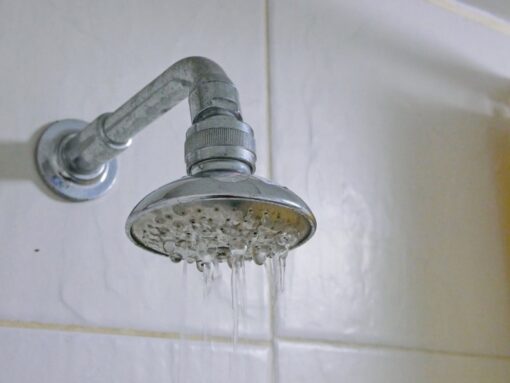
Slow flow, weak showers, inconsistent temperature.
High pressure
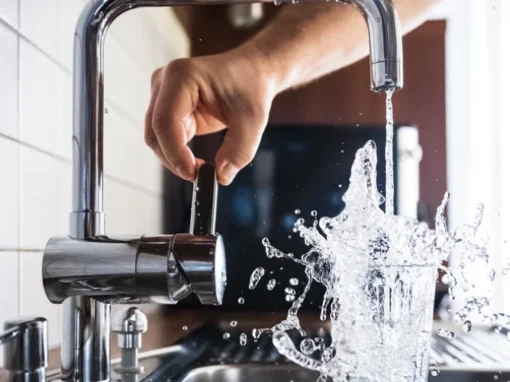
Noisy pipes, banging sounds (also known as water hammer), leaks from taps or fittings.
Spotting these issues early can save you time and money on repairs.
Causes of Low or High Water Pressure
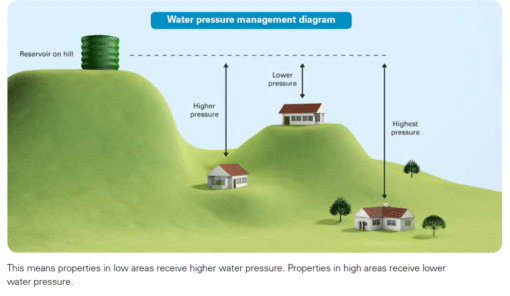
Image credit: ilanwater.com.au
Several factors affect your home’s water pressure:
Mains supply

The water company’s supply pressure can vary depending on your location and time of day
Pipework
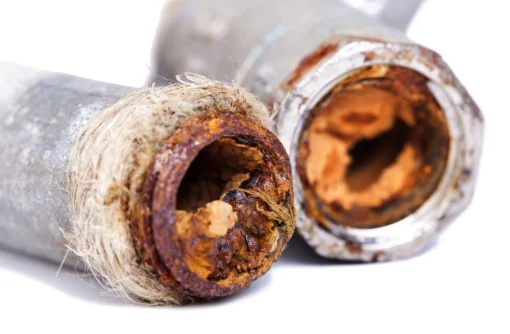
Narrow or corroded pipes can restrict flow
Leaks
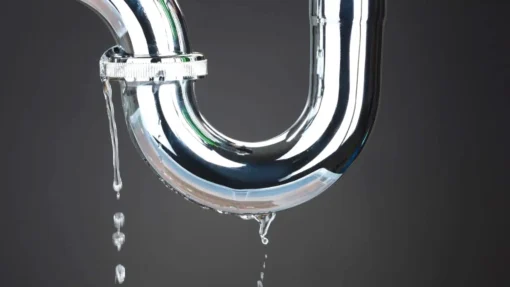
Even small leaks reduce pressure throughout your system
Appliance demand
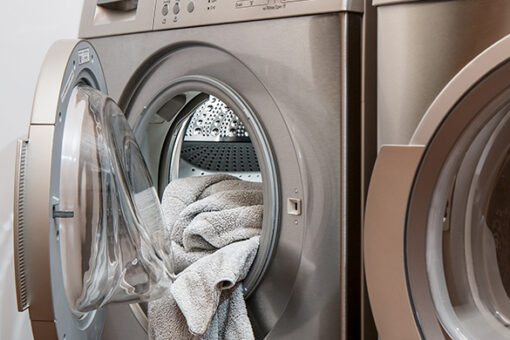
Running multiple taps or appliances at once lowers available pressure
How to Check Your Water Pressure
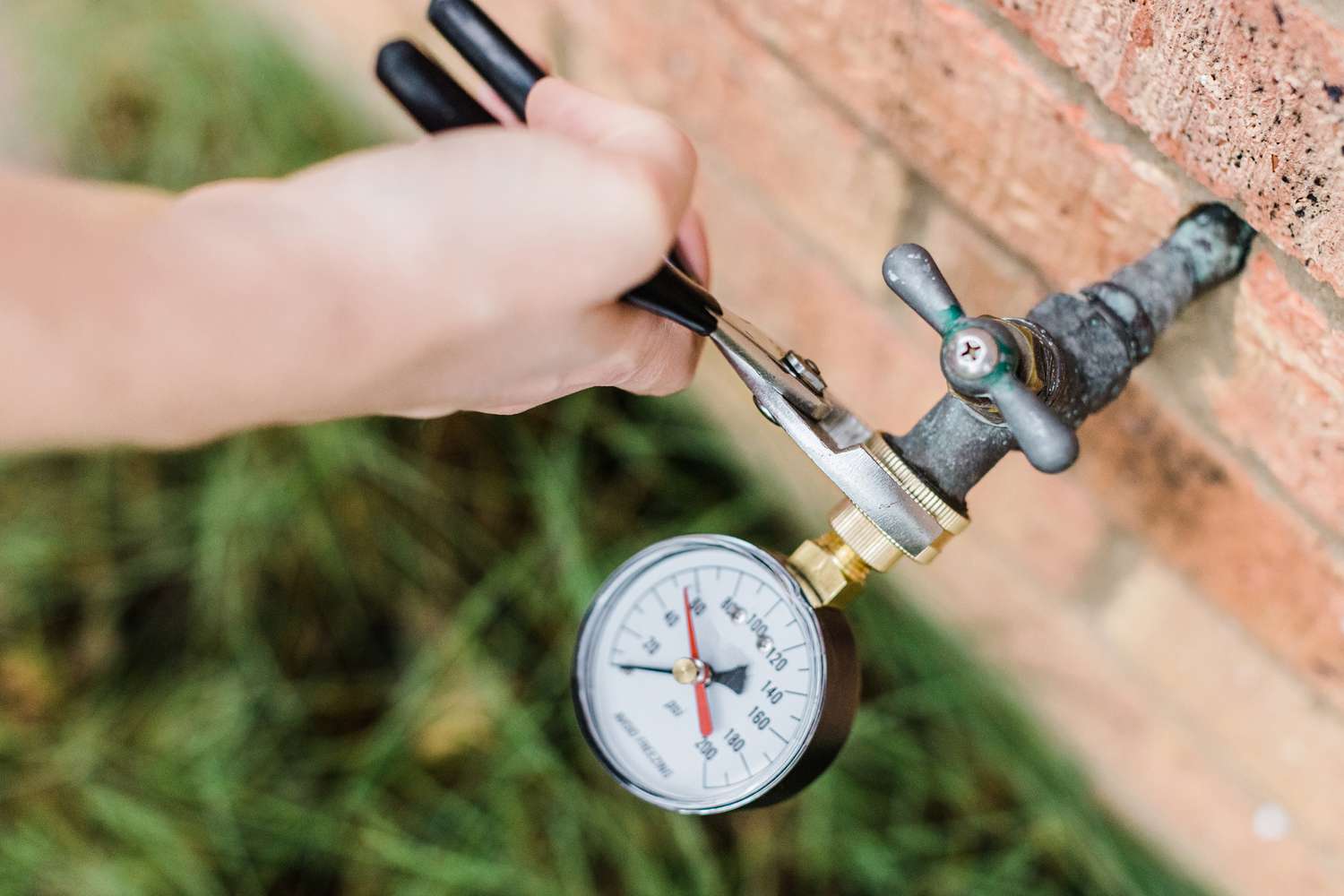
You can test your home’s water pressure using a simple pressure gauge. Attach it to an outdoor tap or washing machine outlet to get a reading. The ideal pressure for most homes is between 1 and 3 bars. If it’s too high or too low, it might be time to consult a plumber or install a pressure regulator.
Tips for Maintaining Optimal Tap Performance
Install pressure regulators

These help control overly high pressure
Clean aerators
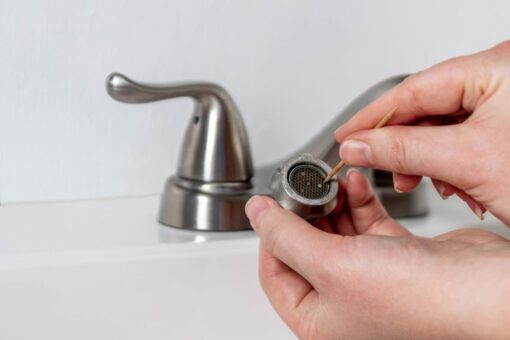
Mineral build-up can restrict flow from the tap head
Check for leaks
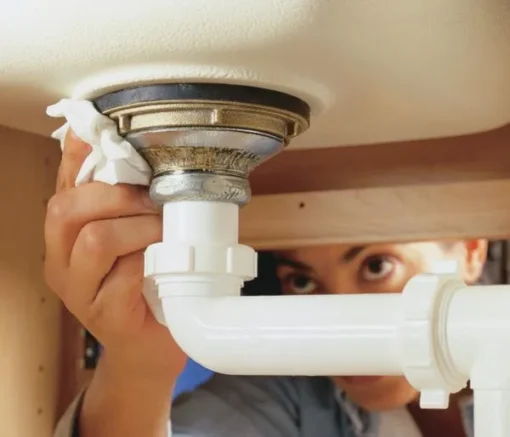
Regularly inspect taps and pipes for dripping or damp spots
Upgrade your tap
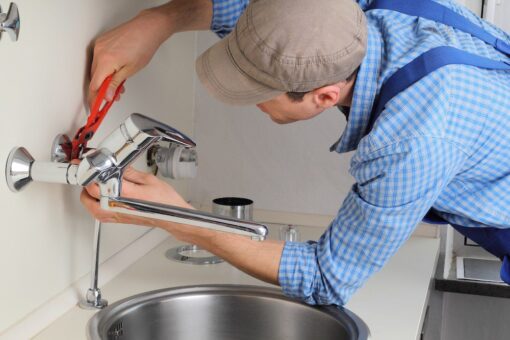
Modern taps are often more pressure-sensitive and efficient
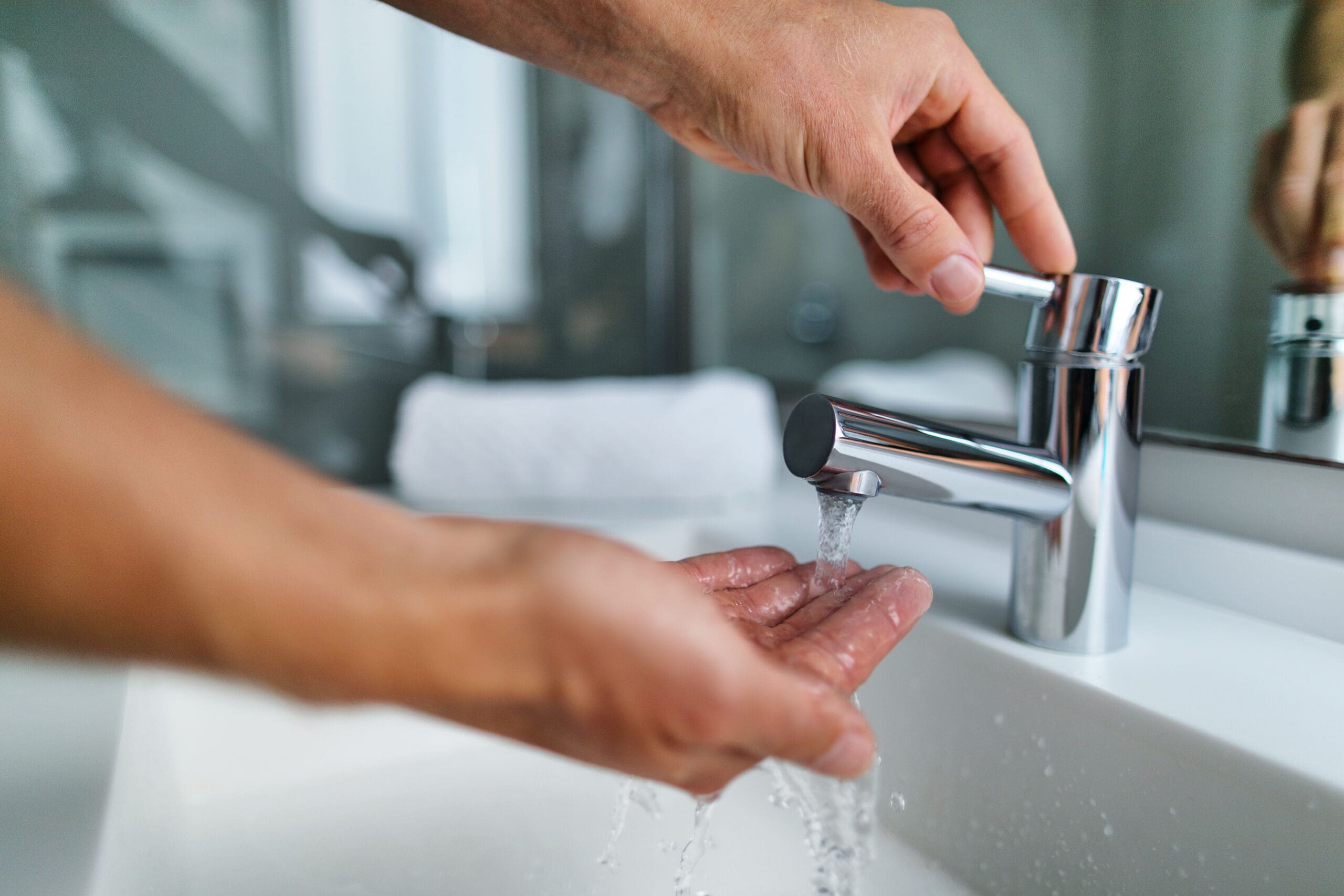
Many modern taps come with built-in flow restrictors or aerators designed to conserve water without sacrificing pressure. These features work best when your home’s water pressure is well-balanced.
Water pressure might seem like a technical detail, but it makes a big difference to how your taps perform. Whether you’re washing up, filling a bath or watering the garden, getting the pressure just right ensures everything runs smoothly.
Want taps that deliver top performance every time? Explore our range of quality taps at Tiletoria and find the perfect tap to suit your pressure needs.
Browse our range of Bathroom Taps
Browse our range of Kitchen Taps