blog, commercial blog, floors, trends, walls
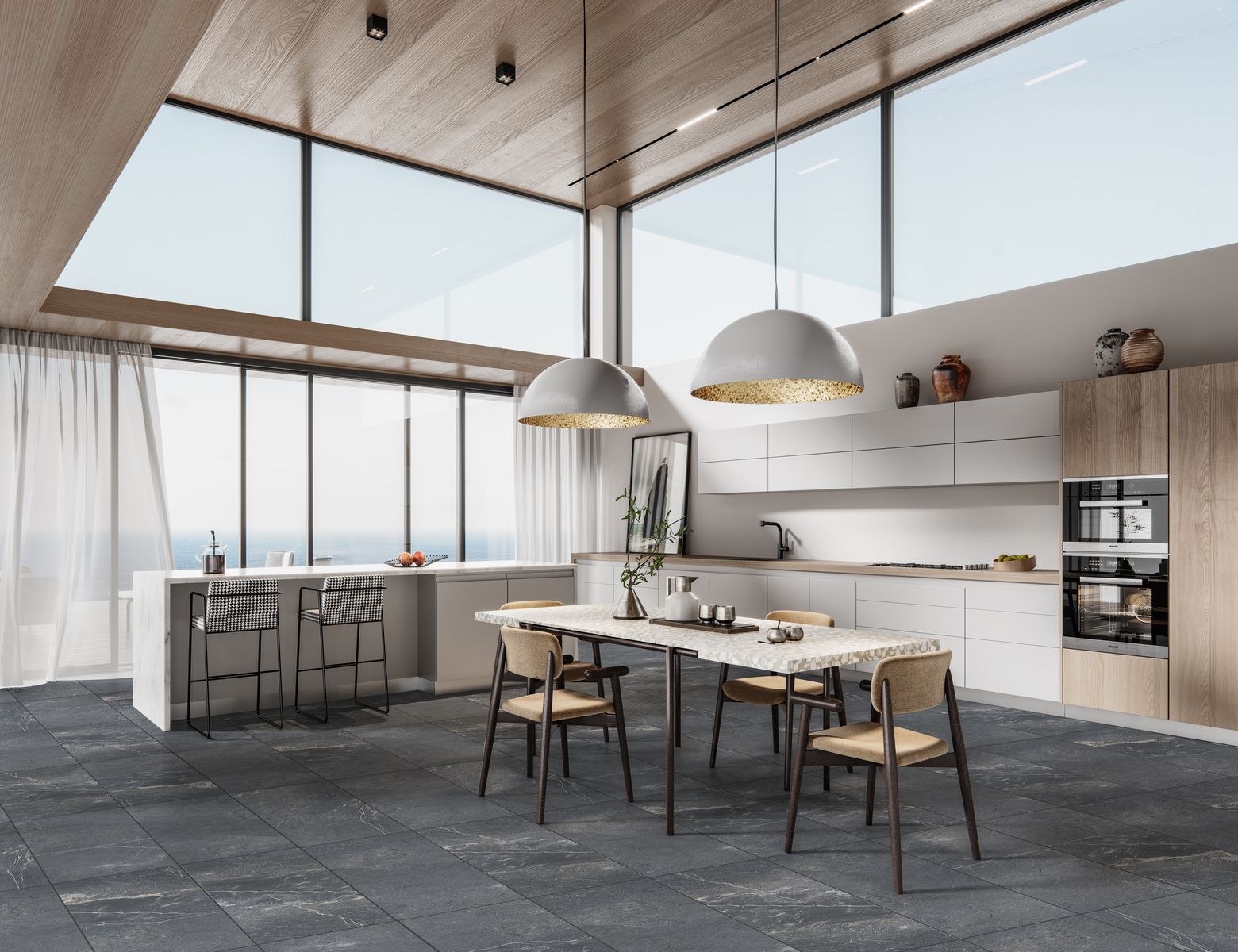
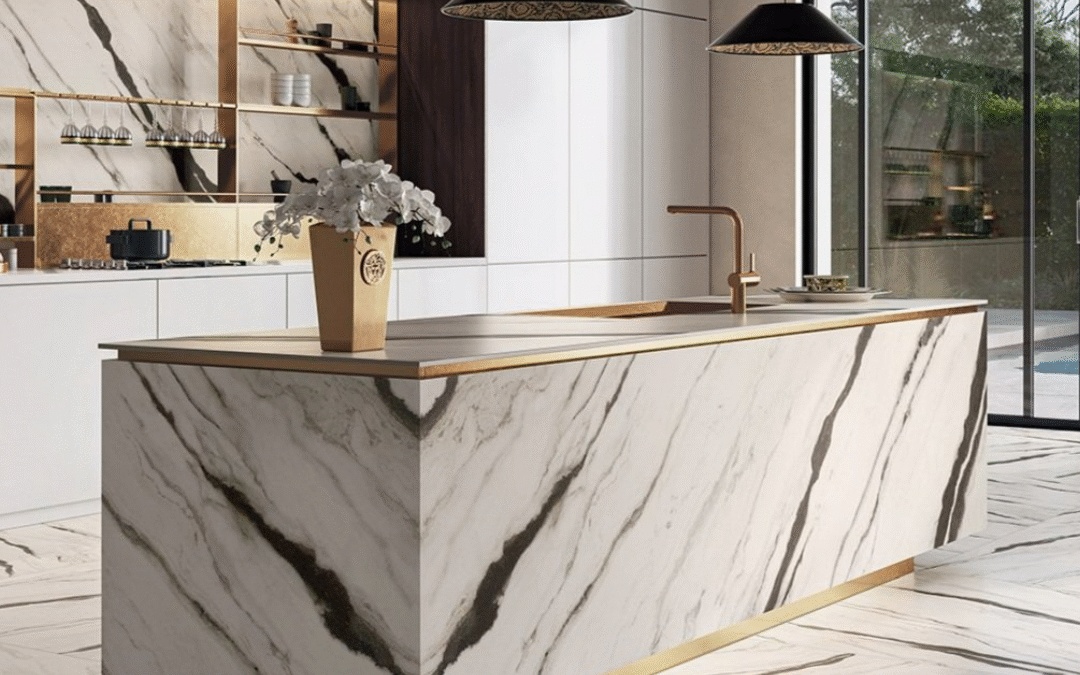
Tiles are a staple in interior design, known for their practicality, versatility and style. But not all tiles are created equal. Some take things to a whole new level — crafted with rare materials, intricate techniques or luxury finishes that turn them into works of art. Curious to know what the most expensive tiles in the world are and why they cost so much? Let’s explore the world of luxury tiles and what makes them truly special.
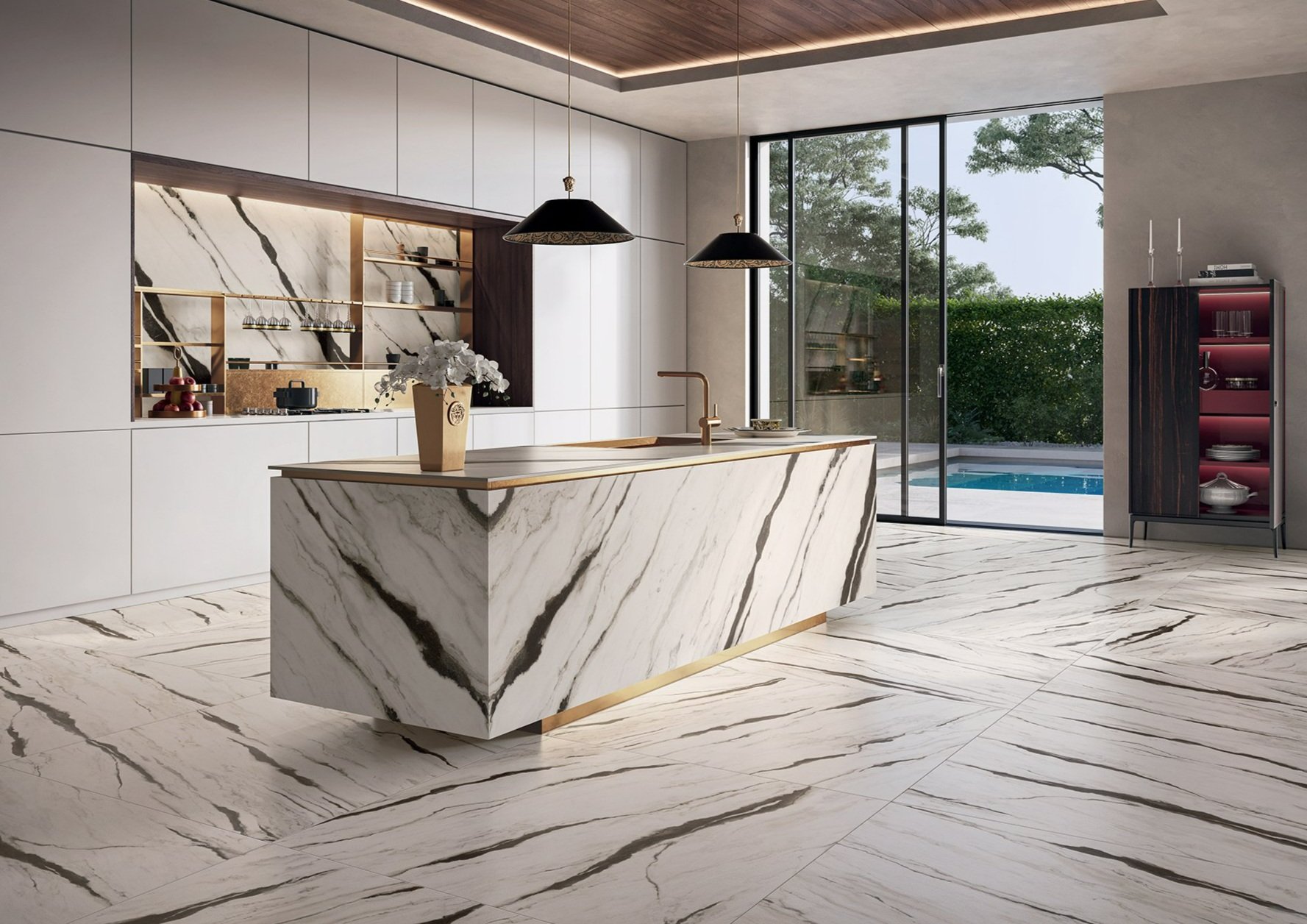
Image credit: versace-tiles.com
Table of Content:
What Makes a Tile Expensive?
Sicis Mosaic Tiles (Italy)
Petra Antiqua Tiles (Italy)
Versace Ceramics
Bisazza Mosaic Tiles
Antique Tiles & Historical Replicas
Are Expensive Tiles Worth It?
What Makes a Tile Expensive?
Before we dive into the most luxurious options out there, it’s worth understanding what factors drive up the cost of tiles:
Material
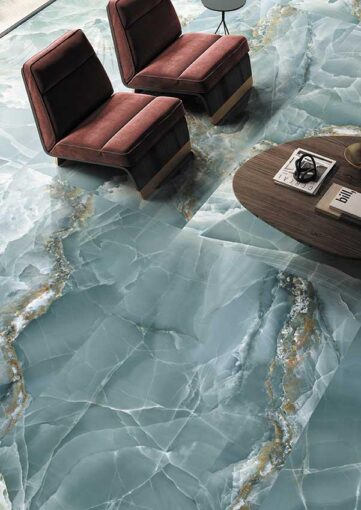
Image credit: tileclub.com
Natural stone like marble, onyx or rare granite tends to cost more than ceramic or porcelain.
Craftsmanship

Image credit: uniquetiles.com
Hand-painted, hand-cut or custom-made tiles involve more labour, which adds to the price.
Brand
High-end brands often carry premium price tags due to reputation, exclusivity and designer collaborations.
Design
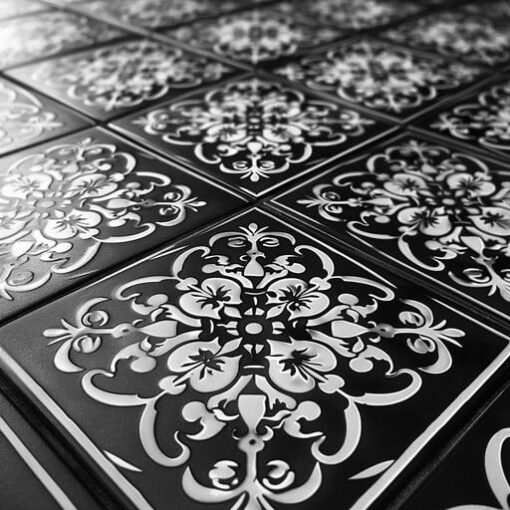
Intricate patterns, mosaics or one-of-a-kind styles can raise the cost significantly.
Rarity

Image credit: english-heritage.org.uk
Limited production or hard-to-source materials can make a tile more expensive.
Sicis Mosaic Tiles (Italy)
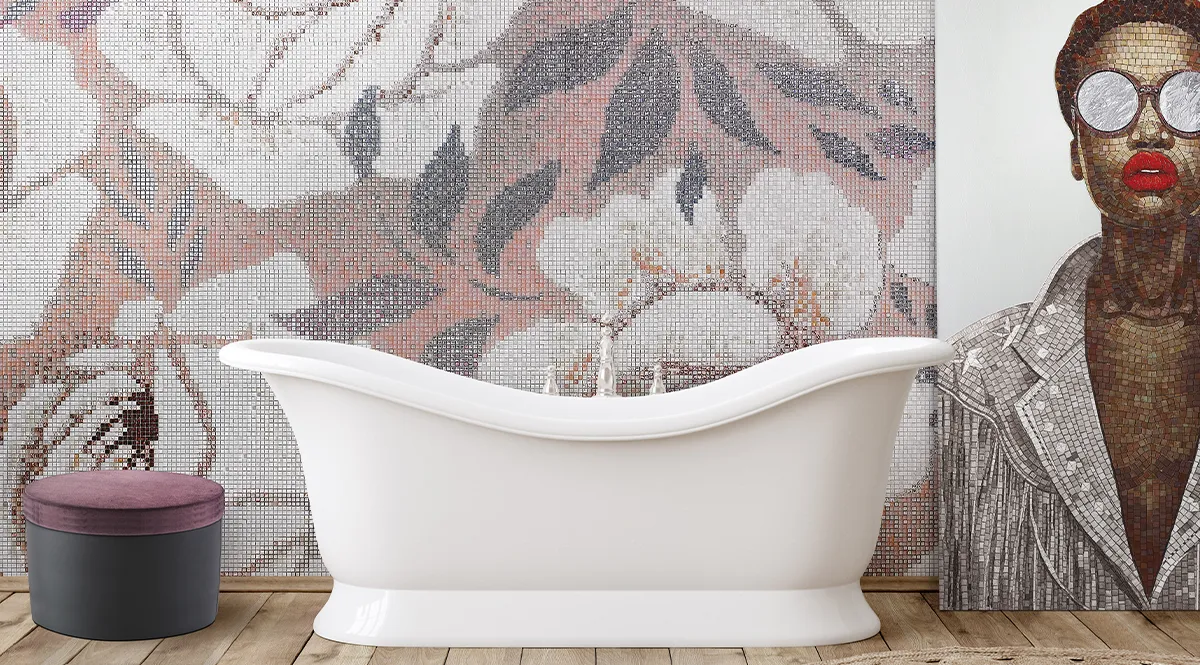
Image credit: sicis.com
Sicis is known for pushing the boundaries of tile design. Their glass mosaics are often found in luxury hotels and palaces. Some of their collections feature hand-cut tiles made from gold leaf glass or smalti, which is a high-quality Venetian glass. Each mosaic can be fully custom designed, making it both exclusive and eye-wateringly expensive.
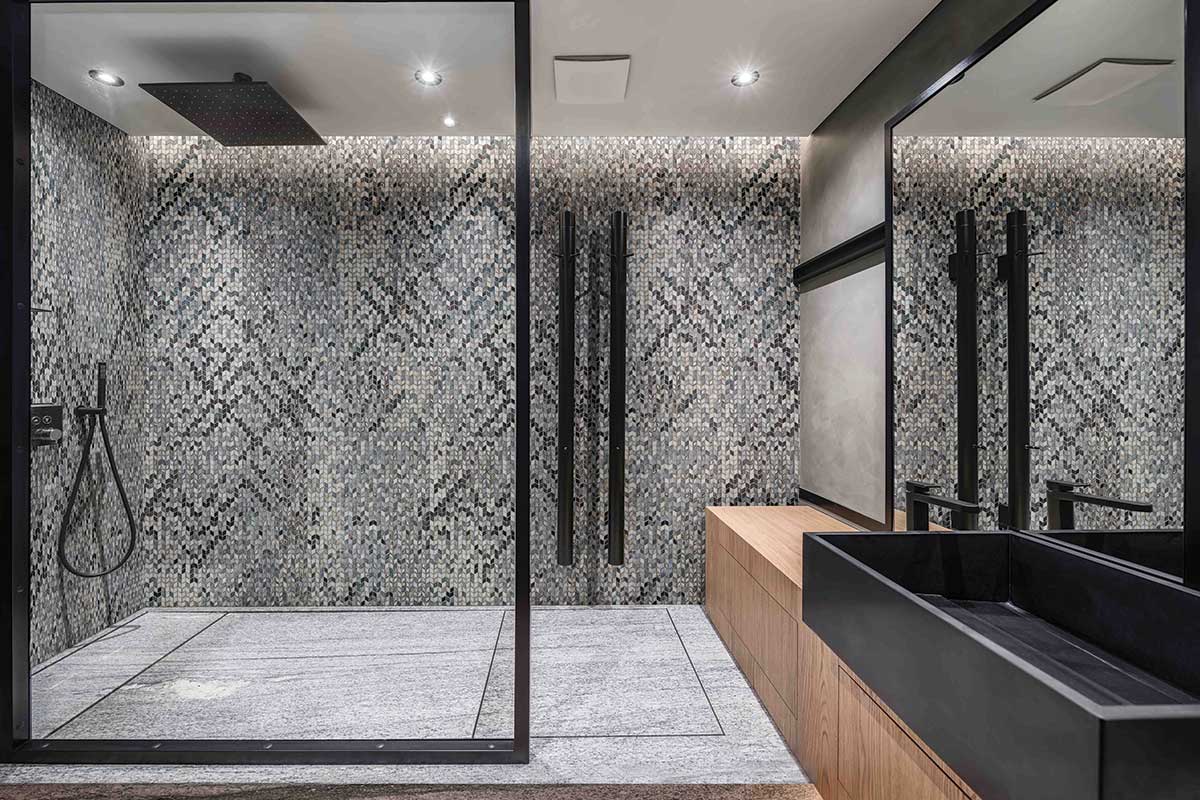
Image credit: mgsarchitecture.in
Why it’s special: Sicis blends art with craftsmanship, offering bespoke pieces that are just as much about personal expression as they are about design.
Petra Antiqua Tiles (Italy)
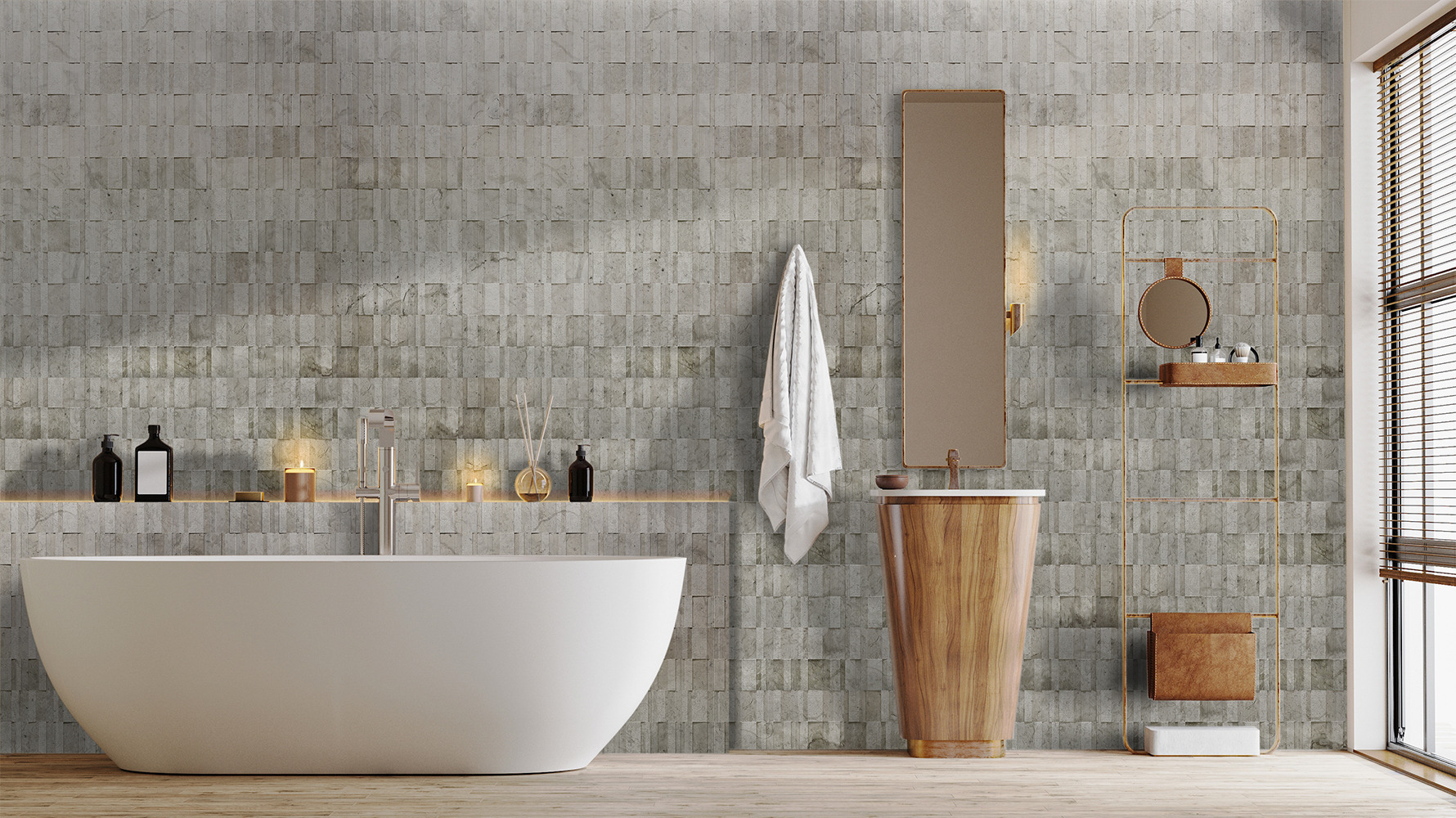
Image credit: petraantiqua.com
Petra Antiqua creates high-end stone tiles with a focus on carving and inlays. Their luxury tiles feature precious metals like gold, silver or platinum embedded into natural stone. These tiles are often used in high-end residential and commercial spaces where opulence is key.
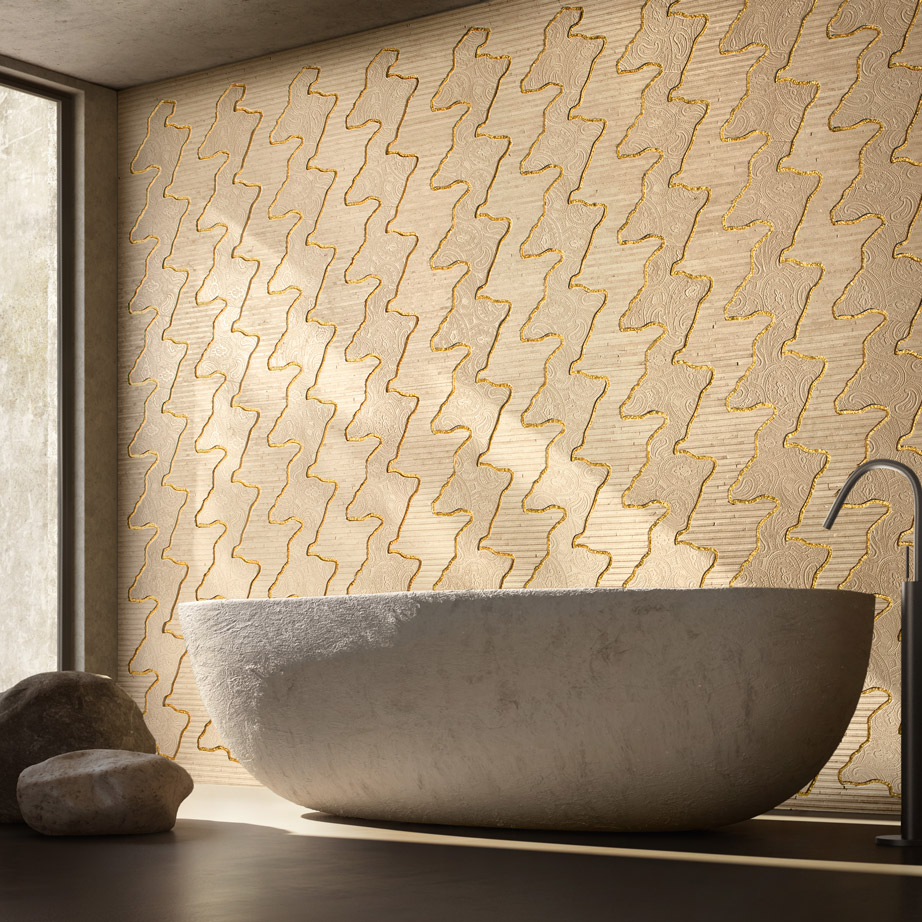
Image credit: casamiauae.com
Why it’s special: The combination of centuries-old stoneworking traditions with modern design makes every tile feel like a collectible piece.
Versace Ceramics
Image credit: versace-tiles.com
If you want glamour underfoot, Versace Ceramics is the ultimate indulgence. Created by the iconic fashion house, these tiles blend traditional Italian craftsmanship with bold, elegant design. Think ornate gold accents, intricate patterns and polished finishes.
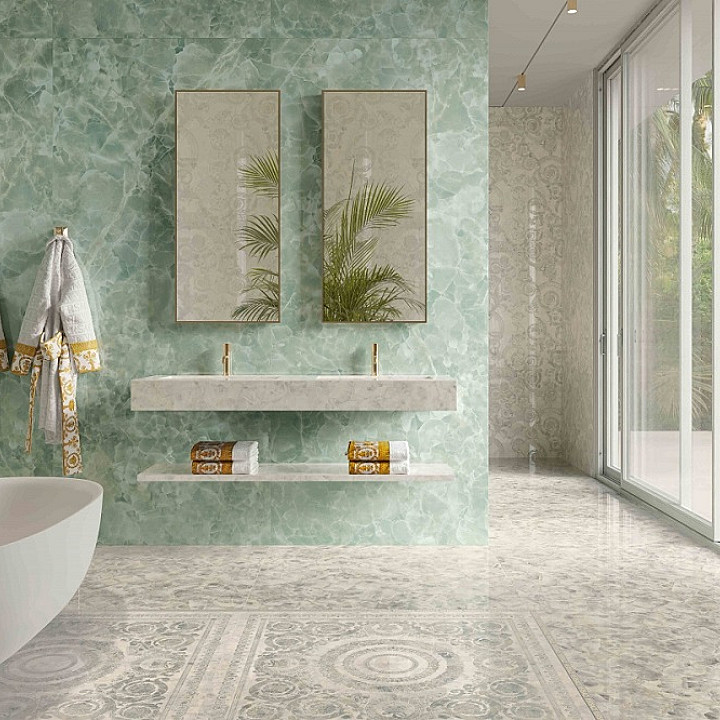
Image credit: versace-tiles.com
Why it’s special: These tiles make a statement and elevate interiors with a distinct designer edge that only Versace can bring.
Bisazza Mosaic Tiles
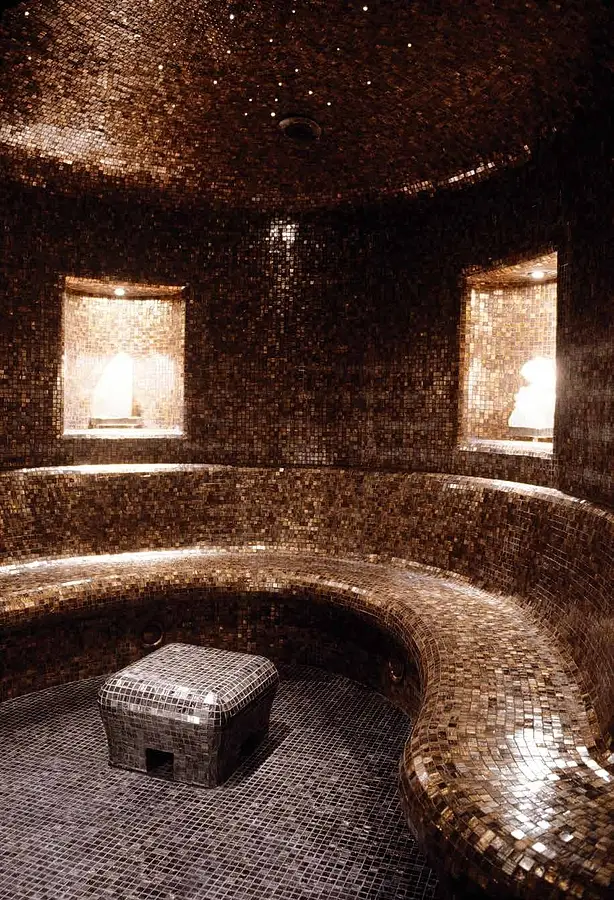
Image credit: tile.expert
Bisazza is a leader in the luxury mosaic market, offering dazzling tile designs that range from classic to contemporary. Some collections feature 24-karat gold or platinum leaf layered inside the glass. Used in boutique hotels, yachts and luxury homes, Bisazza tiles are known for their artistic flair.
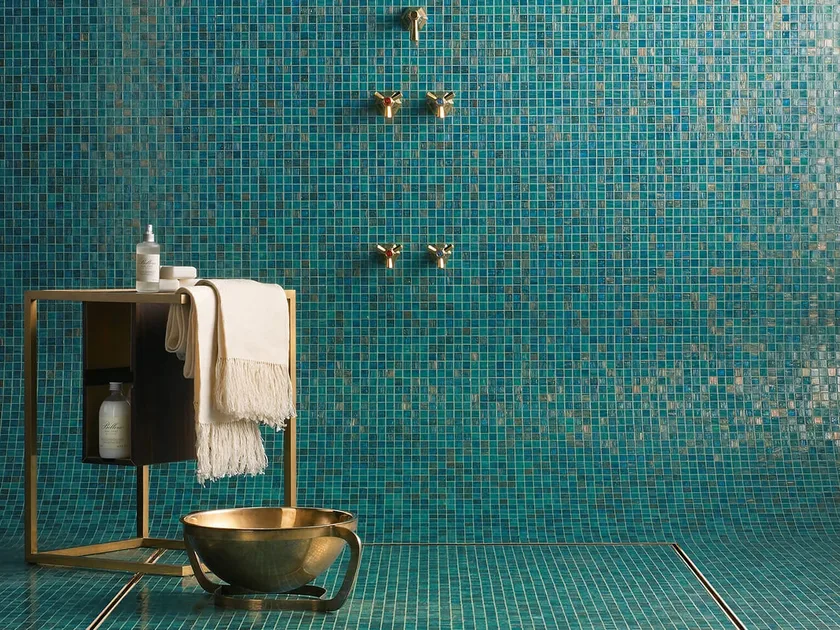
Image credit: archiproducts.com
Why it’s special: Each tile is a fusion of innovation and style, crafted to catch the eye and reflect light in stunning ways.
Antique Tiles & Historical Replicas
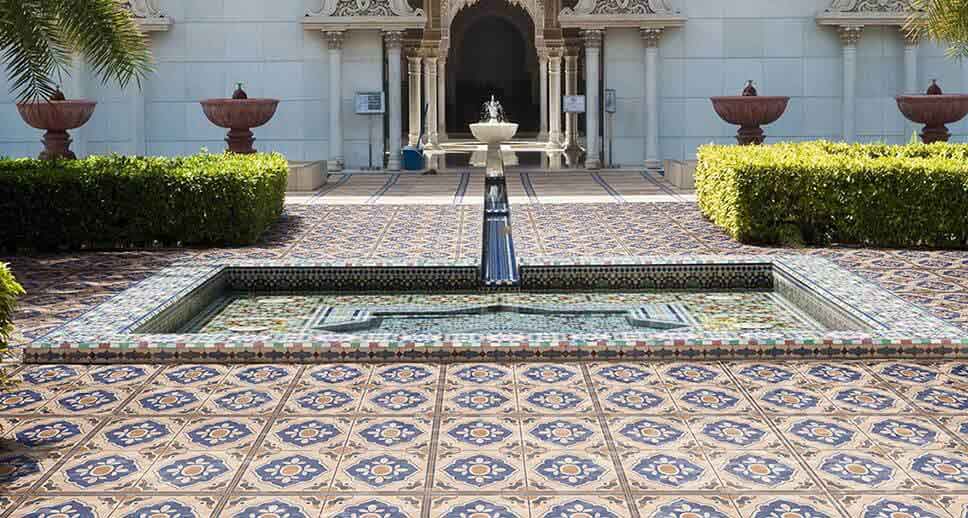
Image credit: somanyceramics.com
Sometimes, the most expensive tiles are not new at all. Authentic antique tiles from centuries-old buildings, especially Moroccan Zellige or Spanish Majolica, can sell for thousands. Their historical value, age and intricate craftsmanship make them highly sought-after by collectors and designers.
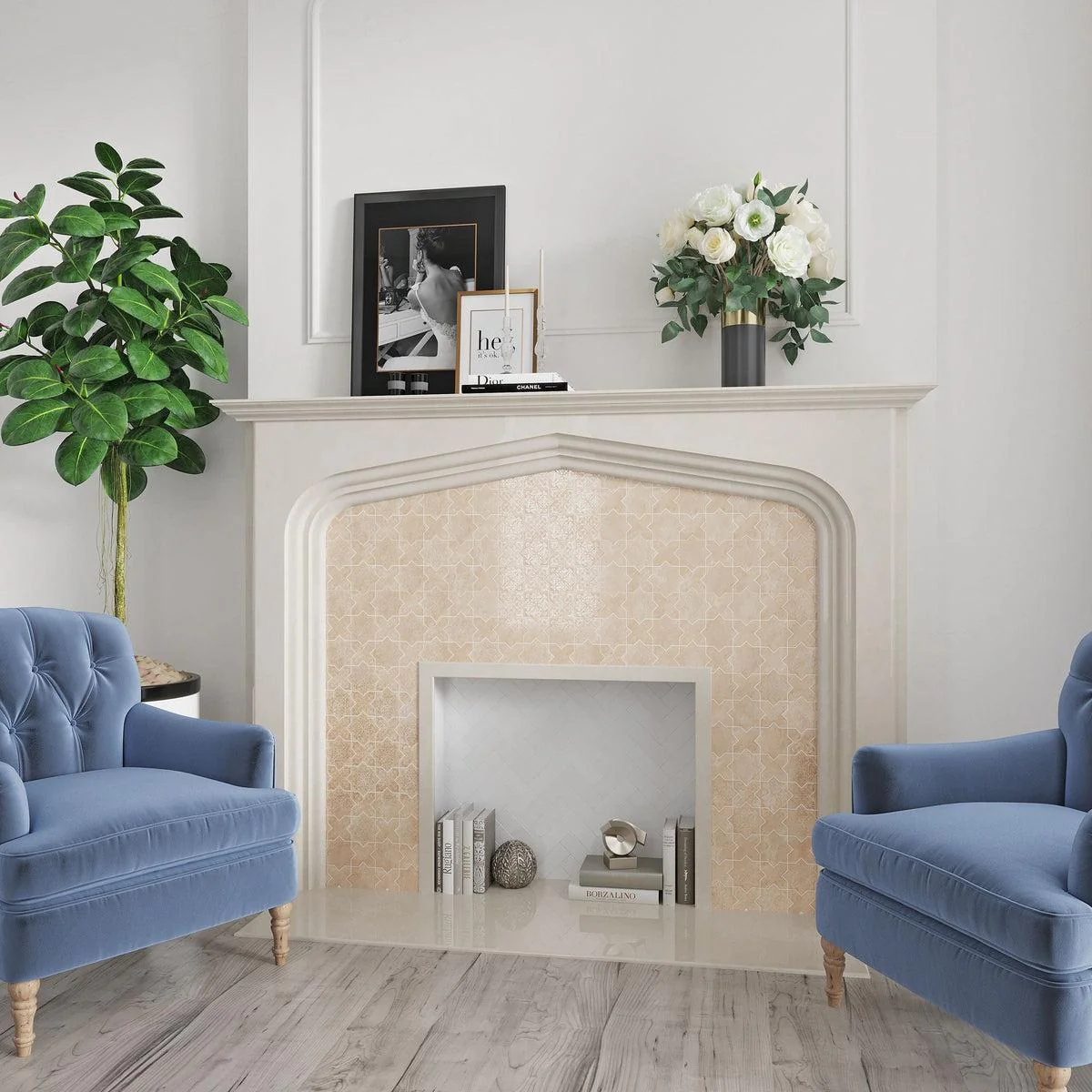
Image credit: tileclub.com
Why it’s special: These tiles tell a story. Owning one is like owning a piece of design history.
Are Expensive Tiles Worth It?
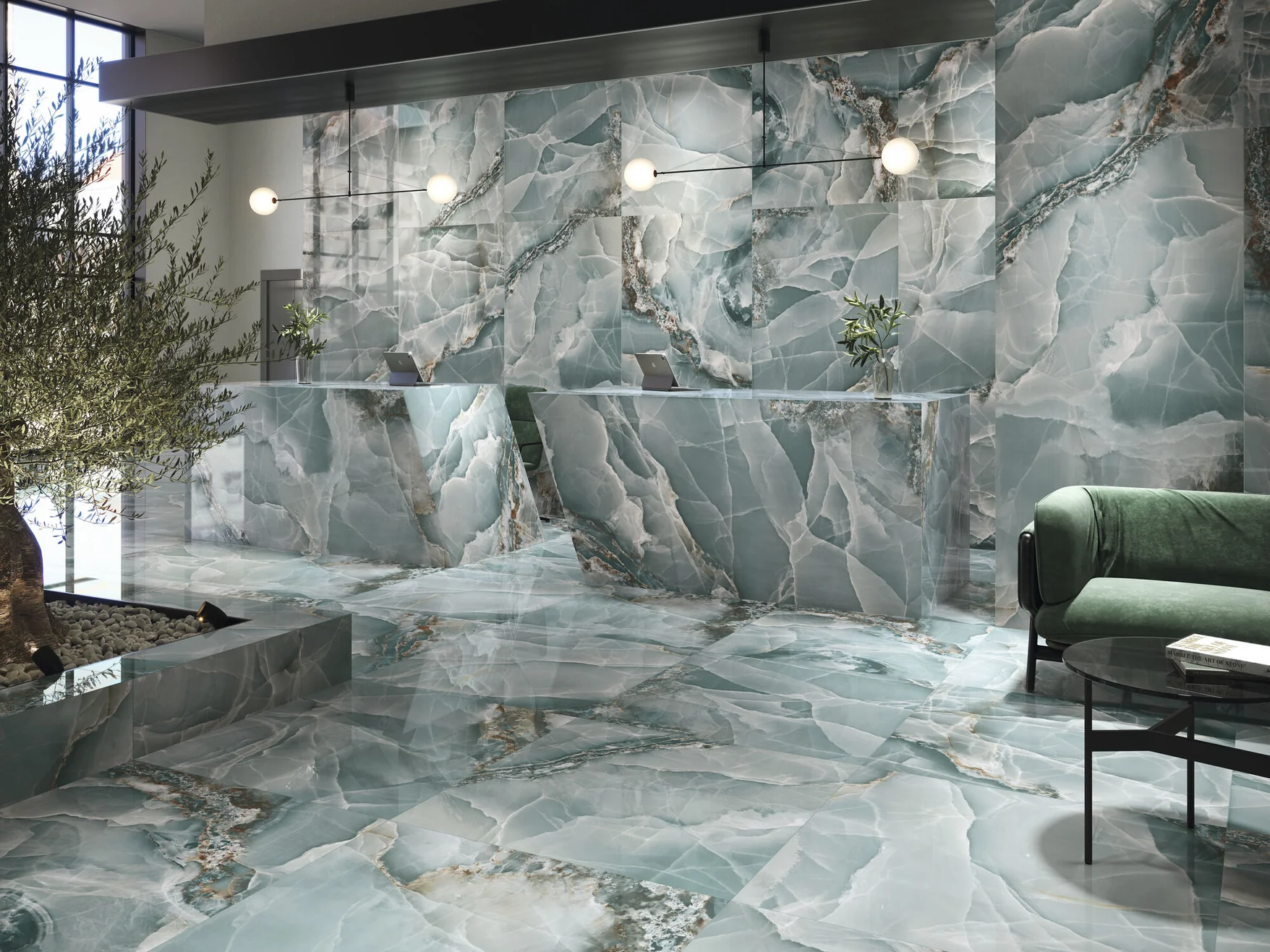
Image credit: elite-tiles.com
For most people, luxury tiles are an investment in beauty, durability and exclusivity. They often become the focal point of a room, elevating a space from ordinary to extraordinary. Whether you’re designing a high-end bathroom, a statement kitchen splashback or a bespoke feature wall, expensive tiles can be well worth the cost if you want something truly unique.
From shimmering mosaics to hand-carved stone, the world’s most expensive tiles offer more than just surface appeal. They represent craftsmanship, luxury and individuality. While they may not be for every budget, they’re certainly inspiring and can guide your choices even when you’re working with more affordable options.
Looking to elevate your space with tiles that turn heads? Explore Tiletoria’s premium tile collections for inspiration and discover the perfect fit for your next design project.
bathroom, blog, how to articles
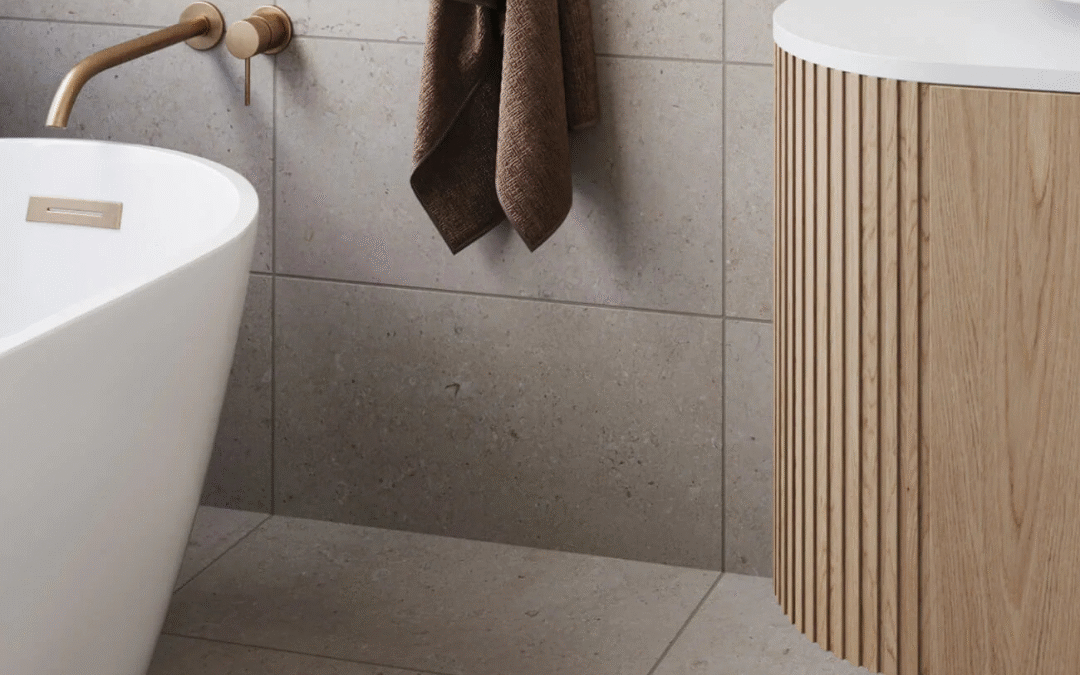
If your bathroom feels more cramped than calming, you’re not alone. Many homes have compact bathrooms that can feel tight and awkward, but with the right design choices, you can easily transform your space into one that feels open, airy and more functional. Here’s how to make a small bathroom feel bigger using clever, practical design tips that really work.

Image credit: edwardmartin.com
Table of Content:
Choose Light Tiles and Colours
Go Big with Tiles
Use Mirrors to Add Depth
Opt for Floating Fixtures
Use Glass Shower Panels
Choose Consistent Flooring
Let in Natural Light
Use Vertical Space
Stick to a Simple Colour Scheme
Choose Light Tiles and Colours
Light colours instantly make a space feel larger. Opt for pale tiles, paint and accessories in shades like white, soft grey, beige or pastel tones. These reflect more light and give the illusion of space. Glossy finishes can also help bounce light around the room, creating a more open feel.
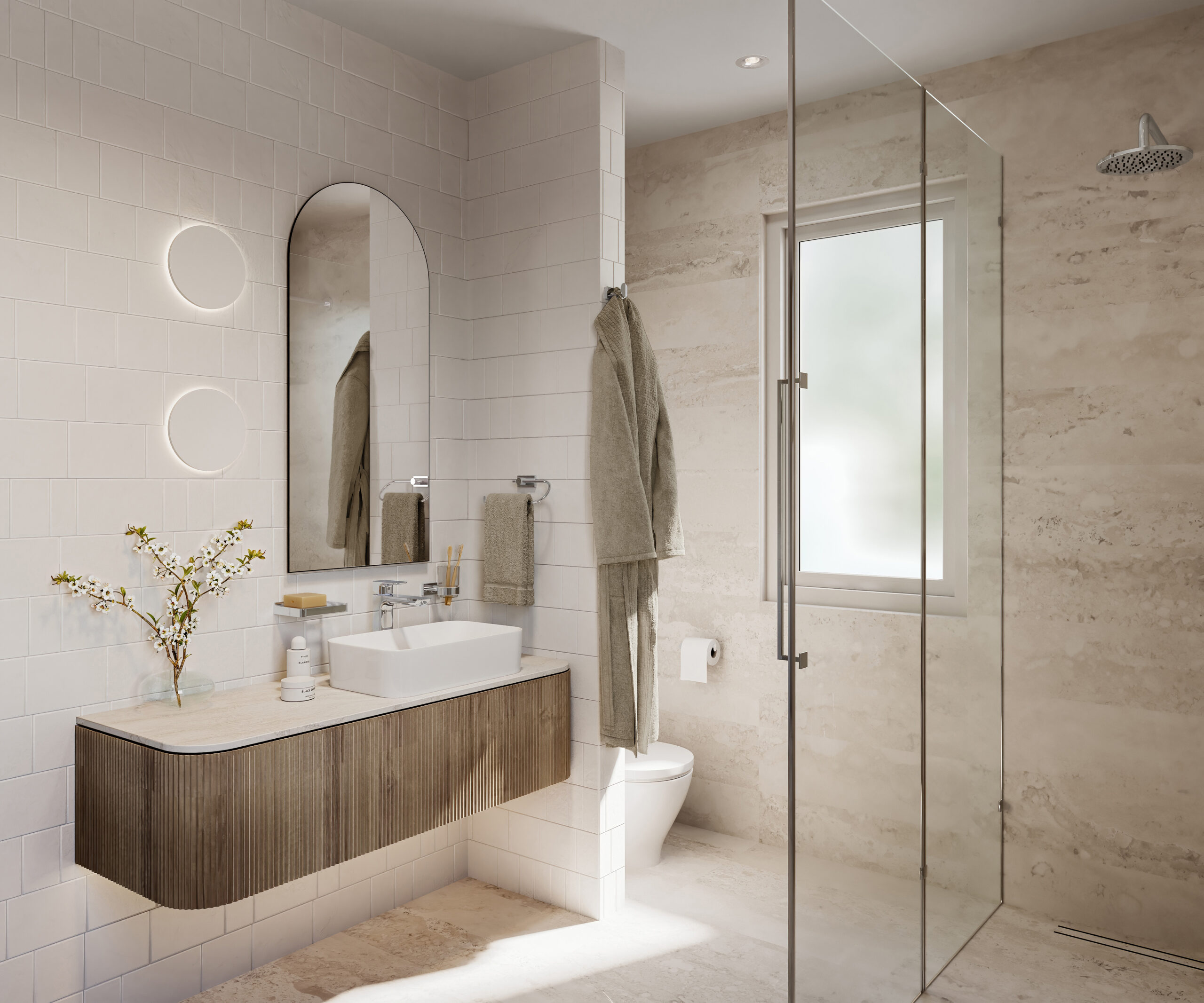
Image credit: bathroom butler
For more tips on tile selection, check out our How to Choose Tiles by Room: A Room-by-Room Guide to find the best option for your space.
Go Big with Tiles
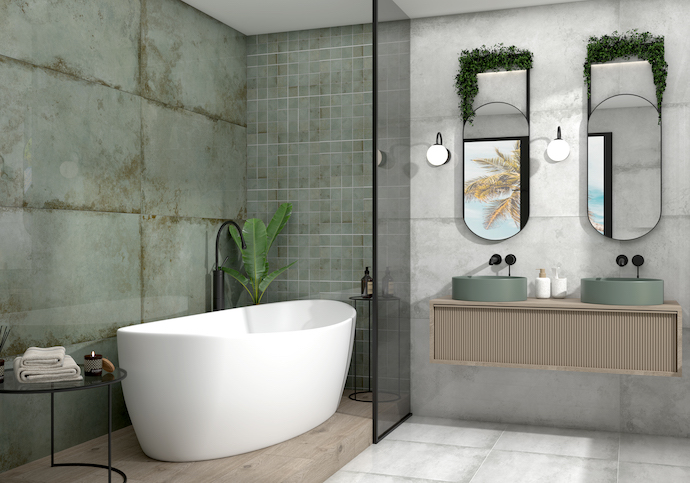
Image credit: visi.co.za
It might seem counterintuitive, but large-format tiles can actually make a small bathroom feel bigger. Fewer grout lines create a seamless look that visually expands the space. Floor-to-ceiling tiles on walls also draw the eye upward, making the room appear taller.
Use Mirrors to Add Depth
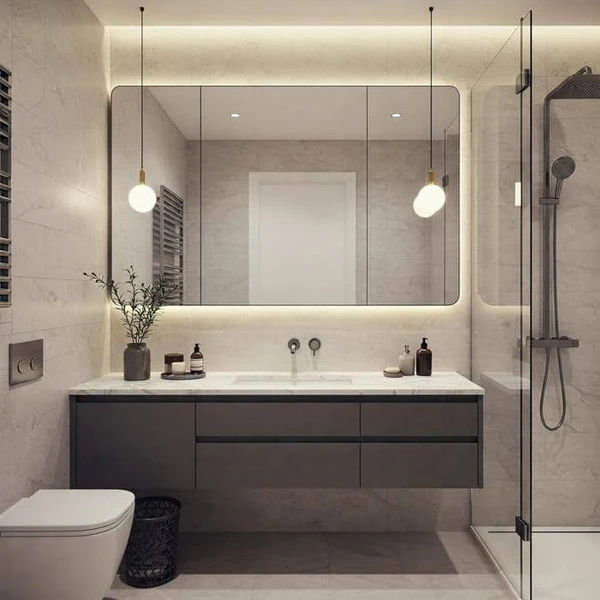
Image credit: the-rugs.com
A well-placed mirror can do wonders in a small bathroom. Large mirrors reflect both natural and artificial light, making the room feel brighter and more spacious. Consider a mirrored cabinet for added storage and style.
Opt for Floating Fixtures
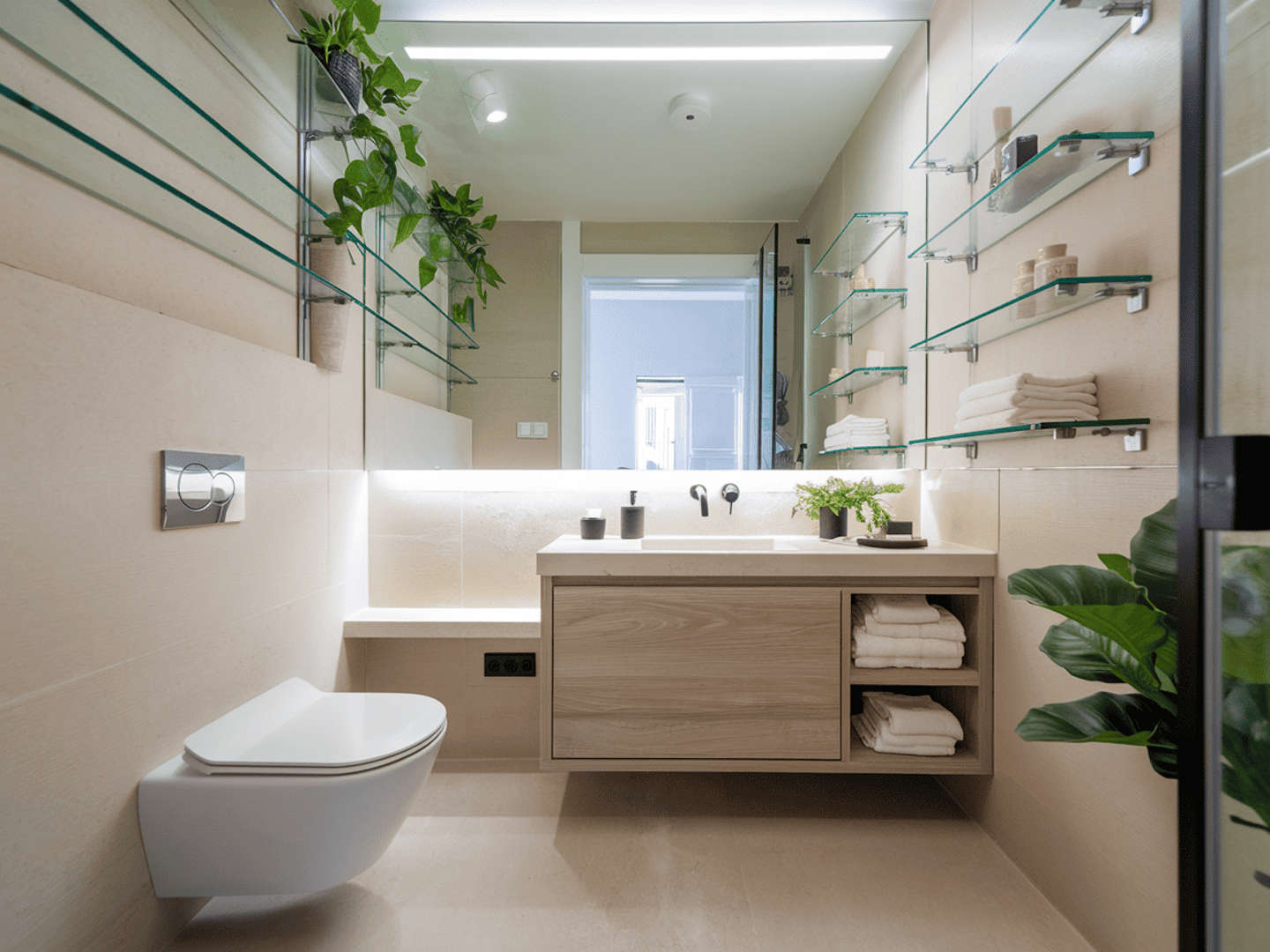
Image Credit: msn.com
Wall-mounted toilets, vanities and basins free up floor space and help the room feel less cluttered. The visible floor area underneath these fixtures adds a sense of openness and flow.
Keep the Floor Clear
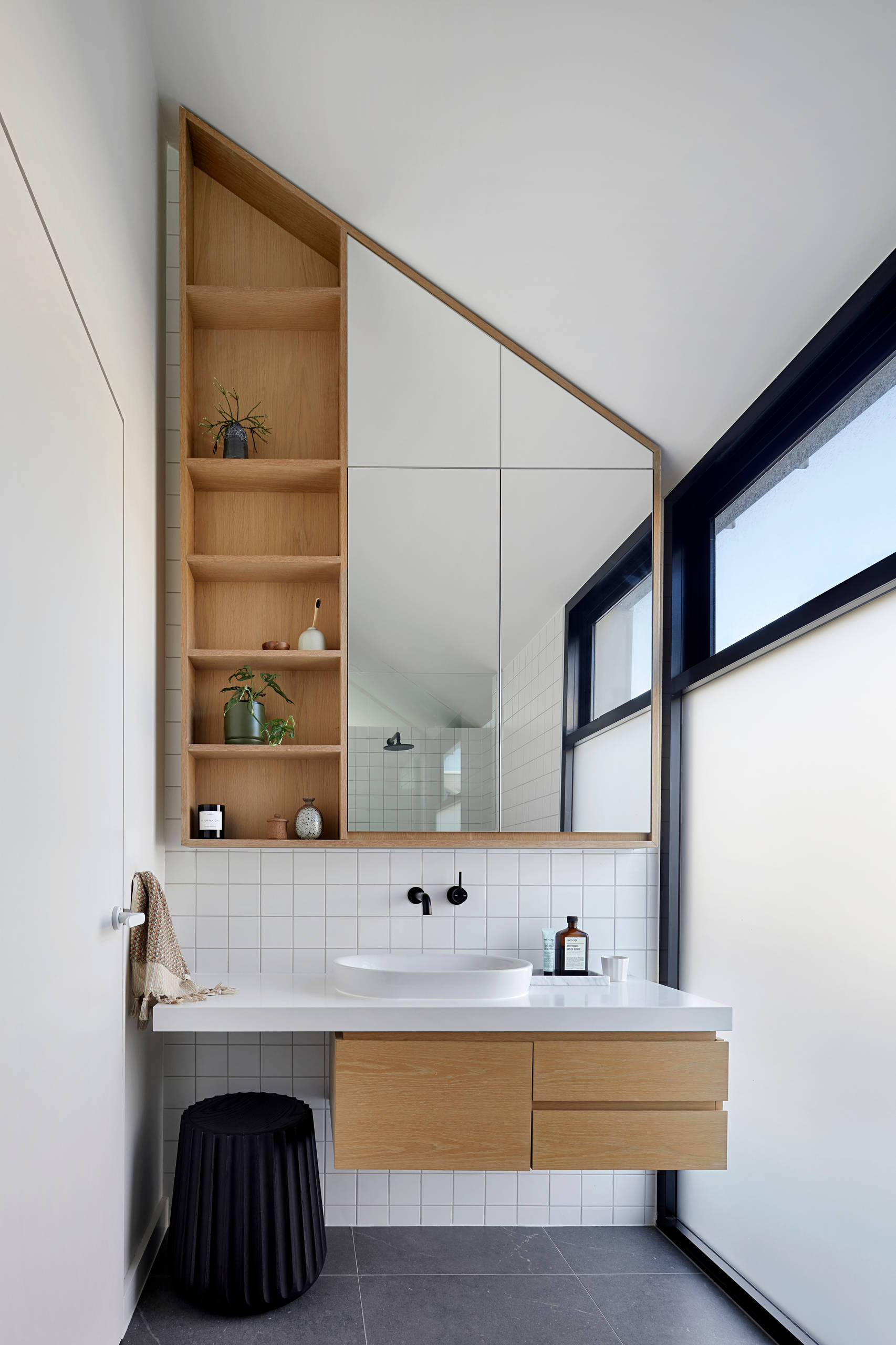
Image Credit: Houzz.com
The more visible your floor is, the bigger your bathroom will feel. Use slimline storage units, corner shelves and hooks to keep toiletries off the ground and surfaces tidy. A tidy space always feels roomier.
Use Glass Shower Panels
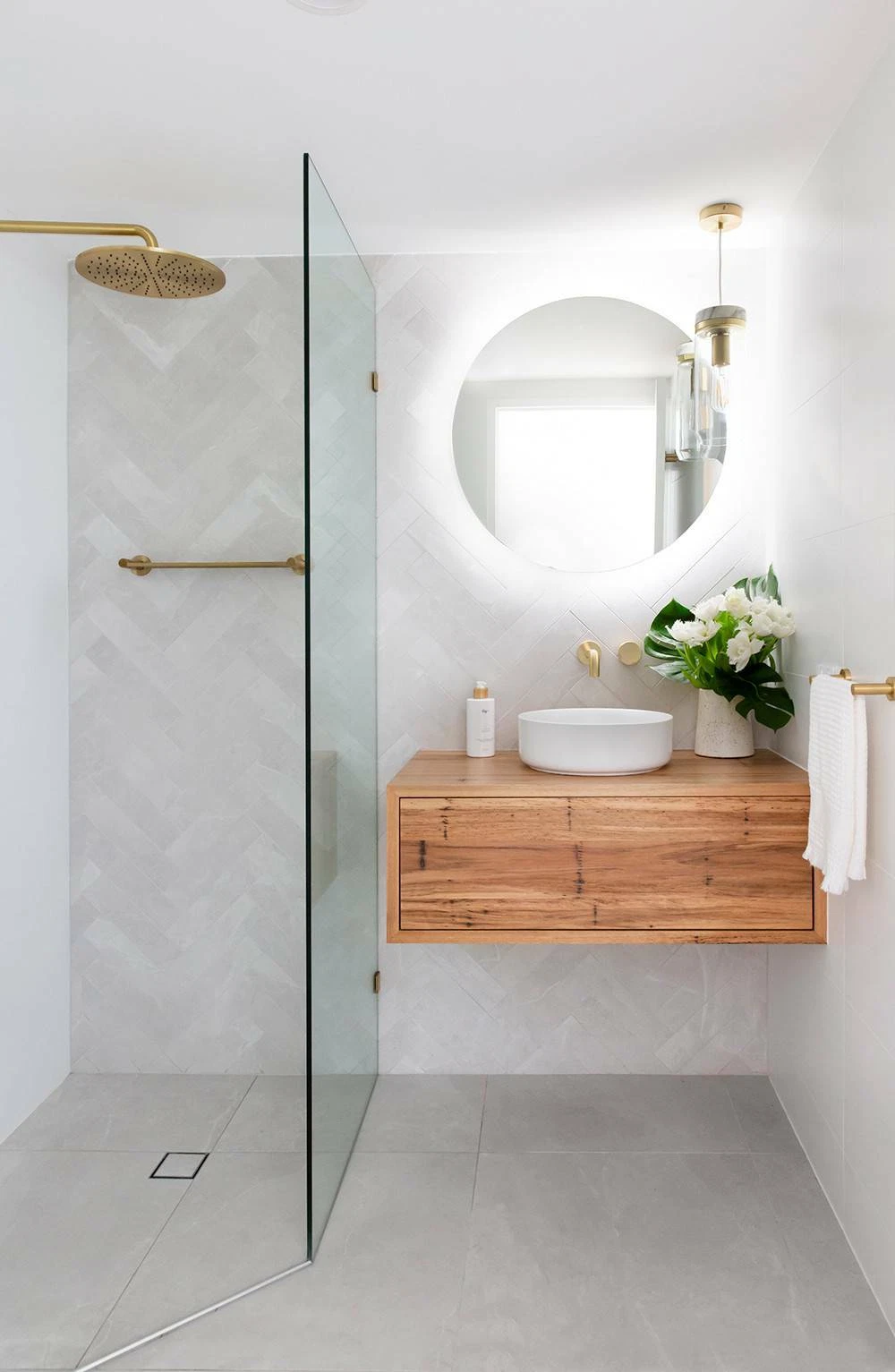
Image Credit: Houzz.com
Swap out shower curtains or bulky enclosures for clear glass panels. They open up the space visually, allowing your eye to travel across the room without interruption. Frameless panels are ideal for creating a sleek, modern look.
Choose Consistent Flooring
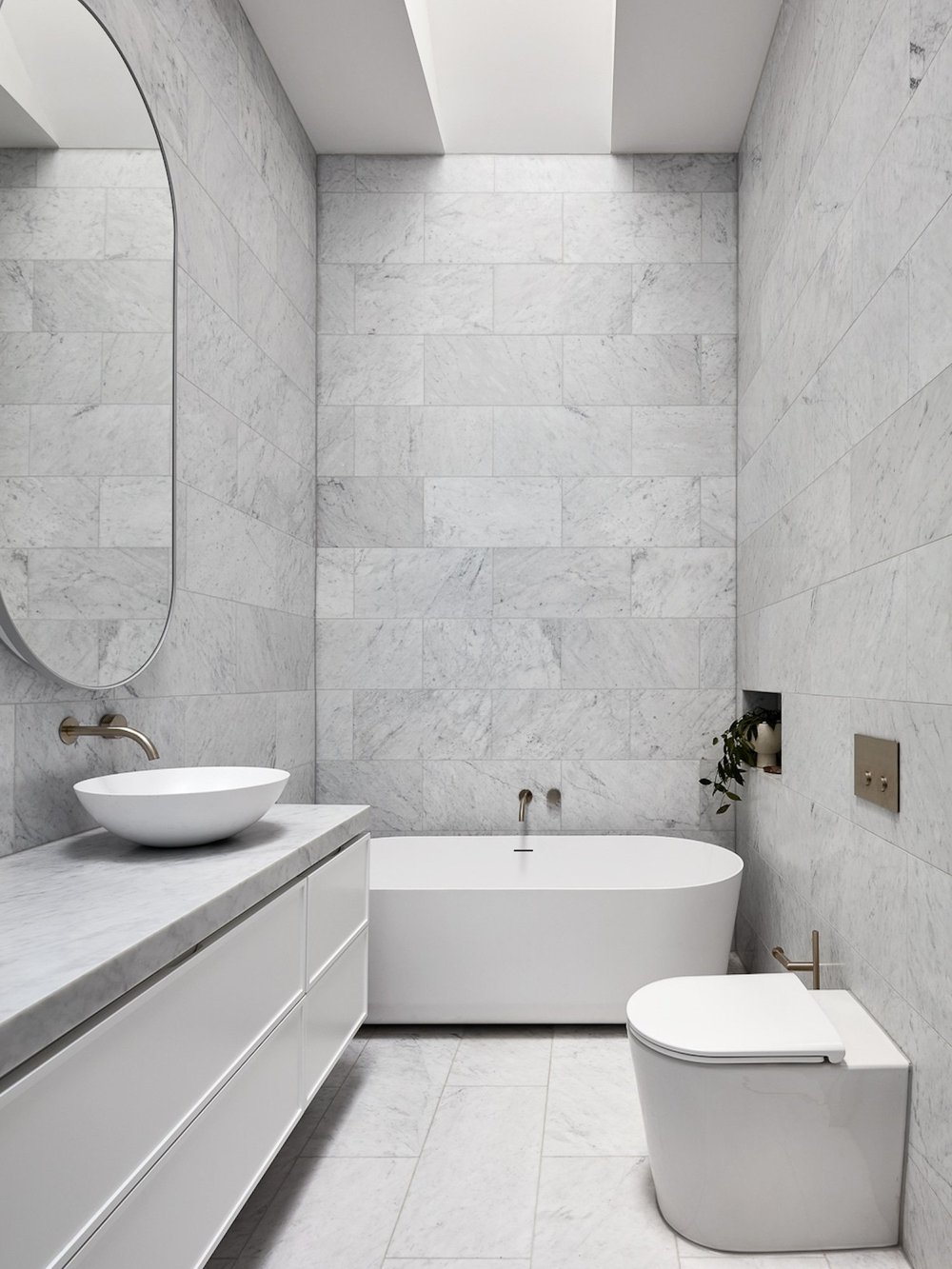
Image Credit: zephyrandstone.com.au
Using the same flooring throughout the bathroom, including inside the shower, can make the space look larger. Continuous flooring draws the eye through the room without any visual stops.
Let in Natural Light
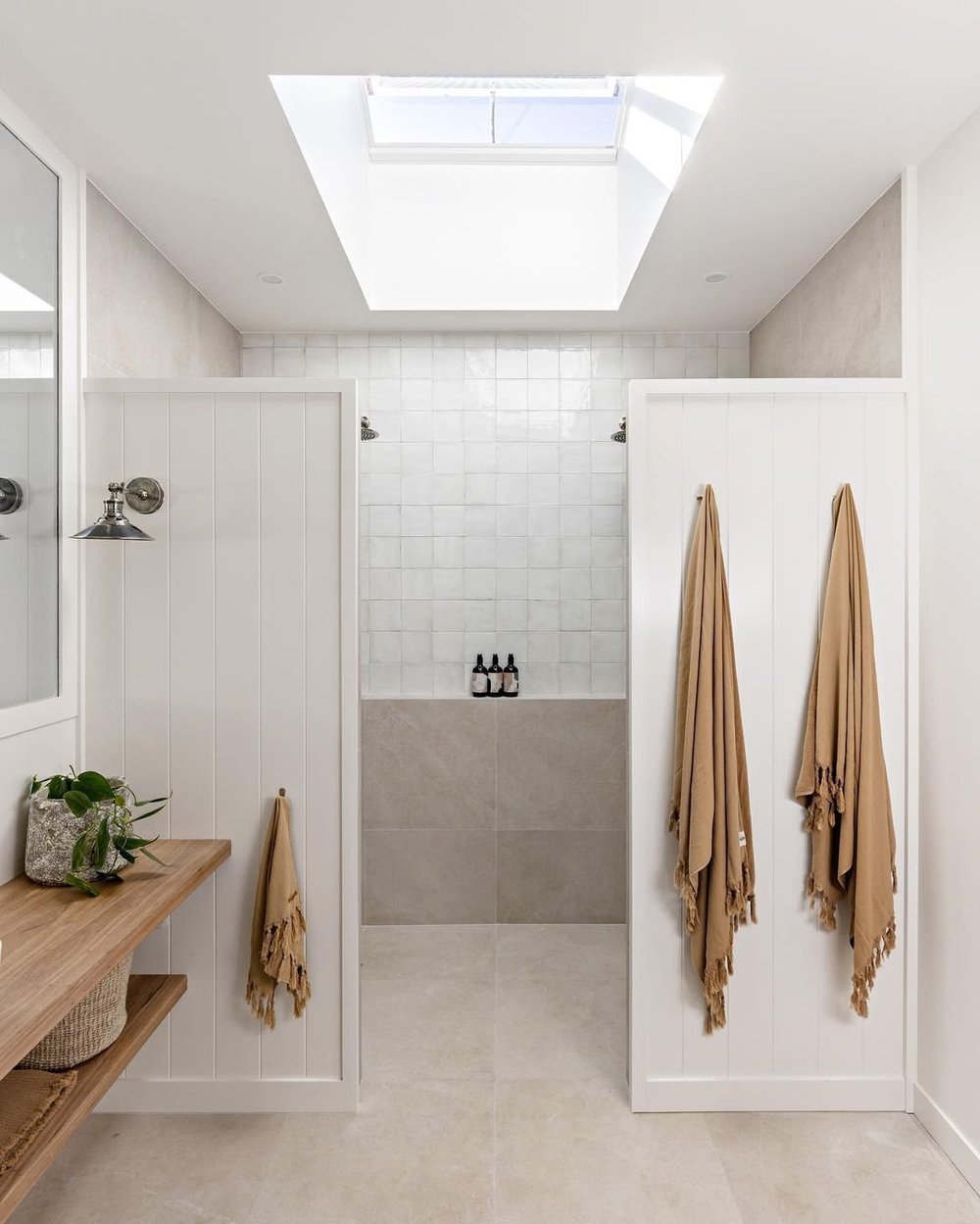
Image Credit: zephyrandstone.com.au
If possible, maximise natural light. Frosted windows, skylights or solar tubes can brighten your bathroom without compromising privacy. More light = more space, even if it’s just an illusion.
Use Vertical Space
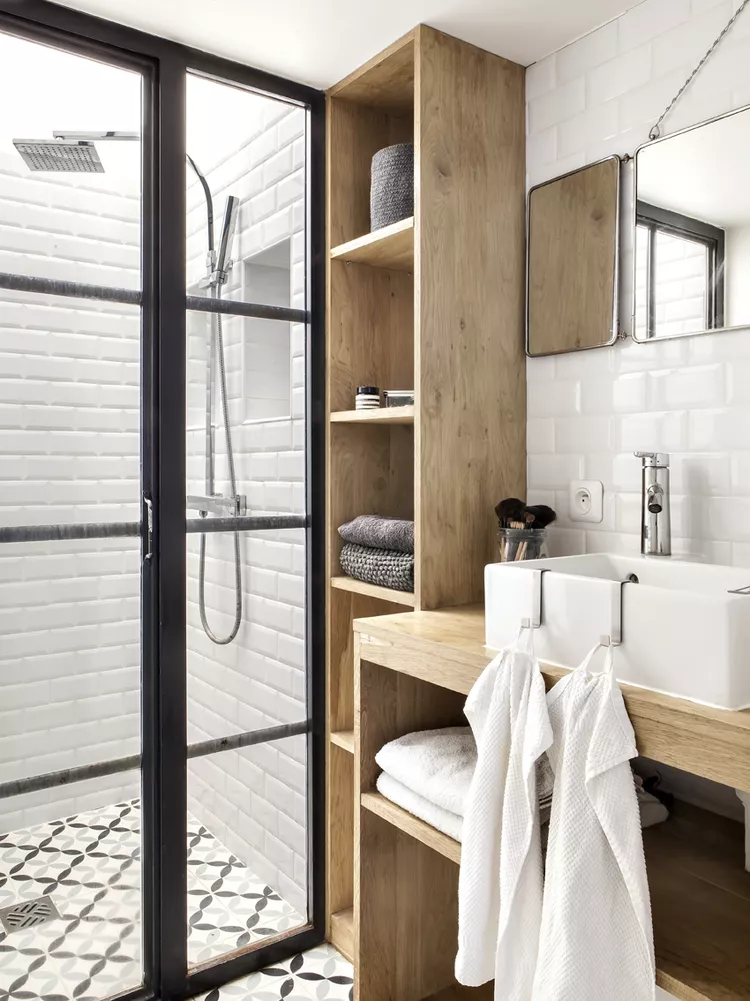
Image Credit: spacefactory.fr
When floor space is limited, think vertically. Install tall, narrow cabinets or open shelves above the toilet or door. These storage solutions free up space below while keeping essentials within reach.
Stick to a Simple Colour Scheme
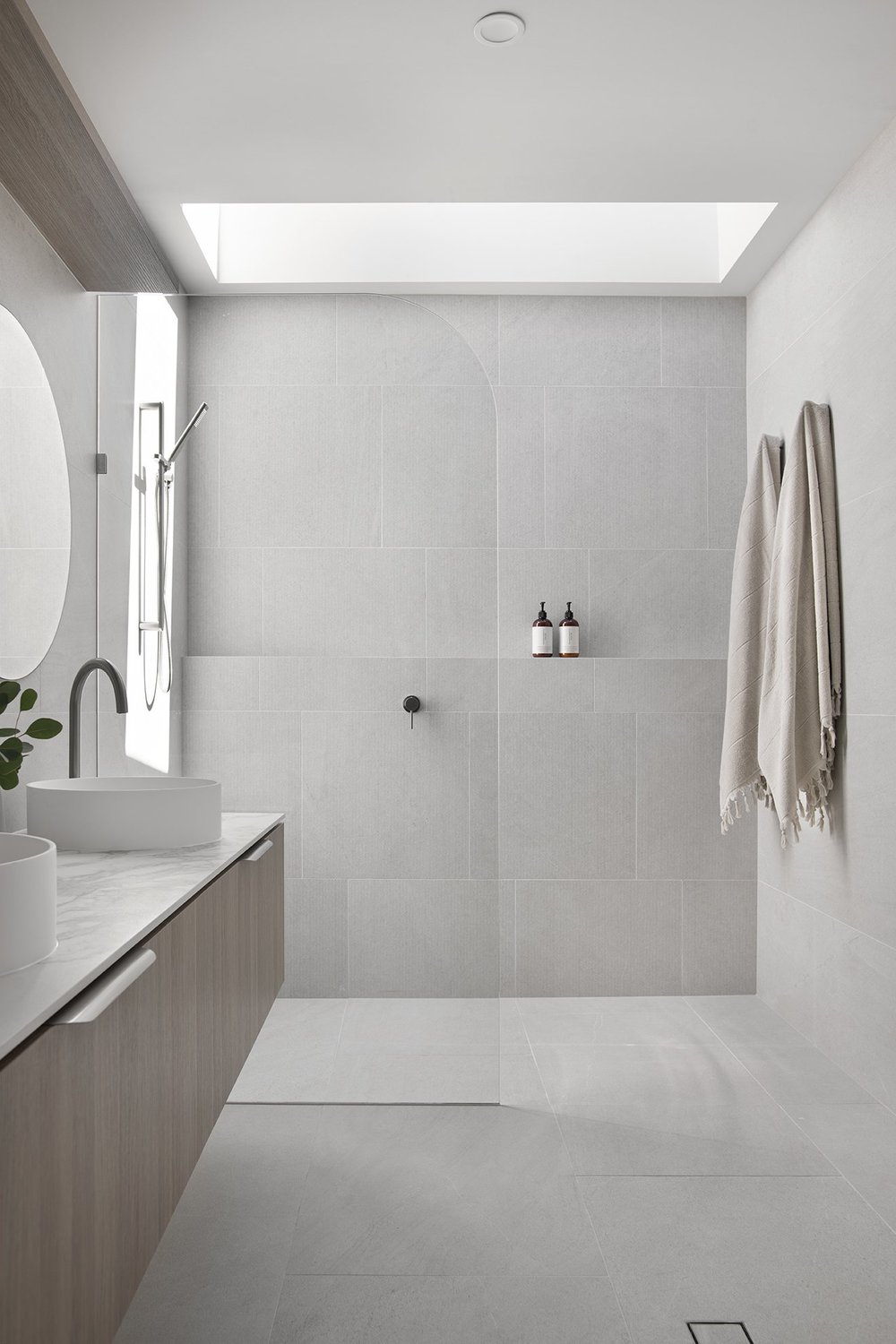
Image Credit: zephyrandstone.com.au
Too many colours or patterns can overwhelm a small space. Stick to a cohesive palette for your tiles, walls and fixtures to maintain a sense of calm and continuity throughout.
For advice on choosing the right grout colour, read our guide “lesson/tip: how to choose the right grout colour”
You don’t need to knock down walls to make your bathroom feel bigger. Smart design choices, from light colours and large tiles to floating fixtures and clever storage, can completely transform your space.
Ready to upgrade your small bathroom? Visit tiletoria for a wide range of space-enhancing tiles and accessories to help you bring your vision to life.
blog
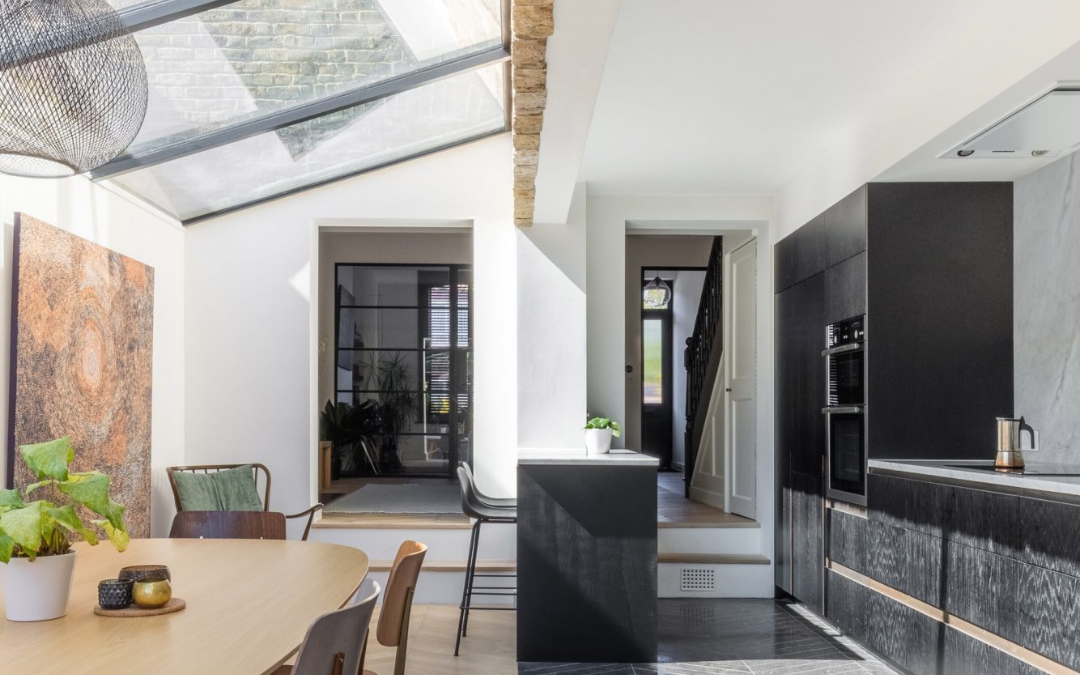
Open-plan homes are all about flow, light and creating a sense of spaciousness. But when it comes to flooring, using just one material across the entire space can sometimes fall flat. Mixing and matching different flooring types is a smart way to define areas, add texture and enhance the overall aesthetic of your home — without compromising the open-plan feel.
Done right, this approach brings warmth, personality and functionality to your layout. Here’s how to successfully mix and match flooring in an open-plan home.
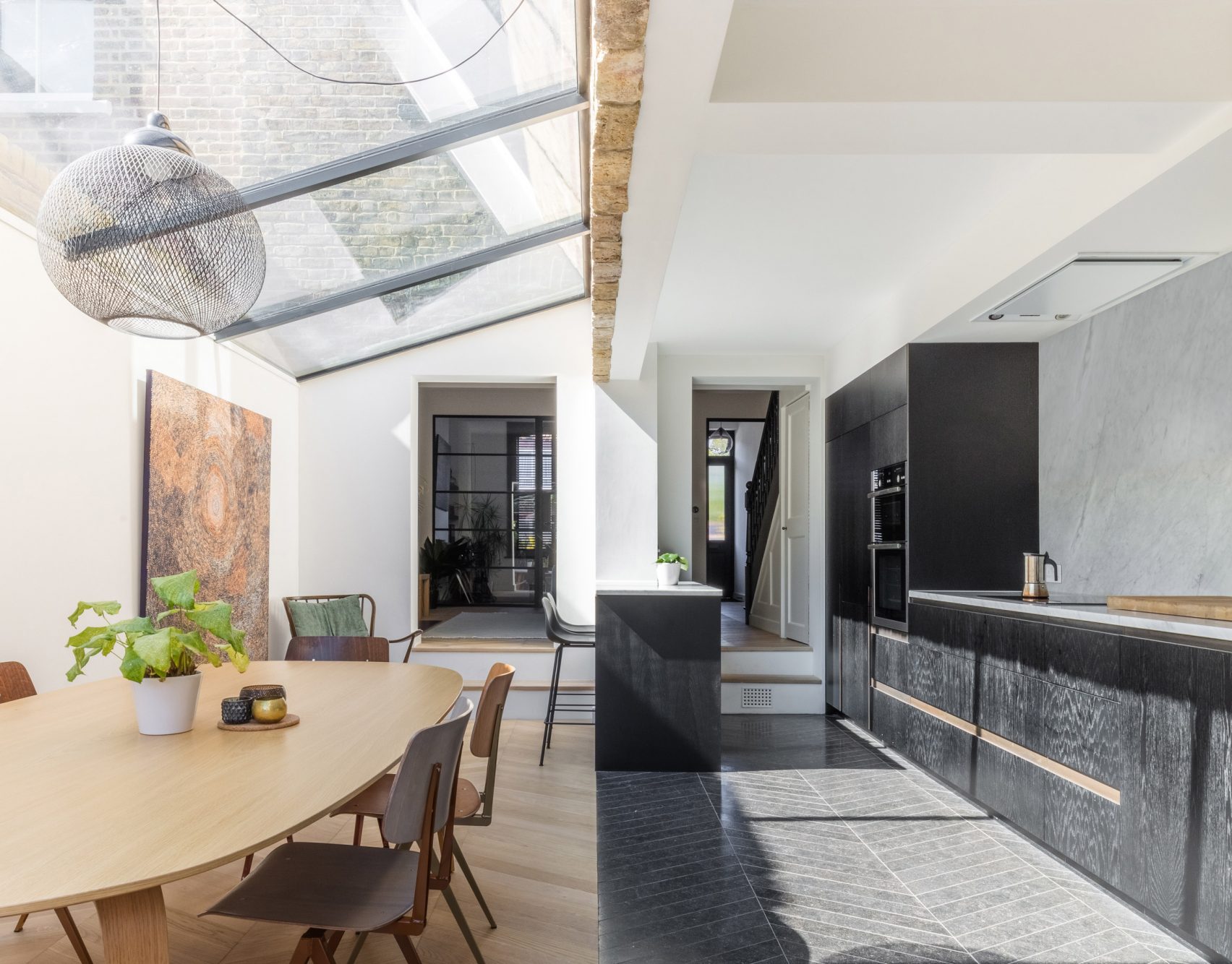
Image credit: livingetc.com
Table of Content:
Define Zones with Flooring
Choose Complementary Colours and Textures
Use Transition Strips or Patterns
Consider Practical Needs for Each Area
Keep the Flow with Consistency
Don’t Be Afraid to Get Creative
Define Zones with Flooring
The beauty of an open-plan design is the ability to move freely between living, dining and kitchen areas. But to avoid a space that feels too blended or confusing, it helps to use different flooring types to create subtle boundaries.
For example:
Use luxury vinyl tiles or ceramic tiles in the kitchen area for easy cleaning and water resistance.
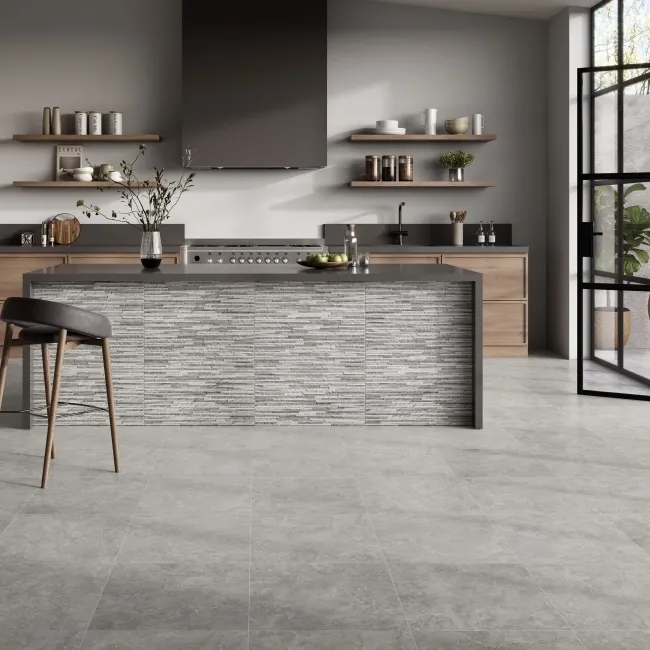
Image credit: tilemountain.co.uk
Transition to wood-look laminate or engineered wood in the dining and living areas to bring warmth and comfort.
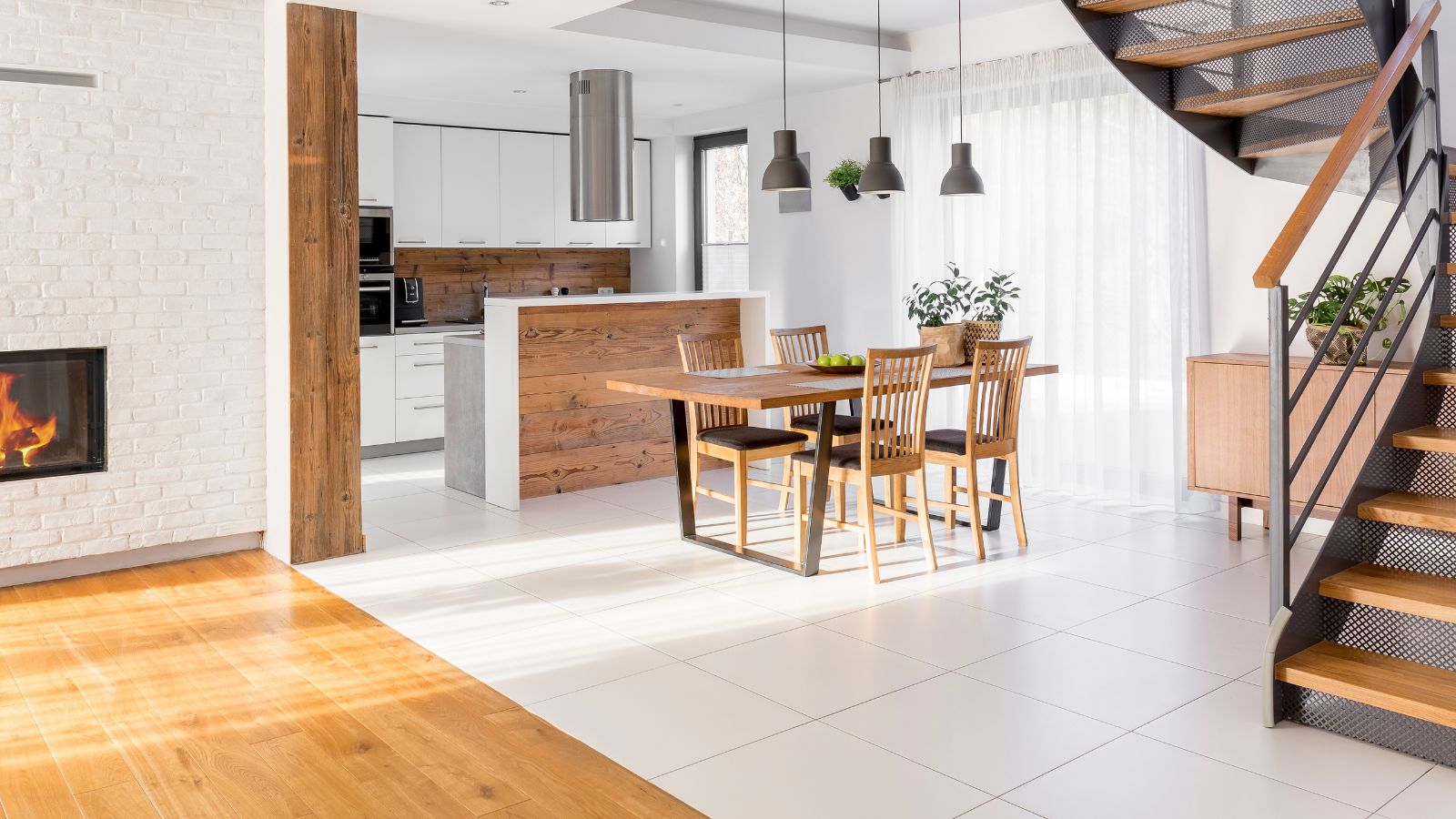
Add a rug in the lounge to further define the space without changing the hard flooring underneath.
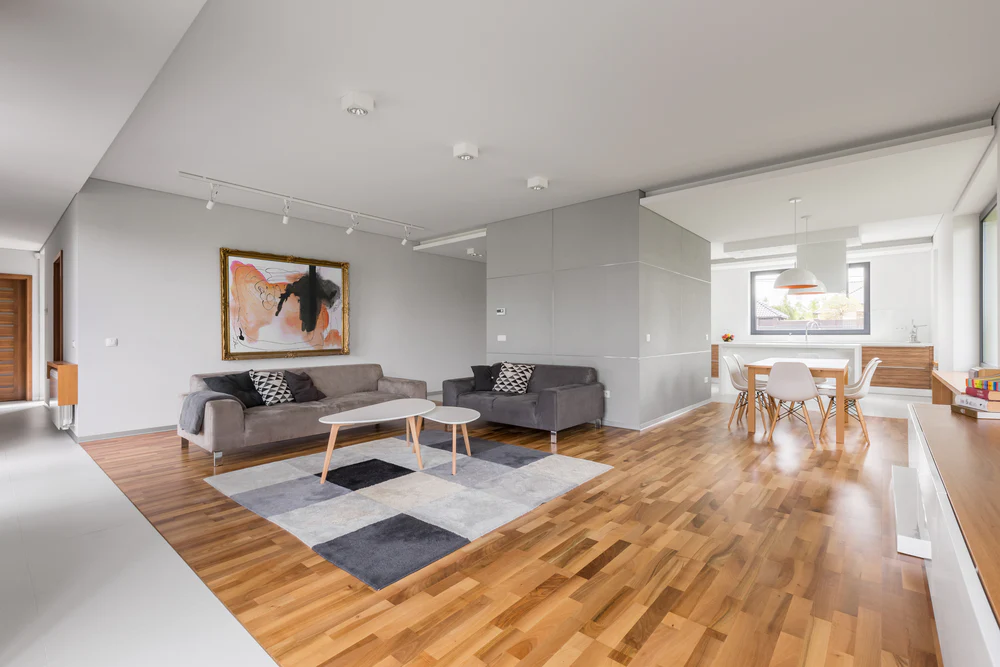
This zoning technique helps guide the eye and naturally separates functional areas, while still feeling cohesive.
Choose Complementary Colours and Textures
One of the biggest mistakes people make when mixing flooring is choosing styles that clash. To keep things visually balanced:
Stick to the same colour palette or tones — cool greys with cool browns, or warm beiges with honey woods.
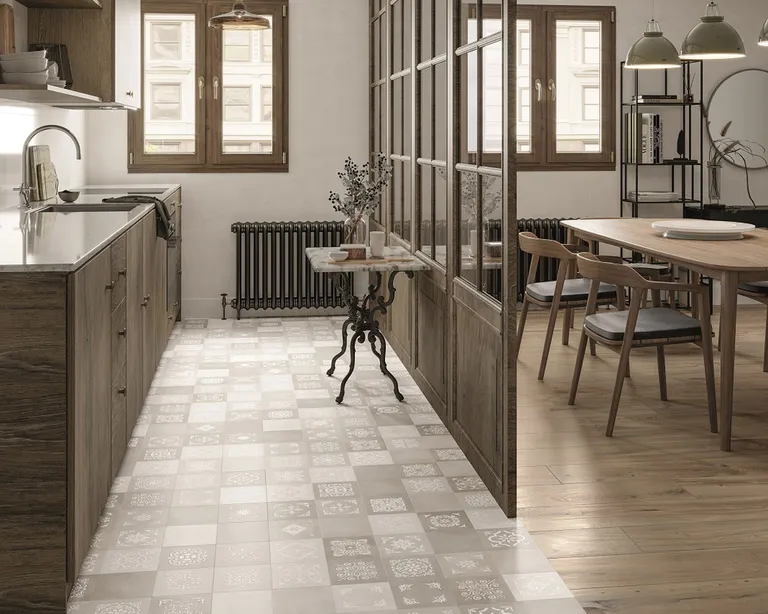
Mix textures, not chaos. Combine a smooth polished tile with a matte timber-look laminate or a tactile vinyl plank.
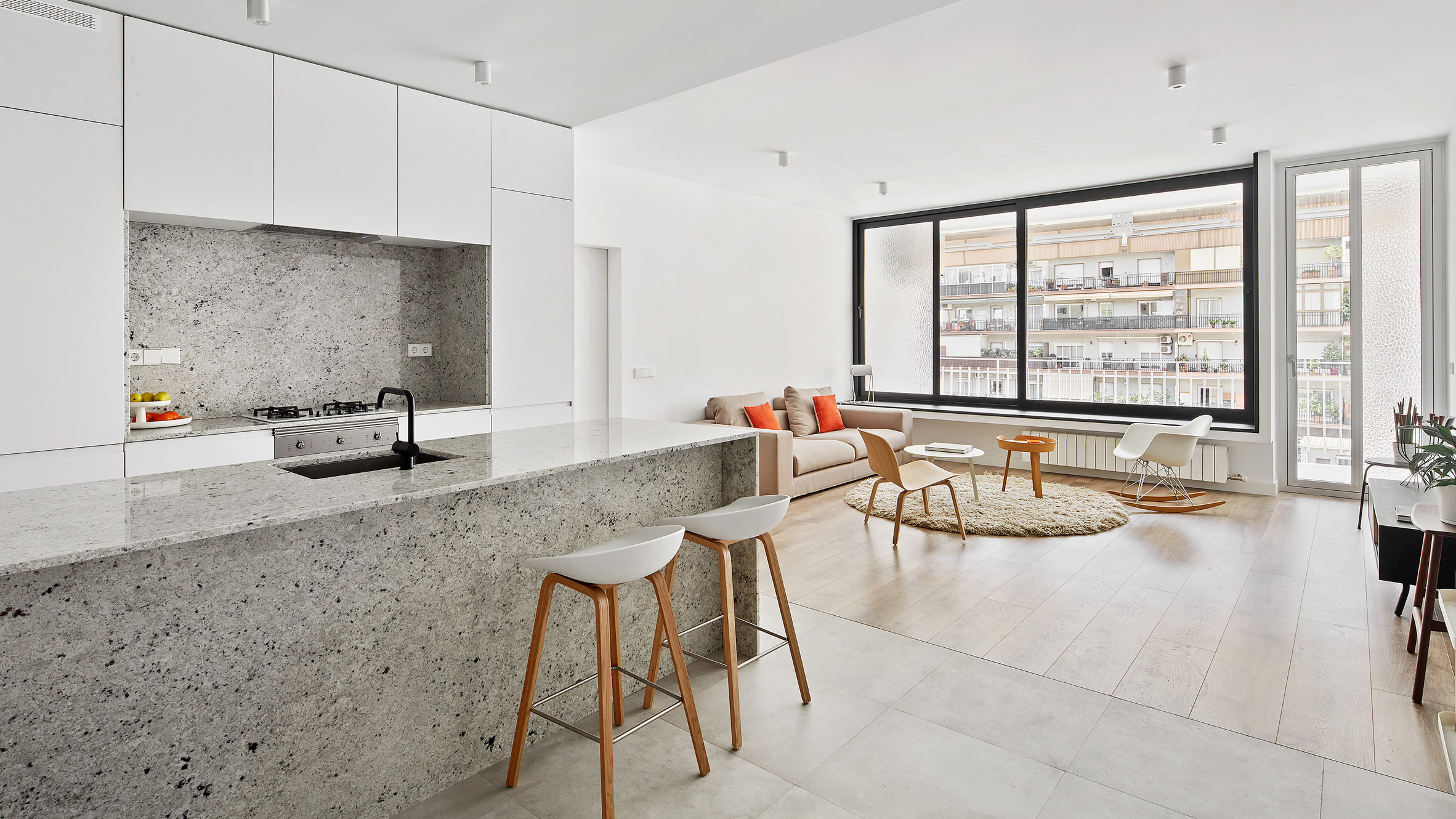
Image credit: dezeen.com
Use contrast for impact, but keep it intentional. For instance, pairing dark herringbone wood with pale concrete-look tiles can create a bold and modern finish.
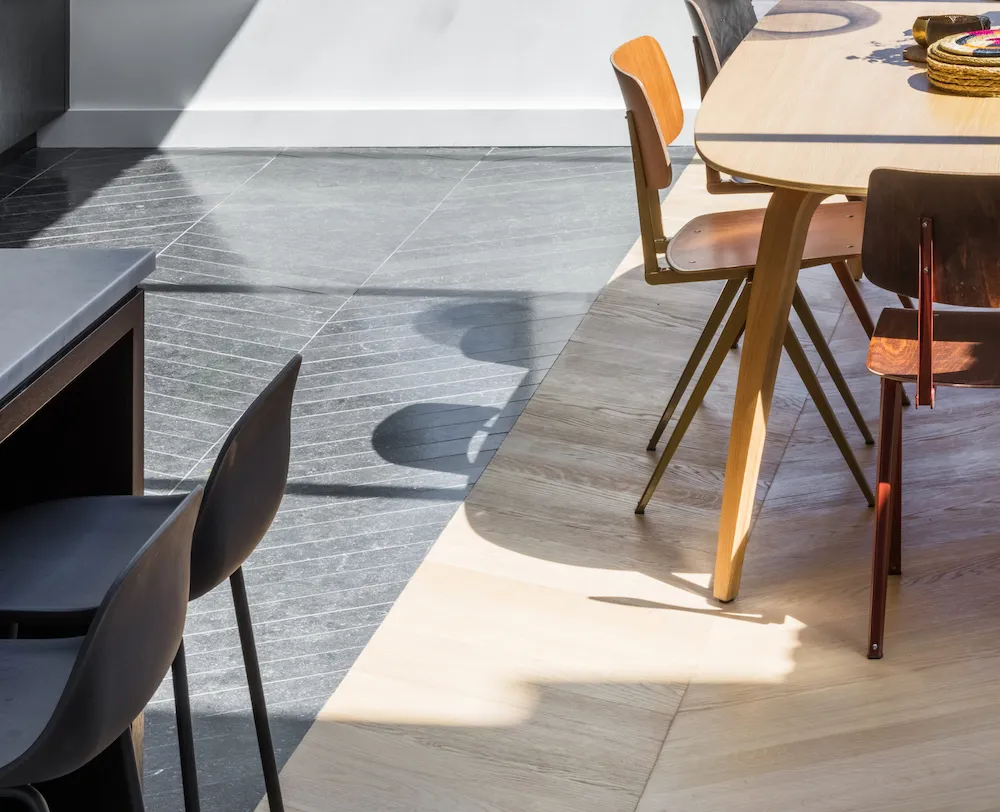
Image credit: livingetc.com
The goal is harmony, not uniformity.
Use Transition Strips or Patterns
When moving from one flooring type to another, a transition strip keeps the change clean and professional. These strips come in various styles — wood, metal or rubber — and they help avoid trip hazards while giving your floors a polished look.
Alternatively, use layout patterns to your advantage. Think:
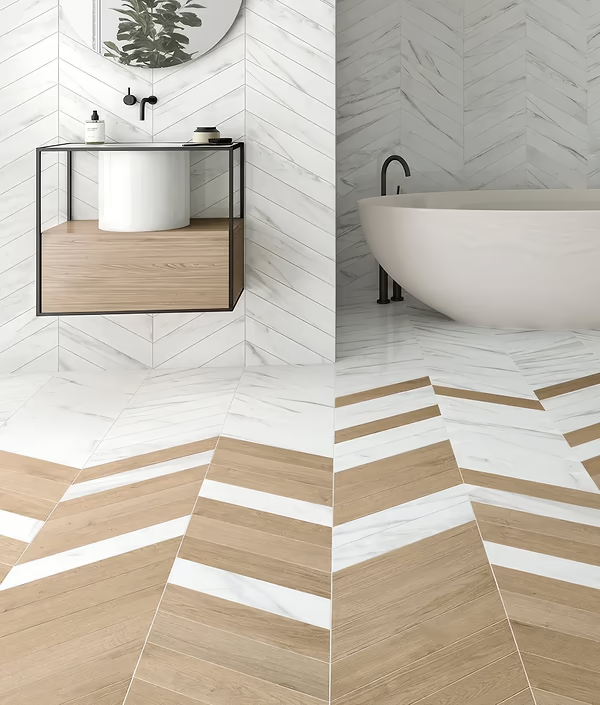
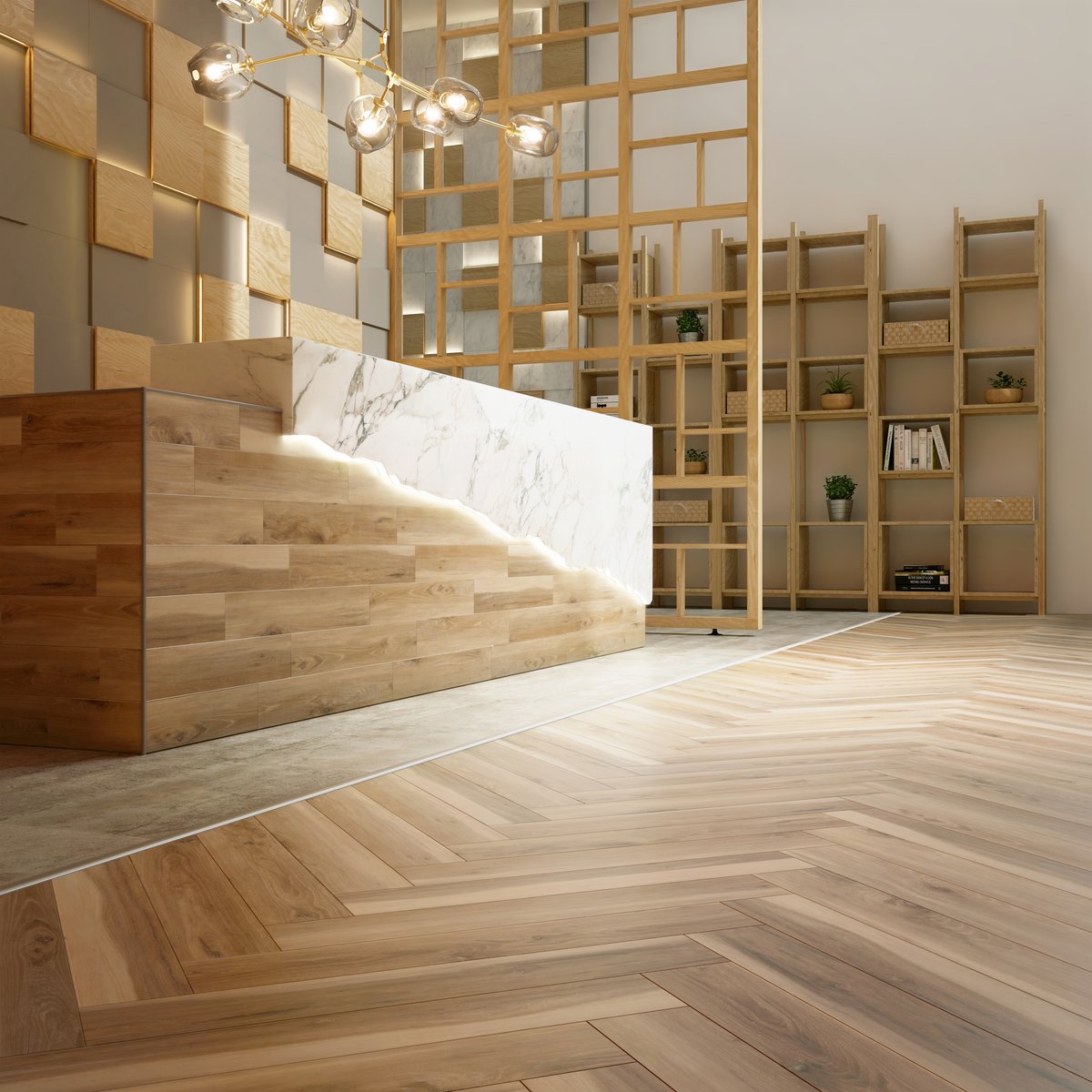
A herringbone wood floor meeting large-format tiles with a diagonal line.
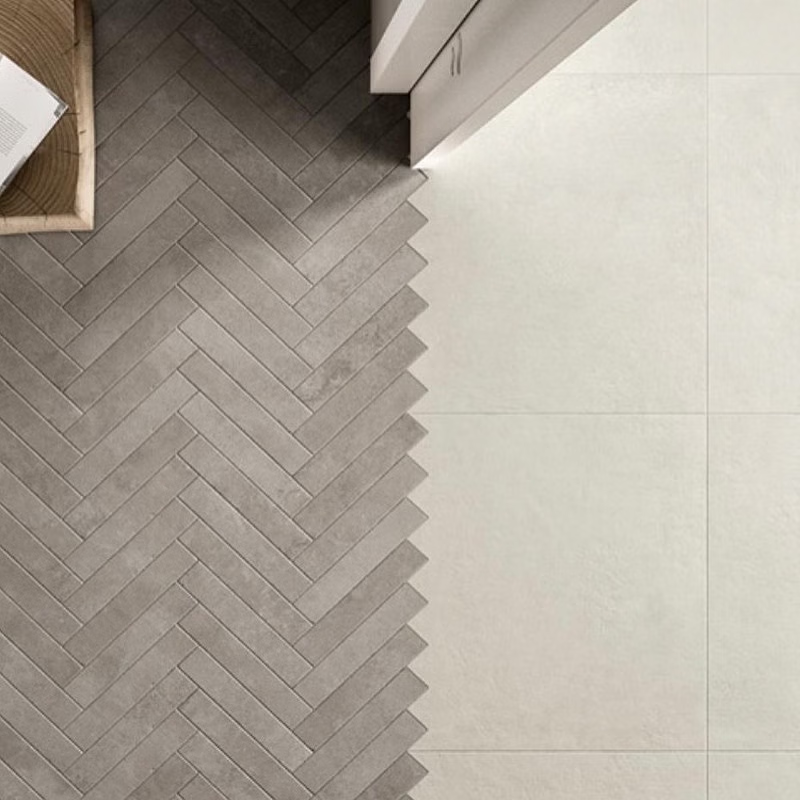
Image credit: houszed.com
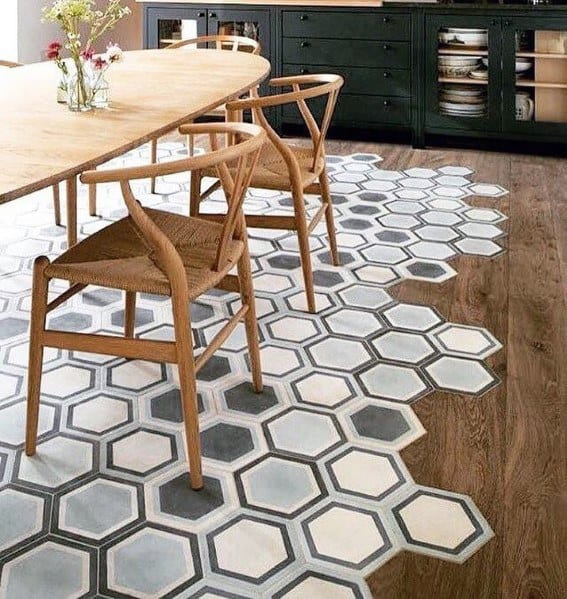
Hexagonal tiles fading into oak planks for a seamless, artistic transition.

Image credit: houszed.com
These small design choices make a big visual impact and are perfect for modern open-plan interiors.
Consider Practical Needs for Each Area
Different rooms have different requirements. In an open-plan home, you’ll want flooring that’s:
Water-resistant for kitchens and utility zones.
Durable and scratch-resistant for high-traffic living and dining areas.
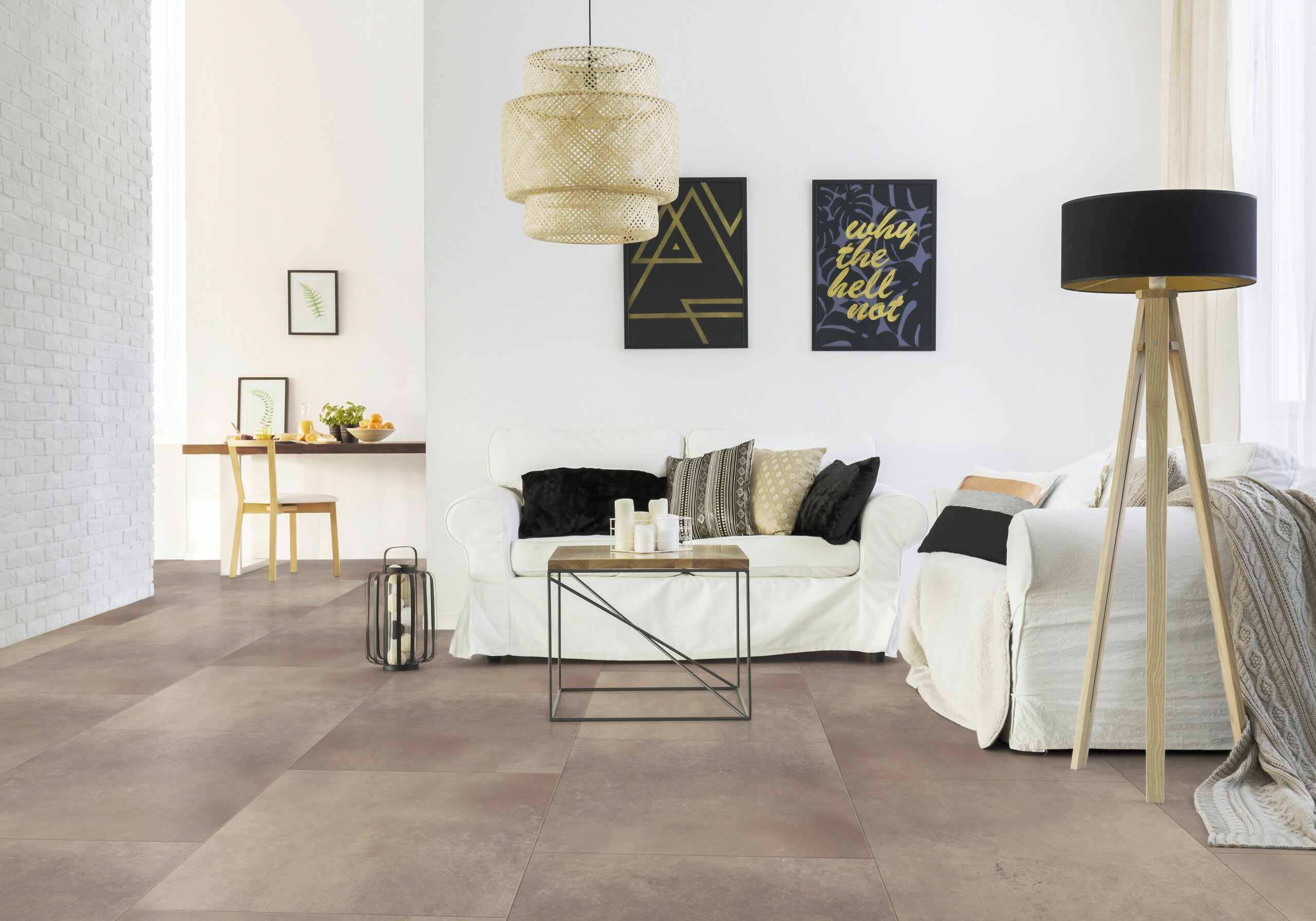
Comfortable and warm underfoot for lounging spaces.
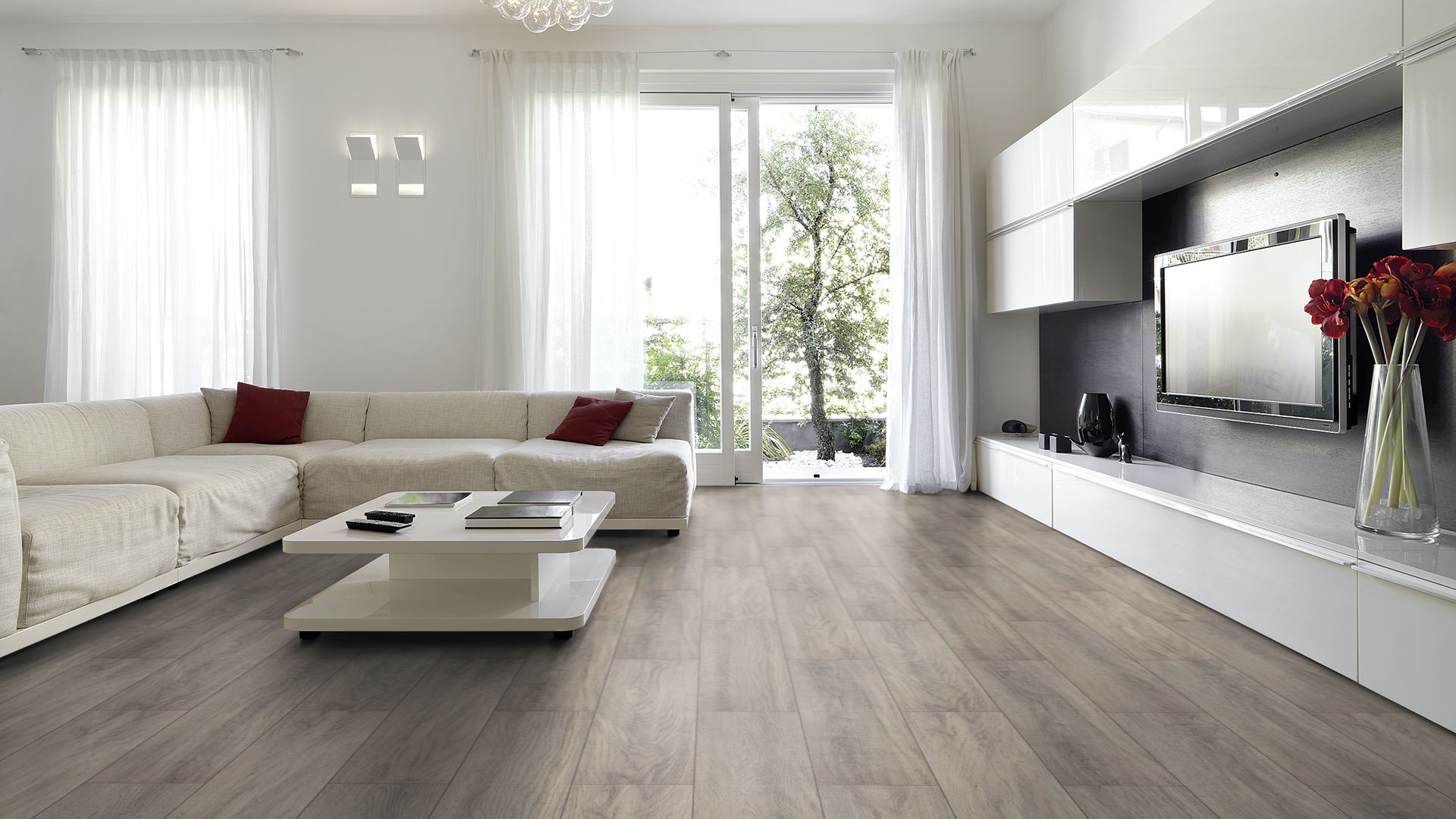
By mixing flooring types based on function, you’ll not only improve the look of your home but also extend the lifespan of your surfaces.
Keep the Flow with Consistency
Yes, mixing flooring adds interest — but it still needs to feel like one cohesive space. To maintain that sense of flow:
Keep the plank size or tile shape consistent across the different materials.
Use the same grout colour if transitioning between tiled areas.
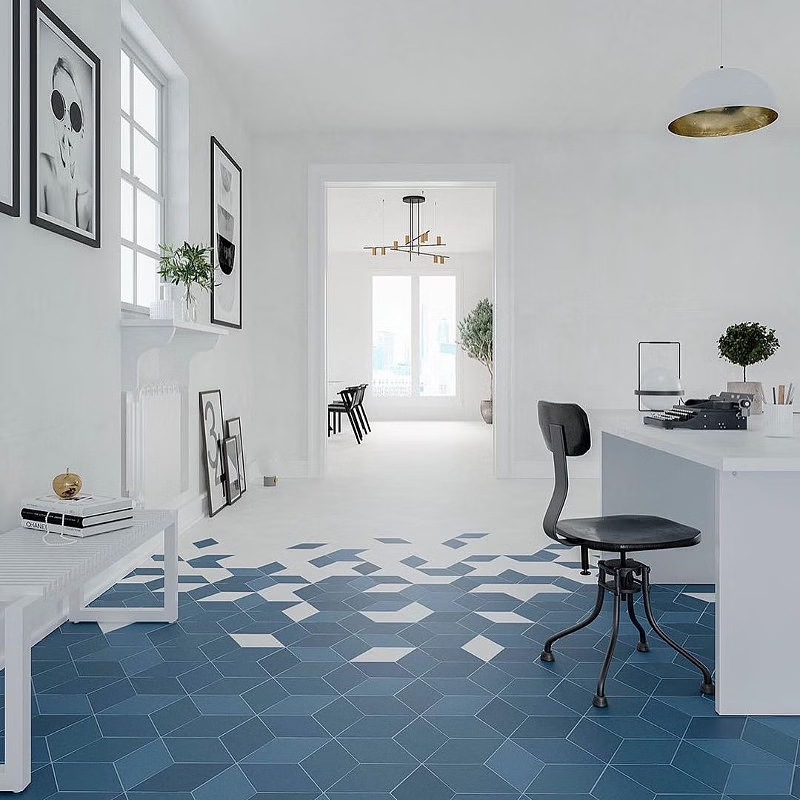
Image credit: houszed.com
For advice on choosing the right grout colour, read our guide “Lesson/Tip: How To Choose The Right Grout Colour“.
Stick with one main visual style, like modern minimalism or rustic charm, so your floors don’t feel mismatched.
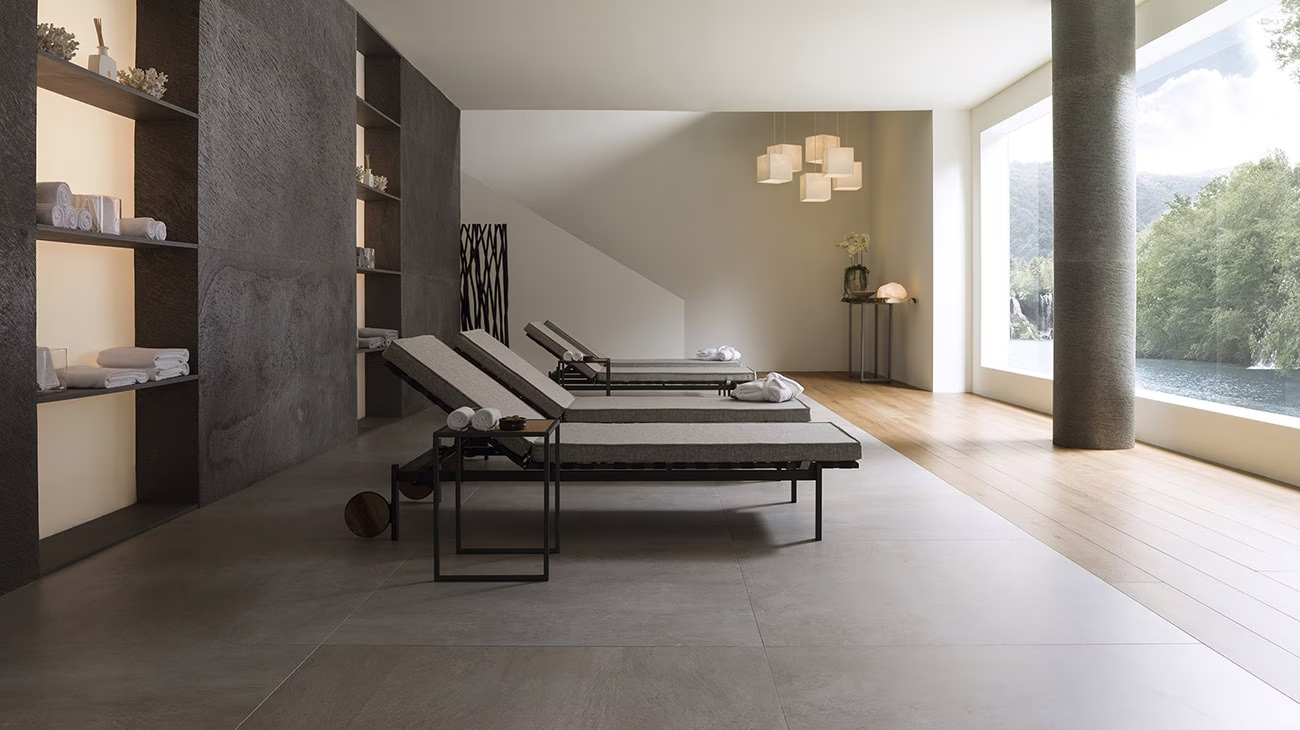
Image credit: porcelanosa.com
Don’t Be Afraid to Get Creative
Mixing flooring doesn’t have to be subtle. You can make bold design choices with confidence:
Try patterned tiles under a dining table.
Use dark flooring around the perimeter of a room and a lighter option in the centre.
Mix wood-look vinyl with real wood to play with natural and industrial textures.
Open-plan flooring design is your chance to showcase personality, and a creative combo can turn a practical layout into something truly unique.
When it comes to flooring in an open-plan home, variety is your friend — as long as it’s intentional. Mixing flooring types lets you define spaces, add visual interest and choose the best material for each area’s function. With the right approach, your open-plan home will feel cohesive, stylish and practical.
Looking for the perfect mix of flooring? Explore Tiletoria’s wide range of tiles, laminate, vinyl and more to create a home that flows beautifully from one space to the next.
blog, floors, trends, walls
When you think of tiles, you probably picture them on kitchen splashbacks or bathroom floors — but what about the ceiling? That’s right — tiling your ceiling is becoming one of the hottest interior design trends right now. It’s bold, creative and offers a fresh way to add texture, pattern and drama to your home. If you’re after a design statement that turns heads and sparks conversation, this trend might just be for you.
Let’s take a closer look at why ceiling tiles are making a stylish comeback and how you can incorporate them into your space.
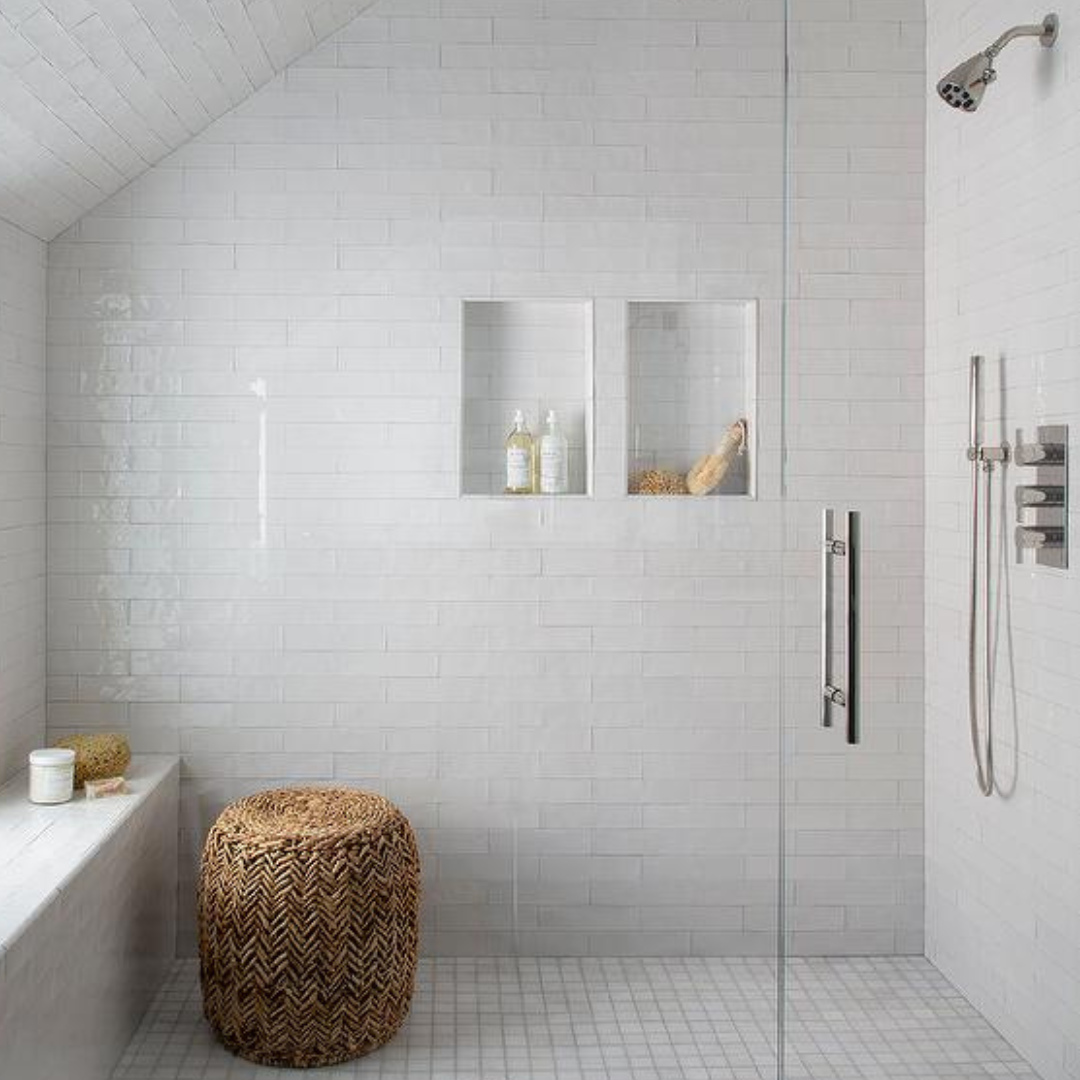
Image credit: decorpad.com
Table of Content:
Why Tile the Ceiling?
Best Rooms for Ceiling Tiles
Choosing the Right Tiles for the Ceiling
Installation Considerations
Low-Maintenance and Long-Lasting
Why Tile the Ceiling?
Traditionally, ceilings have been left plain, painted white and largely forgotten. But with more homeowners and designers pushing creative boundaries, ceilings are finally getting the attention they deserve. Tiling your ceiling adds an extra layer of interest and elegance that transforms a room from basic to beautiful.
Here’s why it’s catching on:
Creates a focal point
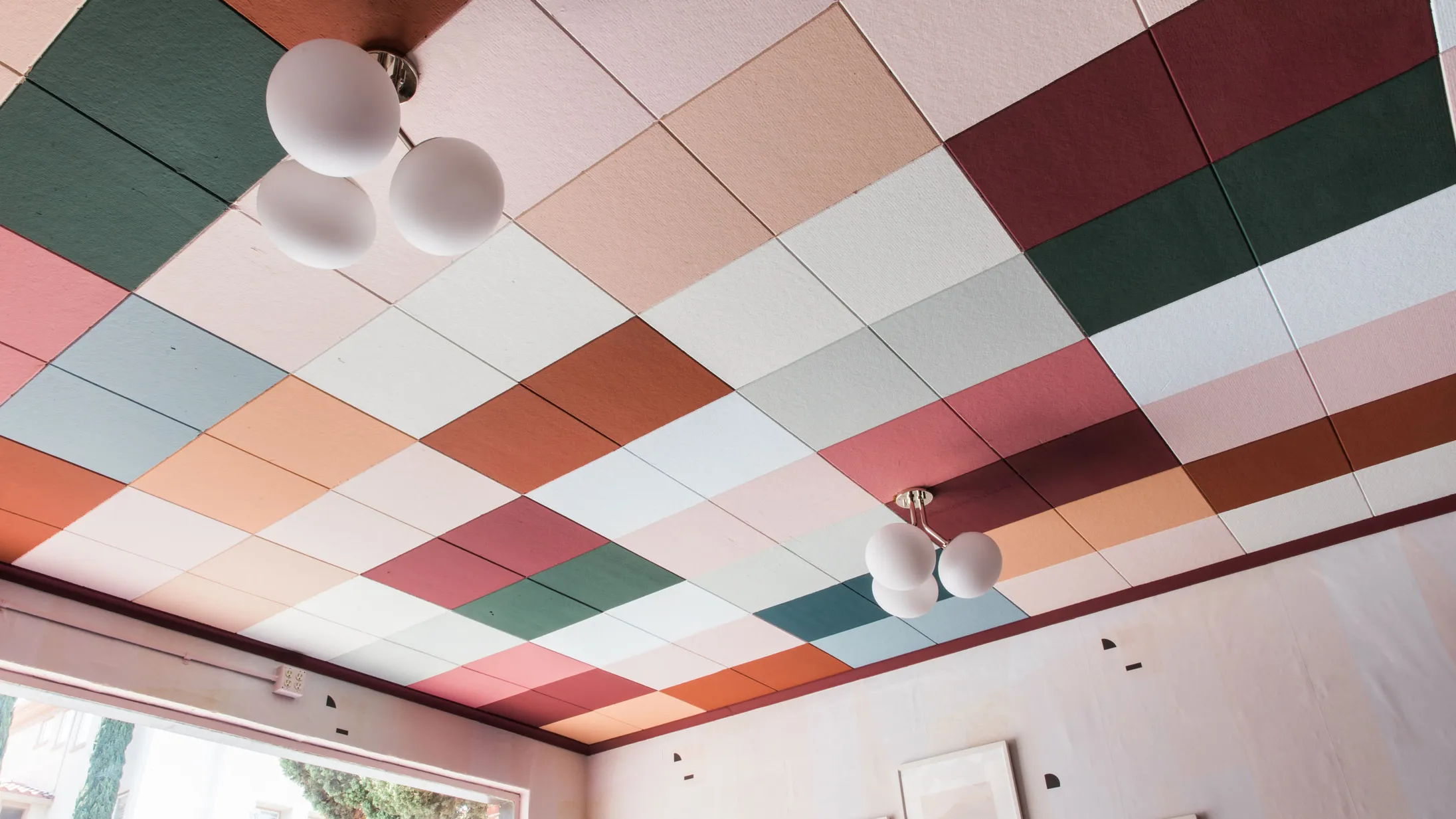
Image credit: architecturaldigest.com
A tiled ceiling instantly draws the eye upward, making the space feel more curated and considered.
Adds texture and depth
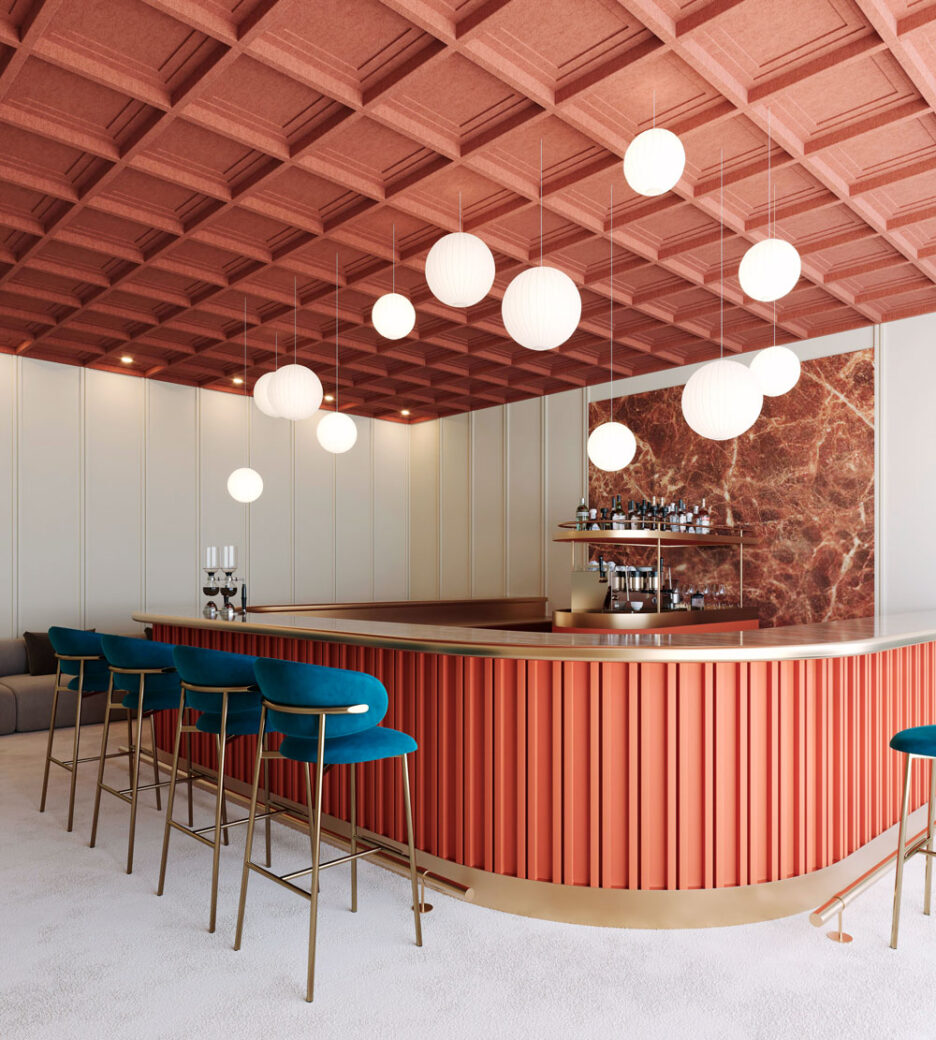
Image credit: mixinteriors.com
Especially in rooms with high ceilings, tiles can bring warmth, character and balance to the overall design.
Elevates small spaces
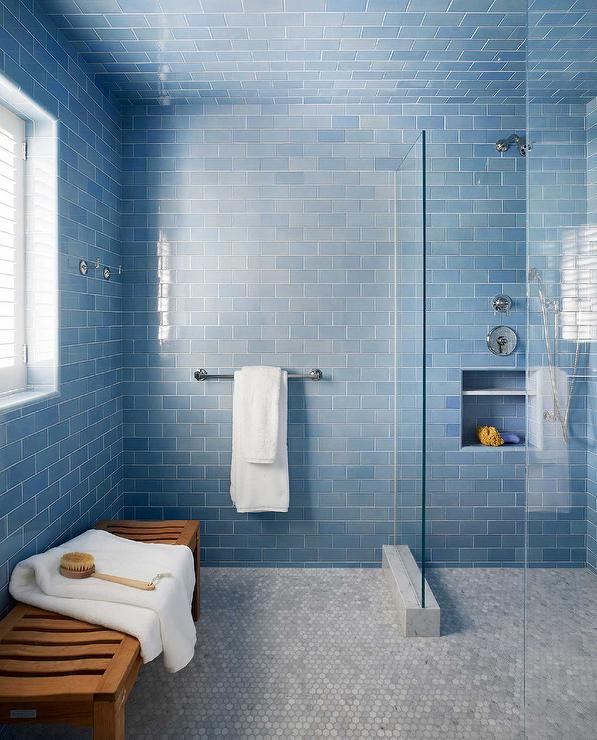
Image credit: decorpad.com
Powder rooms, entryways and other compact areas benefit from this unexpected twist.
Best Rooms for Ceiling Tiles
Not every room will suit a tiled ceiling, but when done right, it can completely change the vibe of a space. Here are a few areas where ceiling tiles really shine:
Bathrooms
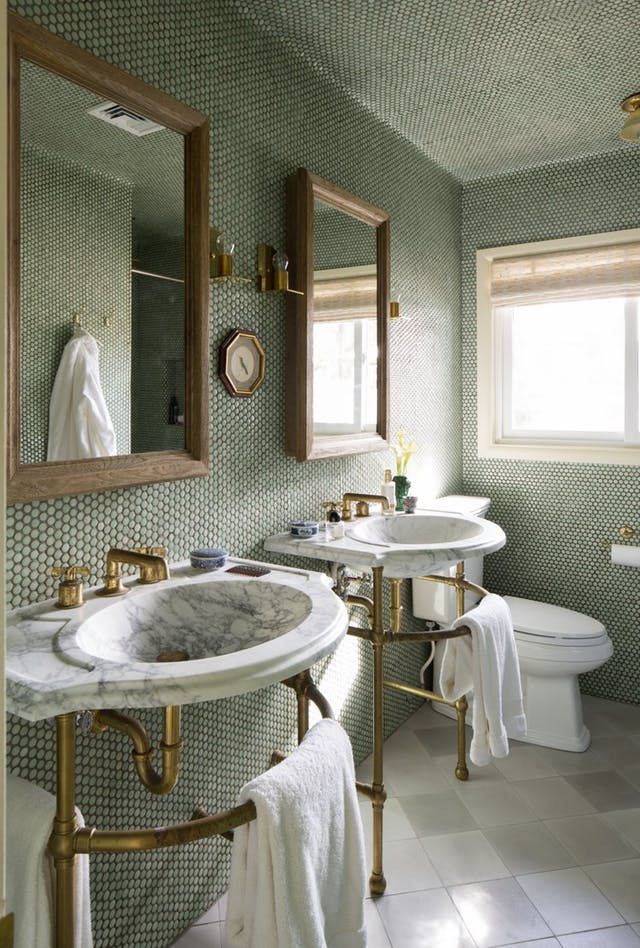
Tiling the ceiling in your shower or above a freestanding bath not only looks stunning but also offers practical water resistance.
Kitchens
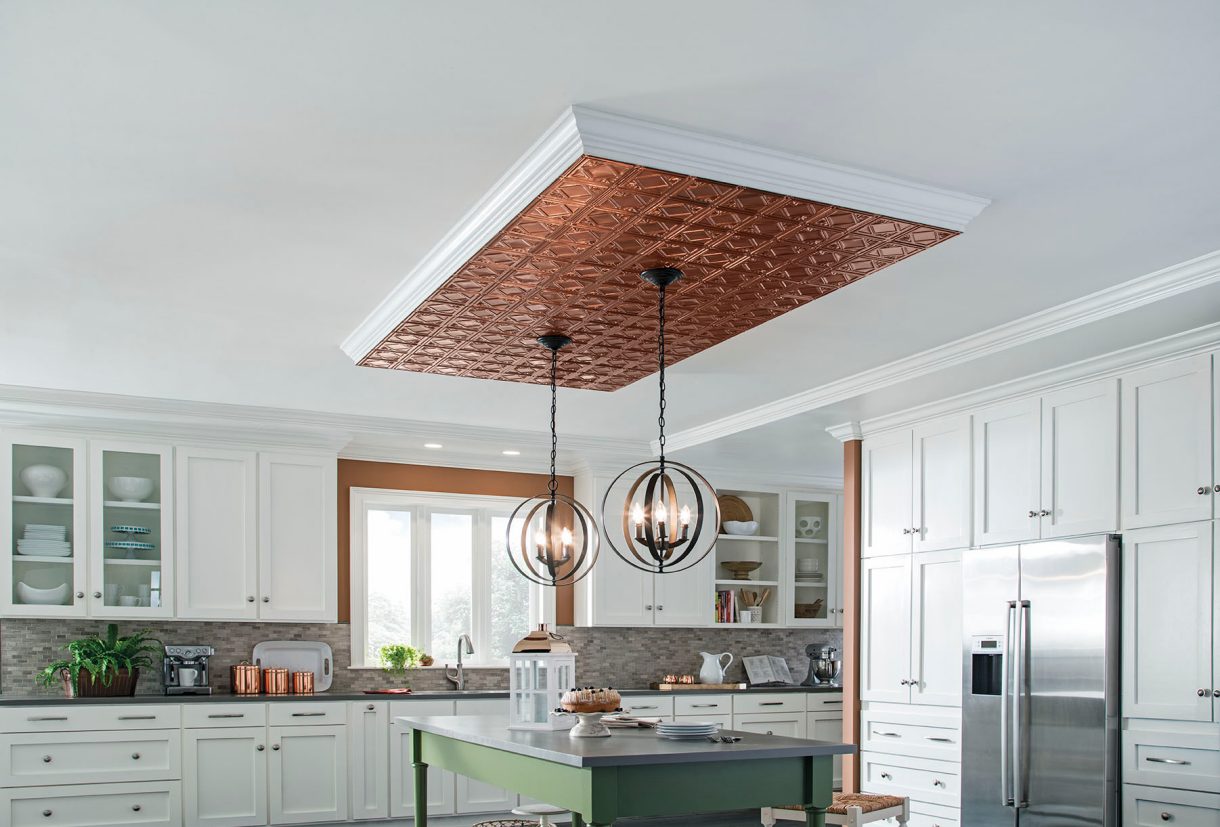
Image credit: armstrongceilings.com
A tiled ceiling above a kitchen island or in a scullery can create a sophisticated look and tie in with splashbacks or countertops.
Living Rooms
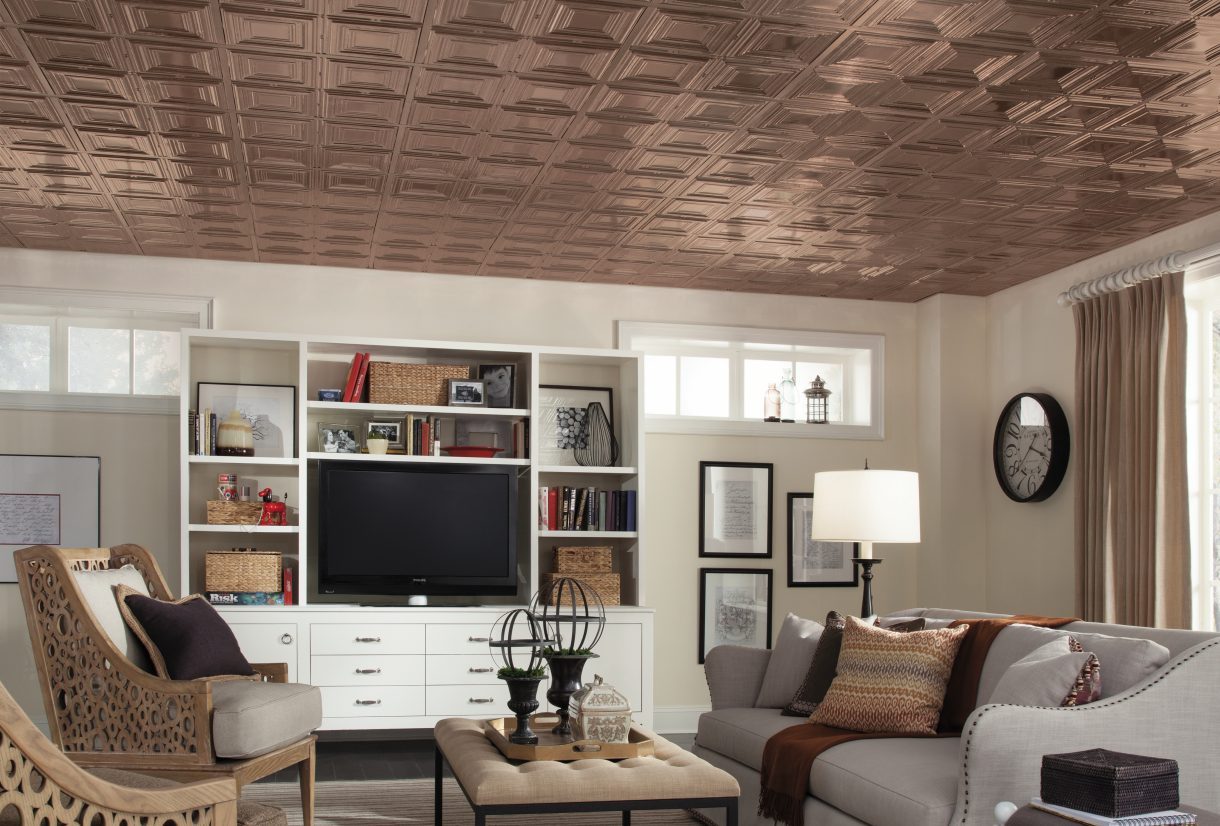
Image credit: armstrongceilings.com
Add elegance and texture with patterned or neutral tiles on the ceiling, paired with minimalist lighting for a luxe finish.
Entrances & Hallways
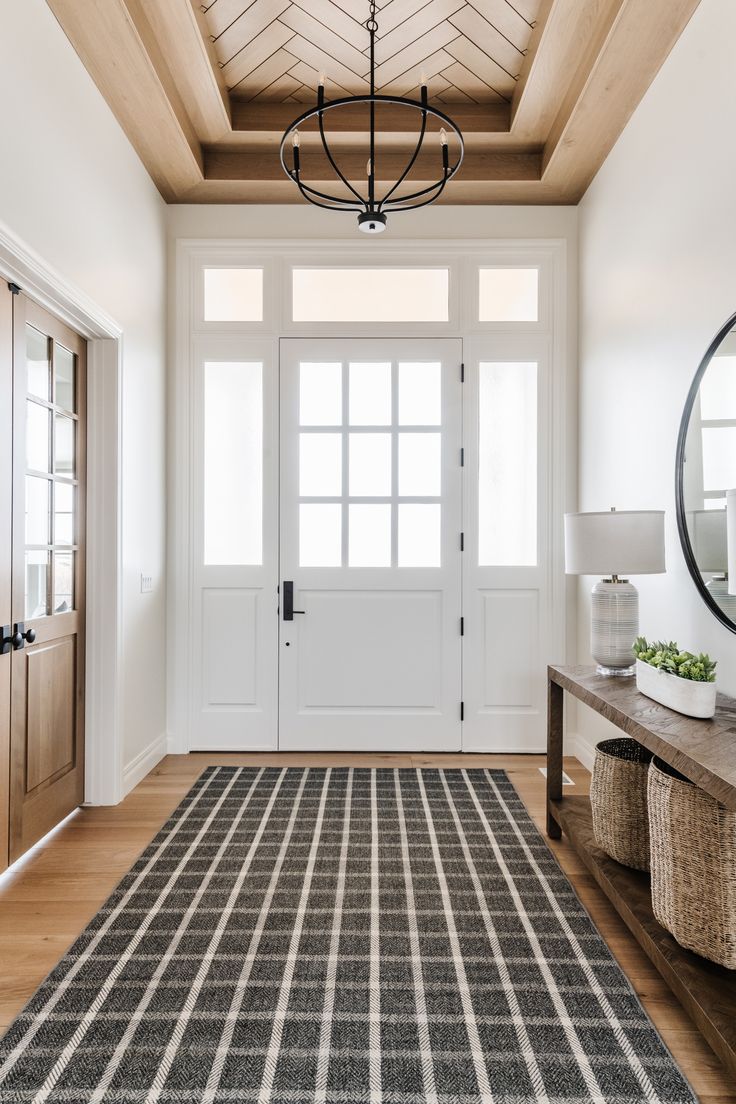
Image credit: houzz.com
First impressions count, and a tiled ceiling in your foyer or hallway sets a tone of luxury from the moment guests walk in.
Choosing the Right Tiles for the Ceiling
Not all tiles are created equal — especially when they’re going overhead. Here are a few tips when choosing tiles for your ceiling:
Go lighter
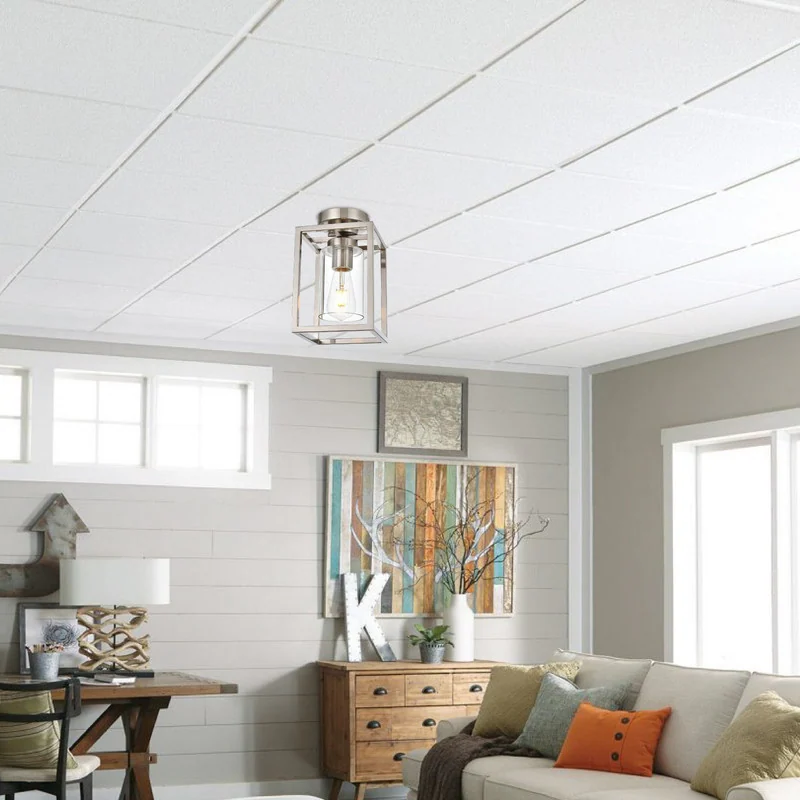
Image credit: bedbathandbeyond.com
Large, heavy tiles might be risky. Opt for lighter porcelain or ceramic tiles where possible.
Think texture
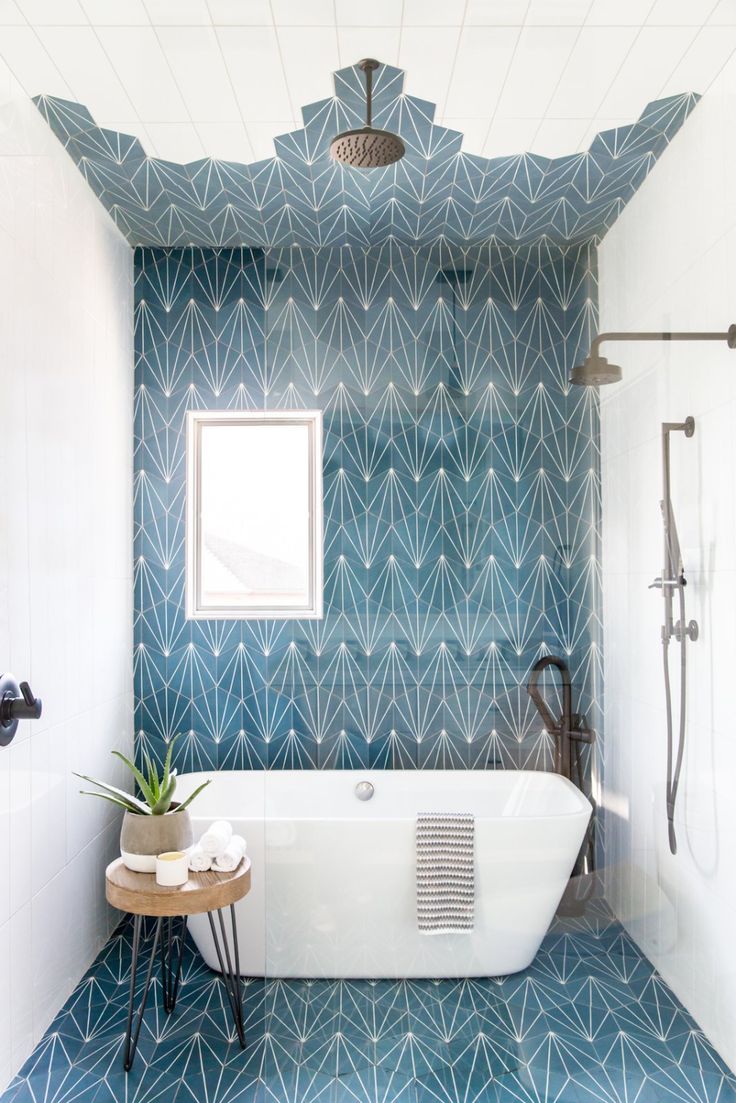
Image credit: houzz.com
3D or textured tiles can really make a statement but be careful not to go overboard in smaller rooms.
Stick with neutrals
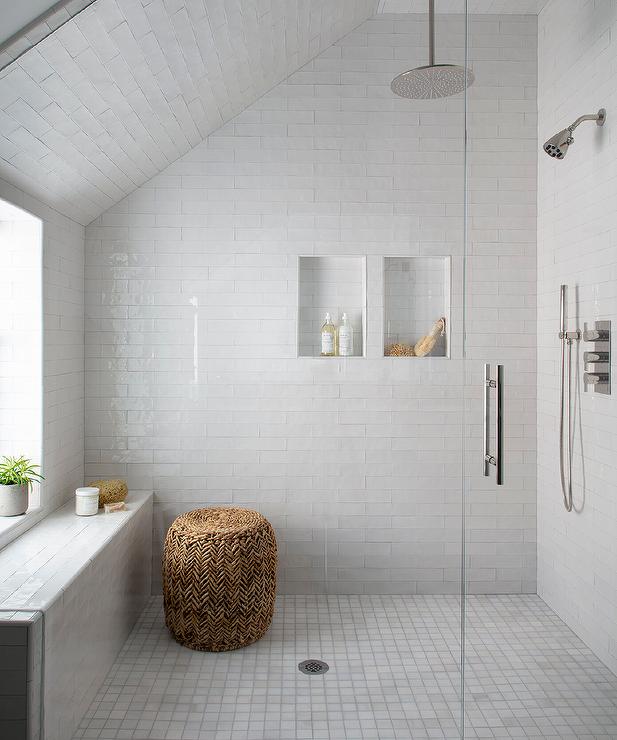
Image credit: decorpad.com
If you’re worried about commitment, soft tones and neutral shades keep things elegant without being overpowering.
Gloss vs. matte
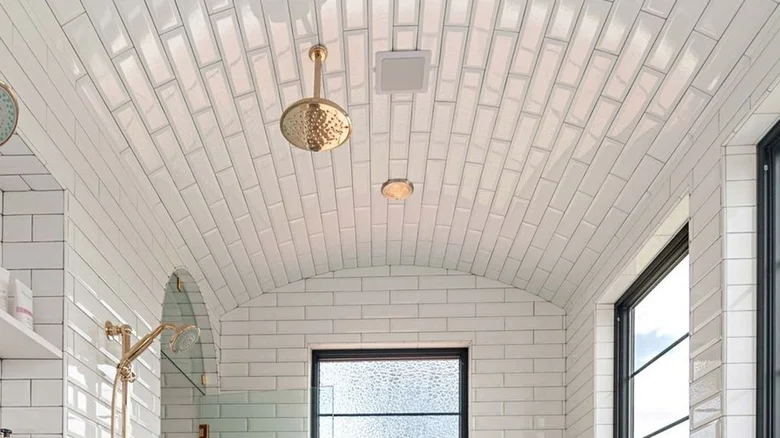
Image credit: housedigest.com
Glossy tiles reflect more light, which can help brighten a space, but matte tiles create a softer, more modern feel.
Installation Considerations
Tiling a ceiling requires a little more planning than walls or floors. Here are a few things to keep in mind:
Use a professional installer

Precision is key. Uneven tiles or poor adhesion can become a safety hazard.
Check structural integrity

Make sure your ceiling can support the weight of the tiles and adhesive.
Waterproofing
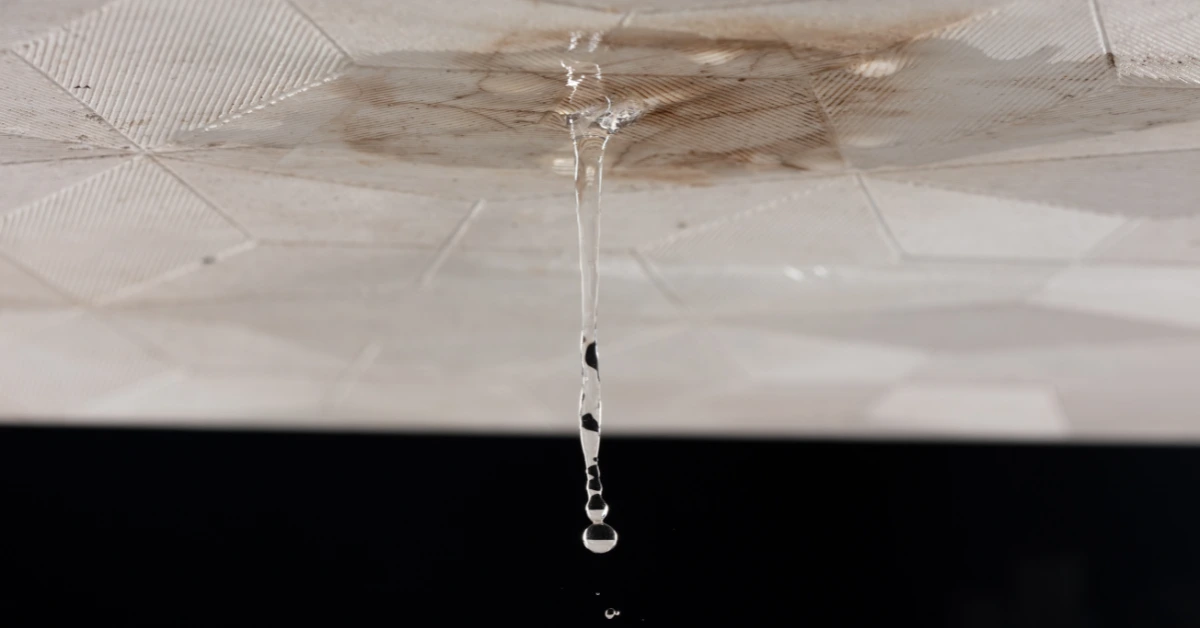
In bathrooms or kitchens, proper sealing is essential to prevent moisture damage.
Low-Maintenance and Long-Lasting
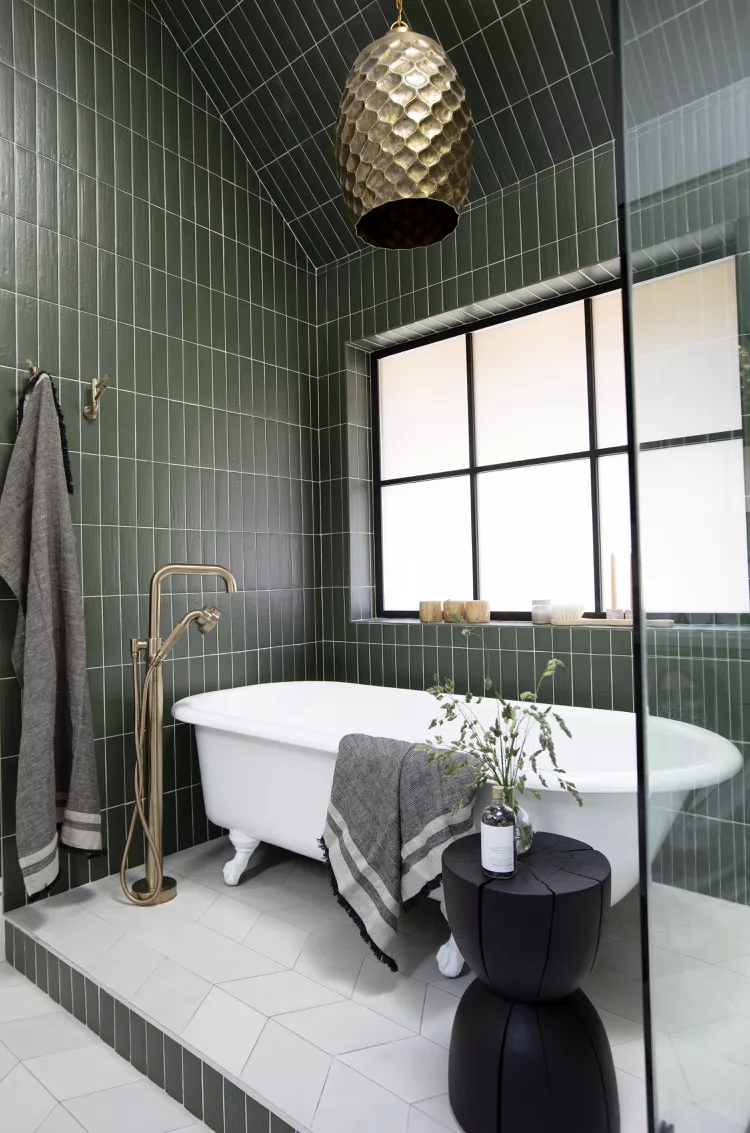
Image credit: thespruce.com
One of the biggest perks of ceiling tiles? They’re incredibly low maintenance. Unlike painted or plastered ceilings, tiles are easy to clean, durable and resistant to mould and mildew — making them perfect for moisture-prone areas.
If you’re ready to break the mould and embrace something bold, tiling your ceiling could be your next home improvement project. It’s a modern, functional way to add character and style to any space while also reaping the benefits of durability and easy maintenance.
Whether you’re planning a full renovation or just looking to update a single room, ceiling tiles might just be the statement finish you’ve been searching for.
Ready to explore your options? Visit Tiletoria for a wide range of ceiling-friendly tiles that can take your interiors to new heights — literally.
bathroom, blog, kitchen
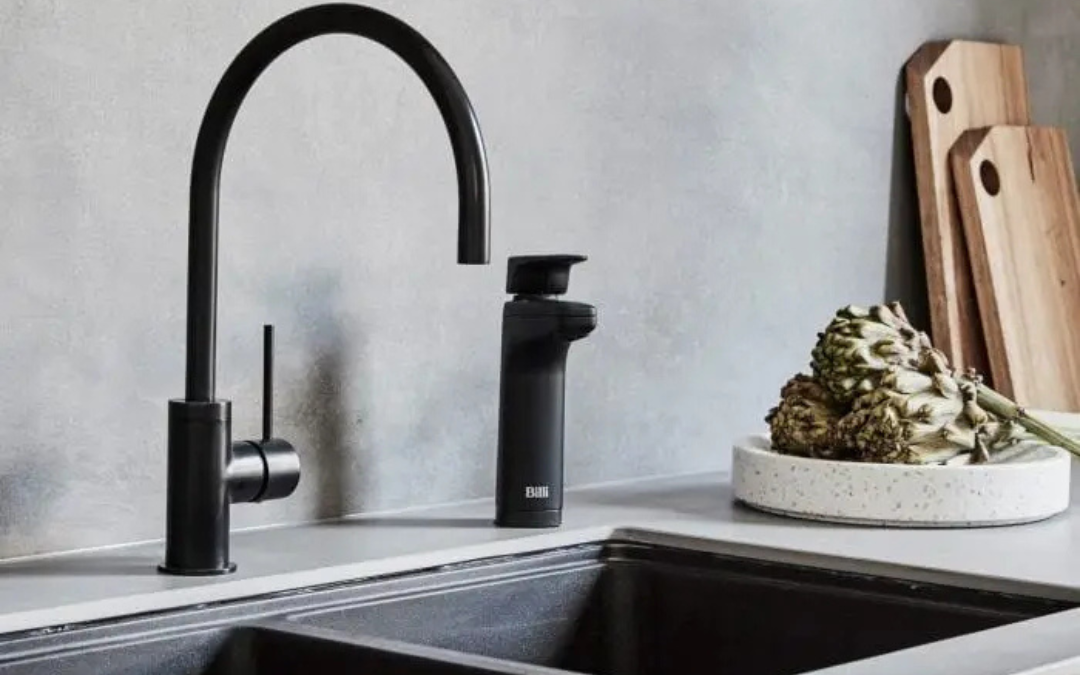
When it comes to improving your home’s water quality, convenience, and sustainability, filtered taps are a game-changer. Instead of constantly buying bottled water or relying on bulky filtration jugs, a filtered tap gives you clean, great-tasting water straight from the source. But what makes filtered taps such a smart choice? Let’s dive into the benefits.

Table of Content:
Enjoy Cleaner, Healthier Water
Say Goodbye to Plastic Waste
Save Money in the Long Run
Better-Tasting Water for Cooking & Drinking
Easy & Convenient Filtration
Protects Your Appliances
Upgrade Your Shower Experience with a Filtered Shower Head
Enjoy Cleaner, Healthier Water

Why Filtered Taps Are a Game-Changer for Your Home – Benefits of filter taps: Enjoy Cleaner, Healthier Water
Unfiltered tap water can contain impurities like chlorine, heavy metals and microplastics. A filtered tap removes these contaminants, providing you with fresh, purified water every time you turn it on. This is especially important for families, as cleaner water can contribute to better overall health.
Say Goodbye to Plastic Waste

If you’re looking to reduce your environmental impact, switching to a filtered tap is a great step. Bottled water contributes to plastic pollution, with millions of bottles ending up in landfills every year. By using a filtered tap, you eliminate the need for single-use plastics while still enjoying high-quality drinking water.
Save Money in the Long Run
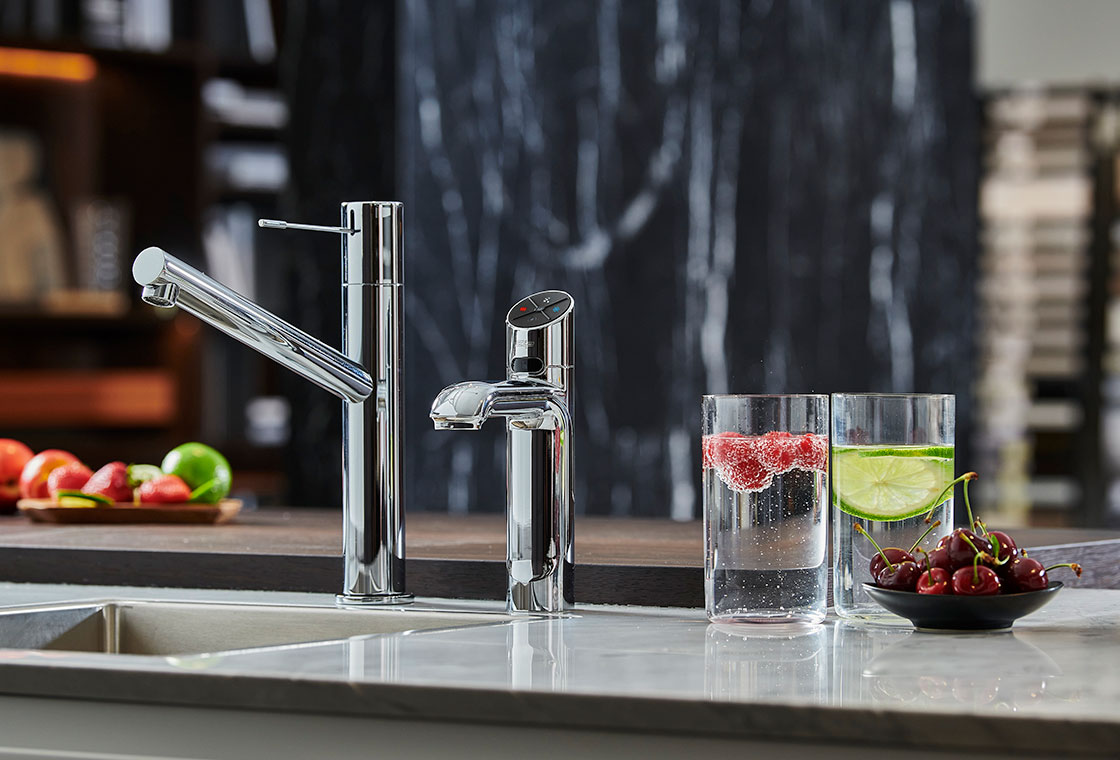
Bottled water isn’t just bad for the planet — it’s expensive! Investing in a filtered tap means you no longer have to spend money on bottled water or replacement filter jugs. Over time, this adds up to significant savings while still ensuring your water is safe to drink.
Better-Tasting Water for Cooking & Drinking
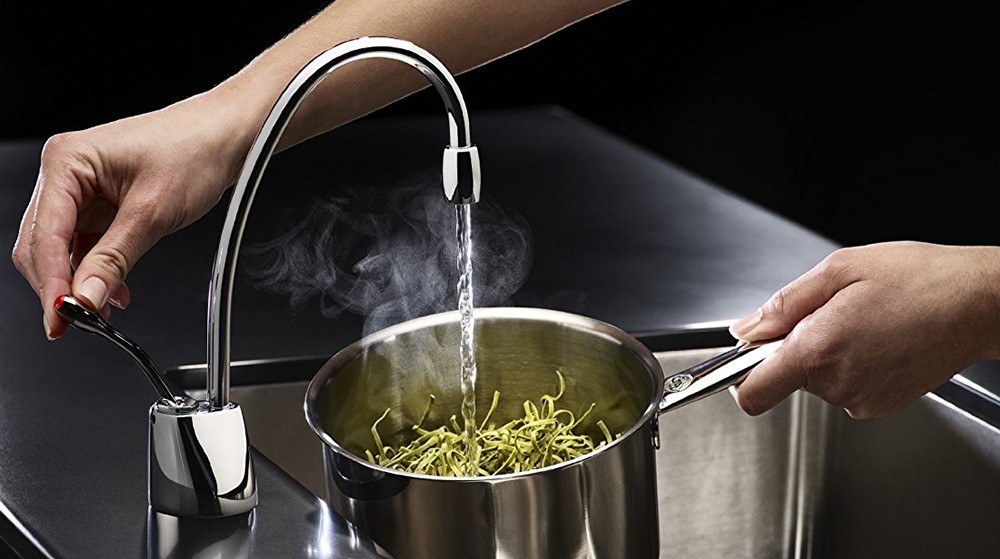
Filtered water isn’t just for drinking — it enhances the taste of your food and beverages. Whether you’re making tea, coffee, or cooking pasta purified water helps bring out the natural flavours of your ingredients. No more unwanted chlorine taste interfering with your morning brew!
Easy & Convenient Filtration

Unlike water filter jugs that need constant refilling, filtered taps provide an endless supply of clean water at the turn of a handle. Modern filtration systems are designed to be low-maintenance, with filters that last for months before needing a replacement. This means less hassle and more convenience for your household.
Protects Your Appliances
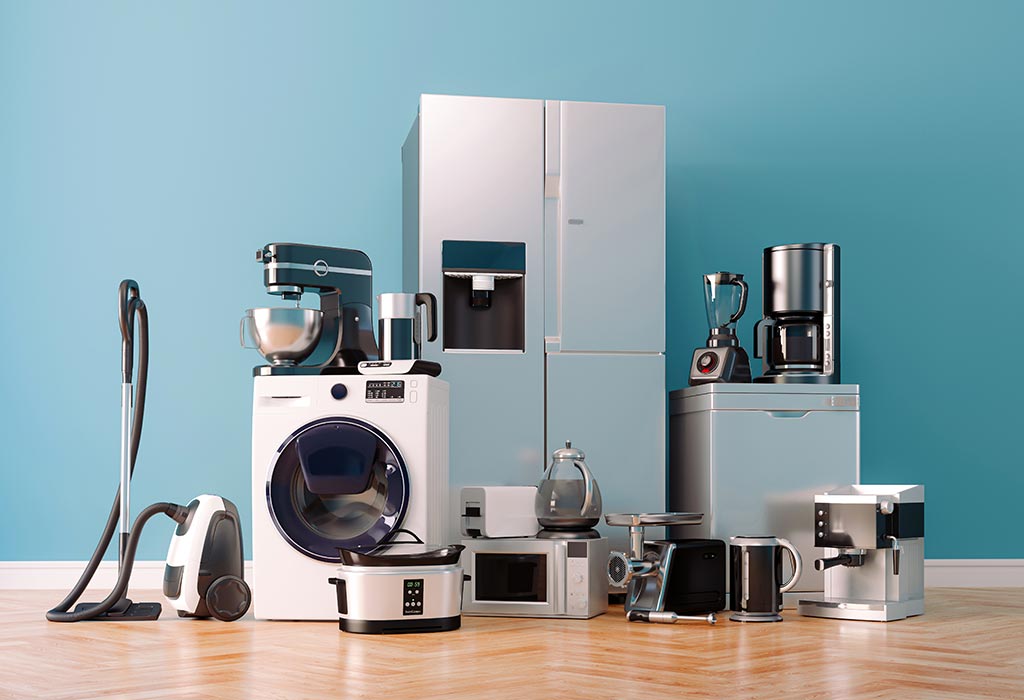
Filtered water can also extend the lifespan of your kitchen appliances. Hard water and impurities can lead to mineral buildup in kettles, coffee machines and dishwashers. A filtered tap reduces these issues, keeping your appliances running efficiently for longer.
Upgrade Your Shower Experience with a Filtered Shower Head
Filtered water isn’t just for drinking — it can also transform your shower experience. Hard water and chlorine can dry out your skin and hair, leading to irritation and dullness. A filtered shower head helps remove these harsh elements, leaving your skin feeling softer and your hair shinier. It’s an easy upgrade that can make a big difference in your daily routine, especially for those with sensitive skin or allergies.

In addition to benefiting your skin and hair, a filtered shower head also helps protect your bathroom. Hard water deposits and mineral buildup can leave stubborn stains on tiles, glass shower doors, and fixtures. By filtering out these impurities, you can reduce limescale buildup, making cleaning easier and keeping your bathroom looking fresher for longer.
Filtered taps offer a simple yet powerful way to upgrade your home’s water quality. From improving taste and reducing plastic waste, to saving money and protecting your appliances, the benefits are clear.
blog, floors, walls
When choosing tiles for your home, you might focus on colour, texture and size — but have you considered how lighting affects your tiles appearance? The right lighting can enhance the beauty of your tiles, while poor lighting can make them look dull or even change their colour. Before making your final choice, it’s important to understand how lighting impacts your tiles and how you can use it to your advantage.
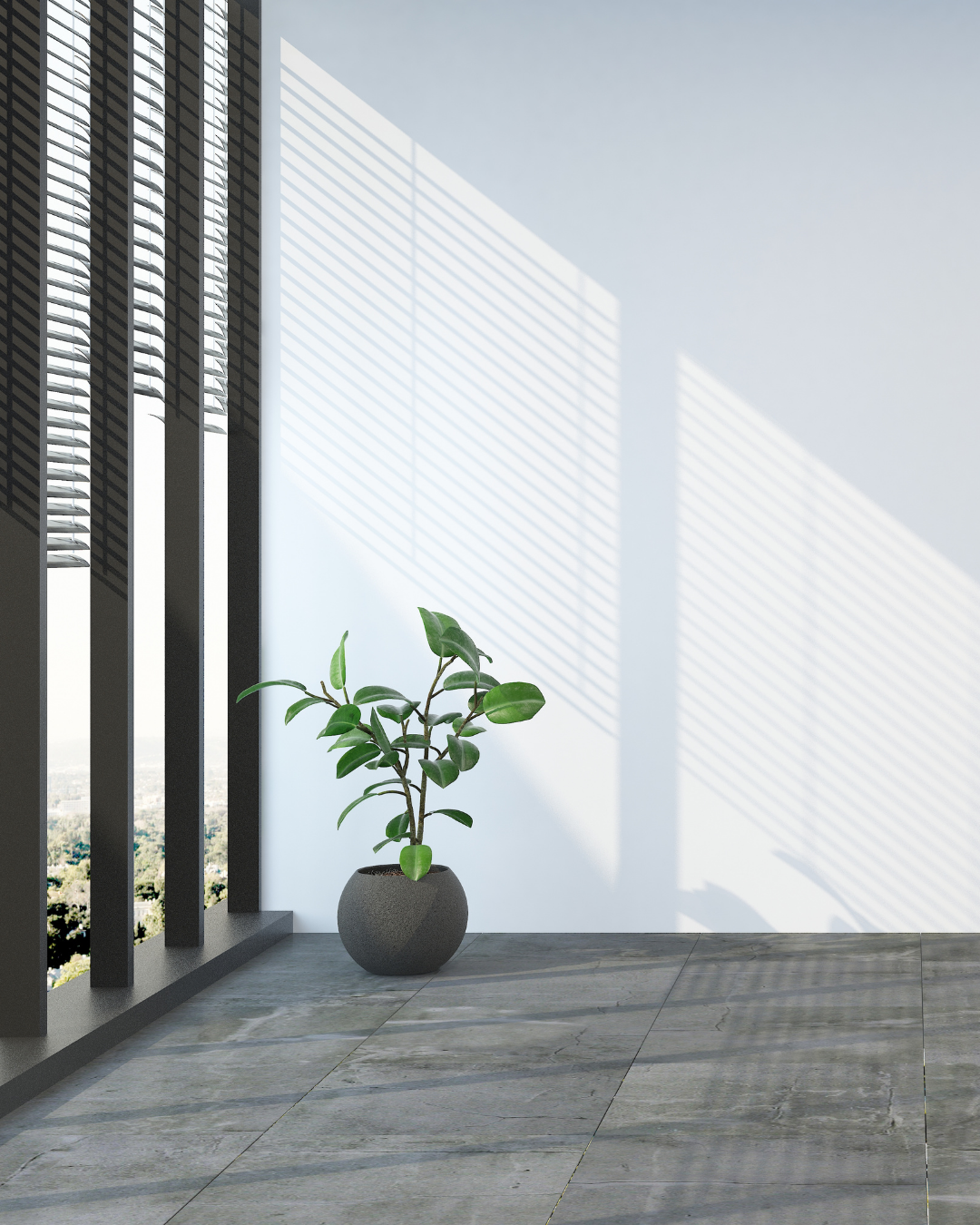
Table of Content:
How Different Lighting Affects Tiles
Tile Finishes and Lighting Effects
Tips for Choosing the Right Tiles Based on Lighting
How Different Lighting Affects Tiles
Whether it’s the natural light streaming in through windows or the artificial lighting you choose, each type of light interacts differently with tile colours, textures and finishes. Understanding these effects will help you make the right choice for your space.
Natural Light: Bringing Out True Colours
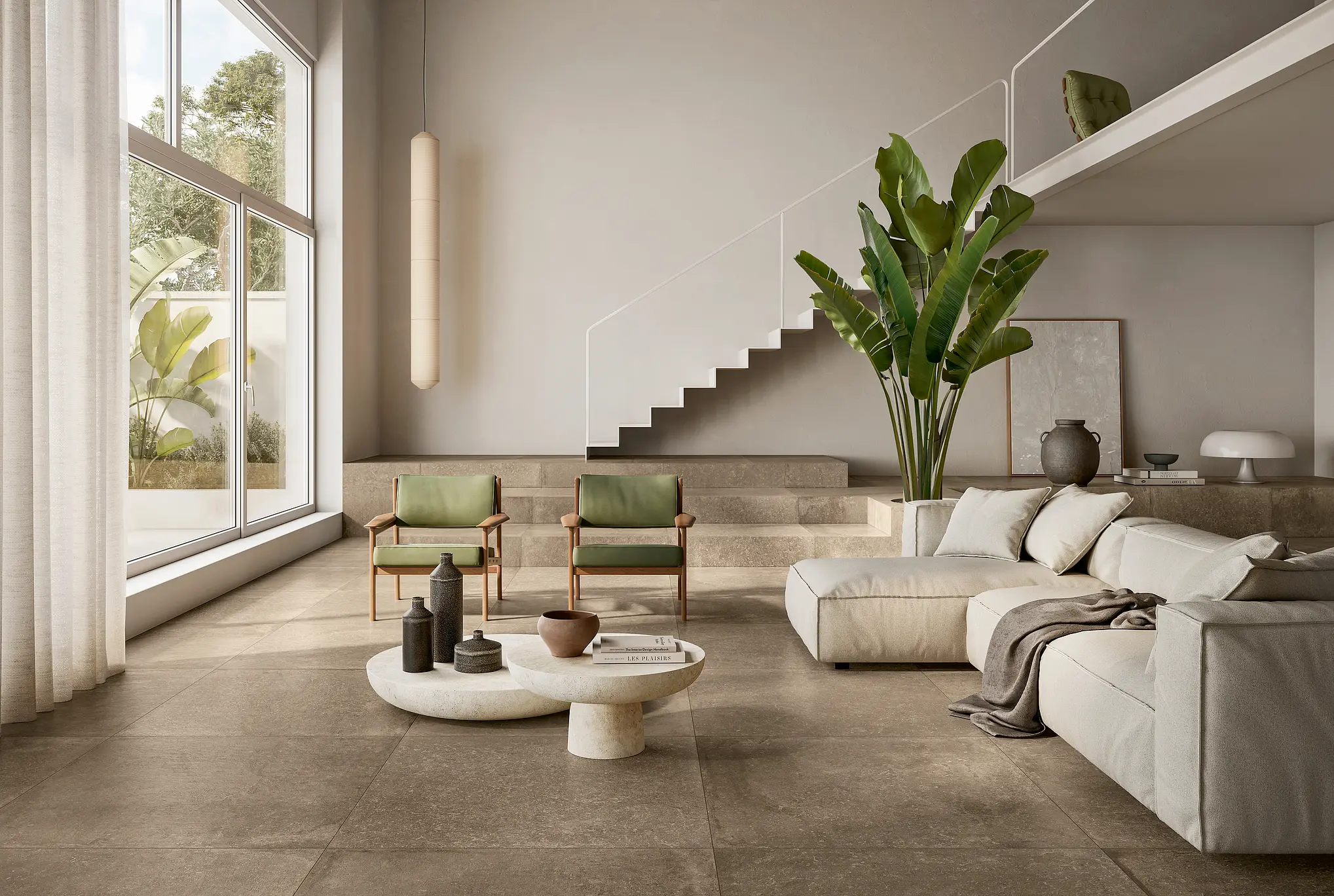
image credit: casa39
Natural light has a major influence on how tiles appear in a space. The way sunlight filters into a room throughout the day can highlight subtle undertones, making tiles look different in the morning, afternoon, and evening. Large windows, skylights and glass doors allow natural light to highlight the true tones of your tiles. However, be aware that direct sunlight can create glare on glossy tiles and make some colours appear warmer or cooler depending on the time of day.
Artificial Lighting: Setting the Mood
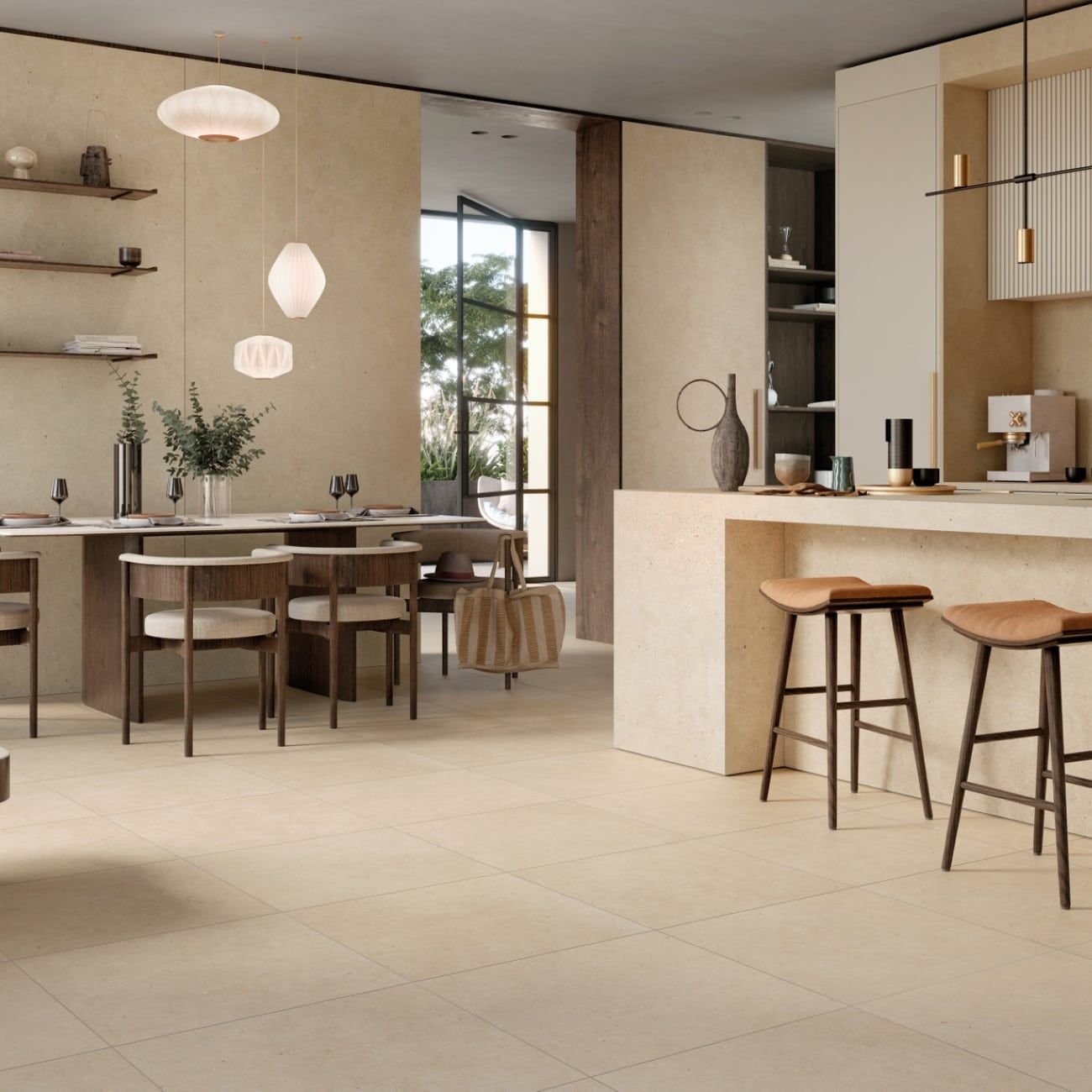
image credit: casa39
Artificial lighting plays a crucial role, especially in rooms with limited natural light. Different types of bulbs create different effects:
Warm White Bulbs
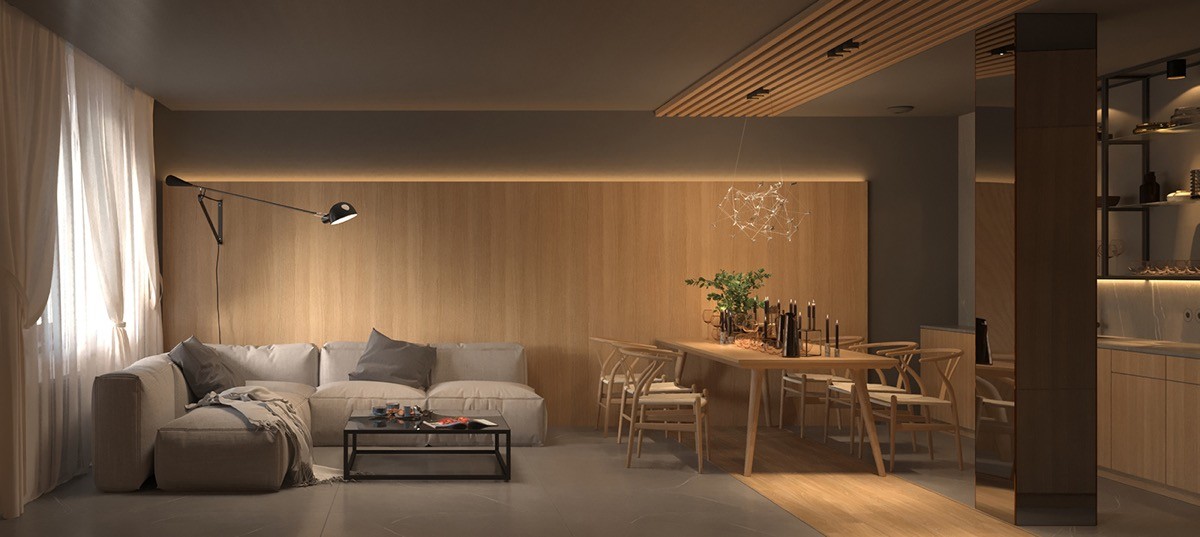
Add a cosy, yellowish tone, perfect for living spaces and bathrooms.
Cool White Bulbs
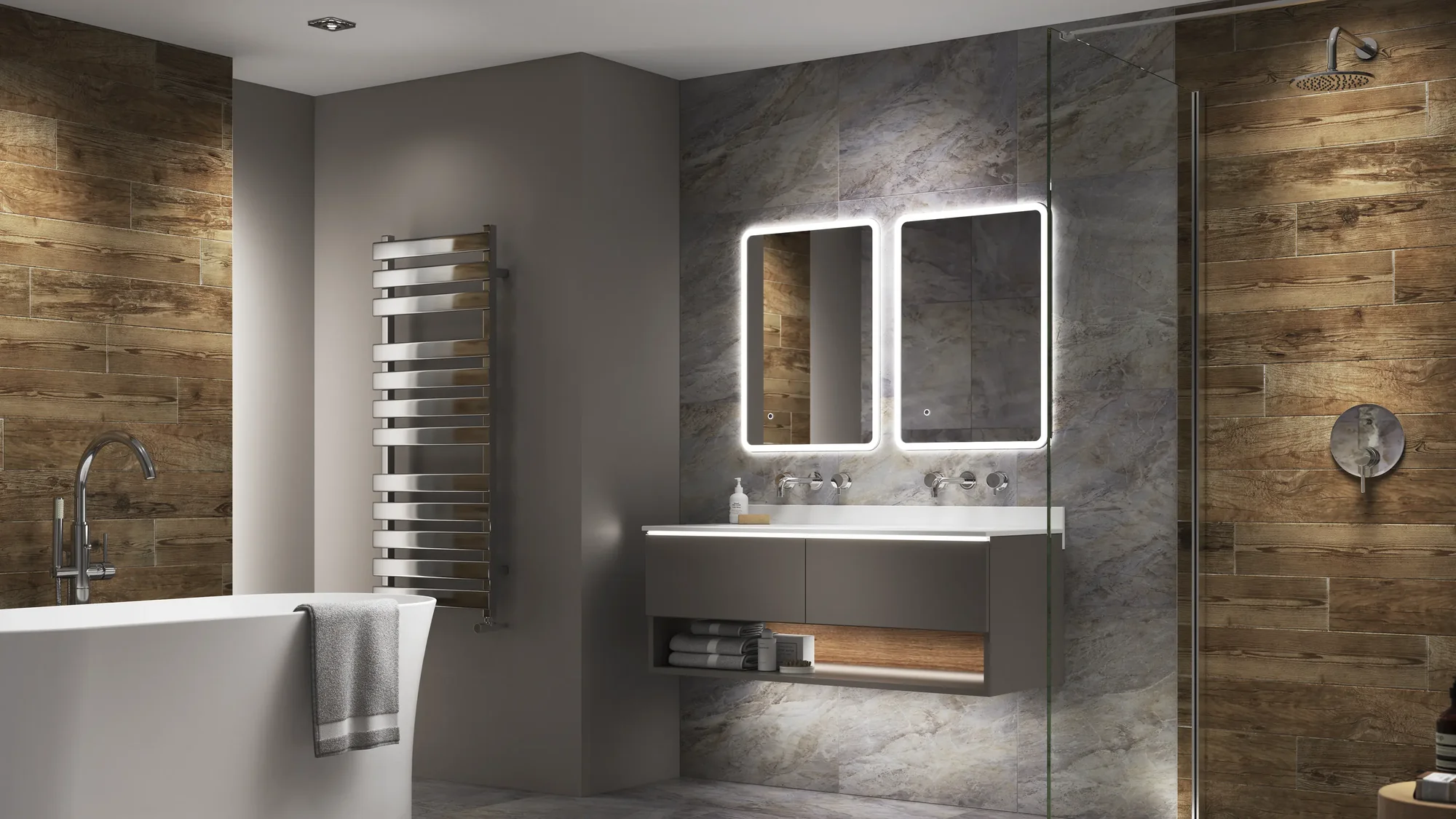
image credit: sensiolighting.com
Enhance crisp, modern looks, ideal for kitchens and bathrooms with neutral-toned tiles.
Daylight Bulbs
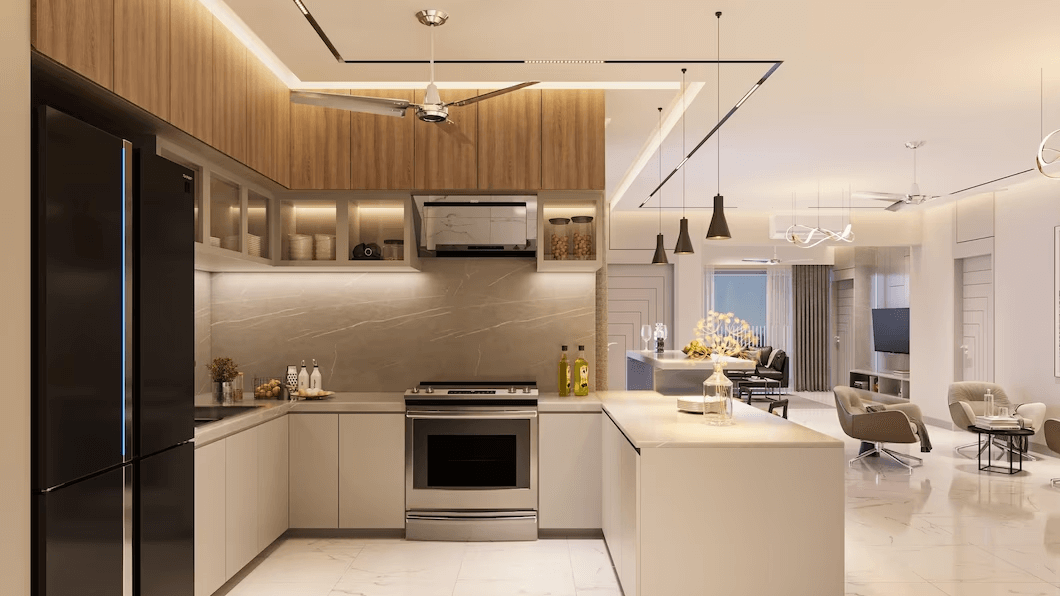
Mimic natural light and showcase tile colours accurately, making them a great choice for showrooms or well-lit kitchens.
Tile Finishes and Lighting Effects
The finish of your tiles plays a key role in how they interact with light. Whether you want a bright, reflective space or a soft, elegant feel, choosing the right tile finish can enhance the overall look of your room. Here’s how different finishes respond to lighting.
Glossy Tiles: Reflective and Bright
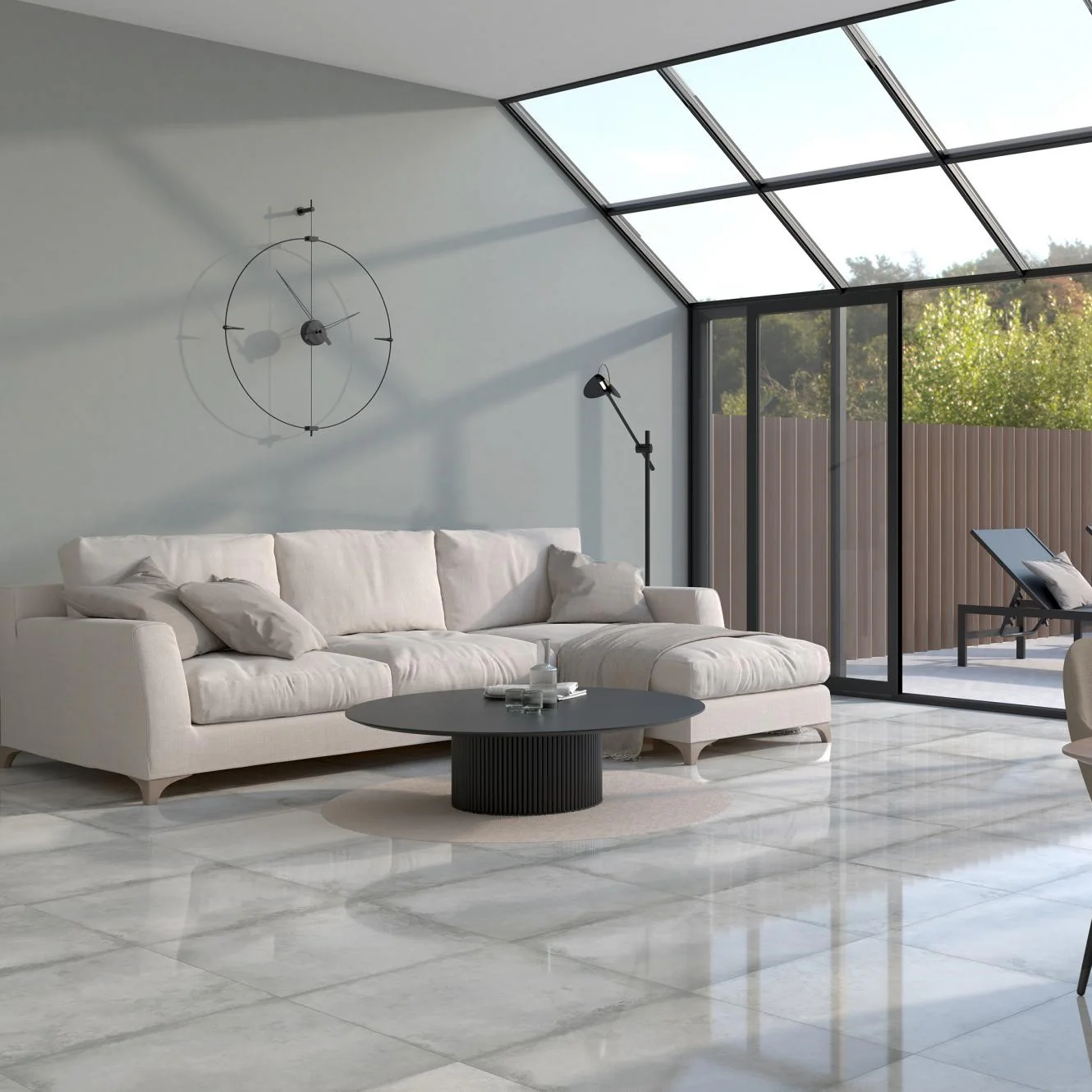
image credit: decobella
Glossy tiles bounce light around the room, making spaces feel bigger and brighter. However, they can also highlight imperfections and water spots, especially under harsh lighting.
Matte Tiles: Soft and Elegant
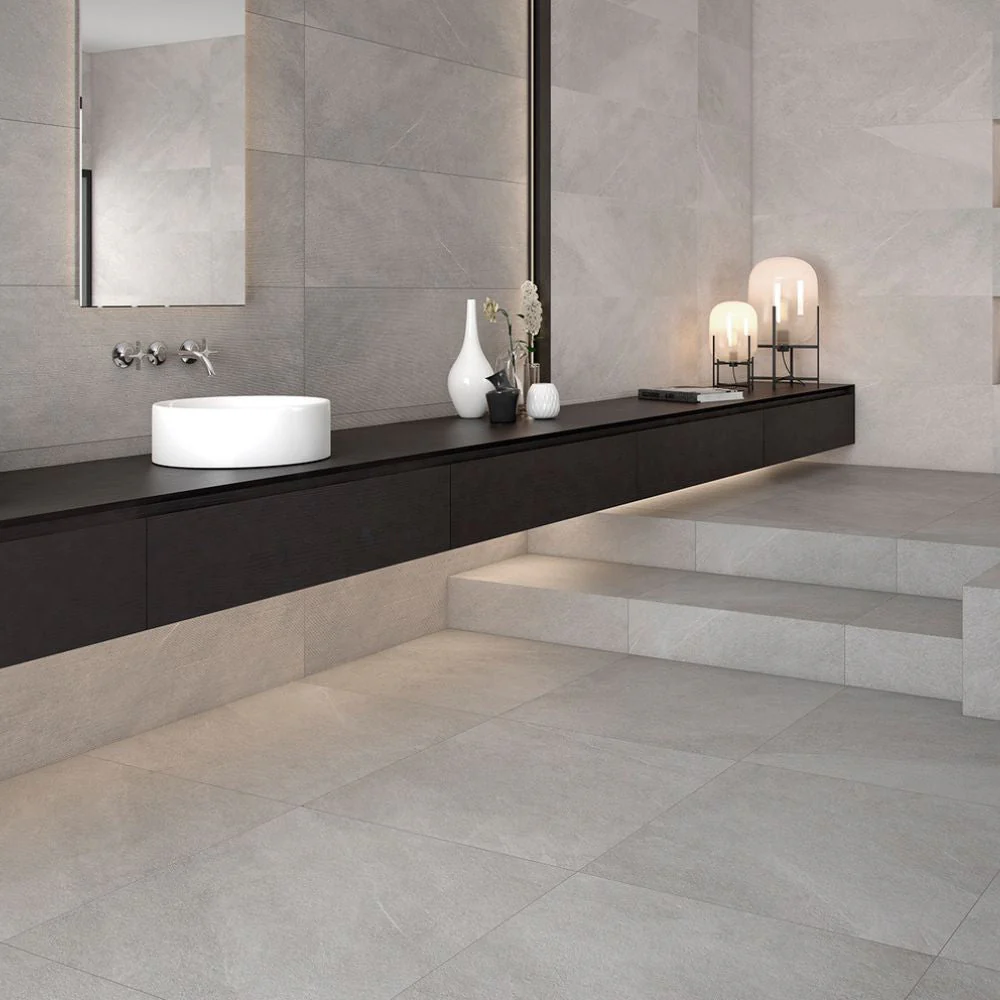
image credit: roccia
Matte tiles absorb light, reducing glare and creating a softer, more sophisticated look. They work well in areas with bright artificial lighting, as they prevent excessive reflections.
Textured Tiles: Depth and Shadows
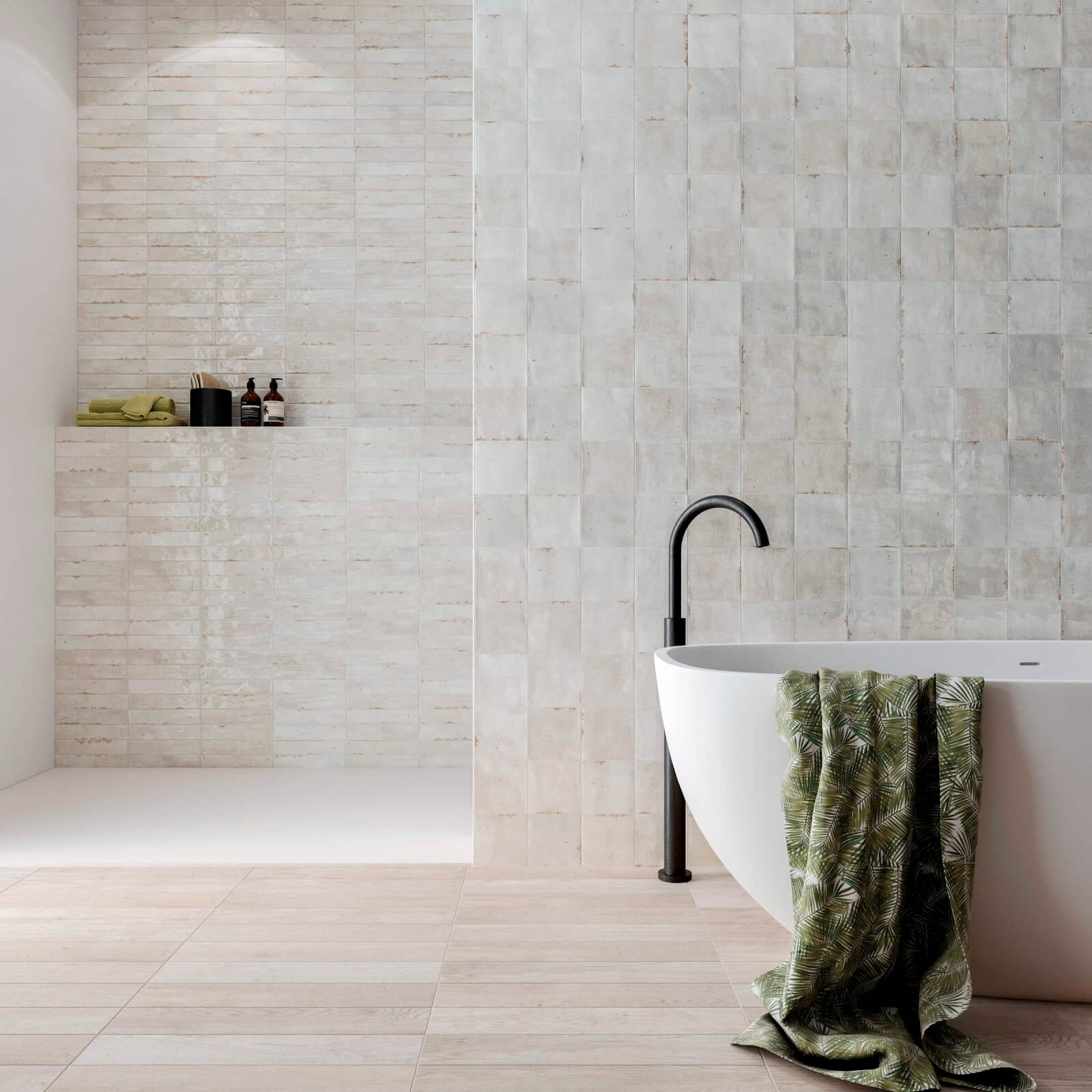
image credit: whytile.com
Lighting can emphasise the depth and patterns of textured tiles, creating dramatic shadows and highlights. This is particularly useful in feature walls or decorative areas.
Tips for Choosing the Right Tiles Based on Lighting
Lighting can dramatically change the way tiles look in a space, so it’s important to choose wisely. Here are some practical tips to help you select tiles that will look their best under different lighting conditions.
Test Samples in Different Lights
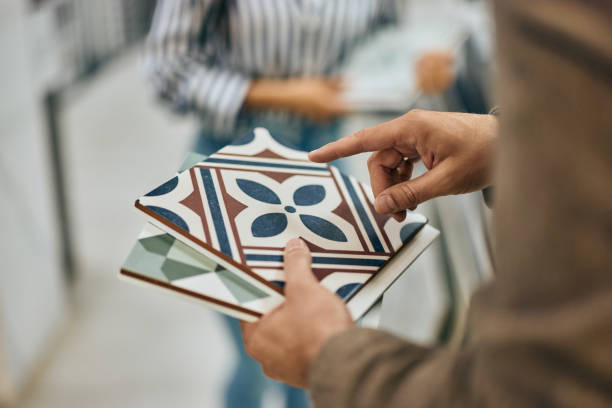
Before making a decision, view tile samples under natural light, artificial lighting and evening conditions to see how they change.
Consider the Room’s Function
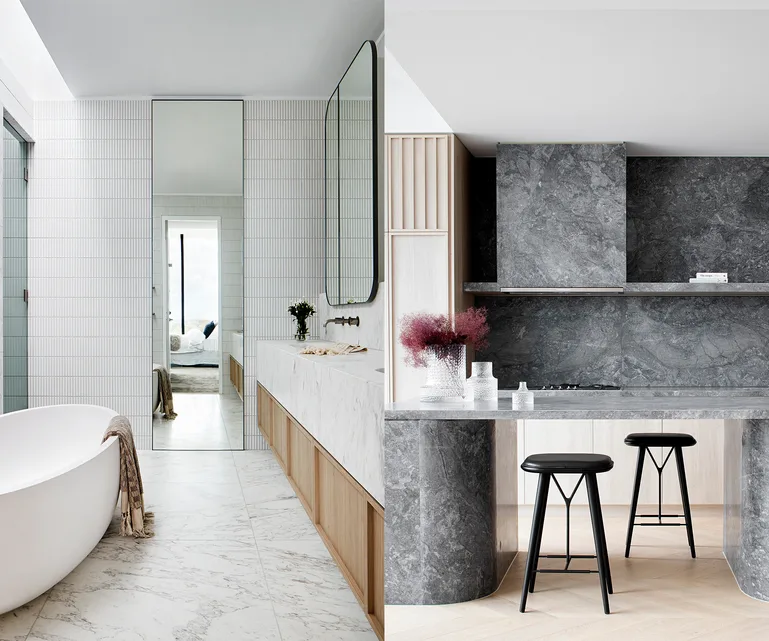
image credit: homestolove.com
Bright lighting works well in kitchens and bathrooms, while softer lighting is better suited for living rooms and bedrooms.
Balance Reflection and Absorption
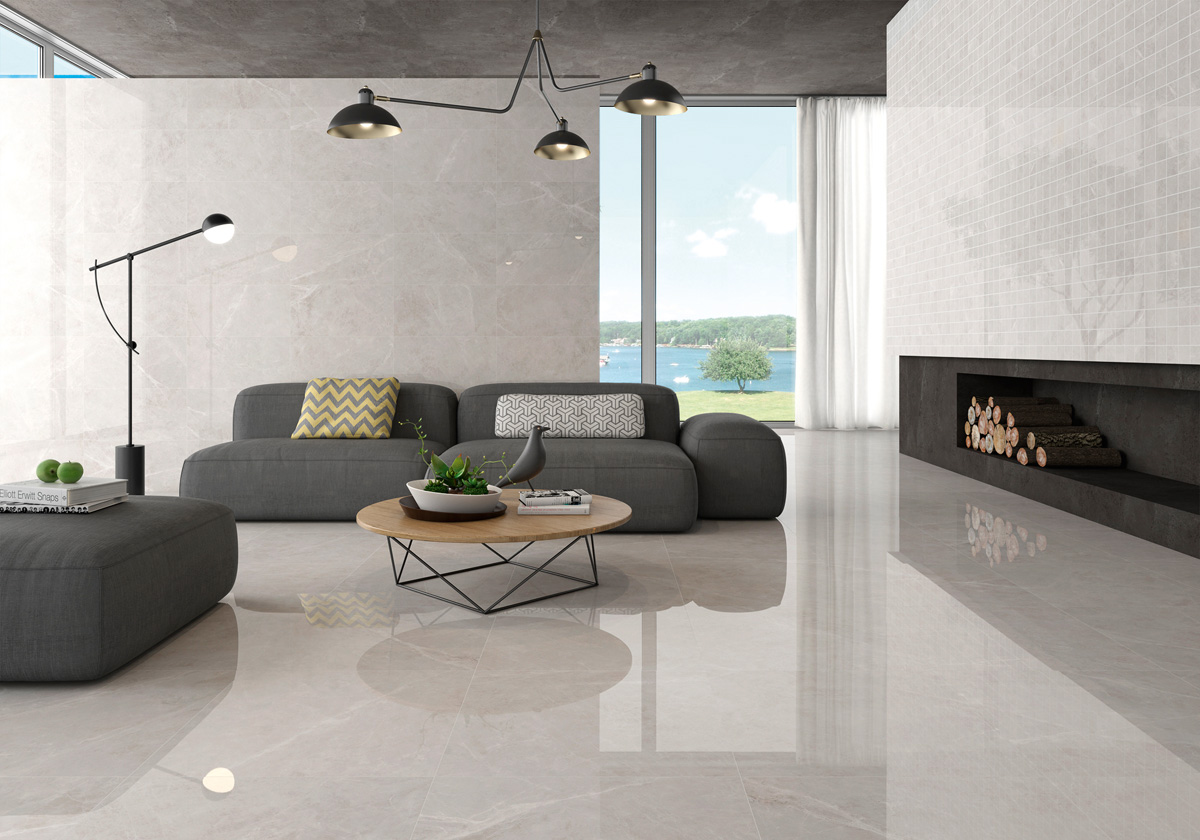
image credit: tilesnstone.com
If your space has strong lighting, matte tiles may help soften the effect, while glossy tiles can brighten up a dimly lit room.
Use Accent Lighting for Impact
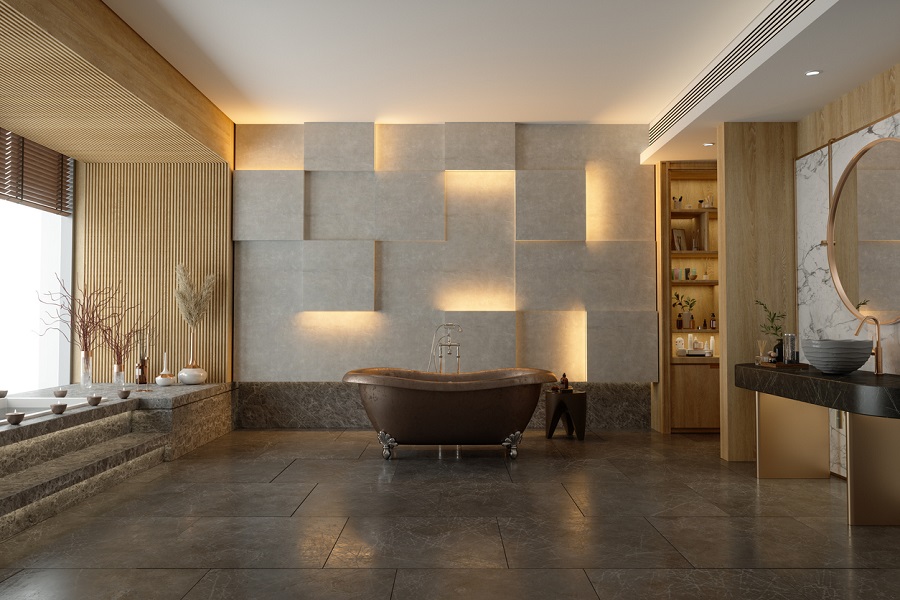
image credit: teammax.uk.com
Spotlights and LED strips can enhance tile textures and colours, especially in bathrooms and kitchens.
Lighting plays a huge role in how your tiles will look once installed. By considering both natural and artificial lighting, as well as tile finishes, you can create the perfect atmosphere in your home. Before making your final tile selection, test them under different lighting conditions to ensure they look just as good in your space as they do in the showroom.
Looking for tiles that will look stunning in any lighting? Visit Tiletoria to explore our wide range of tiles that shine in every setting!