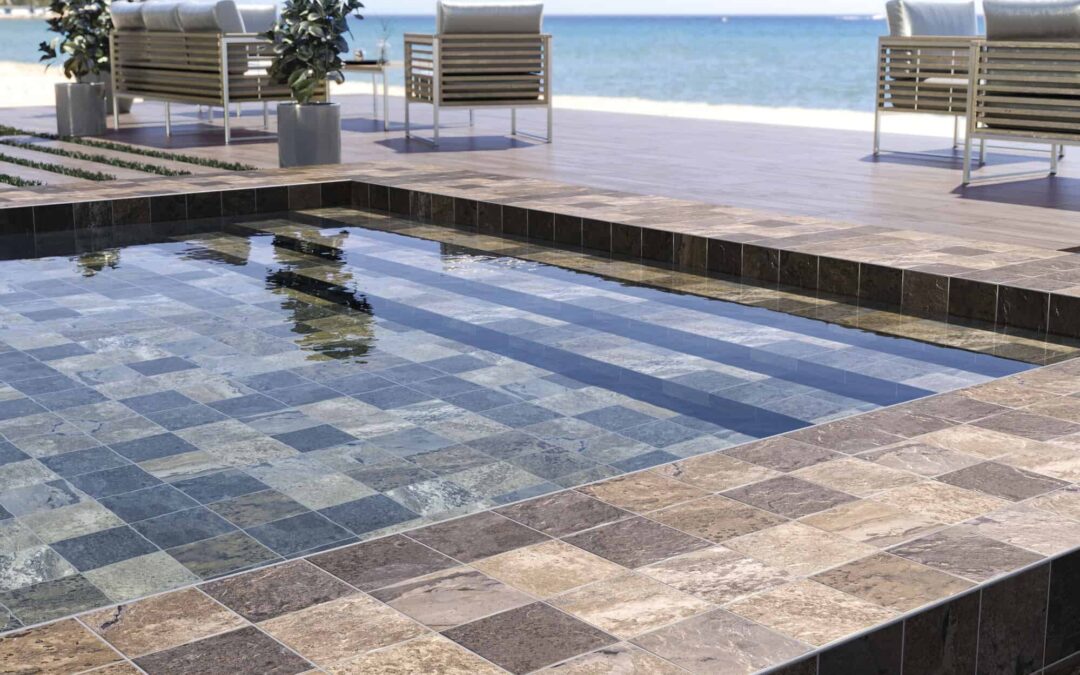
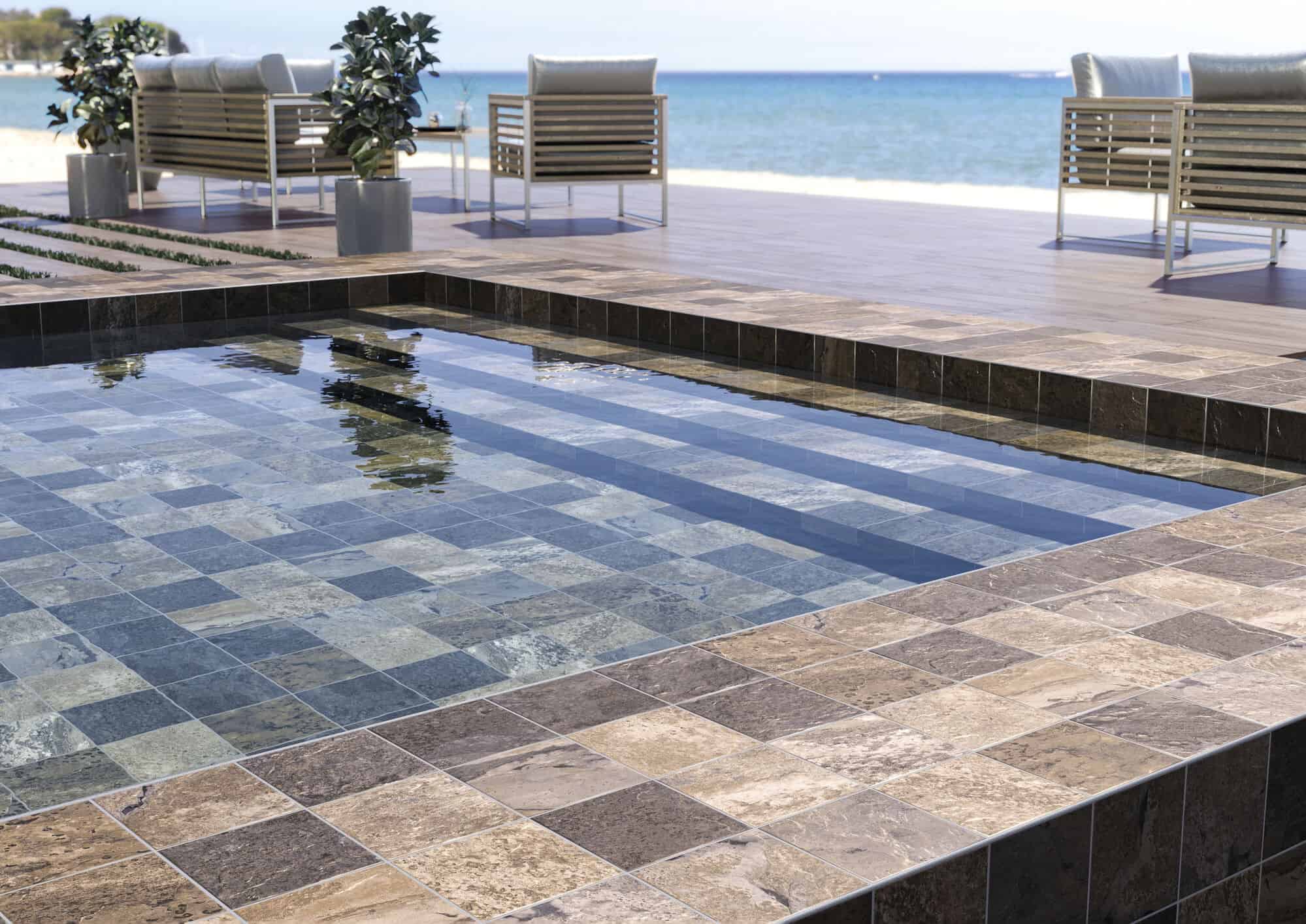
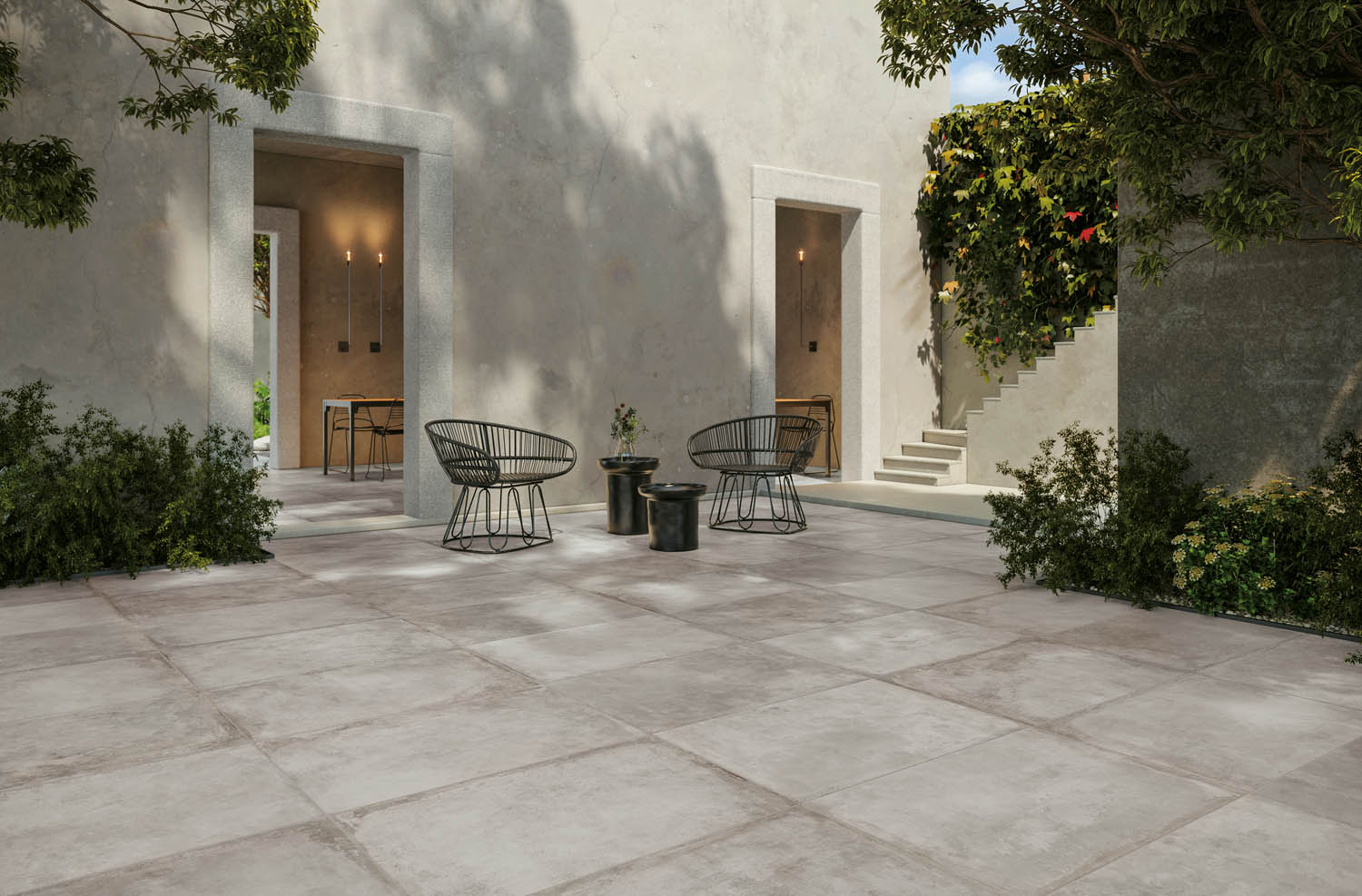
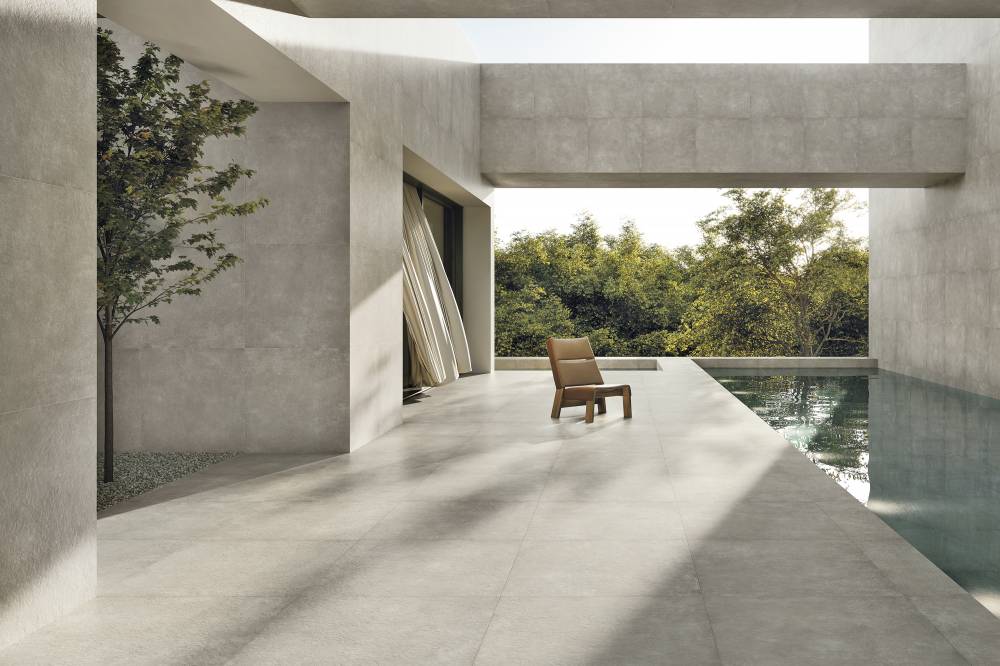
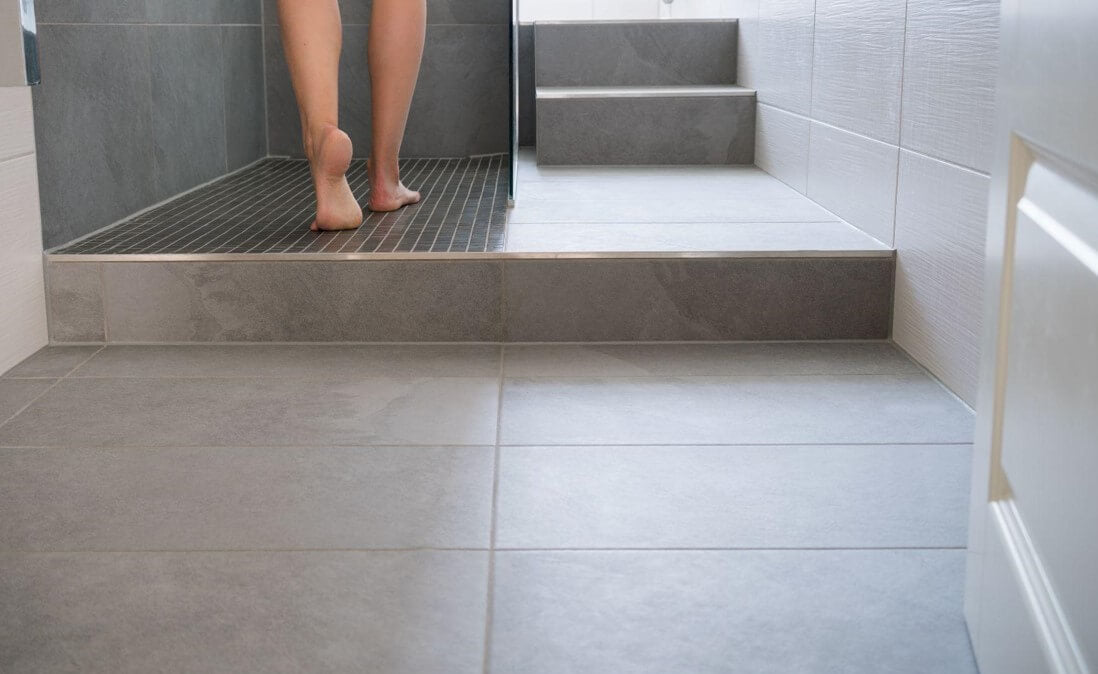
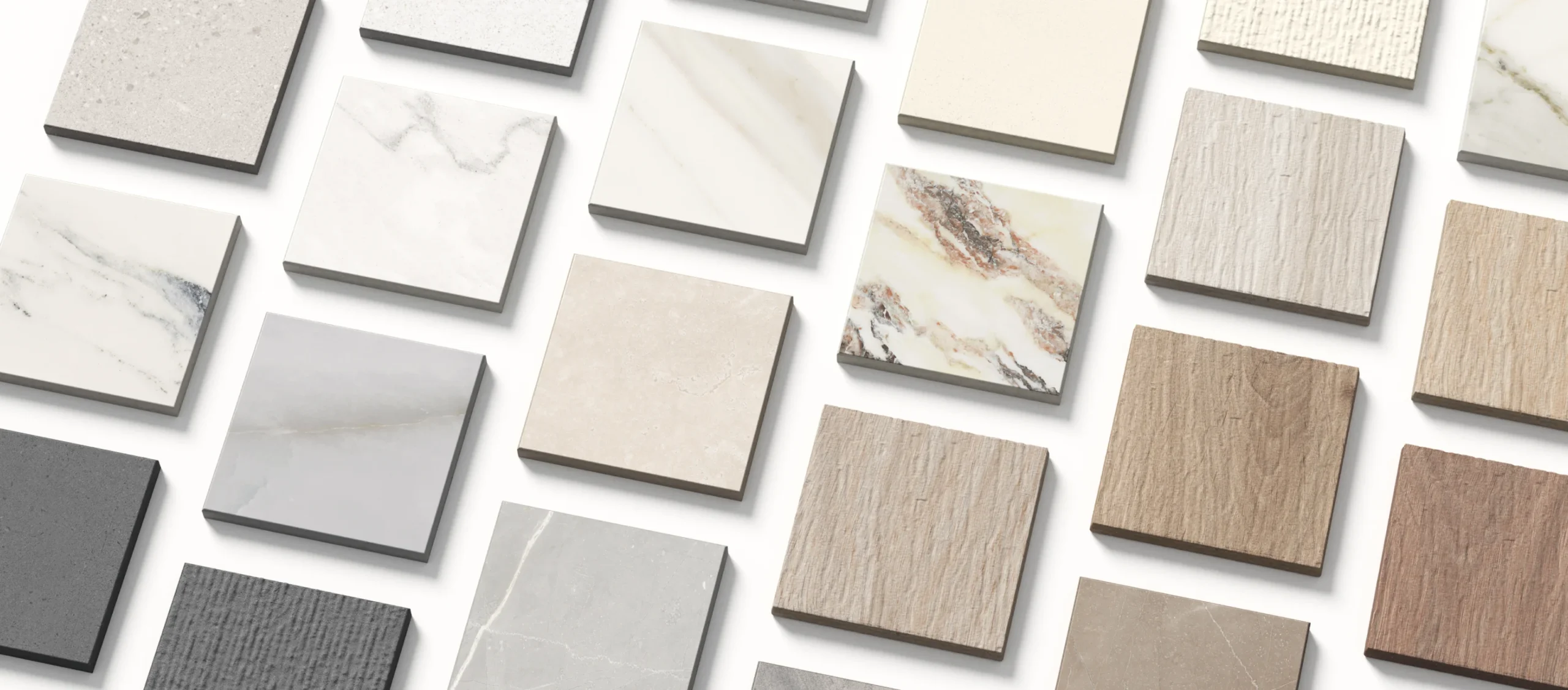
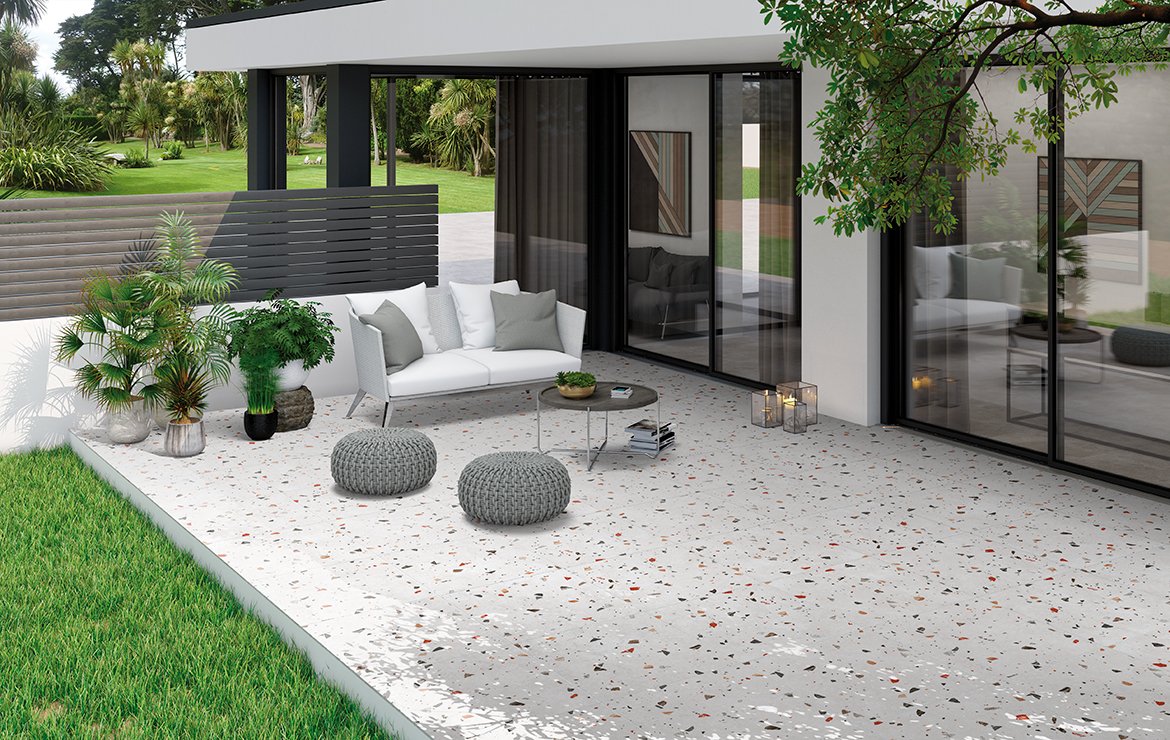
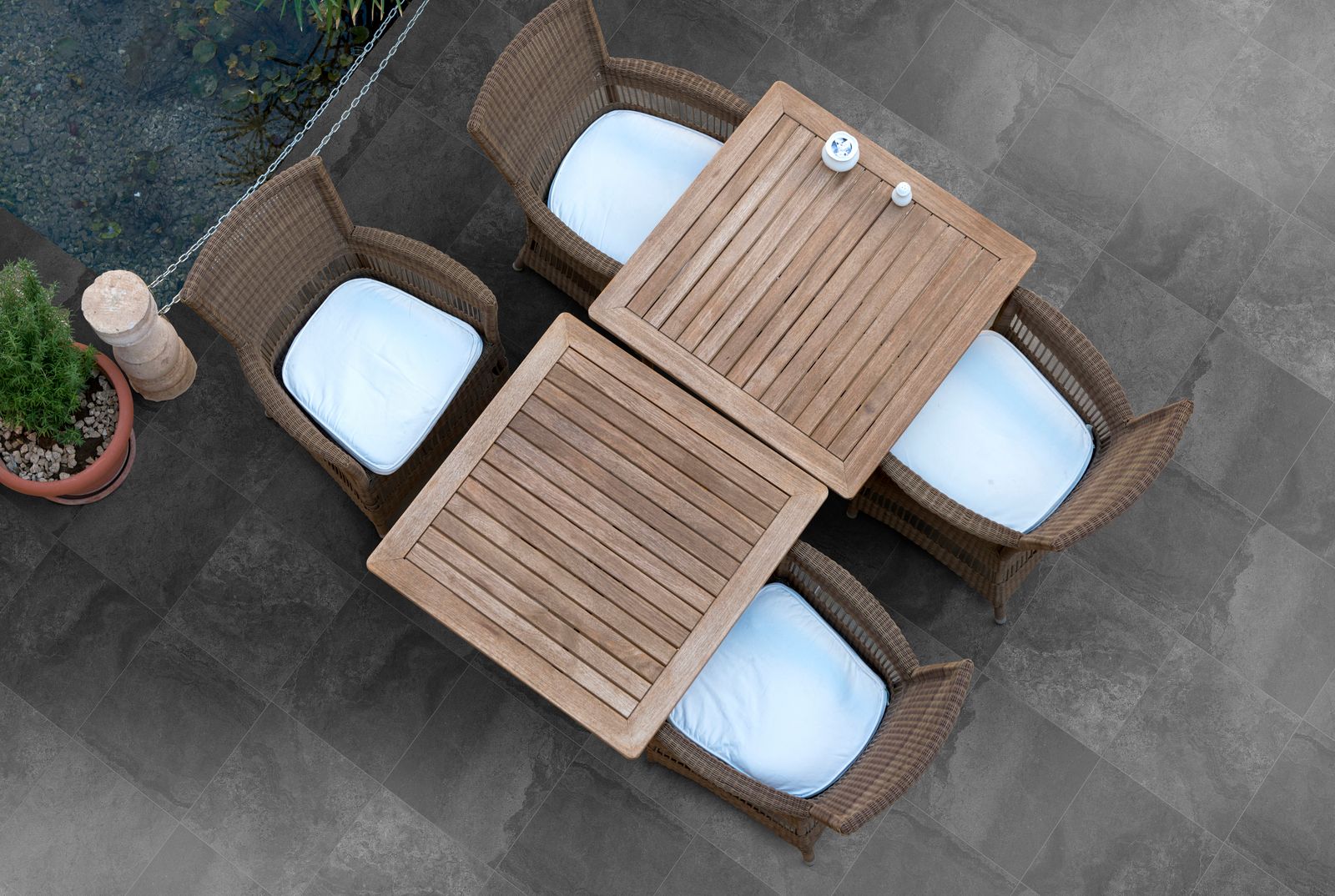
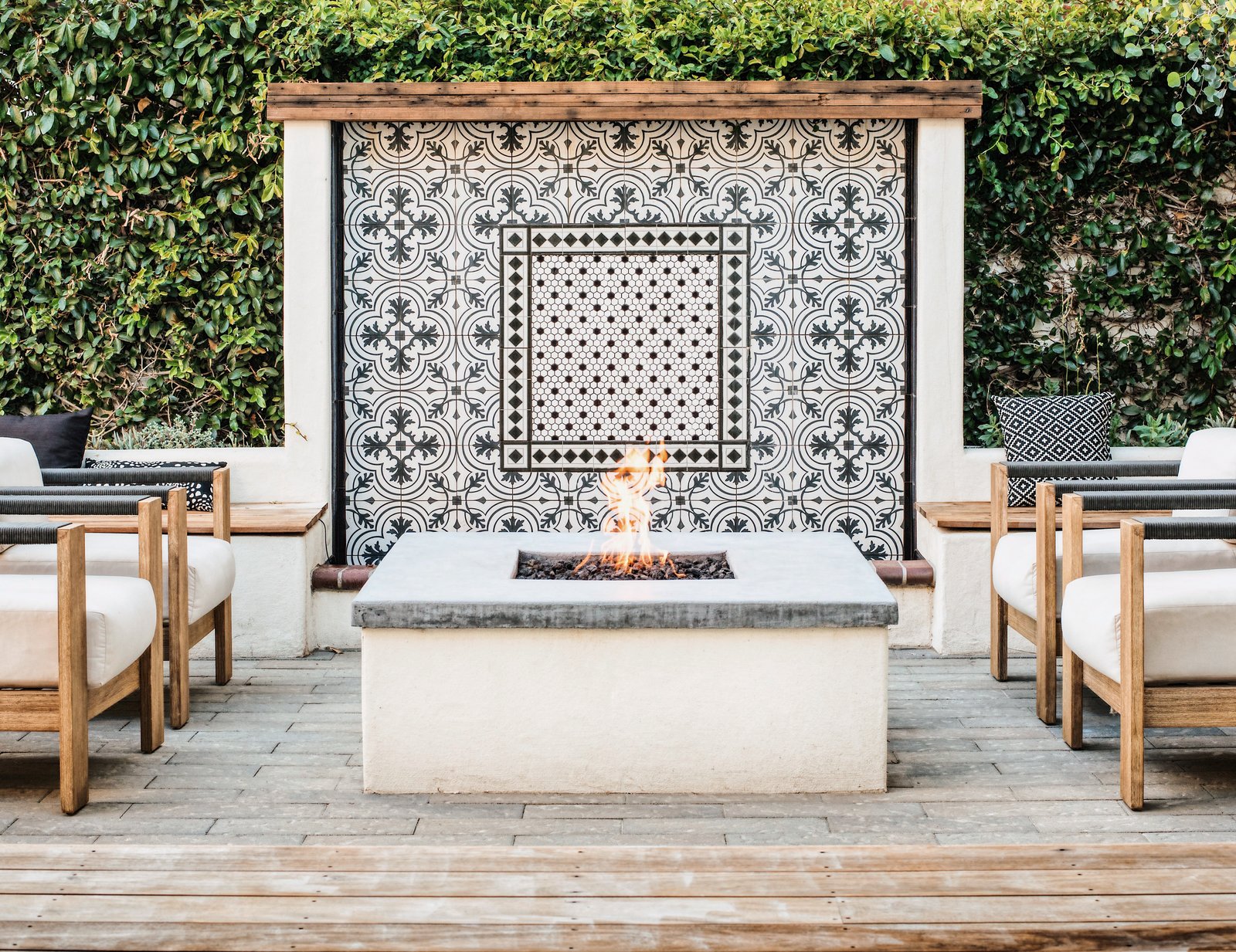
With Summer right around the corner, there’s nothing quite like relaxing by a pool or taking a refreshing dip to beat the heat. If your swimming pool area could use an upgrade, choosing the right tiles can transform your space into a stunning summer haven. Let’s dive into everything you need to know about selecting the best swimming pool tiles, plus some outdoor tile options to take your summer entertainment zone to the next level.
The tiles you select for your swimming pool need to be beautiful but also functional. Here are some things to consider:
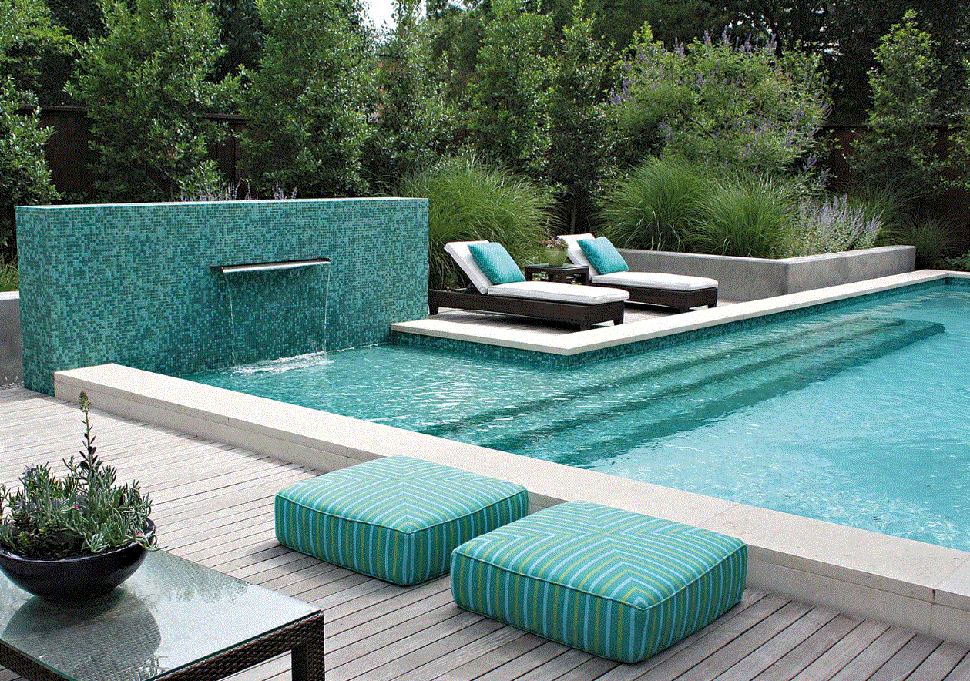
Durability and Safety First: Your swimming pool area needs tiles that can withstand water exposure and outdoor elements. Stone tiles and cement floor tiles are excellent choices for this. Make sure to look for slip-resistant exterior tiles that keep everyone safe around wet surfaces.
Image Credit: iStock
Style That Makes a Splash: Want your pool to stand out? Go bold with vibrant mosaic tiles that shimmer under the sun, creating a dazzling effect both in and out of the water. For a unique and eye-catching look, consider iridescent glass tiles that change colours depending on the angle of the light. If you love a dramatic touch, opt for dark, glossy tiles to give your pool a striking, luxurious feel. The goal is to make your pool area inviting and memorable, while enhancing the overall outdoor tiles design.
2. Outdoor Patio Tiles to Complete Your Summer Oasis
Creating a seamless flow from your pool to your garden or outdoor living space is key. Here are some top tile choices to consider:
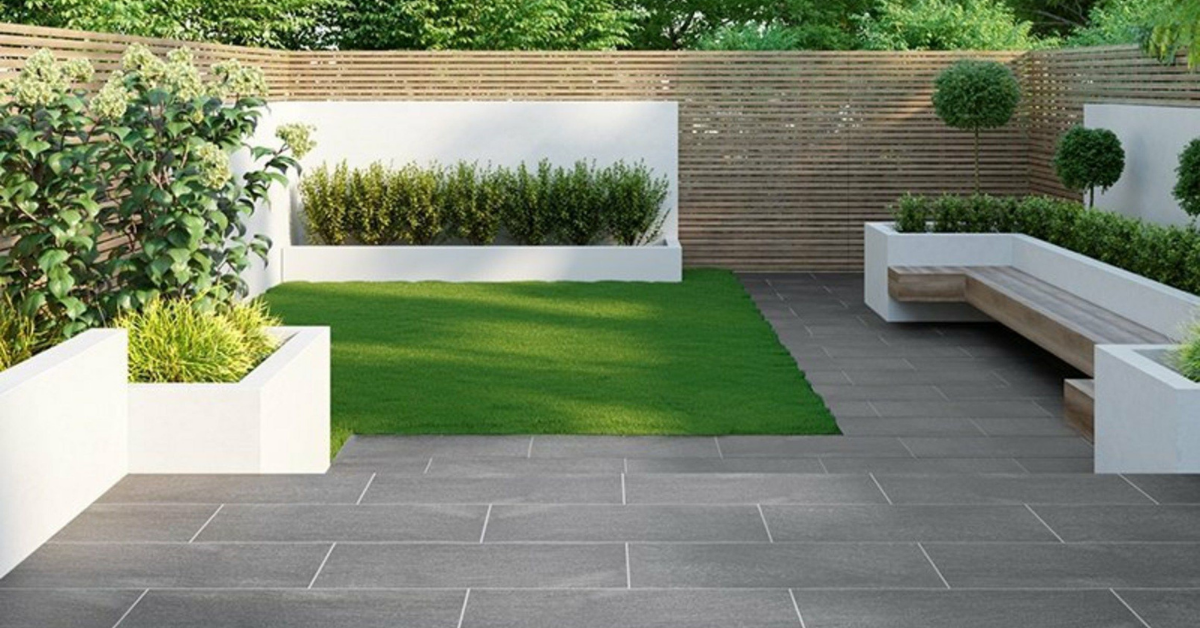
Stone Tile for a Timeless Look: Stone tile is not only stunning but also blends beautifully with natural landscapes. It’s perfect for areas that connect your pool to your garden or patio. Stone tiles are durable and age gracefully, making them a great investment for your outdoor space.
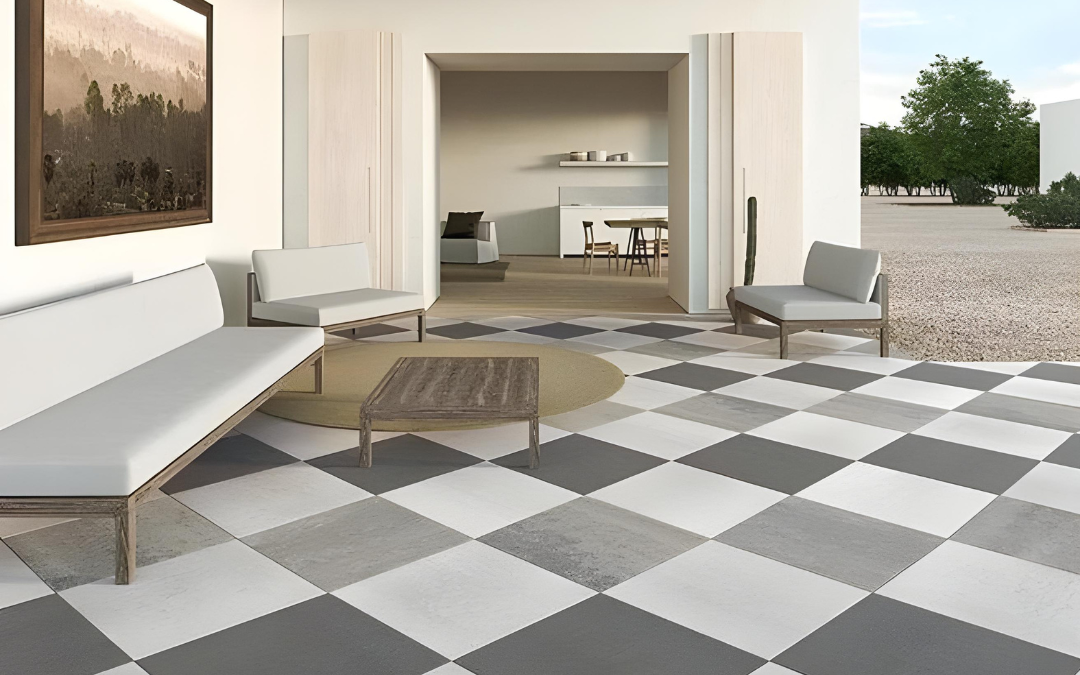
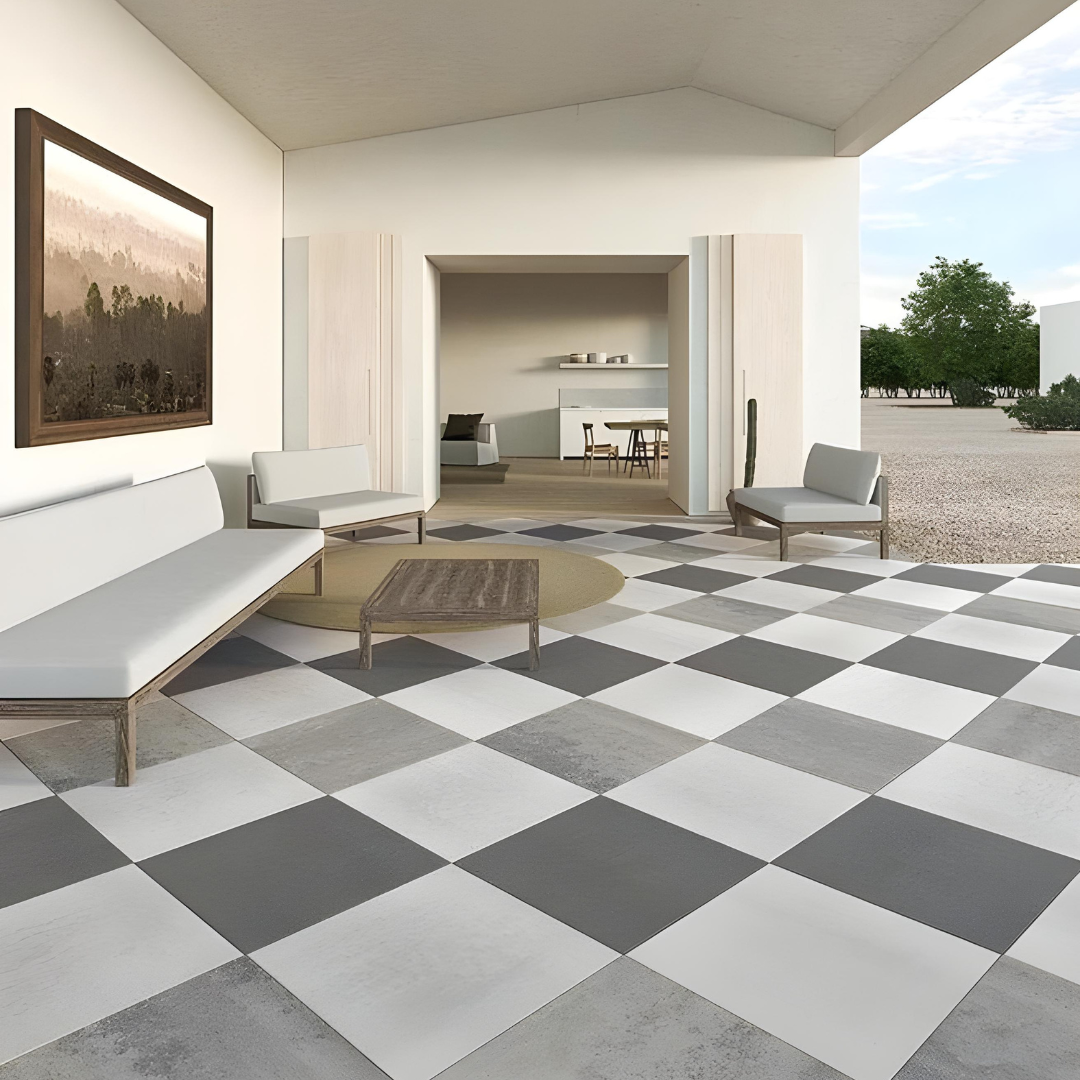
Cement Floor Tiles for a Modern Vibe: For a contemporary twist, consider using cement floor tiles. Available in various designs and textures, these exterior floor tiles are low-maintenance and can handle heavy foot traffic. Perfect for pool parties!
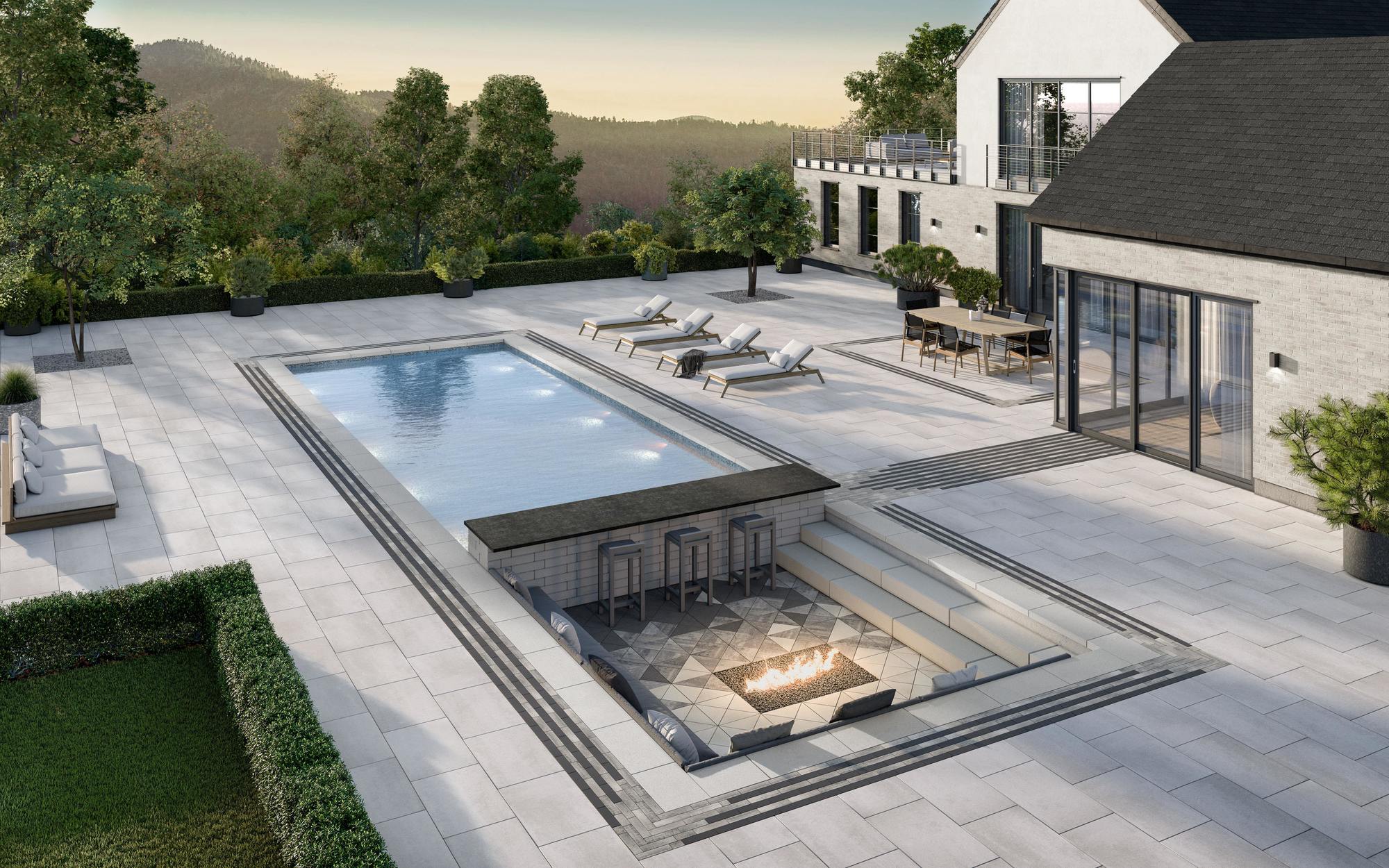
To truly elevate your pool area, think beyond the pool deck. Using exterior tiles that complement your pool design throughout your patio and garden areas creates a cohesive look.
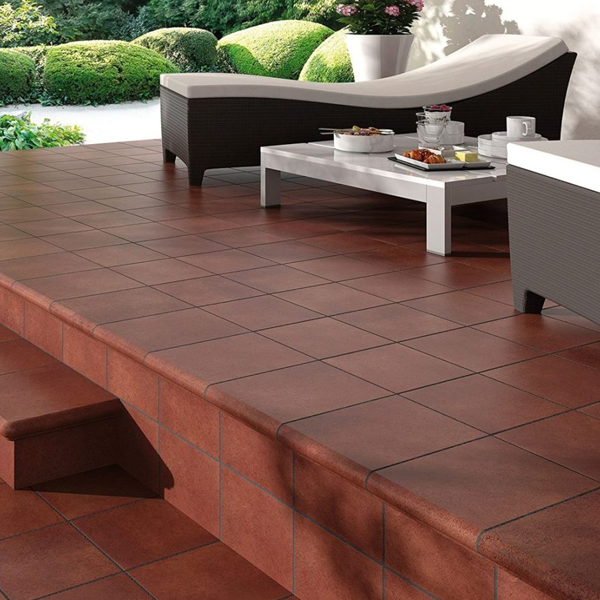
Exterior Floor Tiles for Your Entertainment Space: When selecting outside floor tiles for your patio, choose materials that can withstand heat and are easy to maintain. Opt for stylish yet durable options like porcelain or terracotta tiles, which are perfect for withstanding outdoor elements while adding a touch of elegance. These exterior tiles not only elevate your entertainment space but also bring character and charm to your outdoor setup, making it perfect for summer gatherings.
For an extra touch of luxury, consider adding stone wall tiles to your pool area. Whether it’s a water feature or an accent wall, stone wall tiles bring an elegant yet natural feel that works with any landscape. Plus, they’re built to withstand the test of time.
There are so many possibilities when it comes to outdoor tiles design. Mix and match different patio tiles for a unique look, or stick with one material for a minimalist vibe. Whatever you choose, think about how your tile selection will tie in with your outdoor furniture, landscaping, and overall summer plans.
Don’t wait until summer is in full swing! Start planning your pool tile upgrade now. Whether you’re drawn to stone tile, cement floor tiles, or a mix of both, there are endless possibilities to create your dream outdoor retreat. Check out our range of outdoor tiles for sale below and start building your summer sanctuary today.
Image Credit: iStock
Make a splash and enjoy your best summer yet with the perfect swimming pool tiles and outdoor floor tiles for your space!
Creating a healthy home environment is more important than ever, and choosing the right flooring and wall materials plays a massive role in your overall well-being. When it comes to creating a space that’s both beautiful and beneficial to your health, tiles are a standout choice. Let’s dive into the health benefits of using tiles, from your kitchen to your bathroom, and even outdoors.
If you suffer from allergies, you’ll love the hypoallergenic nature of tiles. Unlike carpets that can trap dust, pollen, pet hair, and other allergens, tile flooring is much easier to clean. With a simple sweep or mop, you can keep your tiled floor free from irritants, making it ideal for people with allergies or asthma.
Best areas to use: Everywhere! But especially in high-traffic areas like the living room and bedroom for a fresher, cleaner atmosphere.
Image Credit: Adobe Stock
#2: Easy to Keep Clean and Sanitized
Tiles, whether porcelain or ceramic, have non-porous surfaces, which means they don’t absorb dirt, bacteria, or mould. This makes them a healthier option compared to materials that can trap bacteria, especially in moist environments like kitchens and bathrooms. Plus, with advances in large format tiles, cleaning is even easier with fewer grout lines to maintain.
Did you know that tiles don’t release volatile organic compounds (VOCs)? Many other types of flooring materials, like certain woods or synthetic options, emit these chemicals, which can negatively impact indoor air quality and your overall health. Tiles help maintain a healthier air environment, which is especially beneficial for households with young children, pets, or anyone with respiratory conditions.
Best areas to use: Bedrooms, living spaces, and any area where you spend a lot of time.
Image Credit: Adobe Stock
#4: Tiles Help Regulate Temperature
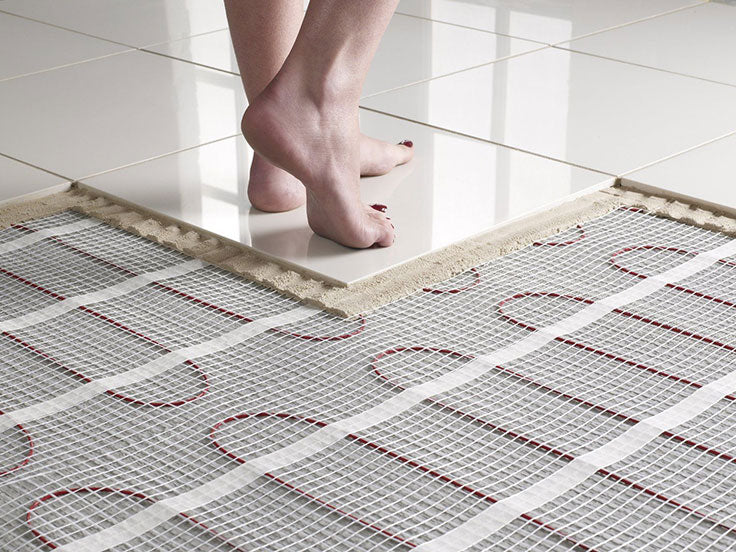
Tiles are known for their thermal stability, which means they don’t trap heat the way other flooring materials do. In the summer, tile flooring can help cool down your home. During winter, they work well with underfloor heating systems to keep your home warm and cosy. This helps regulate your body’s temperature and creates a more comfortable living environment.
One major health benefit that often gets overlooked is the reduced stress from worrying about constant replacements. Porcelain and ceramic tiles are extremely durable and can last for decades, reducing the environmental impact of frequent replacements. In the long run, this creates a more sustainable and stress-free home environment.
Best areas to use: High-traffic areas like hallways, kitchens, and outdoor patios.
Image Credit: iStock
#6: Tiles Are Great for Wet Areas
Tiles are water-resistant, making them perfect for moisture-prone areas. In bathrooms, for instance, using bathroom tiles, bathroom floor tiles, and bathroom wall tiles helps prevent water damage and the buildup of mould and mildew, which can be harmful to your health. This is a significant advantage over materials that are less resistant to water.
Porcelain tiles and ceramic tiles are made from natural materials, like clay, and do not contain toxic chemicals. This makes them a safer choice for homes, especially those with children who spend a lot of time on the floor.
Best areas to use: Children’s play areas, nurseries, and living rooms.
Image Credit: iStock
#8: Versatile Design Options for Every Room
Tiles are available in a wide range of designs and sizes. You can opt for large format tiles to create an elegant look with minimal grout lines or mix and match different patterns for a unique space. Choosing the right floor tile or wall tile can also brighten up your home, making it feel more inviting and relaxing—both great for mental health.
Best areas to use:Kitchen tiles, living rooms, and bathrooms for a personalised touch.
Choosing tiles for your home is an investment in your family’s health and well-being. Whether you’re renovating your kitchen, remodeling your bathroom, or enhancing your outdoor area, tiles offer a clean, hypoallergenic, and durable solution. Remember, a healthier home is a happier home, and with tiles, you’re on the right path.
Image Credit: iStock
Ready to create a healthy living space? Start planning your next tile project today!
At Tiletoria, we’re all about bringing you the latest in interior design trends and inspiration. But sometimes, it’s important to dive into topics that hold a deeper significance—like sustainability in the built environment. We explore a remarkable project in Johannesburg that’s setting a new standard for green building practices and how we can all take steps toward a more sustainable future.
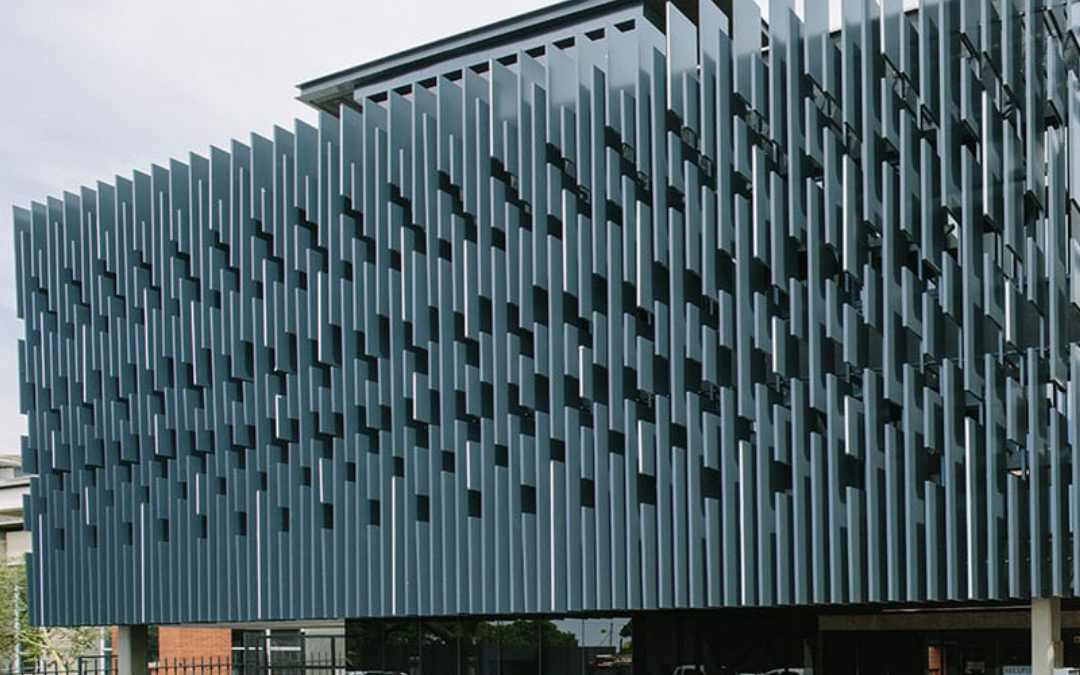
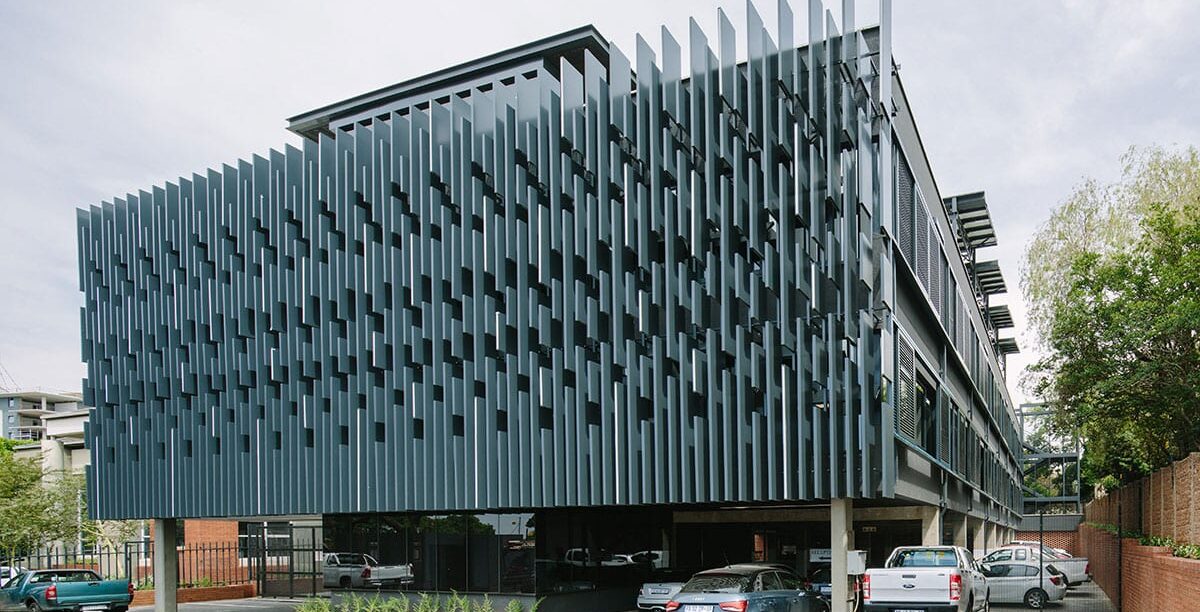
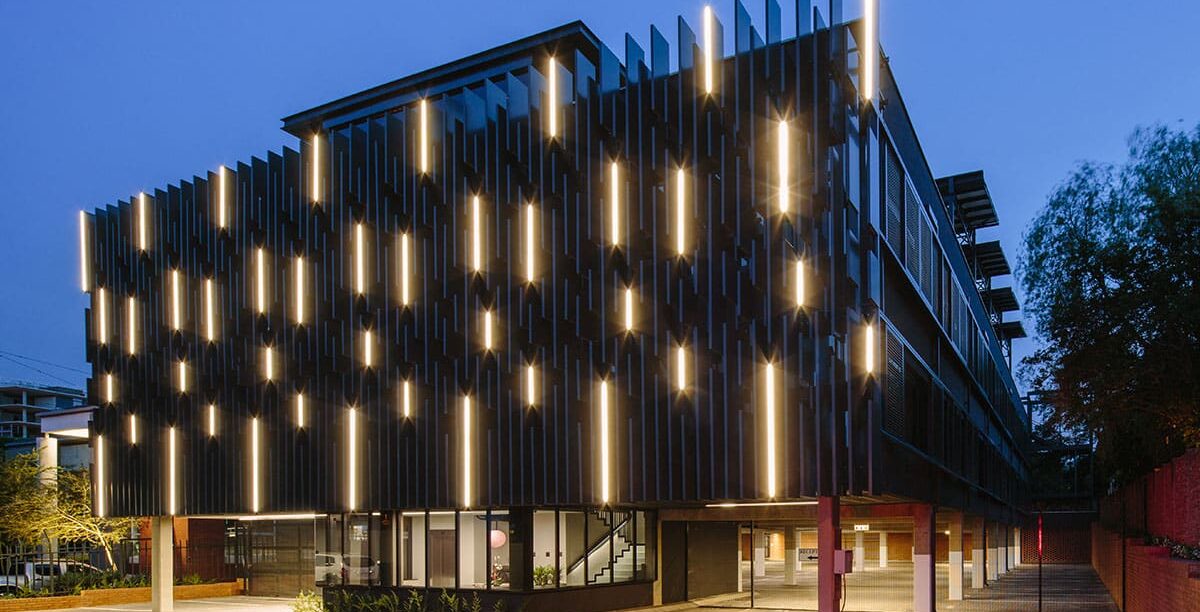
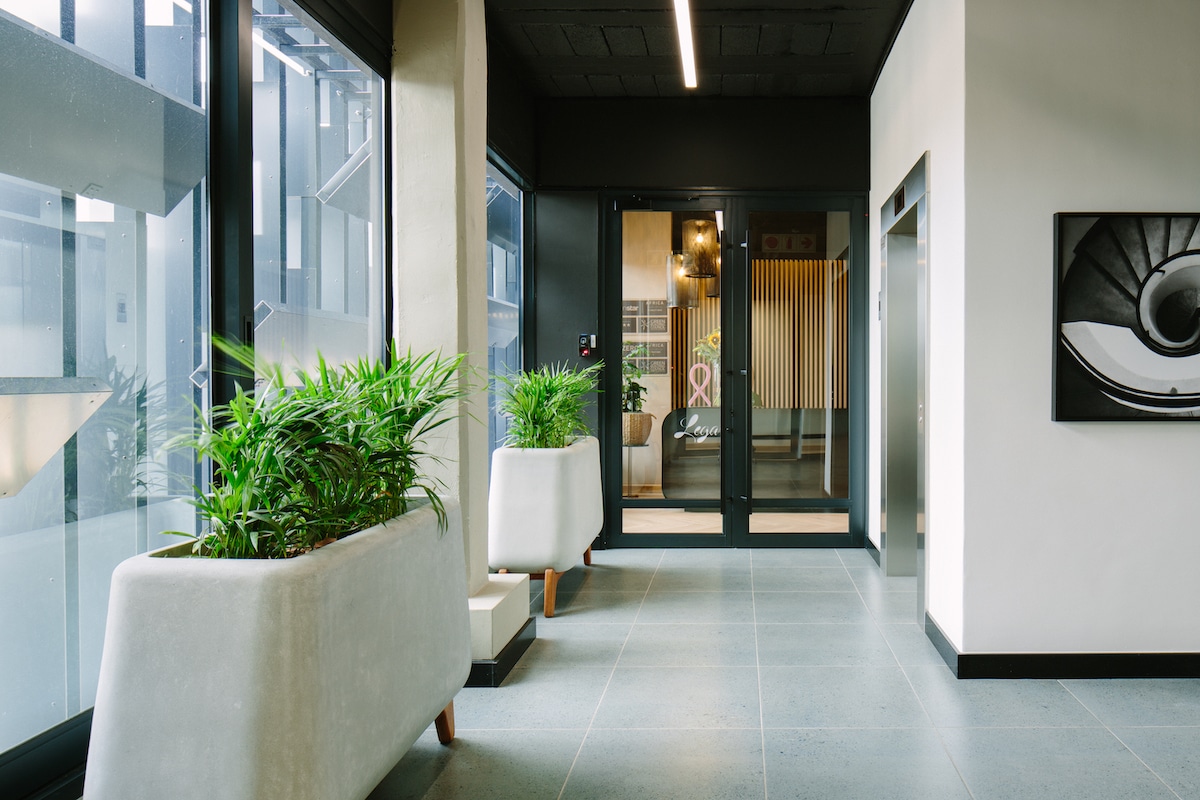
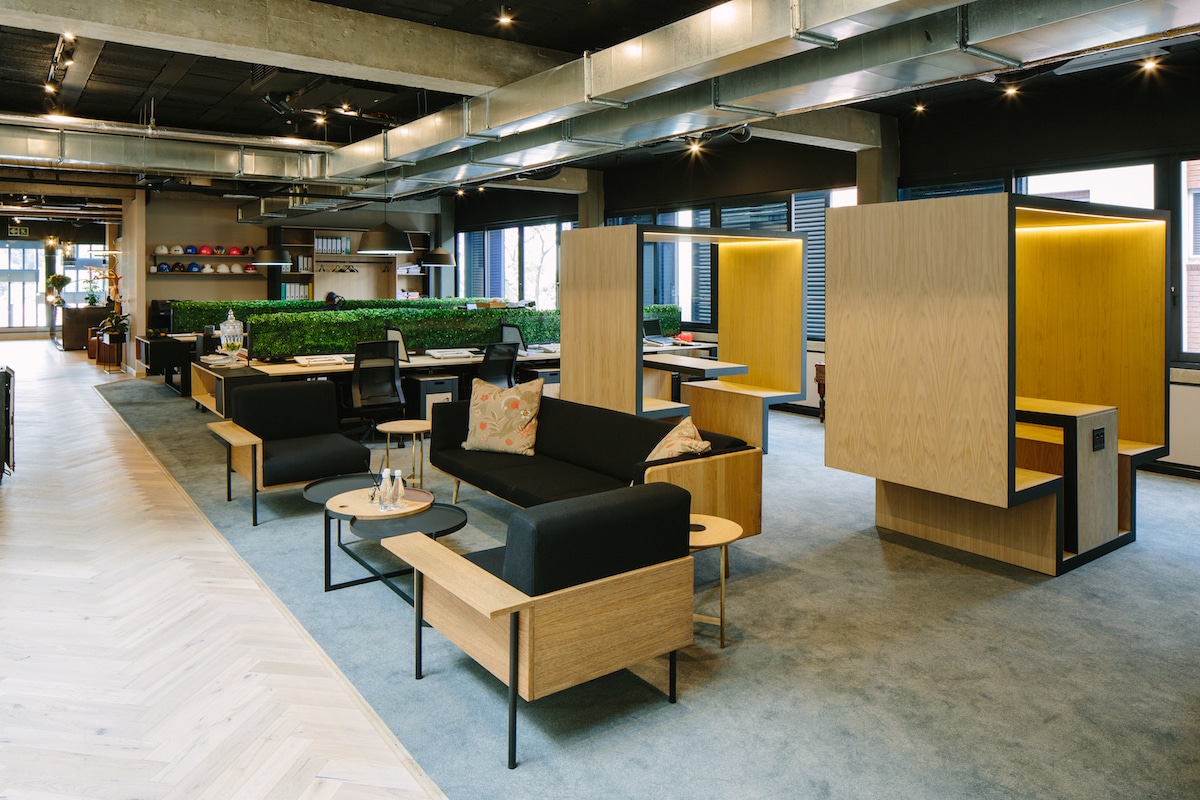
Sustainable building goes beyond aesthetics; it’s about creating spaces that respect our planet. This can mean using eco-friendly materials, reducing energy consumption, and designing buildings that coexist harmoniously with their surroundings. A great example of this is the sustainable building at 78 Corlett Drive, Johannesburg—a project that recently won the Green Building Council of South Africa (GBCSA) Award for being the highest-rated green building in the country.
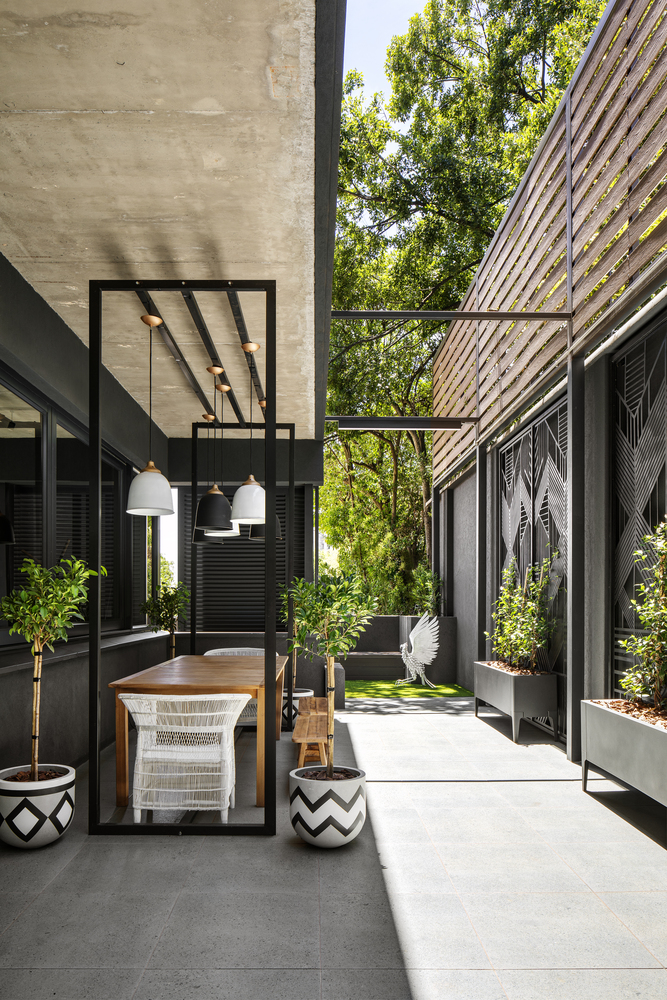
Image Credit: Daffonchio Architects
Spotlight on 78 Corlett Drive: A Green Building Champion
Backed by Legaro Property Developments, 78 Corlett Drive is a shining example of how buildings can be both beautiful and sustainable. Legaro aims to transform the way buildings are developed in South Africa, redefining how people work and interact with their environment. This project isn’t just about aesthetics; it’s about making sustainability a priority while also ensuring low operating costs.
We had the chance to chat with Johandre Prinsloo from Legaro Property Development, who shared insights into the thought process behind this incredible project. Here’s a closer look at some of the innovative features that make this building truly “green.”
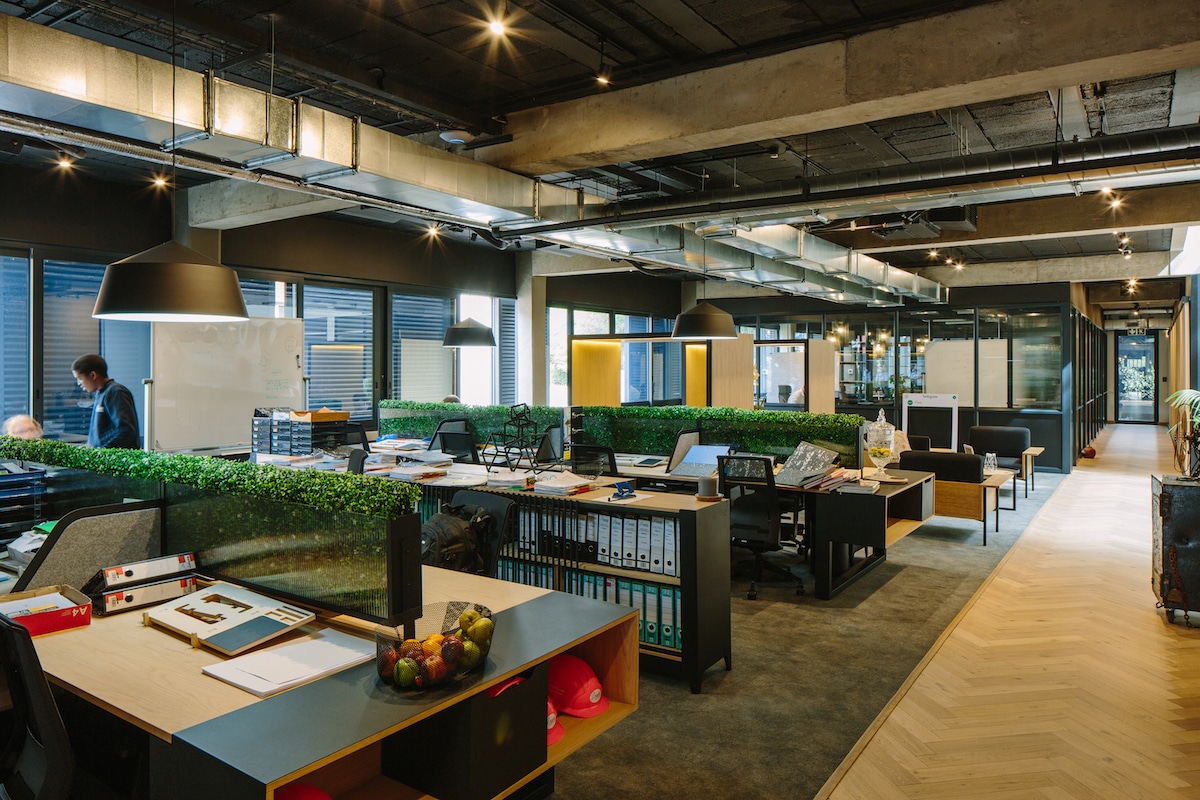
Image Credit: Legaro Property Development
Innovative Design for Natural Efficiency
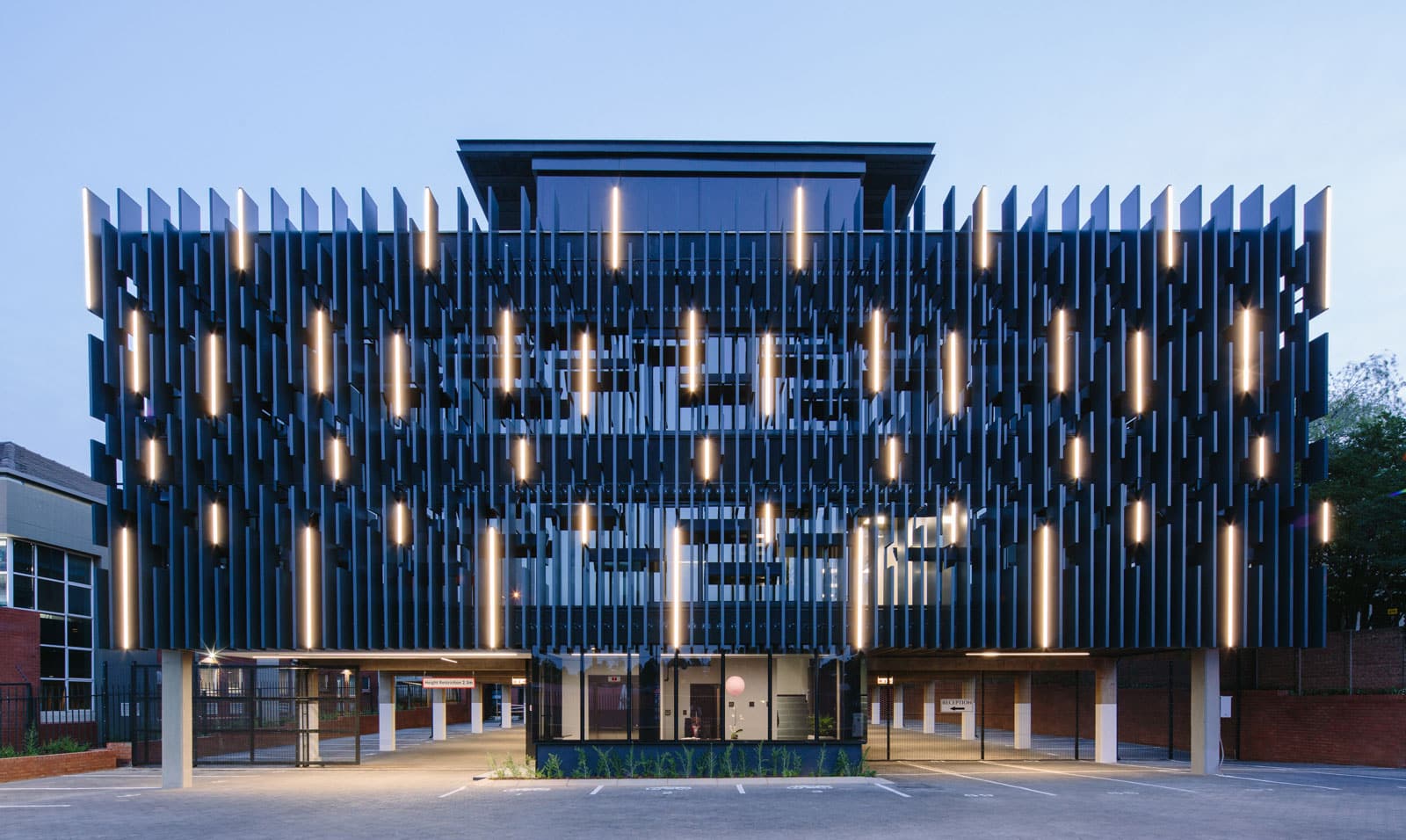
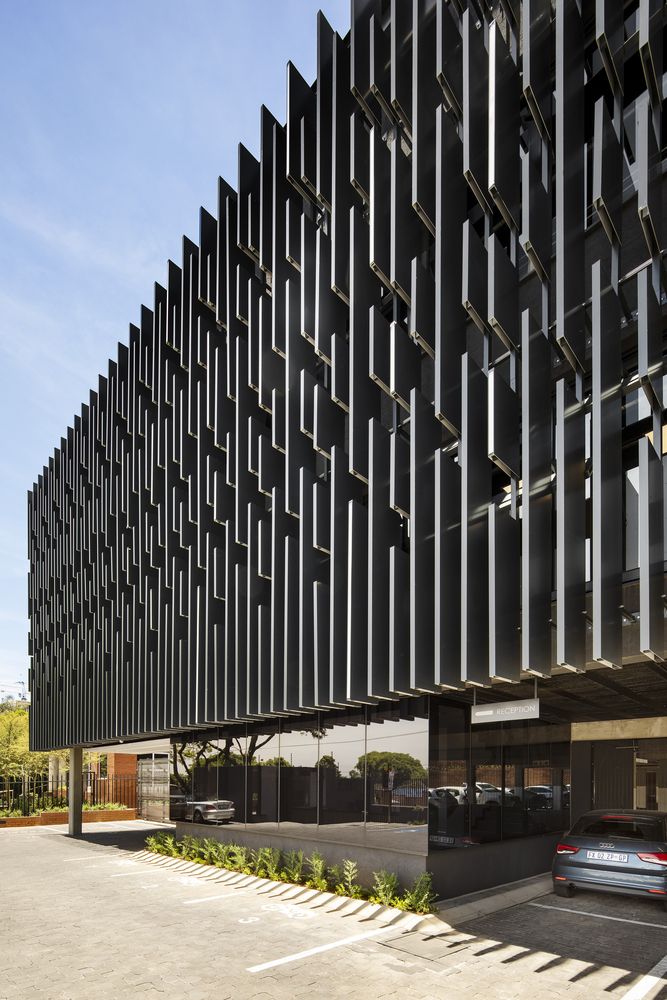
What sets this building apart are its passive design techniques, which reduce the need for energy-intensive heating and cooling. One key feature is the use of fixed louvers on the building’s exterior. These are designed to let in just the right amount of sunlight, providing natural light while protecting occupants from harsh direct rays.
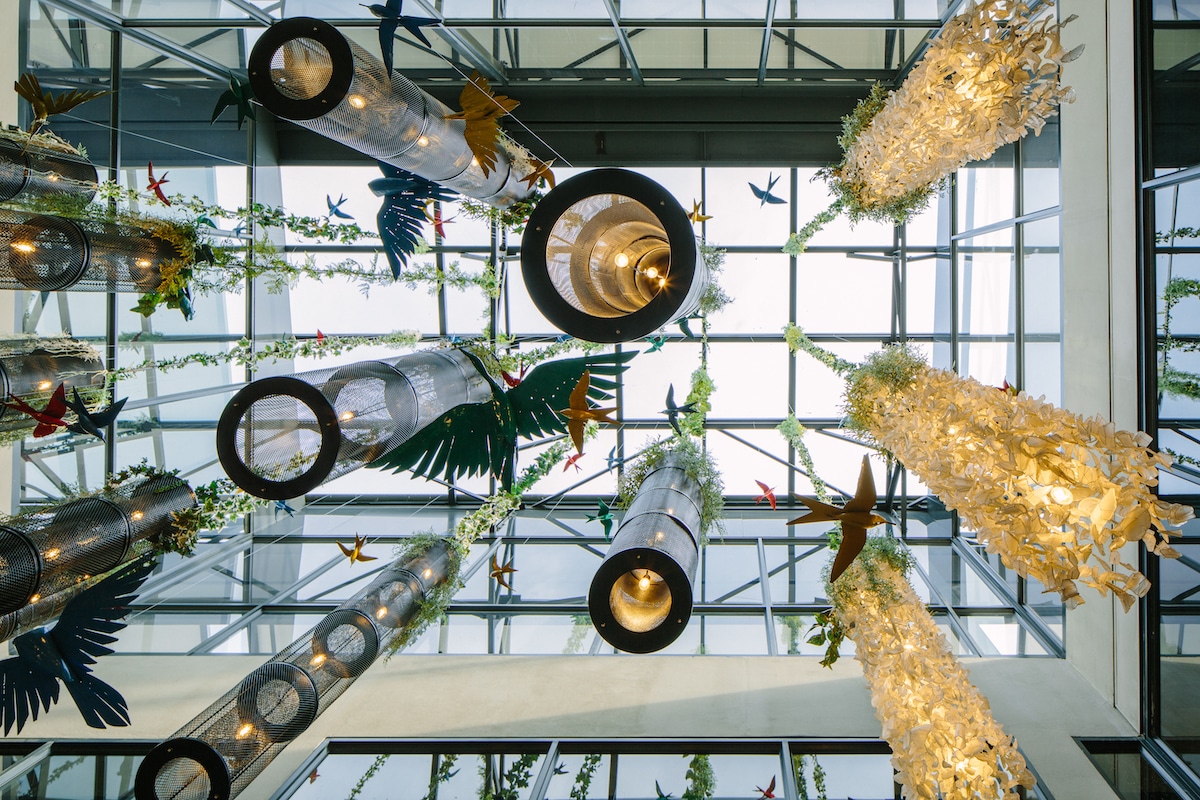
Image Credit: Daffonchio Architects
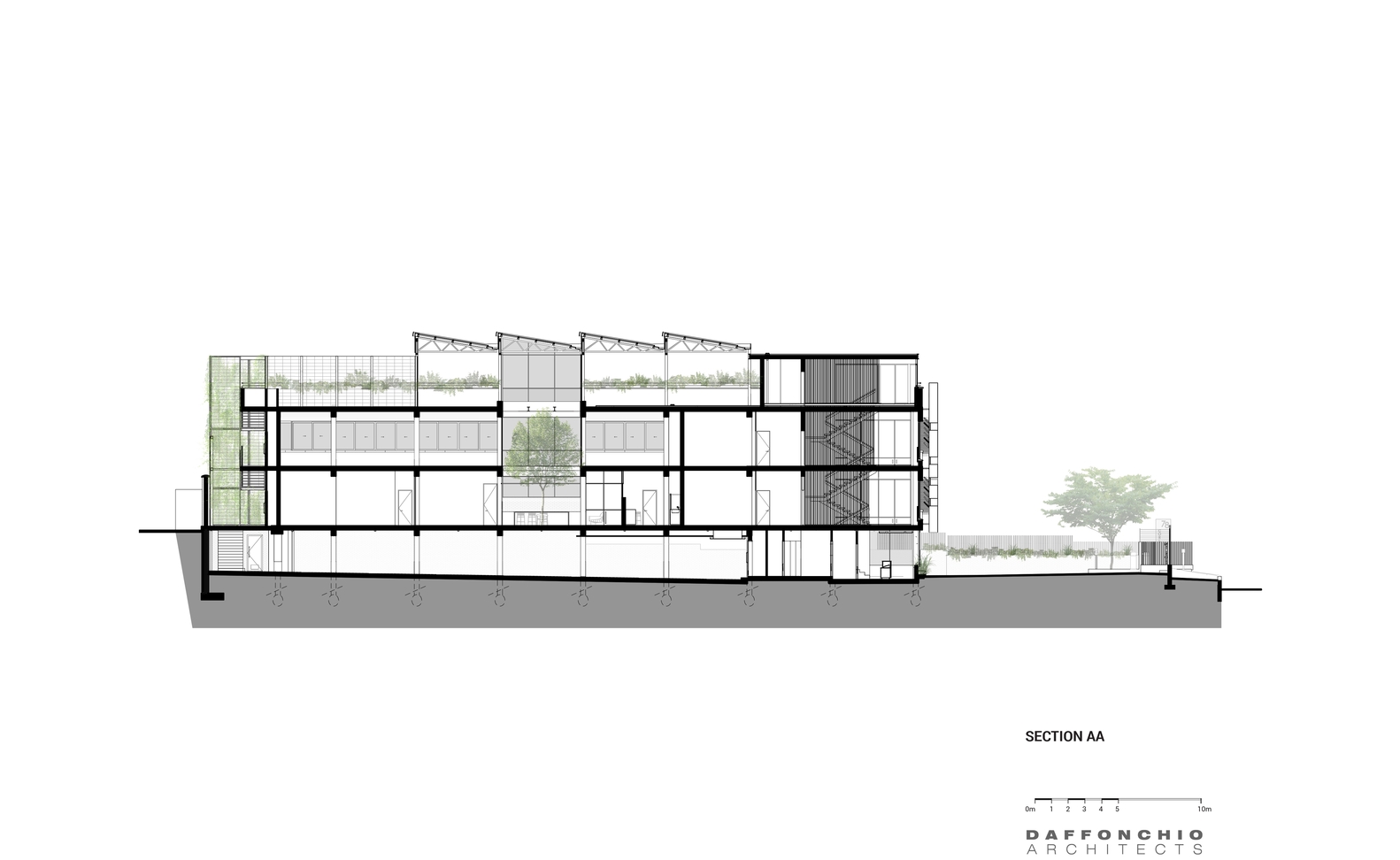
The building also features large sliding windows and shutters that allow for natural ventilation, reducing the need for air conditioning. These windows are made almost entirely from recycled materials, proving that eco-friendly choices don’t have to sacrifice style.
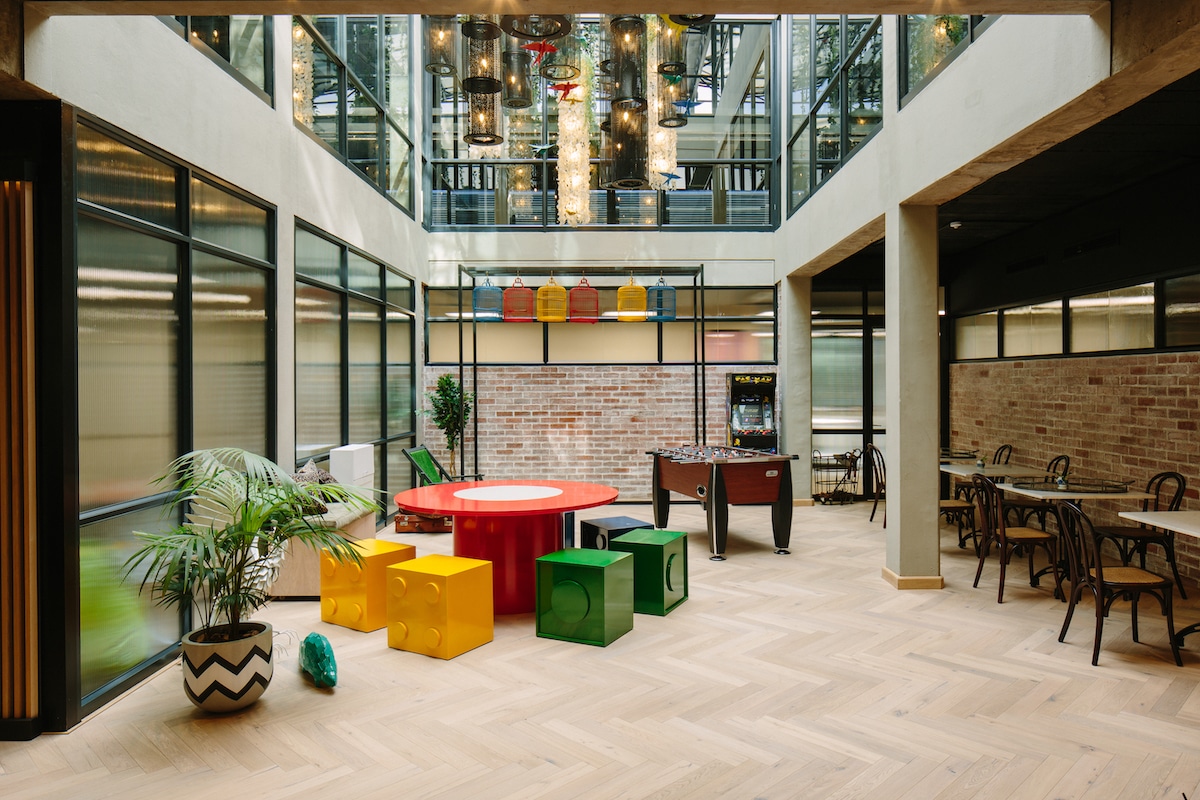
Image Credit: Daffonchio Architects
Sustainable Materials and Energy-Saving Technologies
Legaro’s commitment to sustainability is evident in their choice of construction materials. For example, the ceiling blocks are made from ash, a material that often ends up as waste. By re-purposing this ash into bricks and blocks, they significantly reduced waste while creating durable materials for the building.
Image Credit: Legaro Property Development
Motion sensor lights are installed throughout the building, ensuring that lights automatically turn off when rooms are empty. This simple yet effective feature cuts down on unnecessary energy use, making the building more efficient.
Image Credit: Legaro Property Development
Water conservation is another priority, with slow-flow taps in the bathrooms to minimize water waste. And for those embracing electric mobility, the building offers parking bays with electric car charging stations, powered by solar panels surrounding the building. There’s even secure bicycle storage with bathroom and changing facilities, encouraging a greener commute for occupants.
Image Credit: Legaro Property Development
Embracing Alternative Transportation
Location plays a big role in the building’s eco-friendly approach. Situated within a kilometer of six major bus stops and numerous taxi drop-off points, 78 Corlett Drive makes it easier for people to choose public transport over cars. This focus on alternative transportation reduces the building’s carbon footprint and supports a more sustainable lifestyle.
Image Credit: Legaro Property Development
Leading the Way with Green Certifications
Thanks to these thoughtful design elements, 78 Corlett Drive earned a 6-star rating—making it the first office building of its kind in Johannesburg to achieve this status. The project also received a Net Zero Carbon Level 1 Certificate, reflecting its minimal impact on the environment. These achievements highlight the project’s role in leading the way for sustainable building practices in South Africa.
Image Credit: Legaro Property Development
How You Can Contribute to a Greener Future
Whether you’re a homeowner, builder, or designer, there are many ways you can make a positive impact through sustainable building choices. Consider using recycled materials, opting for energy-efficient designs, or installing water-saving fixtures. Every small change contributes to a larger movement toward a healthier planet.
Sustainable projects like 78 Corlett Drive show that it’s possible to create spaces that benefit both people and the environment. By embracing these principles, we can all play a part in building a better, greener future.
Prefer to watch?
Ryan and Deon explore the building at 78 Corlett Drive and have a conversation with Johandre Prinsloo from Legaro Property Development about the project in the video below:
The world of home design is constantly evolving, and new innovations are redefining what’s possible in our living spaces. From smart homes that anticipate your needs to custom furniture designed with 3D printing, these trends are making our homes more comfortable, functional, and sustainable. Let’s explore some of the most exciting developments in home design that are shaping the future.
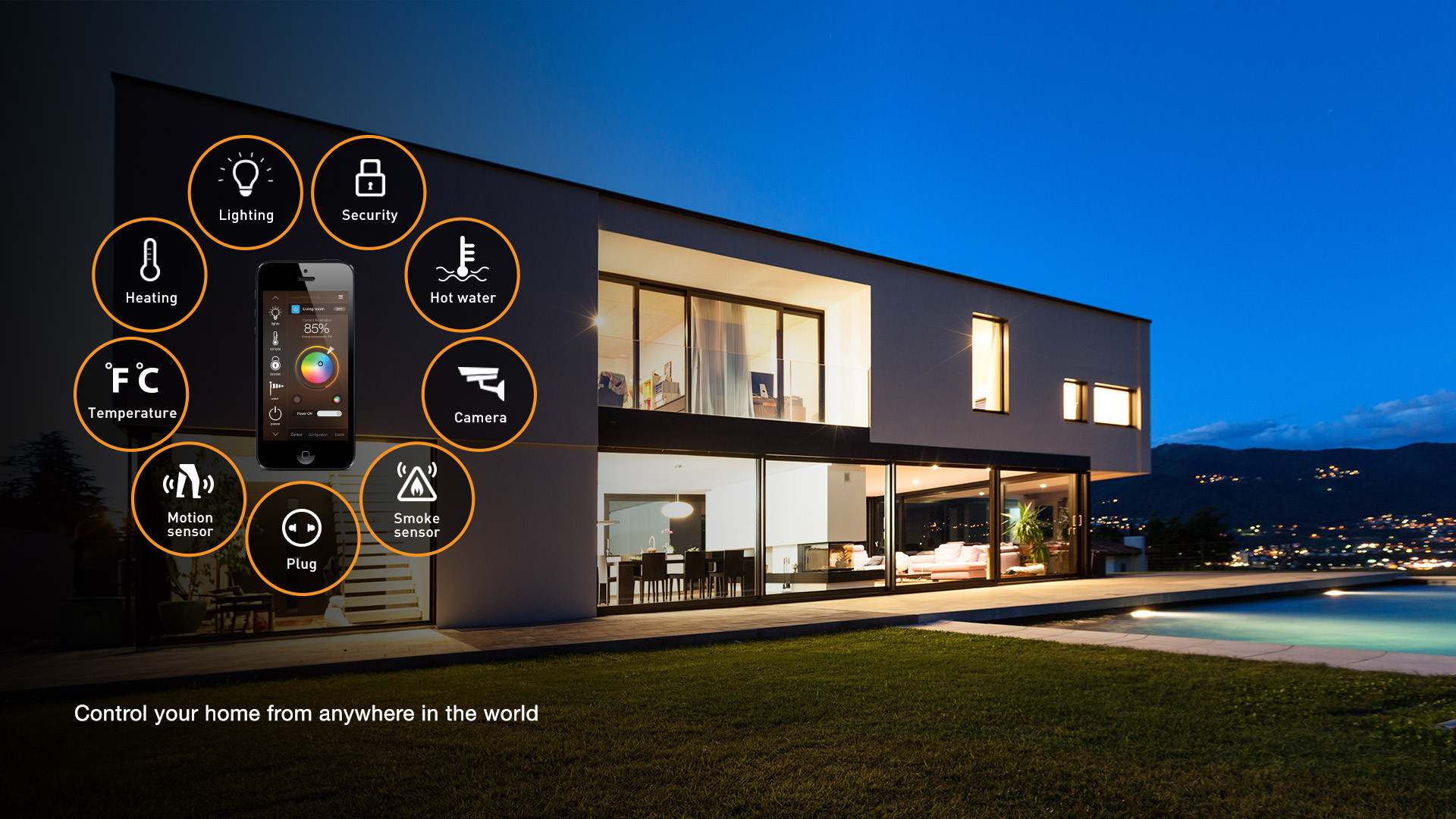
Smart homes have advanced far beyond simple voice assistants like Alexa or Google Home. Today, they provide an integrated experience that adapts seamlessly to your lifestyle. Imagine waking up to curtains that open automatically, lights that brighten just the way you like them, and coffee brewing exactly when you need it—all managed by AI that learns your routines and preferences. This is the future of home automation, offering both convenience and energy efficiency.
Image credit: Mimik Technology
Voice-Activated Smart Appliances are extending automation into the kitchen and laundry room. With a simple command, you can preheat your oven, start your washing machine, or adjust the refrigerator’s temperature, creating a unified experience across the home.
Image credit: Singh Homes
Home wellness technology is another game-changer, with smart air purifiers monitoring and adjusting air quality in real time, while water filtration systems ensure access to clean drinking water. These features create a healthier, more comfortable living environment.
Image credit: The Zebra
Security systems have also evolved, with smart locks, cameras, and sensors providing enhanced monitoring. In the event of an emergency, these systems can automatically alert authorities, offering peace of mind whether you’re at home or away.
Image credit: Onassis
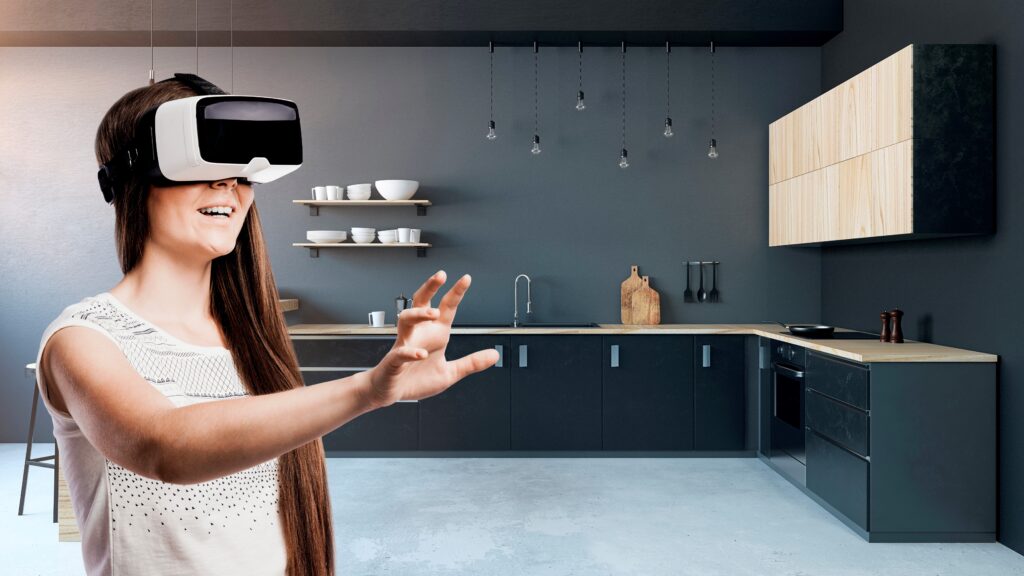
Looking ahead, Augmented reality (AR) and Virtual reality (VR) are adding new dimensions to home design. Imagine virtually touring a potential home or testing out new tiles, bathroom accessories, kitchen backsplashes, flooring options like laminate and vinyl, or even visualizing different wall tiles and outdoor pavers before making a purchase. These tools are making it easier to visualize design choices, especially during home renovations and bathroom makeovers, helping homeowners select the perfect sanitary ware, vanity units, and shower designs.
Image credit: Property Studios
Customization with 3D-Printed Furniture
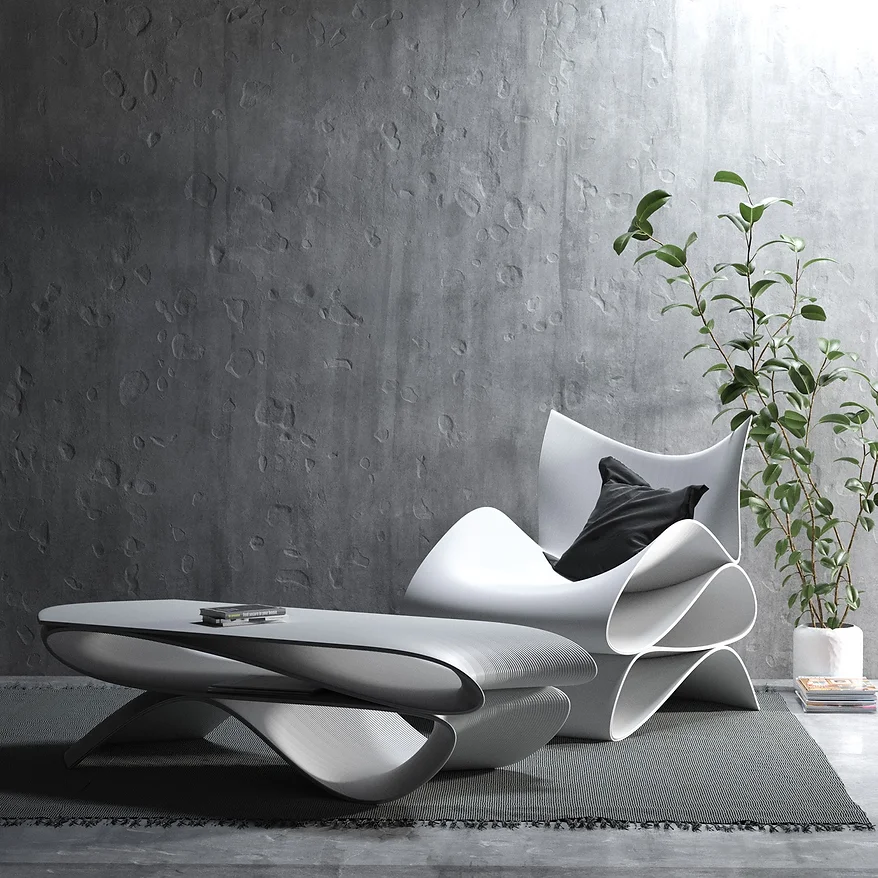
3D printing is changing the way we think about furniture. It allows homeowners to design custom pieces that fit their space perfectly, from chairs and tables to lighting fixtures. This technology works by building objects layer by layer, enabling complex designs that traditional manufacturing can’t match. The result? Unique, one-of-a-kind furniture that reflects your style.
3D-printed furniture also offers sustainability benefits, using materials more efficiently and reducing waste. With the availability of eco-friendly materials, it’s easier to make choices that are better for the planet. As this technology becomes more accessible, homeowners can bring custom designs into their living spaces without breaking the bank.
Image credit: Pinterest
Hybrid Homes: Blending Work, Life, and Technology
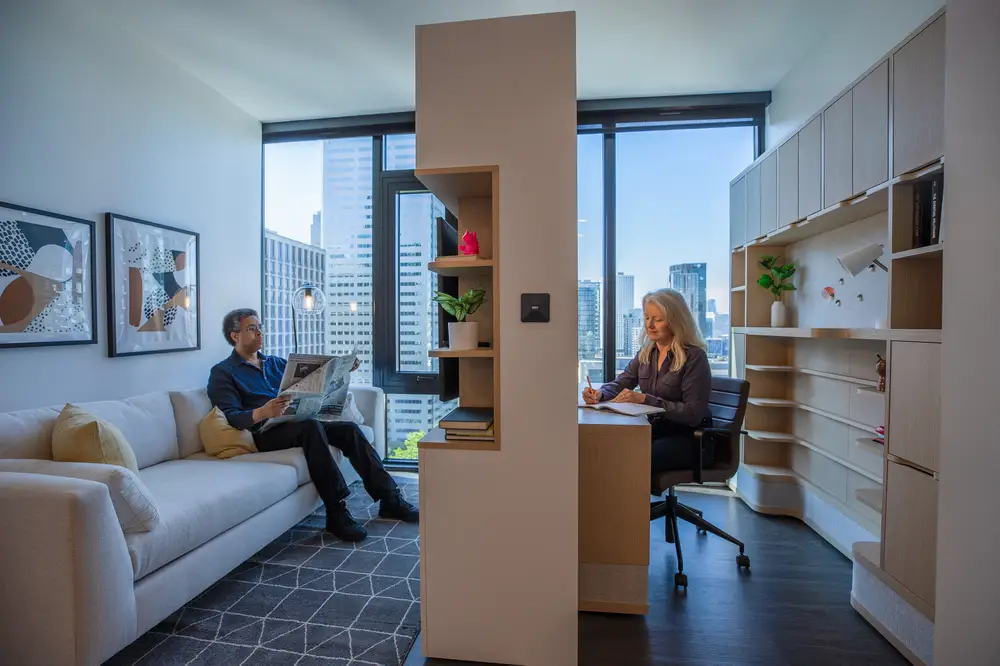
With more people working from home, the concept of Hybrid Homes has emerged—spaces that adapt to both productivity and relaxation. This includes versatile furniture like a dining table that doubles as a desk or a sofa that converts into a guest bed, allowing you to maximize your space.
These homes prioritize ergonomics, with adjustable desks and chairs creating comfortable workstations. Smart storage solutions keep home offices organized and clutter-free, contributing to a balanced, productive environment.
Image credit: Match Office
Smart Glass, Mirrors, and Home Entertainment
Smart mirrors are bringing a high-tech touch to bathrooms and dressing areas, featuring built-in lighting, defogging, and touch-screen interfaces that display your calendar or stream music. Smart glass windows offer another futuristic upgrade, letting you adjust opacity to control privacy and light with just a touch, helping regulate indoor temperatures for better energy efficiency.
For entertainment, smart home theatres offer a cinematic experience right in your living room. Integrated speakers, motorized screens, and smart lighting can all be controlled through voice commands, creating an immersive movie night with minimal effort.
Image credit: YouTube (Smart Home 101)
Automated Home Maintenance
Routine maintenance is also becoming easier with automated systems. From robotic lawn mowers and vacuum cleaners to smart leak detectors, these tools help keep your home running smoothly without constant effort. Automated systems can even monitor for plumbing issues, alerting you before a small problem becomes a big one. For outdoor areas, smart pool cleaners ensure your backyard is always ready for relaxation.
Image credit: Eco Wizard
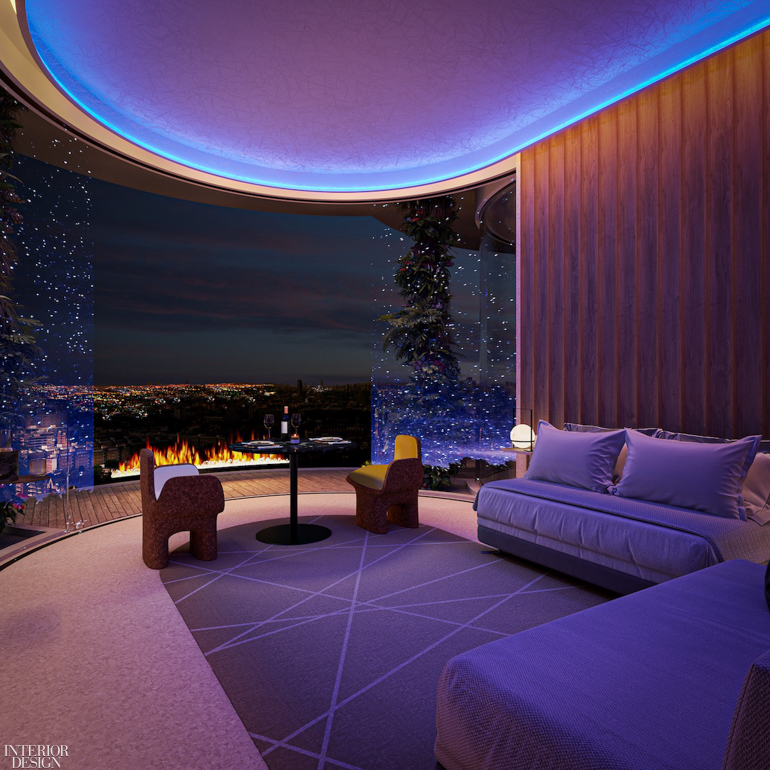
Bioluminescent Decor: Nature’s Light Indoors
For a more natural touch, bioluminescent decor offers a unique way to illuminate your space. Imagine indoor plants or specially engineered materials that emit a soft, natural glow, creating a calming atmosphere. This trend isn’t just about aesthetics; it also offers an eco-friendly alternative to traditional lighting, reducing electricity use. It’s a magical way to create a cozy ambiance while keeping sustainability in mind.
For those who live in areas affected by load shedding or power cuts, bioluminescent decor can offer a practical advantage as well. During a power outage, these elements can provide gentle illumination without needing candles, flashlights, or backup generators.
Image credit: Interiordesign.net
Combining the Trends: A Home for the Future
What happens when you bring all these innovations together? You get a home that’s as functional as it is beautiful—a space that adapts to your needs while offering a unique, personalized experience. Imagine a hybrid home that transitions seamlessly from work to relaxation, illuminated by the gentle glow of bioluminescent decor, and furnished with custom pieces made just for you. It’s a vision of the future where technology and nature work together to create living spaces that truly feel like home.
Whether you’re looking to make your home smarter, more adaptable, or simply enchanting, these innovations are worth exploring. As technology continues to evolve, the possibilities for re-imagining our living spaces are endless. Which of these trends would you love to bring into your home?
Image credit: The Zebra
Prefer to watch
Ryan and Deon discuss Creating Functional and Stylish Outdoor living spaces in the 2 part series below:
As the weather warms up and summer approaches, there’s no better time to dive into creating functional and stylish outdoor living spaces. Your outdoor area is an extension of your home, offering a perfect backdrop for relaxation, social gatherings, and enjoying nature.
Let’s explore the latest trends in outdoor flooring, furniture, and décor to help you transform your outdoor space into a stylish oasis.
When it comes to outdoor design, flooring plays a fundamental role. The right outdoor flooring can enhance both aesthetics and functionality, making your space more inviting and safe.
Slip-Resistant Options
Consider slip-resistantceramic and porcelain tiles. These materials are not only stylish but also essential for safety, especially around pool areas or spaces prone to moisture. They combine durability with low maintenance, ensuring your outdoor area remains beautiful and functional year-round.
Embracing Wood-Look Tiles
If you love the charm of wood but want to avoid the upkeep, wood-look tiles are a fantastic alternative. They mimic the warmth and texture of wood without the constant maintenance of traditional decking. Available in various tones, these tiles can help you achieve your desired ambiance while standing up to the elements.
Creative Patterns
Don’t shy away from creativity! Incorporating patterns like herringbone or basket weave can add a dynamic touch to your flooring.
Different layouts can define areas within your outdoor space—like a cozy seating nook or a winding pathway—creating visual interest and guiding guests through your garden.
Image credit: Techo-Bloc
Cohesive Design
Ensure your flooring harmonizes with your landscaping, furniture, and architecture. Whether you prefer a modern vibe or a rustic retreat, choosing the right flooring is crucial for a cohesive outdoor look.
Image credit: Planet Tiles
For more insights on selecting the perfect outdoor tiles for your space, explore our blog here.
Outdoor Furniture: Comfort Meets Style
Once your flooring is set, it’s time to think about outdoor furniture. Designing a cozy and inviting outdoor seating area is key to making the most of your space.
Lounge sets that include sofas, chairs, and coffee tables are perfect for creating a comfortable oasis. Pair these with stylish dining sets to enjoy al fresco meals that rival indoor dining experiences. A well-furnished outdoor area becomes an extension of your living space, ideal for relaxing or entertaining.
Versatile Furniture Solutions
Opt for versatile furniture that can serve multiple purposes, such as ottomans with hidden storage or benches that double as tables. This maximizes your space while providing functional solutions.
Material Matters
When selecting outdoor furniture, choose weather-resistant materials like rust-proof aluminum, all-weather wicker, and durable teak wood. Make sure cushions and upholstery are made from sun and rain-resistant fabrics, ensuring longevity and style.
Arranging for Flow
Arranging your outdoor furniture thoughtfully creates a sense of flow and purpose. Define different zones—like lounging, dining, and a cozy fire pit area—while ensuring enough space for easy movement. Circular or semi-circular layouts encourage conversation and connection among guests.
Outdoor Décor: Adding Personality and Charm
Now, let’s talk about the finishing touches that make your outdoor space feel like home: décor.
Image Credit: Houzz
Embrace Nature
Plants are the green soul of any outdoor area. Consider vertical gardens, hanging planters, and colorful potted plants to add vibrancy and life to your space. They create a lush environment that enhances the overall aesthetic.
Cozy Accessories
Outdoor rugs, cushions, and throw blankets add comfort and color to seating areas. These essentials make your outdoor living room feel inviting and homely, encouraging you to linger.
Functional Elements
Functional features like fire pits and outdoor kitchens elevate your outdoor experience. Fire pits provide a warm focal point for gatherings, while outdoor kitchens allow you to prepare meals while enjoying the fresh air.
Lighting for Ambiance
Don’t underestimate the power of outdoor lighting. String lights, lanterns, and well-placed fixtures can transform your space into a magical retreat at night. They not only enhance safety but also set the mood for evening gatherings.
Creating functional and stylish outdoor living spaces is all about blending practicality with aesthetic appeal. With the right flooring, comfortable furniture, and thoughtful décor, you can effortlessly transform your outdoor areas into inviting extensions of your home.
As you embark on your outdoor renovations, remember that your outdoor space reflects your personality and invites others to share in your story. So grab your tools and get ready to design an outdoor oasis that you’ll love for years to come!
Prefer to watch
Ryan and Deon discuss Creating Functional and Stylish Outdoor living spaces in the 4 part series below:
Part 1: Creating Functional and Stylish Outdoor Living Spaces – Introduction
South Africa’s architecture is a rich tapestry, woven from its unique history, culture, and diverse influences over time. In honour of Heritage Month that has just passed, we’re taking a closer look at some of the most iconic architectural styles that have helped shape the landscape of this beautiful country. From the elegance of Victorian facades to the boldness of Brutalist structures, each style tells its own story about South Africa’s past and present.
Cape Dutch Architecture: A Nod to the Colonial Era
One of the most recognisable and beloved styles is Cape Dutch architecture, which originated in the 17th and 18th centuries. Picture whitewashed walls, thatched roofs, and those ornate gables that make these buildings so distinctive. Found mostly in the Western Cape, these structures often have a serene, pastoral charm. But they’re more than just pretty buildings – they reflect the fusion of European design with local practicality.
Image Credit: Groot Constantia Winery
Cape Dutch architecture is deeply tied to South Africa’s colonial history, having been influenced by settlers from the Netherlands. The thick walls and thatched roofs were perfect for the local climate, offering insulation from both heat and cold. If you’ve ever visited towns like Stellenbosch or Franschhoek, you’ve likely admired these timeless homes.
Fast forward to the late 19th century, and we find ourselves in the era of Victorian architecture. South Africa, still a British colony at the time, saw a surge in buildings that reflected the opulence of the Victorian age. Tall, steeply pitched roofs, intricate wooden fretwork, and ornamental facades became the hallmark of homes and public buildings alike.
Image Credit: Cape Town, Blue Lodge | Wiki Media
Victorian architecture was more than just a style—it was a status symbol. The ornate details, whether in Gothic Revival or Italianate sub-styles, spoke of prosperity and grandeur. You can still see many beautiful examples of this style in cities like Cape Town and Port Elizabeth, where they stand as a reminder of a bygone era of elegance.
Image Credit: East London City Hall | wetanddustyroads.com
Art Deco: Glamour and Modernism
Moving into the early 20th century, South Africa embraced the sleek, modern lines of Art Deco. Known for its geometric patterns, bold lines, and use of luxurious materials like marble and chrome, Art Deco brought a sense of glamour and sophistication to cities such as Johannesburg and Durban.
Image Credit: Facebook | Durban 031 News
This style emerged during the Roaring Twenties, a time of optimism and progress. Buildings like the iconic Mutual Building in Cape Town and the City Hall in Durban still exude the glamour of the Art Deco era. The design not only captured the spirit of the time but also introduced modernity into South Africa’s urban fabric.
Brutalism: Bold and Controversial
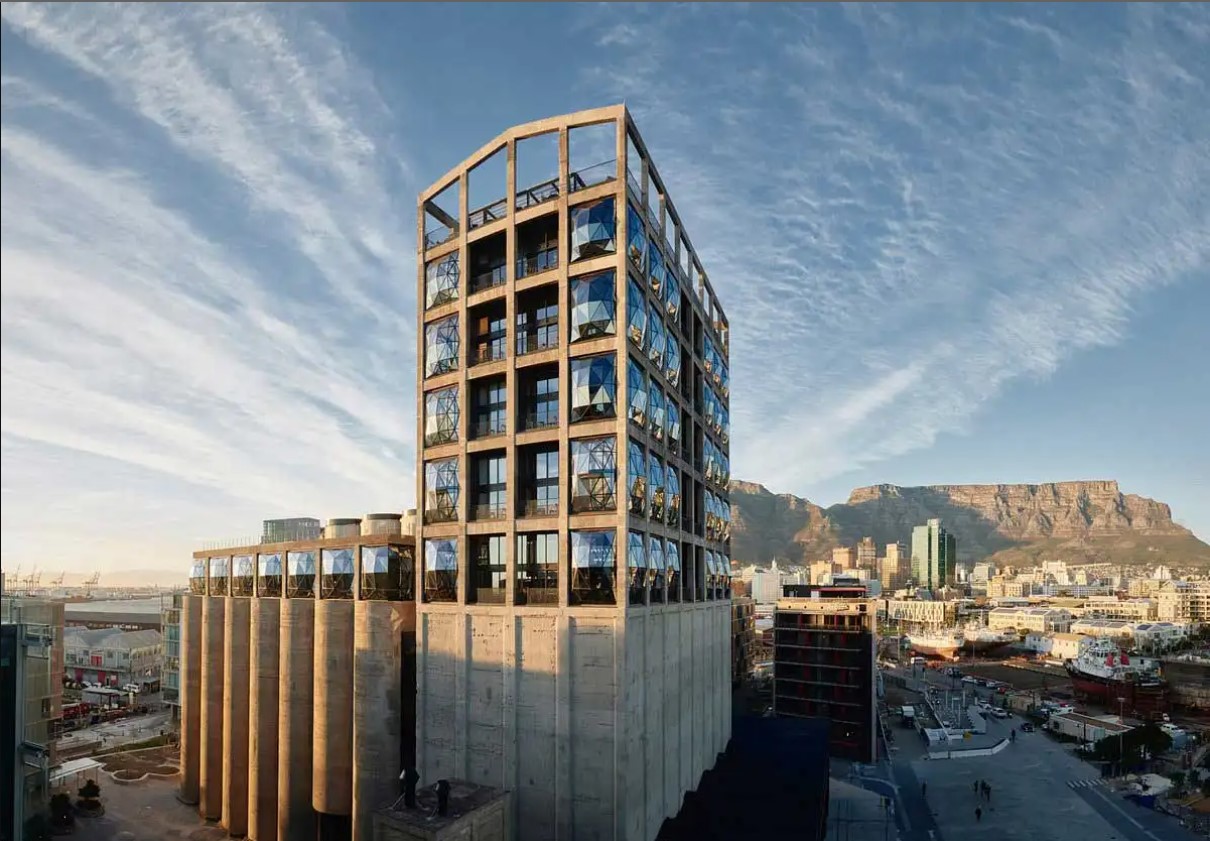
Love it or hate it, Brutalism made a significant impact on the mid-20th-century South African skyline. Known for its raw, unpolished concrete surfaces and striking, imposing forms, Brutalism isn’t everyone’s cup of tea, but it certainly makes a statement. The style was functional and utilitarian, often used in government buildings, educational institutions, and apartment complexes.
Image Credit: Zeitz Museum of Contemporary Art Africa | Novita
Many Brutalist buildings were seen as controversial, criticised for their harsh, heavy aesthetics. Yet, these buildings have left a lasting visual impact and are still the subject of architectural discussions today. Johannesburg and Pretoria are home to several prominent examples of this bold style.
Image Credit: University of Johannesburg | Wiki Media
Contemporary Architecture: Clean, Green, and Innovative
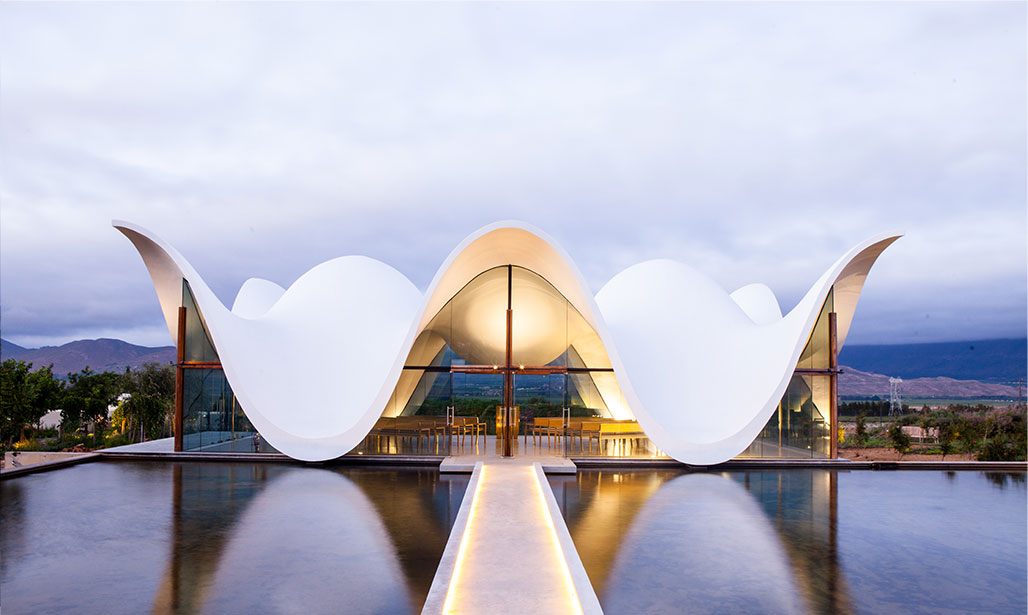
And finally, we arrive at the present day, with Contemporary architecture leading the charge. This style is all about minimalism, clean lines, and sustainability. As we become more aware of our environmental impact, South African architects are embracing green design and innovative building techniques.
Image Credit: The Bosjes Chapel | Trademark Architecture
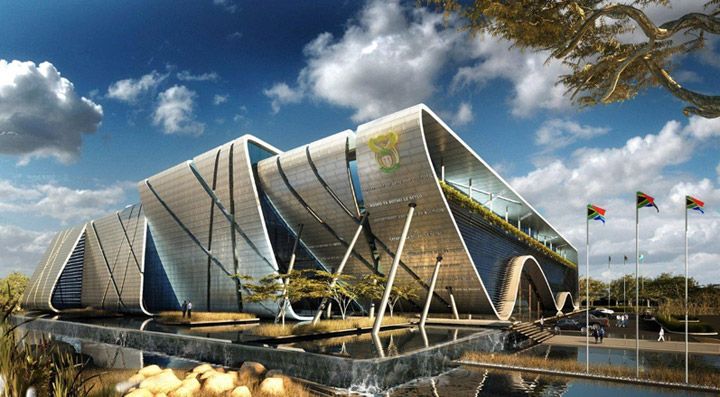
Contemporary architecture combines beauty with functionality, creating spaces that are as practical as they are aesthetically pleasing. From eco-friendly homes to sleek office buildings, this style is shaping the future of South Africa’s cities. Think of buildings like The Leonardo in Johannesburg, standing tall as a symbol of progress and modernity.
Image Credit: DACST building – Pretoria, South Africa | skyscrapercity
A Legacy Written in Stone
From the colonial elegance of Cape Dutch homes to the futuristic designs of today’s eco-buildings, South Africa’s architectural history is a reflection of its rich and varied past. Each style tells a different story, offering us a glimpse into the lives, values, and aspirations of the people who built them.
We encourage you to take a moment to look around and appreciate the architectural wonders that surround you. Whether it’s a charming Cape Dutch farmhouse or a sleek, modern skyscraper, every building has a story to tell.
So, as you explore the streets of your city, keep an eye out for these architectural gems—they’re a part of South Africa’s heritage, and they continue to inspire and shape the world around us.
Until next time, keep appreciating, exploring, and finding inspiration in the architectural wonders around us.
Prefer to watch?
Ryan and Deon discuss Iconic Architectural Styles in South Africa in the video below
pricing and stock information displayed on this site will be of the branch you select.
it will remain your default branch until you change it. all prices are inclusive of VAT.