bathroom, blog, floors, interior design tips, kitchen, walls
Holiday home inspiration is all about turning your home into a warm, welcoming space for Christmas without feeling cluttered or overdone. By focusing on thoughtful colour choices, natural elements and room-specific décor, you can create a festive atmosphere that feels cohesive and stylish from the kitchen to the living room.
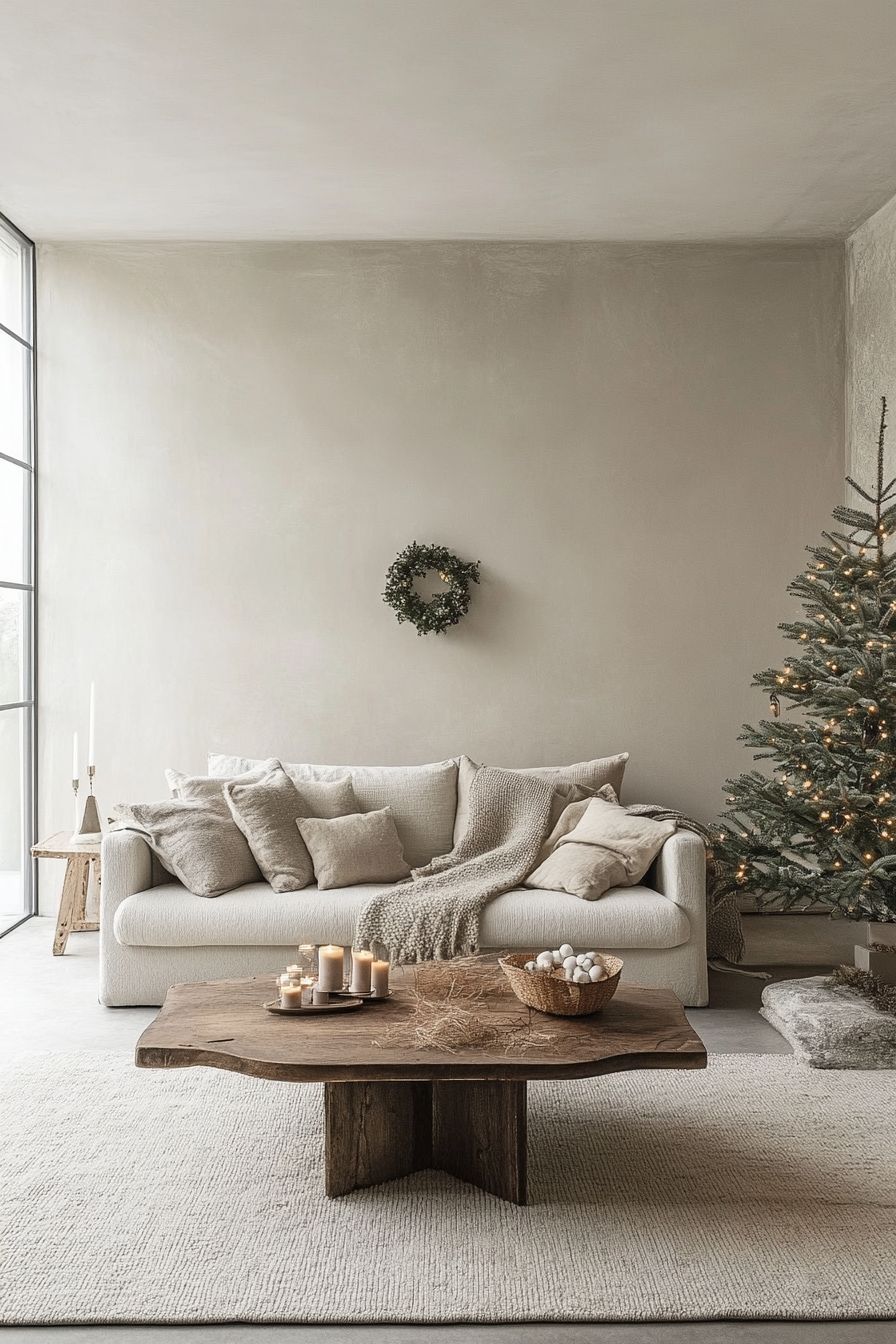
Table of Content:
Creating a Cohesive Look with a Unified Colour Palette
Incorporating Nature and Natural Elements
Holiday Decorating Ideas for the Kitchen
Dining Room Holiday Inspiration
Living Room Holiday Décor Ideas
Adding Festive Touches to the Bathroom
Creating a Cohesive Look with a Unified Colour Palette
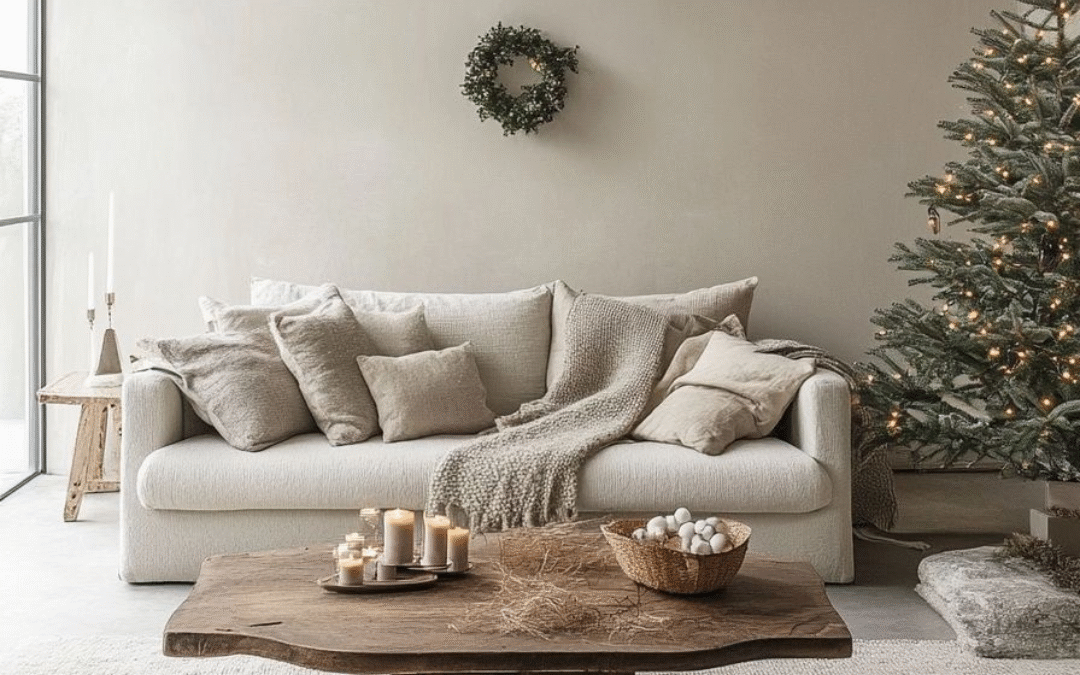
A unified colour palette is key to achieving holiday home inspiration that feels intentional. Choose two or three primary colours and use them consistently across rooms.
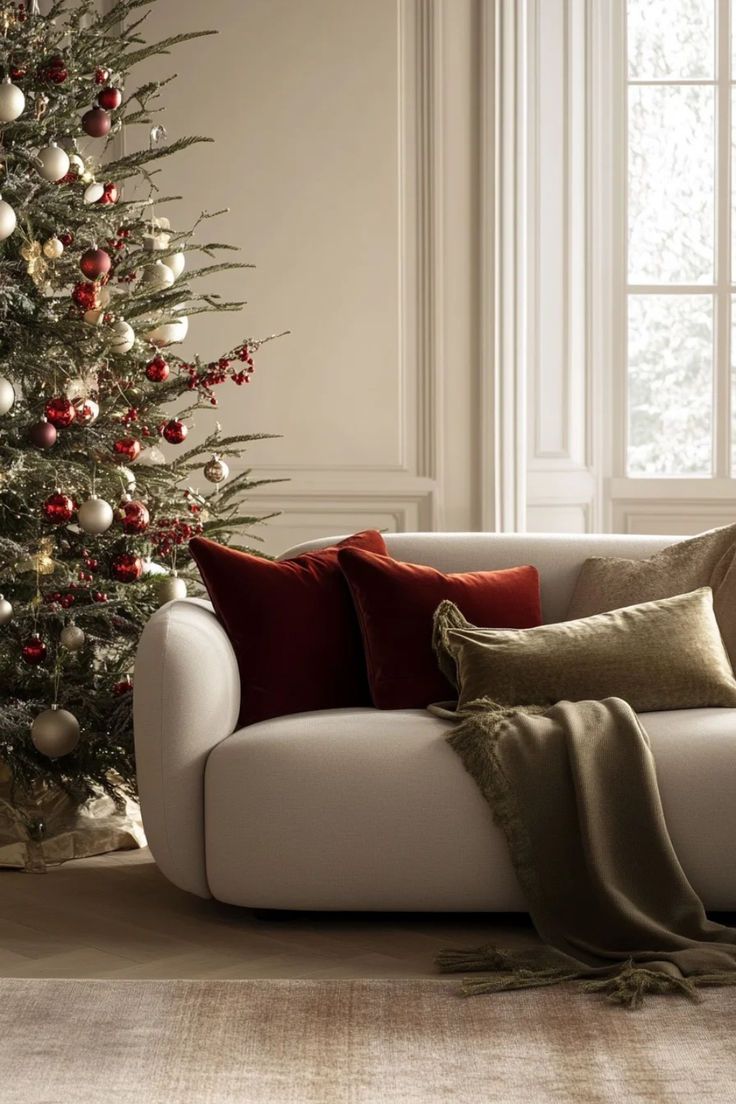
Classic Christmas tones like deep greens, rich reds and soft golds work beautifully, but muted shades like sage, cream and warm neutrals can create a modern and serene festive vibe.
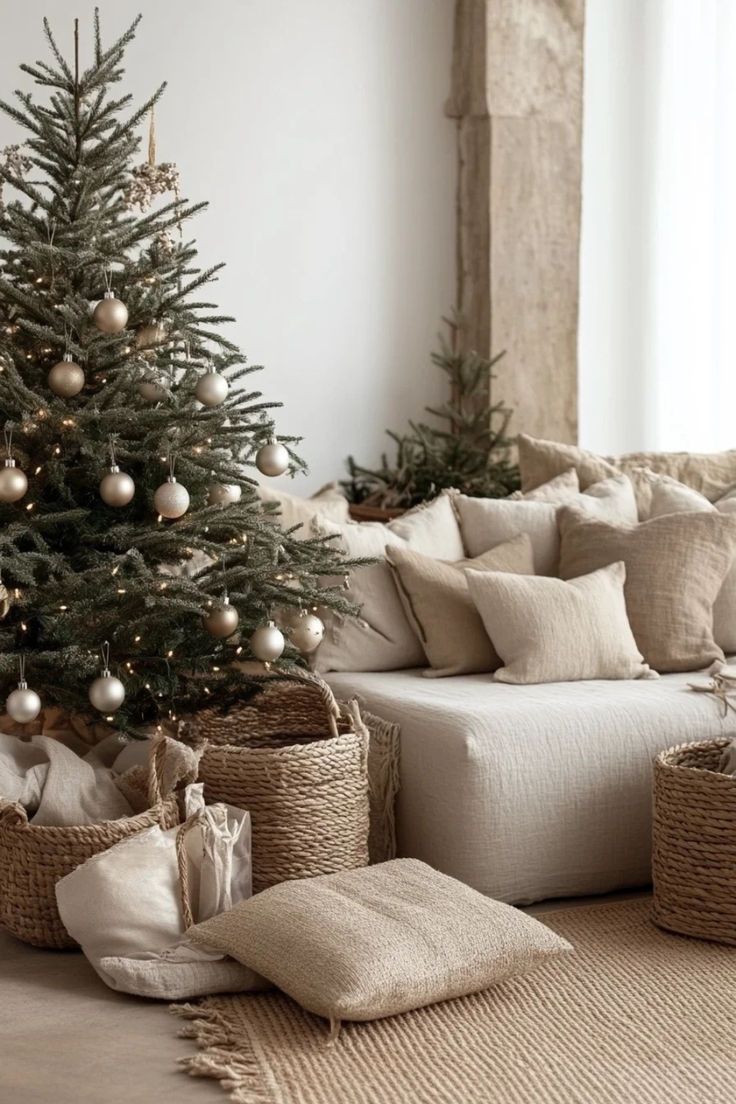
Layer in accents like cushions, throws or table runners in coordinating shades to tie the whole look together.
Incorporating Nature and Natural Elements
Natural elements bring warmth and texture to your holiday home. Think fresh pine garlands, eucalyptus branches, or dried orange slices for subtle decoration.
Wooden accents, wicker baskets and stone-look tiles can add depth and interest while keeping the overall style grounded.
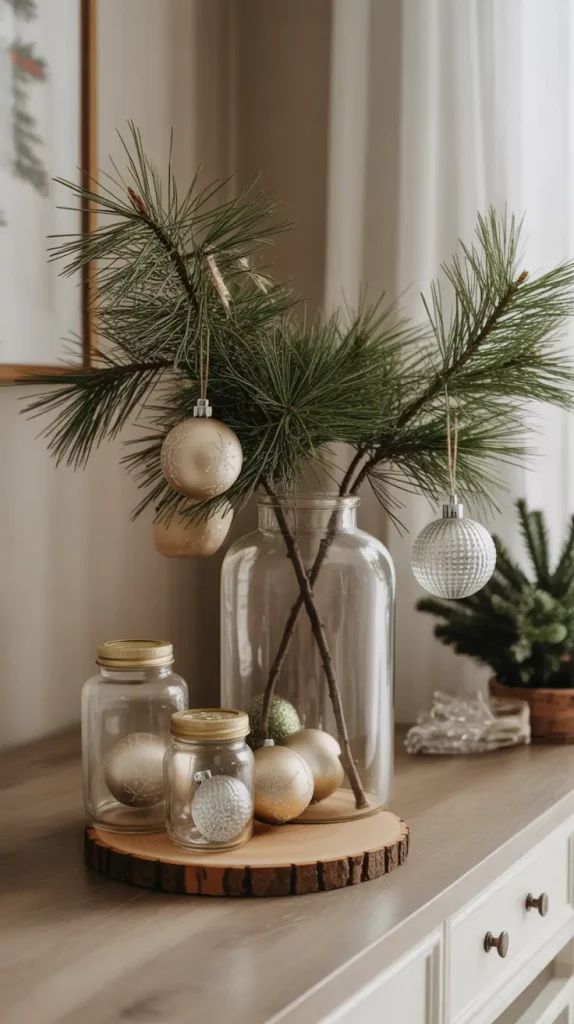
Nature-inspired décor not only enhances your festive look but also makes your home feel inviting and relaxed.
Holiday Decorating Ideas for the Kitchen
The kitchen is often the heart of holiday gatherings, so it’s a perfect place to focus your festive energy.
Add a small garland along the countertop or hang wreaths on cabinet doors.
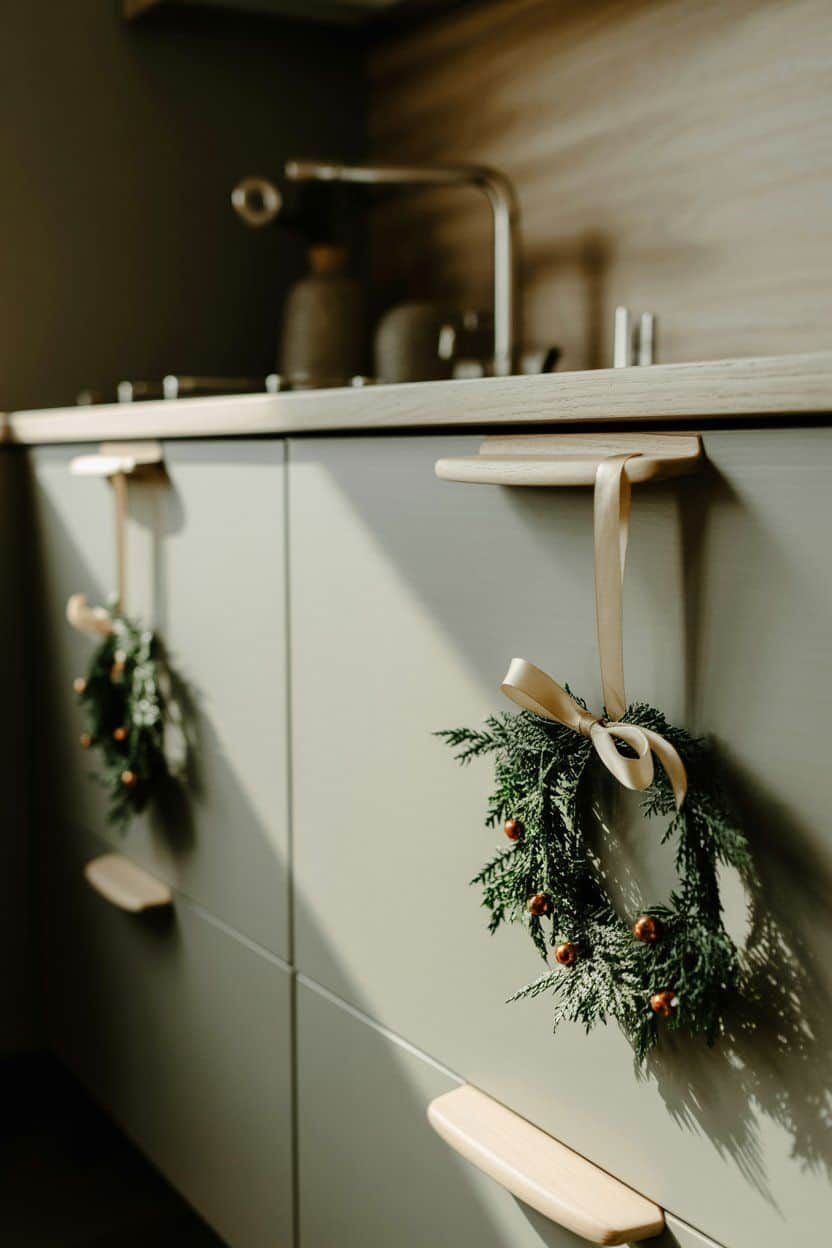
Incorporate natural elements like pinecones or small potted herbs for a seasonal touch.
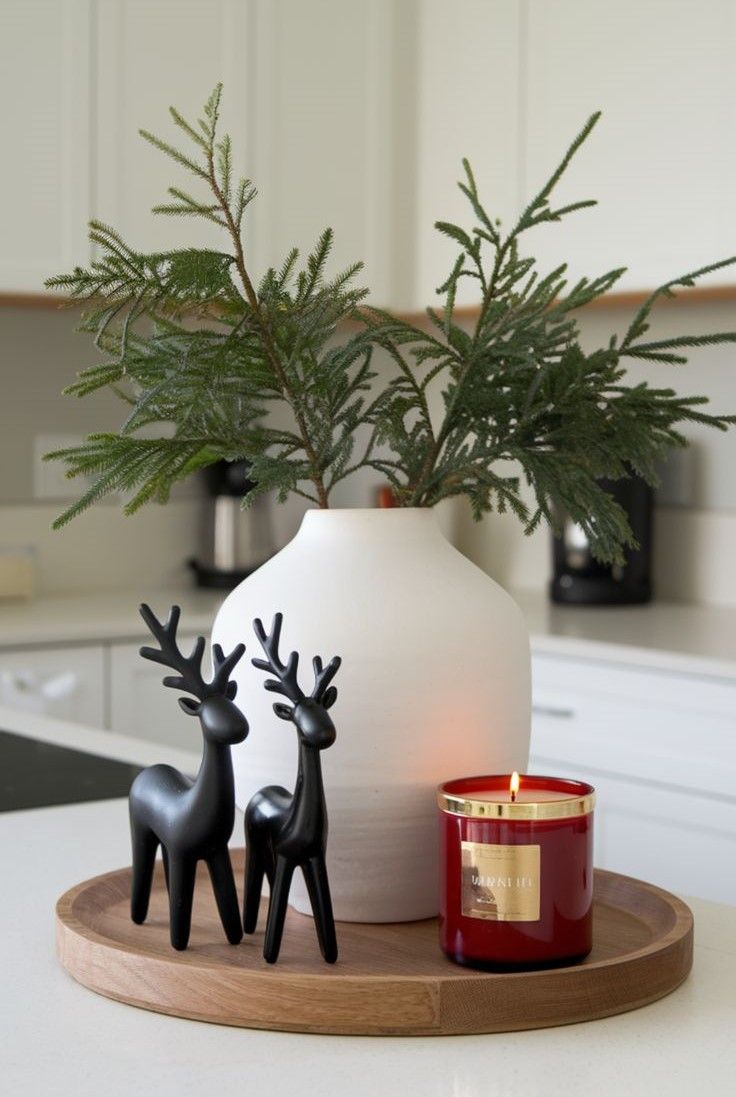
Even your tableware can reflect your colour palette with festive placemats, napkins or mugs to create a cohesive and cheerful space.
Dining Room Holiday Inspiration
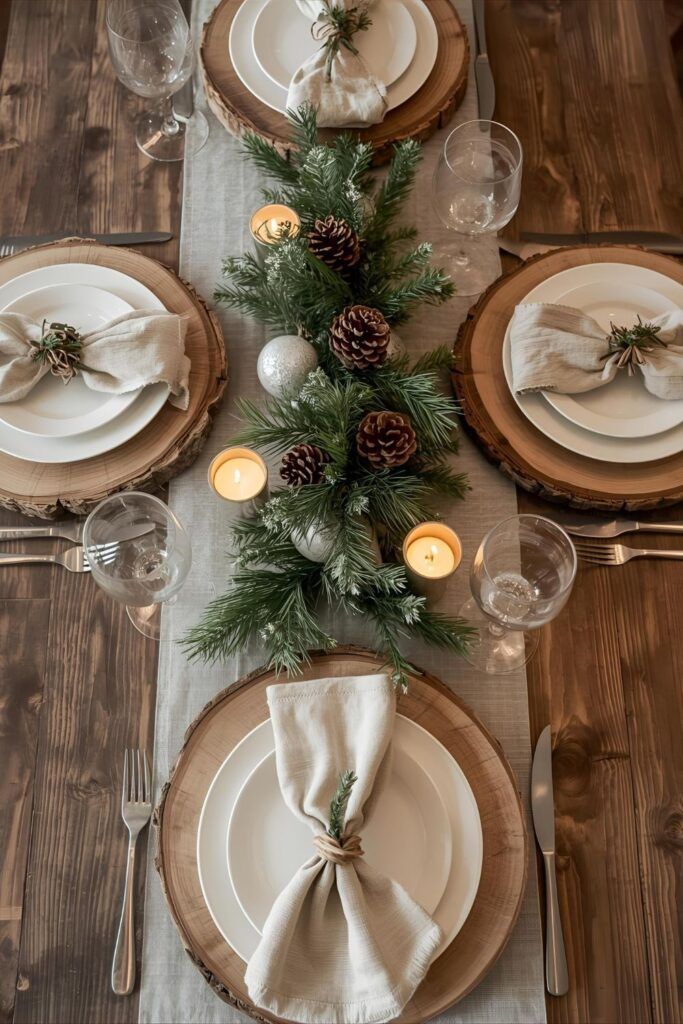
The dining room is where friends and family come together, so make it festive yet functional. Use your colour palette for table runners, candles and centrepieces. A mix of textures, such as linen napkins, wooden serving boards and metallic accents, can elevate the space. Don’t forget to incorporate nature with greenery or a small festive tree to add life and warmth to the room.
Living Room Holiday Décor Ideas
The living room is often the showpiece for your holiday home inspiration.
Focus on layers and textures with throws, cushions and rugs that match your chosen palette.
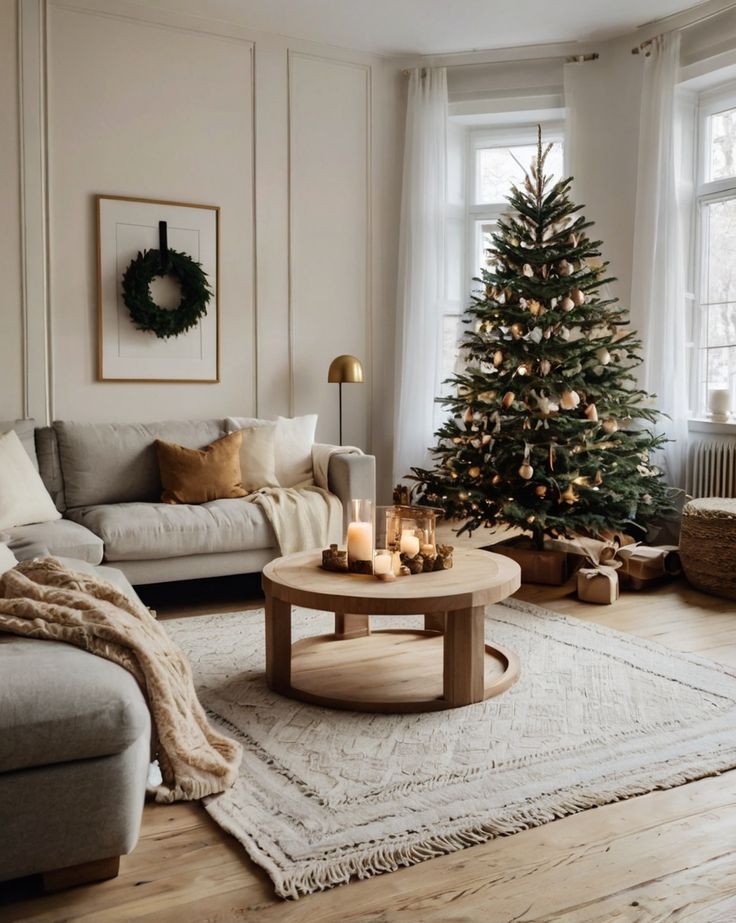
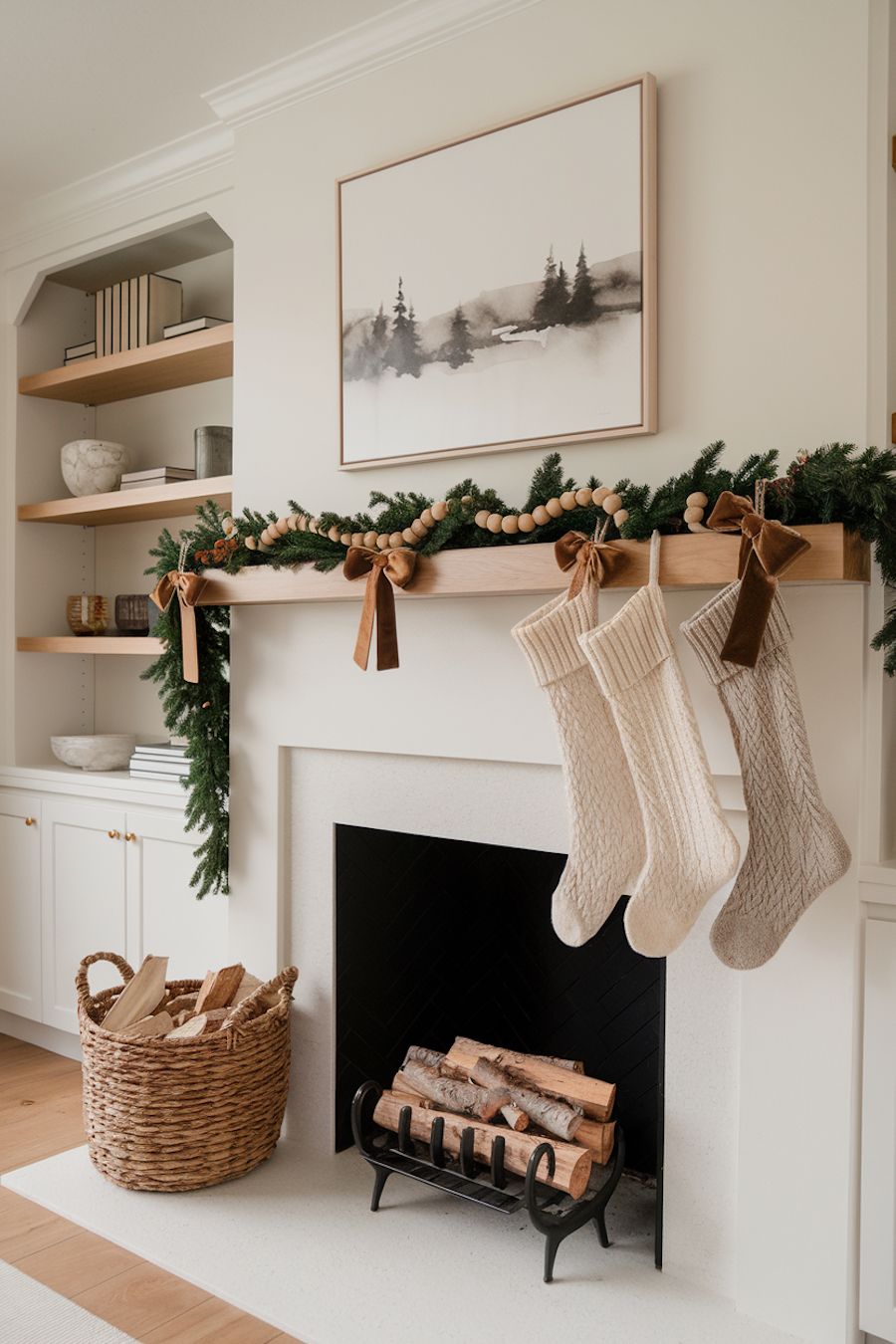
Add seasonal decorations like a statement Christmas tree, fairy lights or a fireplace display.
Try to balance festive elements with everyday décor so your living room feels cozy but not overcrowded.
Adding Festive Touches to the Bathroom
Even bathrooms can carry holiday cheer without being over the top.
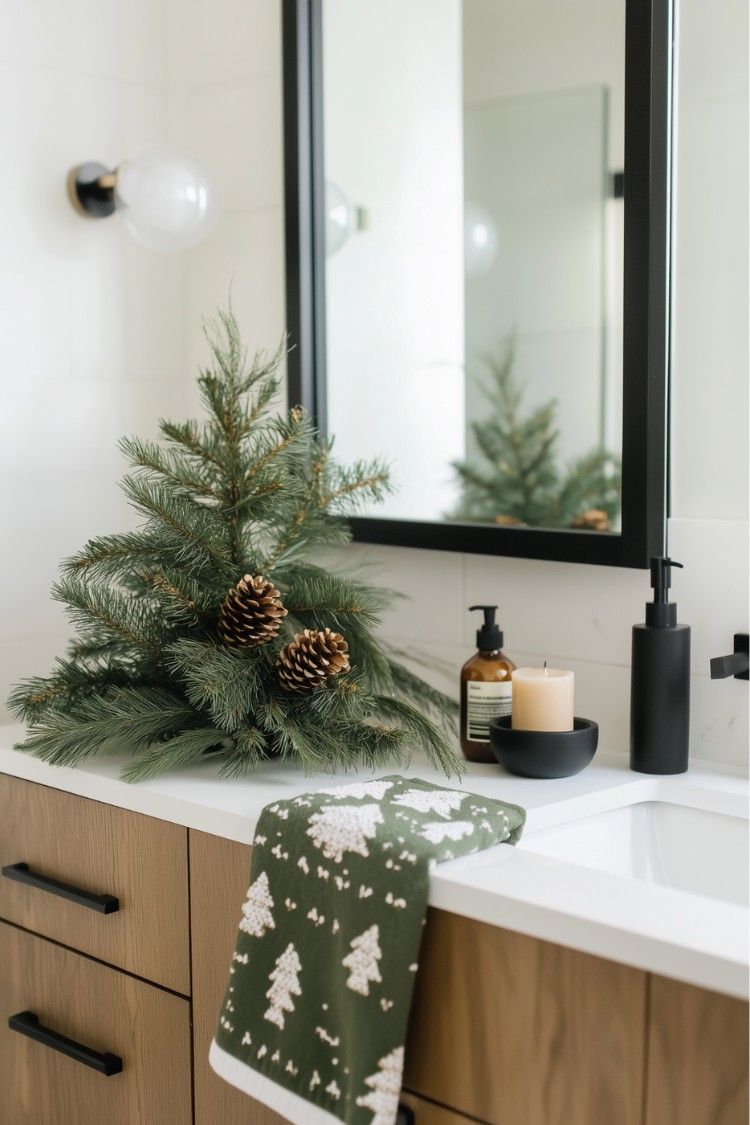
Swap out hand towels for festive versions, add a small vase of greenery or pinecones, and consider subtle scented candles to evoke the season.
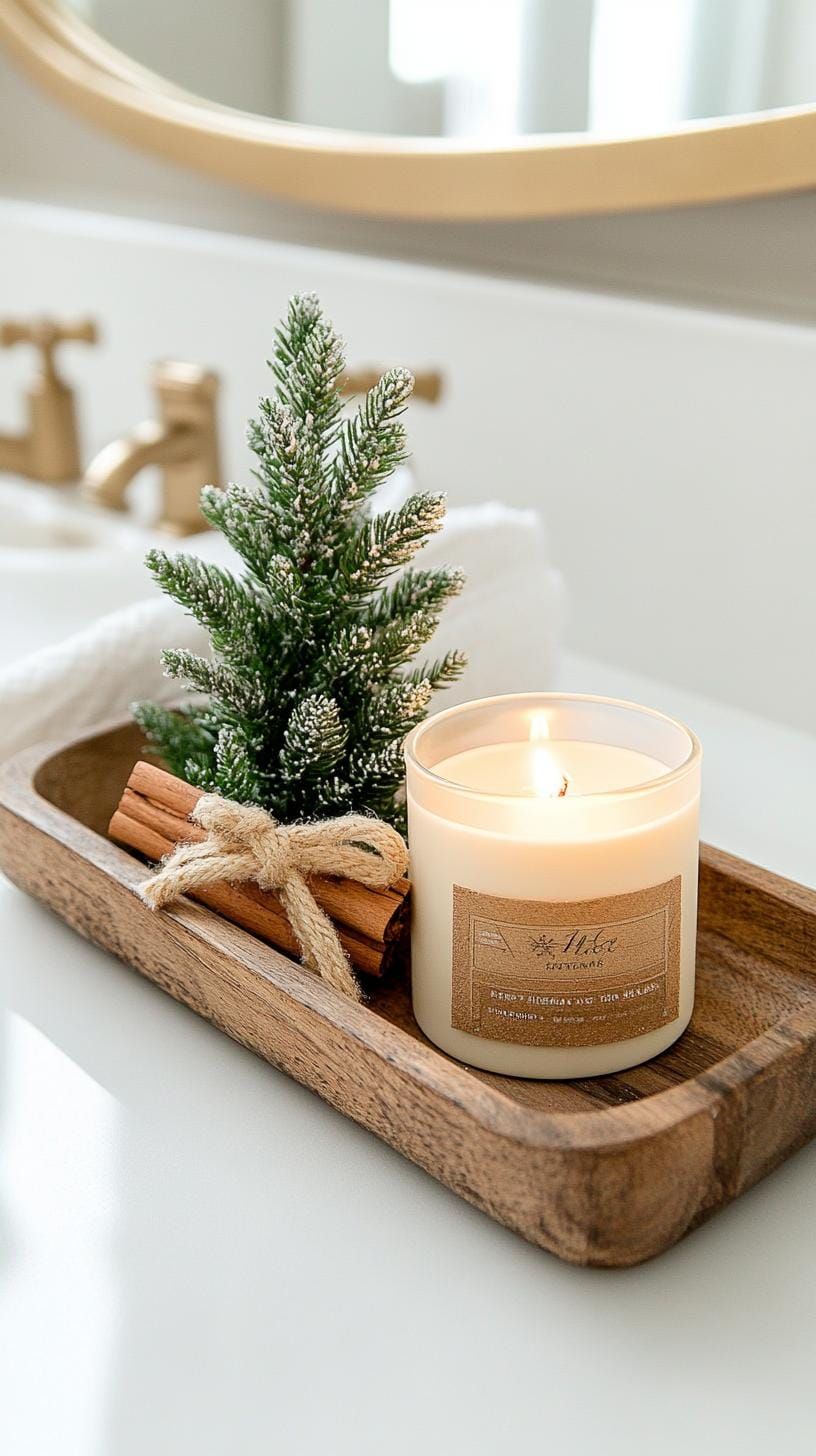
Small touches like soap dispensers or ornaments in your palette can tie the bathroom into the rest of your home’s holiday look.
Creating holiday home inspiration is all about thoughtful design and cohesive styling. By sticking to a unified colour palette, incorporating natural elements and tailoring decorations to each room, you can make your home feel festive, welcoming and stylish this Christmas. Small touches can go a long way, helping you celebrate the season in comfort and style.
bathroom, blog, kitchen
Kitchen and bathroom designs that age gracefully never go out of style. They’re spaces that look just as beautiful years from now as they do today. By focusing on timeless elements, neutral colours and high-quality finishes, you can create interiors that evolve effortlessly with your lifestyle.
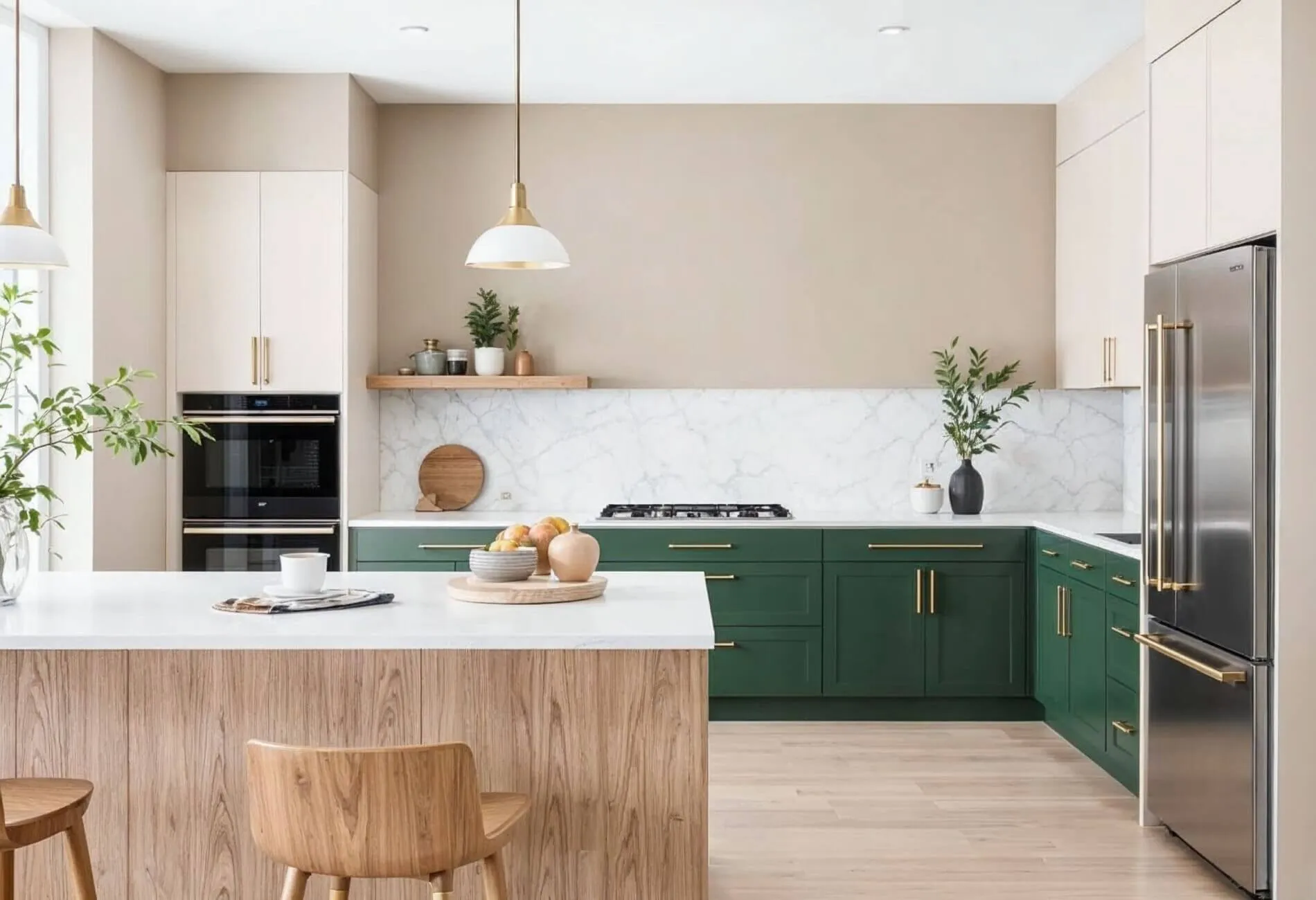
Table of Content:
Why Timeless Kitchen & Bathroom Designs Matter
Focus on Quality Materials
Neutral Colour Palettes That Enhance Kitchen & Bathroom Designs
Balance Classic and Modern Features
Invest in Functional Layouts
Finishing Touches That Complete Kitchen & Bathroom Designs
Why Timeless Kitchen & Bathroom Designs Matter
Trends come and go, but certain looks always stay relevant. Choosing classic materials and layouts means your kitchen and bathroom won’t need constant updating. A timeless design also adds long-term value to your home, making it both beautiful and practical.
Focus on Quality Materials
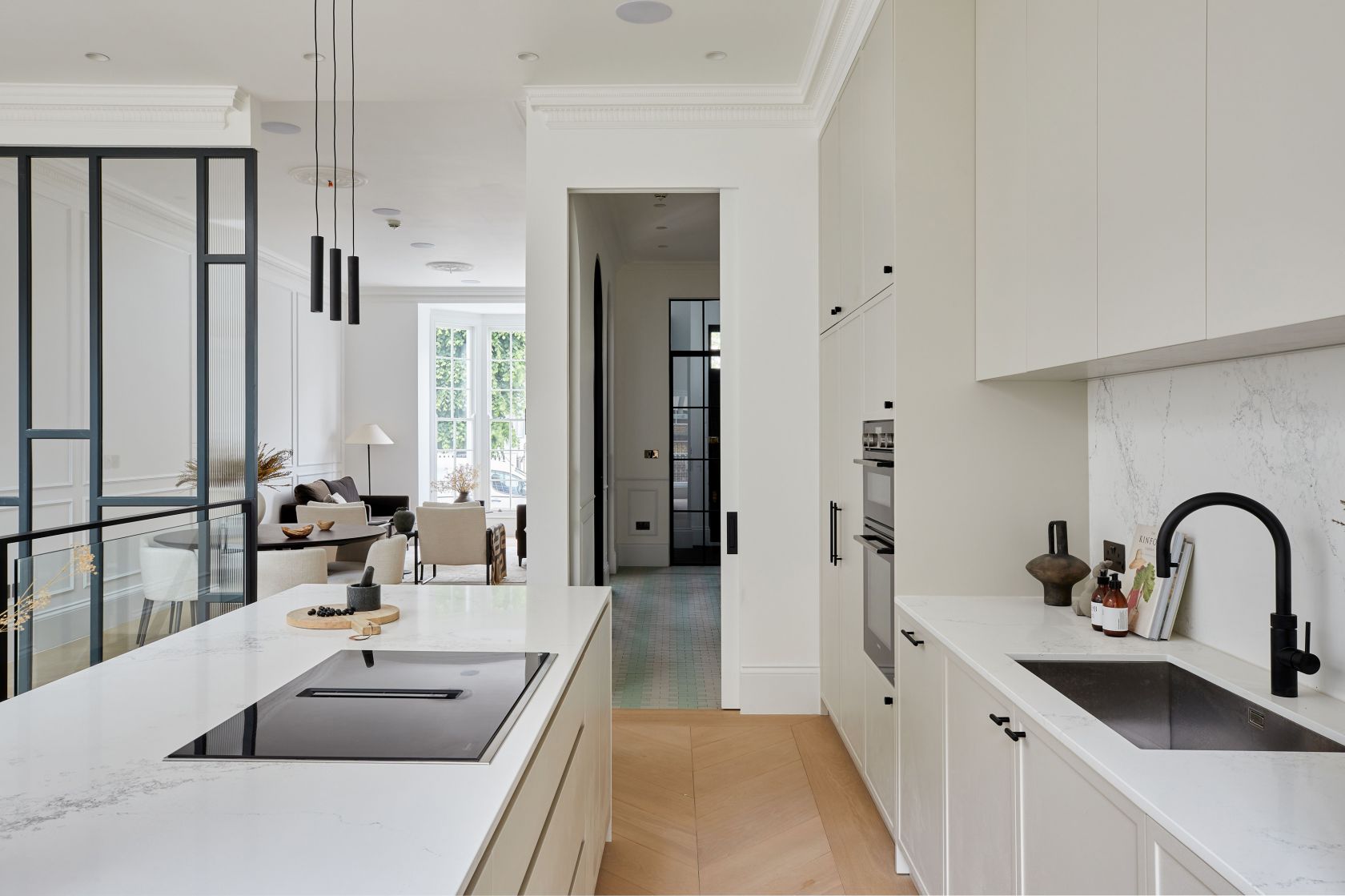
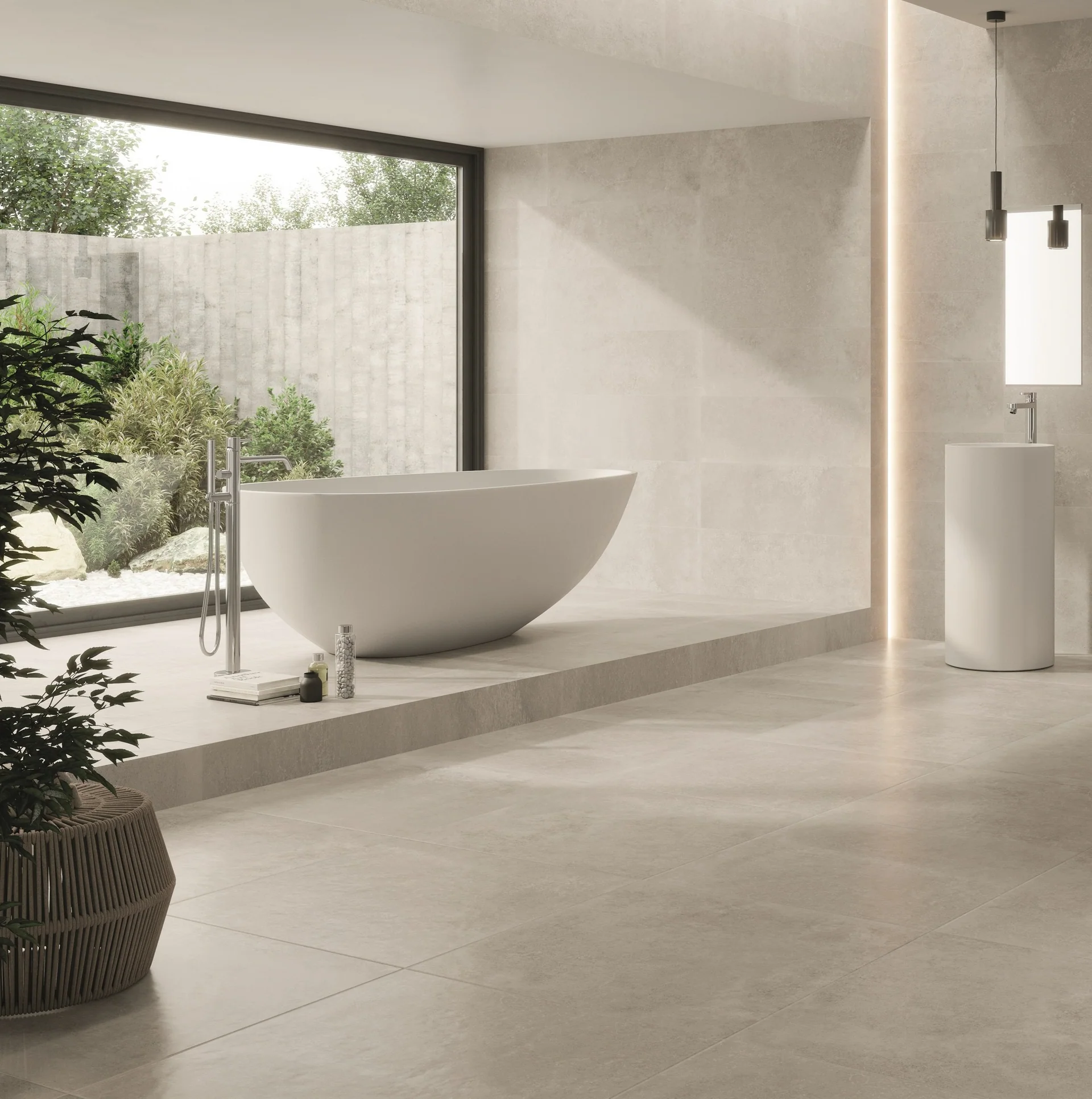
When it comes to durability and style, the materials you choose make all the difference. Porcelain tiles, marble-look finishes and natural stone textures stand the test of time while still feeling modern. In kitchens, durable countertops and splashbacks made from porcelain or quartz are easy to maintain. In bathrooms, slip-resistant floor tiles and moisture-resistant wall tiles ensure lasting beauty and safety.
Neutral Colour Palettes That Enhance Kitchen & Bathroom Designs
Image credit: edwardgeorgelondon.com
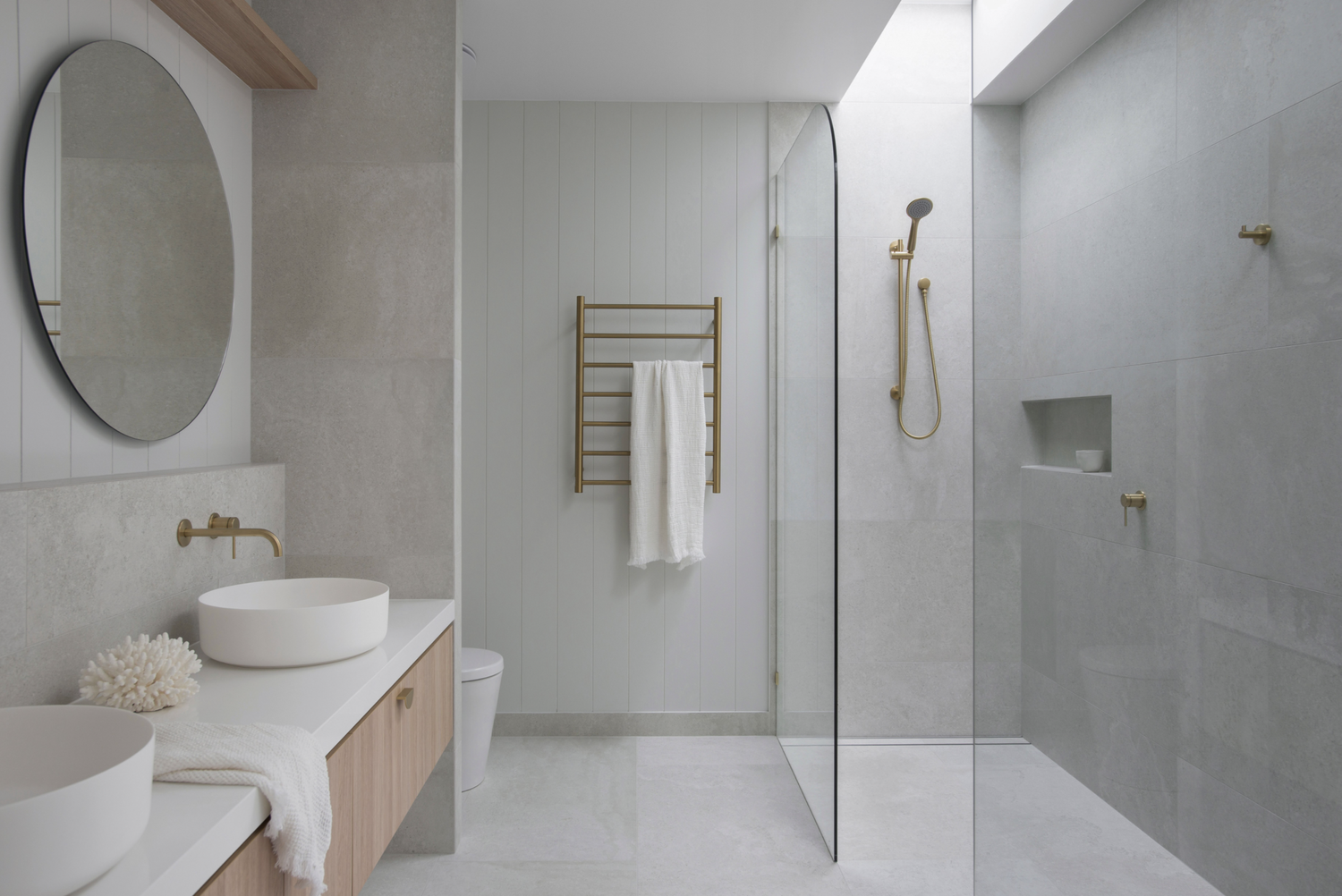
A timeless colour palette forms the foundation of designs that age gracefully. Shades like white, beige and soft grey create a calm and balanced atmosphere that can adapt to different styles over time. You can refresh the look whenever you want by swapping out accessories or fittings rather than redoing the entire space.
Balance Classic and Modern Features
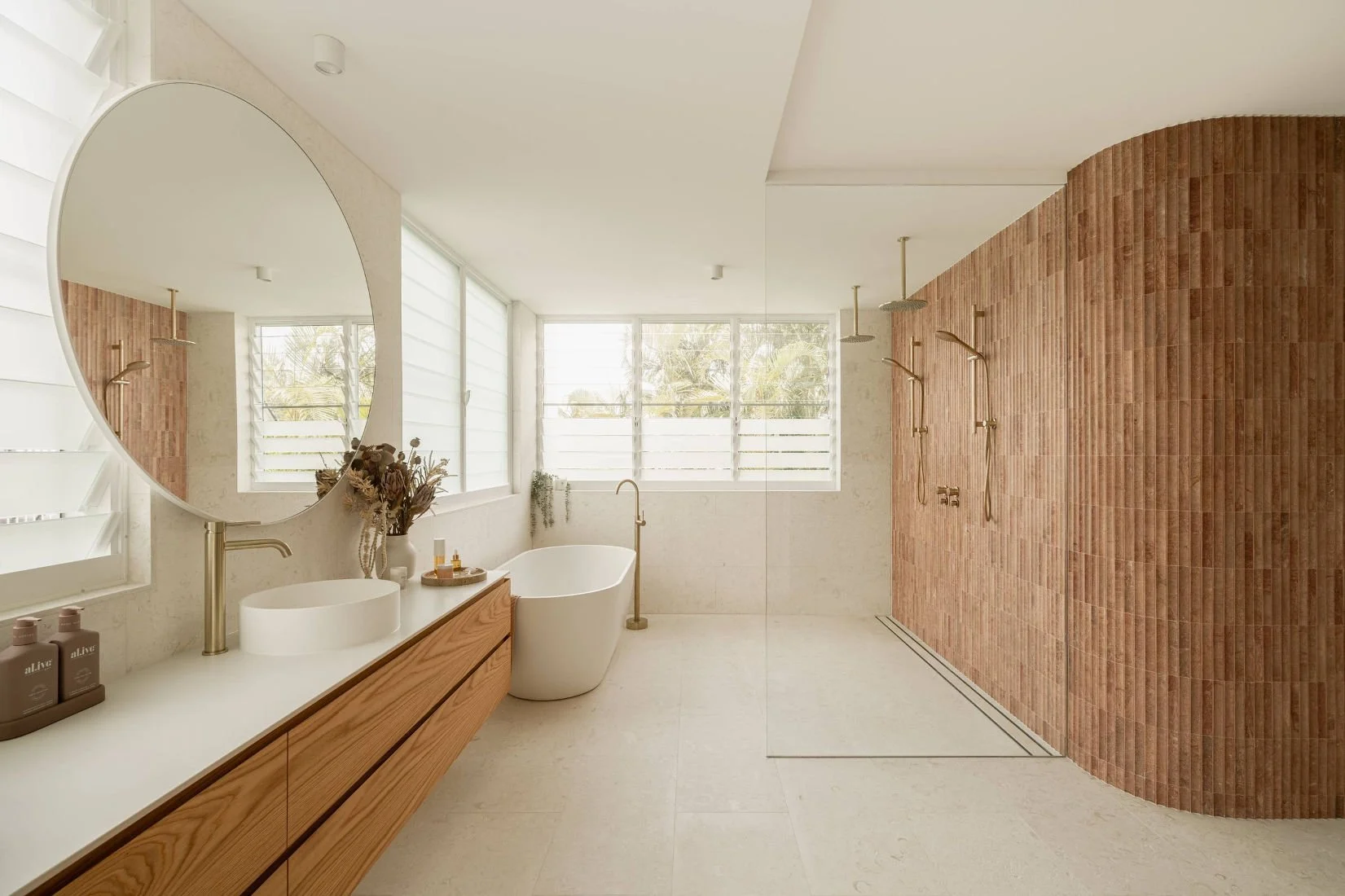
One of the best ways to design for longevity is to combine traditional elements with modern touches. For example, pair sleek brass or matte black taps with classic subway tiles. Add a freestanding bath or a farmhouse-style sink for character while keeping cabinetry and flooring simple. This blend of old and new keeps your space interesting without feeling dated.
Invest in Functional Layouts
Good design goes beyond aesthetics. A well-planned layout ensures your kitchen or bathroom remains functional for years. In kitchens, prioritise storage and easy movement between cooking zones. In bathrooms, focus on smart layouts that make the most of available space — from floating vanities to walk-in showers that feel open and uncluttered.
Finishing Touches That Complete Kitchen & Bathroom Designs
Accessories and fittings may seem small, but they can elevate a timeless design. Choose high-quality taps, handles and lighting that match your overall aesthetic. Wall mirrors with clean lines, large-format tiles that reduce grout lines and minimalist décor pieces all contribute to a polished look that lasts.
Creating kitchen and bathroom designs that age gracefully is all about balance — mixing practicality with beauty. By choosing durable materials, neutral colours and timeless details, you can design spaces that continue to feel fresh, functional and inviting year after year.
bathroom, blog, floors, interior design tips, kitchen, walls
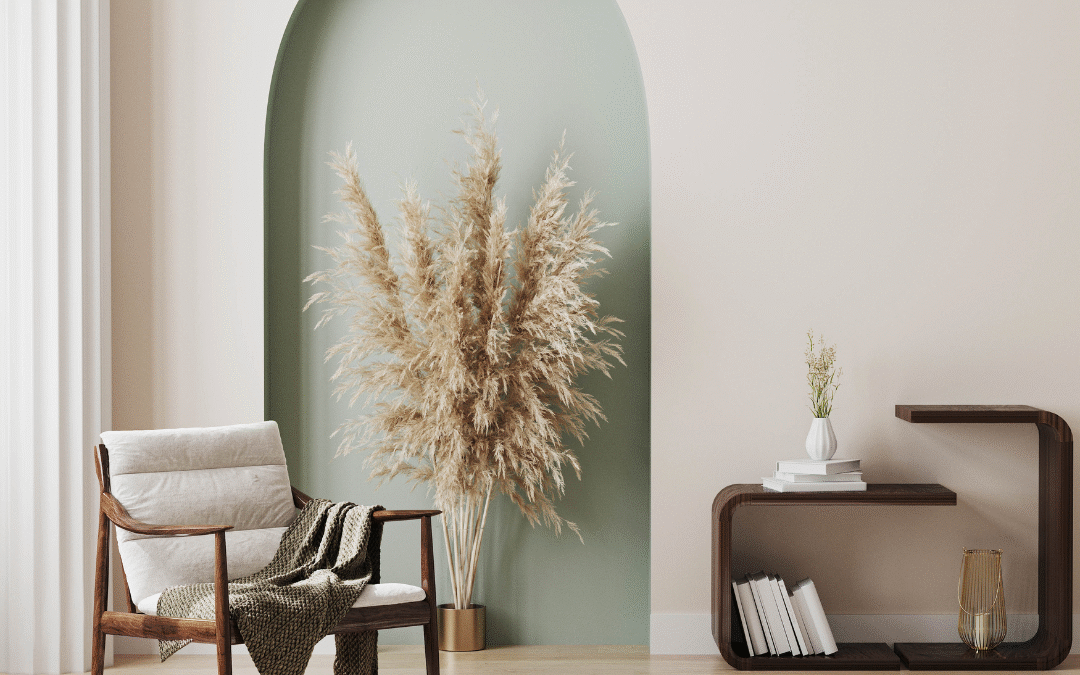
A calm home is something many of us want, especially when life outside feels busy and overwhelming. The good news is that the right choice of tiles and colours can do more than just decorate your space. They can shape how you feel every day. By using colour psychology and thoughtful tile selections, you can design rooms that feel peaceful and balanced.
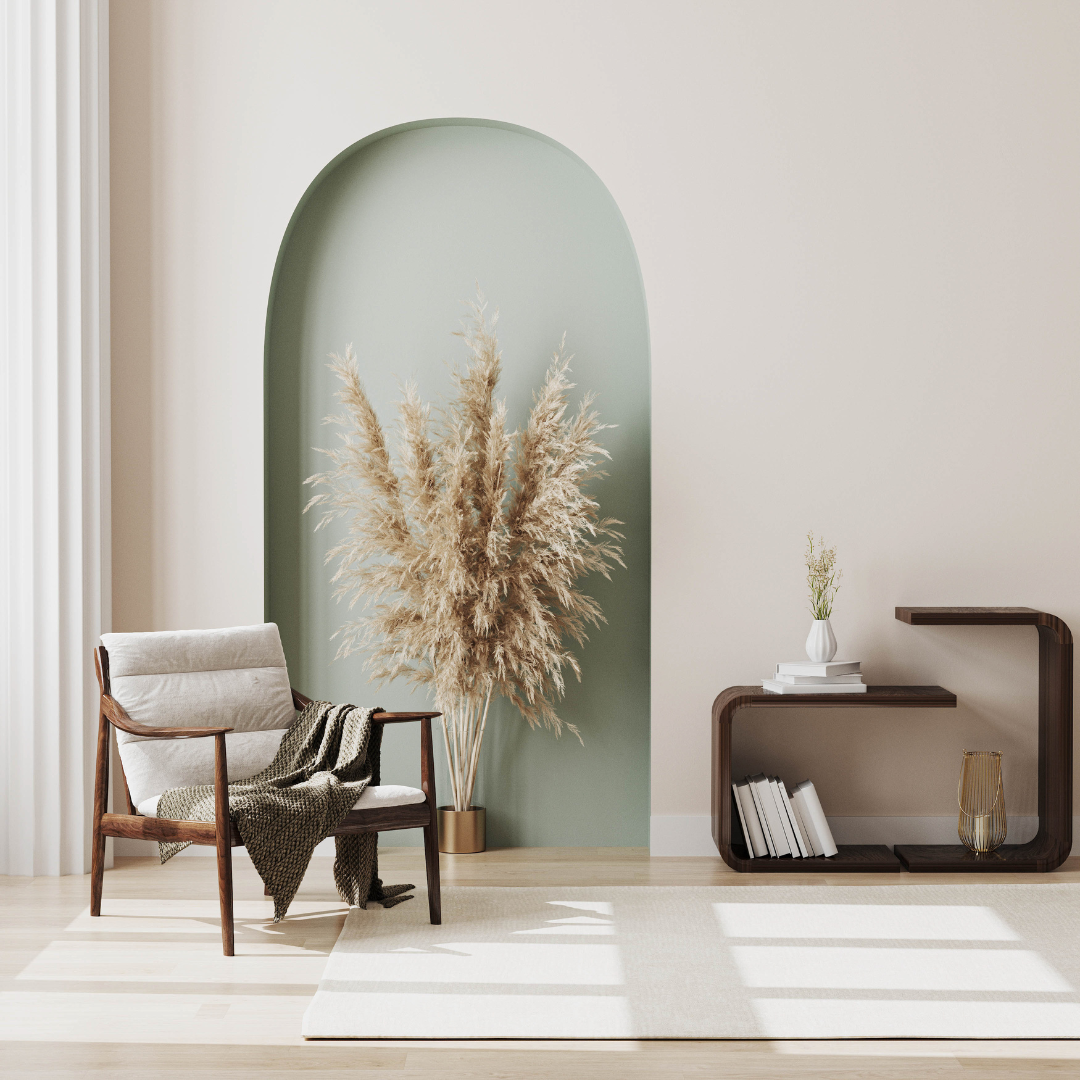
Table of Content:
Why Colour Psychology Matters in Your Space
Choosing Tiles for a Calm Home
Soft Neutrals to Build Balance in a Calm Home
Bringing Nature Indoors with Green and Earthy Tones
Using Blue for Calm and Relaxation
How to Tie It All Together: Creating a Calm Home
Why Colour Psychology Matters in Your Space
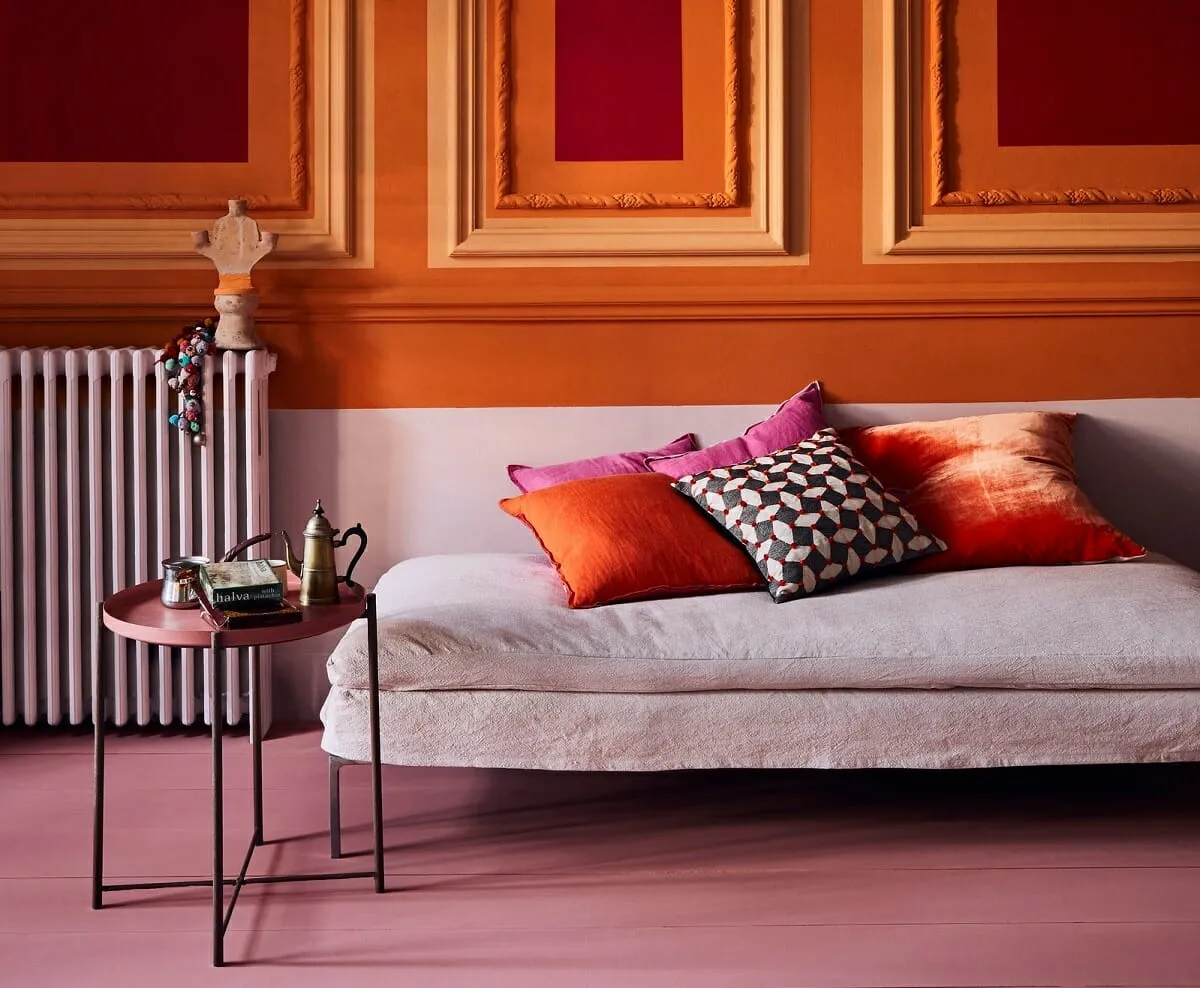
Colours affect mood in ways we often don’t notice. Warm tones like reds and oranges energise while cooler shades like blue and green create relaxation.
In your home, colour psychology helps set the tone for how each room feels. For example, a soothing bathroom with soft blues can make mornings less rushed while a kitchen with fresh whites and light neutrals can feel clean and uncluttered.
Choosing Tiles for a Calm Home
Tiles are more than just a practical choice. They set the backdrop for your rooms and influence the atmosphere.
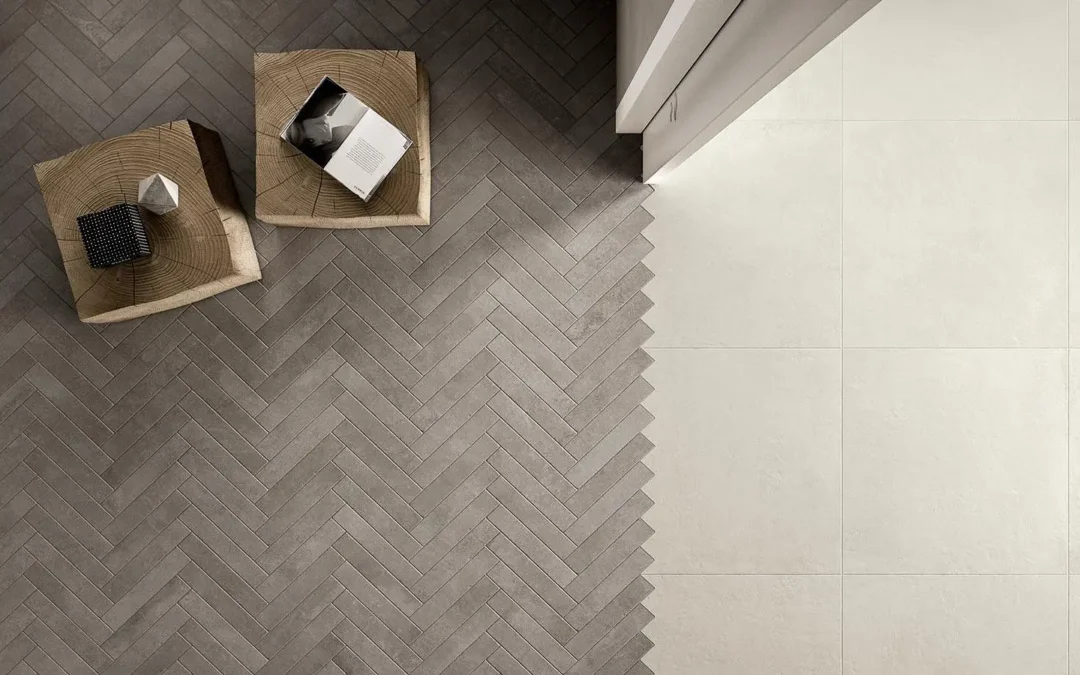
Large format tiles in neutral shades reduce visual clutter and create a seamless flow.
Textured tiles in soft stone or wood-look finishes add warmth and a natural element.
Slip resistant tiles in light tones are also great for bathrooms and outdoor areas where safety and calm living go hand in hand.
Soft Neutrals to Build Balance in a Calm Home
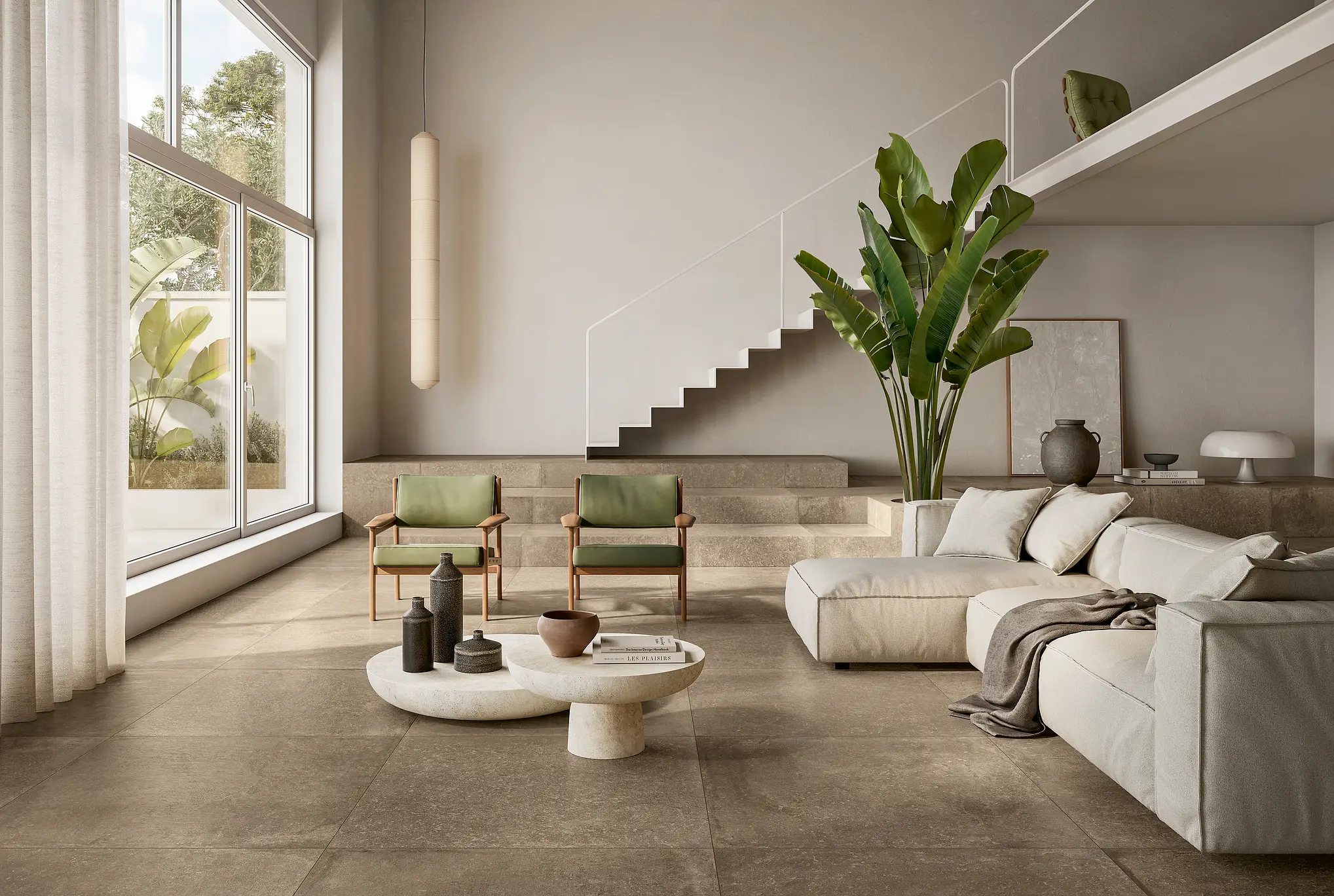
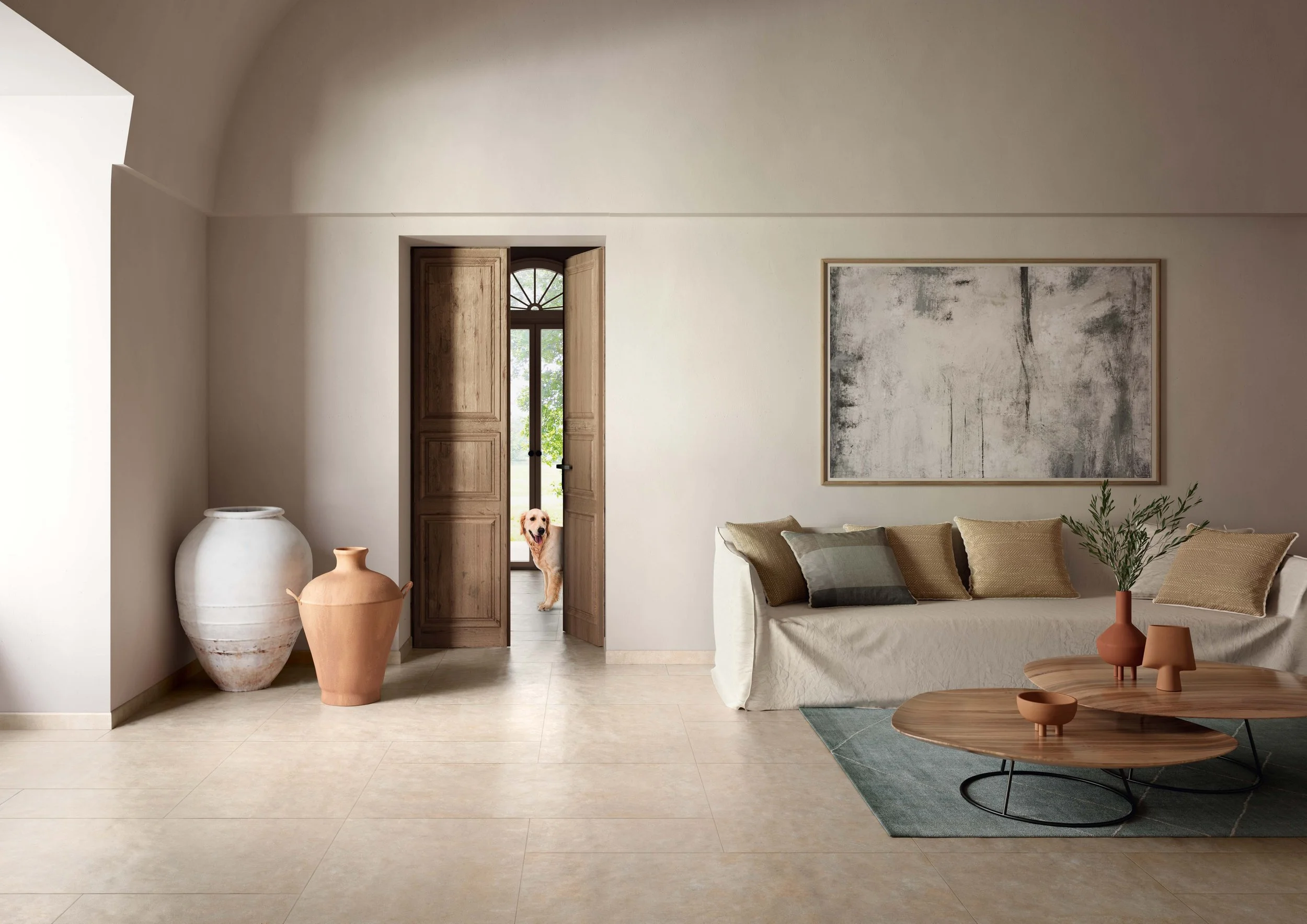
Neutral colours work well when you want a balanced and inviting home. Shades like beige, cream and warm grey are timeless and calming.
Using these colours on floor tiles or wall tiles helps ground your space.
Once you have a neutral base you can layer in subtle accents with décor pieces or mosaic tiles for texture without overwhelming the room.
Bringing Nature Indoors with Green and Earthy Tones
Green is strongly linked to renewal and harmony which makes it a great choice for a calm home.
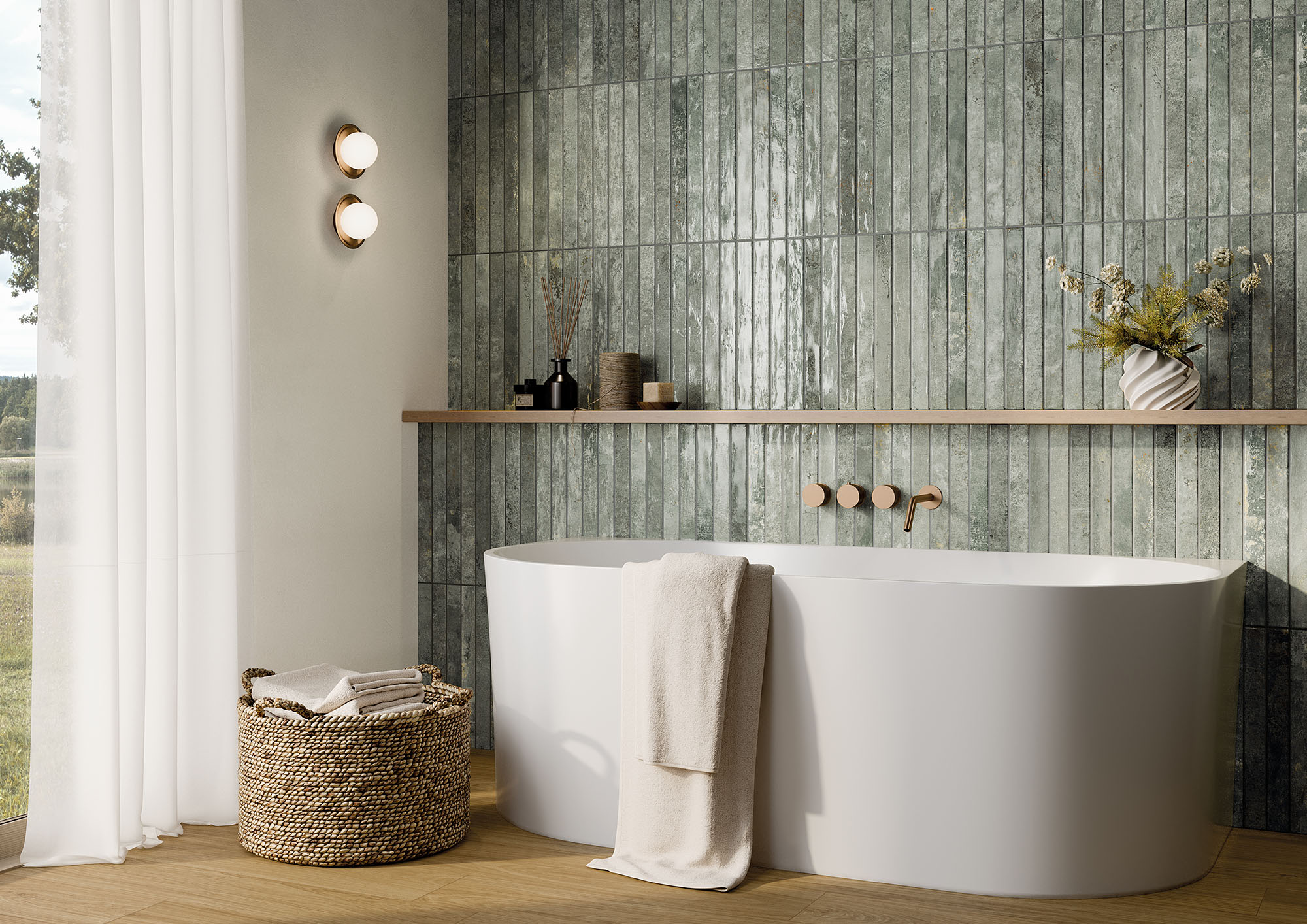
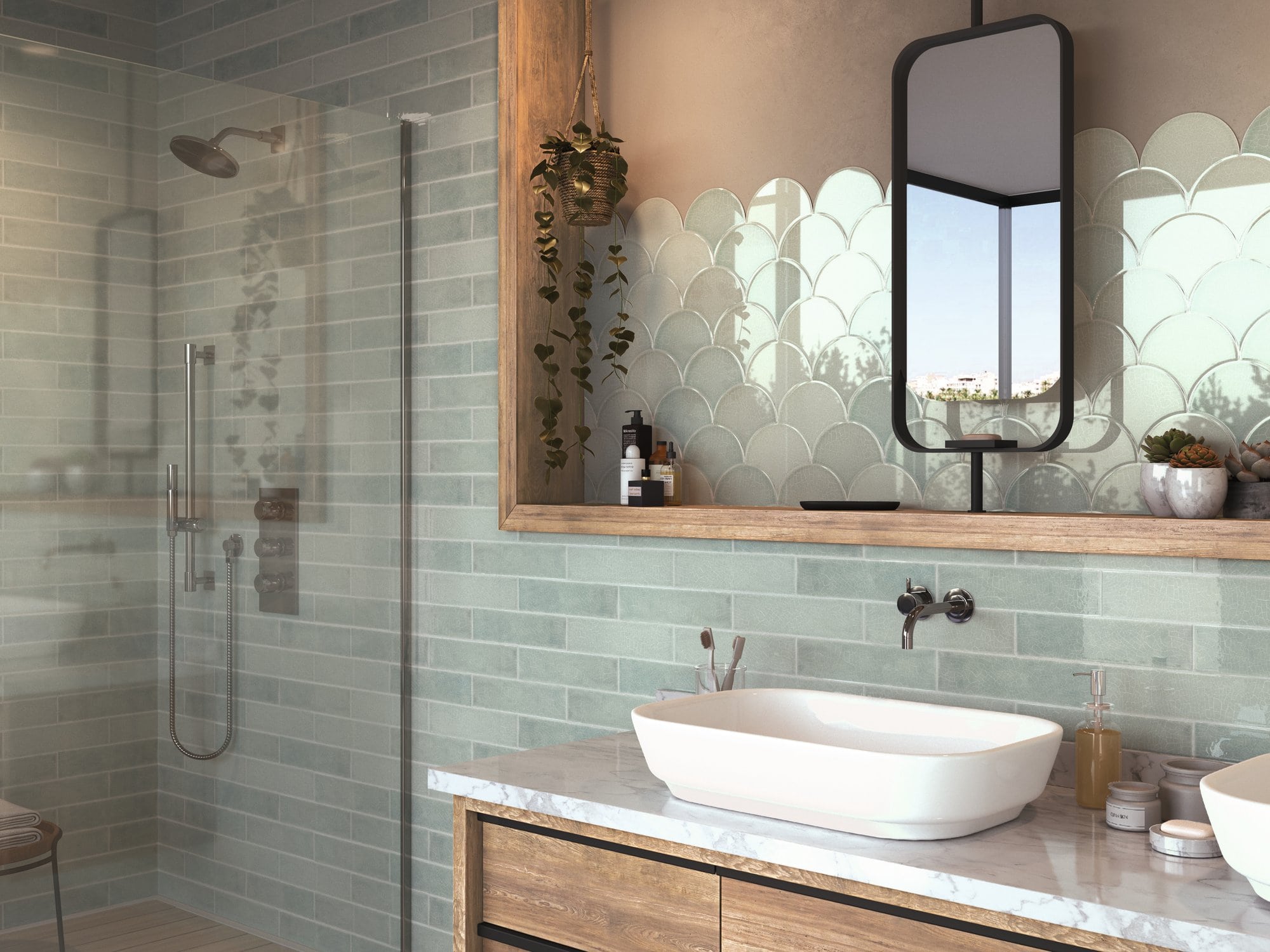
Olive or sage green wall tiles in a bathroom or kitchen can instantly refresh the space.
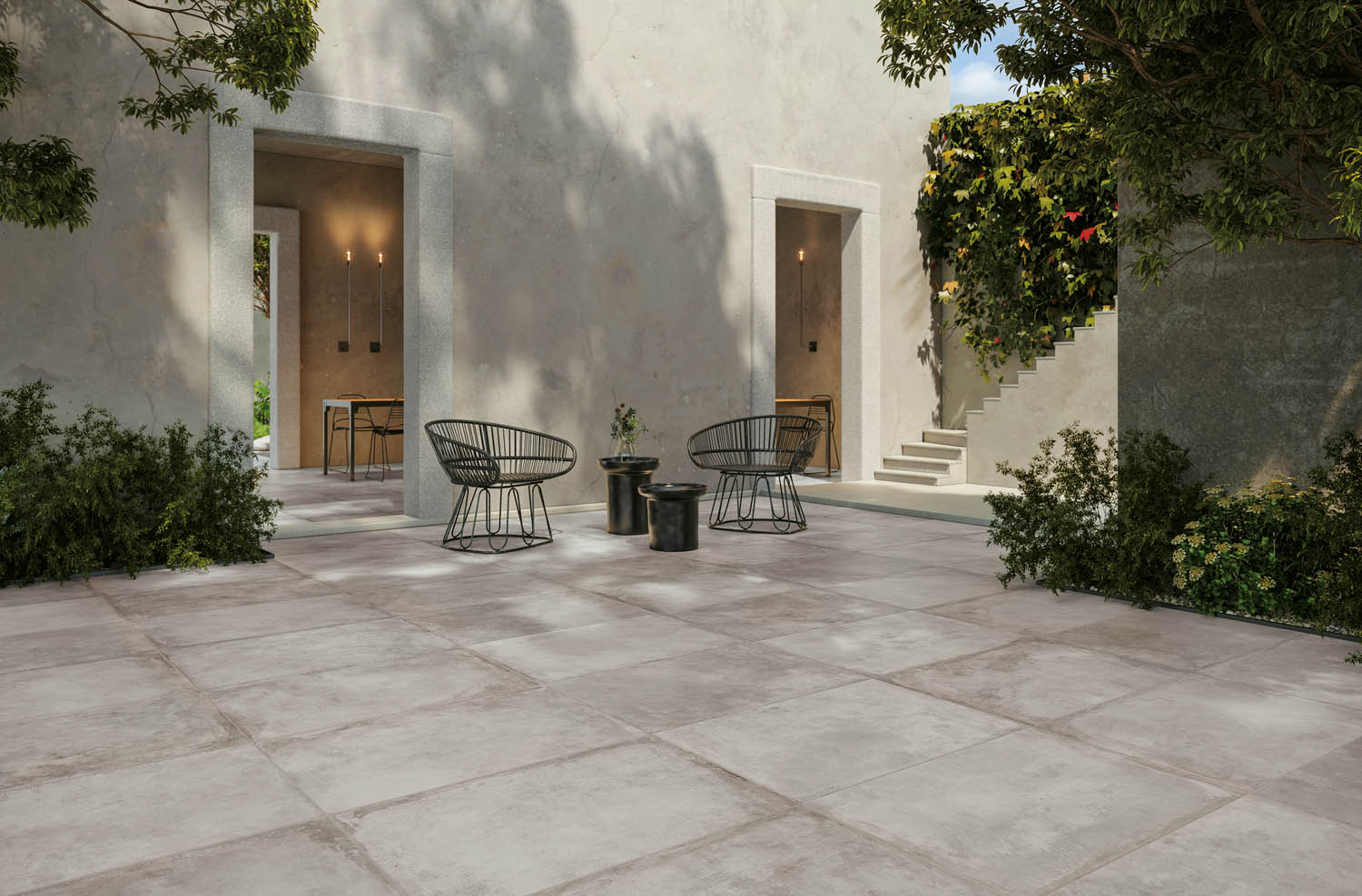
Earthy terracotta or sand-coloured floor tiles are another way to connect your interiors to nature and give a grounding effect.
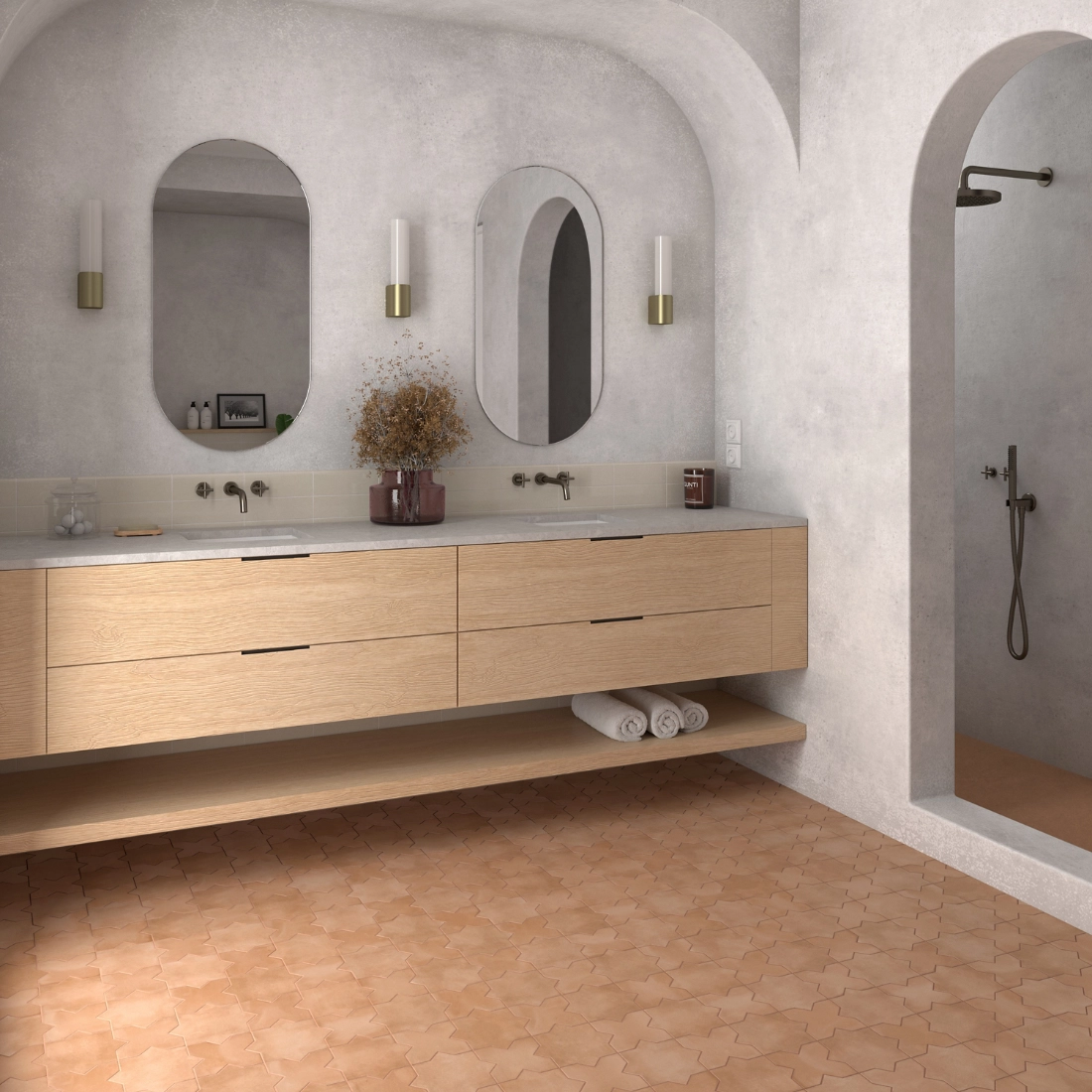
These tones work especially well in outdoor areas or open-plan living spaces.
Using Blue for Calm and Relaxation
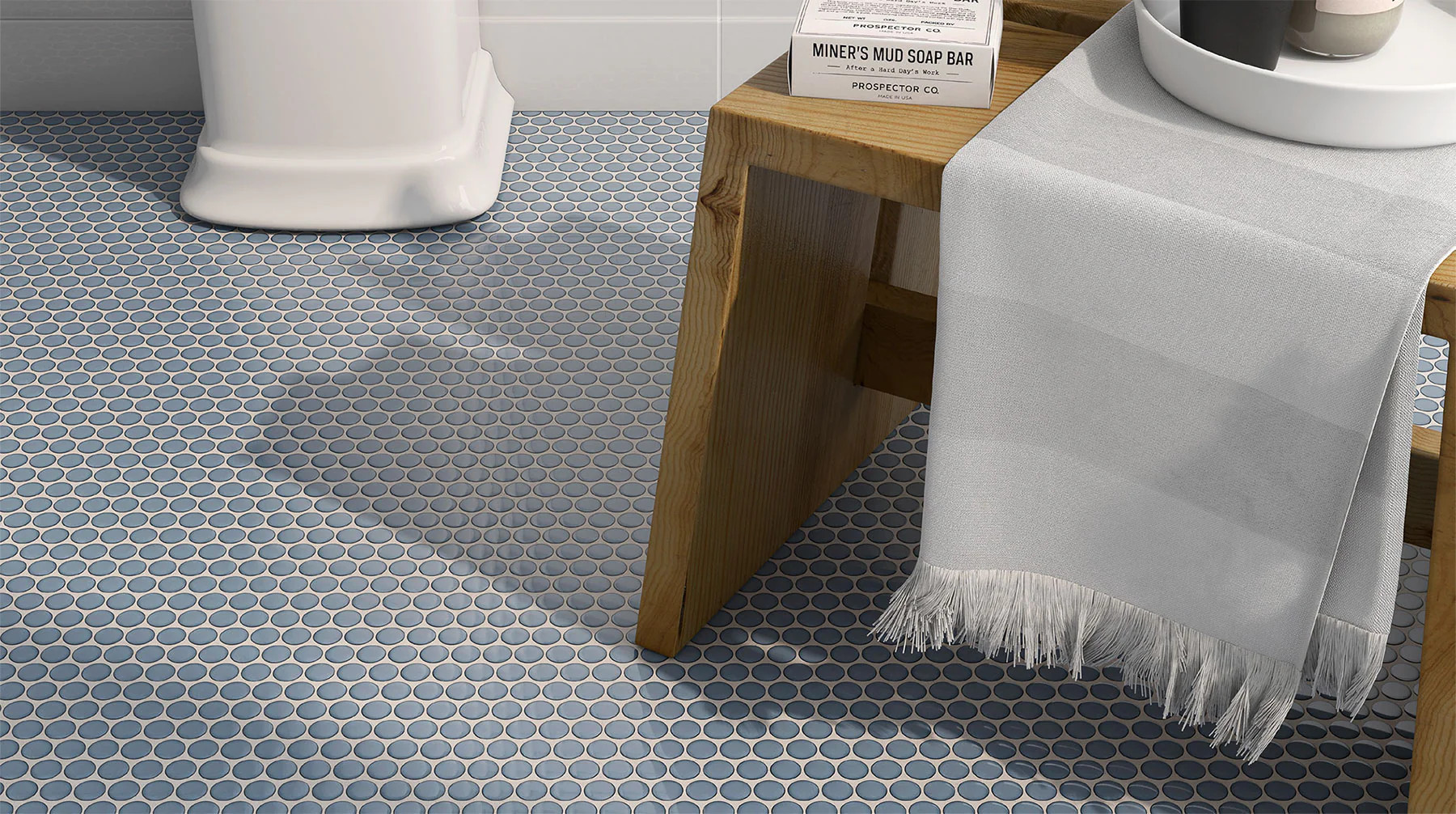
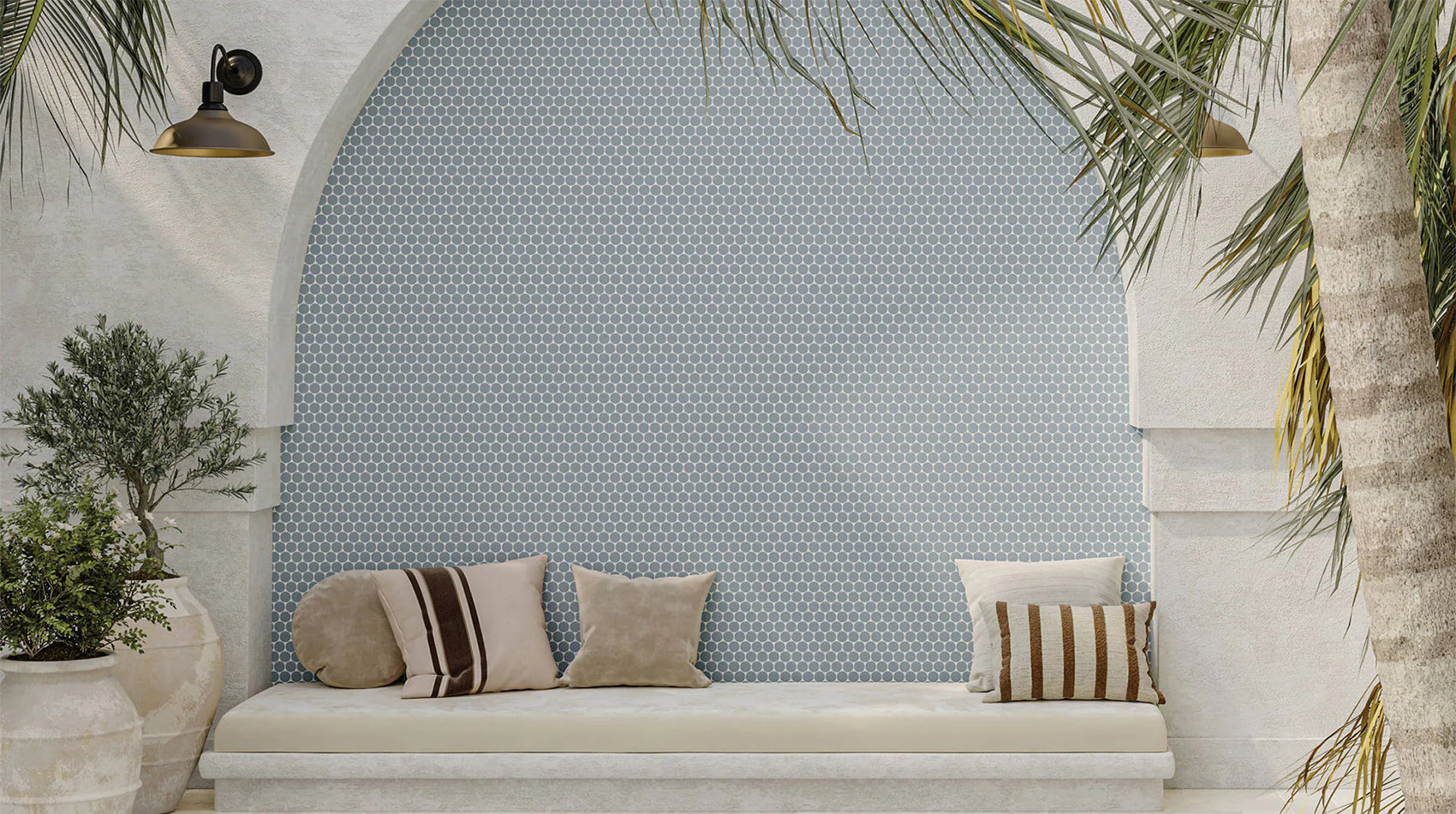
Blue is one of the most calming colours in psychology. Soft sky blue or muted navy tiles create a sense of serenity, especially in bedrooms and bathrooms.
A blue splashback in the kitchen or a feature wall in mosaic tiles can also make a subtle but soothing statement.
How to Tie It All Together: Creating a Calm Home
Creating a calm home with tiles and colour psychology is about balance. Start with a clear vision for each room. Use tiles as your foundation and layer in colours that support the feeling you want. Neutrals for grounding, blues for relaxation and greens for harmony all work together to create a home where you feel at ease.
bathroom, blog, floors, kitchen
If you are planning a renovation project you may by wondering if you can install tiles over your existing flooring instead of ripping everything out. The good news is that it is possible but you need to follow the right steps to make sure your tiles last and look professional.
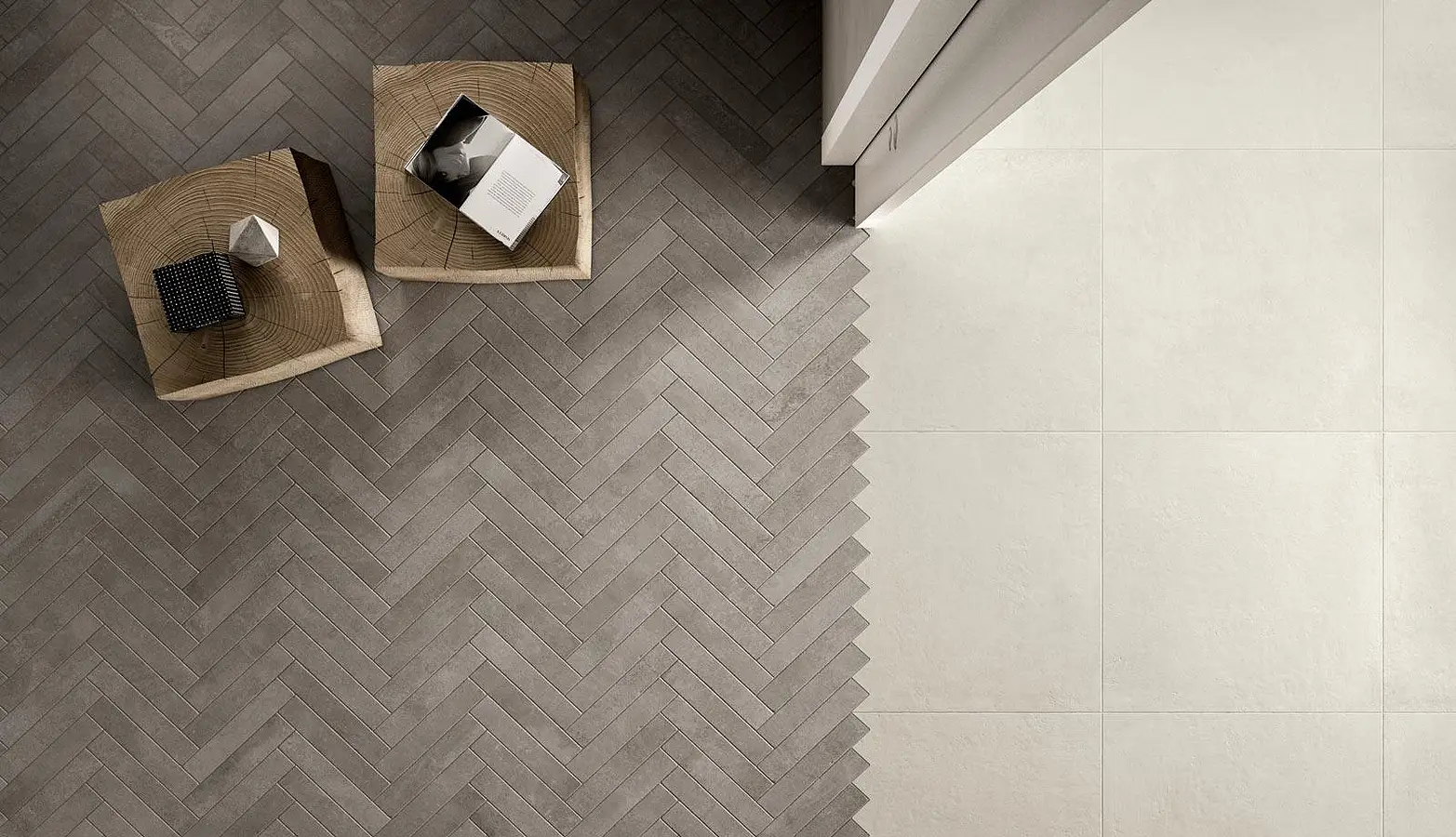
Table of Content:
Why Install Tiles Over Existing Flooring
How To Know If Your Floor is Suitable
Preparing the Surface Before You Begin
Essential Tools and Materials
Steps to Install Tiles Over Existing Flooring
Common Mistakes to Avoid When You Install Tiles Over Existing Flooring
Why Install Tiles Over Existing Flooring
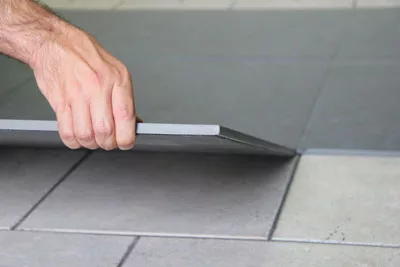
Choosing to lay tiles on top of your current floor can save time, money and a lot of mess. You avoid the hassle of breaking up and disposing of old flooring and you can move forward with your renovation more quickly. This option is especially appealing for busy households or commercial spaces where downtime needs to be minimal.
How To Know If Your Floor is Suitable
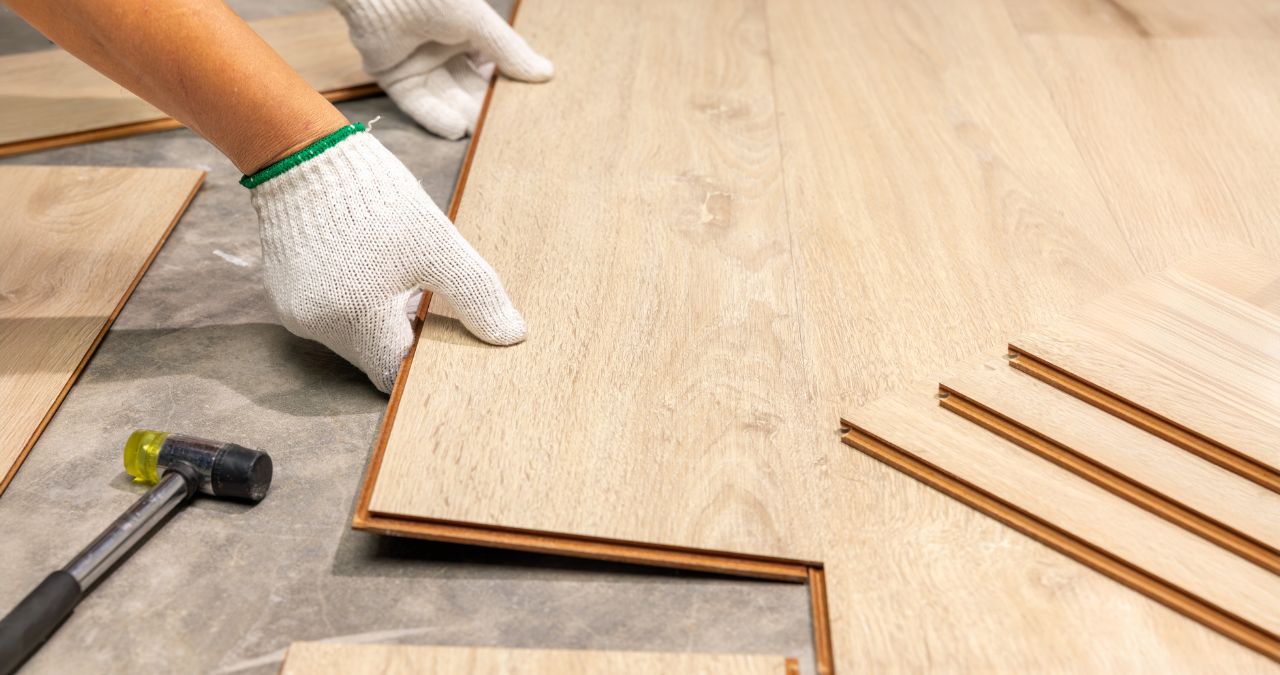
Before you start you need to know if your current floors are suitable. The surface must be stable flat and free from cracks. Materials like ceramic, vinyl or even concrete are usually fine as long as they are in good condition. However carpets, uneven wood floors or anything with water damage will not work.
Preparing the Surface Before You Begin
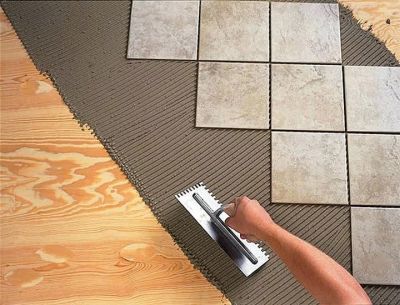
Preparation is key to a lasting result. Start by giving the surface a thorough clean to remove grease dirt or dust. Fill in any small cracks or gaps and make sure the floor is level. In some cases you may need to roughen the surface slightly with sandpaper or apply a bonding agent to help the new tiles stick properly.
Essential Tools and Materials
Having the right tools will make the job smoother.
1. Tile adhesive
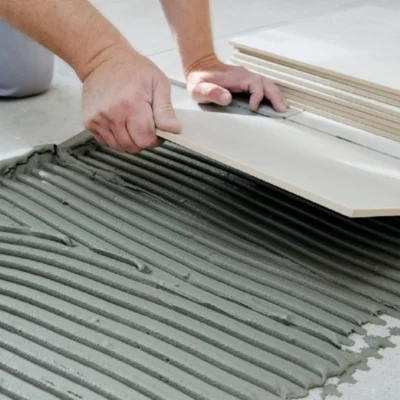
2. Grout
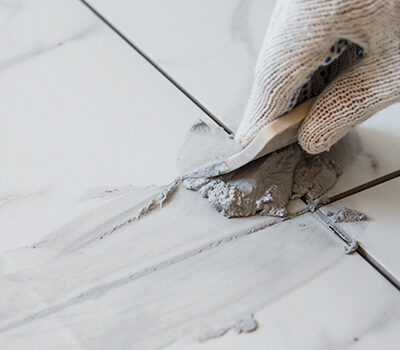
3. A notched trowel

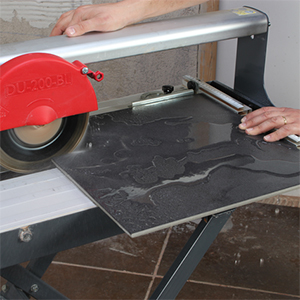
4. A tile cutter
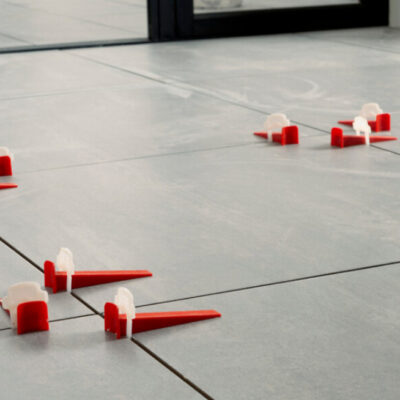
5. Tile spacers
6. A spirit level

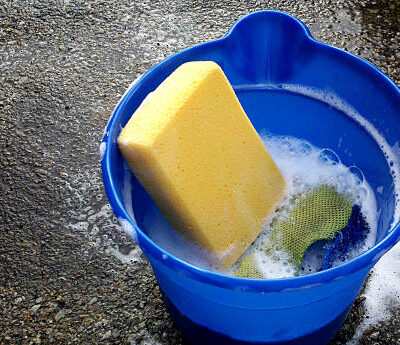
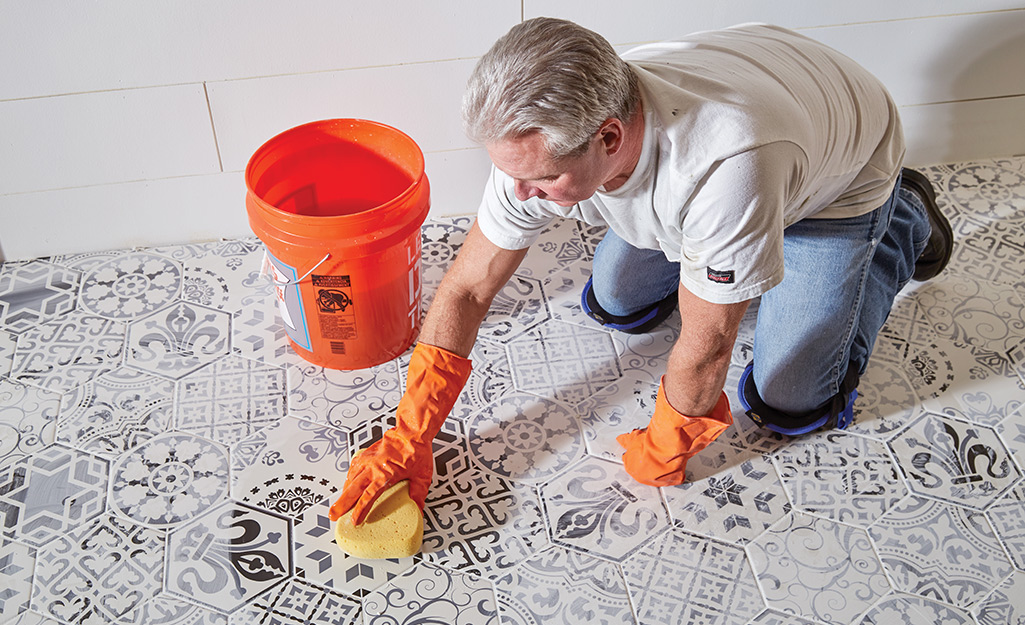
6. A sponge and bucket
These basics will cover most installations whether you are working in a bathroom, kitchen or living space.
Steps to Install Tiles Over Existing Flooring
Follow these steps to ensure a neat finish:
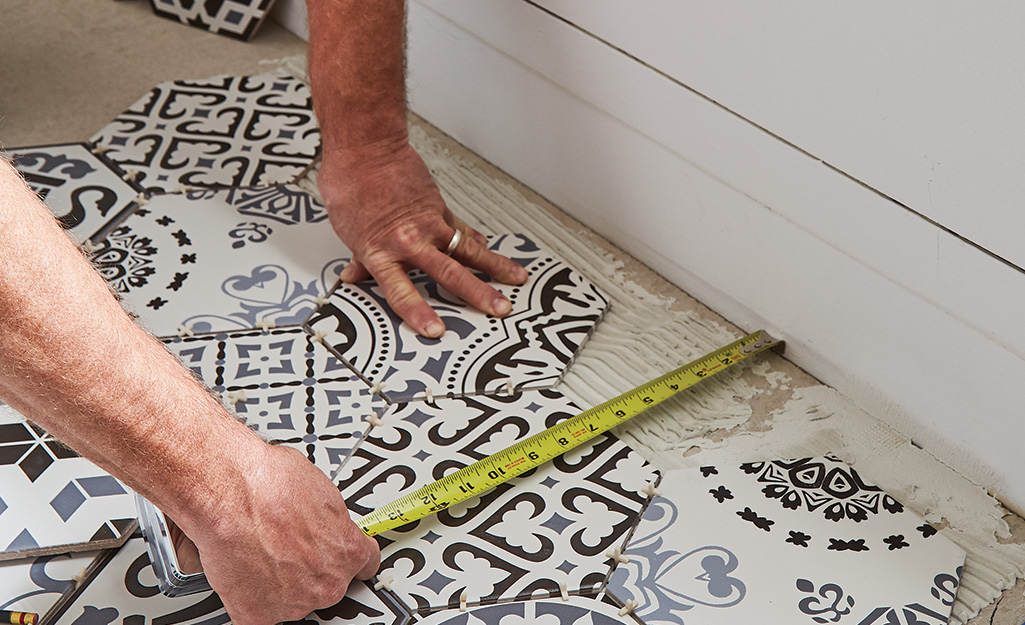
1. Plan your layout and mark guide lines on the floor.
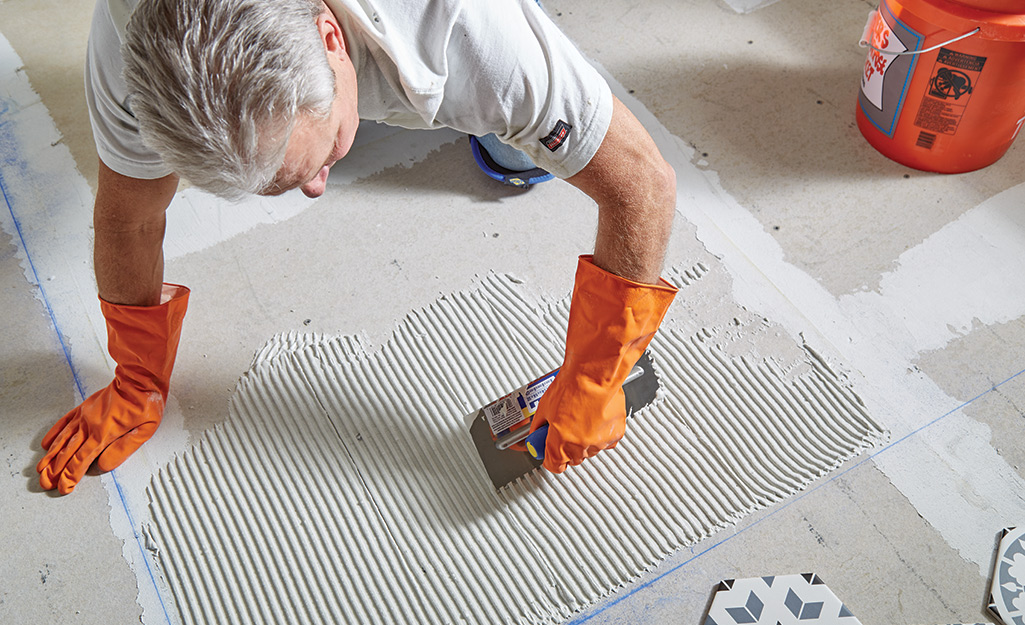
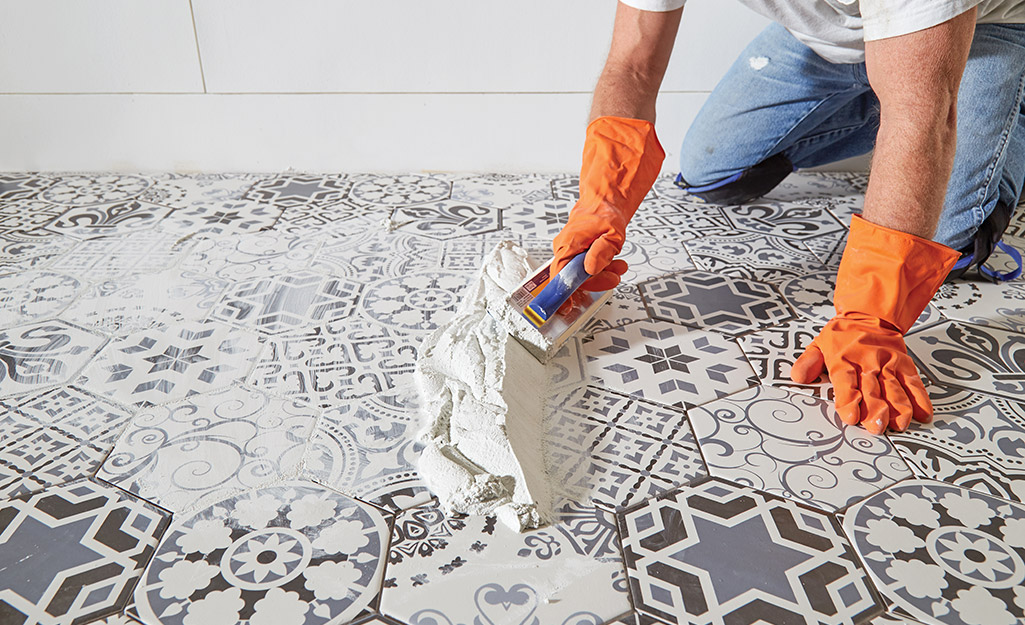
2. Apply adhesive with a notched trowel starting from the centre of the room.
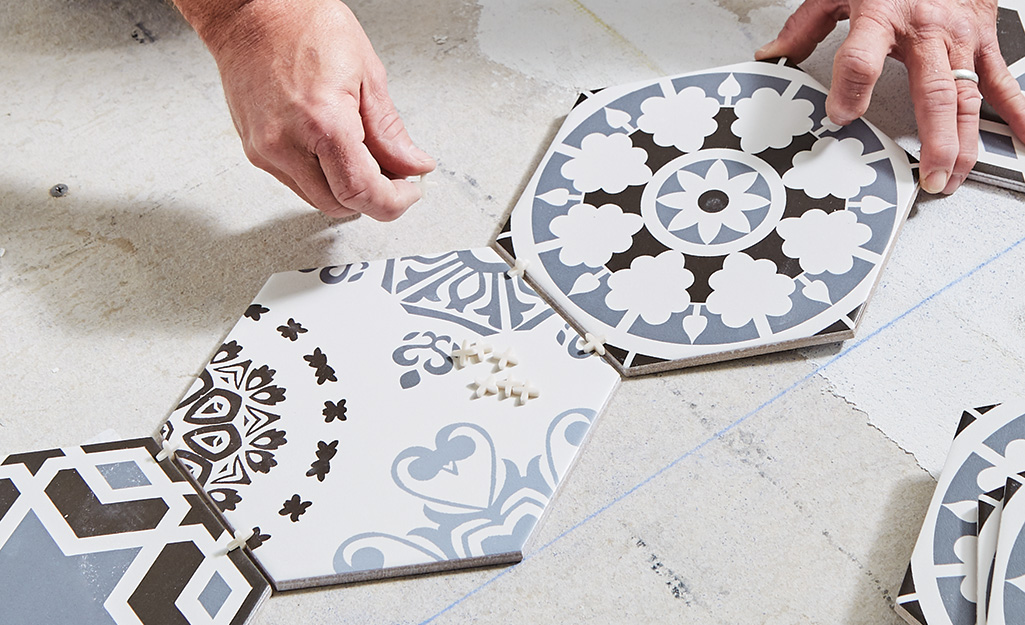
3. Place tiles carefully using spacers to keep lines even.
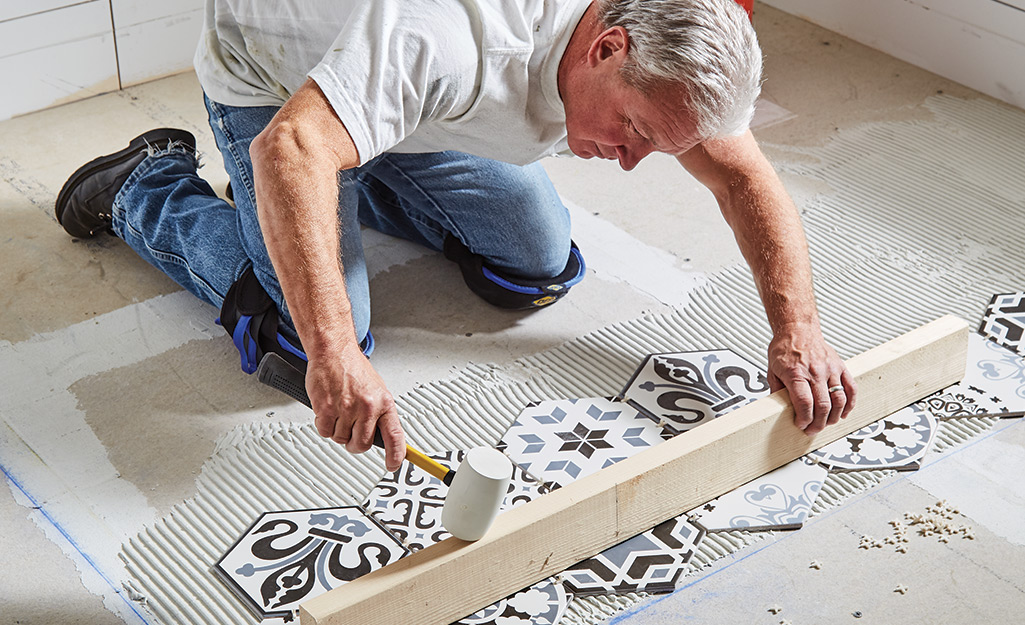
4. Check regularly with a spirit level to maintain a flat surface.
5. Let the adhesive set before applying grout between the tiles.
6. Wipe away excess grout with a damp sponge.
Taking your time during these steps will make a big difference to the final look.
Common Mistakes to Avoid When You Install Tiles Over Existing Flooring
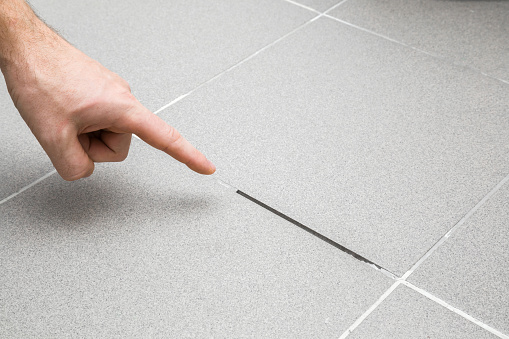
Even with careful planning, small mistakes can affect the outcome. Skipping surface preparation, rushing the adhesive setting time or forgetting to seal your grout can all cause issues like loose tiles or water damage later on.
Updating your space by laying new tiles over your existing floor can save you effort and money while giving your home a fresh new look. The key is to prepare properly, use the right tools and follow the correct steps. If you are not confident in your DIY skills it is always a good idea to call in a professional tiler to ensure the job is done right.
bathroom, blog, floors, kitchen, walls
When done right, statement tiles can elevate your home from ordinary to unforgettable. But there’s a fine line between bold and overwhelming. If you’re dreaming of eye-catching patterns or vibrant colours, the key is balance.
In this blog, we’ll explore how to use statement tiles in a way that feels stylish, not chaotic.
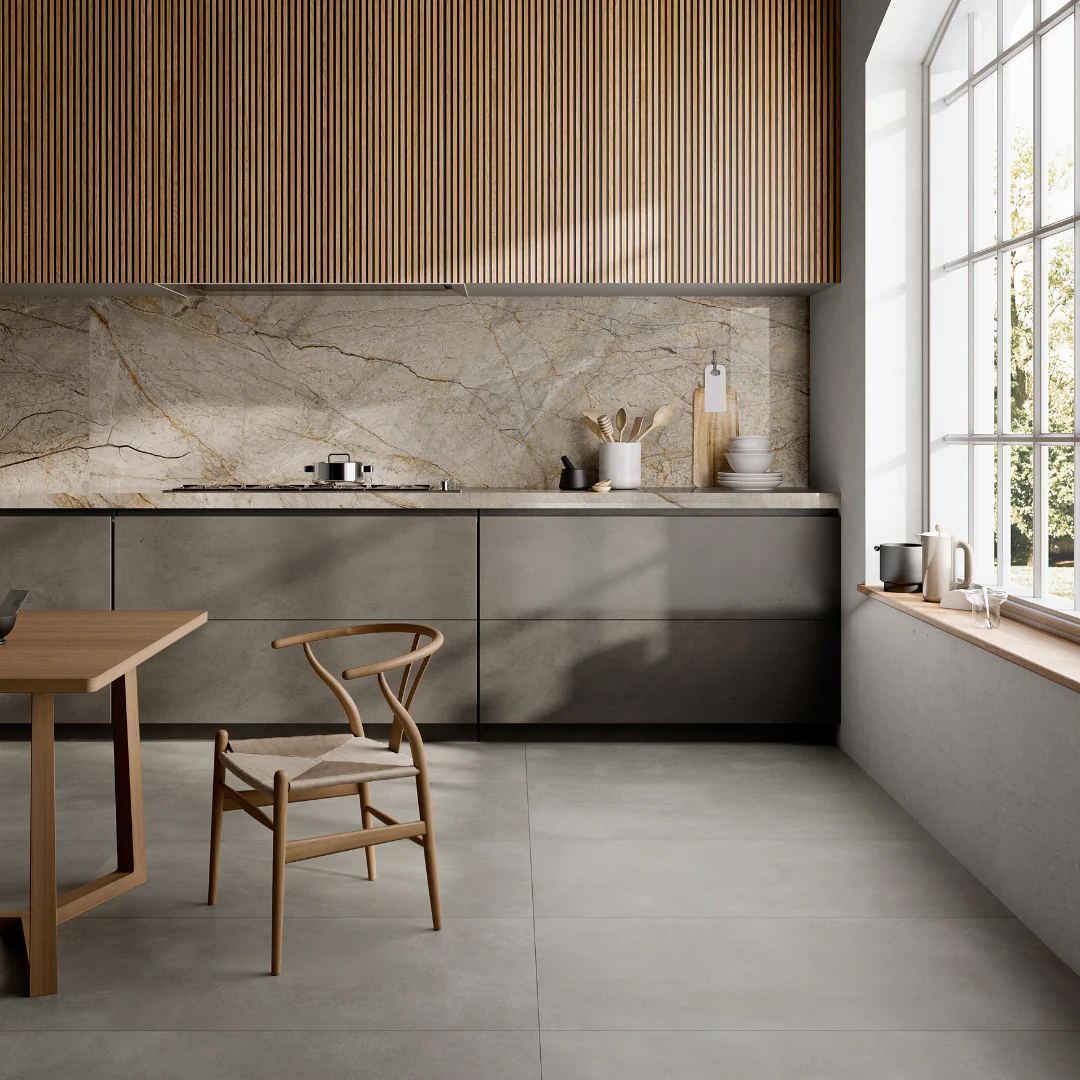
Table of Content:
What Are Statement Tiles?
Choose One Focal Point
Pair with Neutrals
Stick to a Colour Palette
Use Statement Tiles in Smaller Areas
Balance Patterns with Solids
Let Lighting Do the Talking
What Are Statement Tiles?
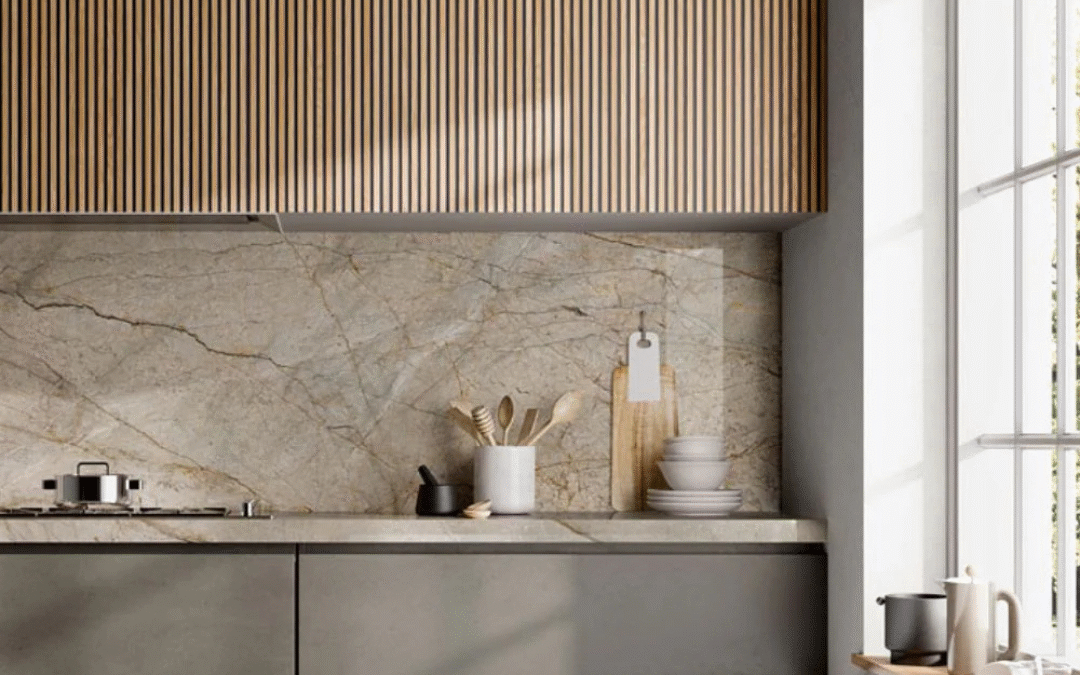
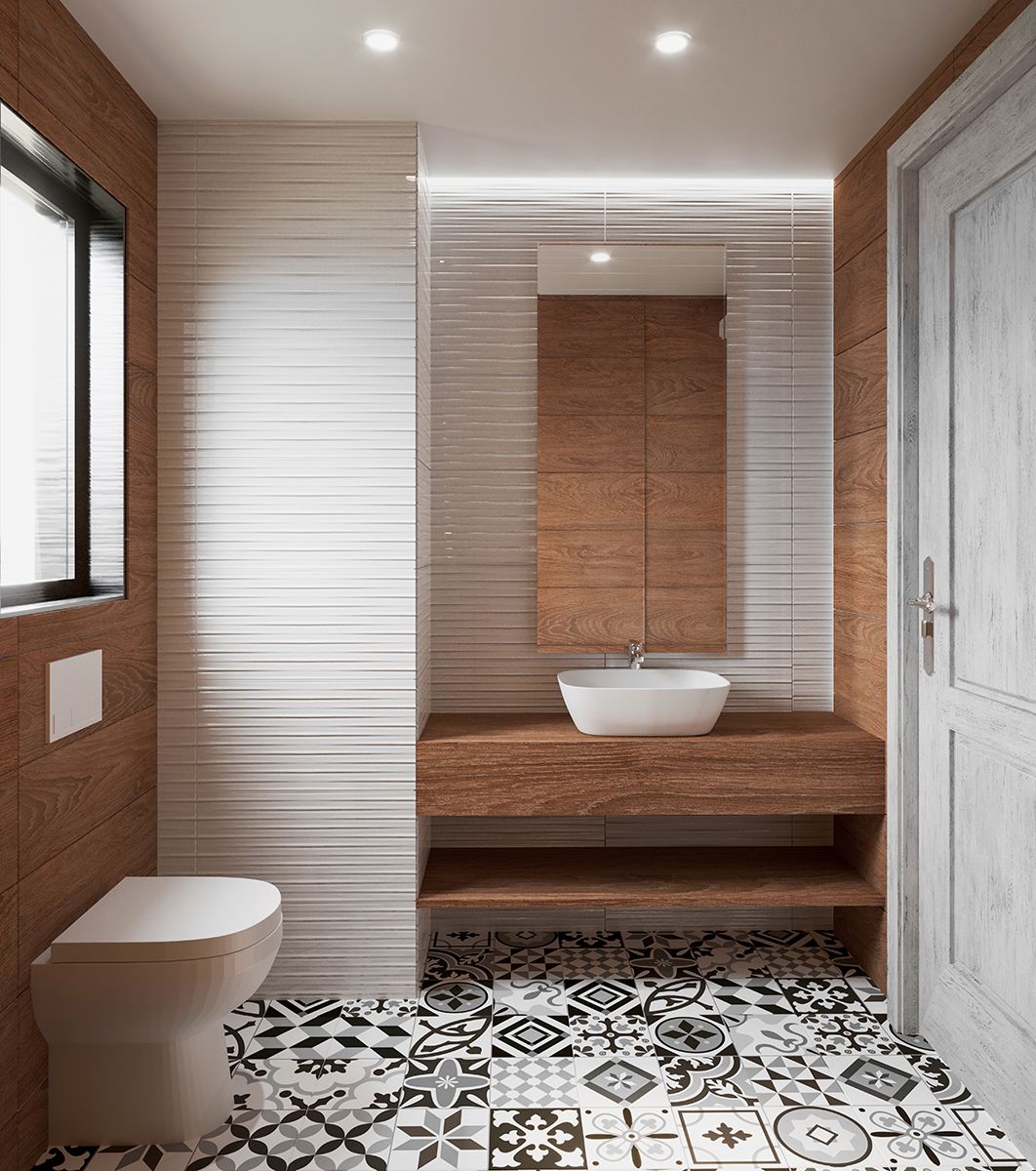
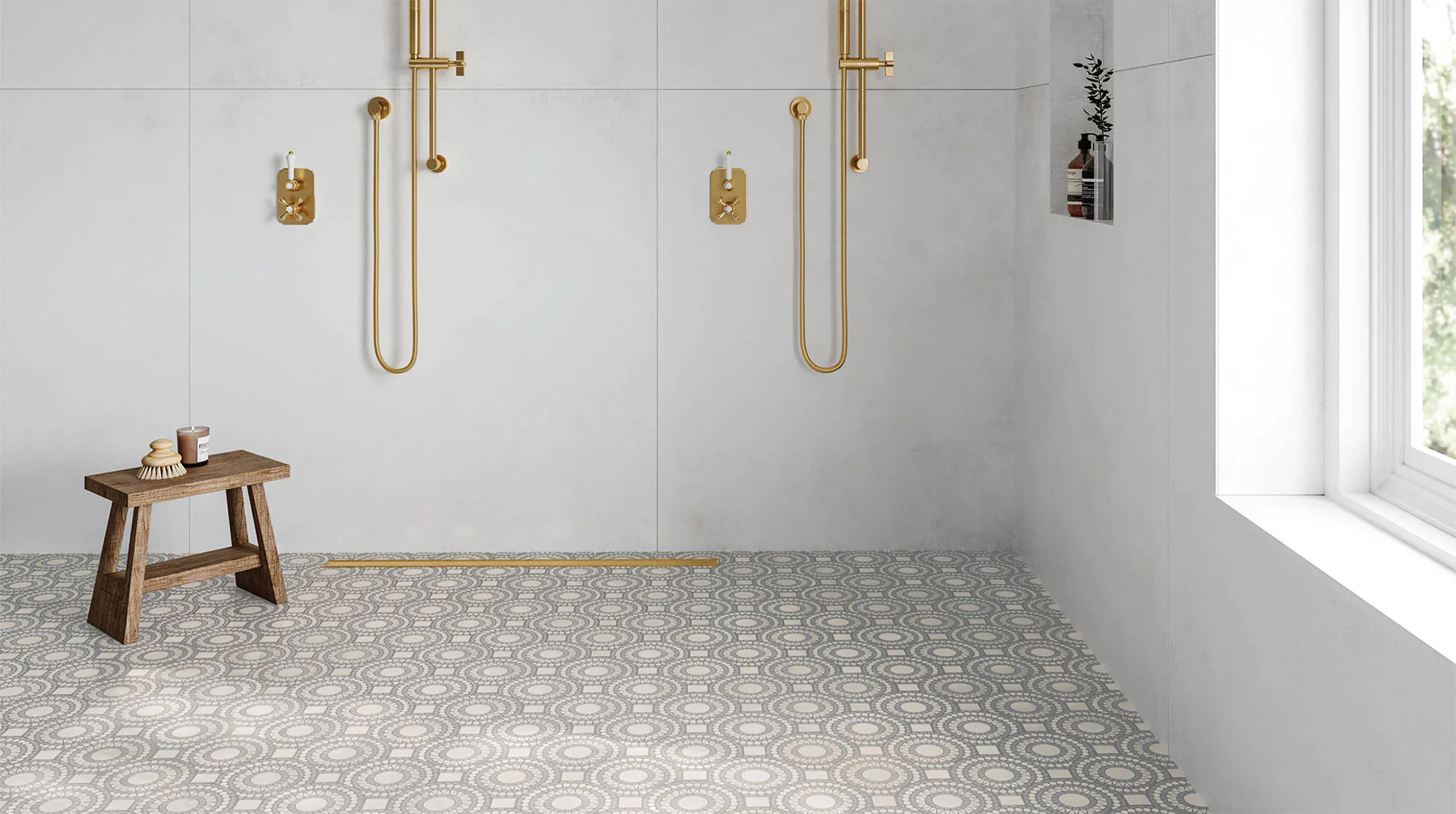
Statement tiles are tiles that draw attention. Think bold patterns, striking colours, unique shapes or textured finishes. They’re designed to be the focal point of a space — whether it’s a bathroom wall, a kitchen splashback or an entryway floor.
Choose One Focal Point
ribbons shiny 300 x 600 mm
The golden rule? One statement at a time. If you go big on the floor, keep your walls neutral. If your kitchen splashback steals the show, choose simpler cabinets and counters. This keeps the space feeling intentional rather than cluttered.
Try this: Use a bold patterned tile behind your stove or basin, and pair it with plain tiles around it. This lets the statement tile shine without competing for attention.
Pair with Neutrals
Statement tiles love a neutral companion. Whites, greys, beiges and earthy tones help tone things down and give your eyes a place to rest. By pairing your bold tile with a subtle backdrop, you let its beauty stand out without overpowering the space.
Bonus tip: Natural materials like wood or matte finishes can complement bold tiles beautifully.
Stick to a Colour Palette
Even the loudest tile can work if it fits your overall colour scheme. Whether you’re working with cool tones, warm hues or monochrome, make sure your statement tile ties in with other elements in the room — like your cabinetry, textiles or accessories.
Use Statement Tiles in Smaller Areas
Sometimes less really is more. Think about using statement tiles in smaller zones like:

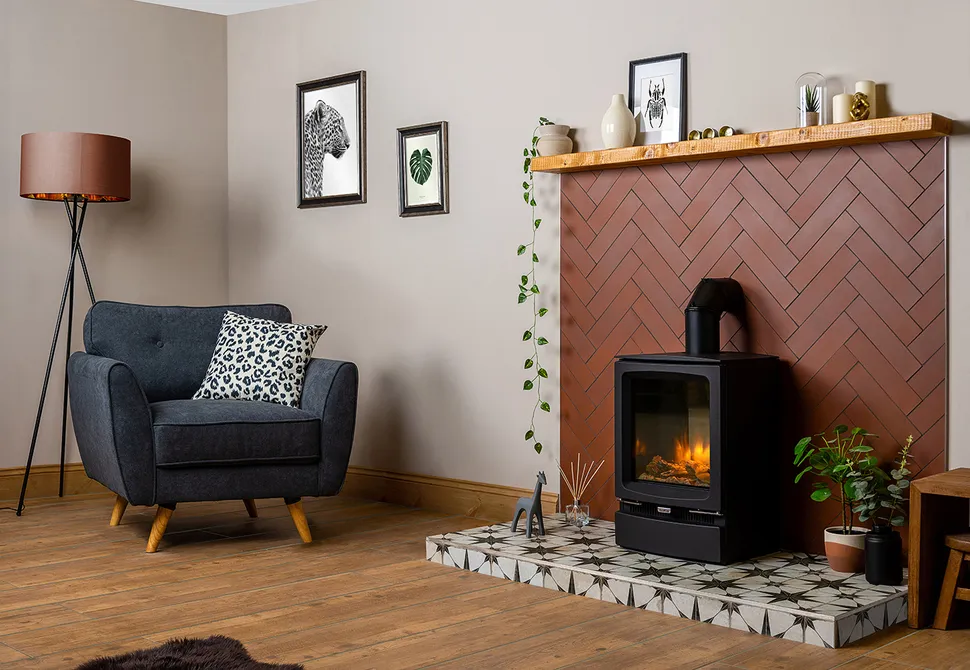
A fireplace surround
These pockets of personality are perfect for playing with bold design without going overboard.
Balance Patterns with Solids

If your tile has a busy design, balance it with plain, solid colours. On the other hand, if your statement tile is a single bold colour, balance it with simple textures or shapes. This helps maintain a sense of calm and structure.
Let Lighting Do the Talking
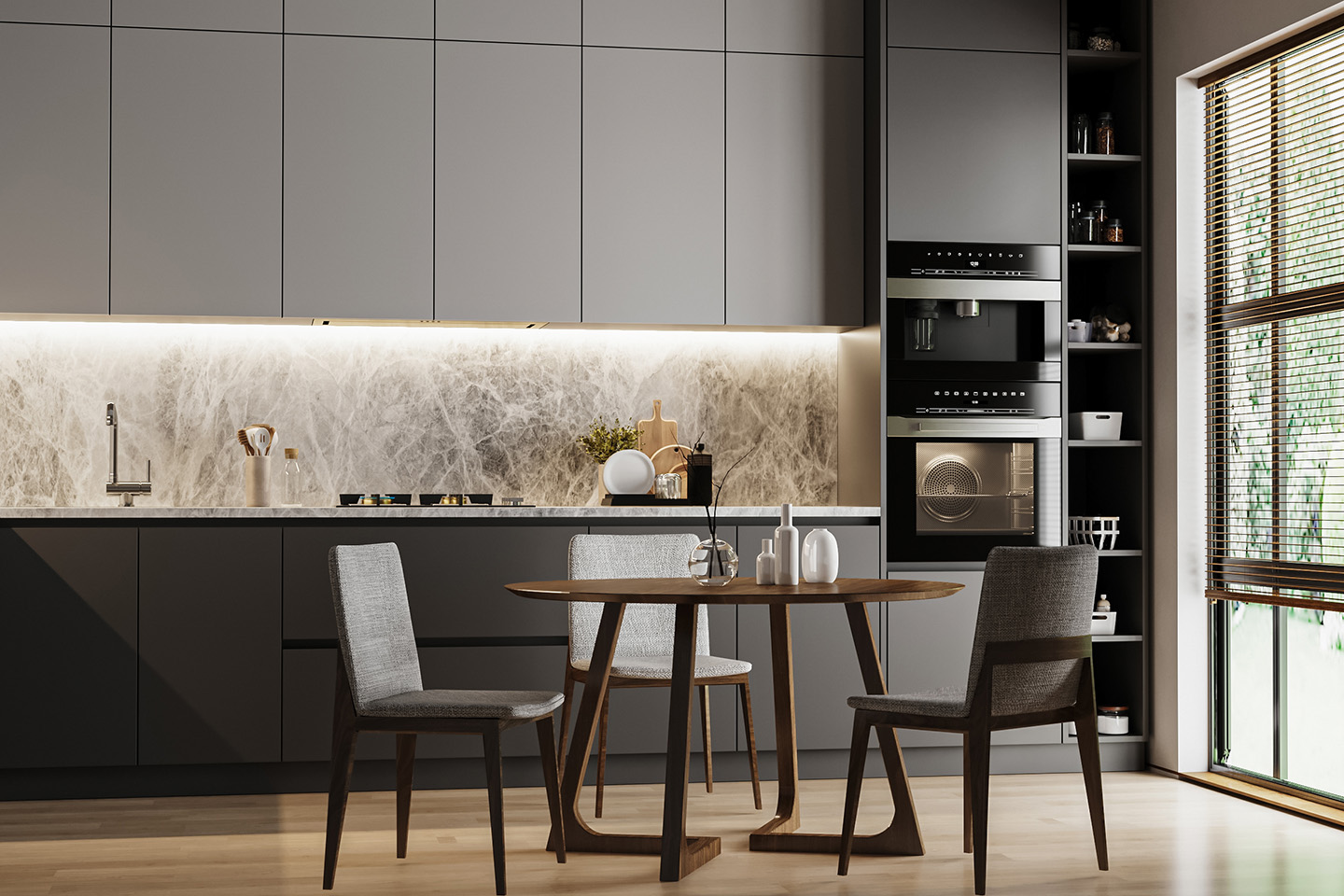
Lighting can either soften or highlight a statement tile. Soft, ambient lighting can make a bold tile feel more inviting. On the flip side, directional lighting can spotlight textures and patterns for extra drama — just make sure it suits the mood you’re after.
Statement tiles are a brilliant way to bring life and personality into your space. With the right planning, you can enjoy bold, beautiful design without overwhelming the room. Start small, choose your focal point and let your tiles do the talking.
Need help choosing the perfect statement tile?
Visit your nearest Tiletoria showroom or explore our curated tile collections online — we’ve got bold options for every taste and style.
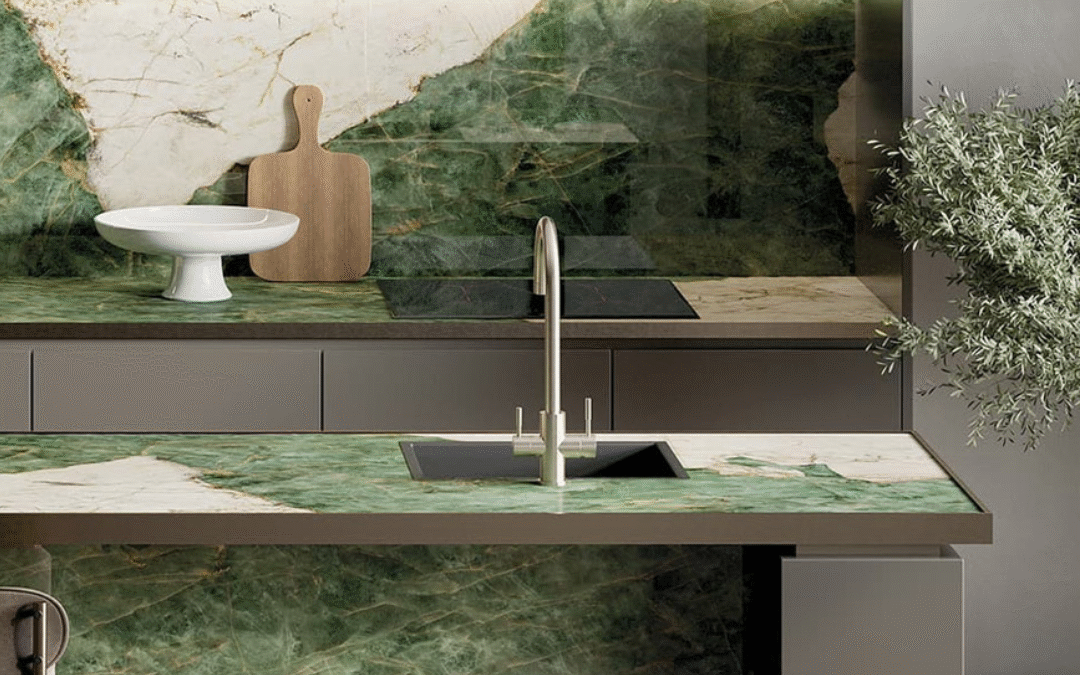
blog, kitchen
When you’re renovating or designing a kitchen, one of the most important decisions you’ll make is how to pair your countertops with the right tiles. Whether you’re going for a sleek modern look or something warm and traditional, the right combination can completely transform the space. It’s all about finding balance between style, function and personality.
In this guide, we’ll walk you through how to match your kitchen countertops with tiles that complement them beautifully.
Table of Content:
Start with Your Countertop
Stick to a Cohesive Colour Palette
Don’t Forget Texture and Finish
Consider Your Kitchen Style
Sample Before You Commit
Don’t Overlook Grout Colour
Browse our range of kitchen tiles
Start with Your Countertop
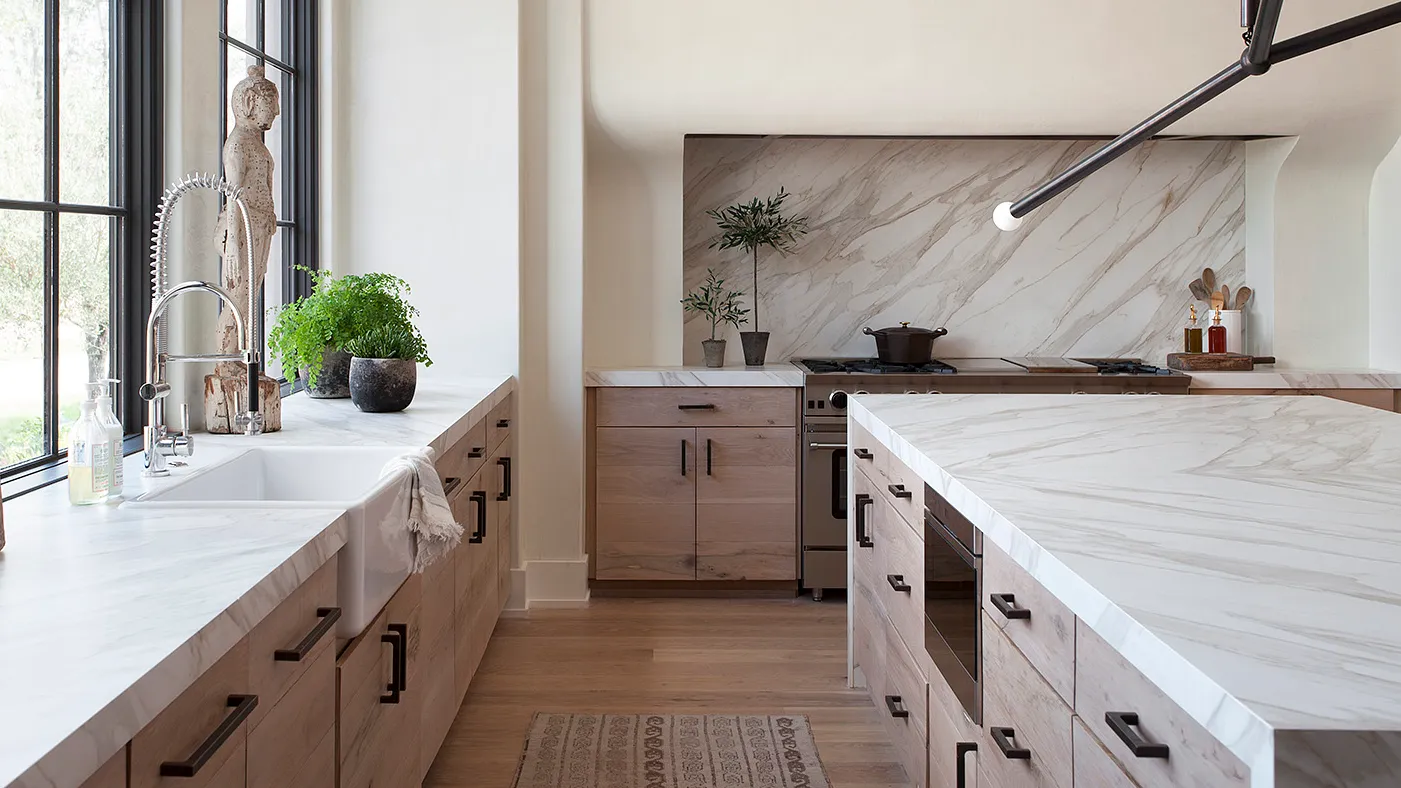
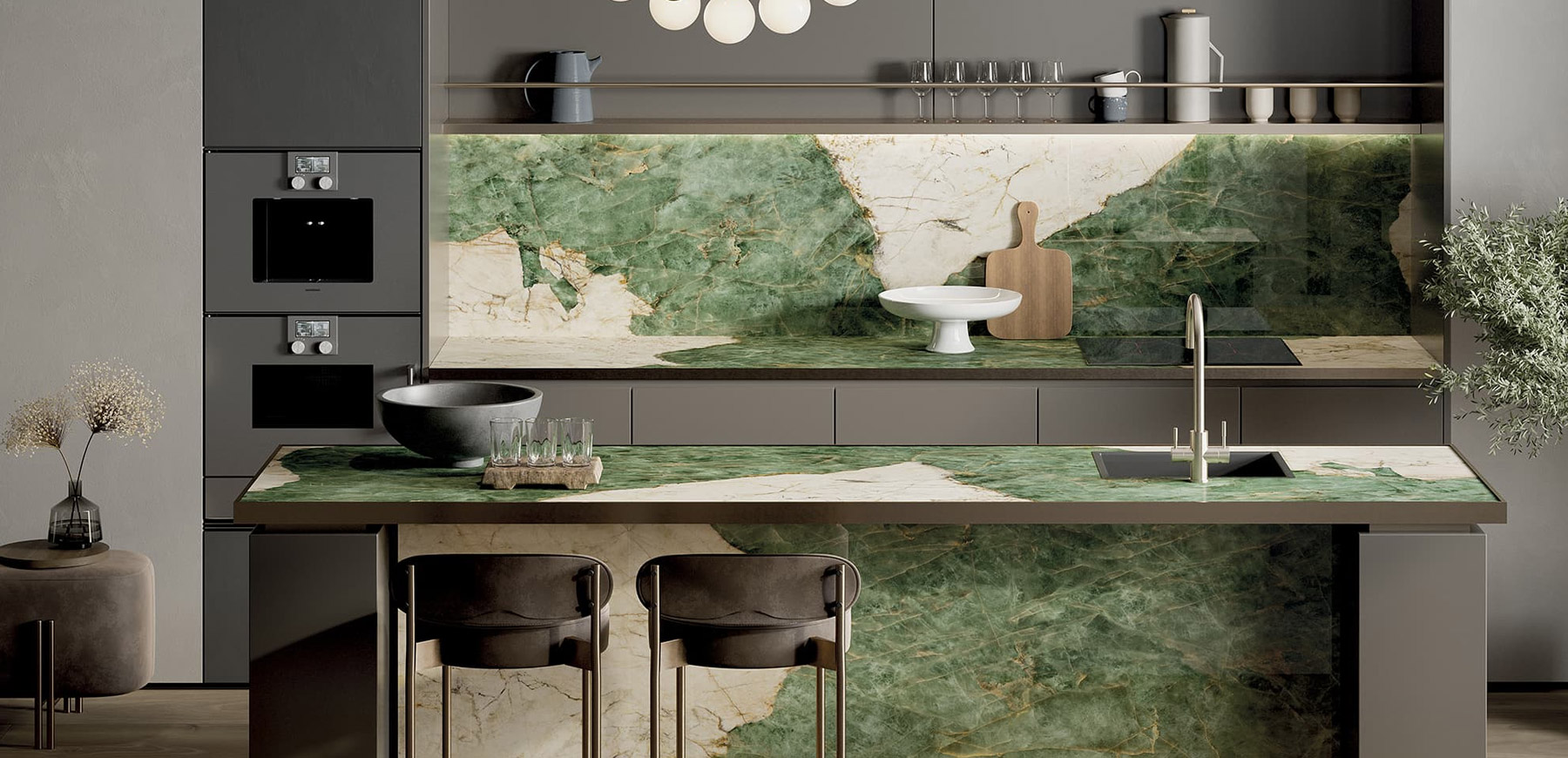
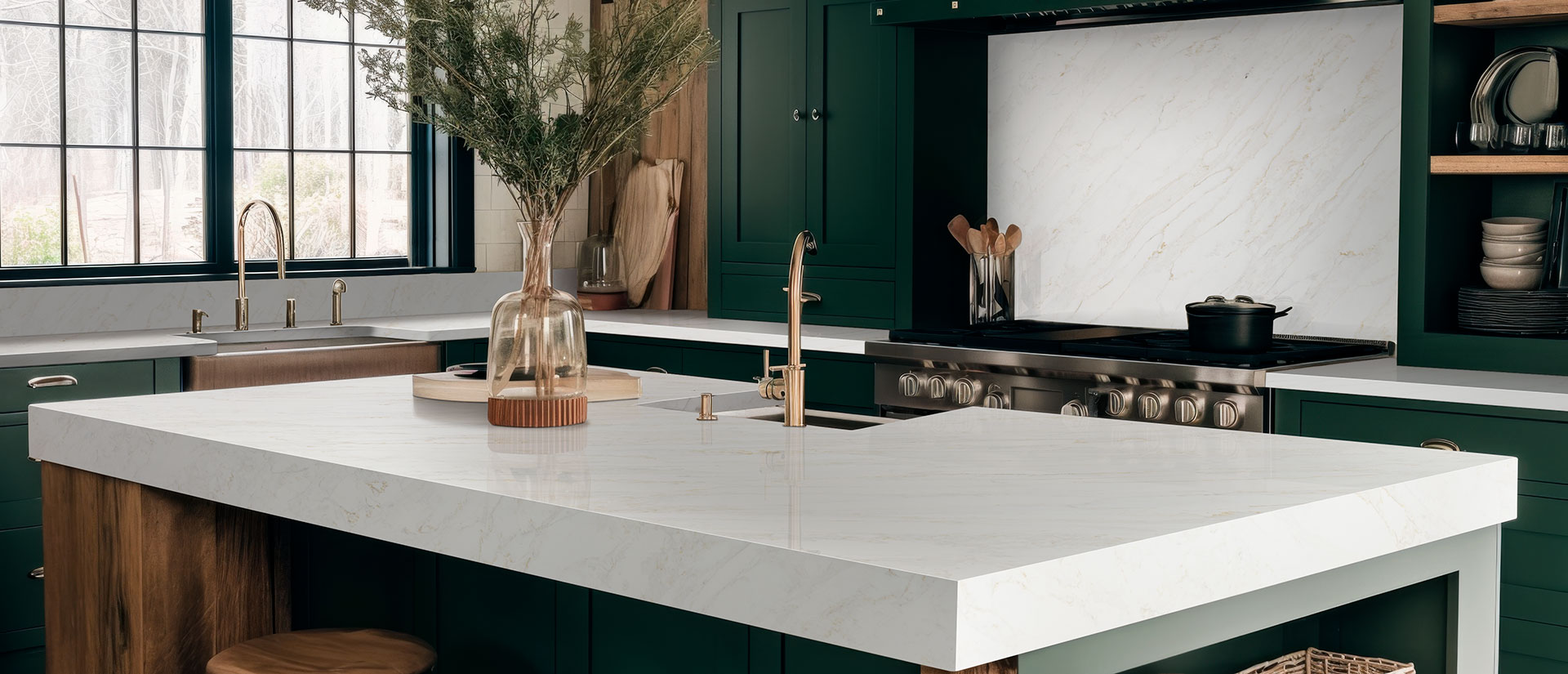
Your countertop is often the visual anchor of your kitchen, especially if you’ve chosen something bold like granite, quartz or marble. Because of its size and prominence, it usually makes sense to start here. Once you’ve locked in your countertop, you can look for tiles that enhance its colour, pattern and texture.
Tip: If your countertop has a busy pattern or bold veining, go for more subtle tiles to avoid visual clutter. On the other hand, if your countertop is plain or neutral, you can have more fun with tile colours, textures or patterns.
Stick to a Cohesive Colour Palette
Your tiles and countertop don’t have to match perfectly, but they should belong to the same colour family or have complementary tones. This helps create a sense of flow and harmony in your kitchen.
Light countertops
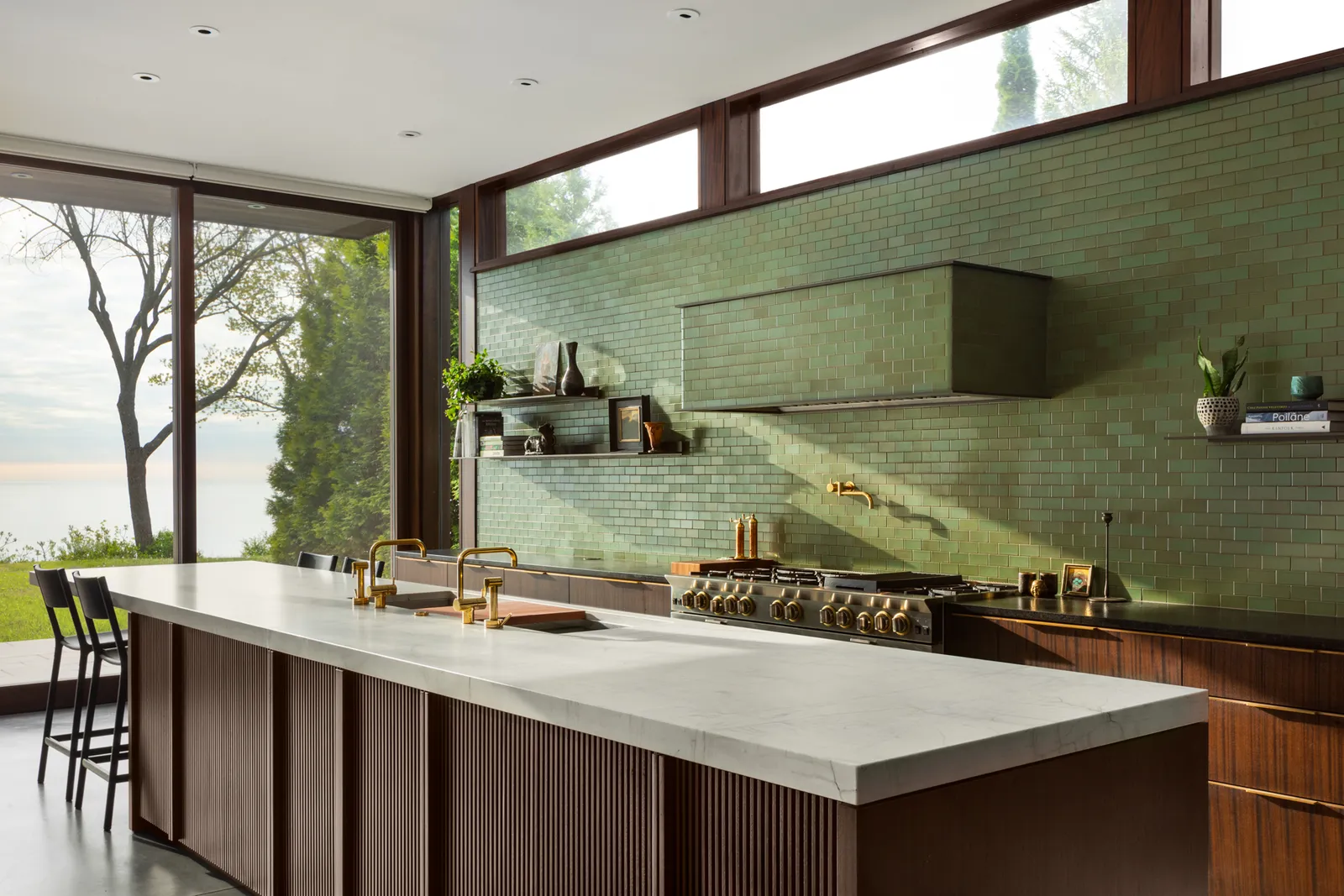
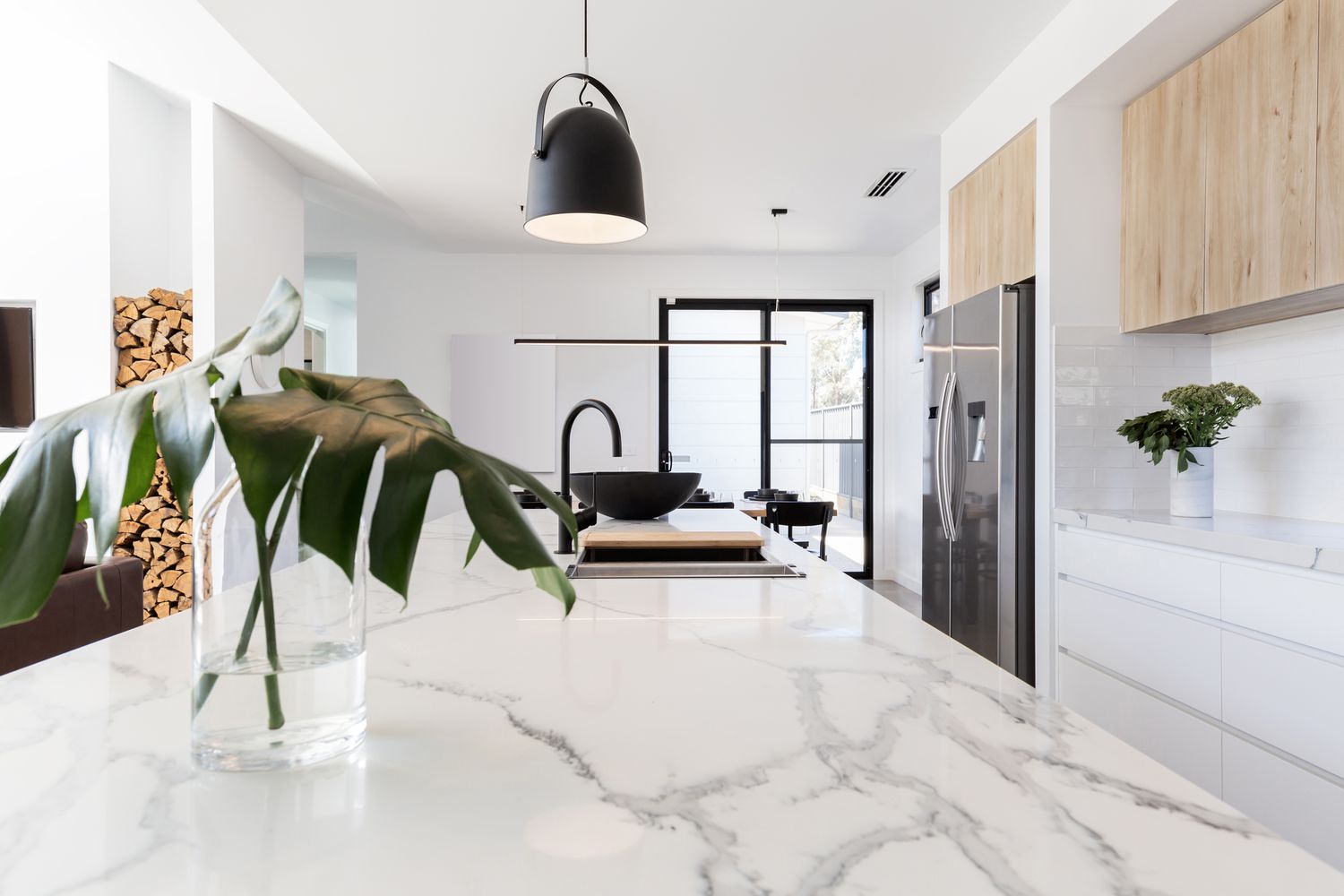
Light countertops (like white quartz or pale marble) pair well with soft neutral tiles, classic subway tiles or even pale pastels for a fresh, airy feel.
Dark countertops
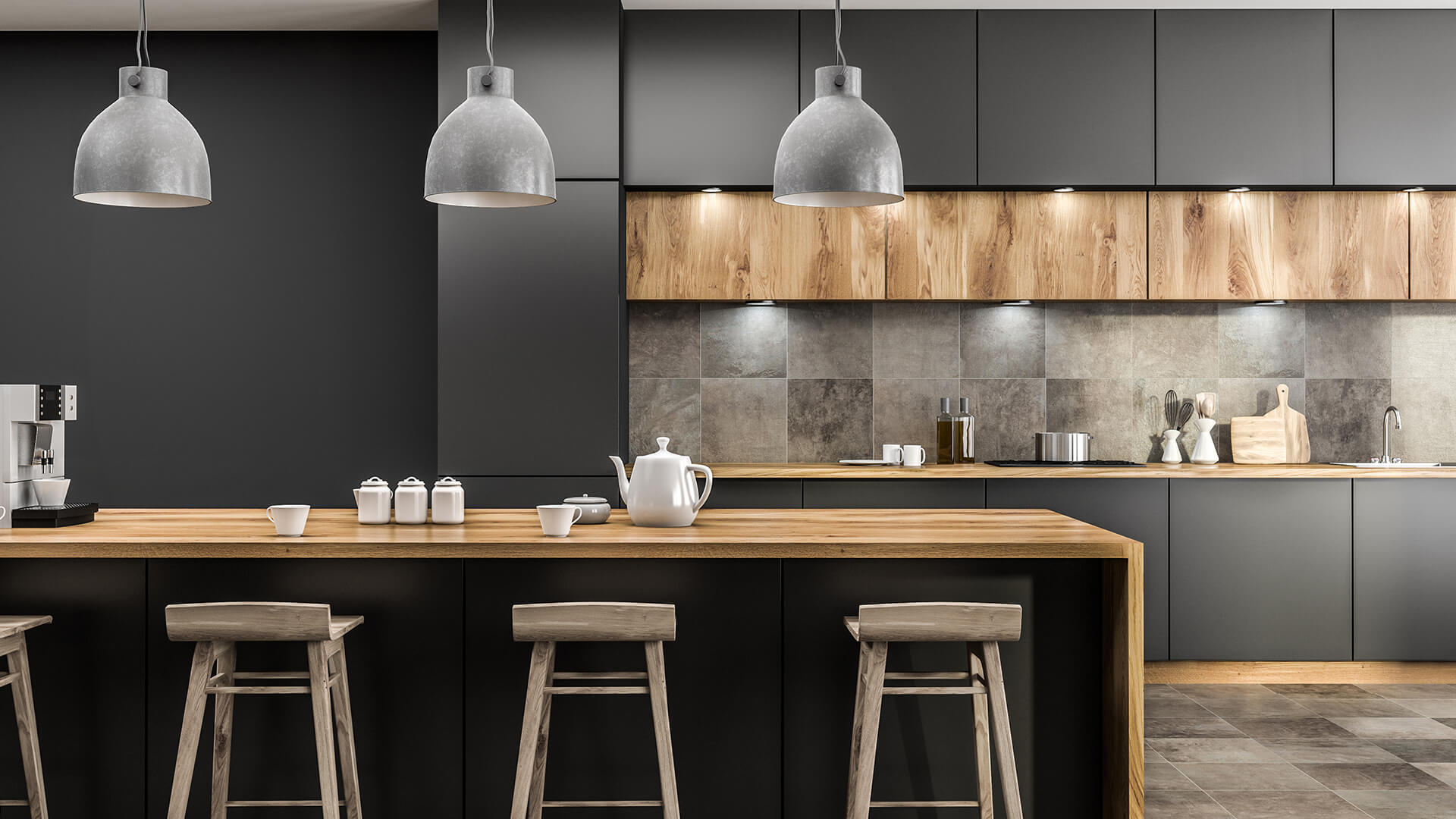
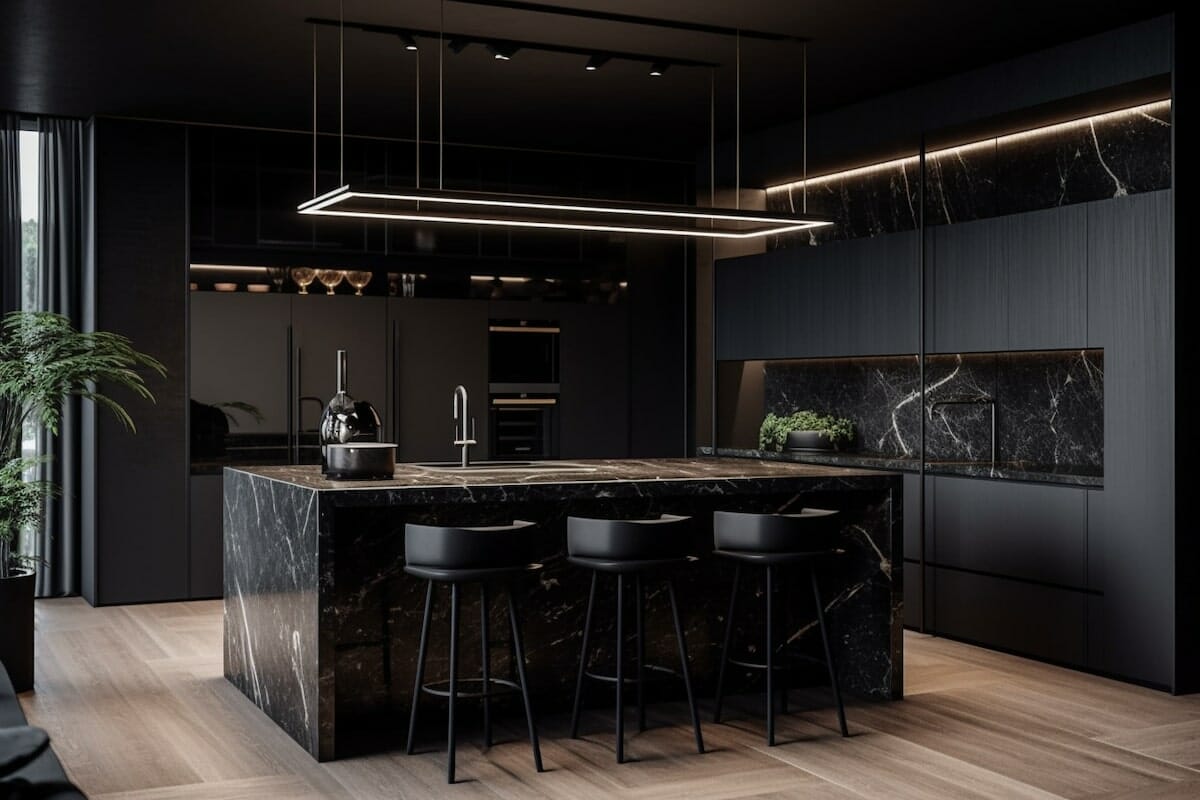
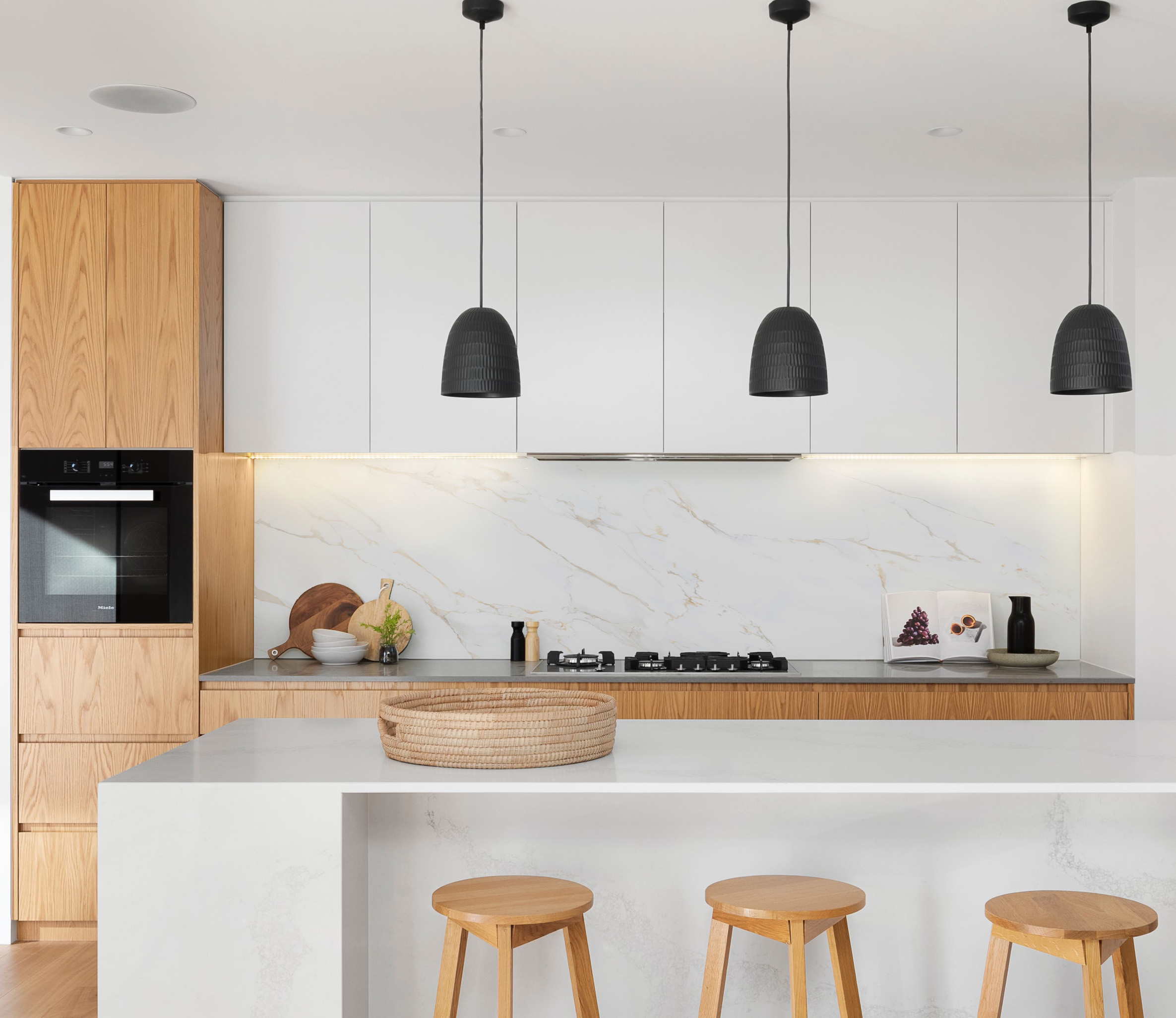
The latest trend in kitchen design is pairing dark black or charcoal countertops with matching tiles on the walls for a seamless, modern aesthetic. Alternatively, using a dark tile in a similar tone creates a bold, dramatic look that feels both luxurious and contemporary. This monochromatic style adds depth and sophistication to your kitchen, especially when balanced with warm lighting or natural textures like wood.
Don’t Forget Texture and Finish
Tiles come in all sorts of finishes – glossy, matte, textured or smooth. The finish you choose will affect both the style and the practicality of your kitchen.
Glossy tiles
Glossy tiles reflect light and can make smaller kitchens feel brighter.
Matte tiles
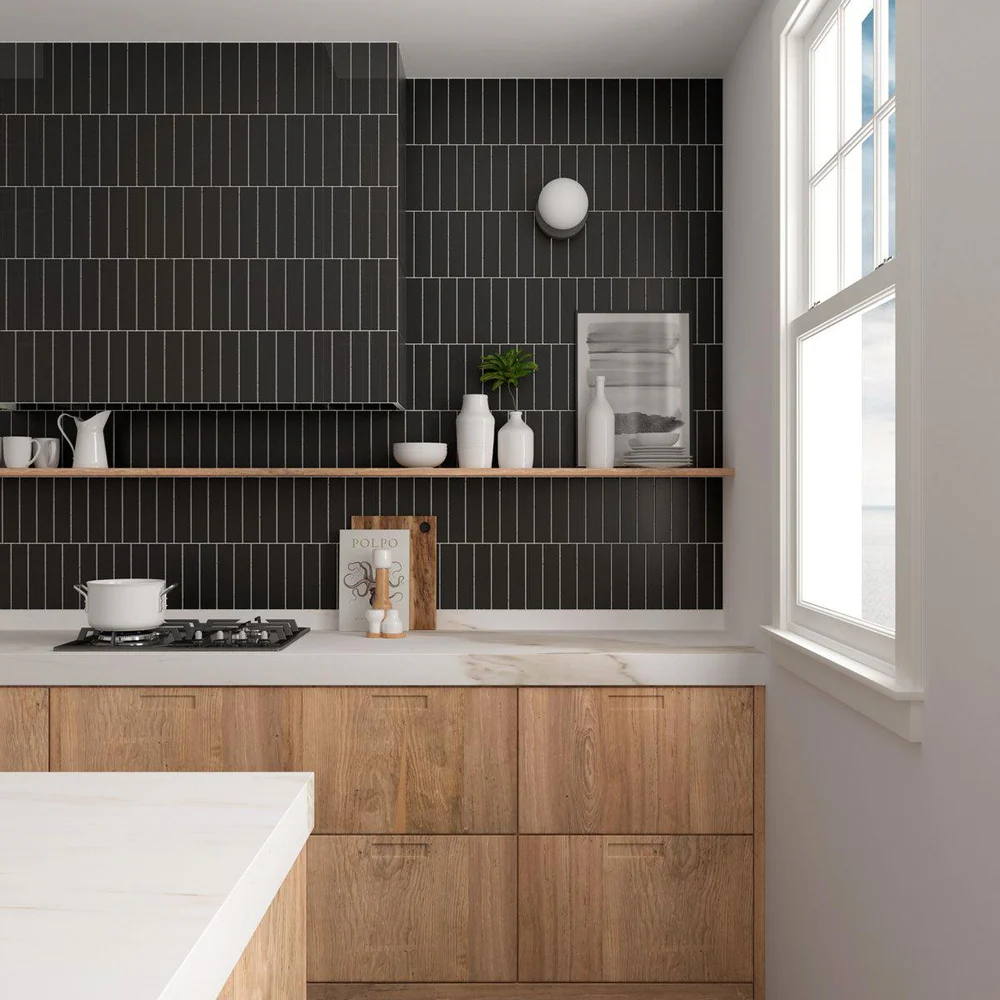
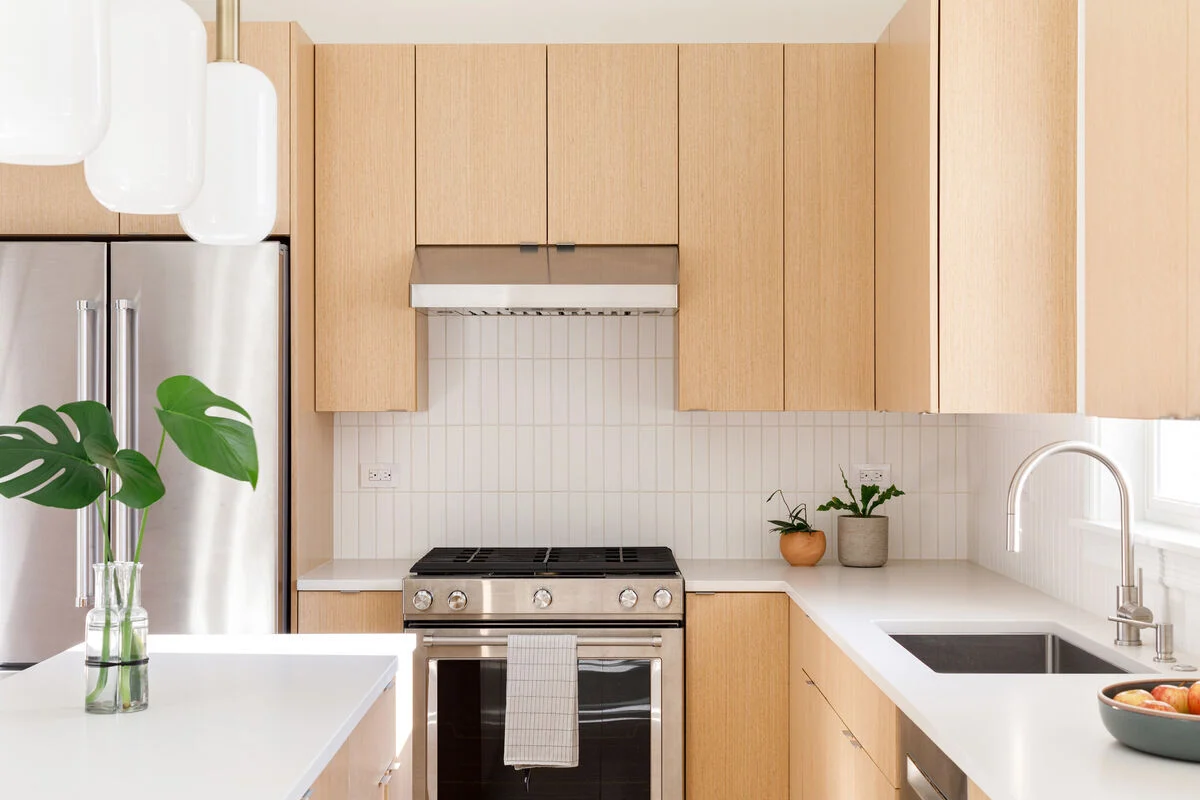
Matte tiles have a more understated, modern look and are great for hiding fingerprints.
Textured tiles
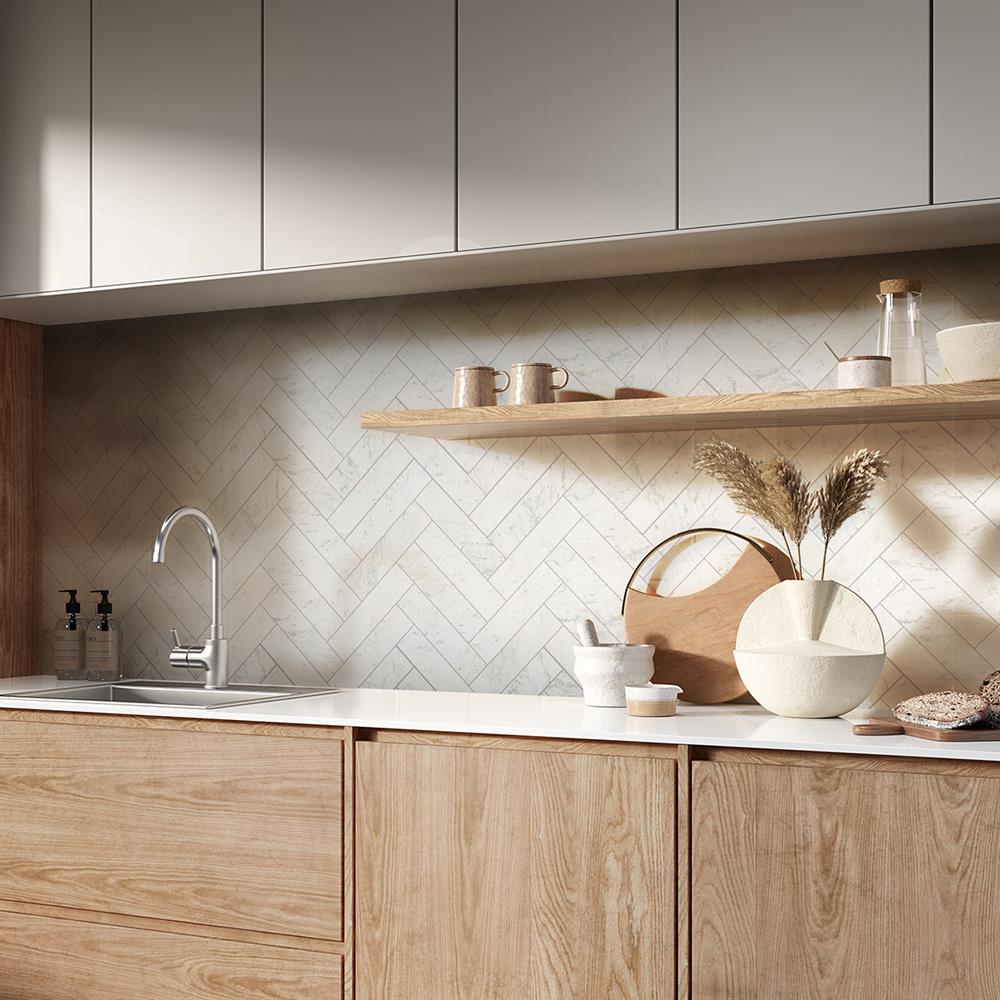
Textured tiles can add depth and interest, especially if your countertop is very sleek.
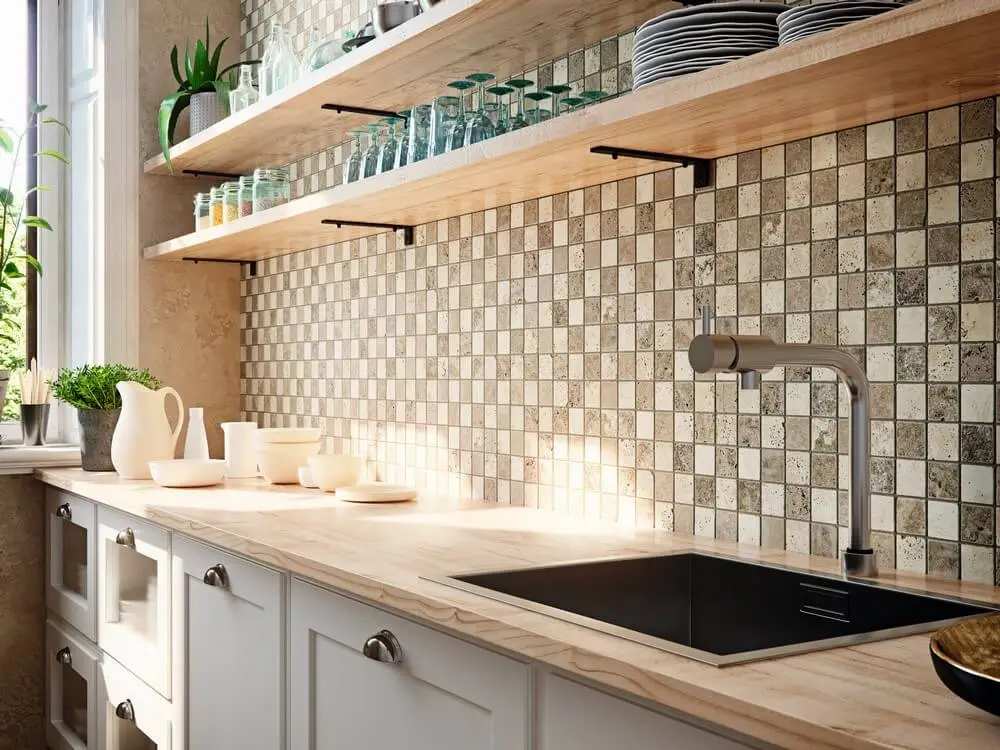
Try to mix finishes thoughtfully. For example, pairing a polished stone countertop with matte or handcrafted-looking tiles creates a pleasing contrast.
Consider Your Kitchen Style
Think about the overall style you want for your kitchen. Your countertop and tiles should both support that vision.
Modern kitchens
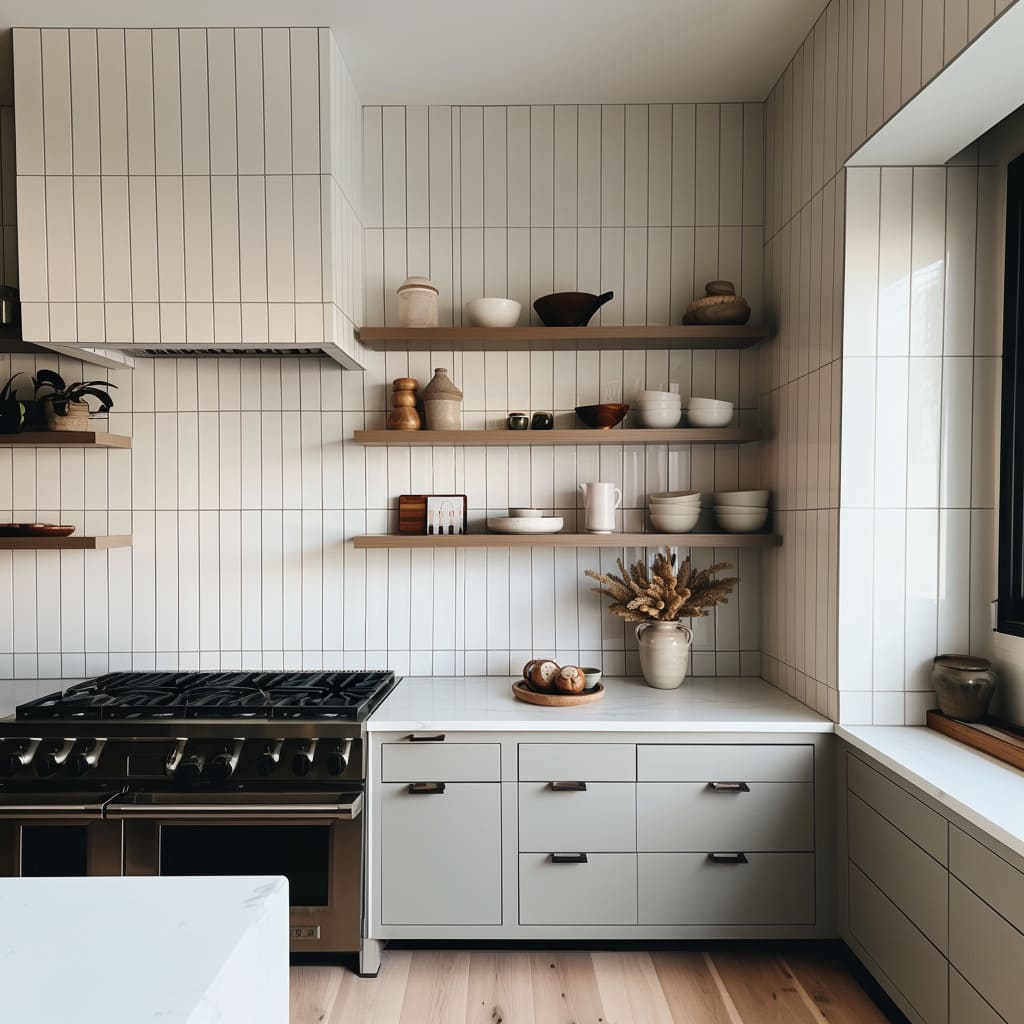
Try pairing a waterfall quartz countertop with large format porcelain tiles or sleek metro tiles in a stacked layout.
Rustic or farmhouse kitchens
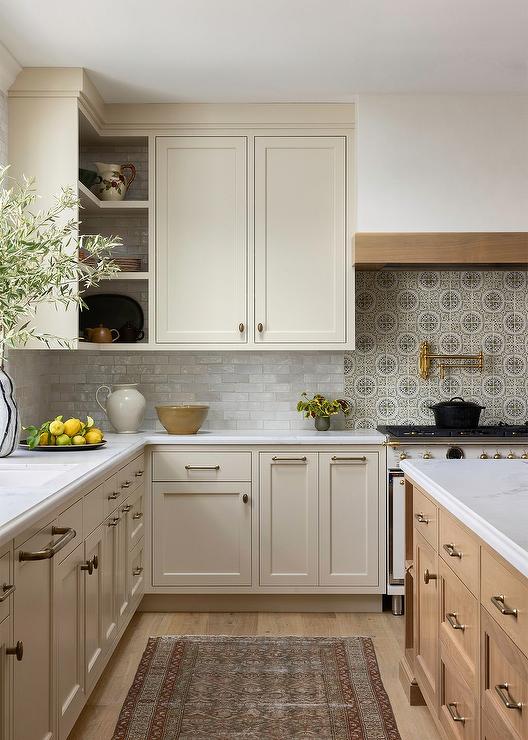
A wooden or concrete-look countertop works beautifully with handmade-style tiles or mosaic patterns.
Classic kitchens
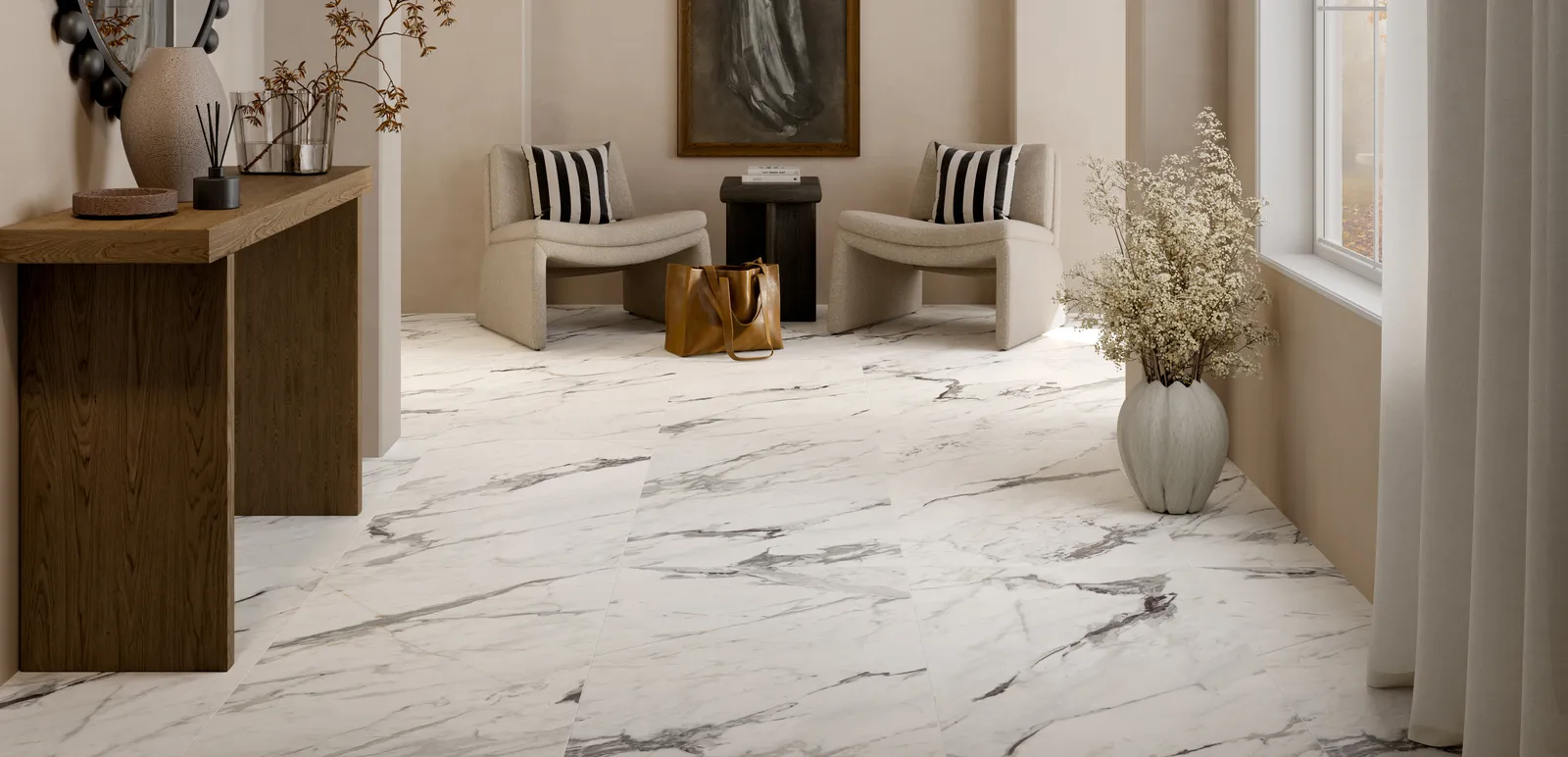
Marble-look countertops paired with traditional subway tiles never go out of style.
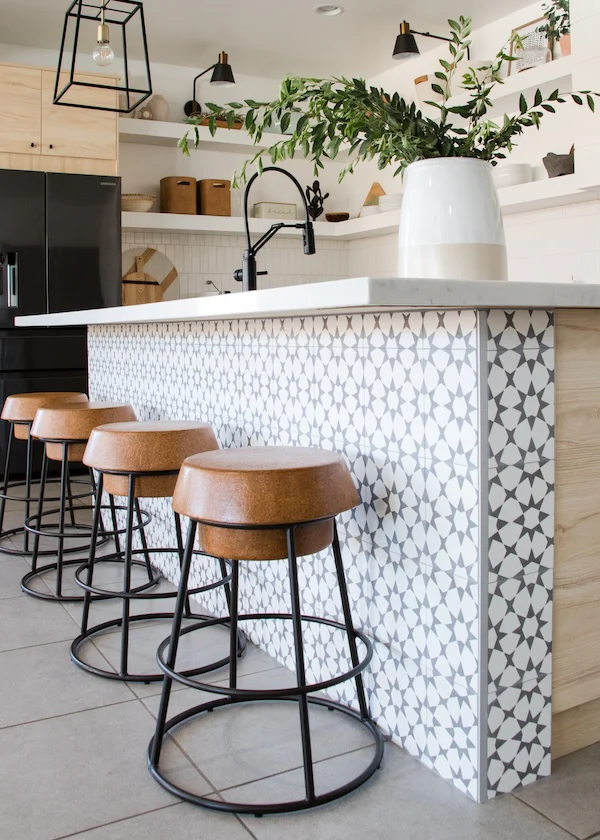
If you love making a statement, try combining a patterned tile splashback with a minimalist countertop to let the tiles shine.
Sample Before You Commit
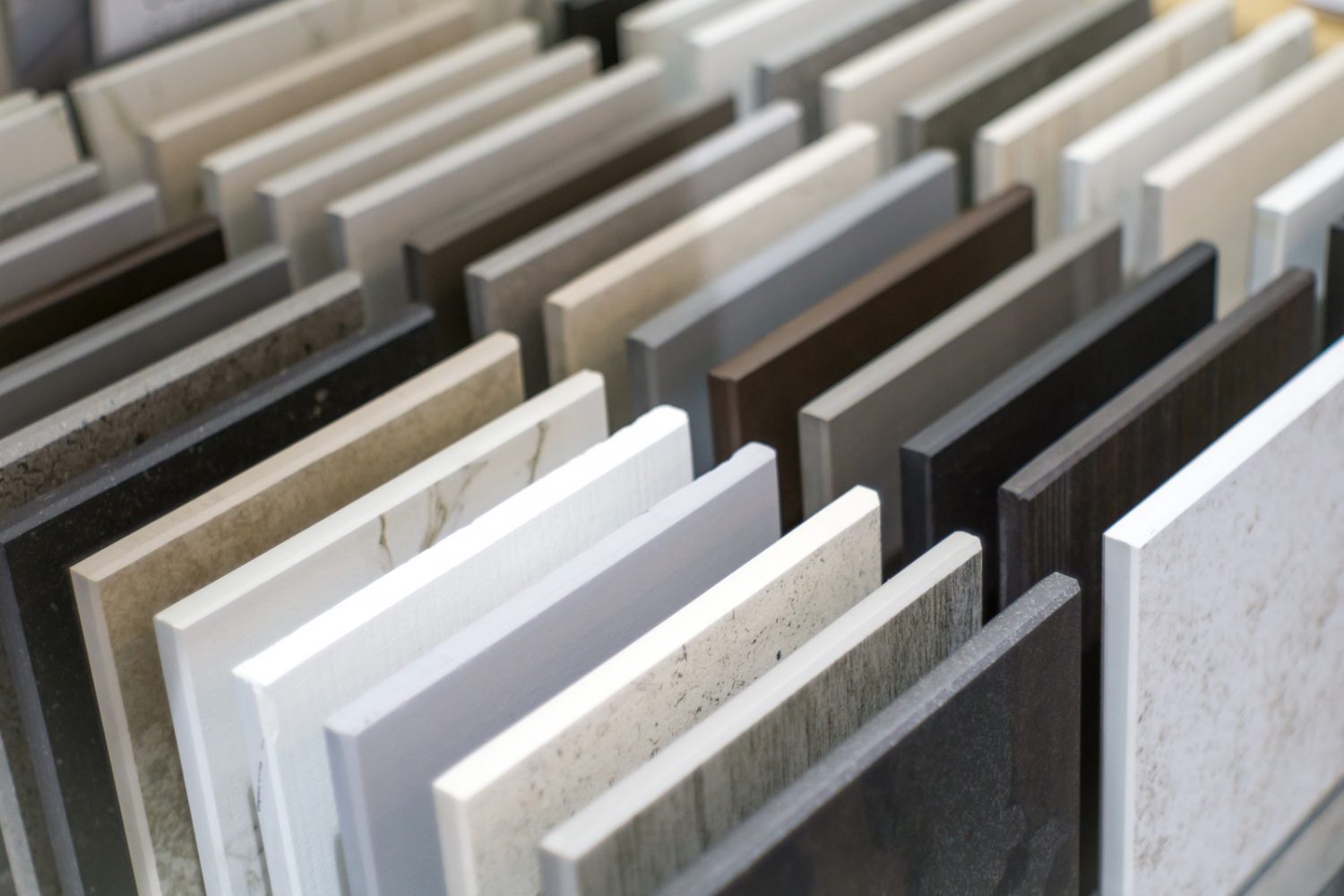
Always order tile and countertop samples before making a final decision. Place them side by side in your kitchen and observe them at different times of the day. Natural light, artificial light and shadows can all affect how colours and finishes appear.
Don’t Overlook Grout Colour
Grout is the unsung hero of tile design. It might seem like a small detail, but it can make a big difference in the final look. Light grout will blend in and keep things subtle, while dark grout adds contrast and makes the tile pattern pop.
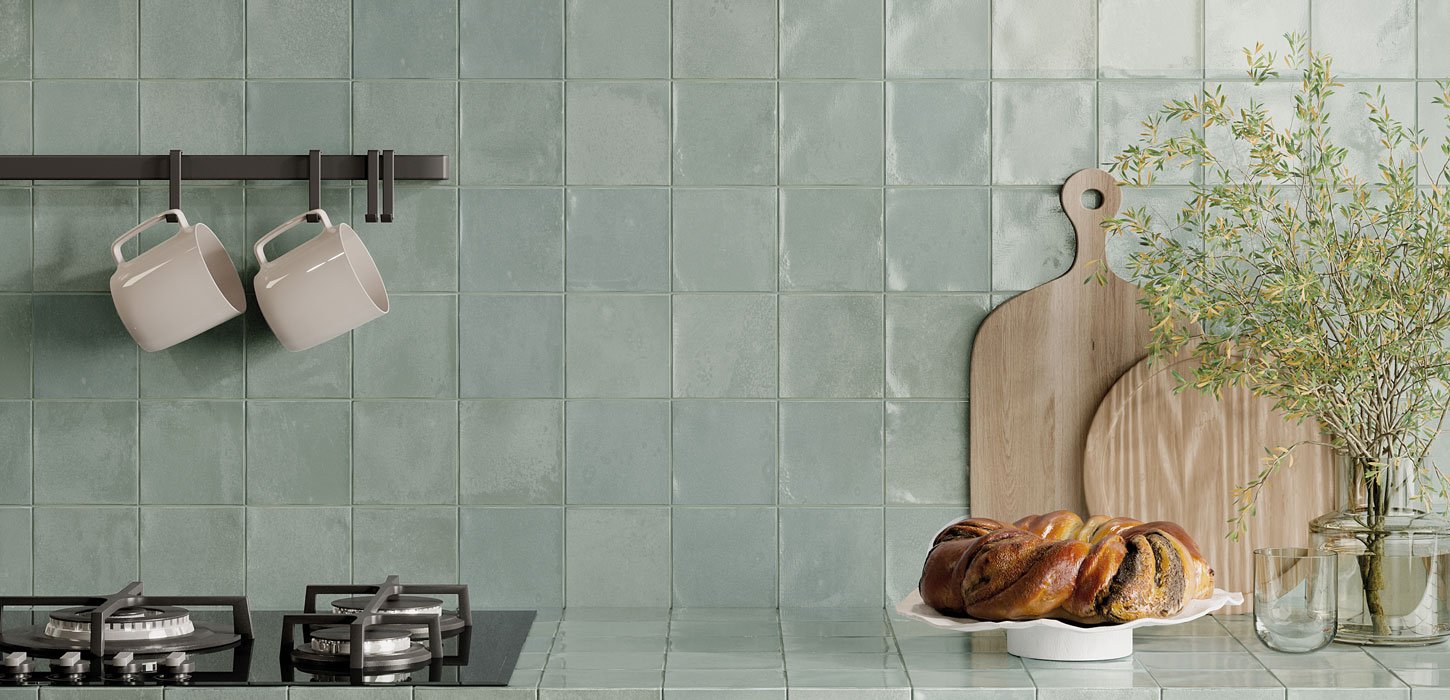
Make sure your grout colour complements both your tiles and countertop to create a polished, cohesive look.
Matching your kitchen countertops with the right tiles doesn’t have to be overwhelming. It’s about finding balance between colour, texture and style. With the right combination, you’ll create a kitchen that’s not only functional but also a true reflection of your taste.
Need help choosing the right tiles? Visit your nearest Tiletoria showroom or browse our online collection for inspiration, expert advice and the perfect tiles to complete your dream kitchen.
Browse our range of kitchen tiles






:max_bytes(150000):strip_icc()/how-to-choose-kitchen-countertops-realsimple-GettyImages-673984158-c0472518759444d68bd9ee1d95306308.jpg)