bathroom, blog, floors, kitchen, renovation tips
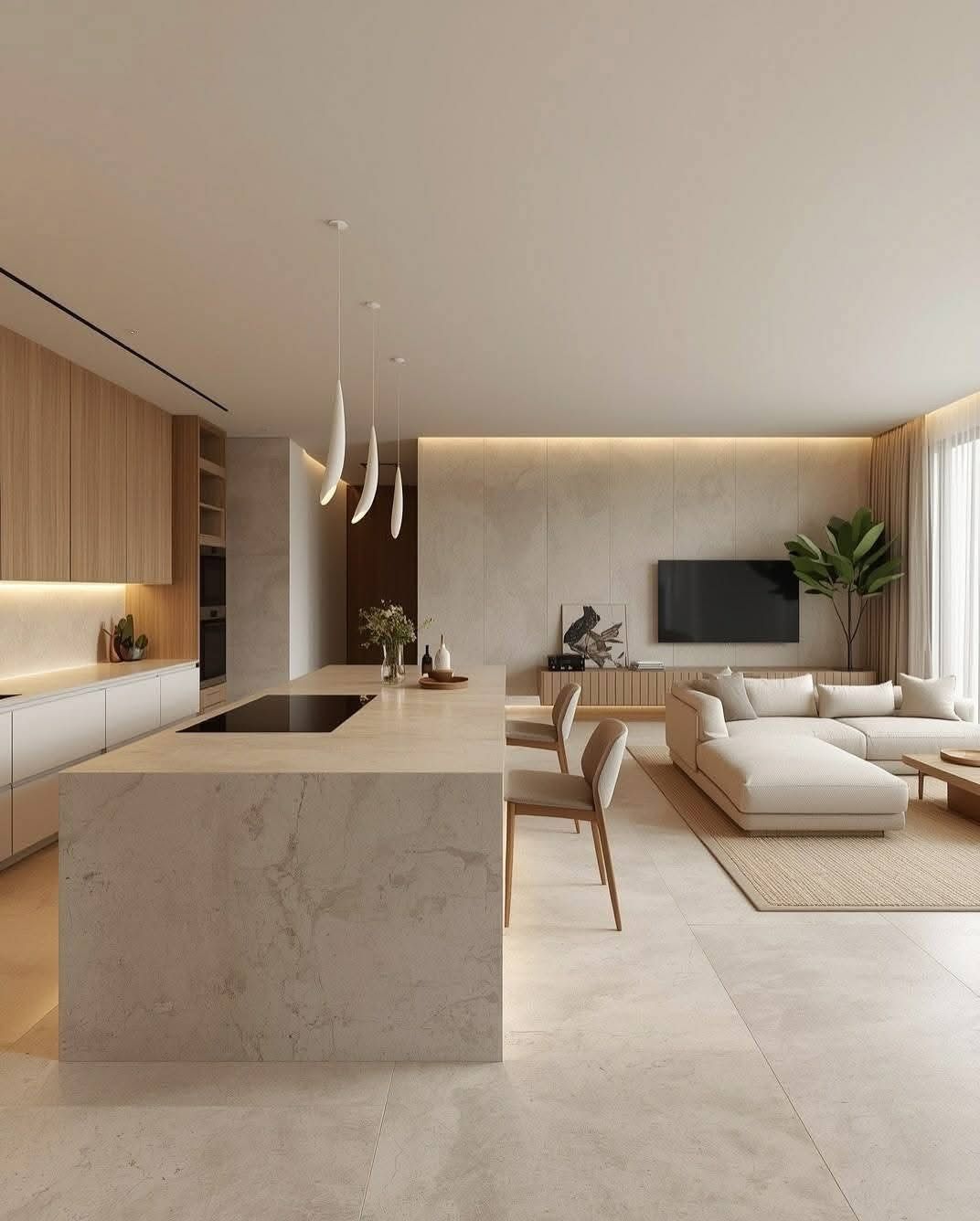
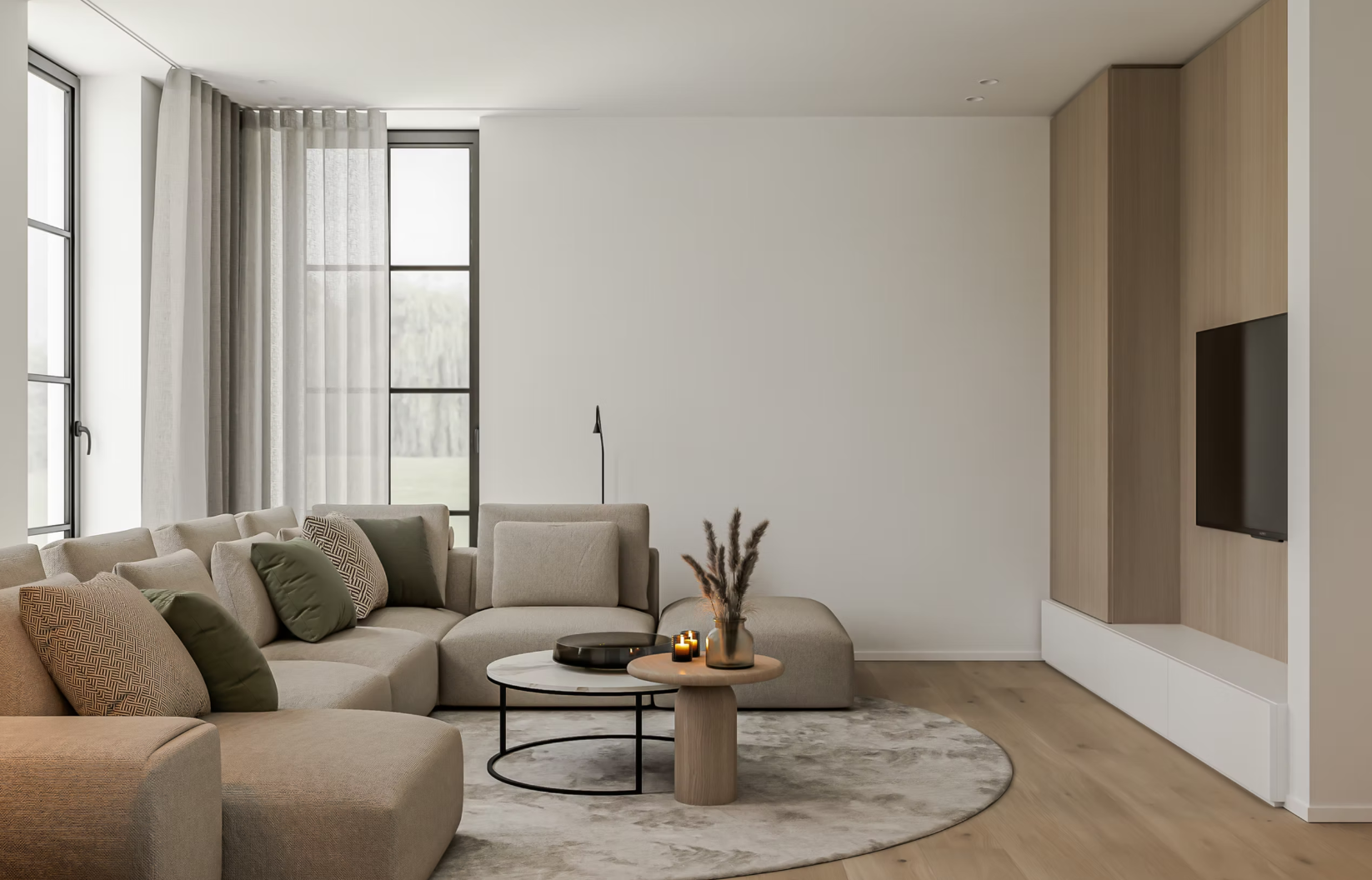
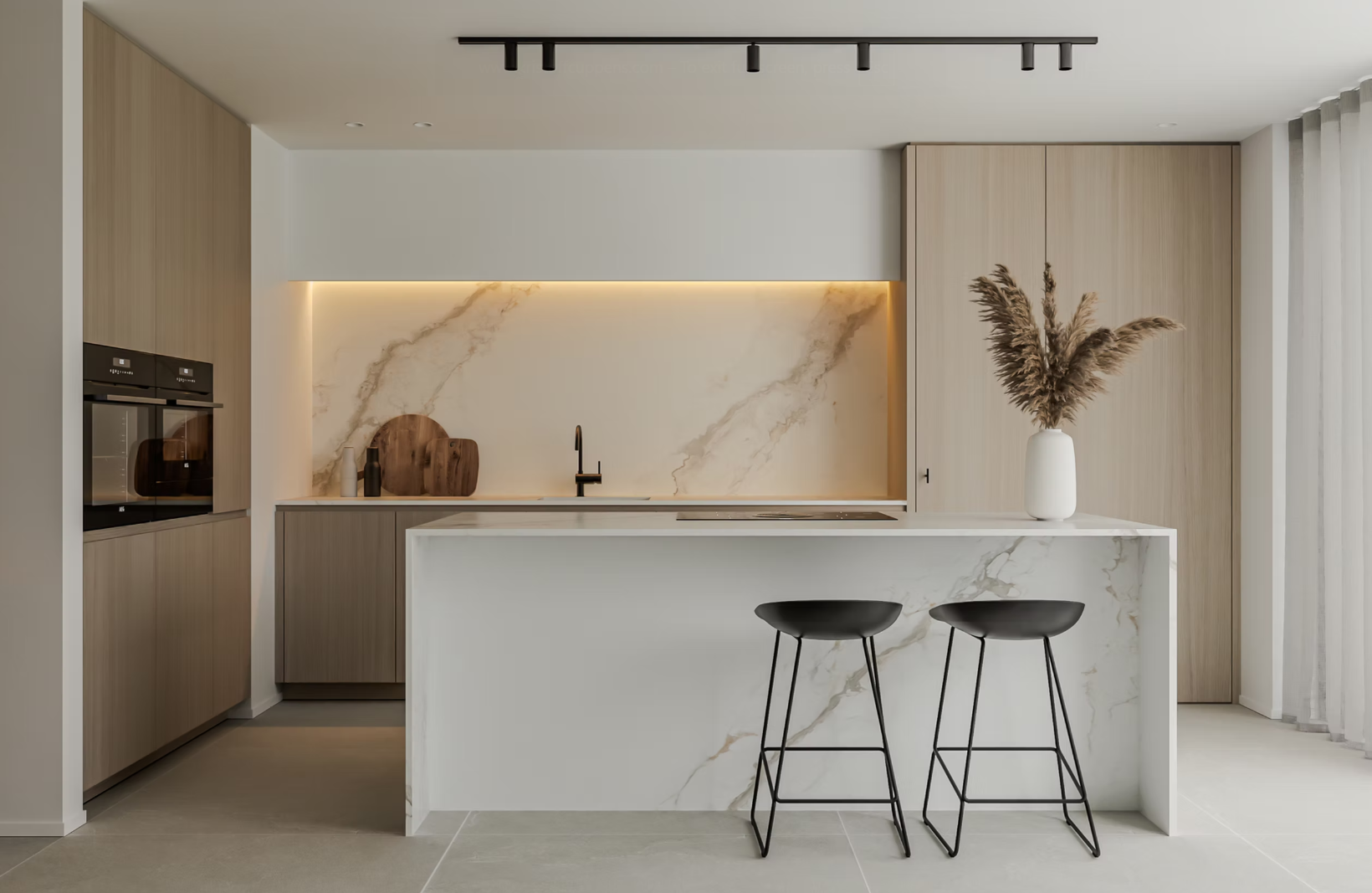
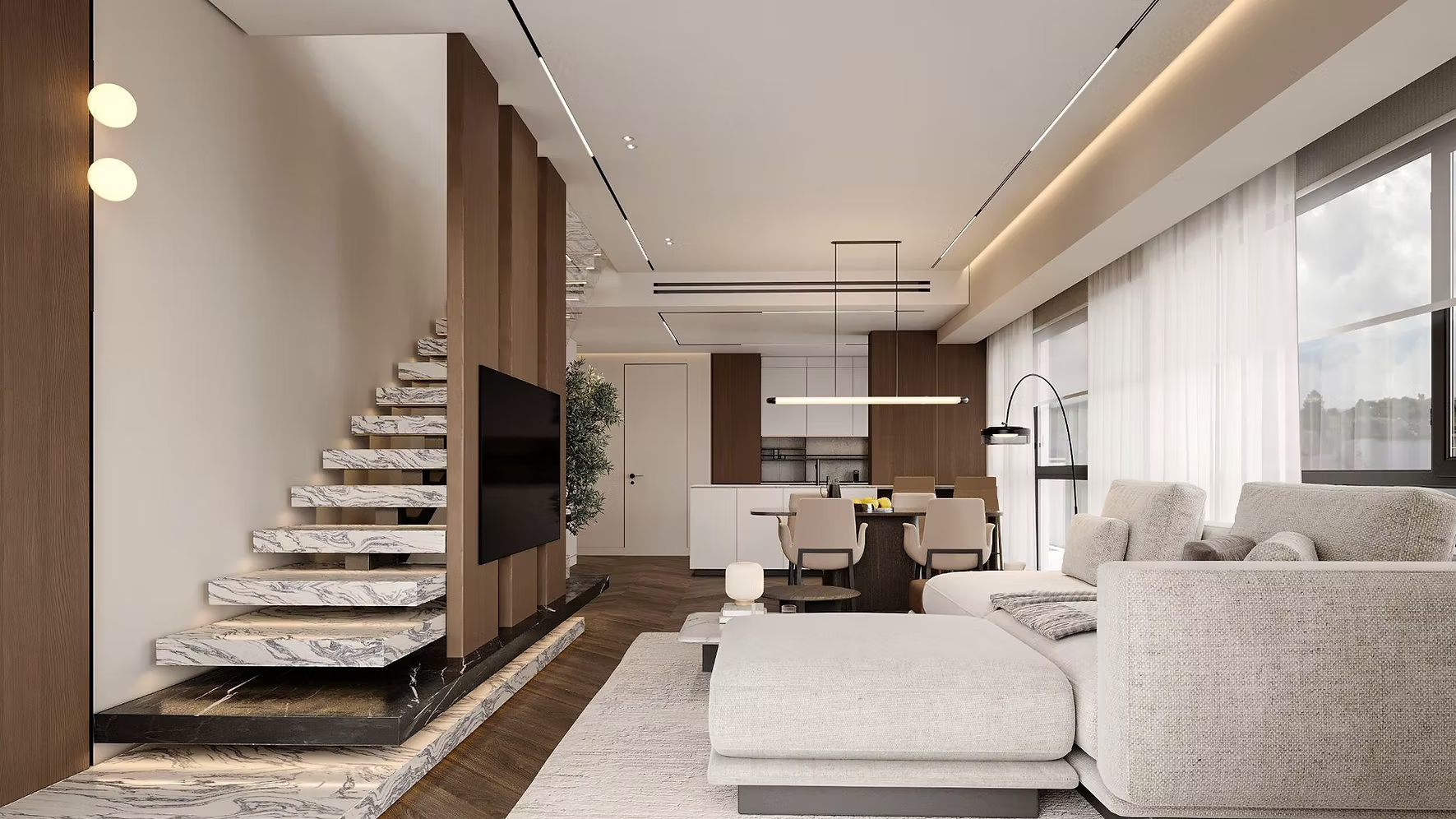
Choosing the best flooring for rental properties can make a huge difference in both durability and long-term costs. Tenants come and go, small accidents happen and floors face constant wear. That is why selecting flooring that can handle real life while still looking great is essential for any landlord or property manager.
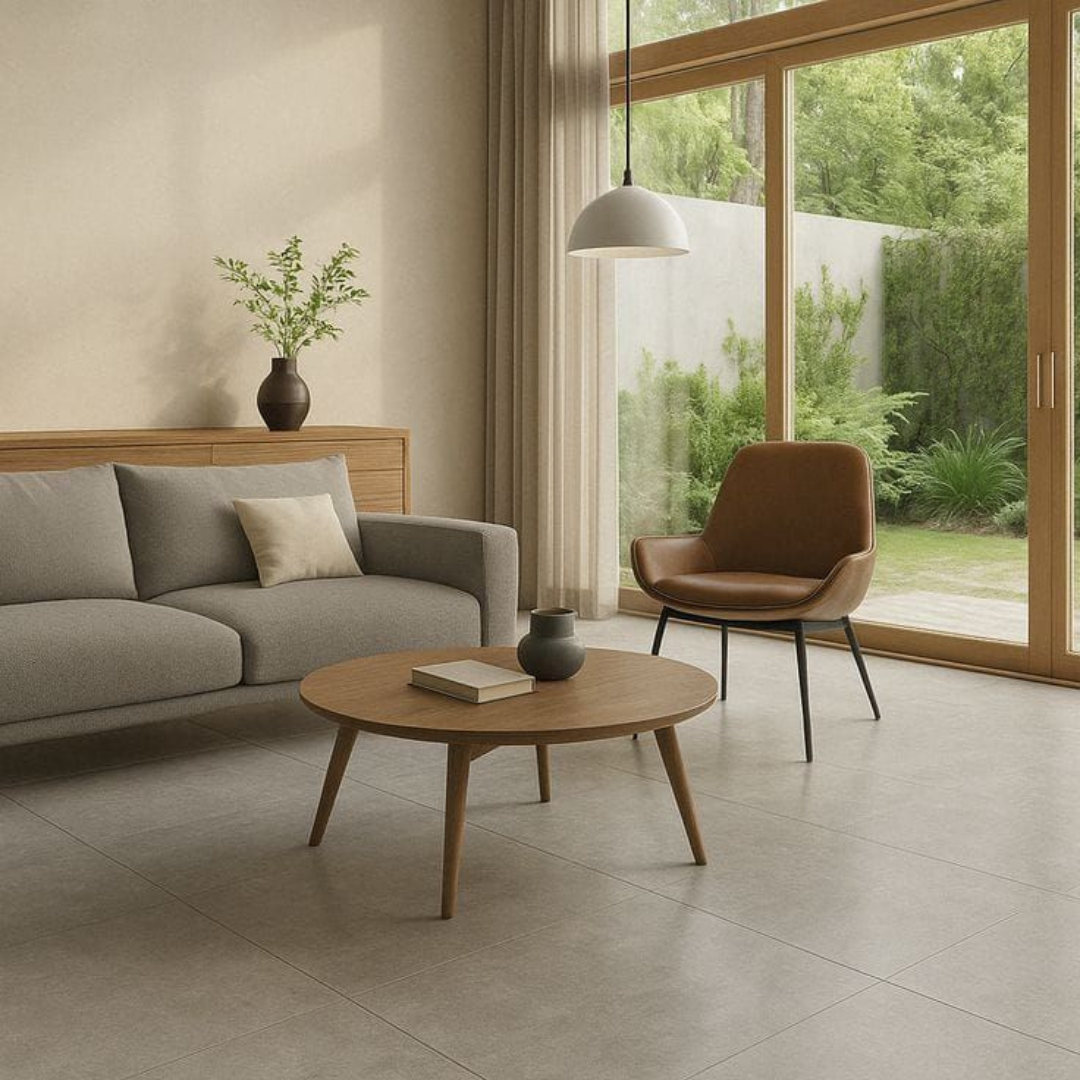
Table of Content:
Why Durability Matters When Choosing the Best Flooring for Rental Properties
Vinyl Flooring: A Top Contender for Rental Homes
Tiles: Long-Lasting Strength for High-Traffic Areas
Laminate Flooring for a Stylish, Cost-Effective Update
Balancing Budget and Longevity for the Best Flooring for Rental Properties
Which Flooring Is Right for Your Rental Property?
Why Durability Matters When Choosing the Best Flooring for Rental Properties
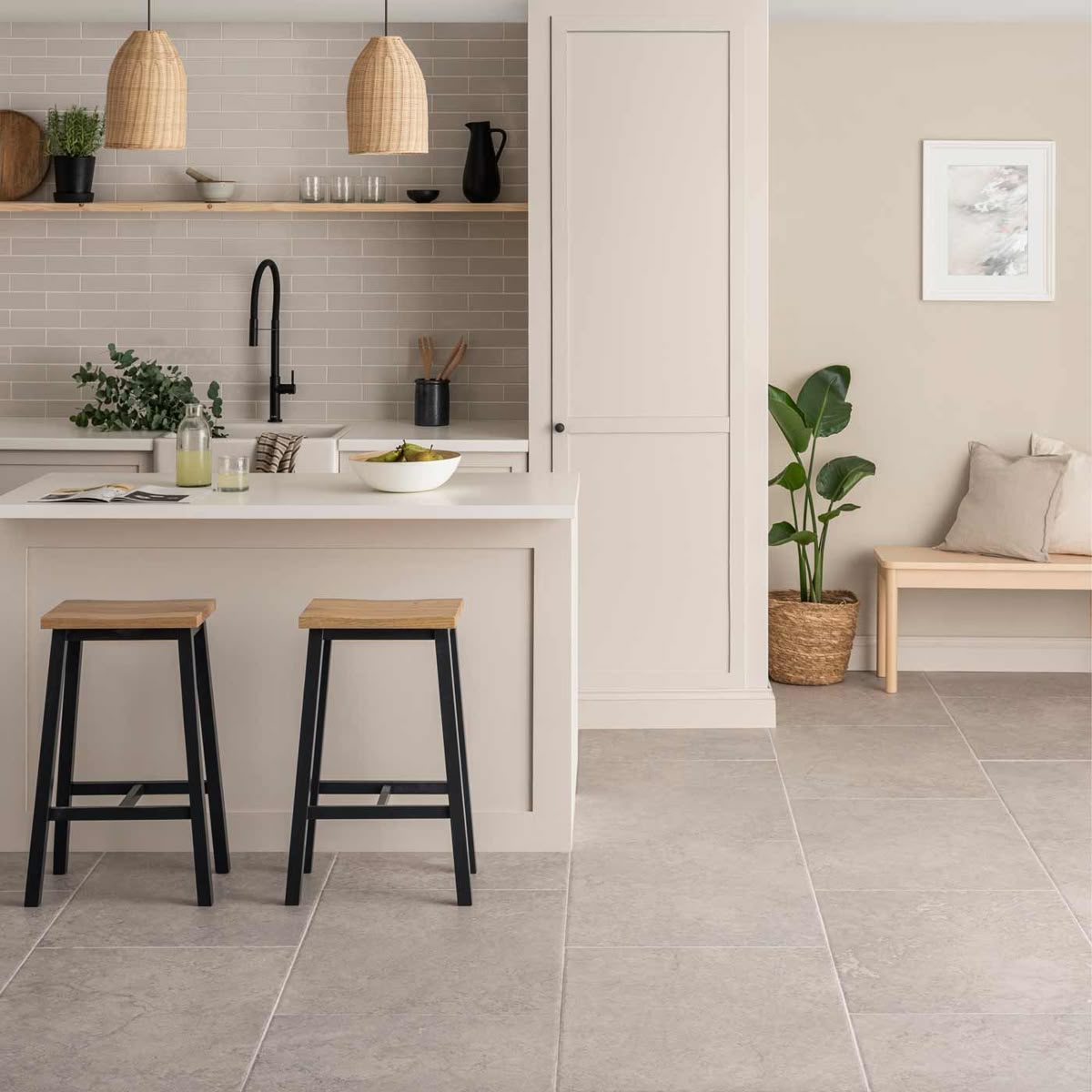
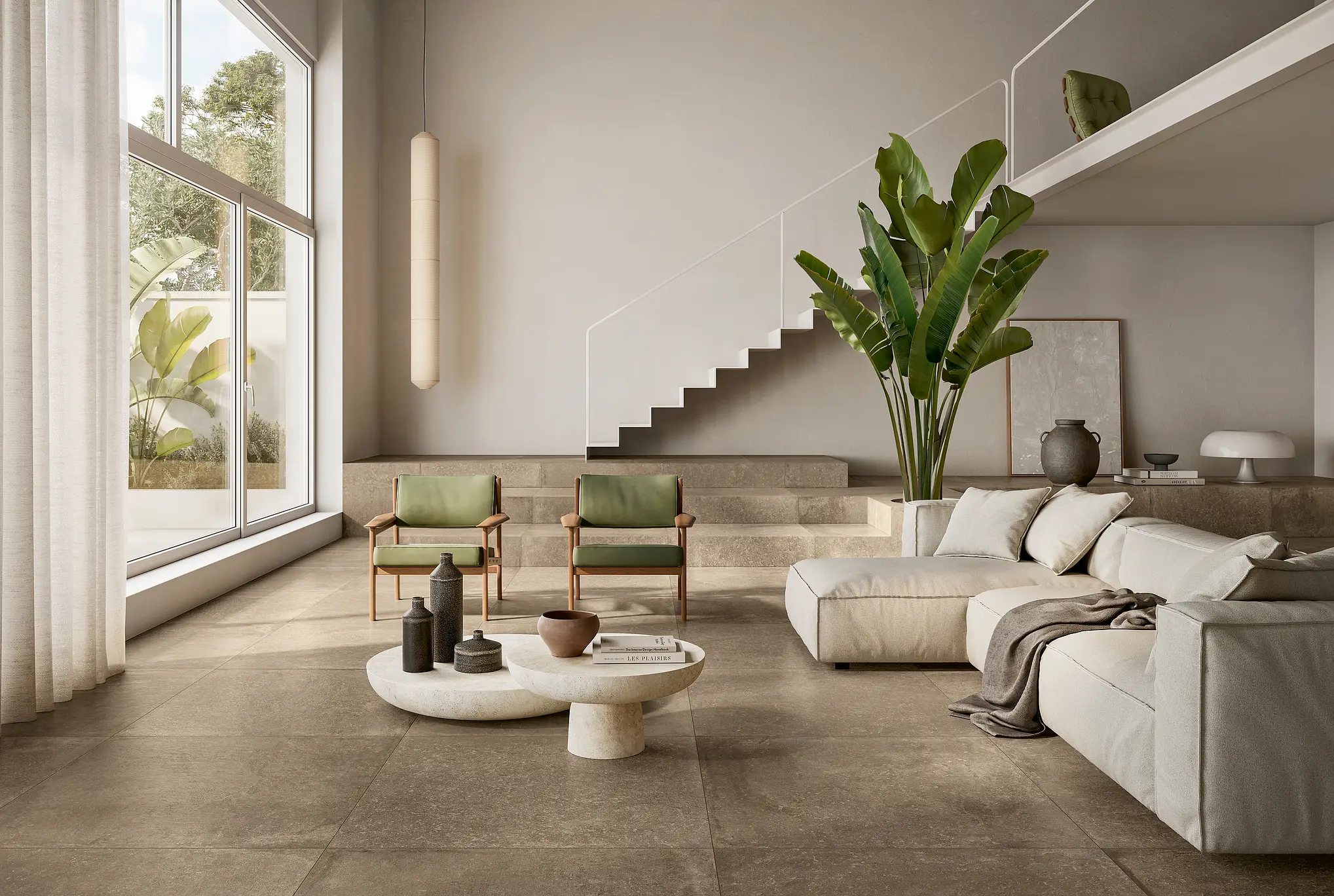
Rental properties experience more foot traffic than the average home. Tenants move furniture in and out, bring pets and live busy lives. Durable flooring reduces your need for repairs and replacements which helps protect your investment. When durability meets style you get the perfect flooring choice for long-term rentals.
Vinyl Flooring: A Top Contender for Rental Homes
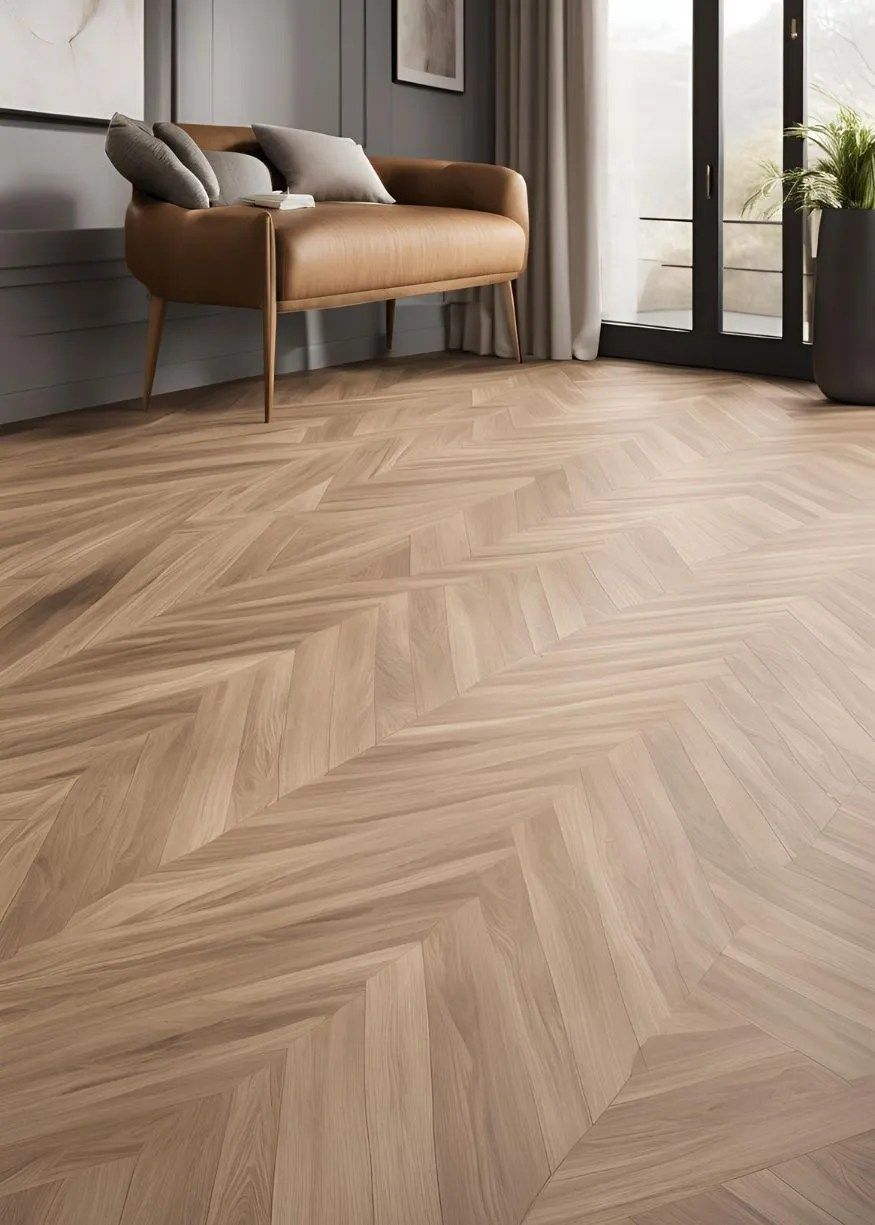
Vinyl is one of the most popular choices for rental properties. It is affordable, water-resistant and available in countless styles that mimic wood and stone. Landlords love vinyl because it handles moisture well, cleans easily and works in kitchens, bathrooms and living areas. Budget-friendly yet stylish, vinyl gives tenants the look they want without the maintenance that real wood requires.
Tiles: Long-Lasting Strength for High-Traffic Areas
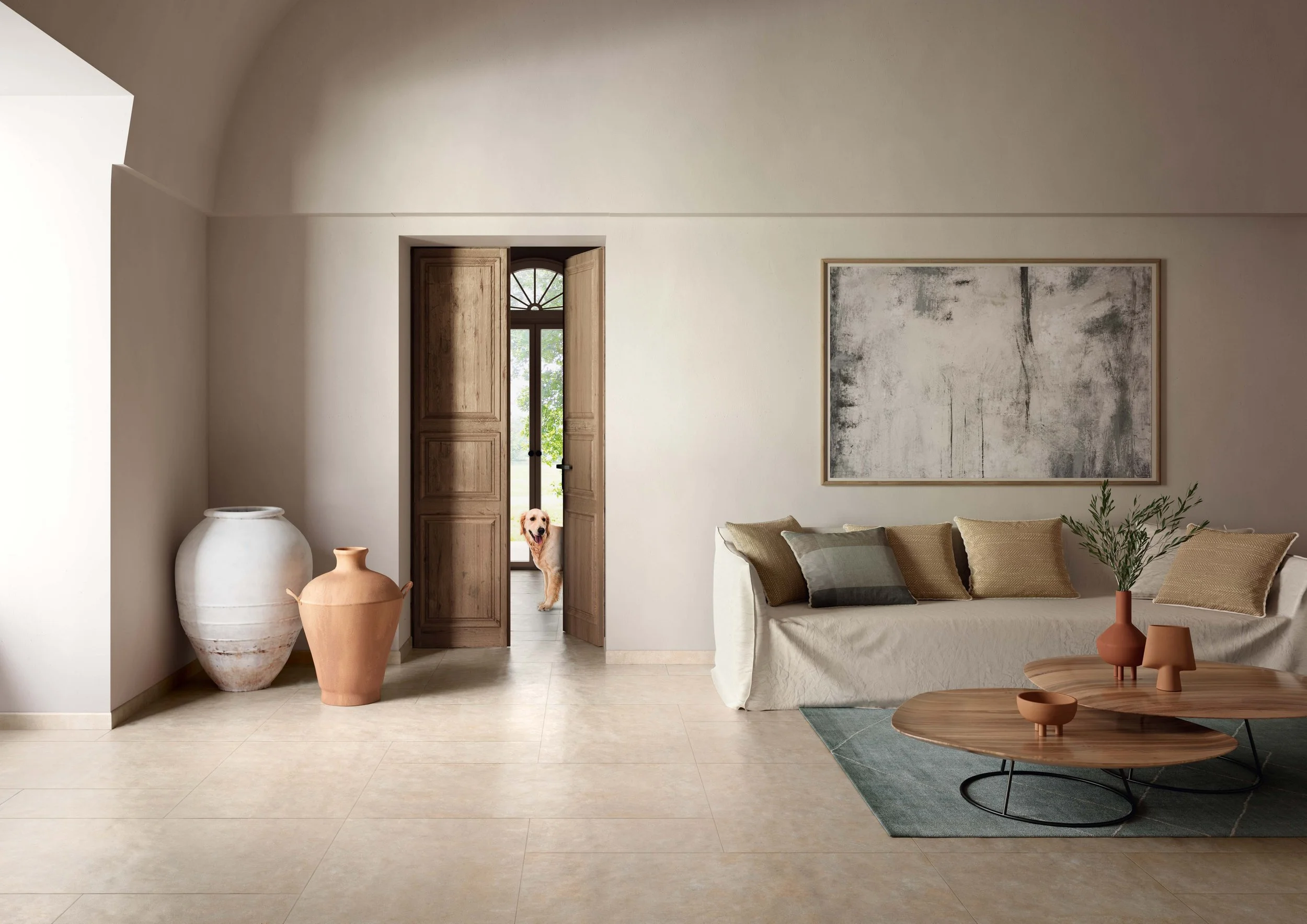
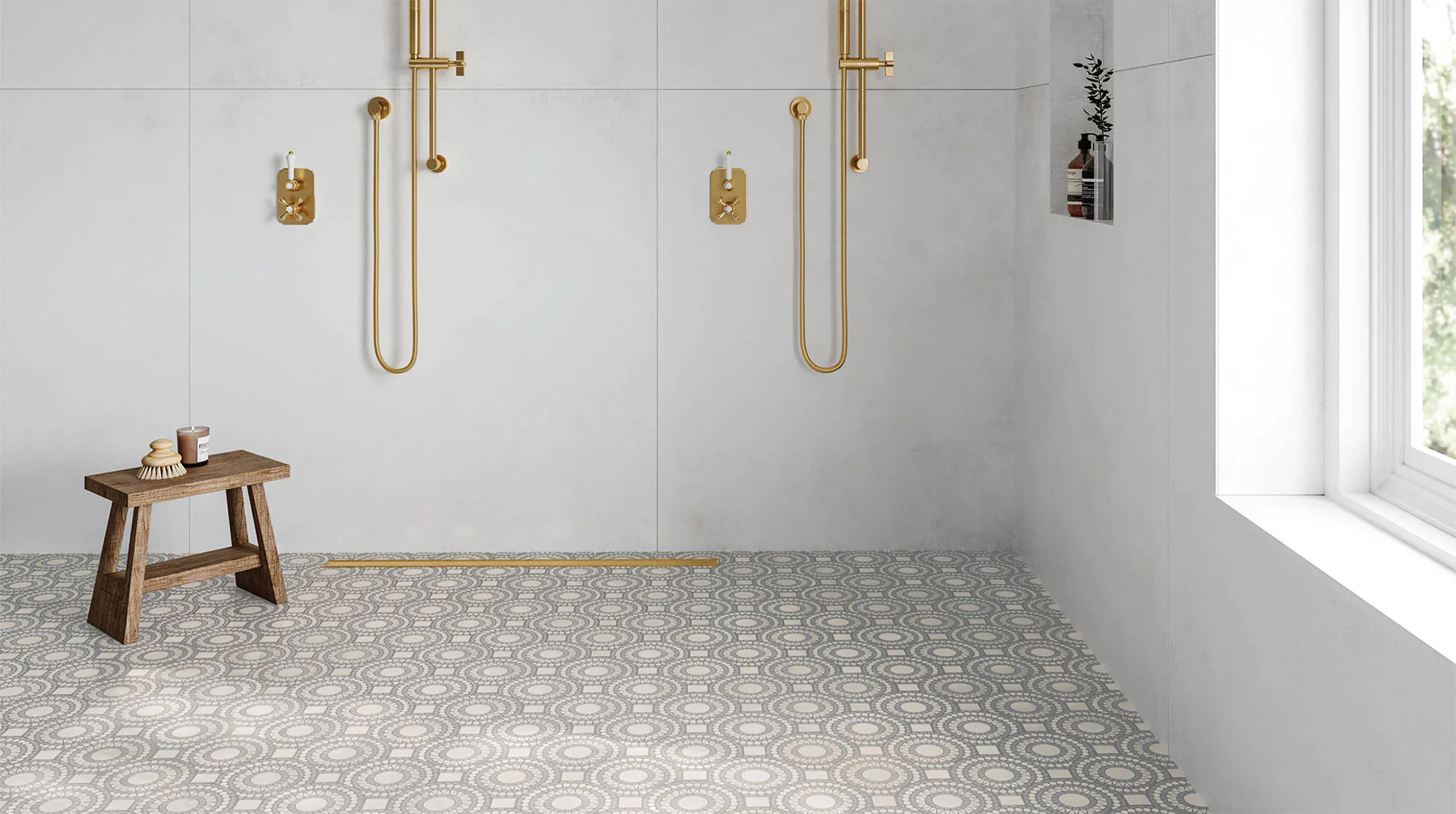
Tiles are a strong contender when exploring the best flooring options. Ceramic and porcelain tiles offer incredible durability and resist scratches and water damage. They are ideal for kitchens, bathrooms and entrance areas where spills, steam or daily traffic are unavoidable.
Plus tiles come in endless sizes and styles which means you can create a modern clean look that appeals to most tenants. While tiles can be slightly more expensive upfront they can last for decades with proper installation.
Laminate Flooring for a Stylish, Cost-Effective Update
Laminate flooring gives the appearance of real wood without the high cost or maintenance. It is resistant to scratches and stains which makes it a great choice for rental living rooms and bedrooms. Modern laminate options also offer improved moisture resistance making them more reliable than older versions.
If you want a trendy look that is quick to install and easy to replace if damaged laminate flooring is a solid option.
Balancing Budget and Longevity for the Best Flooring for Rental Properties
You do not need to overspend to get great results. Many landlords combine flooring types to get the best value. For example use tiles in kitchens and bathrooms, vinyl in living areas and carpet only in bedrooms. This creates a balance of durability and comfort while keeping costs under control.
Which Flooring Is Right for Your Rental Property?
The best flooring for rental properties depends on your budget, the type of tenants you attract and how much maintenance you are willing to manage. Tile and vinyl offer maximum durability while laminate provides a stylish middle ground. Carpet works well where comfort matters more than durability.
If you are planning your next update take a walk through your property, consider how each room is used and choose flooring that matches real-life tenant behaviour.
bathroom, blog, floors, interior design tips, kitchen, outdoor, renovation tips, walls
Summer renovation ideas are the perfect place to start if you want to refresh your home this holiday season. With longer days and warmer weather, it becomes easier to tackle projects that brighten indoor and outdoor spaces. From upgrading your garden and pool area to refreshing kitchens and bathrooms, these ideas can elevate your home and make it feel ready for summer hosting.
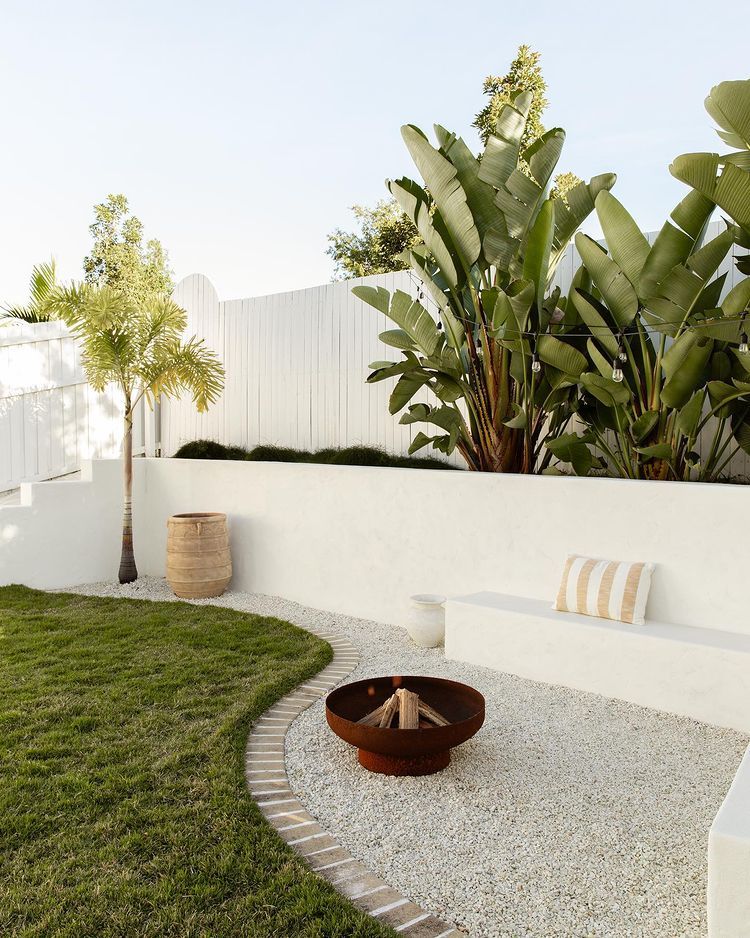
Table of Content:
Summer Renovation Ideas for Outdoor Spaces
Pool Renovations for the Summer Holidays
Creating Indoor-Outdoor Flow
Kitchen Updates Inspired by Summer Renovation Ideas
Brighten Your Bathroom for a Fresh Summer Feel
Summer Renovation Ideas: Flooring Upgrades
Summer Renovation Ideas for Outdoor Spaces
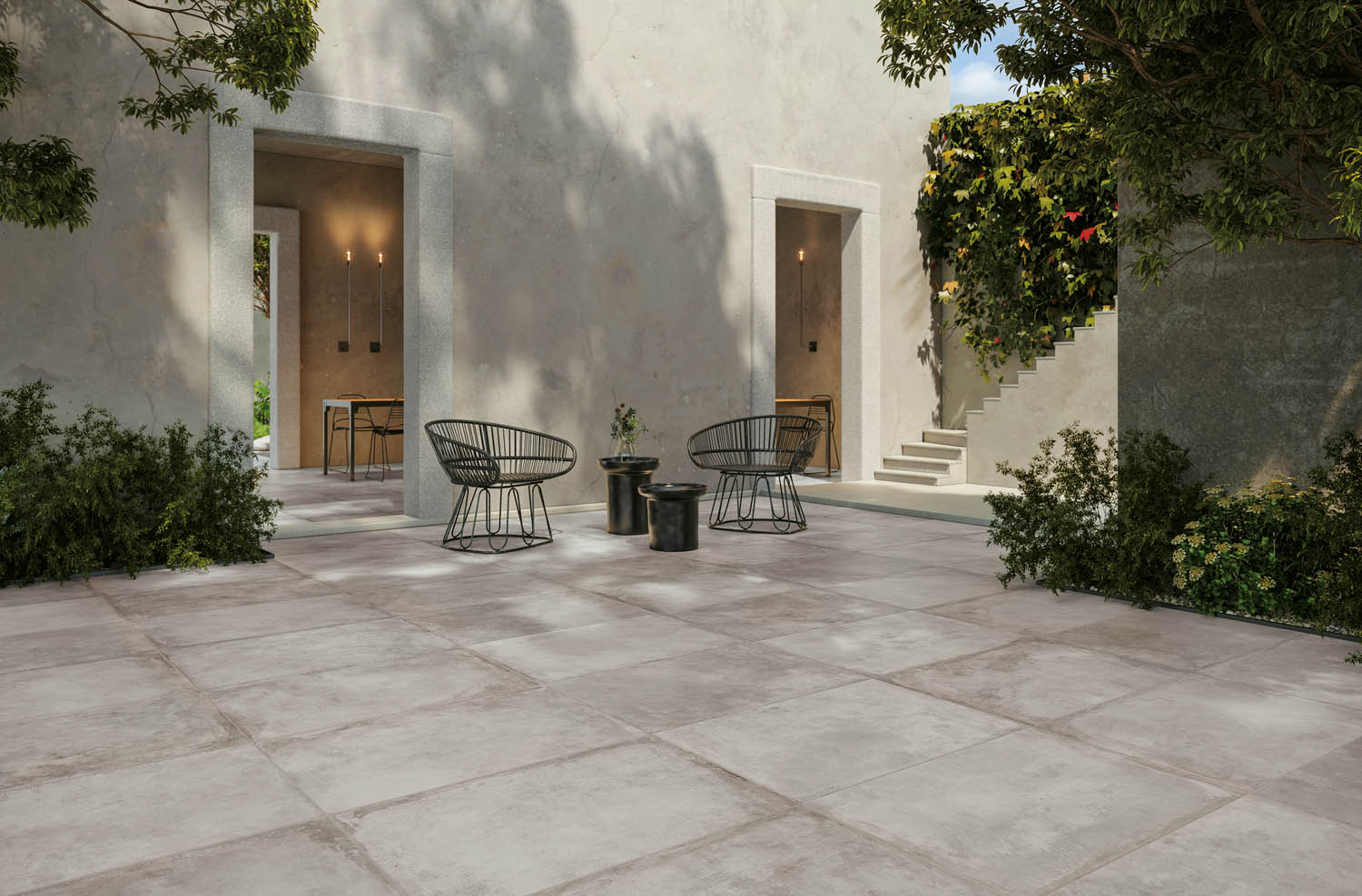
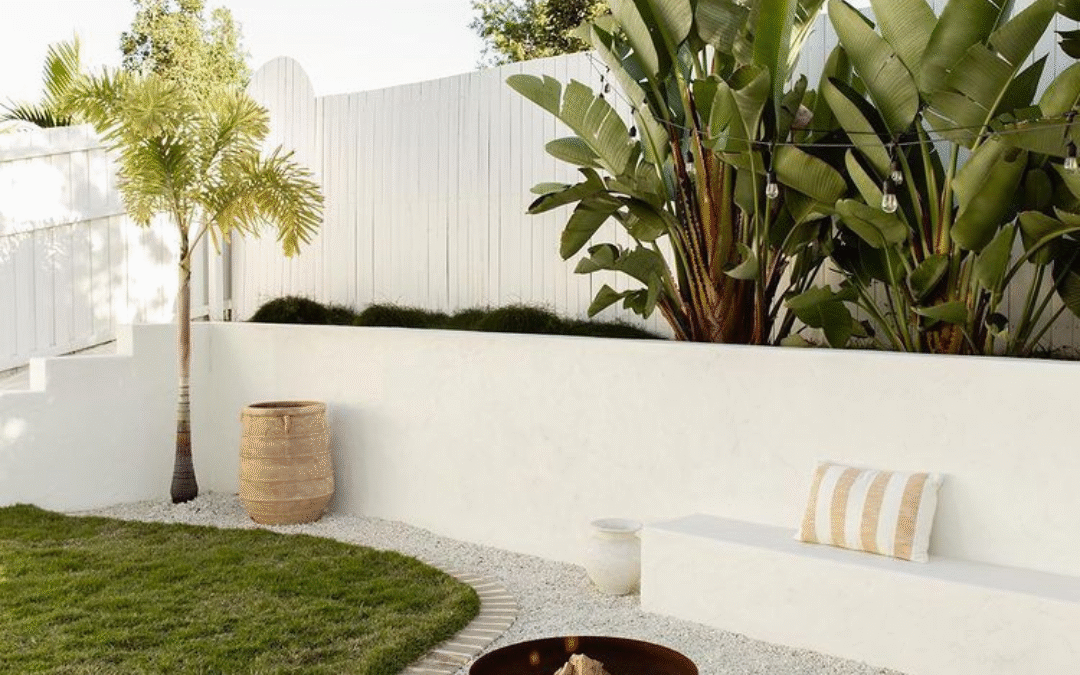
Outdoor spaces are often the heart of summer living, so giving them a seasonal upgrade can completely transform your home. Start by looking at your flooring. Large-format outdoor tiles create a clean, modern look that instantly expands your patio or entertainment area. These tiles have fewer grout lines, which means easier maintenance and a seamless visual flow. For added safety during the summer months, slip resistant tiles for outdoor use are a smart choice, especially around braai areas and walkways where the ground often gets wet.
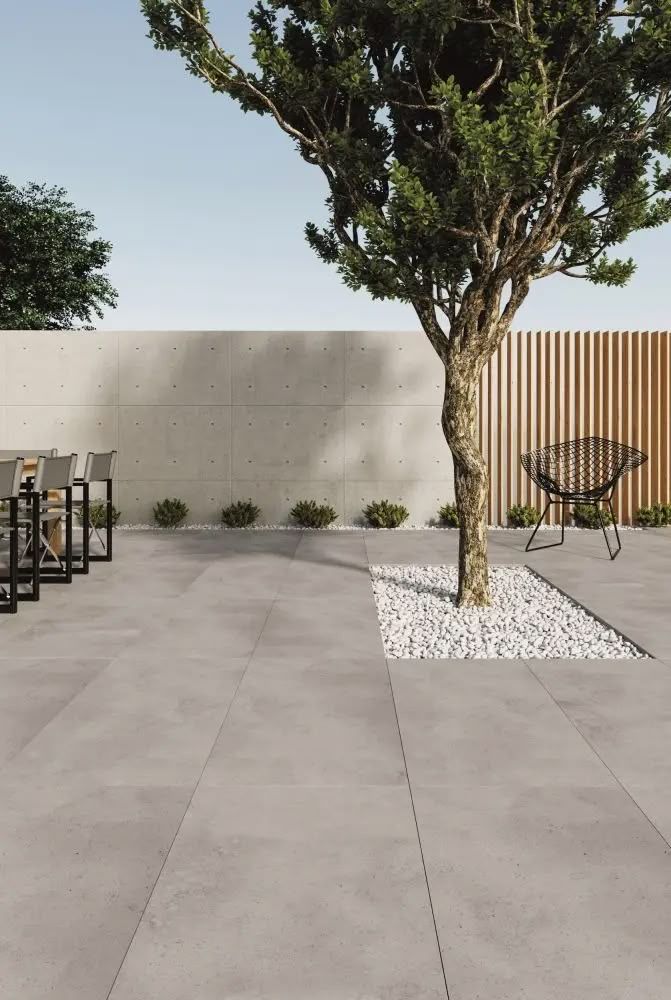
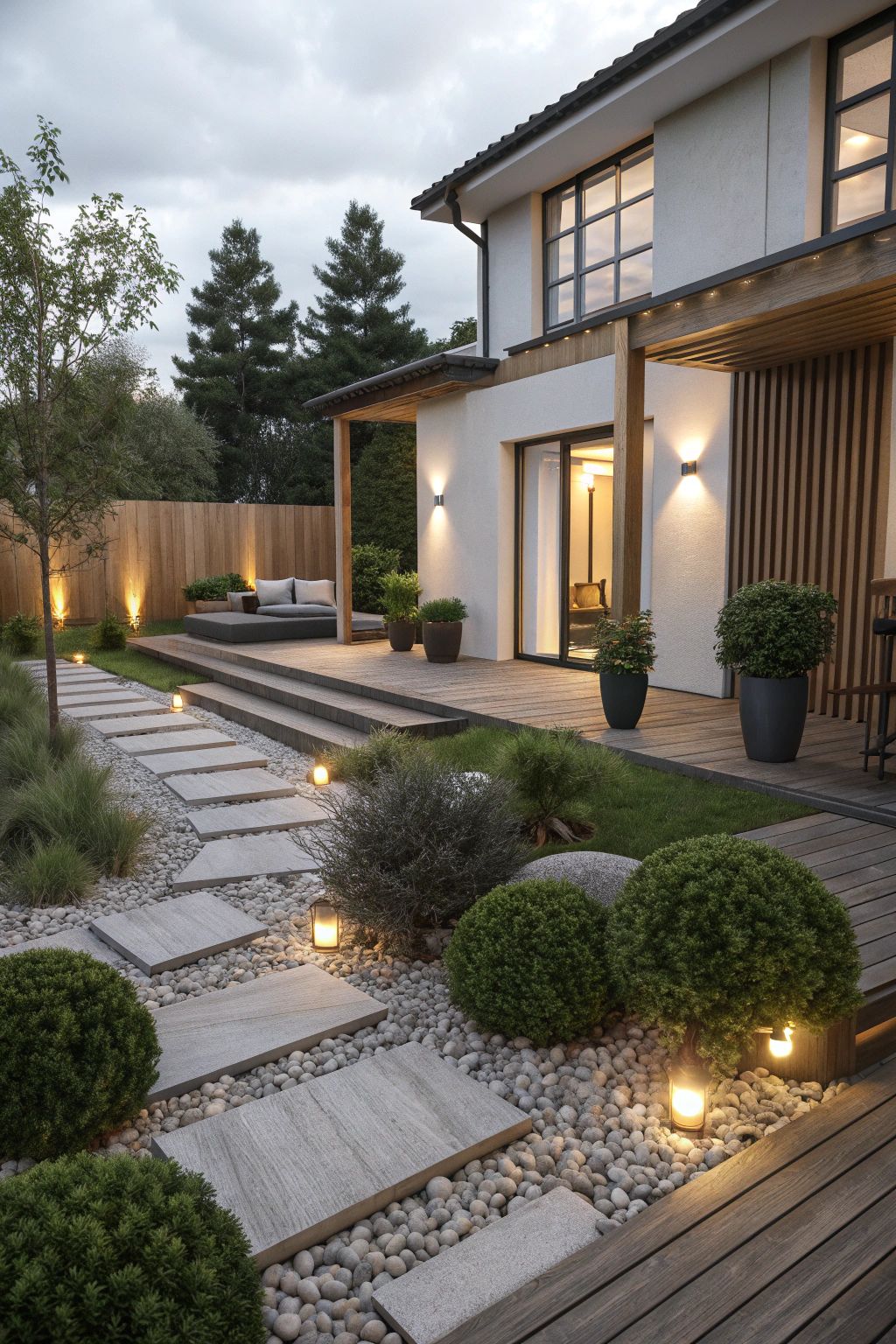
You can also update outdoor seating areas with weather-friendly furniture, soft lighting or a fresh coat of paint on exterior walls. Adding greenery like potted plants or a herb garden brings life and texture to your space without overwhelming it.
Pool Renovations for the Summer Holidays
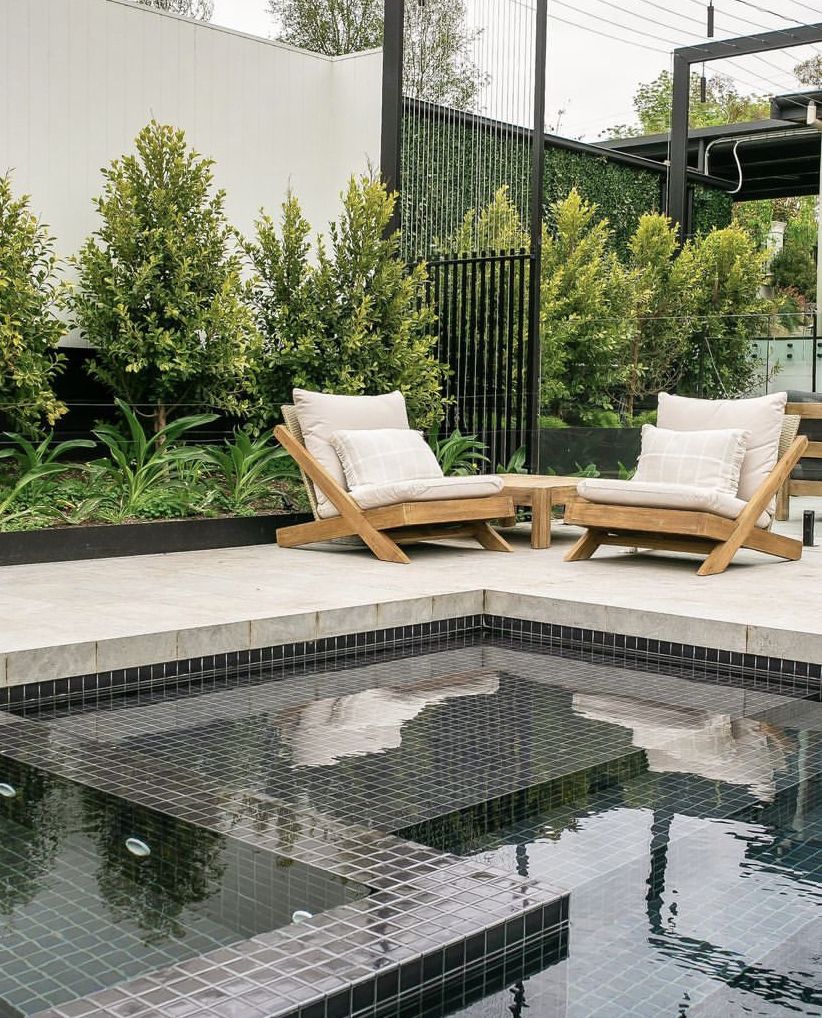
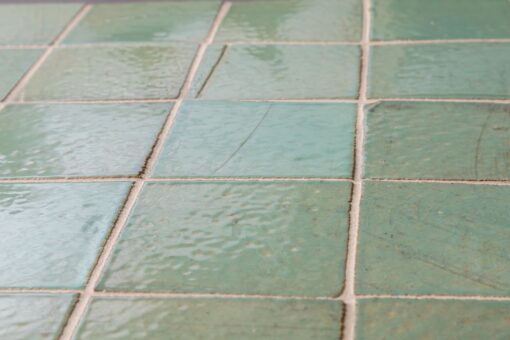
A sparkling pool is a must-have during the festive season, and mosaic swimming pool tiles can make a huge difference in the overall look. These tiles are durable, easy to clean and reflect light beautifully, giving your pool water that bright summer sparkle.
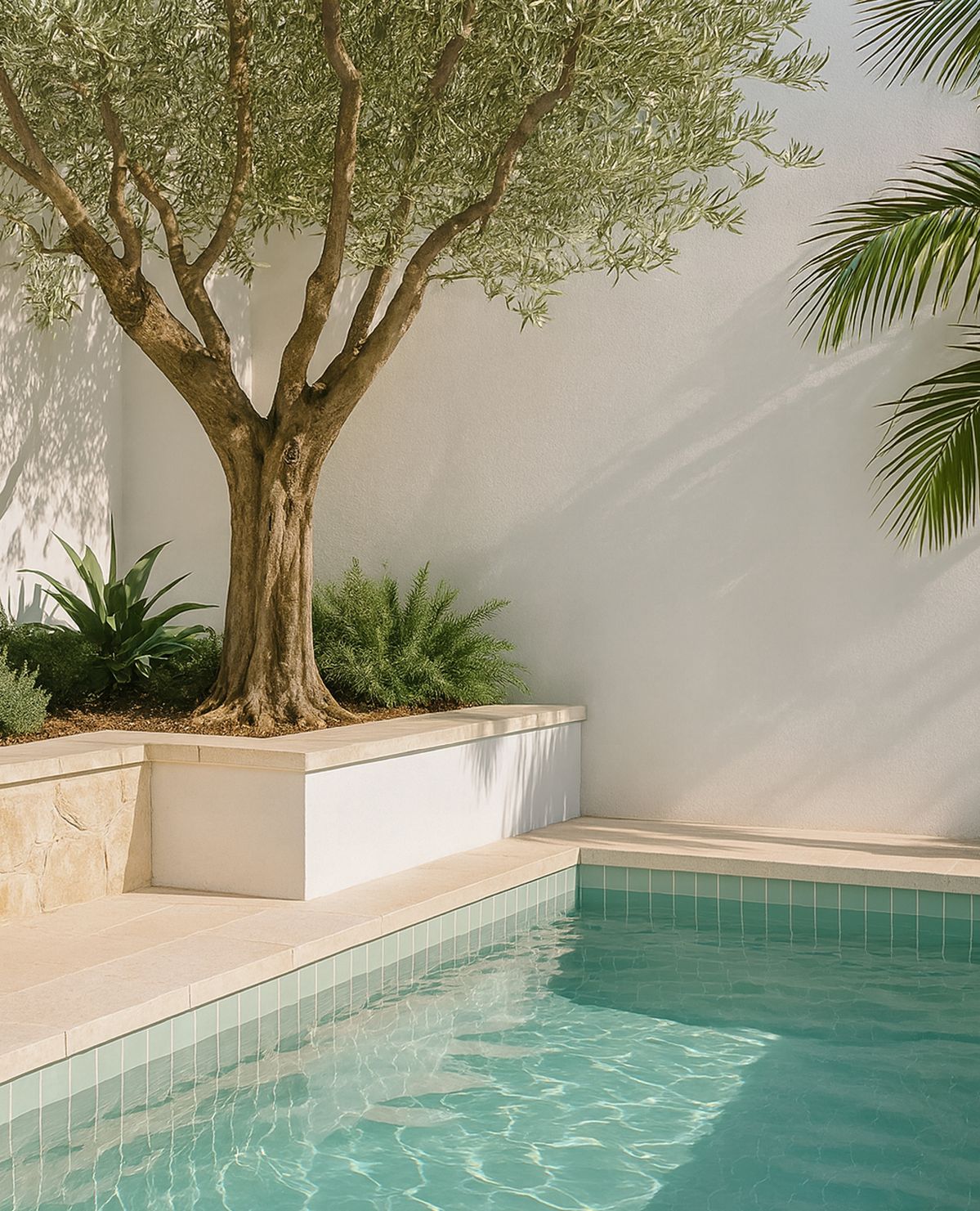
Choose shades of aqua, navy or turquoise for a fresh coastal feel. If you prefer something more modern, darker tones like charcoal blue create the illusion of depth and sophistication. Pair your pool tiles with slip-resistant outdoor tiles around the pool deck for safety and style.
Creating Indoor-Outdoor Flow
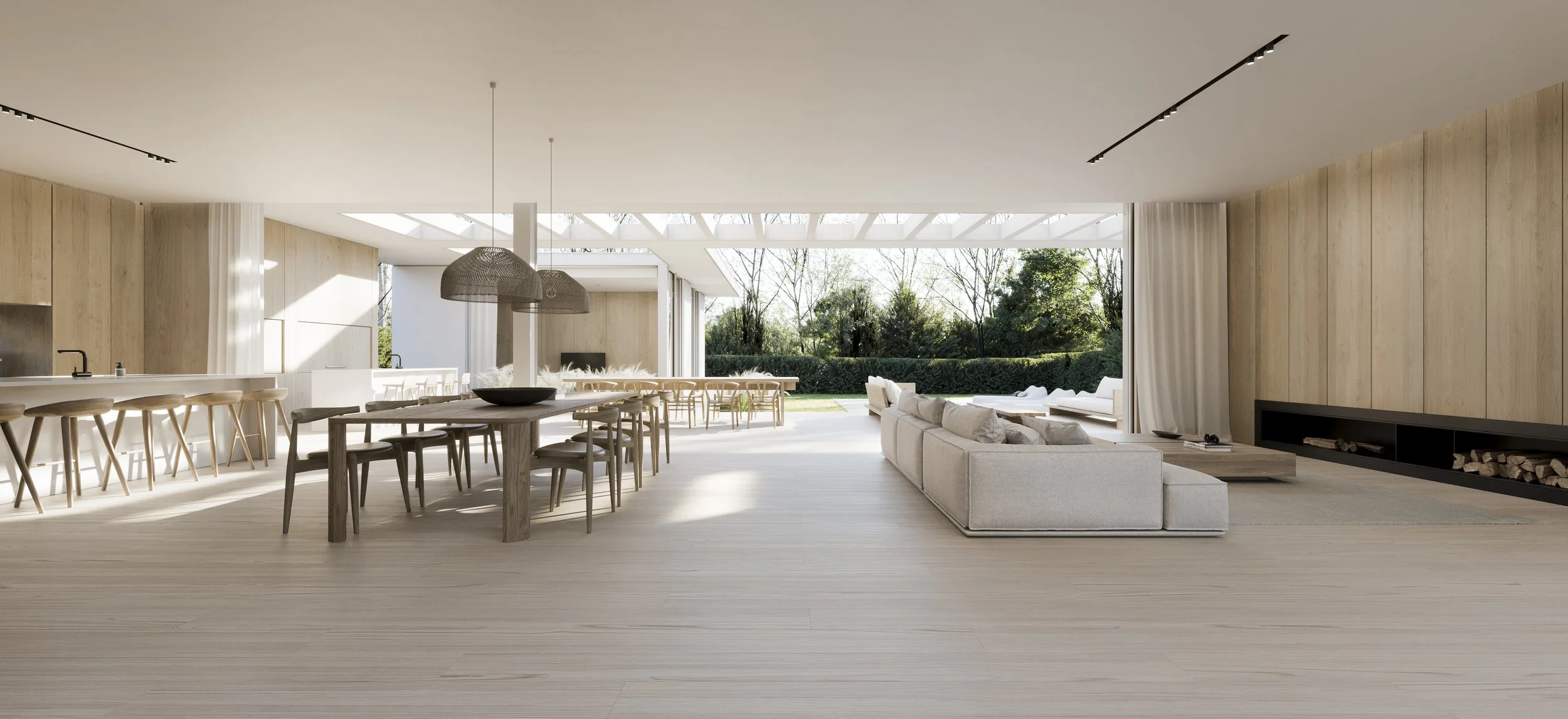
Improving the connection between your indoor and outdoor spaces is one of the most effective summer renovation ideas. You can achieve this by choosing similar colours or finishes for both areas. For example, using stone-look tiles inside and outside creates a smooth transition that feels airy and cohesive.
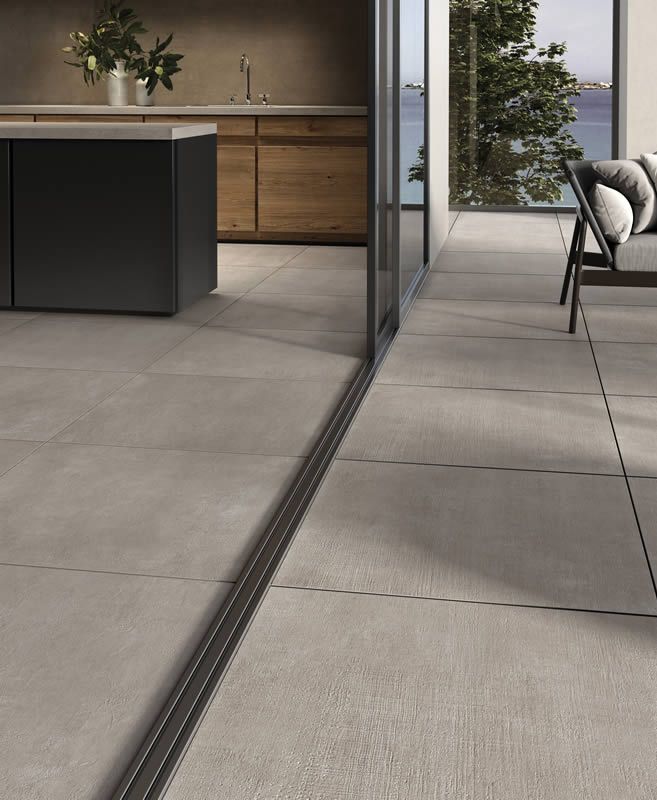
Open up living areas with stack doors or wide windows to let in natural light. Lighter wall colours, textured rugs and neutral furniture also help create a breezy summer atmosphere indoors.
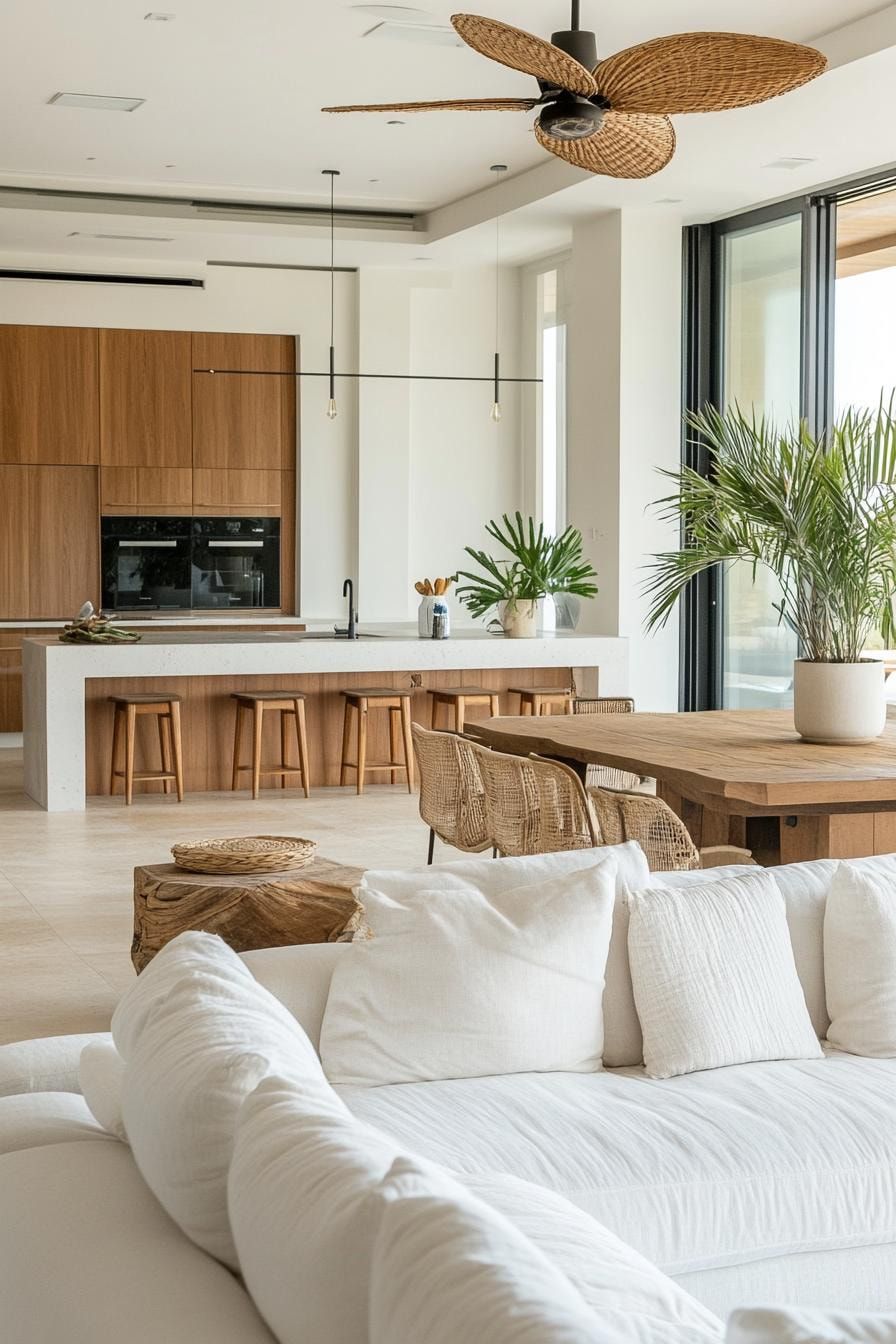
Kitchen Updates Inspired by Summer Renovation Ideas
The kitchen is often a busy space during the festive season. A few simple upgrades can make it more inviting for cooking and hosting. Consider replacing old splashbacks with fresh subway tiles or textured décor tiles for a modern touch that is easy to clean.
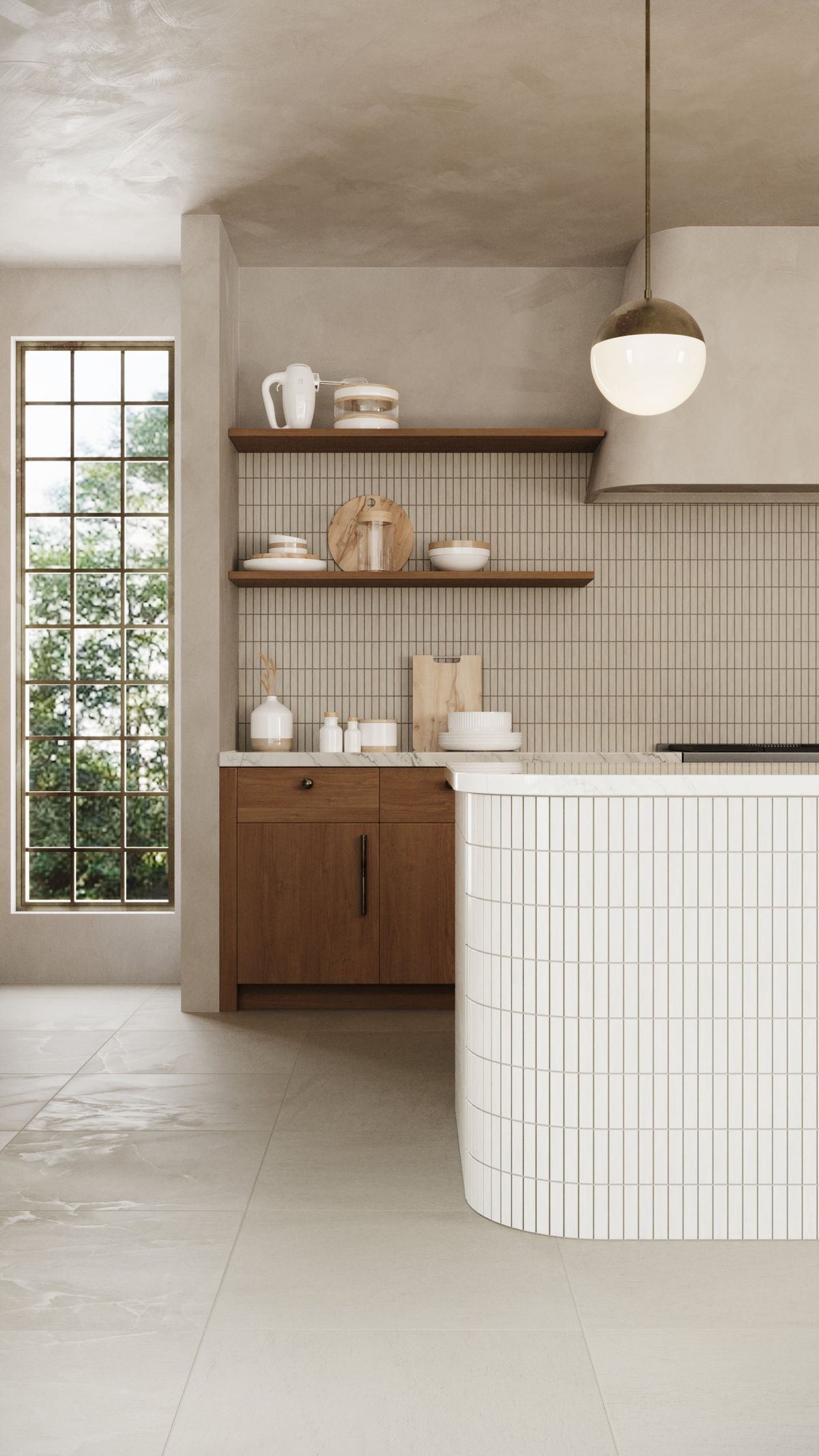
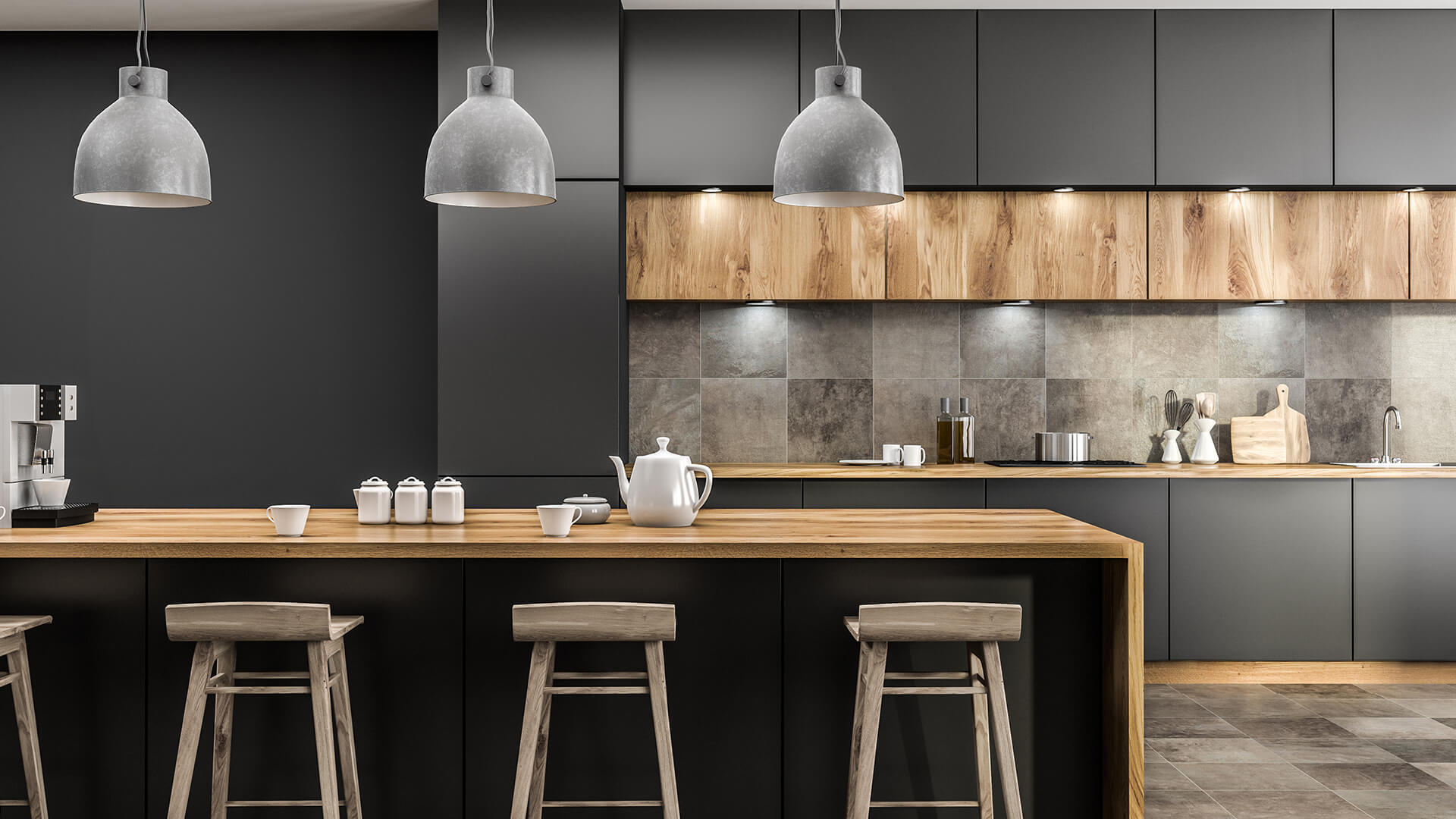
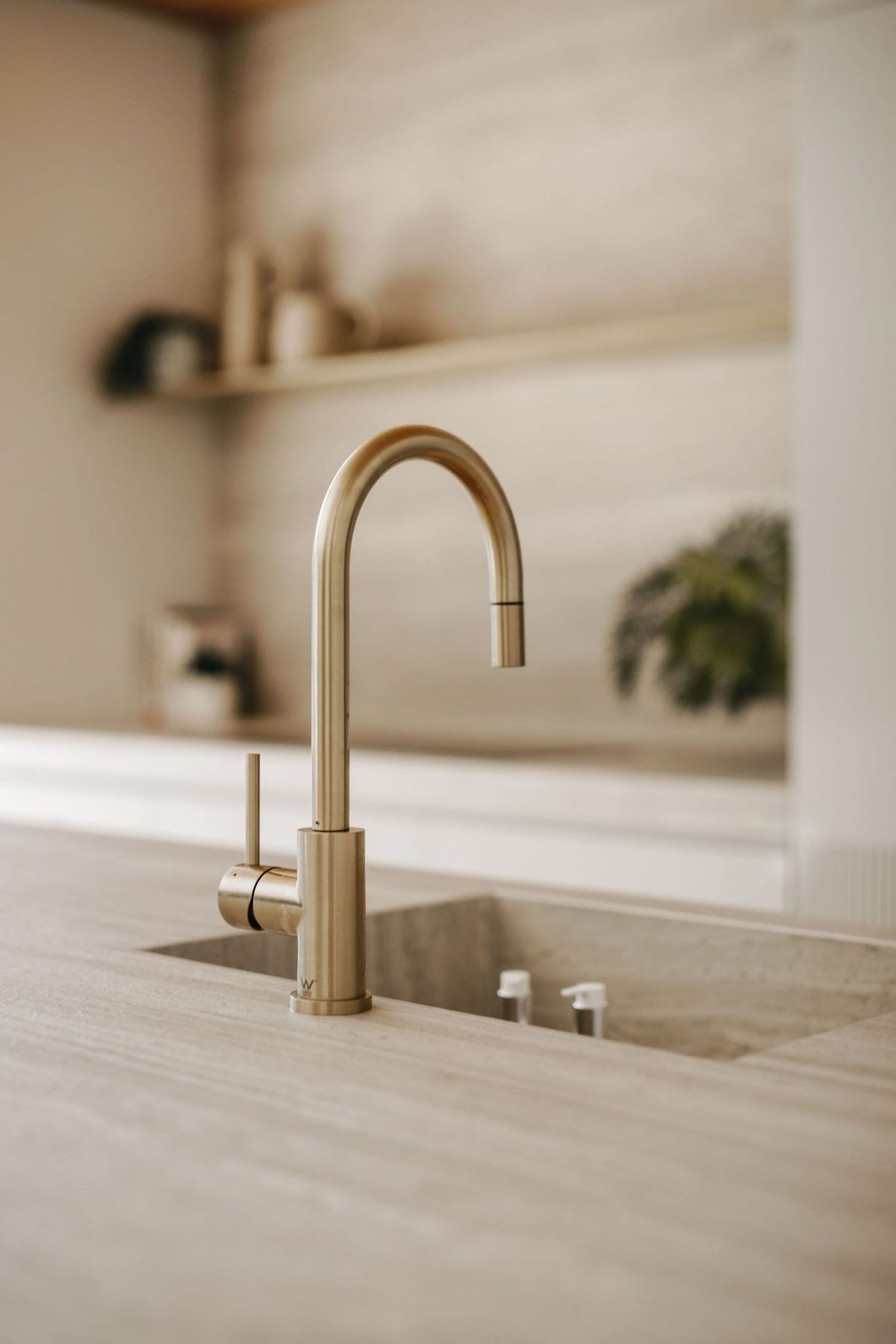
Natural materials like wood, stone or warm neutrals help create a relaxed summer feeling. If you want to go a step further, install new kitchen taps or add open shelving to display glassware or festive décor.
Brighten Your Bathroom for a Fresh Summer Feel
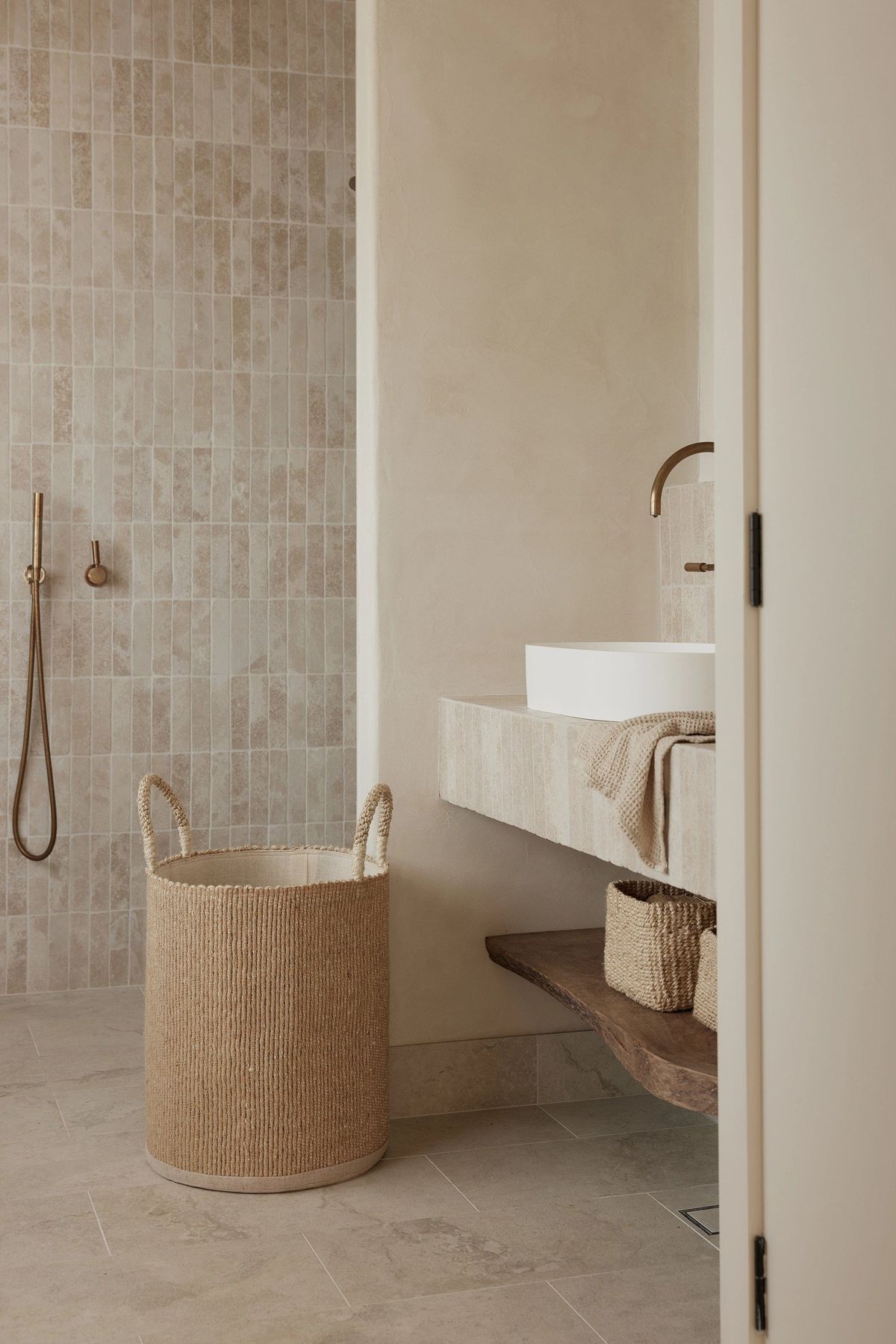
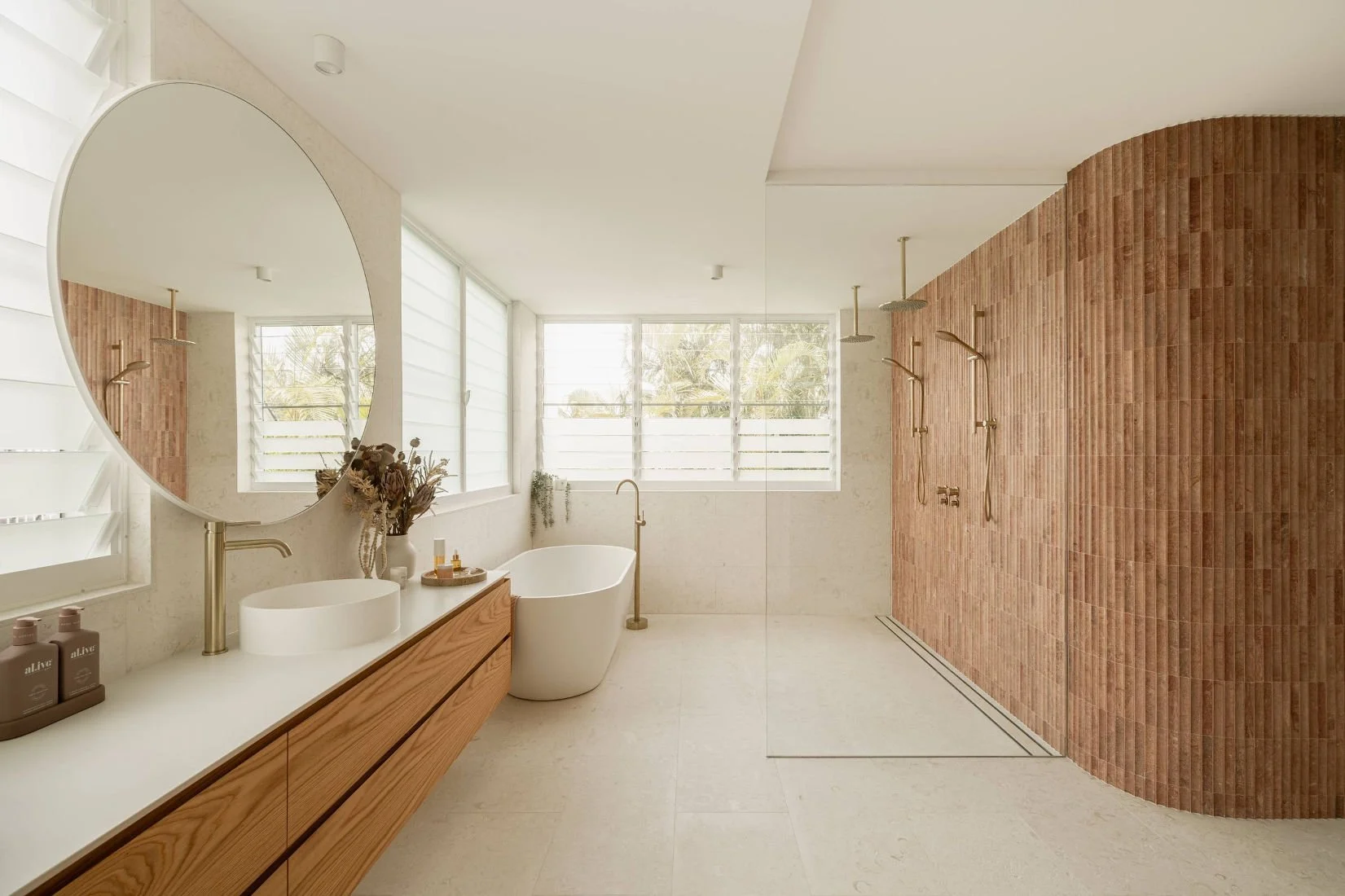
Bathrooms can feel much lighter with just a few seasonal changes. Fresh tiles in soft neutrals or subtle patterns can open up the space and make it feel more summery. Marble-look wall tiles create brightness and elegance while still being practical.
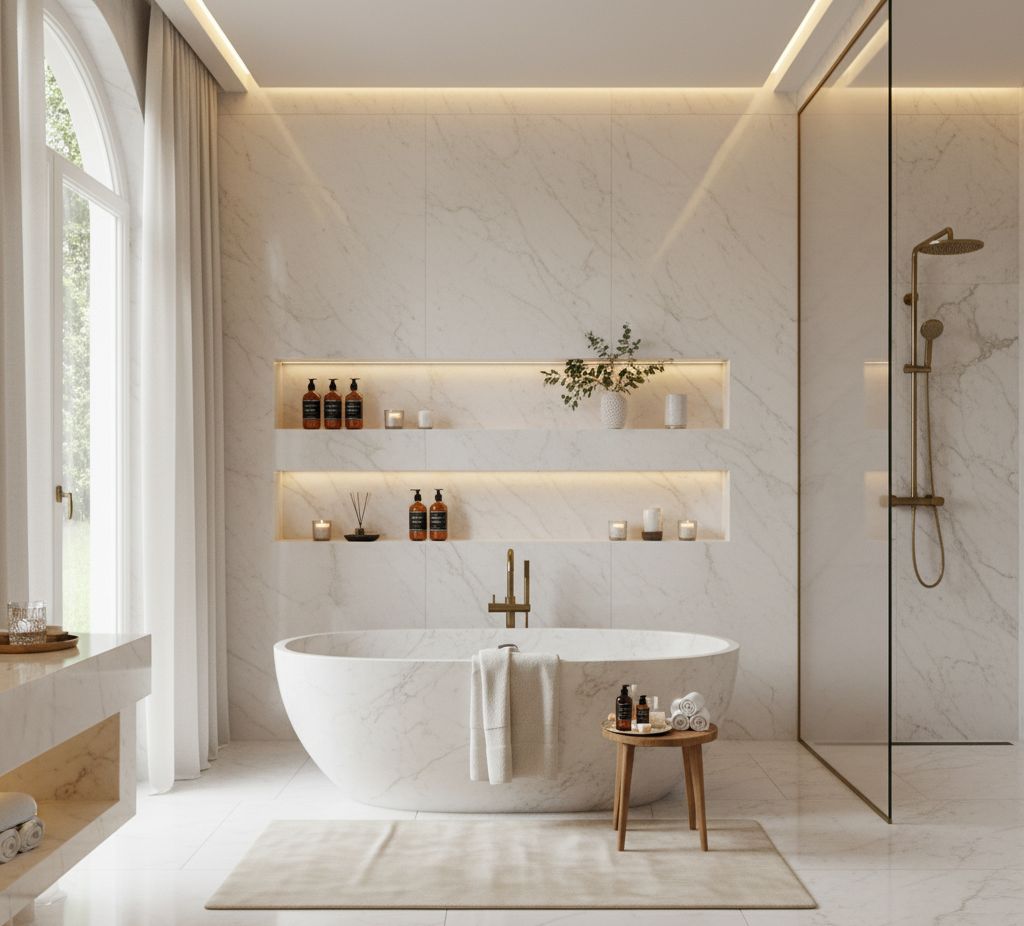
A new vanity, updated tapware or simple accessories like woven baskets or greenery can give your bathroom a homey feel. These small touches make a big impact when guests visit during the holidays.
Summer Renovation Ideas: Flooring Upgrades
Flooring upgrades are another great way to give your home a fresh start. Large-format floor tiles, vinyl flooring or laminate flooring can transform a room quickly and with minimal disruption. Lighter shades help keep spaces cool and bright, which is ideal for summer.
These options are durable, easy to maintain and perfect for high-traffic areas like living rooms or entrance halls during the holiday season.
Making changes during the warmer months can completely elevate your home and set the perfect tone for hosting family and friends. Whether you focus on outdoor tiles, pool mosaics or simple indoor upgrades, these summer renovation ideas can help create a home that feels fresh, welcoming and ready for festive living.
bathroom, blog, floors, interior design tips, kitchen, walls
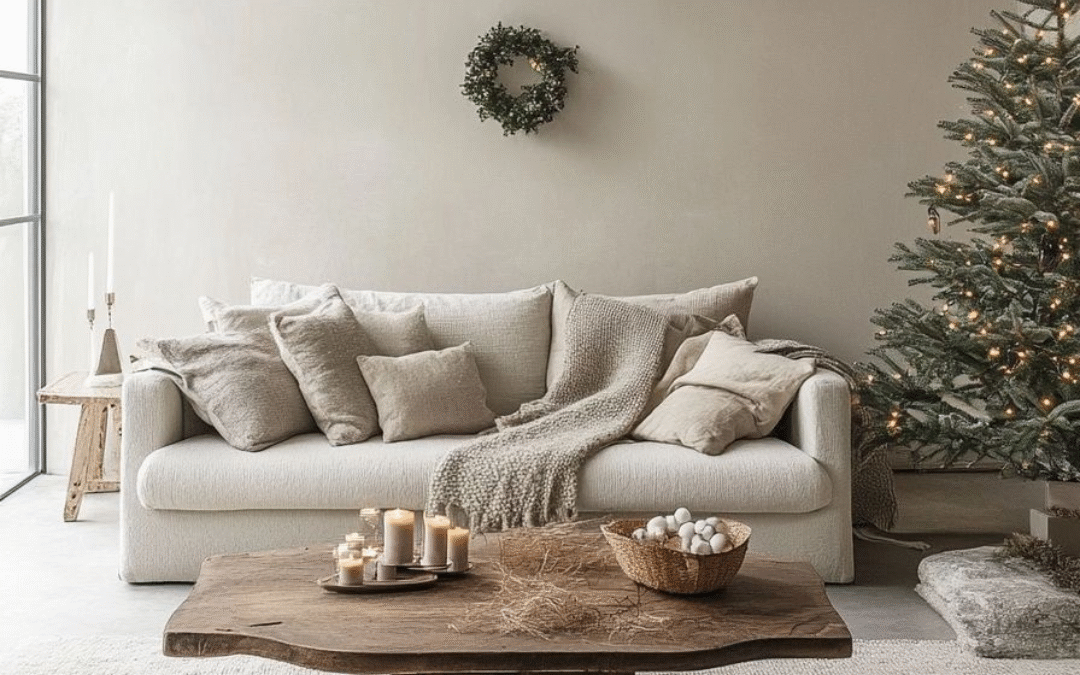
Holiday home inspiration is all about turning your home into a warm, welcoming space for Christmas without feeling cluttered or overdone. By focusing on thoughtful colour choices, natural elements and room-specific décor, you can create a festive atmosphere that feels cohesive and stylish from the kitchen to the living room.
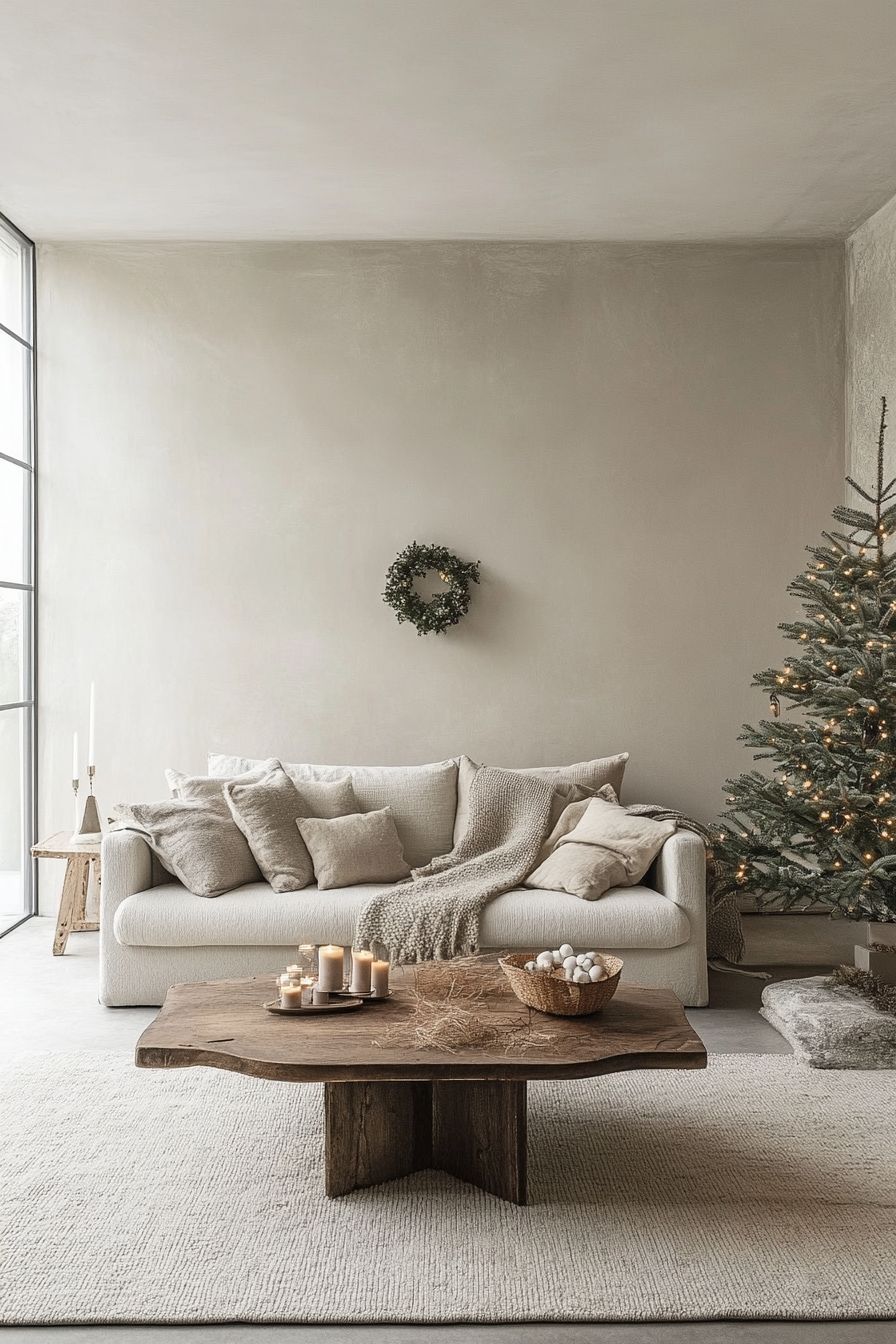
Table of Content:
Creating a Cohesive Look with a Unified Colour Palette
Incorporating Nature and Natural Elements
Holiday Decorating Ideas for the Kitchen
Dining Room Holiday Inspiration
Living Room Holiday Décor Ideas
Adding Festive Touches to the Bathroom
Creating a Cohesive Look with a Unified Colour Palette
A unified colour palette is key to achieving holiday home inspiration that feels intentional. Choose two or three primary colours and use them consistently across rooms.
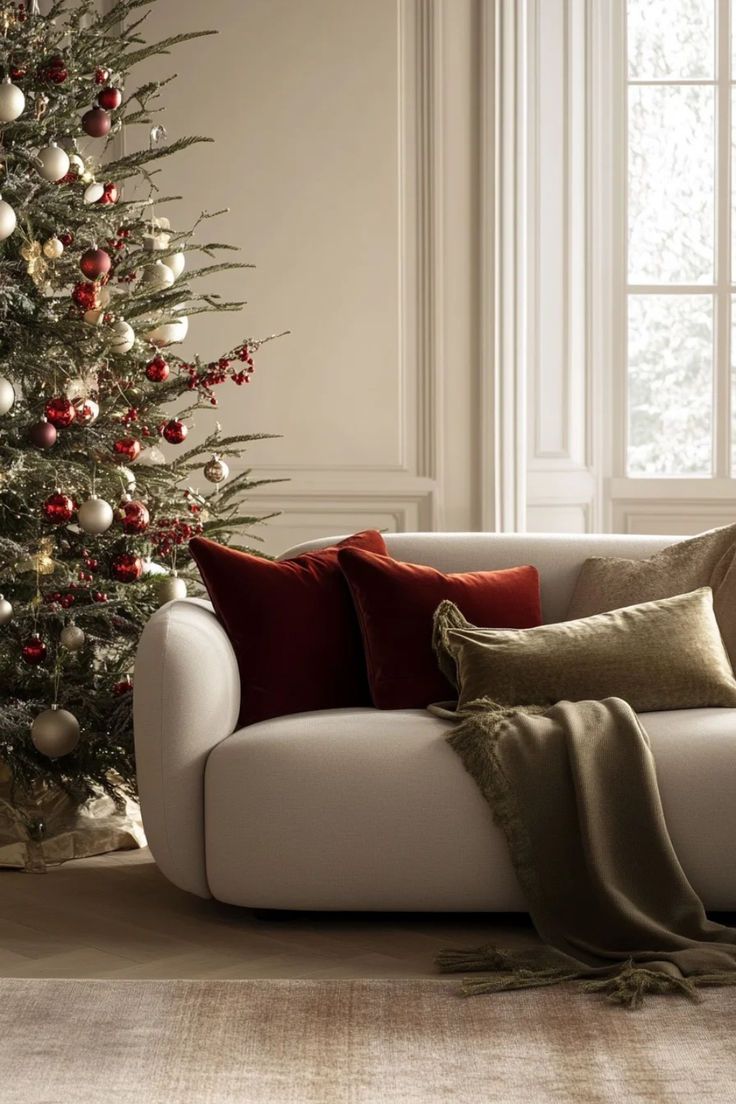
Classic Christmas tones like deep greens, rich reds and soft golds work beautifully, but muted shades like sage, cream and warm neutrals can create a modern and serene festive vibe.
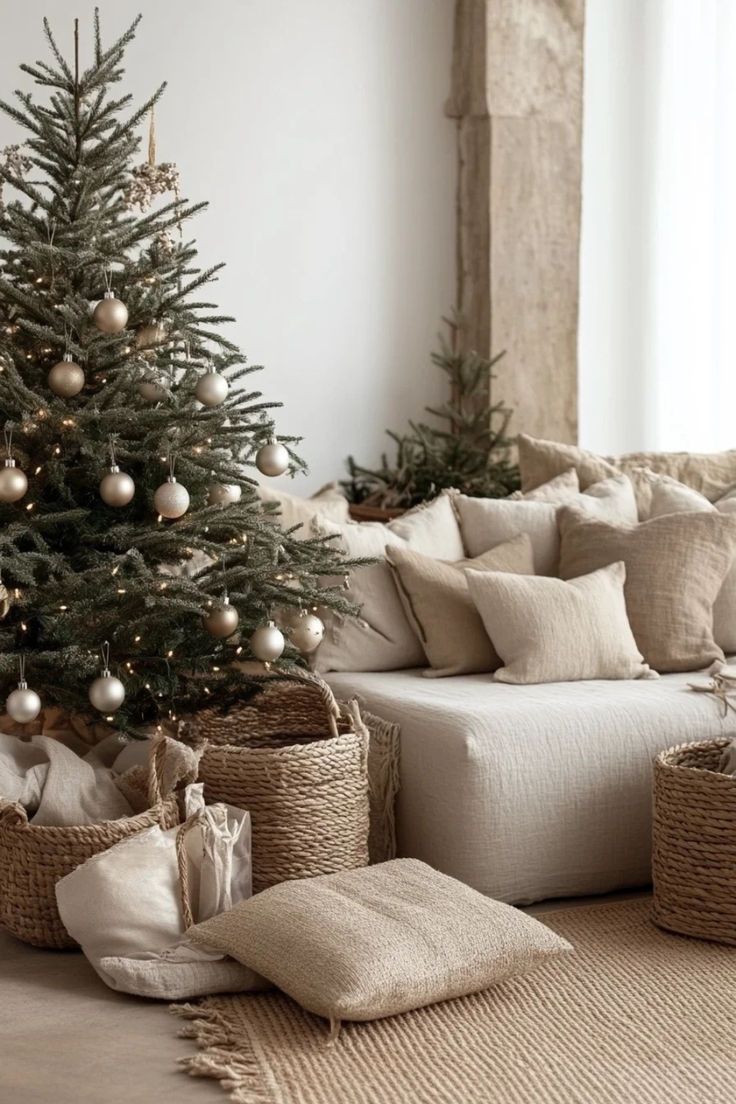
Layer in accents like cushions, throws or table runners in coordinating shades to tie the whole look together.
Incorporating Nature and Natural Elements
Natural elements bring warmth and texture to your holiday home. Think fresh pine garlands, eucalyptus branches, or dried orange slices for subtle decoration.
Wooden accents, wicker baskets and stone-look tiles can add depth and interest while keeping the overall style grounded.
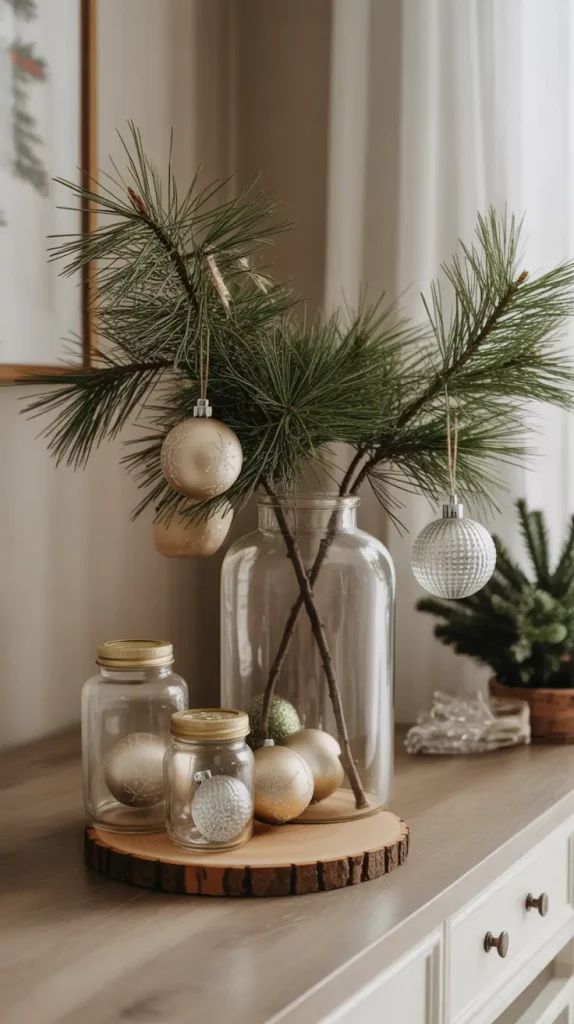
Nature-inspired décor not only enhances your festive look but also makes your home feel inviting and relaxed.
Holiday Decorating Ideas for the Kitchen
The kitchen is often the heart of holiday gatherings, so it’s a perfect place to focus your festive energy.
Add a small garland along the countertop or hang wreaths on cabinet doors.
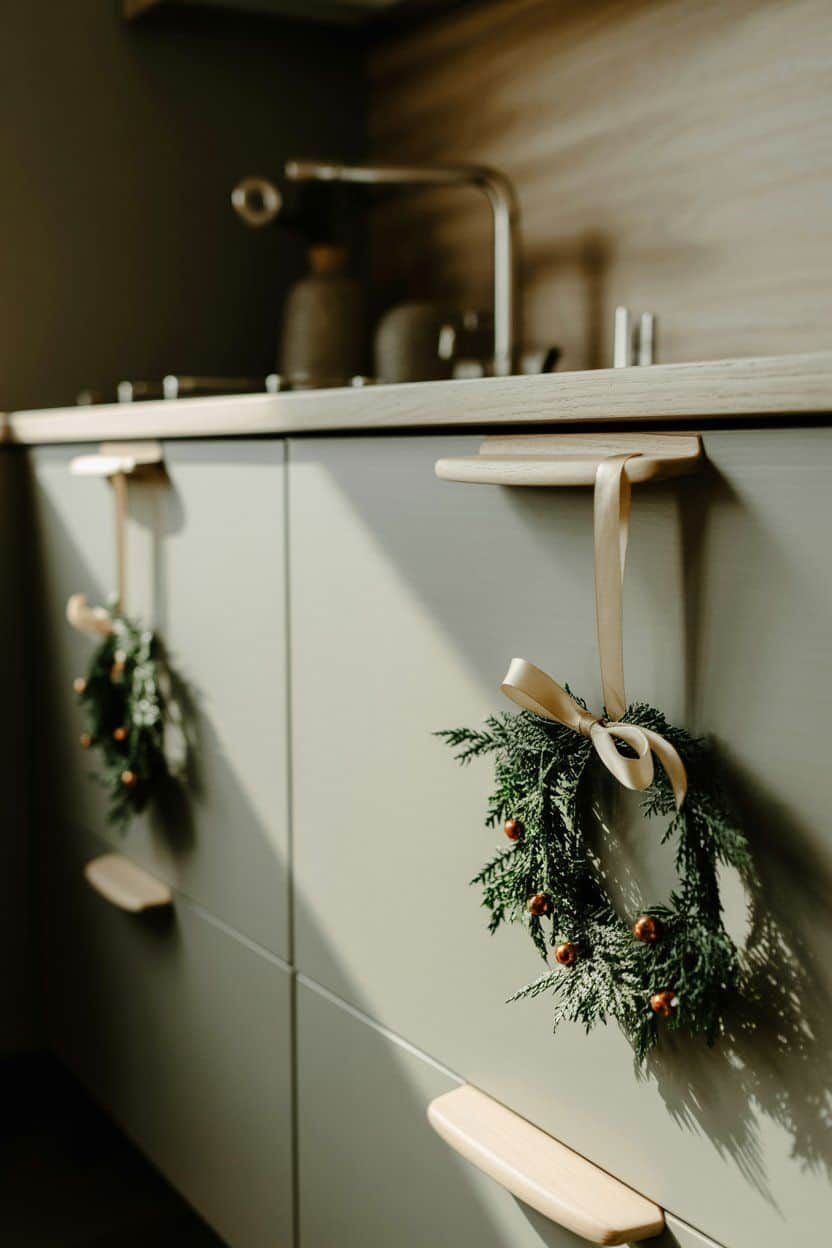
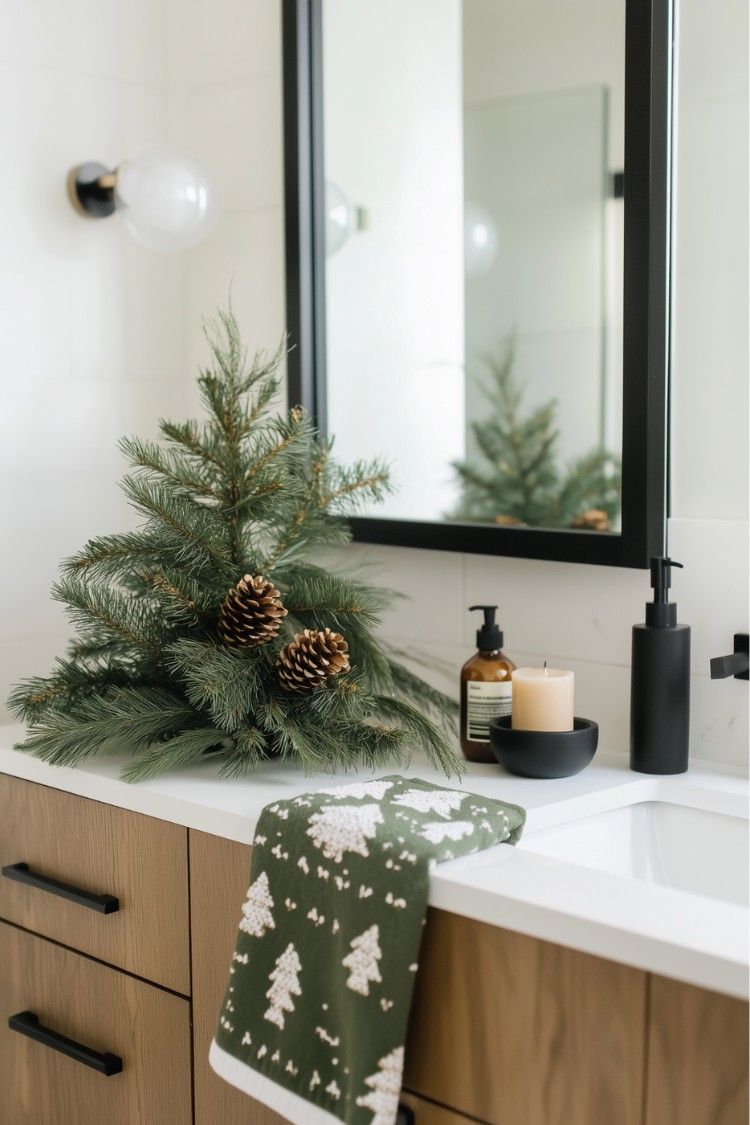
Incorporate natural elements like pinecones or small potted herbs for a seasonal touch.
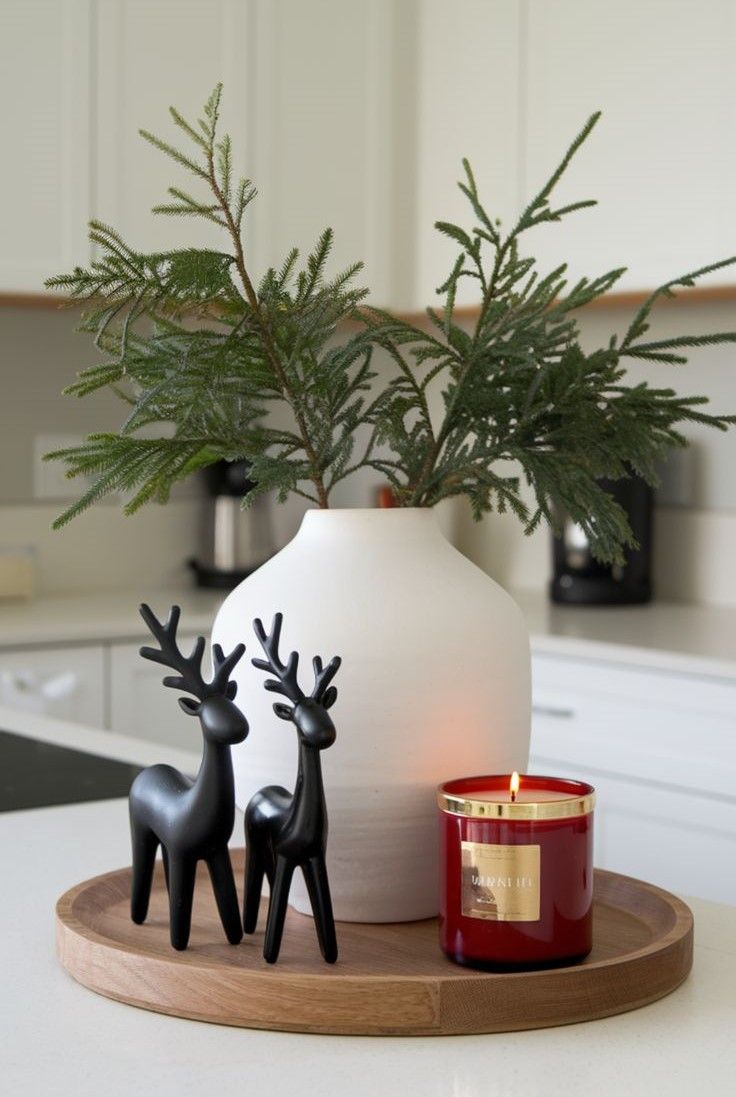
Even your tableware can reflect your colour palette with festive placemats, napkins or mugs to create a cohesive and cheerful space.
Dining Room Holiday Inspiration
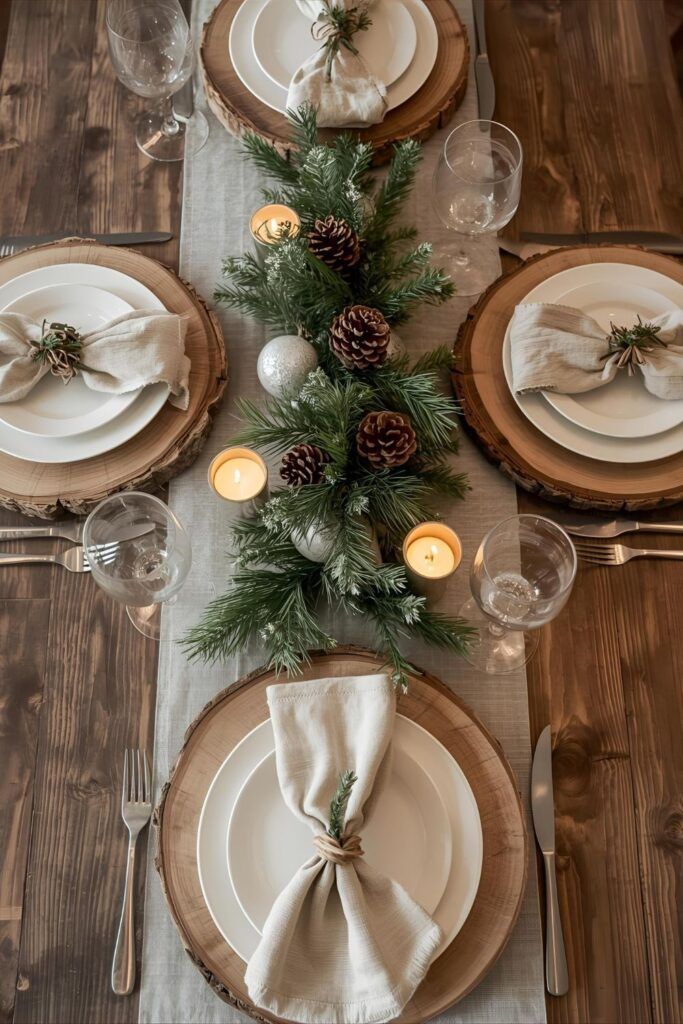
The dining room is where friends and family come together, so make it festive yet functional. Use your colour palette for table runners, candles and centrepieces. A mix of textures, such as linen napkins, wooden serving boards and metallic accents, can elevate the space. Don’t forget to incorporate nature with greenery or a small festive tree to add life and warmth to the room.
Living Room Holiday Décor Ideas
The living room is often the showpiece for your holiday home inspiration.
Focus on layers and textures with throws, cushions and rugs that match your chosen palette.
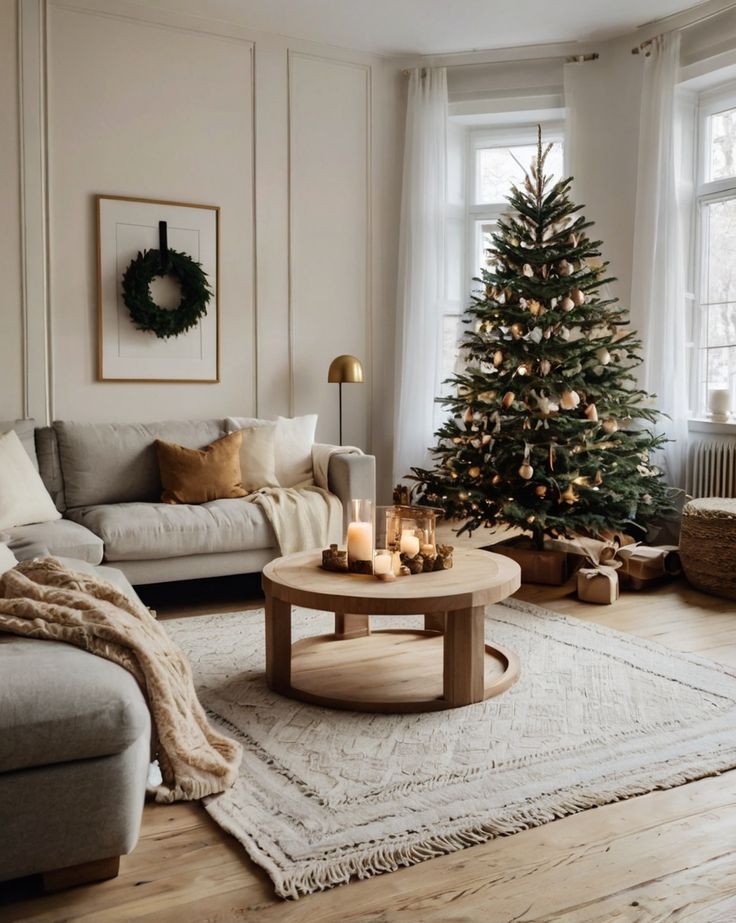
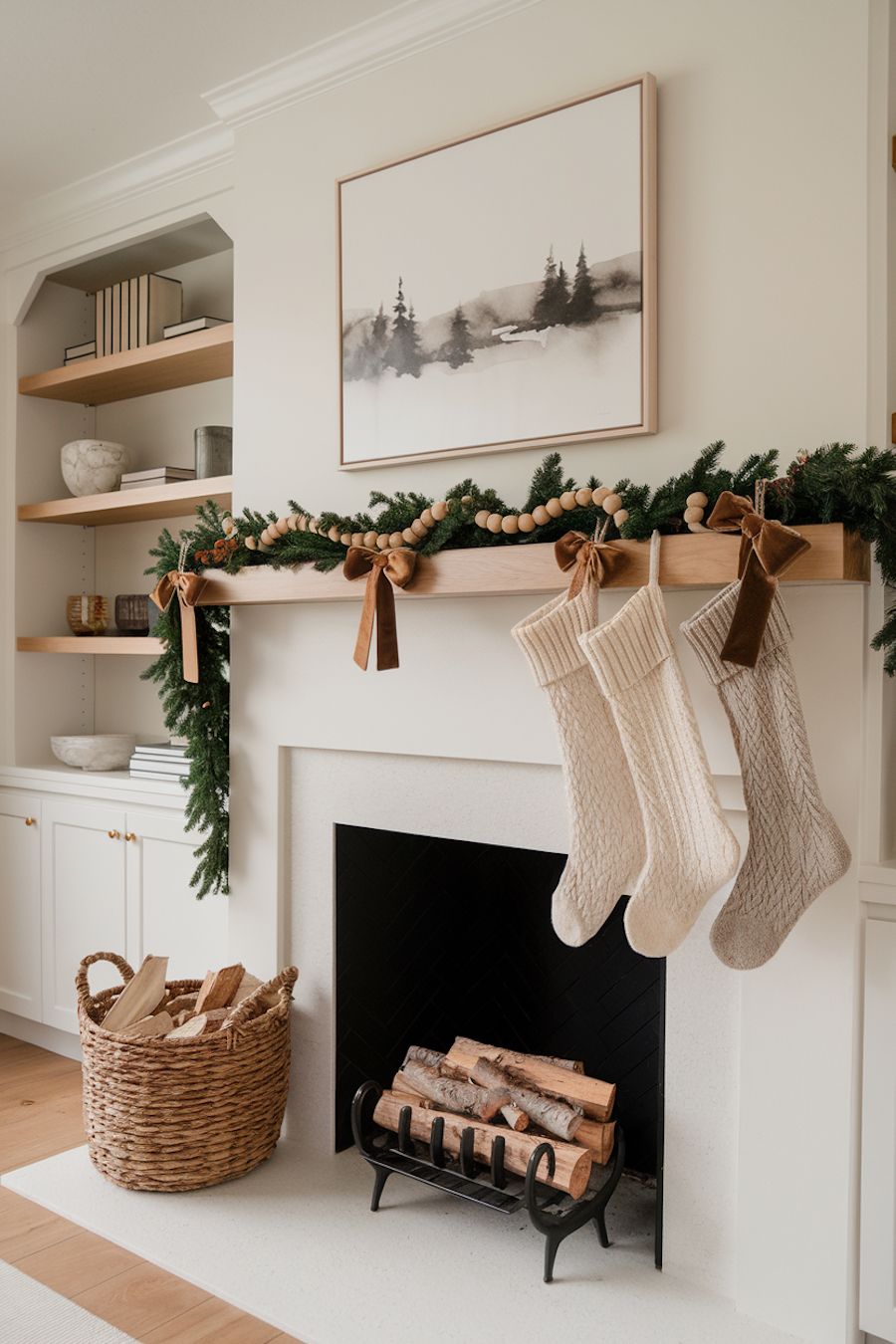
Add seasonal decorations like a statement Christmas tree, fairy lights or a fireplace display.
Try to balance festive elements with everyday décor so your living room feels cozy but not overcrowded.
Adding Festive Touches to the Bathroom
Even bathrooms can carry holiday cheer without being over the top.
Swap out hand towels for festive versions, add a small vase of greenery or pinecones, and consider subtle scented candles to evoke the season.
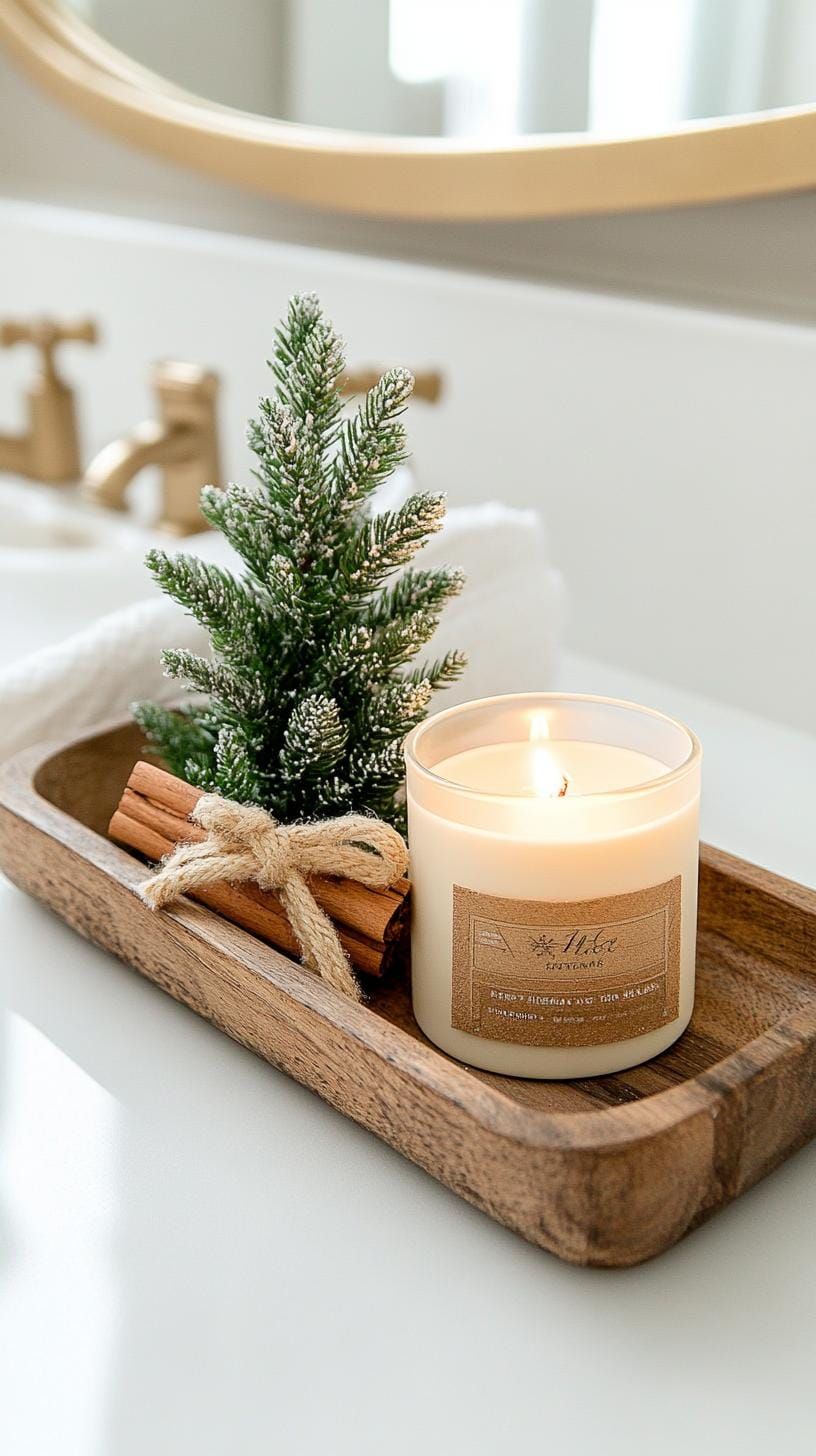
Small touches like soap dispensers or ornaments in your palette can tie the bathroom into the rest of your home’s holiday look.
Creating holiday home inspiration is all about thoughtful design and cohesive styling. By sticking to a unified colour palette, incorporating natural elements and tailoring decorations to each room, you can make your home feel festive, welcoming and stylish this Christmas. Small touches can go a long way, helping you celebrate the season in comfort and style.
blog, floors, walls
Nothing ruins a beautiful space faster than poor tile installation when it comes to renovating your home. Uneven surfaces, crooked lines or loose tiles not only look bad but can also lead to long-term damage and expensive repairs. Learning how to spot poor workmanship early can save you time, money and frustration.
Table of Content:
Common Signs To Watch Out For
Why Poor Tile Installation Happens
How to Fix Poor Tile Installation
Preventing Tile Problems in the Future
Browse our range of affordable installation essentials
Common Signs To Watch Out For
The first thing to look out for is uneven or misaligned tiles. When tiles aren’t properly spaced or level, it’s usually a sign that the installer rushed the job or didn’t prepare the surface correctly. You might notice inconsistent grout lines or tiles that slope slightly when you run your hand across them.
Another clear indicator of poor tile installation is hollow-sounding tiles. Tap gently on the surface — if it sounds hollow, it means there are air pockets underneath due to insufficient adhesive coverage. Over time, these tiles may crack or pop loose.
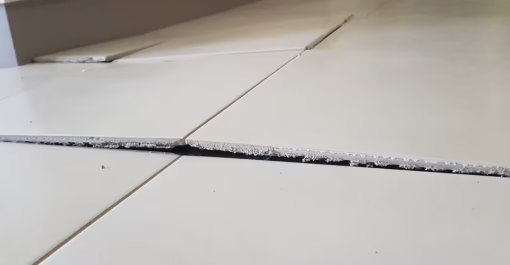
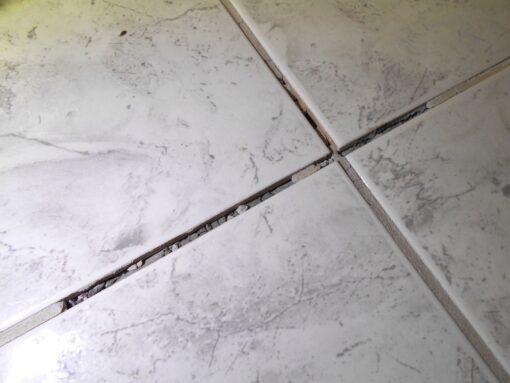
Finally, check the grout. Cracked, crumbling or discoloured grout is often a sign that the tiles weren’t sealed correctly or that low-quality grout was used.
Why Poor Tile Installation Happens
Most tile issues come down to poor preparation. When the subfloor or wall isn’t level, tiles will naturally sit unevenly. Using the wrong adhesive or skipping primer can also cause problems later on.
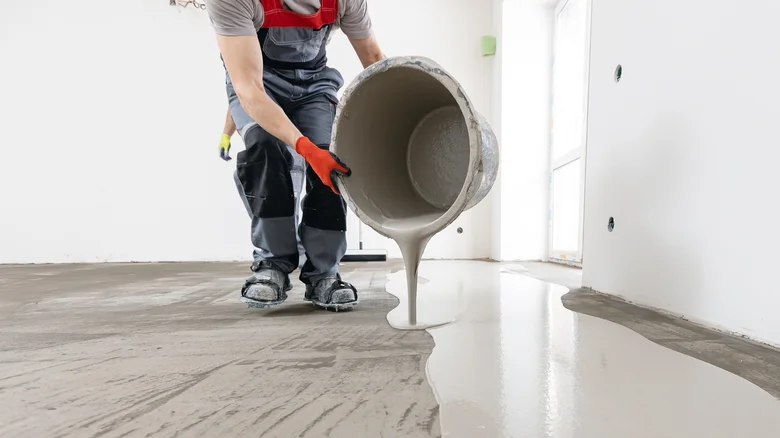
Rushing the job is another common cause. Tile installation requires patience, precision and drying time between each step. When installers skip these stages, the result may look fine at first but quickly deteriorates.
How to Fix Poor Tile Installation
If you’ve spotted issues, don’t panic. The first step is identifying how severe the problem is. For small fixes — such as uneven grout or loose edges — re-grouting or replacing a few tiles might do the trick. Make sure to clean the area thoroughly before reapplying adhesive or grout to ensure it bonds properly.
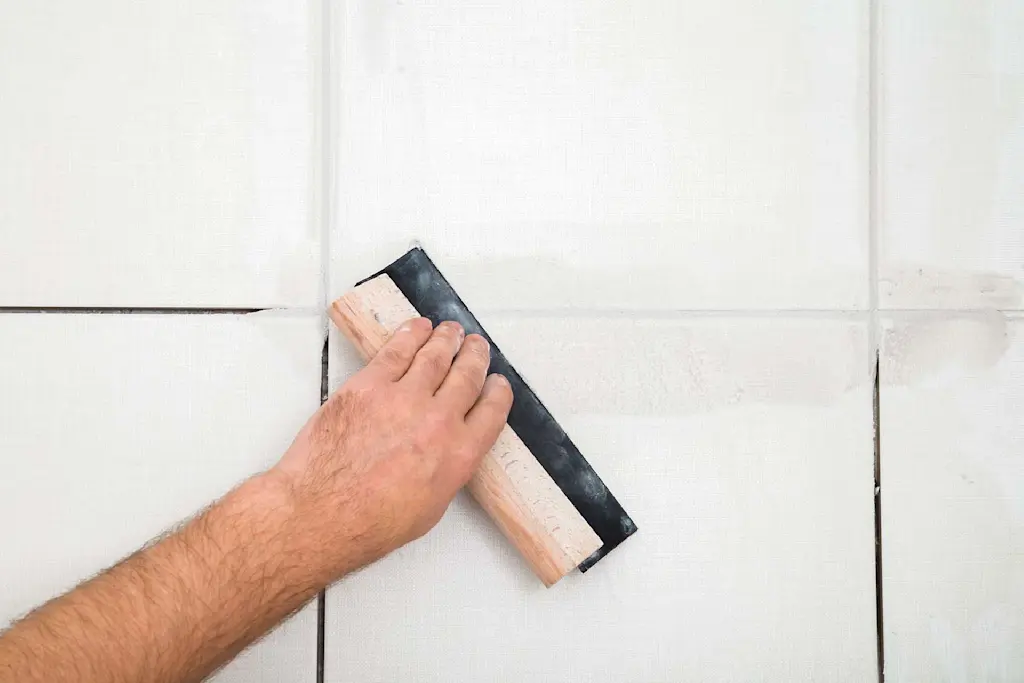
For bigger issues, such as widespread hollow tiles or major alignment problems, you might need to remove and reinstall the affected sections. In this case, it’s worth calling in a professional tiler who can assess the damage and provide a proper solution.
Preventing Tile Problems in the Future
The best way to avoid poor results is by hiring experienced professionals who know what they’re doing. Always check previous work, read reviews and ask about the installation process. Reliable tilers will take the time to prepare the surface, use quality materials and apply the correct techniques.
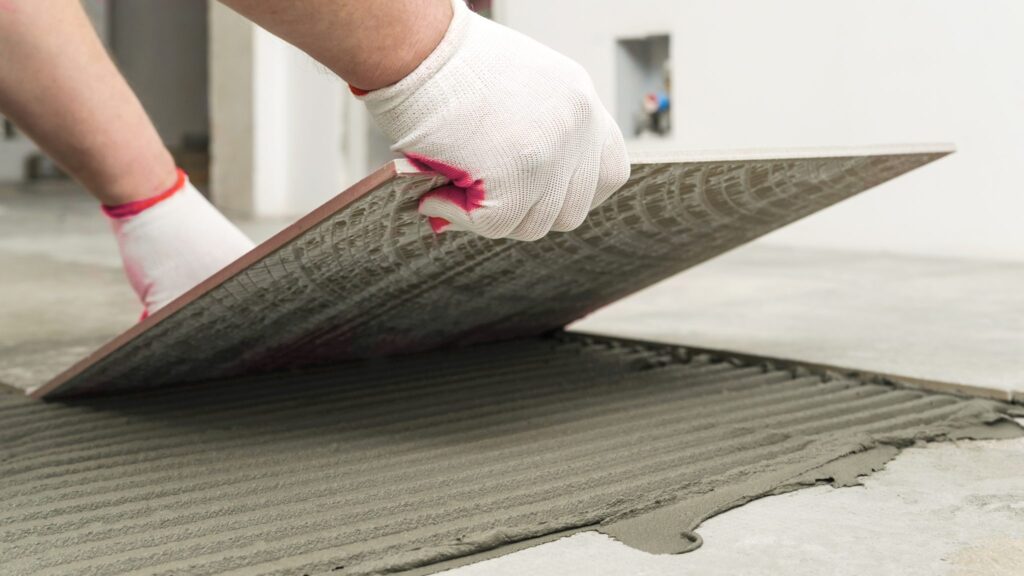
If you’re attempting a DIY project, make sure you follow the manufacturer’s guidelines for adhesives, spacers and grout. Don’t rush — take your time to plan your layout, level your surfaces and let everything dry fully before moving on to the next step.
Want to avoid future tile problems? Read our blog “tile tutorial: 7 reasons your floor tiles crack (& how to prevent it)” here for expert tips and practical solutions.
Poor tile installation doesn’t just affect how your home looks — it impacts durability, functionality and even safety. By learning to spot the warning signs early, you can fix small issues before they turn into costly problems. Whether you’re tackling it yourself or hiring a professional, attention to detail is key to achieving a finish that lasts for years.
Browse our range of affordable installation essentials
bathroom, blog, kitchen
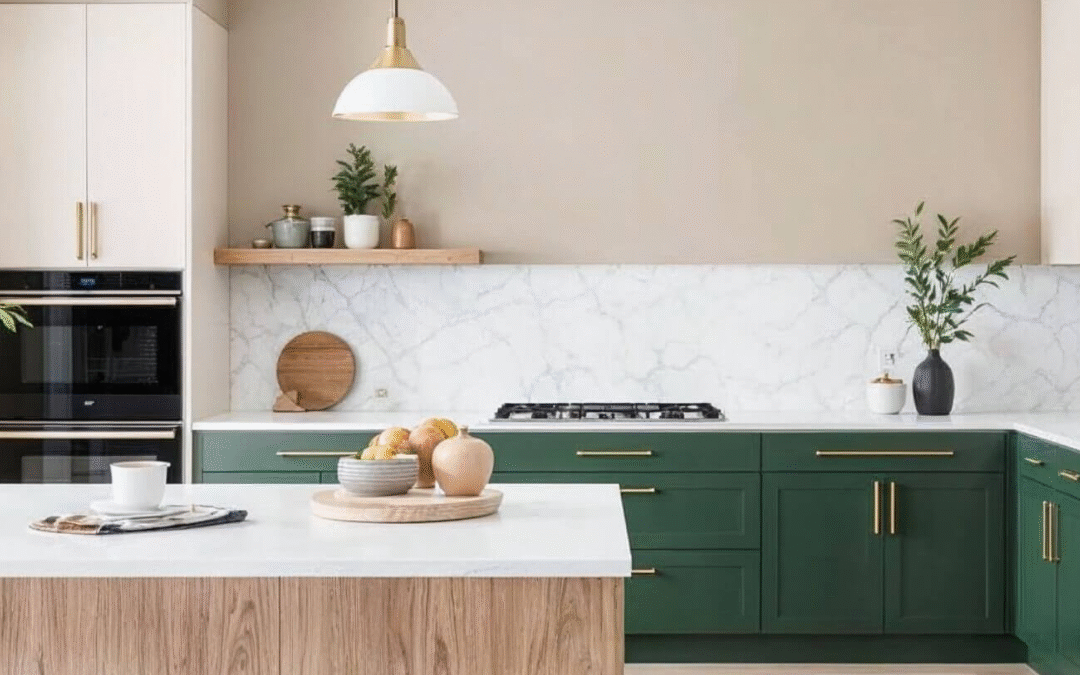
Kitchen and bathroom designs that age gracefully never go out of style. They’re spaces that look just as beautiful years from now as they do today. By focusing on timeless elements, neutral colours and high-quality finishes, you can create interiors that evolve effortlessly with your lifestyle.
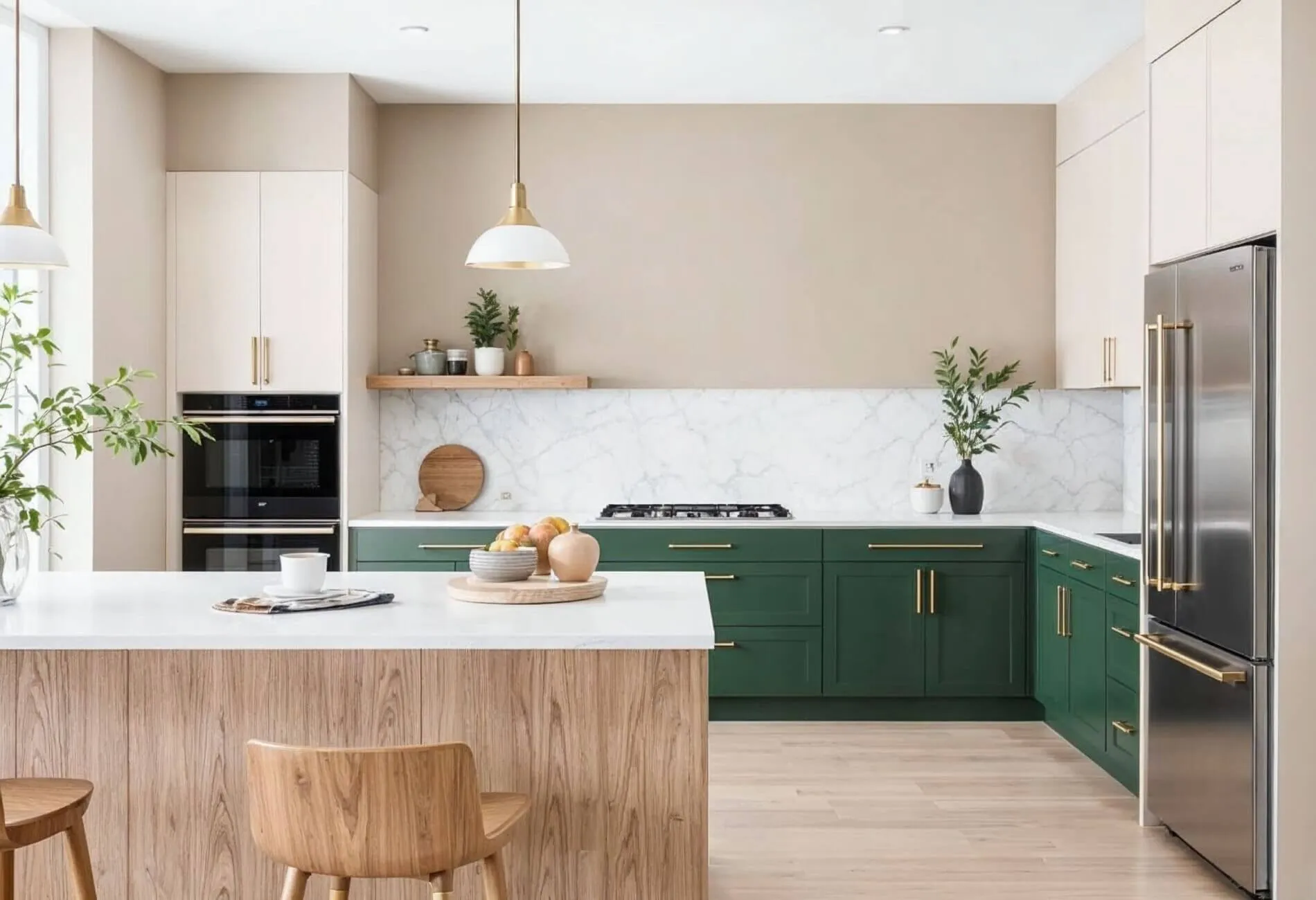
Table of Content:
Why Timeless Kitchen & Bathroom Designs Matter
Focus on Quality Materials
Neutral Colour Palettes That Enhance Kitchen & Bathroom Designs
Balance Classic and Modern Features
Invest in Functional Layouts
Finishing Touches That Complete Kitchen & Bathroom Designs
Why Timeless Kitchen & Bathroom Designs Matter
Trends come and go, but certain looks always stay relevant. Choosing classic materials and layouts means your kitchen and bathroom won’t need constant updating. A timeless design also adds long-term value to your home, making it both beautiful and practical.
Focus on Quality Materials
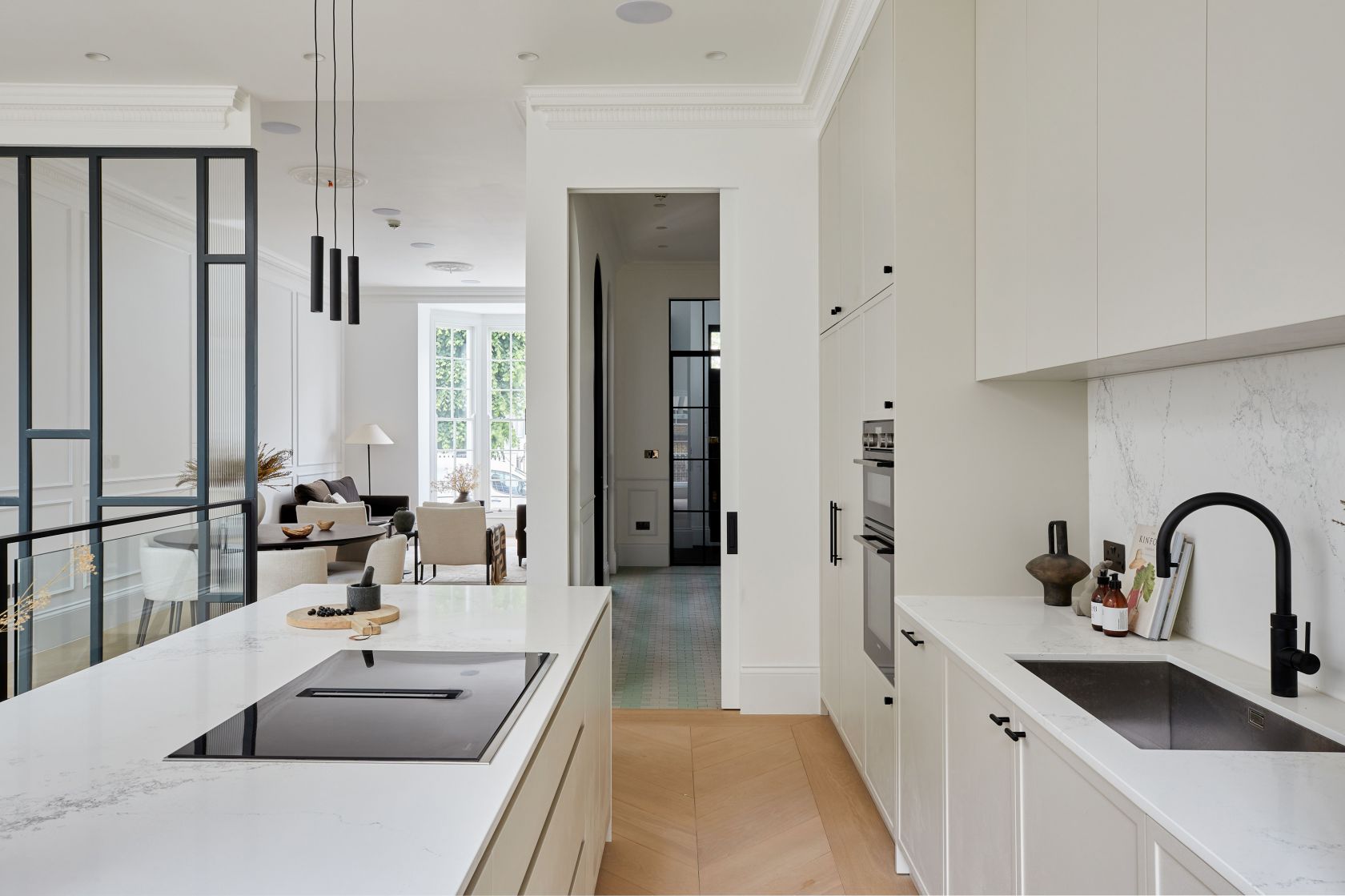
When it comes to durability and style, the materials you choose make all the difference. Porcelain tiles, marble-look finishes and natural stone textures stand the test of time while still feeling modern. In kitchens, durable countertops and splashbacks made from porcelain or quartz are easy to maintain. In bathrooms, slip-resistant floor tiles and moisture-resistant wall tiles ensure lasting beauty and safety.
Neutral Colour Palettes That Enhance Kitchen & Bathroom Designs
Image credit: edwardgeorgelondon.com
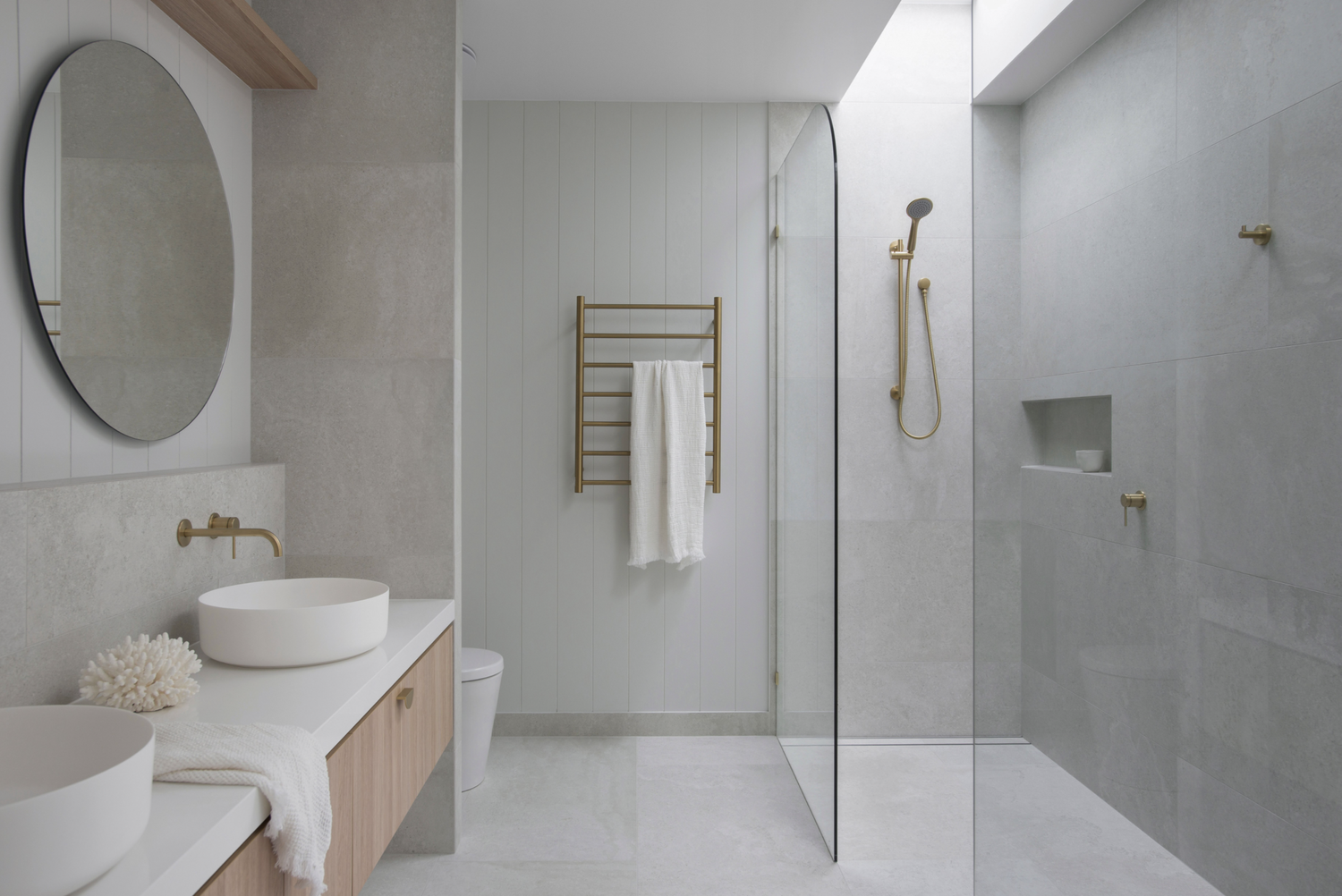
A timeless colour palette forms the foundation of designs that age gracefully. Shades like white, beige and soft grey create a calm and balanced atmosphere that can adapt to different styles over time. You can refresh the look whenever you want by swapping out accessories or fittings rather than redoing the entire space.
Balance Classic and Modern Features
One of the best ways to design for longevity is to combine traditional elements with modern touches. For example, pair sleek brass or matte black taps with classic subway tiles. Add a freestanding bath or a farmhouse-style sink for character while keeping cabinetry and flooring simple. This blend of old and new keeps your space interesting without feeling dated.
Invest in Functional Layouts
Good design goes beyond aesthetics. A well-planned layout ensures your kitchen or bathroom remains functional for years. In kitchens, prioritise storage and easy movement between cooking zones. In bathrooms, focus on smart layouts that make the most of available space — from floating vanities to walk-in showers that feel open and uncluttered.
Finishing Touches That Complete Kitchen & Bathroom Designs
Accessories and fittings may seem small, but they can elevate a timeless design. Choose high-quality taps, handles and lighting that match your overall aesthetic. Wall mirrors with clean lines, large-format tiles that reduce grout lines and minimalist décor pieces all contribute to a polished look that lasts.
Creating kitchen and bathroom designs that age gracefully is all about balance — mixing practicality with beauty. By choosing durable materials, neutral colours and timeless details, you can design spaces that continue to feel fresh, functional and inviting year after year.
bathroom, blog, floors, interior design tips, kitchen, walls
A calm home is something many of us want, especially when life outside feels busy and overwhelming. The good news is that the right choice of tiles and colours can do more than just decorate your space. They can shape how you feel every day. By using colour psychology and thoughtful tile selections, you can design rooms that feel peaceful and balanced.
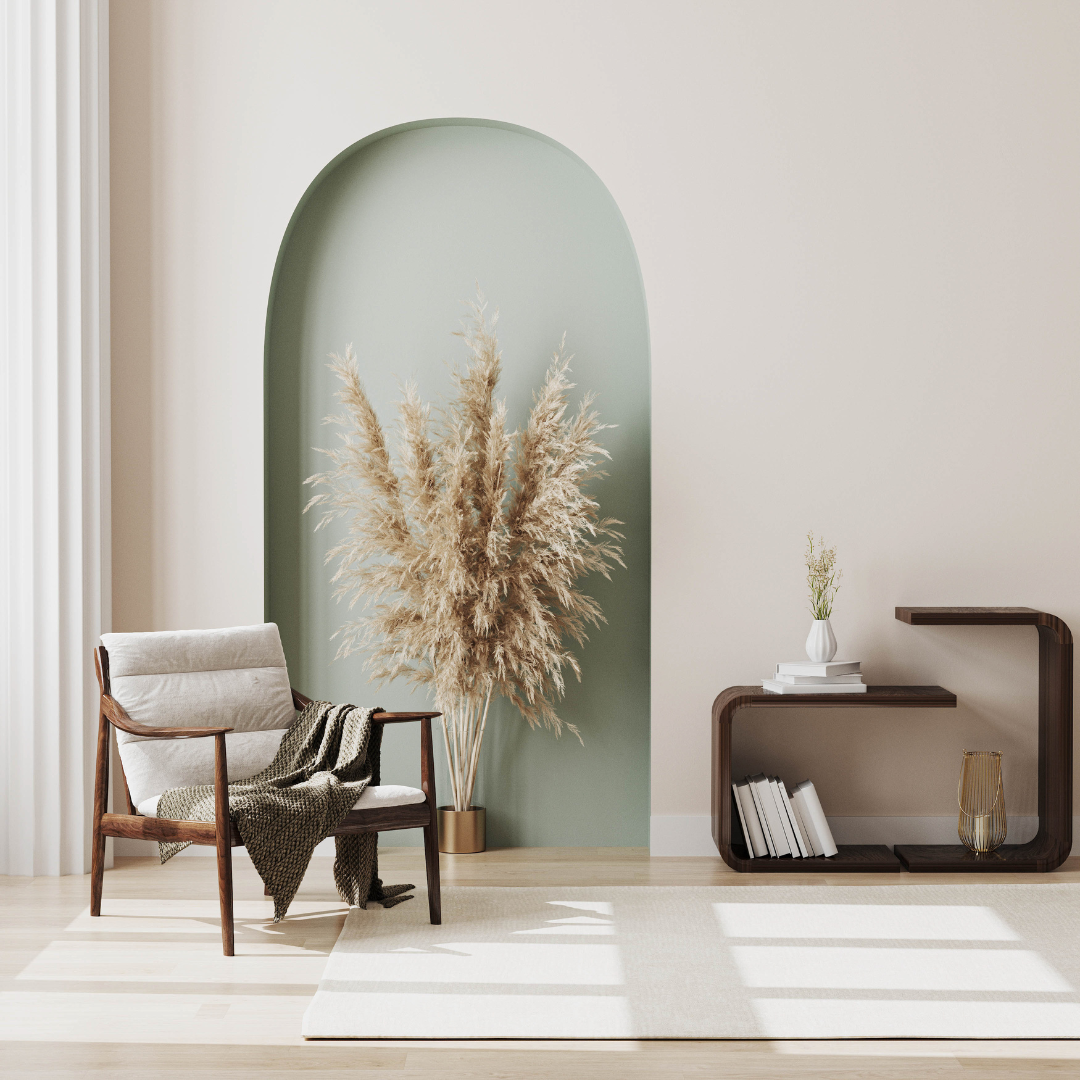
Table of Content:
Why Colour Psychology Matters in Your Space
Choosing Tiles for a Calm Home
Soft Neutrals to Build Balance in a Calm Home
Bringing Nature Indoors with Green and Earthy Tones
Using Blue for Calm and Relaxation
How to Tie It All Together: Creating a Calm Home
Why Colour Psychology Matters in Your Space
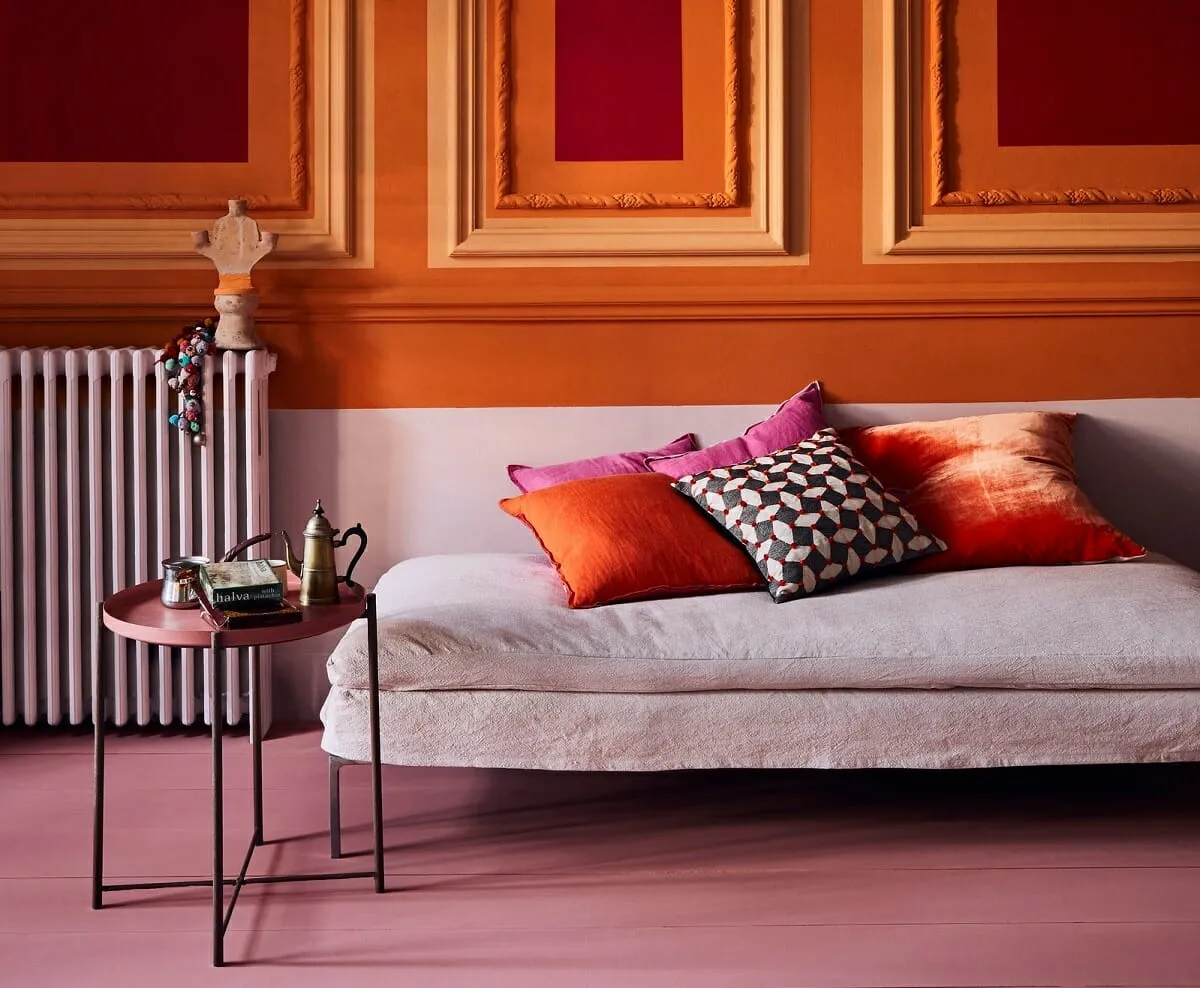
Colours affect mood in ways we often don’t notice. Warm tones like reds and oranges energise while cooler shades like blue and green create relaxation.
In your home, colour psychology helps set the tone for how each room feels. For example, a soothing bathroom with soft blues can make mornings less rushed while a kitchen with fresh whites and light neutrals can feel clean and uncluttered.
Choosing Tiles for a Calm Home
Tiles are more than just a practical choice. They set the backdrop for your rooms and influence the atmosphere.
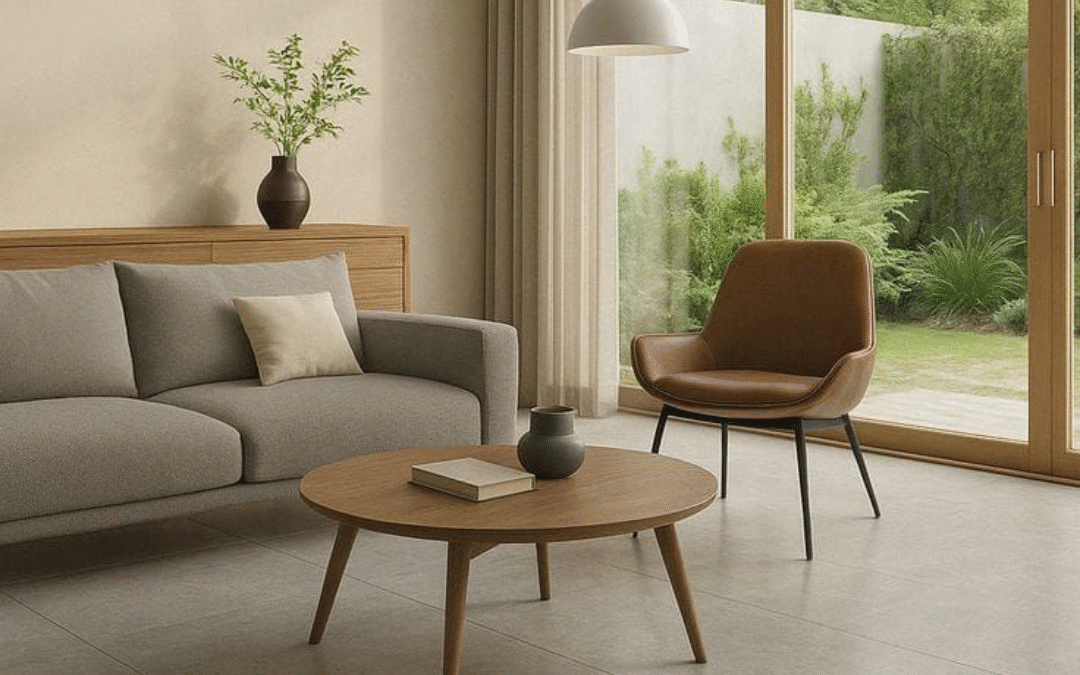
Large format tiles in neutral shades reduce visual clutter and create a seamless flow.
Textured tiles in soft stone or wood-look finishes add warmth and a natural element.
Slip resistant tiles in light tones are also great for bathrooms and outdoor areas where safety and calm living go hand in hand.
Soft Neutrals to Build Balance in a Calm Home
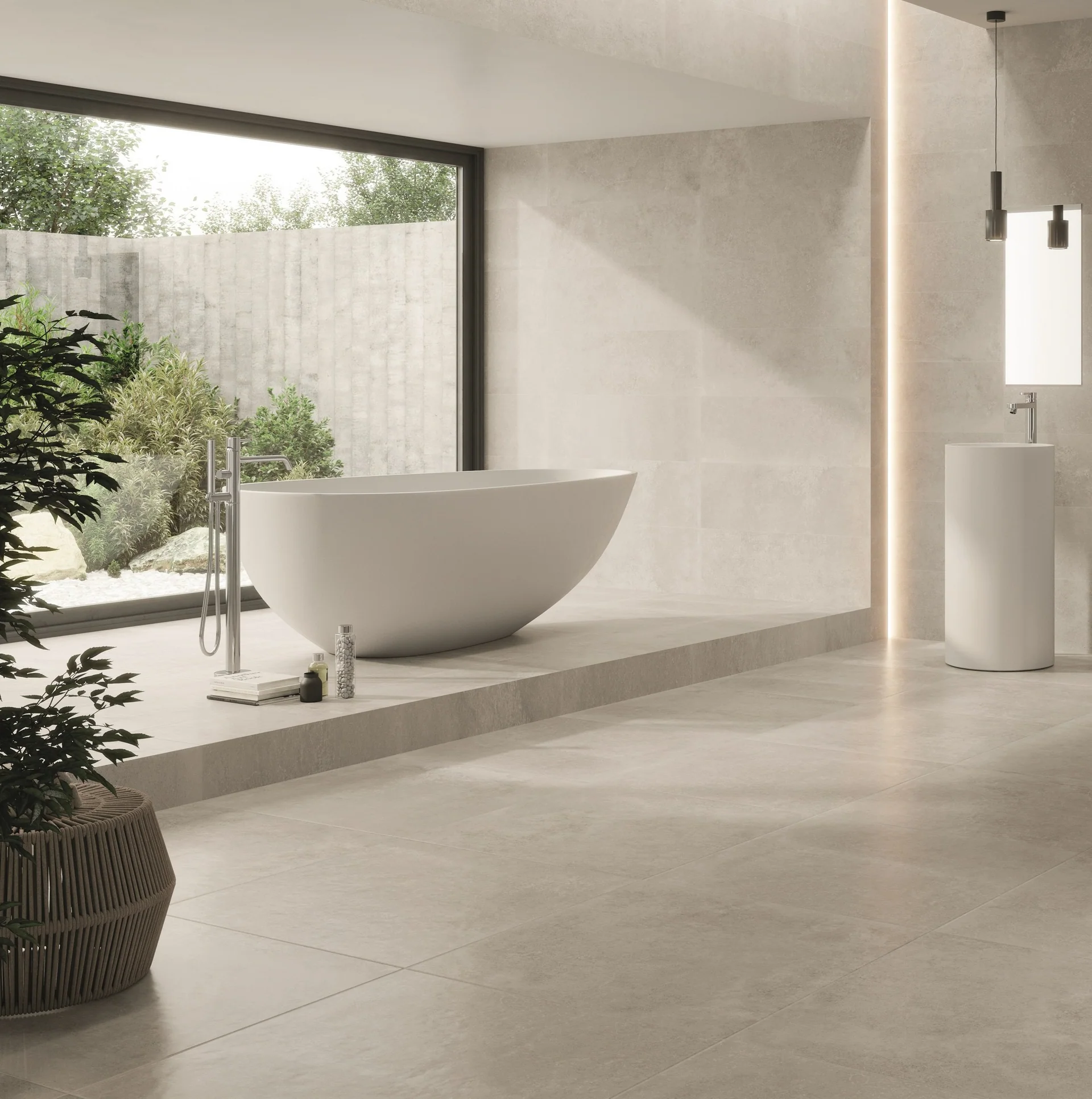
Neutral colours work well when you want a balanced and inviting home. Shades like beige, cream and warm grey are timeless and calming.
Using these colours on floor tiles or wall tiles helps ground your space.
Once you have a neutral base you can layer in subtle accents with décor pieces or mosaic tiles for texture without overwhelming the room.
Bringing Nature Indoors with Green and Earthy Tones
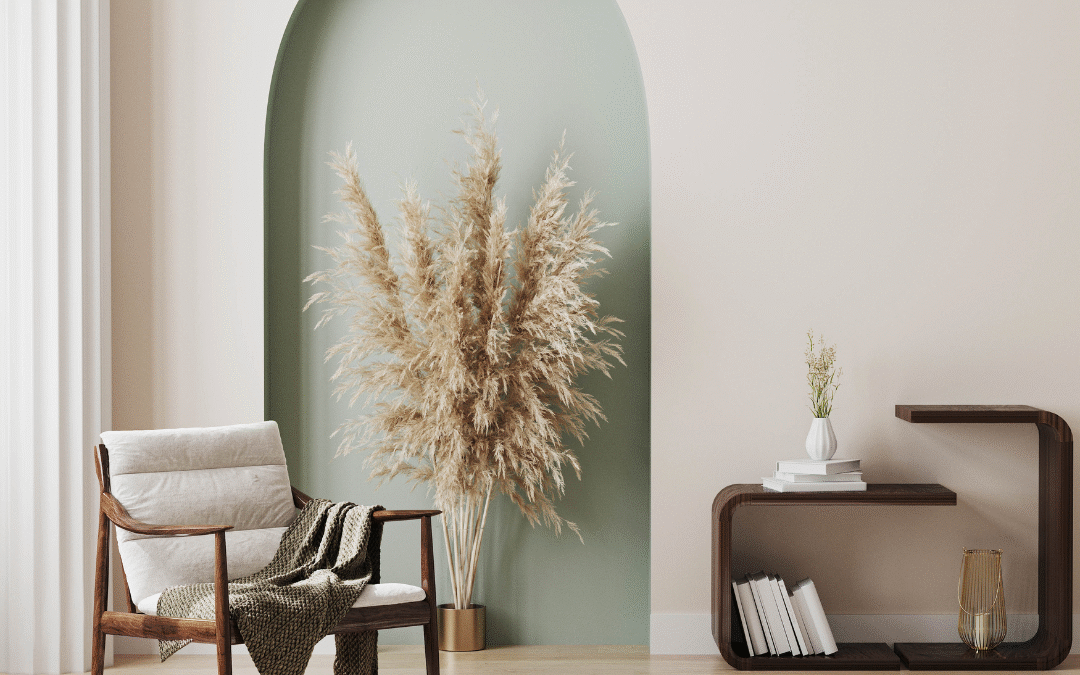
Green is strongly linked to renewal and harmony which makes it a great choice for a calm home.
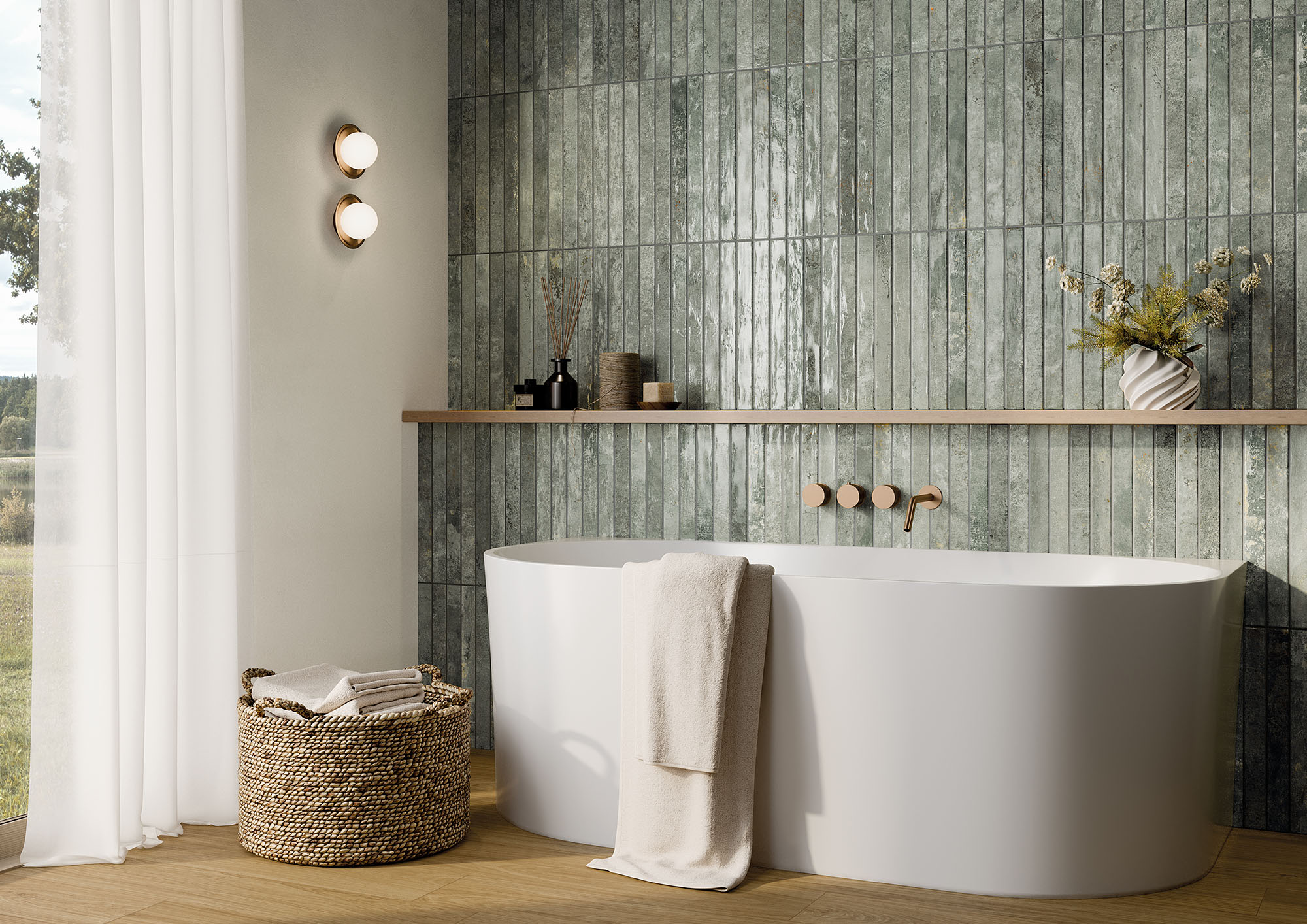
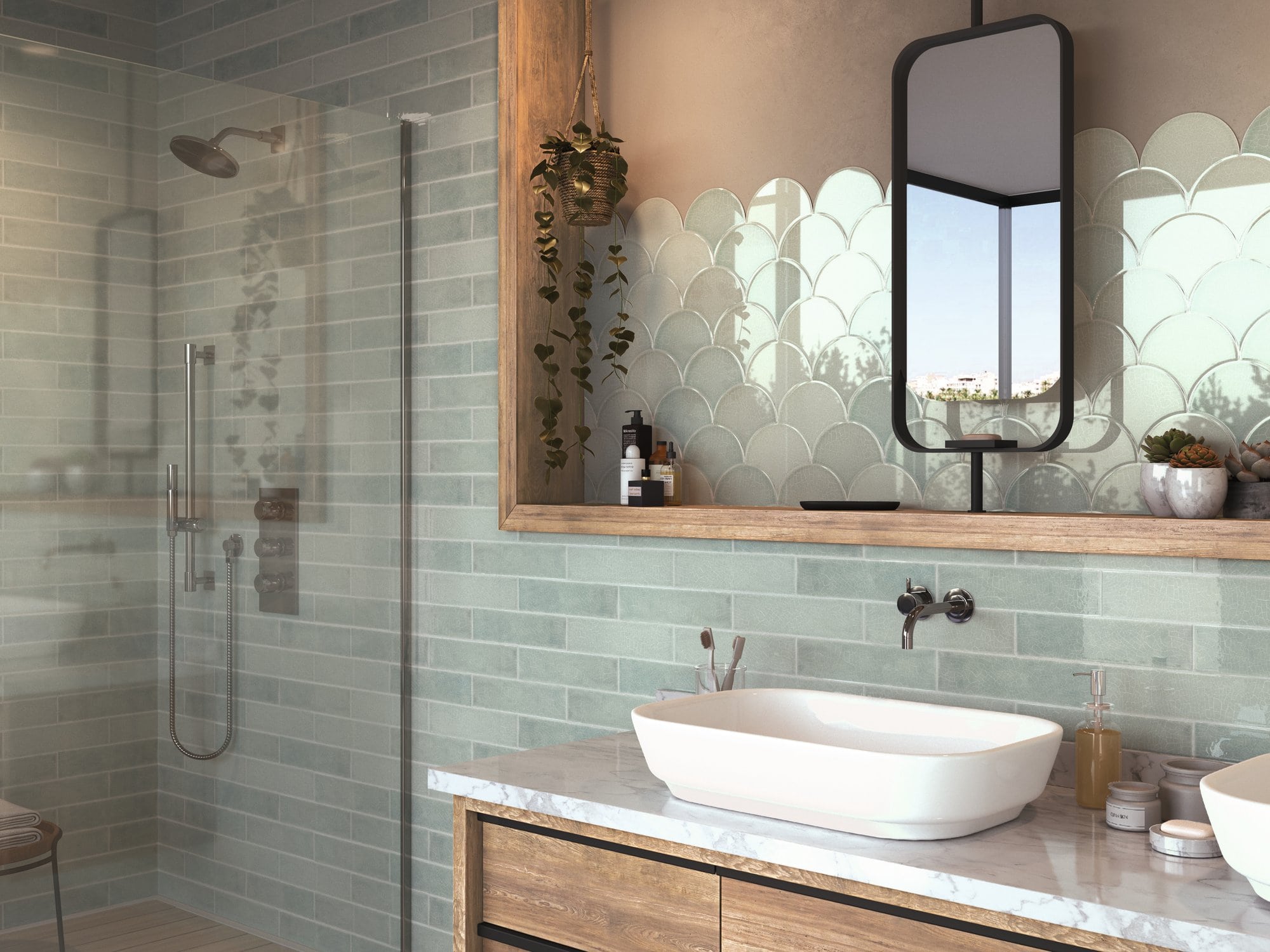
Olive or sage green wall tiles in a bathroom or kitchen can instantly refresh the space.
Earthy terracotta or sand-coloured floor tiles are another way to connect your interiors to nature and give a grounding effect.
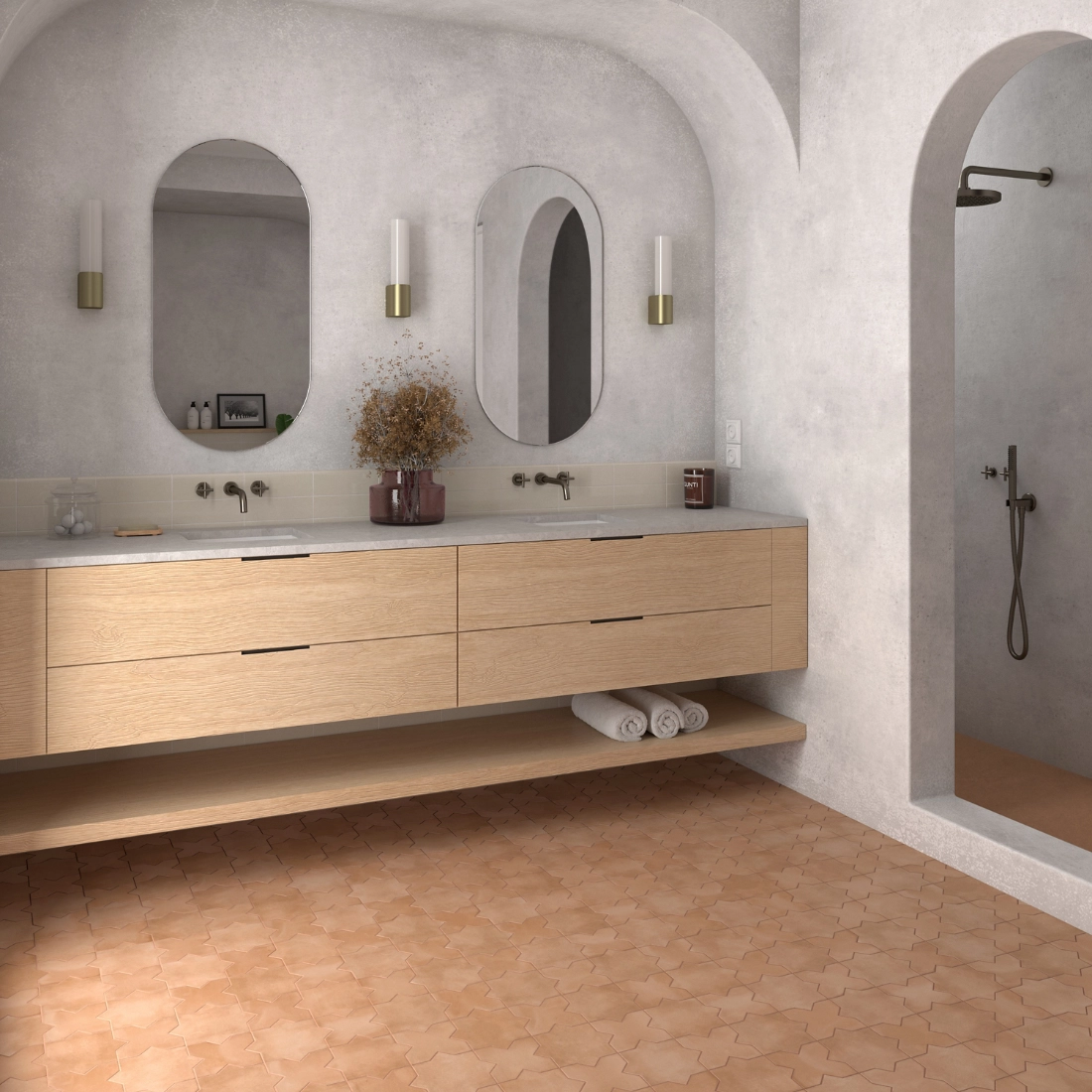
These tones work especially well in outdoor areas or open-plan living spaces.
Using Blue for Calm and Relaxation
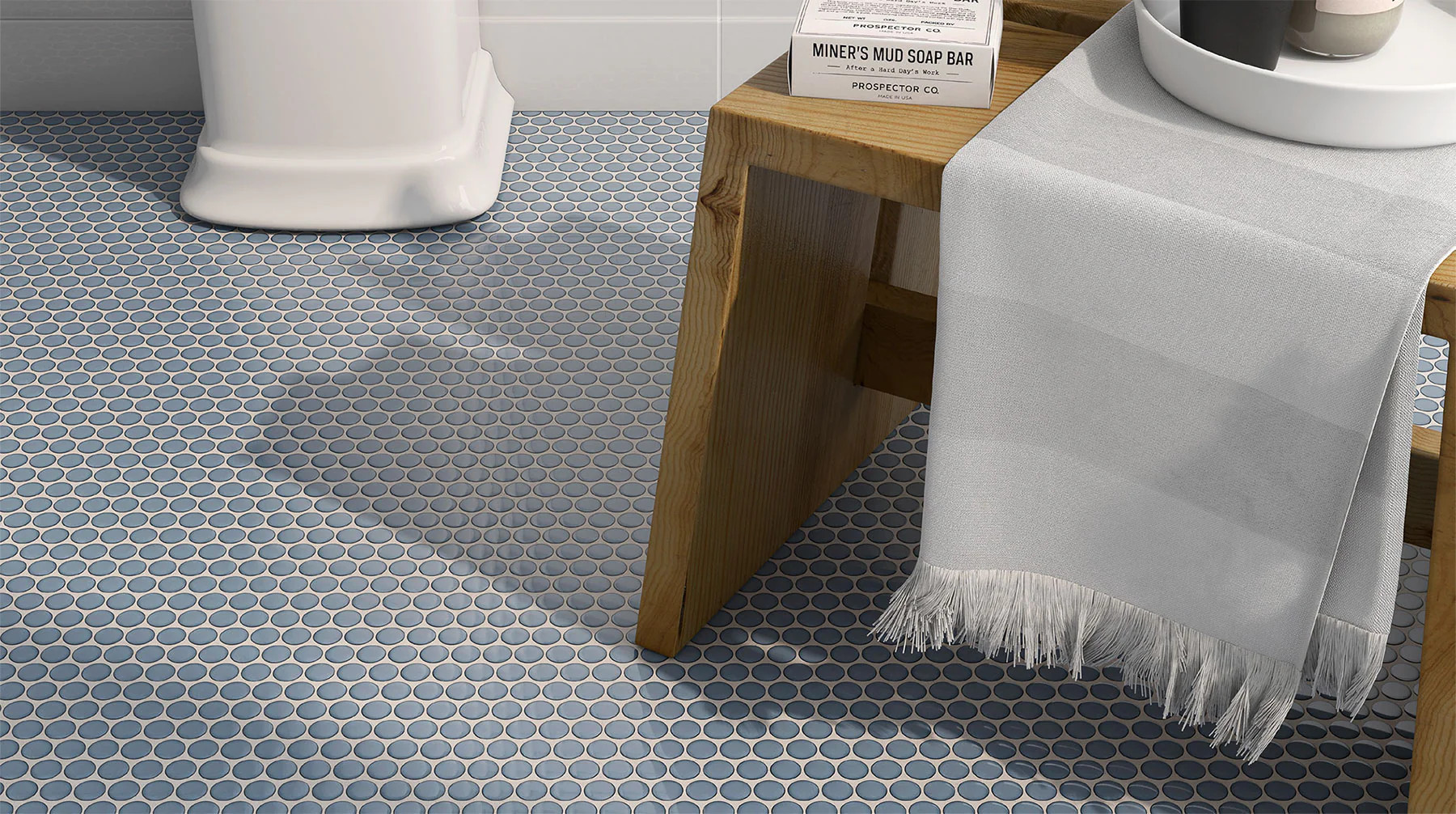
Blue is one of the most calming colours in psychology. Soft sky blue or muted navy tiles create a sense of serenity, especially in bedrooms and bathrooms.
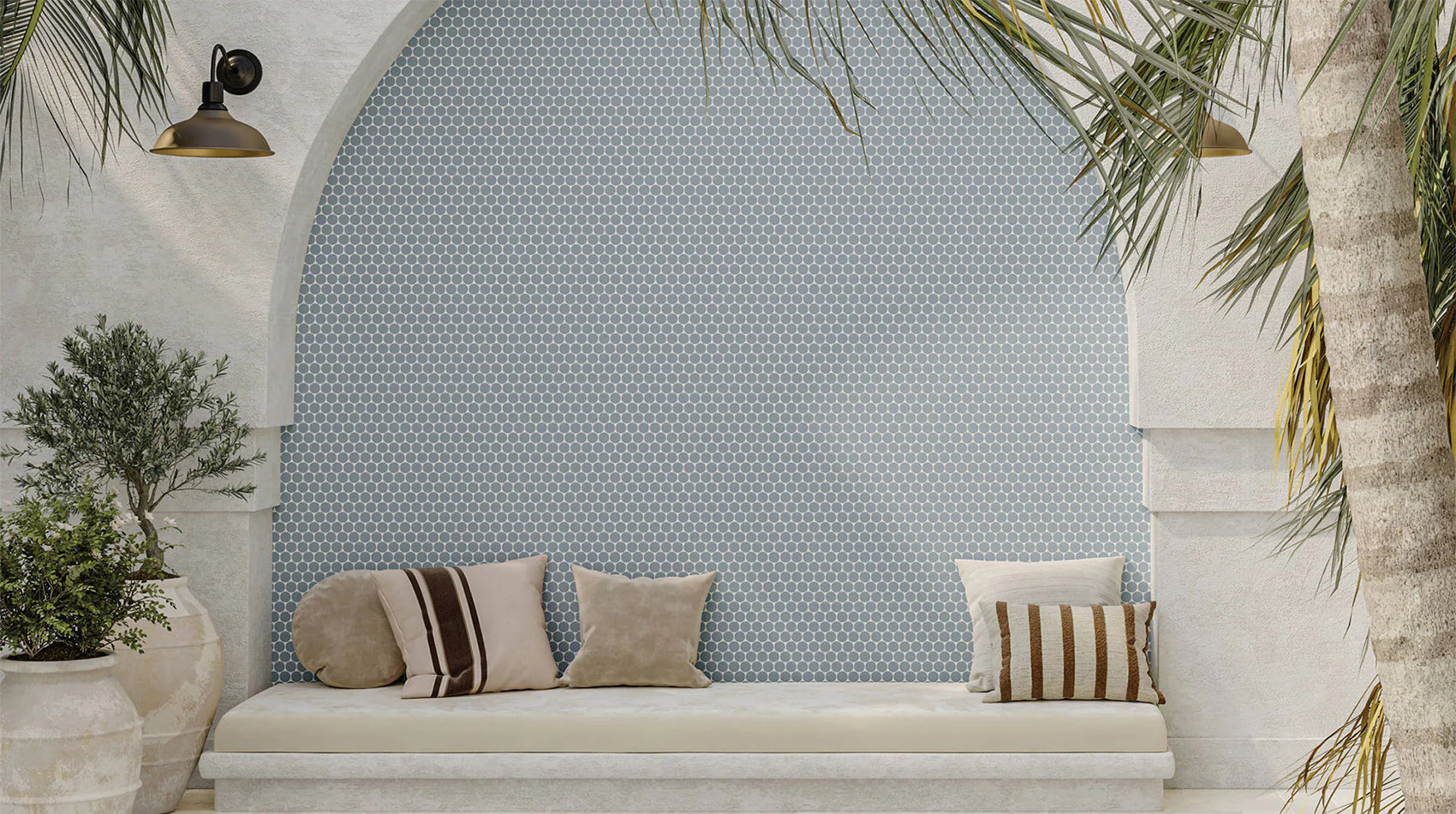
A blue splashback in the kitchen or a feature wall in mosaic tiles can also make a subtle but soothing statement.
How to Tie It All Together: Creating a Calm Home
Creating a calm home with tiles and colour psychology is about balance. Start with a clear vision for each room. Use tiles as your foundation and layer in colours that support the feeling you want. Neutrals for grounding, blues for relaxation and greens for harmony all work together to create a home where you feel at ease.