blog, floors, how to articles, walls
Master the art of tile maintenance and cleaning with our comprehensive guide to ensure your tiles stay sparkling and fresh.
Tiles can transform your space with their elegance and functionality. Whether you have glazed or unglazed tiles, proper maintenance is essential to preserve their beauty and longevity. In this guide, we’ll walk you through the steps of cleaning and maintaining your tiles, whether they’re in your bathroom, kitchen, or any other area of your home. With the right approach, your tiles will continue to shine for years to come.

Regular Cleaning Routine for Glazed Tiles
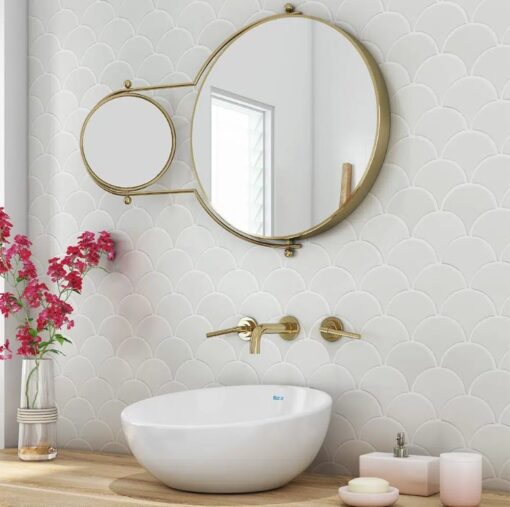
Glazed tiles are a popular choice for various applications, including walls, baths, and showers.
To keep them looking their best, follow these steps:
1. Choose the Right Cleaner: Opt for an all-purpose, low VOC, household or commercial cleaner that is compatible with grout joint cleaning. Avoid harsh chemicals, as they can damage the tile’s glazed surface and the grout.
2. Application and Agitation: Use a cotton mop, cloth, sponge, or non-metallic brush to apply the cleaner to the tile surface. Gently agitate the cleaner to remove soap scum, hard water deposits, and mildew.
3. Rinse and Dry: After cleaning, rinse the area with clean water to remove any residue. Thoroughly dry the tiles to prevent water spots.
Unglazed Tiles Require Special Care
Unglazed tiles, on the other hand, need a slightly different cleaning approach:
1. Neutral pH Cleaners: Choose concentrated tile cleaners with a neutral pH for routine cleaning. These cleaners effectively remove grease, oils, and normal spills from unglazed tiles.
2. Application and Compatibility: Apply the chosen cleaner according to the manufacturer’s instructions. Ensure the cleaner is compatible with your specific type of grout.
Removing Sealers and Waxes
Glazed ceramic tiles do not require sealing, but grout should be sealed. If you need to remove a topical sealer or floor wax, follow these steps:
1. Use a Sealer and Adhesive Remover: Apply an undiluted tile sealer and adhesive remover to a small area. Allow it to soften the coating or residue.
2. Agitate and Wipe: If needed, agitate the area with a white nylon scrub pad. Wipe up the residue using a cotton towel or sponge. Rinse thoroughly with clean water.
Taking Care of Grout
Grout plays a vital role in tile installations. To maintain it properly:
1. Sealing Grout: Grout should be sealed regularly to preserve its color and protect it from stains. Choose a penetrating/impregnating sealer for cementitious grouts. Epoxy grouts do not require sealing.
2. Grout Maintenance: Clean grout periodically using a concentrated household or commercial cleaner. For heavy-duty cleaning, use a professional strength tile and grout cleaner with non-polluting chemicals and low VOC levels.
3. Grout Colour Restoration: When grout is stained beyond maintenance, you can use a grout stain to restore its color. Clean the grout thoroughly before applying the stain.
Proper Grout Installation and Care
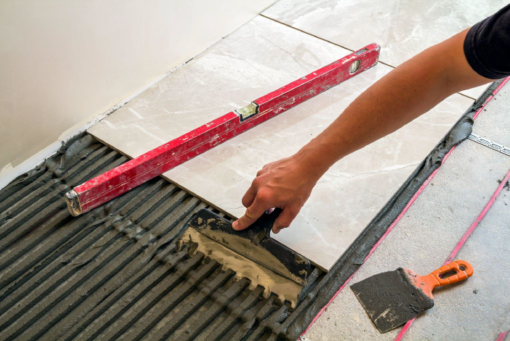
During and after installation, follow these steps to ensure the best outcome:
1. Immediate Protection: Cover newly installed and grouted tile with brown paper to shield it from debris. Dampen the grout daily during the first week to aid in curing and colour lock.
2. Grout Haze Removal: After at least 24 hours, remove grout haze with water or a grout haze remover. Avoid using harsh chemicals on natural stone products.
Safety Precautions & Maintenance
Always prioritize safety when handling tile installation and maintenance products. Test products in a small area before widespread use. Follow the manufacturer’s instructions and heed any warnings. Additionally, consider the specific needs of natural stone products, which may require different maintenance methods.
In conclusion, maintaining your tiles doesn’t have to be a daunting task. With the right products and techniques, you can keep your tiles looking pristine and attractive. Regular cleaning, proper sealing, and careful maintenance will ensure that your tiles continue to enhance your living spaces for years to come. Remember, a little effort now can lead to long-lasting beauty and functionality for your home.
Disclaimer: Tiletoria offers advice in this article for construction and renovation purposes. However, it’s crucial to recognize that this advice does not replace the expertise of certified building contractors. Each project is unique, and potential complexities vary. Readers should consult professionals before undertaking any projects. Our network of approved contractors ensures tailored guidance for safety and quality. While our article provides insights, collaboration with contractors remains vital. Contact us for assistance or connections with reputable professionals. Your project’s success and longevity are our priority.
blog, floors, walls
When it comes to home design, simplicity and minimalism have become increasingly popular. Embracing clean lines, open spaces, and a clutter-free environment can create a sense of calm and harmony. However, minimalism doesn’t have to mean boring or plain. By incorporating large impactful lines and graphic shapes into your tiling, you can infuse your space with a bold and striking design feature.
Let’s explore how minimalistic tiling with graphic shapes can transform your home.
1. Embracing Minimalistic Tiling:
Minimalistic tiling is all about using clean lines, neutral colours, and simple patterns to create a visually pleasing aesthetic. It focuses on the idea that less is more, and every element serves a purpose. When considering minimalistic tiling, keep the following principles in mind:
– Neutral Colour Palette: Opt for neutral colours such as white, grey, beige, or black. These colours provide a clean canvas for your graphic shapes to stand out while maintaining an overall minimalist feel.
– Simplicity in Design: Choose tile patterns that are straightforward and uncomplicated. Subtle textures or monochromatic tiles can enhance the minimalistic appeal.
2. Incorporating Graphic Shapes:
Now comes the exciting part – introducing graphic shapes into your tiling to create a captivating visual impact. By using bold lines and shapes, you can add a dynamic and artistic touch to your space. Here are some ideas to consider:
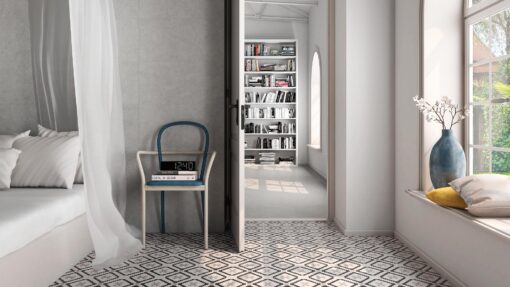
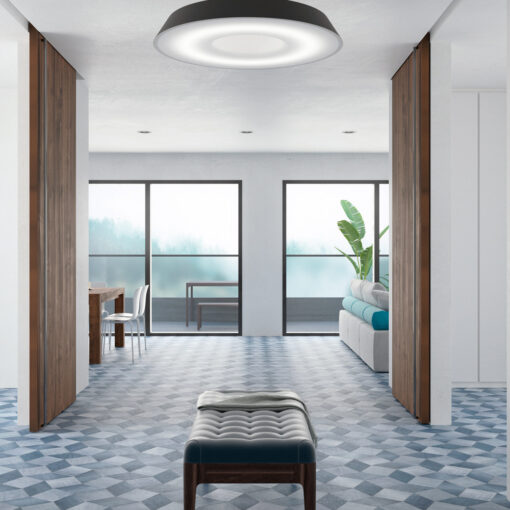
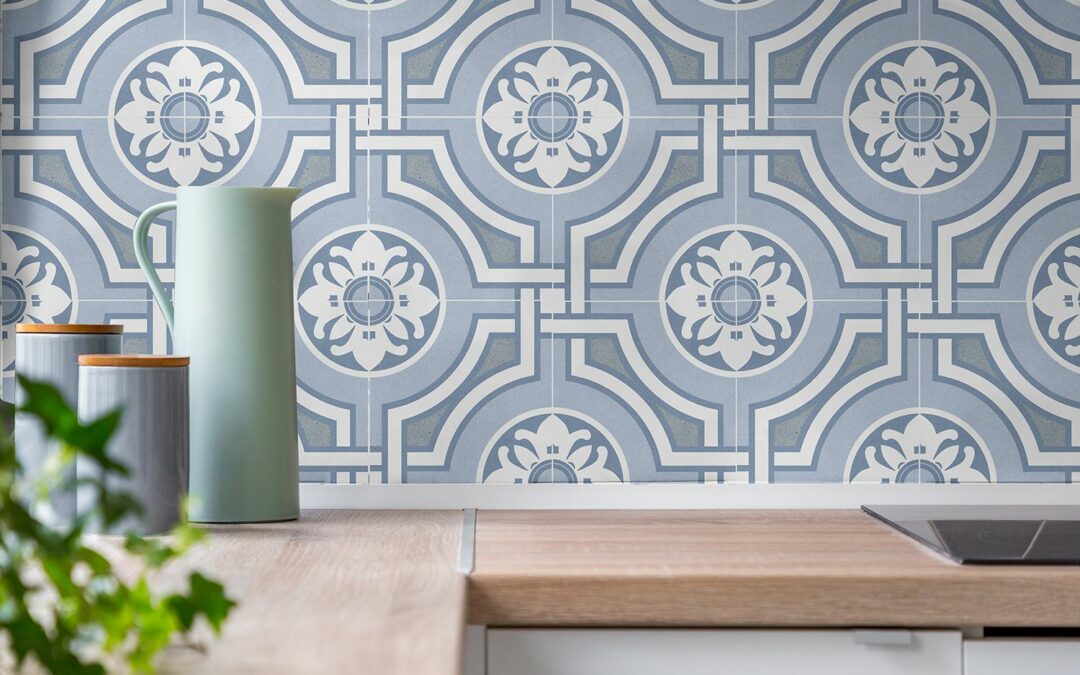
– Geometric Patterns: Incorporate geometric shapes like squares, rectangles, triangles, or hexagons to create visually striking patterns. Experiment with different orientations and combinations to find a design that suits your style.
– Large-Scale Lines: Opt for tiles with prominent, elongated lines that draw the eye across the space. These lines can be used to create linear or diagonal patterns, adding depth and interest to your tiling.
– Oversized Shapes: Think big! Consider using larger tiles or oversized shapes to make a bold statement. Large-scale circles, diamonds, or irregular shapes can create a focal point in your space.
3. Creating a Cohesive Design:
To ensure a successful outcome, it’s essential to create a cohesive design that balances minimalism with impactful graphic shapes. Consider the following tips:
– Strategic Placement: Select one or two areas to showcase your graphic shapes, such as a feature wall, backsplash, or floor design. This allows the shapes to stand out without overwhelming the entire space.
– Contrast and Balance: Pair the graphic shapes with the surrounding tiles for a harmonious look. Choose complementary colours or textures that provide a contrast while maintaining a cohesive overall design.
– Consistency in Style: Maintain a consistent style throughout your space. Use the same types of shapes or lines in different areas to create a sense of continuity. Consistency helps tie the design together and prevents it from feeling disjointed.
Minimalistic tiling with graphic shapes offers an exciting opportunity to transform your home into a visually captivating space. By adhering to the principles of minimalism while incorporating impactful lines and shapes, you can create a harmonious balance between simplicity and boldness. Whether you’re a DIY homeowner looking to enhance your living space or an interior designer seeking to impress clients, this trend provides a versatile and timeless design option.
So, embrace minimalistic tiling with graphic shapes and watch as your space undergoes a remarkable transformation that leaves a lasting impression.
Remember, with minimalism and graphic shapes, sometimes less truly can be more!
blog, commercial blog, floors, walls
When it comes to interior design, every element holds the power to influence our emotions and perceptions. Tiles, in particular, play a significant role in creating the ambiance of a space. The choice of tile style can have a profound psychological impact on how we experience and interpret an interior. In this blog, we will explore the fascinating connection between tile styles and the human psyche.
Let’s delve into the intriguing world of the psychological impact of tiles.
1. Serenity and Tranquility: Natural Stone Tiles
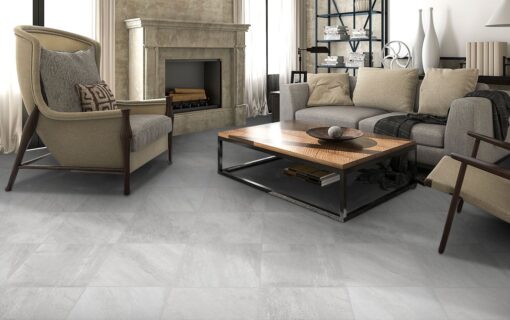
Natural stone tiles, such as marble, granite, or travertine, evoke a sense of serenity and tranquility. These tiles are associated with nature and the organic world, offering a soothing and grounding effect. The earthy hues and unique veining patterns create a connection to the natural world, fostering a calming and peaceful atmosphere. Incorporating natural stone tiles into interiors can evoke feelings of relaxation, making them ideal for bathrooms, spa-like retreats, and areas where tranquility is desired.
2. Elegance and Sophistication: Porcelain and Ceramic Tiles
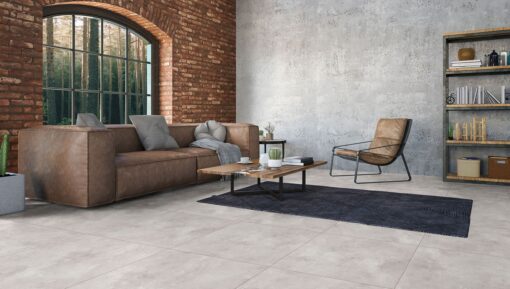
Porcelain and ceramic tiles are renowned for their versatility and ability to mimic various materials. They offer a wide range of styles, from sleek and minimalist to intricate and detailed designs. These tiles exude elegance and sophistication, imparting a sense of refinement to any interior. Their clean lines and polished finishes create a modern and contemporary aesthetic. Whether used in kitchens, living rooms, or hallways, porcelain and ceramic tiles elevate the overall ambiance, adding a touch of timeless elegance.
3. Playfulness and Vibrancy: Mosaic Tiles
Mosaic tiles are a fantastic way to inject playfulness and vibrancy into a space. Composed of small, intricate pieces, mosaic tiles come in a plethora of colors, patterns, and materials. They offer the opportunity for creative expression, allowing homeowners and designers to customize their interiors with unique designs and motifs. Mosaic tiles can create focal points or accent walls, infusing energy and liveliness into kitchens, bathrooms, or even outdoor spaces. They inspire joy and evoke a sense of whimsy, perfect for those who want to make a bold statement.
4. Warmth and Comfort: Wood-Look Tiles
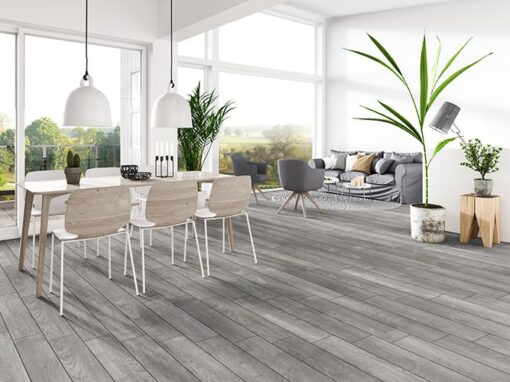
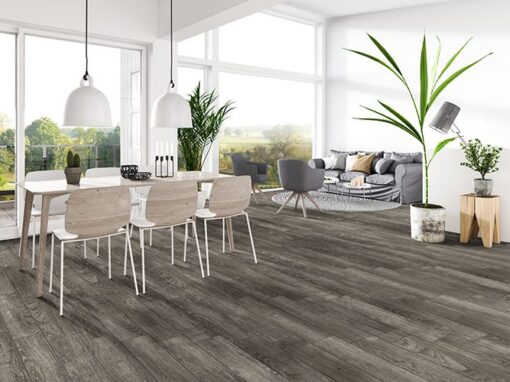
Wood-look tiles provide the warmth and comfort associated with natural wood flooring but with added durability and ease of maintenance. These tiles replicate the appearance of wood grains, knots, and textures, bringing the charm and coziness of a rustic cabin or a beachside cottage. Wood-look tiles create a welcoming and inviting atmosphere, making them ideal for living rooms, bedrooms, or any area where a cozy ambiance is desired. They evoke a sense of familiarity and create a connection to nature, promoting a comforting and nurturing environment.
5. Modernity and Boldness: Geometric Tiles
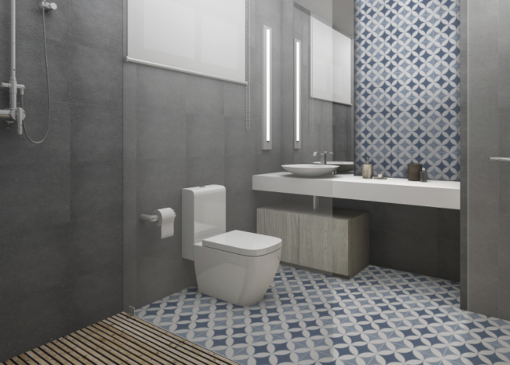
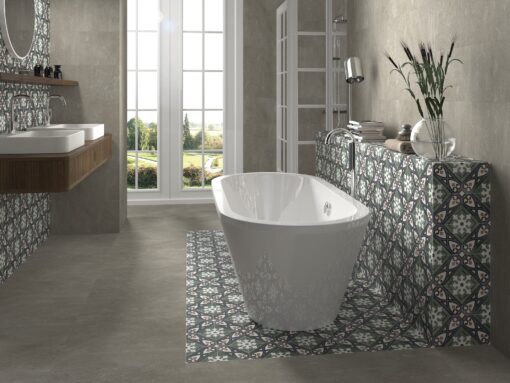
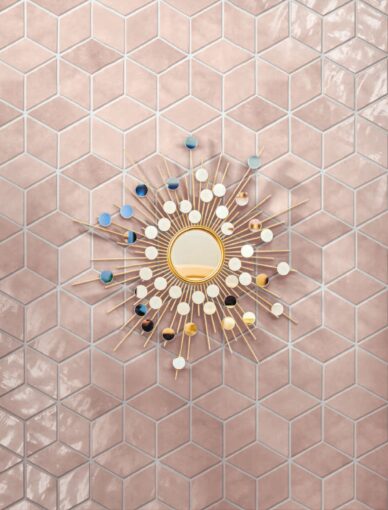
Geometric tiles are a statement in modern design, offering a bold and contemporary aesthetic. With their striking patterns and shapes, geometric tiles add visual interest and depth to any space. From hexagons and triangles to intricate tessellations, these tiles create a sense of movement and dynamism. Geometric tiles are perfect for those seeking a modern, edgy, and visually captivating interior. They can be used as feature walls, backsplashes, or flooring, making a strong impact on the overall design.
The psychological impact of tile styles cannot be underestimated. Each tile style has the potential to influence our experiences and interpretations of an interior. From the calming serenity of natural stone tiles to the playful vibrancy of mosaics, the elegant sophistication of porcelain and ceramic tiles, the warmth of wood-look tiles, to the boldness of geometric tiles, the choices are vast and varied.
Consider the psychological impact of tiles as you embark on your next interior design project and let the chosen tiles shape the experiences within the space, creating a harmonious and uplifting environment for all.
blog, floors, walls
Are you left with a pile of leftover or broken tiles after a renovation or a DIY tiling project?
Don’t let them go to waste! There are plenty of creative and practical ways to repurpose and recycle your tiles, adding a touch of style and functionality to your home.
We will explore some great ways to use your leftover tiles. Let’s dive in!
Create a Stunning Mosaic Wall Art Piece
One of the most popular ways to use leftover tiles is to create a stunning mosaic wall art. Mosaic art has been around for centuries and can add a unique and artistic touch to any space. You can arrange the leftover tiles in various patterns and colours to create a beautiful mosaic design. Whether it’s a focal point in your living room, a backsplash in your kitchen, or an accent wall in your bathroom, mosaic wall art made from leftover tiles can transform a plain wall into a work of art.

DIY Coasters and Trivets
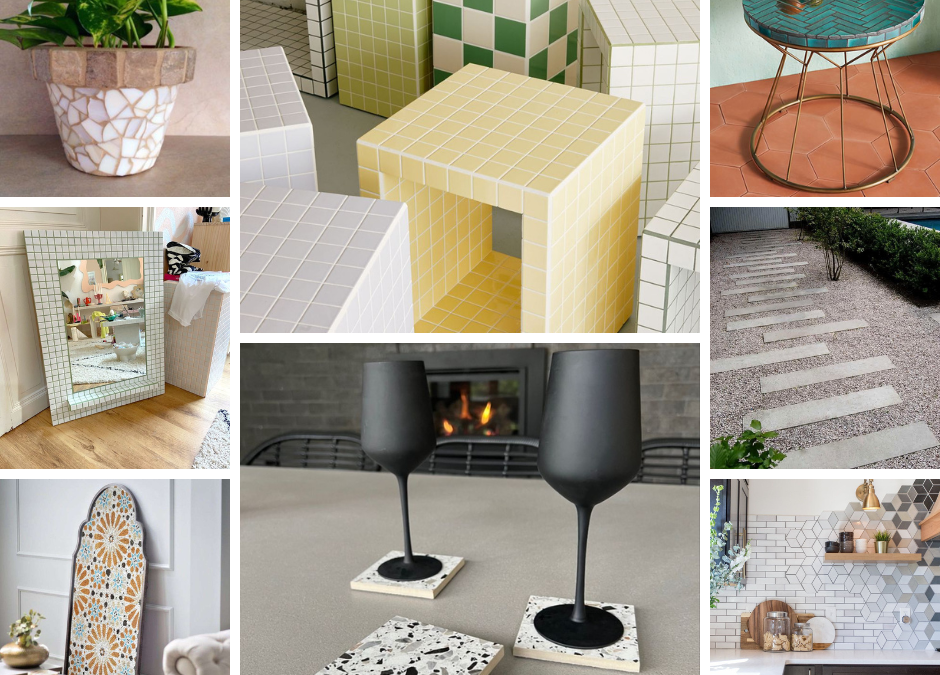
Another great way to use leftover tiles is to create DIY coasters and trivets. Coasters and trivets are not only functional but also a stylish addition to your home décor. Simply cut the leftover tiles into smaller pieces and arrange them in a pattern of your choice. You can then glue them onto cork or felt backing to create custom-made coasters or trivets. They are not only practical for protecting your surfaces from heat and moisture but also a great conversation starter when you have guests over.
Revamp Furniture with Tile Accents
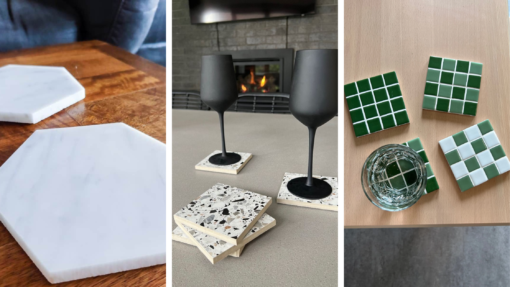
Do you have a plain-looking piece of furniture that needs a makeover? Use leftover tiles to revamp it! You can add tile accents to furniture pieces like coffee tables, side tables, or even dressers to give them a fresh and unique look. Simply glue the tiles onto the surface of the furniture, creating a pattern or design that complements your home decor. You can mix and match different tile sizes, shapes, and colours to create a one-of-a-kind piece of furniture that reflects your personal style.
Create a Stunning Garden Pathway
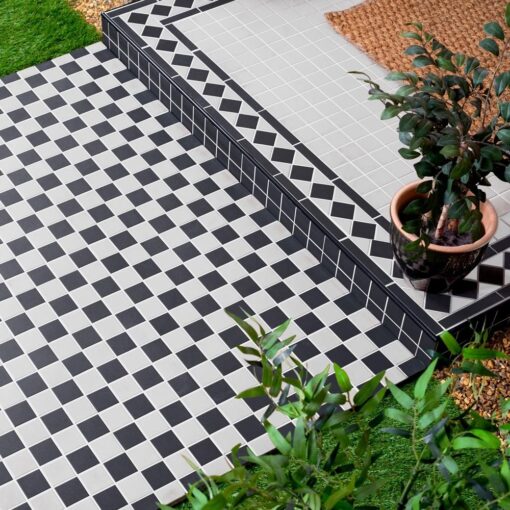
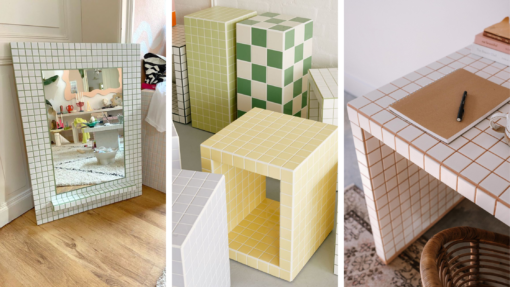
If you have a garden or outdoor space, leftover tiles can be a great material to create a stunning garden pathway. Lay the tiles in a pattern of your choice to create a visually appealing and functional pathway that adds charm to your garden. You can use a variety of tile shapes, colours, and sizes to create a unique and personalized pathway that enhances the overall aesthetic of your outdoor space.
Design Unique Kitchen Backsplashes
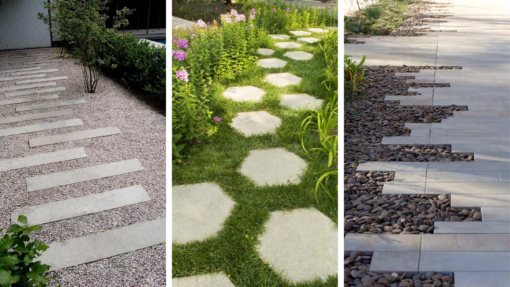
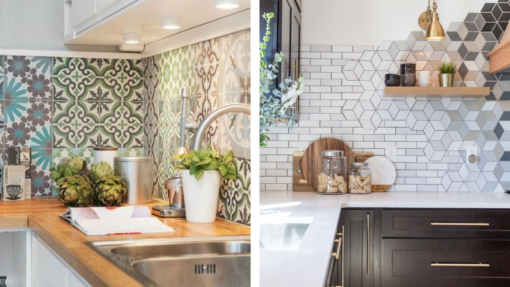
Kitchen backsplashes are not only functional but also an opportunity to add style and personality to your kitchen. Leftover tiles can be a perfect material to create a unique and eye-catching kitchen backsplash. You can use the leftover tiles to create a mosaic design, a herringbone pattern, or a simple subway tile layout. By repurposing leftover tiles, you can save money on materials and create a backsplash that is truly one-of-a-kind.
Craft Stylish Garden Planters
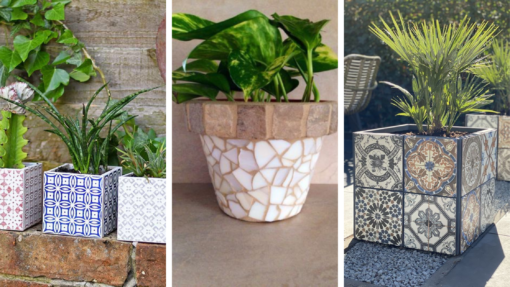
Leftover tiles can also be used to create stylish garden planters. You can use the tiles to cover the exterior of a planter box or create a mosaic design on the surface of a plain terracotta pot. The tiles can add a pop of colour and texture to your garden, making your plants stand out. You can also mix and match different tile patterns and colours to create a cohesive look or a playful mismatched aesthetic, depending on your preference.
DIY Tabletops and Countertops
If you’re feeling particularly adventurous, you can use leftover tiles to create DIY tabletops and countertops. By arranging the tiles in a pattern of your choice and securing them with a strong adhesive, you can create a unique and eye-catching tabletop or countertop that becomes a focal point in your home. You can choose from a variety of tile patterns, colors, and sizes to match your personal style and the overall aesthetic of your space.

Don’t let your leftover or broken tiles go to waste! There are numerous creative and practical ways to repurpose and recycle them, adding a touch of style and functionality to your home.
By repurposing your leftover tiles, you can save money on materials, reduce waste, and add a unique and personalized touch to your home décor.
So, before you toss those leftover tiles into the trash, consider these great ways to use them and unleash your creativity to transform them into something beautiful and functional.
Happy tile recycling!
blog, commercial blog, floors, walls
Are you looking for inspiration for your next home renovation project?
Look no further than the world’s most beautiful tilework!
From intricate mosaics to stunning geometric designs, these top tiling projects from around the world will leave you awestruck. Whether you’re a DIY homeowner or an interior designer, these examples are sure to spark your creativity.
Alhambra Palace, Granada, Spain
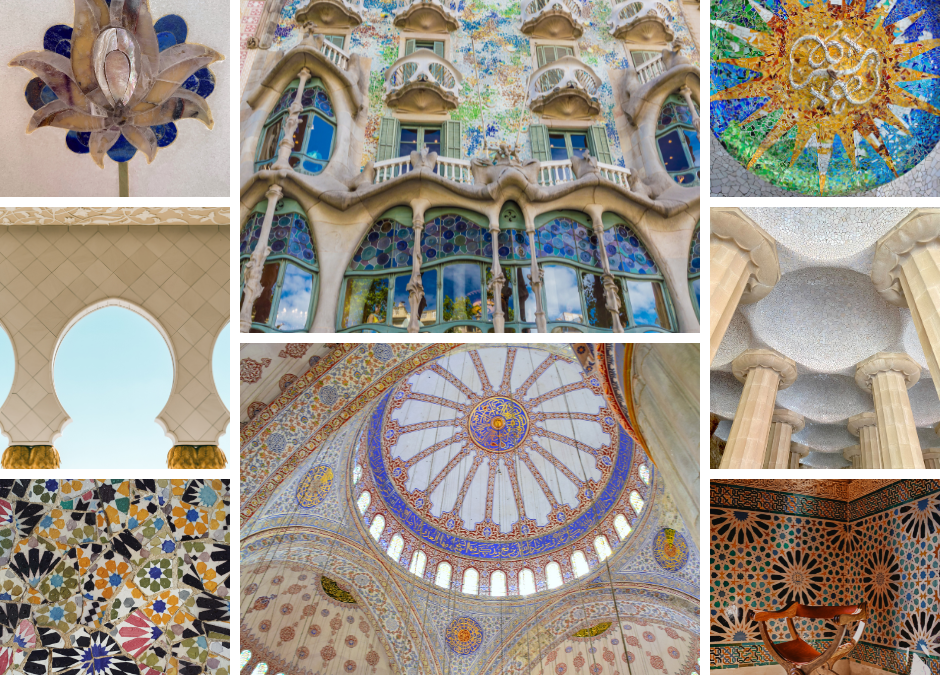
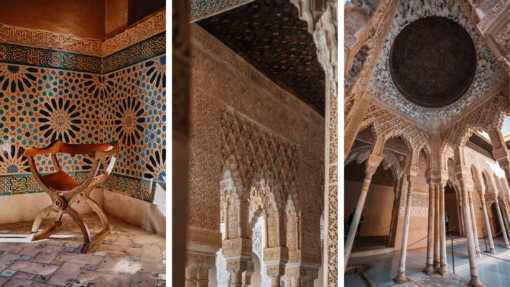
The Alhambra Palace in Granada, Spain is a stunning example of Moorish architecture and design. The intricate tilework throughout the palace is a testament to the skill and craftsmanship of the artisans who created it. The use of vibrant colors and geometric patterns creates a sense of harmony and balance that is truly breathtaking.
Alhambra Palace, Granada, Spain
Sheikh Zayed Grand Mosque, Abu Dhabi, UAE
The Sheikh Zayed Grand Mosque in Abu Dhabi is a modern masterpiece that combines traditional Islamic design with contemporary elements. The marble and tilework throughout the mosque is simply stunning, with intricate floral and geometric patterns that are both intricate and eye-catching.
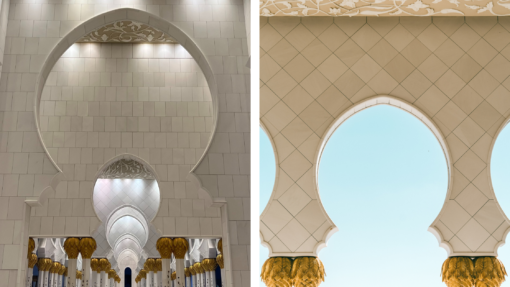
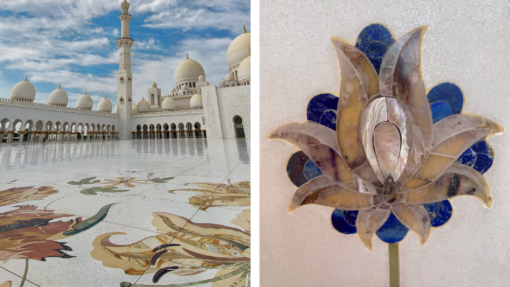
Sheikh Zayed Grand Mosque, Abu Dhabi, UAE
Park Guell, Barcelona, Spain
Park Guell in Barcelona, Spain is a whimsical wonderland of tilework created by the famous artist Antoni Gaudi. The park features an array of colorful mosaics, intricate patterns, and playful sculptures that are sure to delight visitors of all ages.
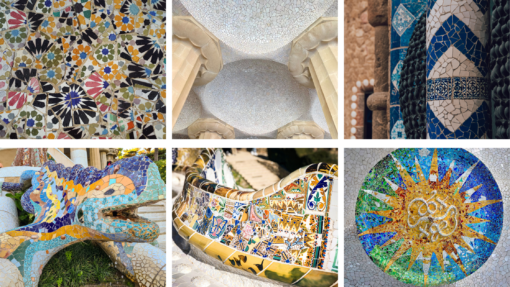
Park Guell, Barcelona, Spain
The Blue Mosque, Istanbul, Turkey
The Blue Mosque in Istanbul, Turkey is a stunning example of Islamic architecture and design. The mosque is famous for its beautiful blue tiles, which cover the walls and ceilings of the interior. The use of light and shadow creates a serene and peaceful atmosphere that is both calming and awe-inspiring.
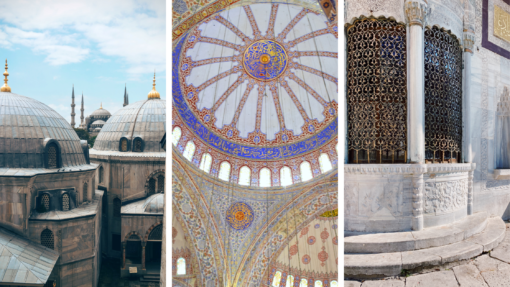
The Blue Mosque, Istanbul, Turkey
Casa Batllo, Barcelona, Spain
Casa Batllo in Barcelona, Spain is another masterpiece created by Antoni Gaudi. The building is famous for its colorful and whimsical tilework, which covers the entire façade. The use of vibrant colors and playful patterns creates a sense of joy and wonder that is truly unique.
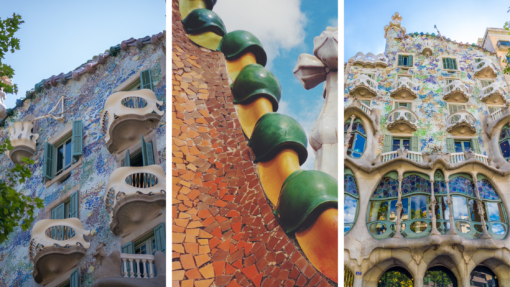
Casa Batllo, Barcelona, Spain
In conclusion, these examples of the world’s most beautiful tilework are sure to inspire DIY homeowners, consumers, and interior designers alike. Whether you’re looking for traditional Islamic design, contemporary twists on classic styles, or playful and whimsical patterns, there is something for everyone in these top tiling projects from around the world.
So why not incorporate some of these stunning designs into your next renovation project and create a space that is truly breathtaking?
blog, floors, walls
As we enter a new year, the world of design is abuzz with excitement over the latest trends and styles. And when it comes to home decor, one of the most exciting aspects is the ever-evolving world of tile design. From classic ceramic to modern mosaic, tiles offer endless possibilities for adding texture, colour, and personality to your home.
So what can we expect in 2023? Here’s a look at the big names in design forecasting and their predictions for the year ahead.
One of the major players in design forecasting is Pantone, the authority on colour trends.
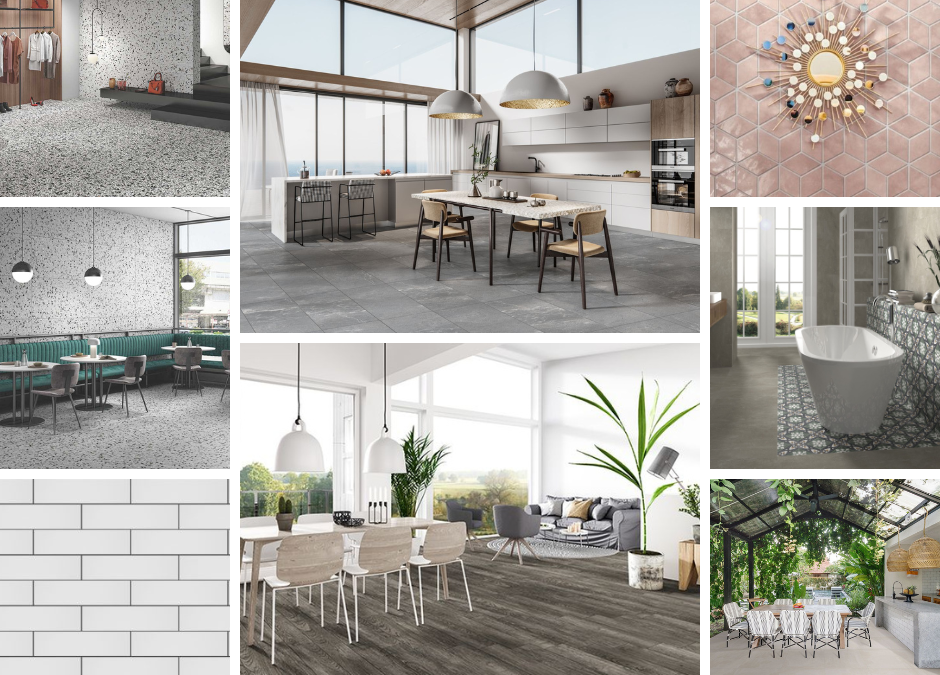
For 2023, they predict a trend towards earthy, nature-inspired hues such as olive greens, warm browns, and deep blues. These colours create a sense of calm and serenity, and can help to bring the outdoors inside. In terms of tile design, we can expect to see a lot of earthy tones and organic textures, including natural stone and wood-look tiles. These tiles will add a warm, inviting feel to any space and are perfect for creating a cozy, welcoming atmosphere.
Next, we have Houzz, the popular home design website.
They predict that geometric tiles will be a big trend in 2023. These tiles feature bold shapes and patterns, often in contrasting colours. They can be used to create eye-catching feature walls or to add interest to a backsplash or shower enclosure.
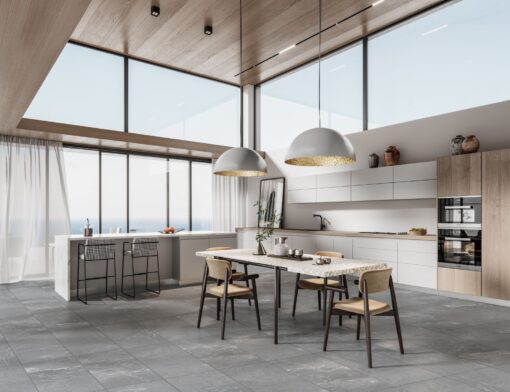
Another trend they anticipate is the use of large-format tiles, which can create a sleek, modern look in any space.
Interior designer Emily Henderson is also weighing in on the tile trends for 2023.
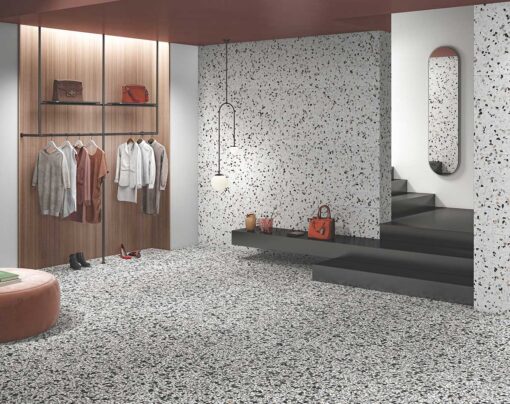
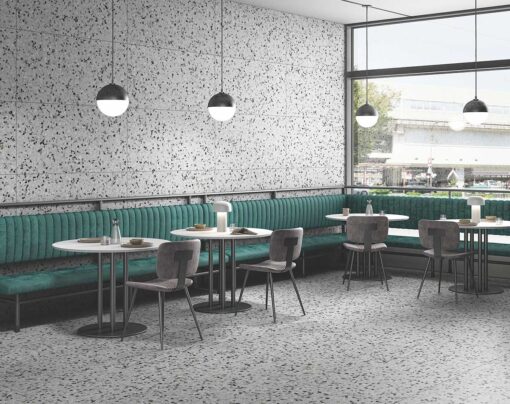
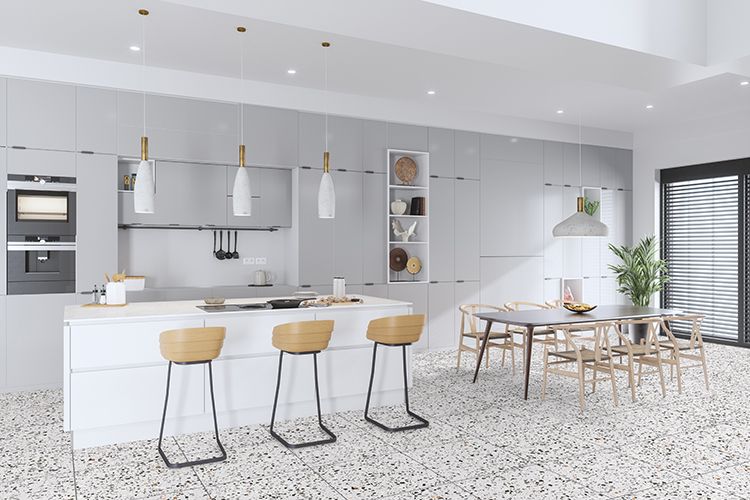
She predicts that terrazzo tiles will be a major player in the coming year. These tiles feature a mix of chips or fragments of marble, quartz, granite, glass, and other materials, which are then poured into a cement or epoxy base. The result is a unique, speckled appearance that’s perfect for adding texture and interest to floors, walls, and countertops.
Finally, we have the design team at Elle Decor.
They’re predicting a return to classic materials and styles in 2023, including subway tiles and hexagonal tiles. These timeless designs never go out of style and can add a touch of elegance to any space. They’re also anticipating a rise in artisanal and handcrafted tiles, which offer a unique, one-of-a-kind look that can’t be replicated by mass-produced products.
Whether you’re a DIY homeowner or an interior designer, these tile trends for 2023 offer plenty of inspiration for your next project. From soft pastels to bold geometric patterns, there’s something for every style and taste.
So, go ahead and start planning your tile makeover today – the possibilities are endless!