bathroom, blog, floors, kitchen, trends, walls
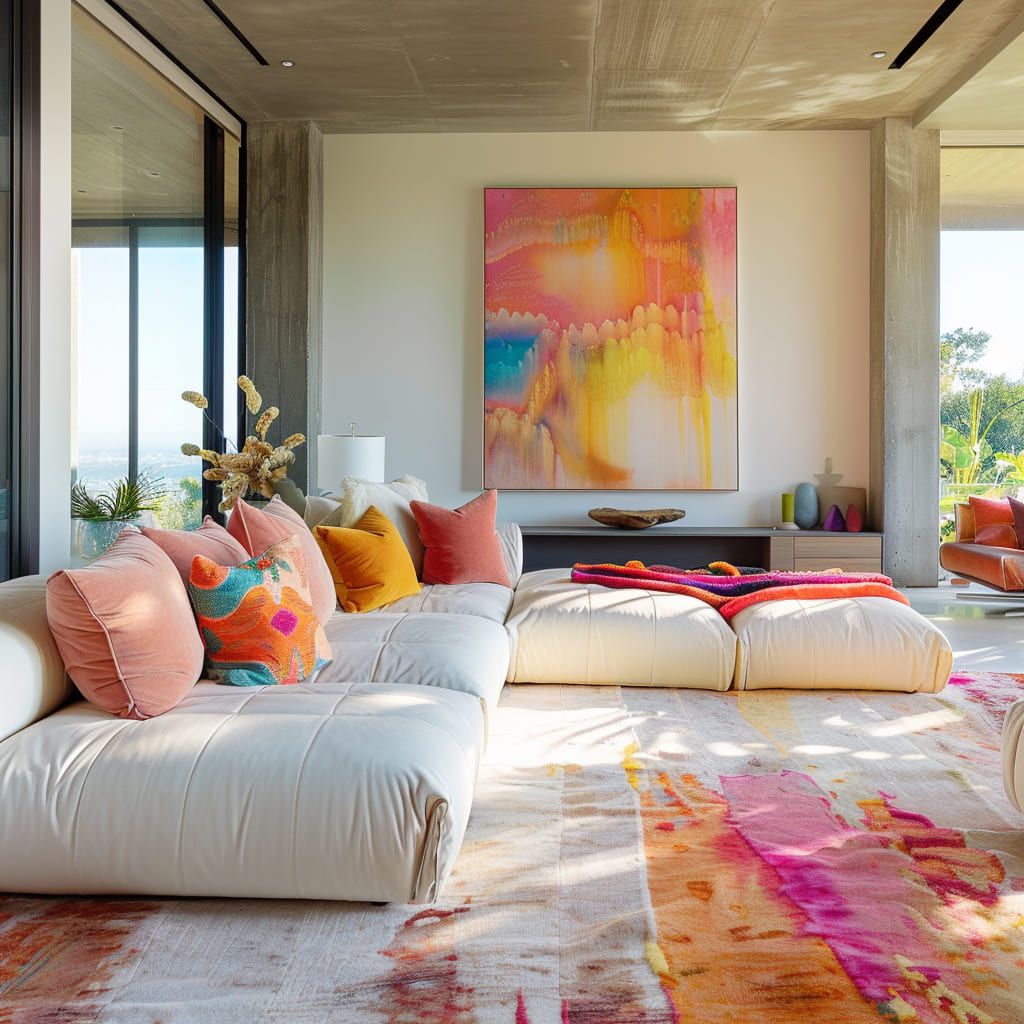
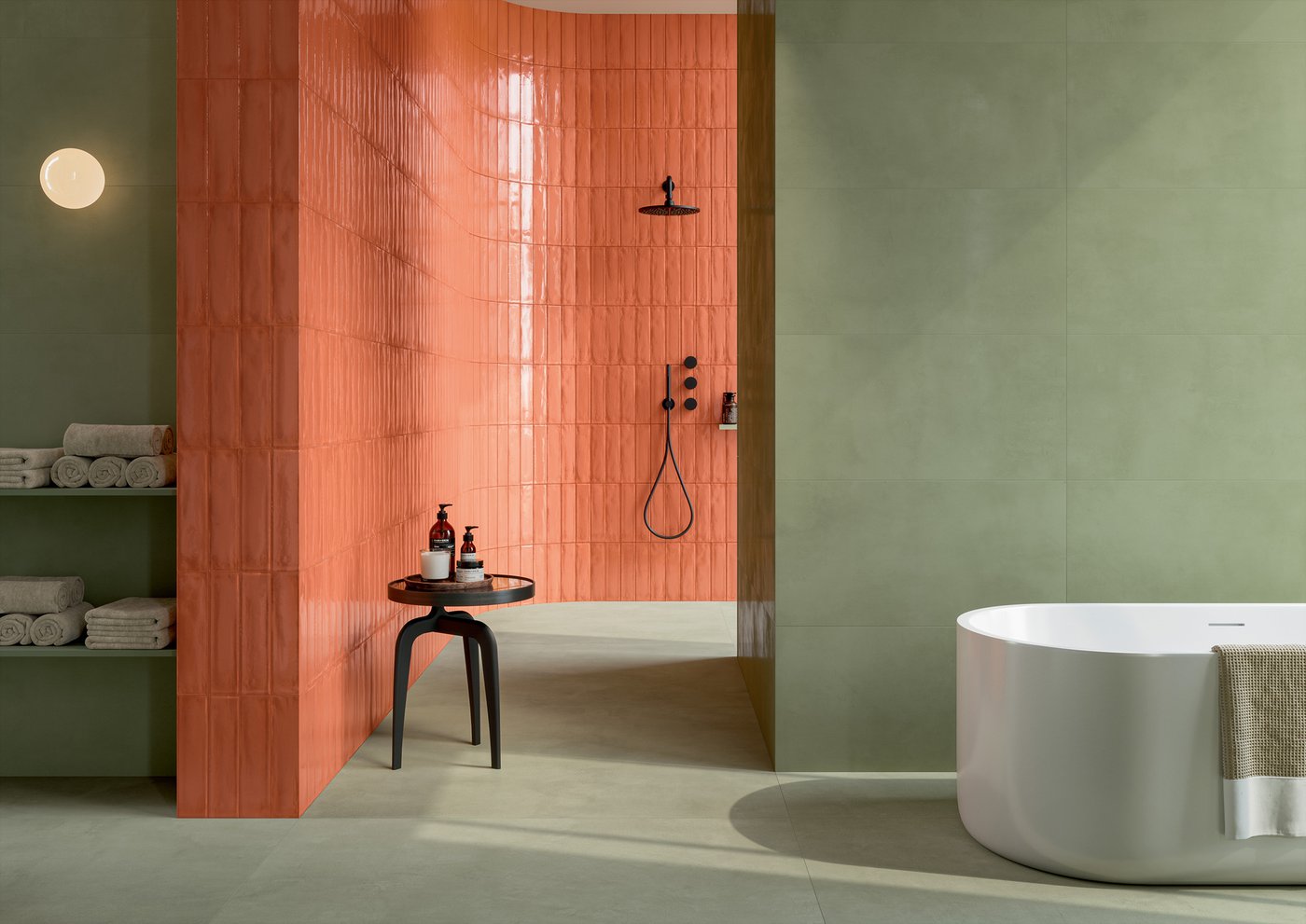
Timeless vs trend-led design is one of the biggest decisions homeowners face when planning a renovation or refresh. With so many styles and finishes constantly changing, knowing how to choose can save you from costly updates later. The goal is not to avoid trends entirely, but to understand when to embrace them and when to lean on timeless design choices.
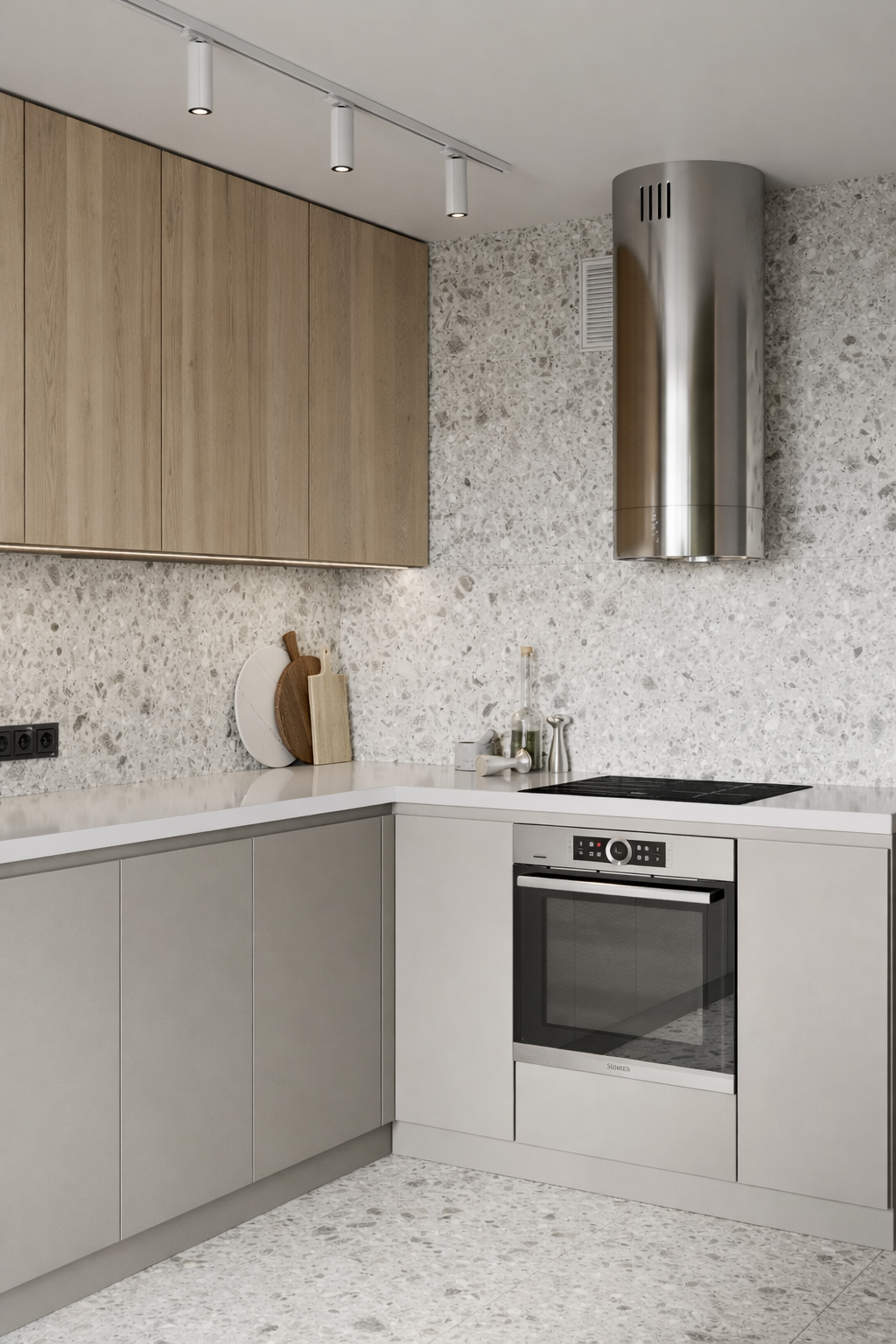
Table of Content:
Timeless vs Trend: Understanding the Difference
Why Timeless Design Is Easier to Live With
Where Trend-Led Design Works Best
Timeless vs Trend: Kitchens and Bathrooms
Timeless vs Trend: How to Choose
Timeless vs Trend: Understanding the Difference
Timeless:
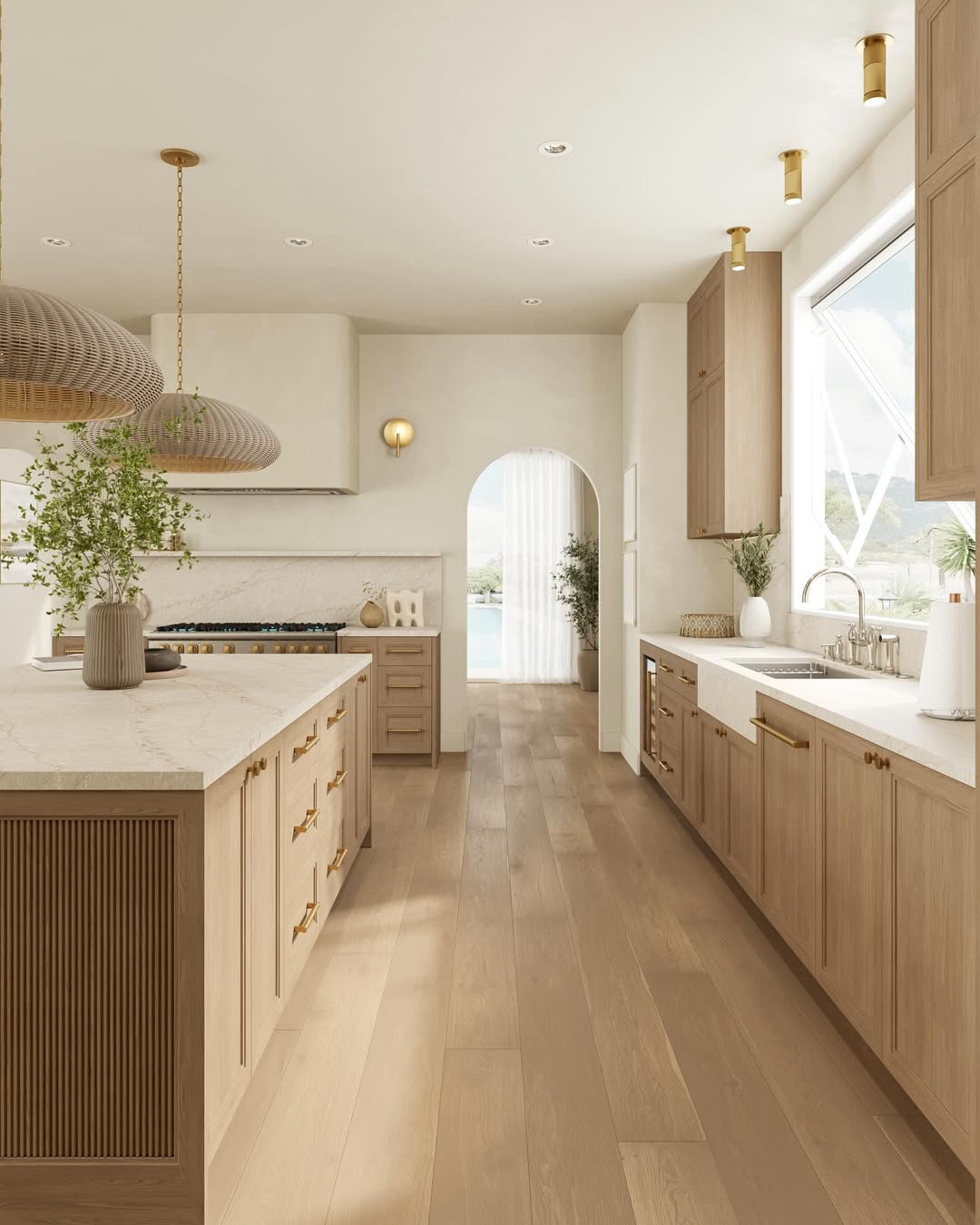
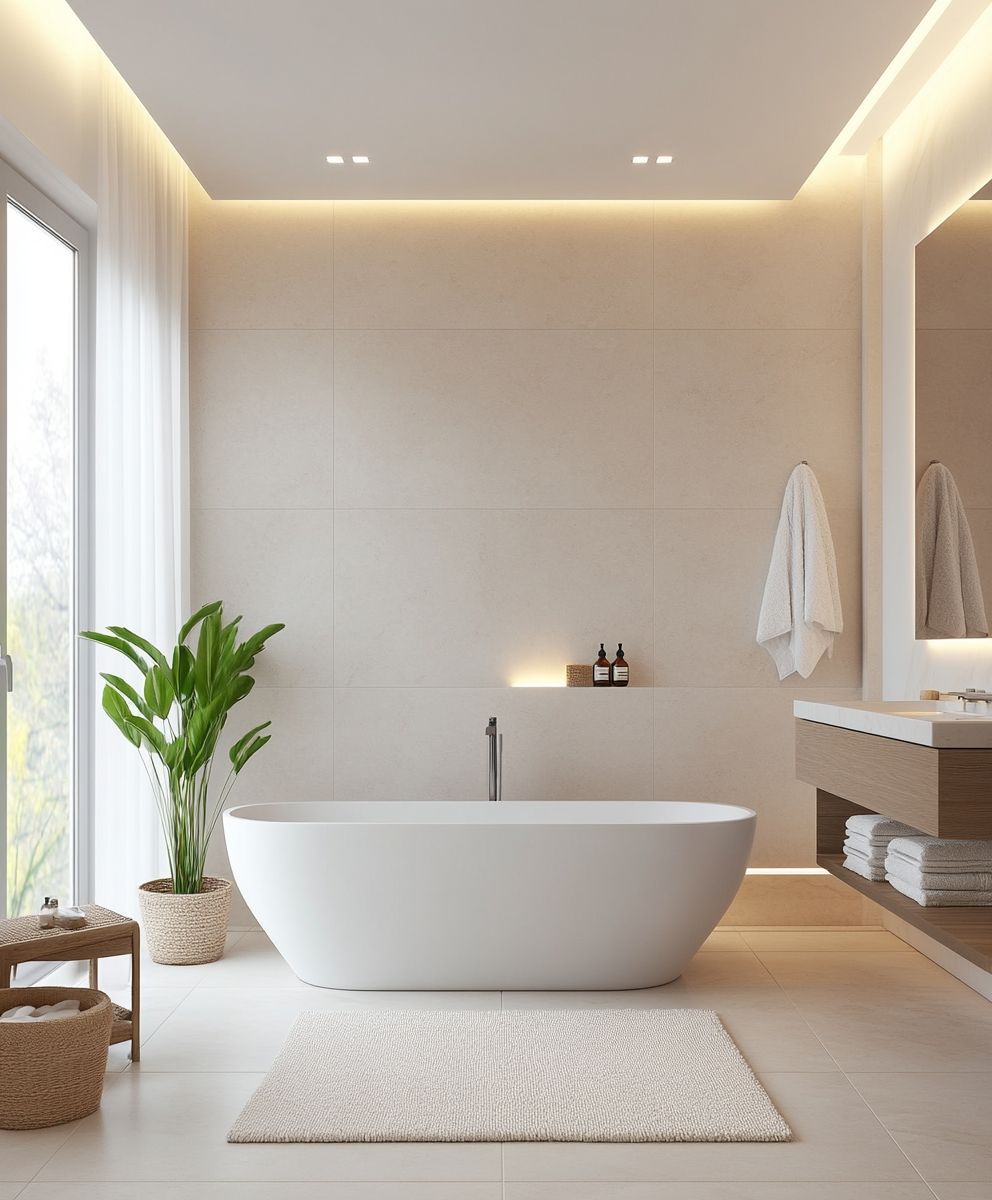
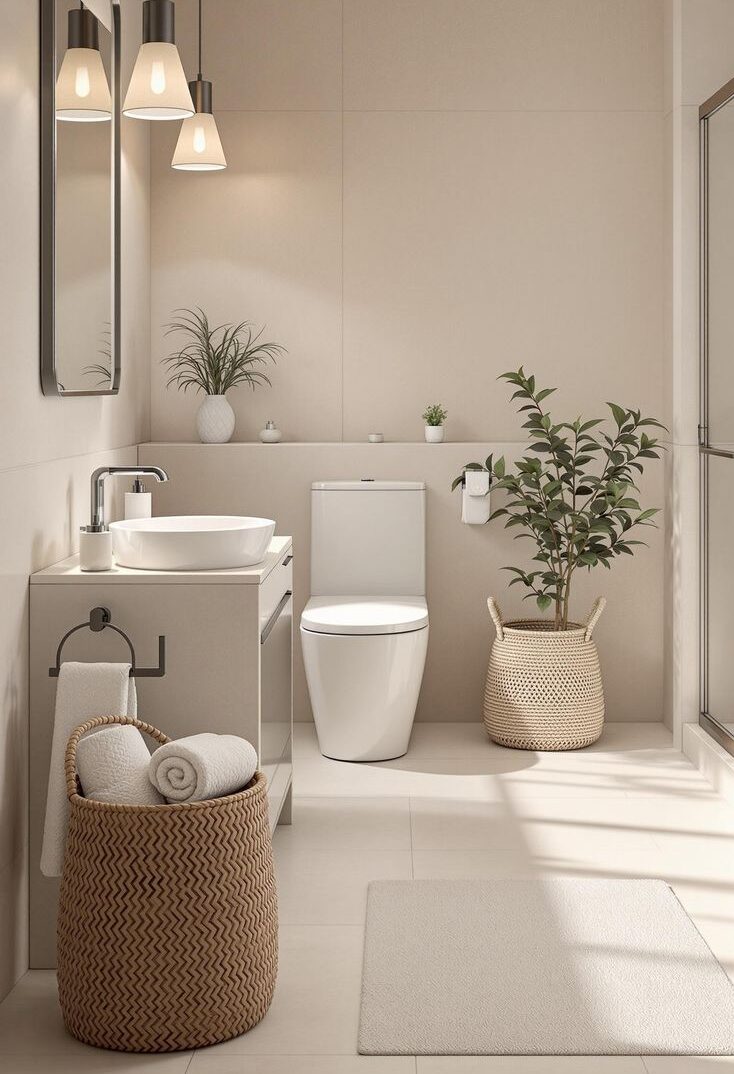
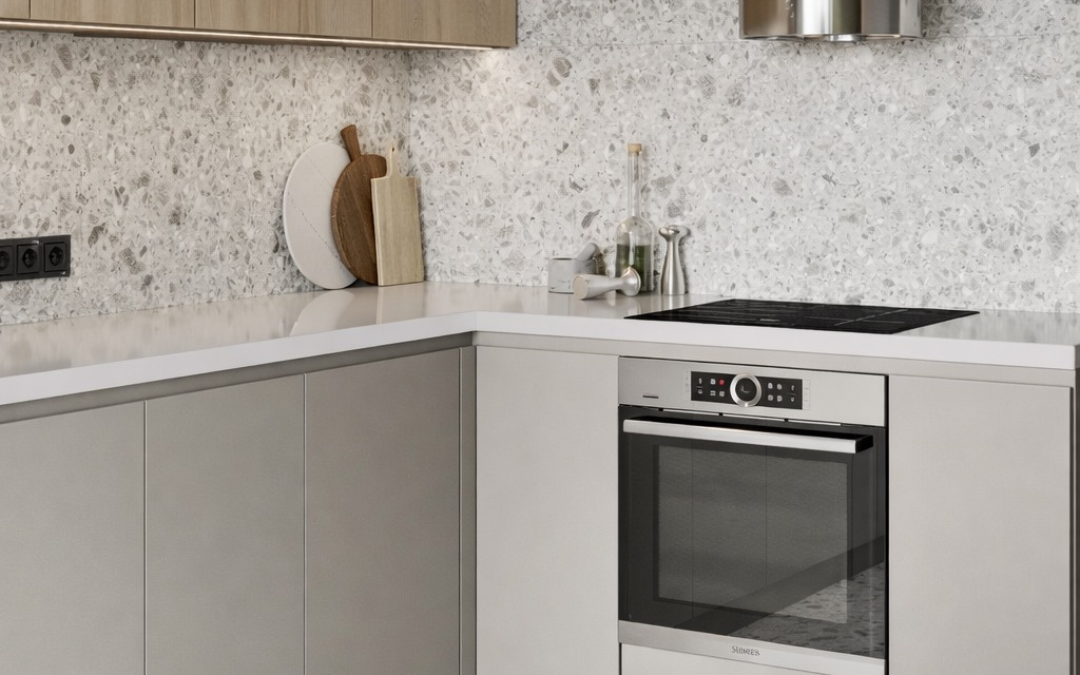
Timeless design is about longevity. It focuses on materials, colours and layouts that stay relevant year after year. Neutral tiles, natural textures and simple forms fall into this category because they adapt easily as styles evolve.
Trend:
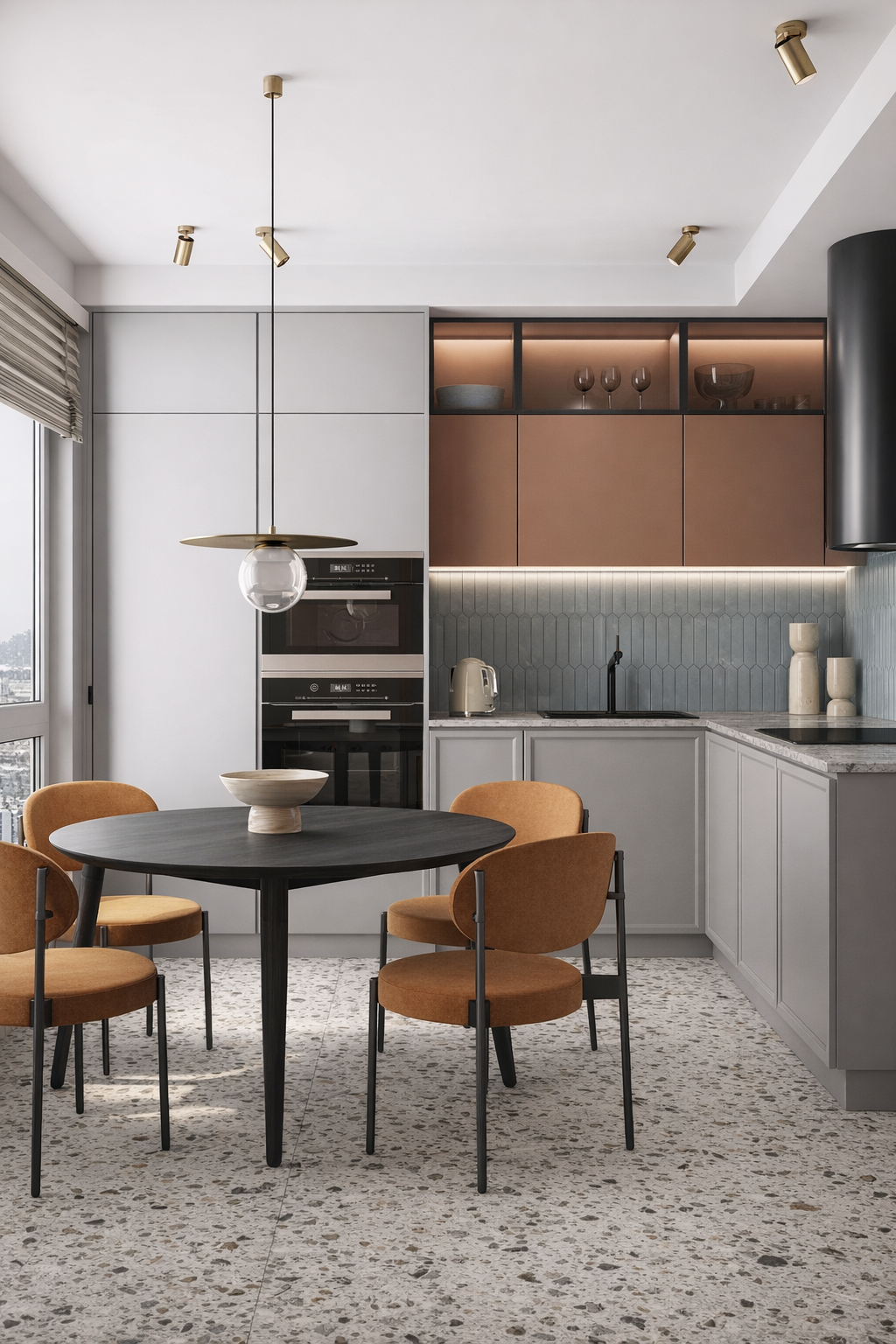
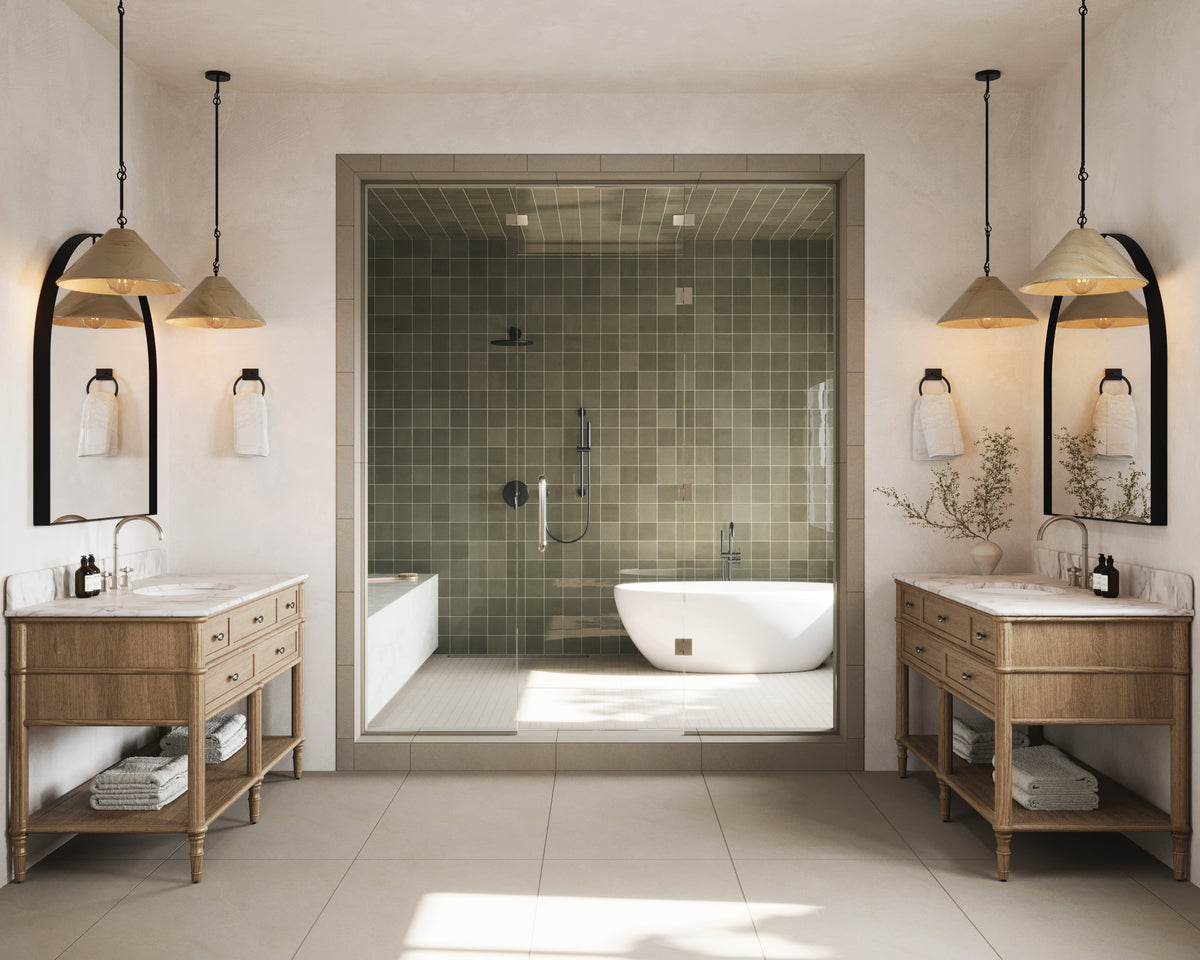
Trend-led design reflects what’s popular right now. Bold colours, statement tiles and eye-catching finishes add personality and energy to a space. While exciting, these choices can date faster if used too heavily.
Why Timeless Design Is Easier to Live With
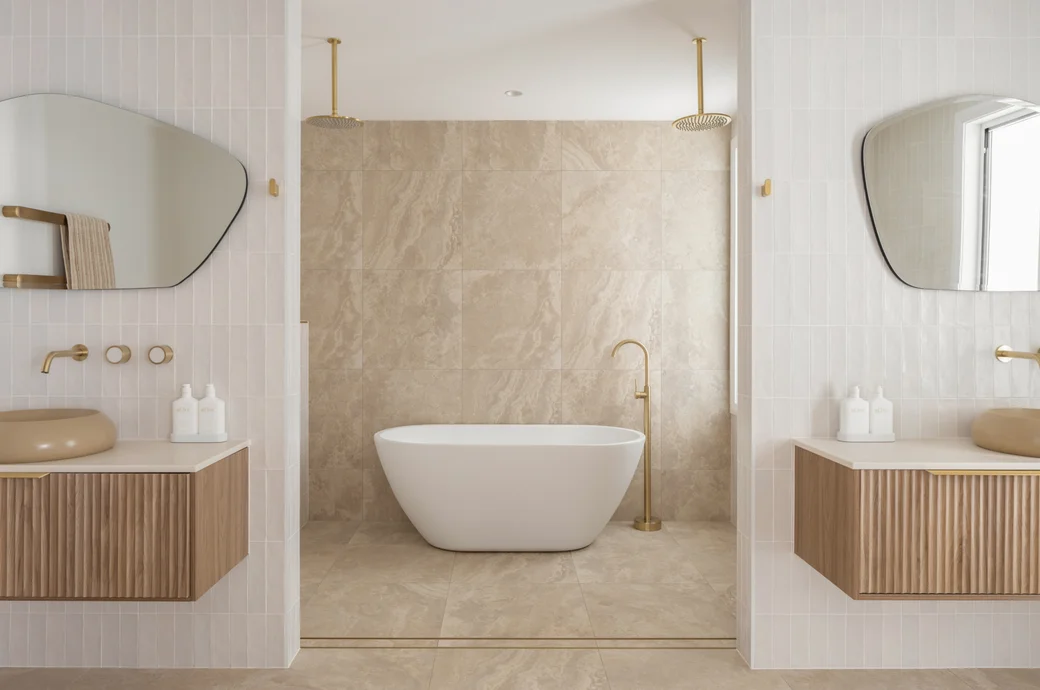
Timeless design works best as the foundation of a home. Floor tiles, wall tiles and bathroom layouts are expensive to change, so choosing options that won’t feel dated makes sense. These choices create calm, flexible spaces that suit different tastes over time.
This approach is especially important in kitchens and bathrooms where durability and practicality matter most.
If you’re starting fresh or planning updates for the year ahead, our blog on renovation inspiration for the new year offers practical ideas for building a strong, timeless base while still refreshing your home.
Where Trend-Led Design Works Best
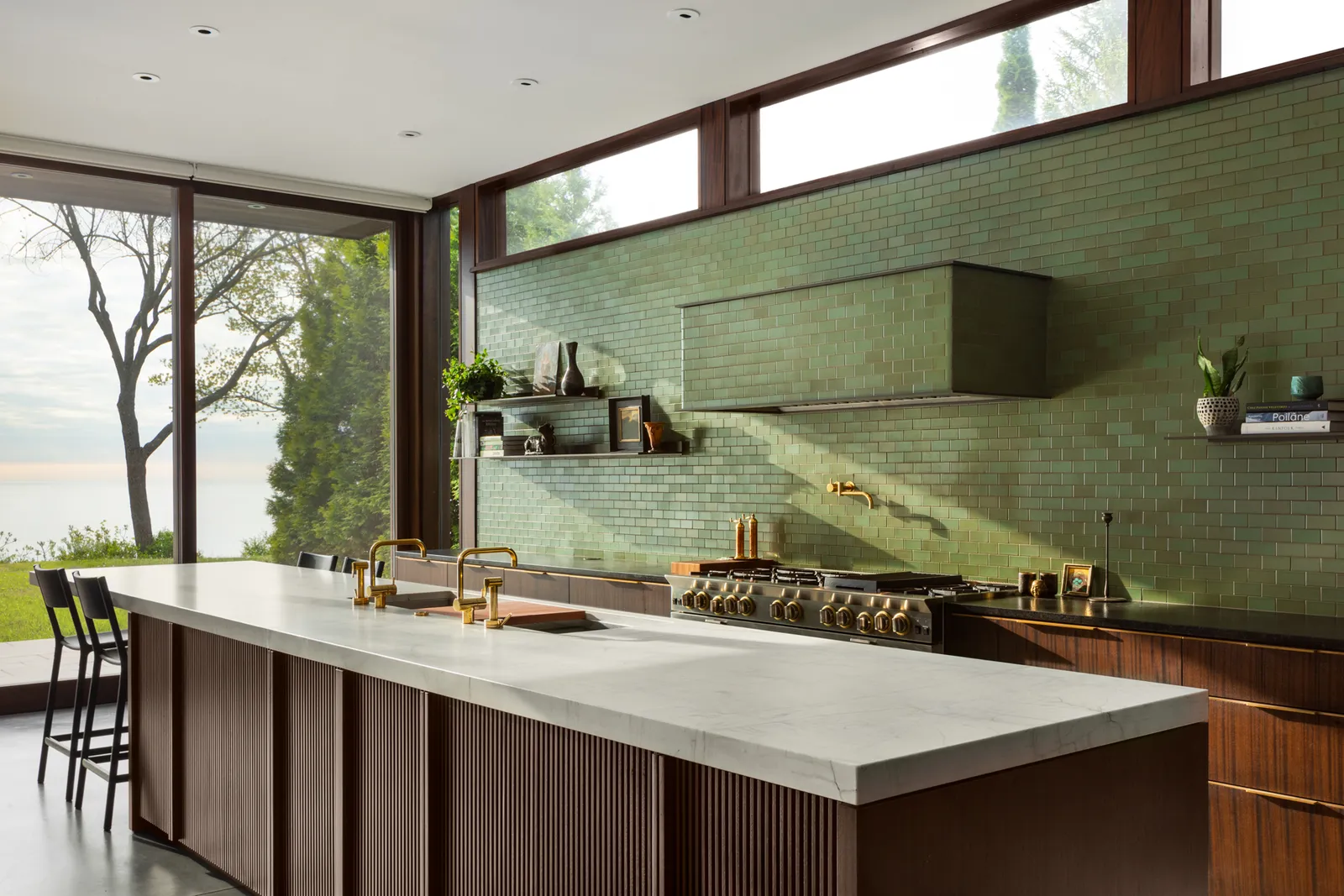
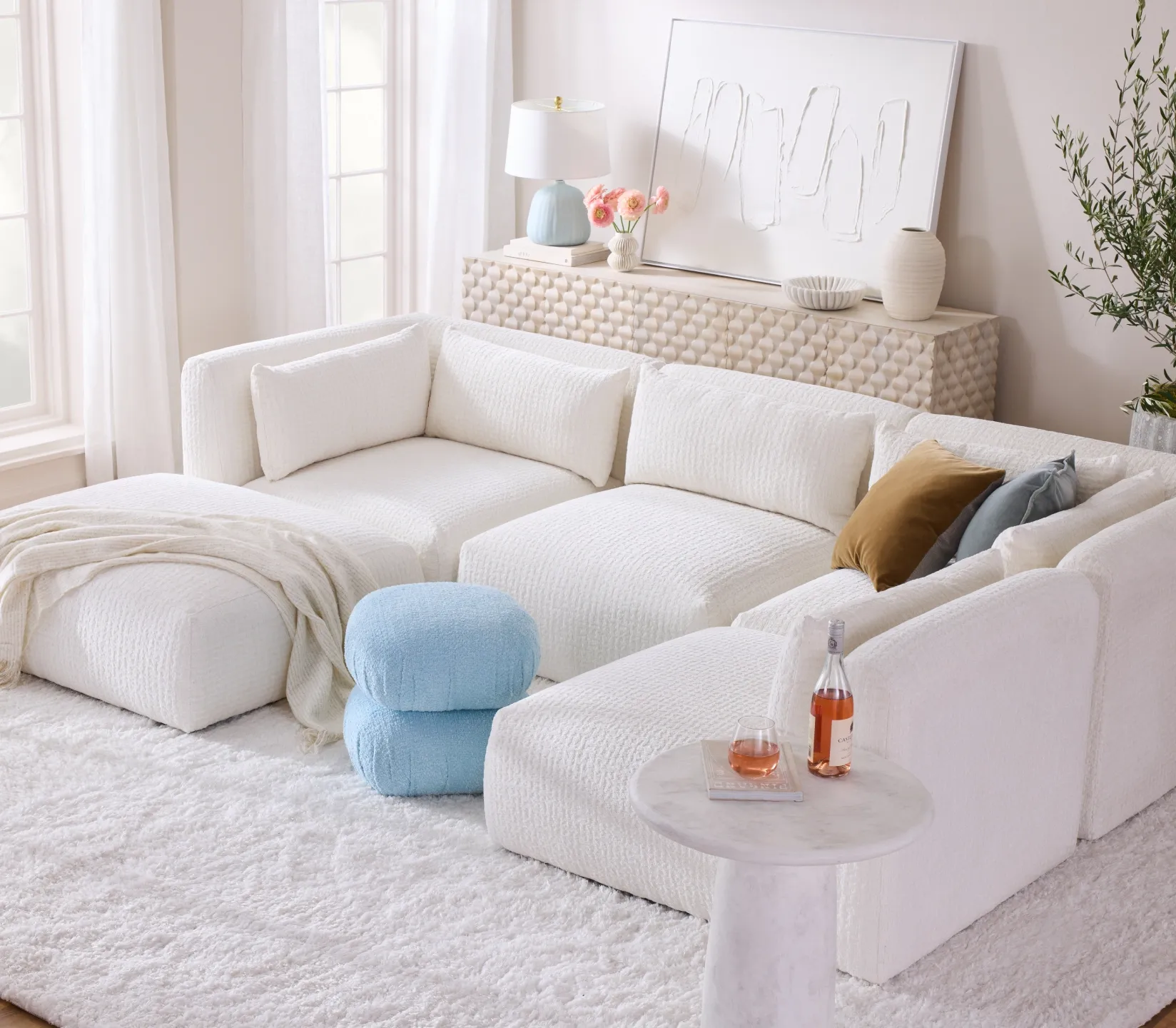
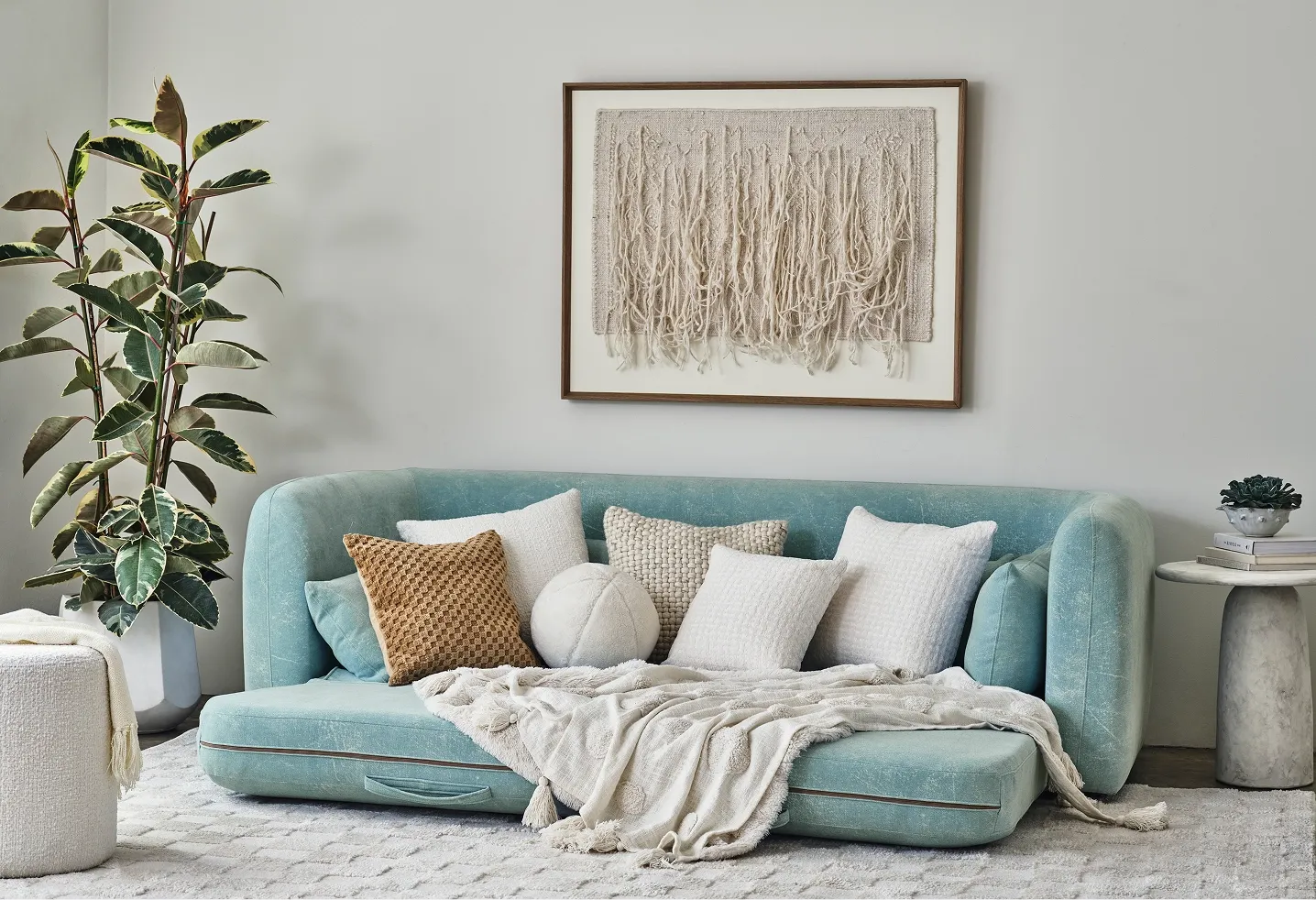
Trend-led design shines when used in smaller, easier-to-update areas. Feature walls, splashbacks, decorative tiles and accessories are perfect places to experiment. These elements bring personality without locking you into a look for years.
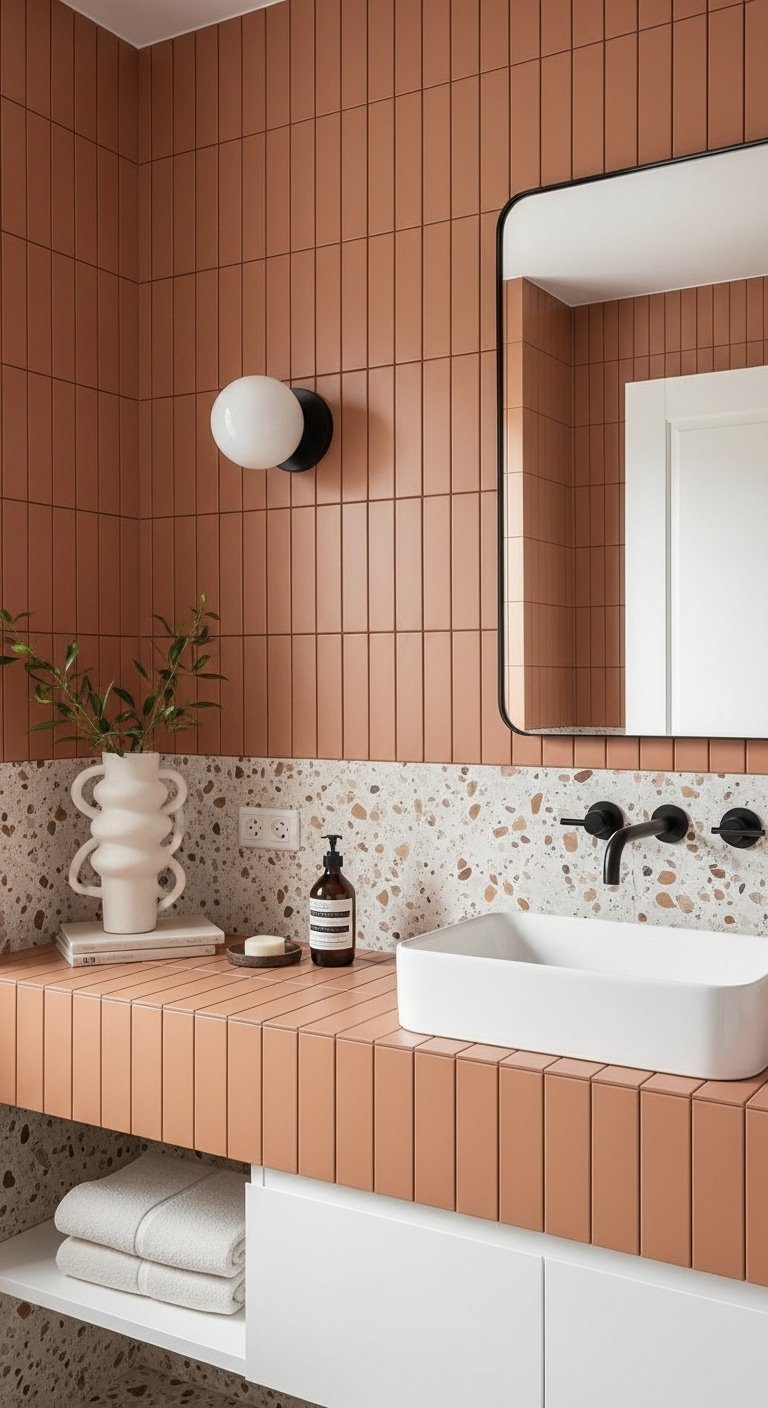
image credit: inspivie
Using trends strategically keeps your home feeling current while still being practical.
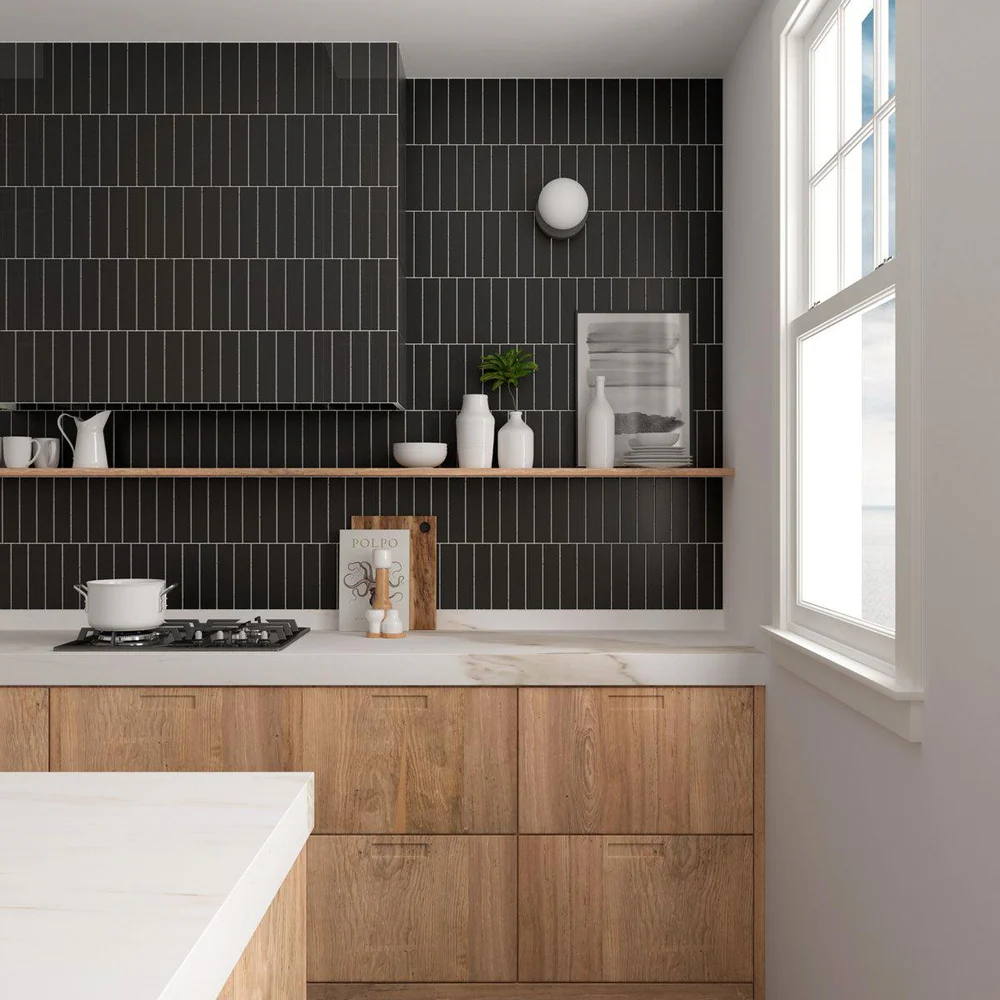
If you’re curious about what’s shaping interiors right now, take a look at our top trend predictions for 2026 to see which styles are worth embracing and how to use them without overcommitting.
Timeless vs Trend: Kitchens and Bathrooms
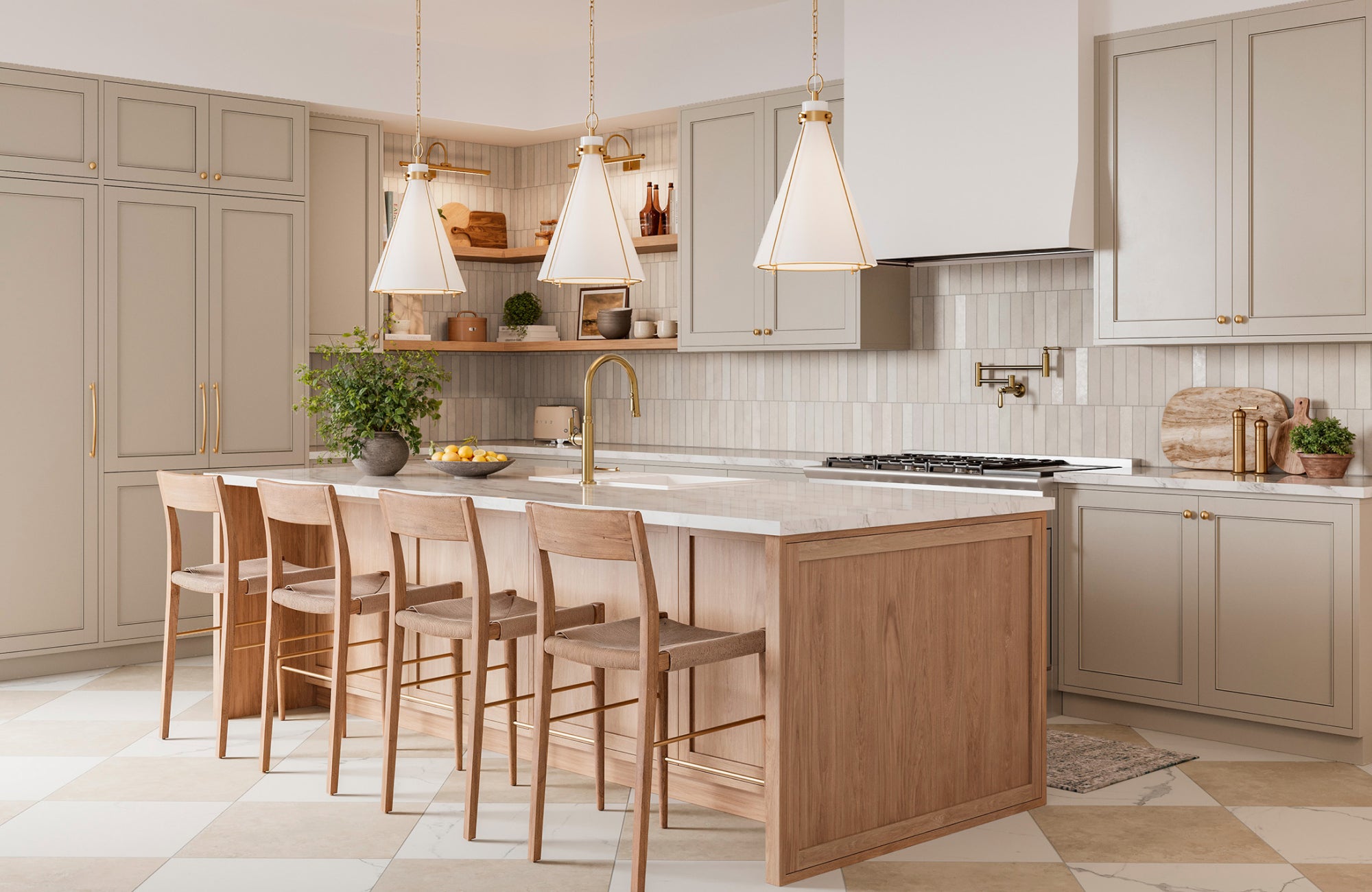
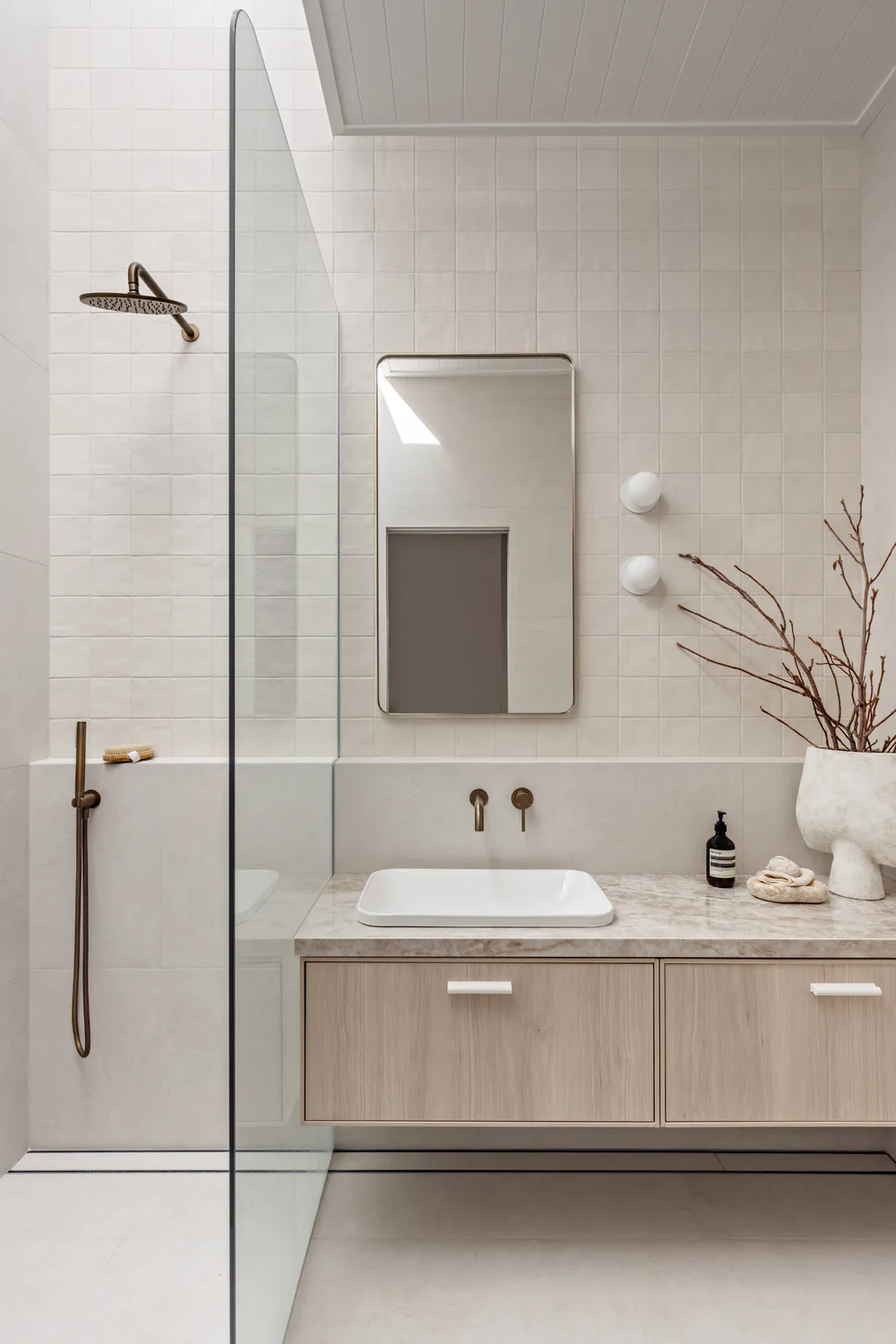
Kitchens and bathrooms benefit most from a balanced approach. Choose timeless tiles for floors and main walls, then introduce trend-led elements through tapware, lighting or feature tiles.
This mix keeps the space visually interesting while ensuring it remains functional and easy to update down the line.
Timeless vs Trend: How to Choose
When deciding between timeless vs trend, think about how long you want the look to last. Ask yourself whether you’d still love the choice in five or ten years. If not, keep it limited.
A good rule of thumb is to invest in timeless materials and layer trends through finishes that are easier to replace.
Timeless vs trend-led design is not about choosing one over the other. It’s about knowing how to choose the right balance for your lifestyle and space. When done well, this approach creates interiors that feel current, personal and built to last.
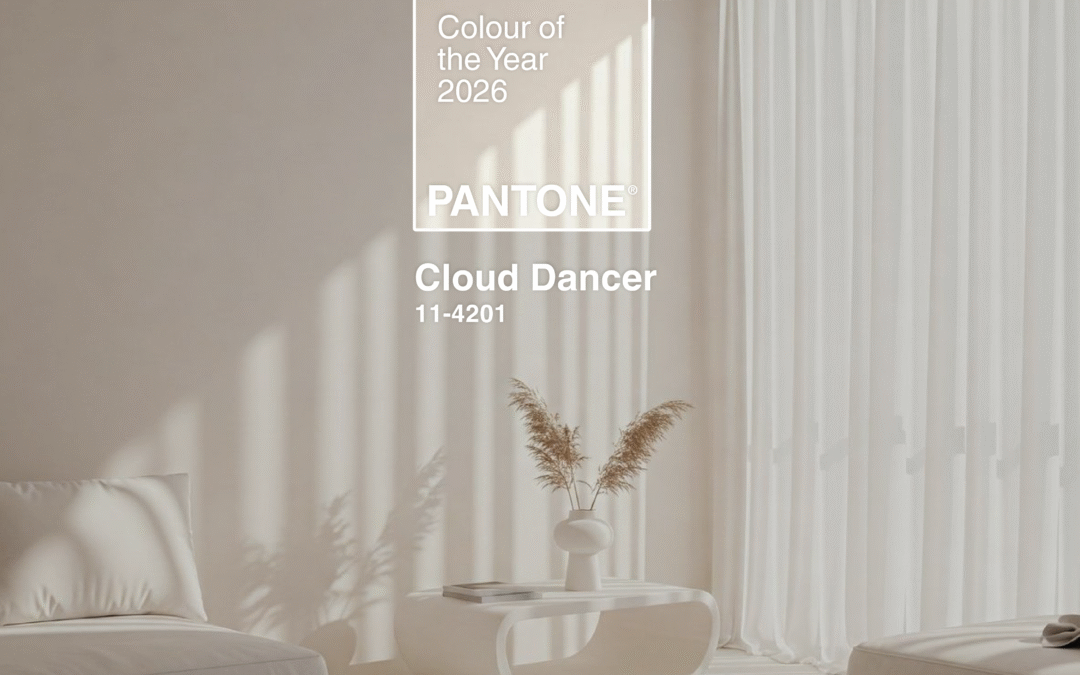
bathroom, blog, floors, how to articles, interior design tips, kitchen, trends, walls
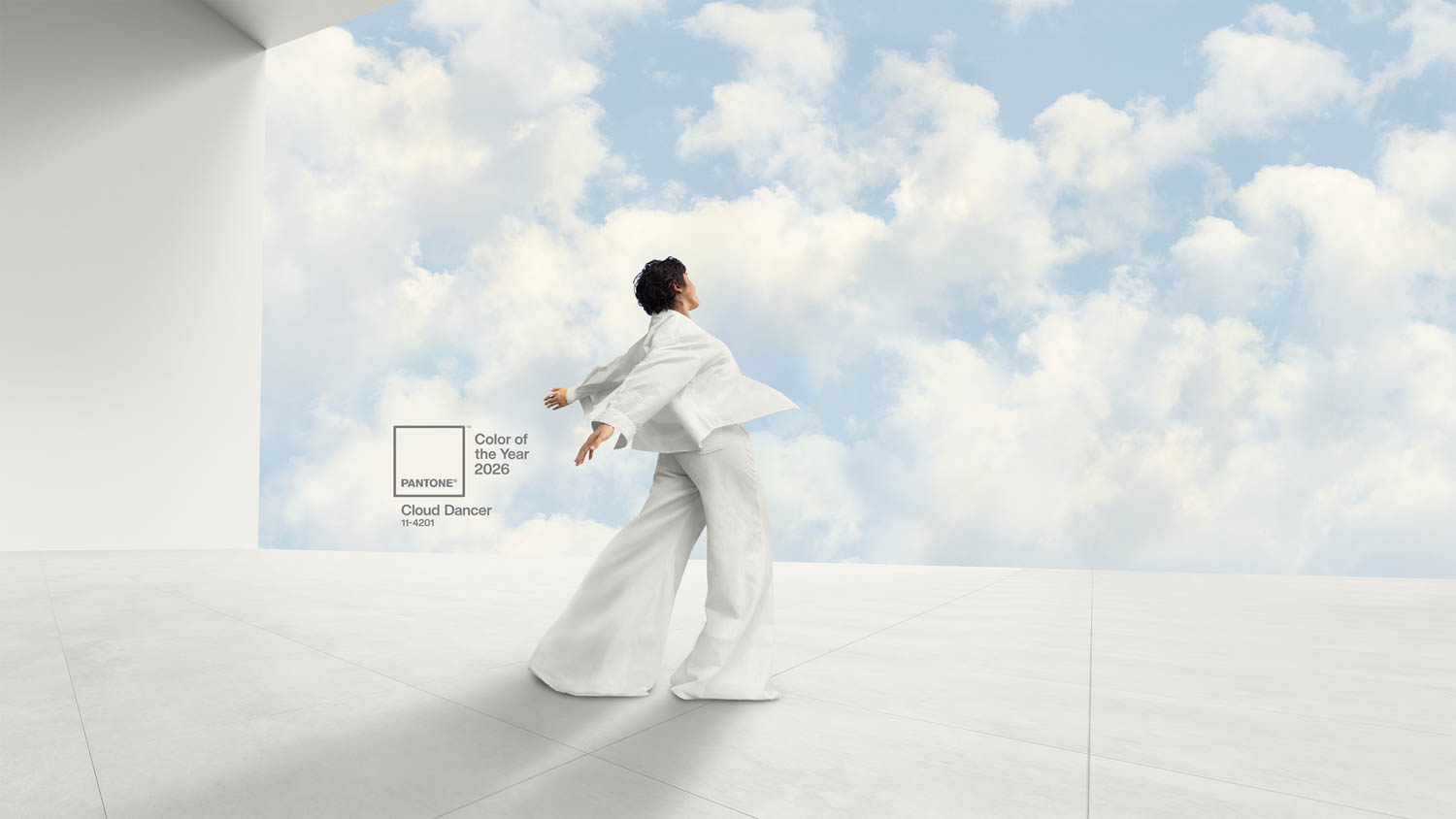
Pantone Colour of the Year 2026 Cloud Dancer is already making waves in the world of interior design for its soft, airy feel and effortless versatility. As homeowners and designers move toward calmer, more mindful spaces, Cloud Dancer stands out as the perfect shade to refresh interiors with clarity and warmth. This colour brings a unique blend of serenity and adaptability that fits beautifully into both homes and commercial projects, offering endless ways to elevate a space with a sense of calm and quiet sophistication.
(pantone.com)
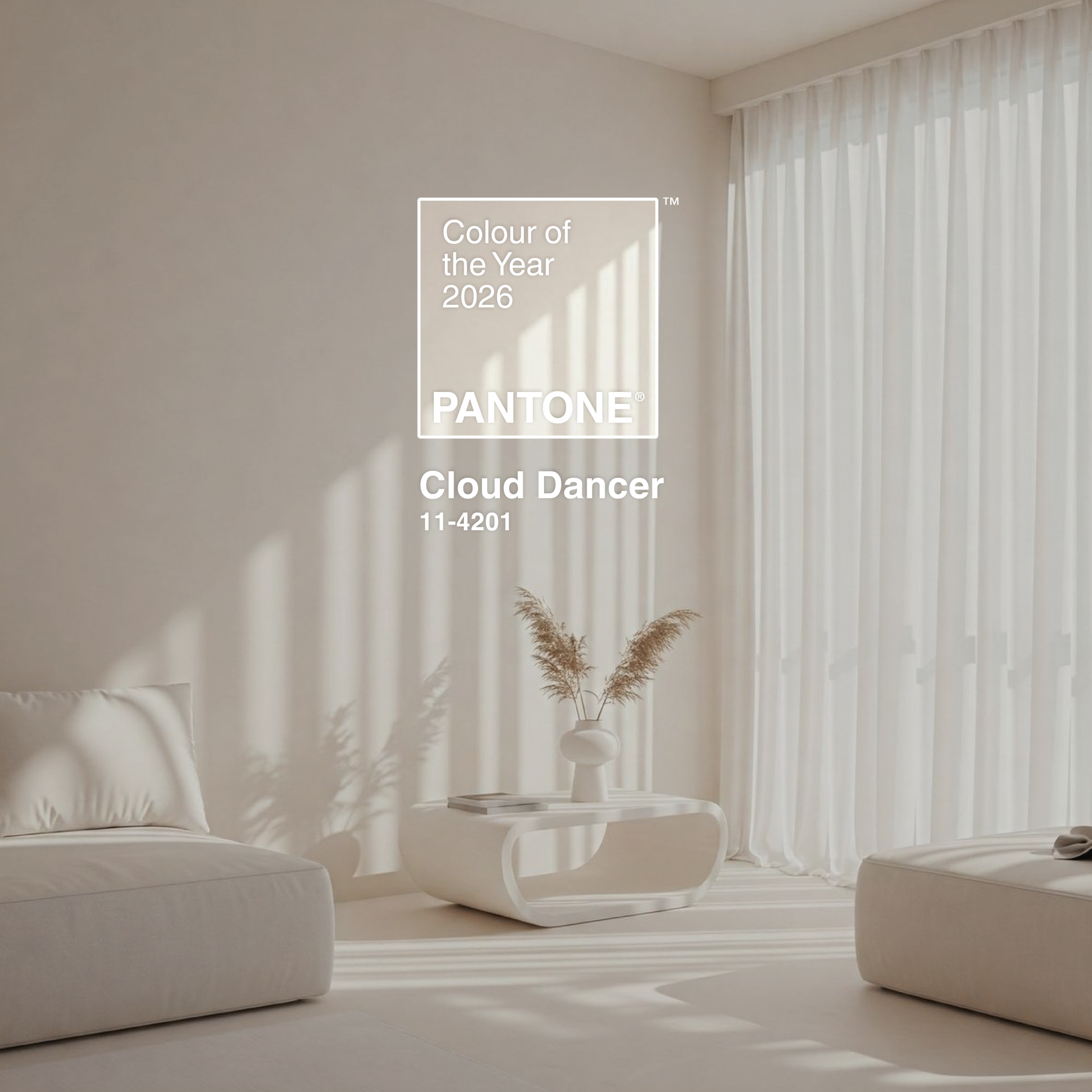
Table of Content:
The Meaning Behind Pantone Colour of the Year 2026 Cloud Dancer — A Whisper of Calm in a Busy World
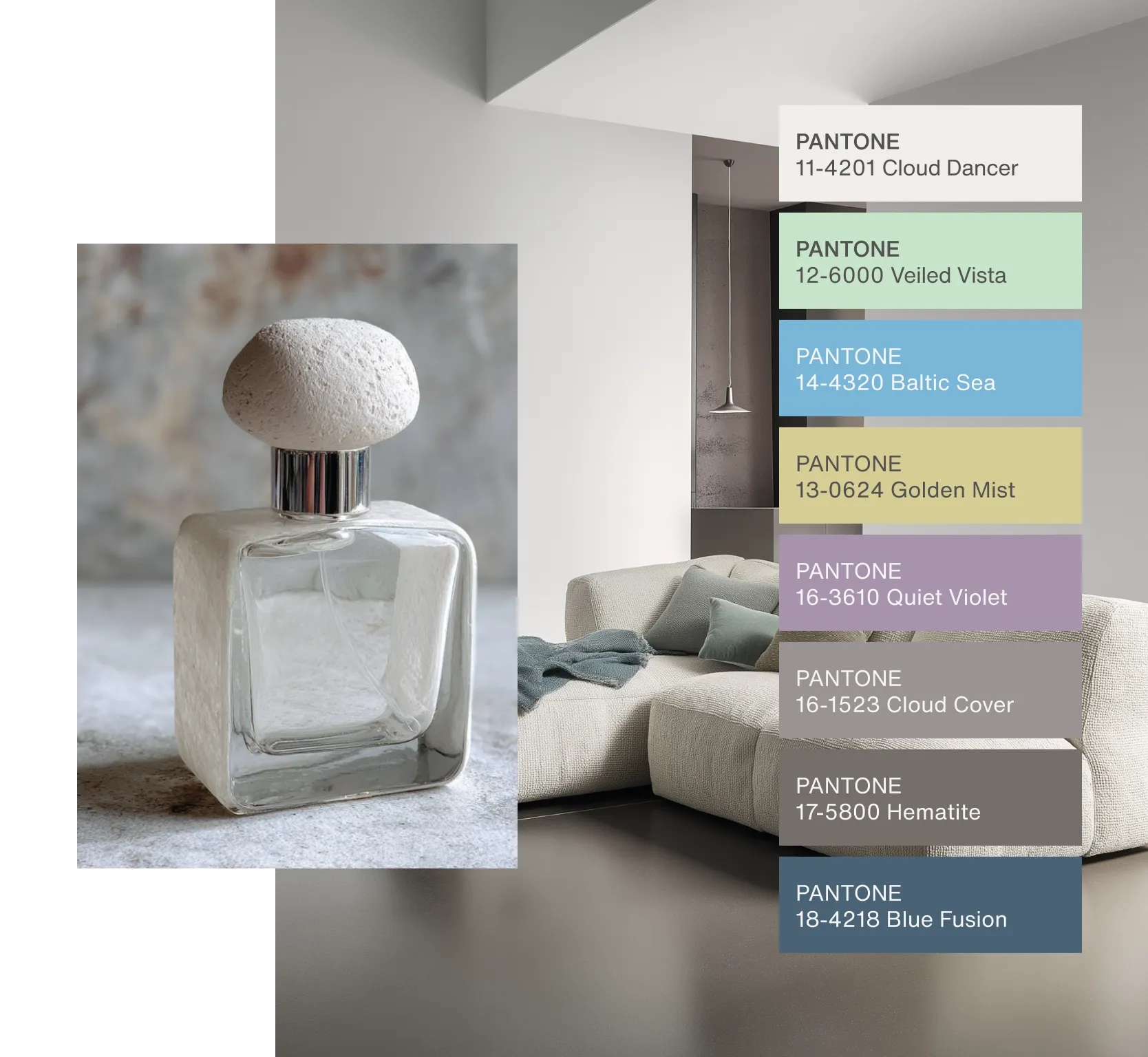
Pantone Cloud Dancer Colour Palettes
How to Incorporate Pantone Colour of the Year 2026 Cloud Dancer Into Your Interior Design
Why Cloud Dancer Works So Well With Tiles
Pantone Colour of The Year 2026: A Colour for Every Style
The Meaning Behind Pantone Colour of the Year 2026 Cloud Dancer — A Whisper of Calm in a Busy World
Pantone Colour of the Year 2026 Cloud Dancer brings a sense of stillness at a time when life feels fast and chaotic. This soft, airy white has a calming presence that helps you slow down, breathe and reconnect with your thoughts. It encourages true relaxation and gives your mind the space it needs for clarity and creativity.
Cloud Dancer naturally opens up a room, making it feel lighter, cleaner and more spacious. It has a gentle way of blending emotion with practicality, turning any interior into a peaceful retreat. Whether used across a whole room or as a supporting colour, it creates an uplifting environment that feels fresh and soothing.
(pantone.com)
Pantone Cloud Dancer Colour Palettes
In a world where colour is deeply linked to self-expression Cloud Dancer earns its place as a versatile favourite. It adapts beautifully to different design styles, complements a range of palettes and can either stand alone or balance richer tones. Its soft brightness brings a sense of breathability to every room it touches.
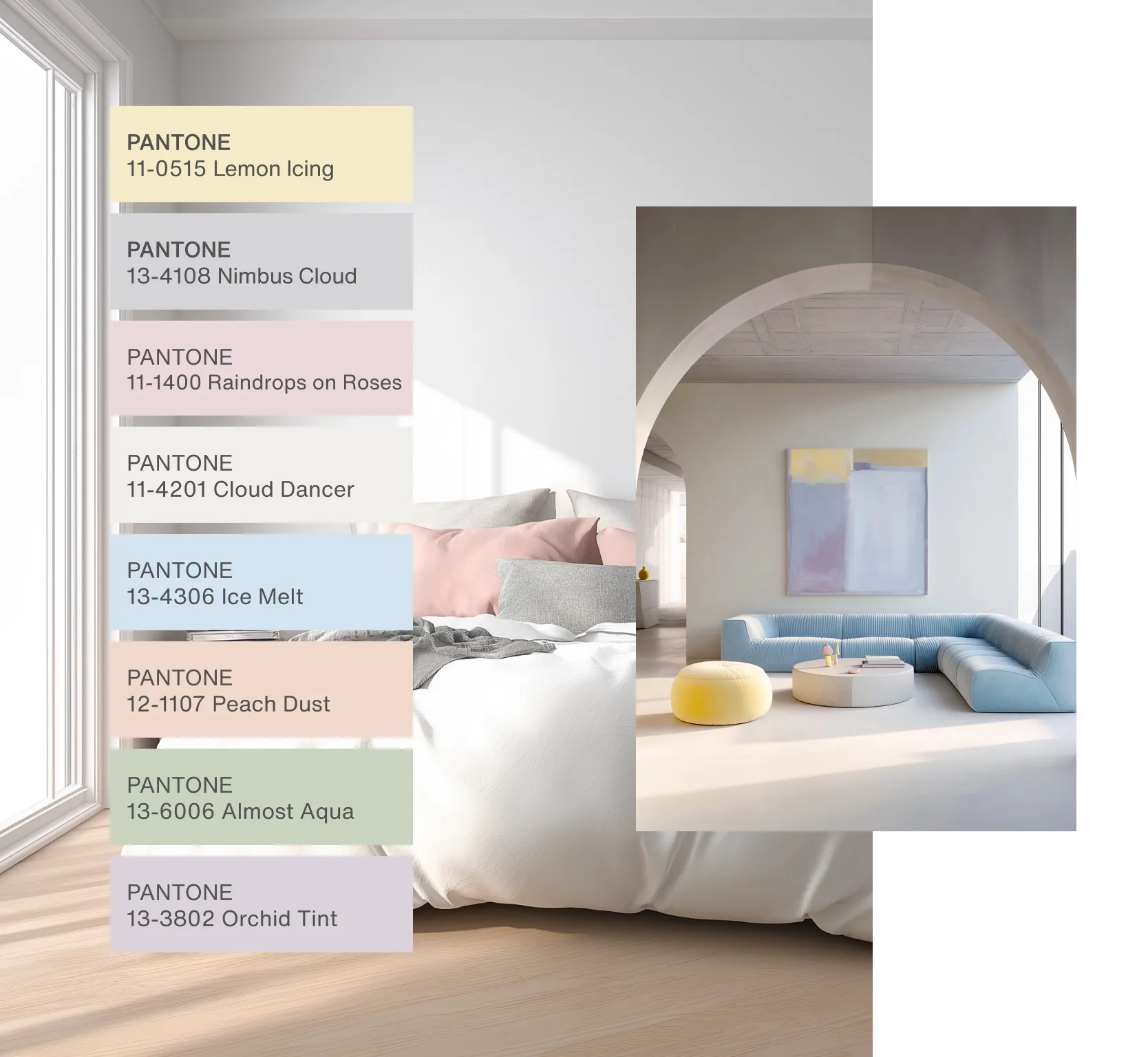
Powdered Pastels
Cloud Dancer pairs effortlessly with light pastels and gentle neutrals. These combinations offer subtle shifts in tone that feel warm, refined and easy on the eye. If you want a calming look that still feels layered and interesting this palette is a great place to start.
Light & Shadow
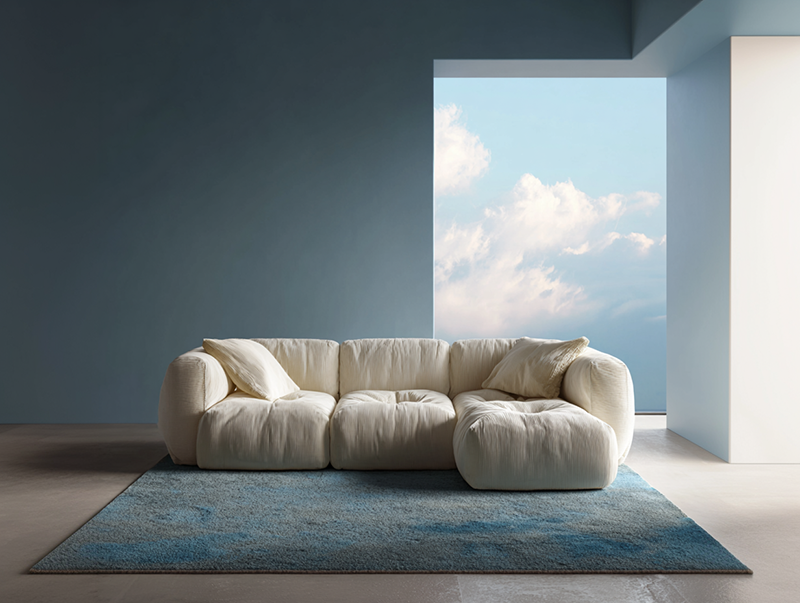
For a more dramatic atmosphere Cloud Dancer works seamlessly with softened deep tones. When paired with charcoal, muted navy or earthy shadow shades the contrast feels harmonious rather than harsh. This light and dark balance adds depth without weighing a room down.
(pantone.com)
How to Incorporate Pantone Colour of the Year 2026 Cloud Dancer Into Your Interior Design
Cloud Dancer is as functional as it is beautiful, making it easy to introduce into your home whether you prefer minimalist style or warm, cosy design. Here are effortless ways to make it work in your space:
Cloud Dancer Walls for a Clean and Quiet Look
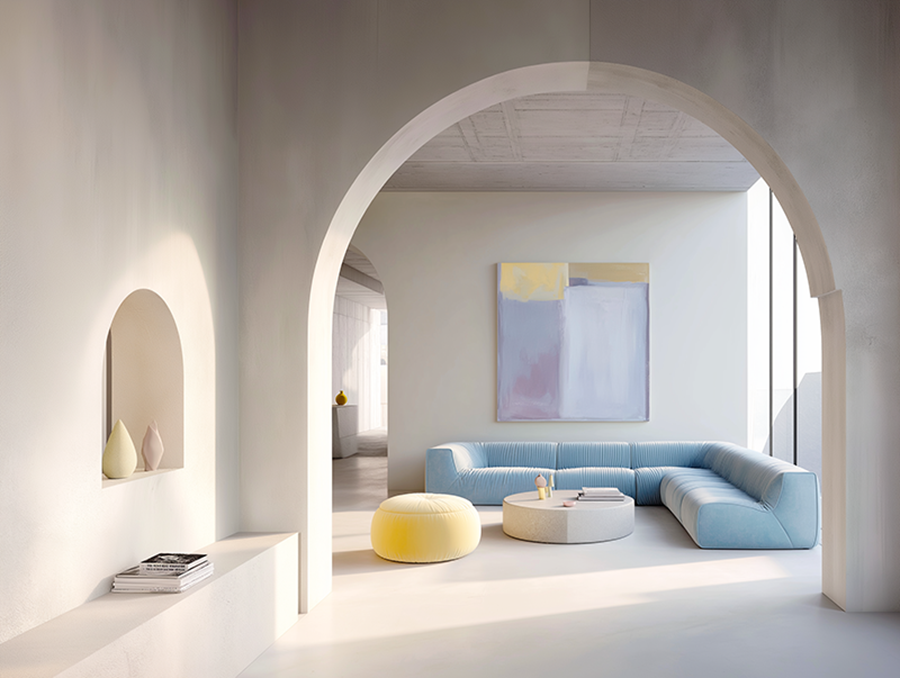
image credit: pantone.com
Painting walls in Cloud Dancer immediately brightens a room while keeping the atmosphere soft rather than stark. It creates a calm backdrop for furniture, décor and statement flooring, especially wood-look vinyl or natural stone tiles.
Use Cloud Dancer Tiles to Elevate Bathrooms and Kitchens
Soft white tiles are timeless and Cloud Dancer-inspired tones work especially well in bathrooms and kitchens where clean design matters most. Pair Cloud Dancer tiles with brushed brass taps, soft greys or pastel accents for a modern finish.
Pair With Warm Flooring for a Balanced Space
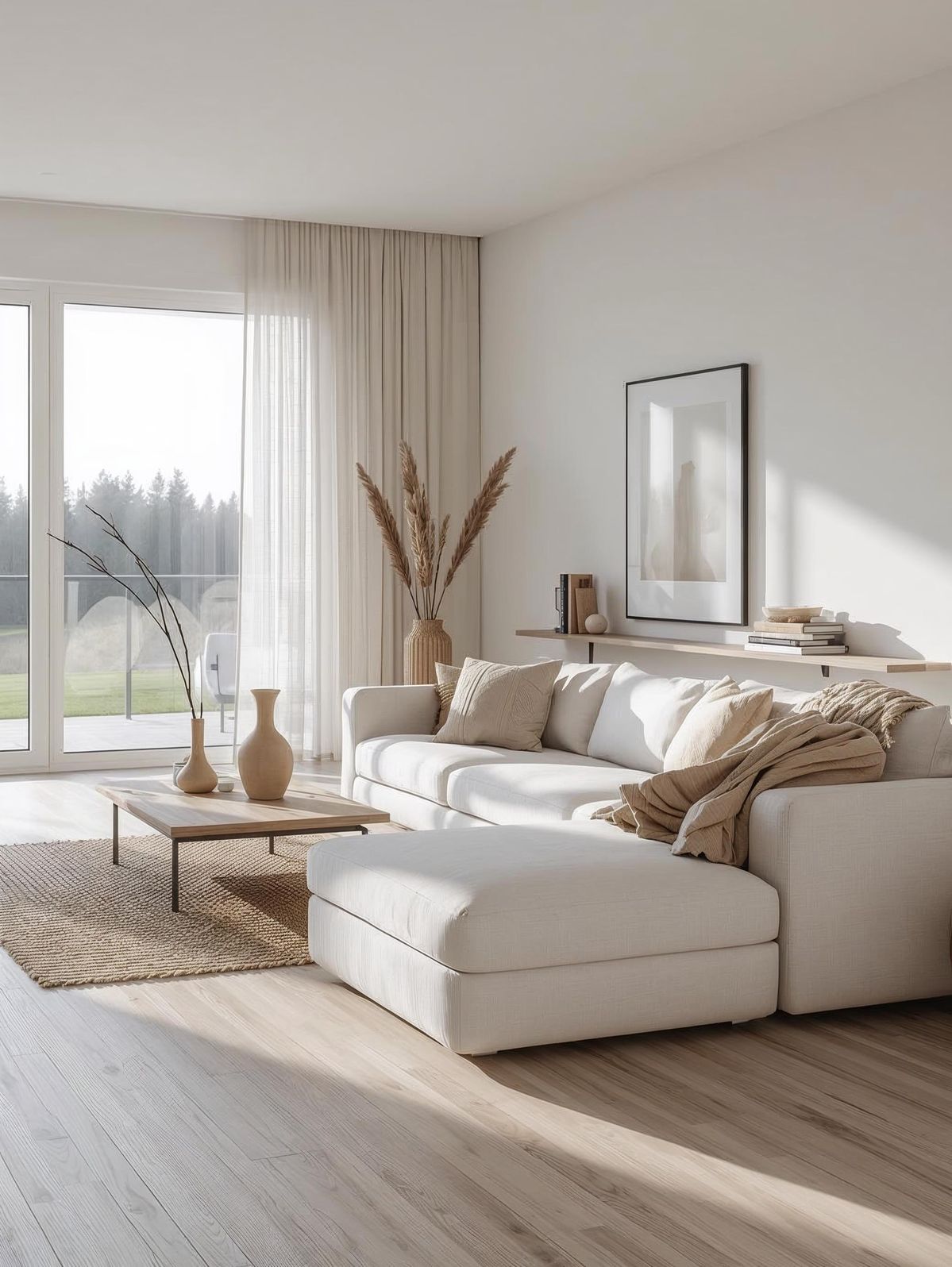
Because Cloud Dancer is airy and light it pairs beautifully with warm flooring such as oak-look laminate, textured vinyl or neutral large-format tiles. This combination creates warmth without losing brightness, making it ideal for living rooms and bedrooms.
Add Cloud Dancer Through Furniture and Soft Décor
If painting or tiling feels like too big a step try introducing the colour through fabrics, bedding, curtains, cabinetry or upholstered furniture. Its subtle warmth blends easily with any palette.
Contrast With Earthy, Bold or Moody Colours
To bring more personality into a room anchor Cloud Dancer with grounding tones like espresso, olive green, mauve or muted teal. These tones pair well with rich textured tiles and modern finishes.
Why Cloud Dancer Works So Well With Tiles
Tiletoria’s range of tiles makes it simple to enhance or contrast Cloud Dancer in any room.
Here’s why the pairing works:
Tiles add texture and depth to Cloud Dancer’s light and airy feel
Large-format tiles enhance Cloud Dancer’s spacious effect even further
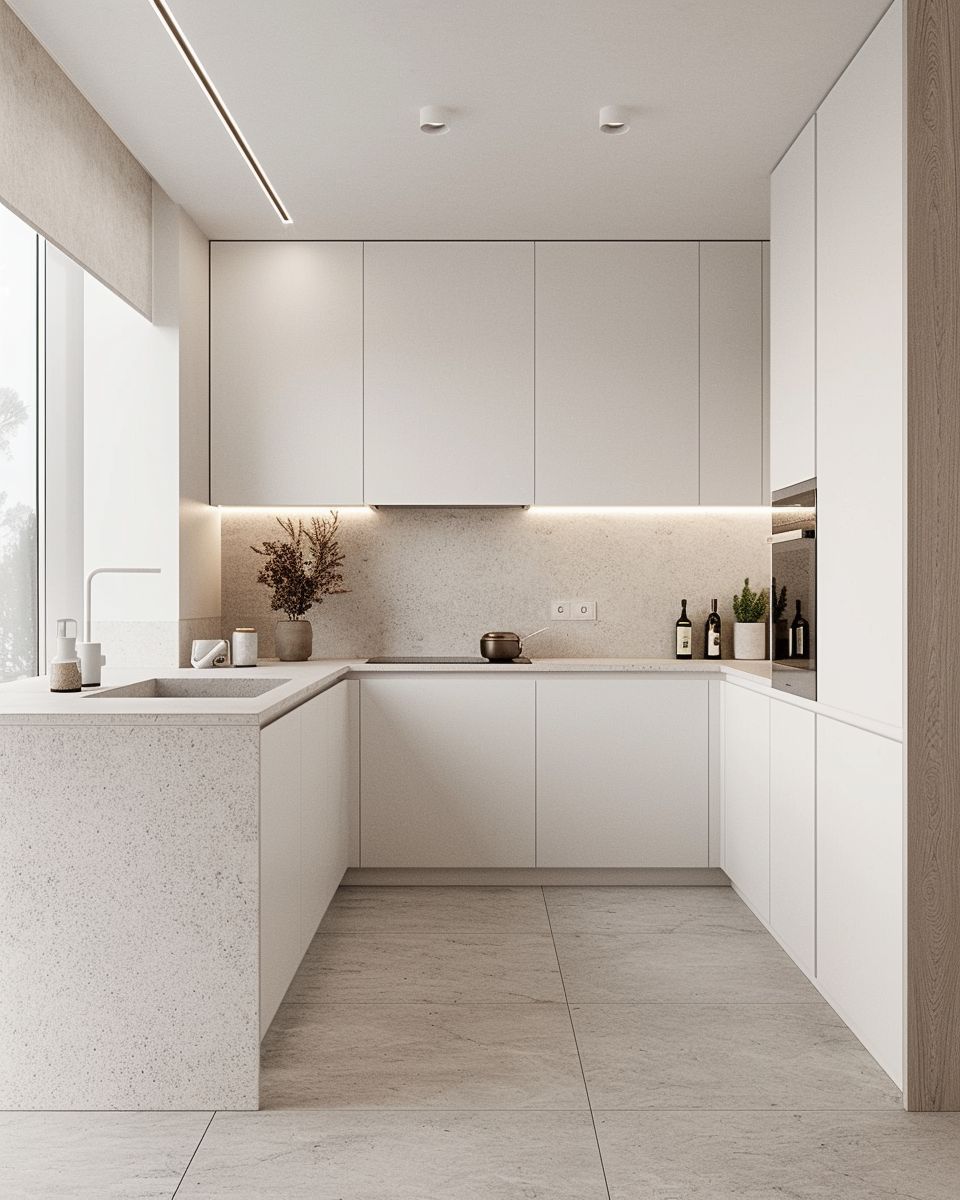
Textured tiles create that sought-after soft shadowing that complements the colour palette
Natural stone looks pair beautifully with Cloud Dancer’s clean aesthetic
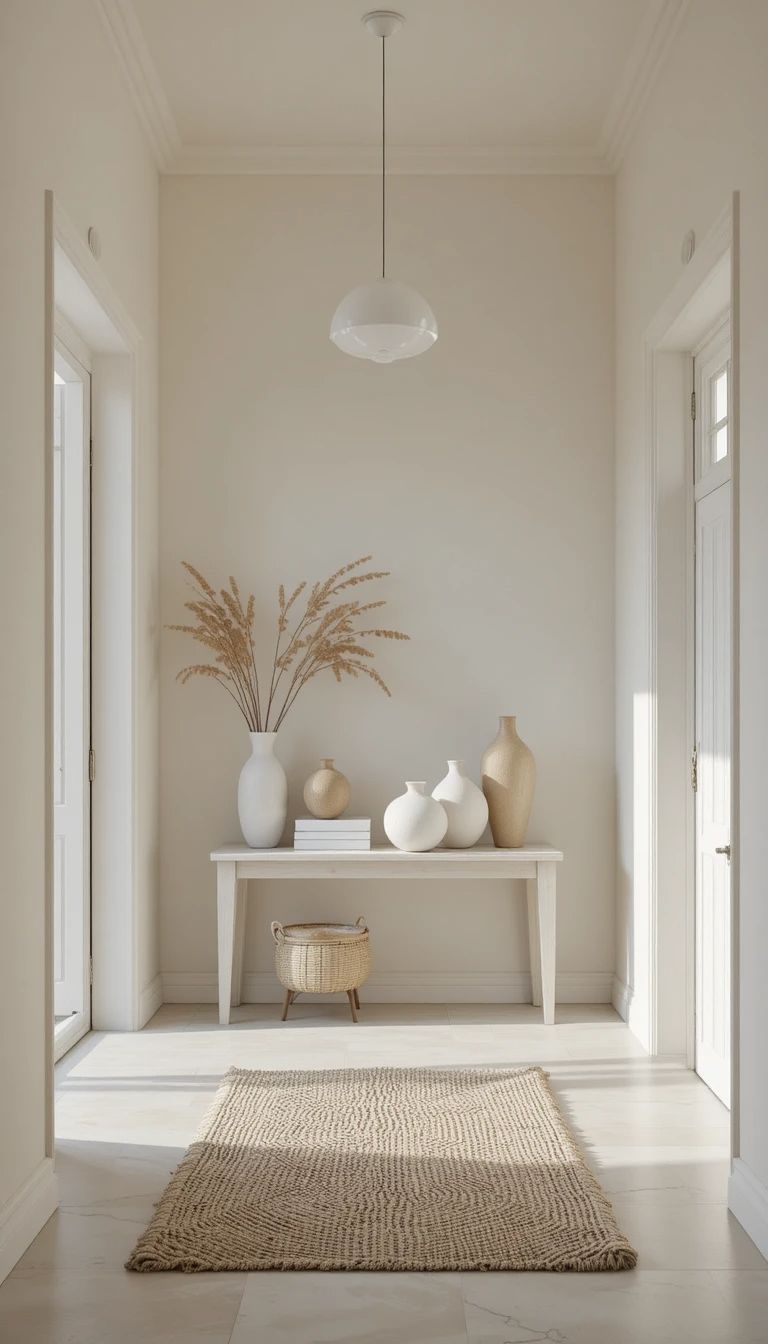
Whether you love subtle patterns or bold features, Cloud Dancer gives tiles the perfect calm backdrop to shine.
Pantone Colour of The Year 2026: A Colour for Every Style
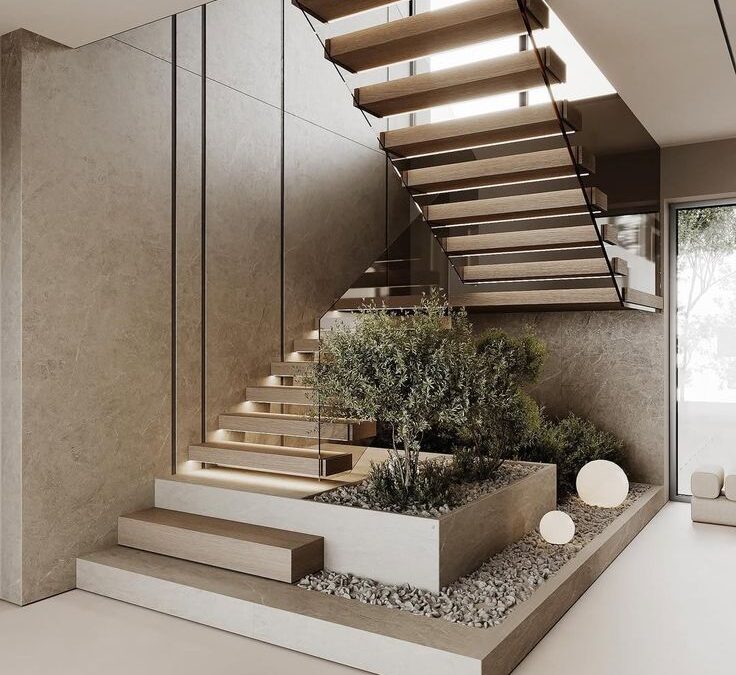
Pantone Colour of the Year 2026 Cloud Dancer offers a rare blend of peace, versatility and sophistication. Whether you are refreshing a single room or planning a full renovation this gentle white will bring clarity and warmth into your space. Visit your nearest Tiletoria showroom to explore tiles, flooring and finishes that pair perfectly with Cloud Dancer and bring your vision to life.
bathroom, blog, floors, interior design tips, kitchen, outdoor, trends, walls
The top trend predictions for 2026 show a year of innovation, bold design choices and technology-driven functionality in interior design. From colours and textures to smart furnishings and eco-conscious choices, next year’s trends are all about balancing style, comfort and sustainability. Tiletoria’s wide range of tiles, flooring, kitchen and bathroom solutions makes it easy to bring these trends to life.
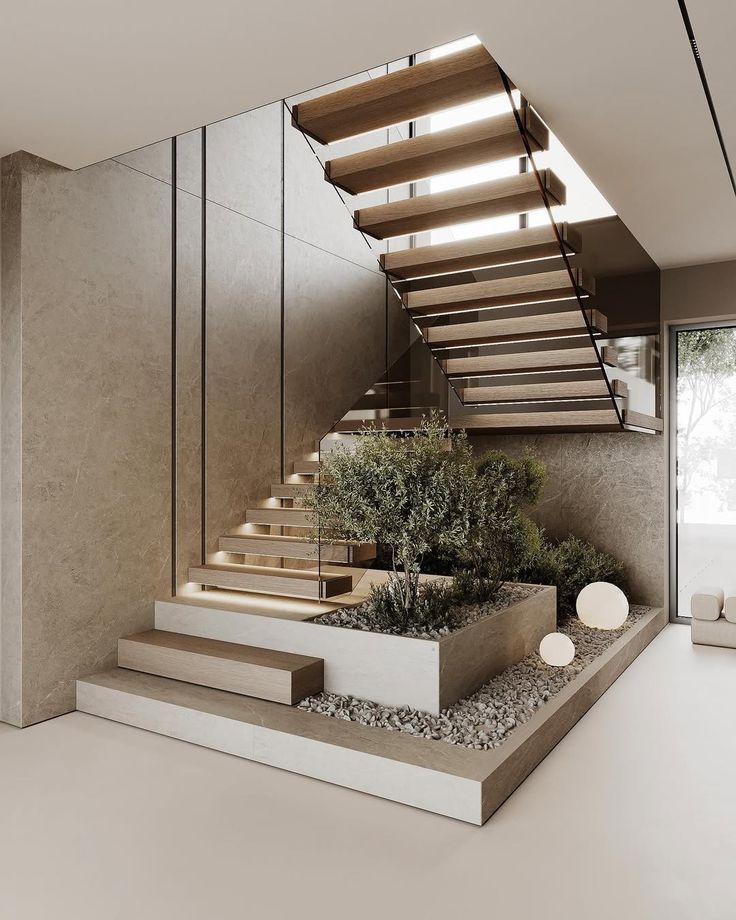
Table of Content:
AI Meets Sustainability for Smarter Spaces
Algorithmic Ergonomics for Healthier Furniture
Digital Art and Flexible Displays
AI-Powered Indoor Gardens
Fat Furniture: Comfort Becomes Statement
Modular and Hybrid Lighting Systems
Lived-In, Layered Interiors
Large-Format and Textured Tiles
Colour Forecasts: Warm, Bold and Unexpected
Let the Trends Inspire Your 2026 Projects
AI Meets Sustainability for Smarter Spaces
One of the most exciting trend predictions for 2026 is the union of AI and sustainability. Future homes will feature systems that adjust lighting, temperature, materials and décor in real time, creating spaces that feel emotionally satisfying, environmentally conscious and visually appealing.
decorilla.com
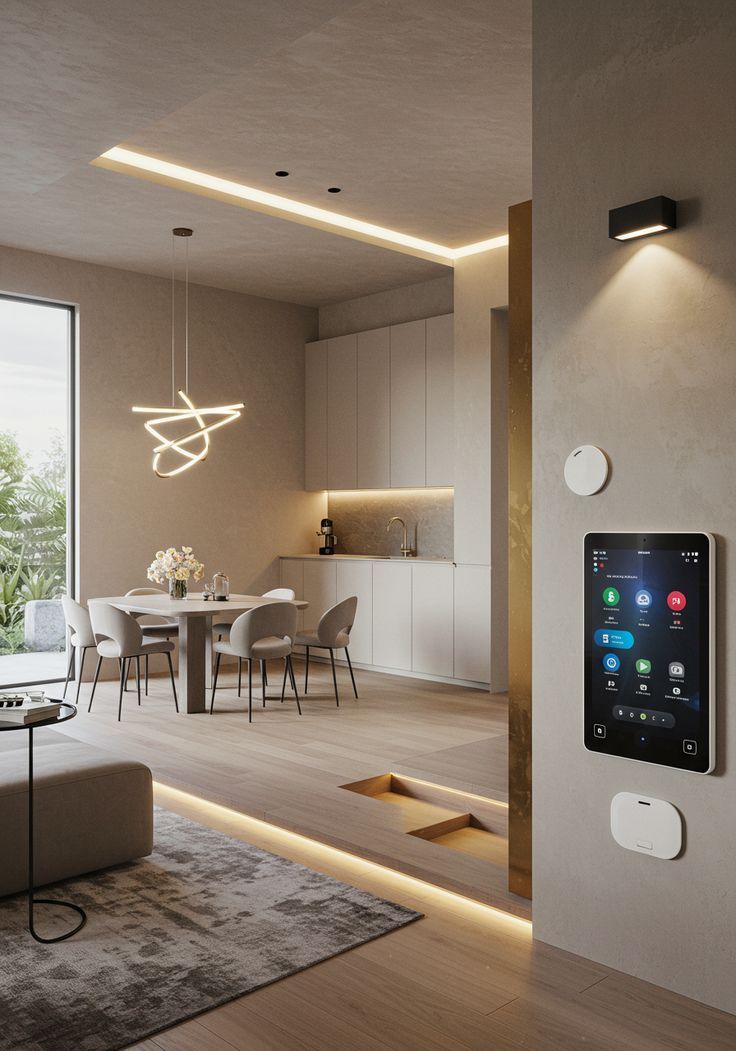
Using sustainable materials like porcelain and ceramic tiles, combined with energy-efficient flooring and eco-friendly wall coverings, helps reduce waste, optimise energy usage and enhance comfort — all while keeping interiors stylish.
Algorithmic Ergonomics for Healthier Furniture
Another standout trend predictions for 2026 is data-driven furniture design. Algorithmic ergonomics analyses body posture and pressure points to create chairs and sofas that support your spine and limbs naturally.
decorilla.com
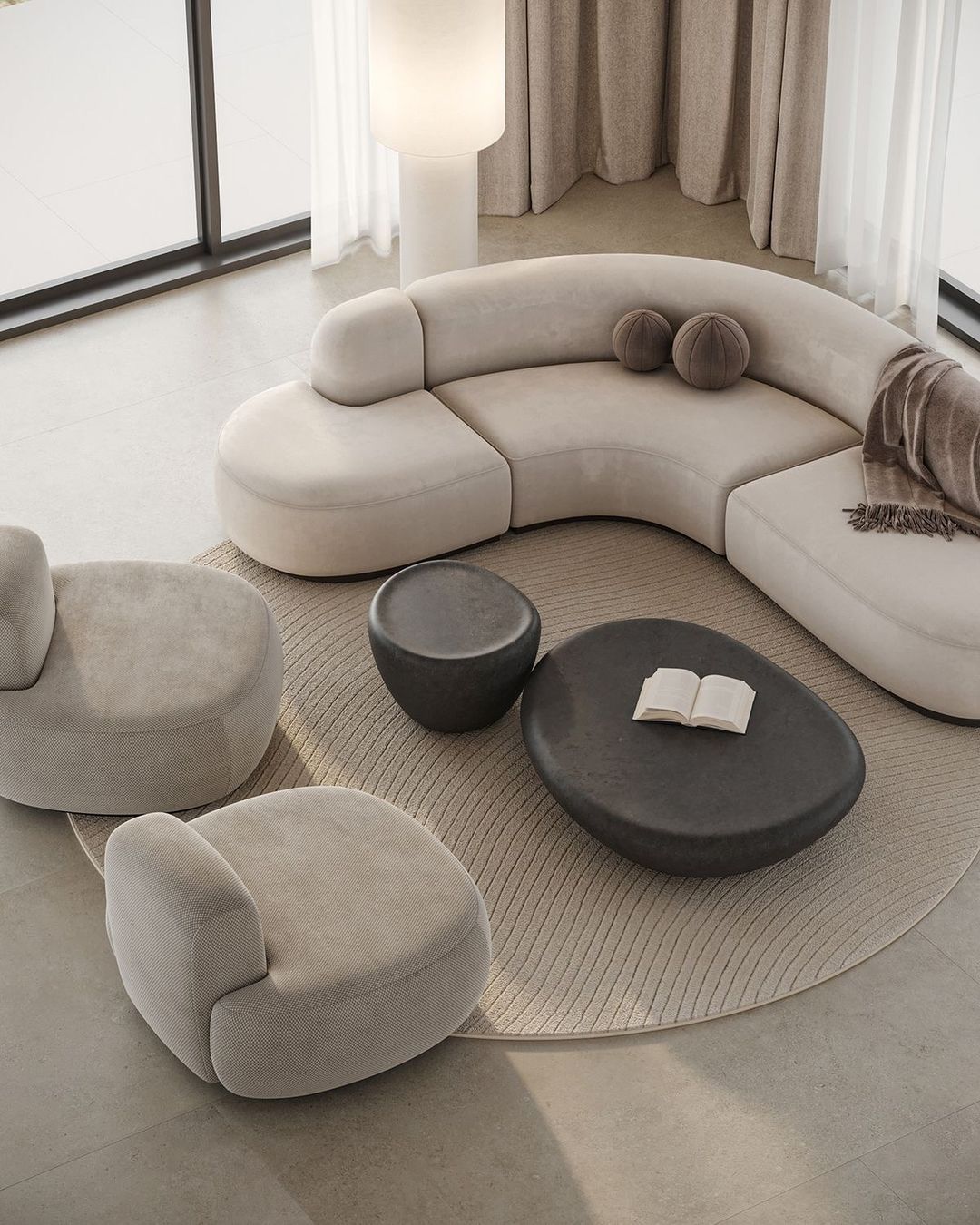
In 2026, furniture complements flooring, wall tiles and cabinetry to create cohesive interiors. Think slip-resistant floor tiles paired with ergonomic seating in kitchens, living rooms or commercial spaces for the ultimate blend of comfort and functionality.
Digital Art and Flexible Displays
Dynamic, digital displays are replacing static artwork in 2026. Think paper-thin OLED panels featuring AI-generated visuals that shift throughout the day. From evolving murals to fully customizable displays, digital art brings motion, colour and creativity into your home, letting each space feel unique and interactive.
decorilla.com
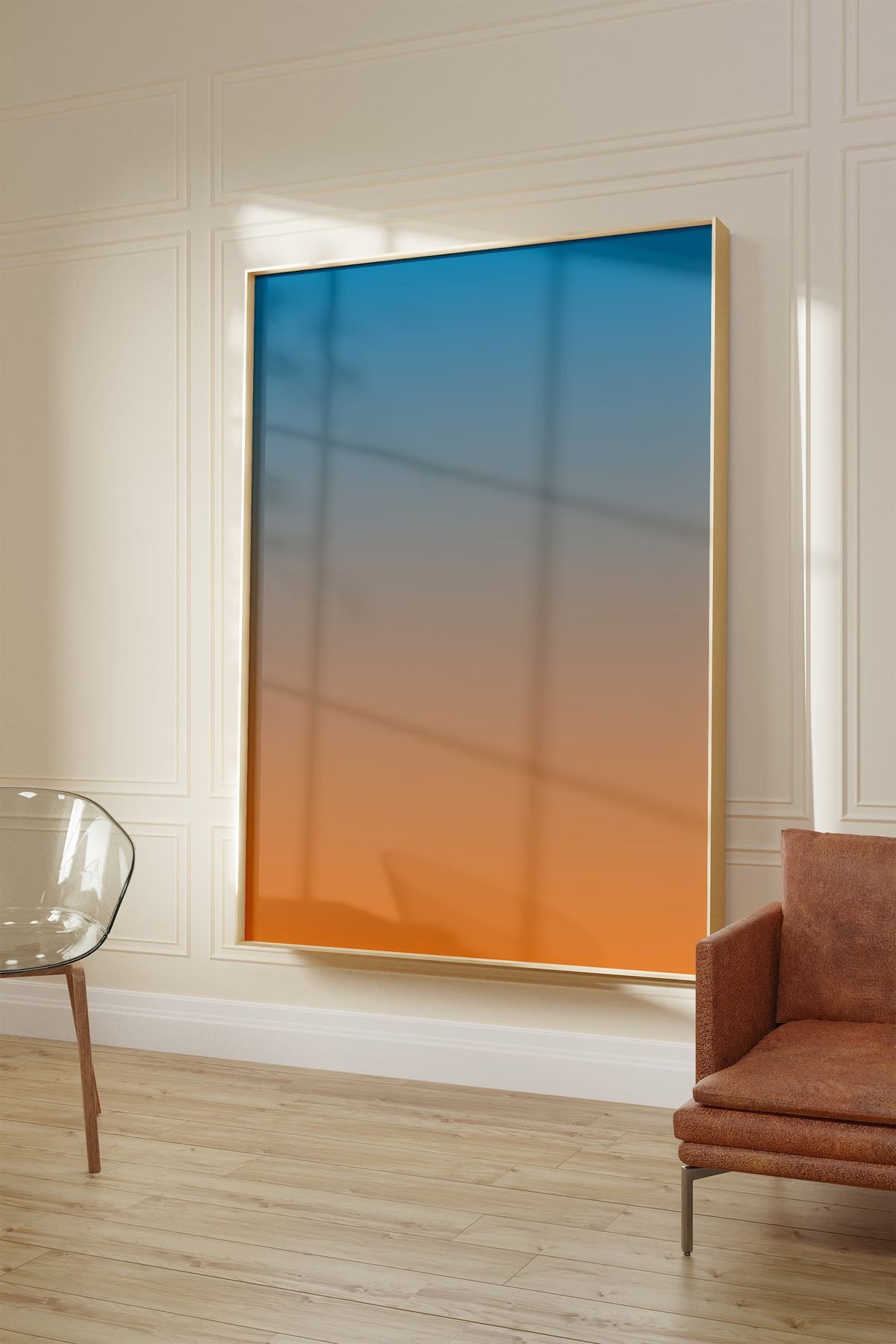
These displays pair beautifully with statement wall tiles, whether it’s bold patterned backsplash tiles in the kitchen or textured feature walls in living areas. Digital art and modern tiles together allow you to customize each space with style and personality.
AI-Powered Indoor Gardens
Compact, tech-enabled indoor gardens are another one of our top trend predictions for 2026. Sleek wall panels or bookshelf-sized units with hydroponic systems and AI-timed LEDs let you grow herbs and microgreens even in small apartments.These gardens combine practicality, sustainability and beauty, making them perfect for modern interiors or rental spaces.
decorilla.com
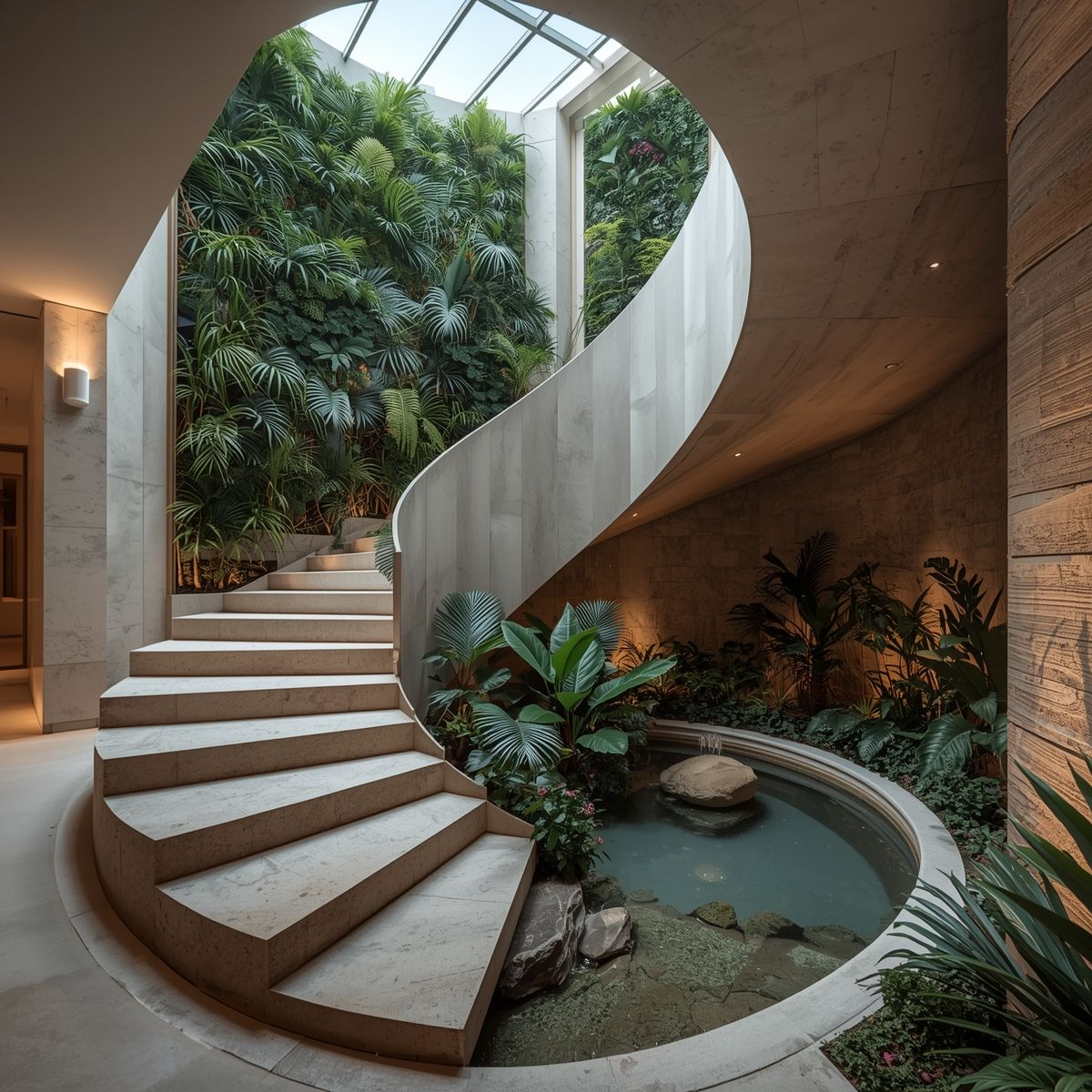
Combine these indoor garden spaces with durable tiles or decor tiles to create functional, stylish and sustainable interiors. Minimalist and sculptural, these gardens fit perfectly alongside modern, low-maintenance tiles in both residential and rental properties.
Fat Furniture: Comfort Becomes Statement
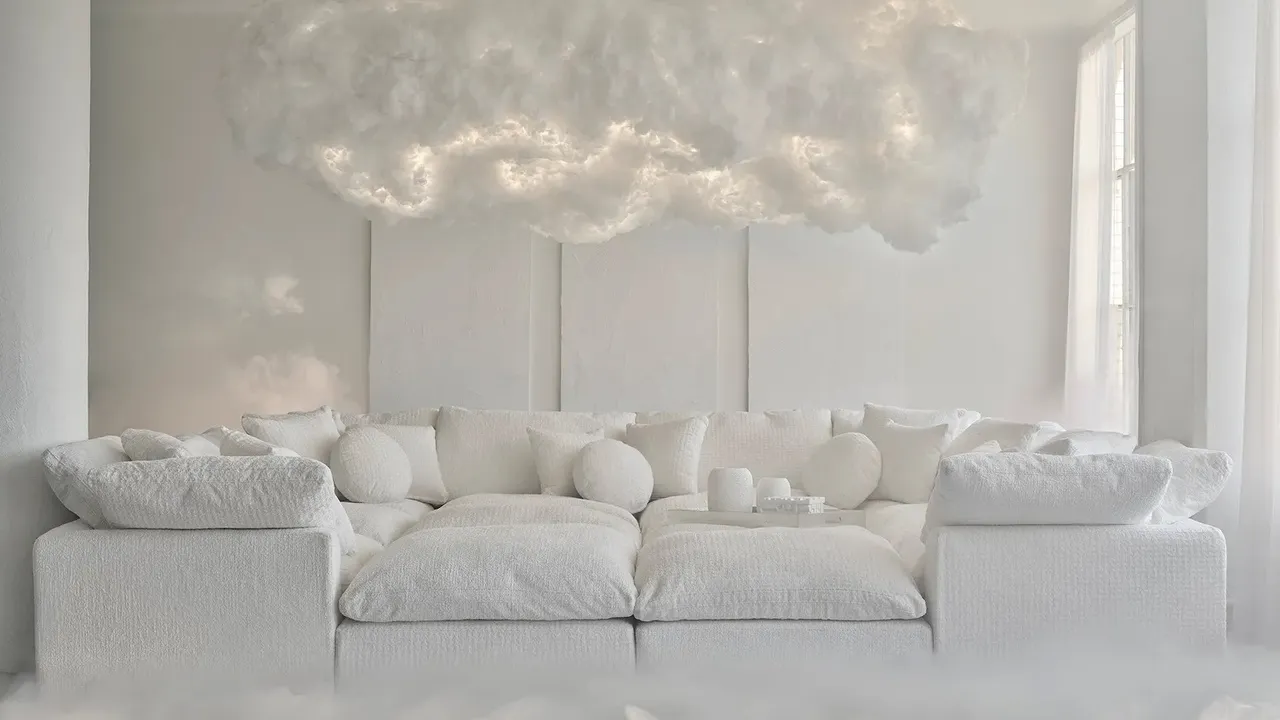
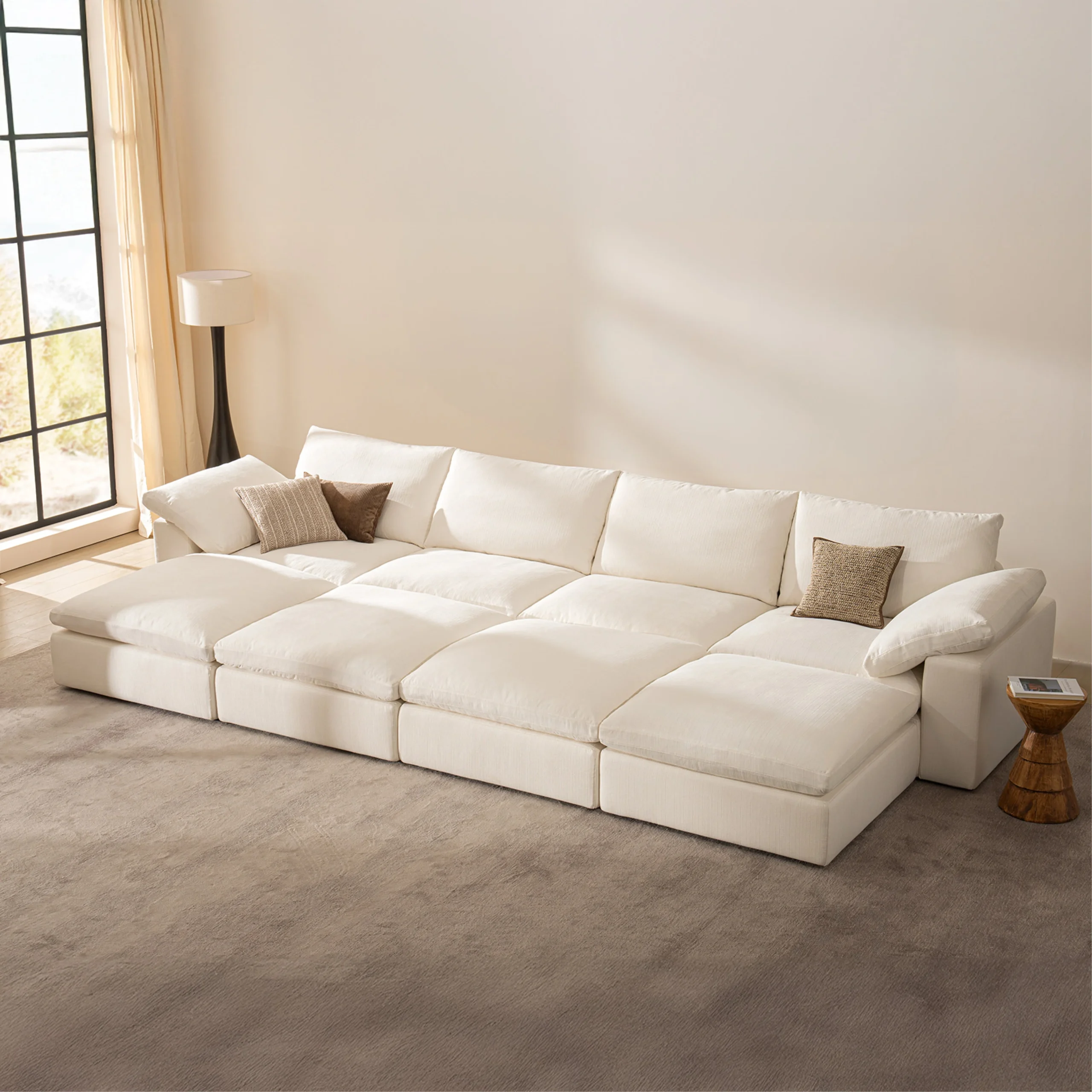
Oversized seating and bold sofas will dominate 2026 interiors. These sculptural yet functional pieces serve as room focal points while providing ultimate comfort. Soft accessories and thoughtful placement allow “fat furniture” to anchor living spaces and create a cozy yet stylish atmosphere.
decorilla.com
Pair fat furniture with large-format floor tiles to make living rooms, dining areas or lounges feel open, inviting and practical. Add patterned tiles for walls or statement splashbacks in kitchens to tie the look together seamlessly.
Modular and Hybrid Lighting Systems
Lighting in 2026 is more versatile than ever. Modular fixtures let you configure combinations of glass, metal and fabric components to suit different moods. These systems can switch between task lighting, ambient diffusion or statement pieces, offering both practicality and visual interest.
decorilla.com
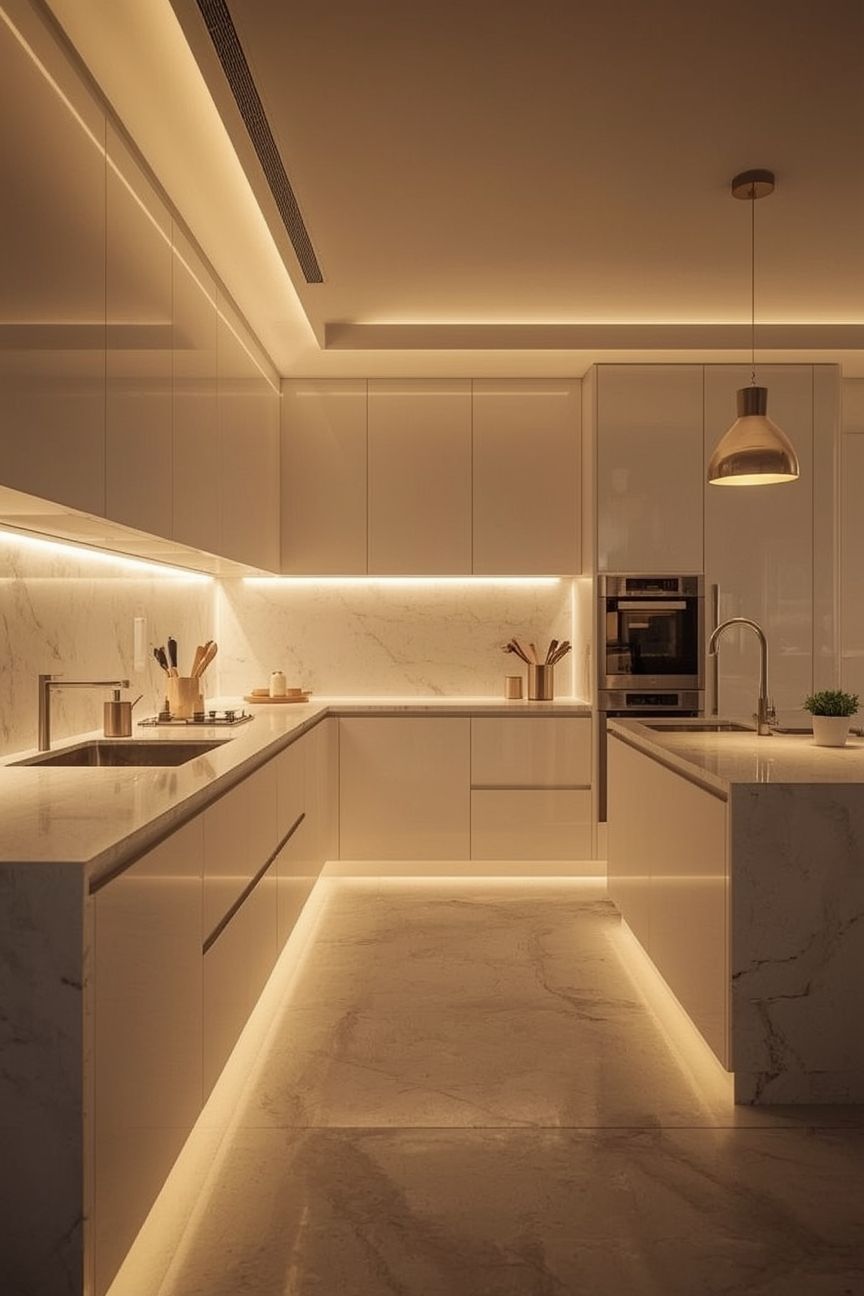
These systems highlight feature walls, backsplashes or textured tiles, allowing tiles to catch the light beautifully. Modular lighting works especially well in kitchens, bathrooms and workspaces where both aesthetics and functionality are essential.
Lived-In, Layered Interiors
Homes in 2026 will celebrate a “lived-in” aesthetic that feels cozy, personal and authentic. Imperfections, gentle clutter and layered décor pieces create interiors that tell a story and feel welcoming. This trend moves away from overly sterile spaces and embraces comfort, personality and warmth.
vogue.co.uk
Combine these interiors with textured tiles and warm laminate or vinyl flooring to balance practicality with style. Using durable tiles in high-traffic areas ensures longevity while keeping the space casual, collected and inviting.
Large-Format and Textured Tiles
Floor and wall tiles remain a major player in home design. Large-format tiles expand spaces visually, while textured and patterned options add depth and tactile interest.
Expect a mix of bold colours, natural finishes and geometric layouts to define kitchens, bathrooms and living areas. Layer in geometric patterns, statement splashbacks or Zellige-style tiles to stay on-trend in 2026.
Colour Forecasts: Warm, Bold and Unexpected
housebeautiful.com
Olive Green
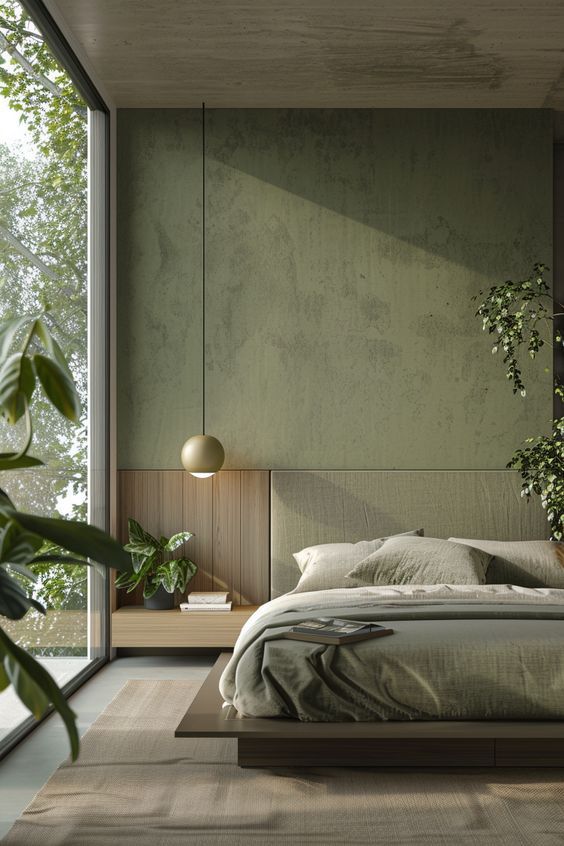
Olive green is set to be a dominant colour in 2026. This earthy shade adds a calming and natural feel to interiors, working perfectly on walls, cabinetry and accent tiles. It pairs beautifully with both warm neutrals and bold contrasts. Pair olive green with neutral tiles or wood-look flooring to create a balanced, modern and inviting space.
Espresso Brown
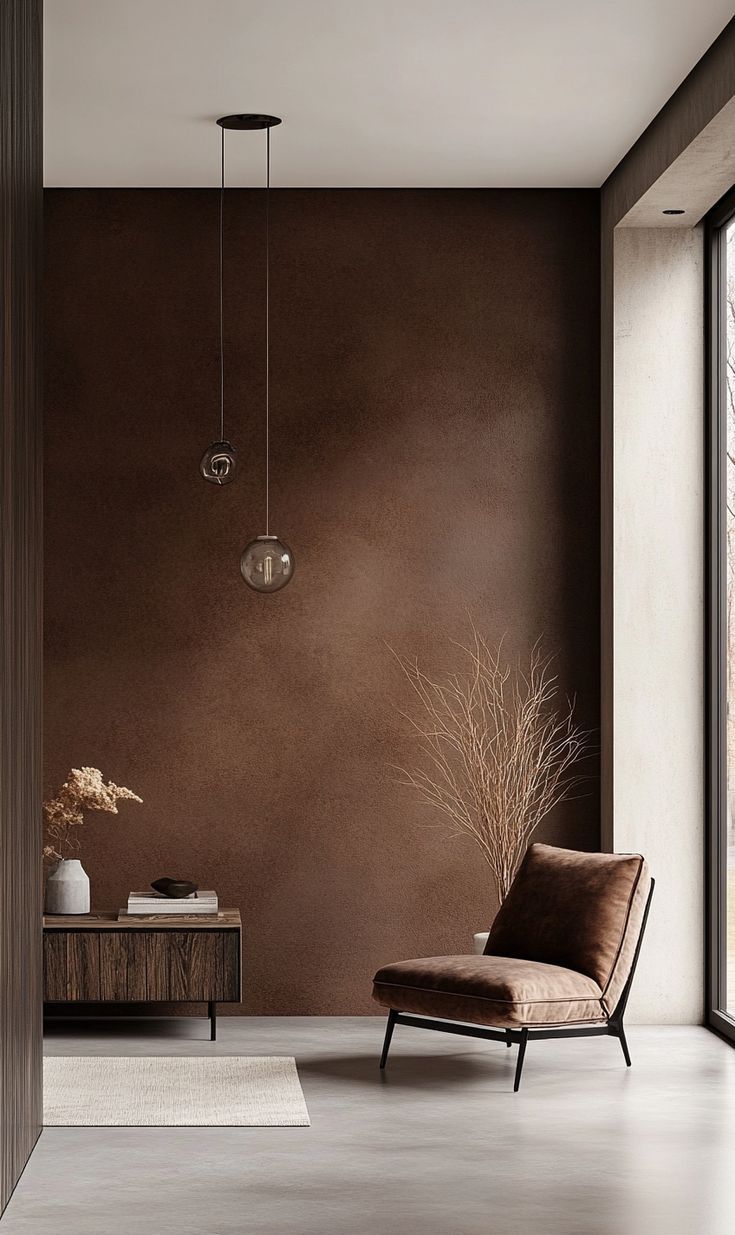
Espresso brown brings depth and sophistication to any space. Ideal for flooring, furniture or feature walls, this rich tone adds a grounded and timeless touch while complementing lighter shades.
Aubergine
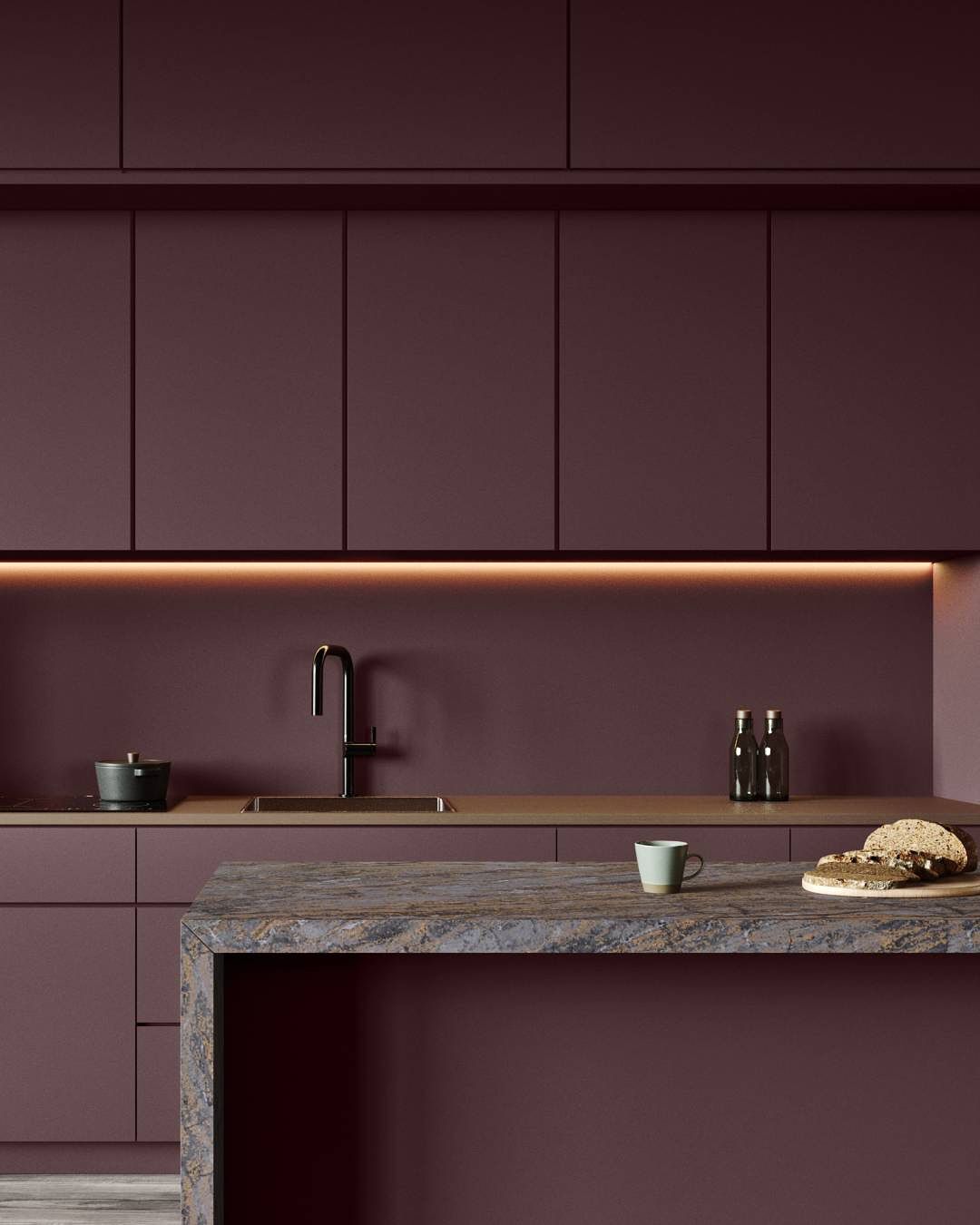
Aubergine is a bold choice that creates drama and elegance. Perfect for statement walls, tiles or décor pieces, this deep purple hue adds personality without overwhelming the room.
Pink-Toned Neutrals
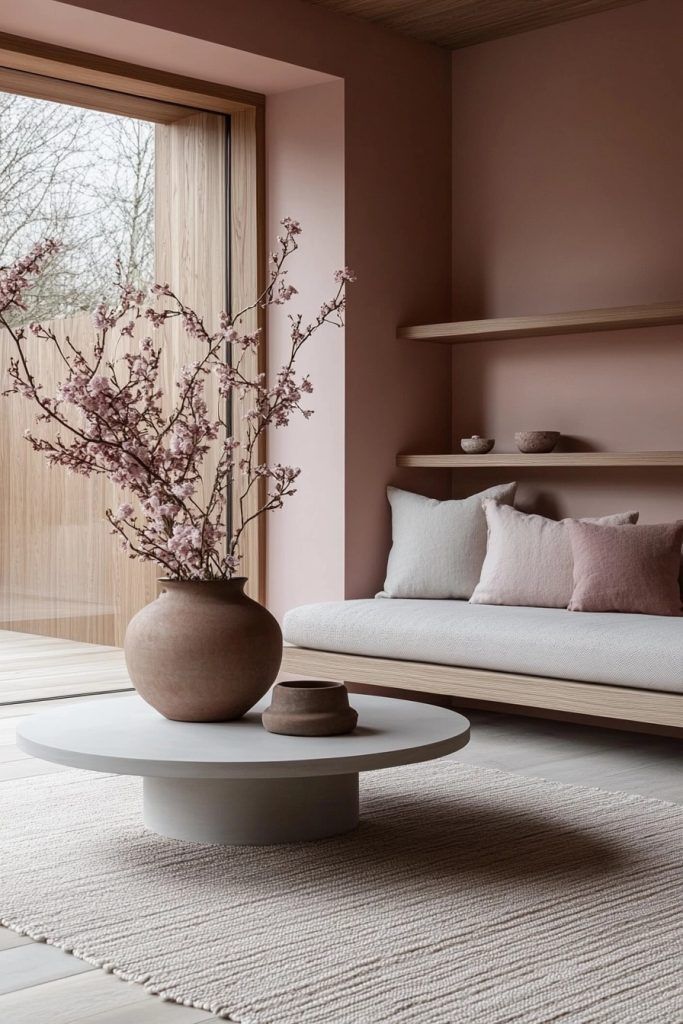
Soft pink-toned neutrals are gaining popularity for their ability to create warmth and subtle sophistication. Use these shades on walls, textiles or cabinetry to add a gentle, inviting glow to interiors.
Green-Blue Shades
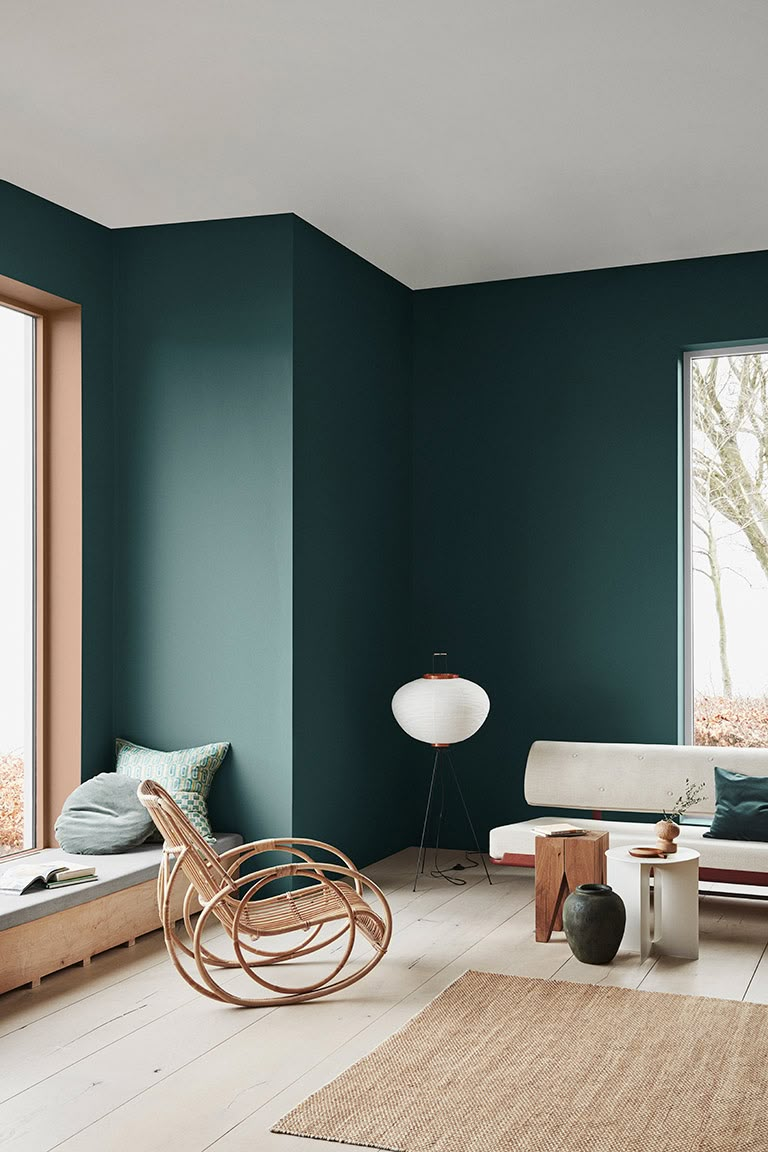
Green-blue tones bring a fresh, modern energy to 2026 interiors. These shades are ideal for tiles, decorative accents or statement furniture, adding a vibrant yet calming vibe to living spaces.
Let the Top Trend Predictions For 2026 Inspire Your Next Project
The top trend predictions for 2026 combine bold aesthetics, smart technology, comfort and sustainability. From algorithmic furniture to AI-powered gardens and statement colours, there’s something to inspire every project. Which trend will you incorporate in your home or commercial space this year? Visit your nearest Tiletoria showroom to explore tiles, finishes and design inspiration that will bring these 2026 trends to life.
bathroom, blog, interior design tips, kitchen, trends
There’s a new style on the interior design scene, and it’s winning over homeowners and designers alike. Meet Japandi — the perfect blend of Japanese minimalism and Scandinavian functionality. If you’re looking for a calm, clutter-free and timeless look in your home, Japandi might be exactly what you need.
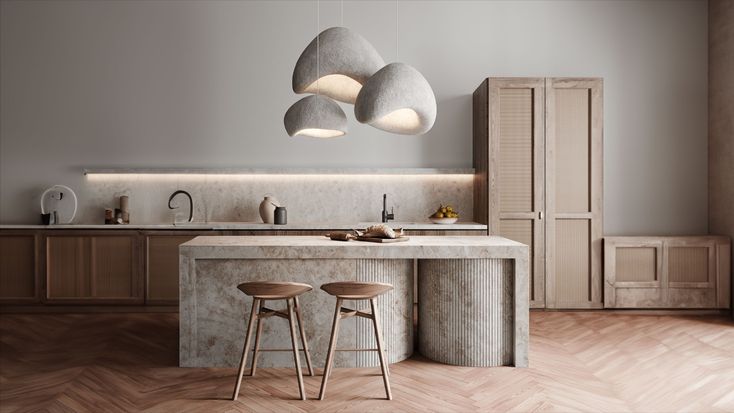
Table of Content:
What Is Japandi Style?
Why Is Japandi Gaining Popularity?
How to Bring Japandi into Your Home
Japandi in Every Room
Tiles and Japandi
Browse our collection of Japandi-inspired pieces
What Is Japandi Style?
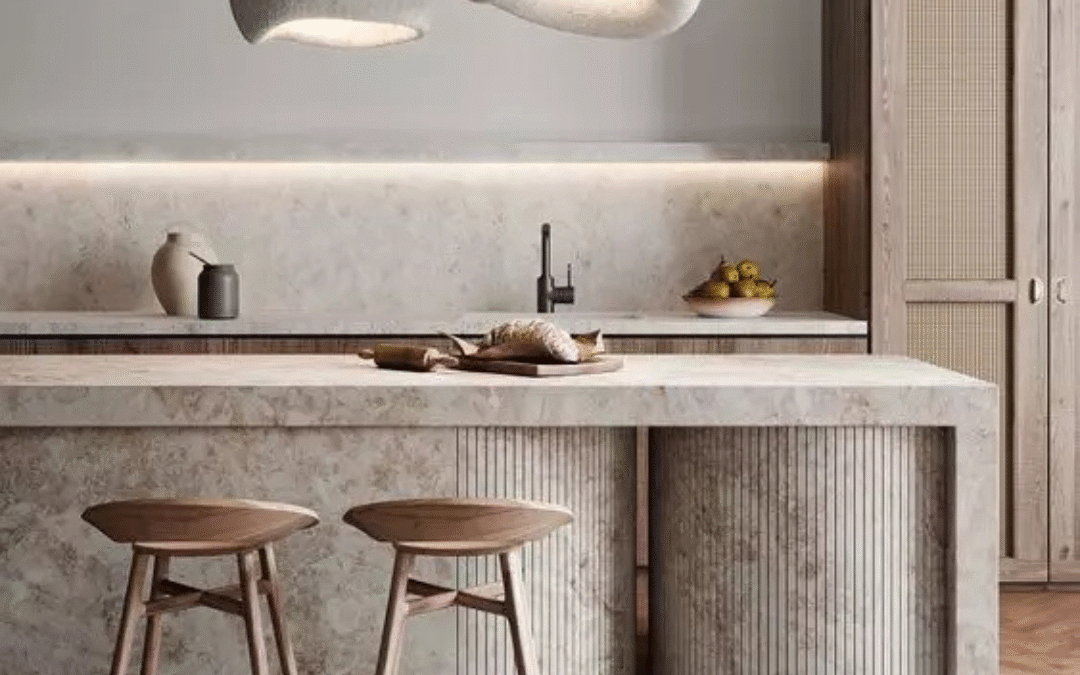
Japandi is a fusion of two design philosophies.
On one side, you have Japanese interior design — simple, elegant and rooted in nature.
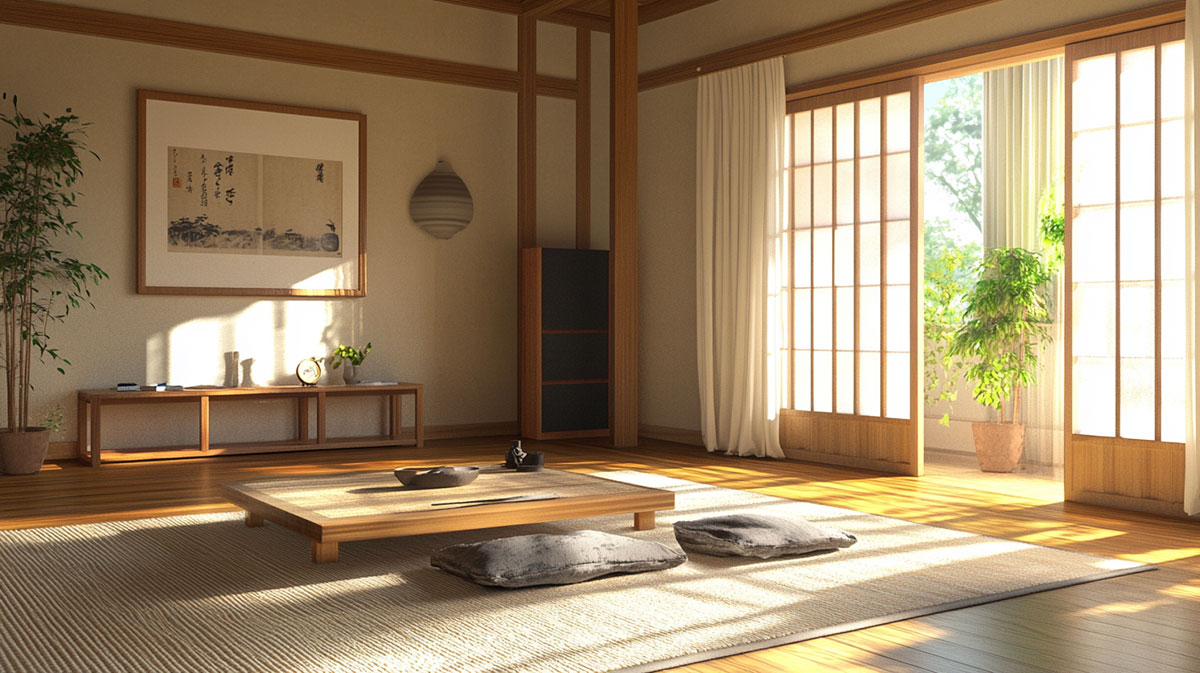
Image credit: awedeco.com
On the other, you have Scandinavian style — warm, functional and focused on comfort.
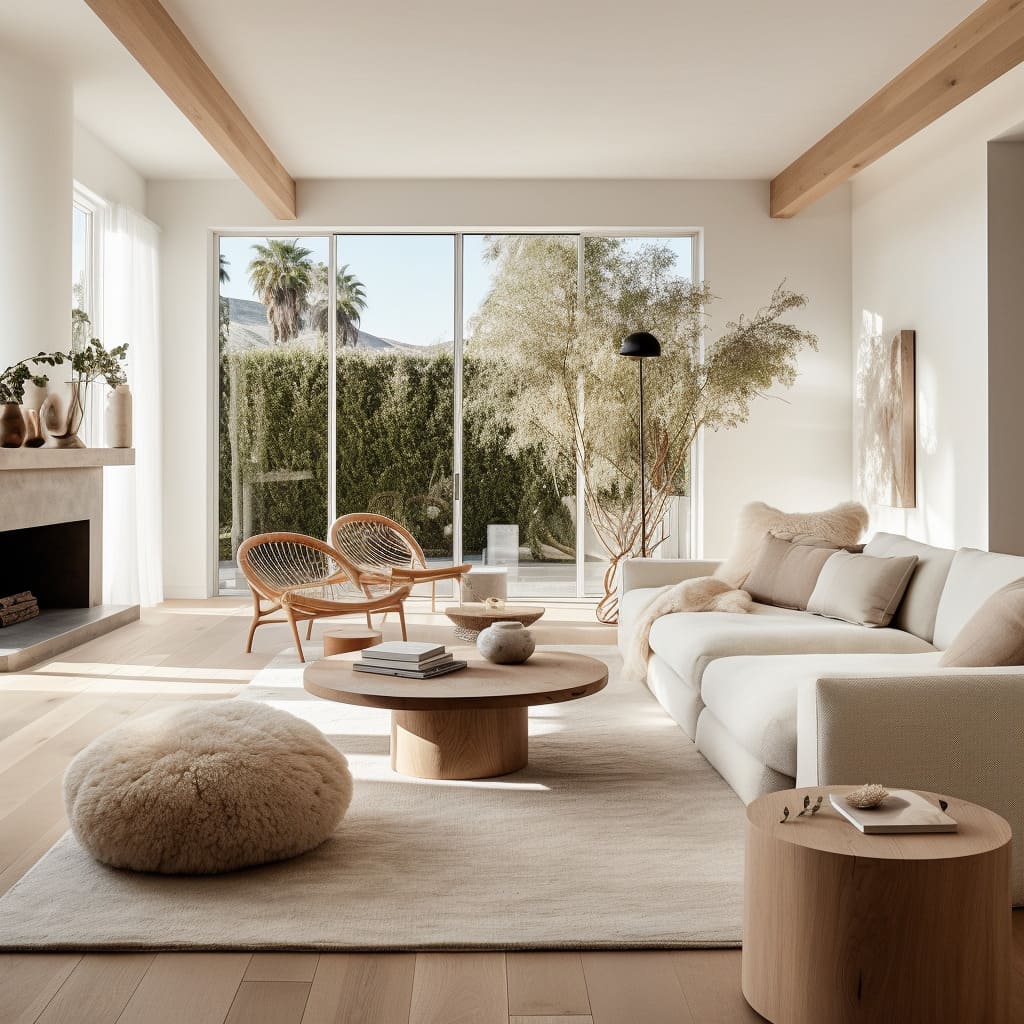
Image credit: fancyhouse-design.com
Together, they create a space that feels both modern and lived-in.
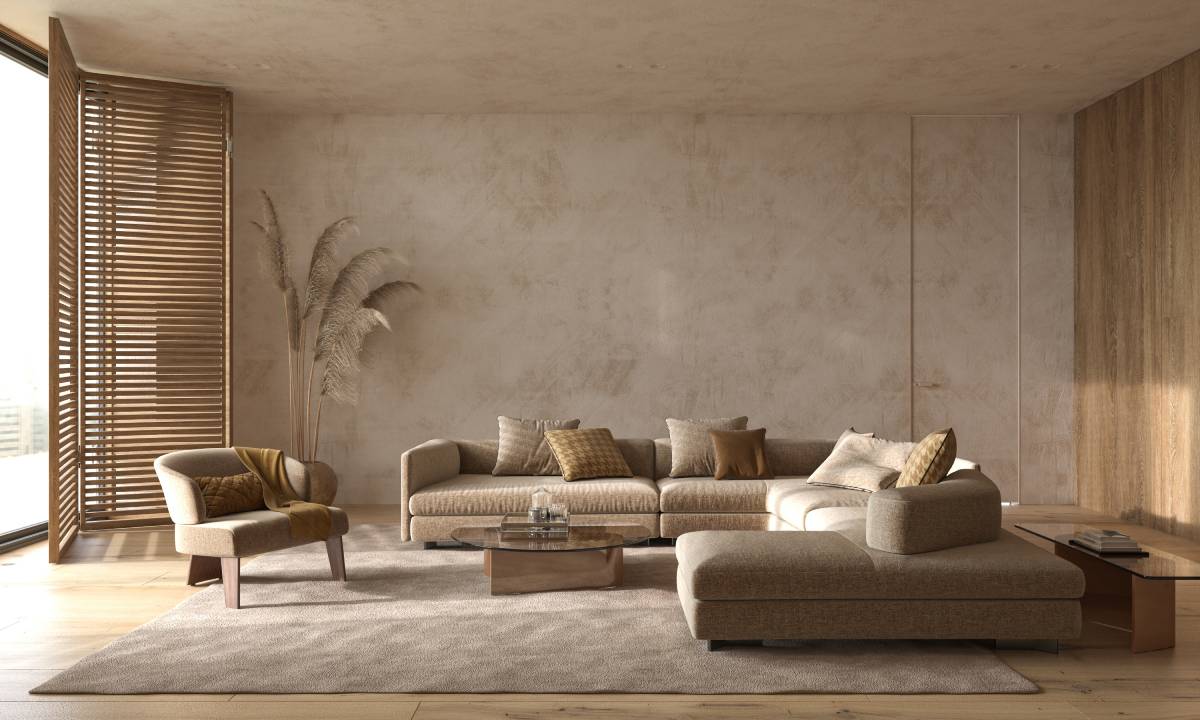
The Japandi trend focuses on clean lines, natural materials and muted colours. It values craftsmanship over mass production and encourages intentional living — only keeping what’s necessary and meaningful.
Why Is Japandi Gaining Popularity?
In today’s fast-paced world, many people are looking for ways to create a more calming and grounded home environment. Japandi offers exactly that. It’s not about filling your home with things — it’s about choosing the right things.
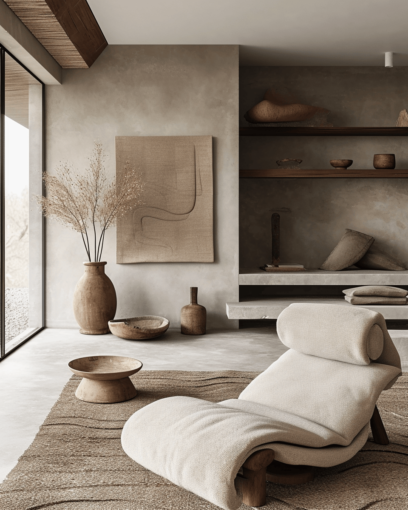
Image credit: edwardgeorgelondon.com
Minimalist yet cosy, Japandi interiors promote wellbeing. Think soft linen throws, warm wood tones and stone finishes. Neutral colour palettes dominate the look, with shades of beige, taupe, sage green and charcoal taking centre stage.
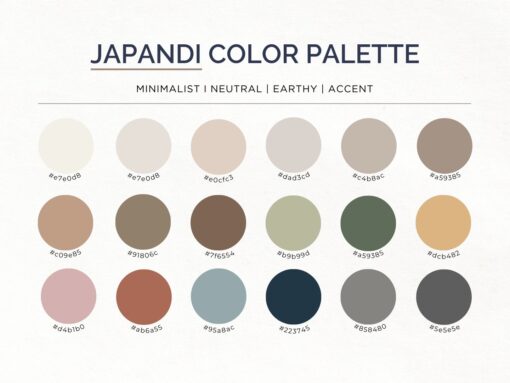
Image credit: global.fujioh.com
The rise in sustainable living has also played a role. Japandi leans into eco-conscious design — using natural fibres, recycled materials and quality over quantity.
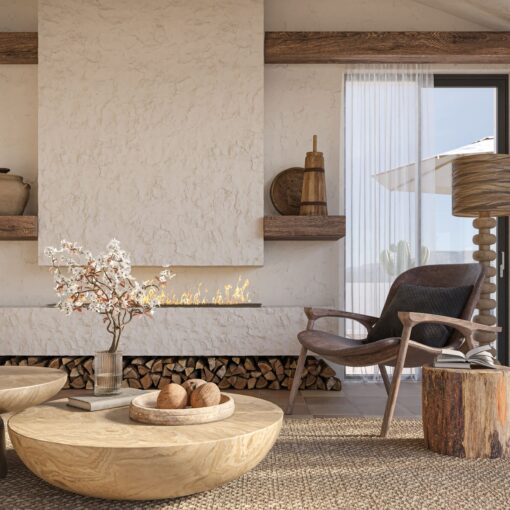
Image credit: annarosemann.com
How to Bring Japandi into Your Home
You don’t need a full renovation to try this trend. Small changes can go a long way.
Start with decluttering
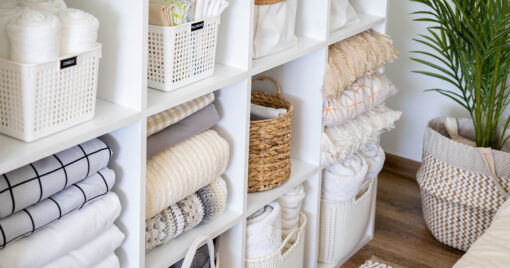
Image credit: edmontonrealestatepro.ca
Keep only the essentials and clear your surfaces.
Choose quality materials
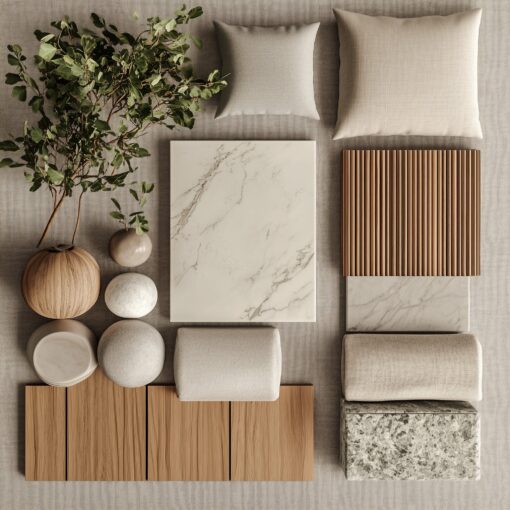
Image credit: global.fujioh.com
Invest in wood, linen, stone and ceramic.
Use a muted colour palette
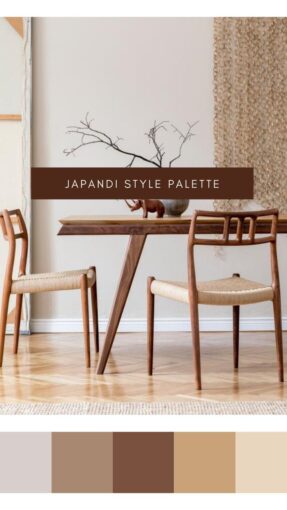
Image credit: Pinterest:@KunitsaHome
Stick to earthy tones like terracotta, sand and grey.
Add plants
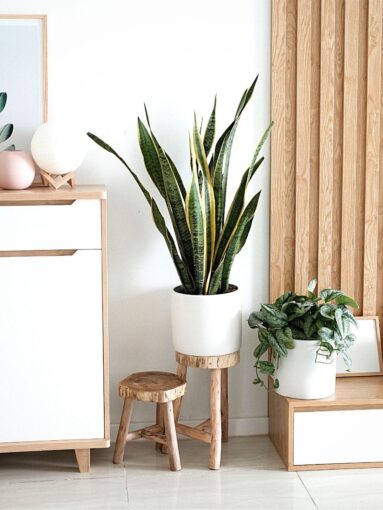
Image credit: thursd.com
Nature is central to Japandi, so bring in greenery with simple planters.
Focus on function
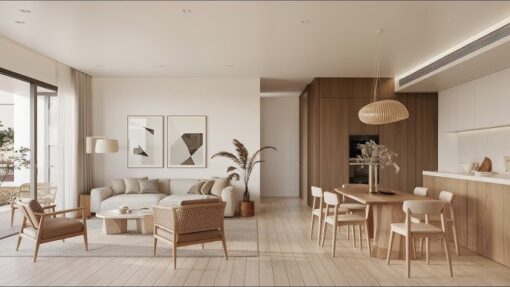
Image credit: houseploy.com
Every piece should serve a purpose and look good doing it.
Japandi in Every Room
Living Room
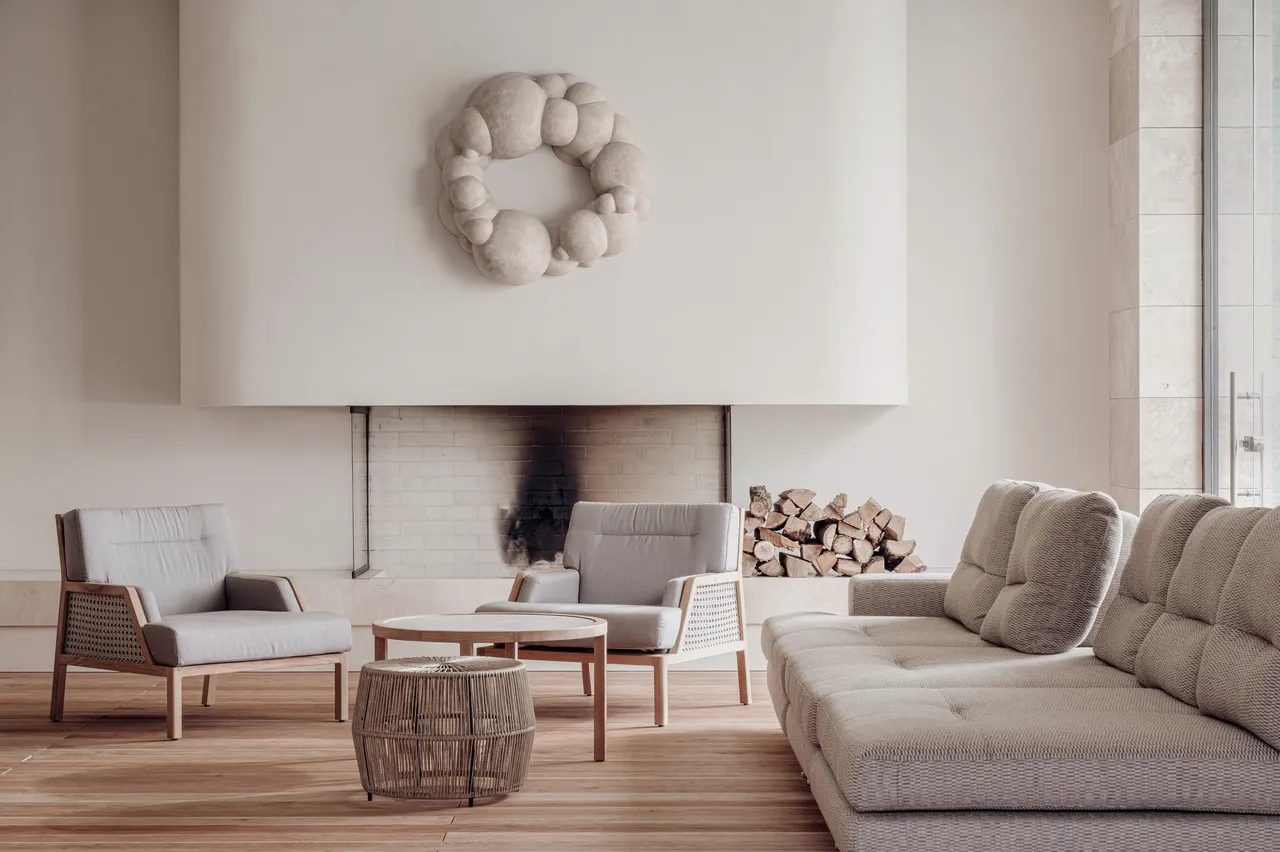
Image credit: livingetc.com
Go for low-profile furniture, woven textures and neutral cushions.
Bedroom
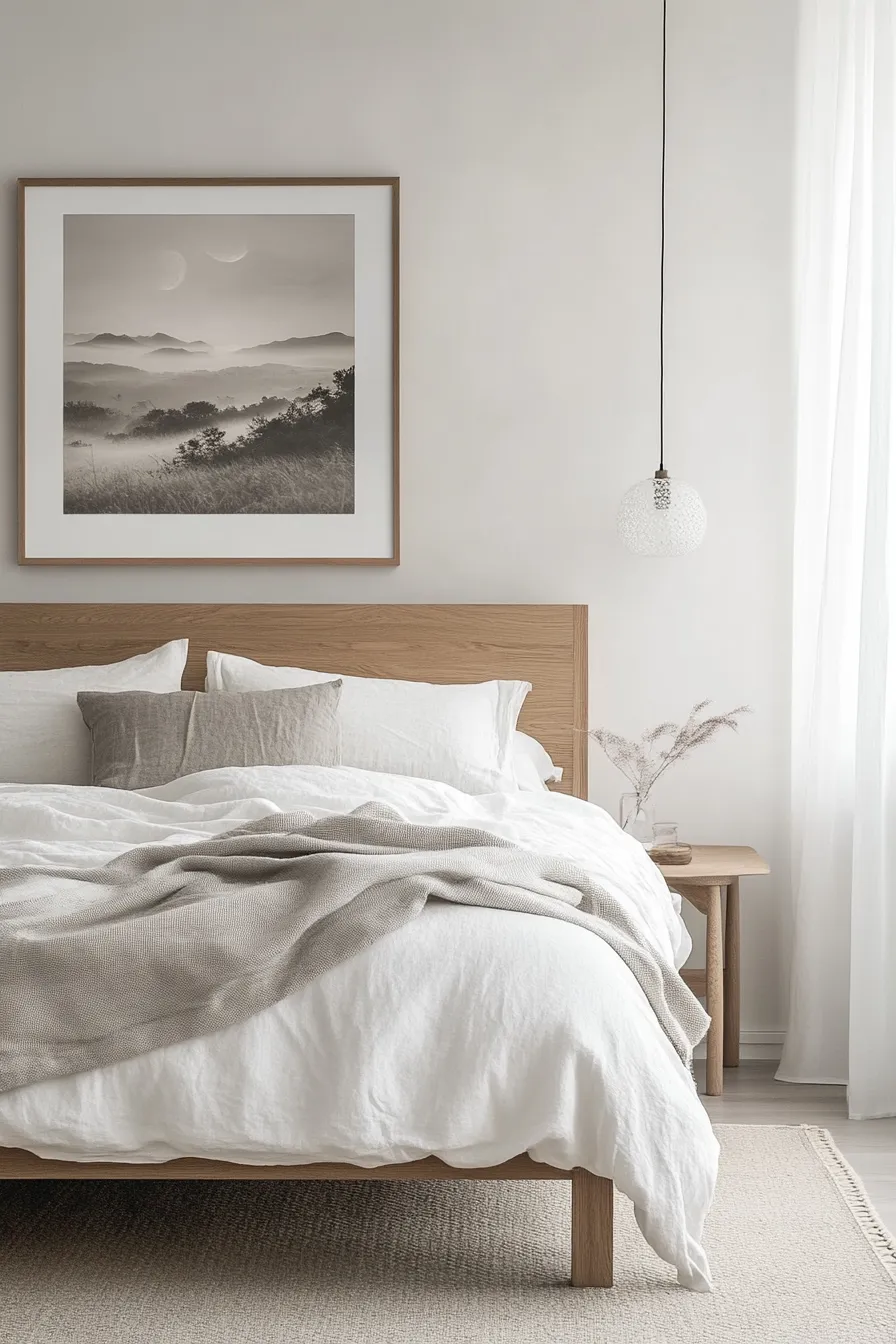
Image credit: edwardgeorgelondon.com
Keep it serene with soft lighting, crisp bedding and a calming palette.
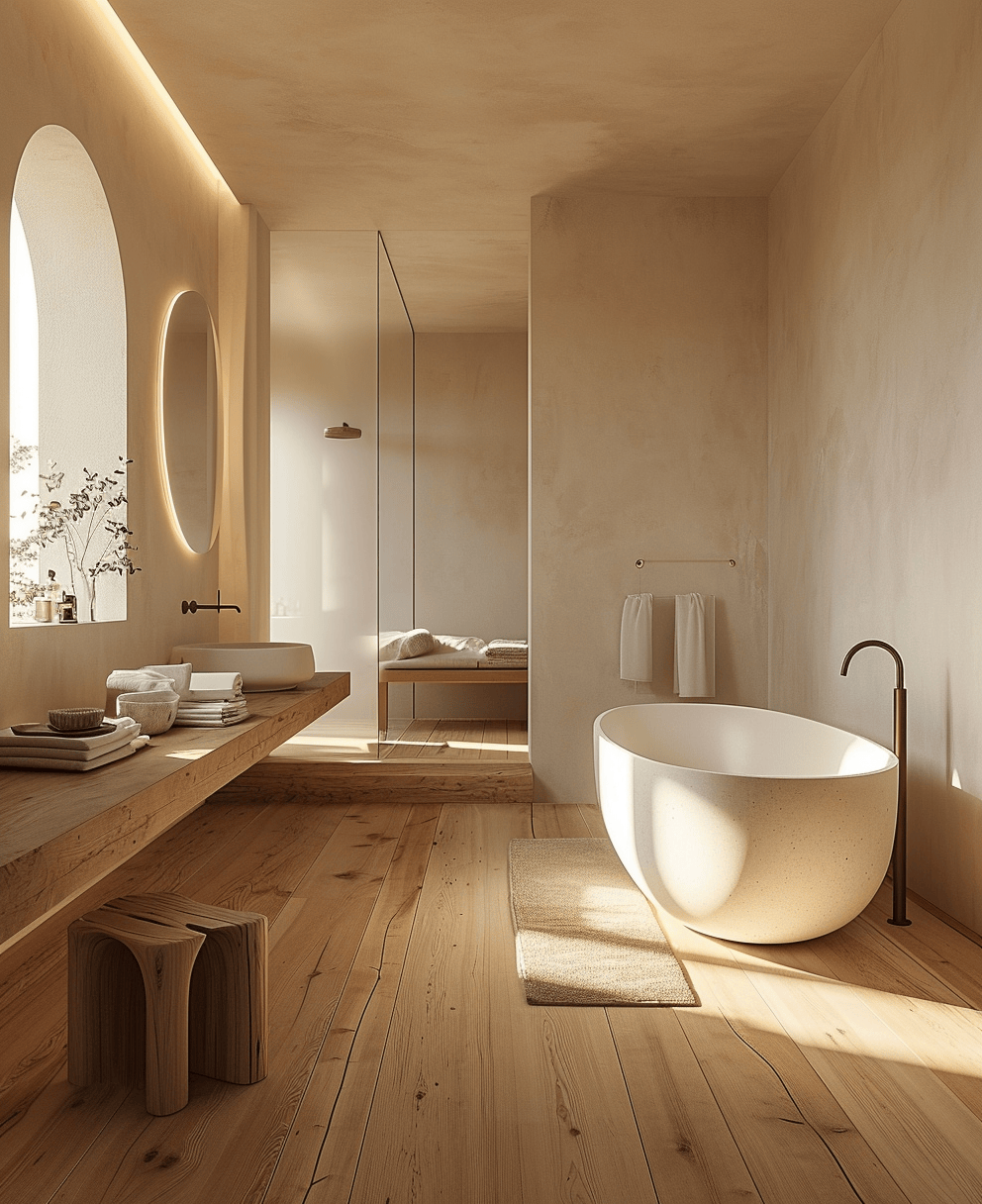
Image credit: edwardgeorgelondon.com
Choose clean finishes, minimal décor and natural touches like wood or stone.
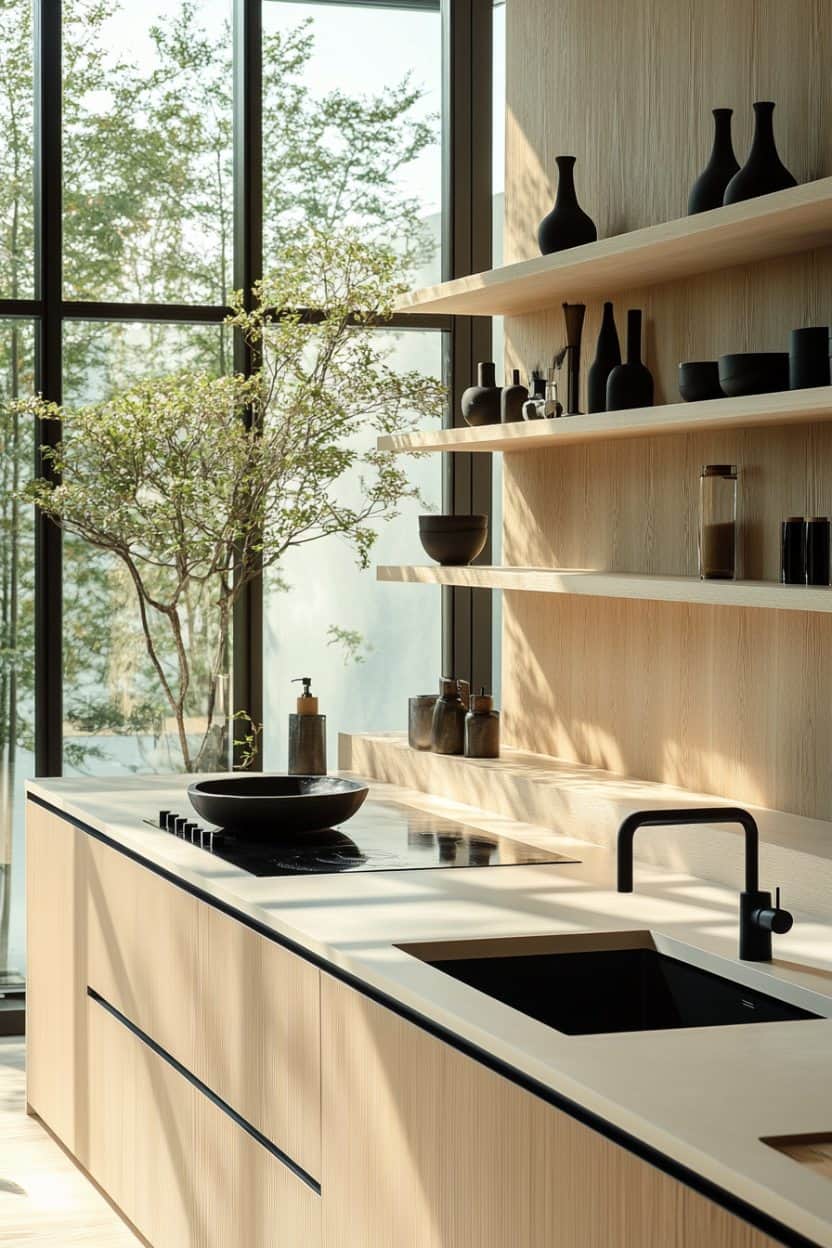
Image credit: hello-hayley.com
Pair sleek surfaces with warm wood cabinets and matte black fixtures.
Tiles and Japandi
Tiles are a great way to embrace the Japandi aesthetic. Think large format stone-look tiles for floors, soft textured wall tiles or handmade ceramic splashbacks. Matte finishes work best to avoid too much shine. You want the space to feel natural and calm, not glossy and loud. Wood-look vinyl, laminate or engineered wood flooring also fits perfectly with the Japandi style, offering the warmth of timber with added durability and easy maintenance — ideal for creating that serene, minimalist feel.
Japandi isn’t just a trend — it’s a lifestyle shift. It’s about stripping back the noise and embracing simplicity, comfort and mindfulness in the way we live. Whether you’re redesigning a single room or your entire home, Japandi offers a timeless and peaceful solution.
Looking for tiles or design elements that suit the Japandi style? Bring your moodboard or Pinterest inspo to our showroom and we’ll help you choose pieces that bring your vision to life. Browse our collection of Japandi-inspired pieces below to get started.
Browse our collection of Japandi-inspired pieces
blog, commercial blog, floors, trends, walls
Tiles are a staple in interior design, known for their practicality, versatility and style. But not all tiles are created equal. Some take things to a whole new level — crafted with rare materials, intricate techniques or luxury finishes that turn them into works of art. Curious to know what the most expensive tiles in the world are and why they cost so much? Let’s explore the world of luxury tiles and what makes them truly special.
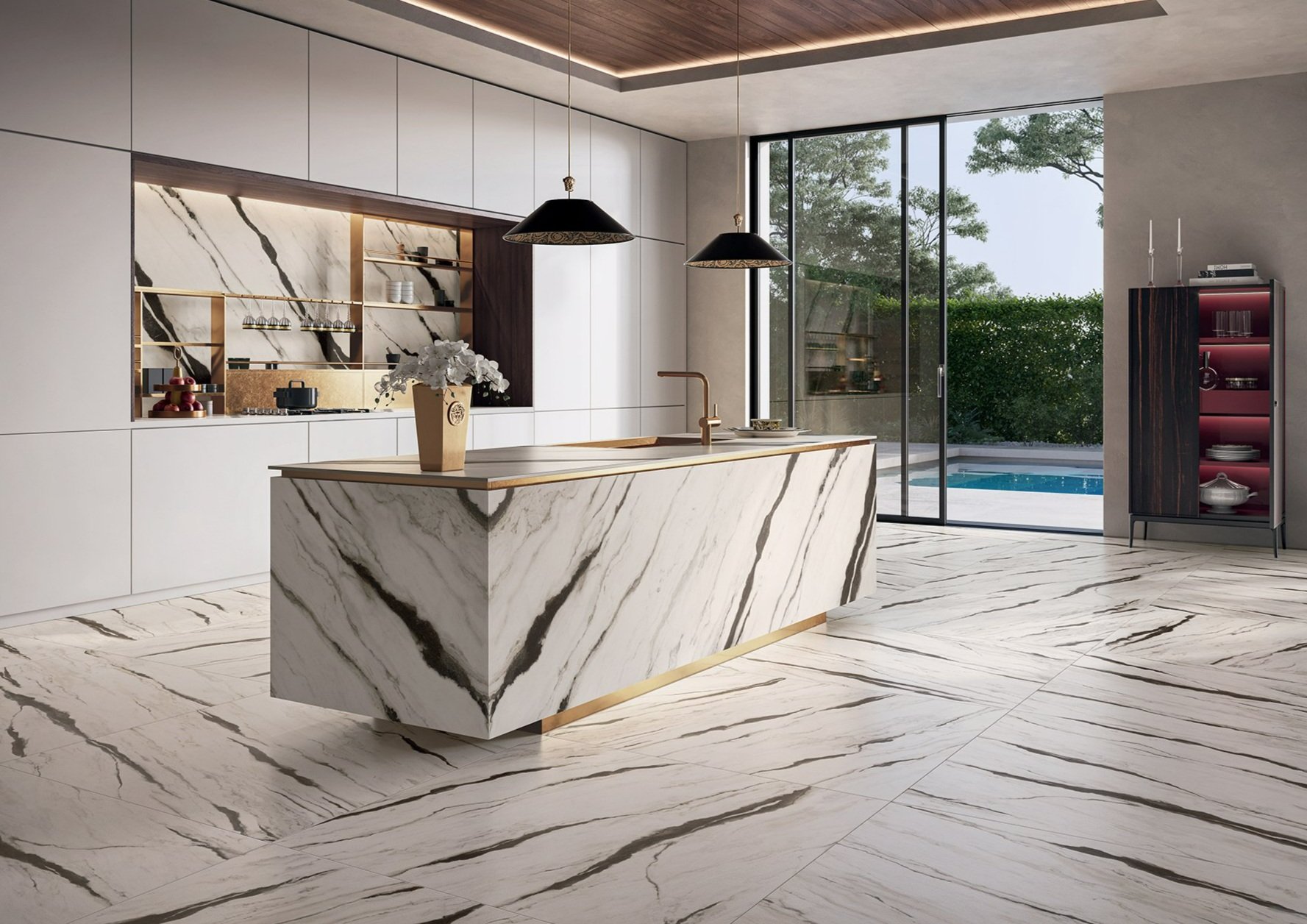
Image credit: versace-tiles.com
Table of Content:
What Makes a Tile Expensive?
Sicis Mosaic Tiles (Italy)
Petra Antiqua Tiles (Italy)
Versace Ceramics
Bisazza Mosaic Tiles
Antique Tiles & Historical Replicas
Are Expensive Tiles Worth It?
What Makes a Tile Expensive?
Before we dive into the most luxurious options out there, it’s worth understanding what factors drive up the cost of tiles:
Material
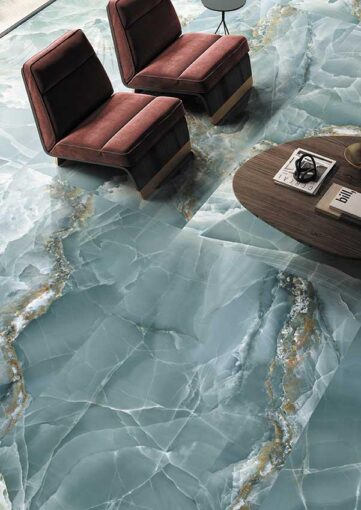
Image credit: tileclub.com
Natural stone like marble, onyx or rare granite tends to cost more than ceramic or porcelain.
Craftsmanship
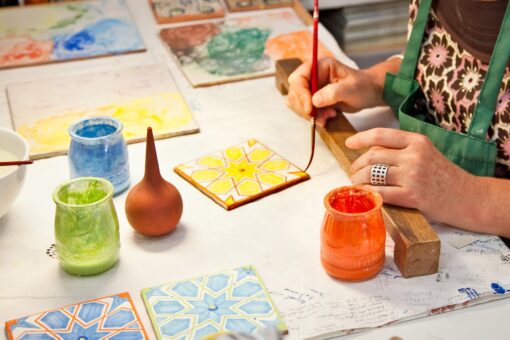
Image credit: uniquetiles.com
Hand-painted, hand-cut or custom-made tiles involve more labour, which adds to the price.
Brand
High-end brands often carry premium price tags due to reputation, exclusivity and designer collaborations.
Design
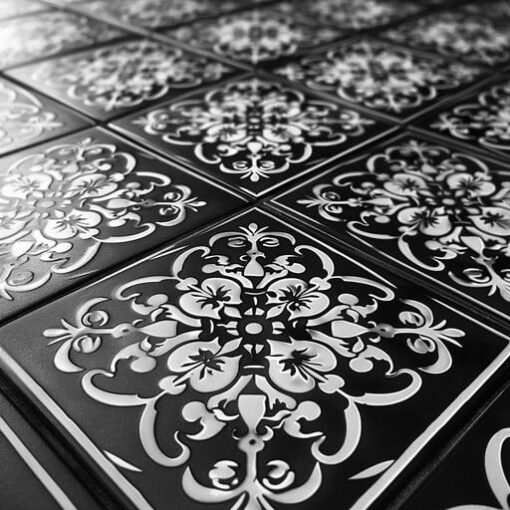
Intricate patterns, mosaics or one-of-a-kind styles can raise the cost significantly.
Rarity
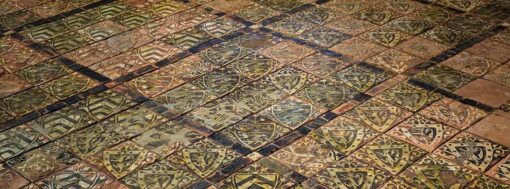
Image credit: english-heritage.org.uk
Limited production or hard-to-source materials can make a tile more expensive.
Sicis Mosaic Tiles (Italy)
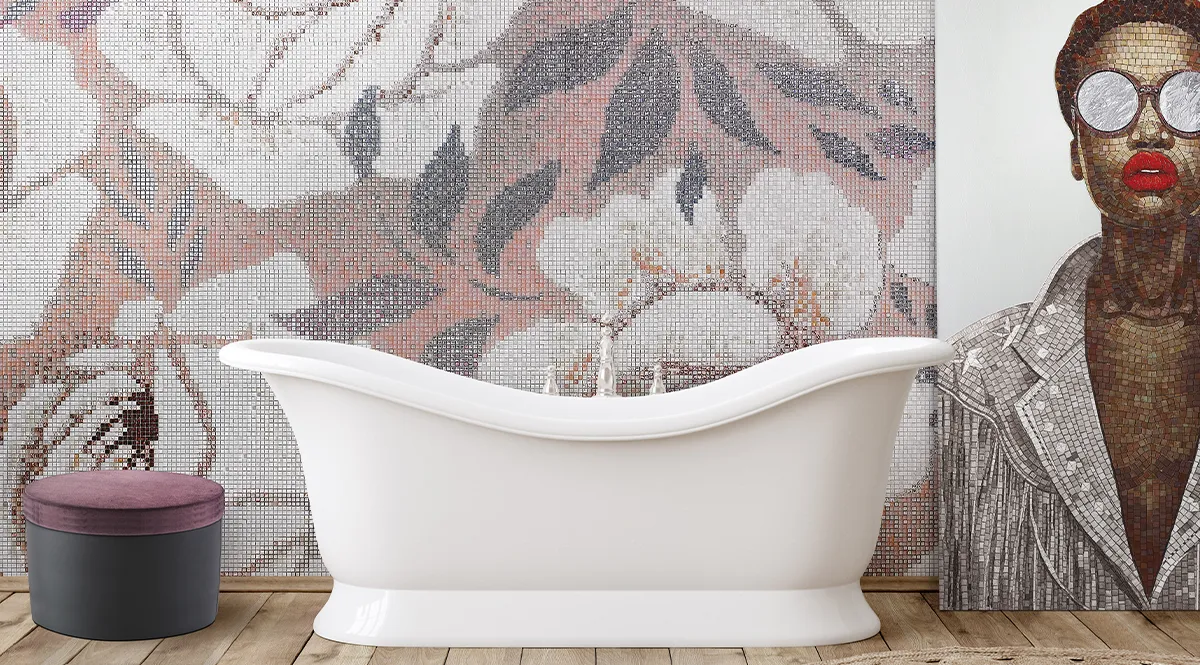
Image credit: sicis.com
Sicis is known for pushing the boundaries of tile design. Their glass mosaics are often found in luxury hotels and palaces. Some of their collections feature hand-cut tiles made from gold leaf glass or smalti, which is a high-quality Venetian glass. Each mosaic can be fully custom designed, making it both exclusive and eye-wateringly expensive.
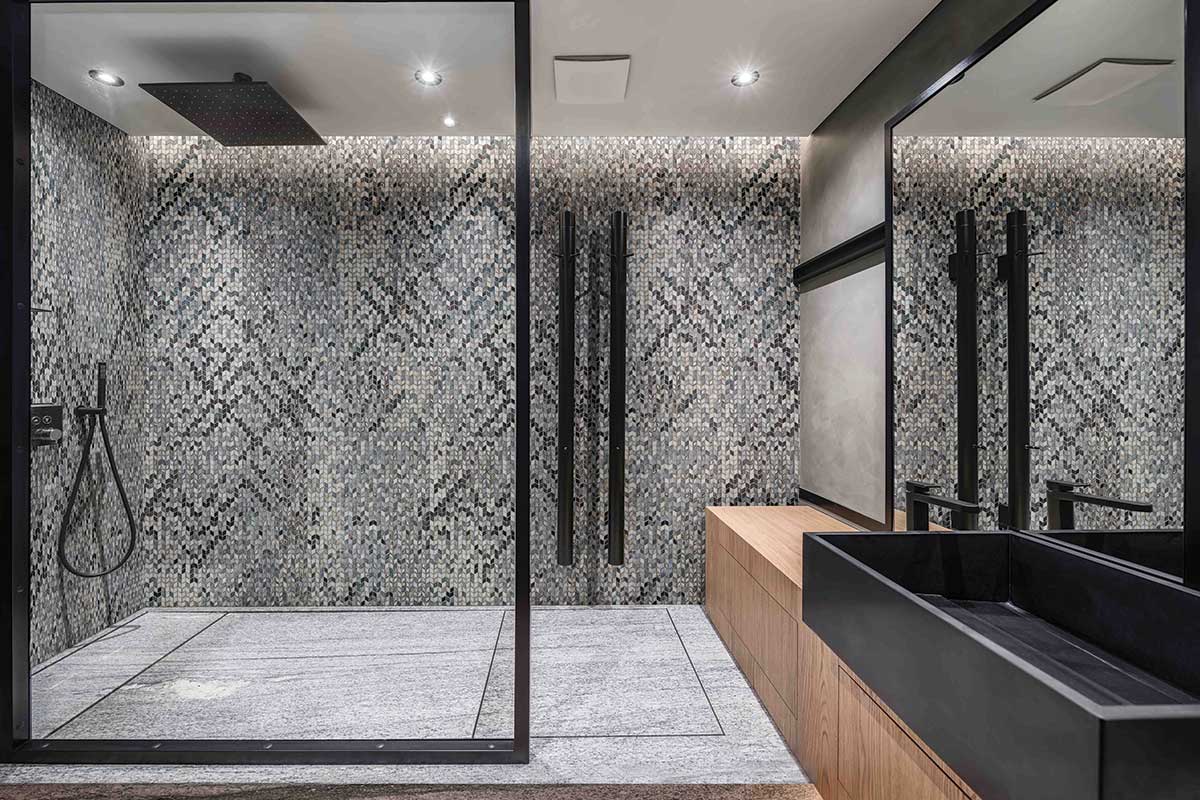
Image credit: mgsarchitecture.in
Why it’s special: Sicis blends art with craftsmanship, offering bespoke pieces that are just as much about personal expression as they are about design.
Petra Antiqua Tiles (Italy)
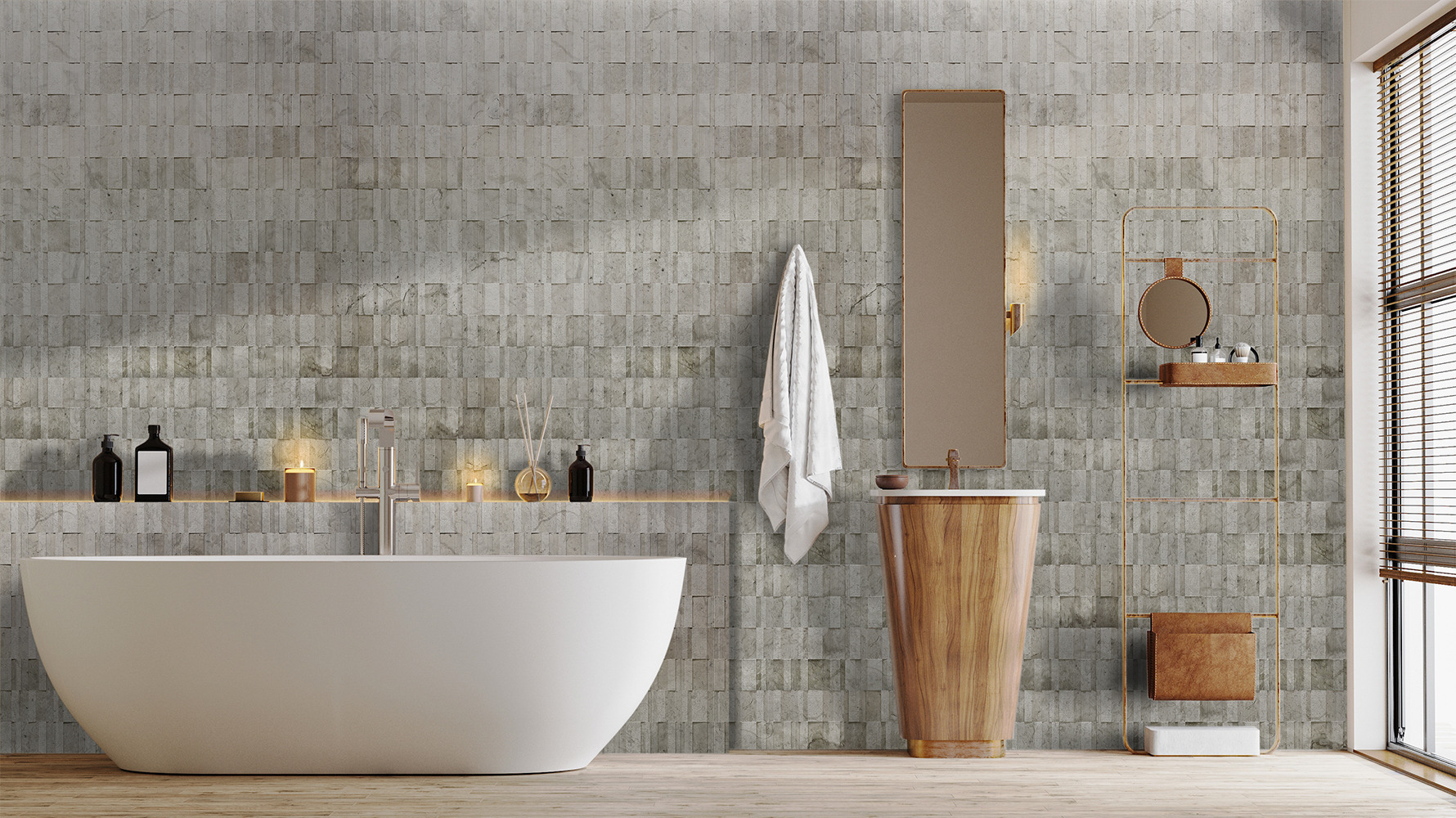
Image credit: petraantiqua.com
Petra Antiqua creates high-end stone tiles with a focus on carving and inlays. Their luxury tiles feature precious metals like gold, silver or platinum embedded into natural stone. These tiles are often used in high-end residential and commercial spaces where opulence is key.
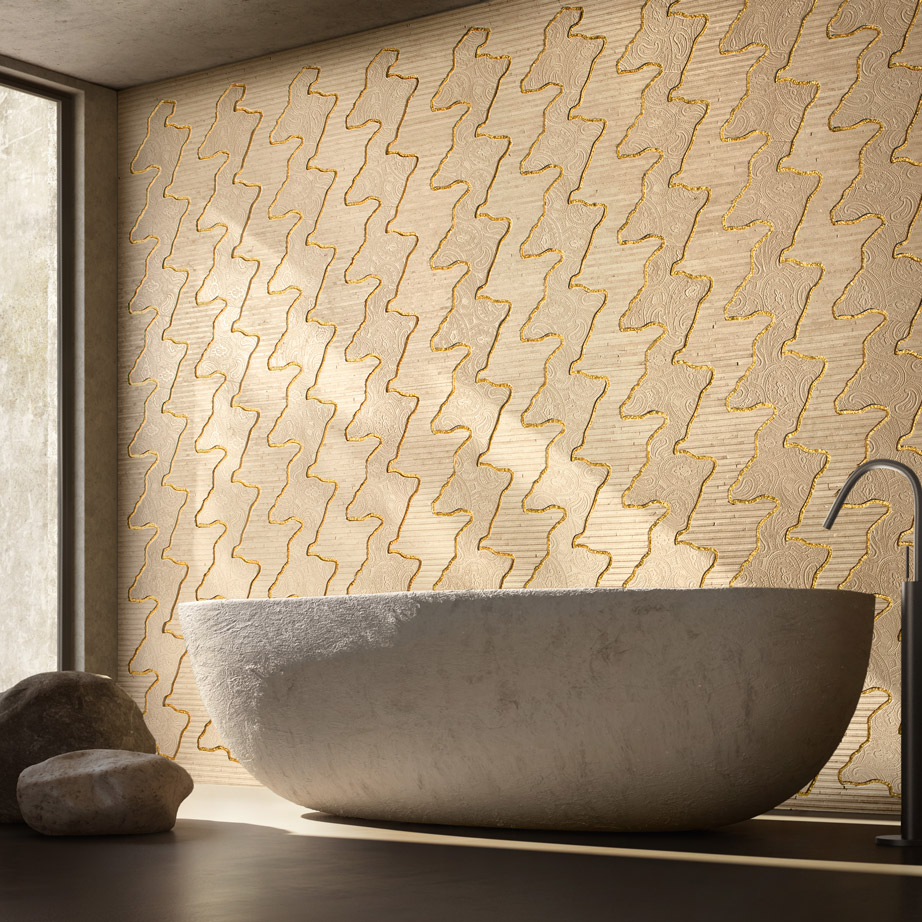
Image credit: casamiauae.com
Why it’s special: The combination of centuries-old stoneworking traditions with modern design makes every tile feel like a collectible piece.
Versace Ceramics
Image credit: versace-tiles.com
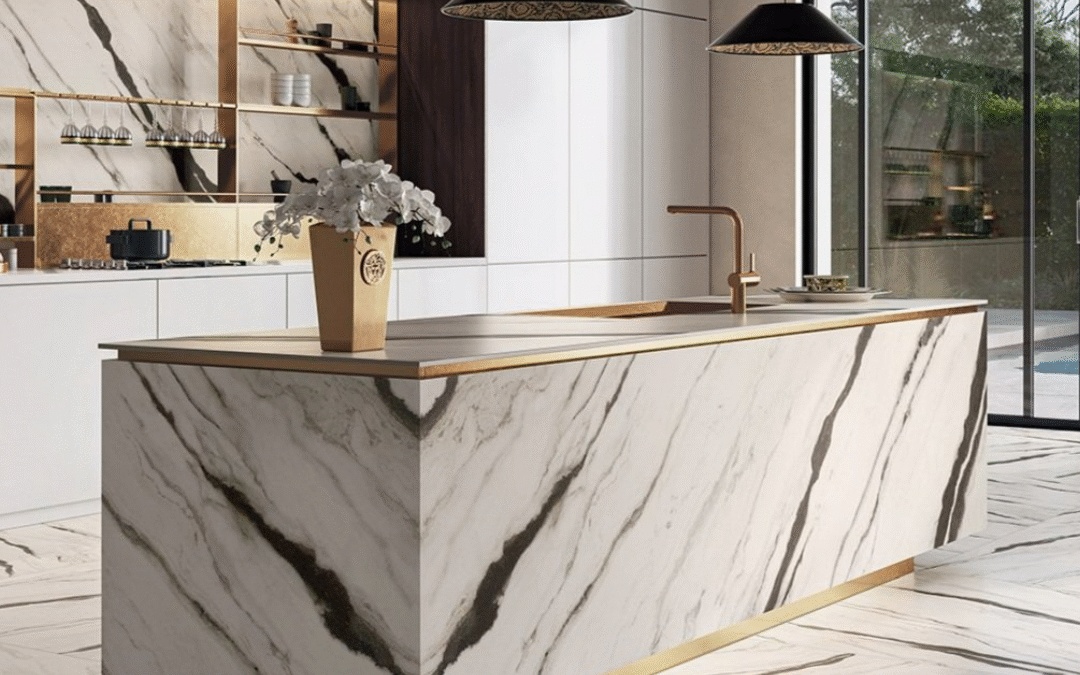
If you want glamour underfoot, Versace Ceramics is the ultimate indulgence. Created by the iconic fashion house, these tiles blend traditional Italian craftsmanship with bold, elegant design. Think ornate gold accents, intricate patterns and polished finishes.
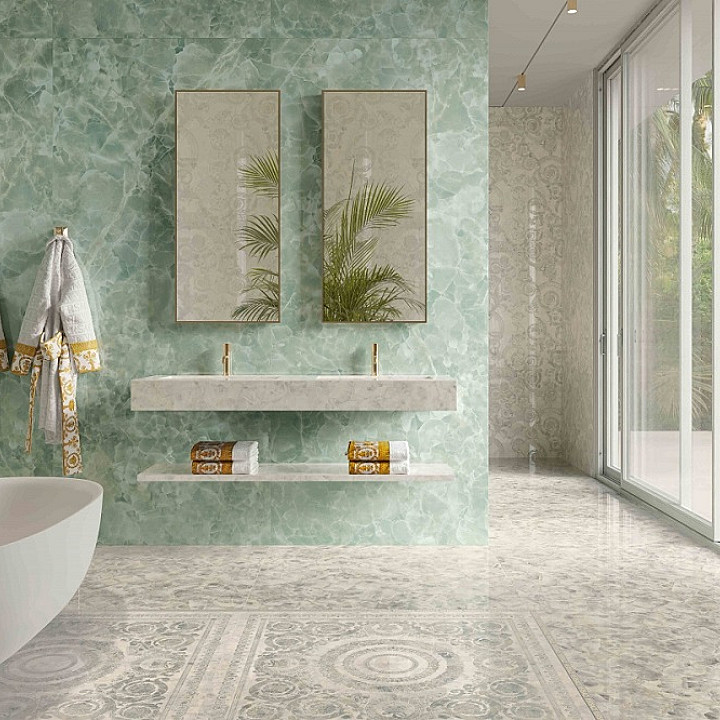
Image credit: versace-tiles.com
Why it’s special: These tiles make a statement and elevate interiors with a distinct designer edge that only Versace can bring.
Bisazza Mosaic Tiles
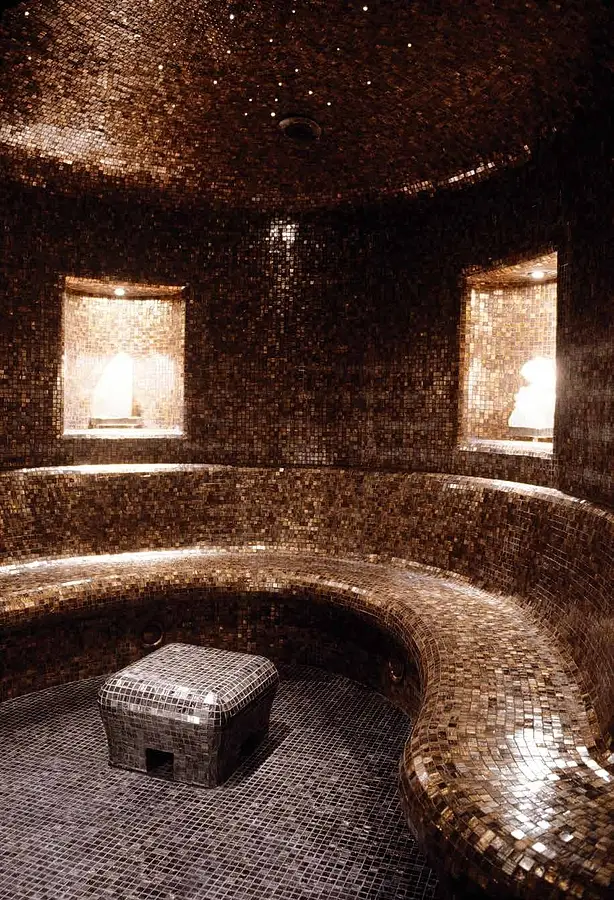
Image credit: tile.expert
Bisazza is a leader in the luxury mosaic market, offering dazzling tile designs that range from classic to contemporary. Some collections feature 24-karat gold or platinum leaf layered inside the glass. Used in boutique hotels, yachts and luxury homes, Bisazza tiles are known for their artistic flair.
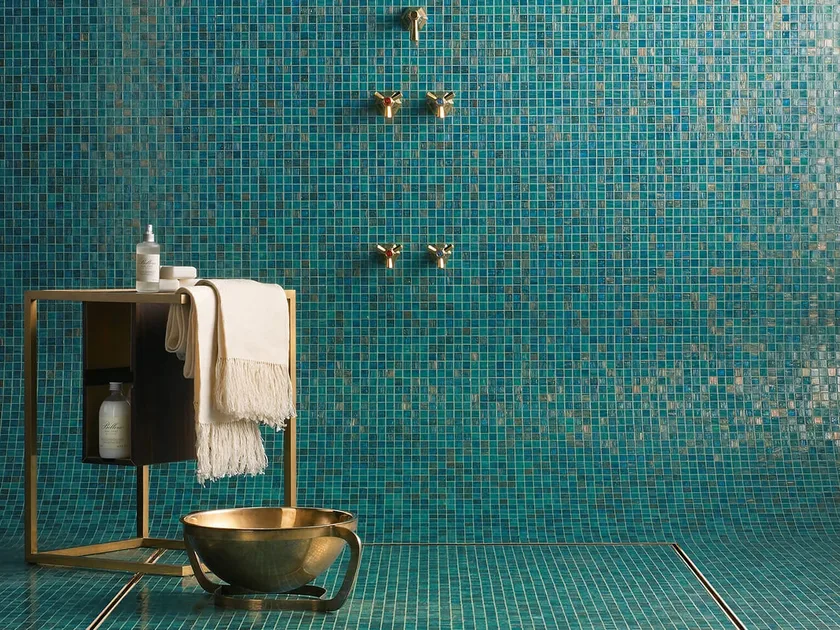
Image credit: archiproducts.com
Why it’s special: Each tile is a fusion of innovation and style, crafted to catch the eye and reflect light in stunning ways.
Antique Tiles & Historical Replicas
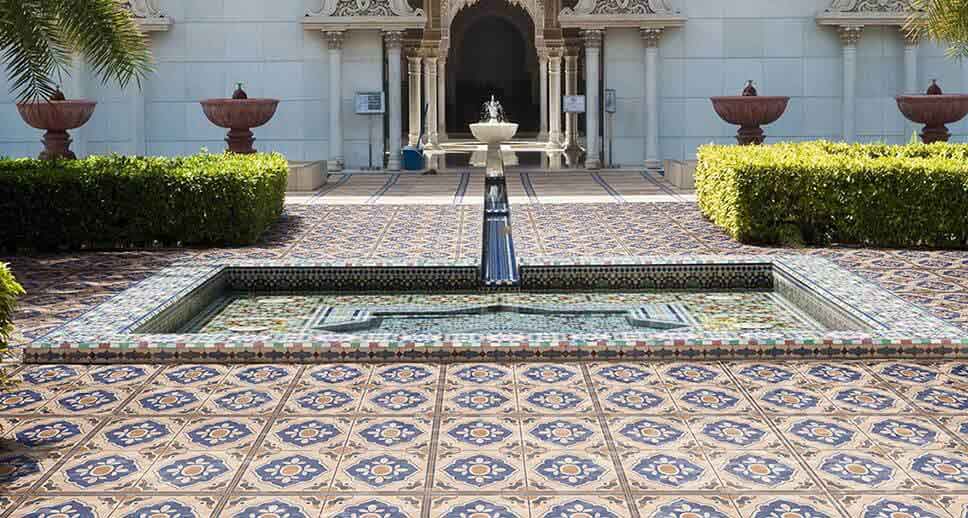
Image credit: somanyceramics.com
Sometimes, the most expensive tiles are not new at all. Authentic antique tiles from centuries-old buildings, especially Moroccan Zellige or Spanish Majolica, can sell for thousands. Their historical value, age and intricate craftsmanship make them highly sought-after by collectors and designers.
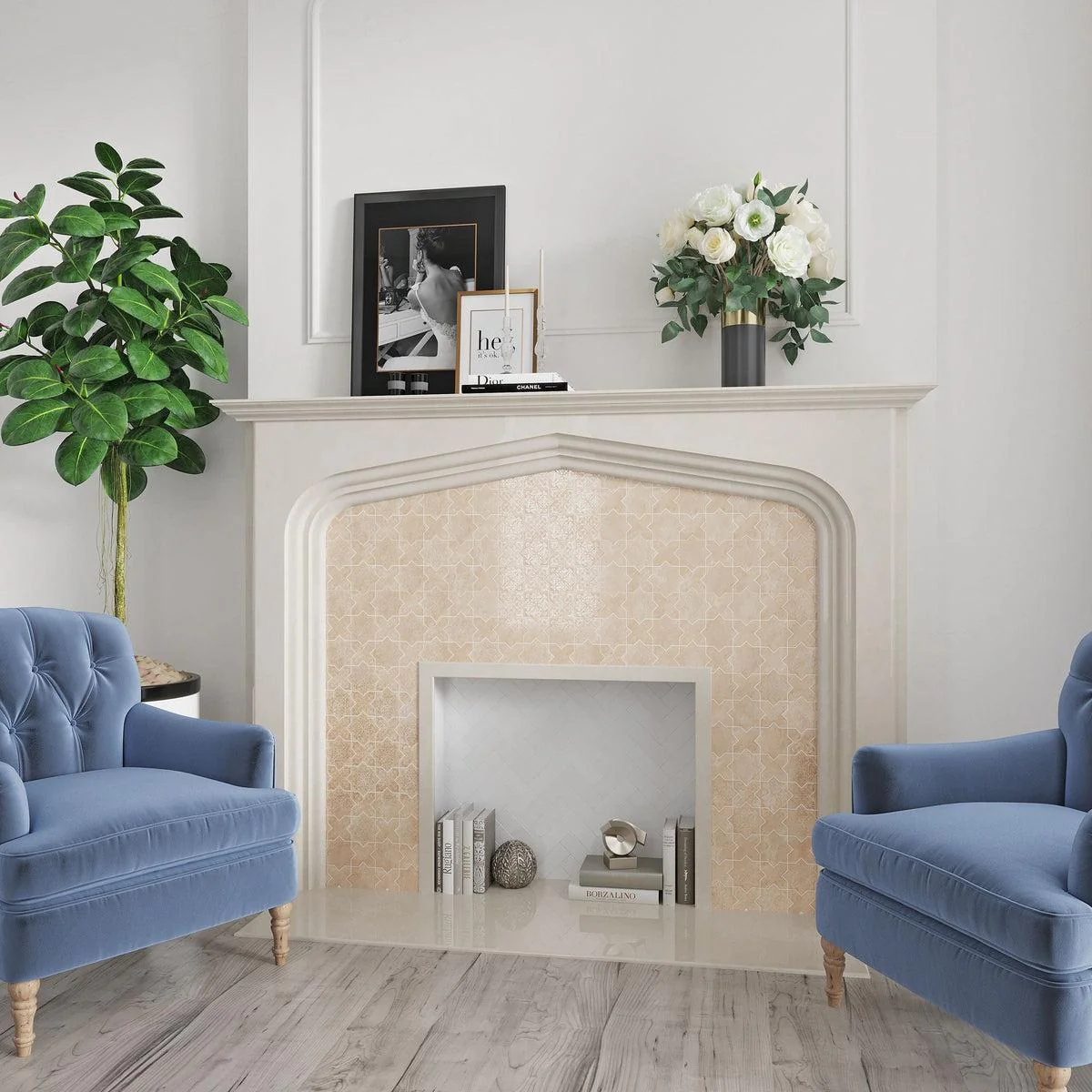
Image credit: tileclub.com
Why it’s special: These tiles tell a story. Owning one is like owning a piece of design history.
Are Expensive Tiles Worth It?
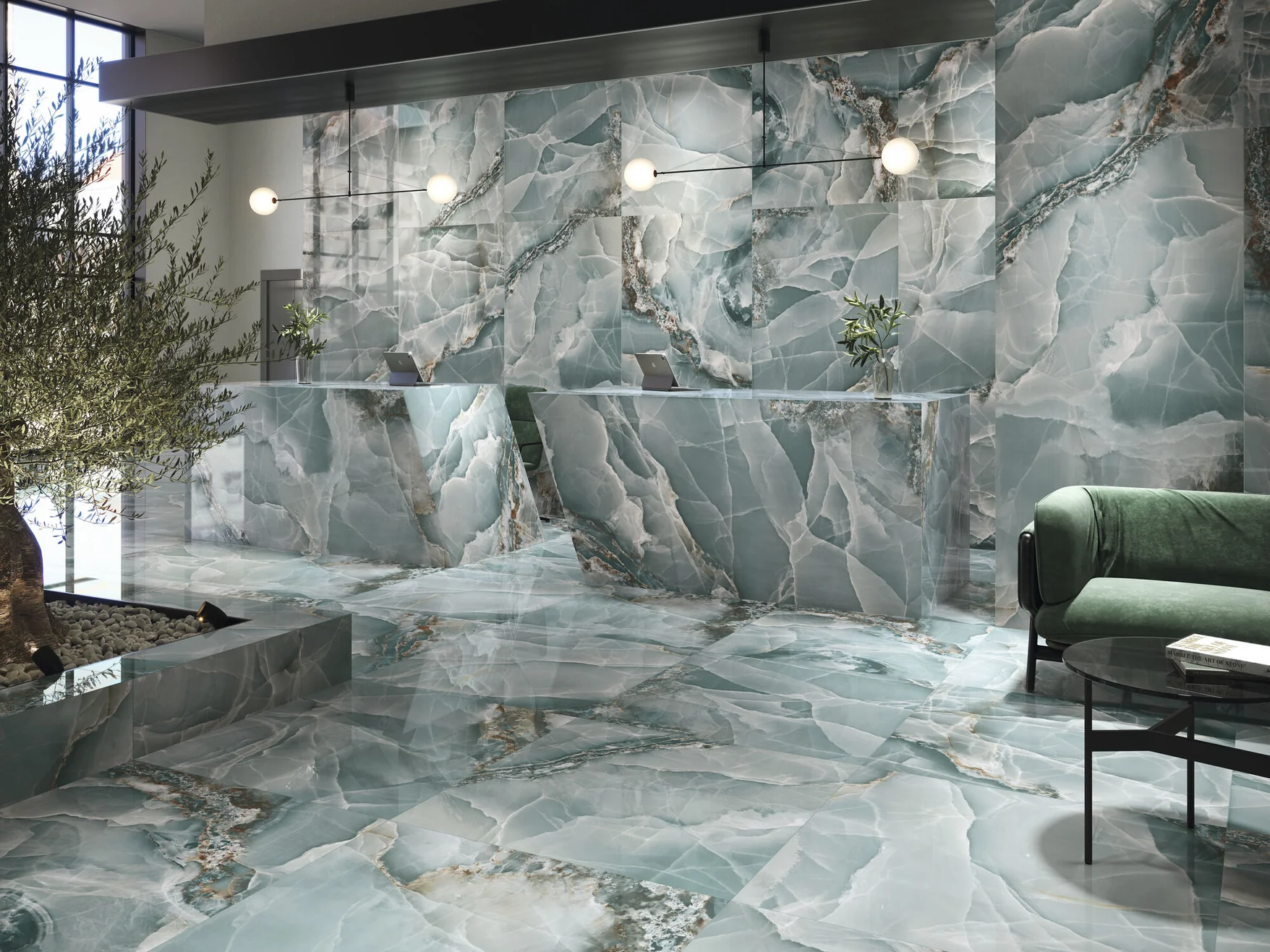
Image credit: elite-tiles.com
For most people, luxury tiles are an investment in beauty, durability and exclusivity. They often become the focal point of a room, elevating a space from ordinary to extraordinary. Whether you’re designing a high-end bathroom, a statement kitchen splashback or a bespoke feature wall, expensive tiles can be well worth the cost if you want something truly unique.
From shimmering mosaics to hand-carved stone, the world’s most expensive tiles offer more than just surface appeal. They represent craftsmanship, luxury and individuality. While they may not be for every budget, they’re certainly inspiring and can guide your choices even when you’re working with more affordable options.
Looking to elevate your space with tiles that turn heads? Explore Tiletoria’s premium tile collections for inspiration and discover the perfect fit for your next design project.
blog, floors, trends, walls
When you think of tiles, you probably picture them on kitchen splashbacks or bathroom floors — but what about the ceiling? That’s right — tiling your ceiling is becoming one of the hottest interior design trends right now. It’s bold, creative and offers a fresh way to add texture, pattern and drama to your home. If you’re after a design statement that turns heads and sparks conversation, this trend might just be for you.
Let’s take a closer look at why ceiling tiles are making a stylish comeback and how you can incorporate them into your space.
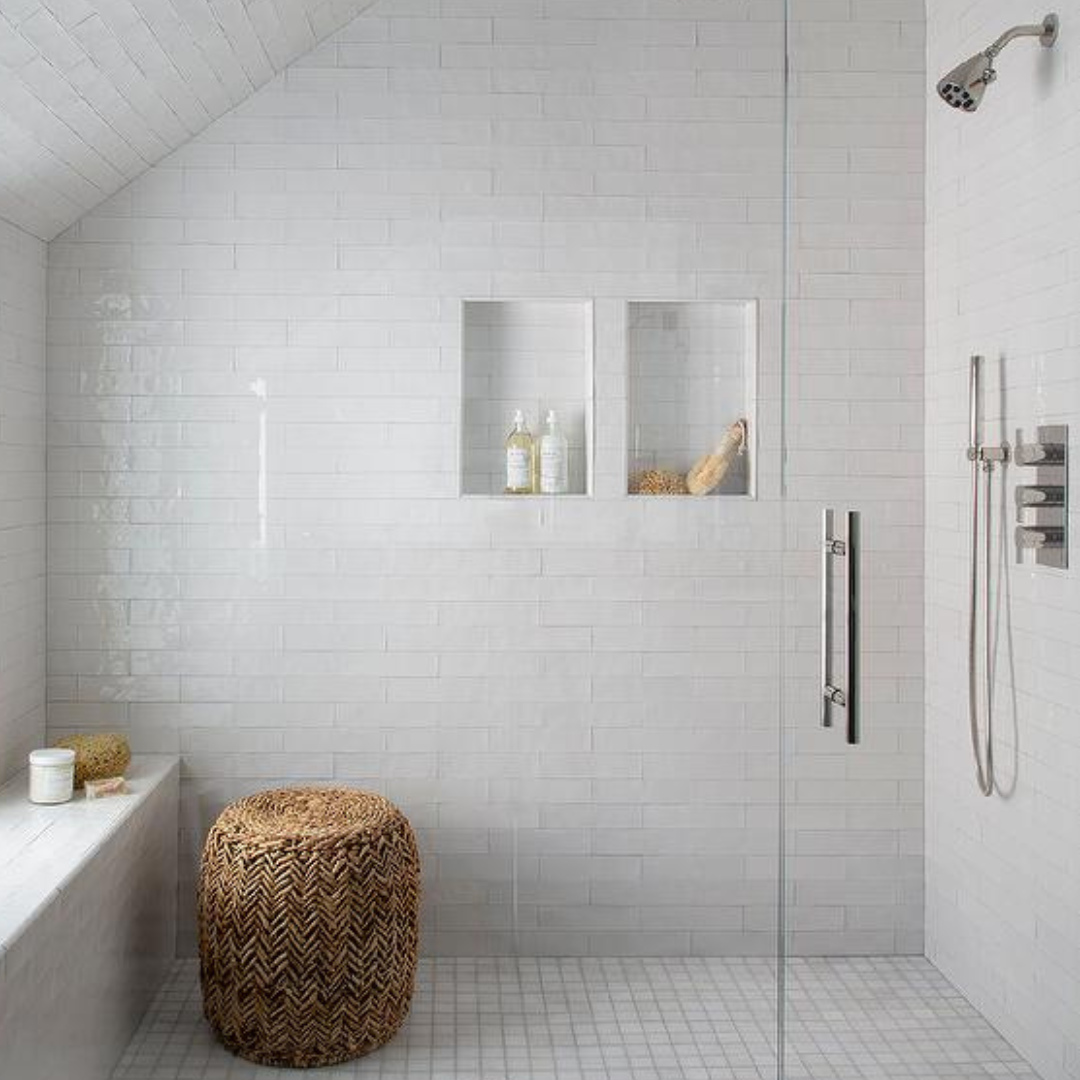
Image credit: decorpad.com
Table of Content:
Why Tile the Ceiling?
Best Rooms for Ceiling Tiles
Choosing the Right Tiles for the Ceiling
Installation Considerations
Low-Maintenance and Long-Lasting
Why Tile the Ceiling?
Traditionally, ceilings have been left plain, painted white and largely forgotten. But with more homeowners and designers pushing creative boundaries, ceilings are finally getting the attention they deserve. Tiling your ceiling adds an extra layer of interest and elegance that transforms a room from basic to beautiful.
Here’s why it’s catching on:
Creates a focal point
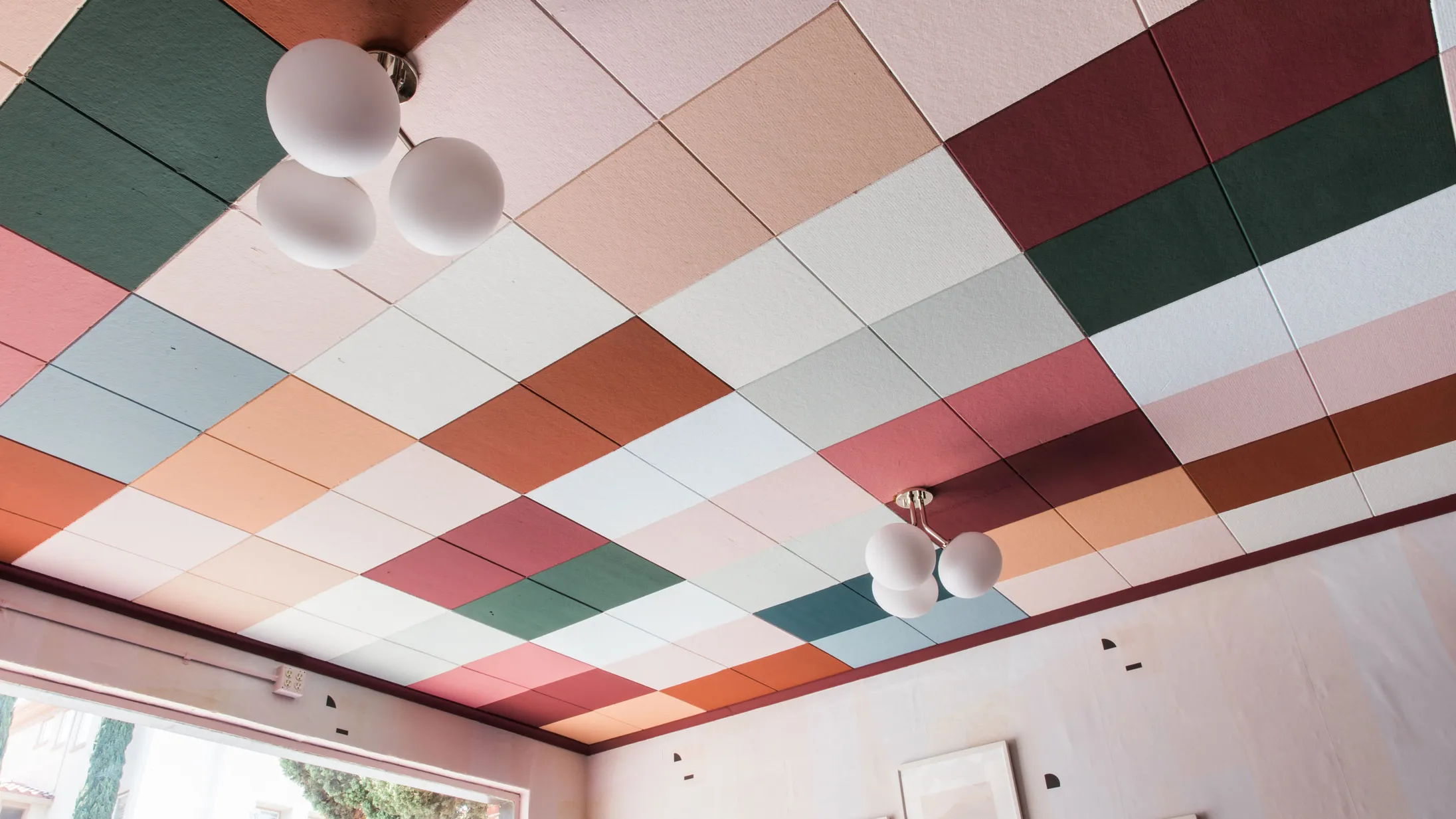
Image credit: architecturaldigest.com
A tiled ceiling instantly draws the eye upward, making the space feel more curated and considered.
Adds texture and depth
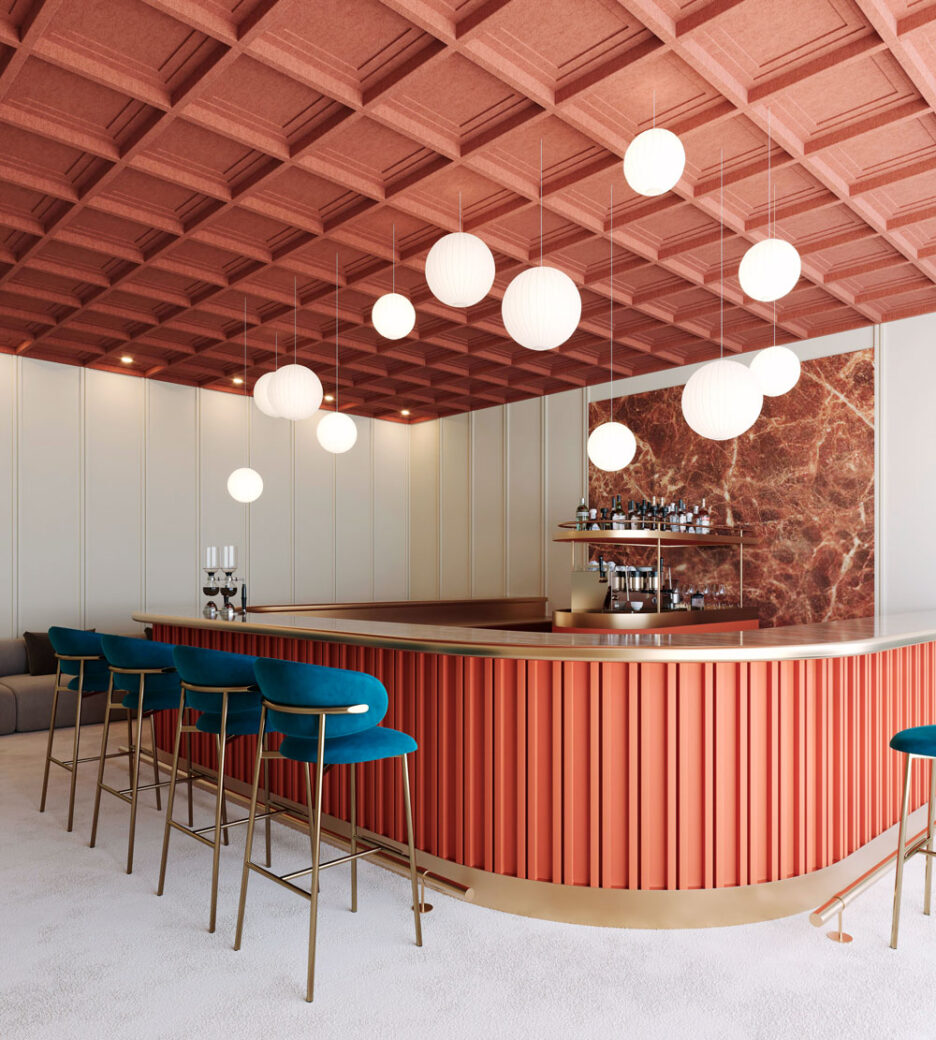
Image credit: mixinteriors.com
Especially in rooms with high ceilings, tiles can bring warmth, character and balance to the overall design.
Elevates small spaces
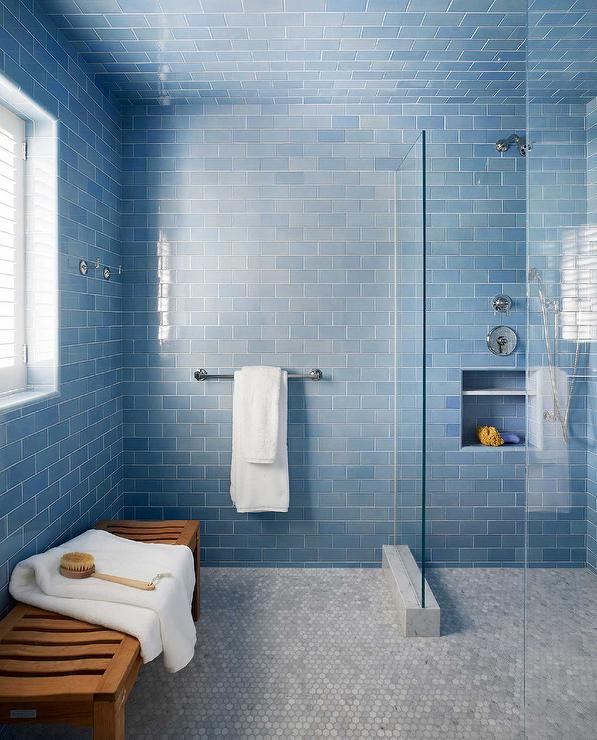
Image credit: decorpad.com
Powder rooms, entryways and other compact areas benefit from this unexpected twist.
Best Rooms for Ceiling Tiles
Not every room will suit a tiled ceiling, but when done right, it can completely change the vibe of a space. Here are a few areas where ceiling tiles really shine:
Bathrooms
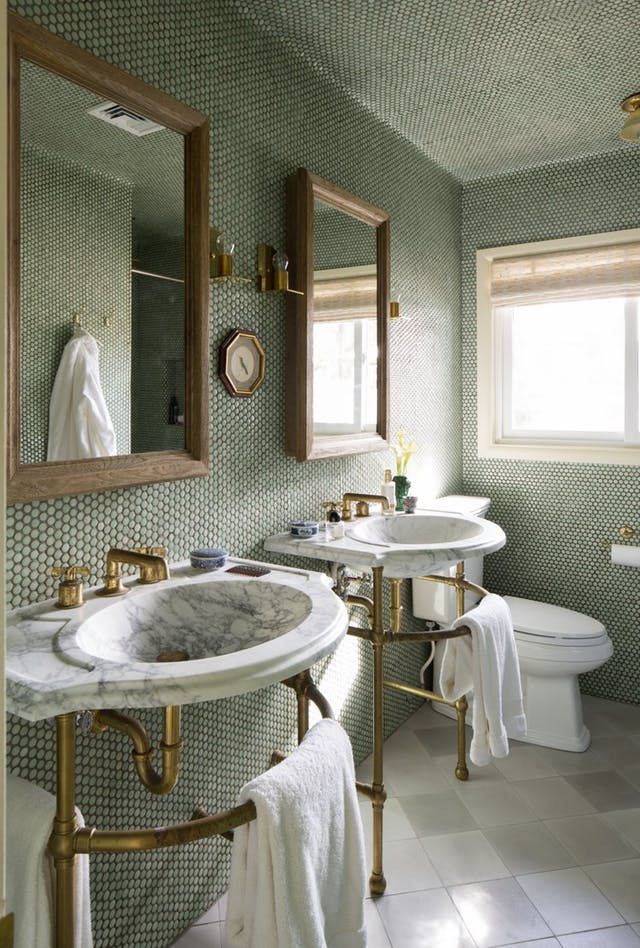
Tiling the ceiling in your shower or above a freestanding bath not only looks stunning but also offers practical water resistance.
Kitchens
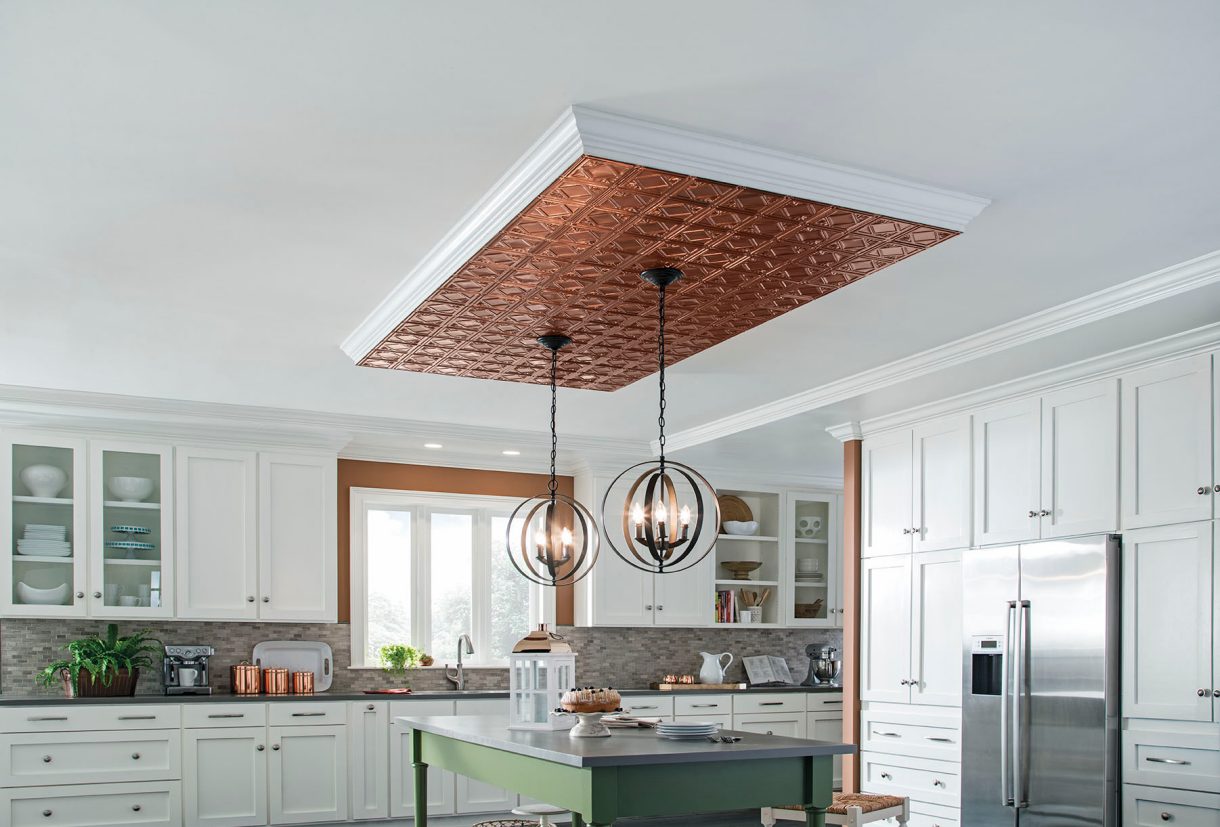
Image credit: armstrongceilings.com
A tiled ceiling above a kitchen island or in a scullery can create a sophisticated look and tie in with splashbacks or countertops.
Living Rooms
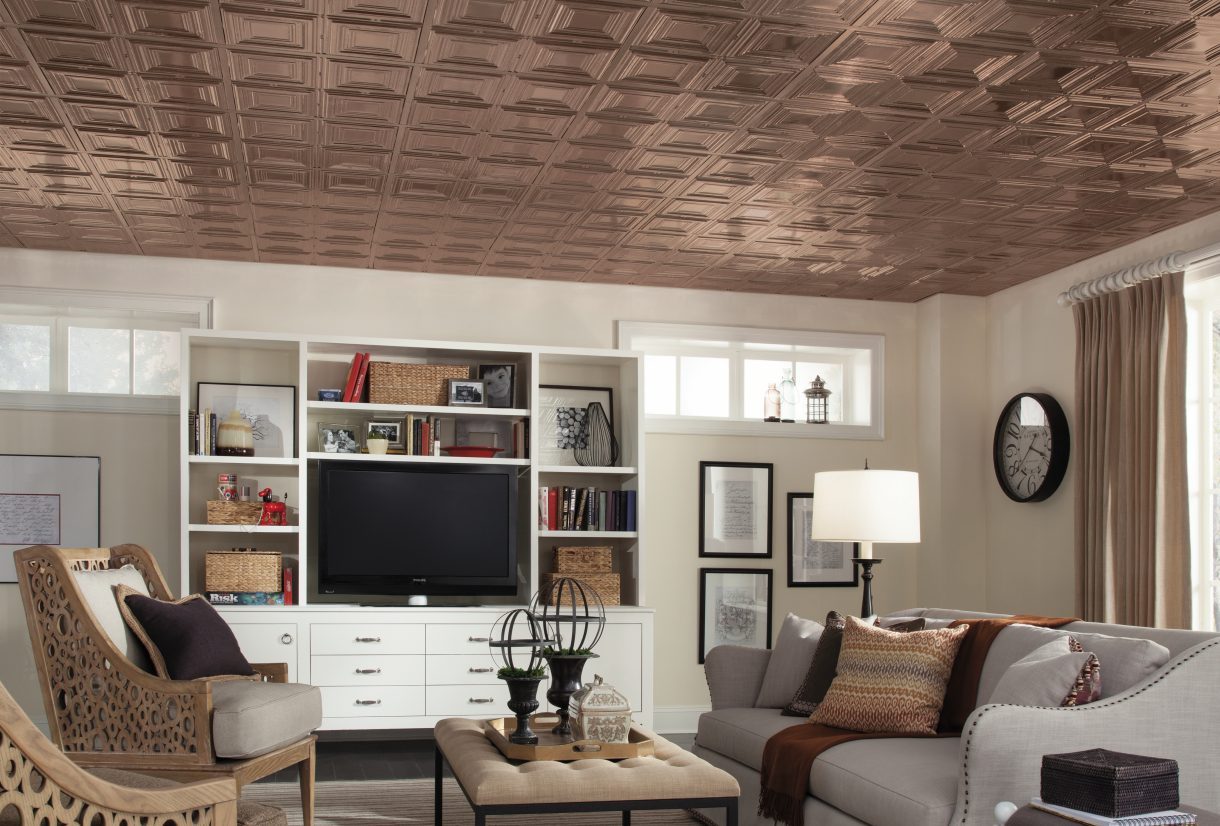
Image credit: armstrongceilings.com
Add elegance and texture with patterned or neutral tiles on the ceiling, paired with minimalist lighting for a luxe finish.
Entrances & Hallways
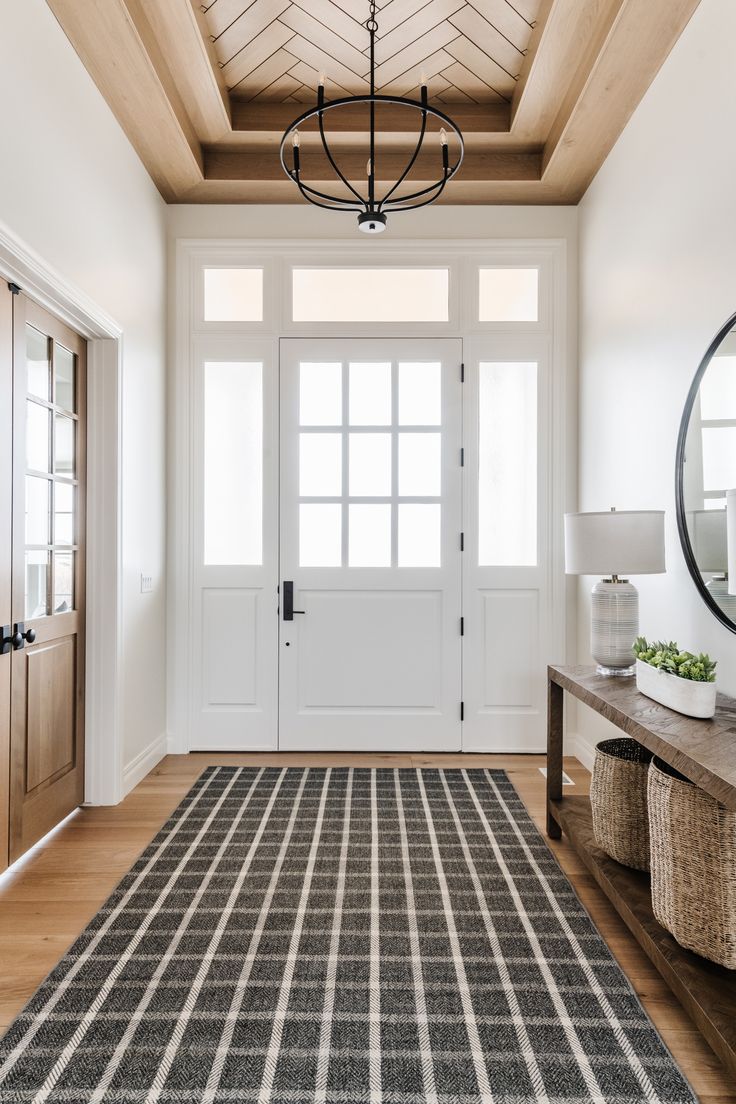
Image credit: houzz.com
First impressions count, and a tiled ceiling in your foyer or hallway sets a tone of luxury from the moment guests walk in.
Choosing the Right Tiles for the Ceiling
Not all tiles are created equal — especially when they’re going overhead. Here are a few tips when choosing tiles for your ceiling:
Go lighter
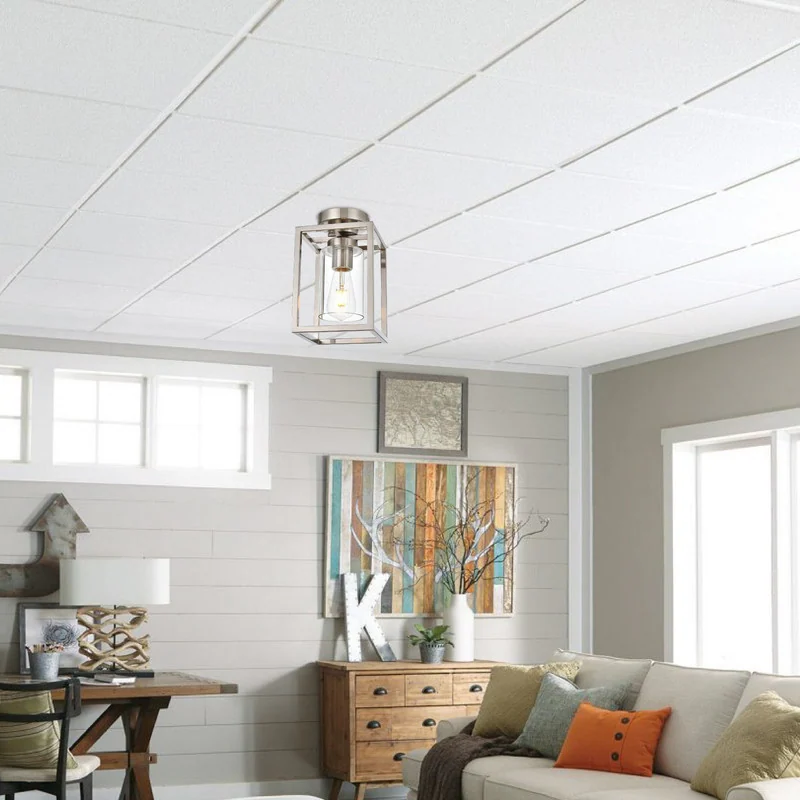
Image credit: bedbathandbeyond.com
Large, heavy tiles might be risky. Opt for lighter porcelain or ceramic tiles where possible.
Think texture
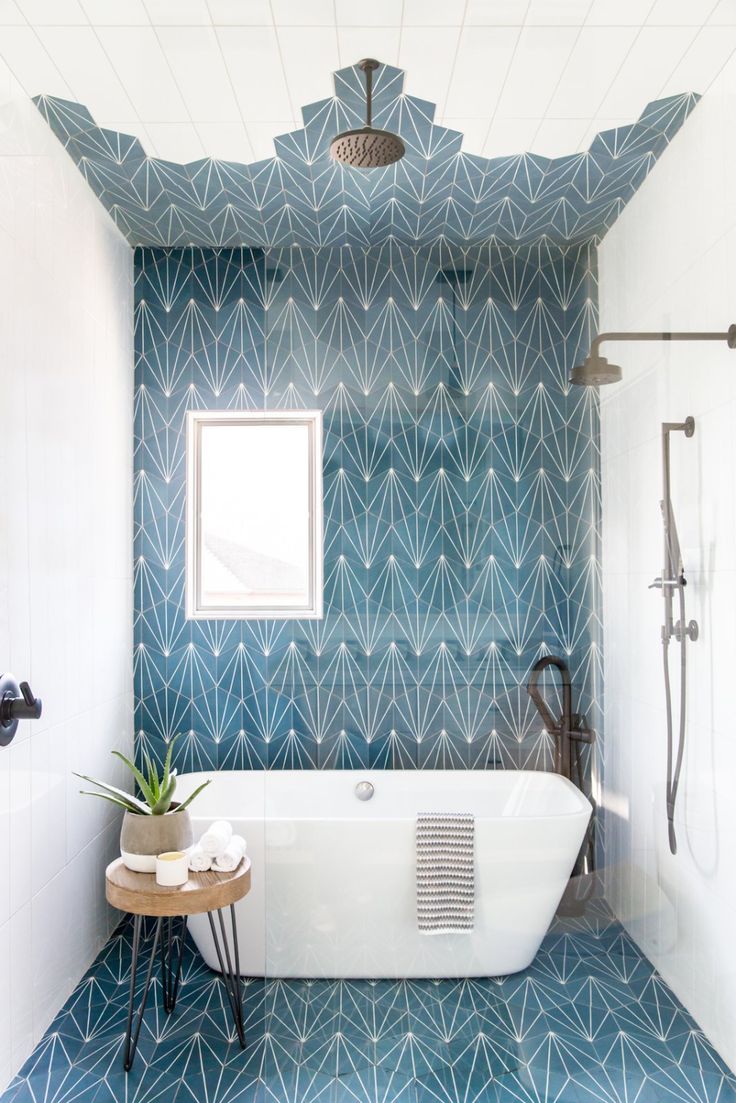
Image credit: houzz.com
3D or textured tiles can really make a statement but be careful not to go overboard in smaller rooms.
Stick with neutrals
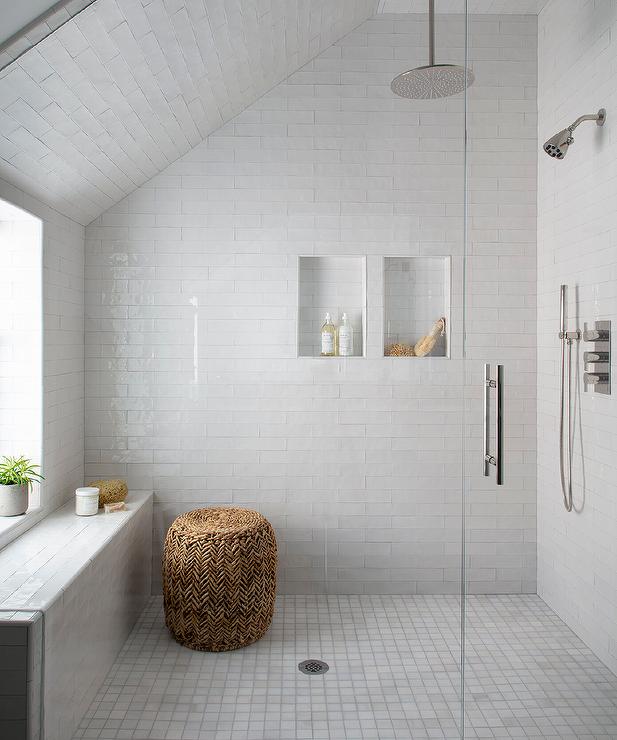
Image credit: decorpad.com
If you’re worried about commitment, soft tones and neutral shades keep things elegant without being overpowering.
Gloss vs. matte
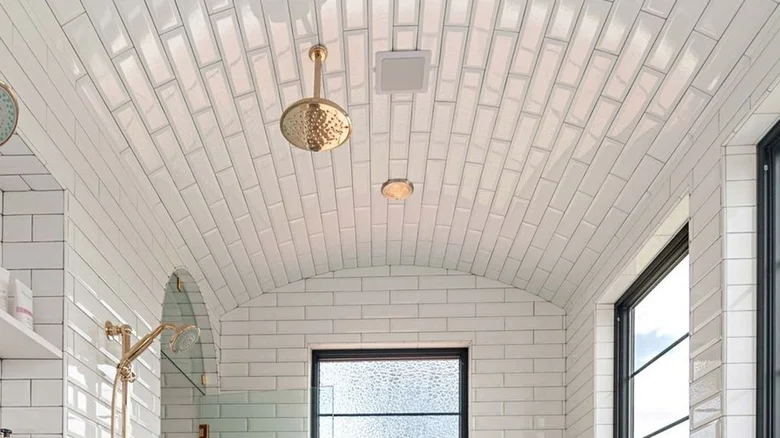
Image credit: housedigest.com
Glossy tiles reflect more light, which can help brighten a space, but matte tiles create a softer, more modern feel.
Installation Considerations
Tiling a ceiling requires a little more planning than walls or floors. Here are a few things to keep in mind:
Use a professional installer
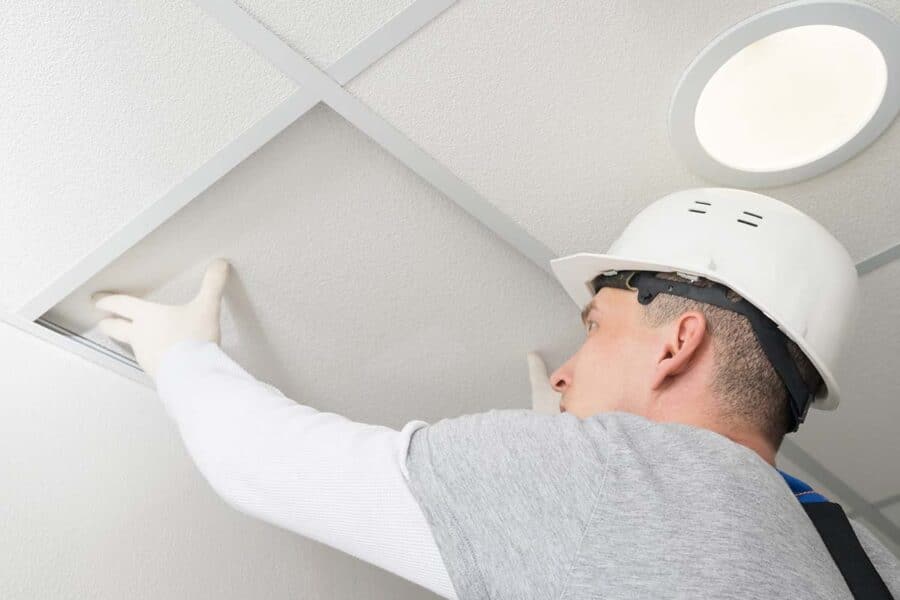
Precision is key. Uneven tiles or poor adhesion can become a safety hazard.
Check structural integrity

Make sure your ceiling can support the weight of the tiles and adhesive.
Waterproofing
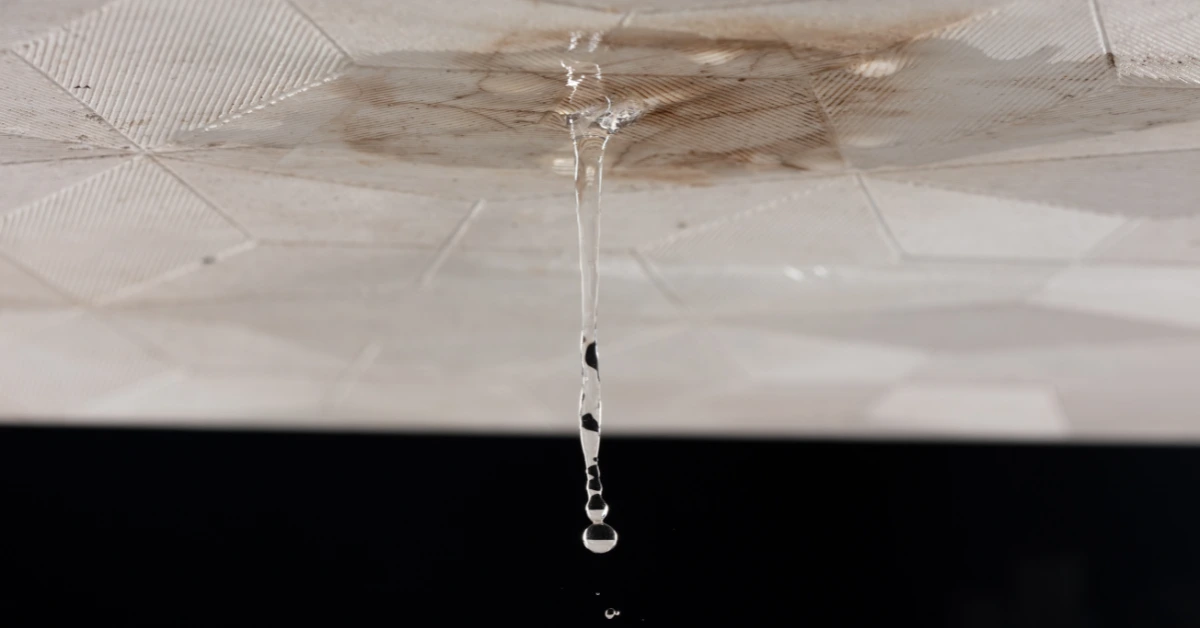
In bathrooms or kitchens, proper sealing is essential to prevent moisture damage.
Low-Maintenance and Long-Lasting
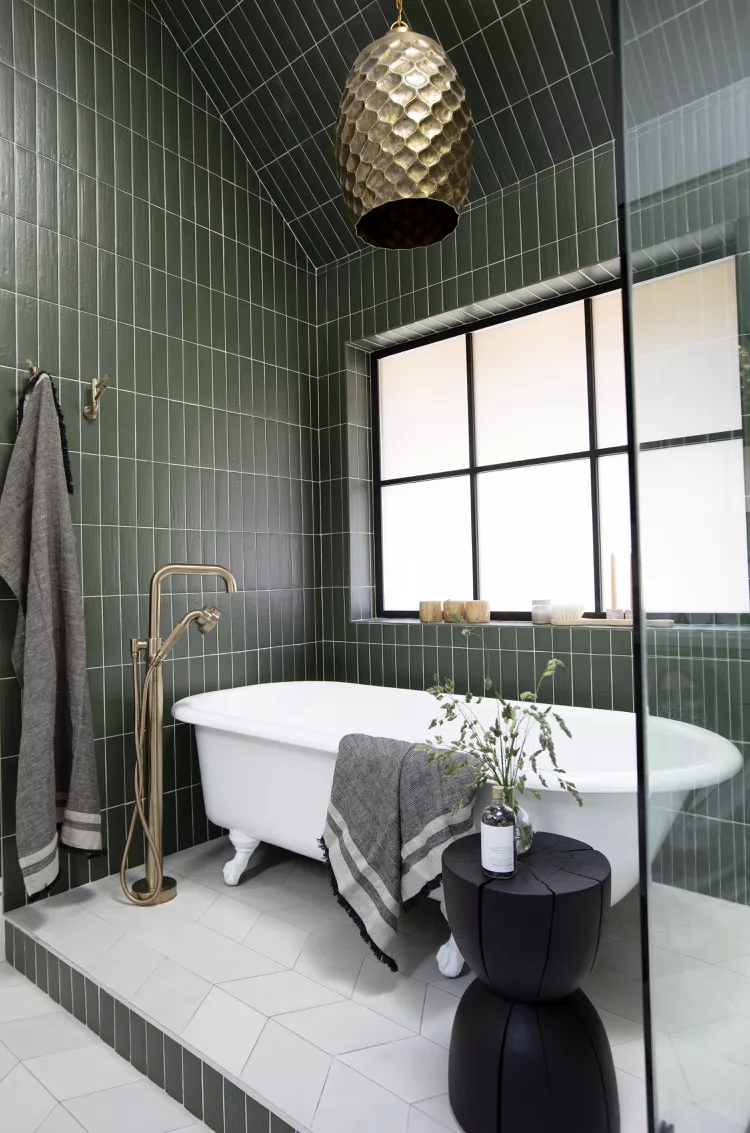
Image credit: thespruce.com
One of the biggest perks of ceiling tiles? They’re incredibly low maintenance. Unlike painted or plastered ceilings, tiles are easy to clean, durable and resistant to mould and mildew — making them perfect for moisture-prone areas.
If you’re ready to break the mould and embrace something bold, tiling your ceiling could be your next home improvement project. It’s a modern, functional way to add character and style to any space while also reaping the benefits of durability and easy maintenance.
Whether you’re planning a full renovation or just looking to update a single room, ceiling tiles might just be the statement finish you’ve been searching for.
Ready to explore your options? Visit Tiletoria for a wide range of ceiling-friendly tiles that can take your interiors to new heights — literally.