bathroom, blog, floors, interior design tips, kitchen, outdoor, walls
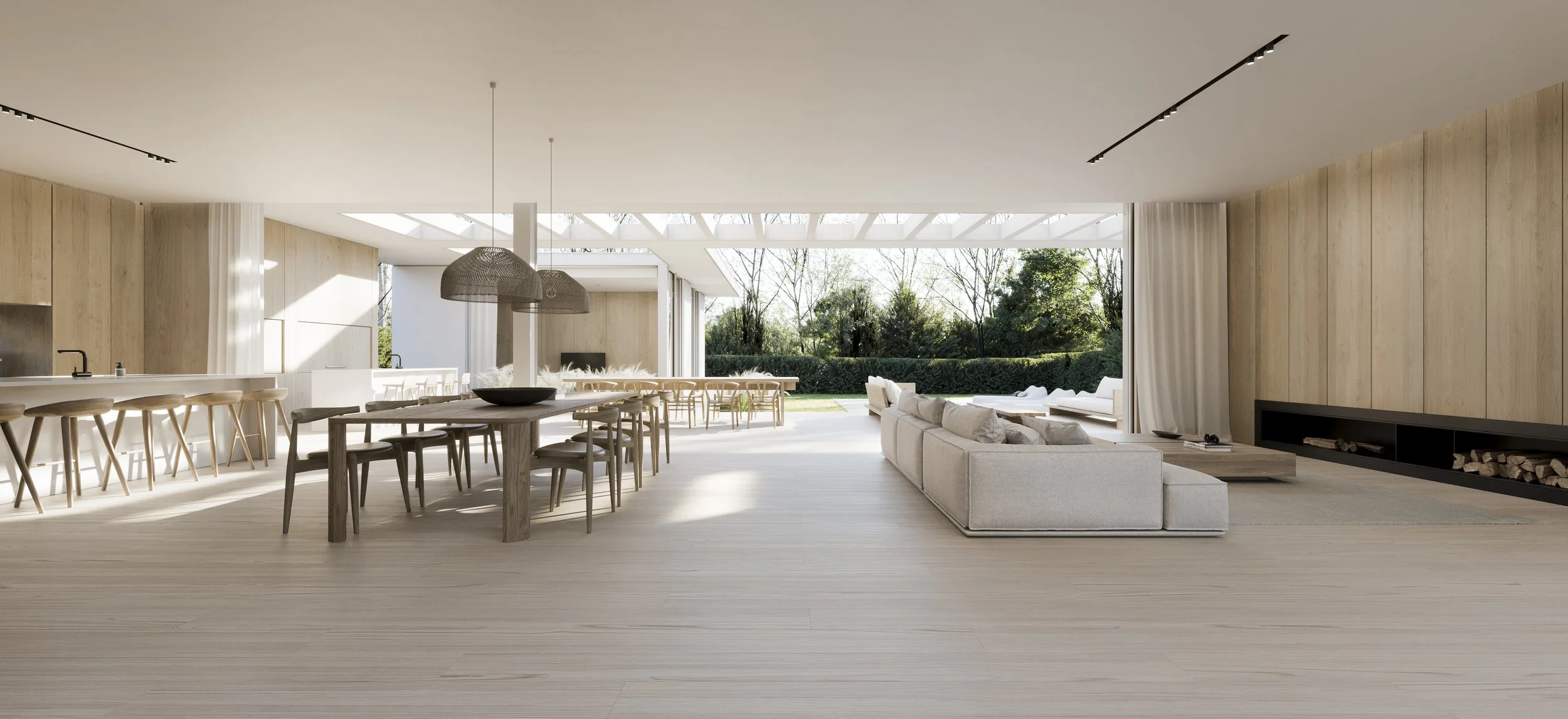
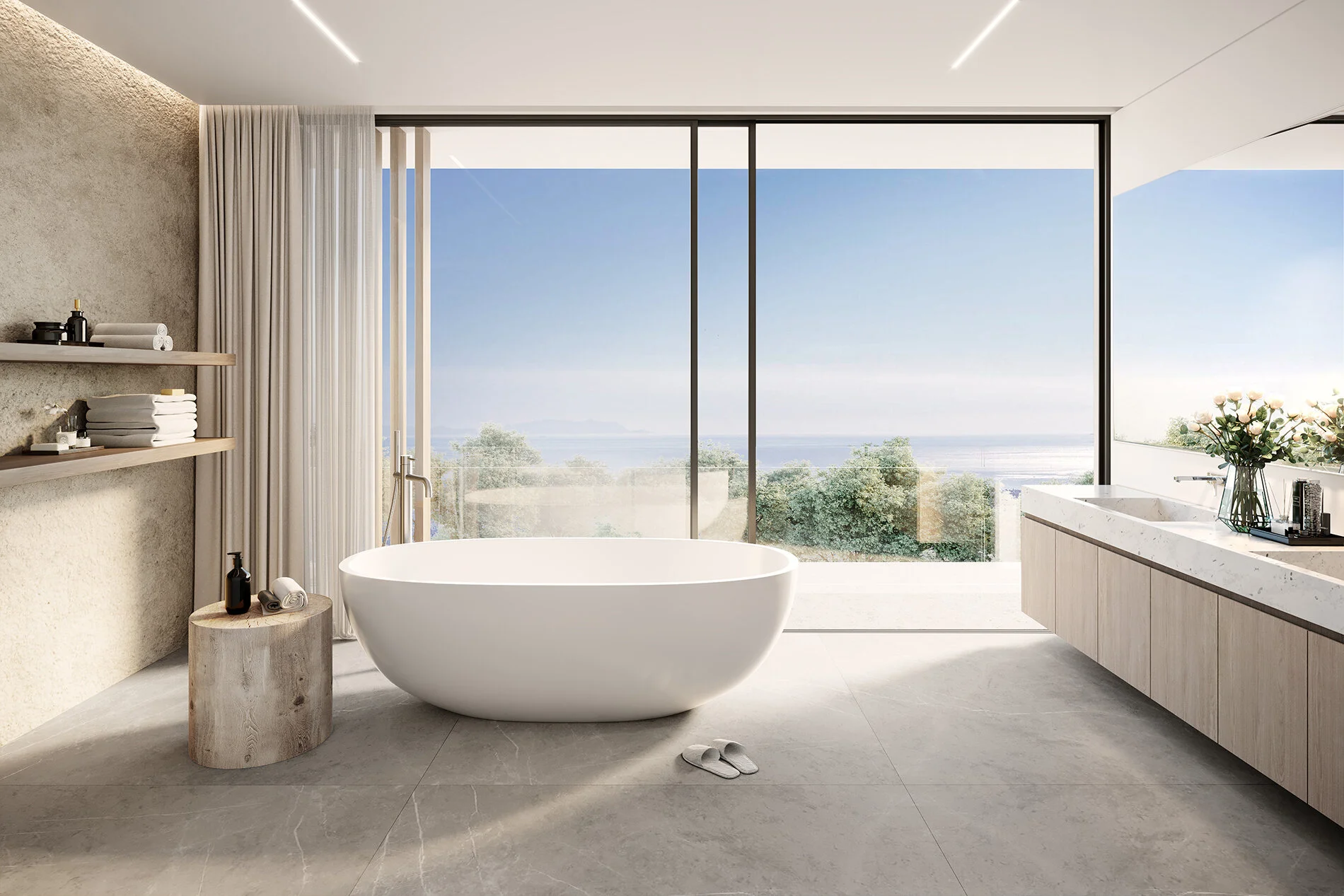
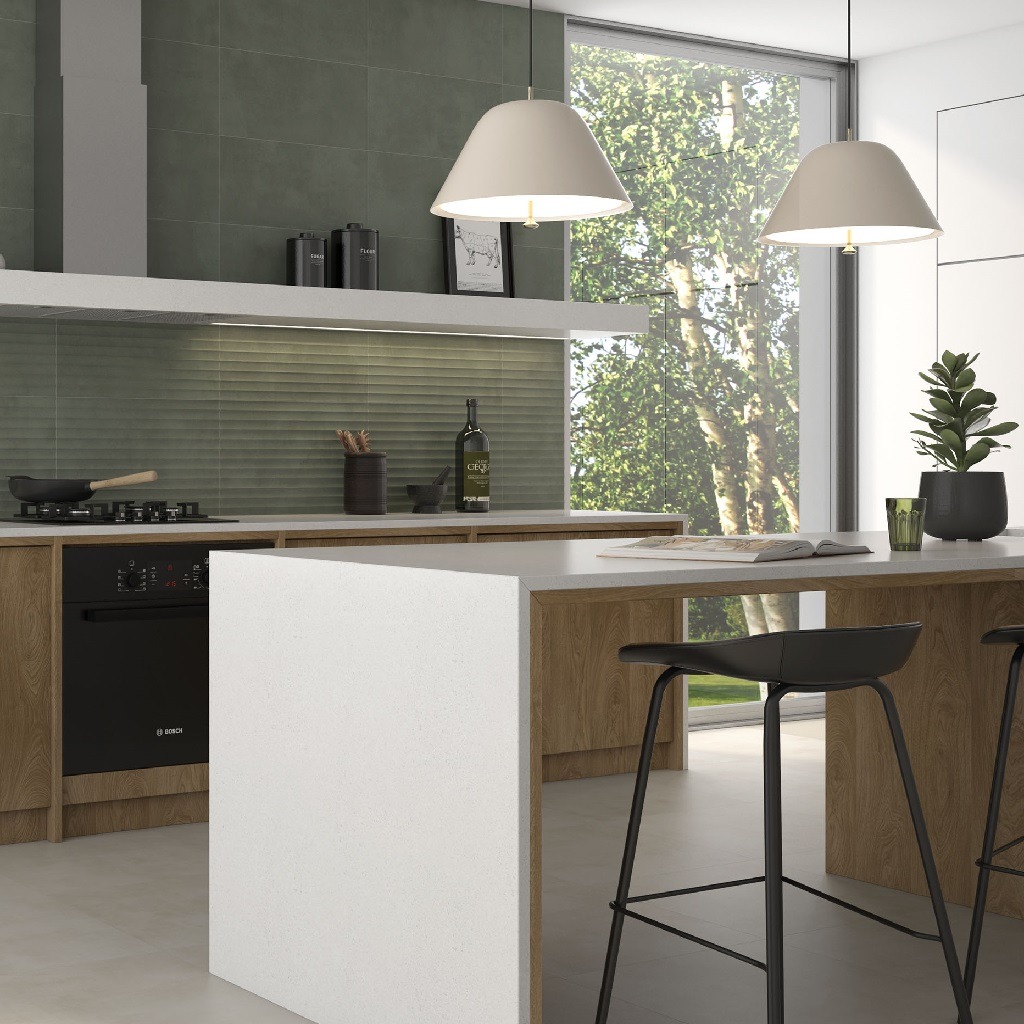
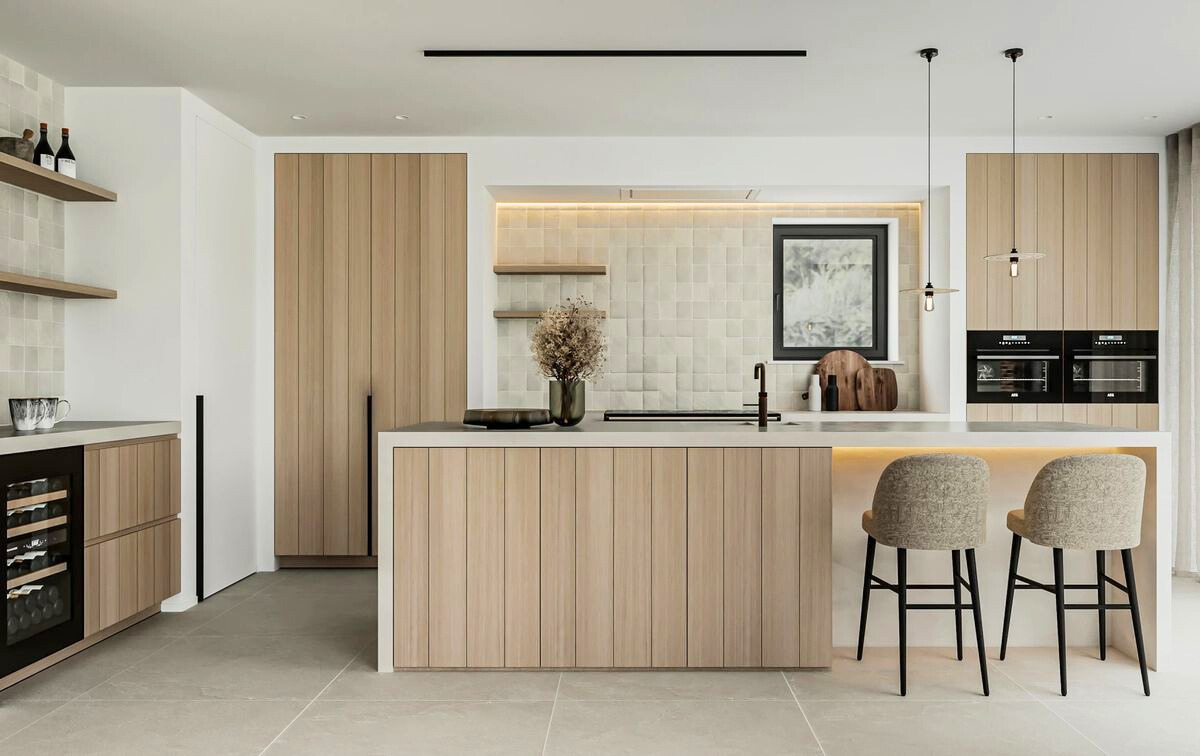
We’ve all had those moments where you look around your home and think: “Hmm, this isn’t quite working.” Maybe it’s a little too cluttered, or something just feels off. The truth is, even small missteps can make a space feel less than perfect. That’s why we’ve put together a guide of the most common interior design mistakes to avoid — so you can create a home that’s both beautiful and functional without the headaches.
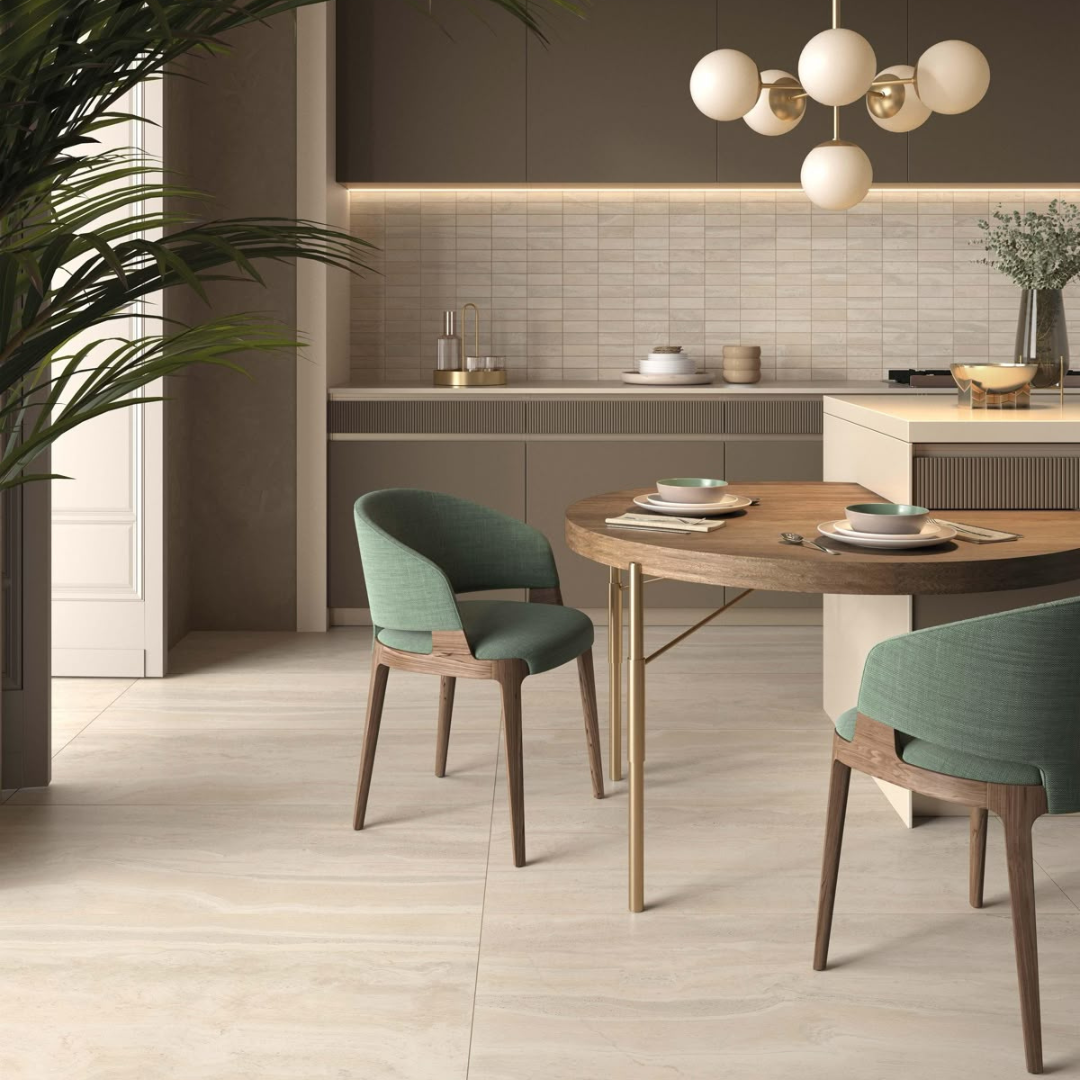
Table of Content:
Choosing the Wrong Finish
Using Wall Tiles on the Floor – A Flooring Interior Design Mistake
Forgetting About Outdoor Safety
Overlooking Lighting – Interior Design Mistakes That Dim Your Space
Skipping Accessories
Mixing Too Many Styles
Lack of Contrast
Following Every Fad – Trend-Related Interior Design Mistakes
Thinking Small Spaces Can’t Be Stylish
Choosing the Wrong Finish
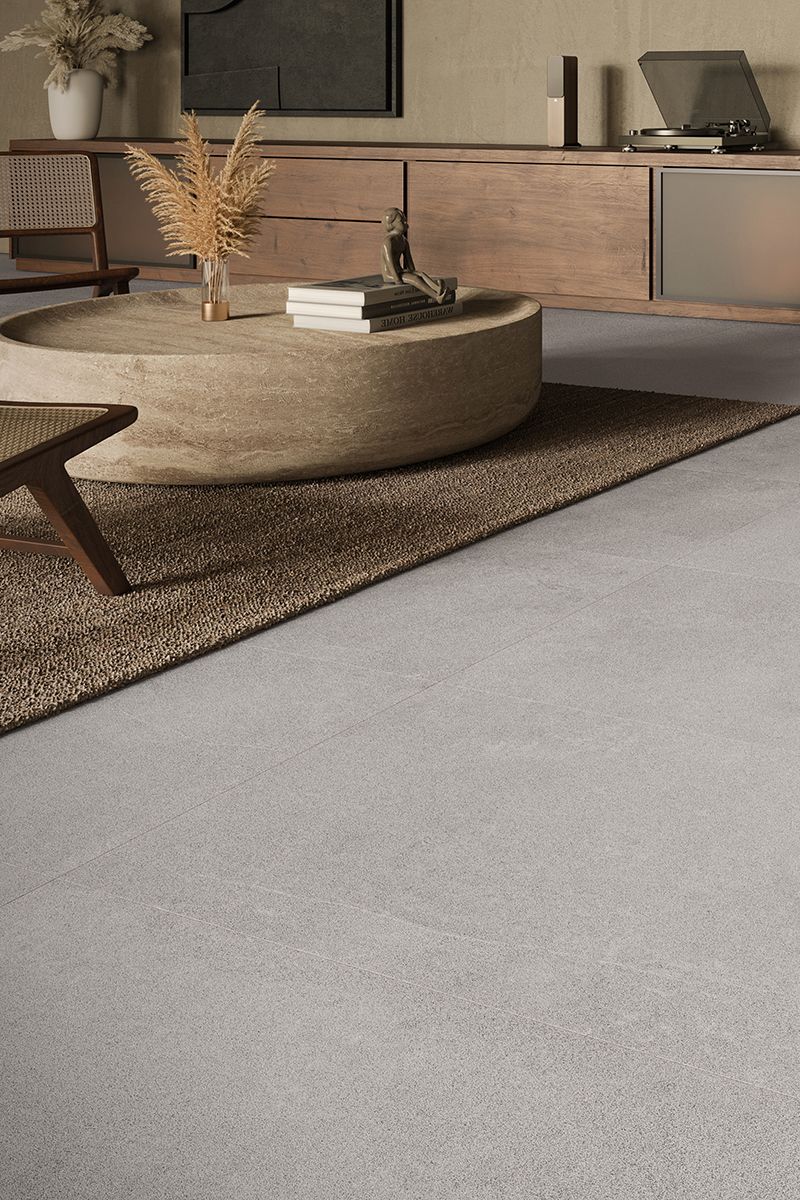
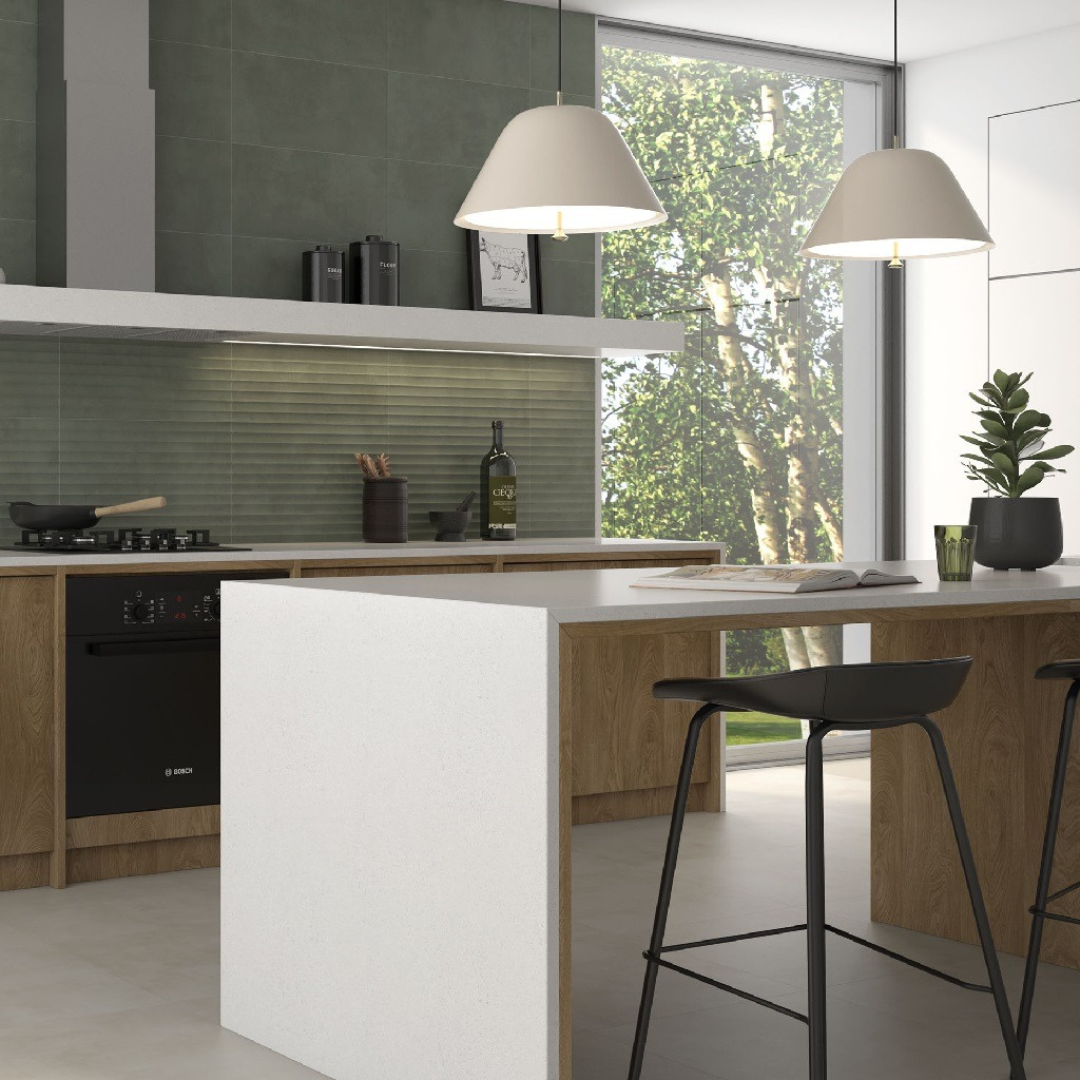
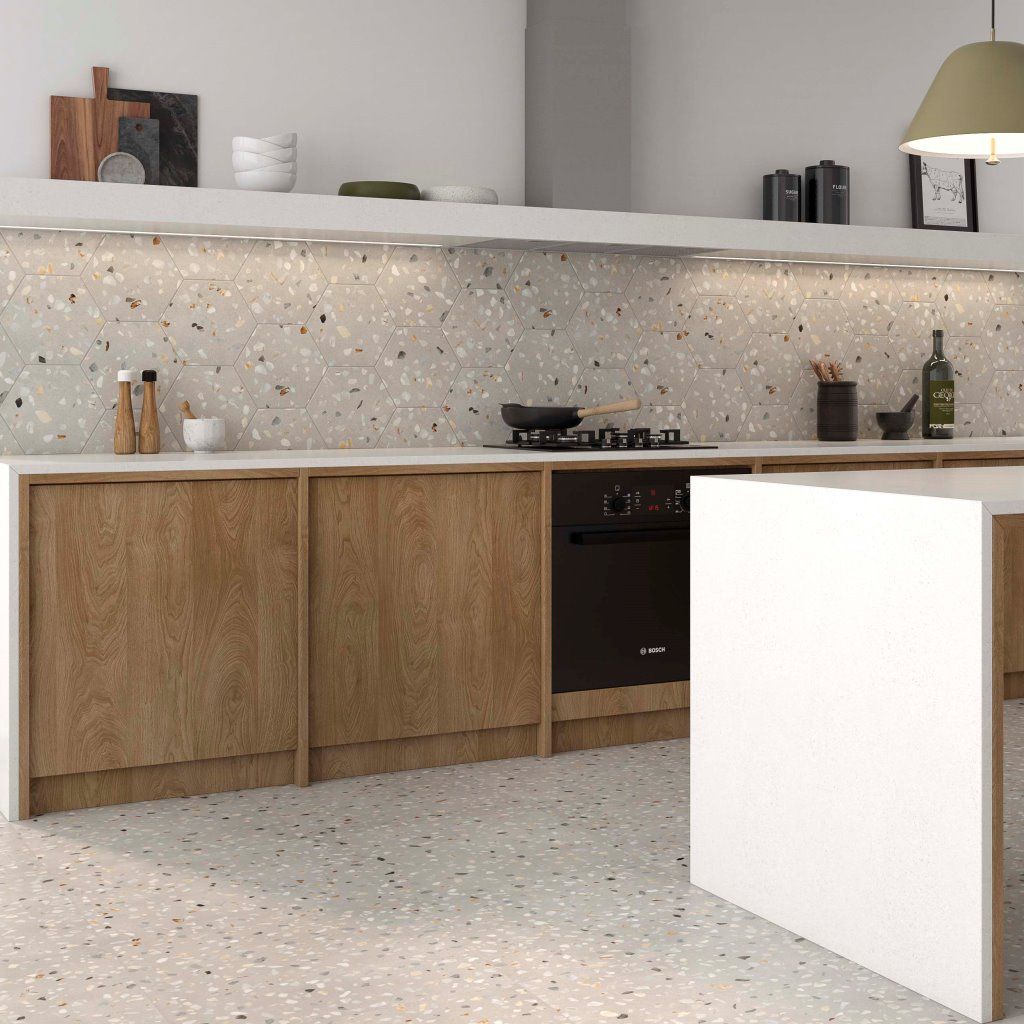
Picking the wrong finish is an easy trap to fall into. Glossy tiles might look incredible in a showroom, but they can be slippery in kitchens and bathrooms. Matte finishes are often more forgiving — they hide scratches, resist smudges and make everyday life easier. Always think about how your choice will perform day-to-day, not just how it looks in pictures.
Using Wall Tiles on the Floor – A Flooring Interior Design Mistake
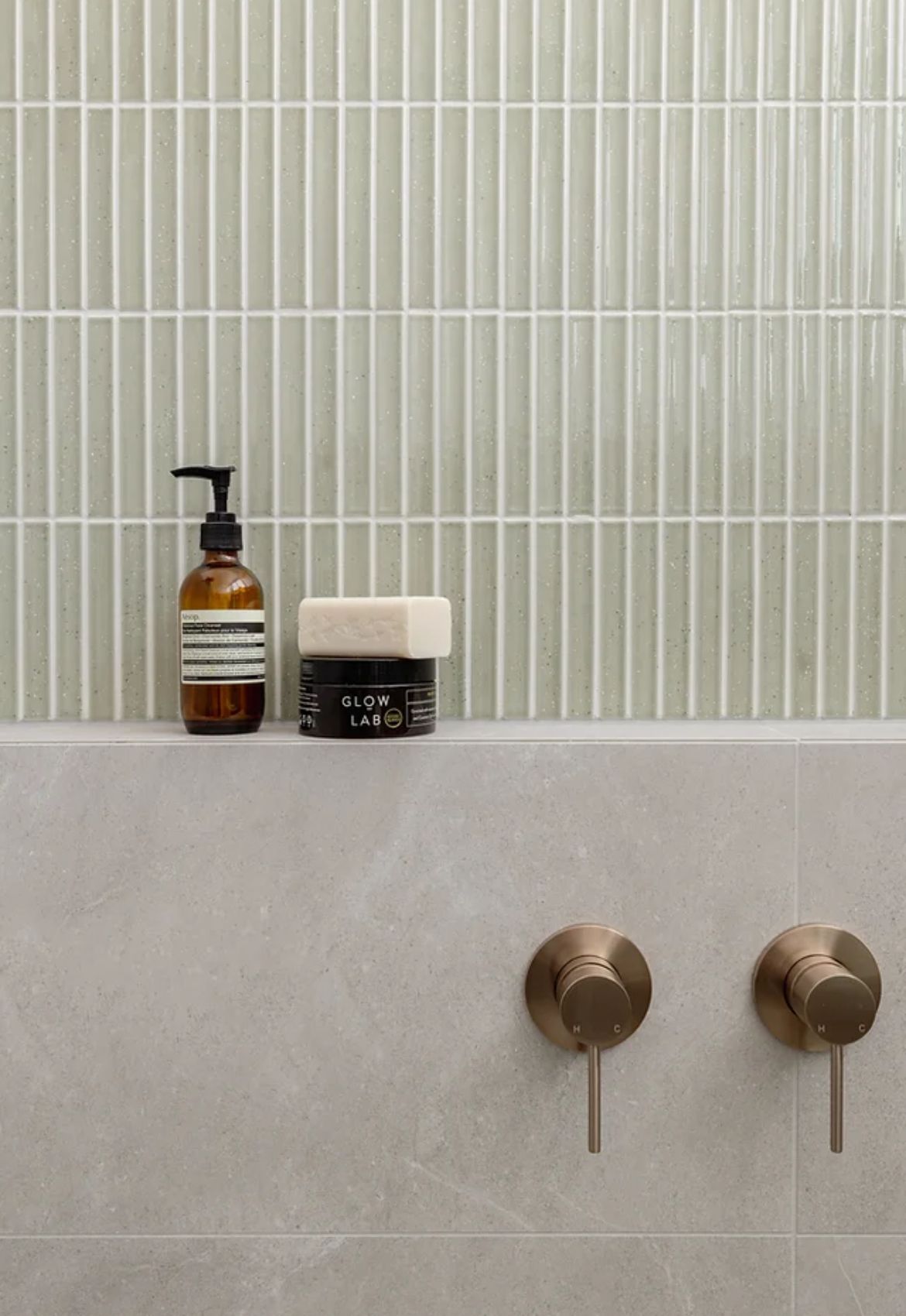
Not all tiles are created equal. Using wall tiles on the floor is a classic misstep. Wall tiles are thinner and less durable, which means they can crack or chip under heavy foot traffic. Always use tiles meant for flooring to ensure your surfaces last longer and stay looking great.
Forgetting About Outdoor Safety
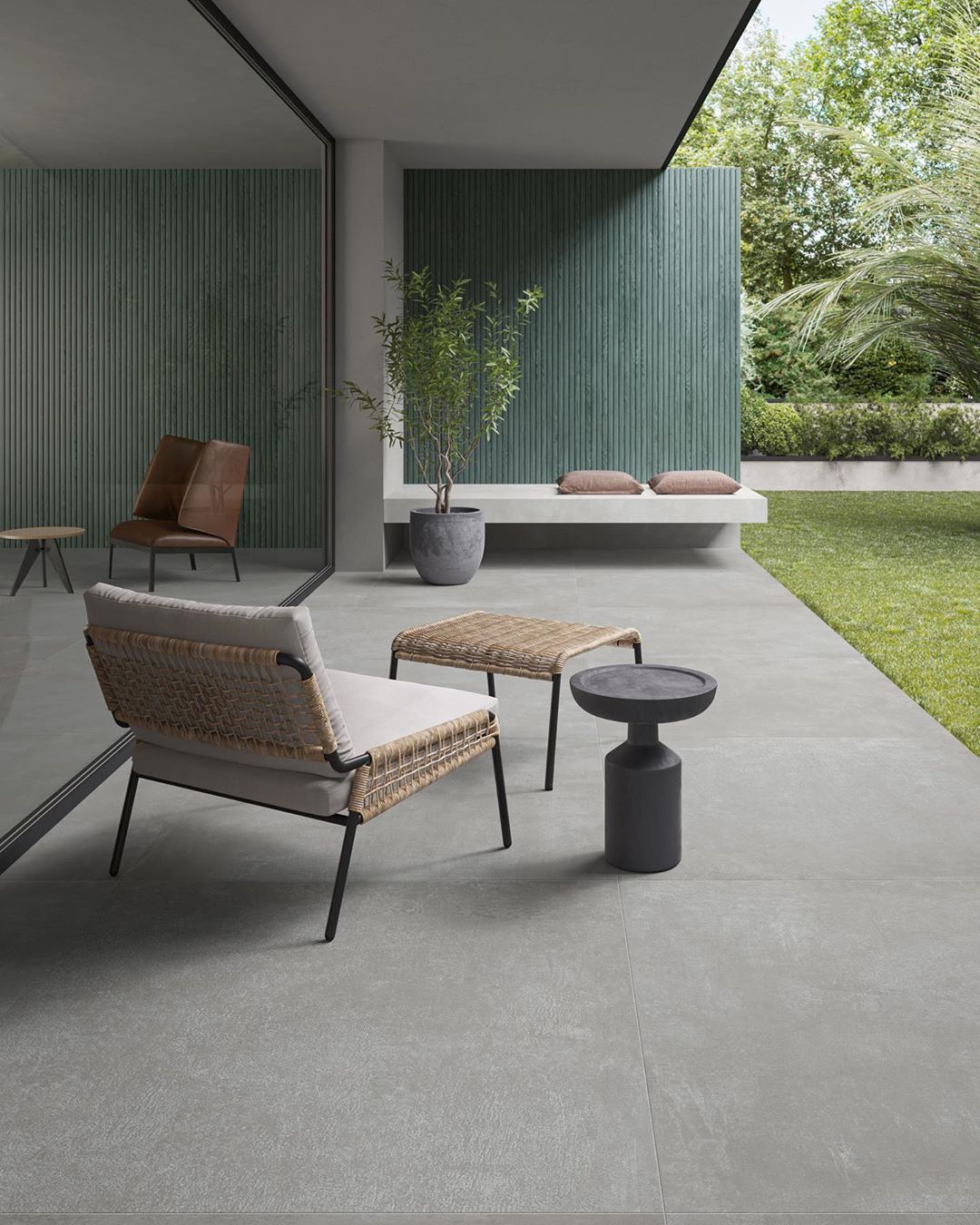
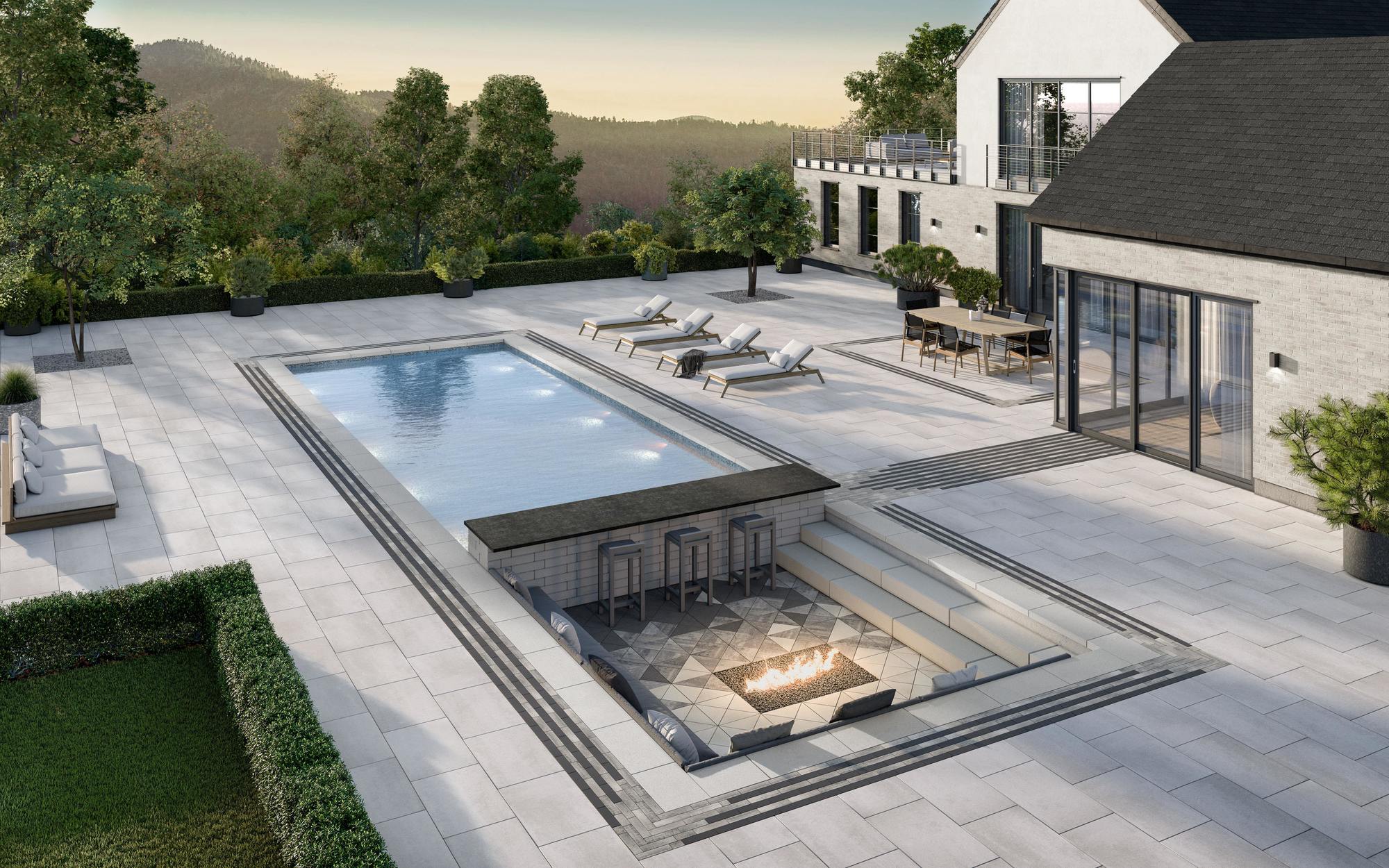
Slip resistance is key for outdoor areas. Wet patios, pool decks or balcony tiles can quickly become hazardous if you overlook this detail. Opt for textured or slip-resistant tiles to keep your outdoor spaces safe, practical and stylish.
Overlooking Lighting – Interior Design Mistakes That Dim Your Space
Lighting can make or break a room. Skipping task or ambient lighting can leave spaces feeling dark or uninviting, even if everything else is perfect. Layer your lighting — think ceiling, wall and accent options — to bring warmth, depth and functionality to each room.
Skipping Accessories
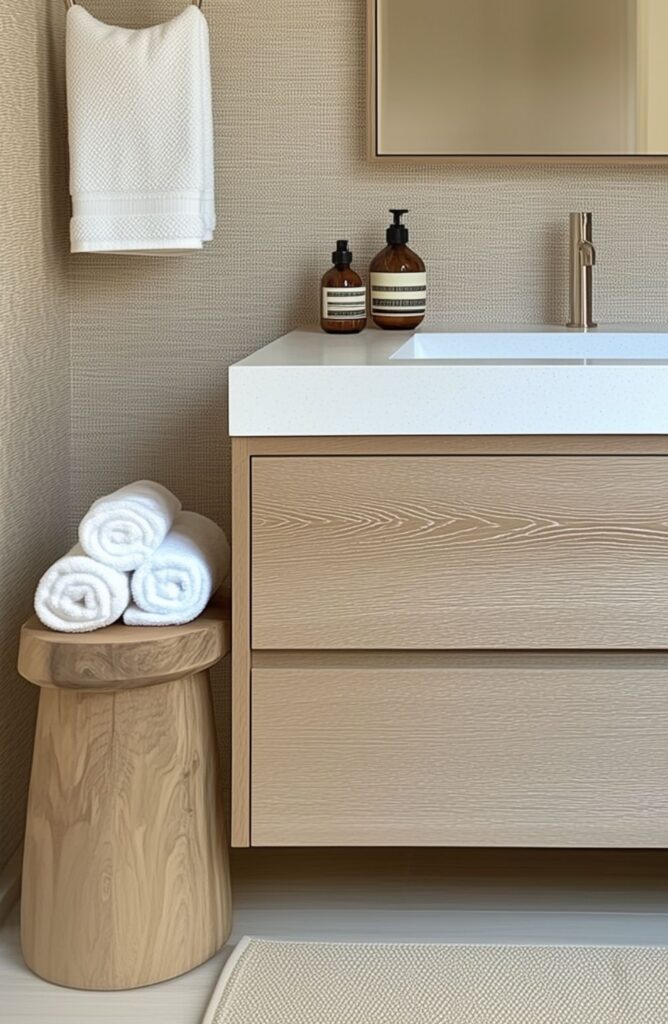
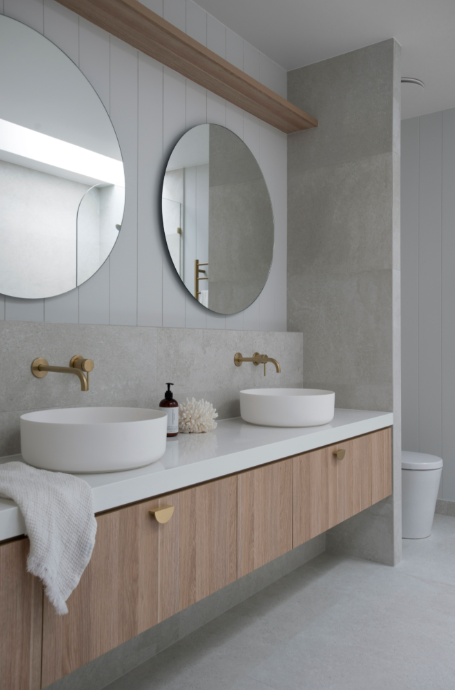
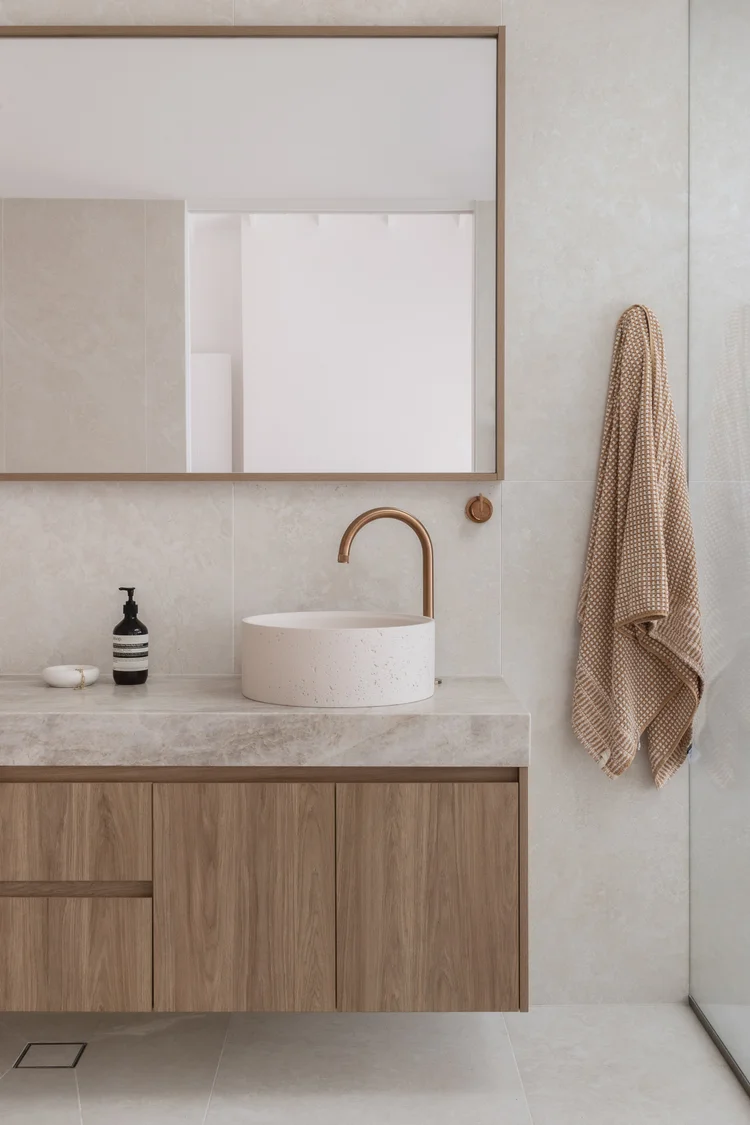
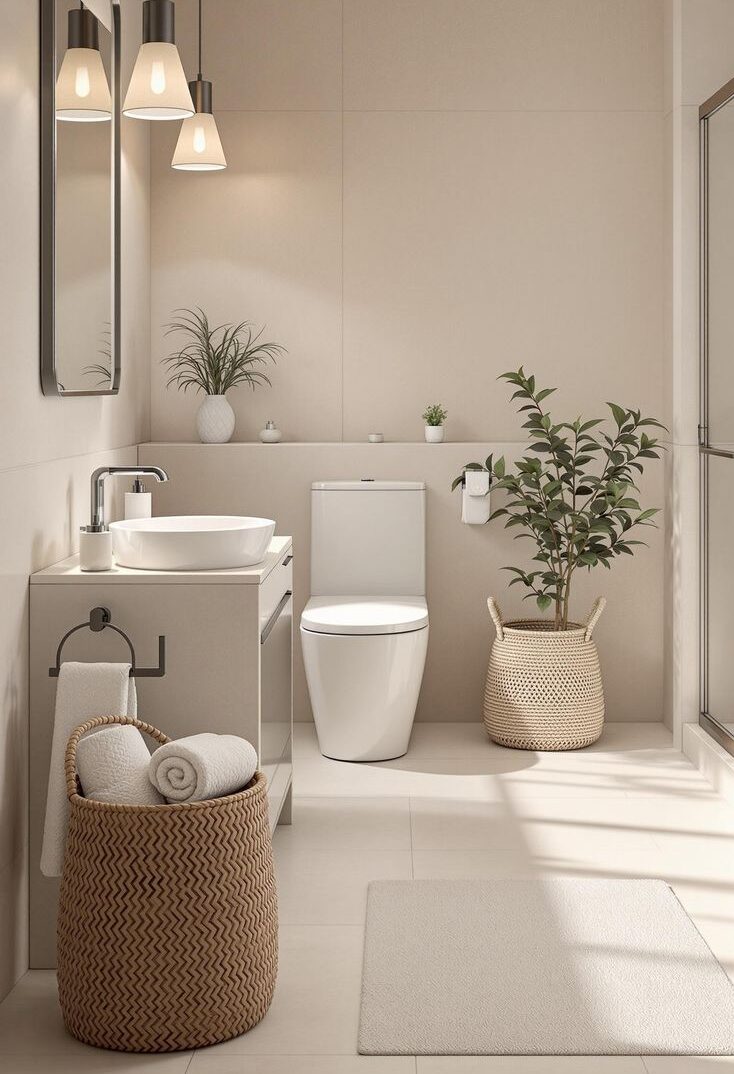
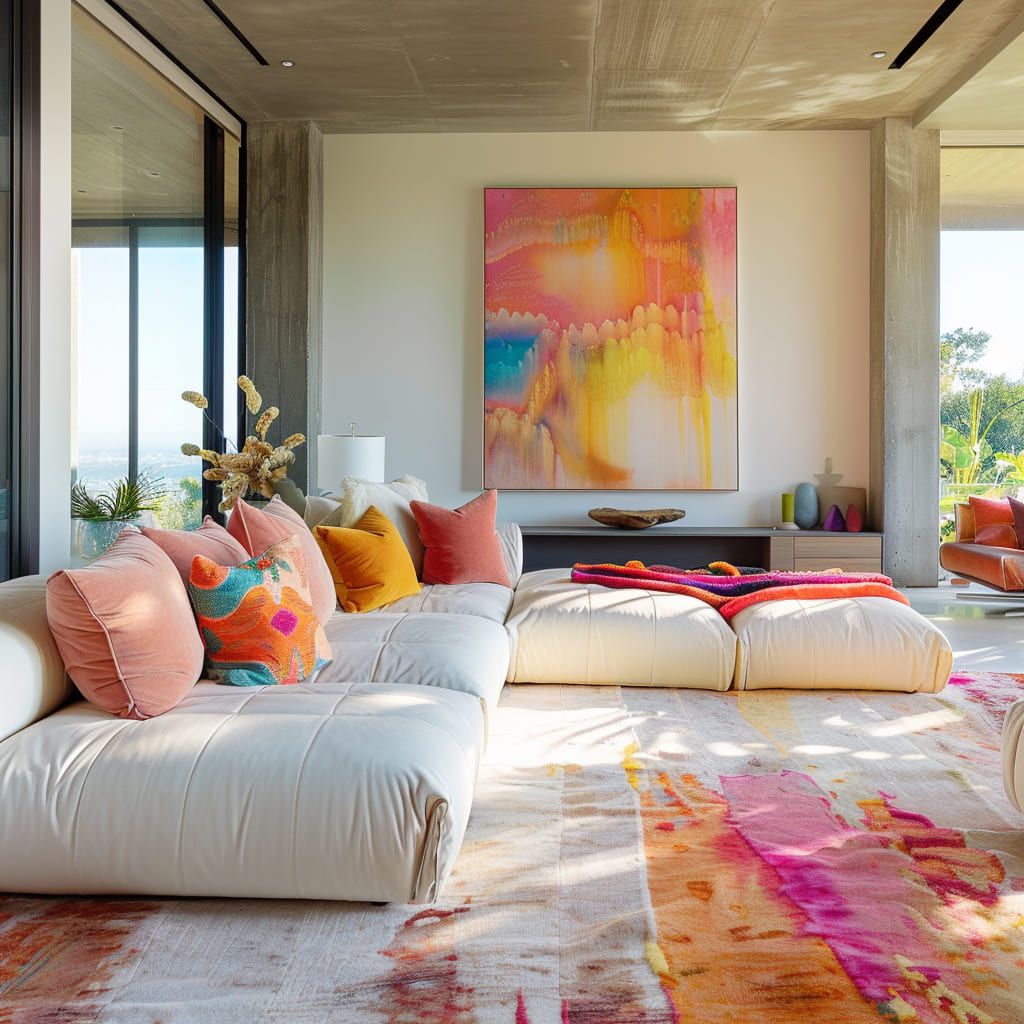
A room without accessories can feel flat or unfinished. Rugs, cushions, artwork, plants and bathroom accessories like soap dishes, towel rails or decorative mirrors help bring personality and depth. Even small touches — a statement vase or a colourful throw — can completely transform the feel of a space and make it feel thoughtfully designed.
Mixing Too Many Styles
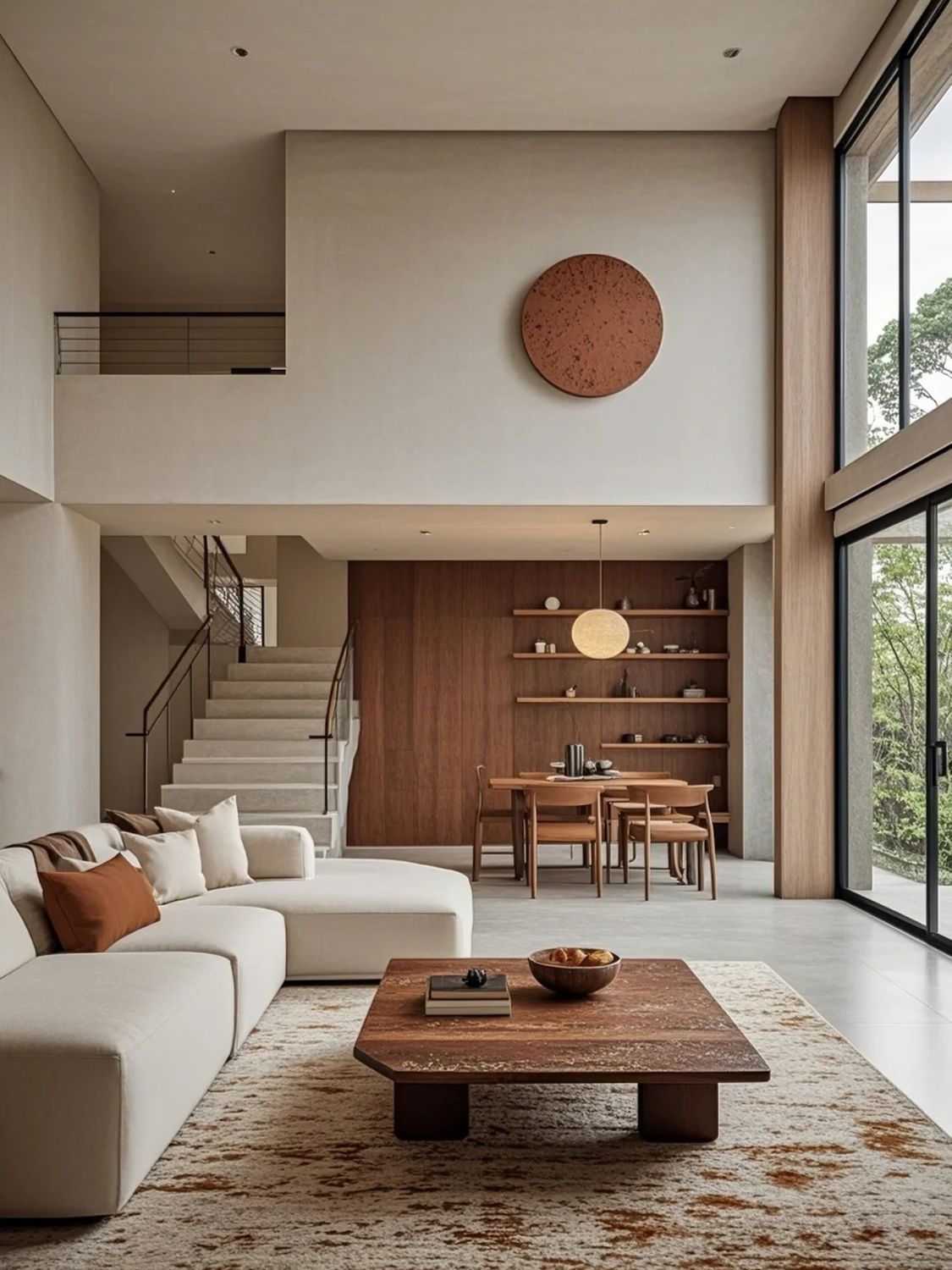
Trying to combine every design style you love can make a space feel messy and disjointed. When planning interiors, stick to a cohesive theme or mix two complementary styles for balance. Choosing the right tiles and coordinating them with bathroom accessories or furniture can help unify different elements and create a polished look.
Lack of Contrast
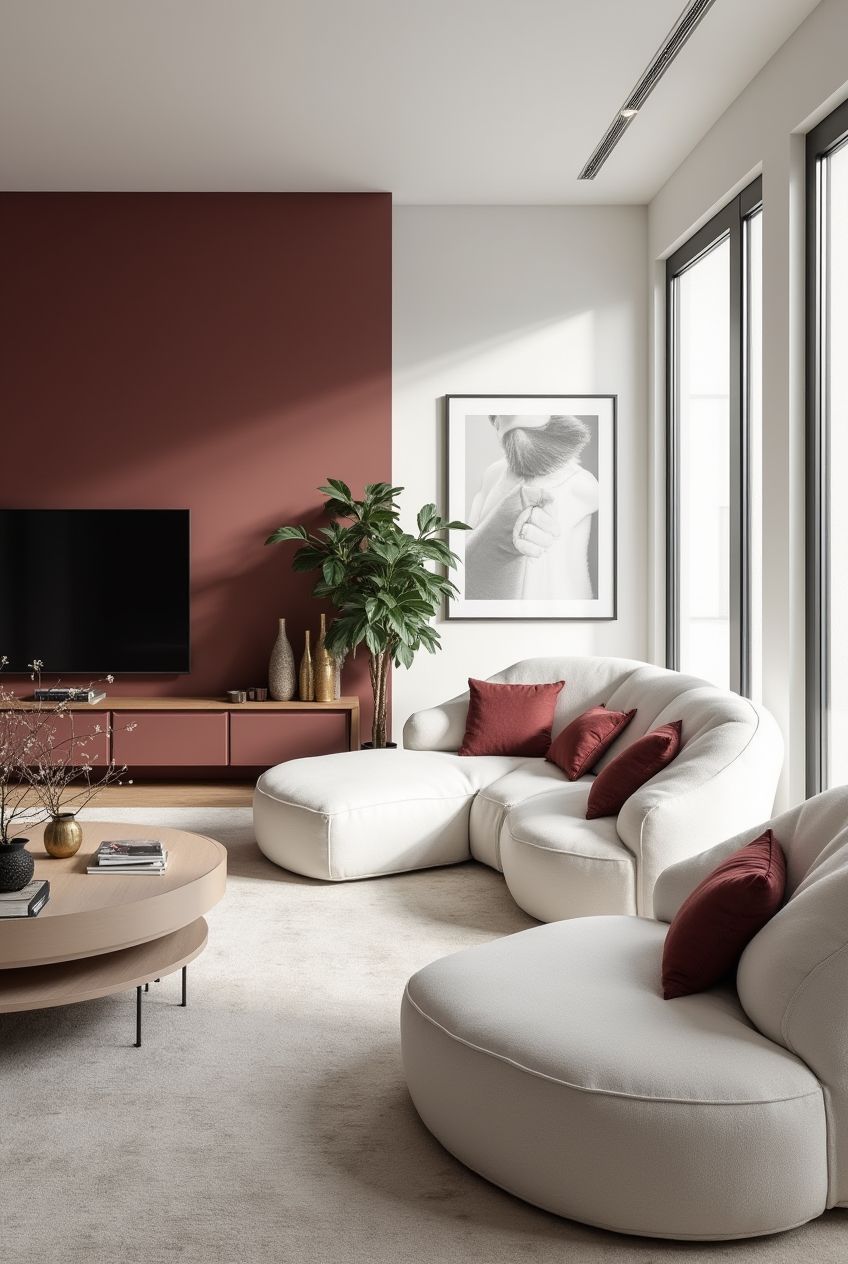
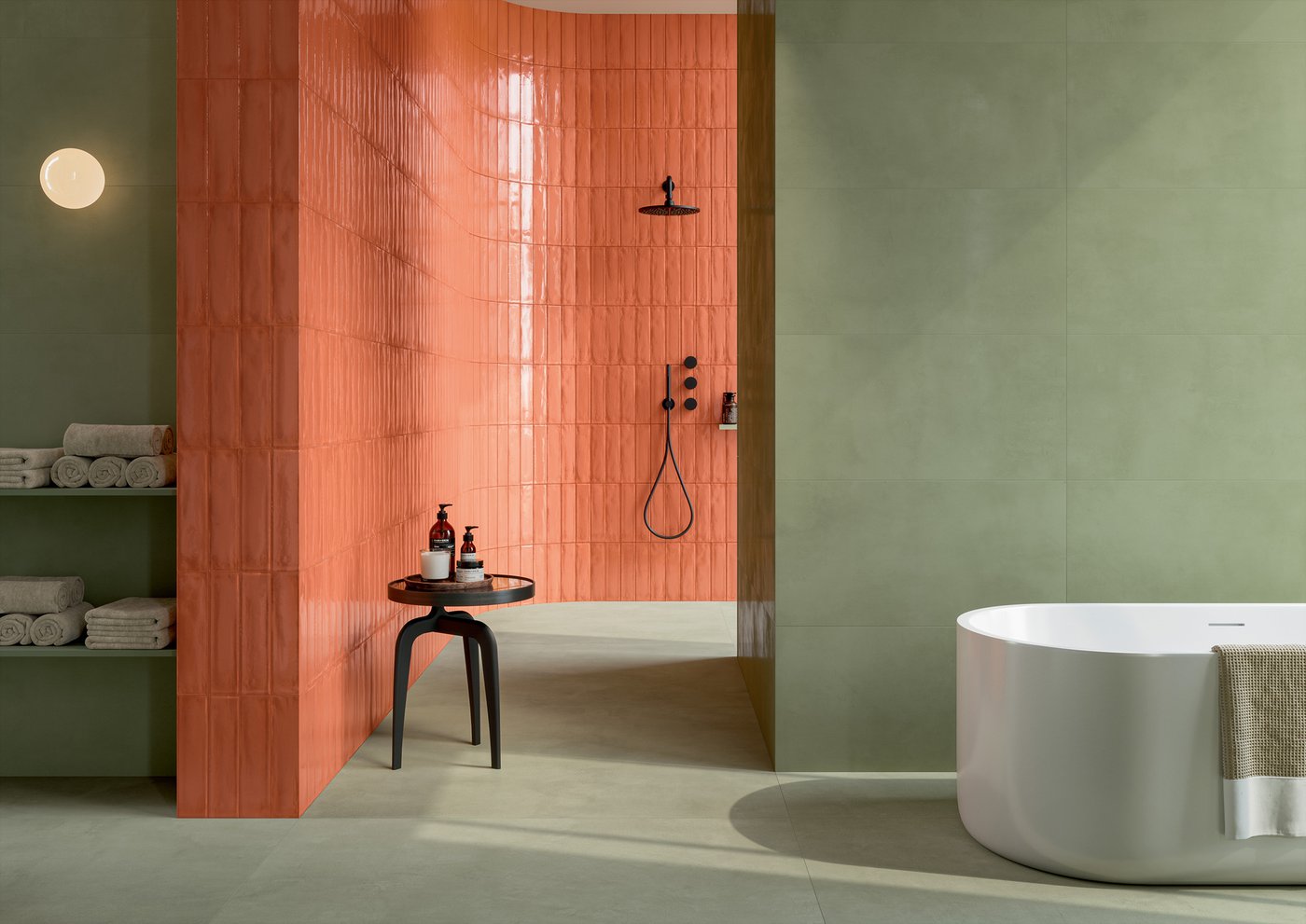
A room without contrast can feel flat and uninspired. Use light and dark tones, mix textures or pair different materials to add dimension. This isn’t just about paint colours — consider the finish of your tiles, the sheen of your bathroom accessories and even the scale of furnishings. Smart choices can help create visually engaging spaces that feel intentional and stylish.
Following Every Fad – Trend-Related Interior Design Mistakes
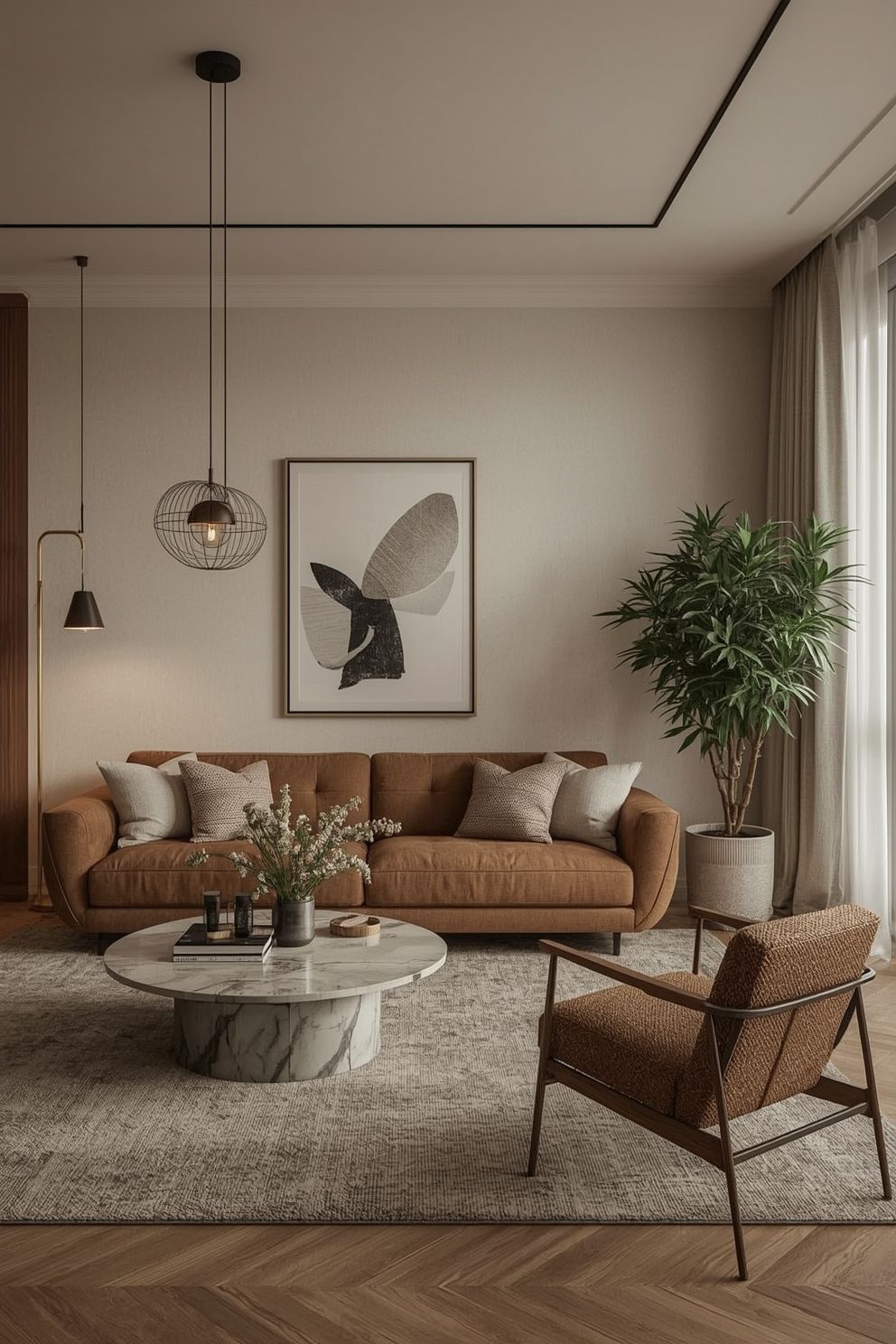
Trends come and go, but your home style should last. Chasing every interior design fad can quickly date your space. Instead, pick trends that suit your style and combine them with timeless elements like durable tiles or classic bathroom accessories. Blend current trends with long-lasting pieces that will still look good years from now.
Thinking Small Spaces Can’t Be Stylish
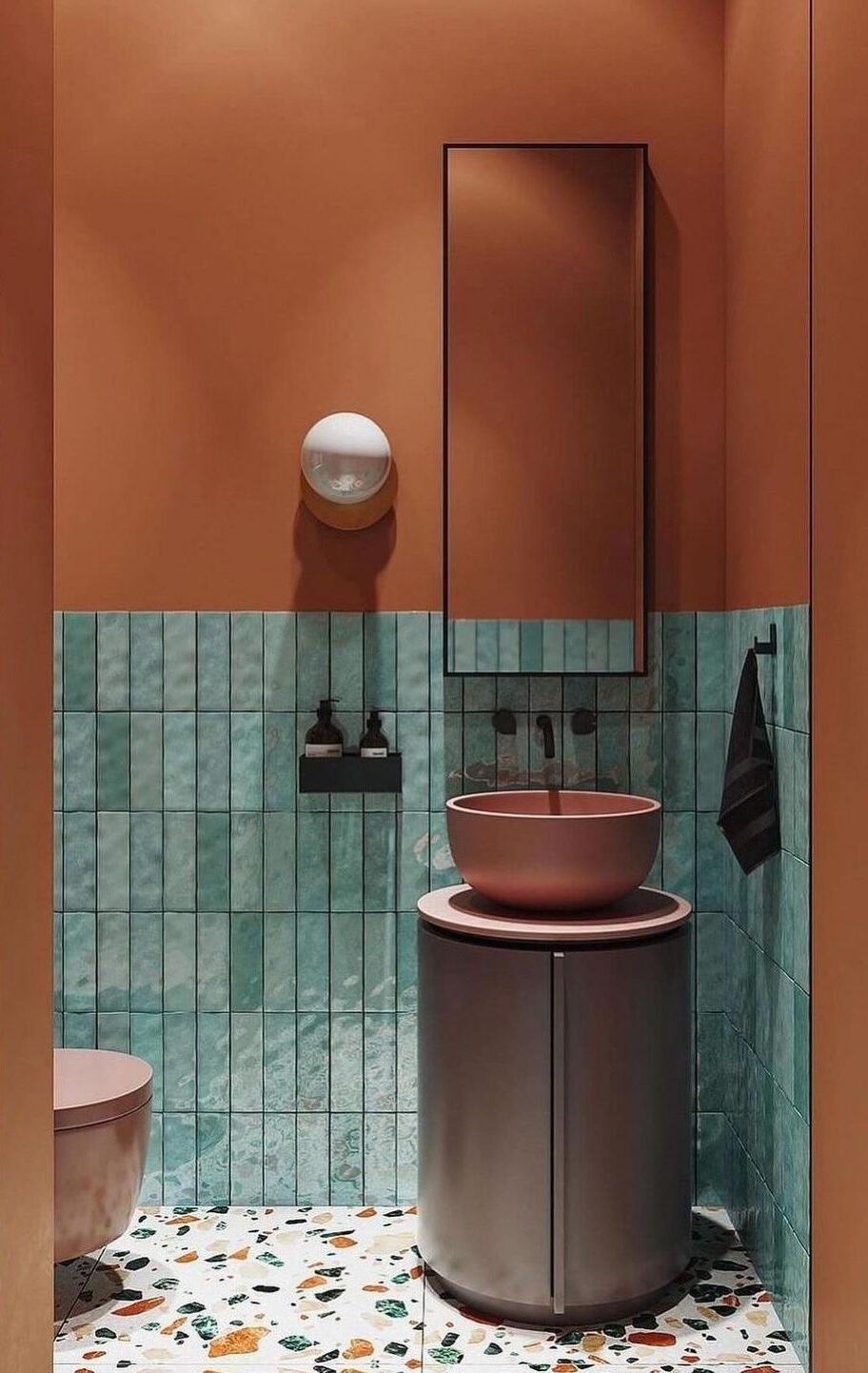
Small rooms don’t have to feel cramped or overlooked. Clever design, smart storage and the right tile selection can make even tiny bathrooms or kitchens feel open and inviting. Bold colours, reflective surfaces, and multi-functional bathroom accessories help maximize style, personality and functionality. Small spaces can also pack a big design punch.
Avoiding these common interior design mistakes can save you time, money and stress while helping your home look its best. Small choices add up to big results.
Ready to refresh your space without the guesswork? Explore our range of tiles, flooring and design ideas at Tiletoria and see how simple changes can make a huge impact.
bathroom, blog, floors, kitchen, outdoor, renovation tips, walls
Renovation inspiration for the new year often comes from that familiar desire for a fresh start. A new year brings new routines, new goals and a renewed desire for spaces that feel better to live in. As 2026 begins, it is the perfect time to step back and look at your home with fresh eyes and imagine how small changes or thoughtful renovations could improve everyday life.
Table of Content:
Why 2026 Is the Perfect Time to Renovate
Renovation Inspiration Starts With a Clear Plan
Refresh Floors First for Maximum Impact
Upgrade Kitchens With Smart and Stylish Choices
Bathroom Renovation Inspiration That Transforms Daily Routines
Bring Renovation Inspiration Outdoors
Choose Colours and Finishes That Age Well
Small Changes That Still Make a Big Difference
Turn Ideas Into Action
Why 2026 Is the Perfect Time to Renovate
The start of a new year always brings a sense of fresh beginnings, and your home should be part of that reset too. Renovating in early 2026 allows you to set the tone for how you live day to day, creating spaces that feel more functional, comfortable and aligned with your lifestyle. It is a chance to leave behind what no longer works and make room for better flow, better design and better use of your space.
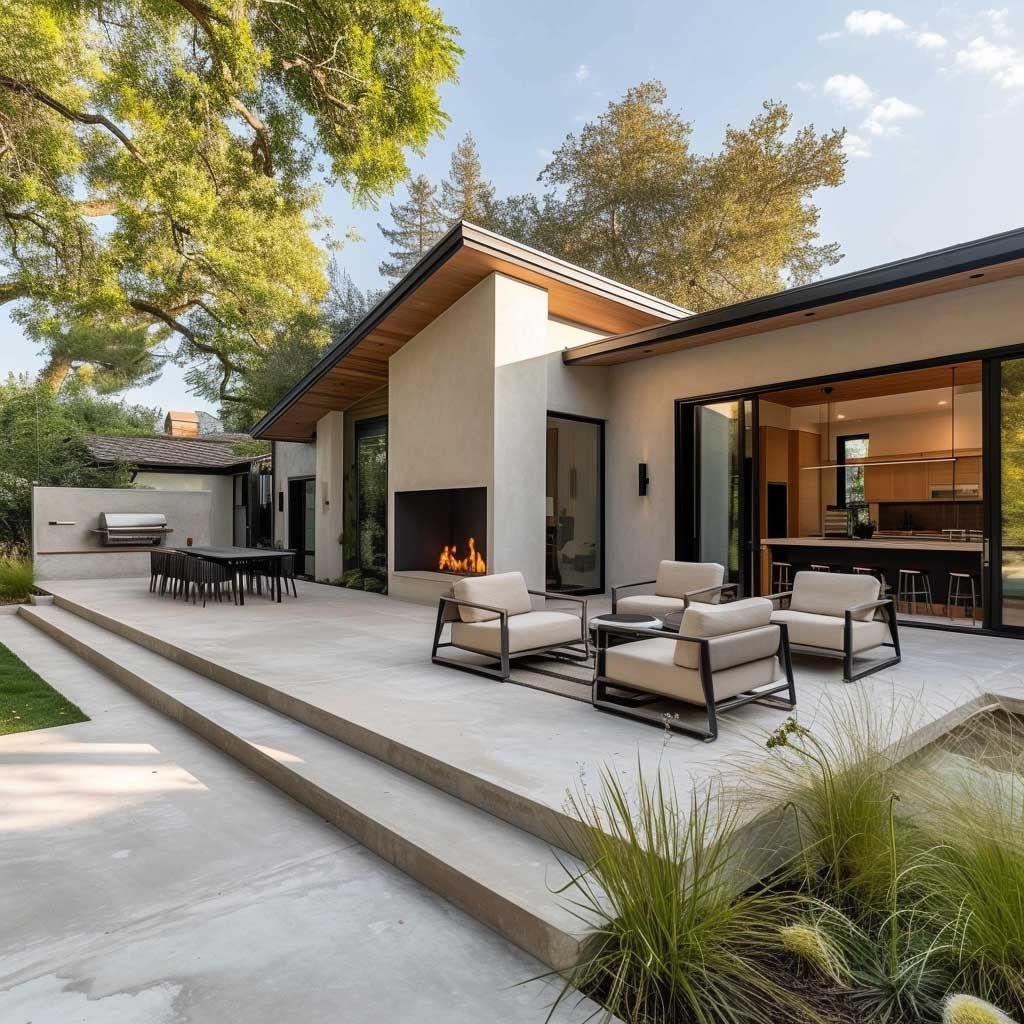
Starting renovations now also gives you time to plan properly, make informed design choices and avoid rushed decisions later in the year. Your home is ready for everything ahead, from summer entertaining to quieter winter moments. With trends moving toward timeless finishes, practical layouts and durable materials, 2026 is the perfect time to invest in changes that will add long-term value and everyday enjoyment.
Renovation Inspiration Starts With a Clear Plan
Before pulling up tiles or choosing colours, take time to assess how your home really works. Look at high-traffic areas, problem spots and rooms that feel dated. Setting clear priorities helps you spend your budget where it matters most and avoid unnecessary changes and rushed decisions later.
Start with questions like:
- Which rooms get the most use?
- Where does wear and tear show the fastest?
- What would make daily life easier?
A solid plan turns renovation inspiration for the new year into a practical and achievable project.
Refresh Floors First for Maximum Impact
Flooring changes instantly transform a home. New tiles, vinyl or laminate can make your home feel cleaner, brighter and more modern without changing the entire layout.
Porcelain and ceramic tiles work well in kitchens, bathrooms and living areas thanks to their durability and low maintenance. Large-format tiles help spaces feel more open while wood-look flooring brings warmth without the upkeep of real wood.
If you want a quick update that delivers real visual impact, start from the floor up.
Upgrade Kitchens With Smart and Stylish Choices
The kitchen is often the heart of the home and a great place to focus your renovation energy. Even small updates can make a big difference.
Consider:
Updated kitchen taps for a modern finish
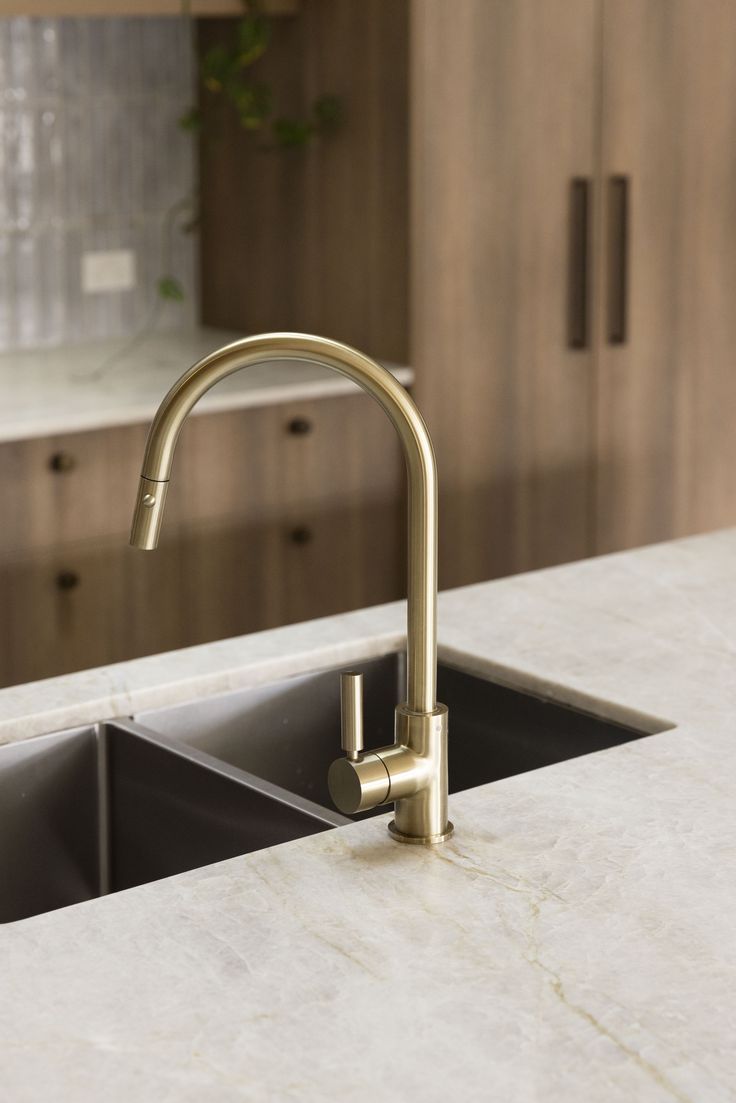
Durable floor tiles that handle daily mess with ease
Neutral tiles with subtle pattern or texture work well long-term, while bold splashbacks add personality without overwhelming the space.
Bathroom Renovation Inspiration That Transforms Daily Routines
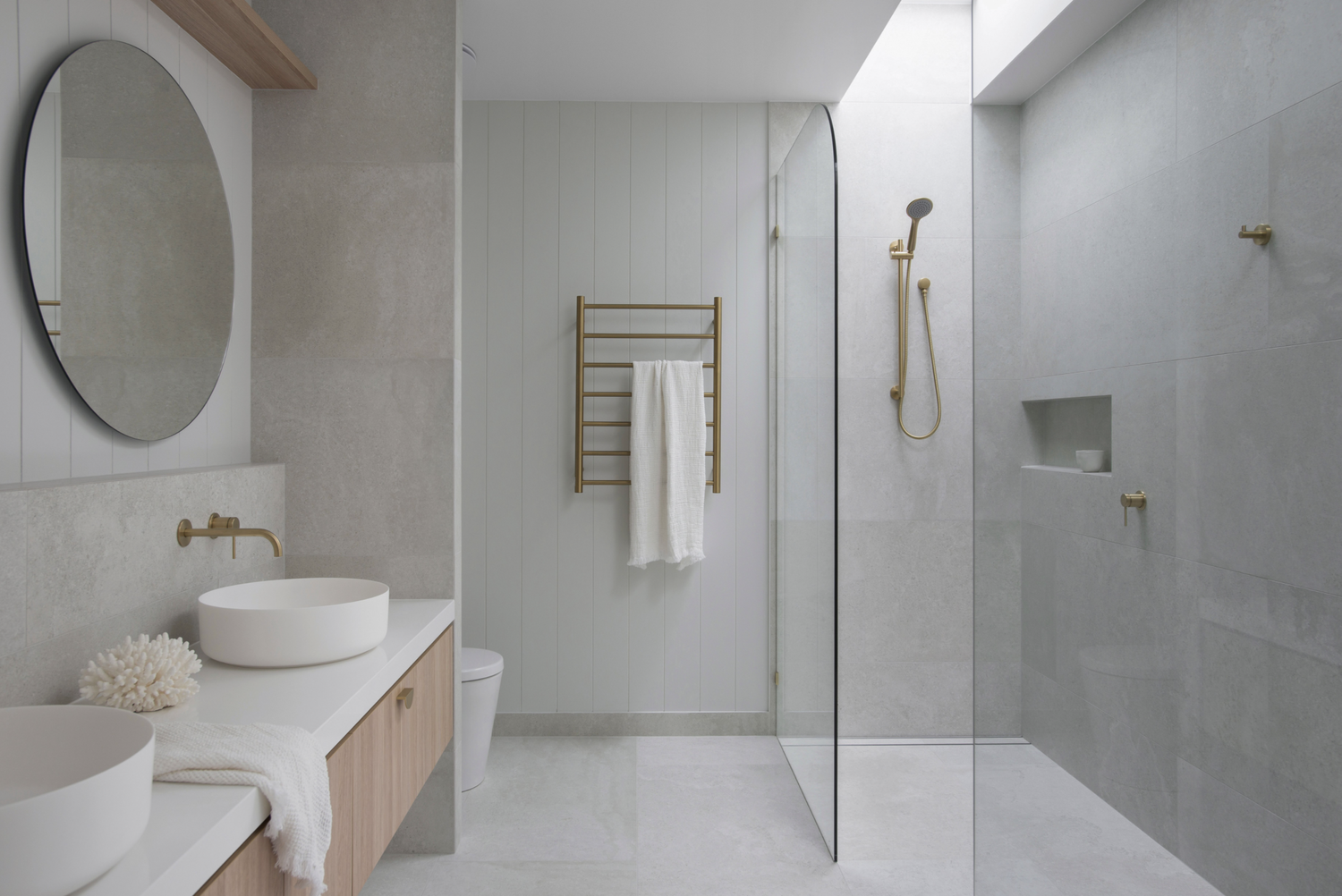
A bathroom renovation is about more than just looks, it is about improving how the space feels and functions. Clean lines, calming colours and practical layouts create bathrooms that feel like an experience rather than a chore.
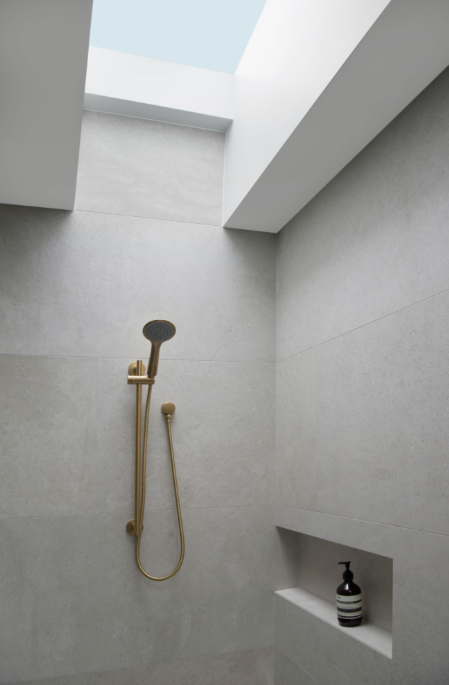
Simple changes go a long way in improving your shower experience. Updating your shower head can instantly elevate both the look of your bathroom and the way your shower feels. Better water flow and modern finishes make a noticeable difference every day.
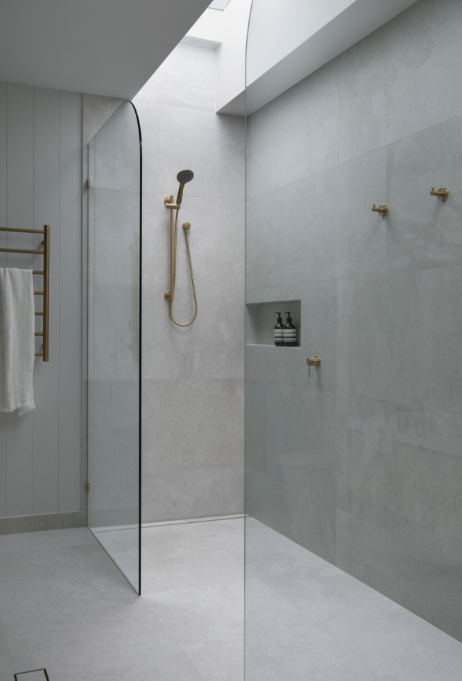
For homeowners and investors looking to add value, upgrading to a walk-in shower is a game changer. No more squeezing into a tight cubicle or bending awkwardly to grab the shampoo bottle off the floor. Walk-in showers feel spacious, modern and luxurious while also being easier to clean and more accessible.
Pair these upgrades with stylish wall and floor tiles, modern basins and quality bathroom accessories for a bathroom that looks and works beautifully. Slip-resistant tiles are a must for safety while still keeping the design refined.
Bring Renovation Inspiration Outdoors
Outdoor spaces are perfect for renovation at the start of the year, especially with summer entertaining in mind. Updating patios, balconies or garden areas helps extend your living space beyond the walls of your home and can completely change how you use your home day to day.
Consider installing a built-in outdoor kitchen for the ultimate entertainment setup. Tiled countertops, splashbacks and flooring make these areas practical, durable and easy to maintain while creating a seamless indoor-outdoor flow that works beautifully for hosting family and friends.
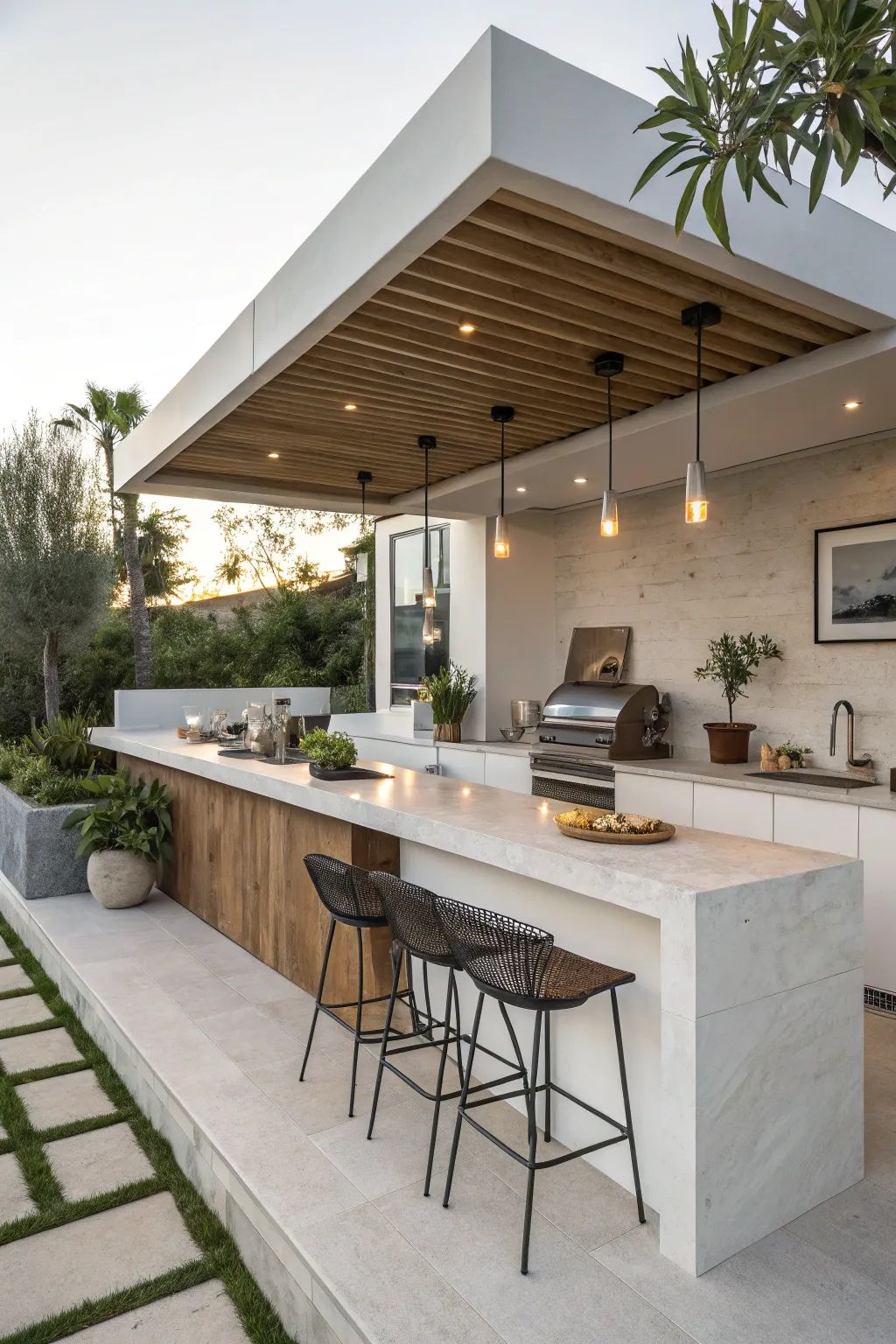
An outdoor firepit is another great addition. When finished with tiles, it becomes a cosy focal point for evenings outside and adds year-round functionality to your outdoor space, even when the temperatures drop.
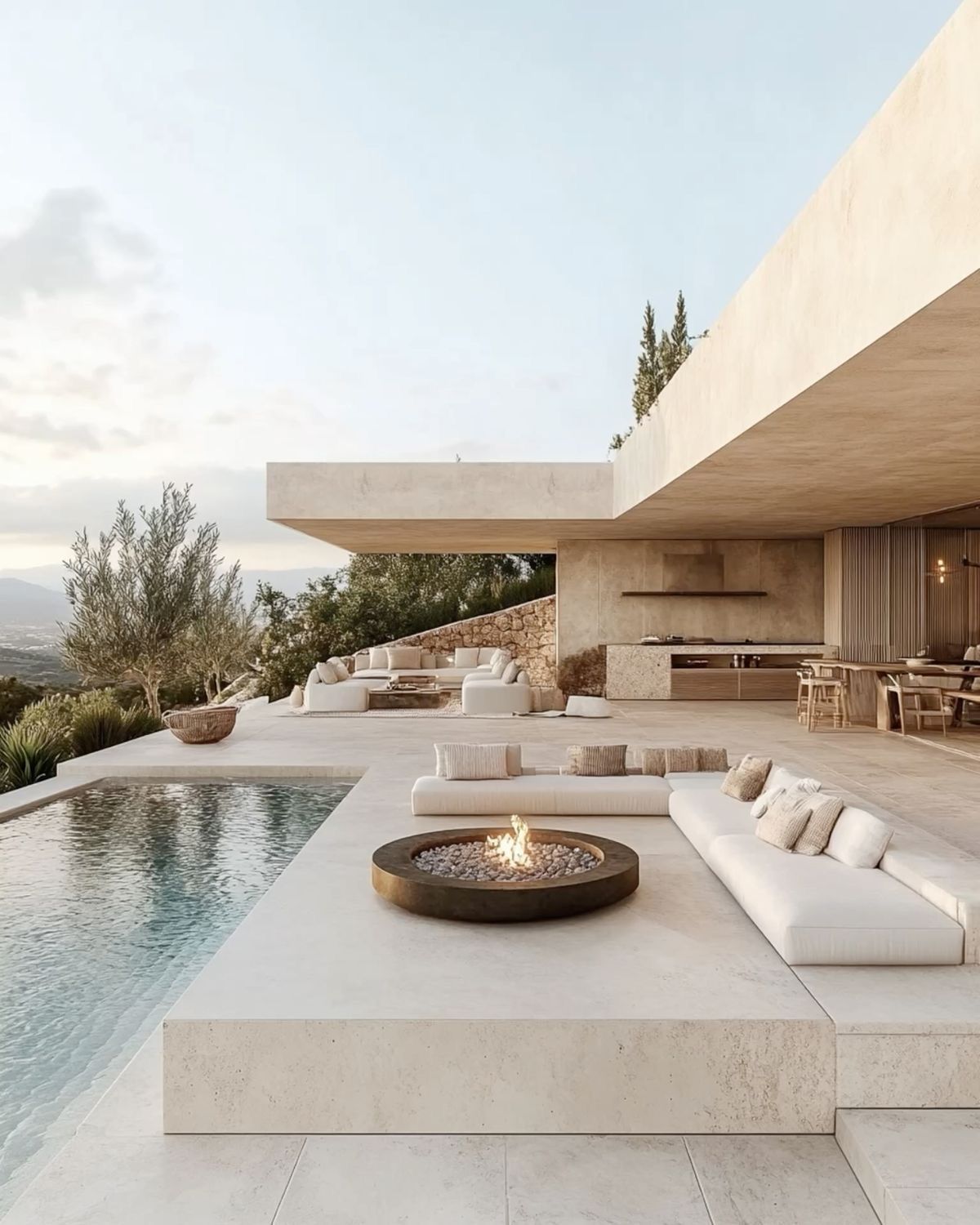
Slip-resistant outdoor tiles, large-format designs and swimming pool mosaics help tie everything together. These materials are designed to handle the elements while still looking polished and modern, creating outdoor areas that feel just as considered as the inside of your home.
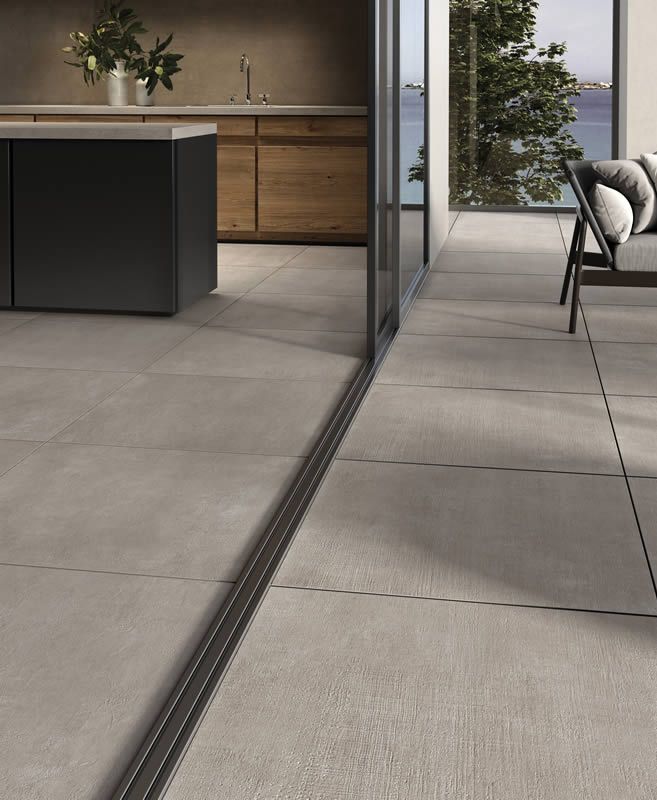
Choose Colours and Finishes That Age Well
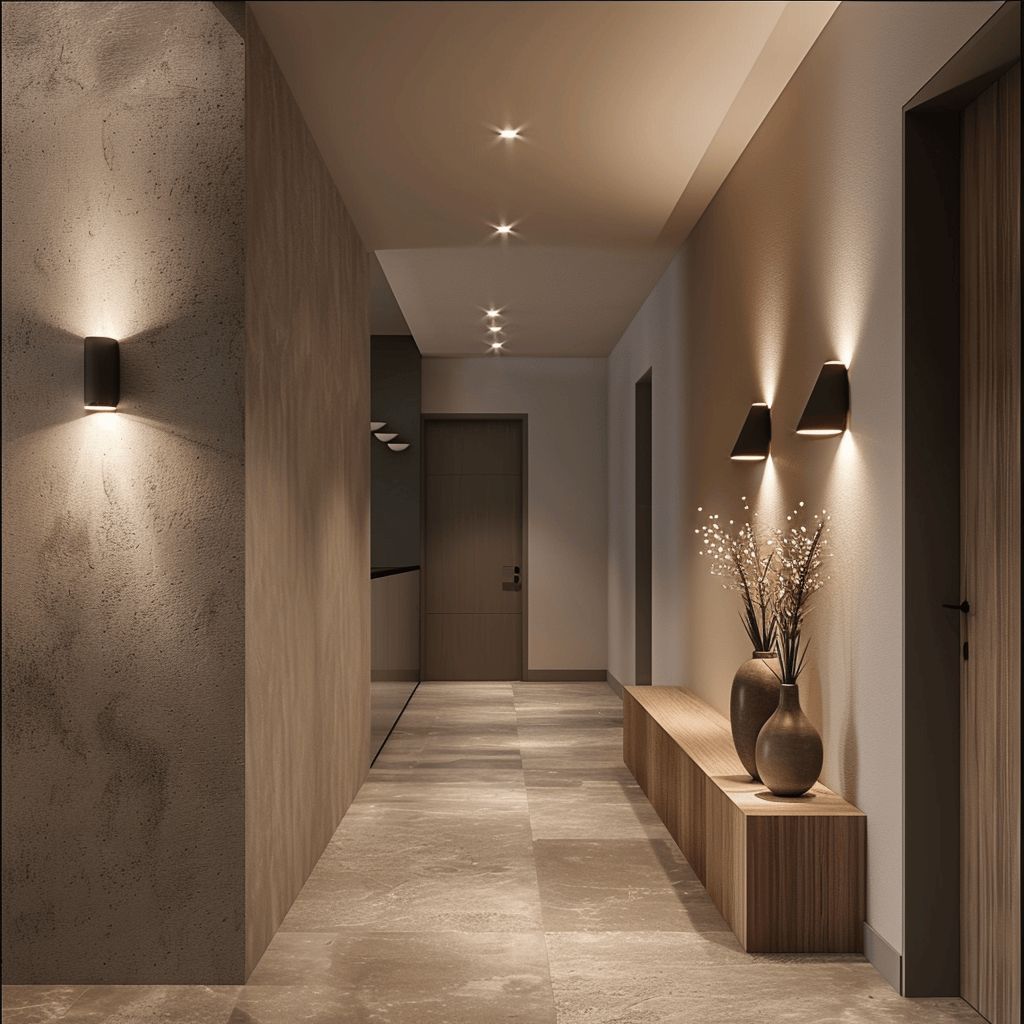
Trends come and go but the best renovations balance style with longevity. Warm neutrals, earthy tones and natural textures continue to stand the test of time and suit most spaces.
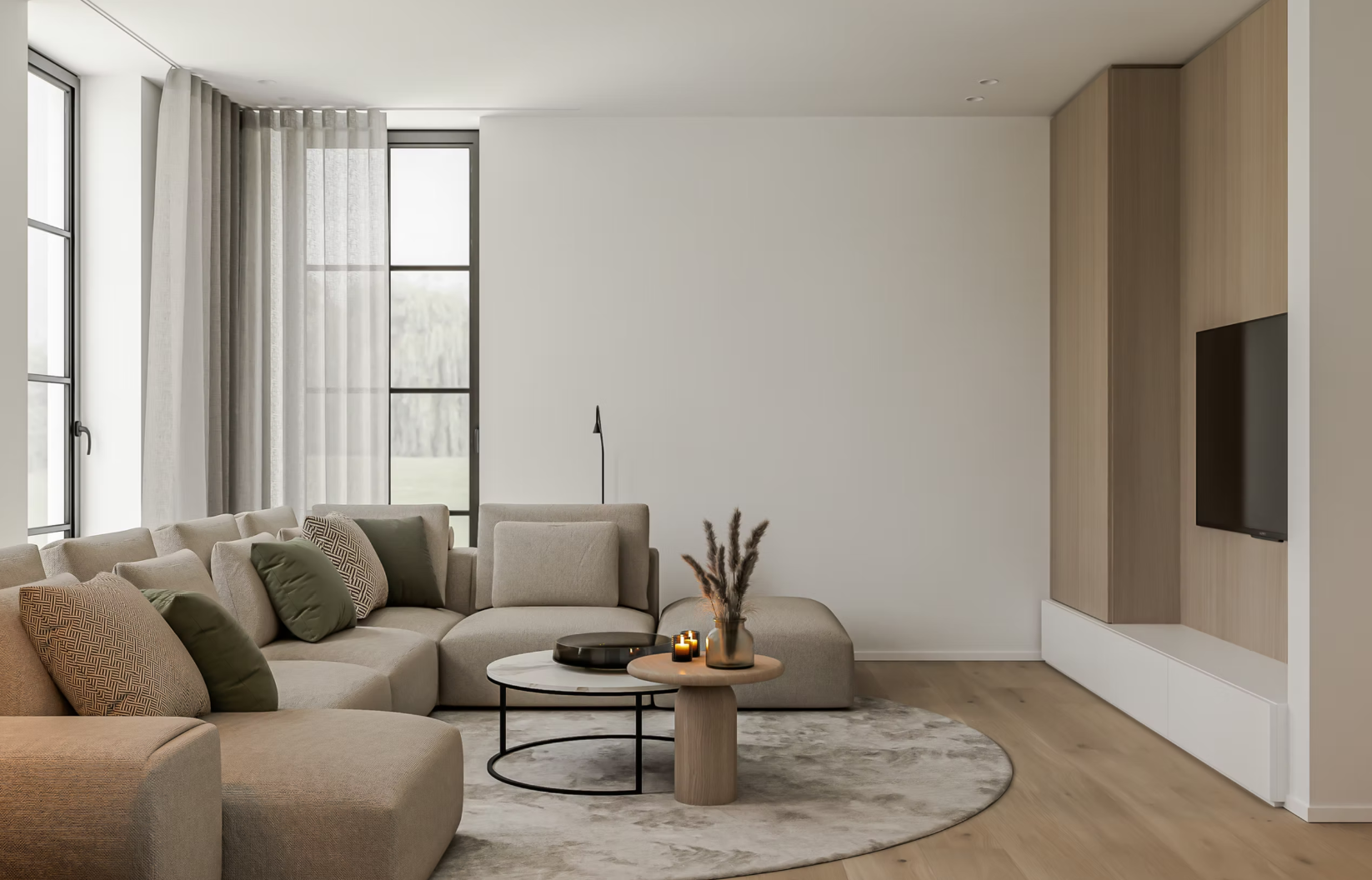
image credit: kristoffcuppens
Use colour through tiles, wallpaper or décor rather than permanent fixtures if you want flexibility. Mixing matte and gloss finishes adds depth while keeping the overall look clean and modern.
Timeless choices ensure your renovation still feels right years from now.
Small Changes That Still Make a Big Difference
Not every renovation needs to be major. Simple upgrades can still refresh your home for the new year.
Think:
Updating flooring in one key room or area
Adding feature tiles or wallpaper
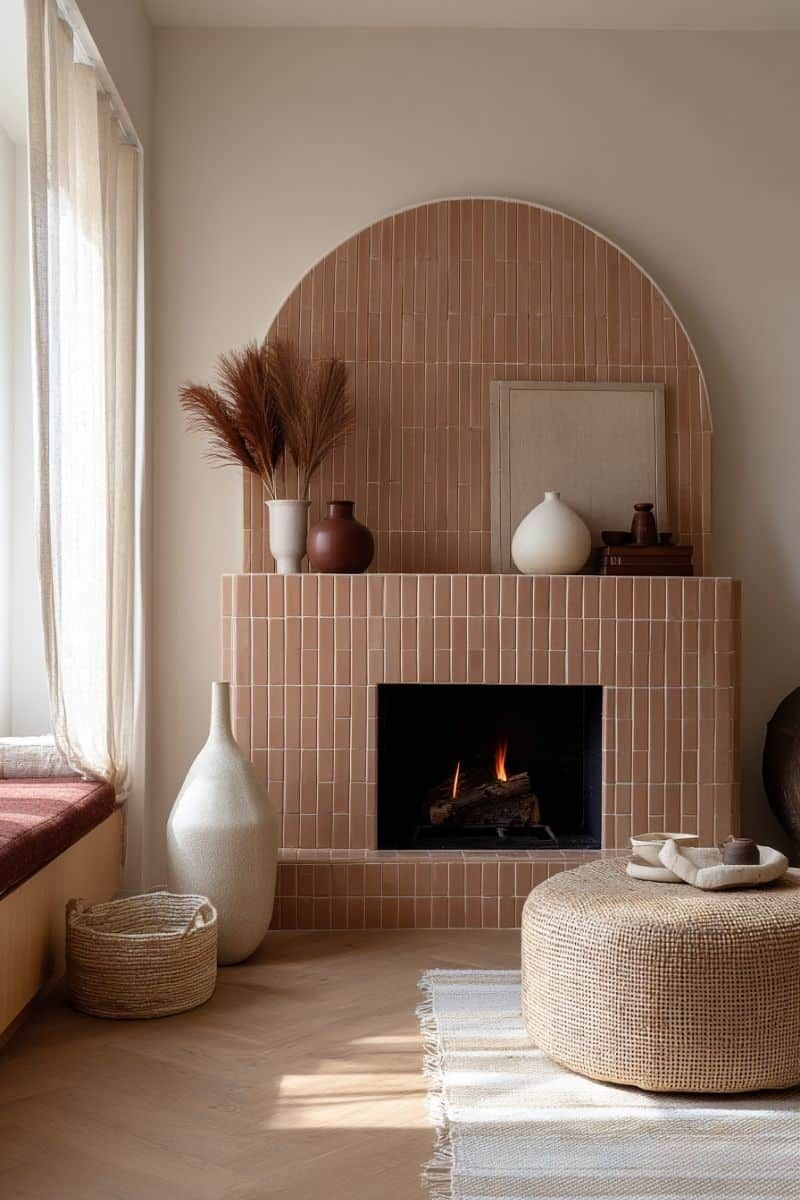
Improving lighting to brighten darker spaces
These changes are often quicker, more budget-friendly and still give your home that fresh new-year, new-start feeling.
Turn Ideas Into Action
Renovation inspiration for the new year is all about creating a home that supports how you live now and as your lifestyle evolves. With thoughtful planning, quality materials and practical design choices you can start 2026 with a space that feels refreshed, functional and welcoming.
If you are ready to start planning, visit your nearest Tiletoria showroom to explore tiles, flooring, bathroomware, finishes, outdoor solutions and more, that will help bring your new-year renovation ideas to life.
bathroom, blog, floors, how to articles, interior design tips, kitchen, trends, walls
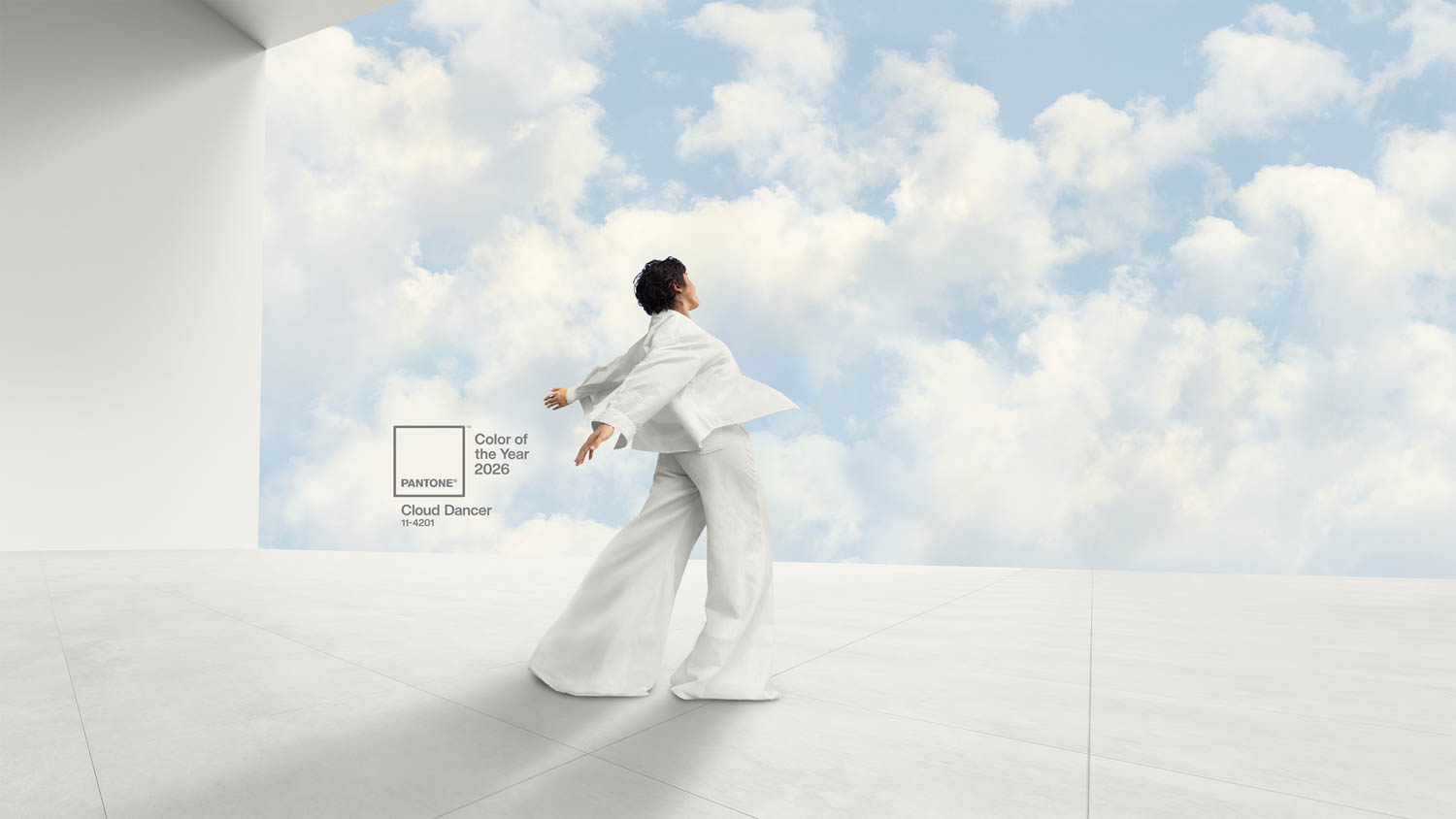
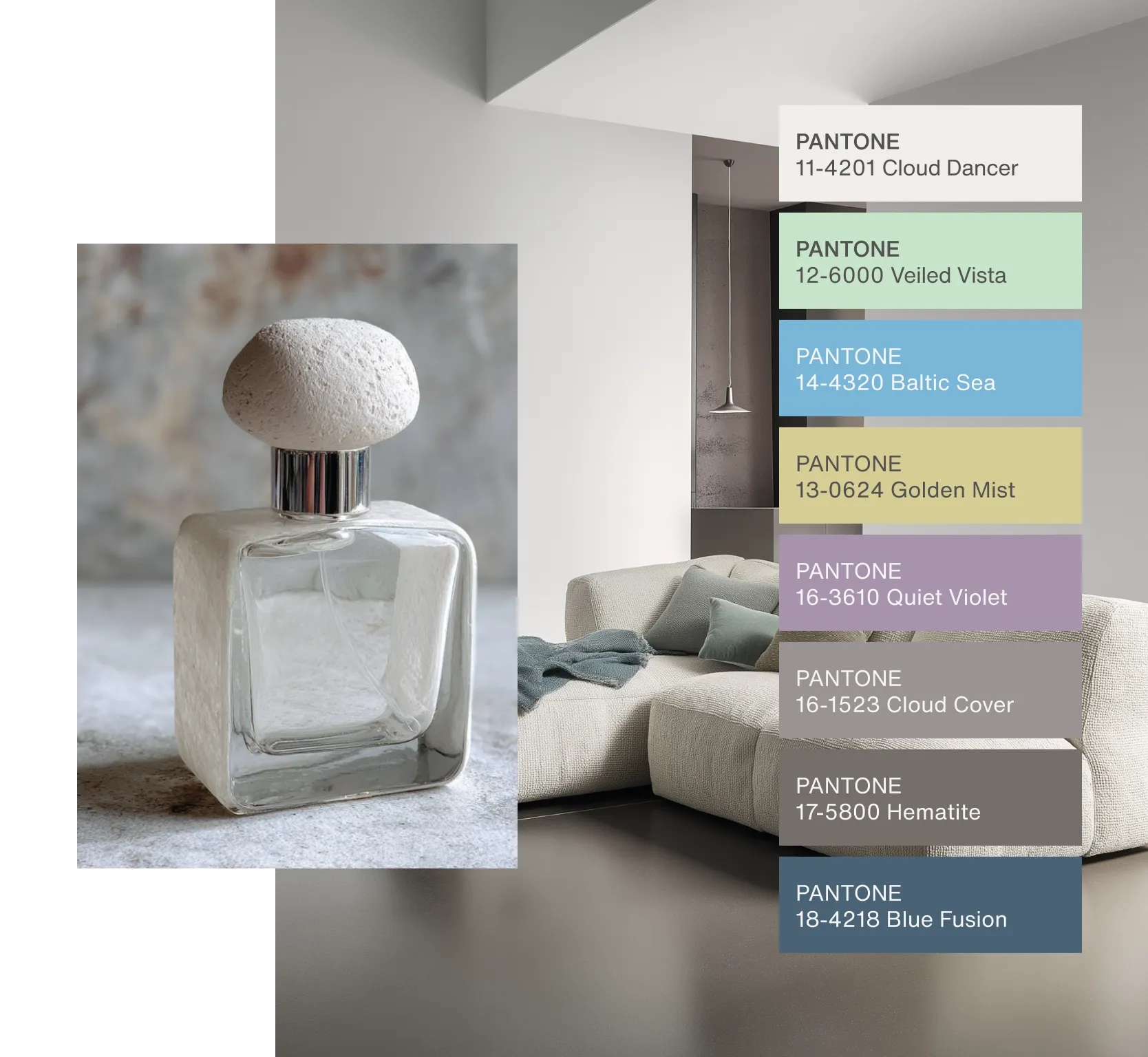
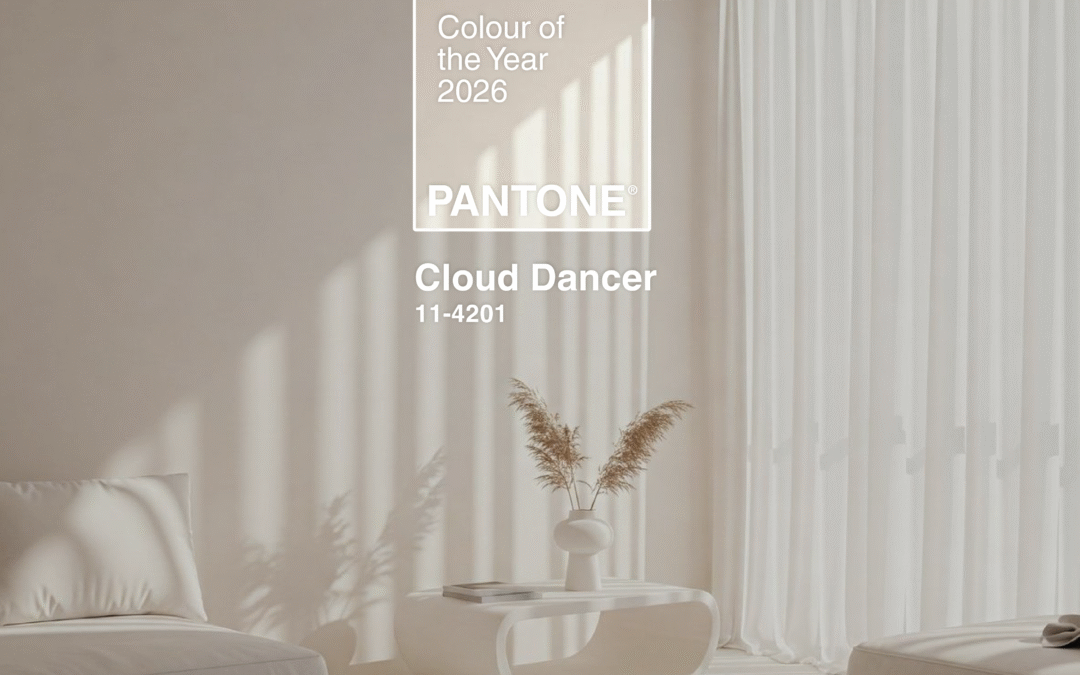
Pantone Colour of the Year 2026 Cloud Dancer is already making waves in the world of interior design for its soft, airy feel and effortless versatility. As homeowners and designers move toward calmer, more mindful spaces, Cloud Dancer stands out as the perfect shade to refresh interiors with clarity and warmth. This colour brings a unique blend of serenity and adaptability that fits beautifully into both homes and commercial projects, offering endless ways to elevate a space with a sense of calm and quiet sophistication.
(pantone.com)
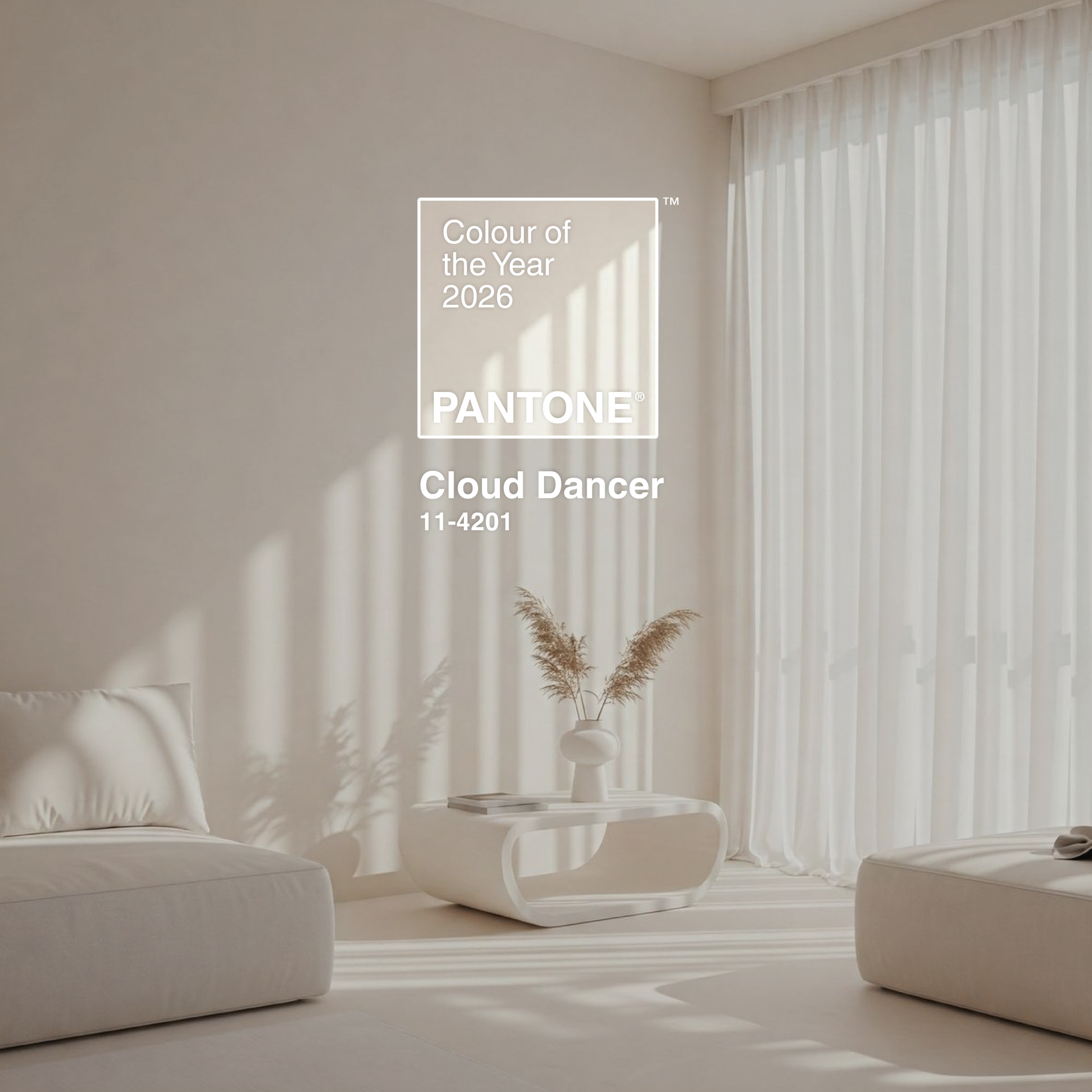
Table of Content:
The Meaning Behind Pantone Colour of the Year 2026 Cloud Dancer — A Whisper of Calm in a Busy World
Pantone Cloud Dancer Colour Palettes
How to Incorporate Pantone Colour of the Year 2026 Cloud Dancer Into Your Interior Design
Why Cloud Dancer Works So Well With Tiles
Pantone Colour of The Year 2026: A Colour for Every Style
The Meaning Behind Pantone Colour of the Year 2026 Cloud Dancer — A Whisper of Calm in a Busy World
Pantone Colour of the Year 2026 Cloud Dancer brings a sense of stillness at a time when life feels fast and chaotic. This soft, airy white has a calming presence that helps you slow down, breathe and reconnect with your thoughts. It encourages true relaxation and gives your mind the space it needs for clarity and creativity.
Cloud Dancer naturally opens up a room, making it feel lighter, cleaner and more spacious. It has a gentle way of blending emotion with practicality, turning any interior into a peaceful retreat. Whether used across a whole room or as a supporting colour, it creates an uplifting environment that feels fresh and soothing.
(pantone.com)
Pantone Cloud Dancer Colour Palettes
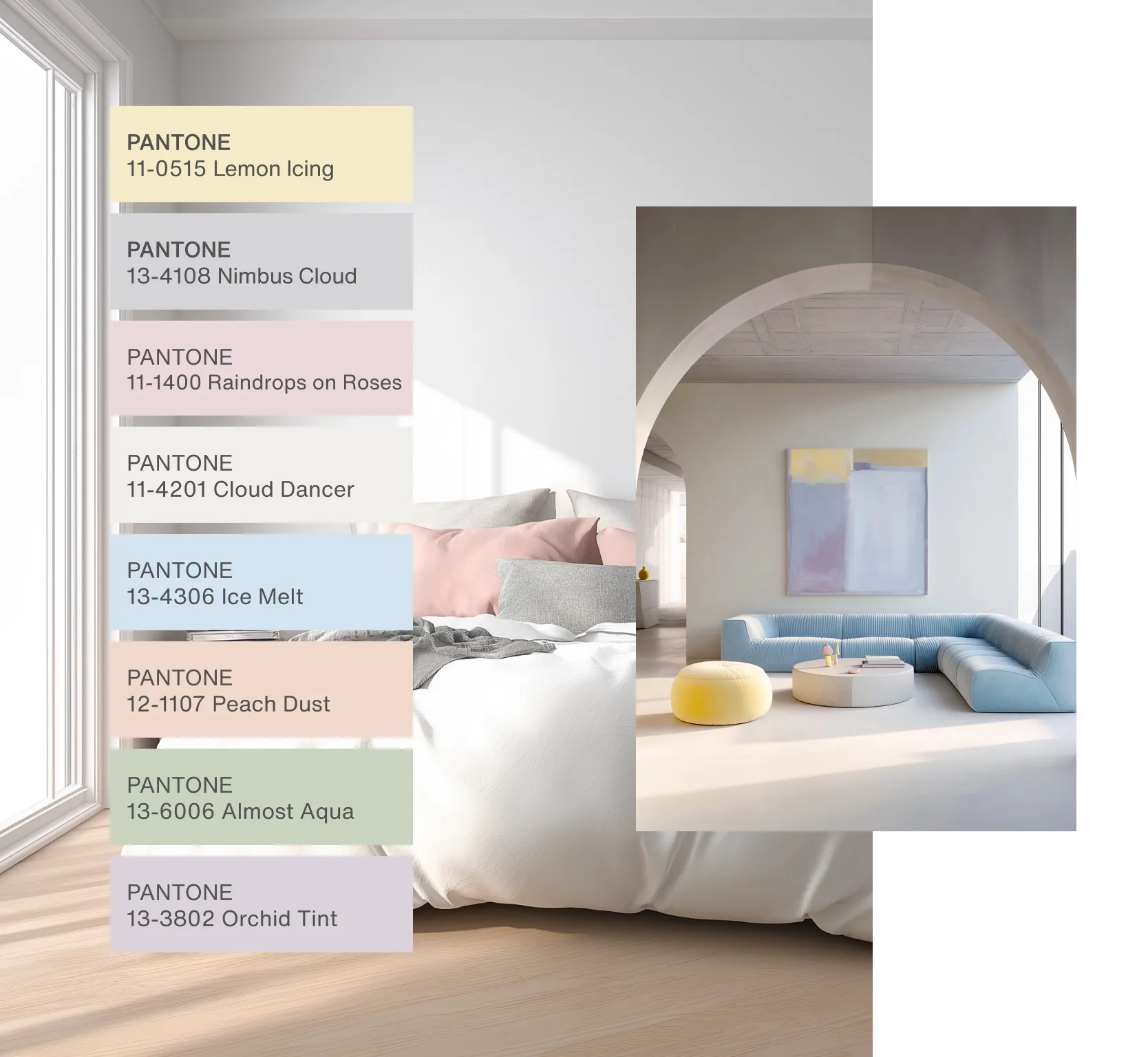
In a world where colour is deeply linked to self-expression Cloud Dancer earns its place as a versatile favourite. It adapts beautifully to different design styles, complements a range of palettes and can either stand alone or balance richer tones. Its soft brightness brings a sense of breathability to every room it touches.
Powdered Pastels
Cloud Dancer pairs effortlessly with light pastels and gentle neutrals. These combinations offer subtle shifts in tone that feel warm, refined and easy on the eye. If you want a calming look that still feels layered and interesting this palette is a great place to start.
Light & Shadow
For a more dramatic atmosphere Cloud Dancer works seamlessly with softened deep tones. When paired with charcoal, muted navy or earthy shadow shades the contrast feels harmonious rather than harsh. This light and dark balance adds depth without weighing a room down.
(pantone.com)
How to Incorporate Pantone Colour of the Year 2026 Cloud Dancer Into Your Interior Design
Cloud Dancer is as functional as it is beautiful, making it easy to introduce into your home whether you prefer minimalist style or warm, cosy design. Here are effortless ways to make it work in your space:
Cloud Dancer Walls for a Clean and Quiet Look
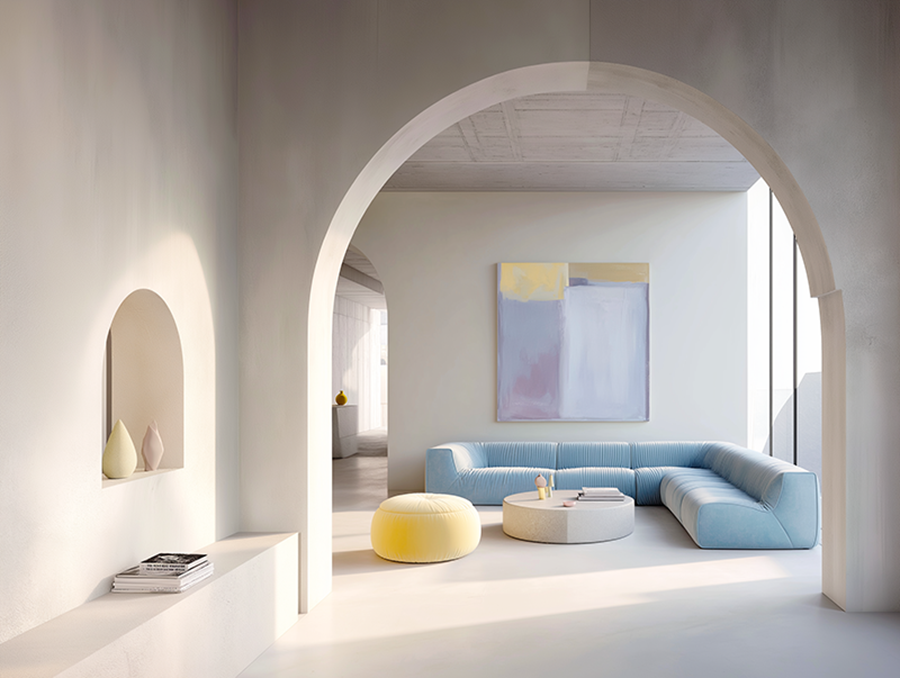
image credit: pantone.com
Painting walls in Cloud Dancer immediately brightens a room while keeping the atmosphere soft rather than stark. It creates a calm backdrop for furniture, décor and statement flooring, especially wood-look vinyl or natural stone tiles.
Use Cloud Dancer Tiles to Elevate Bathrooms and Kitchens
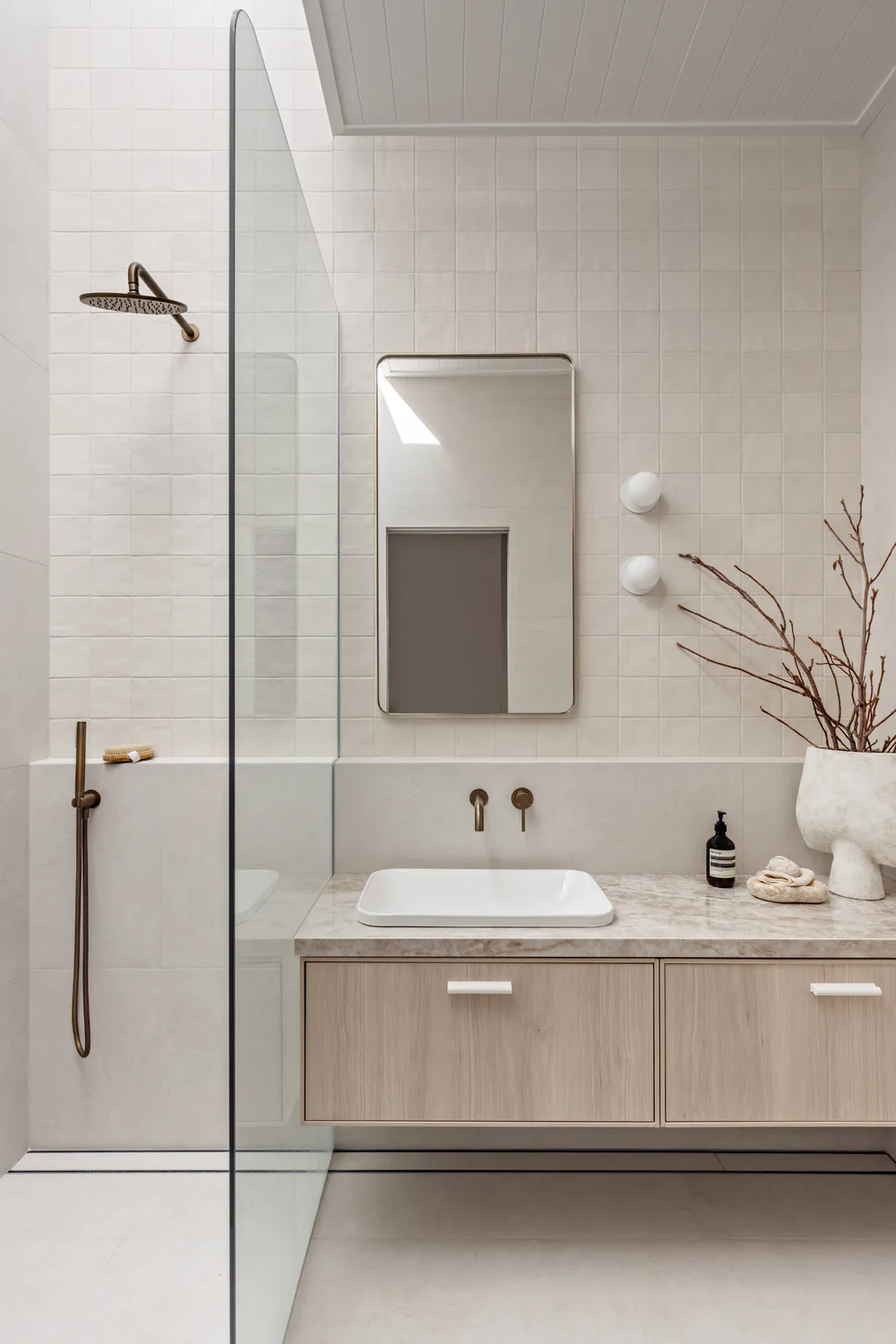
Soft white tiles are timeless and Cloud Dancer-inspired tones work especially well in bathrooms and kitchens where clean design matters most. Pair Cloud Dancer tiles with brushed brass taps, soft greys or pastel accents for a modern finish.
Pair With Warm Flooring for a Balanced Space
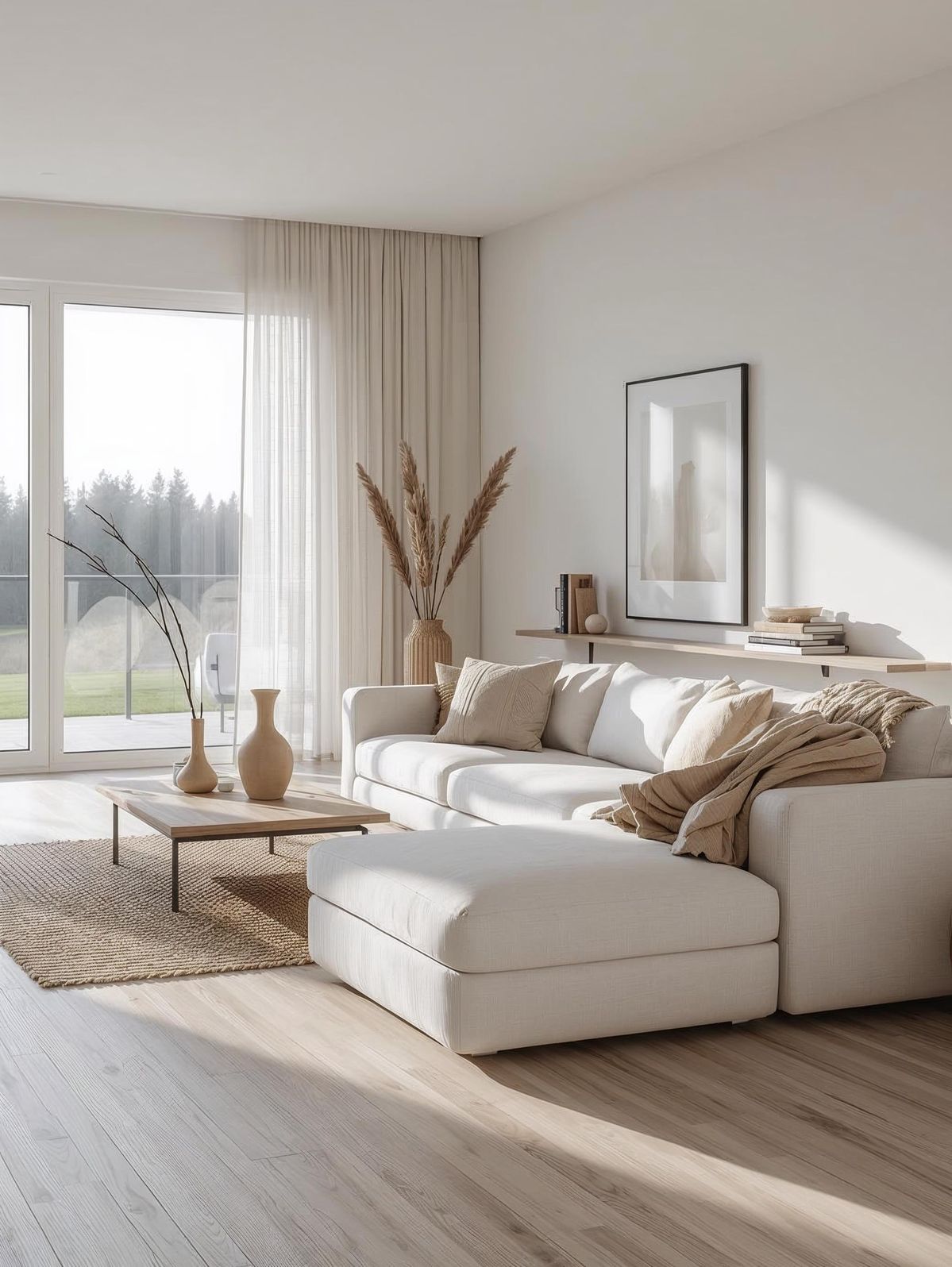
Because Cloud Dancer is airy and light it pairs beautifully with warm flooring such as oak-look laminate, textured vinyl or neutral large-format tiles. This combination creates warmth without losing brightness, making it ideal for living rooms and bedrooms.
Add Cloud Dancer Through Furniture and Soft Décor
If painting or tiling feels like too big a step try introducing the colour through fabrics, bedding, curtains, cabinetry or upholstered furniture. Its subtle warmth blends easily with any palette.
Contrast With Earthy, Bold or Moody Colours
To bring more personality into a room anchor Cloud Dancer with grounding tones like espresso, olive green, mauve or muted teal. These tones pair well with rich textured tiles and modern finishes.
Why Cloud Dancer Works So Well With Tiles
Tiletoria’s range of tiles makes it simple to enhance or contrast Cloud Dancer in any room.
Here’s why the pairing works:
Tiles add texture and depth to Cloud Dancer’s light and airy feel
Large-format tiles enhance Cloud Dancer’s spacious effect even further
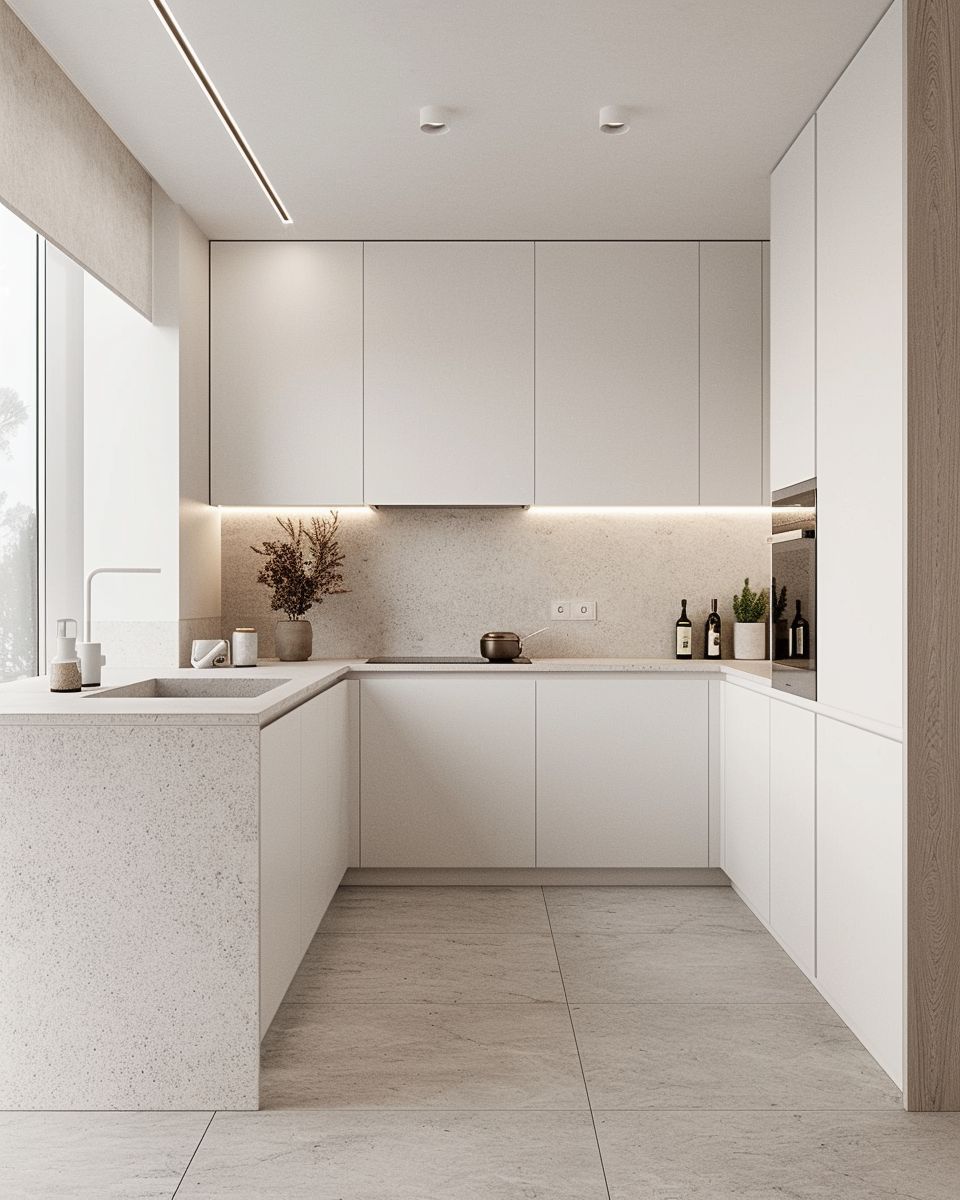
Textured tiles create that sought-after soft shadowing that complements the colour palette
Natural stone looks pair beautifully with Cloud Dancer’s clean aesthetic
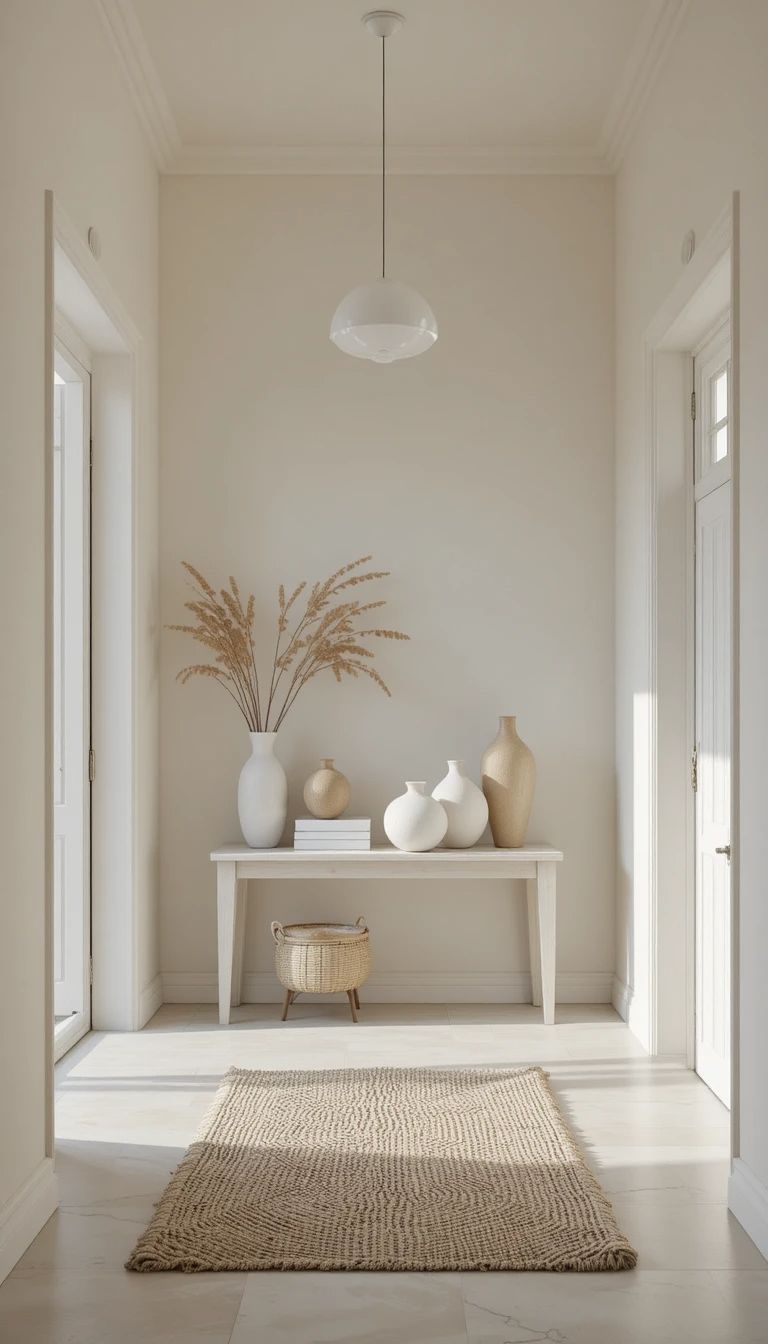
Whether you love subtle patterns or bold features, Cloud Dancer gives tiles the perfect calm backdrop to shine.
Pantone Colour of The Year 2026: A Colour for Every Style
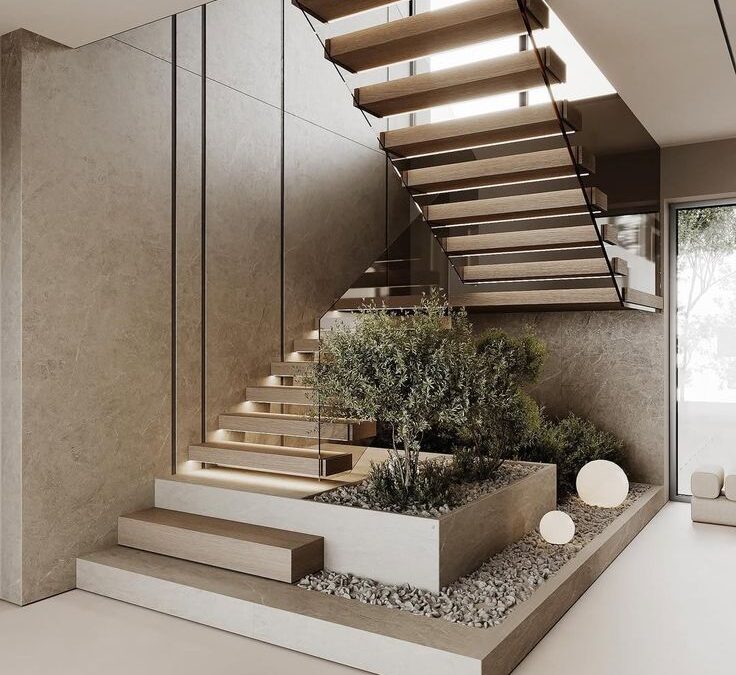
Pantone Colour of the Year 2026 Cloud Dancer offers a rare blend of peace, versatility and sophistication. Whether you are refreshing a single room or planning a full renovation this gentle white will bring clarity and warmth into your space. Visit your nearest Tiletoria showroom to explore tiles, flooring and finishes that pair perfectly with Cloud Dancer and bring your vision to life.
bathroom, blog, floors, interior design tips, kitchen, outdoor, trends, walls
The top trend predictions for 2026 show a year of innovation, bold design choices and technology-driven functionality in interior design. From colours and textures to smart furnishings and eco-conscious choices, next year’s trends are all about balancing style, comfort and sustainability. Tiletoria’s wide range of tiles, flooring, kitchen and bathroom solutions makes it easy to bring these trends to life.
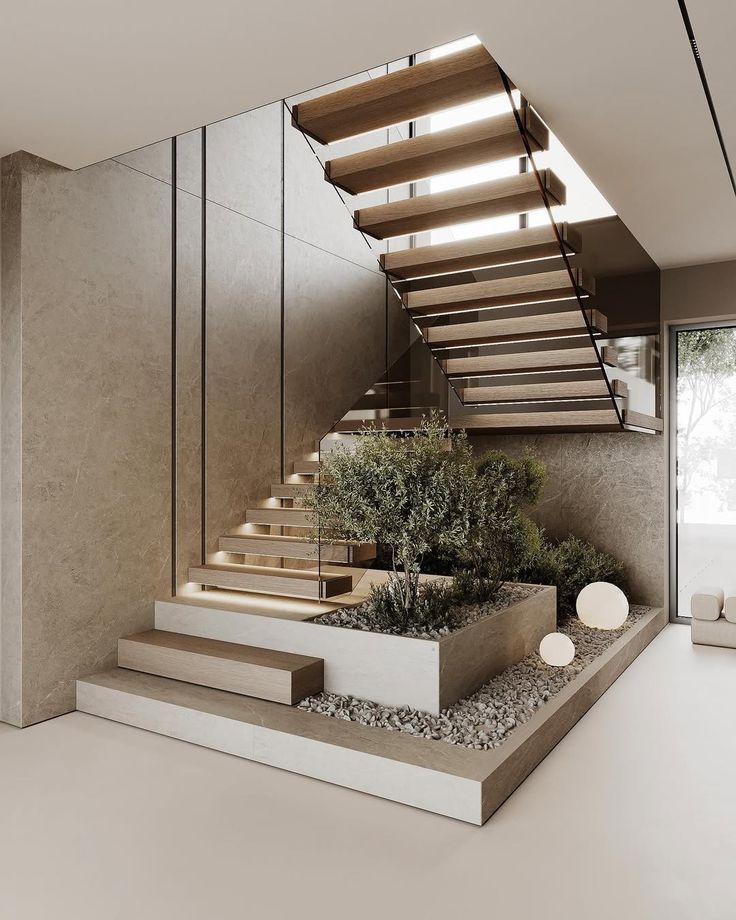
Table of Content:
AI Meets Sustainability for Smarter Spaces
Algorithmic Ergonomics for Healthier Furniture
Digital Art and Flexible Displays
AI-Powered Indoor Gardens
Fat Furniture: Comfort Becomes Statement
Modular and Hybrid Lighting Systems
Lived-In, Layered Interiors
Large-Format and Textured Tiles
Colour Forecasts: Warm, Bold and Unexpected
Let the Trends Inspire Your 2026 Projects
AI Meets Sustainability for Smarter Spaces
One of the most exciting trend predictions for 2026 is the union of AI and sustainability. Future homes will feature systems that adjust lighting, temperature, materials and décor in real time, creating spaces that feel emotionally satisfying, environmentally conscious and visually appealing.
decorilla.com
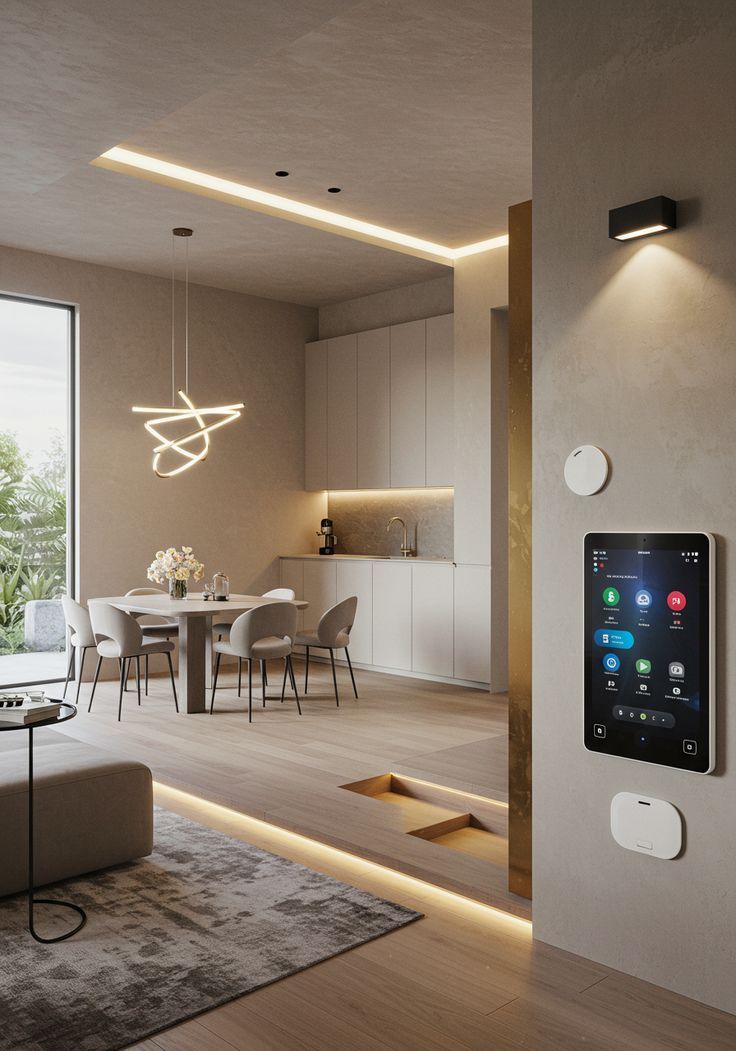
Using sustainable materials like porcelain and ceramic tiles, combined with energy-efficient flooring and eco-friendly wall coverings, helps reduce waste, optimise energy usage and enhance comfort — all while keeping interiors stylish.
Algorithmic Ergonomics for Healthier Furniture
Another standout trend predictions for 2026 is data-driven furniture design. Algorithmic ergonomics analyses body posture and pressure points to create chairs and sofas that support your spine and limbs naturally.
decorilla.com
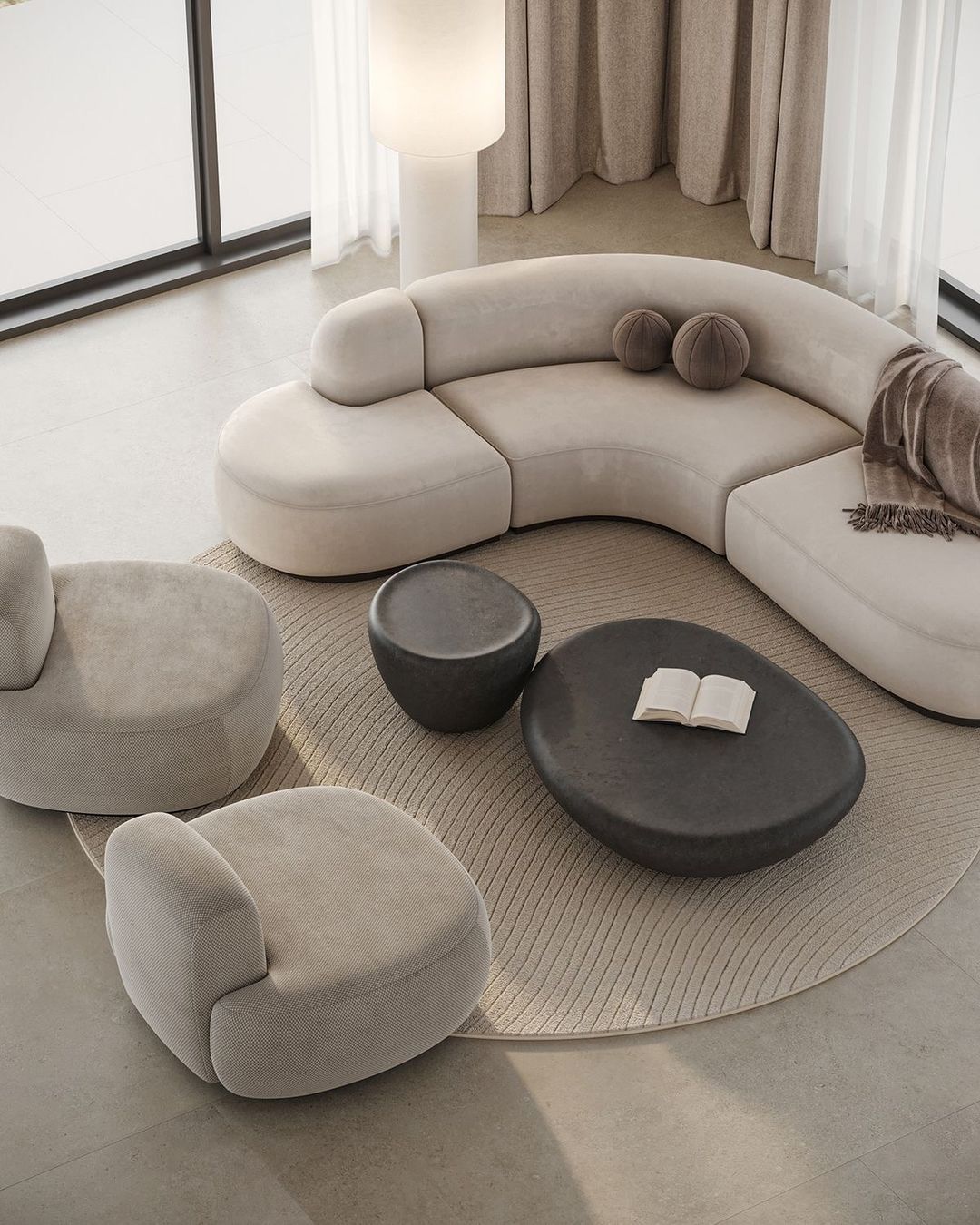
In 2026, furniture complements flooring, wall tiles and cabinetry to create cohesive interiors. Think slip-resistant floor tiles paired with ergonomic seating in kitchens, living rooms or commercial spaces for the ultimate blend of comfort and functionality.
Digital Art and Flexible Displays
Dynamic, digital displays are replacing static artwork in 2026. Think paper-thin OLED panels featuring AI-generated visuals that shift throughout the day. From evolving murals to fully customizable displays, digital art brings motion, colour and creativity into your home, letting each space feel unique and interactive.
decorilla.com
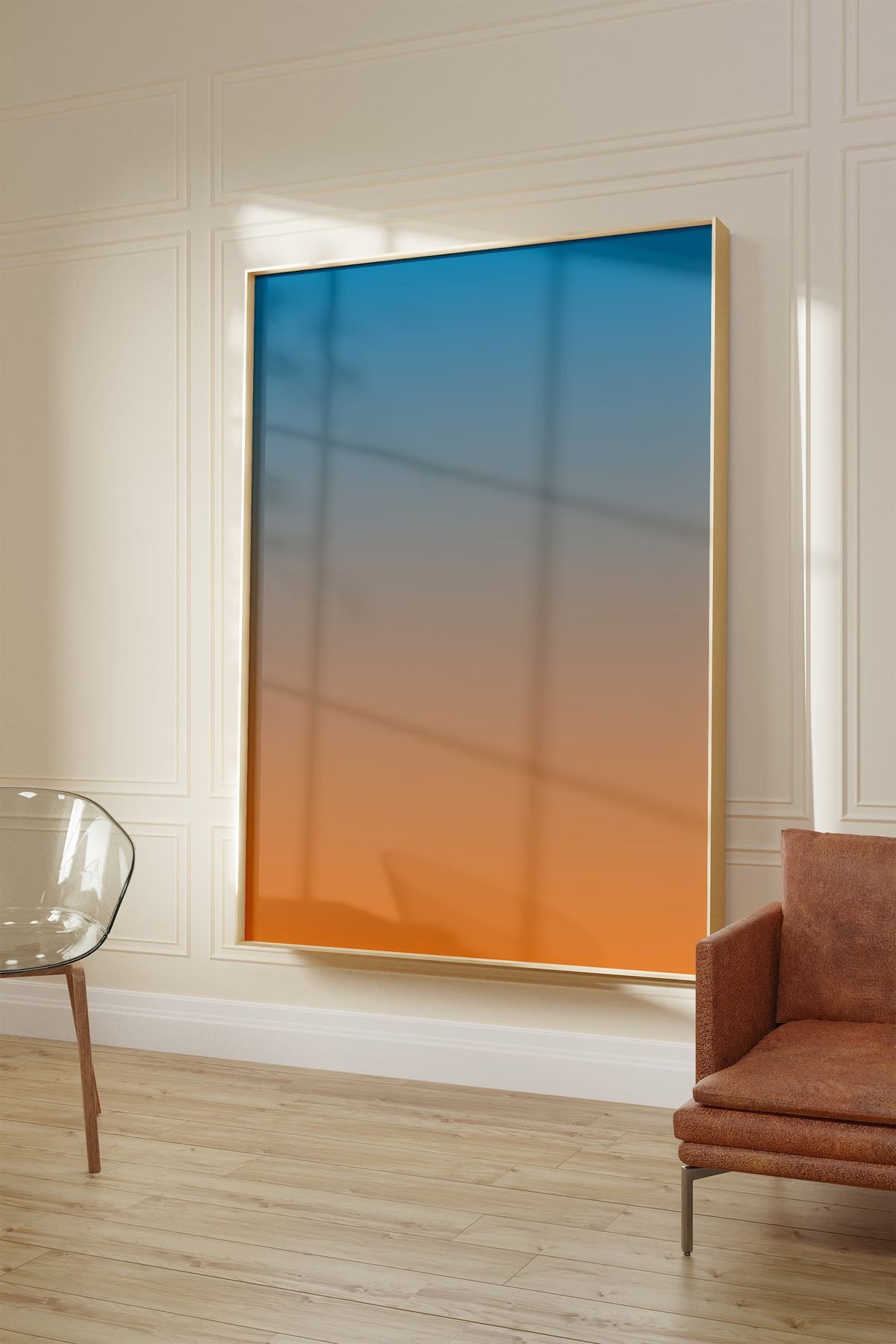
These displays pair beautifully with statement wall tiles, whether it’s bold patterned backsplash tiles in the kitchen or textured feature walls in living areas. Digital art and modern tiles together allow you to customize each space with style and personality.
AI-Powered Indoor Gardens
Compact, tech-enabled indoor gardens are another one of our top trend predictions for 2026. Sleek wall panels or bookshelf-sized units with hydroponic systems and AI-timed LEDs let you grow herbs and microgreens even in small apartments.These gardens combine practicality, sustainability and beauty, making them perfect for modern interiors or rental spaces.
decorilla.com
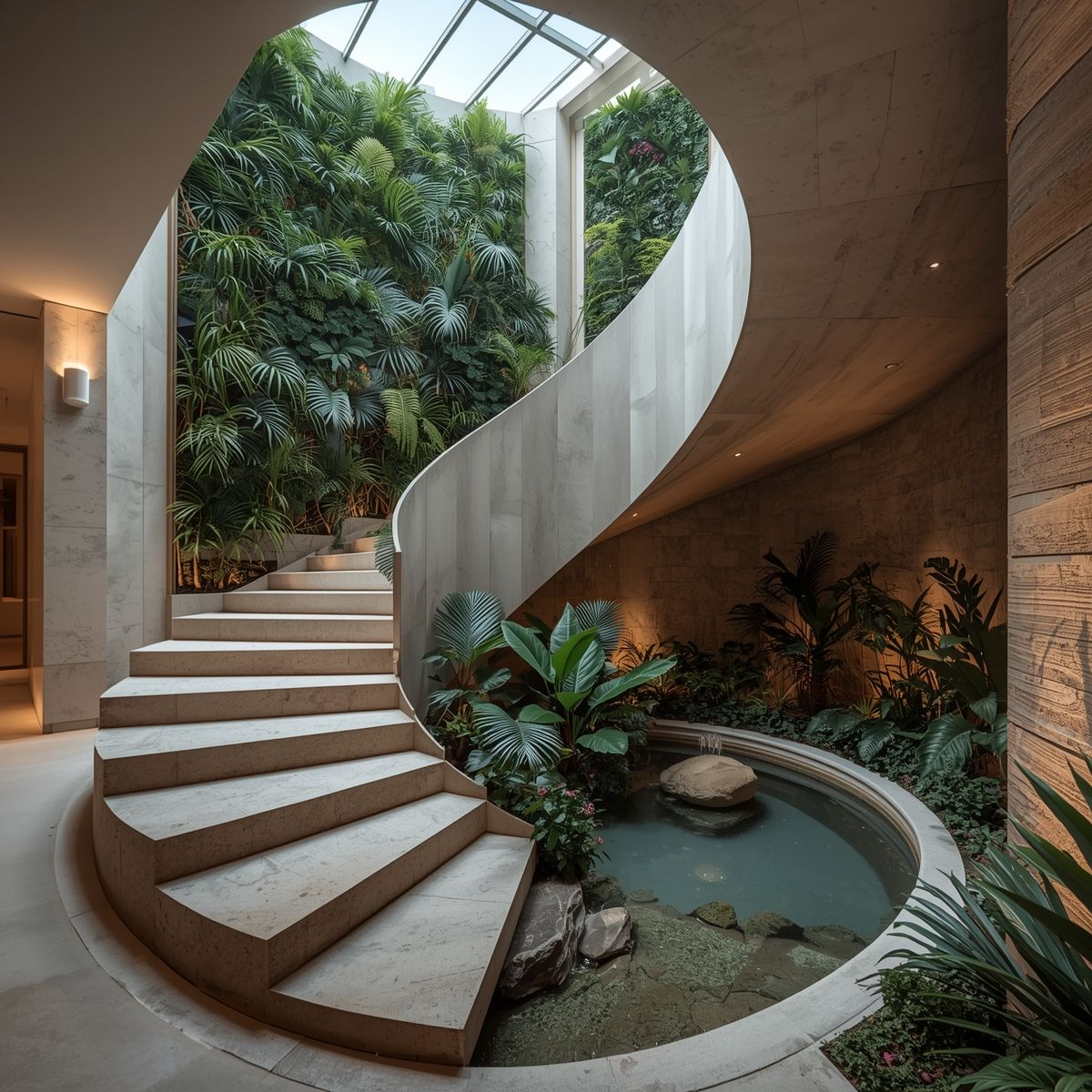
Combine these indoor garden spaces with durable tiles or decor tiles to create functional, stylish and sustainable interiors. Minimalist and sculptural, these gardens fit perfectly alongside modern, low-maintenance tiles in both residential and rental properties.
Fat Furniture: Comfort Becomes Statement
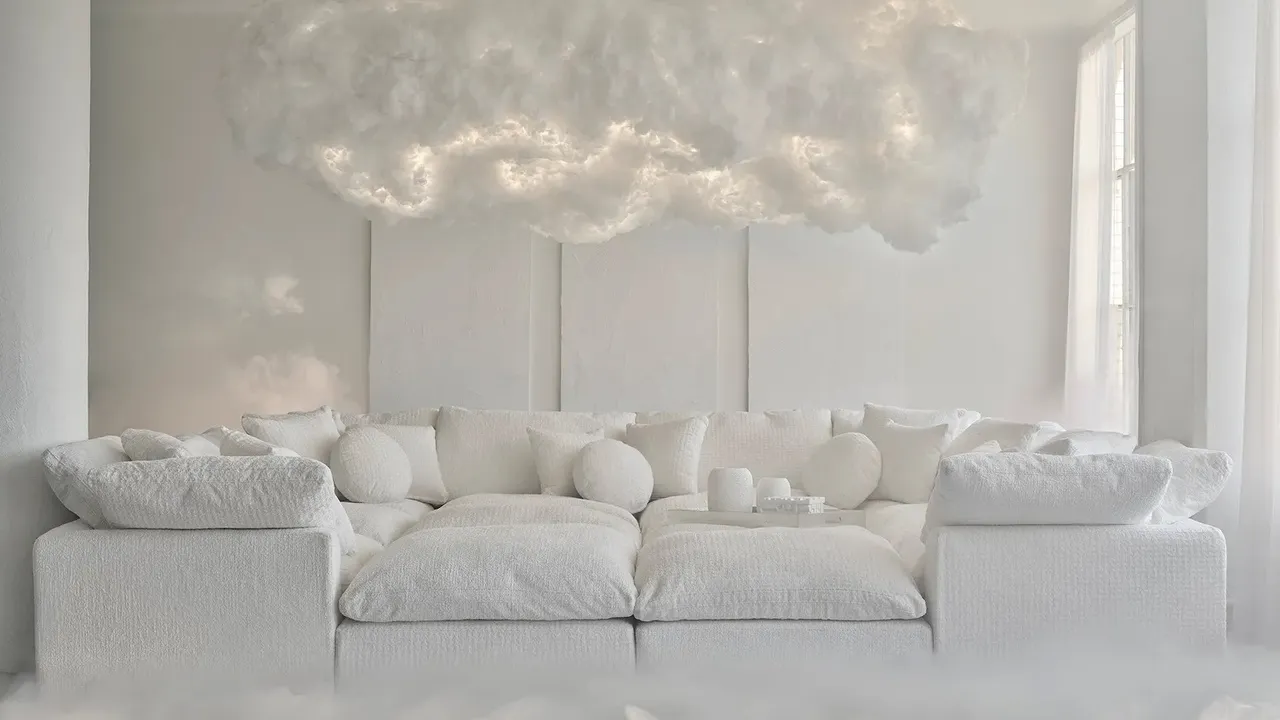
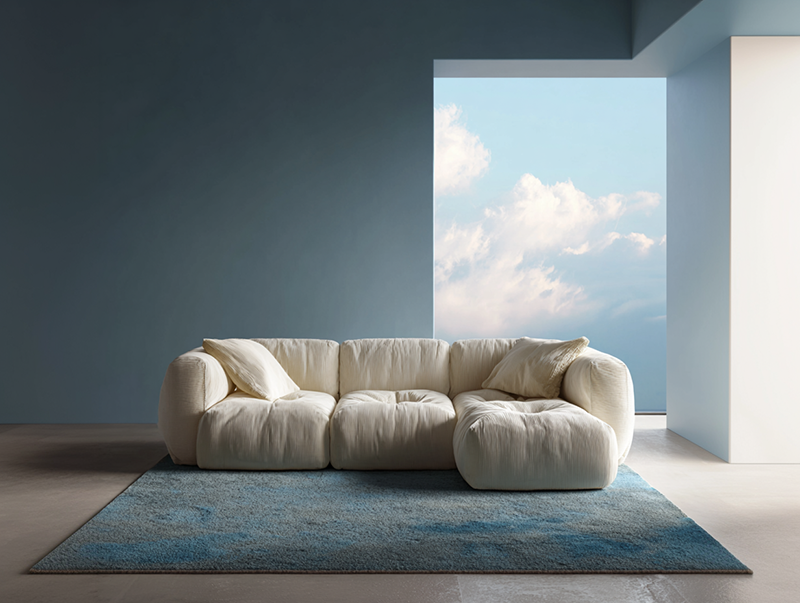
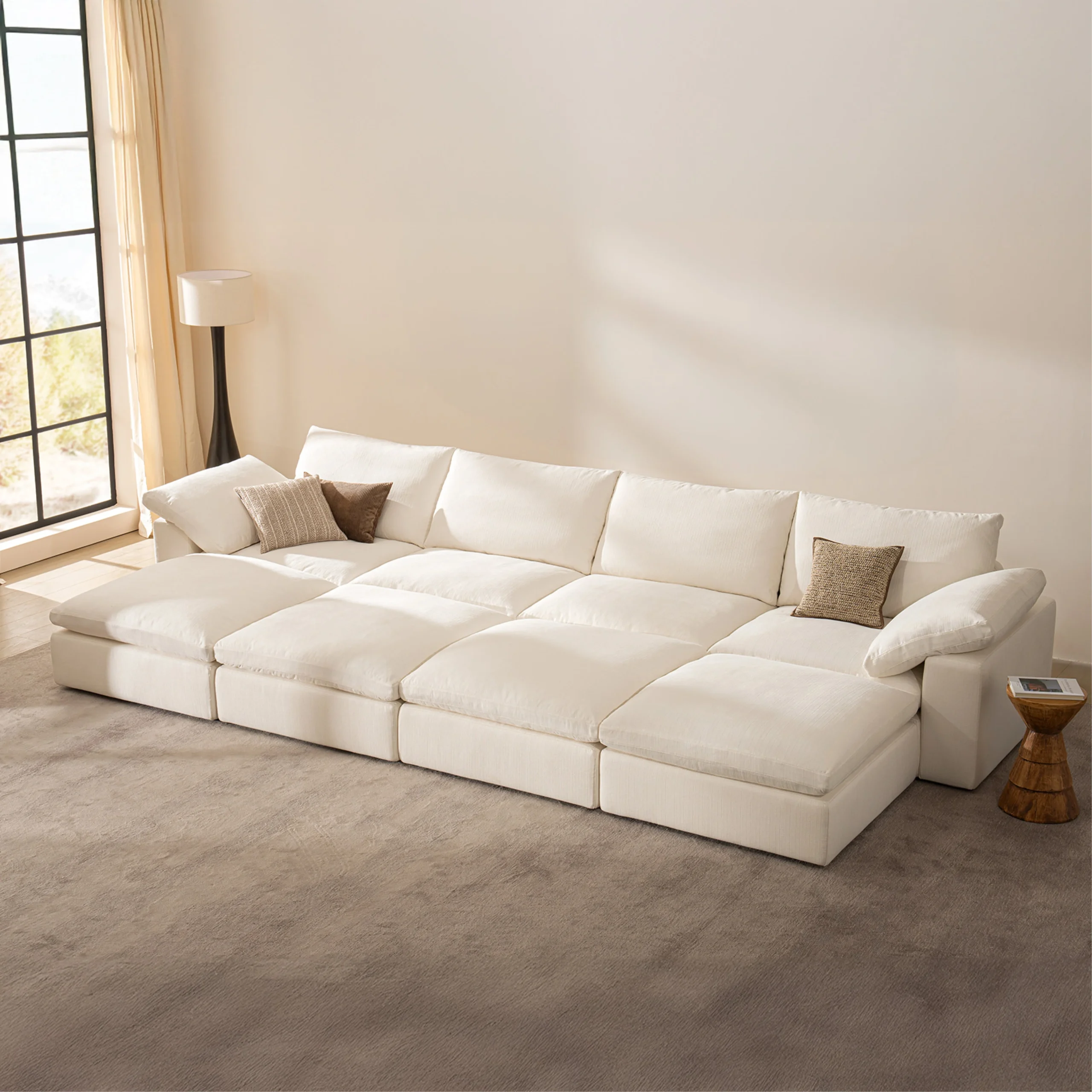
Oversized seating and bold sofas will dominate 2026 interiors. These sculptural yet functional pieces serve as room focal points while providing ultimate comfort. Soft accessories and thoughtful placement allow “fat furniture” to anchor living spaces and create a cozy yet stylish atmosphere.
decorilla.com
Pair fat furniture with large-format floor tiles to make living rooms, dining areas or lounges feel open, inviting and practical. Add patterned tiles for walls or statement splashbacks in kitchens to tie the look together seamlessly.
Modular and Hybrid Lighting Systems
Lighting in 2026 is more versatile than ever. Modular fixtures let you configure combinations of glass, metal and fabric components to suit different moods. These systems can switch between task lighting, ambient diffusion or statement pieces, offering both practicality and visual interest.
decorilla.com
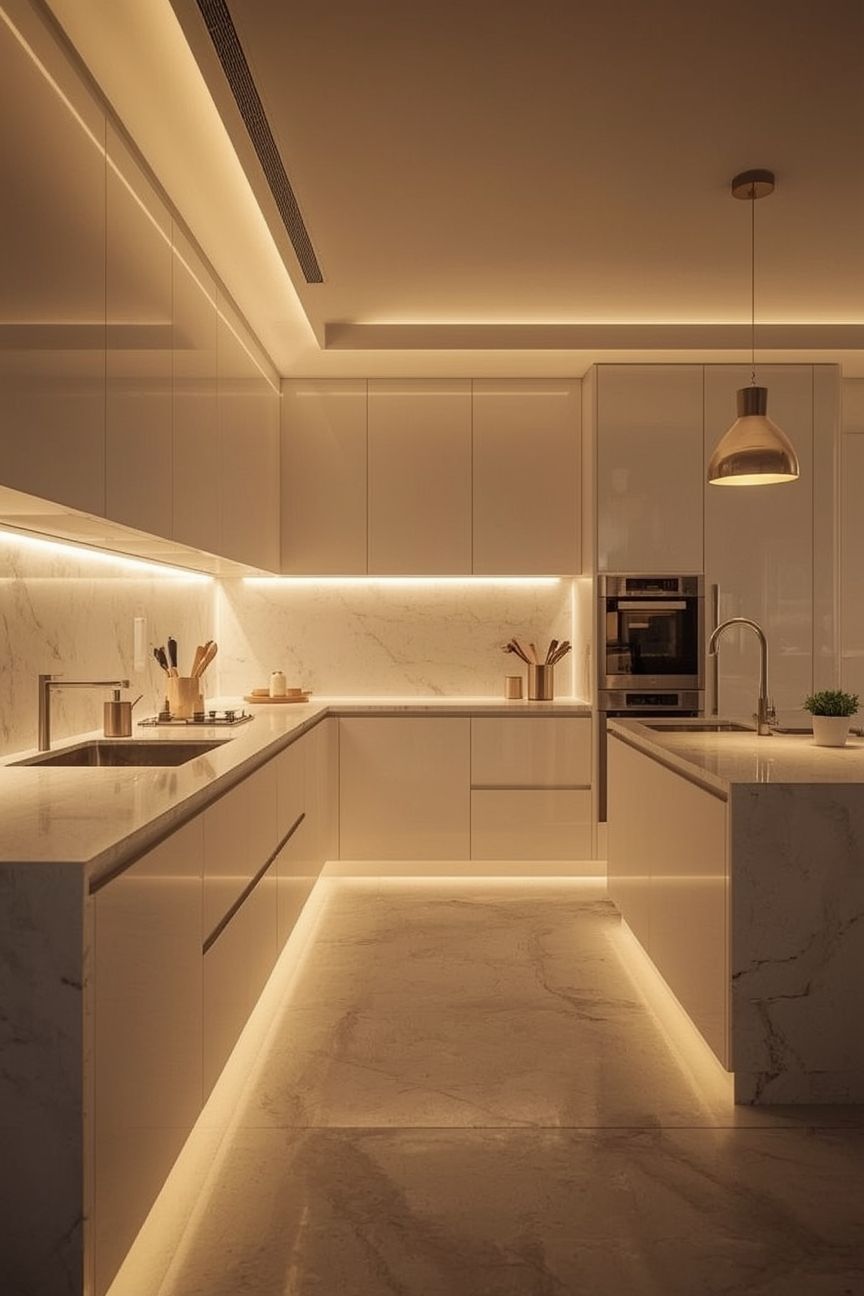
These systems highlight feature walls, backsplashes or textured tiles, allowing tiles to catch the light beautifully. Modular lighting works especially well in kitchens, bathrooms and workspaces where both aesthetics and functionality are essential.
Lived-In, Layered Interiors
Homes in 2026 will celebrate a “lived-in” aesthetic that feels cozy, personal and authentic. Imperfections, gentle clutter and layered décor pieces create interiors that tell a story and feel welcoming. This trend moves away from overly sterile spaces and embraces comfort, personality and warmth.
vogue.co.uk
Combine these interiors with textured tiles and warm laminate or vinyl flooring to balance practicality with style. Using durable tiles in high-traffic areas ensures longevity while keeping the space casual, collected and inviting.
Large-Format and Textured Tiles
Floor and wall tiles remain a major player in home design. Large-format tiles expand spaces visually, while textured and patterned options add depth and tactile interest.
Expect a mix of bold colours, natural finishes and geometric layouts to define kitchens, bathrooms and living areas. Layer in geometric patterns, statement splashbacks or Zellige-style tiles to stay on-trend in 2026.
Colour Forecasts: Warm, Bold and Unexpected
housebeautiful.com
Olive Green
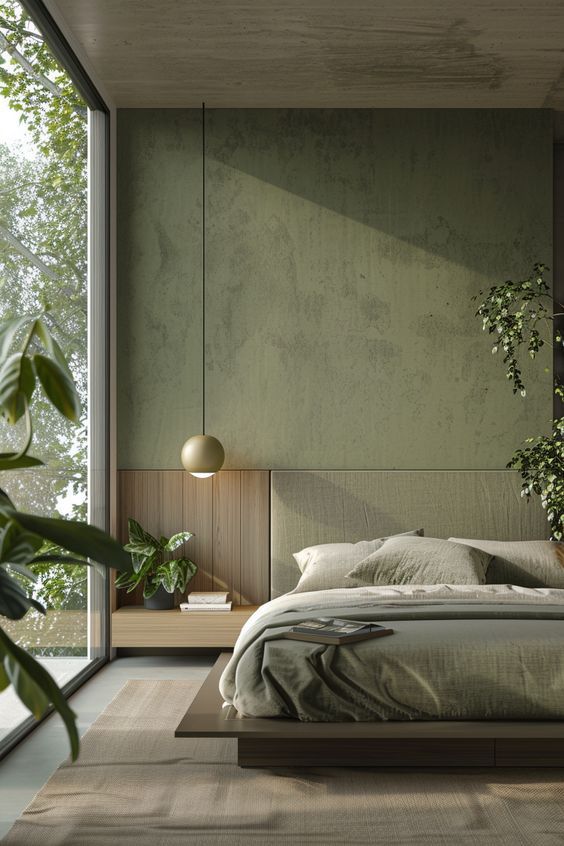
Olive green is set to be a dominant colour in 2026. This earthy shade adds a calming and natural feel to interiors, working perfectly on walls, cabinetry and accent tiles. It pairs beautifully with both warm neutrals and bold contrasts. Pair olive green with neutral tiles or wood-look flooring to create a balanced, modern and inviting space.
Espresso Brown
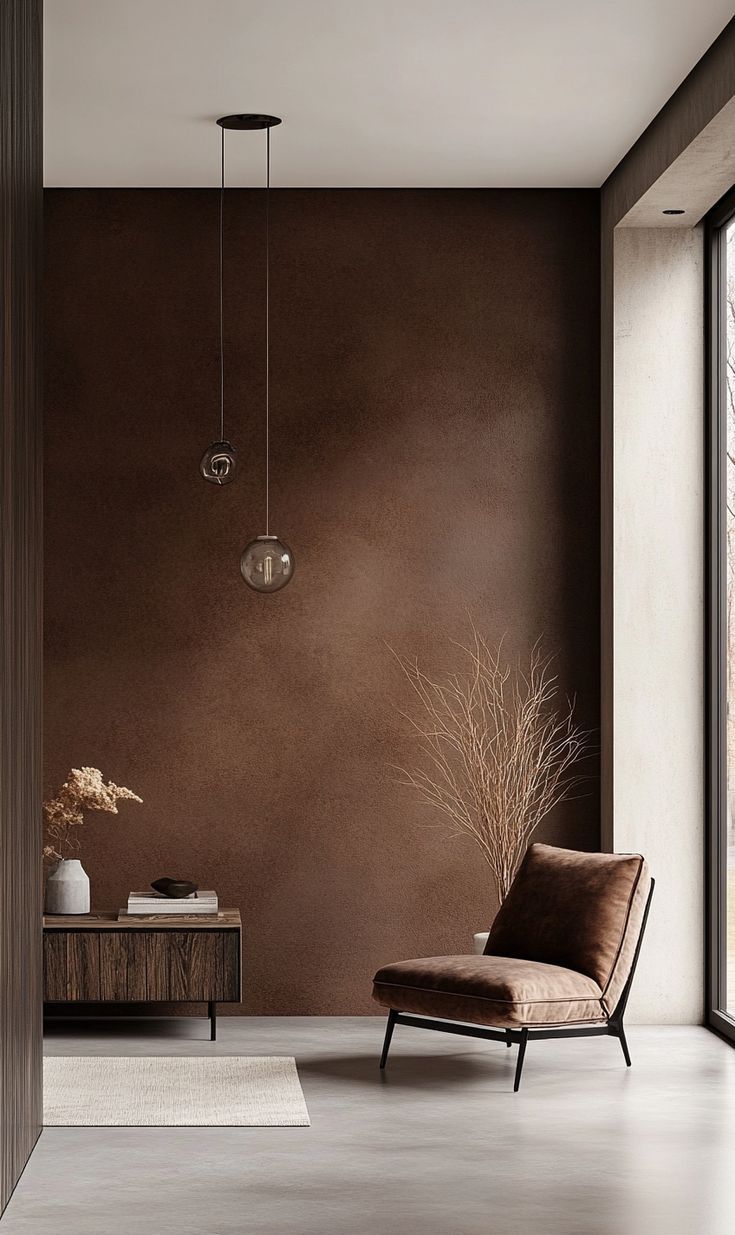
Espresso brown brings depth and sophistication to any space. Ideal for flooring, furniture or feature walls, this rich tone adds a grounded and timeless touch while complementing lighter shades.
Aubergine
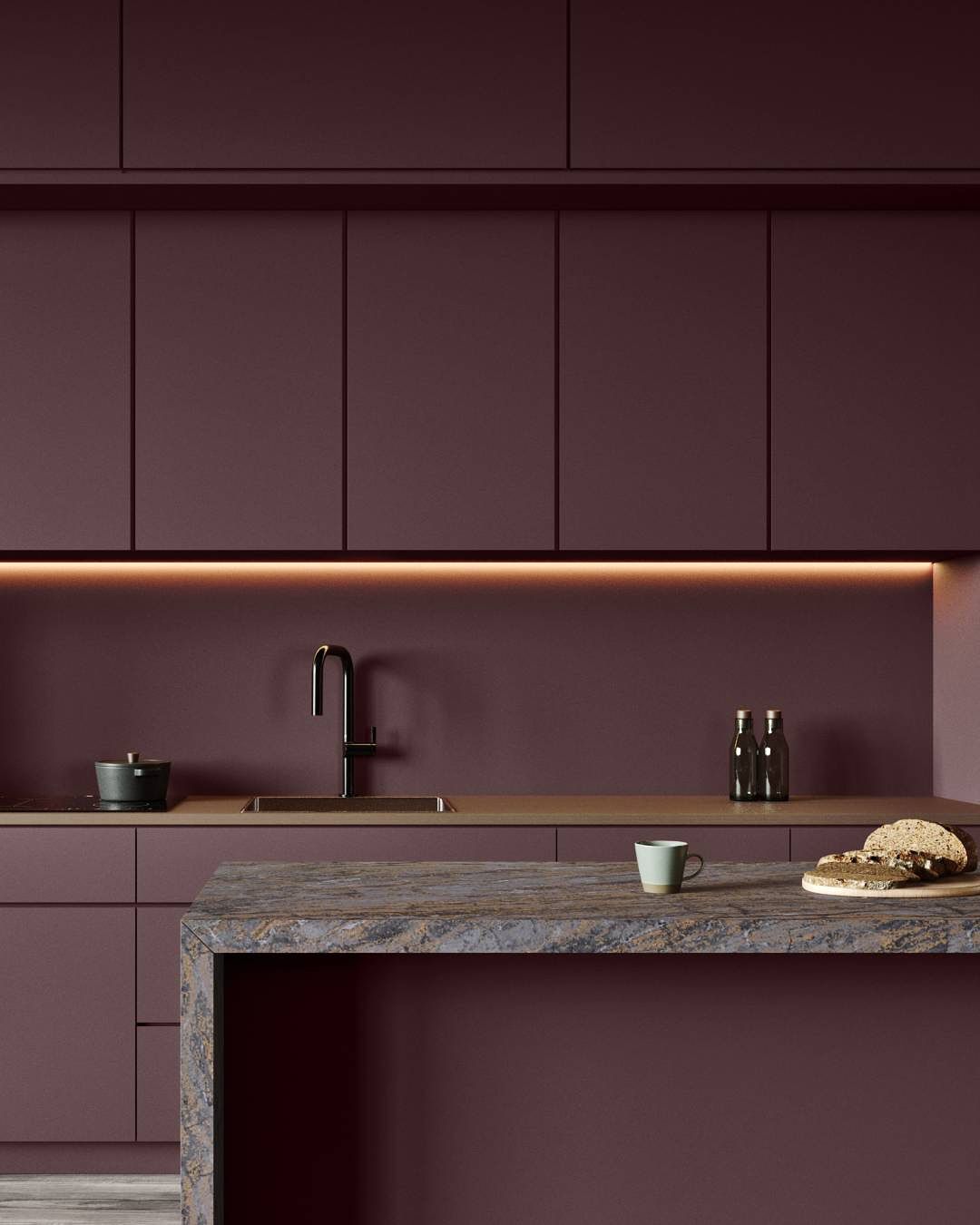
Aubergine is a bold choice that creates drama and elegance. Perfect for statement walls, tiles or décor pieces, this deep purple hue adds personality without overwhelming the room.
Pink-Toned Neutrals
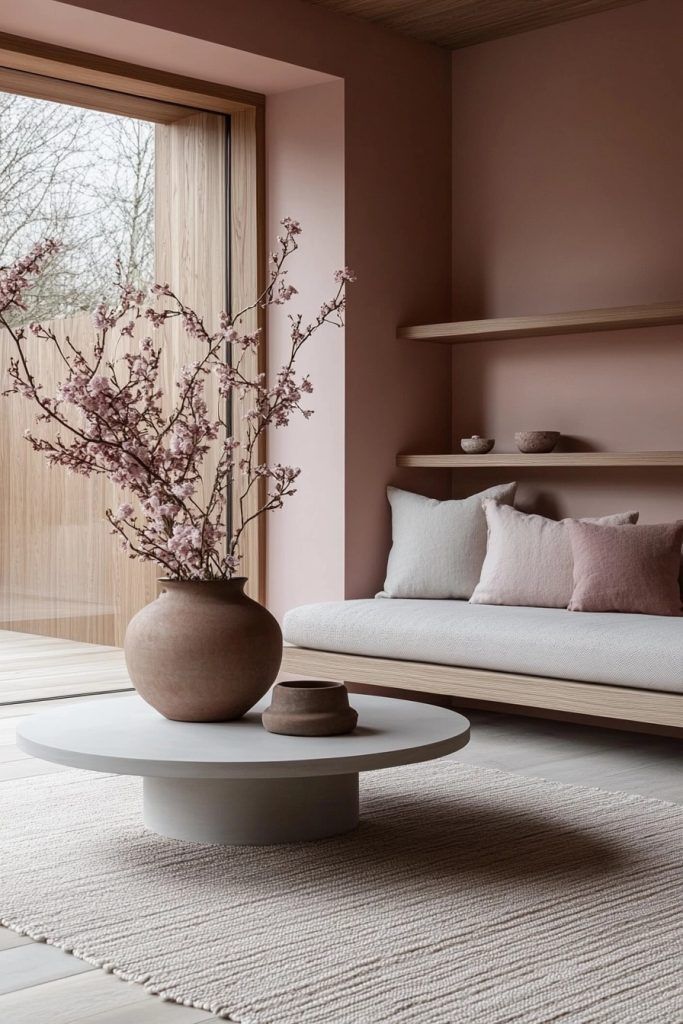
Soft pink-toned neutrals are gaining popularity for their ability to create warmth and subtle sophistication. Use these shades on walls, textiles or cabinetry to add a gentle, inviting glow to interiors.
Green-Blue Shades
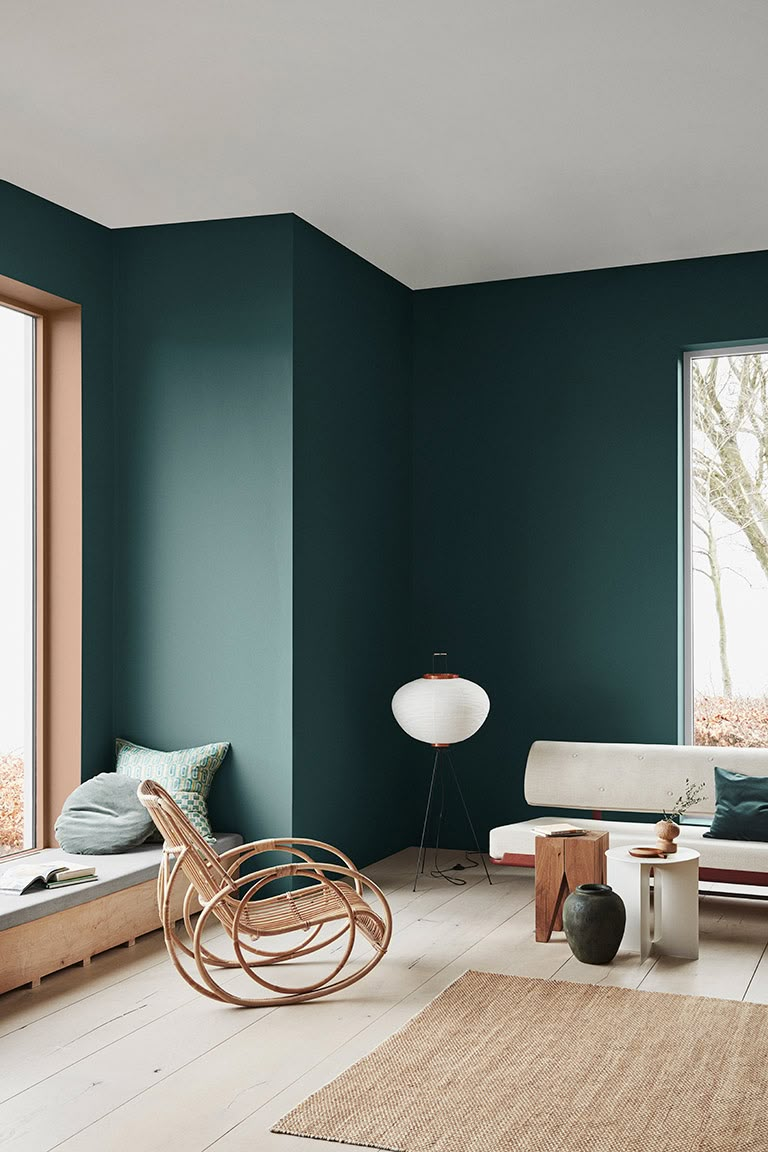
Green-blue tones bring a fresh, modern energy to 2026 interiors. These shades are ideal for tiles, decorative accents or statement furniture, adding a vibrant yet calming vibe to living spaces.
Let the Top Trend Predictions For 2026 Inspire Your Next Project
The top trend predictions for 2026 combine bold aesthetics, smart technology, comfort and sustainability. From algorithmic furniture to AI-powered gardens and statement colours, there’s something to inspire every project. Which trend will you incorporate in your home or commercial space this year? Visit your nearest Tiletoria showroom to explore tiles, finishes and design inspiration that will bring these 2026 trends to life.
bathroom, blog, floors, kitchen, renovation tips
Choosing the best flooring for rental properties can make a huge difference in both durability and long-term costs. Tenants come and go, small accidents happen and floors face constant wear. That is why selecting flooring that can handle real life while still looking great is essential for any landlord or property manager.
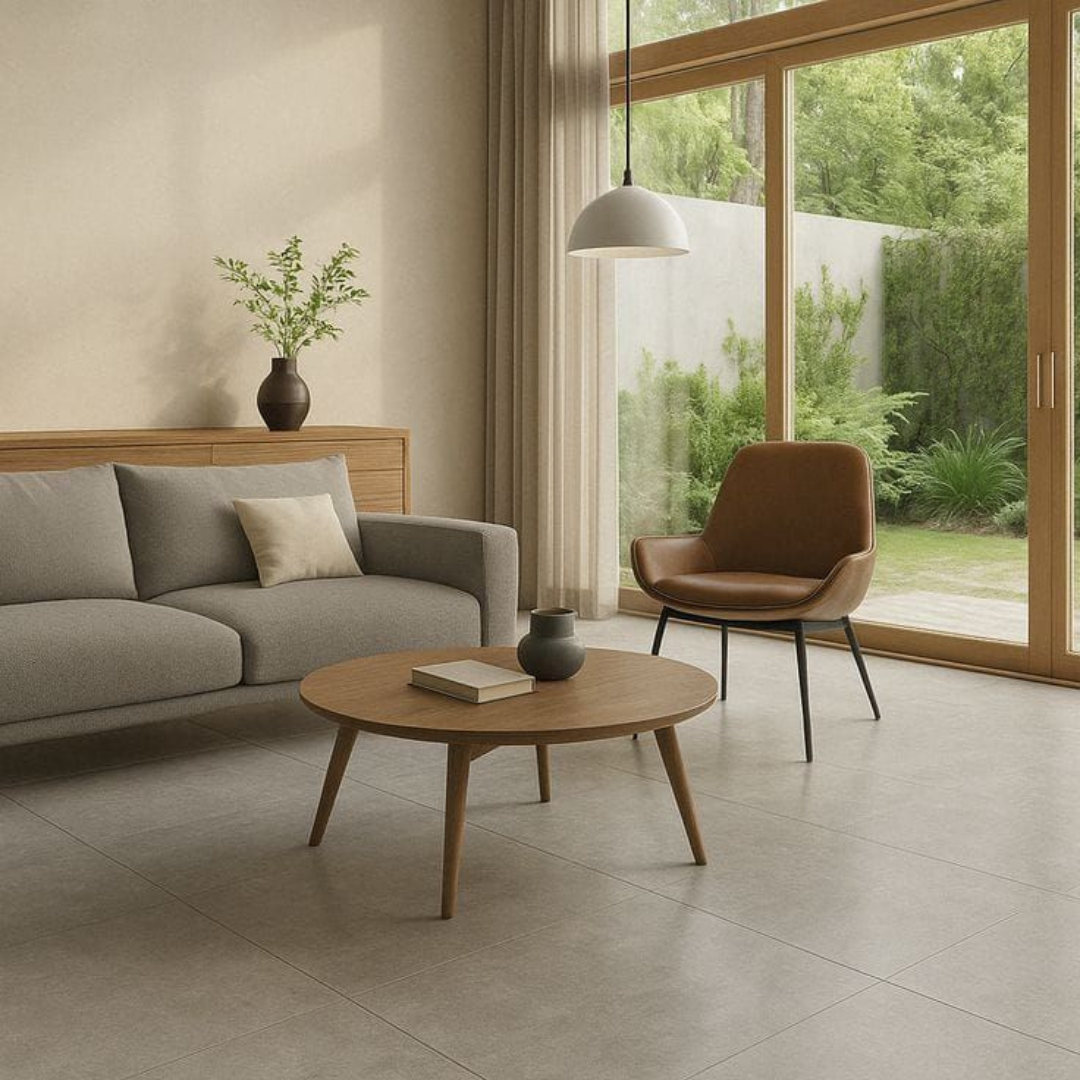
Table of Content:
Why Durability Matters When Choosing the Best Flooring for Rental Properties
Vinyl Flooring: A Top Contender for Rental Homes
Tiles: Long-Lasting Strength for High-Traffic Areas
Laminate Flooring for a Stylish, Cost-Effective Update
Balancing Budget and Longevity for the Best Flooring for Rental Properties
Which Flooring Is Right for Your Rental Property?
Why Durability Matters When Choosing the Best Flooring for Rental Properties
Rental properties experience more foot traffic than the average home. Tenants move furniture in and out, bring pets and live busy lives. Durable flooring reduces your need for repairs and replacements which helps protect your investment. When durability meets style you get the perfect flooring choice for long-term rentals.
Vinyl Flooring: A Top Contender for Rental Homes
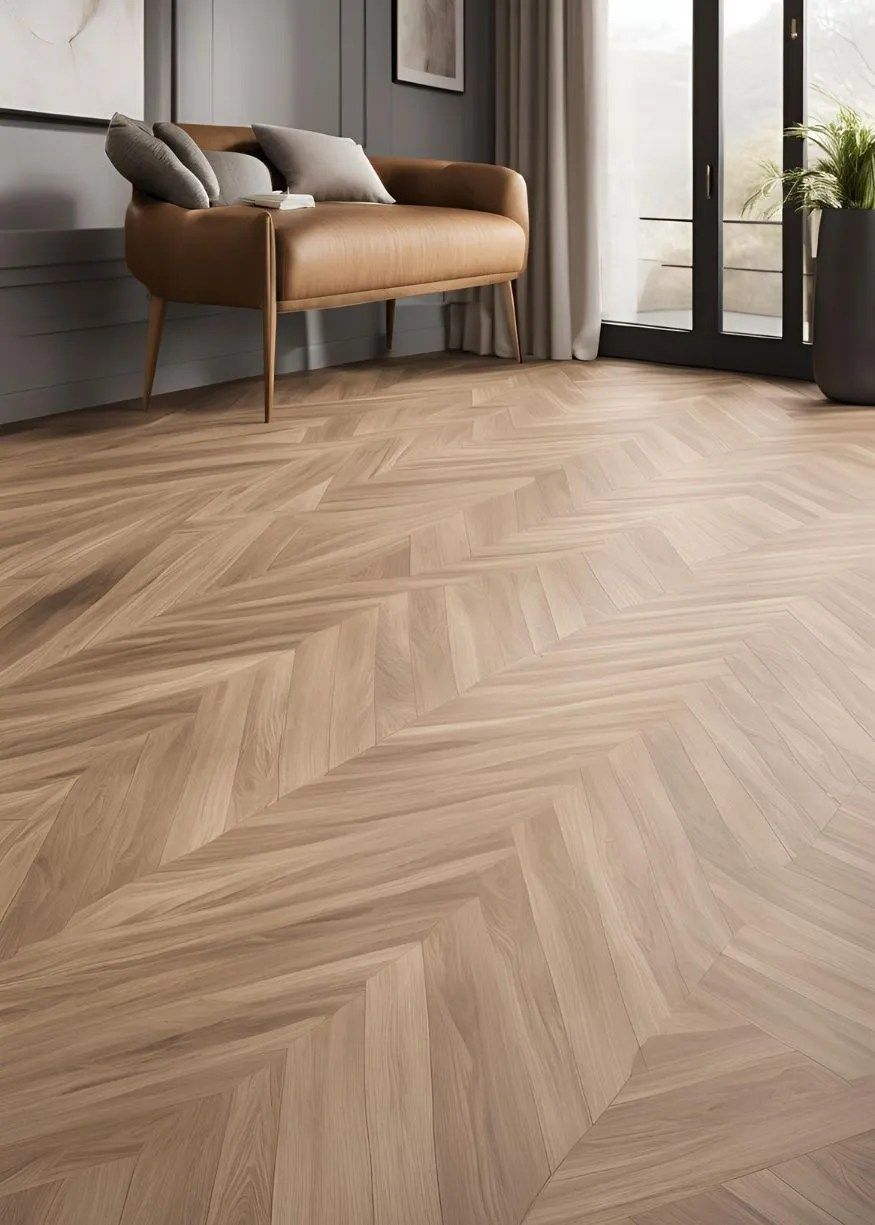
Vinyl is one of the most popular choices for rental properties. It is affordable, water-resistant and available in countless styles that mimic wood and stone. Landlords love vinyl because it handles moisture well, cleans easily and works in kitchens, bathrooms and living areas. Budget-friendly yet stylish, vinyl gives tenants the look they want without the maintenance that real wood requires.
Tiles: Long-Lasting Strength for High-Traffic Areas
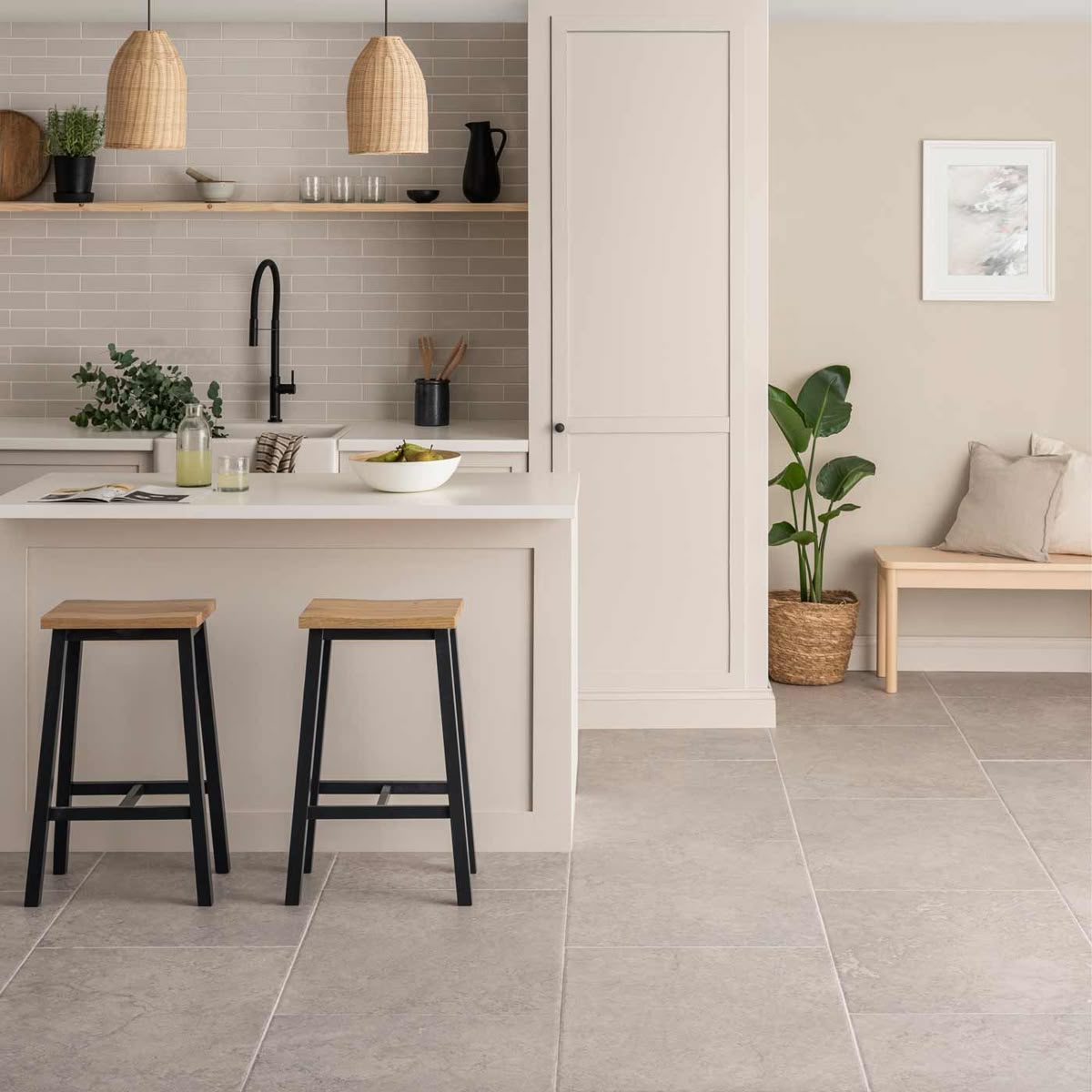
Tiles are a strong contender when exploring the best flooring options. Ceramic and porcelain tiles offer incredible durability and resist scratches and water damage. They are ideal for kitchens, bathrooms and entrance areas where spills, steam or daily traffic are unavoidable.
Plus tiles come in endless sizes and styles which means you can create a modern clean look that appeals to most tenants. While tiles can be slightly more expensive upfront they can last for decades with proper installation.
Laminate Flooring for a Stylish, Cost-Effective Update
Laminate flooring gives the appearance of real wood without the high cost or maintenance. It is resistant to scratches and stains which makes it a great choice for rental living rooms and bedrooms. Modern laminate options also offer improved moisture resistance making them more reliable than older versions.
If you want a trendy look that is quick to install and easy to replace if damaged laminate flooring is a solid option.
Balancing Budget and Longevity for the Best Flooring for Rental Properties
You do not need to overspend to get great results. Many landlords combine flooring types to get the best value. For example use tiles in kitchens and bathrooms, vinyl in living areas and carpet only in bedrooms. This creates a balance of durability and comfort while keeping costs under control.
Which Flooring Is Right for Your Rental Property?
The best flooring for rental properties depends on your budget, the type of tenants you attract and how much maintenance you are willing to manage. Tile and vinyl offer maximum durability while laminate provides a stylish middle ground. Carpet works well where comfort matters more than durability.
If you are planning your next update take a walk through your property, consider how each room is used and choose flooring that matches real-life tenant behaviour.
bathroom, blog, floors, interior design tips, kitchen, outdoor, renovation tips, walls
Summer renovation ideas are the perfect place to start if you want to refresh your home this holiday season. With longer days and warmer weather, it becomes easier to tackle projects that brighten indoor and outdoor spaces. From upgrading your garden and pool area to refreshing kitchens and bathrooms, these ideas can elevate your home and make it feel ready for summer hosting.
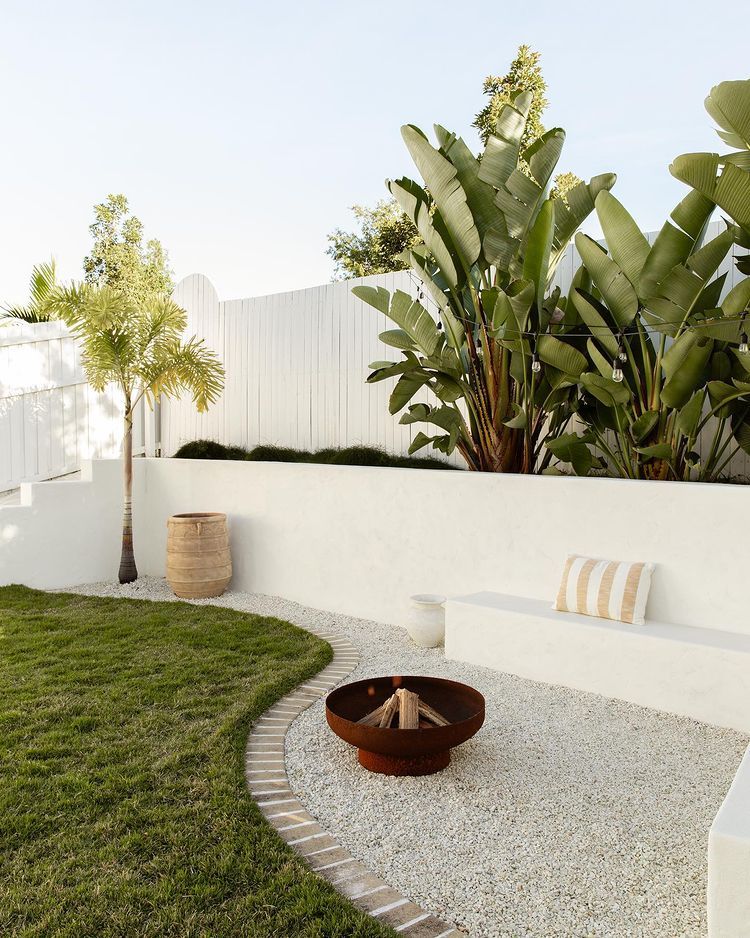
Table of Content:
Summer Renovation Ideas for Outdoor Spaces
Pool Renovations for the Summer Holidays
Creating Indoor-Outdoor Flow
Kitchen Updates Inspired by Summer Renovation Ideas
Brighten Your Bathroom for a Fresh Summer Feel
Summer Renovation Ideas: Flooring Upgrades
Summer Renovation Ideas for Outdoor Spaces
Outdoor spaces are often the heart of summer living, so giving them a seasonal upgrade can completely transform your home. Start by looking at your flooring. Large-format outdoor tiles create a clean, modern look that instantly expands your patio or entertainment area. These tiles have fewer grout lines, which means easier maintenance and a seamless visual flow. For added safety during the summer months, slip resistant tiles for outdoor use are a smart choice, especially around braai areas and walkways where the ground often gets wet.
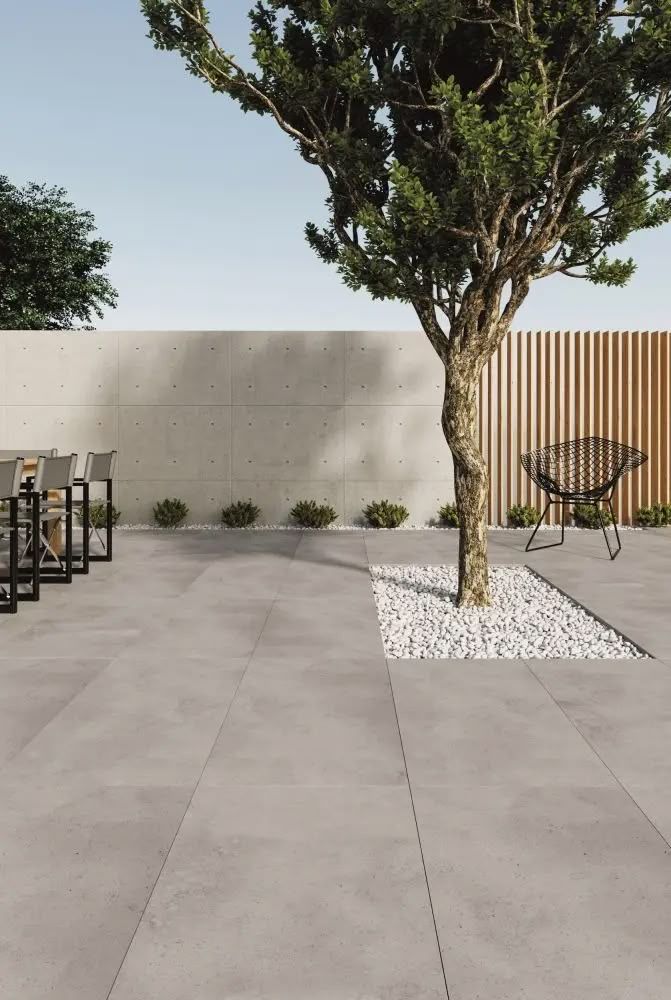
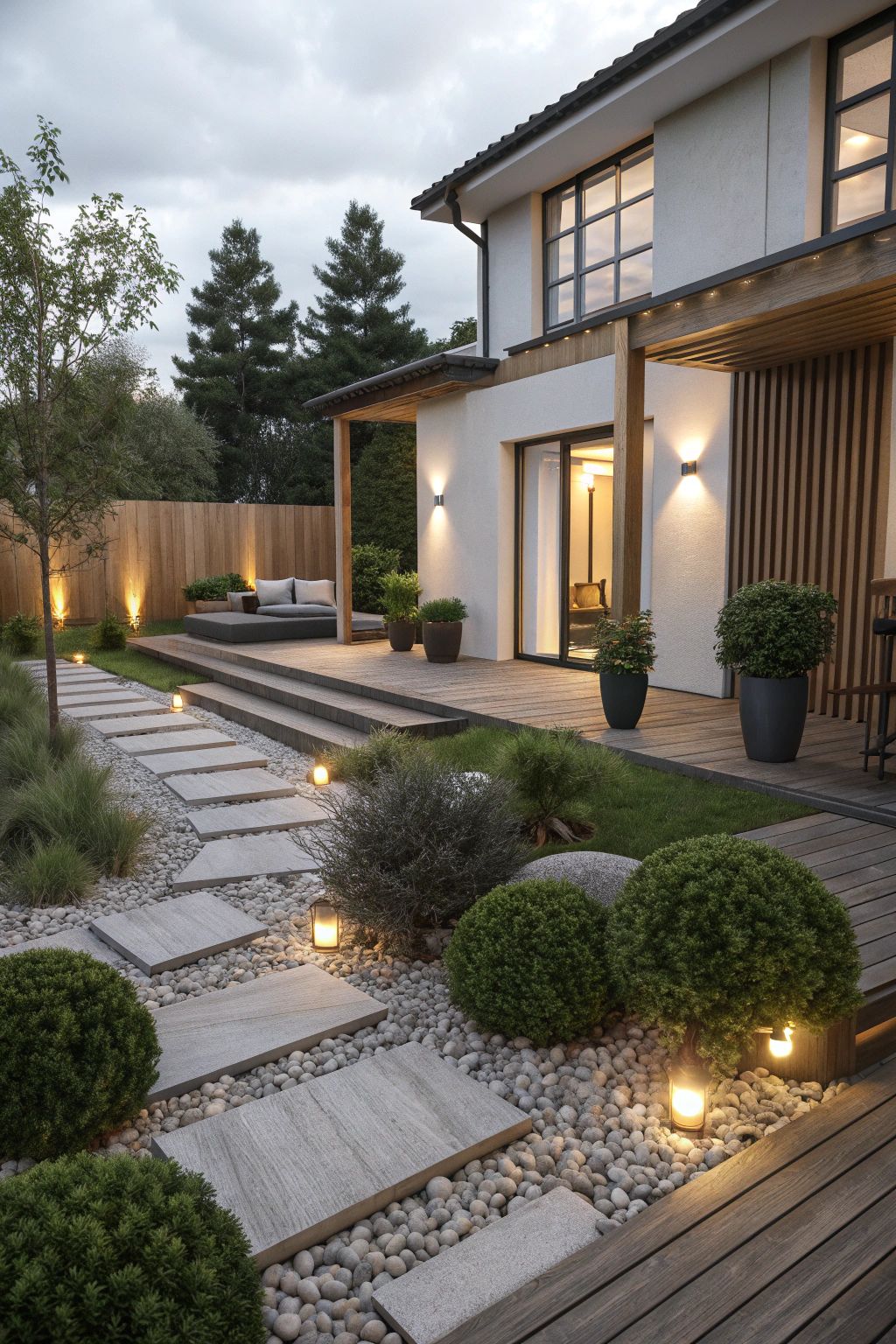
You can also update outdoor seating areas with weather-friendly furniture, soft lighting or a fresh coat of paint on exterior walls. Adding greenery like potted plants or a herb garden brings life and texture to your space without overwhelming it.
Pool Renovations for the Summer Holidays
A sparkling pool is a must-have during the festive season, and mosaic swimming pool tiles can make a huge difference in the overall look. These tiles are durable, easy to clean and reflect light beautifully, giving your pool water that bright summer sparkle.
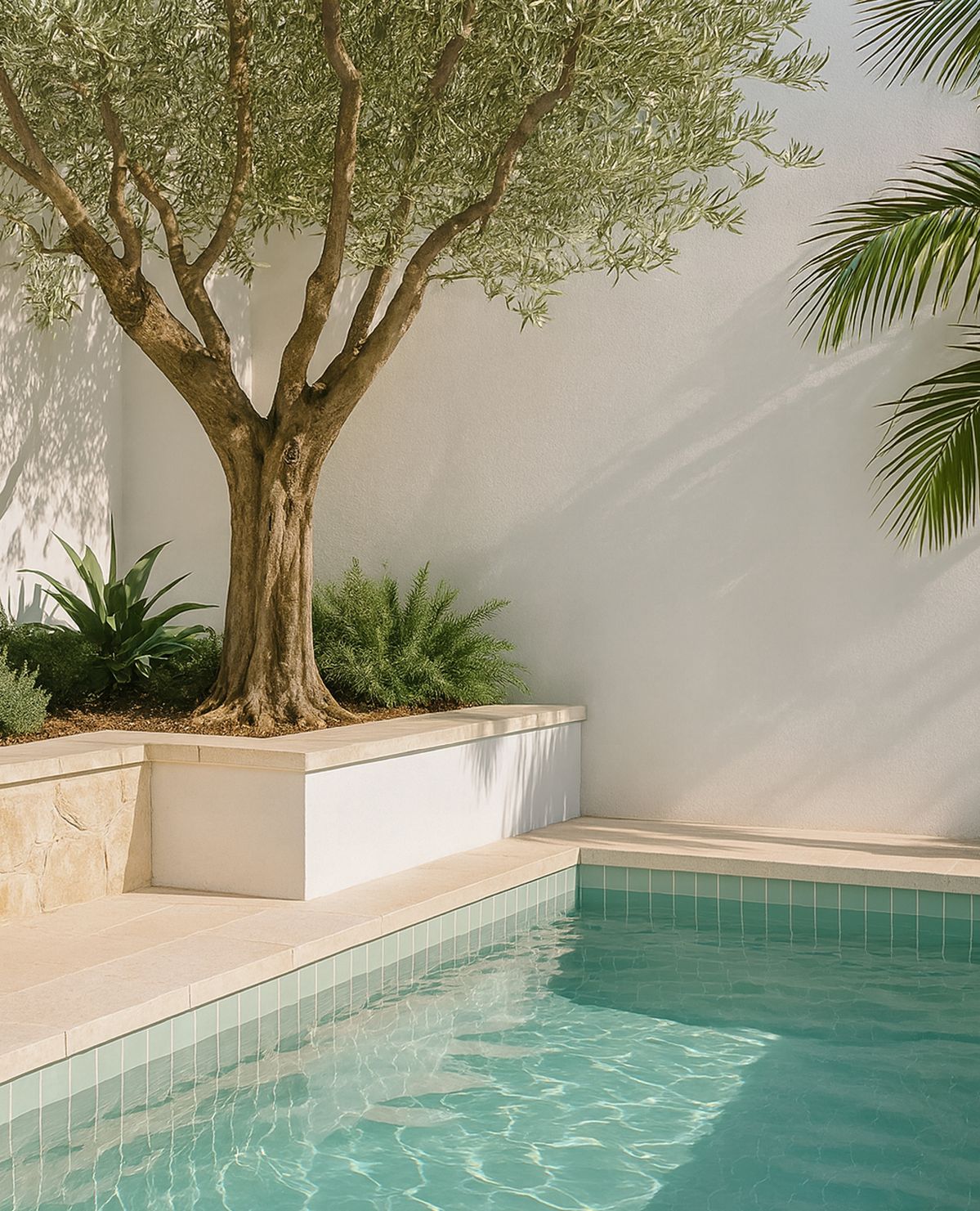
Choose shades of aqua, navy or turquoise for a fresh coastal feel. If you prefer something more modern, darker tones like charcoal blue create the illusion of depth and sophistication. Pair your pool tiles with slip-resistant outdoor tiles around the pool deck for safety and style.
Creating Indoor-Outdoor Flow
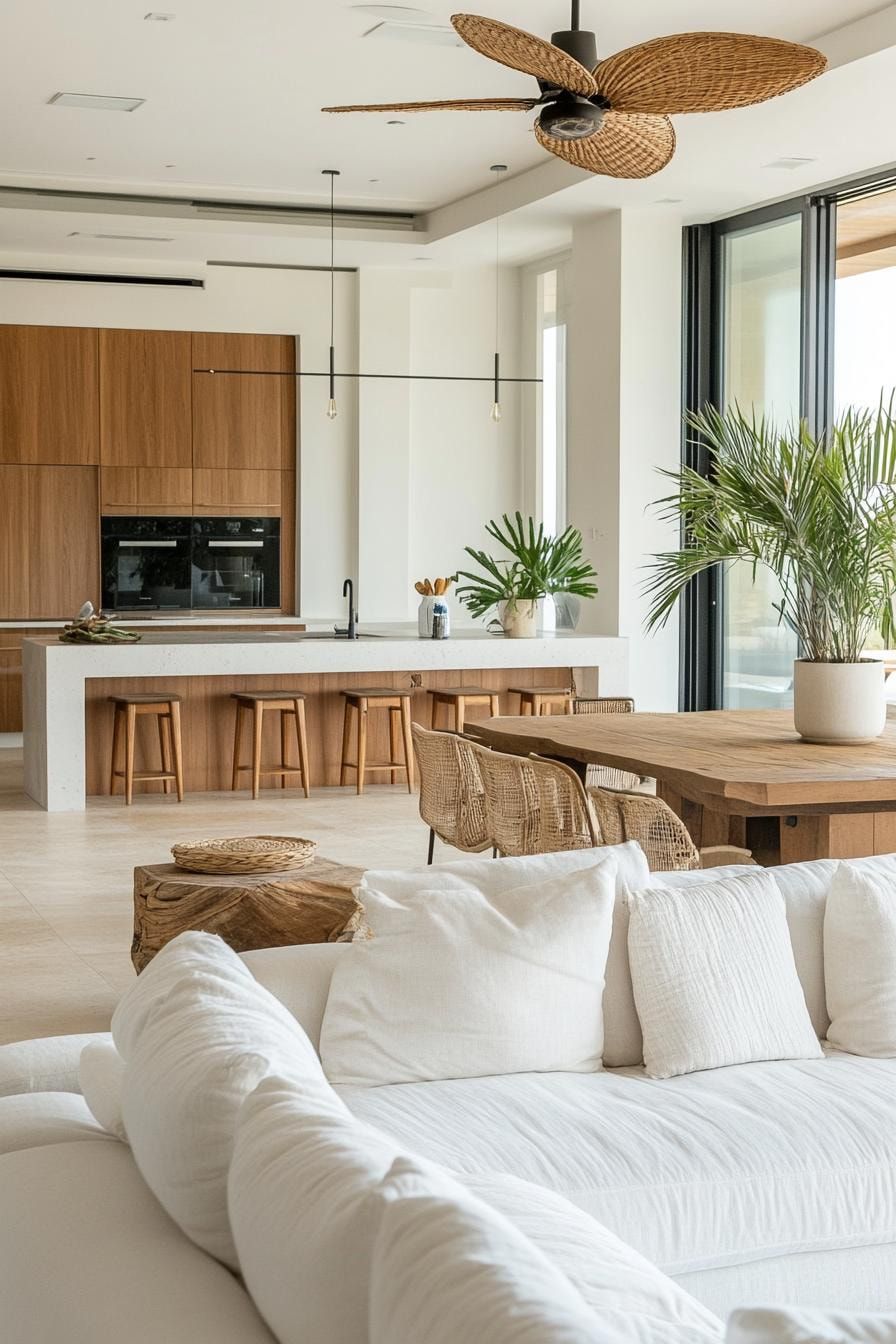
Improving the connection between your indoor and outdoor spaces is one of the most effective summer renovation ideas. You can achieve this by choosing similar colours or finishes for both areas. For example, using stone-look tiles inside and outside creates a smooth transition that feels airy and cohesive.
Open up living areas with stack doors or wide windows to let in natural light. Lighter wall colours, textured rugs and neutral furniture also help create a breezy summer atmosphere indoors.
Kitchen Updates Inspired by Summer Renovation Ideas
The kitchen is often a busy space during the festive season. A few simple upgrades can make it more inviting for cooking and hosting. Consider replacing old splashbacks with fresh subway tiles or textured décor tiles for a modern touch that is easy to clean.
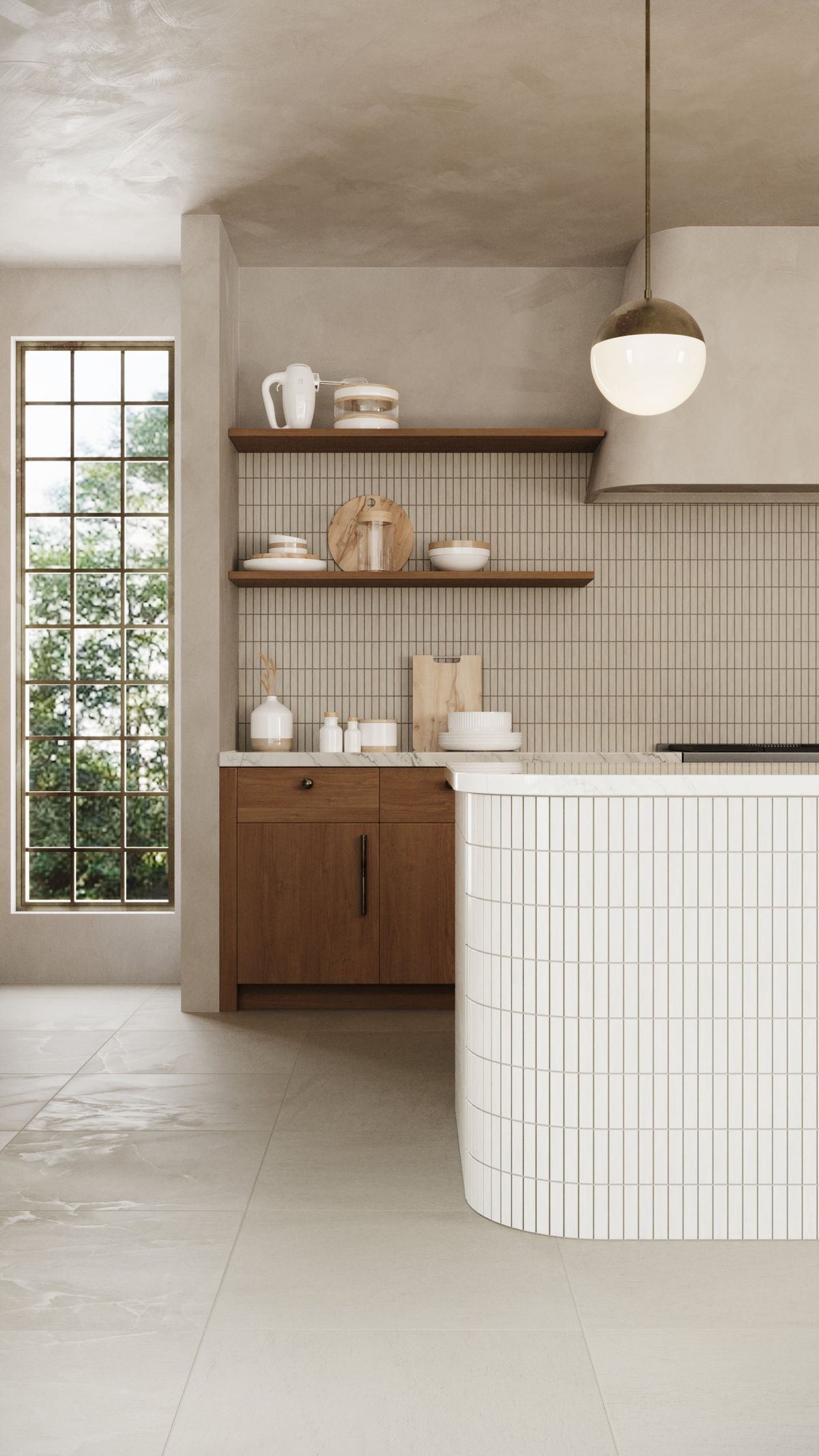
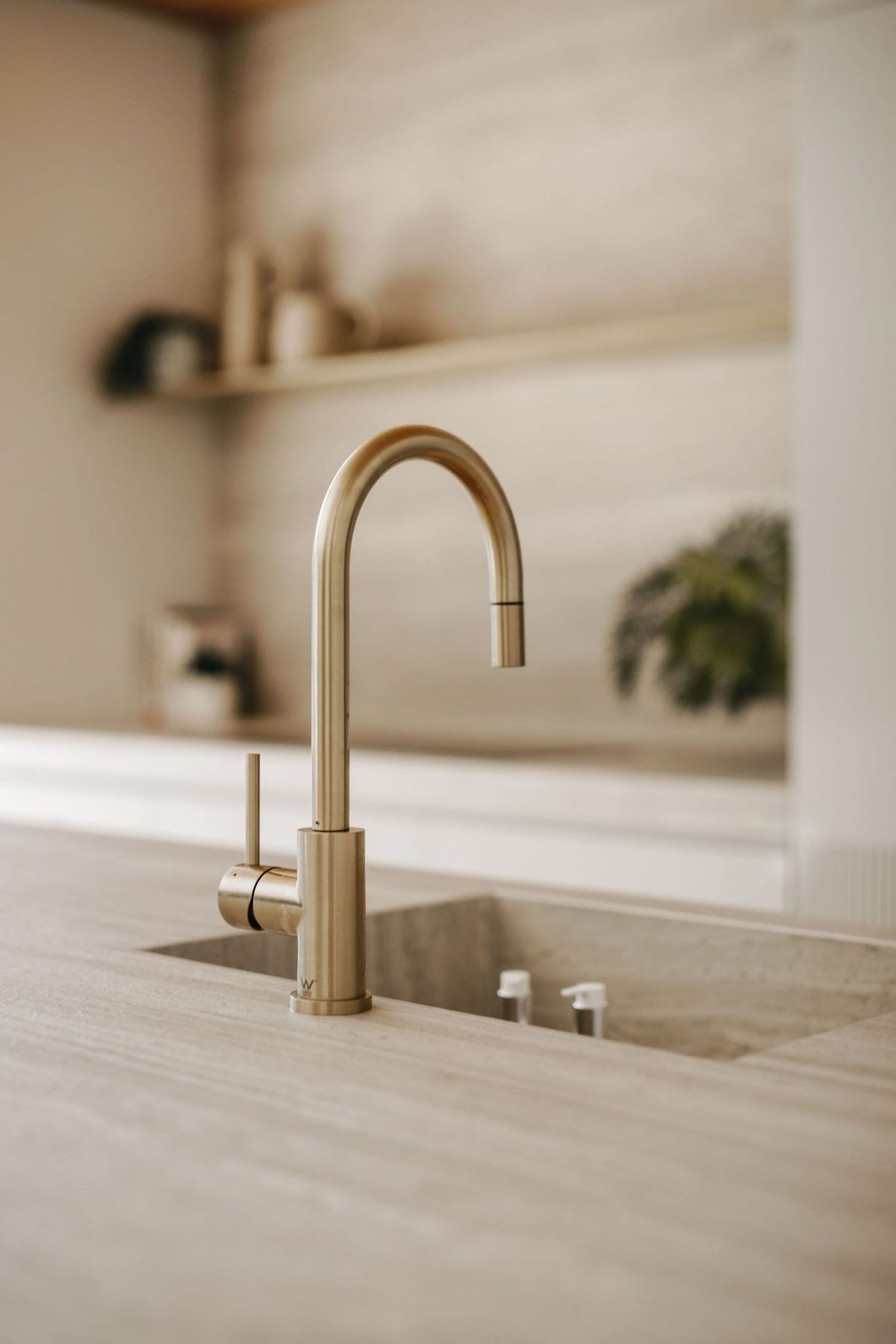
Natural materials like wood, stone or warm neutrals help create a relaxed summer feeling. If you want to go a step further, install new kitchen taps or add open shelving to display glassware or festive décor.
Brighten Your Bathroom for a Fresh Summer Feel
Bathrooms can feel much lighter with just a few seasonal changes. Fresh tiles in soft neutrals or subtle patterns can open up the space and make it feel more summery. Marble-look wall tiles create brightness and elegance while still being practical.
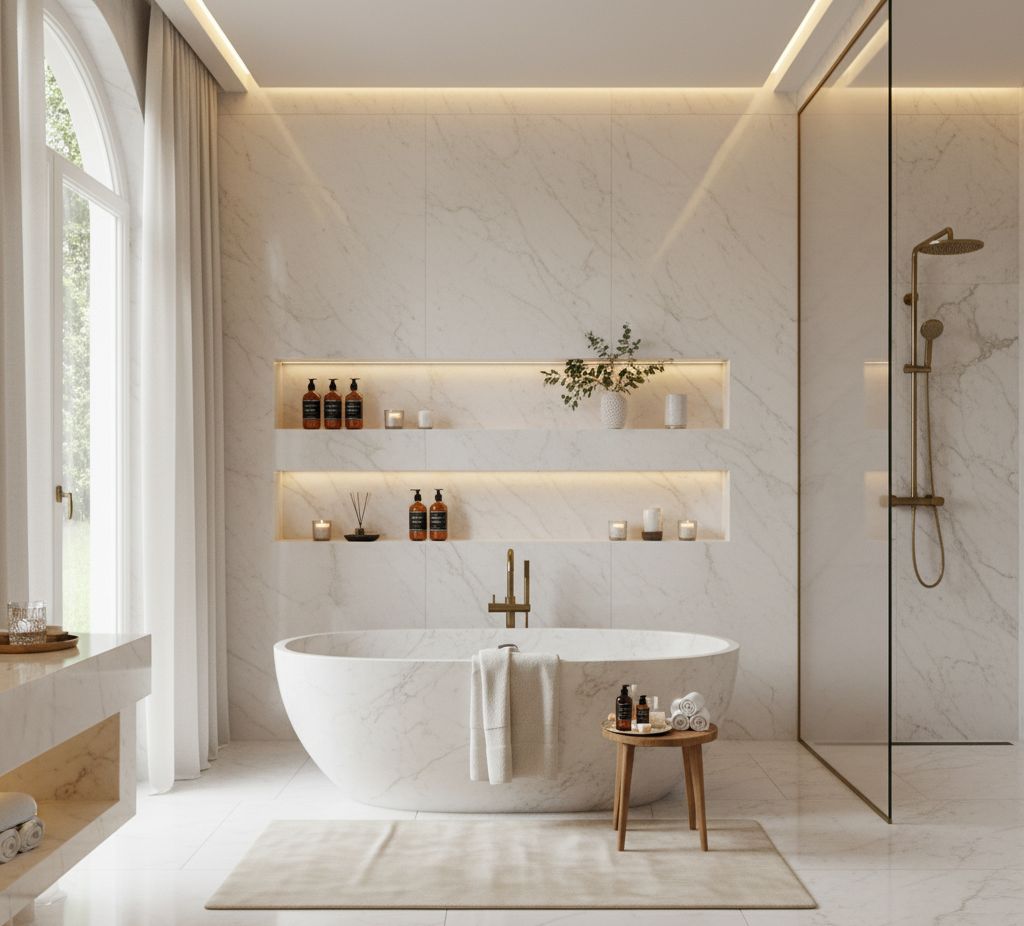
A new vanity, updated tapware or simple accessories like woven baskets or greenery can give your bathroom a homey feel. These small touches make a big impact when guests visit during the holidays.
Summer Renovation Ideas: Flooring Upgrades
Flooring upgrades are another great way to give your home a fresh start. Large-format floor tiles, vinyl flooring or laminate flooring can transform a room quickly and with minimal disruption. Lighter shades help keep spaces cool and bright, which is ideal for summer.
These options are durable, easy to maintain and perfect for high-traffic areas like living rooms or entrance halls during the holiday season.
Making changes during the warmer months can completely elevate your home and set the perfect tone for hosting family and friends. Whether you focus on outdoor tiles, pool mosaics or simple indoor upgrades, these summer renovation ideas can help create a home that feels fresh, welcoming and ready for festive living.