

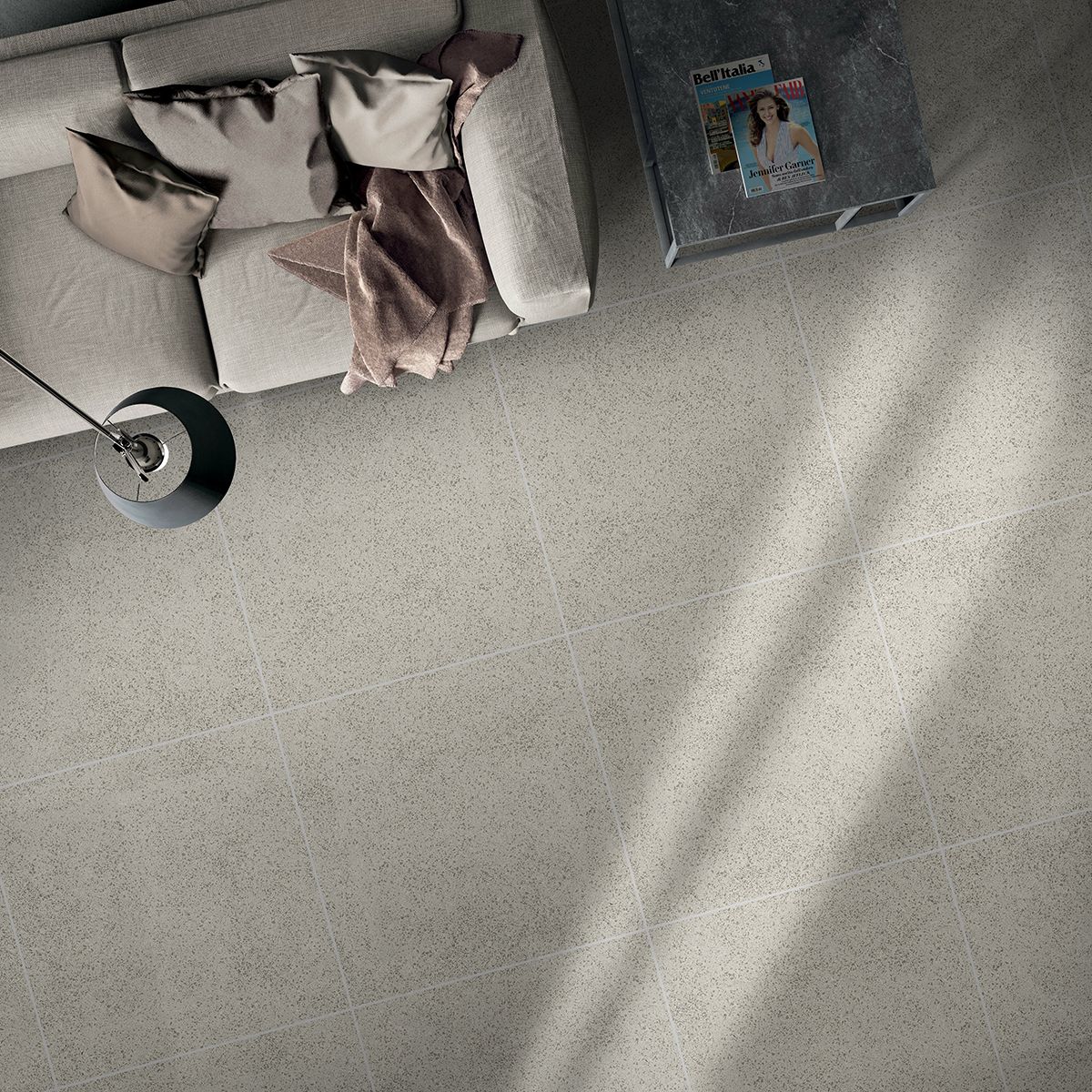
If you’re about to spend money on a new floor, you’re probably doing what most of us do: comparing prices per square metre. It’s the number on every shelf label and every quote, and it feels like the whole story. It isn’t — because a surface doesn’t stop costing you when you’ve paid for it. Ask most South Africans what makes a home greener and they’ll mention solar panels or a rainwater tank; almost nobody mentions what’s underfoot.
Yet the surfaces in a home carry both a cost story and a sustainability story, and they’re the same story. The most sustainable surface is the one you never have to replace.
Table of Content:
The Hidden Cost of the Replacement Cycle
Why Porcelain Lasts
Low Maintenance Is Low Impact
Do the Maths in Years, Not Square Metres
Durability Only Pays If You Choose Right the First Time
The Hidden Cost of the Replacement Cycle
Every floor and wall finish has two costs: the one you pay at the till, and the one it accumulates over its life. A surface that needs replacing every eight or ten years doesn’t just cost you again in rands — it costs again in manufacturing, transport, installation and rubble. Softer finishes that scratch, swell, fade or lift start that cycle early, and every cycle ends the same way: in a skip.
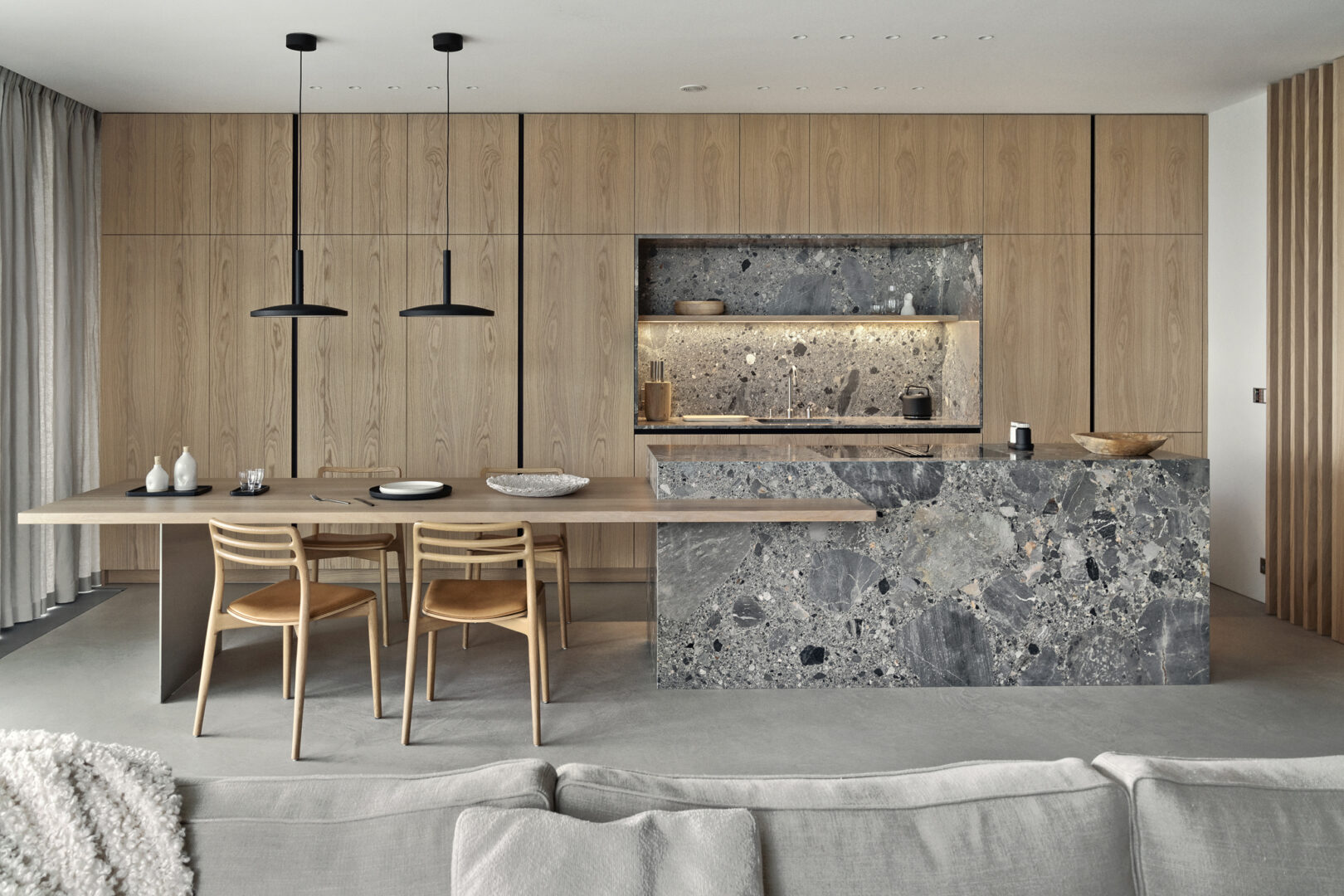
Tiles work on a different clock. A scenario our consultants know well: a family renovating a 1990s house strips out the kitchen for the second time in the home’s life — new cupboards, new counters, new appliances — and the one thing that stays is the original porcelain floor, because after nearly thirty years of school shoes, dogs and dinner parties there is still nothing wrong with it. Two kitchens have come and gone; the floor has outlasted them both. When a surface lasts that long, its footprint is spread across a lifetime rather than a decade. That is what sustainability looks like in practice, not on a label.
Why Porcelain Lasts
Porcelain is fired at extremely high temperatures until it becomes dense, hard and almost completely non-porous. In practical terms, that means it doesn’t fade in the harsh South African sun, doesn’t swell or warp when things get wet, and shrugs off the scratches that end the life of softer floors.
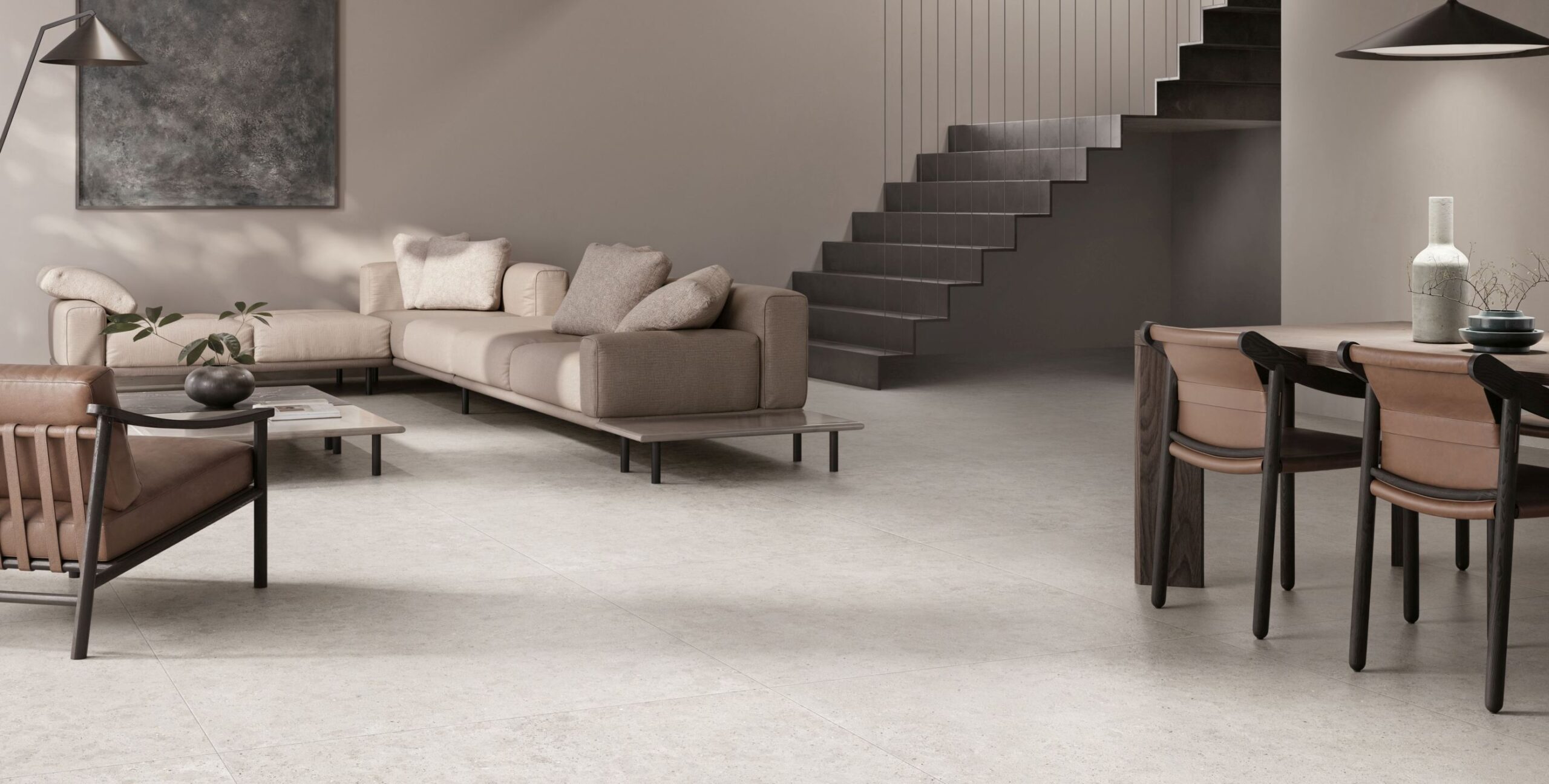
It matters most in the rooms that work hardest. Kitchen floor tiles take dropped pots, dragged chairs, spills and daily traffic for years without complaint, and kitchen wall tiles behind a hob will still wipe clean long after painted surfaces have surrendered. Outdoors, the right non-slip tiles handle sun, rain and pool water season after season — conditions that send most other surfaces to an early replacement.
Low Maintenance Is Low Impact
Durability is only half of the whole-life story. The other half is what a surface demands from you along the way. Tiles need no varnishing, no sealing (in the case of porcelain), no harsh chemical treatments and no specialist care — warm water and a standard cleaner keep them looking as they did on day one. Over twenty or thirty years, that’s a meaningful saving in chemicals, water and money, and it’s a form of sustainability that rarely makes the brochure.
Do the Maths in Years, Not Square Metres
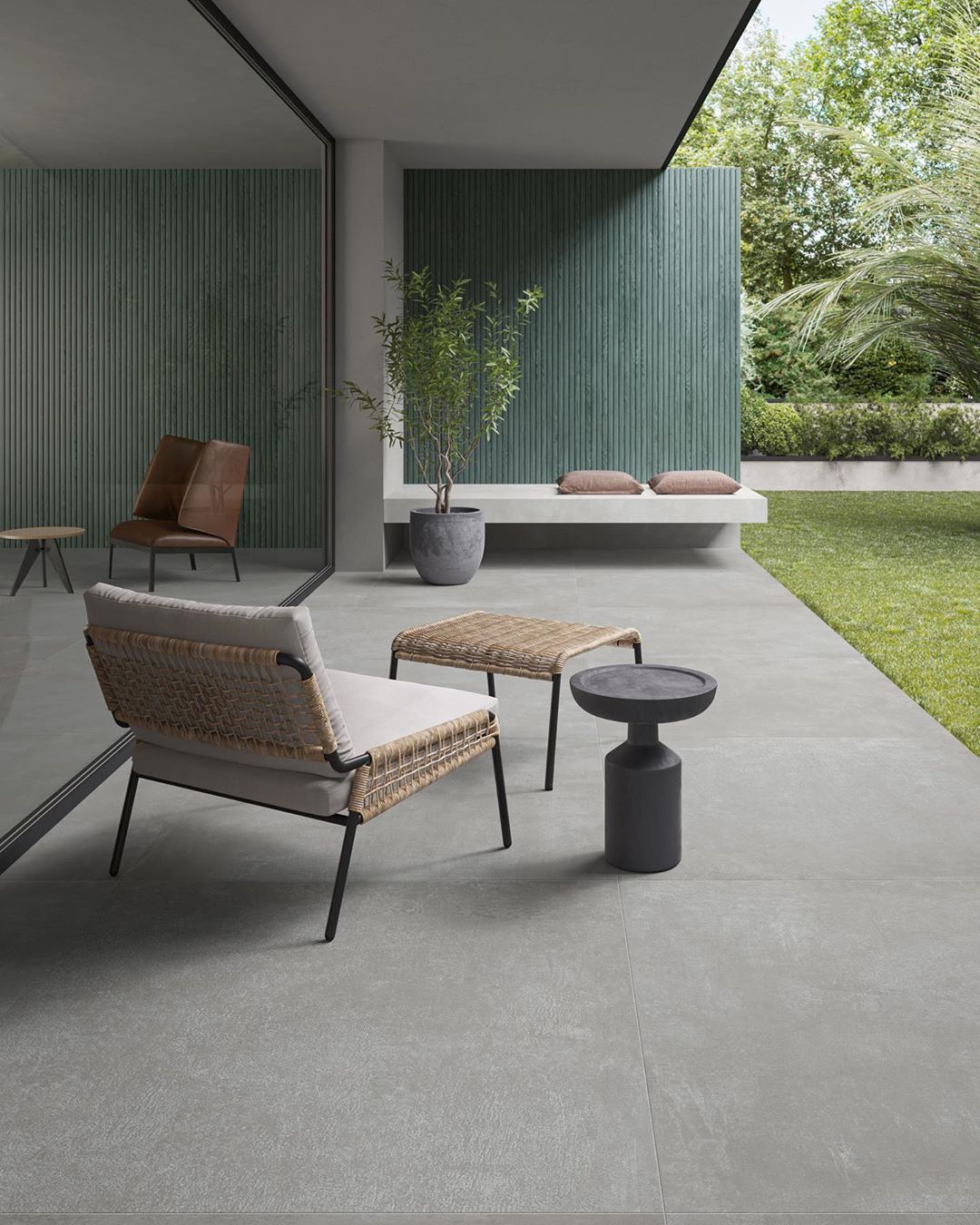
Price is where the durability argument becomes a budgeting argument. When you compare ceramic tile prices with cheaper short-life alternatives, the per-square-metre number only tells you what day one costs. The better question is what a surface costs per year of service.
Take an illustrative example. A quality porcelain floor at R350/m² that serves for 30 years costs you under R12 per square metre per year. A budget surface at R180/m² looks like the smarter buy — until it needs replacing every ten years. Over the same 30 years that’s three rounds of material at R540/m², plus two extra rounds of installation, rubble removal and living through the mess. The “expensive” floor ends up costing roughly a third less per year of service, and that gap widens once labour is counted. (The numbers are illustrative, but the maths holds at almost any price point.)
Buying tile in South Africa on day-one price alone is how homes end up in the replacement cycle. Do the maths in years, and a different shelf in the showroom starts making sense.
Durability Only Pays If You Choose Right the First Time
There is one honest caveat: a surface that lasts forty years is only a blessing if it’s the right surface. The wrong tile — wrong rating for the space, wrong format for the room, a trend that dates in five years — lasts just as long.
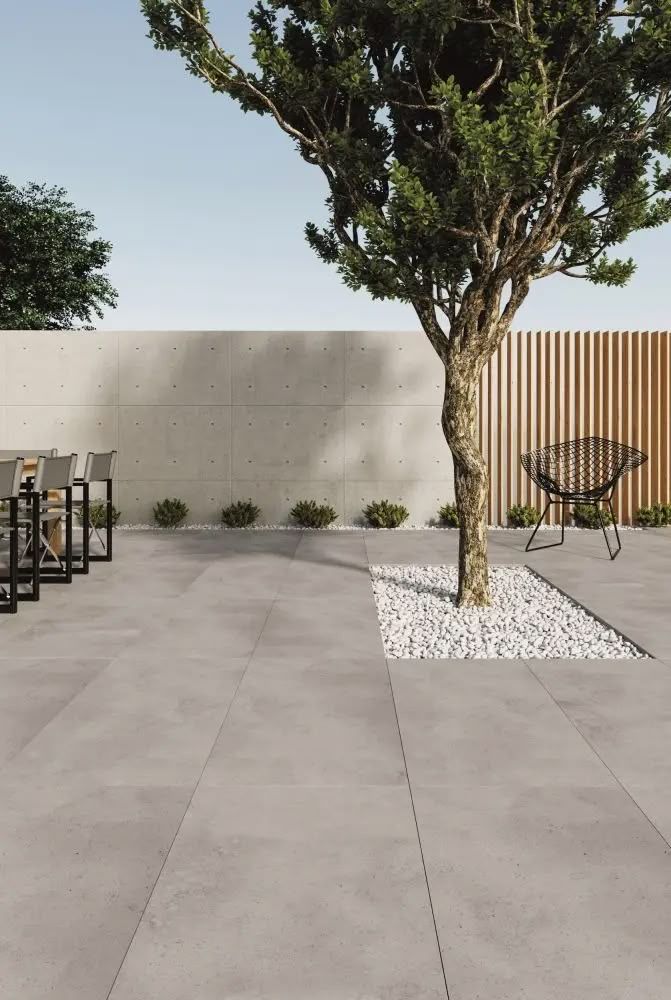
That’s where judgement earns its keep. Large format tiles — the big tile flooring look that suits today’s open-plan living — mean fewer grout lines to maintain, but they ask more of the installation. Outdoor and bathroom spaces need the right slip rating, not just the right look. And some colours and patterns will still feel right in 2046, while others won’t survive the decade. Knowing the difference is what decades of helping South Africans choose surfaces teaches — the kind of pattern recognition you can’t get from a product page.
So if you’re renovating with sustainability in mind — or simply with your budget in mind — start underfoot. Choose a surface built to last, choose it with advice you trust, and choose it once. Bring your plans into a Tiletoria showroom and talk it through with a consultant; the most sustainable decision you make this year might be the one you never have to make again.