

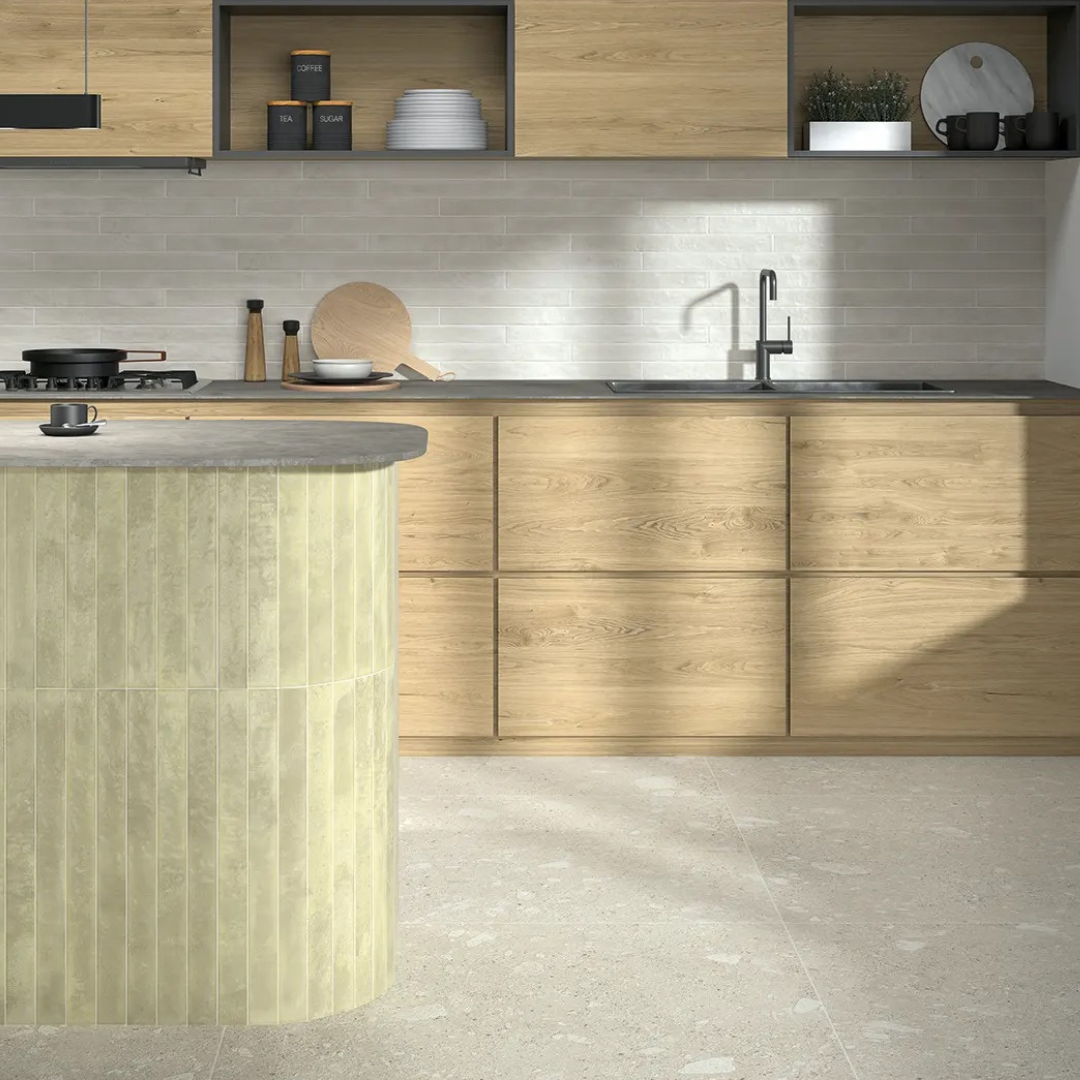
Design details that instantly reveal a bad renovation are often the small things people overlook. At first glance a space may look modern or newly finished, but closer inspection usually tells a different story. Misaligned tiles, rushed layouts or mismatched finishes can quickly undermine the overall result. Paying attention to these details is what separates a renovation that looks polished from one that feels unfinished.
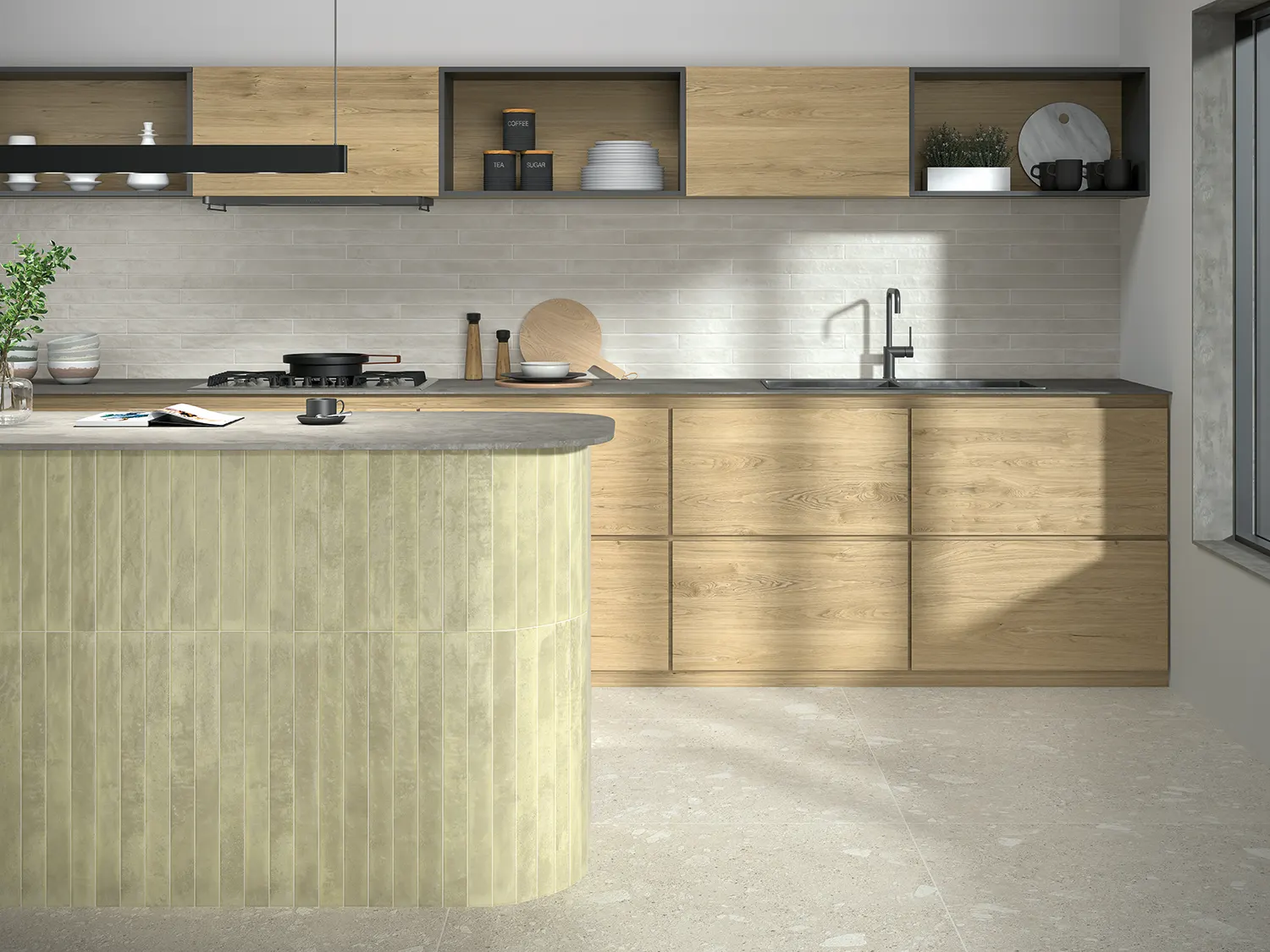
image credit: decobella
Table of Content:
Design Details That Instantly Reveal a Bad Renovation: Edges and Corners
Poor Transitions Between Flooring Materials
Fixtures Installed Without Considering Tile Placement: Another Design Detail That Instantly Reveals a Bad Renovation
Inconsistent Grout Colour Across Surfaces
Skipping Proper Surface Preparation
Design Details That Instantly Reveal a Bad Renovation: Ignoring Visual Alignment Across the Room
Design Details That Instantly Reveal a Bad Renovation: Edges and Corners
One of the first things professionals notice is how tiles finish at edges and corners. Exposed tile edges, uneven trims or poorly cut corners instantly reveal rushed workmanship.
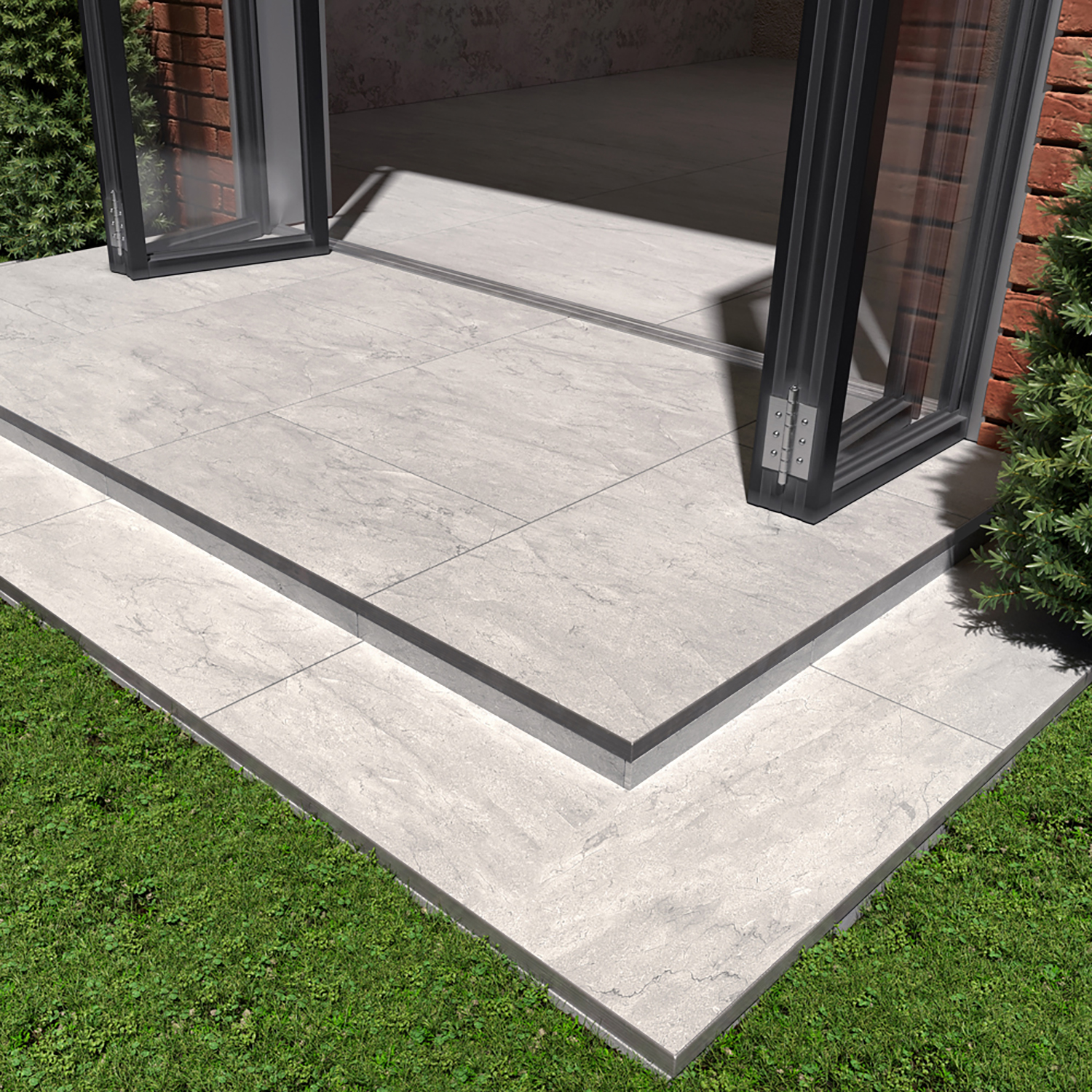
image credit: homelux.co.uk
Well-finished spaces usually include proper edging, trims or carefully mitred corners that create a clean transition between surfaces. These small finishing details make the difference between a renovation that looks professional and one that feels unfinished.
Poor Transitions Between Flooring Materials
Transitions between rooms are another detail that can reveal a rushed renovation. When tile flooring suddenly meets wood flooring, laminate or vinyl without a clear transition strip or level alignment, the space feels disjointed.
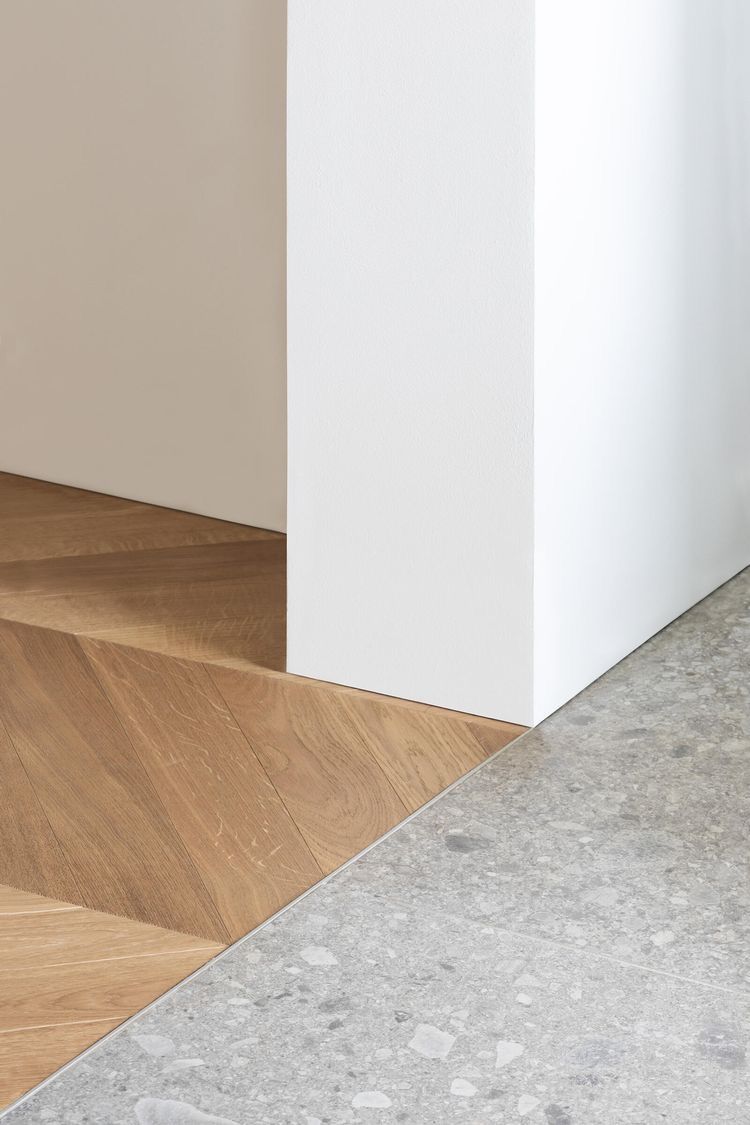
Good renovations consider how materials flow from one room to another. Smooth transitions create visual continuity and prevent the floor from feeling like separate pieces rather than one cohesive design.
Fixtures Installed Without Considering Tile Placement: Another Design Detail That Instantly Reveals a Bad Renovation
Another mistake designers notice immediately is when fixtures appear randomly positioned within tiled areas. For example, taps, shower fittings or basins may land awkwardly across grout lines or off-centre within a tile.
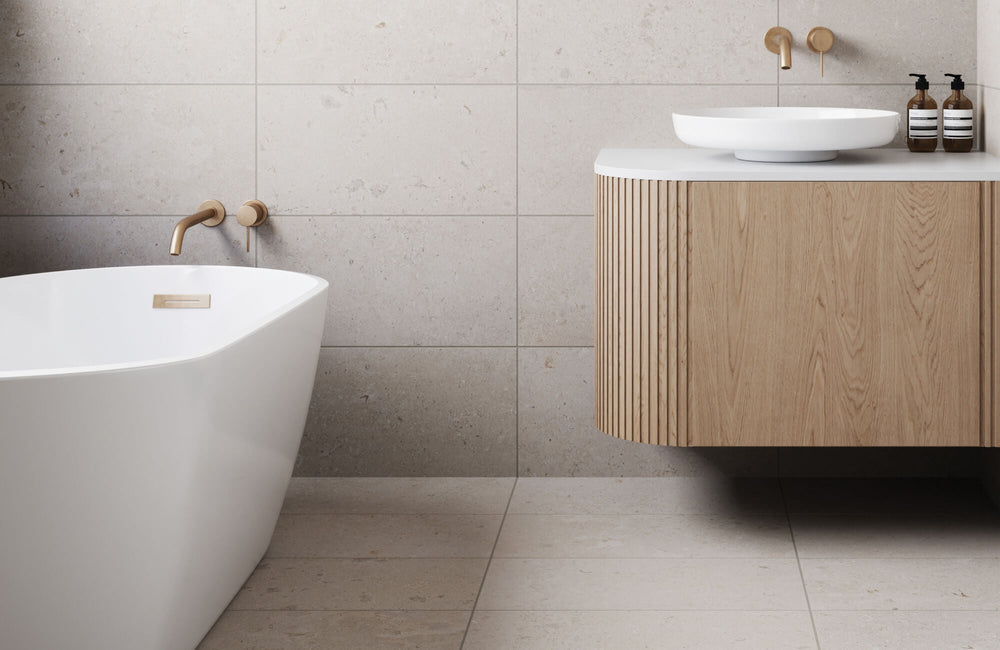
image credit: edwardmartin.com
Thoughtful planning ensures fixtures align with tile placement and appear visually balanced. When fittings feel centred and intentional, the entire room looks more refined.
Inconsistent Grout Colour Across Surfaces
Grout colour consistency is often overlooked during renovations. If the grout shade changes slightly between areas or surfaces, the difference can be surprisingly noticeable once everything is installed.
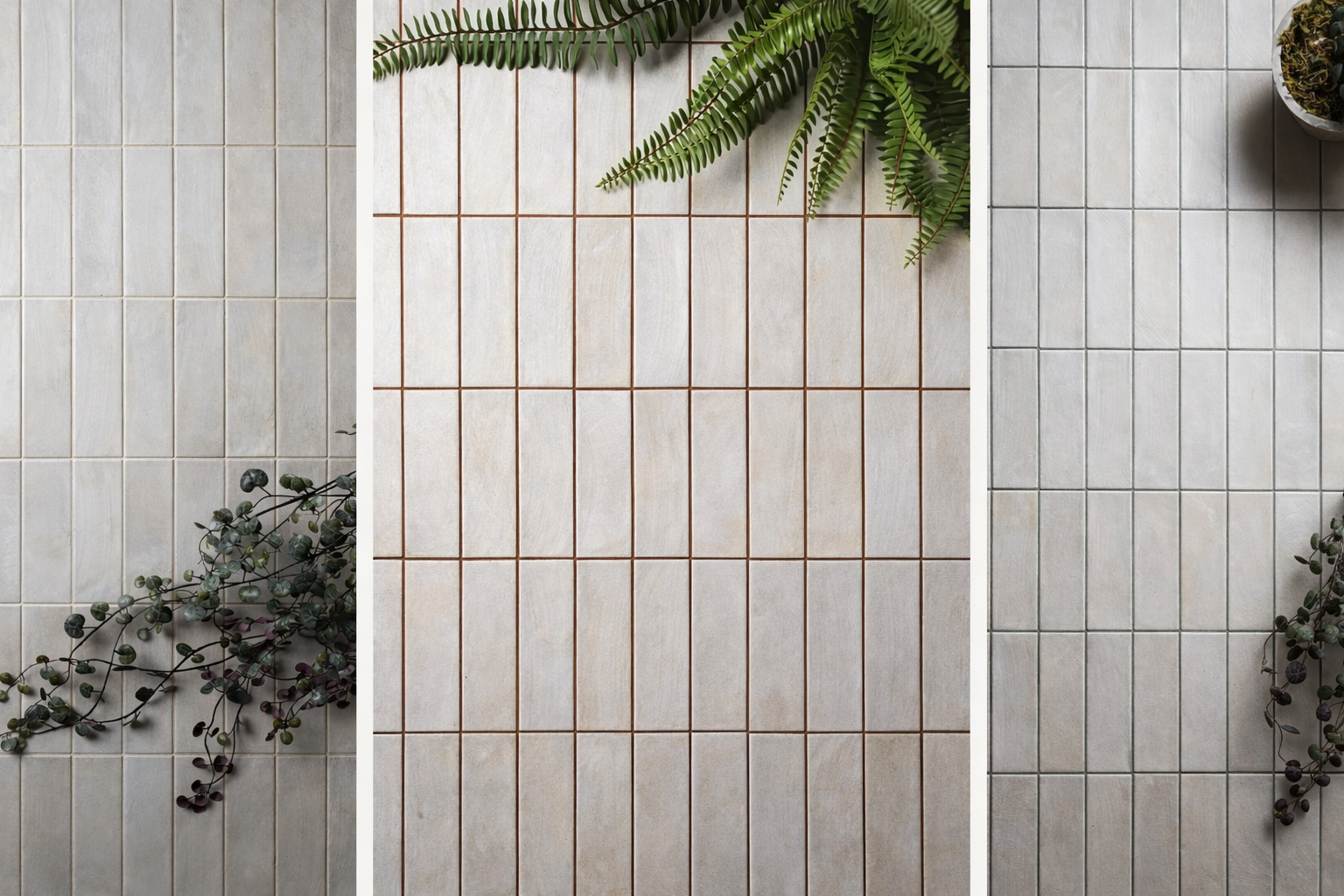
Using consistent grout tones helps surfaces feel unified rather than fragmented. Designers often choose grout colours carefully so the tiles feel integrated with the rest of the design.
Skipping Proper Surface Preparation
Even the best tiles can look poorly installed if the surface beneath them was not properly prepared. Uneven walls, poorly levelled floors or inadequate waterproofing often reveal themselves through subtle imperfections once tiles are installed.
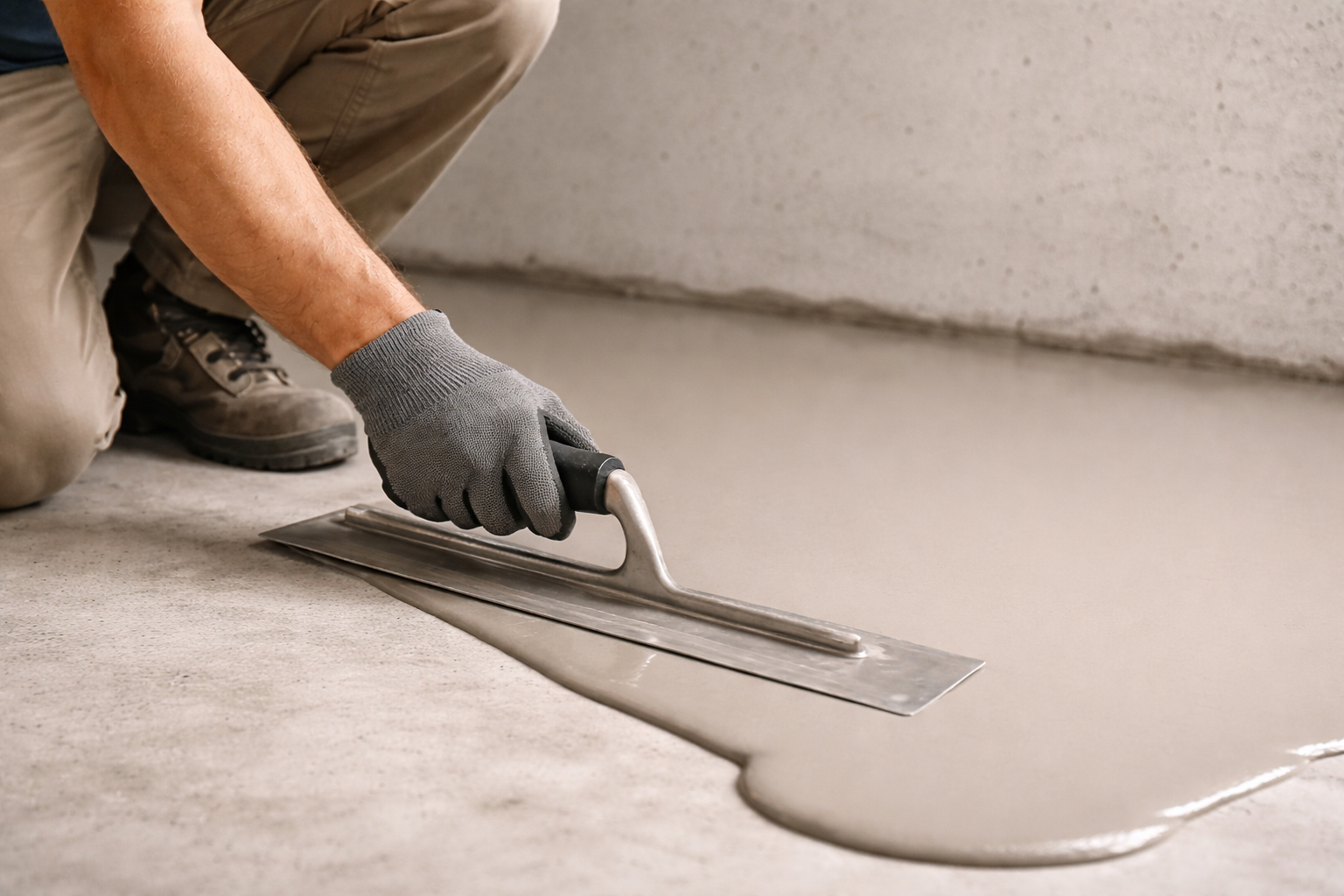
Professionals know that good preparation is what allows finishes to look clean and precise. When the foundation is correct, the final installation appears smooth and intentional.
Design Details That Instantly Reveal a Bad Renovation: Ignoring Visual Alignment Across the Room
Designers also pay attention to how elements align across a space. For example, a vanity might sit slightly too close to a door frame, or a mirror may not align with the basin below it. When key elements feel visually unbalanced, the entire room can appear poorly planned.
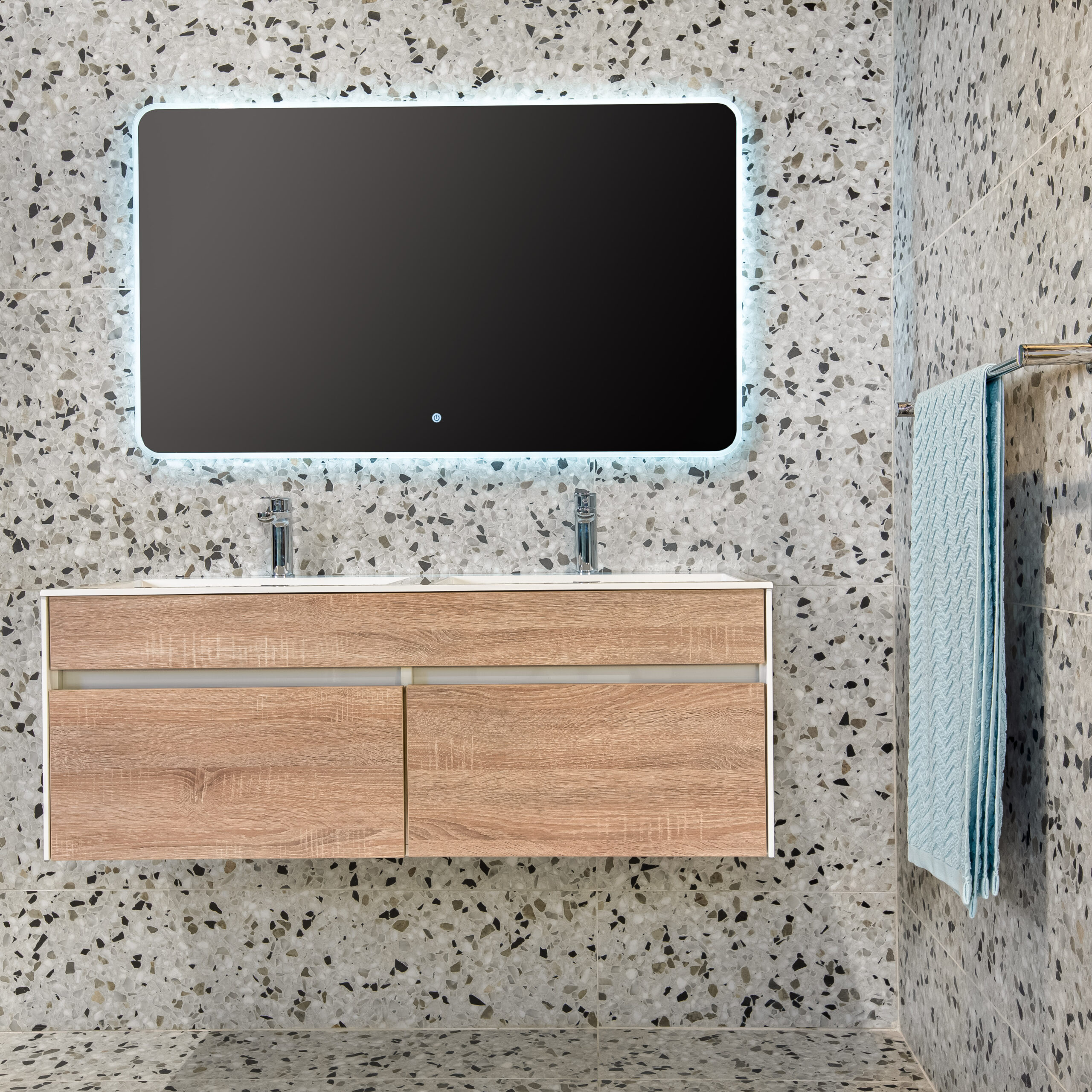
Carefully aligning surfaces with surrounding architectural features helps create a sense of order. This subtle coordination is one of the things that makes well-designed renovations stand out.
Understanding subtle but impactful design details that instantly reveal a bad renovation can help homeowners avoid costly mistakes before construction even begins. Paying attention to installation quality, transitions and alignment ensures that materials work together rather than against each other.
When these details are handled carefully, a renovation feels polished, intentional and built to last.