

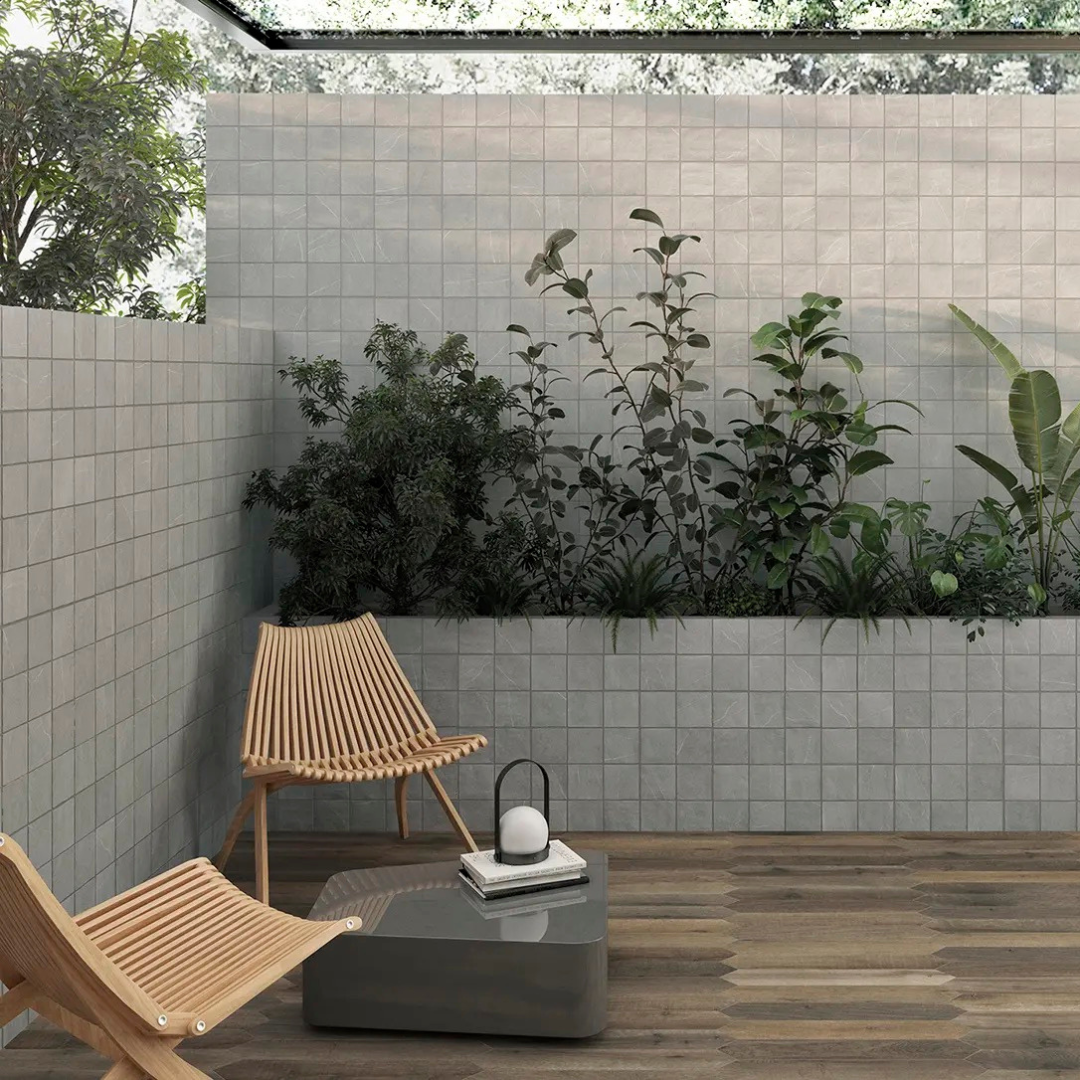
Renovation questions we get asked most usually come from homeowners, businesses and designers wanting to make the right decisions before they commit. Renovating can feel overwhelming, especially when there are so many materials, finishes and timelines to consider. Below, we answer the most common renovation questions we hear and give you practical guidance to help you move forward with confidence.
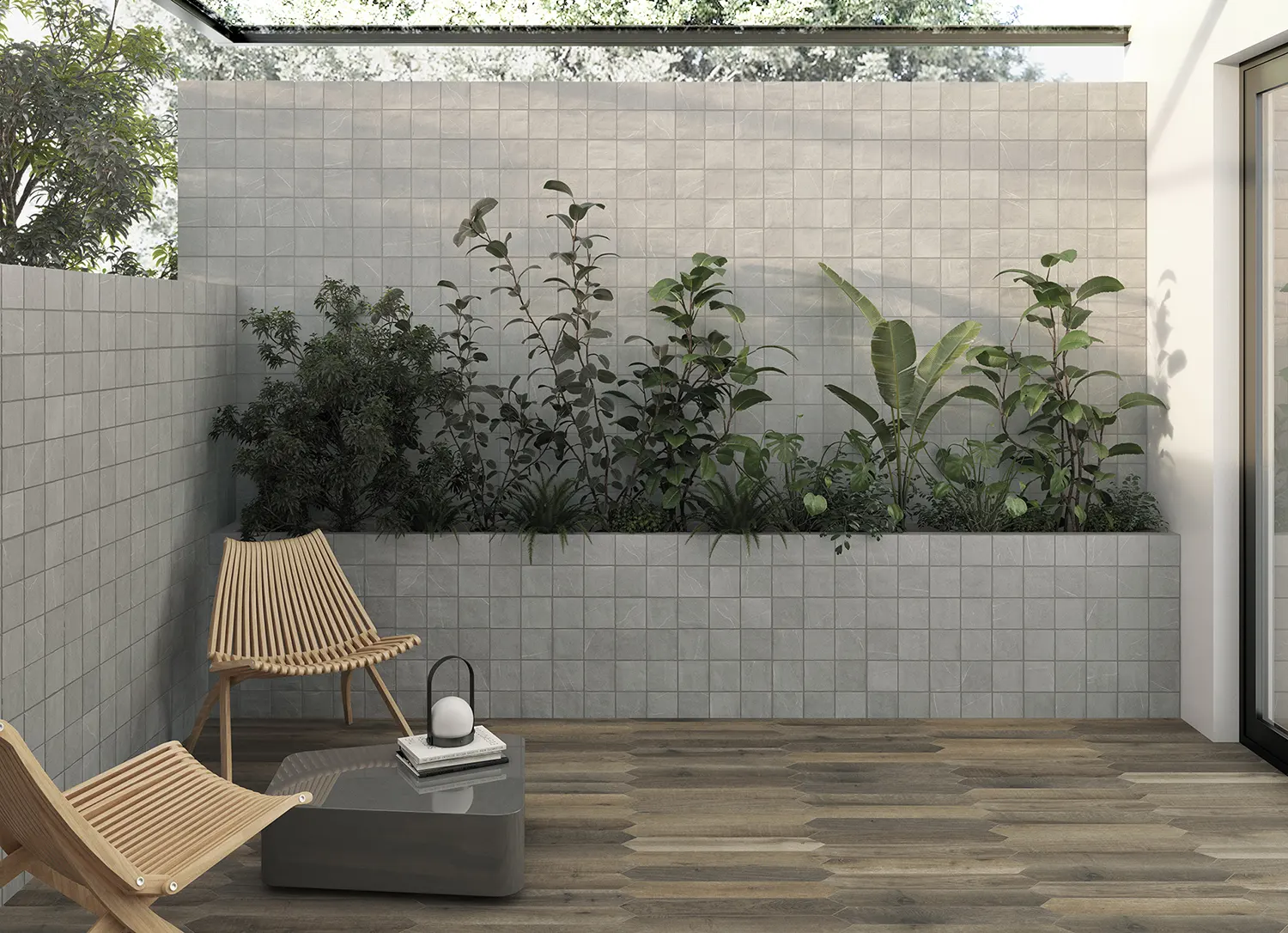
image credit: decobella
Table of Content:
Where Do I Start?
Do I Choose Tiles or Layout First?
What Tiles Work Best for High-Traffic Areas?
How Do I Calculate How Much Tile I Need?
Are These Tiles Suitable for Commercial Use?
Gloss or Matt Tiles?
How Do I Avoid Choosing Finishes That Date Quickly?
How Long Will the Project Take?
How Do I Know What the Tiles Will Look Like in My Space?
Do I Need Slip-Resistant Tiles?
What Should Architects and Designers Consider When Specifying Tiles?
What Should I Budget For?
How Do We Ensure Tile Consistency Across Large Projects?
Where Do I Start?
Start with how the space will be used. Foot traffic, moisture and daily wear all influence the materials you choose. Once function is clear, selecting tiles, layouts and finishes becomes much easier.
Budget planning early on also helps avoid changes later that can delay a project or increase costs.
Do I Choose Tiles or Layout First?
Layout always comes first. Tile size, pattern and grout lines depend on the layout of the room. Choosing tiles before confirming layout often leads to awkward cuts and unnecessary waste.
A clear layout makes tile selection more accurate and cost effective.
If you’re unsure which layout works best for your space, read our ultimate guide to tile layout patterns for practical examples and inspiration.
What Tiles Work Best for High-Traffic Areas?
High-traffic areas need tiles that can handle constant use. Porcelain tiles are a popular choice for both residential and commercial spaces because they are dense, hard-wearing and moisture resistant.
Matt or non-slip finishes perform better than gloss in busy areas, offering better grip and hiding wear more easily.
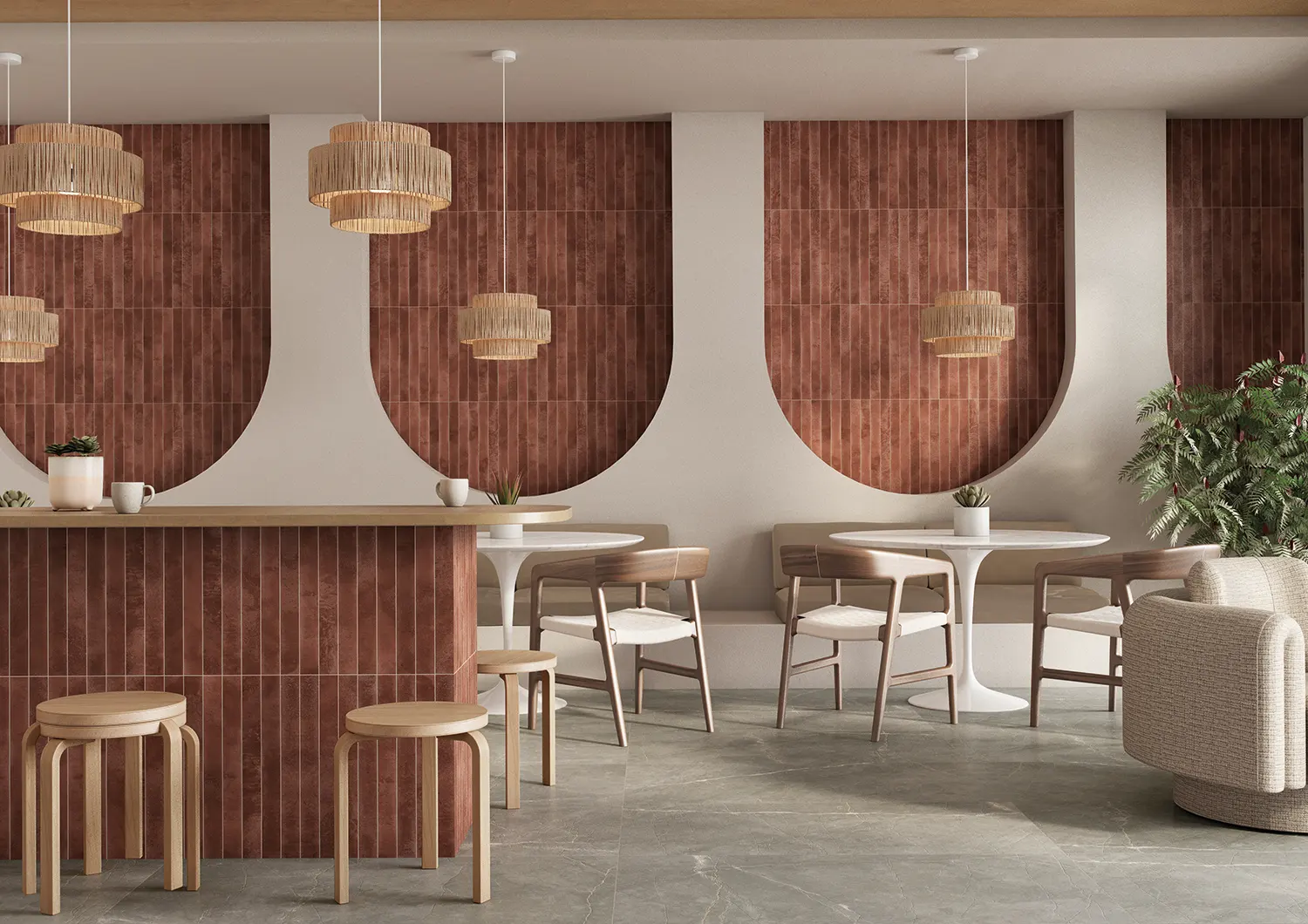
image credit: decobella
For a deeper dive read our guide on choosing the right tiles for high-traffic areas.
How Do I Calculate How Much Tile I Need?
Start by measuring the length and width of the area and calculating the total square metres. From there, factor in cuts, layout patterns and potential breakages.
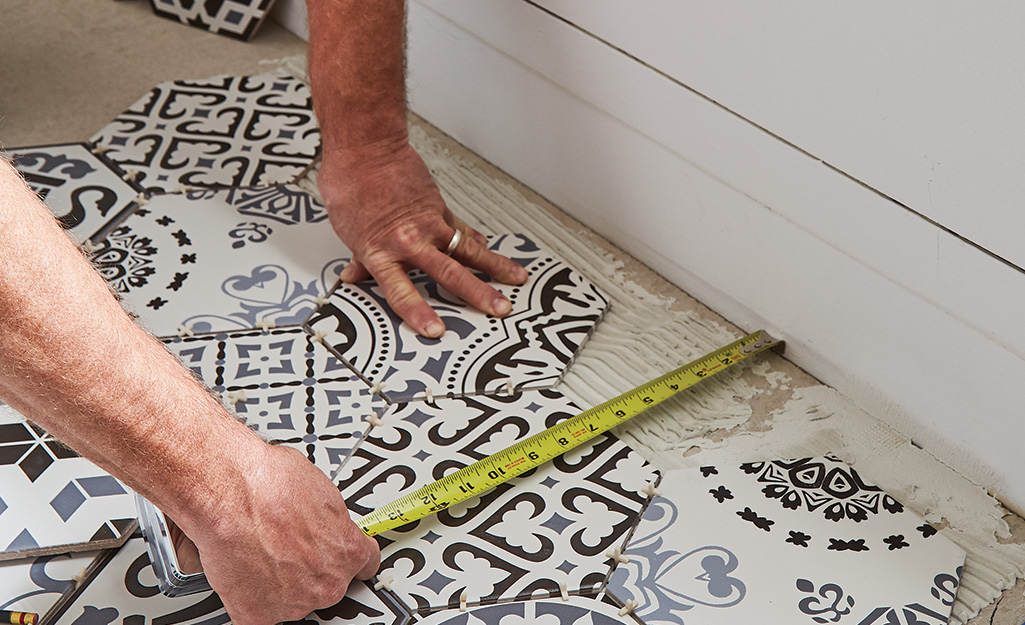
The most important rule when buying tiles is to always buy more than you need. Extra tiles account for cutting waste, pattern matching and future repairs. Having spare tiles ensures consistency if you need replacements later.
Are These Tiles Suitable for Commercial Use?
Not all tiles are rated for commercial applications. Always check tile ratings for wear resistance, slip resistance and intended use before specifying them for retail, office or hospitality projects.
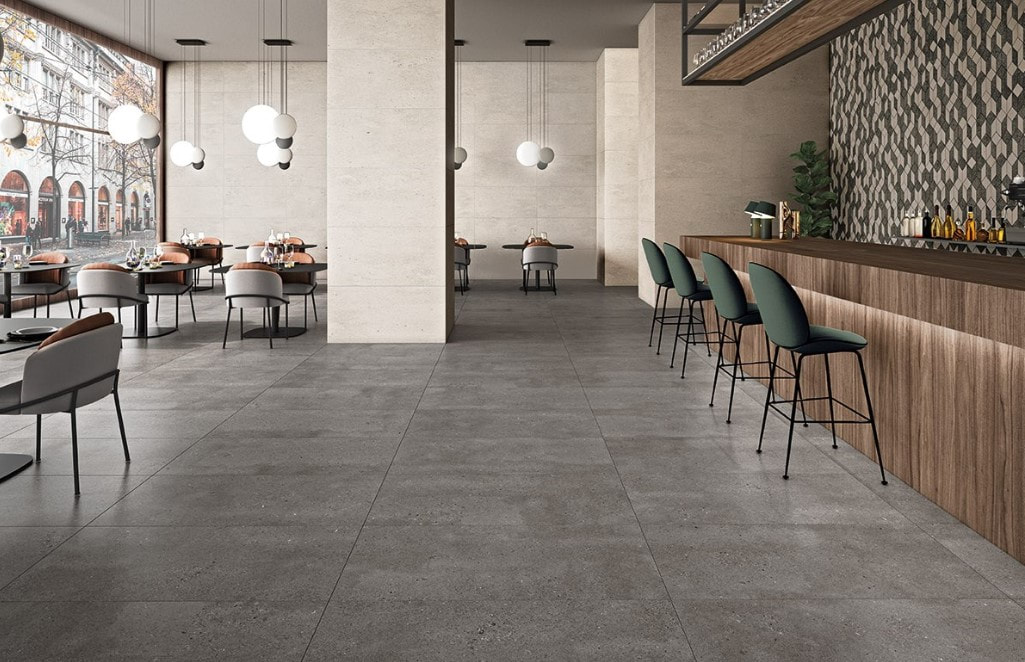
Using the correct tile ensures longevity and reduces maintenance issues.
Gloss or Matt Tiles?
Matt tiles are usually the better choice for floors. They provide more grip, reduce slip risk and hide marks and scuffs.
Gloss tiles work best on walls or low-traffic areas where light reflection matters more than durability.
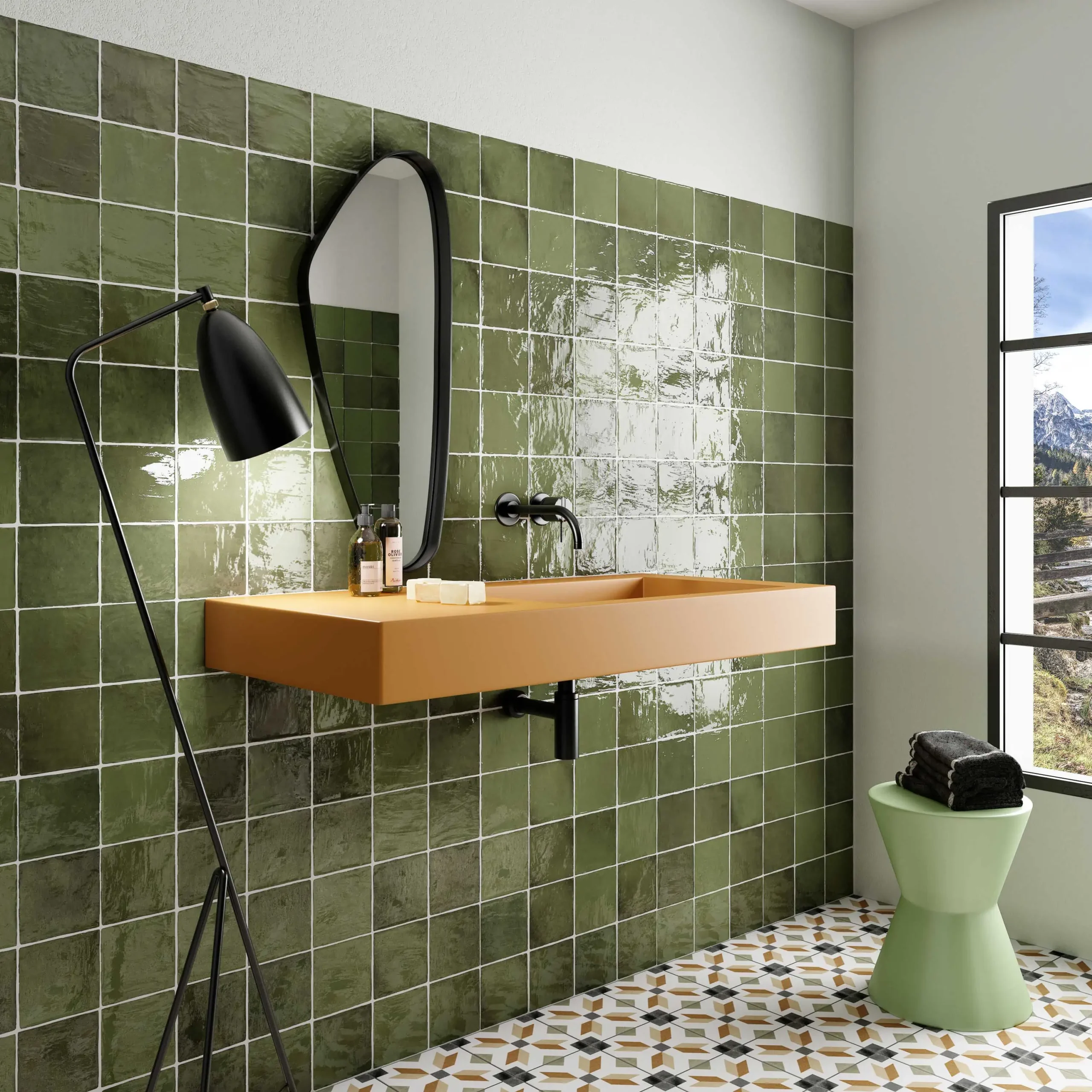
If you’re still weighing up the options, read our blog gloss vs matte tiles: what’s the difference? for a detailed breakdown.
How Do I Avoid Choosing Finishes That Date Quickly?
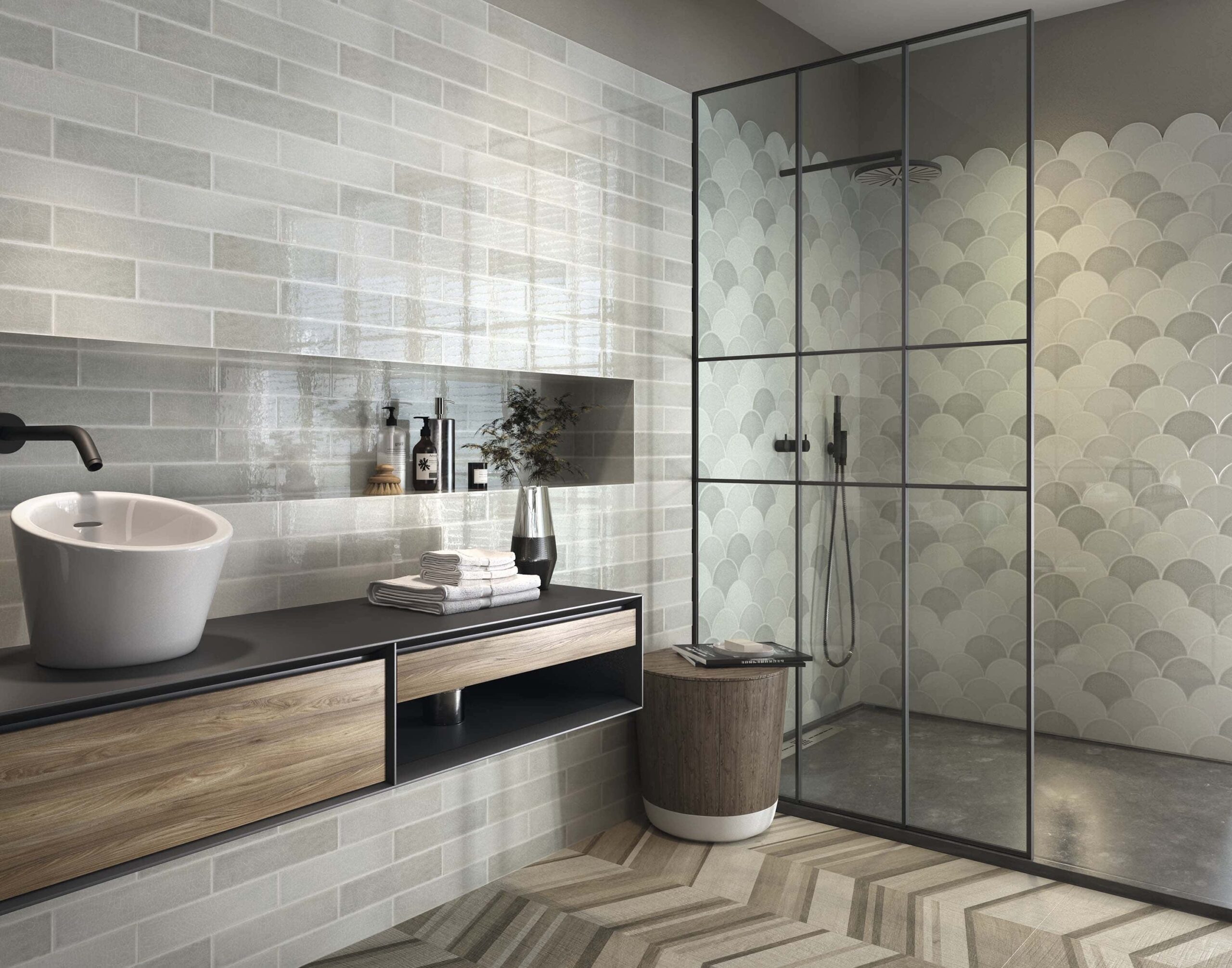
Use timeless materials for permanent surfaces like floors and walls. Neutral tiles, stone looks and simple layouts age better than bold trends.
Trends are best introduced through features that are easier to update, such as tapware, lighting or decorative tiles.
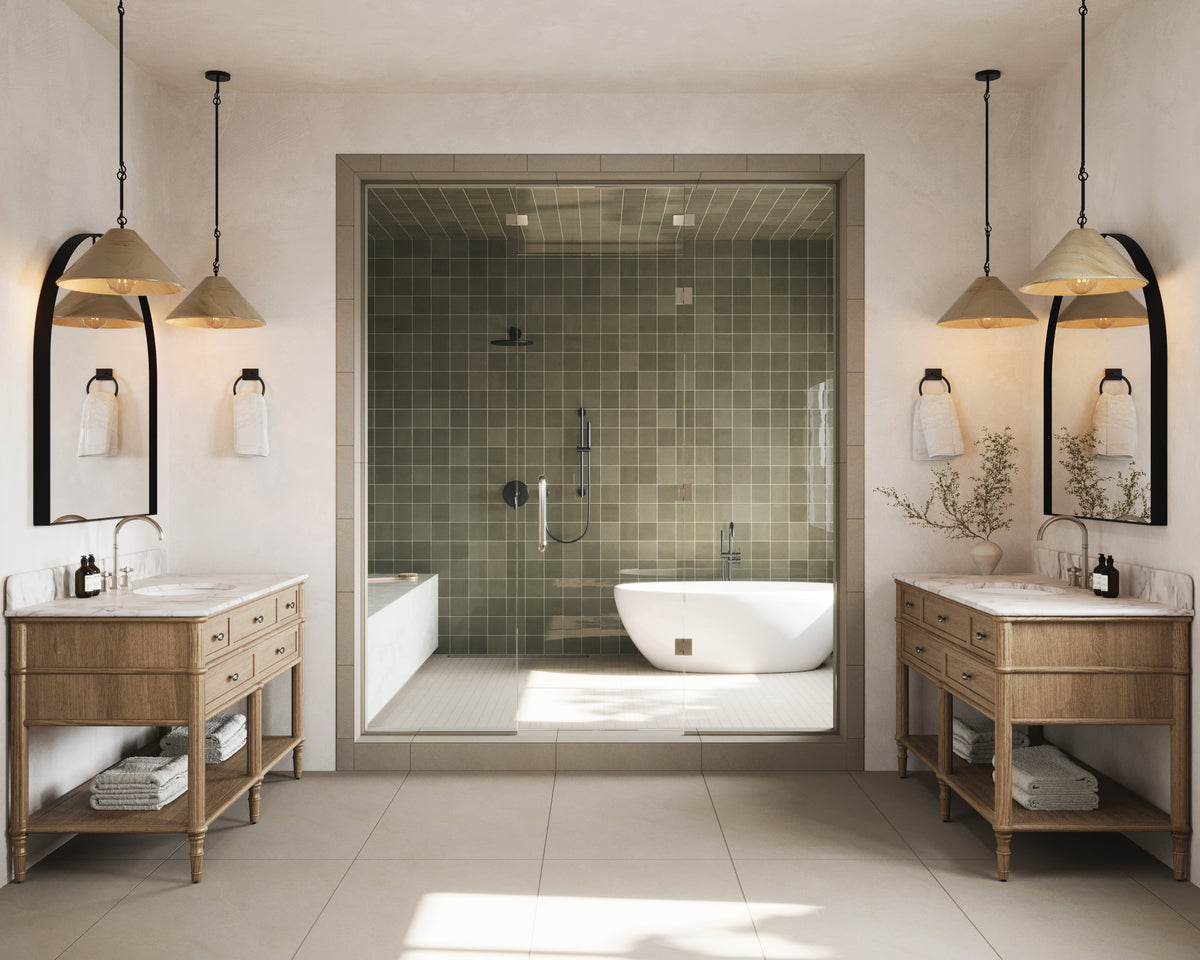
image credit: edward martin
For help finding the right balance, read our guide timeless vs trend: how to choose.
How Long Will the Project Take?
Timelines depend on project size and material availability. Smaller renovations may take a few weeks, while large commercial projects can take several months.
Finalising selections early helps keep timelines realistic and avoids delays during installation.
How Do I Know What the Tiles Will Look Like in My Space?
Tiles can look very different once installed, especially depending on lighting, layout and surrounding finishes. Relying on samples alone can make it hard to visualise the final result.
Using a tile visualiser allows you to see how different tiles will look in your actual space before committing. It helps you compare colours, finishes and layouts with confidence.
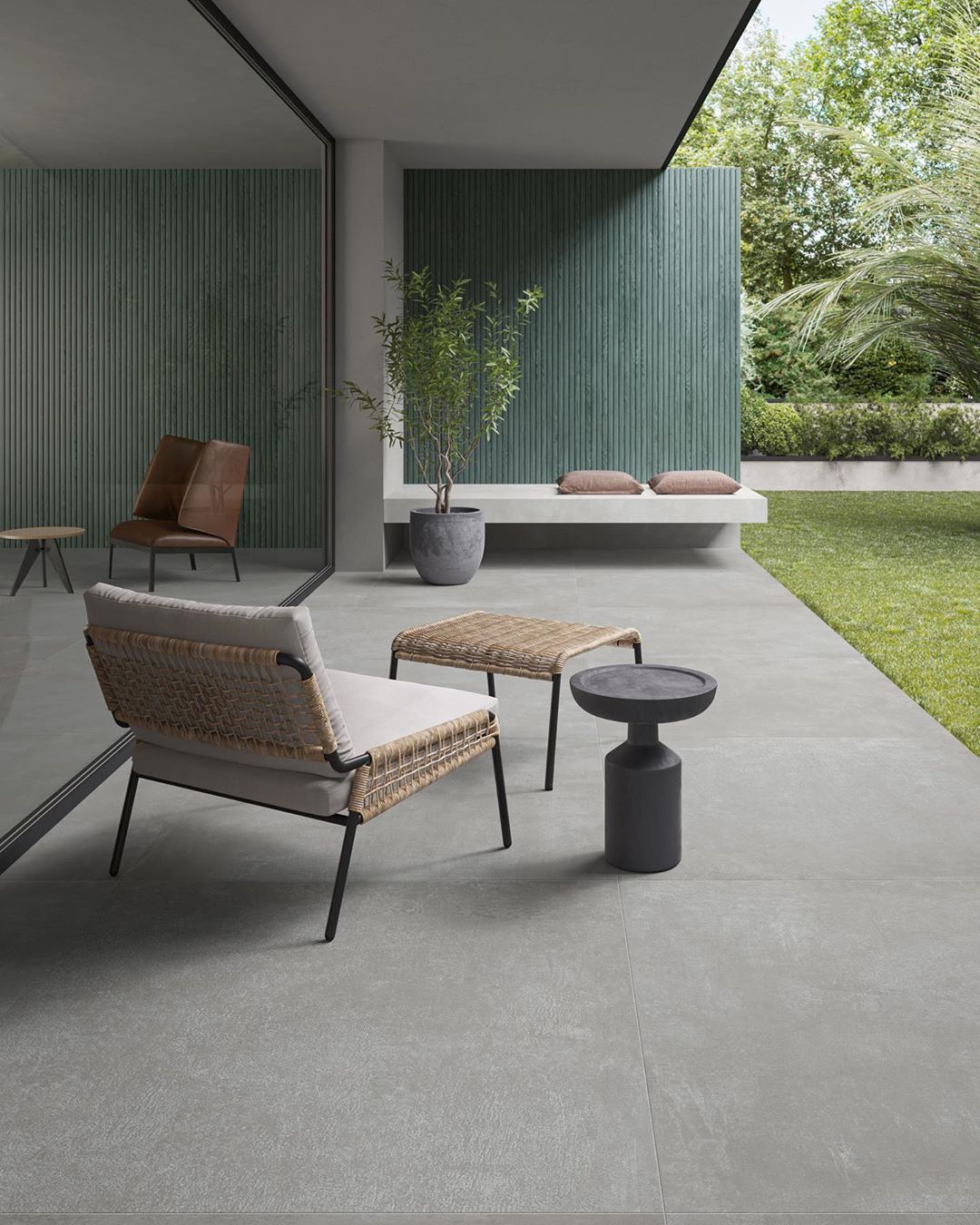
image credit: keope.com
Try our online tile visualiser to preview your space before making a decision.
Do I Need Slip-Resistant Tiles?
Slip-resistant tiles are especially important in wet or busy areas, like bathrooms, kitchens, entryways and all commercial spaces.
Non-slip tiles reduce the risk of accidents and are essential in areas open to customers or heavy foot traffic.

If you’re unsure which tiles work best in each space, read How to Choose Tiles by Room: A Room-by-Room Guide for guidance.
What Should Architects and Designers Consider When Specifying Tiles?
Performance comes first. Slip resistance, durability ratings and maintenance requirements should guide tile selection, especially in commercial environments.
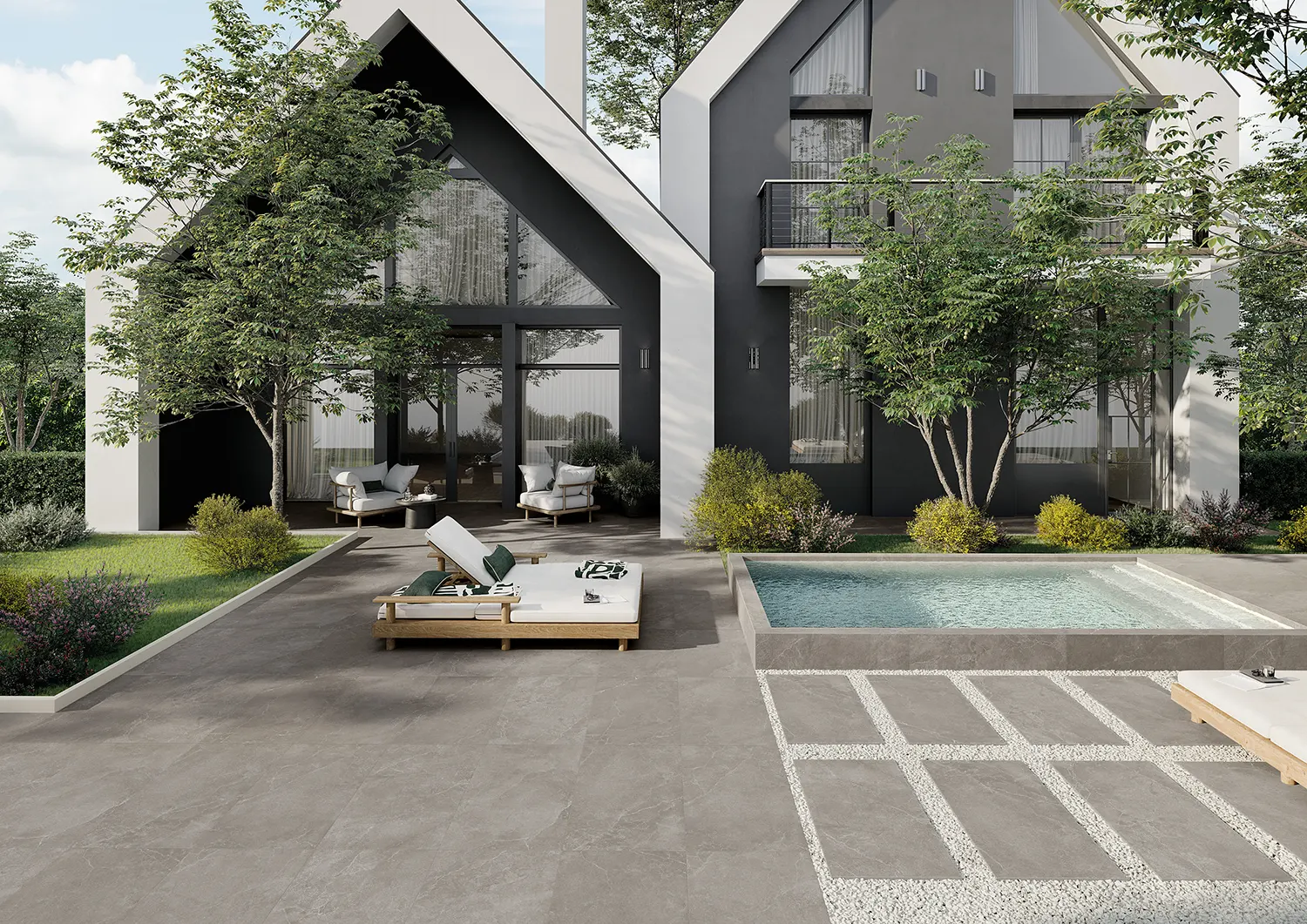
Aesthetic choices should support the function of the space while meeting safety and compliance standards.
What Should I Budget For?
Budget should account for materials, installation and a contingency for unexpected costs. Quality tiles and proper installation may cost more upfront but save money long term by reducing repairs and replacements.
Always prioritise performance and safety over short-term savings.
How Do We Ensure Tile Consistency Across Large Projects?
Ordering all tiles from the same batch is essential for colour and finish consistency. This is especially important for large commercial installations.
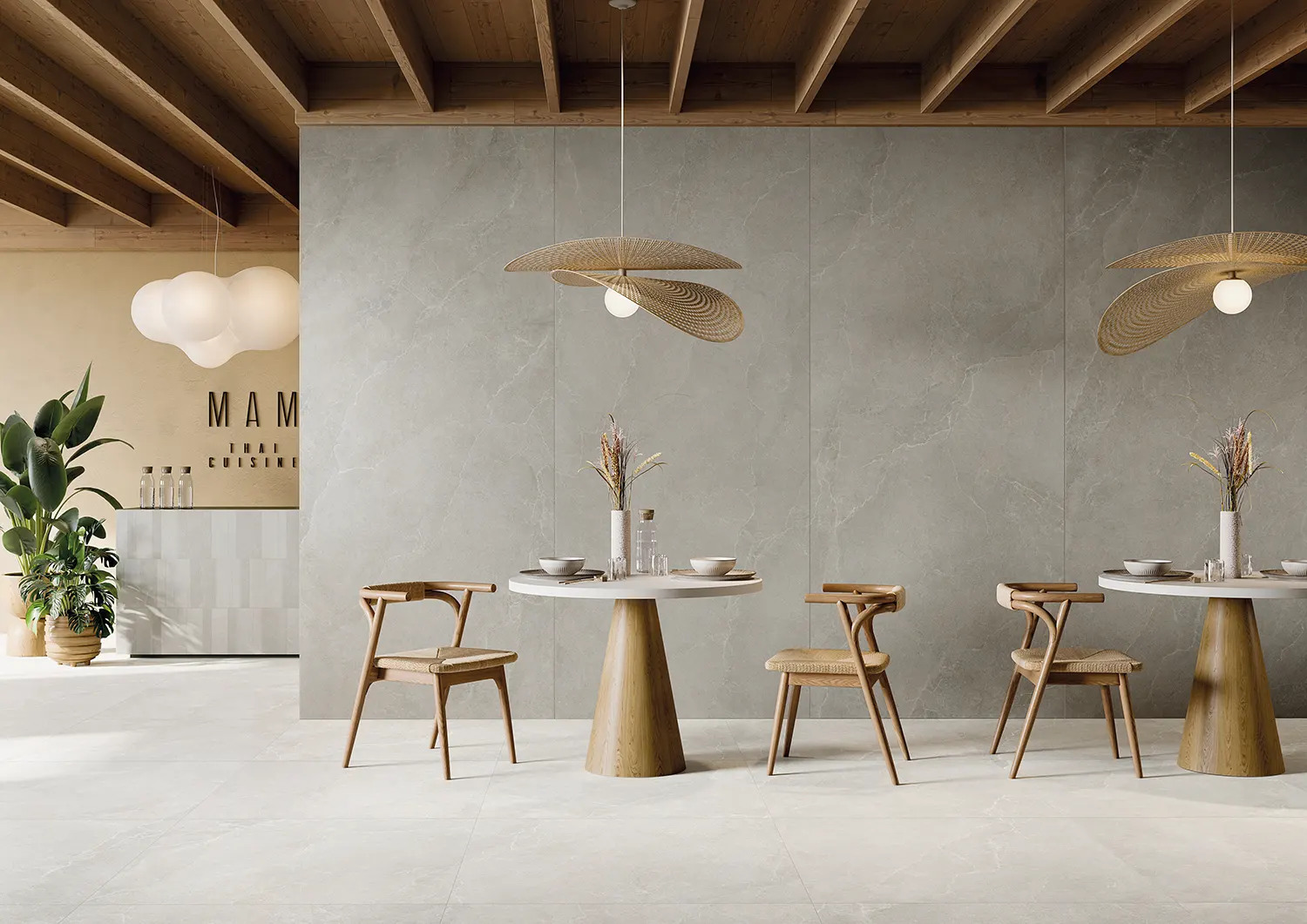
image credit: archiproducts
Ordering extra tiles also helps manage breakages and future repairs without visible differences.
Renovation questions we get asked most often come down to planning, performance and foresight. Whether you’re renovating a home or managing a commercial project, asking the right questions early leads to better outcomes, fewer surprises and spaces that perform long term.
Got a renovation question we didn’t cover? Contact us for expert advice or visit one of our showrooms in Cape Town, Johannesburg or Durban for in-store assistance and inspiration.